
L&D Disrupt · 2026-06-29 · 38 min
Key moments - from our scoring
Substance score
46 / 100
Five dimensions, 20 points each
Costa Coffee has reimagined hospitality and retail as a pathway for lifelong careers by connecting apprenticeships and talent development directly to business strategy. Ruth South, who leads the global learning team, explains how the company uses apprenticeships not just as alternative education but as a strategic workforce tool addressing specific skills gaps - from digital and data capabilities to supply chain and procurement. The organization runs multiple progression pathways: barista to barista maestro, maestro to store manager, and store manager to area manager. Notably, over 50% of Costa's L&D team started in store roles, demonstrating how internal mobility preserves operational knowledge. The company invests heavily in coaching (developing eight qualified coaches through apprenticeships), leadership development via the Game Changers global program sponsored by CEO Philippe, and face-to-face learning through academies across the country. By role-modeling success stories and measuring impact through promotion rates and progression metrics, Costa has created a learning culture where learning drives business success. The approach requires finding internal stakeholders with energy for the mission, building a supportive village, and measuring outcomes rather than just delivering content.
Costa invests in apprenticeships and internal talent programs that create visible pathways from store roles into support center and senior positions, role-modeling success stories and celebrating the range of careers available - from barista to data, digital, supply chain, and procurement roles.
Connect apprenticeship programs to specific business skill needs rather than offering them broadly; Costa used apprenticeships to build digital, data, supply chain, and procurement capabilities by identifying where the business had capability gaps.
Combine face-to-face learning (academies, coaching) with digital content, invest in manager capability to champion learning, create clear pathways for progression, and drip-feed learning content through ongoing communications so learning feels ever-present.
Set clear expectations about what the transition looks like, use buddies and mentors to support the move, communicate both the challenges and prospects, and ensure the investment in development is meaningful and sticky for long-term retention.
Measure learning through business outcomes - promotion rates, progression speed, and consumer impact - rather than course completions; create the table through proactive partnership with business leaders rather than waiting for an invitation.
Our reviewer’s read on each dimension, with quotes from the episode.
A handful of concrete data points and real programme details appear (promotion rates, training volumes, coach numbers), but the majority of the 38 minutes is occupied by standard L&D principles - connect strategy to business, find stakeholders, measure success - with little that a working L&D practitioner hasn't already encountered. The signal-to-filler ratio is modest.
we look at average sort of 40% promotion rate in the first year
140 increase on the number of people we put through coffee training last year versus the year before
The episode recycles widely circulated L&D frameworks - squiggly careers, 'seat at the table,' learning in the flow of work, manager-as-champion - without meaningfully challenging or extending them. The 'barista to boardroom' framing is a tidy positioning device but offers no contrarian or first-principles thinking.
it's about creating that table
Love a squiggly career. Mine's definitely been squiggly
Ruth South is a genuine practitioner with 12 years in L&D and real P&L-adjacent accountability across 1,500+ stores globally - not a career podcast guest. That said, she is a mid-senior functional leader rather than a C-suite executive or widely influential industry figure, which caps the ceiling.
I lead everything in the global learning team, from Coffee, compliance, learning and everything in between
over 50% of our L and D team is. Has started out their journey in store
Usable numbers do appear - 40% first-year promotion rate, 140% uplift in coffee training volume, eight coaches qualified in 15 months, 50% of workforce under 25 - but large stretches of the conversation rely on vague language ('countless examples,' 'fantastic results,' 'great programs') that an operator cannot act on or benchmark against.
we look at average sort of 40% promotion rate in the first year
140 increase on the number of people we put through coffee training last year versus the year before
The host structures questions coherently and moves through relevant L&D territory, but rarely follows up to probe vague claims or push for harder evidence. Assertions like 'countless examples' and unquantified ROI statements pass unchallenged, and no productive disagreement emerges across the full episode.
And as a looking at learning and talent, how have you shifted more into that data driven mindset and how has that come about?
Yeah, absolutely.
Computed from the transcript - who did the talking, and the words that came up most.
In this episode of L&D Disrupt, host Kelsey speaks with Ruth South, who leads Talent Development and Learning at Costa Coffee, about what it really takes to build a learning culture that drives business success and meaningful internal mobility. Ruth explains how Costa invests in apprenticeships, coffee craft, and centrally funded talent pathways that move people from barista to leadership roles , including transitions into the support centre across functions like data, digital, supply chain, and procurement. She shares how the team connects learning strategy to business outcomes, measuring impact through promotion rates and customer metrics like net promoter score, while getting the balance right between digital, face-to-face, and in-the-flow tools like skills cards next to the coffee machine. The conversation also covers leadership development through coaching programs and a CEO-sponsored global talent initiative, ongoing onboarding improvements, the realities of supporting a largely under-25 workforce, and Costa's evolving thinking on AI and the youth employment agenda. Ruth also shares her hot take for L&D teams: stop waiting for a seat at the table, start creating one.
Transcribed and scored by The B2B Podcast Index.
Speaker A: Start creating the table. Don't wait for the business to come to you, be that galvanizer, uh, for change and really showcase how pivotal L and D can be to a business. Just really facing into how incredible a, uh, skill learning and development is and the potential that has for a business. So I think from a learning perspective, we've created this learning culture now where learning is a driver of success. We really want to role model those success stories where people have progressed through the business and we've just got countless examples of how that's happened. Find your people. It takes a village to make these programmes work. For me at Costa, it's been about where are those stakeholders internally that got loads of energy about this subject? Start to build your village and then it's about measuring that success and being proud of it as well.
Speaker B: This is how we learn now.
Speaker C: This episode of L and D Disrupt is brought to you by how now, the learning platform that actually makes learning matter. Because, let's face it, you could push out loads of content, track skills in a spreadsheet, drown in admin and still not know what's working. Or you could use how now to connect your people to the skills they need, deliver learning in the flow of work and prove it's making a difference. That's how modern companies like Depop, Trainline, Crunchyroll, SoEnergy, Forsaven, TomTom, um, Investech and so many more. Do it.
Speaker B: Learn more@gethowno.com hi again, everyone, and welcome back to L and D Disrupt. I am Kelsey, learning and performance lead and co hosting this series of the podcast. So today I'm here with Ruth south from Costa Coffee. Thank you so much for joining us, Ruth. Pleasure for us to have you today. First and foremost, can you tell us a little bit about yourself, about your role at Costa and how you ended up here?
Speaker A: Sure. So, thanks so much for having me, first of all. So, I'm Ruth. I lead the talent development and learning team at Costa Coffee. I've worked in the L and D space for the last 12 years specifically, and, um, my main focus has always been on early careers, apprenticeships, talent development. How do you create that great internal mobility within an organization? So, in my current role, I lead everything in the global learning team, from Coffee, compliance, learning and everything in between, but also including all of our great talent development. That happens globally too.
Speaker B: Yeah. Fantastic. So let's jump right in. I want to get into it. I think that hospitality in retail space, people often think of it as a transient environment. So from your position, especially thinking about that internal mobility, how do you shift that narrative to talk about how it is a great career accelerator and how you can have a long term career in those industries?
Speaker A: Absolutely. I think this is something I'm very passionate about and a, uh, large reason why it's great to be here to shine the light on what is a incredible sector to have a lifelong career. At Costa, we do a number of things, so we invest in apprenticeships. We also invest a lot in our internal talent programs as well. And our ethos is how we move people from being baristas into the boardroom. So through that we've got a number of different programs that we run globally. And in the UK we are a global business now. We're part of the Coca Cola company, so lucky enough to be in over 45 countries I think it is now, and growing all the time. So wherever you go in the world, you'll see us. The talent in Costa and the people is so important though, that consumer experience and how people might join us when they work at university or studying and then they fall in love with the brand, they grow that craft. And for us we've been able to create fantastic mobility from store into support centre because that operational knowledge is so important so that we can take that knowledge, bring it into the centre and then obviously they've got that great grounding into how Costa works. So we had some brilliant success stories over the years. Apprenticeships have done a great thing for us both in store and support centre. And it's really just about celebrating the huge range of roles you can have in hospitality and retail. Everything from data, digital, supply chain procurement, you name it, you can have a career in it.
Speaker B: Yeah, I think that's great, to really invest in that early talent so you can build and keep that knowledge as people grow in their careers. Tell us about some of the talent programs you mentioned. What does that look like and how has that contributed to keeping that early talent as they grow?
Speaker A: Sure. So we invest really heavily in a number of aspects of talent development. First of all, for us, obviously coffee is the course. Building that real specialism in coffee is really important. So not a talent program necessarily, but it's really honing people's craft and that builds skills that are around behaviors around excellence and being really proud of what you're delivering. In terms of programs, we've got a store manager apprenticeship program which is fantastic. We've just launched that recently, which grows talent within our stores. And we also have a number of talent programs that we fund centrally from Costa's perspective to Move people from being baristas into barista maestros, which are our team leaders, uh, barista maestros into store managers and then store managers into area managers. So we've got this whole ecosystem piece of work that goes on to really think about how do we become a truly mobile business in terms of how we move our talent around.
Speaker B: Yeah, that's great. And you mentioned apprenticeships and I know that's something you're really passionate about. So can you tell us a little bit about how you take apprenticeships and, and turn them into really a strategic workforce tool as opposed to this idea that it's alternative education? What does that look like for you?
Speaker A: Sure. When I joined Costa five years ago, it was my main reason for joining and I think that from our ah, store perspective, we've piloted programs in store which have been really successful. We've also looked at how we grow those skills in our support centre as well. So a lot of people wouldn't attribute Costa with digital and data. We have one of the most active loyalty apps in the country actually, so most people don't know know that. But it's been great to grow that data and digital capability through apprenticeship. So instead of it just being, let's do some amazing work in a specific area, let's really dock into where those skills needs are for us as a business. And for us it's been digital data, uh, supply chain procurement, really building that muscle so that we can grow that amazing capability within the business. Yeah, very much. Been a bit of game of two halves looking at our store teams obviously and the great work that we do there. But also looking at how we can bolster that support centre to be as strong as it possibly can be to deal with those capability pieces that we need to focus on.
Speaker B: And as a looking at learning and talent, how have you shifted more into that data driven mindset and how has that come about? When you're talking about your team and developing skills, what does that look like?
Speaker A: Obviously data is the core of everything that every business the decision making. One of our values is passion for progress and you wouldn't naturally attribute data with passion for progress, but it's actually one of the behaviors under that value. For me it's about whatever we're implementing from a learning perspective, really thinking about what's the gap we're trying to solve and what are the measures of success. So through that we're looking at what is the rate of promotion, what's the rate of progression and how do we really start to celebrate the impact that learning can have. One of the many reasons I love working at Costa is, uh, that the work that me and my team do, we can see the impact of that work in our stores every day.
Speaker B: Yeah, absolutely.
Speaker A: Which is fantastic. And I think that proximity to making a difference to people is something that I love working. What I love about working in the sector.
Speaker B: Yeah, that's great. I think when I work with people in L and D teams, a lot of the things I think people struggle with is that connection, as you mentioned, between what you're doing with learning and how that connects to business impact and business outcomes. And how have you found that shift? It sounds like you're really focused on the business part of it, the impact you're having to the business. How did you make sure that was a key part of how your team works?
Speaker A: It's an evolving piece of work. And I think that we talk about L and D having a seat at the table in a lot of conversations. And I think now, as leaders in L and D, it's about creating that table.
Speaker B: Yeah.
Speaker A: So how do we really attribute business success to the impact that we're driving through L and D? And a lot of that's been if we use coffee as an example, really. And again, part of the broader team, bringing people together to learn about coffee and seeing the impact that's having on our consumers. So I think from a learning perspective, we've created this learning culture now where learning is a driver of success and we've seen that impact and we've seen real energy around learning and development as well. So whether it's an apprenticeship or a short course, or you're going into one of our gorgeous academies around the country to learn about coffee or leadership development or coaching, you've got that pathway to succeed and people are really energized about it. And the other thing I say is it's very much about you can't be what you can't see. So we really want to role model those success stories where people have made that move m from working in store to support centre or they've progressed through the business. And, um, we've just got countless examples of how that's happened. So, yes, I think we're on a really exciting journey with learning at Costa, and over the last five years, it's been great to see that evolve.
Speaker B: Yeah, it sounds really exciting. And coming back to apprenticeships for a second, if there are other companies who are thinking about investing in apprenticeships and thinking about how to coach early talent or people trying to grow in their careers, what Would you suggest to them worked well for you? What are things maybe they could avoid to make sure it has the impact they would want?
Speaker A: I would say, first of all, connect your apprenticeship strategy with your business strategy. So you've alluded to this already. Don't just come up with a concept of let's do some apprenticeships and hope for the best, really. And it's so basic. But looking at what are the strategic needs of your business, how can they be filled by this incredible opportunity that apprenticeships provide, obviously for young people, but also for people that are having that squiggle, which I love to talk about. Love a squiggly career. Mine's definitely been squiggly, so big advocate for that. So I'd say think about the strategic connection. Find your people. It takes a village to make these programs work. So, uh, for me, at Costa, it's been about where are those stakeholders internally that have got loads of energy about this subject and galvanizing that energy. So you've got. You start to build your village, and then I think it's about measuring that success and being proud of it as well. I think that the community in the early careers and apprenticeship space is pretty unique. Yeah, we're a very open bunch. So if you go and talk to one of the many groups of individuals that are out there, we're very open in sharing what we're doing and what's working and what's not. Working groups like the Apprenticeship Ambassador Network and, um, I'm part of the St Martin's group, some great groups out there where there is that knowledge sharing that you can get access to. So I'd say if you're stuck, particularly if you're an SME, because you don't have someone who specializes it like Costa has, me, obviously, then do reach out to ask for that support. I would say, though, the benefits outweigh the investment. So whatever you put in, you're going to get back so much more. And it's been great to see the success stories that we've had from Costa through apprenticeship so far.
Speaker B: Yeah, that's great. It's great to have a network like that so you can learn from each other and build off of that. And one of the things you just mentioned was around community. So a lot of the L and D teams I talk to love to talk about a culture of learning and what that looks like in their organization. And it sounds like you probably do have that at Costa and that community might be a part of that. So what do you think it looks like when you said bouncing off other people's energy, asking people, getting that community feeling, what does that look like? And how do you formulate that culture of learning and get people excited about it to build up that energy?
Speaker A: It's a. That's a big question. I think that in a business where we don't just have one head office and everyone's there, we've got 1500 stores that are ours across the UK and gloat, and then you add the global picture in and then you add franchise partners into that picture, it becomes quite a big world out there. I think for us it's about real pride in what the teams do and the brand has such a presence, uh, and a force to be reckoned with. You can't walk anywhere really now without seeing a cost. So for us it's about bringing in that curiosity, that real desire to learn from the very outset of someone joining. It's about clear pathways, it's about investment in face to face learning as well as that digital learning. I think we've get. Getting that balance right has been really important for us because we do have a lot of people that are, um, in the stores serving customers all day. How do you make the learning relevant and in the flow of work too, which I think is where apprenticeships are great.
Speaker B: Yeah, absolutely.
Speaker A: I think it's really as well about growing confidence in managers and investing in leadership, capability to champion and learn, champion learning through their teams as well. So I. It's about, again, going back to that village, it's everyone playing a role in it. It's not up to learning as a central function to do everything in this space. It's about how do we inspire everyone to think, if I make a 1% gain on what I'm doing in a better way, what's the impact on the business going to be and on me going to be as well? So, yeah, it's definitely a journey and yeah, I say we've made great inroads so far.
Speaker B: Um, yeah, that's great. And you mentioned managers. One of the things I talk to L and D teams about a lot is really investing in those managers to support learning and make sure their teams are really invested in it. So how have you invested in managers as well and sort of those leadership skills and what that looks like as a support for everyone in the company, really getting into that learning mindset.
Speaker A: It's been such a big priority. I'm very passionate about leadership development within a separate part of our learning team. We have the leadership and capability team who focus on really growing team effectiveness coaching and that broader management capability that's done through a number of things. So we've gone very big on coaching. Coaching's been a big focus for us, and it's been great because we've been able to utilize the coaching apprenticeship to grow. I think we've got now eight qualified coaches within the business, which has happened over the last sort of 15 months or so, all achieving fantastic results, I have to add as well. So that program's delivered that real coaching muscle within the business that we can drive centrally. But the team have also done a fantastic, fantastic job of growing our own program, which is called Coach Approach, and building those skills in those roles where we know they're out and about in the business and want needing to coach daily in their role. So we've created a real momentum around it. And the team that have led, that have done a fantastic job. I think that's just one example. But broader than that, it's about using tools like Insights and. And other tools like that to really start to get people reflecting on who they are as people. The final thing I'd say is that one of. In part of my role, I run a global talent program called Game Changers, which is our only global talent program. So we bring people from China and the US And Mexico and all around the Costa world, which is really exciting. So true. Diversity in Action is fantastic program. And we use that program to galvanize our senior future leaders, which is sponsored by our CEO Philippe, which is fantastic to have his investment. I know he's very passionate about talent development, as we all are. And it's been great to see how we've created these varying programs depending on where you're at in the organization. So you've always got something to aspire to.
Speaker B: And do you find that really does galvanize people who want to grow and see a future in their career at Costa?
Speaker A: Yeah, I think that I get lots of messages. How do I get on these programs, what season? And I think it's growing that curiosity.
Speaker B: Yeah, absolutely.
Speaker A: Like you've said already, people do see hospitality and retail as a place where you go and work for a bit and then you go on somewhere else. And I think what we've done is we've been able to create careers for life, growing those amazing skills and seeing that progression. I think if I'm not wrong, over 50% of our L and D team is. Has started out their journey in store.
Speaker B: Oh, wow.
Speaker A: So because we've got that internal capability and we've grown amazing Homegrown talent we, we can help to navigate through. How do we help people to unlock that for themselves as well? So it's a great way of giving back.
Speaker B: Yeah, that's great. And you don't lose so much of the knowledge and skills as people come up through it, rather than bringing in new people each time. That's great. And thinking about that curiosity and learning mindset, I want to talk about onboarding a little bit. I think a lot of companies see onboarding as a one, uh, and done. You get through it and then you're off into your role. So how do you approach from day one getting into that learning mindset, seeing. Getting people to be more curious and thinking ahead as to what their careers could look like?
Speaker A: It's something that's a very live challenge for us. We're working on redoing our induction and onboarding process at the moment. So I'm very in that in the throws. For us, it's very much been about in an operational role, really understanding the requirements of working in a store and the responsibility that you have. But also it's about giving people those prospects. So we do a lot of work with store teams around thinking, demonstrating those case studies, like we were saying, really celebrating the impact that you can have at Costa. And we also have looked at how we really lock people into the brand because it's a really exciting brand. Like I say, we're part of the Coca Cola company. That brand presence just gives people that, uh, a lot of people don't know we're owned by Coca Cola, by the way. So it's. I don't. Yeah. So I think it's just the prospects that a brand like Costa gives and Coke give. We've got this incredible opportunity to start sharing those role models. So that happens from the outset as well as investing in people, whether they're joining as a temporary worker over festive, or whether they're working part time. Giving people that investment in themselves and creating a craft and cough making coffee is not easy. I have tried and I've, uh, got people in my team who are far better versed at making it than I am. And it's a real respect for that art form. And I think we're growing, like I said already, we're growing that passion in the brand so that people can then start to pick up, whether it's through LinkedIn or Instagram. The teams have just really celebrate the impact that our learning programs have had. And you can't be what you can't see after all.
Speaker B: Yeah. Of Course, I love that.
Speaker A: Yeah, yeah.
Speaker B: Ah, what does that look like then? Where? Particularly when you have people who are frontline workers or store employees who then grow up through the company and grow in their careers. When they make that shift from store employees into office M based employees, what does that look like and how do you approach learning as they make that shift?
Speaker A: It's a really interesting point because it is a very different environment.
Speaker B: Yeah, exactly.
Speaker A: Very different environment for us. It's about we're a very people centric organization and the people will always be at the heart of whatever we're doing in that space. So it's very much about setting expectations. Buddies I've had probably since I've joined Costa, hundreds of messages from team members saying, how do I get into support center? And then us saying, these are some of the things that you need to be mindful of. So I think it's uh, being clear on the reality of what that looks like and also the prospects that provides. Because as a business we're wanting to grow that talent from within. So we need to make it not just a, uh, let's get some people in jobs. We want it to be sticky, we want it to be meaningful long term. And I think within businesses like ours, we're really lucky that we've got this ready made talent pool. So we need to nurture that talent and look after them. So that investment in those early days and throughout actually is super important. How we make that, how they make that transition, as we call it.
Speaker B: Yeah, yeah, absolutely. And it is a transition. And I think one of the, uh, speaking of transitions, one of the things I've been talking about quite a lot recently is the management transition as well. So when people go from individual contributors shifting into management positions, which is quite different. And how do you approach that as a learning team? Particularly as you mentioned, you have leadership training and programs there. What does that look like as it's a similar type of transition where your role is really fundamentally changing?
Speaker A: Yeah, absolutely. We have different levels in our stores, so the different levels take on slightly different responsibilities. You could have store managers that have 2030 direct reports. That's a lot of responsibility, quite big teams. For us it's about creating those stepping stones to get into those roles. So we've got a number of programs that focus on how you make that shift from barista up to barista Maestro and barista maestro structure, store manager and thinking about the behavioral shifts and the different responsibilities between each. And then similarly in the support center, then it's really about just growing that kind of online library of content that we have, we work with external partners to do that as well. But also just creating that ongoing drumbeat throughout our ah, weekly comms and everything we do that just continues to drip feed that learning content in like I say, creating the table, not just having a seat at it, it's a really just ever present learning content that helps managers really navigate through some of those kind of classic challenges that management and stepping into management provides.
Speaker B: I love all the coffee language, even drip feeding content.
Speaker A: Yeah, I know, sorry, how many puns can you say in a session? Yeah, yeah, it's an occupational hazard.
Speaker B: Yeah. So how do you uh, thinking about early careers folks? So either in stores or in the office, how do you balance the needs of people who are earlier on in their career who need a bit more support and guidance with the needs of the business and upskilling individuals and talent within the business?
Speaker A: So it's really, it's a balance to be met. I think that we've got around 50% of our workforce under the age of 25. Oh wow. So naturally as a business this is a lot of focus on this from a government perspective with the Alan Milburn Review having come out recently. And for us we are really happy that we've got this huge population that are under 25 that we can support. However, we know that with that comes responsibility. So it's really about thinking now. How do we start to outline what the skills are that we're not seeing coming through from young people. So I would say things like just basic human skills. So communication. A lot of people are on their phones and looking at, communicating via phone. But then when you put them in front of customers it's how do we start to give them that confidence to be able to have that communication? So we do a lot of work on that and that's very much in the flow of work. I think it's also about just how do we continue to invest in people throughout their careers as well as early careers. And so it's trying to get that right balance which I think to the store managers and the teams out there do a phenomenal job at that. I think that it's all about just how do we invest in, how do we invest in that capability to make people assess. And I think the management capability piece that we do has a certain to do with that and that success. So.
Speaker B: Yeah, yeah, absolutely. And thinking of those different groups as they're quite distinct, how do you turn all of those into one workforce ecosystem, so to speak?
Speaker A: Yeah, it's yeah, another million dollar question. I think it's something being candid that we're working through.
Speaker B: Yeah.
Speaker A: So I think that what we're looking to do is for our population, what are the opportunities and how do we help people make those squiggles? And just having that, the prospects, the programs, the learning content, just enabling people to either self serve or putting on workshops or lunch and whatever the classic things that we do in learning to help people navigate through what their options are. So whether it's someone who is in store and they want to work in data, how we provide that squiggle into a data career through an apprenticeship, which we've done, whether it's one of our Costa Express engineers that wants to move into a different field, it's creating that pathway and being able to see that and navigate through that. But it is a balance and I think that builds that learning ecosystem and it's as much everyone's responsibility to drive their own career as it is ours in L and D. So I think it's just sharing that accountability and just giving them the tools to do that.
Speaker B: Yeah, definitely. And you mentioned self serve. I have to ask, one of the things I hear from L and D teams a lot is that they really want to encourage that, but they find that their teams either maybe they're time poor or the interest isn't there that curiosity might be missing. How do you get people really interested and self motivated to engage with the self serve offerings? And what does that look like?
Speaker A: It's an ongoing challenge. I'm sure you hear that from everybody. In learning, you can lead a horse to water. It's a, uh, drinking piece that's a bit more challenging. Not another coffee pun. I think for us it's about, it's really working closely with the comms team.
Speaker B: Yeah.
Speaker A: We have this constant debate of is it learning or is it comms? Because there sometimes is a bit of a fine line between the two. Definitely for us it's about thinking where is the motivation to connect with. So one of the great examples, piece of work that we've just done is building a library of coffee education content. So 12 modules, which brings to life the whole coffee journey, which when I joined Costa, I had no appreciation. I thought it was brown liquid and that's it. But actually you go back to where it's grown and it starts as a cherry. And that whole journey going back to the piece I say about pride in our product, we know that there's a real responsibility for us all as brand advocates to understand that product so the team have done a phenomenal job partnering with our coffee masters and our master of Coffee to build this incredible series. And we're seeing so much engagement, thousands of hits on that content because it's hit a note because people are, uh, wanting to understand how do we roast our coffee, what is the brewing process? And it's just trying to hit on that note where it's a capability we want to lean into, but it's also a real area of passion because people want to understand more about it so that they can have really articulate conversations with our customers as well. And even for me and for people in Support centre, we all want to immerse ourselves in what has made Costa as famous as it is for having amazing coffee. Yes, it's just one of the examples that we've worked on where it's, where's the kind of opportunity and how do we hit a note that feels like it's resonated?
Speaker B: Yeah, I always use the leading the horse to water analogy and also that you have to put the carrot there to get them to actually move forward on their own. One of the things a lot of people talk about is learning in the flow of work. And I imagine particularly when you're working in a store, there's so many things you need to learn and need to learn quickly. And even in the office as well. In office based roles, there's lots of things you need to know as you go. So are there opportunities there where you can learn quick? You mentioned you have this content library of all kinds of coffee information. Probably I know nothing about any of it. But what does that look like when people need to learn quite rapidly on the job?
Speaker A: We are, uh, looking at this constantly because one of the things that people might not know about retail and hospitality is that we work within a labor model. So every second of what happens in a store is looked at and for us, that efficiency, ensuring that we're serving our customers our products and, and speediest way, but ensuring quality is really important. One of the examples that we've looked at recently, one of my amazing team has developed some core skills cards. So next to the coffee machine you've got these really great little laminated cards that just give you those coaching moments to think, have I made that just giving you those little prompts, have I made that cappuccino with the right amount of texture, all of those little things so people can pick them up. So it's about having that digital content, but it's also still about having that physical reference guide that You've got. Got one example of that. I think there's countless. I think apprenticeships give you the best opportunity to really integrate learning into the flow of work. If you're doing an apprenticeship, it should absolutely be connected with your day job. That is the point of the programs. I think that what we've been able to do across a number of the programs that we run across the business is really be able to hone in on the skills that people are learning and being able to put them into practice straight away. So for me, that's a. A massive win. It's a massive win for the team members as well and we're growing that incredible capability at the same time.
Speaker B: Yeah, that's great. And thinking about, we mentioned this earlier, but thinking about how you connect this to business and ROI in the business, it sounds like you have a really robust learning program across the business at Costa, but how do you really make sure that it's connected to business priorities and especially the learning opportunities from early careers all the way up into more senior and leadership type of roles really connect to what business priorities are and how do you then see what that ROI is and show that there's different
Speaker A: ways we do that. For store, one of the big measures that we look at is our net promoter score. We get that feedback from consumers and customers that come in and really looking at the correlation between whether those people are on apprenticeships and if that's increased as a result of perhaps the fact that they're on those programs. So we do have this real kind of ring fenced, amazing data learning dashboard as well that shows how many people have been on program, what the success stories are. We put, I think we put, you know, 100, it was 140 increase on the number of people we put through coffee training last year versus the year before. We've really upped the ante in that space. For us, it's very much about looking at the reality of the impact that we're having on the bottom line. From a support centre perspective and again in store as well. We look at progression, rates of progression through our programs. Programs. We look at average sort of 40% promotion rate in the first year. So really driving that, growing our internal talent, but also making sure that from a customer perspective, it's hitting the right note too. That's great. That's great. Both win, win, win. Yeah, absolutely. Yeah.
Speaker B: I think it's something that a lot of teams struggle with, particularly as they're trying to report upwards. I know a lot of L and D teams are really thinking about how can they show their value. So do you have any advice for teams out there who are not quite there yet, but looking to how they can really show the value of what they're doing?
Speaker A: It's really dependent on the sector. Uh, I think for me, and my background is professional services and technology, so it's very different there. Uh, demonstrating the impact, I would say, think about, again, going back to that strategic piece. Think about the big business drivers, what, what the business is trying to drive and really map what you're doing to that. So another example, we've launched a program around negotiation skills globally, which has been great with a provider and really looking at what difference is that making to our, uh, ongoing conversations that we're having, or what's the impact? What is that delivering? It's an investment. What is it delivering? I think it's always about questioning from the outset, almost doing your pre. Mortem. What are going to be the big success factors of this project, if you predict them, and then that will help you sell that investment in as well at the outset?
Speaker B: Uh, yeah, absolutely, absolutely. So what do you think, uh, is the next frontier for learning at Costa? What are the things you're thinking about in the years to come? What are your sort of priorities as you continue to build out your programs?
Speaker A: You could probably guess the first one, which I'm going to say, which is AI. Everyone's saying AI and how AI can really complement the way that we work. So that's definitely a big priority. Data and digital will continue to be a big priority for us. I think the other thing that's coming through at the moment, particularly in my agenda, is the youth employment agenda, which is a bit of, um, me traditional L and D, maybe a bit on the outskirts, but it's something that does sit within my role and thinking about the role and responsibilities that we play to help young people, particularly move from being not in employment, education and training, which we know, we've got a million people in the uk, sadly, at the moment.
Speaker B: Yeah.
Speaker A: How do we make that pathway into employment better for them?
Speaker B: Yeah, absolutely.
Speaker A: And I think that for us, the prospects, as I've said already a few times, that our, uh, sector provides just give us a great window to be able to make a difference to more young people. We already have a great 50 of our workforce in that space, but how can we do more there as well?
Speaker B: Yeah.
Speaker A: And I think it's just evolving the culture, like you've said. We've. We've still got lots of room to grow in learning I think what we've done already has been fantastic. And all credit to it's a broader team. Just to say is there's three of us that lead on the L and D side of things. So my world is quite niche. And then we've got leadership and then the guys and girls that do our core skills training in the academy. So it's a big team effort. And we actually won, uh, an internal award for our work that we did last year, which was fantastic. So we got a Costa Stars Award, which is always lovely to get that recognition as well. So still lots to do, but I think it's just continuing to champion face to face learning, learning in the flow of work and also empowering our team members to think the sky's the limit in terms of a career at Costa.
Speaker B: Sure. I have to ask, since you brought it up.
Speaker A: Okay.
Speaker B: What is your AI philosophy for learning and development? And to your second point, especially with the focus on early careers and people who are new to entering the workforce, and your focus on enabling people to grow within the company as an L and D team, how are you approaching AI? What does that look like? What's your general philosophy on the subject?
Speaker A: AI for us will be looking at how we can make life easier for our team members. So there's some work going on at the moment around that and looking at how it becomes just part of our DNA, uh, in terms of how we work and making those in the support centers lives easier as well. So I think that's the way it's about complementing our existing practices, making things more efficient more than it's. We're gonna drastically change, uh, based on the sector we're in. We are keeping an eye obviously on everything that's going on in the more in the technology sectors and the broader side. I think for us it's about, for retail and hospitality. What does that mean for early careers? I think it's again, it's again, I go back to the point of how do we support young people to have the skills that businesses are going to need in the future? So I'd look to really start to influence multiple early educational sectors to go. How do we start to implement that AI learning and almost fluency from a school age, so that by the time they hit us, they've already got those skills that we can then utilize. So I think it's a bit of an influencing piece as well as a, uh, how do we galvanize AI within Costa as well at the same time?
Speaker B: Yeah, I think those early years, understanding what AI is can and can't do and what are the risks? What are the benefits? From an early age helps people think more critically about it. But thinking about people who are just coming into their careers, how do you intend to balance needing that foundational knowledge that's more of the human side of things with implementing AI in the business and in the workforce, yeah, it's going
Speaker A: to be a balance and I think that probably the generation that's coming through are going to be far more savvy around this than some of other people need from say names. So I think it's using their intel knowledge to continue to galvanize that as we've got such a big proportion of Gen Gen Z within Costa already. I think for me though, in a sector that relies so heavily on that human interaction, having those incredible customer facing skills, being able to greet customers and be really personable and that emotional intelligence is something that's always going to be important to us as a brand and I think that we just need to temper that with the benefits of AI as well. So it's going to be a balance. But again, I haven't quite got that crack yet. If anyone has answers on a postcard, love to hear it.
Speaker B: Yeah, not to age myself, but I think I was the last generation to grow up without technology in your hands all the time. So it is amazing what they can do. Definitely. I do like to ask people for your hot takes on what L and D teams should start doing and what they should stop doing.
Speaker A: I think so. Probably said this already. Start creating the table. Don't wait for the business to come to you. Be that galvanizer for change and really showcase how pivotal lnd can be to a business. That's definitely been what I've learned particularly over the last 18 months as my roles change quite recently. So I think for me just really facing into how, how incredible a, ah, skill learning and development is and the potential that has for a business and then I'd say stop again. It's probably going to be putting all your content online and expecting everyone to go to it. You've mentioned this already. I think really thinking closely about that engagement plan and thinking about the face to face benefits of learning, particularly for young people, but for everybody and how you can create that space for learning in different environments to suit different people, different generations and different, different behaviors, different perspectives.
Speaker B: Yeah, definitely. Before we wrap up, is there any other advice you'd want to give to our listeners to really see the impact of their L and D teams and how they can show up for the people in their business and make sure they're hitting those business objectives.
Speaker A: I would say that as a community, just getting really familiar with what's going on in the world of learning outside of your business, the outside in, we all become quite focused on what's going on in our space. But I think the beauty of working in a sector, uh, and an environment like we do is that you've got that real opportunity to learn from others and inevitably someone will have tried the thing that you're thinking about doing. I'd always say it takes a village to make a difference in this space and using that network would be, would be definitely my advice.
Speaker B: Brilliant. Thanks so much, Ruth, for joining us. It's been lovely speaking with you and for everyone. I hope you enjoyed learning from Ruth as much as I did. So thanks for joining us and we will see you on the next episode of L and D Disrupt.
Speaker C: This episode of L and D Disrupt is brought to you by how now the learning platform that actually makes learning matters. Because, let's face it, you could push out loads of content, track skills in a spreadsheet, drown in admin and still not know what's working. Or you could use how now to connect your people to the skills they need, deliver learning in the flow of work and prove it's making a difference. That's how modern companies like Depop, Trainline, Crunchyroll, Sew Energy, Forsaven, TomTom, Investec and so many more do it. Learn more at gethowno. Com.
Other episodes covering the same guests and topics, from across The B2B Podcast Index.
 The Truth About Hiring in 2026 (What Every Leader Needs to Know) w/LHH's Alex Ridder, Chicago Recruiting's Ravi Subramanian and Bamboo HR's Brandon WelchYour Work Friends · on internal mobility86 / 100
 Stop Being the Expensive CourierThe Velocity Executive · on Talent development81 / 100
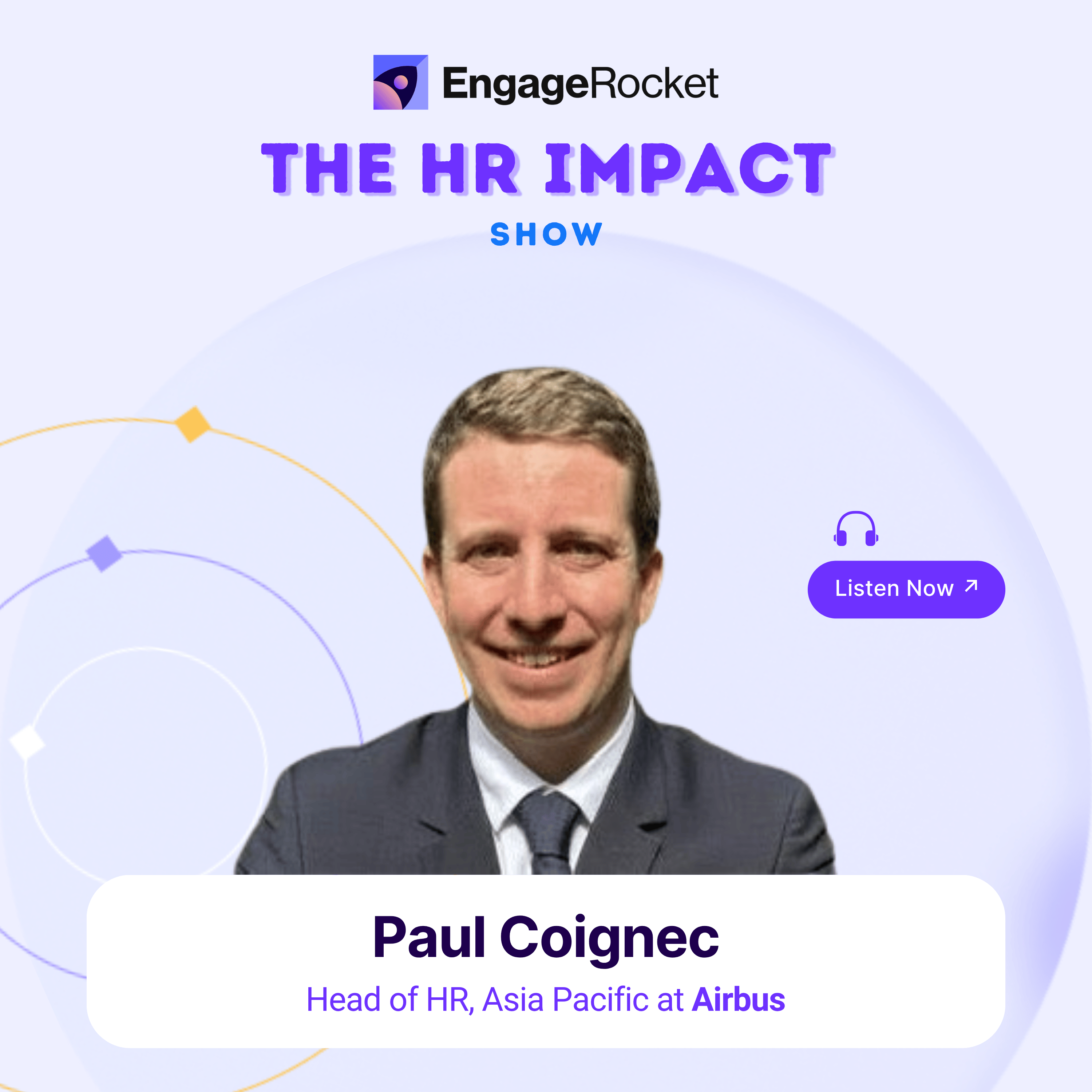 From Complexity to Empowerment: Airbus’ Approach to Decentralized Leadership: Paul Coignec (Head of HR, APAC at Airbus)The HR Impact Show · on internal mobility81 / 100
 46: From Olympic Gold to Consulting Firm Founder with Adrian MoorhouseThe Consulting Growth Podcast · on Talent development80 / 100
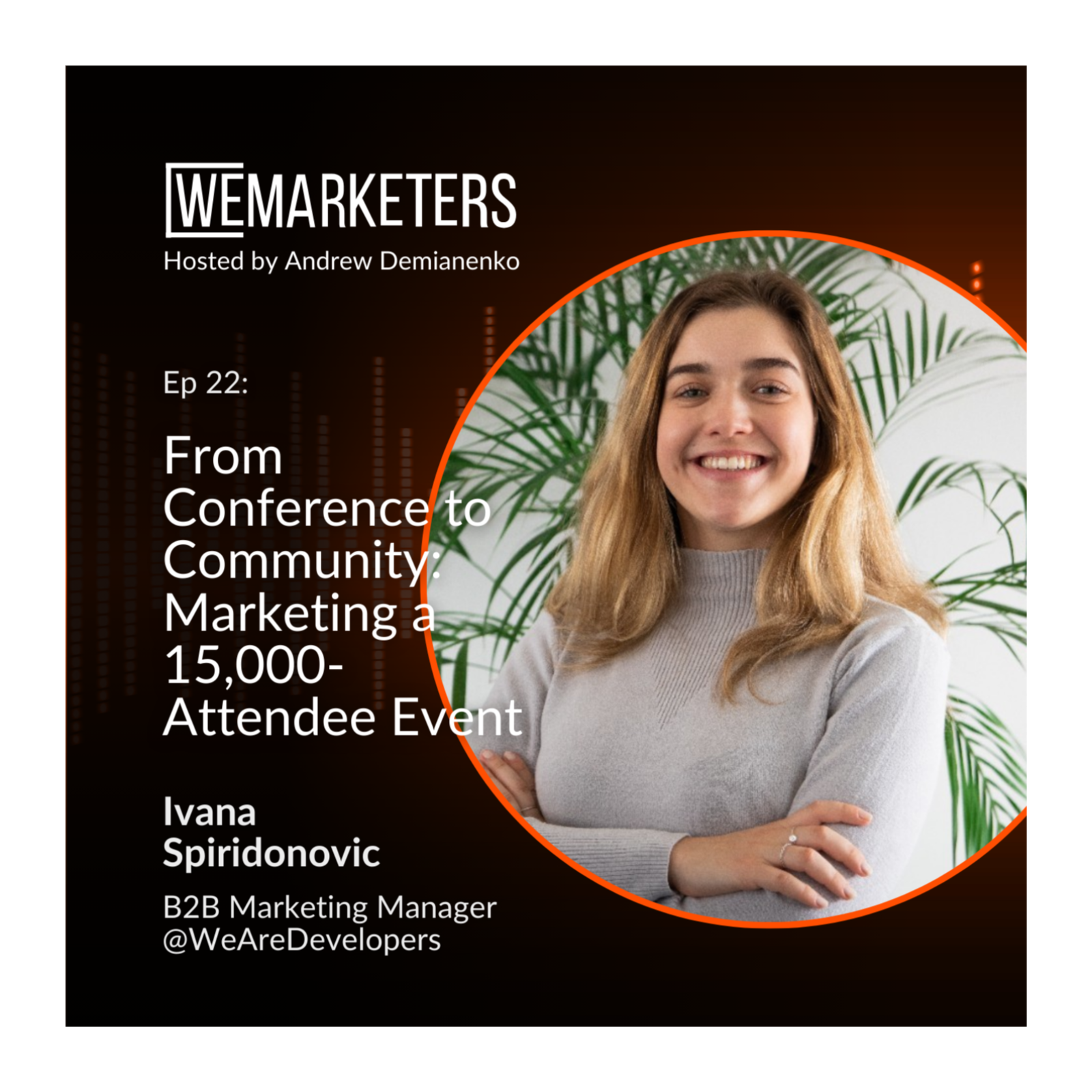 From Conference to Community: Marketing a 15,000-Attendee EventWeMarketers Podcast · on internal mobility80 / 100
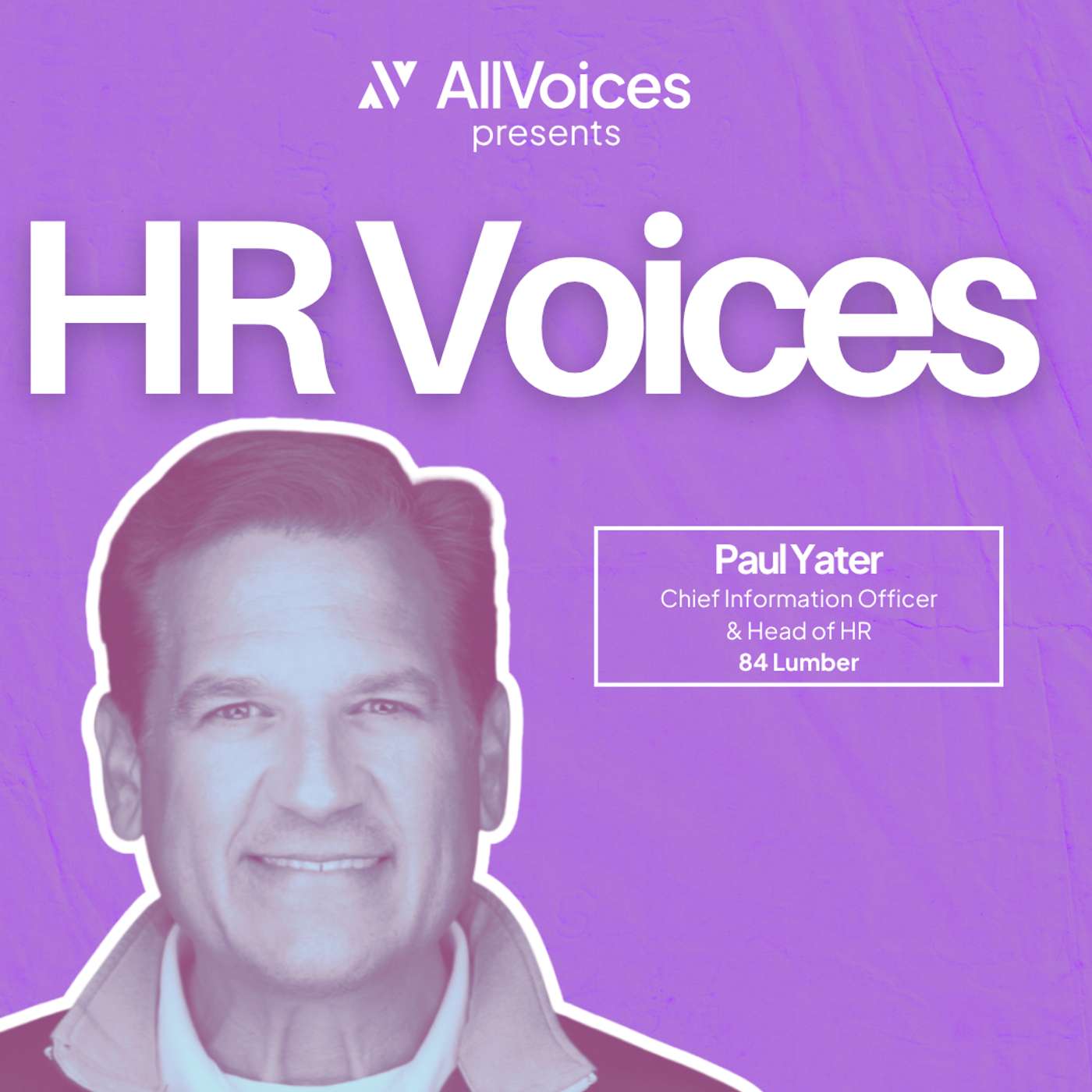 The Talent Engine No Software Can ReplicateHR Voices · on internal mobility77 / 100How to Build Capability Frameworks, Prove L&D ROI, and Scale Mentorship | L&D Disrupt | Episode 102Unlocking Potential: The Power of L&D in Business Outcomes | L&D Disrupt | Episode 101Inside L&D teams that get results | L&D Disrupt | Episode 100 L&D Disrupt Live: What will actually matter in L&D in 2026? | L&D Disrupt | Episode 99 Shaping the Future of Organisational Learning | L&D Disrupt | Episode 98