Inspiring Women PodCast with Betty Collins · 2023-08-16
Key moments - from our scoring
Substance score
40 / 100
Five dimensions, 20 points each
Suzanne Kianpour, an Emmy-nominated BBC journalist with over a decade of experience in television, radio, and digital journalism, joins Betty Collins to discuss her front-row seat to history and her mission to elevate women's voices globally. Kianpour has covered breaking news from war zones to Washington, securing exclusive interviews with figures like the Iranian Foreign Minister, Secretary of State Mike Pompeo, and President Obama. Her work encompasses the BBC series "Women Building Peace," which connects high-profile women like Hillary Clinton with women in conflict zones such as Afghanistan, and a current project examining women's hidden power in Middle Eastern politics - a region where she challenges the Western narrative of female suppression. The conversation explores the importance of maintaining journalistic integrity and putting "people over politics" in an era of declining trust in media. Kianpour reflects on her experience as a BBC correspondent covering America from an outsider's perspective, the competitive landscape for women in international journalism, and the critical difference between performative "women empowerment" on stage and authentic mentorship off-stage. Her insights are valuable for B2B leaders, nonprofit directors, and anyone interested in global women's leadership, journalistic ethics, and the intersectionality of media, politics, and social change.
It connects high-profile women like Hillary Clinton with women in conflict zones like Afghanistan to highlight overlooked stories of women's roles in peace-building and conflict resolution.
She argues women don't need empowerment - they already have power - and that the real need is to provide spotlight and platform for women's existing influence rather than framing them as requiring rescue.
She is working on a project examining the hidden power and politics of women in the Middle East, challenging Western misconceptions that women in the region are simply suppressed.
She emphasizes that mentorship must translate from stage speeches into real off-stage action and follow-up; women leaders must be authentic and actually support younger women who approach them for guidance.
Having covered America through a foreigner's lens for the BBC and now living in the Middle East, she brings an outsider's view to American politics and global affairs, revealing how America's position in the world has declined relative to China.
Our reviewer’s read on each dimension, with quotes from the episode.
The episode is dominated by biographical anecdotes and conversational padding rather than substantive insights. While Suzanne shares interesting stories (elevator stakeout, Geneva negotiations), she rarely extracts actionable principles or novel frameworks that a B2B operator would learn. Most claims are intuitive (women need representation, media needs integrity) without depth or evidence-backed reasoning.
women don't need empowerment, women are power, we just need spotlight on women in power
a revolution doesn't mean you have to have 100,000 people in the streets rather, a revolution can be something that you're doing on your own internally
The episode recycles well-worn talking points about women's empowerment, women supporting women, and media integrity without fresh angles or counterintuitive arguments. The 'women don't need empowerment' reframe is a mild twist, but the underlying thesis - that women are underrepresented and need platforms - is standard fare in this space. No contrarian or first-principles thinking emerges.
women supporting women
leaning in, we hear about confidence codes, we hear about knowing your value. These are all catchphrases
Suzanne Kianpour is a credible practitioner with genuine operating experience: Emmy-nominated journalist, BBC correspondent covering war zones and major geopolitical events, direct access to high-level figures (Kerry, Clinton, Iranian Foreign Minister). However, she is primarily a journalist and storyteller rather than a B2B operator, founder, or business leader, limiting her relevance to the target B2B audience on business operations, scaling, or commercial decision-making.
she's been an anchor over a decade of experience in TV and radio digital journalism and she's working on the front lines of some of the world's biggest breaking news stories
she's been in over 60 countries and she's shuttling from war zones to Washington
The episode includes concrete details about Suzanne's work (60+ countries, BBC projects, specific names like Kim Ratas and Javad Zarif, Iran nuclear deal, elevator stakeout) but lacks business-relevant data, metrics, or quantified outcomes. The anecdotes are vivid but often serve entertainment rather than illustrating broader principles. No numbers on audience reach, project impact, budget, timeline, or measurable results are provided.
I missed my birthday party in 2013 because John Kerry was my ride home back to Washington and I was stuck in Geneva because John Kerry was in the diplomatic negotiating room with the UM P5 plus one members
I was on, I was front row seat to Hillary Clinton losing the presidential election in 2016 because I was traveling with her, uh, covering her presidential campaign
Betty Collins asks mostly soft, affirming questions and frequently interrupts with her own commentary rather than pressing for depth or challenging claims. Follow-ups are rare and typically pivot to new anecdotes rather than probing the guest's assertions. The host rarely pushes back or requests specifics, allowing vague statements ('hidden power,' 'lessons we can learn') to pass unchallenged. The conversation feels more like mutual admiration than rigorous dialogue.
I am here to, to help inspire you to a positive step forward for a better life
I really am in awe of your work and just the impact that you have
Computed from the transcript - who did the talking, and the words that came up most.
Beyond the Headlines: Unveiling the Hidden Power of Women with BBC’s Suzanne Kianpour (Inspiring Women, Episode 60) "Women don't need empowerment. Women are power. We just need a spotlight on women in power." Hear the BBC's Suzanne Kianpour as she speaks with Inspiring Women host Betty Collins on her experiences as a woman in a […]
Transcribed and scored by The B2B Podcast Index.
Speaker A: Has anyone ever inspired you to change your life that made you more fulfilled? Well, as a leader in your business and in your community, what are those questions that you ask yourself on a daily basis? It's these questions that we explore on Inspiring Women. I am your host, Betty Collins, and I'm a certified public accountant, a uh, business owner and a community leader who partners with others who want to achieve remarkable results for themselves and their organizations. I am here to, to help inspire you to a positive step forward for a better life. So today on Inspiring Women. This is a very exciting podcast for me. Um, this is really kind of strange. In 2023, year five of doing podcasts that I've had really, ah, someone internationally known and has a business outside of the US and then I have this amazing woman, Suzanne Kianopour today and she is an M. Emmy nominated journalist and she travels all over the world. I mean you're gonna hear some of her story. It's pretty cool. But, uh, she's been an anchor over a decade of experience in TV and radio digital journalism and she's working on the front lines of some of the world's biggest breaking news stories. As we know, those are so prevalent today, Landing some high profile, exclusive interviews and providing insight and analysis on leading political, foreign policies and security issues. I mean that in itself is a lot of hot topic right there.
Speaker B: Right?
Speaker A: But, um, she spe, you know, again in foreign affairs, public journalists. She's been in over 60 countries and she's shuttling from war zones to Washington, from Helman to heels. It's kind of an amazing, um, you got to look her up on the web because you'll find some cool stories and great interviews. She's landed some multiple high profile exclusive interviews, including the Iranian foreign minister, uh, Trump's lawyer, as we've all heard about in the news these days, Michael Cohen and President Obama post the Iran nuclear deal. Um, her BBC film, America's Place in the World features her exclusive sit downs with some names you would know like Secretary of State Mike Pompeo, Senator, um, Mitt Romney, the Australian Prime Minister Kevin Rudd. I mean these are big, big people. So she was born and raised in Atlanta, Georgia with a Persian and Sicilian background. She's fluent in quite a few languages and she um, has to be because of where she lands from for the BBC. She's a graduate of Emory University, where she studied both abroad at Oxford University and attended Georgetown University post grad. So welcome today, Suzanne, and thank you so much for being with this. I really am in awe of your work and just the impact that you have. Um, and I want to have a conversation about those things, uh, especially with the world we live in today and your impact on the international stage, especially for women. Um, I know that in the U.S. you know, we get very wrapped up in the empowerment of women and opportunity or lack thereof. Um, and sometimes we feel we've come a long way and sometimes we feel we've got a long way to go. But you've really seen the side of what other, you know, what women face in other nations. So let's get started and just give me a two minute bio, you know, a little bit about just something about you and why you're back, you're back in the US this week.
Speaker B: Well, thank you so much for that introduction. I'm really happy to be able to discuss this topic of women and power with you as it's dominating most of my work these days. And it is a topic that became front of mine while I was shuttling Washington and war zones, as you said. Uh, mainly because these, the stories of these women were not at the time. And this is, this is about almost a decade ago now when I was really in the war zones, when ISIS was chopping heads off in the Middle east grimly. Um, um, and I noticed that these stories of these women were not, uh, really making headlines. Um, and so slowly but surely throughout my work I have made it a priority to highlight the stories of women. And I started my BBC series, Women Building Peace, which is all about women and conflict and connecting high profile women like Hillary Clinton with women in conflict zones like Afghanistan. Uh, and this week I am in Washington for the White House Correspondents Dinner, which used to be just a dinner on Saturday night of correspondents and the President roasting the press. Uh, but now in recent years it's become White House Correspondents Dinner week, where there are loads of events surrounding the, the dinner itself. And actually on Friday, I'm going to be attending a event hosted by Elle magazine, which is all about women of impact. And so I've seen even in this little ecosystem, which is really a uniquely Washington bubble event, um, but I've seen the highlighting of women and our work. Uh, and I think often we hear the words women empowerment. And I like to push back on that and say women don't need empowerment, women are power, we just need spotlight on women in power. And I've been commuting between DC and Dubai, casual 14 hour commute. Come to me for travel tips. I've got them all now. And part of that is because I am working on a project that looks at the hidden power and politics of women in the Middle east, uh, which, funny enough, this recent exchange that I had in Washington with a congressman, uh, very much solidified why I'm doing this work. I mentioned to him that I was working on this, and he said, oh, women in power in the Middle east, that's kind of an oxymoron. I mean, can women even drive? Which, um, is a very tired view of the region. But also further illustrates how important it is to tell these stories right now. Because, as you say, women in America especially, we feel like we've come such a long way. But ironically, being in the Middle East, I'm looking back at myself and my fellow American women with a completely different perspective and realizing how far we behind we still actually are. And again, paradoxically, what kinds of lessons we can learn from women in the Middle east, which is traditionally from a Western perspective. We've looked back and thought, oh, women in that region are suppressed. When. Look, um, at the women of Iran, I would say, yes, they've been attempting to be suppressed and oppressed. And it's not working. Right?
Speaker A: Right. Well, I know when I, um. You know, we see you on video clips or on screen, and it looks so simple. Right. Laugh out loud, of course. But in reality, I mean, you're traveling. You are called in the middle of the night for deployment. Right. Or you're covering tragedy and maybe hopefully more triumph. And you're crisscrossing not just the US but the world. And it's gotta be tough, but you have a front row seat at so many things. Um, and when we talked about this interview even, and getting you scheduled, it was kind of hard to do. And at one point, you emailed me, you said, I will get to you, but I'm in the middle of a woman's revolution. And so I just. That grabbed me, you know, and I thought, man, I've got to hear some of it, but can you talk a little bit about the front seat? Like you're on that edge? Um, you know, you're sitting here watching a revolution. What is it like to be on that front seat? I'm sure it's beyond that. That is exhausting. But tell us about that. I've been.
Speaker B: I've been so lucky, frankly, to have been in the front seat of history unfolding throughout the decade in my career. I mean, some of. Some of the more surreal ones were, uh, actually, I missed my birthday party in 2013 because John Kerry was my ride home back to Washington. And I was stuck in Geneva because John Kerry, AKA my ride home was in the diplomatic negotiating room with the UM P5 plus one members and they were coming up with the interim Iran, interim nuclear deal. And so at least I got a good news story for my birthday. If I m missed my birthday party, at least I got a good news story because after months of negotiations they finally came up with a framework and it was a big deal because I was quite literally in that front row seat. Literally I was in the front row of the press conference where the Iranian Foreign Minister and the American Secretary of State together on stage. Two countries who are technically at uh, war with each other, do not have diplomatic relationships, formally announced a um, you know, a framework that led to an eventual nuclear deal. Um, and that was just one of many I was on, I was front row seat to Hillary Clinton losing the presidential election in 2016 because I was traveling with her, uh, covering her presidential campaign. Uh, you know, right now I'm uh, in Dubai, uh, for a lot of the time and I'm 70km from Iran where we're seeing the first woman led revolution. And that's about as close as we're going to get on because we can't be on the ground as Western journalists are not allowing us in. And so it's been wild. It's been wild. But also I think as journalists when we're in those positions, it's really important to recognize the gravity of our job because we are quite literally the first draft of history.
Speaker A: Right, well that's a great segue into um, because I'm just had all kinds of different questions and this is my next one. So it's kind of, that's a great segue. You know, I read uh, on your website and it's putting people over politics to keep public service in journalism. I mean what a statement to me I read that and went okay, that's first of all very needed. Right? And it's encouraging because we don't always think of that side in today's world with the journalism. And here you are embracing that and you're living it. Um, you know, tell the audience, of course, I mean it's kind of a no brainer, but why is it so important? And how do you keep that perspective of, of keeping people over politics and it's public service because democracy relies on a media with integrity and public service attitude so that we can be informed of the truth and see history and see things playing out. We're so used to that now we're seeing it as it's happening, but you have a good perspective on it, and I don't see that normally. So can you talk a little bit about people over politics and public service for media?
Speaker B: You know, it's really interesting being back in Washington because Washington gets a lot of flack about not putting people over politics when it comes to the politicians. But actually, I think the media itself, as journalists, we every single day have to remember that we are here to hold the people in power accountable for the people who have elected those people in power. And so it's really important for us not to get, uh, sidetracked, to get seduced. And mind you, those people in power are trying to seduce us all the time. So this whole week, this White House correspondence week, and I'm really glad we're having this conversation right now, because it's the perfect example of the thin line that we have to walk to maintain our objectivity and our impartiality and our integrity. Because, uh, Saturday night, I'm gonna be at this dinner, and I'm gonna be rubbing shoulder. Shoulders with all of these people in power, and we're gonna be having dinner and drinking champagne, and, you know, there's gonna be a few celebrities there. There usually are. I mean, who knows which ones? It's a bit of a weird cast. I literally got an email asking if I could help placed Anna Delvey. Uh, I don't know if you know who that is.
Speaker A: I don't. Wow.
Speaker B: So she was a fake heiress. There's a Netflix film about her called Inventing Anna. She's, like, defrauded a bunch of people in New York. Yeah, it's a crazy story.
Speaker A: Look it up.
Speaker B: But anyway, just to give you a bit of insight into what this dinner is like.
Speaker A: Yeah.
Speaker B: But mind you, you know, these kind of events, uh, start out, uh, with good intentions, but can very quickly end up spiraling into kind of that swampiness that Trump really grabbed onto in his campaign around America to say, look, I'm here to drain the swamp because Washington is corrupt and the media and the politicians are all in on it together. And to be frank, parts of it he's not wrong about. And so we as members of the media have to be really conscious of this, really cognizant of what kind of image we're reflecting back to America. And when I say putting people over politics, that is part of what I mean. And I've been lucky, I think, because I've been, uh, you know, I've been a journalist for the BBC for most of my career, and so I'VE covered my own country through the eyes of a foreigner. And so I've had a bit of a, uh, a life as an insider, but from an outsider's perspective. And now I'm in the Middle east looking back at America from the outside. And so it's similar. I've kind of taken that onto a global scale. And one of my documentaries called America's Place in the World that you mentioned, um, at the time I did that documentary from Washington. And now I'm really looking and living what America's place in the world looks like. And America's place in the world does not look as strong as it used to. And it looks like China is getting closer and closer to taking America's former place in the world. Right.
Speaker A: And uh, the American public, I mean I've never been abroad like that. I've been through the Caribbean. I don't consider that abroad. I've never looked at the US from the outside. Although I will tell you, the one app I have on my phone is the BBC because I just feel like it's very fair reporting. I just like the story. I want to know that there's truth behind it and then I can decide what I want to do with it. Right. And I think we're so there. And so when I saw that that is right there under Helmet to Heels, you know, it's right there on your website, I thought, wow, what a conversation that we need to have. We need to have this conversation everywhere about the integrity of anything. It doesn't matter. It's not just media, right? I mean it's more than that. But I really believe I'm a news buff. I love it all, but I'm so disenfranchised with it. So when I can find someone who really lives and breathe this and this is how they're reporting, it's amazing. So appreciate that. So we're going to really shift gears. Here we go. Um, but you are known for elevating women's voices throughout the Middle east and you've been part of this Middle east security program. I'd love to just talk a little bit about it. I know that's a huge open ended question, but, but what is that? What is this program?
Speaker B: So I am kind of touching on a bit, um, before when I had that conversation with the congressman who, uh, you know, there are all kinds of people who are elected to Congress. This particular member of Congress is actually a worldly one. Um, a lot of them are not. And so to hear that from him, this, do women even drive in the Middle east, uh, just further. Just further entrenched the need to elevate the voices of women in the Middle East. And, um, the center for New American Security has given me a platform in order to focus on that. Um, and so, yeah, I'm looking, Looking forward to, uh, seeing how we can grow that and where it can go. Um, because I think it's really important and I think not just the Middle East. I mean, I'm sort of starting with the Middle east for this particular project because I feel like it's timely and it's a. It's a good place to start because it is kind of the greatest paradox from a Western perspective. But I know in Women Building Peace, I did an episode on, um, the women in Colombia and how important their role was in the peace process. Women's role was. Women's roles were in the peace process. And that serves as an example of how and why we need more of that on the peace building front, on the global stage. And, uh, representation matters, quite frankly. So storytelling is how representation ends up reaching the points where we need to see it. Change comes from within. And a lot of the issues that I think, um, what I've seen, a lot of the issues are linked to, quite frankly, not having enough women in positions of real power.
Speaker A: Yeah. And, you know, when you say that, I mean, I think of, you know, as. As a US person, as a person in business, as a person who, quote, empowers women. But now you have challenged me on that, so I like that. But we don't think of the bravery and the tenacity and the boldness. We think we are that in the U.S. you know what I'm saying? And it's like, no, there's probably all kinds of, quote, revolutions because, uh, the more I research and look at what you doing and look at the women that are so effective, it's inspiring. It's great to see that. It's great to know, yeah, this is happening not just because I happen to be a businesswoman in Columbus, Ohio, who has success behind her. I just go, no. I look at the stories you're telling and going, wow, there's all kinds of women leading the way in ways that I would never know how to lead a revolution. I don't need to have one, I guess. But anyways, I just thought it was interesting.
Speaker B: I think we all have our own little. We all have our own little revolutions of our. Of, you know, I think the definition of a revolution is saying no to the status quo, challenging it and changing it. I love that a revolution doesn't mean you have to have 100,000 people in the streets that you're reading or that you're leading. Rather, a revolution can be something that you're doing on your own internally to change whatever it is that you feel strongly about. Uh, and I think, I think we need to be talking about these things and I think we need to encourage each other, particularly among women. I mean, I actually posted something on my Instagram yesterday with a group of my girlfriends. I found a picture that I liked, but I felt the need to write in the caption that the world often pits women against each other and it is important to not let that happen.
Speaker A: Yep.
Speaker B: Because there are so many reasons we as women are not where we should be still after all of this time. And we need to be aware of every single one of those reasons, even if it's reasons that we don't, we don't care to really admit. Like the women that get in the way of other women and generational gaps and mindset concerns. And so all of these need to be discussed and there needs to be accountability, not just discussed. I think we do a lot of talking, but we need to be doing just as much, if not more acting.
Speaker A: Right. The action, action, action. And I love, I mean, this is so funny. Great minds think alike, I guess. But I always am stressing about women supporting women and, and I always say that's why men still rule the world. Because if we were so much more support, supportive, one on one with each other or in bigger cases, you know, it doesn't really matter, but it's just women supporting women.
Speaker B: Um, you know, but also women supporting women off the stage. You know, there are a lot of conferences and summits and whatnot that I go to. That's all about women and empowering women, women supporting women. You know, we hear about leaning in, we hear about confidence codes, we hear about knowing your value. These are all catchphrases that, that powerful women have come up with in order to share their knowledge and ideas and write books and turn them into summits, et cetera. That's all great. However, that needs those speeches that happen on stage in front of a crowd of young women who are looking up to these, these women who have been successful for inspiration. That needs to translate off the stage. So when these women come off the stage and a young 20, something comes up to her and says, you know, I admire you, can I get your advice on X, Y, Z? There needs to be actual follow up and action on that.
Speaker A: Mhm.
Speaker B: And, and I will say that I recently went to a summit and some of the it was, it was women under 30 mostly and women over 50 mostly, and then some like 30s and 40s, but most of the women were in their 20s and in their 50s. And um, and the women in their 20s, some of them confided in me that actually when they went up to some of the speakers who were on the stage afterwards in the kind of networking meetups that they felt like the speakers sort of gave them the up and down and were a bit snobby to them and um, they didn't feel like the message that they had just, you know, spread on stage. They didn't feel like they were living that message.
Speaker A: Mhm.
Speaker B: And that's a problem we need to have. We need to be living our story and we need to be authentic when we speak up.
Speaker A: I'm gonna use your line somehow of um, when we're off the stage, are we? I like that whole. Not that you've seen that people on stage say one thing and then do another, but there's so much to that in the everyday. Um, even if you're not a big name on stage, I mean, you women supporting women is the only way, you know, that we can continue to go further as we want to go. Um, and so, you know, I think we're doing some things really, really well and I think we're doing, we still have a long way to go in other ways when it comes to supporting each other. And there's all kinds of ways you can support people, you know, when it comes to women, to women. But um, you know, for you in your industry, because there's a lot of women in your industry. Right. How do you find that you're, you know, being in media, being the storyteller, being in the front lines like you are, how do you feel like you have women supporting you in, in your task?
Speaker B: You know, truthfully, I've had women who have actually gone out of their way to get in my way. But then I've also have women have had women who literally are the reason why I'm here, uh, today. And so I've had both experiences and um, I'm grateful for both types of women, quite frankly, because the women who went out of their way to get in my way just fueled my fire. And the women who, you know, there's one woman in particular, Kim Ratas, uh, she was the BBC's State Department correspondent and I was in my mid-20s, um, you know, bright eyed, bushy tailed, total imposter. Syndrome, had no idea what I was actually doing, but had all of the knowledge. Yeah, right. I had, I had all of the foreign policy knowledge and experience and um, and excitement and energy, but I didn't have the actual experience at that time. And it's sort of a chicken or the egg, right? You can't get a job without experience. But you got to start somewhere, right? So somebody has to take a chance on you. And most of the time it's men in positions of power who have the position of power to give you the chance. And so a lot of, you know, what ended up happening later on with MeToo, et cetera, really brought all of this to light. Right. The need to have women in positions of power in media in particular. But Kim Ratas went on book leave to promote her book that she wrote about Hillary Clinton when Hillary Clinton was Secretary of State. And she handpicked me and told the bureau chief that I was really good and should fill in for her while she's on book tour. And that's how I ended up on the Secretary of State's plane. And I was the youngest by far. Um, and you know, also there aren't as many women, um, and the women who are in these positions have been one of the few. And so it just makes it even more competitive or has up until recently, I would say. Um, and so, you know, Kim was a woman who effectively made my career. But before that, about 18 months before this happened, I'm not going to name names, there was a senior woman, a very senior woman who uh, m Quite literally got in my way from what would have ended up being a job that would have put me on the Secretary of State's plane. So I ended up where I was supposed to end up anyway. But I, and I had two exit two different experiences with two different female correspondence.
Speaker A: Yeah.
Speaker B: And I vowed to be the Kim and not the other one.
Speaker A: Um, that's a great way to talk about women supporting women and women not supporting women and learning from it and fueling fire from it and making sure that, you know, when you can bring someone along, you're going to, to, you know, you know, it's what it is. So.
Speaker B: But I mean that's what my, that's what Women Building Peace is about. The reason why I created this show specifically the way I did was so that I have, I have a lot of access to high level, influential people and I needed to put my Rolodex to good.
Speaker A: Yes.
Speaker B: And so I effectively am bringing these high profile women in, in the room Whether it's virtual or literal, with young women who are coming up in their fields and normally wouldn't have access to these people. So I'm quite literally facilitating this reaching back and lifting up.
Speaker A: Yeah, I, uh, love it. I love it. Well, I mean, I am so pleased and amazed that you would be part of my podcast today. I am so, so thrilled.
Speaker B: Women supporting women.
Speaker A: Women supporting women. That's right. I'm in year five and I'm really trying to get, get a totally different take this year on the different voices that need to be heard. Um, and I'm just still so in awe of. And still I'm a little nervous interviewing this person who interviews people for a living. But let's talk about, um, your website, Caimpor World. Is that where people find. Because that's where I found a lot about you and it was so informative and so great. Is that where we would get our audience to find you and then maybe talk about we have the women in peace and some other things. But what could they come and go find you and get inspired as well and see what you're doing?
Speaker B: Well, Kyanpur World is currently expanding. Stay tuned. There are exciting things coming along in key on World. Okay. I would say we are most active on Instagram right now, but we are going to. We've got some projects coming up and some content that's being created that will launch soon. And so we're cross platform because we recognize that people like to consume their content on different apps and different forms of media. So stay tuned.
Speaker A: Okay, we will stay tuned for sure. And, um, hopefully today my audience, you have gotten, um, you've just heard the surface. We just scratched the surface with Suzanne and I would challenge you to find her and go to the BBB or the bbb, the BBC app, and really get in touch with what she's doing. So again, thank you, uh, Suzanne, for coming on today. And, uh, we will change the world together, right?
Speaker B: Yes, indeed. Inshallah, as they say in the Middle East. But there's two different kinds of. It means God willing. There's the Arabic version, which sometimes has this joke that if somebody says inshallah, that means it's never going to happen.
Speaker A: Okay.
Speaker B: But the Persian side is more of a hopeful. Inshallah. I actually, I'll end with a funny anecdote around this.
Speaker A: Okay.
Speaker B: Speaking of front row seat to history.
Speaker A: Okay.
Speaker B: Uh, when, when the Iran interim nuclear deal was reached. So right before it, when I was just wasting away on my birthday in Geneva in the Intercontinental, um, I got Wind that Javad Zarif, the Iranian foreign minister, was going to be taking a particular elevator. And when you're covering this high stakes diplomacy, it's so much of a hurry up and wait. I mean, there are hours where you're doing absolutely nothing, and then you have to find anything that's a little nugget of news.
Speaker A: Okay?
Speaker B: And so I got wind of where he was going to be entering the elevator, and myself and another reporter went and we did a stakeout of the elevator. And he finally was just the two of us. So this was basically a scoop. Okay. And so he finally shows up, and we managed to get a question into him, which is something along the lines of, is there going to be be a deal? How do you feel? And he just says one word, inshallah. And so I tweeted it and it went viral because it was literally the only new, new thing that we had. And, uh, Kim, actually, Kim Ghata sent me a message. She said, and so obviously, Zarif said this in Farsi. He's Iranian, so he's a Farsi speaker. And she messaged me and she said, uh, does inshallah mean the same thing in Farsi as it does in Arabic? Because in Arabic is not a good sign.
Speaker A: That's a great story.
Speaker B: I said, no, I think it means there's gonna be a deal. And I was right. I was right.
Speaker A: Wow.
Speaker B: I read the pea leaves correctly.
Speaker A: Okay, well, I mean, I love the whole, you know, scoping out the elevator. I love that. So now, again, Susan, I love to
Speaker B: do these things because I honestly forgot about that story until right now.
Speaker A: Oh, no, that's wonderful. I love. I mean, I could talk to you for another hour. There's no question. Uh, but I. I don't. I mean, I just am amazed of the. The. The front seat you have, how you're using your venue and your platform. So appreciated. And, um, have fun at your correspondence. If you're ever in Columbus, Ohio, which I would love for you to be. Uh, we definitely have to get together, so.
Speaker B: Well, Ohio is a swing state, so you may get your wish sooner than you think.
Speaker A: Okay. If you're here, you make sure you look me up. As your career advances continue, your financial opportunities will continue to grow. Be prepared. Visit Bradyware.com resources to find everything about inspiring women this episode plus an outline of Bradyware and company accounting services can be found in the episode show notes.
Other episodes covering the same guests and topics, from across The B2B Podcast Index.
 How This CFO Sold LoveFilm to AmazonChat CFO · on BBC79 / 100
 Why This CEO Refuses to Track Hours Worked | Reim El Houni | HR Sisters PodcastThe HR Sisters Podcast · on BBC66 / 100
 Stephen Stewart, Chief Operating Officer, LeviraMedia Careers Podcast · on BBC56 / 100
 Beks Leary (National Gallery) on the challenges & opportunities of working in larger vs smaller teams, different ways of thinking about audiences, and the value of building meaningful relationships with creatorsDigital Works Podcast · on BBC
 Ep.18 Stuart Rowson | Leadership, Media and Izzy The Tumble Thunder!Be You Start Now · on BBC
 Breaking the Glass Ceiling with Sandy Doyle-Ahern: From Environmental Leader to Affordable Housing Advocate55 / 100
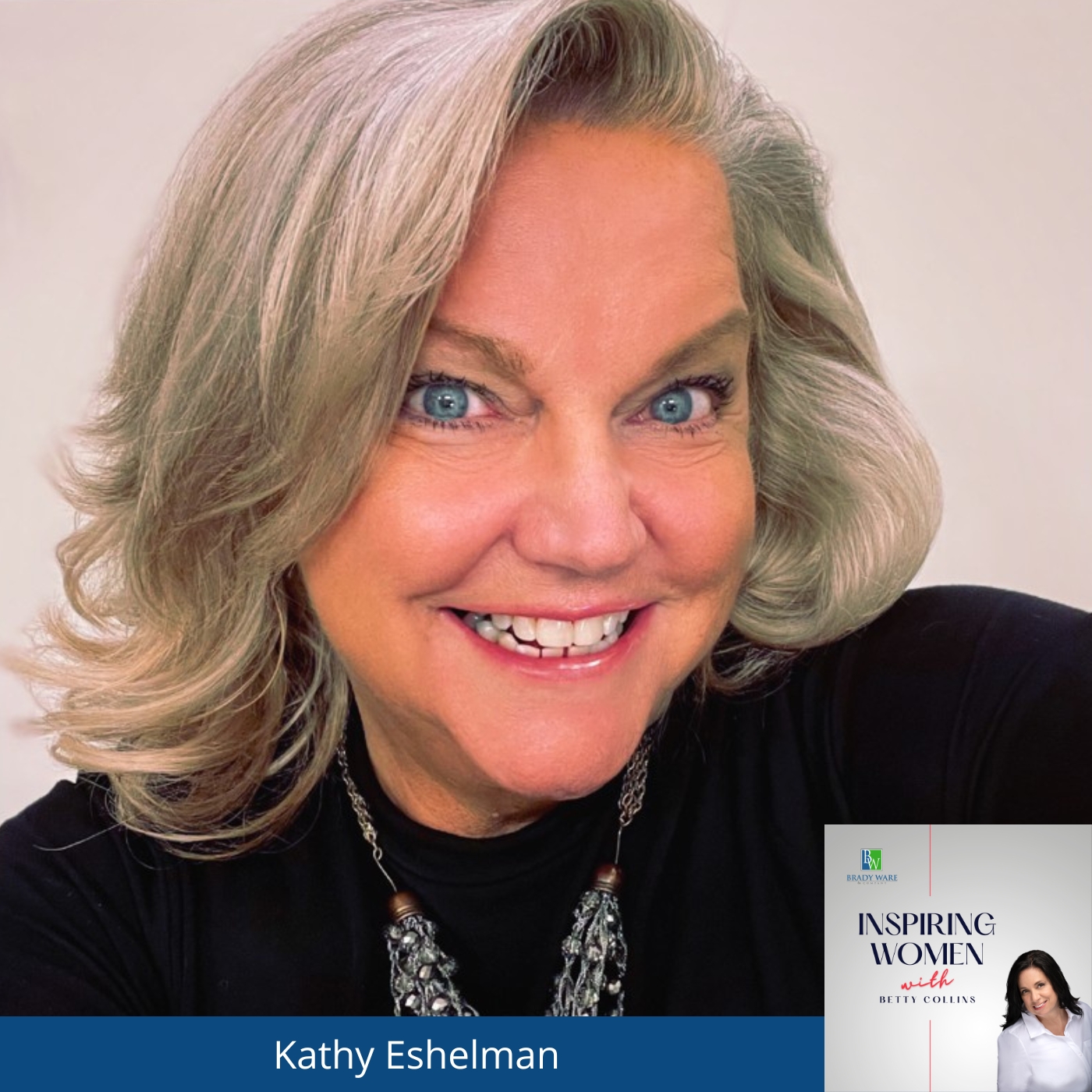 Marching Band, Entrepreneurship and Politics: The Inspiring Journey of Kathy Eshelman
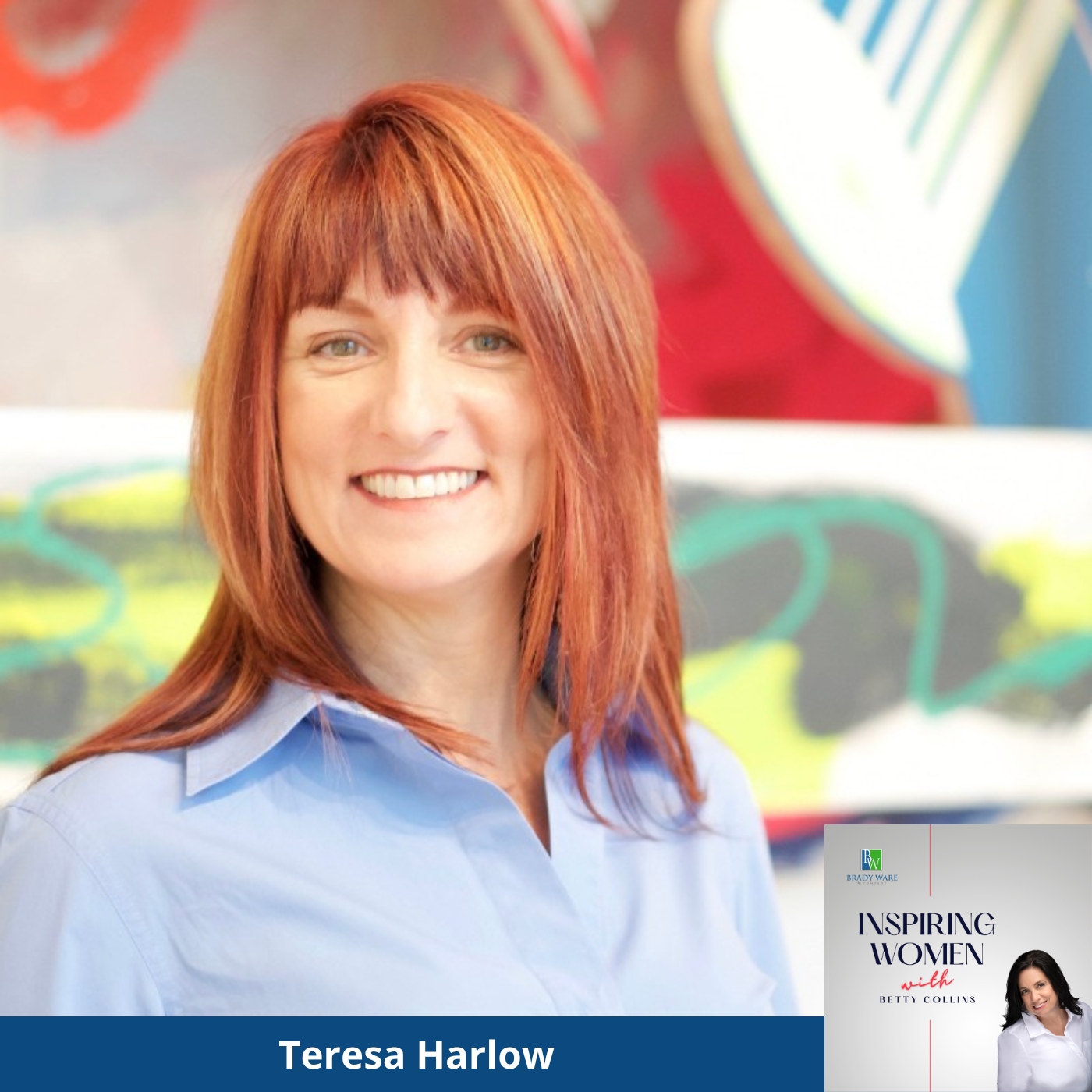 The 3 Cs of Collaboration: From Combative to Collaborative with Teresa Harlow
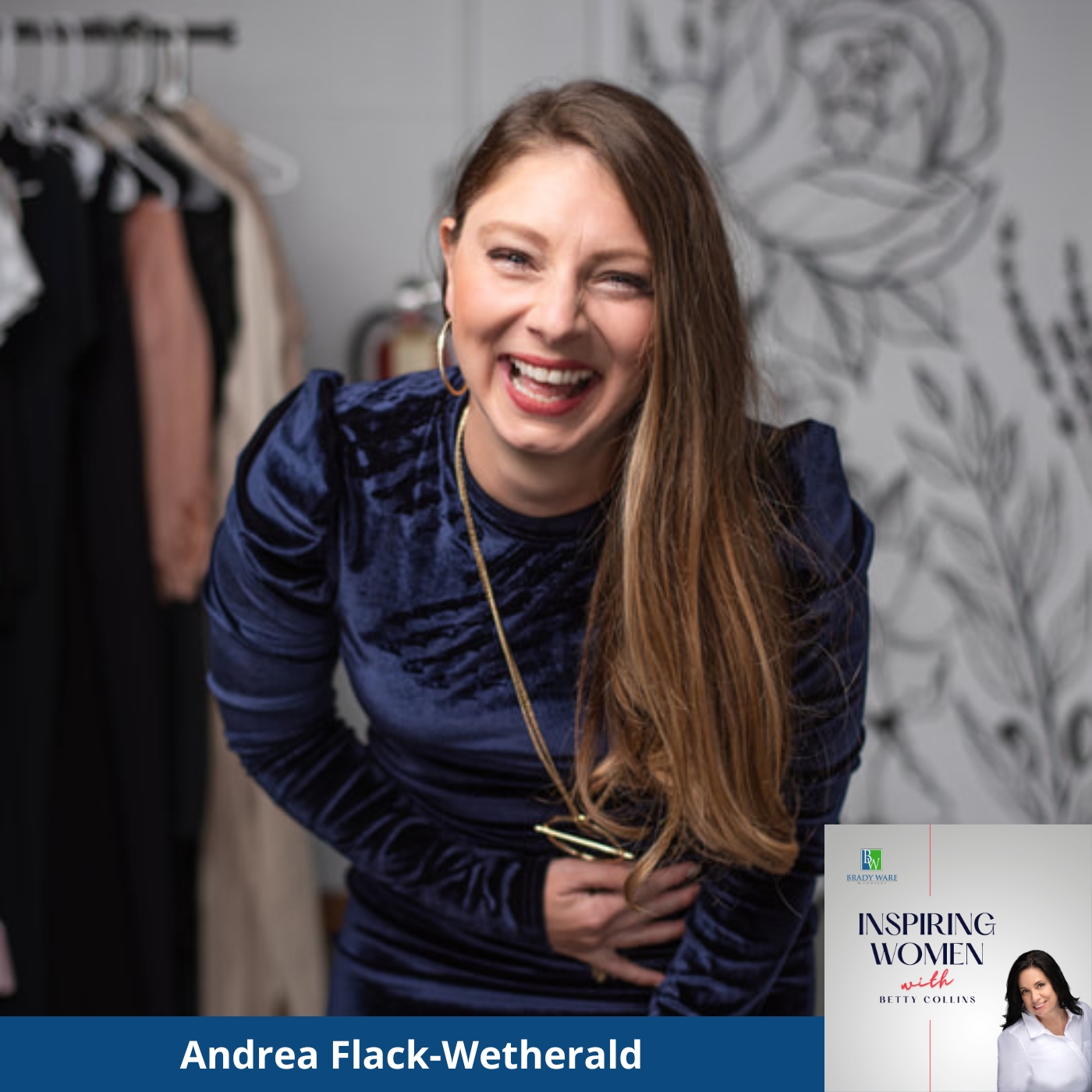 Forgiveness, Improv, and the Art of Being Present, with Andrea Flack-Wetherald, Part 2
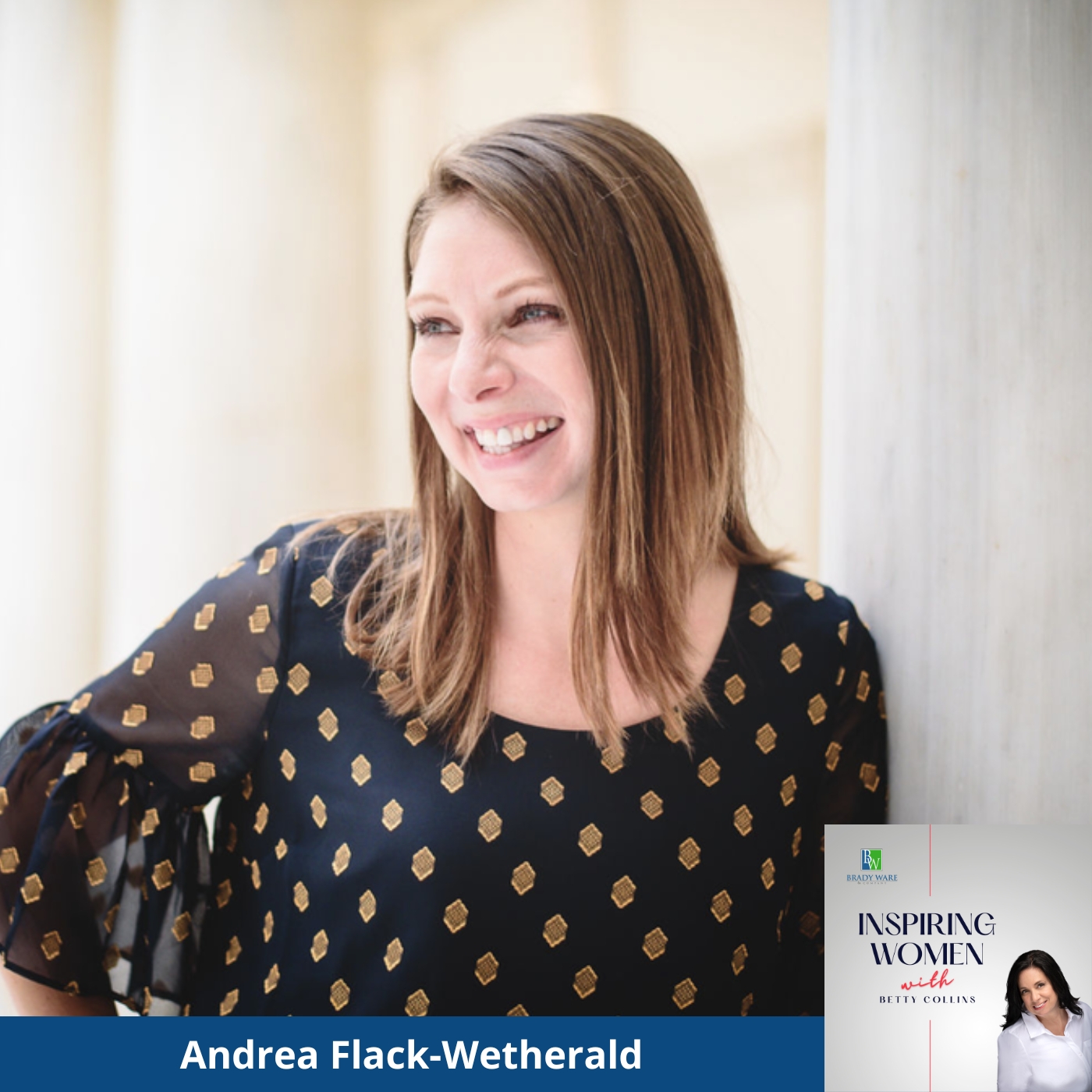 Forgiveness and the Art of Improv: How to Laugh and Let Go