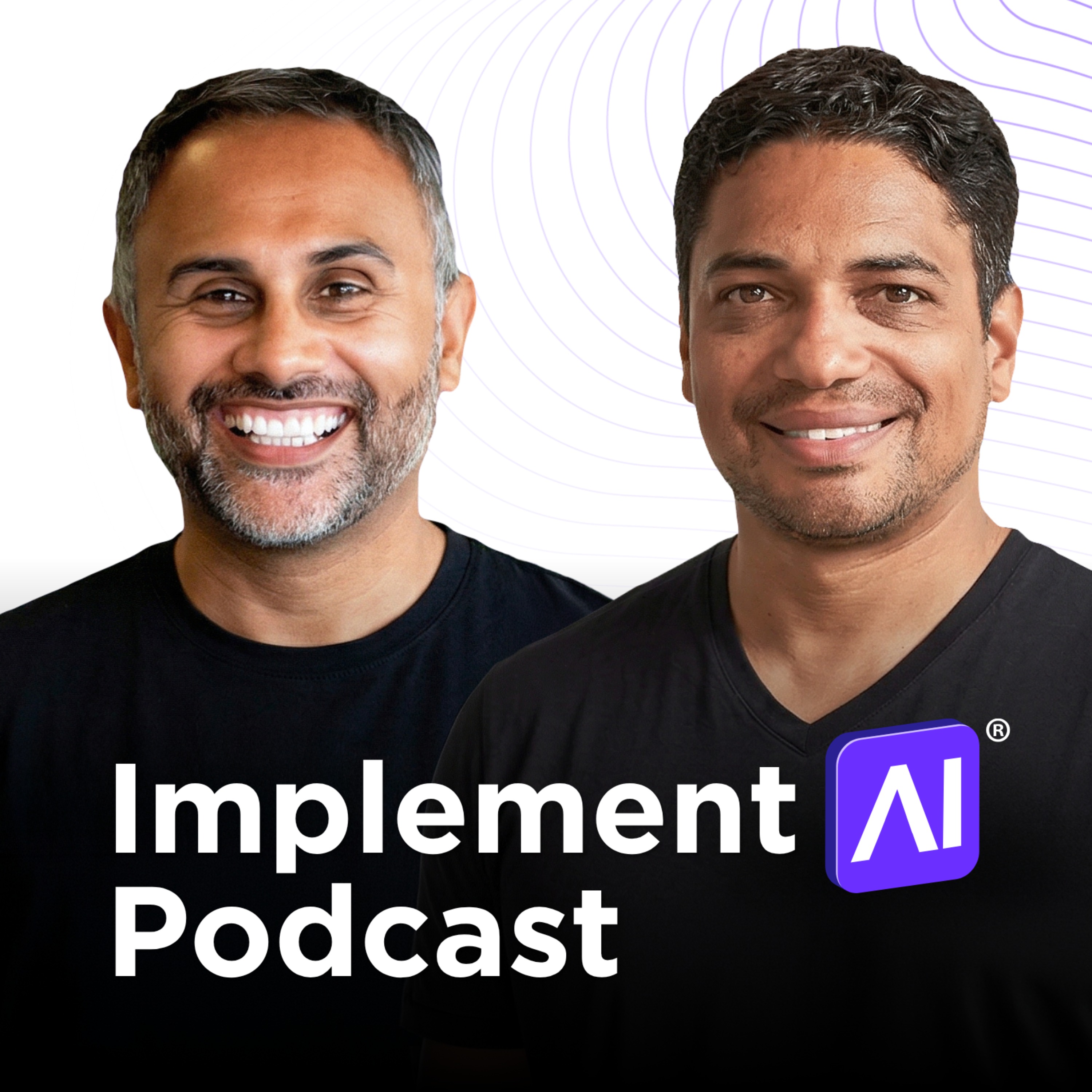
Implement AI Podcast · 2026-07-21 · 40 min
Key moments - from our scoring
Substance score
53 / 100
Five dimensions, 20 points each
Implement AI's co-founders walk through practical applications of their horizontal AI workforce platform, which differs from vertical AI solutions by deploying entire AI agents across multiple workflow steps rather than single-purpose tools. The episode focuses on eight foundational use cases: out-of-hours call answering and immediate inquiry response, reactivation campaigns for dormant leads using SMS triggers and call scripts, call analyst agents that review 100% of recordings across 35 dimensions to identify missed revenue and coaching signals, and appointment booking agents integrated with calendars and CRMs with guardrails. They emphasize that these use cases compound - an out-of-hours agent can triage calls so human teams focus on high-value interactions, while call analysts paired with reactivation agents can identify and execute cross-sell opportunities. Throughout, they stress the business imperative: 50-70% of inbound calls go unanswered at many businesses, representing pure lost opportunity despite invested infrastructure and staffing. The conversation targets business operators considering AI implementation, particularly those in appointment-based, contact-heavy, or support-intensive sectors.
According to mystery shopping across clinics, auto dealers, MOT centers and other businesses, 50-70% of inbound calls don't reach someone who can add value, representing pure lost opportunity.
Out-of-hours agents can triage calls during the day, routing simple lookups and FAQs to the agent so human teams focus only on calls where they can add real value, improving efficiency without reducing coverage.
Call analysts review 100% of recorded calls across 35 customizable dimensions including booking attempts, cross-sell opportunities, empathy, complaints, and churn risk - identifying things like 32% missed cross-sell rates that manual QA (5% review rate) cannot detect.
An SMS notification alerts the contact they'll receive a call, dramatically improving answer rates; the agent then qualifies intent and either books an appointment, routes to a human, or identifies it as a multi-step sales process opportunity.
Booking agents integrate with calendar systems like Google Calendar and Outlook, CRM platforms like Zendesk, and can send SMS payment links to confirm reservations and collect deposits without human involvement.
Our reviewer’s read on each dimension, with quotes from the episode.
The episode delivers practical, specific use cases for AI deployment with concrete examples (out of hours agents, reactivation campaigns, call analysis, etc.). However, it functions more as a product pitch and enumeration of features rather than exploring non-obvious principles or counterintuitive insights. The hosts repeat the same structural patterns across use cases without deeply unpacking *why* these specific applications work or what underlying dynamics make them effective.
there's like a kind of core eight that every business should run
what this would then do is it will analyze 100% of the calls that the humans do
The thinking is derivative and reactive rather than original. The hosts present standard B2B workflow automation patterns (lead qualification, customer service triage, invoice chasing) that are well-trodden in the RPA and automation space. The framing as 'AI teams not AI tools' in the title is positioning, not a novel insight. No contrarian takes, first-principles reasoning, or challenges to common AI deployment assumptions are offered.
you can't control what you can't see
automate the mundane and let your human colleagues do the meaningful
This is an episode with no external guest - just the two co-founders of Implement AI discussing their own product and service offerings. While the hosts run a company in the space, the episode is essentially a product demo and sales pitch rather than an interview with practitioners who have deployed these systems independently or operators with different perspectives. This severely limits external validation and contrasting viewpoints.
We haven't got a guest this week
we've just got a new website actually, so there's lots on there
The episode includes specific deployment examples, named sectors (healthcare, logistics, property, recruitment, childcare), and concrete metrics (70% of calls unanswered, 750 unanswered inquiries, 32% missed cross-sell opportunities, 73 incidents monitored). However, most examples lack detail on ROI, timelines, company names, or quantified outcomes. The specificity is moderate - enough to understand the use cases but not enough to assess real-world impact or implementation challenges.
70% of calls don't get through to somebody or who can add any value whatsoever
they had 750 inquiries which had never been replied to
The dialogue between co-founders is collaborative and friendly but lacks critical depth. There are few hard questions, no pushback on claims, and no exploration of failure modes, trade-offs, or limitations. The conversation reads as pre-planned enumeration of features with occasional tangents (speedboats, drones, bikes) that feel like rapport-building filler rather than genuine investigation. A skilled interviewer would probe implementation challenges, customer objections, or edge cases.
But also there's something between the, between an out of hours agent and a reactivation agent
I think very similar one to this is compliance
Computed from the transcript - who did the talking, and the words that came up most.
Implement AI deploys teams of digital workers that work together to boost growth, increase capacity, optimise costs, and improve customer and prospect engagement. Through our AI Operating System (AIOS), a fully managed AI Agent Platform built around Agent Teams, an Agentic CRM, and an Agentic Task Engine, businesses can start with a single digital worker and scale to 50 or more across departments such as sales, support, analysts, and computer use. All setup and configuration is fully handled, so no technical expertise is needed. With more than 600 integrations, organisations save time, increase productivity, and scale faster. Grow your workforce, not your payroll. Learn more at In this episode of the Implement AI Podcast, hosts Piers Linney MBE and Dr Aalok Shukla explore what an AI workforce actually looks like in practice. Rather than focusing on individual AI tools, they break down the core AI agents businesses can deploy today, from answering calls and booking appointments to analysing customer conversations, recovering lost revenue, managing overdue invoices and supporting employees 24/7.
Transcribed and scored by The B2B Podcast Index.
Speaker A: You can't control what you can't see. JP Morgan brings clarity to your treasury operations. With near real time reporting and forecasting, you get the visibility you need to help optimize your cash flow. J.P. morgan 2026 J.P. morgan Chase Co. All rights reserved. J.P. morgan Chase Bank NA Member FDIC deposits held in non US branches are not FDIC insured. Non deposit products are not FDIC insured. Not all products and services are available in all geographical areas. See jpmorgan.com paymentsdisclosure
Speaker B: I'm Sam, owner um of Marino's Landscape. With my Chase Inc. Business Premier card, I earn unlimited 2.5% cash back on UM purchases of $5,000 or more. So everything I buy to run my landscaping business gives me cash back to help throw a big thank you party for my team for all they do.
Speaker A: Chase Inc. Cash back built for every business. Find the right card@chase.com Inc. Real business owner compensated for their participation Cards issued by JP Morgan Chase bank and a member FDIC subject to credit approval terms apply
Speaker C: when you partner with cdw, your people get more out of technology. CDW data experts are simplifying complex workloads with high speed AMD processors, which helps your project managers efficiently manage heavier workflows. Game designers level up creativity and scientists develop their next breakthrough. Amazing, right? Make amazing happen amd and cdw. Learn more@cdw.com amd.
Speaker B: There is literally no need ever to miss a call. We mystery, um, shop to lots of clinics and other businesses and it's unbelievable. Touching. 70, 70% of calls don't get through to somebody or who can add any value whatsoever. So it's just pointless. You're building your business, staffing it with people, leasing all the kit and then someone finds your business, calls it and no one responds. Welcome to the Implement AI Podcast. Ah where we explore how AI is transforming businesses in the real world. At Implement AI, we help organizations move beyond AI experimentation to put AI to work. Through our AOS platform and teams of AI workers, we've deployed hundreds of AI agents across multiple sectors, helping businesses drive revenue, increase capacity, improve customer experiences and and get more done without growing their headcount. Each week on the podcast we share practical insights from the front line of AI implementation, cutting through the hype to discuss what is actually working, where businesses are seeing real value and what the future world looks like as human teams and AI workers operate side by side. So let's get into today's conversation. I'm Piers and Malloc. Well, I don't know it's hotter here on Lisbon.
Speaker D: Well, the aircon in the office is not working, so I'm in a meeting room. So it's much cooler here. So I think it might be hotter in, in the UK actually than it is in Lisbon.
Speaker B: I was, I've got a bike company, I was loading bikes over the weekend and my, my co founders had a bike park as well and people pay like 50 quid a day and hardly anyone turned up even though, because wearing like a full face helmet and body armor m in like 30 degrees, I
Speaker D: was by the beat.
Speaker B: Always remind you to do the things you love doing because I don't do them enough.
Speaker D: No, I agree. I was with my friend, it was his birthday at the weekend. We were in Ericeira. It's a very nice seaside place and it's just like very hot, nice walking around, good fun.
Speaker B: M so we're going to go, we're going to jump in the van for a few days now from, from tomorrow, I think. So we haven't got a guest this week. We, we've got some other great guests coming up. I think, as I said a few podcasts ago, we are, uh, going to, every couple of weeks is, you know, we like to focus on the practicalities. So we're going to talk a bit about use cases, the sectors, what we've done, some customers case studies and the reality of what we're actually doing. So it helps you then if you're an avid listener of our podcast or new to our podcast, I'll introduce you in a moment. It just helps you sort of picture almost where you can deploy this technology. Otherwise it's quite abstract, isn't it?
Speaker D: Exactly. So if you'll talk about like where we deploy a workforce as a service, what sectors we do it for, and also most importantly, whether you want to be an implement AI partner and you know, some businesses that are in these sectors with these use cases and these pain points, you can then think about joining our partner program and introducing, you know, businesses to that. Or if you have a business yourself and you're thinking that is a pain point, that is a missed opportunity, can we do that? Because time and time again, honestly, there's just so much opportunity for businesses just tightening the levers, closing off some of those leaks and getting stuff done. And the key thing is just like, you know, the summer is a great time to start pushing and getting things ready. So September, you can have breakfast. Q3, Q4.
Speaker B: It's quite interesting because, I mean, in our financial model we have like a seasonality in the summer, but last year and this year it seems to be the busiest period I found. It's never usually been the case in my B2B experience, but I think people just sort of realize that they need to do something in AI no matter what month it is. So if you're new to the podcast. Well, if you're not new to the podcast, please, if you enjoy it, and I know that we can see the numbers accordance is growing quickly is please leave review on Apple. It really does help us and do all the YouTube stuff if you're watching on YouTube so like subscribe, ring the bell. You don't want to miss episodes of our podcast if you're new to it. We're allochampeers. The co founders implement AI. So essentially we provide AI workforce as a service. That's something like a look at it quite different. We're horizontal. So you're going to see as we go through some of these use cases that uh, we deploy and we manage and we manage them over time actually entire workforces that can deliver entire workflows for your business. So most AI companies are vertical. They do one thing, they try to do it well, some might do. I'm an asdr, I'm an aipa. Some are sector specific which is quite uh, big. Some are very big doing like customer service. We're different. So we'll deploy an agent that will do the research and then do the work and then follow up. So lots on our website and our resource center and we've just got a new website actually, so there's lots on there. And also if you want to be a partner, you can contact us via the website as well and we'll send you some information to help you. Opportunity spot is what we're going to talk about. So let's jump into it then. Right, so we've got a list here about eight different like I'd say the top use case. There are lots. And you can design your own actually because some are very specific to our customers. But there's like eight that kind of stand out, isn't there? So let's maybe rattle slate and then let's pick off like four of them big ones. And also talk about the sexes.
Speaker D: Exactly. So let's start with that. Right, so basically like, so just like you said fizz, we work across sectors. So uh, the use case I'm going to talk about are drawn from different clients across dental, health care, logistics, distribution, property, estate, uh, agents, recruitment, facilities, maintenance, telecom, isp, childcare, education, marketing, digital agencies, um, and Also like engineering. So the question is you might think that's quite a broad group. Right. But actually if you start thinking about it in terms of the functions that a business does, there's quite a lot of commonalities. So let's, I'm going to go through first of all a list of some of the kind of key use cases that our uh, AI workforce as service does for people and then we'll go into a bit more detail on a select few of those ones. Basically Right. So if we think about this, we always think there's like a kind of core eight that every business should run. So one of them. Let's talk about that. Out of hours response agents. So for any business whose phone rings after 5 o', clock, basically right, that's one use case, another one through activation campaigns. For any business, this with a dormant customer list on its CRM or in its emails. Basically right. Another one would then be a call analyst, um, agent which would then be for any customer, any business which has phone call orders, phone call support, anything like that happening. Then there's the uh, booking and appointment agent for any business that lives on appointments, viewings or consultations. Then there's also like a sys support and system lookup agent which is for any business answering the same questions day after day from either a knowledge base or from a system or where is my order or all that kind of stuff. Then there's like the email analyst agent for any business with multiple inboxes across multiple places and that uh, are busy and they want to make sure they don't miss any issues and stuff like that. Then there's a research and enrichment agent for any business that wants better leads and new data on prospects or customers. Then there's a credit control agent for any business with outstanding invoices. So like they're the, they're the main, they're the main ones. Now we got some additional add ons as well which we can talk about afterwards. But why don't we get started with. We like.
Speaker B: Well just on that as you go through them you can, I'm sure if you're listening to this or watching this, you can imagine how they can be strung together. So there's an out of hours agent takes a call, it may, it may write a proposal and send it out. Uh, it may follow up, follow up the next day. It may then book a meeting.
Speaker D: So it might send an email, it
Speaker B: might send an email, analyzed emails or follow up in the same way. But again these were best. If you think about being A partner as well. These work best as scale, right? Because no point having a call Analyst agent analyzing five phone calls a month immediately you want 500, 5,000 hours and it's a real difference.
Speaker D: So let's talk about out of hours response agent. Very simple. So here it would answer every outbound call, inbound, uh, call after business hours. It could handle inquiries, log tickets, escalate genuine emergencies and hand your team a clean morning briefing so that Mrs. M missed M and missed calls. Right? So what if you look at this for example, what we need from you is basically like knowledge based content on FAQs, the procedure, the service info, any ticketing system access, whether it's Zendesk, freshdesk or anything like that. If there's an on call team, what you need to escalate some emergencies to then the same time your business hours. So it can trigger from within there. And then what we would then do is we'd configure the agent which would then answer the call, log everything with the call. A timestamp and outcome tickets can be created with a call summary urgent use case could be escalated to your on call team. Weekly report could be shown by command automatically of like total calls answered tickets created on call reduction, top inquiry times. We can also then configure human handoff to transfer live to people. So if you answer the call and someone's got an emergency, it can be transferred live to the person. Voicemail fallback for unanswered calls and automatic tricket creation basically. So the point here is that you can always have an overflow call answering because if it's a voicemail many people would just abandon that. So that's one of the kind of like key, cleanest, simplest use cases. Basically anything to add on that one.
Speaker B: I said the out of hours agent and this is really important. We've got some customers who want to get a very, very quick response, right? So that's competitive edge. But the out of hours agent can also be almost like an in hours agent. But what it allows us to do is almost like triage who does what. So the agents do the mundane, the repetitive, you know, whereas my order basic lookups and then the your human team, this is within the working day, they can then focus on those calls actually where they can add more value. So this can work within the working day, but it adds more value out of hours. And the difference of agents is that your, your agent doing its job at 2 in the morning on a Saturday. It's the same cost as doing it uh, at uh, 1:00pm on a Tuesday,
Speaker D: no different but you could do things better. So for example companies which are paying some out of ours call answering service, they could reallocate to this and they would get more insights and more missed opportunities in the details. And the CRM updated automatically. Also this out of hours agent can also be configured as a immediate inquiry response agent. So what that would be is if somebody filled out a web form saying I'm interested in viewing this property at 2:00pm, submits the web form or I'm interested in um, ordering a new speedboat or whatever like this basically. Right. It could then call them and ask them a list of questions because before any kind of like sophisticated um, product is sold, there's generally a list of questions you want to ask about it and then this can help get those informations and then directly transfer to a person if needed or get all the information so that a team member can then do a detailed meeting with them. So that's the simple one there.
Speaker B: I'll say the point here, you mentioned it. There's no need ever to use voicemail. I don't care what your business is and there is literally no need ever to miss a call. We mystery, um, shop to lots of clinics and other businesses actually in different sectors.
Speaker D: Auto dealers.
Speaker B: Yeah. MOT sensors. And it's unbelievable. It's like 50 some at lunchtime almost touching. 70, 70% of calls don't get through to somebody or who can add any value whatsoever. So it's just pointless building a gym as well. You're building your business, staffing it with people you know, leasing all the kit and then someone finds your business, calls it and no one responds.
Speaker D: Yeah. Or the team should be looking after the people inside the location. So let's go use case number two reactivation campaign. So any business with a dormant list in CRM. So you got lapsed leads and past customers to re engage, qualify and book. So the pipeline can appear from contacts that were costing nothing basically. Right. Like they were just dormant essentially. Right. So what we'd want to do here is basically get a lead list from you with you know, name, phone number, last interaction, reason for labs. And then what we would then do is put together a call script with you and like ideally have an offer which is like a reason to engage to get ready. And then what we recommend for the best engagement is you get that person to be sent an SMS which is branded with your company name. So it could say like ABC Windows Ltd. For example and be like hi, you inquired before I'm Going to give you a call in a few minutes. Basically be great to see if you're still interested in getting a new window. For example, right? Then the person gets called. Typically they will answer because they already just saw that message within there. And then what that means is you can actually then qualify and understand are you still interested in looking at it? What's the reason you didn't go ahead? Is there any things that you're looking for and then that can happen. And we've seen very clever versions of this ranging from a research agent where it says this is not a sales call. I'm just calling to like um, you know, see if you inquired about getting this new, this service and why you didn't proceed all the way to. Actually we have you know, an appointment available tomorrow. Do you want it basically right, you know like last minute cancellation booking so you could do reactivations. Whether it's timely, like you know, you want some time slots trying to fill up or you bought it based on like just trying to find out as part of a multi step sales process. Are you still looking for that service? Like are you still looking to get a speedboat? Uh, are you still looking to get a new loft? Are you still looking to get a new, you know like uh, at your teeth straightened or whatever? It's like the point is if you understand the intent that can then be routed to a team member. We could understand, you know, what's the best day to come in, what's the best time. So the point here is it should
Speaker B: be about a speedboat. It's nothing you want to tell us.
Speaker D: Not a speedboat, but I'll go to a different place.
Speaker B: But also there's something between the, between an out of hours agent and a reactivation agent. There's something in the middle and that's where if you think about reactivation, it depends how dormant, how stale, how long it's been since that person was contacted or engaged with. So for example, what happens quite a lot. I've had quite a few customers do this. You'll get a load of sales opportunities. You try and get a few of them during the week and then over the weekend or whatever period, it is more build up. It's like almost like sedimentary rock sediments in a river. You're never going to get to the, the ones that were two weeks ago now they're building up. So over time, although it might not be a reactivation of dormant leads, these can be just going through leads that, you know, maybe they weren't contacted at
Speaker D: ours, whatever Reason or the team contacted them but they couldn't reach them. Or every single day three retried to call this customer three times, couldn't reach them. And then it gets basically stuck in like in purgatory. CRM purgatory of like you know, unable to contact lead, you know, like this, this can work in the evenings and weekends. And the number, so that's the midlife
Speaker B: stage, not reactivation, out of hours, it's just making sure you follow up.
Speaker D: Exactly. So what this then does is it has like there's two, there's two things, there's like having the sms, the person having the call and then at the same time it has an inbound function. So if a person calls back the missed call it'll handle the inquirer at that point in time. So to me again that's a no brainer.
Speaker B: And it knows who they are, whether they, they have to know, you've structured it right. But whether SMS, WhatsApp, email and they call back. As long as they identify with that phone number, they know the history.
Speaker D: Exactly. So to me that's like a essential for all businesses. Those two ones. Okay, let's go to the third one. Call analyst agents. So any business that records calls. So my first point here is record your calls basically right. Like if you're not reporting your calls, you should be recording your calls. There's so much opportunity there. And what this would then do is IT will analyze 100% of the calls that the humans do. It will understand the outcomes, the lead quality, missed revenue, coaching signals, manual Q and A could only review around 5%. I'm talking about like understanding every single one basically. Right. So you can understand, you know, cross sell opportunities. We can customize across 35 dimensions of analysis ranging from did the team ever try and book the appointment on the call? You know, what was the price list of the service that was discussed on there? How well was empathy arranged? Is there a complaint, is there a churn risk? Is this the second time they're contacting all these sorts of things. So what we would then do is
Speaker B: we just need all, did they, did they follow the sales script? Why your top, why are your top 25% of salespeople doing five times better than the top 25%? Yeah, exactly.
Speaker D: Did they try and cross sell, did they, you know, all that kind of stuff. So the point here, what we need is your core recordings and then what we can actually, then what matters to you per call, outcomes, quality criteria, view signals and then we will help you with a quality Grid or scoring framework and which numbers. And then what we will then give you is you'll structure data, every call Mr. M. Review opportunities flagged and they could be escalated to a team member weekly report tool calls, analyze booking great missed opportunities, quality scores and trends over time. So what this gives you is so much useful info that you can then actually start, you know, closing people on. Um, because we've seen things ranging from basically shadow notes where it's basically like stop spotting compliance risks like this customer's complaining, this person is like doing this or there's some fraud going on. We even spotted stuff like that all the way to 32% of your calls have a missed cross sell opportunity which you're not mentioning. People who mentioned, let's say this insurance product were not sold some income protection, but they could have been sold at income protection which. So if you had a call analyst agent combined with let's say a reactivation agent, but it was configured to like offer a cross sell, for example, hey, thanks for buying this service from us last week. But would you also want to add, you know, you know, critical illness cover basically? Right, Just reply to this message and answer meeting with you, all that stuff can then just be a team which covers much more revenue for you basically, isn't it?
Speaker B: I think so. If you're listening to this and you're thinking, oh, um, I uh, don't recall my phone calls actually, you just cannot emphasize how important it is to capture phone um, calls inbound, outbound, because you can analyze and as I'll just said, in 35 different dimensions. Right. And when the AI agents make phone calls and they can be outbound, they can be inbound. You know, we do, we do outbound inbound calls for very large companies. They're FTSE 100 divisions actually. And that data you can capture and analyze in real time. So we have Command, which is our agent that sits above it lets you this. He talked about data. We also connect it to all of your human systems as well, your human calls that are recorded. So now you have this insight across all phone calls, whether it's done by a human or an AI and you can compare the two and then fill the gaps.
Speaker D: Exactly. So let's go to the next use case number four, booking an appointment agent. So if you've got, if your basic business is like appointment based selling, so you're selling an appointment, a viewing or a consultation, then what you, we can put together for you is an agent which will call them or answer the call and basically it will then Book appointments, you know, showings or consultations straight into your calendar in CRM with guardrails. So not. So nothing is confirmed until it's confirmed. So for example, what we need is calendar access like outwork Google Calendar or your booking system, serum access for lead data and booking records. We go through the script with you and then that we also include, for example agents have like deal close techniques like, you know, what you prefer morning or afternoon, all that kind of stuff. Like think about how much training you do for your team to like try and increase the booking number of phone calls. Also guardrail so it'll never book the appointment until it's consistent confirms it. We also for example have people that want to send a deposit when they put book something. So the agent can then send an sms which is a booking link for them to say to then payment link to confirm it. So basically I provisionally held this appointment for you. Please pay this. It'll be confirmed for example. Right. Then it can also be like, you know, a CRM right through. And then it can also be, you know, fallbacks if necessary, like oh, my team will confirm it with you. So the point here is that bookings in your calendar can be done with the invite sent, serum can be updated and essentially people just want to be able to like book stuff.
Speaker C: Right.
Speaker D: I mean the number of times I'll contact a place, like whether it's a car wash, I'll be like, you know, do you have an appointment available today at this time, whatever it is. Or it's like, you know, I want to.
Speaker B: Or like. Or like a speedboat showroom.
Speaker D: Exactly, exactly. Or, or to be honest, a personal drone. I was looking at this drone you can stand on basically, right. You can actually fly. Uh, but it's a bit pricey. So I was like, yeah, and it looks a bit dodgy, basically a bit dangerous. But like that's a, that's a different matter. But like if you, if you want to go for a trial of that one, then you want book an appointment, isn't it? Right. You know, so.
Speaker B: But also you can, it's amazing me these restaurants, don't they. I won't mention their names but there's companies that do restaurant boys bookings. And then when you actually speak to her and you try and book something, okay, it'll book your table. When you say what's on the menu? What are the vegan options? It doesn't know.
Speaker D: It says I'm going to transfer to you to human. And there's no human being.
Speaker B: So you can Provide a lot, quite a bit of information. So you can have a conversation and they'll make the booking. But then the, the human, if they need to, can call back and change the booking as well. But it knows who they are exactly.
Speaker D: All the person could call back and change and move their appointment if they wanted to and stuff like this. But you bring up an important point, right? If combine that with like the knowledge base so it can say like what's on the menu. It can also say for party bookings or different stuff like this, whatever you got there. So they're the details there. So let's go to the next use case which is support and system lookup. So this could be web chat or voice agent or SMS. So what this is doing is it's answering customer inquiries 24, 7 by voice or web chat and it's looking up live information in your CRM ticketing system knowledge base or thought tool. You can create tickets and hand off to Hume with full context. And the web chat version allows file sharing, clickable links and downloadable transcripts. So for example. But what this means is that like if we've got your knowledge base content, FAQs, proceed and we can also help you put those knowledge base stuff together. We also got CRM system, ticketing system. Then what we can then do is understand the department routing rules and handoff procedure. Then basically what will happen is it will answer the call or answer the chat, it will log everything with full context and then it can look up the system can identify the person and say okay, yes, you know your order is due on this date. So it's like where is my order? You know, like uh, or what's happening with this or can I change my address or whatever like this basically like all that kind of stuff. It can be logged this way. So what you're doing is you're increasing your surface area of interactivity and you're also uh, increasing being around the clock. So you can actually help more people access what they want because ultimately all customers want. Right? Is the easiest way to be able to like guide their preference. Like that's what it comes down to basically, right? It's like what's going on here and help you do that basically. So this is very powerful when you can actually help people almost self serve and do it much quicker than a person would because the way imagine you call the place. Oh and then you've got to then you know, talk to the person, they've got to look at the system and then repeating several times can be very painful. Basically this can give you much enerd system to look at that in that way.
Speaker B: And as you, as a business grows and the inbound grows, you don't have to step up capacity in terms of human labor. You can triage it. And again I would say let the AIs do the mundane, repetitive and let your, I will say, you know, automate the mundane and let your human colleagues do the meaningful essentially. So it just means that as you grow you can redeploy the humans actually add more value. Is Adam, we've got people, somebody but yeah, voice agents, people like talking to them. I mean we listen to thousands of these phone calls and what's interesting is that even when people say, often some customers say it is an AI agent or an AI assist, whatever they want to call it, some don't and they call and the person, the human on the call will say oh, are you an AI or real? Yeah, I'm an AI agent. And they just carry on talking to it and still thank it at the end. And some people who, where it might be a difficult conversation like debt collection for example, they're happier talking to an AI because they don't feel it's judging them.
Speaker D: Exactly. And the thing is how many people have had to be disciplined for like say the wrong things on the phone or being abusive or being rude, all that kind of stuff. Basically you don't have that situation here. The other multiplier you can also add on um, is multilingual and different time zones. So you can actually then have like multilingual versions of customer support. So imagine you're a company, uh, and you want to provide you know, APAC coverage or South American time zone coverage or you know, you um, don't want to look after customers Spanish speaking, you know, in South America at a different time zone you can actually have support set up and those different ways for this. So it allows you in a very cost effective way to scale your kind of like you know, capacity, um, and customer service potential there. So let's go to the next one. Email analyst agents. So many businesses have salespeople, support people or team members that basically had left the business. There was lots of deals within there but they don't what's going on, don't know who's been replied to. There's an email at list stage which can connect to multiple inbox and connect to up to 30 inboxes even more than that. And what it can do is it can read the emails, track the inquiries, measure the response times, extract the data and surface of opportunities and risks. So for example we'd connect to your Outlook, Gmail or shared inboxes and then what we'd actually want to understand is like what to extract, you know, inquiry type, sentiment, response time, deal potential. Similar to like the 35 dimensions that we talked about, the phone calls. And then what we then do is we then help you understand and give you a structured insight into you know, urgent high value inquiries. For example one business we sat, we found out that they had 750 inquiries which had never been replied to. They'd been filed as complete. The inquiries were neatly filed as complete in the inbox, basically saying complete and they were never replied to. Basically Right. And there's many people that are trying to book.
Speaker B: Was that, is that because a salesperson just did that to reduce the work and make them, they've done the work they hadn't.
Speaker D: Yeah, yeah. And then we've got other people where they're basically like they've never been replied to. Like for example, like, like it shows on the CRM that like deals open but there was never an email actually sent to these people. Basically. Right. So there's all sorts of stuff that we can surface and see. So the point here is not just
Speaker B: avoiding things slipping through the cracks, it's making sure that what's what you think has been done has actually been done.
Speaker D: Exactly. They get visible and it's just helping people. You know, everyone intends to do a good job. So the, but the question is like sometimes they just get overwhelmed or whatever like this. So the point of this is like helping people understand. What you can also see is that imagine for example you've got 50 sites you were trying to like manage in your business basically. And imagine you can see that like you're getting complaints in three locations based on the opening times and you're, you thought you were open till 7pm but actually it turns out that three people turned up at 7pm or 6:35 and it was already closed. I'll give you an example. Basically right. Like you would never normally be able to like spot all these things but with this you could actually spot all these different things or you can see that you know, these people are at risk of churn because they've emailed three times in the last two weeks and they complained. Now if three different people answering the email those times they don't know that the person inquired, you know, it's several times over the last few weeks in that kind of regard. So the point here is you can
Speaker B: see across all systems, you can look at the emails or the inbound calls of what they said. Are they happy? It can look at is the usage of your product, uh, slipping away? So you can look at different.
Speaker D: So that's a success agent built on top of an email analyst and a call analyst and something else basically. Right. Like uh, but you're absolutely right. You can start getting really interesting by adding those things on top of it basically.
Speaker B: Right.
Speaker D: So I think like that's another thing. I think visibility of your phone calls and emails is very important because they're the lifeblood of the business basically, isn't it? Right. And you want to see what's going on, go to the next use case. So research enrichment. Many businesses we say I need more leads. And quite a lot of businesses basically have a no customer target. So what does this mean? It means that you want to sell to lawyers or you want to sell to msps or you want to sell to car fitting showrooms or you want to sell to personal trainers, whatever the business is. Right. The point is you can search those people, you put a list together of those ones, but then you can also enrich it. So what this would then do is it will then m go through with you, you know, like the research keywords, target sectors, your lead list template, examples of them. And then we also want to make understand, you know, like what are uh, the kind of like key people you're trying to target and what are the signals that make them much more interesting. Like they just raised funding or they just announced new location or the a new CTO has joined or whatever. The thing is basically what this will then do is it will build and maintain a lead list and find the contact information, enrich the records and run market research on a schedule. So you've got uh, a continuous living, updated lead list with high priority leads flags plus a weekly report with like leads research enrichment rate, content detail, coverage and lead quality that can then be combined with an outreach agent which could either call or email. And we have this for clients where we're actually calling like businesses offering a particular service and we're getting people want to go ahead with that kind of thing basically like it's a meeting basically specifically. Right. But it's so interesting because you've able to like target and research the, you know, just the business you want, which have like a good website. These technologies, they also got like, you know these, these number of like employees within the place and they got this service, they just mentioned this in the news as well. So then they're a good fit and then if you offer the specific thing for their pain point, that could work very, very well. This could be daily or demand one.
Speaker B: The one that I get is I get quite cool hospitality companies. Right. They've obviously done some research from somewhere. They got, they email you or get your number somehow from the database. And I think, well, why aren't they using AIs? Because the amount of ground you cover, talk to people about, you know, do you want some tickets at the F1 at Silverstone, whatever it is, you could cover so much more ground. And when someone is interested then you can escalate to a human. So there's. There were so many businesses I think that they could just cover so much more ground by implementing again so this is the research and we all say then what they need some action. And the action typically is humans. We can start with the AIs to sort of sift through where the real value is. Let the humans follow up.
Speaker C: Exactly.
Speaker D: And just see people are interested. And then number eight use case would be credit control agents. So you know, everybody's got overdue invoices, different stuff. So this can call customers with overdue invoices, chase payment, update your finance records, report outcomes daily. Every company has debtors, almost none of the capacity to like chase them continuously.
Speaker B: You see a no brainer this one. I don't know why we have companies like we have customers are quite, quite complex, don't they agents? Yeah, I'm kind of. Why haven't you got a credit control agent? Or I'll say what about uh, I think very similar one to this is compliance. Because it is kind of compliance in a way. It's kind of. Well this should have happened. Did it happen? Well no, there's a gap.
Speaker D: It's like an auditor. It's like an auditor basically.
Speaker B: Right, uh, an auditor and then. And the beauty of our platform because horizontally is well there's a gap. We've ordered it. Well now what do I write a report? Do I have to follow up? And that's what you can do. You can't do. Example is like compliance agents.
Speaker D: Like we, for some companies we have like a CRM audit agent. They see which basically it means that like when a new record was created this week, you know, is it 100% complete? Like is every single field filled out? Is anything missing from within there? So this credit control agent, what we need is like a CRM or finalized portal access, you know, customer data list with payment status, account list with the name one contact responsible for each one and approval of the Script and then basically what it will do is outbound Paul in business hours and time zone. It will then also like have automations where a new overdue account can trigger a call and outcome capture can be done, promise to pay, disputed no answer and follow up tasks with emails and on every promise to pay. So it also says I'll pay. It could chase them to kind of see if they have paid. Basically, you know that can happen. So the point here is you've got that kind of capacity to be able to like see see those sorts of things. So those were the eight kind of like, you know I would say that like every kind of business almost kind of like needs those different ones. What we can actually do is we can talk through about something like customizations and add ons or some different ones. But maybe you want to talk a little bit about like anything about implement AI, any different stuff like that. Before we can go to that next
Speaker B: bit, before we get back into the conversation, a very quick word on implement AI. We provide managed AI workers through our workforce platform, an AI workforce as a service for SMEs, regulated businesses. And we have large enterprise customers too. Our highly configurable agents communicate through enterprise voice, WhatsApp, SMS and email. And they can use and operate across all of your systems even when there's no API. Our interactive agents engage customers, our analyst agents surface insights and our action agents complete work. The outcome is very simple, more revenue, more capacity and um, better customer experiences. So start with a pilot to identify rapid roi, uh, use cases, then scale whatever works. Go to implementai IO to learn more.
Speaker D: And we do it for you and
Speaker B: we do it for you. And we do it for you forever basically. Then you've got another product called Command and Command sits above Workforce and lets you literally in real time talk to these agents and gain insights and you can also schedule it to then that their insights schedule to do work. So actually create your own agents in real time and that can be connected to all your human systems and all your software as a service to manage
Speaker D: them, to audit them and stuff like
Speaker B: that, Email, CRM, calendar, finance, you name it and it abstracts you from that software almost. So you can then gain insights from both that technology and well that technology that's been used by humans and through workforce through the AI agents. So that's what we do. Our website is implementai IO and if you want to talk to us you can click on a link there and arrange a call with our sales team.
Speaker D: Cool. So now we talk about there's a
Speaker B: few Add ons then. Because that's what you're getting. Yeah.
Speaker D: So I'll just talk about things like. So people, when they say oh people answer the phone. Well, SMS adding an SMS add on or WhatsApp reach add on Journey with SMS is better like because it helps people have that branded response. So can we branded your company with the different details and people can respond to that as well. That helps increase the number of engagement from calls which is amazing. We've seen even three times more engagement from that basically. Right. Even things can be like, you know, I tried to reach you, call me back on this number. Um, I'm trying to help you get a lower price on your gas bill. Whatever. The point is basically as long as you got the value from it, you get more response from that. Other ones could be inquiry intake and deal update agents. This could be monitoring coming inquiries. And what it can actually do is that it can create and update deals automatically and keep records enriched on a daily schedule. So that's gonna be quite useful where it means that you.
Speaker B: So I'd put in there, I'd call in their sales support. So if you've got a sales support, sales support. So updating CRM check, it's been updated. Your salespeople can have a video call, a phone call, even email if you want them to. And then the, the agent can then look at that and update the CRM perfectly every time. Because we all know salespeople don't not uh, because they don't want to. There's, there's more interesting things to do. And now you can make sure that information is captured properly every time.
Speaker D: Exactly. Then there could be inbound triage agent which can almost replace those IVR type things where it can answer the inbound calls during hours, handle FAQs and then route to the right people when needed. Then you've got document analysis agents where somebody has like for example sent either like a spreadsheet, a PDF or a document, they can extract information from it and then feed that into another agent or update into a system or check if something is missing and send it back and chase for those different informations. And then the other ones are like specialist pays which are very powerful are computer use agents. So for example, that's not, that's not,
Speaker B: that's not an animal, is it?
Speaker D: I'd say that's a specialist play. I call that a specialist play basically. Right. So what that is is that like if there's a legacy system which has got no API, this can access that and update systems Based on what happened from a phone call or for a message. Or it could be monitoring a system by logging in and seeing has something happened or not happened and flagging it. So for example, with some one business where we were monitoring whether people did something or not over the weekend and it monitored 73 incidents where it was more than an hour late that the person hadn't done the job basically. And so it was able to alert them um, automatically, autonomously by, by checking the systems consistently and then it could alert to the right people. So you just can't do that. I mean like have somebody.
Speaker B: And that's both, that's both using it in a browser, but it can also log into a system on your desktop, can't it?
Speaker D: Exactly. Remote desktop and stuff like that. Both, both types of computer use or you know, browser agen basically. And that can be very, very powerful because to pay somebody to do weekend cover, it's time and a half, it's the full weekend. And if you've got 73 instance, is it really worth paying somebody, you know, all that money for that kind m of stuff? Other one is mystery shopping. Like this is very interesting. Uh, uh, we've done mystery shops with some businesses and now some business coming to us saying can you give us a mystery shopping as a service capability to look after our own businesses? And so they, they're interested in managing submitting website inquiries to their own companies and calling their own companies and then checking you know, the response on different stuff across different voices, different times and just on that.
Speaker B: So we've got a mystery shopper, we've got campaigns where it's called, you know what, 1500 different retail outlets. Right. Had you know, thousands of conversations and 99.999% of people don't even know realize they're talking to an AI even when it tells them it does. And the information you get is unbelievable.
Speaker C: More.
Speaker D: Exactly. So that's like a bit of an overview. So what I would say is that like we've got like almost recommended starter packs based on industry. So if you're in healthcare, you look at out of hours reactivation and booking, call and booking uh, agents and call analysts. If you're a logistics distribution, you look at credit control, call analysts and out of hours different property and estate agents. That'd be like booking inbound triage, out of hours and reactivation. Sure. Recruitment if you recruit research enrichment, email analysts and lead gen if your facilities maintenance might be out of hours, inbound triage support and lookup. If you're a telecom Be web chat support out of hours and look up, if you're in childcare, education booking support, look up inquiry intake. If you're a market digital agency, might be deal update at research enrichment email analyst. So I think that the whole point is that there's so many initial use cases and then there's the extended use cases afterwards, basically, isn't it? Right.
Speaker B: You know, and then it's not. You got to think about it. You might listen to this podcast or watch it, think, okay, that'll be quite good actually. But don't just stop there. You got to think about it. And then don't forget the technology is improving. Our, uh, platform's improving over time. And when you have workforce, you get command. So command, you can say in command, for example, for me, I'll say every Monday morning, please look at our live customers, go and do some uh, research on the Internet, wherever I tell it to, about signals in their businesses and let me and the sales and delivery team know. So scheduling work. You can even create quite a simple credit control agent every day of the week, whatever day it is.
Speaker D: You can also update, you can update your agents. You talk to the insights from the calls, you can see all the people that inserted it. Like there's so many things like we have people that like.
Speaker B: And that's all in natural language, isn't it?
Speaker D: Exactly, exactly. So I think the point here is that like people always say, oh, I wish I had more people or I wish I could clone myself. Well, with these systems you kind of can. And if you focus on like the kind of main use case to drive things forward. I think one of the biggest mistakes I see clients make is that like the leadership buys into it, but then it gets handed down to a particular department or a particular person and they don't have the vision of like pushing everything, you know, to move things forward. They kind of like focus on one particular area. And I'm not saying one area is not important, but it can slow things down or it can actually not drive the levers at the time required. So I think what's important to think about is like, look, we need out of hours coverage, we need reactivation. I mean it's just so elementary, right? You know, like, why would you not have these things basically, right, like, so having those things in place, it needs you to actually progress much faster basically.
Speaker B: And then the last thing really we'll end on really is that if you're listening to this, you're thinking, well, I don't really need, but I know somebody who Does. Yeah, this is our partner program. So we have a referral partner program also building a reseller program, which we'll come back to later in the year. September, essentially, if you have a network or customers or your consultant, you have clients and they need to deploy artificial intelligence. Every company does. And you hear these use cases, or there's lots more in the collateral on, uh, our website and you think, right, I can help them, introduce them to us. And we do all the work. So we talk to them, we select the use case, we configure it, uh, we test it, we optimize it, deploy it and we manage it over time. That's what we do. Then you can earn a commission on all those introductions and there's a portal where you can track all the commissions. So that increasingly we're seeing more and more people that consultants, uh, are a great example. You can talk about this technology, but you can't deploy it. Whereas we can. Even if you have massive consultancy, actually we're talking to quite a few and you don't want to get out of bed for less than half a million quid. You can start to deploy solutions here for your customers and clients that cost far, far less, much less than that. So that if you're listening to this, that's a really big opportunity to sort, uh, of monetize your network as well. Right. 40 minutes in, I think. So that was one where we want to go through. Every couple of weeks there's more and more use cases and we can deep dive into them and maybe we've got more case studies. So there's nothing here that we just make up, right. This is, is all based on things that we have actually done. There's nothing you've heard in this podcast where it's kind of blue sky, right? It's things that we've actually done. So the sectors, they're the ones that we've kind of found that, uh, we've engaged with. And the opportunities to deploy AI where they create the most value start here. There's lots of other complicated ones. We don't do a lot of marketing, for example, because a lot of humans in the loop and a subjectivity about
Speaker D: the changes a lot as well.
Speaker B: Changes what you want in your business or as a partner is a clean, reasonably linear workflow. That's a repetitive task with some scale and that's where it works best. Right, Al's going to go and pick a speedboat. I'm going to, I'm going to, I'm going to get back, back to it. So thanks again for listening to us. We'll see you again. We've got another guest, I think in the next podcast and we've got some amazing guests. We had, you know, the chair of IBM UK in the last podcast. Um, and we've got some more great guests coming in the future. So we'll see you soon.
Speaker D: See you then.
Speaker B: Thank you for joining us for this episode of the Implement AI Podcast. If you're interested in learning more about how we can assist you and your business in leveraging AI for growth and efficiency, visit our website at. Uh, implementai IO. Don't forget to subscribe to the Implement AI podcast on Apple, Podcasts on Spotify or wherever you listen to. Stay updated on future episodes. Thank you for listening and we'll see you next time.
Speaker C: M AE Jeans look good on you. American Eagle just dropped. Fresh new fits, the best fabrics. The jeans you can't get anywhere else. We're talking Y2K inspired low rise styles to boot cut and original straight leg styles that go with everything in your closet. Stucco before everyone else because these fits will go fast. You can check it all out@ae.com or just go to the store.
Speaker A: What you can't see across your international payments can hurt your bottom line. JP Morgan brings clarity to your treasury operations with near real time FX reporting to help optimize your cash flow. JP Morgan 202026 JPMorgan Chase Co. All rights reserved. JPMorgan Chase Bank NA Member FDIC deposits held in non US branches are not FDIC insured. Non deposit products are not FDIC insured. Not all products and services are available in all geographical areas. See jpmorgan.com paymentsdisclosure
Speaker C: Summer's more fun with the right apps and the App Store has what you need this season. Stream your favorite shows and movies on Peacock. Catch the latest videos on YouTube. Stay connected with TikTok and Snapchat. Capture every memory with Tezza and Lightroom and let Claude and Gemini plan your next adventure. Head to Appleco SummerFun on Safari or your browser to find the essential apps for your summer on the App Store. Open all summer.
Other episodes covering the same guests and topics, from across The B2B Podcast Index.
 Becoming the Brand Everyone Talks About, ex-CMO of Gong ($300M ARR)| Belkins Podcast Episode #23Belkins Podcast · on Call recording and analysis82 / 100
 How Salesforce Used Trailhead to Build a Marketing EmpireProduct Marketing with Fexingo · on Lead qualification78 / 100
 Special Guest: Dave Rose from bolt says "GO FOR IT"Insurance After Dark · on Lead qualification73 / 100
 Chatbots vs Agents: Who Converts More?On the Record by Leadpages · on Lead qualification73 / 100
 Watch this if you want way more leads than you can handle in 2026B2B Sales Game w/ Leon Matschke · on Lead qualification72 / 100
 #300: Innovating the Meeting & Events Sales Process | with Mike WaltmanThe Modern Hotelier · on Lead qualification67 / 100
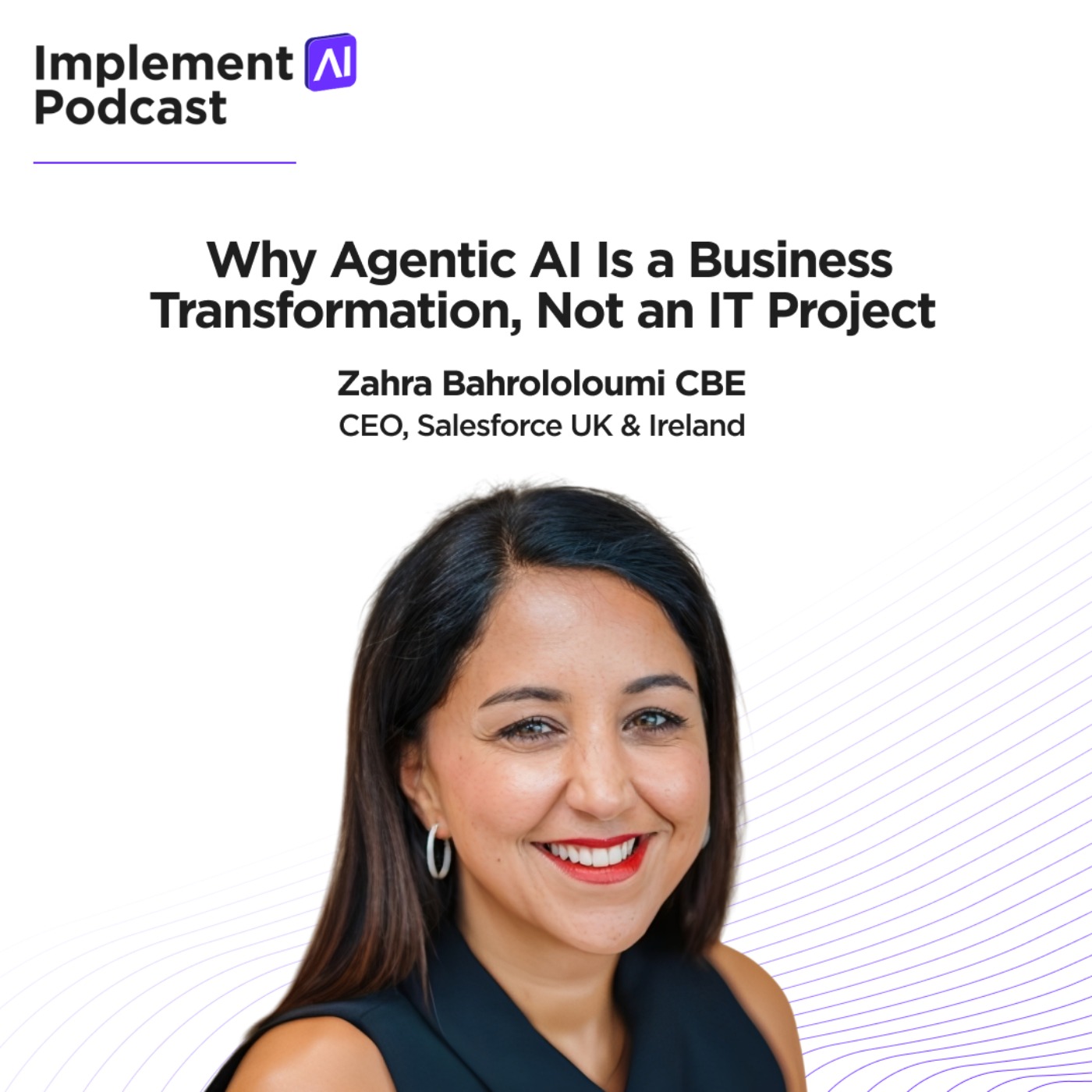 Implement AI Podcast #90 - Why Agentic AI Is a Business Transformation, Not an IT Project92 / 100
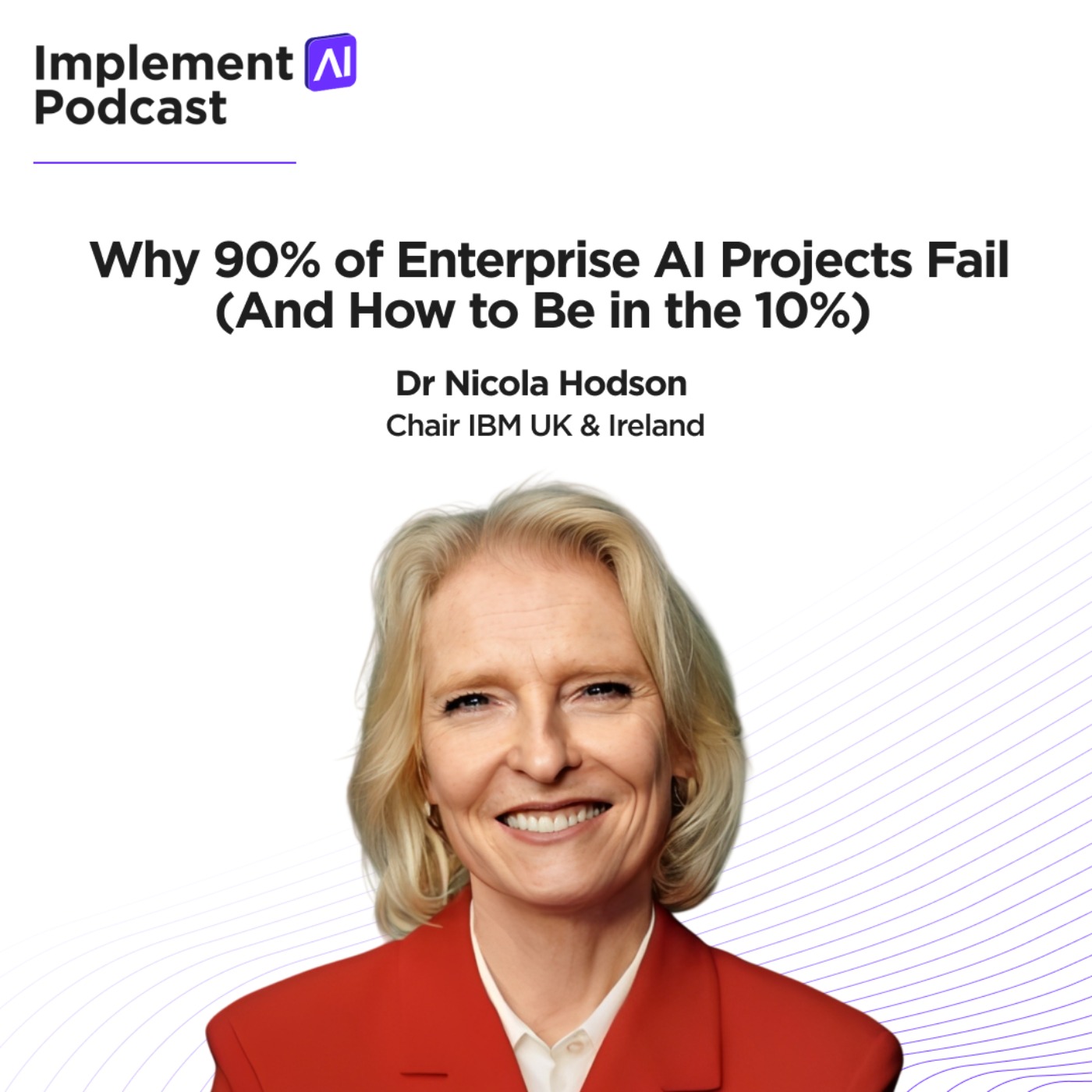 Implement AI Podcast #86 - Why 90% of Enterprise AI Projects Fail (And How to Be in the 10%)81 / 100
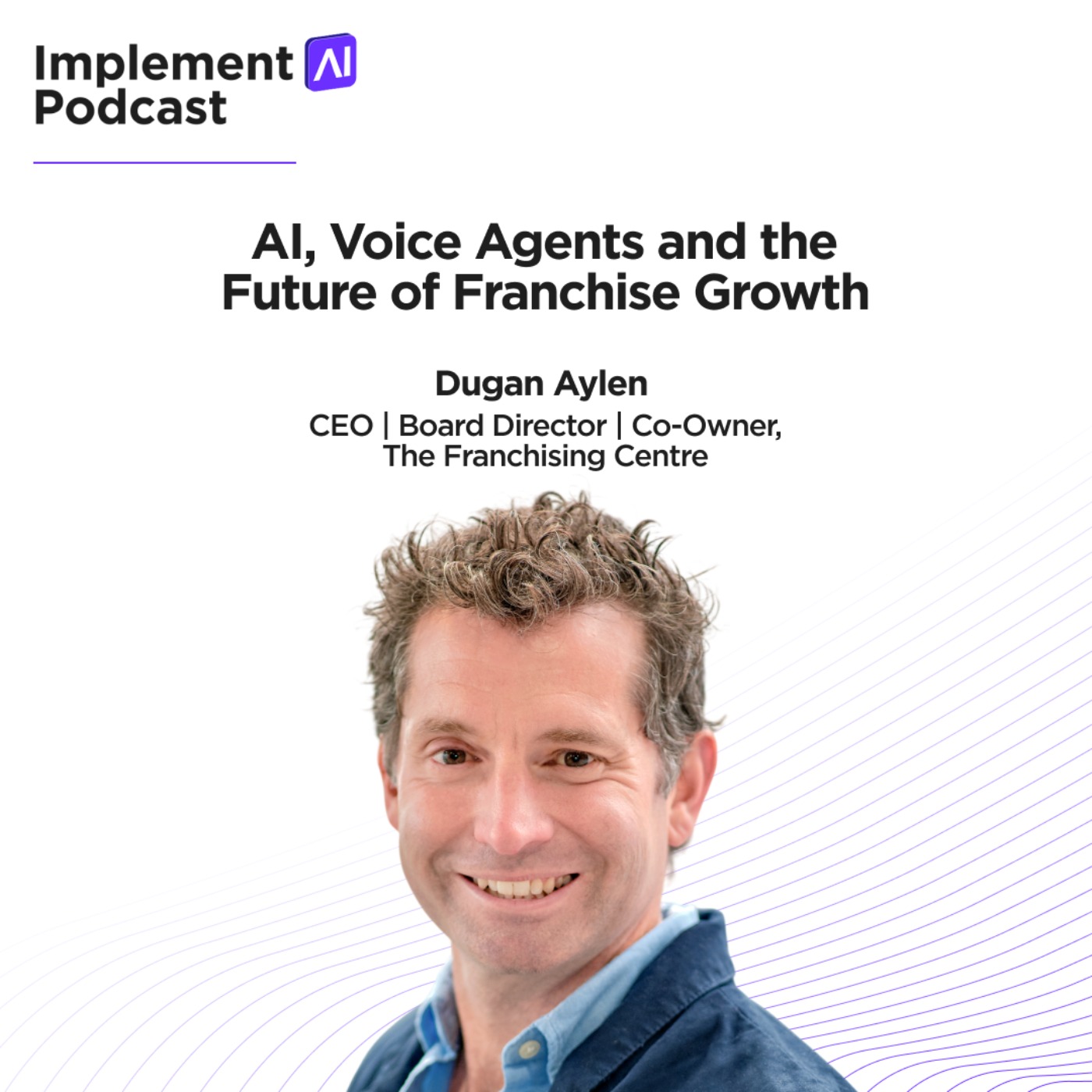 Implement AI Podcast #85 - AI, Voice Agents and the Future of Franchise Growth72 / 100
 Implement AI Podcast #84 - The Real ROI of AI Agents Across Business Operations58 / 100
 Greatest Hits #4 - The Implement AI Podcast with Piers Linney & Dr. Aalok Y. Shukla50 / 100