
Crossing the Axis · 2026-01-12 · 1h 14m
Key moments - from our scoring
Substance score
56 / 100
Five dimensions, 20 points each
Jordan Brady, director and founder of True Gent production company in LA, breaks down how commercial production is shifting away from agencies toward direct brand relationships, and what that means for directors and production companies building sustainable careers. The episode explores two critical business challenges: winning work through reputation and relationships rather than cold pitching, and doing the work at a level that justifies premium rates. Brady argues that production companies working directly with brands now must shoulder responsibilities previously handled by agencies - strategy, creative direction, client management - requiring directors to think like strategists, not just executioners. He also details his Commercial Directing Film School's curriculum, which has trained roughly 4,500 - 5,000 filmmakers through boot camps (now capped at 10 participants), online masterclasses, shadow programs featuring raw behind-the-scenes footage, and specialized courses on pitching, director treatments, and LED wall techniques. Brady emphasizes that sustainable work comes from repeat business and referrals, not from reels alone, and that embracing brand work without purity tests - whether it's Walmart or any other client - is essential for making a living in modern commercial production.
Production companies have more direct access to brands than ever, with clients increasingly bypassing agencies and handling strategy themselves using AI tools. However, production companies taking this direct work must now handle client management, creative direction, and strategy - work previously done by agencies - which requires leveling up beyond just executing someone else's vision.
Brady's work comes primarily through repeat business and referrals - people recommending him because they've heard good things - rather than his reel breaking through clutter. He emphasizes that doing great work that turns out well leads to rehires, and that reputation and relationships matter far more than a portfolio alone.
Over roughly 10 years, the program has trained 4,500 - 5,000 filmmakers through in-person boot camps (capped at 10 people), online masterclasses on philosophy and pitching, a 12-hour shadow program with raw behind-the-scenes footage, and specialized courses on director treatments and LED walls taught by graduates like Christina Archer and Kevin O'Brien.
In 2015, Brady taught students to pursue agency in-house directing roles for steady work; by 2024, he advises filmmakers to look for brand-side in-house production jobs, since major brands like Walmart now operate their own studios, making direct brand employment a viable career path.
The 12-hour online shadow program features raw behind-the-scenes footage shot by Brady's son Ben on wide lenses, allowing viewers to follow Jordan into framing, actor direction, and video village discussions in real time - offering more complete access than standing on set watching from a distance.
Our reviewer’s read on each dimension, with quotes from the episode.
The episode delivers real, actionable frameworks for commercial production business development - growing existing clients first, productizing services, and replacing capability decks with pre-emptive marketing - but 74 minutes carries significant self-promotional padding, mutual admiration, and tangents (podcast name origin, course URLs) that dilute the rate of novel ideas per minute.
The number one sales biz dev work you could do, the number one by far is growing the clients you currently have.
Your capability should be your marketing. Ideally, if you're doing it right, you never do a capabilities deck.
The episode recycles well-worn frameworks without attribution ('they're the hero, you're the guide' is lifted directly from StoryBrand; 'stop chasing, start attracting' is a marketing cliché) and the niching-down thesis is familiar territory, though the AI-displacing-agency-strategy argument and the mushroom metaphor for niche opportunity density are genuinely fresh framings.
Focus group is your Instagram feed.
you go to these people and going, do you know what should be keeping you up at night? I know something. And you scare the shit out of them. And they have to talk to you because you know something that they don't.
Both participants are genuine working practitioners - Brady is a long-tenure commercial director running a real production company and a film school with thousands of alumni, Kebles is an active biz dev consultant to production companies - neither is a career podcast guest or thought leader, though neither operates at a scale that would make this unmissable for operators outside the commercial production niche.
I did the first commercial directing boot camp in I think it was like September of 2015.
probably about 4,500 to 5,000. Boot camp. Now I only take 10 filmmakers.
The episode is well-stocked with named tools (Copper CRM, Timmy.IO), specific companies (Session City, Pathfinder Films in Chattanooga, Hungry Man), real price points ($10k consulting fee, $150k car dealer package vs. $12k local cable competitor), and a concrete niching case study traced from general video all the way to Ocean Health; it lacks hard performance outcomes proving any method actually worked.
he went from like that to video, then video for, um, corporate social responsibility. And from there went in and all the way down to Ocean Health.
it's $10,000 you set up. We do the therapy, we get to the heart of it, we do the market analysis, we use all the tools and all that kind of stuff
The dual-host simulpod format produces one genuinely sharp exchange - Kebles flatly tells Brady his white-glove service positioning is 'table stakes, not a differentiator' - and a few well-structured historical questions, but the format devolves frequently into mutual promotion, course plugs, and soft wrap-up questions ('parting words,' 'the number one thing') that a more disciplined interviewer would cut.
What's one of the things that you used to teach that was really important but isn't important now? And what's the thing that you teach now that you didn't even think of back when you first started it?
That's table stakes. I mean, uh, you know, that's should be expected. Like it's not a differentiator. It's not a position. You can't position on that.
Computed from the transcript - who did the talking, and the words that came up most.
What if the commercial production industry’s two biggest challenges could finally share the same mic? In this simulpod crossover, James Keblas and Jordan Brady (from the hit podcast "Respect the Process") team up for a connected two-part conversation built around the framework of w inning the work and doing the work . On the “win the work” side, Jordan Brady asks James about his "Booked Solid" bizdev system and his approach to using a production company's best work to run targeted marketing campaigns to turn leads into repeat clients. On the “do the work” side, James asks Jordan about his Commercial Directing Film School program and bootcamps built to help directors learn to make commercials for a living and survive the pressure once the job is won.
Transcribed and scored by The B2B Podcast Index.
Jordan Brady: You're listening to Crossing the Axis, the podcast that explores the commercial side of film production with your host, James Kebles.
James Kebles: Uh, welcome, listeners, and thank you for tuning in to the show. This episode of Crossing the Axis is attempting to tackle two subjects, Winning the work and doing the work. As we know, one of the hardest parts of running a production company or creative business is winning the work. Sales, marketing, business development, all the stuff that happens before the job even exists. But too often it's a frustrating process for people because it feels like chasing or persuasion or pressure or spam. So for one part of this conversation, we're going to talk about how to change that. How to move from chasing leads to attracting them. But that's only half the story, because once you win the work, the real pressure starts. Doing the work. And to help me wrangle this subject is my guest, Jordan Brady. From managing clients to navigating notes to leveling up creative, Jordan will share his experience on how to build a reputation as someone who delivers great work and is worth every penny. Jordan has been directing in the commercial production world for a long time and also runs a commercial production company in LA called True Gent. And every time I run into someone who knows Jordan, I hear the same thing. Great director, great collaborator, and a great human being. He's also damn funny, which you can verify by listening to his long running and wildly successful podcast. Respect the Process, where he kind of digs into the realities of directing and creativity and kind of surviving in this business. So since Jordan and I both host a podcast, we decided to have a little fun and to try something different. And we're calling it a, uh, simopod. Simopod. One shared conversation that lives on two podcasts. And this is how it's going to work. We're going to take turns asking each other questions. Jordan is going to talk to me about winning the work in my biz dev video series called Booked Solid and kind of the thinking that's behind that. And then I'll ask Jordan about doing the work. Basically getting a glimpse of the curriculum at the commercial directing film school in la, which he runs. Okay, I think that covers the setup.
Jordan Brady: Great setup.
James Kebles: Yeah. Welcome to the show. Anything you would add here for this? Simulpod?
Jordan Brady: James, first of all, thank you for doing this. And, uh, I love Crossing the Axis, your podcast. And at first I just got do some people think it's about the supernatural or like, transitioning out of this body into another? How'd you come up with that title?
James Kebles: I inherited the podcast, actually. So There was a guy that had the, had the podcast and I loved it. It was real, you know, like nuts and bolts of commercial, uh, production world. And he was using as marketing to do this, um, tech product that he was doing around production management called Pipeline. And the business failed and he was going to take down the podcast and just cancel it. I was like, oh, Max, you can't do that. It's so good. Like it's a really important contributor to the convers conversation. And he said, do you want it? And I was like, oh, God, yeah. Okay, let's do this. It'll be like the Daily show where, yeah, you know, like the handoff from one host to another to another and I'll take it for a while and I'll own it and then I'll give it to someone down the road or something like that. He loved that. And so we, I just took it and took the name Crossing the Axis take. You know, there's, you know, we get creep, you know, we follow money, we start going places. And I wanted this to be rooted in production so specifically, like, I didn't want the, I wanted to limit myself from bleeding into the agency world and all that kind of stuff. So Crossing the Axis is such a production specific name. I'm taking it so that it limits my ambition.
Jordan Brady: Well, you define what you are by what you're not doing, right?
James Kebles: Exactly.
Jordan Brady: I love it.
James Kebles: Yeah.
Jordan Brady: Can I start off by asking you to give us. Because my listeners are both filmmakers that want to do stories for brands, as people say, or work with agencies still, and agency creatives are listening and some brand, some clients are listening. It's 2026. Give us your state of the union for commercial production in the advertising space.
James Kebles: Oh, uh, interesting. The big question. Well, I probably biased because this is the world that I know. And so I'm kind of feeding into the thing that I'm already familiar with. But I think this is actually objectively true to and that is production companies have more access direct to client than ever before. And I know that trend has gone. It's a pendulum and it swings, you know, in house, but I think it's swinging so far. I think it's going to be a permanent trend. I think it's going to grow. There's just so many screens out in the, in the world now that people have to get content on and each one is unique and every platform and each viewer and everything is so. And I think brands are just doing in house creative and they just look, they're looking for a partner who's going to make the work, collaborate with them. They bypass the agency. I've seen that more and more. And to agency's credit, I mean, I am trying to take out agencies in some ways. I mean, that is my point of view is bypass the agency. But agencies also are doing more. You know, they're putting production in house to their thing and they're creating an offering and not hiring out and bidding on their own jobs and all that kind of stuff. So I think there's ways for everybody to win. But the big trend that I would say, the kind of landscape that I'm noticing right now is that more and more work is going in house. Production companies work directly with client. It's totally good. You do have to level up your game though. You, you can't be the maker of the idea and just the executor on it. The way with the director brand, the way you can with an agency, the agency's work, landing the client, selling ideas through convincing and all of that work and the client management, like that is such hard work. And if that's not there, you have to do that. You have to think like a strategist. You have to think like a creative director. All that hard work that was done for you that you just got to film, that's. You have to do more than that now and that's hard. So that's not for everybody. But if it is for you and you can stomach that, you maybe even like that, then I think there's a tremendous amount of work for you to do.
Jordan Brady: Oh, I love hearing this. Thank you. I, I love the, um. I, I don't claim to be a strategist and I do rely on the agencies to have already done the heavy lifting like landing the client, pitching the ideas and selling the strategy and the big idea that leads to 20 scripts that gets chosen watered down. Not watered down, but culled, uh, down to three or four and then picking one to go shoot.
James Kebles: Right.
Jordan Brady: Agency really wants to make this one too. So you're doing two a day.
James Kebles: Yeah.
Jordan Brady: And a follow up to that is, I've been around long enough to see the pendulum swing back and forth. And I remember I was just talking about this with someone that in 2000 and something 20 years ago, if you did client direct, you'll never work for Goodbye. Uh, right. And that was enough to scare directors and production companies. But now the gloves are off, baby. And I tell agencies like, you should do that in house. Why don't you have Bobby and Chanel do the social thing on the piggyback on our shoot and we'll help them. We'll set a little thing over to the side, and if you want us to crank it out, we will. But they're more than capable. So I believe this is poke holes in this theory. The reason that client direct is more prevalent now is the tools and the means of production have been Demystified even beyond 10 years ago when agencies started. Now clients are savvy to seeing how things are done. There's so much behind the scenes and whatnot. And they go, well, we can just buy a camera and make a little studio in the basement like the agency did to piss off the production companies five years ago.
James Kebles: I would say, uh, I see a little different than that in that I think we said it's true. But I think what's even more true is that clients are looking at agencies and going, oh, we have enough tools to think through the idea to come up with the logic, especially with AI. AI is so fantastic. As a strategist, it's like having two, you know, 10 PhD strategists on your team so you could really understand what your customer, what your product is, how it relates to the customer, the competition, the marketplace, all of that stuff that, that agencies used to do and played such an important role. That's actually really pretty accessible now. And so the agencies are getting pushed out because the. The brands themselves can really figure that stuff out. And then the idea of test marketing that is done, that's now called go live. You could have three campaigns. Just do it and whatever you can see what performs better and just take down the other two and go with the, like, there's no more testing in this artificial way anymore. It's just do it. Just Go Live.
Jordan Brady: Focus group is your Instagram feed. Exactly.
James Kebles: The focus group is live now. And that's. It produces the best work, I think. And also it's more honest. And so in that way, I think that also moves agencies out and brings production closer to the clients. Like those two things in particular, I think are doing that. And I think just that brands are just. They don't want to pay, they don't want as many moving parts. You know, they're more sophisticated and all that kind of stuff.
Jordan Brady: And, uh, last thing on this topic from my end, and you feel free to ask or chime in, this is a simulpod.
James Kebles: I know I'm ready.
Jordan Brady: We can do anything. I think that. And maybe this is just. I'm waking up to this, but it seems that a lot of people on the Brand side have agency experience.
James Kebles: Yes, that's true.
Jordan Brady: More so than before than 10 years ago.
James Kebles: I think that's 100%. Yeah. Very good insight. Yeah. So let me ask you this then. Where do you get most of your work? Is it from agencies or from brands? Uh, what's your trend?
Jordan Brady: You know, this is what's so great about this Simulpod is I don't have a tried and true system. It seems like a lot of luck. But the honest answer is repeat business or a friend of a repeat business. M that the long tail win has been like a sexually transmitted disease. Your name gets thrown around and someone calls and gives you a shot. Relationships. And you know, I have reps at True Gent and I see, I would say the, the majority of the work does come from a rep has heard about a project. But often the rep will even go, you know, they, you were recommended by so and so. It wasn't like my reel cut through the clutter of the 400 directors. It was someone put my reel at the top because they heard good things.
James Kebles: Right?
Jordan Brady: So just being collaborative, being a good person, hopefully, and ultimately doing the work. I'm always telling newer filmmakers you'll get hired again if the spot turned out great. And maybe the shoot wasn't, you know, a party with a pinata, but if you have a party with a pinata and you were the funniest or you were the nicest and you had parfait and caviar, but the spot didn't turn out well, you'll never work with them again. I don't think you can be an asshole like when I was, when I got into the business, we were on the, the uh, they were on the way out. But there were still a lot of healthy egos and it was a rite of passage to be as a creative to be locked in the porta potty by the director. You know, that kind of shit like that would never fly now. But, uh, I would say, you know, my real is what gets me the work and someone passing my name along.
James Kebles: Well, one of the things I want to talk about with you is the idea of building your reel because you have been saying this for decades now. I mean almost, you know, you've been doing this for so long and your books and your point of view just taps right into what I think is important and how to make money and get business. But before I do that, what I want to ask you in the big picture point of view is so you run this thing called, uh, commercial directing film school. You've been doing this for a long time.
Jordan Brady: You can learn more at commercial directing Film school dot com.
James Kebles: Well played my friend. And that's in la. And, and the thing that I want to know from you is what's one of the things that you used to teach that was really important but isn't important now? And what's the thing that you teach now that you didn't even think of back when you first started it?
Jordan Brady: Wow, that's a great question.
James Kebles: Thank you.
Jordan Brady: So I did the first commercial directing boot camp in I think it was like September of 2015.
James Kebles: Okay.
Jordan Brady: Over, over 10 years ago. Yeah. Uh, and some things have come and gone. What I never thought of in 2015 that became a thing probably seven, eight years ago was really try to get an in house directing gig at an ad agency because you won't get the big jobs because they'll go, you're the kid from down the hall. But you'll, you'll get your 10,000 hours, you'll get your reps in at the gym, you'll get these assignments. Devin, grab a camera. Sally get a microphone. We're going to shoot a commercial and you're going to direct it. Right. So similar to uh, I guess what I haven't thought of that I will be teaching. I don't know when this comes out but January 24th I have a boot camp in L. A and I will be telling them work on the brand side because the brands now have an in house production company.
James Kebles: Yeah.
Jordan Brady: Which you know, given the fact that we both agree that kind of the holy grail is that direct to brand for a production company.
James Kebles: Yeah.
Jordan Brady: That's an existential threat kind of that brands. Walmart opened a studio last year.
James Kebles: I know, yeah.
Jordan Brady: So when I was a standup comedian you would talk about, you would make fun of people that were Walmart greeters. You know, a senior that got a retirement job just greeting people at Walmart. Now you could be a Walmart director.
James Kebles: Right.
Jordan Brady: And I'm not, I'm saying that with reverence.
James Kebles: I understand that's the truth. I mean there's no more purity test anymore and all. I mean we're all trying to make a living, we're all trying to make money. And I, the way I see it is like who. I think there's a hang up a little bit about working directly with brands because of a brand like Walmart with not a great rep. But my point of view is all brands suck. I don't, I don't care about the brand, don't care about the product. In fact, you shouldn't care. You should have an objective point of view as an artist, as a maker of something, regardless of what it is. Treat it with complete objectivity and shoot it and make great work and care about the people that you're working with. The client. Like, that's how I kind of get by. I don't, I don't care about selling product and all these big, uh, corporations that, you know, I can't stand, I can't stand kind of any of them. I don't, I don't put judgment on any of that. I just put, I put my. Save my judgment for the people I work with, the clients and what they're going through and try to help them and then making a great, my own reputation, like that kind of stuff. And it's just a product just like anything else. I, I think this idea of sellout, this idea of purity, this kind of. It's. I hope it's gone, uh, it's certainly gone for me.
Jordan Brady: I would sell Ozempic to Bulimics if the budget was right, the script was good.
James Kebles: Well, that's the thing. We're trying to make money, right? We're trying, uh, we're all trying to make a living making our thing and we might have other personal ambitions beyond just the client driven work. And that's fine. You want to make enough money to do that and get along and not worry about, you know, if you can make the rent. And I think that we're all just, we all are going through that. And so we just make this do client work. It's fine. Like, uh, it pays the bills, it's good money. Like, let's make it happen.
Jordan Brady: You miss the buffer that the agency plays and like you said, you have to have a stomach for it or a desire to do a little more handholding. What.
James Kebles: How many people have gone through your commercial directing film school?
Jordan Brady: Well, if you count the ma, the online master classes, uh, and I license them to the Filmmakers Academy, it's the same price. It's like buying a. You can buy a MacBook Air at best Buy or the Apple Store. It's the same.
James Kebles: Yeah, right.
Jordan Brady: But if you get it through commercial directing film school.com, you get a free consultation call with yours truly. Whereas if you get it through the Filmmakers Academy, you don't. But they have so many great courses at the Filmmakers Academy. Um, if you count all the people that did online with me, with them, and then boot camp for 10 years, what we're coming up on our fifth year of the retreat, probably about 4,500 to 5,000.
James Kebles: Oh, damn.
Jordan Brady: People boot camp. Now I only take 10 filmmakers. Um, for a while it was 20, and then I started 15. I went to 20, did one at 25, and it just was less personable and my bandwidth was not able to handle it. So now it's a very personal thing. So you figured 10 years, three or four boot camps a year, do the math. A few hundred boot camp people, filmmakers. And some of, I mean, some have gone on to direct big campaigns to like sign with production companies, start their own companies. And some have said, I don't want to be a director anymore.
James Kebles: After you Scared Straight.
Jordan Brady: Yeah, well, it's. And it's. They said, thank you. I had a script supervisor who said. She goes, you know, I've always wanted to direct. And I ended up being a script supervisor. And I always see the director. I'm sitting there with the director. You walk away and you come back and I want to know what's said in that village. So at boot camp, she learned. She goes, I don't want to be a director anymore.
James Kebles: Right.
Jordan Brady: Like I don't want to do. I'd rather sit and get paid and do my job.
James Kebles: When I think of the commercial directing film school, I'm only thinking of the boot camp. But you keep talking about the other curriculum and things like that too. So what's all the parts?
Jordan Brady: So the online courses, which were born out of the pandemic and not be able to gather as group. So there's commercial directing masterclass, which is kind of a primer to the boot camp. It's my philosophy, you know, develop your real relationships and make revenue. And if you get those three Rs and you do it right, you get the fourth R. Repeat business reputation is kind of the fifth R. That's uh, an amalgam of that. And that comes with the call. Then I did Everybody wants to shadow me. Can I shadow you someday? And it's like, you can. And I do have a shadow on set. And I pay. We pay them. True Gent pays for someone that came through the film school can shadow me. And it's usually from a director from an underrepresented population which white guys have gone, that's kind of racist. And I'm like, yeah, it's my game, my rules, reparations. Yeah, I'm fine. But I had. My son is a wonderful director and DP in his own right. Grew up on set. Ben Brady. And Ben followed me on like a four day shoot. And then Another two day shoot, and he's literally right by my shoulder with a camera. So he's there when we're framing the shot, when I go talk to the actors, and when I go to Video Village. So it's the ring circus of the crew, the actors and the video village. And if you're shadowing me. Yeah. If the agency's cool and the client's right, it's got to be the right vibe. You can come with me into Video Village. And I, I say, this person's going to be shadowing me. She may come over. When we're talking about stuff, it's all cool. But the online shadow course, which it's innovative in that I don't think there's any other course like it. It's better than coming to set and standing over there.
James Kebles: So this is literally a shadow program. Like, it's.
Jordan Brady: If you take it online and there's 12 hours of raw behind the scenes, like, you're literally on set with me vis a vis the camera.
James Kebles: Yeah, right. Yeah.
Jordan Brady: But he's on a wide lens following me. And because the crew knows Ben, he's everywhere. And not like, who's not? Who's the asshole following you around? It's like, oh, Ben, Ben's following you around. So I'm directing an actor and then without cutting, we walk over to the video village and I tell them what's going on. So you see that the collaboration and whatnot.
James Kebles: Oh, my goodness, that is so good. I didn't know that you had that part of this. This is, It's.
Jordan Brady: And it's, you know, it's. It's funny. For a person who makes their living doing advertising, it's a hard thing to advertise.
James Kebles: Why?
Jordan Brady: Because it's such like, you've decidedly made this podcast, Crossing the Axis, a niche. Right. And the film school, when you call it commercial directing film school, you're limiting. Like, I don't have a documentary class. I don't have episodic television or narrative. And my lovely wife, who's much smarter than I was, like, you got to branch out if you want to expand. And I'm like, but I don't want to scale. I don't, I don't care. I want to help those that want to do this one thing called commercial directing. So those online courses exist. There's a how to pitch class. There's a, like a. In how to pitch, you see an actual recorded zoom and you see where I won the. Won the job.
James Kebles: Wow.
Jordan Brady: And then Christina, uh, Archer, who is just A wonderful director merging AI and live action. She's an Adobe ambassador now. She came up through the boot camp. She now has a course that I host called Winning Director Treatments. And another guy, Kevin o' Brien, who came through the film school, is going to do an LED wall course that's going to come out soon because his directing career, he grew up as an in house director at a. With a sound stage. One of the first and biggest LED walls. Those are all the online offerings.
James Kebles: I'm so glad that we're tackling this. First of all, this is brilliant. I have not seen anything like this before. My favorite kind of learning and teaching is showing people not saying it, but showing it. That's what I've tried to do with my series as well. And so I just love that you're doing it and taking that approach. The shadow program is um, brilliant. So is this a subscription service? Do you pay a monthly. And then you, then you're constantly giving new content and. Or is it.
Jordan Brady: No, it's many, many modules in each course. Some are like a minute 15 seconds and some are 17 minutes and the average is probably 7 to 12 minutes. And you just go through them and you can download scripts and watch the, you can watch the spot and you see my notes scribbled. You know, I scanned all my notes from my process of pitching.
James Kebles: Oh, uh, goodness.
Jordan Brady: So it's, it's really fun. And one of the things like the LED wall didn't really exist, but we went back and added that to the master class, to the shadow class. And then now I'm currently in the middle of directing air quotes. My first complete AI commercial and I catch a lot of shit from it. And I make AI commercials for the boot camp and people like that's. Isn't that, you know, hypocritical that you're teaching filmmakers with AI that's going to replace them? I'm like, I just like their thing and reply smiley face.
James Kebles: Like it's just a tool. I mean it's a tool that you get to direct. I mean it's a fantastic tool that you get to direct and.
Jordan Brady: Well, so to answer a question you asked a bit ago, what is something that I'm preparing to teach in January, on January 24th at the Boot camp that I never would have thought of is AI in prep, AI in ideation and AI if like I was editing a short film for my wife and they needed a drone shot to bridge two scenes and I made it based on their footage they shot and no one even noticed that they didn't shoot that. So I think brands and agencies are making spots like this, some with negative feedback like McDonald's. Look, it's going to come around to where you're like, Christina Archer just did a thing. She put a LinkedIn post where she shoots her own assets and then does the AI wizardry. And it's uh, all, it's a combo, it's effortlessly flowing. And if you do more fantastical work, like I do comedy dialogue. Right. If I did uh, you know, people floating through giant parfaits, you know, getting drunk off sugar and they're woo and they're on the moon, then AI, it's going to be like cg, it's going to be like animation. It's going to be its own thing that people accept. So I will be talking about how to use AI tools. But here's the bottom line at boot camp. What's the same from 2015 to 2026? Leadership point of view, collaboration. If you don't have a point of view, you're not going to get hired. Doesn't matter if you, if you're uh, uh, going to animate or, or AI it or go out and cast people. You have to have a point of view on the tone of the commercial.
James Kebles: Yeah.
Jordan Brady: Regardless of the means of production and why. And why.
James Kebles: Yeah.
Jordan Brady: You have to be collaborative or really, really great.
James Kebles: Yeah. Yeah. Right. You better be so good that people can overlook that other part.
Jordan Brady: Yeah. Right.
James Kebles: Uh, you reminded me of uh, something I learned from um, one of our colleagues in the business, Julian Gibbs, who's a fantastic client side and written books on production and just such a great person. She said this to me and it's really stuck. And she said in the future there's going to be two worlds in commercial advertising. Um, there's going to be a world where people are going to be served content on demand, instantaneously. The speed of light, the context of who you are, what you're looking at, where you're sitting and all the people around you and you're going to get a fed. An advertisement that is going to be specific to you at that moment. Parallel to that, there's going to be bespoke, really high end custom work that is going and both of these worlds are going to live together and you can do both. There's going to be value in these throwaway ads and then there's going to be the ones that actually do mean something where the story or the acting or this real life, the authenticity, the vinyl version of it is going to be Valuable. And that's going to mean something to and both of those things. And I think that's just what we have to prepare for.
Jordan Brady: You know, the Apple spot with the puppet critters in the woods, and it was shot on an iPhone. It were real puppeteers and probably a little AI snuck in or CG or whatever, but it was so good and heartfelt. It kind of gave you Spike Jones feels Where the Wild Things Are. And it's, it's a, both a brand spot and a product spot for the new iPhone. And I think those kind of spots are going to exist forever. When people go, no one watches commercials. That's not true. People like great commercials. And then the instantaneous stuff. I do see that happening because right now If I'm on TikTok or Instagram scrolling, I get a thing like, is this reading my brain right? How does it know that I need adult diapers that are discreet? And it, uh, serves me that ad now it's already made. It's not made instantly and it doesn't say my name yet. But that's coming. Let me ask you, with your new video series Booked Solid, and who are you trying to serve? Who are you helping and how do you help them? Because I feel like the book Solid is a way you're going to help your clients. So who are your clients, first of all?
James Kebles: So my clients are commercial production companies. So I've been doing this as my own practice for two years now. And before that I worked in production companies and, uh, agencies and even client side, but doing my own practice and taking on production companies as clients and then building out their sales and marketing system. And over the couple years, about a dozen clients seeing just the same consistent patterns kind of over and over and over again. And just realizing that I had something that I was like, God, I just, every time I get a client, I can predict how it's going to go. Uh, like, it's almost all like the same rules apply. It's specific to each one. But, you know, like, who are you? What makes you so special? You know, what sets you apart? How do you know that? What did clients say about you? You know, kind of that therapy bit. And then it's like, okay, what systems do you have in place and how you kind of build this out and, and have accountability and a bias for action and know that you're actually doing something? Can you measure it? You know, like all these things? And then you get a client, you deliver the work. Is it any good? Are you turning that into marketing that feeds the system. Are you growing clients or are you just one and done? Like what Once you've kind of worked that. I was like, God, I got a system here. I have a system. And I've also kind of graduated myself too. Like where the first part of this I had smaller production companies where you know, it was like one or two or three, up five people or something like that. And it was kind of helping them grow. But in order to hire me is a little expensive. And I now I'm kind of working with bigger production companies with big teams, with sales teams. And I figured out a way to bring production people into becoming account managers and joining part of the team. And it's all built on the system. Everyone's working together and it's $10,000 a month, you know, to have me and to build.
Jordan Brady: That's a subscription or you can do.
James Kebles: It's just one and done. Yeah, it's $10,000 you set up. We do the therapy, we get to the heart of it, we do the market analysis, we use all the tools and all that kind of stuff and then we all right, then we figure out what we got.
Jordan Brady: One job pays for that. I mean there's listeners going $10,000. But really if you book one decent, even mid sized job that's, you have
James Kebles: to see it as an investment. You, if you see it as an expense, then you're already looking at your whole business wrong. It's an investment. You have to see like, I'm going to pay this, I'm going to be up. We're going to have accountability. Everyone's going to be working on this. We're going to grow clients, everyone's contributing. You get more work. I mean that's the thing. And, and, and I've seen that pattern. My clients have had success sometimes the way we predicted and sometimes not the way we predicted, but still having success. And it's been kind of remarkable. So I created this. I was like, I want to, I want to write a book, you know, as we do. I want to write a book. And I was like, God, do people read anymore? And I'm like, I don't think so. I was like, you know what, I'm in video, let's just do, I'm gonna do this whole, I'm gonna do a video series. I'm do a complete video series of um, everything I've learned from soup to nuts. The whole thing. It's going to be a self guided thing for people that have time but not enough money. So if you, if you don't have the money. You can't afford me. But you have time. Here it is, 10 episodes for the whole thing. Everything you need to know cost. That's free.
Jordan Brady: Free.
James Kebles: You can have it for free.
Jordan Brady: Why wouldn't someone. I was going to ask if there was a discount code for my listeners, but you're, you're saying Book Solid is free.
James Kebles: It's on YouTube. It's a playlist. You can just go there and start your journey through the whole thing self guided. And it's, it's very specific. Like I, I, I'm theoretical. Like each episode usually starts out with theory. Okay, here's what we're going to talk about. This is how it relates to the thing before that and now this is why we're talking about it and how you have to think about it. And then the second half of the episode is usually okay, me sharing, screen walking you through that, like actually taking you through it the way. That's why I appreciated what you were saying so much about this shadow position with the camera point of view and seeing what you're doing. That's how I love that kind of teaching. I think that's a great way to learn as well. It also makes it harder to bullshit. So there's more truth to what you're saying.
Jordan Brady: So, and you're not, you're, I'm getting the point, uh, the feeling that you're not telling people to put on their about page or their landing page. We're a collection of storytellers that reaches the heart of the.
James Kebles: You're not allowed to say storytellers. You're not allowed to talk about, um, your narrative work. You can, you're not allowed to. The whole thing is got to be. And this is, this is what you and I do, right? The whole thing has got to be about the client.
Jordan Brady: Yeah.
James Kebles: The number one thing, and this is, I talk about this in that episode too, is just. It's not about you. They're the hero, you're the guide. Everything. If you want to talk about your narrative, you better talk about how it serves them. Your website, your marketing, your voice, your point of view. Everything has to be so that when you are out there marketing yourself and your potential client comes across your work, they see their pain in what you say and that you have a solution for that pain in some way. It could be your version. In fact, it should be your version of it. But they need to see themselves, not you and how you put that out there.
Jordan Brady: I think my website approach is wrong based on. Because I flipped it from very agency forward and then I redid it as we make our own stuff and then for brands and I put agencies last because of this new era of client direct. But I did put that we like to make stuff on our own and the positioning is also. I'm going to make stuff I like regardless. We're just going to make. We're not waiting for permission to go make something. So I think my website may have to address client needs and pain points a little more if I. I'm going to go through booksolid. I'm going to give you a. Yeah.
James Kebles: Report back on this.
Jordan Brady: Does it help like when you talk about bringing in production people to be part of the sales team and management, uh, and things like that. Isn't it the death of the middle class company? Production company. Like. Like I'm really small boutique.
James Kebles: Yeah.
Jordan Brady: Right. It's me. I have a partner, three directors and counting. Me and a sales sales team. And I'll outsource PR from time to time. I'm pretty visible on the socials and I step in good press. But can we benefit a company as small as mine benefit from taking this approach? This approach? Your course, ponying up the 10 G's.
James Kebles: Oh, I think. Yeah. So here's. It is critical. It's the only way you're serious about business. If you're not doing this, then you are a director, not a business owner.
Jordan Brady: Yes.
James Kebles: Ooh, I hate to be so crass about it, but no be that's the truth.
Jordan Brady: Like bandaid off, baby.
James Kebles: Yeah.
Jordan Brady: So what about this? Where does James stand on websites? Directors with their own companies or a collection of directors. Right. A production company. And they have the, uh, the pieces and prices on there. They got the small, medium, large, the bronze, silver, gold. Like $79,000. You get this content for a month.
James Kebles: I love it. Tell us why my whole thing is about productizing your work. Uh, there's this belief like we're a creative agency, so therefore we don't have a product. Everything is. No, you do have product. Every company, every business has a product.
Jordan Brady: And you can still stray from. If you got a board from an agency old school way and they saw on your website. Well, we want the $79,000 commercial. You can go. Well, you have the elephant parade. So we can't. That's going to be 179,000.
James Kebles: Demystifying all of those things up front. So a client, first of all, it makes you seem like a more honest broker. And also it starts a conversation and it vets people out. So why would you want to waste your time talking to somebody who can't afford you anyway? Like, vet them out, but, like, vet them away from you so your time's not wasted. So you're only attracting. That's my whole principle of this whole thing. Stop chasing, start attracting. So do the things, do the therapy so you know who you are so you can talk about yourself to the right people. And your work, your, your, the. The campaigns that you make, that's your product. So you need to be talking about that in such a way that some targeted lead people that you've identified that you say, I bet you we could really help them. I see what they're doing, and it's not as good as what I could do. Let me take this work that I did recently. I'm going to turn it into some content, or I'm going to talk about it in such a way, I'm going to put it out there and then I'm going to share that with them. I'm gonna go, hey, I was thinking about what you're doing here. We just did this thing. I bet it could work for you. Not sure. There's, you know, a lot of things I don't know about you. But if you think this is, check this out. And if you think it's interesting, hit me back and we'll jump on a call. That's attracting, you know, and then. And bringing people in based on your work. So productizing and putting prices on your website, that's you getting good at productizing. If you can do that with some great. And always have options.
Jordan Brady: By the way, I had no, I had no idea you were going to answer that that way. Because I think sometimes you want to be the cool. And this is the filmmaker attitude. You want to be the cool director. I don't have pieces and prizes on my website.
James Kebles: If you're going for the mysterious route. I talk about this in my series. If you decide that you're going to be the mysterious kind of marketing person, like, you know, you're. You better be so good that other people are talking about you. That's the only way that works.
Jordan Brady: What chapter is that?
James Kebles: Uh, that's chapter two, actually.
Jordan Brady: Chapter two. Um, Biz dev therapy.
James Kebles: That's it. I bring down some hard truths on people. It's a little painful for folks.
Jordan Brady: And what about differentiation? There's so many directors now. You had a guy, and I was pissed, but I'm sure he's a nice person and I wish him well. There's a guy, started a company In Austin, you had him on. I was driving to Seattle, and he has, I think, 9,000 directors, but he has no roster. Was his name.
James Kebles: That's Luke Lashley. I loved that conversation.
Jordan Brady: It was a great conversation. Made me mad at first.
James Kebles: What made.
Jordan Brady: What if he. What made me mad is at first I'm like, well, you're not selling directors. But he is selling directors. It's just the. From a director's point of view, you have to stay top of mind on his mind for him to think of you. Because, like, the director's network has been around for 30 years. You have to stay top of mind when an assignment comes up that they're thinking of you to put you up to bat.
James Kebles: Yeah.
Jordan Brady: Or maybe puts up 12 directors. But the roster list company I've seen, like, in the last two years proliferate.
James Kebles: The future is producers have a, uh, have a great role in the future.
Jordan Brady: Yeah.
James Kebles: Because they can assemble teams for projects fast. Everyone's so well connected and it's so easy to do that. Uh, you know, Luke Lashley in that episode where it was basically talking about freelance or in, you know, like, having a team of directors. And he, uh, does this really well. I mean, he's just after pursuing work and he gets into. The reason I like it is because it also aligns with my point of view. And that is you really have to know your niche. You have to know real. Like, you were talking about your website. And I'll say there's many great things about your website. One is it is so clear that your expertise is in comedy dialogue. It resonates. You say it resonates. Like, I know you're the go to, and also you're really funny. Your content, uh, backs it up. Like, I believe, like, if I want comedy spots to go to you now, the thing that you could do that would improve upon that would be to, like, why comedy works better than something else. You know, you could level that up and go that direction. That's the kind of content you might share based on work you just did. Because it performed really well. Luke taps into that. Luke is really thinking all of the time, what jobs are available, uh, you know, on the market. And then he finds the people that are perfect for that job and then lines up the pitch in that way. And I think that's kind of the future. And that's why I thought his point of view is very controversial. I think that's how it's all trending in that direction.
Jordan Brady: It's a great episode. His approach works, given that he has solid relationships. Now, the rep model, where a production company has a sales rep and pays her or him or they monthly, usually a retainer plus a commission based on the work they bring in, that's still, I think that's still viable. Not in the client direct, because the direct to brand I have yet. I shouldn't say that reps have gotten me direct to brand, but their forte is long standing agency relationships and having their finger on the pulse of the agency scripts. Where do you stand on all that?
James Kebles: Yeah, and I should say, um, you know, my point of view is direct to brand, and that's the area that I know best. When Luke does his episode, it is about working to agencies. It's not. So it's kind of, it's kind of interesting in that way too. And I think that going direct to agencies is different. I think that's where reps actually probably make sense. I, for the most part, I think most reps are bad and you're probably not served well by your reps. I have a podcast episode, um, about a year ago with Doug Stevens. And um, and he is a rep.
Jordan Brady: Yeah, Doug is in the Midwest.
James Kebles: He's in the Midwest forever.
Jordan Brady: He's great.
James Kebles: Oh man, I love Doug so much. Um, and he came on and said, you know, the episode was called should you hire a sales rep? And he himself a sales rep says, dude, watch out. Like, uh, most, there's a lot of times you don't need one and be careful who you're doing with. And he gives the nuts and bolts about what to look for and what to be worried about, what to walk away from and how to put the deal together, the whole thing. So in that agency world, I do think a rep works well. It is relationships in that way. They're fast relationships, they change a lot. There's a lot of maintenance in that relationship. Whereas direct to brands, I think it isn't quite so busy and fast in that way. And so you can do it without a rep with you, yourself or your team m your producers. If you hire salespeople can manage that direct to brand really well. And if you do it through marketing, like I prescribe marketing your work and putting it out there and sharing and adding value. Never, ever, ever, ever ask for work without a conversation with someone. Like, it's so presumptuous. The things that I see. People are like, they're pitching their stuff and they're like, hey, you should hire us. Um, they don't even know you. Like, you give them reason to even have a conversation with you, that's good for them, not you. And then maybe, maybe you can work into that.
Jordan Brady: I agree. There are people that show up in my feed and I'm sure they're well intended, but they talk about, you know, how to do cold outreach.
James Kebles: The number one sales biz dev work you could do, the number one by far is growing the clients you currently have. Like, that's the, that's, you know, like grow clients. I do have a episode in my, uh, in the series about, on YouTube, Keplerst.com but it's about how to turn producers into account managers, how to think like account managers. It's all learnings from Jenny Plant, who's a fantastic account management coach. She, uh, does a great program. Highly recommend her. I've had clients go through her program. I know Jenny. I mean, it is smart, smart stuff. How to grow clients. That's the first thing you should do.
Jordan Brady: Well, you know I told you about, uh, Prof. G. His online, uh, courses, right? His brand sprints. And I'm in the courses with people from around the world, like cohorts of a few hundred from, you know, India, Japan, the. So former Soviet Union, communist bloc countries, Europeans, Brazilians. And, uh, I think there were some Meta and Google teams that were paid to do these courses, and they said the same thing, work on. He said, spend. And I twisted this into boot camp. If you took the clock of your sales time as a filmmaker, as a production company, one third of it at least should be towards, um, current clients.
James Kebles: 100 agree with that. So like in my video series, what I, I say and show is that there's only two kinds. So the CRM, right? Uh, you have a CRM. It could be any CRM. In my video series, I use Copper. I like Copper. It meets you where you are. It's. There's a whole reason why I get into that.
Jordan Brady: Their slogan, meet you where you are or you just made.
James Kebles: I just made that up because that's.
Jordan Brady: I think we got to get the Copper people on the phone so you'll
James Kebles: see me in Copper, the CRM. And there's a pipeline. There's five pipelines, but there's one called the development pipeline. And that's where there's only two kinds of people that can live in that clients and leads. And when you make the work and the work is done, those clients go back into the development pipeline as clients. Meanwhile, you got new ones coming in as leads and. And they, they have different functions and what I make and I. All of this is in the series. So I'm not saying anything that you have to find me for. Um, you go to the episode, you'll see how it works in the episode called Development Pipeline. Um, and you'll see that I make the cards. These, you know, these cards. You have a board, right? With your sales pipelines and your engagement and all this kind of stuff in those cards. Too often people use those cards as like a library card. Like it has information. The client, the client name, the value of it. It's just dumb. Information doesn't have any real significant value. I try to turn them into instruction manuals. So I create custom fields into those cards. That tells you. Well, I should say, prompts you to answer the questions about how that will then take that card and move it to the next stage in that pipeline and then eventually to the next pipeline to land the deal. And every single card has instructions that you need to answer and to do in order to move these things along. Nothing sits. Everything has got a bias for action. How does this move along? Action step, action step. And it's in the cards. And the reason I bring that up is because I have one for when you have clients. So in the, in the client section of the card in the development pipeline, there's all of these prompts that say, what kind of relationship do you have with this client? Um, and be honest about it. And if it's a 1 or 2 or 3 or 4, then do this. 1, 2, 3, 4. And then if. Then do this. So there's a very specific formula for that in the cards.
Jordan Brady: It's like a system.
James Kebles: It's a system. It's the book, solid system.
Jordan Brady: But if, if I throw down my 10 GS, you're going to help me with clients I already have. You're going to go ask me, like, who you worked with in the last five years.
James Kebles: That'll always be where you start. Always. Because that's the most important. But where I spend my energy, which is on the evening, the more challenging part, when they. Harder. It's just challenging because it's. It's just so. There's so many people that do it bad that no one likes to do it at all. And that is getting leads, the new stuff. That's my favorite thing to do.
Jordan Brady: That's the hardest.
James Kebles: I know it's the hardest. Uh, that's. And that's the problem I addressed. That's fundamentally the whole series is about really identifying, you know, positioning all that basic stuff and in growing the clients and having a system and having in collaboration among the team. But the Thing that I really, really do that really is the pain point for almost every company is going after new work leads, bringing in new people.
Jordan Brady: Tease us because, uh, a friend of mine just started. It's a, it's like a AI bot that is an aggregate of business leads. But it's so top level, it's never going to turn into. Call this person, they need this kind of video. Yeah, it's this. Hey, they're going to, they're going to start marketing Pepsi again. Oh great. Okay, here's the CMOS LinkedIn. Okay, great. Like that's, that's not going to help me. And I told him as such, I said, this is a waste, waste of a newsletter. When I had Agency Source, which is for the listener. It's a database of clients and you can get their agency and the personnel working for that client and they claim to keep it up to date. No shade on them. I just didn't know how to do it. It's got a built in CRM as well. But I wasn't good at, I wasn't good at deciphering or like uh, sending out that email. I did one, I accidentally sent it to like a thousand people and it looked like spam. And one person said, take me off this list.
James Kebles: And well, there it is right there. That is an exhibit A of what I'm talking about. It's hard to do. It's painful to do. Most people don't know what they're saying. They don't know if the audience is right. It just feels awful. And so I try to create a system where it's honestly just targeted marketing. So it's people that you think you might be able to help for some reason. Remember, they don't know you and you don't know them, but for some reason you believe you might be able to help them. In the card we identify why you think you might be able to help them.
Jordan Brady: Right?
James Kebles: What, what could you possibly share or say to them to make them want to have a conversation with you? So this is the engagement pipeline, right. And then the work that you made is the thing that you're going to share. So you what I. You have. What's the name of your book that you wrote a long time ago?
Jordan Brady: Commercial Directing Voodoo.
James Kebles: Oh, commercial directing voodoo.
Jordan Brady: 25 years of experience for $10.
James Kebles: Oh my God, it's so good. I love that book. Love, uh, love. Love. I didn't read it. I listened to it.
Jordan Brady: Yeah, you missed the drawings, but I know I narrate. It's pretty good.
James Kebles: You narrate it. And you narrate the drawings, by the way. Like, I felt like I could see the drawings in my head because you narrated them so well. But one of the things you keep coming back to is the real, the real, the real everything you're making. The real, the real, the real. I was like, oh, my God, Jordan, this is perfect. Yes, great information, because you should be thinking about the stuff that you're making and how it's going to serve you. And then you're going to take that and build it specifically, uh, literally, in the cards that I have, you have a marketing pipeline. In the marketing pipeline, you have leads named. This marketing is going to hit these people. And in your engagement pipeline, you have the marketing that's going on those people. And those cards are, you know, relationship based and they're moving along.
Jordan Brady: Do I need to print out these cards and get a cork board or can I do it on my computer? I'm serious.
James Kebles: Uh, I'm imagining a murder board here.
Jordan Brady: People and headshots of CMOs.
James Kebles: I have like, OCD, I think. So I need to have things organized and they have to be like, neat. And so I create this system in a CRM. You could use any CRM or the one I use. And Copper. Meet you where you are.
Jordan Brady: Meet you where you are, Copper.
James Kebles: If you're in Google Workspace, if you're not in Google Workspace, it will not meet you. Uh, definitely go somewhere else. But if you're in Google Workspace, it would be hard to beat. But the whole system is organized in the CRM that everybody's looking at. And if you have all these, like, you're talking about these AI tools, or if you have like project management tools or whatever, then we integrate all of that into the system without having to go to the system so you can actually work where you are. But it's a, uh, you know, it's got a sync going on and everything just works. So your production team, even. So, I just did this really great integration, I'm remarkable, actually, with a client out in New York where there's a new production management. I don't know if you. It's commercial production management called Timmy. Have you heard of Timmy?
Jordan Brady: I don't know this Timmy.
James Kebles: Timmy, IO, I think, is what it is. And they were already, uh, a client. Uh, this production company in New York was already using them for the production management team and everything. They're a big company, 40 plus people. Then I got them as my client and I, and I, they said, well, we're doing this thing called Timmy. I was like oh my goodness, this is, it's really good. I want to integrate Copper with Timmy and so the production people can inform the CRM without ever having to go to it and the business people can see what's going on in production, what's over budget, what's at what stage without ever having to go to Timmy. And they were into it. So we built it and I got the Timmy and it's actually a tool that you can buy on, you can get for free rather on the copper marketplace. Now for this integration. Copper liked it so much they created this thing. So that's in my video series too. So and then now what happens is your producers and your you know, your delivery team, they see the business development going on, they seen the journey of this client and how they got here and then they start caring more context
Jordan Brady: for the next um, job with them or how to apply that to a like minded client.
James Kebles: And then the instruction manuals are in those cards so they know they have to be thinking about growing these clients so they start acting like account managers. So then they're getting more money that way. So that's the system, you know, that's the, that's the murder board done in organized digital CRM.
Jordan Brady: Now James I, the last couple years I've had higher margins running true gentlemen doing more things on the job and even some of the jobs have been lower budget than before but the profits have been higher and I tell myself it's because of this white gloved service like we wrapped. There's some extenuating circumstances but we wrapped a little less than a month ago and we're still dealing with some post issues on this job I did in uh, the first second week of December and today the creative director who's a dear friend said I just really appreciate that you're always here for these calls. You're dealing with the effects, we're dealing with the post. We had to change and edit for a reason. And I'm like well I want to be accessible. So with the film school I want to be an accessible mentor. M. You take a course, you can text me a question or we can jump on a phone before you pitch. I want to be an accessible mentor with true gent and I have a question that I'm leading to. I like being there from start to finish and accessible and a leader from um, hopefully pre, pre production as part of the creative team at your agency or brand and I'm going to follow it through. So when we package the post I'M there with all I see. I'm on every email, I'm seeing the comment, I'm seeing the change the client requested. I know where it is on the hard drive. I pop it in. So it's that kind of true, gentlemanly service. My question is, is that enough of a differentiator in this sea of directors that are all the same, given they like the real. Is that shepherding the whole project, is that enough to set me apart as a company or as a director?
James Kebles: No,
Jordan Brady: Helen, because everybody wants to do that.
James Kebles: That's table stakes. I mean, uh, you know, that's should be expected. Like it's not a differentiator. It's not a position. You can't position on that.
Jordan Brady: Gotcha.
James Kebles: You can't. That's not the feature of your product.
Jordan Brady: This is the cold bucket of water. I need you to throw my naked body right now. James, I just love the pause before you said no so defiantly.
James Kebles: I think what you're doing is really important and I think what you're doing.
Jordan Brady: Nice. Now you know when you put the arrow in, it hurts. Just yank it out. You don't have to twist it as you pull it out.
James Kebles: I think, I think your comedy positioning, um, is by far.
Jordan Brady: That's the way to go.
James Kebles: That's the way to go. Yeah.
Jordan Brady: And so what I'm gleaning is if I had, if I leaned into, I've already leaned into the comedy. And then if I put up some pieces and prices and said two comedy spots, soup to nuts, $179,000.
James Kebles: Well, first of all, you would do three options.
Jordan Brady: Yeah, but that would be the one core, the center one, right?
James Kebles: Yeah.
Jordan Brady: That'd be the value package.
James Kebles: Yes.
Jordan Brady: Yeah, yeah, then I would. Because I actually I told someone the opposite. I was talking to a filmmaker who has that kind of thing for home. Um, well, there's a wonderful director who's going to be on my podcast, Josh Baker, who has that. He services a very niche thing. Home. Home services.
James Kebles: Sure.
Jordan Brady: Like you have a plumbing chain or a Roto Rooter or rug cleaner.
James Kebles: Yeah.
Jordan Brady: He's got pieces and prices and he's really good at it. And he makes great commercials. And they, you know, my question with that is, do you offer. We put it on the web and get it out on your socials. That seems like an ex, um, an extension of production that I think people do it better. Like why clutter the service with that? These add ons.
James Kebles: Partnerships are fantastic in that way. Let me explain why positioning, uh, yourself as the white glove customer Service experience isn't enough, sucks. Why it sucks, isn't enough. Clients want to pay for performance. They want work. They want to know the marketing works. Like, you know the famous saying, you know, like, uh, 50% of my marketing works. I just don't know which 50%. You know, like, we're beyond that now. Like, we want to see what works and what doesn't work. And when you are in a niche, you can talk about that niche, sometimes even smarter than your client who's in the niche. So when you could talk. When you could talk about performance of video, specifically why this kind of video works better, where this kind of video works better, what screen the con. Like, when you understand their customers, because you've seen the movie 30, 50, hundreds of times. Because this is your niche and you work with all their competitors. Like, I know commercial production companies. I felt confident to make the video series because I've worked with so many. I know this movie like it's classic. When you can do that with your niche, oh, my goodness. They run to you because, you know, it's not like, you know, what's keeping you up at night, you know, and asking all these questions. It's going to these people and going, do you know what should be keeping you up at night? I know something. And you scare the shit out of them. And they have to talk to you because you know something that they don't. And then you can engage them. Getting a conversation is the hardest part. Get that conversation going. Unpack what their needs are, what their pain is, and where their goals are. And then talk to them in some intelligent way based on your deep knowledge of experience in this one area, their customers knowing how to do that, that's marketing. And the best part about all of it, and it might be what you experience too, with margins, you could charge more because you know something they don't. You can make something perform better. And that's when your margins go up. So what you're. I mean, you're so dialed in your niche of comedy, and you've done such a great job of showing your work and I think your white glove service, and you're always there and making clients feel like your money well spent is. You do that in a lot of ways with your conversations. I think it's serving you on this, probably why your margins are going up, because you just know something in your money well spent.
Jordan Brady: Well, thank you. I mean, but I do see the way you explained it. It is a hard thing to sell if someone doesn't know you. And we Are aligned in that, you know, with filmmakers. I preach put yourself in a box.
James Kebles: Yeah.
Jordan Brady: As a filmmaker, to make yourself easier to sell. So in the agency sales rep model, if you're a kids director and you have a reel of seven spots, all with great kid performances, then the rep knows what they're selling, the agency knows what they're buying. They can show your reel to the client going, we found the expert at, uh, children. Now she also shoots penguins, but we don't have any penguins. And they don't show the penguin spot. It's just this kid's reel. So if I take a step back, what I'm hearing is a production company is similar. Not. Not that. Like, look, Hungry man is a comedy shop. They also have people that do pretty pictures and narrative storytelling and lifestyle and docu sty, blah, blah, blah. But I think they kind of. I mean, they're. Maybe that's not the right example because they're a brand that people are coming to, like a legacy brand in production companies almost. But a, um, newer production company or a struggling one can reinvent by putting themselves in a box and saying to the world, this is my box.
James Kebles: It's counterintuitive. It somehow defies physics. I don't know how to explain it, but the more you niche down. I actually go through this in my video series too. I have this client who was like, I found him, and he had this company that was kind of, uh, branding and video and creative and like, it was kind of everything for everybody. And. And then we niched this thing down so far where he went from like that to video, then video for, um, corporate social responsibility. And from there went in and all the way down to Ocean Health.
Jordan Brady: Wow, that is specific. We.
James Kebles: That's the. That's the path we went on. We got down in every single step we took further in, more opportunities revealed themselves, not less. It's the weirdest thing. Like, you just. I don't know if you. Like, I'm a. I'm a forager. I go get m. You know, like mushrooms and stuff like that. And I'm out in the woods, and you'll be looking around and you'll see, like, I don't see that. So you see a mushroom on the ground, and you're like, oh, my God, there's a mushroom right here. And you get it and you're like, oh, I found one. And then you just look around, and all of a sudden there's just hundreds of them around you and you never saw them before.
Jordan Brady: My friend who has been to, uh, both boot camp and the Joshua Tree retreat we do in, uh, uh, October. Leif Ramsey and his lovely wife Lucky, run Pathfinder Films. And while not a tourism company, they do a lot of tourism spots, which I know he's done some aquarium work, which is kind of a touristy thing. And I think they should own. They do own that niche. And they're a small production company in Chattanooga, Tennessee, kicking ass, doing great work,
James Kebles: because you can talk to that. You could go to potential clients who you don't know, and you could. First of all, you could create marketing based on something you just did, that served, that performed or was super interesting or a, um, tale, uh, of caution or whatever it might be. There's a gazillion ways to slice and dice it. But you put it out there and you're thinking about who this might be. You're like, oh, I'm going to do this to the, you know, the tourism board of California or something like that. You make it with them in mind, and then once you've made it, you share it with them and you talk about how they could perform based on what you did. Here's the example. And everything's real. And they're going to call you. They're going to go, oh, this is really. Thank you for sharing that. I'm smart. I feel smart. Who are you? We should talk. You know, what do you do, you know, like. And remember the niche that you are focusing on. You. Right. You comedy directing, comedy, dialogue specifically. It's not the only thing you do. None of that.
Jordan Brady: Uh, you hang your hat on the one thing and people will still come for the others. I did a sales video, like a. Like a marketing thing. You tell me what you think of this one. Specifically for Tier three, which is like, local car dealers, where the owner of the dealer stars in their own commercial. Because I've done hundreds of those. And I came up with a package. I worked with an agency. We sent it out to about 2,000 people. Couple of nibbles. I could track where they watched on the website. I think the price was too high for them, and I think it was kind of low for us because local car dealers, I learned from many people over the years, for $12,000, the local cable company will come out and shoot the commercial. And they don't care about the quality of the filmmaking.
James Kebles: Right.
Jordan Brady: But it was everything you're saying put into practice. Here's a case study. Here's what I've done. Here's what I can bring for you. I know what your Problem is, and I know you like to be in the commercial, right?
James Kebles: And.
Jordan Brady: But we wanted to do it for $150,000, which was like, how the hell are we going to pull that off? And they're like, well, you know, I pay 12, I paid 12k and they'll make a new one every month.
James Kebles: And then you say, well, how much work did you get out of those? Because my $150,000, uh, commercial will get you $5 million worth of work.
Jordan Brady: Oh, I had the market share wrapped from, um, previous clients. My question is, should a production company have some sort of, like, to me, that's better than a montage of all the equipment on set after each shoot. Should we, should we put it on LinkedIn as like, uh, here's our accomplishments, here's the sales, like a, um, capabilities worksheet to figure out what the production company's capabilities were.
James Kebles: Your capability should be your marketing. Ideally, if you're doing it right, you never do a capabilities deck. By the time someone calls you and engages you to talk about a job, they've already have seen enough of your work, your point of view. They already understand who you are and they've already vetted themselves as someone who could talk to you. That's your capabilities. When you have that initial intake call, by the way, I think I know your background is in comedy and stand up and I'm assuming improv and stuff like that. That is the, the best skill for doing intake. Always moving it along, always keeping things, always, you know, that both and kind of a bit intake call should be about them understanding their problem, understanding what, how urgent is it, what's going on, what's their goals. You shouldn't be doing any capability stuff. I mean, rarely should you be doing that. That should work, should be done in the form of marketing before that call is even made. And so anything that serves that up, I think it's different for every production company. Sometimes it might be prices, sometimes it might be a point of view, sometimes it might be what we don't do. Sometimes it might be studies that always show performance, um, whatever it might be, but it's got to really lead into that client.
Jordan Brady: James, this has been a fabulous conversation.
James Kebles: We've been talking a long time.
Jordan Brady: Yeah, I'm going to have to wrap up here in a second. Uh, yeah. Uh, but I have a question first. On your website, when I go to keblest.com, there's a picture of you looking quite handsome. And the quote is, production companies are often priced down and treated as order, order Takers far more than their talents and contributions deserve. And I think, you know, we started I asked you about the state, uh, of the union that seems to be a constant, whether it's agencies or brands that at a certain point, here's what we need. And now with all these deliverables, which I hope AI soon takes over and makes the deliverables, you know, the square and the vertical and all this shit. But is that ever going to change? And with your system and copper, they meet you where you are, can that change?
James Kebles: You'll see also in that about page lower down, I actually say, I don't know if I can change this.
Jordan Brady: Oh, I didn't read that. I'm on a mission.
James Kebles: Yes, yes. I don't know if I can change this. But for anybody that wants to try, let's have a conversation. And I guess my point of view there is a little bit like what we're talking about at the top of the episode, where what I mean by that is agencies take a lot of the money and they want to give as little as money as possible to the production companies to make the bit. And they price them down hard. And I think that there's an opportunity, I know there's an opportunity for production companies to take that bit of agency work, take that bit of agency money and get a bigger piece of the pie. And so that's what I. But like I said in the very beginning, it requires a next level of work. And not everybody's cut for that.
Jordan Brady: An understanding of what that work is.
James Kebles: Oh, it's so hard. Agencies do really, uh, hard. I don't want to undermine agency work. It's really hard, really good. Very important. If you can do it as a production company, at least actually, you don't have to do it as well as them because the client is already doing half of it pretty well already. You just need to be able to do half as well as them. If you can do half as well as them, along with the other, the client doing the other half in AI, then you can really succeed. But if you don't even have it in you to do that, then I don't. Then I think, you know, to stay where you stay. Working for client agency, that's a. That's a fine lane to be in. There's nothing wrong with it. It's. It's healthy, it's fun, it's good. I like the people that are great too, but there's more to be had.
Jordan Brady: That may be something that's changed from when I started the film School vis a vis the boot camp to now is in the beginning and it's in my book that you heard right. Commercial directing voodoo. I would say God bless the agency because they ran, like I said earlier, they run interference. They came up with a strategy that led to the idea that led to the scripts. You bidding, winning the job. But if, if you want, like you said, if you want a bigger piece of the pie, you gotta put on your big boy pants and maybe learn some new skills.
James Kebles: That's exactly right. Or bring some people on. Partnerships are fantastic in this way. Develop partnerships. I can't stress that enough. Find someone that's a media buyer in the niche that you have partner with them. Sell you and the partner together when you're, you know, like that kind of stuff.
Jordan Brady: That's how we pitch the post. I mean, people have been doing that for years. But packaging the post with the same people I've been working with. Session City, uh, wonderful group of female, uh, owned company. So we partner and we work out on a case by case job. Will I edit? Will they edit? They're going to color, they're going to conform, they're going to do all this stuff. And it's no different than being one company going down the hall.
James Kebles: Yeah.
Jordan Brady: But instead we just zoom and treat it that way. So with that mentality, why couldn't I call. And I have called copywriters in package jobs where the client, back when this was like an anomaly, hey, can you write some scripts? So we wrote some scripts.
James Kebles: Yeah.
Jordan Brady: Uh, we've hired copywriters. When it was like a network, it was like Nat Geo or somebody years back was like, yeah, pitch us some ideas.
James Kebles: Right.
Jordan Brady: And rather than just being a director going, okay, let me write some ideas. Pulled in someone who has that muscle.
James Kebles: Exactly.
Jordan Brady: And so what I'm hearing is maybe look at that as now being more in vogue. Pull in a strategist. Pull in a creative Director.
James Kebles: Oh, yeah, 100%. That's why it's, uh, a producer's market right now, because producers are really skilled at that. So if you have those producer instincts, I think that really will serve you well. And I mean, you talked earlier about does being a really accessible, uh, vendor that gives great service. You know, is that a thing to position on? And that isn't. But it is the thing that probably keeps them coming back. And that skill is also the same skill that makes a client believe that you can pull together a bunch of partners and have it work. You are the one that's going to be the single source of accountability. Even though there's partners. I mean, that's the. That's the. That's the danger. If a client's looking like, oh, God, they have a lot of. There's, uh, a lot of different partners here. Is there? I don't want to talk to 10 people. I want to talk to one person. And so, you know, you're like, hey, I'm the client. I'm m. The vendor. I'm going to handle the. I'm the one. The accountability is with me, begins and ends. And they believe that, and you have evidence that you do that, then I think it works really, really well. And clients will love that.
Jordan Brady: Until they get the flu.
James Kebles: Until they get the flu.
Jordan Brady: They go, I don't know. It's flu season. He's only one person.
James Kebles: Is that a story from experience? No.
Jordan Brady: No, no, no. Okay, let's land this plane. James.
James Kebles: Yeah. We have talked so much. This is the. Might be the longest episode I've ever. We probably should save the rest for part two, part two, part three, part four. We got to figure out how to keep this going. It's so great that you and I have finally connected. We're doing a simulpod. This has been a fantastic conversation. Any parting words that you need people to know about being a good director? And, like, what's the. What's the thing that you want every person that goes through your program to just take away? What's the number one?
Jordan Brady: I was thinking about this. Not that specific question, but I was trying to anticipate what you would ask me. And I think one thing that I've gotten great feedback on that I've done for years. Not in the beginning of my career when I was an asshole, but that is. You get the takes that you want for your reel. You first shoot the script, because that's been vetted. And, you know, there's a copywriter and there's an art director, and you. You. You're of service to this job. And then what's really worked for me is to go back to the village, not get notes over a walkie talkie, Go back to the video village. And words. I love it. I'm super happy. How can we make it better?
James Kebles: Oh, good.
Jordan Brady: It's a little jiu jitsu, because I really mean it that I am happy. And when I meet a new first AD because, you know, they're on the walkie talkie talking to the producer and the village and the producer relays notes and everything, I never fail to tell a new AD I don't want to hear you say, uh, what do you guys think? Think we're happy. What do you guys think? Say these words, Jordan's really happy. Like, say my name to them because they hired me and they trust me. I had a client one time say, are you happy with what we're getting? And I go, yeah, this is really funny. He goes, okay, good, because I don't know comedy, right? Like, he. He didn't care. Like you had said if they want to know that you've seen this movie before. So I tell the ad, say, jordan's really happy. And they go, yeah, we can move on now if we're late, because I'm usually an hour behind, uh, going into lunch, we just move to the next shot. But if there's like a pause or. Well, we're thinking, we're discussing. We're watching playback. I just walk back and go, the take before the last one was perfect. That'll be in the movie. That'll be in the commercial. The last one, I was just playing around. Not the best one, the third one, we all laughed, but that was just because it's different. Like. Like be super honest, like truth serum. Because bullshitting them isn't going to work for you or them in the edit. So the phrase is the last. I, like, take whatever, you know, was the winner. I'm super happy. How can we make it better? And they'll either go, no, you're right. Let's move on. Or someone will go, can we try this? And then you go, sure, let's try it. Maybe it's great. And when it's great, it's a win for the team. Like, hey, you may have just plus this shoot.
James Kebles: Oh, my goodness, Jordan, this has been such a fantastic conversation, and I love that we're doing the Simulpod. And, uh, you have so many great listeners and they already know you so well, but I hope somehow I've uncovered something for them about you that they didn't know and that they just see how. What a valuable asset you are to this business.
Jordan Brady: No, thank you. They know I'm wearing diapers.
James Kebles: They don't know when.
Jordan Brady: When my listeners@jordanbrady.com or Apple podcast or, uh, Spotify, whatever, when they click on your name, James, should it take them to the. The book Solid Biz Dev series on YouTube? Should it take them to kebless.com?
James Kebles: i think it should take them directly to the playlist on YouTube. Just go right to it. Everything it. You. You don't need my website. You don't. Everything you need is right there. Starting with episode one, just go in there. If there's something that you have questions about, you have to talk about, you want to get more information, you want someone to help you, then go to my website. But go to the YouTube playlist first. Put that in there.
Jordan Brady: I love it. Hey, thanks again for having me on, uh, Crossing the Axis where we talk to people in the afterlife.
James Kebles: Thank you for having me on. Respect the process. Yeah.
Jordan Brady: Okay, man. Have a good day. I can't wait to, uh, get great feedback from everybody.
James Kebles: Right on.
Jordan Brady: Thanks, man. Bye. Thank you for listening to Crossing the Axis with James Kebles. If you're interested in joining the conversation or have a topic you'd like covered, please drop a note@keblas.com. that's K-E B L A S dot com.
Other episodes covering the same guests and topics, from across The B2B Podcast Index.
 Moat Investing Nuances - Pat Dorsey (EP.509)Capital Allocators · on Adobe94 / 100
 What 10 Years in Ecommerce Teaches You About Agencies, Ads & Scaling (w/ Ben Dickshinski)Ecommerce Growth Map Podcast · on advertising86 / 100
 Userpilot: Why SEO stopped being enough, and how they rebuilt acquisition with ABM in 2026The SaaS Growth podcast · on Adobe82 / 100
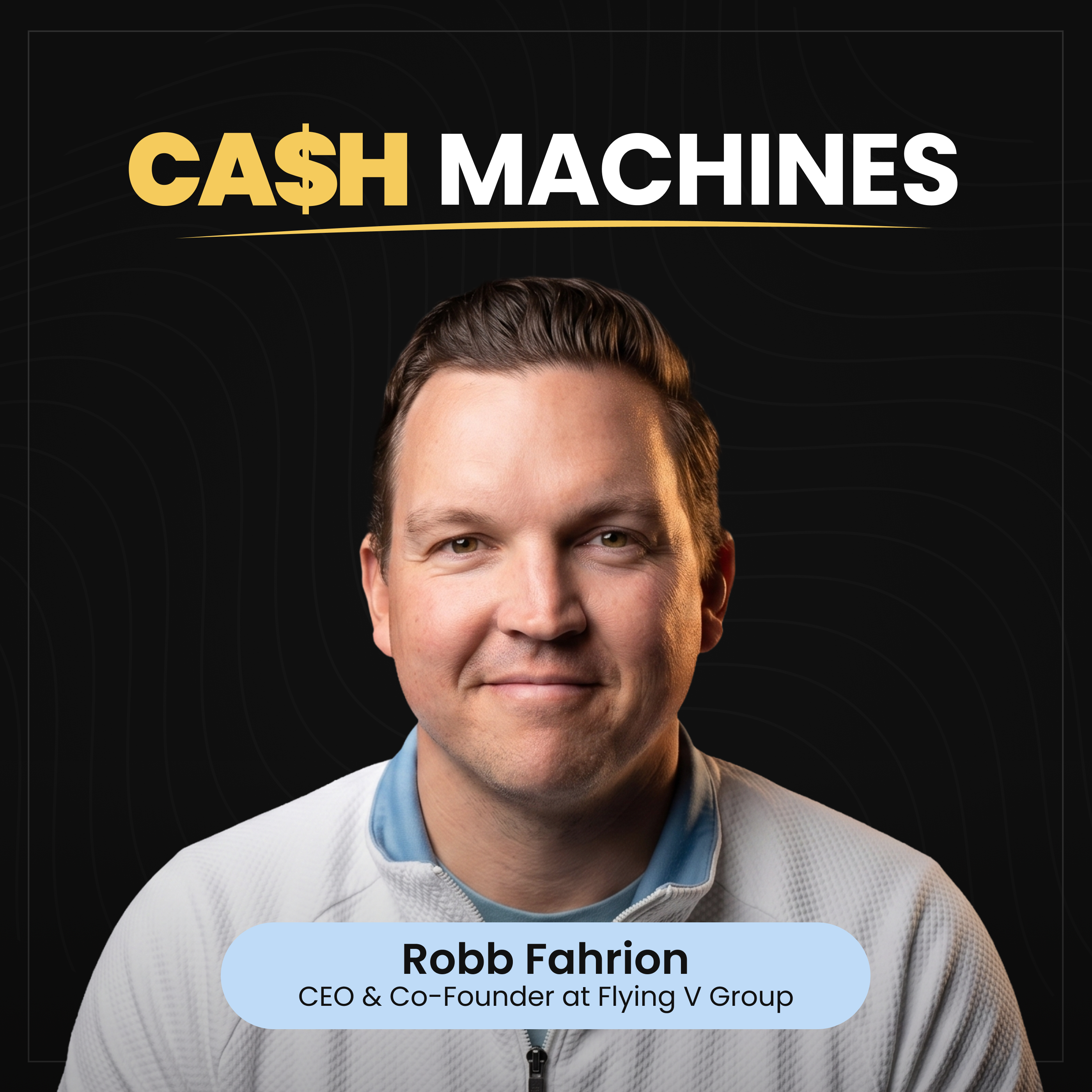 The "Flying V Group" Cash MachineCash Machines · on advertising77 / 100
 Why AI Model Costs Are Crashing Faster Than ExpectedChatGPT and Beyond with Fexingo · on Adobe76 / 100
 Customer Obsession: The Secret to Retention & GrowthRev Ops Revolution, SaaS, Go To Market, Startups, Tech Growth Revenue Operations Conversations · on Adobe71 / 100
 [Client-Side Conversation] How to "Stay Top of Mind" with Chris Whitten85 / 100Using AI as a Strategy Engine with Sophie Bell62 / 100Hacking Advertising with Jon Sneider70 / 100
 Best Practices for Cold Outreach with Ross MacRae80 / 100
 Production and Profit Management with Timmy