CPG Launch Leaders · 2024-09-10 · 31 min
Key moments - from our scoring
Substance score
40 / 100
Five dimensions, 20 points each
Amy Jackson draws on 20+ years in CPG PR to outline why timing and strategic planning are critical for product launches. She emphasizes that PR is fundamentally about differentiation in a crowded market - getting journalists to validate your product through fact-checking and editorial coverage. Her core advice: start PR planning 2-3 months before launch, engage journalists through embargo previews and press releases weeks in advance, and respond to direct product requests rather than shipping unsolicited boxes. Jackson explains how press releases serve dual purposes - they summarize differentiation for reporters and provide SEO value for discovery. She advocates for a tech-enabled approach to monitoring journalist requests (via platforms like Substack, HARO, and media intelligence tools) and seasonal planning (holiday gift guides, back-to-school, New Year resolutions) to have pre-approved messaging ready. She highlights how social media and traditional media overlap: earned media coverage should be amplified across social and website homepages to leverage third-party validation. The agency has seen success with brands that build followings first (like a curly-hair accessory founder on Instagram/TikTok) then layer in PR, resulting in mainstream media interest beyond just lifestyle coverage. Jackson also addresses the tension between large enterprises (slower, constrained by legal/claims approval) and scrappy startups (nimble, limited resources) and how measurement remains a pain point despite new tools.
Start PR planning 2-3 months before launch so you have time to craft a differentiated press release and pitch journalists weeks in advance with embargo previews, giving them time to prepare stories for your launch day.
A press release is a tool that helps journalists understand your differentiation and has SEO value for searchability, but actual coverage comes from a PR team proactively reaching out to journalists on a regular basis and responding to their requests.
No - instead, respond to direct requests from journalists and influencers who are genuinely interested, or work with a PR team to identify and target influencers and freelance writers who have demonstrated interest in your category.
Track multiple metrics: referral traffic in Google Analytics (if backlinks exist), brand awareness reach through social amplification of coverage, SEO value even without backlinks, and third-party validation value that influences consumer perception.
Startups are nimble and can respond quickly to breaking news, but have limited budget and founder bandwidth; large companies have predictable budgets for months-ahead planning but face approval delays from multiple layers and may struggle with journalist access to primary sources.
Our reviewer’s read on each dimension, with quotes from the episode.
There are a handful of genuinely useful tactical tips buried in the episode - notably the August - October window for holiday gift guide filing and the advice to pre-approve seasonal messaging templates so large brands can respond quickly - but the episode is padded with platitudes and the guest often restates the obvious rather than building on useful points.
they're filing stories, especially if it's related to like holiday gift guides, they're filing those stories anytime between August and October
Do not just ship your product willy nilly to influencers and hope that that turns into something
The episode recycles well-worn PR 101 advice - start early, build journalist relationships, PR takes time - with only one mildly fresh angle: treating journalists-as-influencers like freelance writers who can be a gateway to multiple publications. No contrarian or first-principles thinking surfaces.
many journalists are also influencers themselves. And so we think about influencers in a very similar way that we do freelance writers
differentiation is going to continue to be the primary value of pr
Amy Jackson is a genuine 20-year practitioner who has run real campaigns (US Potato Board during the Atkins era, Macy's Thanksgiving Day parade balloon) and founded her own boutique CPG PR agency, giving her credible operator-level experience - but she leads a small shop and does not appear to have operated at significant scale.
one of my first clients where I got to do some very exciting projects was the US Potato board. And this was during the Atkins era
we had a balloon that was healthy Mr. Potato Head. And we did a pop up store in Chelsea market called Healthy Mr. Potato headquarters
The episode includes some named examples (US Potato Board, Chelsea Market pop-up, a curly-hair accessories client, Self Healthy Beauty Awards) and one useful concrete heuristic (two-year minimum engagement), but no campaign metrics, revenue figures, coverage counts, or ROI data appear anywhere.
she actually just won two self healthy beauty awards
the best brands that we've worked with in terms of getting media coverage, we've been working with for at least two years
The host leans heavily on affirmation ('That's amazing,' 'Absolutely,' repeating back what the guest just said) and rarely probes for depth or pushes back on vague claims; questions are broad and open-ended rather than sharp or challenging, resulting in a cordial but largely uncritical PR interview.
That's amazing. And I do think, you know, it's interesting we've had a few guests on that
Is there any other advice you would give to brands that are trying to focus on staying ahead of the curve?
Computed from the transcript - who did the talking, and the words that came up most.
Setting up your CPG brand for success isn’t just about marketing savvy - it’s also about leveraging PR at the right time. In this episode, we are joined by Amy Jackson - founder and CEO of TaleSplash . Amy shares why time is the most important asset for CPG brand launches and delves into the role of PR strategies and technologies in helping your brand stand out in a crowded marketplace. We also discuss: Why CPG brands need consistent engagement with journalists and influencers to build authentic buzz and boost brand credibility. How leveraging both traditional journalists and social media influencers can provide a comprehensive PR impact. The importance of early planning and anticipating journalistic needs for successful PR campaigns, especially for large CPG brands.
Transcribed and scored by The B2B Podcast Index.
Speaker A: I think differentiation is going to continue to be the primary value of PR because there are so many new brands launching every day. It's not just about what you put on your social media or what videos you crank out on social media. It's really what consumers find when they go looking for the best kind of product in your category. And they trust journalists to do that kind of fact checking and legwork to bubble up. What are the best products out there? You're listening to CPG Launch Leaders, the show where we interview new product trailblazers, get ready for inspiration and secrets from the front lines of CPG innovation. Now, here are our hosts, Darcy Ramler and Alan Peretz.
Speaker B: Welcome to CPG Launch Leaders. I'm Darcy Rambler. Today we're thrilled to chat with Amy Jackson, the founder and CEO of Tailsplash. Tailsplash is a boutique PR agency that has been helping create brand buzz in the industry for over 20 years. Today, she'll be sharing her insights on how PR can be a game changer for CPG brands looking to launch new products and connect with their audience in a meaningful way. Amy, welcome to the show.
Speaker A: Thank you, Darcy.
Speaker B: We're beyond excited to hear about some of your most memorable campaigns and to get your take on how PR efforts play into successful product and brand launches. Before we dive in, I love to start each episode with one particular question. Currently, what new product has caught your attention in the marketplace?
Speaker A: I am a big fan of all things beauty that a busy mom like myself can use after the kids go to bed. So, like, give me a great product in the shower or after the shower. And m. One of my favorite brands right now is Motif, which has a really elegant product that you put on your face. You can leave it there for a few minutes and just kind of chill out. I love it.
Speaker B: Well, as a mom of two, I am definitely going to need to try that out because I am the same way. It's like, it's either right before bedtime or it has to be in my shower and easy for me. Accessible and can't last longer than 10 minutes because we know we get no time without Mom. Mom.
Speaker A: Right, Exactly.
Speaker B: So, as we mentioned in when we kind of introed you, you've had an extensive career in PR starting in the food industry, correct?
Speaker A: Right, yeah. Um, one of my first clients where I got to do some very exciting projects was the US Potato board. And this was during the Atkins era, where potatoes were getting a bad rap. And so I was part of a team that helped educate consumers about potatoes, the nutritional Benefits of potatoes when prepared in a healthier way. And it took us all the way to the Macy's Thanksgiving Day Parade where we had a balloon that was healthy Mr. Potato Head. And we did a pop up store in Chelsea market called Healthy Mr. Potato headquarters naturally. So it was a really fun way to start my career. And I still love telling the story to this day.
Speaker B: That's amazing. I always say like pr, there's two things that come out of like a challenge within pr, right? You get the opportunity to really have an amazing campaign and make a difference and then it challenges you to really think outside the box. And as you said, you know who were to think potatoes were going to have a bad rap. But as diet changes and as trends happen, there's a lot that you have to consider from a PR standpoint.
Speaker A: Absolutely. And that really is something that holds true to this day because there's a lot of challenges going on with the climate and with AI regulation and with health and there's amazing innovative companies out there. And those are some of our favorite clients to work with because there's a lot of educational opportunities working side by side with the media.
Speaker B: Well, as we kind of discussed, you went from the food industry to now eventually really founding your own agency, uh, which is a remarkable path and I'm always a big fan of women leaders and paving way there. But as we kind of talk and going into now, your true life as a founder when it comes to launching a new product, what is the most effective PR strategies that you've seen for CPG brands?
Speaker A: So time is the most important element in the world of pr and that plays out in a few different ways. So if you have a new product that you're thinking about launching, you don't want to wait until the last minute to get PR support for your brand. You really have one shot at launching as far as the media is concerned. And they want to hear from you weeks in advance. They want to be offered a preview under embargo, which means they're agreeing not to publish a story until the day and time of the launch. And that means you need to work with your PR agency or your PR team to, to have a press release that you can share with them weeks in advance of that launch day. And in order to get to a place where that press release or that announcement is crafted and really shows how you're differentiated as a product, that work needs to start a couple months out. And to get that work started a couple months out, you really have to think about optimal times of the year to begin working together. So we love when brands come to us with a launch in mind for three months from now. And you know, we always say there's windows in the world of PR because reporters fortunately finally take time off in the month of December. But they're, they're filing stories, especially if it's related to like holiday gift guides, they're filing those stories anytime between August and October. So you know, just thinking early in terms of planning a PR strategy is critical. And then give it time because even after launch there's a lot of opportunities to get coverage. So things like being part of a best of list or being featured as part of a gift guide throughout the year that's not tied to the typical holiday season, those are things that take time and will give you more opportunities beyond your launch as well.
Speaker B: I love that. And when people kind of start to think about really PR and the strategy behind it, I mean it can be overwhelming, right? Like you say time and being able to play through it and not expecting that there's so much that goes on behind the scenes that most people aren't privy to or see within that. Um, but speaking of time and what it takes to this launch, earned media can be so valuable for creating authentic buzz. Right? You always want it. You don't want it to seem manufactured, you want it to seem authentic to who's receiving it. Um, how do you help secure that all important media coverage? You know, as we said, it could be overwhelming to one person. And what role does it play in a successful product launch?
Speaker A: So there's a lot of different ways to engage with journalists. One of my favorite ways is to respond to their requests. So if they're looking for new products to review, that's the best case scenario for actually getting coverage. What pains me is when I see really beautiful CPG brands shipping boxes without asking ahead of time if like an influencer journalist wants to review it. And then I go on TikTok and see these videos where influencers are sitting in front of like towers of boxes and they're like, haha, uh, I haven't even opened these. So that is my message to CPG brands. Do not just ship your product willy nilly to influencers and hope that that turns into something. Or work with a PR team to help you respond to journalists that are asking for your product or influencers that are asking for your product that are genuinely interested. And then you know that's going to lead to some potential coverage. The other element. So that's sort of the like inbound Requests, you're responding to a need, then there's being proactive. And that's where something like a press release can come in handy if you're launching especially press releases create a lot of confusion in the industry because a lot of times founders come to us and think, oh, I just do a press release once and that's how all the coverage appears. And it's, it's just a tool in the toolbox. It's something that helps a reporter get to the meat of what you're announcing and how you're different. But it's also something that has some built in SEO value. So, uh, think of it as like a discoverable piece of information about you. So that's really what a press release is for. But what ultimately leads to coverage is having a team that's doing the work to reach out to journalists on a regular basis. Sometimes that's once a month or more. And so the work doesn't stop leading up to the launch. And at the launch, the work continues to, you know, be creative about different seasonal angles that are a, uh, fit for your brand. You know, that makes sense because the journalist is thinking about the same angle too.
Speaker B: Absolutely. And I think you, you brought up a really good point about being searchable and having really that press release out there. I think so many people think press releases a little bit more in a traditional space always. And as the world has become more digital than it ever has. Right. We always talk about 80% of consumers engage with a new brand in the first time in the digital space. Being able to search and know like that initial press release or that launch is the first thing that's coming up to a consumer or a buyer, you know, on the other side of things. And then also connecting. There's so many different points from that press release that needs to be connected. Do you show up on the website, on the homepage when a launch happens? Are you entering that in from a blog standpoint, like different ways that you can really navigate that. But speaking of digital, you brought up and you started to talk a little bit about influencers. I would love to hear a little bit more about how you see social media and influencer marketing complementing traditional PR efforts, especially for CPG brands these days.
Speaker A: Yeah, they absolutely complement and they overlap. So for starters, once you get media coverage, you want to share that in your social channels because not everybody is monitoring the media outlets, websites, looking for articles and stumbling across your brand. Right. So it's really important once you get coverage to feature it both in your social Media feed. But also make sure even in your profile that you say as featured in, on your homepage of your website, as featured in and put those really well known trusted media logos because it adds that third party validation when a consumer is doing their due diligence on you. And, and then as far as influencers go, there are certainly ways to engage with influencers directly, but what I like to remind people is that many journalists are also influencers themselves. And so we think about influencers in a very similar way that we do freelance writers. Freelance writers can be a gateway to many different lifestyle publications with one contact. And a lot of times they're working in a similar way to influencers in that they're interested in having a product shipped to them to play around with themselves and then they might end up using that uh, in an article or they might end up featuring it on their social media profiles and they have a big following because they contribute to these publications that are well known. So you, you really want to think about lifestyle media in a very similar way to influencers.
Speaker B: Bring up a really valid point is influencers used to mean something. Then we go into micro influencers. If you ask my 12 year old, she would say probably her and her friends are all influencers at the same token, they want to be. Exactly, exactly. In their minds they're influencers. Yeah, but I think to your point is always making sure you're looking at every point of contact is a potential opportunity to play that role within that.
Speaker A: Yeah, I think it's tempting for CPG brands to look at like TikTok or other platforms where the younger generation are spending their time, even YouTube and maybe forego traditional media. But they really work hand in hand and you know, it's an important part of the market that still trusts and pays attention to traditional media outlets as well.
Speaker B: Yeah, I think your word you used is like they complement and they overlap. And I think people that can really see that connectivity are the ones that are having the best results when utilizing it. Well, if you don't mind, could you share maybe a success story where social media played a pivotal role in amplifying those pr, uh, efforts for a product launch?
Speaker A: Yeah. So one of our favorite clients has an accessory line for women with curly hair. So she has silk scrunchies and headbands and bows and lots of fun things. And basically she built her following on Instagram and TikTok before launching the brand and later decided to weave in a PR strategy and brought us on board. And what was so interesting in working with her is we first started pitching holiday gift guide editors but what we found is that other types of business publications and more mainstream news was fascinated with her rise as an influencer before she launched her own brand. And so that became a story in itself Self and we've also allowed her to become more visible through industry awards. She actually just won two self healthy beauty awards.
Speaker B: That's amazing. And I do think, you know, it's interesting we've had a few guests on that. Their products or their brands started from COVID happening, them going to social media, doing certain things within social media and then it kind of the reverse happened. The PR then started to come in. But as you said, it really can be a complimentary feature of when those two connect. It's a very, very powerful opportunity. So PR often needs to move at the speed of news cycle. Right. But as we know, and I can attest to this, is working with large CPG brands, they can be a little bit slower to react. You've got legal, you've got a lot of things you've got to go through in order not only to get to a launch, but claims, what can be said and so forth. How do you navigate these challenges and what advice do you have for brands looking to be more agile?
Speaker A: So there are typical scenarios that we see play out over and over within certain industries where journalists are looking for responses to a certain set of questions and we see kind of patterns where we'll start to notice the same questions are asked over and over again. When journalists are asking for, you know, to review a product. We see this, the same seasonality each year. You know, things around like summer travel or you know, back to school or heading into the holiday season. Healthy resolutions in the new year, Valentine's Day. There's a lot of seasonality to consumer media that you can predict and plan for. So if you're in a situation where you have to really prepare and get those messages and campaign materials approved, you kind of can work through that seasonality well in advance and then also pay attention to what are the kinds of requests we're getting from journalists that are more evergreen, what are those best of lists focused on and get that set of answers kind of pre approved so that when you see a uh, request pop up where a reporter's on deadline, you, you're ready to respond with something that's already been approved.
Speaker B: Hey, CPG leaders. For decades, product launches have relied too heavily on what consumers say they'll do rather than what they actually do. The result, 70% of new products fail within the first two years. Needless to say, it's a tough market out there. But don't worry, old labs can help. We use transactional shopper data to help you better gauge size of the price, market viability and consumer perception, all before your new product ever hits the shelves.
Speaker A: How?
Speaker B: By combining, um, the best traditional and digital testing methods to engage with shoppers already in the buying mindset. These real world interactions yield actionable data. That's right. No more guessing, no more surprises, and most importantly, no more costly innovation fails. Bold Labs has saved brands millions by optimization, optimizing every stage of the product life cycle. So are you ready to de risk your next launch? Make your innovation decisions with confidence. Reach out for your custom learning plan@boldlabs.com you've worked with both large enterprise brands and scrappy startups. What do you think are the biggest differences in how they approach PR and what lessons can they possibly learn from each other? And I have to say, like, I, I've, I've worked on both sides, so I definitely can, it takes, you know, being able to be nimble and flexible on both is, you know, they both have challenges and advantages.
Speaker A: For sure. Absolutely. And this is a great question because I have had experiences in big companies and work with a lot of startups now at Tailsplash. And one of the reasons we love startups is because they're so innovative. They're bringing something to market that's new and that is a natural opportunity for journalists to feature those products because there's novelty, there's differentiation that they can, you know, bring into the coverage. The challenge, of course, comes down to resources and that could mean time because a founder is wearing many hats or it can mean budget and sometimes they have to make trade offs with how they're spending their marketing dollars, whereas a larger company has more of a predictable, you know, annual budget to work with. And so you can really plan for, you know, months ahead, what kinds of campaigns you want to do together. The challenge with bigger companies is that journalists want access to the source. And so if you have to work through a lot of layers of spokespeople, for example, it might be tricky to be in a position to respond to a journalist on short notice.
Speaker B: Absolutely. And I think, uh, you hit it the nail on the head when you talk about, it's, it's amazing to work with the scrappy startups because they are quick and they're nimble and it is easy to, you know, they can be a little bit more provocative in what they say or the chances that they take within there. But time and budget is, is limited as well. So you almost have to in turn be scrappy with, with what they're working with. And then on the other side of working with large brands, you can have a lot bigger budget and a farther reach and you a lot of times have brand recognition and it's easier on that than. But you are a lot more confined and limited about how creative you can be at the end of the day.
Speaker A: Yeah, absolutely. I think there's something really exciting about being in a position to respond to breaking news if it's relevant for your industry. And we've seen that work really well for our clients that are smaller.
Speaker B: That's amazing. So in our ever evolving PR landscape, what new trends or tools are you most excited about that can really help brands stand out?
Speaker A: So we have a full tech stack and I come from the world of technology, so I'm a big fan of like, efficiency and, you know, finding your audience where your audience congregates. And so there's a lot of platforms now where journalists go to request products and services, to review or to connect with an expert for a story that we're working on. So we've really managed to assemble a whole system of places and channels to go to know what journalists are looking for. Uh, many of them, freelance writers in particular, are good about publishing their own substack newsletters looking for sources. And then there's really great tools for actually pitching journalists and knowing what they're writing about in real time, so you know, if what you're pitching them still makes sense or if they've moved to a different beat. So technology is really helping make us better at our job. And then on the podcast side of things, it's helping us find great podcasts to work with because it's a newer, you know, such an emerging field and technology is now making it easier for us to find each other.
Speaker B: Yeah, and as you kind of move into using different tools and what does measurement look like as you look at what's a successful campaign, how, how are you measuring that for your brand?
Speaker A: So it really depends on the brand. Some newer brands just want that baseline of coverage and trusted publications, and that's going to help them really show their legitimacy as a new product to purchase. For our more sophisticated PR programs, we are connecting data from different places. So if we're able to see referring traffic to Google Analytics, we can look at, you know, if a, uh, an article actually includes a backlink, which many do not. So that's just, you Know, you have to kind of work within the system, you know, is that referring.
Speaker B: All of our SEO people would, would. It would hurt their heart to hear that most don't have a backlink.
Speaker A: It's really tricky. So, you know, you have to kind of place value on what makes sense for a given piece of coverage. So if there's a backlink, fantastic. It might be a nofollow link, but, you know, we'll live with it. And then if it doesn't have a backlink, you, you can still use it to, you know, market your, your reach on social media and in newsletters and in other marketing channels. Or it might still help SEO. Right. So there's like different kind of metrics that you can place on coverage. It could be more at the top of the funnel as like a brand awareness play. It could be more, you know, further down the funnel and actually sending you traffic. What I, uh, am always preaching about is the PR industry has a hard time with measurement. Always has. And I'm hopeful that with all this new technology, including AI, that measurement will get easier. But it's still much more manual than you would expect in 2024.
Speaker B: You know, there's a lot of parts and pieces that still exist. I, um, think retail media, you know, sitting on that side of the fence is we still have that. It's measuring attribution. What is it influencing in store? There's so many great tools that are out there and existing, but like you said, it is tying all those measurements together to get that impact. And as people, as I think brands are requiring more and more data and more metrics is, you know, tools are going to be forced to be, have to show some of those in order for them to really believe in the investments that they're making. Without a doubt. So to switch gears a little bit, um, just talking founder and obviously going through starting your PR journey, as we kind of talked in the food service side of things, can you talk a little bit about that adventure as a founder? Lessons learned. I always like to say lessons learned. The good, the bad, the ugly. You know, there's always things that I think people listen and kind of, that are looking to take a leap of faith sometimes. You know, they come from a lot of big organizations and then want to take that step out on their own. Love to hear any advice that you have on that side of things.
Speaker A: Yeah, I, I have really had a different experience every year of the business. And I would say if you have a great network and you connect with people over the course of your career, that network is going to come in handy if you launch your own business. And so I encourage everybody to, like, keep those connections, stay connected, because those were my first clients. It was all people I had previously worked with or knew personally.
Speaker B: And.
Speaker A: And then as the years went on, that started to shift and I tried out more marketing channels myself as a founder. And in response to that, I started to build out my team. And with that comes, you know, the challenge of, of balancing, you know, the growth of the team with the growth of the business. And so, you know, I'm in a very different place now looking at, you know, profitability and things that I never had experience doing when I was working in corporate or for agencies. So in my past life. So. Absolutely.
Speaker B: When you are a founder, you, you find hats you didn't even know you knew how to wear.
Speaker A: That's right. That's right. But it's, uh, it's part of the fun. It's why I love it. I love, like, problem solving and puzzles and it's fascinating. So you have to be.
Speaker B: I think one of the things I always say is you have to be able to look at the deck of cards, shuffle it, lay it out a million different ways, reshuffle, you know, like you said, it's the problem solving aspect of it. And then to really be humble enough to say you're always learning. Right. And there's always something more to learn, something new to figure out is, I think, always the key to pushing forward and finding more success within. You know, being a founder, being a CEO of that nature, you have to be inquisitive and want to be able to learn every day.
Speaker A: Yeah. And incredibly persistent. And you just keep going. No matter what, just keep going.
Speaker B: Absolutely. And as you said, it's the power of referral, too. You know, it seems cpg, or even just in the industry of brands is. It seems like such a large world, but it's also such a small world. And obviously LinkedIn continues to show that every day when you connect with someone new and then you guys have mutual connections. But it is a very small world and it's very powerful what people say and willing to refer. And that testimonial goes a long way as you're building your business. Business.
Speaker A: Absolutely. And one of my favorite groups to stay connected to is fellow female agency owners, because we really help each other out. And those, uh, referrals can, can mean everything. So 100%.
Speaker B: So finally, as we're looking ahead, how do you really see the role of PR evolving for CPG brands I think
Speaker A: differentiation is going to continue to be the primary value of pr because there are so many, so many new brands launching every day. It's not just about what you put on your social media or what videos you crank out on social media. It's really what consumers find when they go looking for the best kind of product in your category. And they trust journalists to do that kind of fact checking and legwork to bubble up. What are the best products out there?
Speaker B: Is there any other advice you would give to brands that are trying to focus on staying ahead of the curve? I know it's a competitive curve and it's constantly changing, but any other advice that you may have to share, I
Speaker A: would say give it time. PR is not the same pace of testing and learning as other marketing channels, so you really have to see it through and it starts to accrue and build over time. So the more coverage that you get, the more coverage becomes available to you. And I love the interplay of being featured on a podcast and then being in an article and like, how those can also help complement one another too. So don't assume it's going to be the same as spending on advertising, for example. It's not that direct relationship between time and results. It really takes a concerted effort. And the best brands that we've worked with in terms of getting media coverage, we've been working with for at least two years, if not longer. So it just takes time.
Speaker B: Absolutely. And even on the digital agency side of things, I mean, the stat now is it usually takes three or four touches of a consumer before you convert them. So imagine upper funnel, what you're looking at of really, you know, I think a lot of times the consumers now it gets into, wait, I've seen that. I've seen it again now. Um, now I'm starting to pique interest. Let's go ahead and. And kind of discover that before they even enter in that discovery phase.
Speaker A: Yeah. And brands that have like a viral moment, I always like to remind people, like, for every viral moment, there's hundreds of moments that did not go viral. So, you know, you have to put
Speaker B: the work in millions. Exactly, exactly. I know everybody always. Well, and I always say the other interesting thing, to your point of the viral moment, people will always define it as, oh, my gosh, this new brand that had this viral moment. When you actually look into the poppies of the world or the different people, like the different brands that are out there, a lot of them have been around for eight years, 10 years. Exactly. They are not this new brand to the CPG world. They've actually been just clawing their way up and then maybe had their moment in the spotlight, which is amazing, and then you have to capitalize on it. But most of them are not just we launched six months ago, had this moment and they're. And now we're this explosive brand.
Speaker A: Exactly. There's really no such thing as an overnight success.
Speaker B: Exactly. So. Well, Amy, thank you so much for sharing your insights into the power of PR with us today. Stories like yours remind us to keep innovating, stay inspired, and let's continue to redefine the world of CPG innovation. Thank you so much.
Speaker A: Thank you for having me. This is so much fun. You've been listening to CPG Launch Leaders, a show from Bold Strategies Incorporated. Don't miss the next thrilling launch story. Follow the podcast on your podcast player now. Please give us a rating, leave a comment and share episodes with your friends. Until next time.
Other episodes covering the same guests and topics, from across The B2B Podcast Index.
 Is Your Business Invisible to AI Search? (And How to Fix It) ft. Ray YoungRevenue Science · on Earned Media85 / 100
 EP 292 - How to Get Cited in AI Search (Not Just Ranked)Alt Marketing School · on Earned Media85 / 100
 How to Announce New Products in 2026FiredUp! · on Press releases85 / 100
 E24: He only needed 2 years to get from 0 clients to a multi-million PR agencyFounder Stories · on Earned Media83 / 100
 Your Brand Is Invisible in AI Search. Here's What You Can Do About ItTech Talks Daily · on Earned Media78 / 100
 Sound BITES Podcast: E53 - Mickie Kennedy | Founder of eReleasesSound BITES · on Earned Media78 / 100
 Going Beyond Sustainability with Kelly Vlahakis-Hanks of ECOS
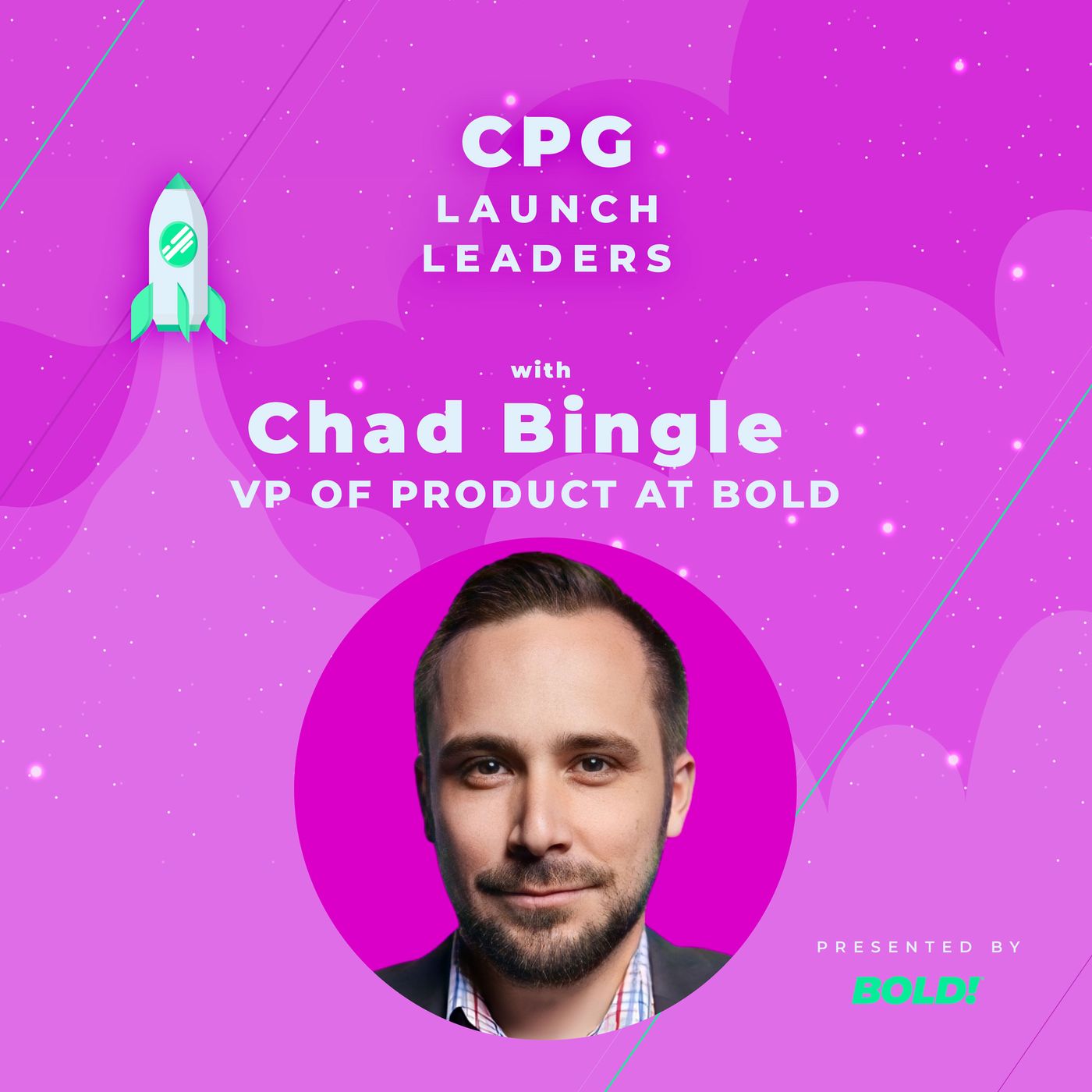 The Digital Era of Product Testing with Bold Lab’s Chad Bingle
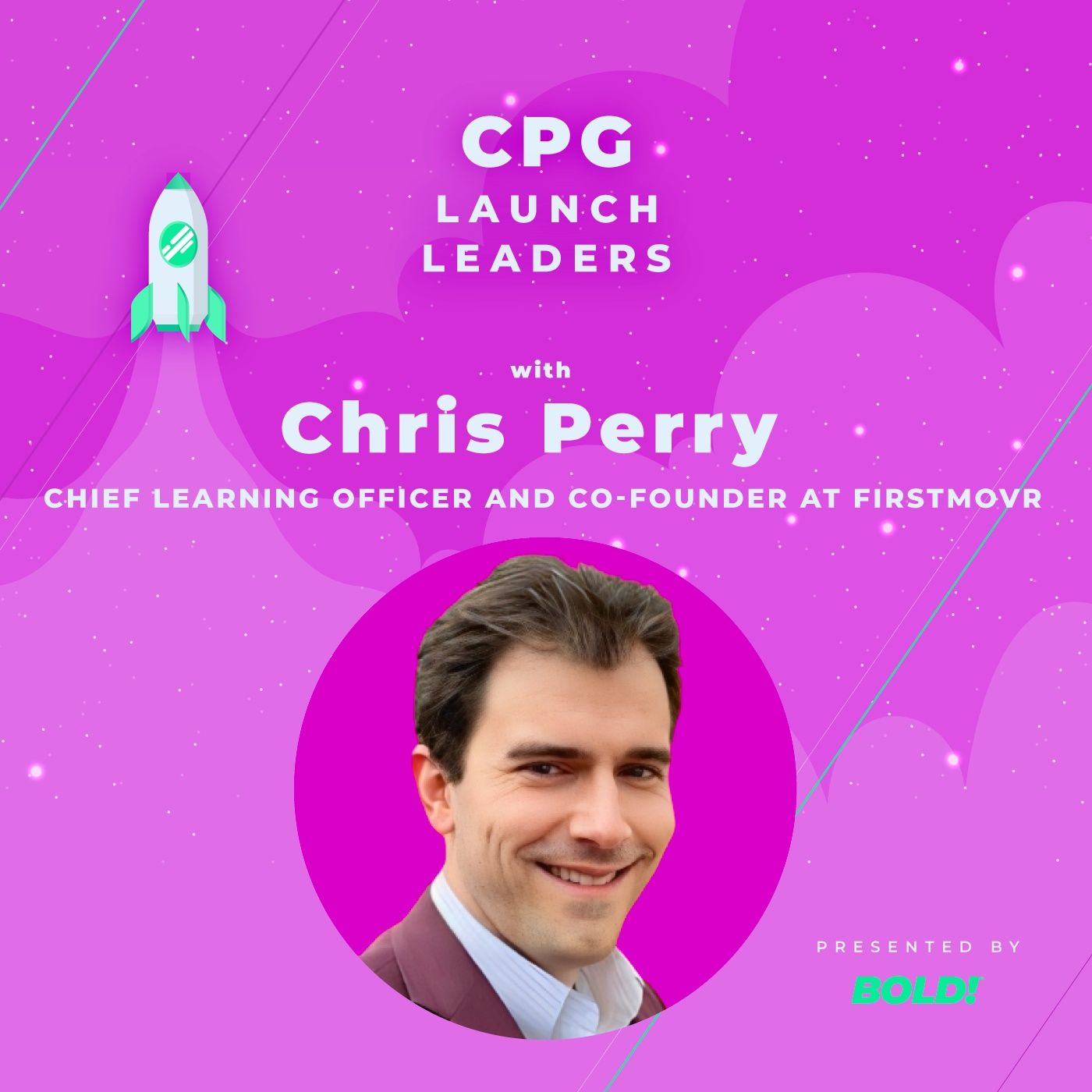 eCommerce Trends and Smarter Growth with FirstMovr's Chris Perry
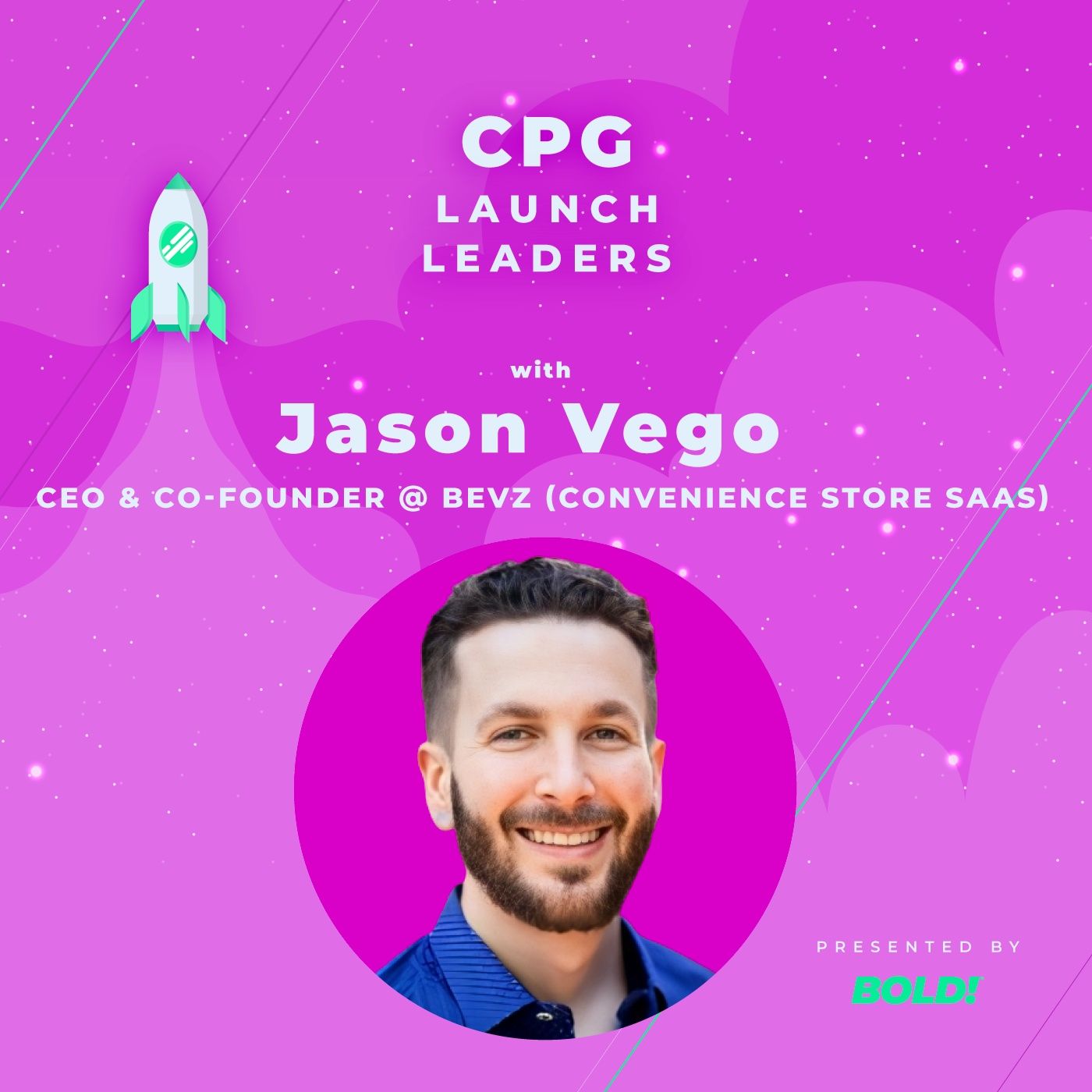 The Future of Convenience Stores and Consumer Behavior with Jason Vego from Bevz
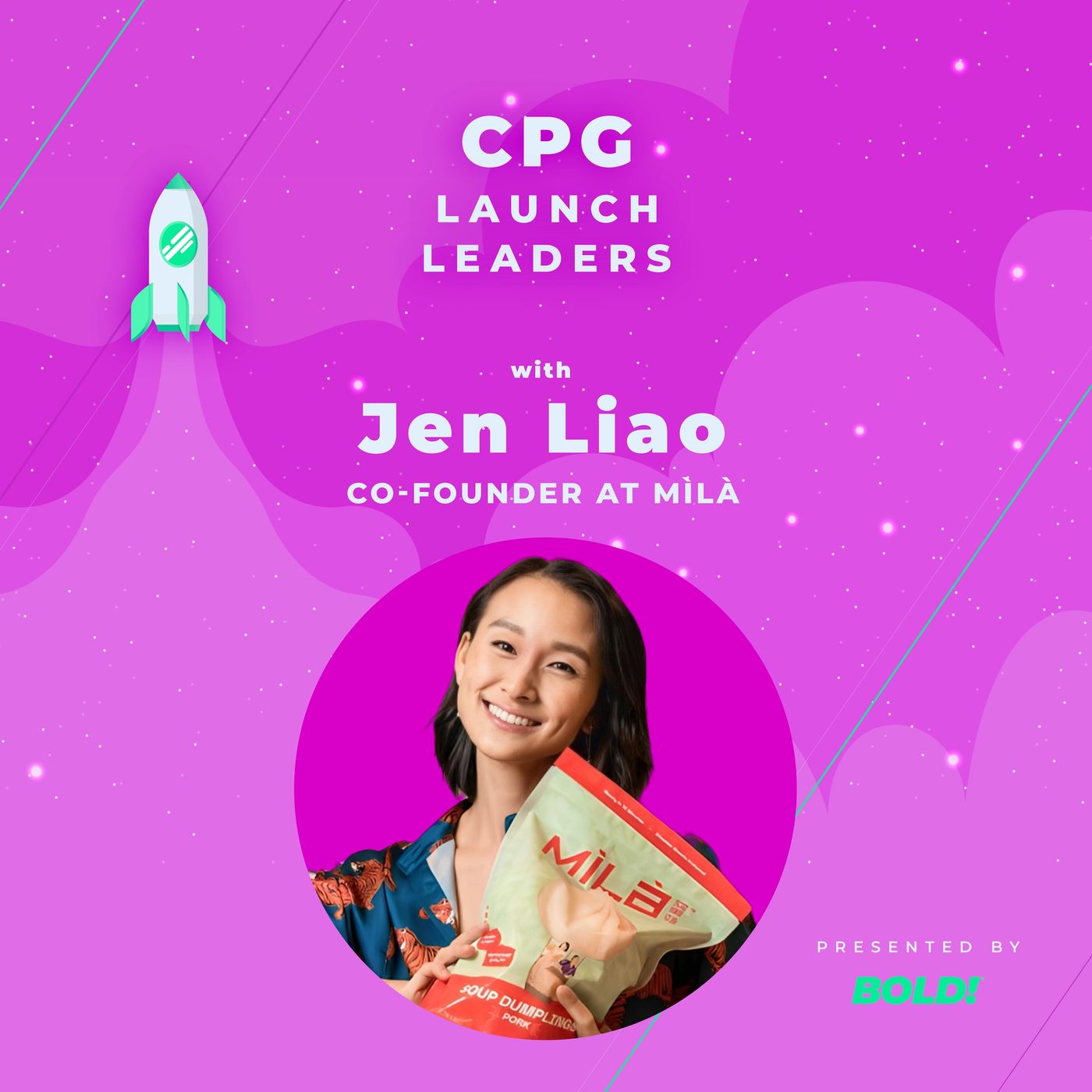 MìLà's Dumpling Revolution from Restaurant to the Retail Shelf with Jen Liao