
Founder Stories · 2025-09-24 · 1h 34m
Key moments - from our scoring
Substance score
63 / 100
Five dimensions, 20 points each
Bottled Imagination is a Manchester-based digital PR and content marketing agency that has achieved remarkable growth in just over two years. Luke Cope, working with co-founders Katie (PR director) and James (creative director), started with no company name, no clients, and no money - but leveraged previous professional relationships and networks to land their first clients within a month, including luxury retailer Fennec. The agency differentiates itself from traditional PR and low-quality link-building operations by creating earned media stories tailored to publication audiences and journalist needs, then measuring impact through traffic attribution, rankings improvement, and conversion tracking. Unlike traditional PR agencies that report only publication placements, Bottled Imagination tracks referral traffic, audience behavior, direct sales impact, and SEO ranking improvements - metrics that resonate particularly well with B2B clients seeking lead generation alongside brand awareness. The firm operates on a predominantly retainer model (90%), grew to 14 employees by year two, and generates 60% of new business inbound through a three-part methodology: doing exceptional work, generating hype via personal brands on LinkedIn and Twitter, and building trust through awards and case studies. The founders actively sell and converted initial project engagements into longer-term retainers by directly addressing client concerns about startup viability.
Luke leveraged previous professional relationships by messaging companies he'd interviewed with, explaining the launch situation and asking if they knew anyone needing PR services. Within a month he had a first client; he also won Fennec, a luxury retailer, through connections made while on holiday before the official launch. About 70% of early clients came from previous network connections.
Digital PR (like Bottled Imagination) creates customized story angles tailored to specific publications and their audiences, earns coverage through journalist outreach, and measures impact via referral traffic, ranking improvements, and conversion attribution. Traditional PR often only reports publication counts, and cheap link-building just places articles without strategy or measurement - Bottled Imagination calls that approach 'cowboyish.'
They track referral traffic from articles back to client websites, measure Google ranking improvements over time, identify which companies visited PR campaign pages for B2B lead attribution, monitor brand search volume spikes after stories, and sometimes track direct sales conversions. This data-driven approach contrasts with traditional PR's reliance on readership estimates.
Three founders allow specialization - Luke handles strategy, Katie does PR direction, and James manages creative - enabling the agency to service clients immediately without hiring. Each founder can also bring in revenue through their own networks, making growth capital-efficient. Two-founder models typically require hiring sooner.
They addressed client objections directly in pitches by acknowledging concerns ('You're worried we'll disappear') and positioning themselves as important to the startup's success, unlike large agencies where clients are one of many. By explaining the mutual benefit and forecasting value for 12-month planning, they increased retainer conversion rates and now operate at 90% retainer revenue.
Our reviewer’s read on each dimension, with quotes from the episode.
The episode contains moderate insight density with useful frameworks (do good work → generate hype → build trust) and practical business lessons, but much space is devoted to storytelling, context-setting, and conversational filler. Many ideas recycle well-known concepts (accountability, planning, retention focus) without substantial novelty. Specific actionable insights appear sporadically rather than densely packed.
We do good work. So we do amazing work and do something interesting that other people aren't doing for your clients. And then the second part is generate hype with that work. So you take the most interesting part of that work. And promote that. And then generate trust. So award wins.
We changed our pitch process to put in questions that we'd have if we were them. And we just said, look, here's what I'd be thinking if I was you. Like, you're a start. Is this a risk? Like, are you going to be around next year?
The guest applies standard business frameworks (Scaling Up, KPIs, accountability, retention metrics) competently but without notable originality. The digital PR angle and measurement emphasis are relatively standard industry practice. The three-pillar framework is reasonable but not genuinely contrarian or fresh. The approach is methodical rather than innovative.
I think three is probably an interesting number to launch with. Most agencies launch with two. One's creative, one's more businessy.
PR has a bit of a measurement problem. The SEO industry has a bit of a creative problem. We sit somewhere in between.
Luke Cope is a solid operator - co-founder of a multi-million-pound agency achieving profitability in year one with 14 staff by year two. He has relevant 12+ years agency experience and has built something tangible at scale. However, he is not a marquee name or exceptional outlier; the agency, while successful, is regional and early-stage. Caliber is strong practitioner level but not visionary or extraordinary.
I've worked in digital marketing for about 12 years and I co founded Bottle of Imagination just over two years ago.
We did just over a million revenue in our second year. We're growing pretty quick. Um, and those roles will inevitably change. I think at the start. You can step on each other's toes and you can be doing something, but we kind of had to as well, so we have to get it going. Um, and now you can see a bit more of a defined role split between them.
The episode includes concrete details: specific client wins (Fennec), campaign specifics (Jordan Reese footballer hoax with 5,000 clicks), revenue figures (£30k first month, £500k year one, £1m+ year two), team size (14 people), retention rate (90%), client composition (60% inbound, 7% previous clients, 20% partners). However, many claims lack numbers or verification (e.g., award wins mentioned but not detailed, employee onboarding processes described vaguely). Evidence is present but inconsistent in depth.
We got on a call and it was done within sort of a month. We had our first client. Somehow we won three or four clients.
We created a Footballer that didn't exist. So we, we created a footballer called Jordan Reese... 5,000 people clicked on the offer, like, to go through the site.
The host (Simon) asks solid foundational questions and demonstrates genuine curiosity, but often allows the guest to meander through long anecdotes without sharp follow-ups or pushback. Some questions are open-ended and generative, but the host rarely probes contradictions or challenges claims. The conversation feels warm and relatable rather than incisively journalistic. Several moments show softballs ("That's amazing") rather than productive friction.
Uh, if you're listening guys, for the first time, just a bit about Founder Stories. It's all about helping entrepreneurs and business owners with real life actionable advice, strategies, tips and stories to inspire.
I think traditionally from my experience of working with clients who are PR agencies or just having knowledge of speaking to PR agency founders, maybe they don't want to or they're not. That they don't have a process that I've seen in the past, which you do to measure uh, the return which to me doesn't make any sense because if you can show a client, okay, we ran this PR exercise for you. It cost you 50k, but we can estimate that that uh, brought in 250k of new business.
Computed from the transcript - who did the talking, and the words that came up most.
Founder Stories - Episode 24: Luke Cope From Zero to £1M: Scaling Bottled Imagination Into One of the UK’s Fastest-Growing Agencies What does it really take to launch and scale an agency from scratch - with no clients, no money, and no safety net? In this episode of Founder Stories , Simon Kallu sits down with Luke Cope , co-founder and Creative Strategy Director of Bottled Imagination , one of the UK’s fastest-growing creative digital PR agencies. Luke opens up about the reality of starting an agency with two co-founders, how they won their first big clients before they even had a company name, and the strategies that fuelled their rapid growth to 14 staff and £1M+ revenue in just their second year.
Transcribed and scored by The B2B Podcast Index.
Speaker A: We didn't have a company name, we didn't have any clients, we didn't have any money. It's interesting how previous networking, previous relationships come into play when you do something like this. So, uh, it was actually a company that interviewed me about a director role probably eight months ago. And I'd messaged that company being like, look, we've left and we're setting up our own agency, we can't disclose anything. And they said, we think we've got a client that would benefit from your services. We got on a call and it was done within sort of a month. We had our first client. Somehow we won three or four clients.
Speaker B: Mr. Luke Cope, who is the co founder and creative strategy director of Bottled Imagination.
Speaker A: I think three is probably an interesting number to launch with. Most agencies launch with two. One's creative, one's more businessy. So we could launch with three of us. And we had myself, who was strategy. Katie can do pr, uh, as PR director and James can manage the creative. So that was a period of like, how are we going to do this? And we won a really big name client in Fennec, the luxury brand retailer no previous contact with. We couldn't publicly announce for three months. So we had.
Speaker B: Hello and welcome to Founder Stories, the podcast for small business owners. I'm, um, your host Simon Coloon and I created this show not only to motivate and inspire, but to give you actionable strategies to take back into your business, shortcutting your route to success. Each week I'll sit down with real and relatable business owners, uncovering how they've created a business that gives them freedom, creates impact and makes money. So let's get started. Welcome to season two of Founder Stories. We are back with another episode, always bringing you relatable, inspirational business owners. And today we have a very special guest, Mr. Luke Cope, who is the co founder and creator, creative strategy director of Bottled Imagination. Bottled Imagination are, uh, a creative digital PR agency who uh, are based in Manchester, but interestingly which we'll get into in the podcast serving clients across the globe. So welcome to the podcast.
Speaker A: Thanks for having me on Simon.
Speaker B: Uh, if you're listening guys, for the first time, just a bit about Founder Stories. It's all about helping entrepreneurs and business owners with real life actionable advice, strategies, tips and stories to inspire. Um, we spoke a bit about podcasts, Reach, volume, those kind of things. I really love Diary of a CEO and that was what inspired me to start this podcast. But I feel like as that's grown for me As a business owner it's got less and less relatable in terms of I want to watch or listen to something. As a business owner my time is so precious and be able to take things away from that episode, put back into my business and see some roi, see some return on investment from that time. Um, so hopefully today we can share your story, some lessons that the viewers or listeners can gain insight from and take back to their own businesses. So I'm particularly interested actually in why, um, I don't answer this question yet. We'll leave this as an open ended thing, why businesses would still benefit from PR in 2024 given you know, Gen Z and the trends and TikTok and all of these things that I don't really understand but seem to be the way things are going right now. So if you can help me out with the answer to that question, I think for me and for viewers, listeners that'll be super interesting. But before we get into that, let's start with you. Um, who are you? What's your role in the company? What does your company do now and who, who and how do you help them?
Speaker A: Yeah, so I'm, I've worked in digital marketing for about 12 years and I co founded Bottle of Imagination just over two years ago. So we, myself and two co founders were at an agency before and we just took the plunge and set up our own agency, decided to make that decision and launch Bold Imagination. We, we didn't have a company name, we didn't have any clients, we didn't have any money and you can't take
Speaker B: the clients that you're working with.
Speaker A: Can't take the clients. It wasn't a very popular decision, us leaving anyway so we had to negotiate that uh, eventually we, we, we came up well there's a solution of we could start trading but we can publicly announce for three months. So we had three months of like how do we get clients without a name and without being able to say that we have set up a company.
Speaker B: Yeah.
Speaker A: And somehow we, we won three or four clients. I think the intrigue of what happened.
Speaker B: Yeah.
Speaker A: Created almost like a short list of clients. People started approaching uh, us and also by look literally down to the day probably we won a really big name client in Fennec, the luxury brand.
Speaker B: Okay.
Speaker A: Retailer. No previous contact with them or anything like that. And um, we sent a contract, two new clients saying insert company name because we couldn't legally disclose the name because we haven't launched yet.
Speaker B: Yeah.
Speaker A: So that was a period of like how, how are we going to do this and there's gonna be a three month period of like no salaries basically.
Speaker B: So did you find out as well how they. Because I think it's really interesting for people who are thinking about that transition from work to business, but are uh, scared of that whole interim period, especially where they're locked into contracts. Like how did they find out about you? Did you ask them when they got in touch?
Speaker A: It's interesting how previous network and previous relationships come into play when you do something like this. So it was actually a company that interviewed me about a director role probably eight months ago. And I'd uh, message that company being like, look, we've left and we're setting up our own agency. We can't disclose anything. And they said, we think we've got a client that would benefit from your services. We got on a call and it was done within sort of a month. We had our first client.
Speaker B: Okay.
Speaker A: Um, and again we had to say, bear with us, this will be like a legit thing. The lack of trust we had was unreal to be able to win clients in that state.
Speaker B: But I guess you had trust because they can look at your LinkedIn profile. They understand where you work before they can see your previous work.
Speaker A: Yeah, exactly.
Speaker B: They know that. Well, it's not common thing for people to do, but it is something that people have done before.
Speaker A: Yeah.
Speaker B: And they really wanted you based on what you've done in the past. I guess a good example of you putting yourself out there early and telling people what you're doing and building a network.
Speaker A: Yeah, that was it. And we had, we had that, uh, a bit of like, okay, who can we go to? And just say we're doing this and what, what, what might they have for us? And also people had come to us with a few opportunities as well. So we ended up, we went on um, on holiday before we launched because like this is the last time we're probably gonna get a holiday for a while as founders and we've, we found.
Speaker B: Together or individual.
Speaker A: Yeah, together. Yeah. And we, we found out when we could launch.
Speaker B: Yeah.
Speaker A: And also we won a massive client when we're out there and we were like, okay, we've got an agency straight away. Month one, we're making profit.
Speaker B: Yeah, amazing.
Speaker A: And we're not even publicly launched yet. So we had that three month period where I thought it was going to be hell was actually like immediately fine. It took away the stress immediately. And um, yeah, people, I guess clients come to us, a large amount of clients come to us because they want to improve their organic search growth.
Speaker B: Okay.
Speaker A: Uh, and digital PR is a great way of being able to do that. And then I'd say probably 30, 40% come to us from a more traditional PR point of view. They want to get in press.
Speaker B: Yeah.
Speaker A: And where their audience read. And, um, yeah, we.
Speaker B: Not you do both at Bottled Imagination. You do digital pr, which is getting people articles online.
Speaker A: Yeah, it gets articles online and then the, the backlink that you get from those articles back to your website.
Speaker B: Yeah.
Speaker A: Is a trust, uh, indicated to Google and it can improve your rankings for certain key terms. So there's a lot of companies that heavily invest in what used to be called link building, uh, is now called content marketing, digital pr. And we were kind of known for that in our previous roles and previous experience. And that was our way of getting clients in immediately, I guess.
Speaker B: What's the difference between these guys that message me on Instagram saying, I can get you 20 articles in these things for this price. Da, da, da, da da. And they're not even asking about interviewing me or understanding a story or who my client is or anything. It's just, we'll write the articles, we'll publish it and we'll get you in.
Speaker A: Yeah.
Speaker B: And what you do, I think at
Speaker A: that, I think there's cowboys in any industry. So that sounds a bit cowboyish. And I think also that's something we put into paid. So if a client said to us we want to get on X publication with a story about something we've just specifically done.
Speaker B: Yeah.
Speaker A: We will say to them, that publication doesn't talk about that. Uh, that's an advertisement.
Speaker B: Okay.
Speaker A: What we do is earned media. So we will create stories for that brand and then earn the, the stories in relevant publications and reach out to journalists with those stories.
Speaker B: Got it. Okay.
Speaker A: Um, and I guess like I said, most of it is sort of SEO related for us, but then we've had a lot more different types of briefs come in, which is probably a bit more traditional from PR point of view. We just want to get in this, the relevant press and improve our brand awareness and get in the press more than our competitors as well. There's still a bit of that on the more traditional metrics. But yeah, I'd say that's the main difference is we create stories, earn media, and then the difference probably between traditional PR and digital PR is a bit of measurement. We will measure a lot more than perhaps what traditional PRs will. Not all of them, but traditionally a PR report might be. We've got you an X amount of publications. And uh, here's the average readership which is like a not an up to date metric or one we can't really
Speaker B: track click through or roi. It's more of a general brand building exercise.
Speaker A: Yeah, exactly. And we'll be able to track like okay, we got you in 30 publications.
Speaker B: Yeah.
Speaker A: 20 of them had a link to your website. Here's the referral traffic from, from those publications to your website. Yeah, here's, here's what the audience did when they're on the website. Sometimes we can track direct sales or they don't really work like that as well. In pr. We can track uh, your rankings improving across, across Google versus previous periods because of the work we've been doing. Yeah, we can track more people searching for your brand if we've had a story that's done really well and more people have therefore searched for the client's brand during that period. There's causation on the other work we've done. So I think it's uh. PR has a bit of a measurement problem. The SEO industry has a bit of a creative problem. We sit somewhere in between.
Speaker B: Yeah, it's really interesting because I think traditionally from my experience of working with clients who are PR agencies or just having knowledge of speaking to PR agency founders, maybe they don't want to or they're not. That they don't have a process that I've seen in the past, which you do to measure uh, the return which to me doesn't make any sense because if you can show a client, okay, we ran this PR exercise for you. It cost you 50k, but we can estimate that that uh, brought in 250k of new business. All they're going to do is continue to spend and work with you or increase spend.
Speaker A: Yeah.
Speaker B: So having those data analytics super important for you, not just for the client. Right?
Speaker A: Yeah. It helps you retain clients. Have you wins when new clients. I think that. And also it can be done in B2B and B2C. We have, most of our clients are B2C but B2B is like a heavy growing part of our agency.
Speaker B: Okay.
Speaker A: Purely because uh, and I've been in B2B scenarios in like pictures and meetings with senior people and they, they will say they want brand awareness from PR and then they ask a couple more questions and they want leads and they want to be able to track where those leads come from.
Speaker B: Everyone wants.
Speaker A: And we can, we can tell them what companies have been on our PR campaign pages. We can provide their sales team with that Data. It's just a whole, a whole different level of, of trust that you can, you can gain with that client. Instead of just like, we got you on these publications.
Speaker B: Yeah.
Speaker A: So we go. I think we focus really heavily on the start bit, which is the ideation strategy. And then also we create great work as well, but also at the end reporting on what we do. I'd say there's certain areas that we really excel in at the moment.
Speaker B: And who are your other, uh, co founders? And how did that come about in terms of you guys coming together and agreeing? And how did you make that work so that everyone's happy and you're off and you all know your roles and responsibilities and you're not doing each other's work and that kind of thing at the start?
Speaker A: Yeah. I think three threes are probably an interesting number to launch with them. Um, and most agencies launch with two. One, ah, one's creative, one's more businessy.
Speaker B: Yeah.
Speaker A: We, my two co founders, we'd worked on quite a few big campaigns together at a previous agency. So we'd done stuff for, um, Xbox and PlayStation and we'd, we knew we had specialisms that each other didn't do. So we, we could launch with three of us. And we had. Myself, it was strategy. Katie can do PR as PR director and James can manage the creative. So we're like, okay, we can service clients pretty much immediately. Okay, so that helps.
Speaker B: So it's not like you're all doing the same thing, but across different niches. You've all got your own.
Speaker A: Yeah.
Speaker B: Specialisms across the throughput of work. Uh, in any given niche.
Speaker A: Yeah. And all that meant was we could, we could deliver work straight away. Yeah. And also they do. Those roles do evolve over time. So now we, we're at 14 people now. We did just over a million revenue in our second year. We're growing pretty quick.
Speaker B: Yeah.
Speaker A: Um, and those roles will inevitably change. I think at the start. You can step on each other's toes and you can be doing something, but we kind of had to as well, so we have to get it going. Um, and now you can see a bit more of a defined role split between them. And also three should be like a superpower for setting up a, uh, business because you can all bring in revenue, you can all generate revenue throughout your own streams.
Speaker B: And are you guys responsible for bringing in new business?
Speaker A: Yeah.
Speaker B: At this stage, you haven't hired appointment setters or a sales team or lead generators.
Speaker A: No. So it's been, I say, interesting. We've got Our process for generating new business and um, 60 of it has been inbound. Okay, well 7% were previous clients that we worked with before. So there's no, like, we haven't like taken any business from, away from anyone we used to work with or anything like that. It's been. And also I think a very high percentage of them didn't know who we were. So we've.
Speaker B: How has that worked? And I think that's so interesting. Like if most of your leads are inbound, have you done that through executing what you do for clients on your own business, as in ranking for search? Or is it a campaign that you're running outreach on LinkedIn or is it physical networking? Uh, what do you do?
Speaker A: So what we do is we've got a, it's a crap slide. It's in our marketing deck. It's like three circles. Yeah, it's called do good work. So we do amazing work and do something interesting that other people aren't doing for your clients.
Speaker B: People see that work and then they see who's done it and then they get in touch.
Speaker A: We. And then the second part is generate hype with that work. So you take the most interesting part of that work.
Speaker B: Yeah.
Speaker A: And promote that. We've got good personal brands across LinkedIn and Twitter and things like that.
Speaker B: Yeah.
Speaker A: So we promote our work like that.
Speaker B: Okay.
Speaker A: And then generate trust. So award, uh, wins. We won about 15, 20 awards this past 18 months. Award wins, uh, case studies, full time
Speaker B: person writing the applications for the awards,
Speaker A: James, my co founder, writes them and then sometimes we split a couple of them. So yeah, uh, that's a big part of it. But if you do all those things right and some so you can do, do good work. For example, there's loads of agencies that do really good work, don't talk about it whatsoever and are wondering why they aren't growing. Yeah, you can generate hype, but you kind of going to churn quite a lot of clients. You might get a lot of leads in, you might not convert them because you don't have the trust to be able to convert them.
Speaker B: Yeah.
Speaker A: And as a startup we had no trust. We were doing pictures from our uh, bedrooms and stuff like that. We didn't have an office and we were wondering why our win rate was 40 or quite low or whatever. And it's because we didn't have the trust. So we changed how we did all that sort of stuff as well. And if you tickle those three boxes, you can generate, generate leads, convert them. But also the good work, you're doing is keeping your clients that you've got currently. Yeah, so that's the process we're trying to push. We do also have probably 20% of the leads come from partners. So we've got a partner network. Some are formal, some informal. Just refer us work as well.
Speaker B: Yeah.
Speaker A: So those two things are probably the main, main areas speaking.
Speaker B: Super interesting because it's kind of self fulfilling isn't it? Because if you do good work that generates the case studies in order to promote and create hype. Yeah, you can only create hype if you've done the good work. If you do the good work you'll get referrals probably as well. And you retain the client because of the measurement and showing them the return on investment of them working with you. So the spend from existing clients will grow year on year. New clients will come in. But I'd imagine that it makes it much more measurable in terms of your growth rates and easier uh to scale because it's not this big peak and trough feast and famine thing. It's more of a, there'll be up and downs like in any creative business. But if you ran what we call a uh, trailing revenue growth graph which takes the average of the previous three months, six months, 12 months and smooths it out, it'll be just generally going up so you can plan for capacity.
Speaker A: Right? That uh, yeah. And most of it is retainer based. So at the minute we're like 90% retainers and there's a lot of percentages there. But I've just been putting together year three plan so it's all in my head.
Speaker B: Good, good.
Speaker A: Yeah. We've got ah so heavily retainer based. We know what the next 612 months look like because of that. We can add projects in when we, when we want to if they're interested as well. So that helps us.
Speaker B: Do you sell? It's just something I've been looking at for my own business and something I've been thinking of as well. We tend to bring people in, work with them um, on a retainer and do whole service finance team. So we'll go from bookkeeping all the way up to CFO or sitting in on board meetings. But we found it more difficult at the start uh to convert a client because there's so much intimacy between them and their existing accountant. One of the things that some of the accountants I'm in a mastermind with and I uh, fly to the US three times a year, they're finding a lot of success with is selling project into Retainer. So they'll sell for example a tax plan report at $2,000 this particular person does, or some CFO coaching for three months alongside the accountant. And it gives you then three months to almost point out all the areas that their existing accountant is doing wrong and save them a load of tax that really their accountant shouldn't have done. And then you get the retainer off the back of that. How do you work, uh, do you go straight to retainer or.
Speaker A: We started with that, uh, because we have to. Getting a client sign a 12 month contract before you've even got a company name, like, pretty difficult. So yeah, we got, we did start with that and then we turned a lot of them into retainers and then, and then we found that three month projects sometimes weren't. It's quite difficult in pr. You get embedded in the company in month one. You try and find out as much as you can and try and hit the ground running. But actually three months is quite a short amount of time. So we, we have a different way of qualifying projects now uh, that is more like accurate and we think we can definitely do a good job within that time period. Yeah, we, we have to be quite heavily involved in those to try and convert them into retainers as well.
Speaker B: Yeah.
Speaker A: Um, so we did that the start and then, and then what we did, we were like, okay, well why aren't, um, why would they commit to a 12 month retainer with an agency that's literally just launched? They might not even know that with you before. Right. Yes.
Speaker B: It's more difficult than trying to sell them. We'll do this over 30 days and then let's see.
Speaker A: Yeah, yeah. Or it might be that, um, Are you going to be here next year? We don't know. You've just launched like.
Speaker B: Yeah.
Speaker A: So we, we changed our pitch process to put in questions that we'd have if we were them.
Speaker B: Okay.
Speaker A: And we just said, look, here's what I'd be thinking if I was you. Like, you're a start. Is this a risk? Like, are you going to be around next year? Here's why we are. Here's the benefit of that. You're going to be really important to us. You're not going to be one of 100 clients in the massive agency. You're going to be important. You want to grow. We've got to make a name for ourselves. It's a perfect fit.
Speaker B: Yeah.
Speaker A: Um, and we did. And we only did that with the clients that we, we knew that there was a real good narrative there to do that. And yes, completely logical questions that they would have. And then we said, look, we work on this basis usually. Yeah. Uh, if that's a problem, let us know. But this means you can get a team for 12 months and we know what, who's doing what and we can forecast what we're doing.
Speaker B: Yeah, yeah.
Speaker A: And therefore we convert a lot more now into six months, 12 month retainers. Because, because of, we addressed it, I think.
Speaker B: Yeah, yeah. It seems like you must have a process internally that's good and effective between the three of you to sit down, whether it's daily, weekly, monthly, look at the overall financial goals, look at the strategic objectives and adjust. Like for example, the model of, uh, deliver good work, hype the work. And then what was the third one?
Speaker A: Build trust.
Speaker B: Build trust. Who came up with that and how do you document that and how do you make sure that you're still doing it? Like what's your internal process?
Speaker A: Yeah, I think we kind of came up with it based off what does bring in leads. I think we, the agency we were at previously, they grew to 7 million revenue in three years.
Speaker B: Yeah.
Speaker A: Crazy growth during COVID as well. We were working on those hours. Yeah. But we tried to sort of dissect and I worked at other really good agencies as well that brought in leads and converted them at really high rates. So I think we. I kind of like just went through everywhere I've worked and also I've uh, I'd set up an agency before that hadn't worked. So I think all of that we just took and was like, okay, what, what, what means this works. So we came up with that as a rough model and obviously there's other stuff that within that uh, that we know we're gonna have to do more.
Speaker B: We did this on holiday before you got your first client. Or are you building the plane as you fly it by meeting once a week and having strategy meetings? And do you document this stuff? If so, where do you document it?
Speaker A: I'd love to say that we did it early on. I'm not sure when we did it. I think it was probably. It was fairly early on. We had a bit of a bit of a plan together. Yeah. And then um, we have weekly founder meetings and we've also hired. We have a non exec now who, who sort of structures meetings a bit better and holds us a bit more accountable to those individual areas. I think when we first launch, you can go set a goal and be like, hey, we want to do. I think we did over 500 grand in our first year in revenue.
Speaker B: Yeah.
Speaker A: But you can set that goal and then you go and just go back to work and then you're like, you can get into the mindset of like that's just going to happen. Whereas actually we hadn't put in the smaller things we need to do to get to that goal.
Speaker B: Yeah. So reverse engineering.
Speaker A: Yeah.
Speaker B: Right.
Speaker A: So now what we do, we have those, those measures in and it's something we did, we did do, but we passed in document, ah, the meetings we have, you get busy and sometimes those meetings are productive, sometimes they're not. So I think we've tried our best to kind of document these. I uh, started a journal to document just what's going on. I started a newsletter on LinkedIn which is also documenting what's going on. I'm just putting on LinkedIn instead so
Speaker B: people can follow along with your growth journey on.
Speaker A: Yeah, yeah. So it's um, it's helping me as well as just being able to talk about what we're doing as an agency.
Speaker B: Yeah.
Speaker A: M. So we, we did have a rough process. We tried to follow it as much as what we could and then we do, we do set goals, we set financial goals and also, you know, softer type goals. So. Yeah, it's not, I wouldn't say it's perfect, but we are, it is there.
Speaker B: Do you have a business plan, uh, written down somewhere? Like a one page plan or.
Speaker A: We had a, we had a three year business plan which is not one page. It was like, I don't know what size it is now. I started just dropping things in there. Wasn't really planned. So we've like digested that quite a bit.
Speaker B: Yeah.
Speaker A: And that includes. Because we have a. In the business roles and. On the business roles.
Speaker B: Yeah.
Speaker A: And that includes our. On the business roles and what we're accountable for for each area. Yeah. So that might be marketing, pitching and sales, delivery. And each of us owns an area as well as our day job.
Speaker B: And that's within that original business plan or is it documented?
Speaker A: No, it is in there. Yeah. We've got a timeline, their big goal at the end of the ah, year, what we're going to do to get there and ticking off as we go.
Speaker B: And when you got here, um, you mentioned you didn't know whether you were in the right place, but you looked through the window and saw the Scaling up book, which presumably means you've read Scaling Up.
Speaker A: I tried to.
Speaker B: And that's because we do business planning with our clients where they need it and we ultimately took the Scaling up methodology, distilled. It combined it with some of the bits that I've read in books like Rocket Fuel and Traction and things like that. And have a one page plan with a big hairy, audacious goal broken down into five years, three years, one year, three months. And then the second page is, what three major projects are you going to work on this quarter to hit the goals. And underneath those three projects there's almost like these five little dials, financial dials. How many leads do we need? How many new clients do we need? How much, you know, new work to existing client. And you set these goals and then you execute the project. So presumably you're doing a similar kind of thing.
Speaker A: Pretty much it Like a previous agency, uh, the founder of that agency, Stephen, ah, Kenwright. I wouldn't say he forced me to read Scaling up, but okay.
Speaker B: It's quite a chunky part. Yeah, I haven't had it. I mean I'd recommend it guys, but um, it's like 700 pages of really small font and you don't necessarily need all of it.
Speaker A: No.
Speaker B: The business planning section though, I think is really, really important.
Speaker A: Yeah, that's. And you know, you take certain things from that and other books you might read as well. And then. Yeah, it's been. I didn't want it to be like an accident, you know, or to be like, oh, we just happen to do this.
Speaker B: Yeah. Which is what I'm getting from you. A big difference between you and other people that I might have spoken to or even our. Some of our existing clients that have, like you said, do great work but aren't really growing and are struggling every year. Feast and famine, feast and family. And work with some amazing notable brands, but haven't leveraged off the back of that. They don't have a plan. And no matter how many times you say to them this would be a good idea, they're creatives and they don't think like that.
Speaker A: Yeah. And I think that's exactly it. I think I can go some too far the other way sometimes. I'm treating it like a maths equation and if something goes wrong, that in normal human beings would do.
Speaker B: Why didn't you generate 56?
Speaker A: Yeah, I know. Oh my God, it's only like 54. What we're doing like 56 leads at
Speaker B: a 40% conversion rate, is this.
Speaker A: Yeah.
Speaker B: At this average client fee, is this.
Speaker A: Yeah, yeah. So yeah, I sat down and did a like a year three forecast the other. The other week and with the other two and it's like, okay, and then I created a. What a current case looks like. What does a retain work? What's a, ah, better case look like? Yeah, okay, I got three. That's pretty healthy. Then I was like, I mess uh, around with this and then all of a sudden I've got eight different scenarios of what like. And you can't really work like that either. You can't go too far the other way of. Yeah.
Speaker B: There needs to be a happy balance. Like I used to spend all my time trying to optimize my time.
Speaker A: Yeah.
Speaker B: Following this Tony Robbins rpm. Then it's getting things done. Then it's the morning routine where you get up at 4 o' clock and spend an hour and a half doing yoga and all these other things. But actually you come down to find something in the middle of doing nothing and having this crazy routine that works for you. Same with planning.
Speaker A: Yeah, yeah, exactly. I just didn't want it, didn't want it to be an accident. I wanted to say we said we were going to do this and did it.
Speaker B: Yeah.
Speaker A: And that's pretty much how the first two years have gone. We set targets, we more or less hit those targets. Um, and we've done like amazing ah, work along the way that we're proud of. So I think that, that that's also a. If we were just hitting targets and financial targets, but we were doing really like poor work that we just didn't really enjoy or anything like that.
Speaker B: Uh, yeah. So it has to come back to the work as well. But I do think just from the short period we've been speaking, I can pull out one of the big key differences between you and when you've been so successful over a short period of time is that you had a plan. You realized that you weren't 100% tied to that plan because it could work out to be totally different. But you had a budget financial, which gave you financial control. If you weren't hitting the targets, you could then link back to the strategy. But you hadn't just set the sales target. You'd said, well if the sales target is 20k, that's this average fee. That's these many conversations based on past data. Uh, and you're constantly updating that.
Speaker A: Yeah. And you can reverse engineer all of that, uh, like you said, to be able to get to your end goal. I think another big thing of why uh, I've been like this, I'd say is that uh, we didn't launch with any investment. We put a thousand pounds in.
Speaker B: Okay. Uh, did you have savings then?
Speaker A: Had some savings, you left the job.
Speaker B: Like had you been thinking about setting up your own agency and started saving or just saving for saving.
Speaker A: I'd had some savings for uh, more for personal reasons and stuff like that. And when I set up my first agency, I'd had some savings and I ate into them pretty quickly and I had to. To stop it. I had to go back to employment because I'd ran out of money basically.
Speaker B: So what happened there? You'd done a net, you'd set up an agency before this one on your own.
Speaker A: Yeah.
Speaker B: Unveiled.
Speaker A: Yeah. So I set up an influencer marketing agency in 20, uh, 2016. Must be the only influencer marketing agency that didn't work in 2016. Like all of them were smashing it. I was employed then another agency. I built up a list, a list of influencers to be part of my network.
Speaker B: Yeah.
Speaker A: That was about 120 within sports. Um, and then I found a tool that can measure football players brand value, um, based on half of their on pitch stats using Opta and then half social media stats. Because brand was coming more into personal branding within football.
Speaker B: Yeah.
Speaker A: And footballers. And then I found the agents that use that for their clients and went to them and said, I've just tested. Talking about your player through my influencer network.
Speaker B: Yeah.
Speaker A: And I can increase their brand tick score. I know you use this for like contract negotiations and stuff like that. I think we should talk. Yeah. They said yes. I quit my job, set up Brew Social and my first meeting was with the media agents of Robin Van Persie, Kyle Walker, Jesse Lingard.
Speaker B: Wow.
Speaker A: Uh, and I was like, okay, this is going to be easy.
Speaker B: Yeah. This all sounds good. I'm not sure.
Speaker A: It's great.
Speaker B: Yeah.
Speaker A: I don't know what happens. I think there's multiple things that like I probably, I was, I felt ready, but I was probably 26. I perhaps wasn't. Um, I didn't have much money behind me. Even things like, okay, if I was going to do a story, I'd have to pay the influencers.
Speaker B: Yeah.
Speaker A: And then invoice the client and wait 60. I didn't have any money for that sort of stuff.
Speaker B: Yeah.
Speaker A: So some basic stuff there that perhaps didn't think about. And then I sort of just ran out of time. And also I put a lot of pressure on myself to make that work. I watched the, the Stephen Bartlett vlogs. I was watching Social Change at the time.
Speaker B: Yeah.
Speaker A: I was like, I'm gonna do this and if I don't I'm a complete failure. So I think I put myself under too much pressure. Uh, I ran out of time, money. All my connections were my last agency. My network wasn't big enough.
Speaker B: Yeah.
Speaker A: As well. I had a great start on day one. That was awesome. But, yeah, it just eventually just didn't quite work out. I. Look, I used to look back on. I hated. Hated it. But now I am so grateful for that because I can just apply any failings that I've done already to this business. And I'm not worried about it. I'm like, these things are going to happen.
Speaker B: Yeah. It's a big lesson for everyone. You've gone out, tried something, failed, gone back and tried again. And it's been successful.
Speaker A: Yeah.
Speaker B: Given a different approach. And then also, I guess this time the big key difference is that you're not doing it on your own either.
Speaker A: My co founders seem to say that's, uh, the biggest difference. Like we're obviously.
Speaker B: I personally think. Because the biggest growth that we had was when I, um, hired someone as a junior accountant almost a decade ago, might even be a decade ago, who has now grown into being an equity partner. And the fact that I can have an idea like I had yesterday, pick up the phone, have a conversation with him. Sense. Check it and then say, okay, this makes sense. But he's pointed out X, Y and Z. Rather than just have that conversation in my head is just a game changer.
Speaker A: Is. I think you will you. If you have a. Like when I. If I didn't win a pitch when I first set up my first business, I was just so down. Like, I'm like, okay, next day I'm like, um, I'm not myself. Whereas there's three of you. One of us going to be feeling all right. The other one might not be like, you can pick each other up if. If you're down. And also you're sharing those losses. And we haven't had many. We're not really on a bad day. We're sharing those losses together as opposed to bearing the burn yourself. So. Definitely. And also celebrating not just by yourself as well.
Speaker B: Yeah.
Speaker A: With others. You know, winning the accounts that we've won and. And doing the work we've done or winning awards, for example. We're doing that all together. And now even more so with our employees, which is sort of terrifying that we have that many employees. A decent amount of employees so far responsible for. Yeah.
Speaker B: For them.
Speaker A: But it's the weight of that. Yeah. But now it's. It's great being able to see them do great work and.
Speaker B: Yeah.
Speaker A: Or go up and win an award that they've done something for. So it's nice how that's evolved a bit more from. Yeah. 2017. I'm by myself trying to do something.
Speaker B: Yeah. Yeah. And it would have had to have happened as you scale anyway. So doing it from the outset and you've already got those senior positions, people are taking on responsibility. You can stay. One of the biggest things I see with entrepreneurs that are struggling is they're trying to do everything so they've been pulled out of their zone of genius into other areas. Whereas you are able to. I mean. Yeah, you're gonna have to wear many hats and you're doing financial modeling and all of those. I mean it sounds like you quite enjoy it. I mean, I like financial.
Speaker A: I do, I do actually quite enjoy it. I don't know why. Because my, my role is creative strategy director. So sometimes I have to do that and have, I have hired a someone to help me on that side now because it becomes bigger as you're growing and you need to know what you're doing.
Speaker B: Yeah.
Speaker A: But yeah, to be after context switch from doing finance to coming up with ideas on accounts is that it can't work like that. I need to associate proper time to each of those things.
Speaker B: Yeah, for sure. Okay. Um, we went a bit off track but I think it's so interesting actually just to stay with the flow of the conversation and to understand some of how you've been so successful so quickly that that section had so many insights, mostly around the. I don't want to say methodical but just a more logical approach that a creative can take. And my advice for creatives, you'll have your own that don't have that skill set that you've got or interest in modeling or interest in business planning and are never read scaling up is go and either bring a co founder on that enjoys it or seek an external virtual CFO or non exec or mentor or someone who's going to do that bit for you. Don't just not do it.
Speaker A: Yeah.
Speaker B: And try and roll forward.
Speaker A: Yeah. You need those complimenting skill sets. And I, I do a talk, uh, I did a talk on how to come up with creative ideas when you're not creative. Because I approach creativity in the exact same way. I take loads of data.
Speaker B: Yeah.
Speaker A: And then come up with a creative idea based off that data. So I've just applied that to running a business I guess and you have obviously more data sets coming towards you to make decisions. But yeah. And also when I teach or we Go through this with new, new starters and stuff like that. They're like, I don't come up with ideas like that. It's like, it's just my way of doing that, I guess.
Speaker B: You're putting the process in the DNA through the whole team.
Speaker A: Yeah.
Speaker B: Is that one of the ways that as you're scaling, you're making sure that, because this is really difficult as well, people find it easy, uh, when you've got the three at the top, but now maybe you've put, uh, 11 underneath. How do you make sure that they operate in the same way and deliver on, uh, those three pillars the same way that you would. Is it just regular staff training plus a period of onboarding?
Speaker A: We do, we do train and we've got, like I said, processes for coming up with ideas and how we come up with them and also how we pitch ideas. That's a special part of our, uh, agency pitching ideas to clients. But you're right, what happens is if you grow too, too fast or you neglect that, uh, we'll say, we're a creative digital PR agency, we hire people and we, we're all about creativity. Go away, come up with some ideas, come back. Some ideas go, no, not like that. So it's like, it's subjective.
Speaker B: A lot of people almost hire based on the CV what they've done before and say, okay, go and do that job. But it doesn't mean they, they'll do it according to your standards and values and your process.
Speaker A: That's it. You. What you. And if you don't implement those and then create champions of that process, which we have now, which is great. So you'll end up with an agency that is a mixture of all the other agencies that people have worked at, and it doesn't really have its own identity. We've said these are the key things and we have values. Like, I don't really love values. And just having it on the wall doesn't do anything but things like use your imagination as a value. So, uh, that doesn't mean make stuff up. It means like, uh, if you come up with a problem or a bit of a barrier with an idea, like, what is there a way around it? And stuff like that. And that encourages them to think about, you know, different ways of doing things. But you need something to, to create it, to maintain consistency, like a framework. Right. Yeah. And we, we have. That is. But it is loose as well, because the word process and creativity don't always go together, uh, hand in hand.
Speaker B: Like, yeah, I guess it'll Be a different balance for each individual as well. And do you have like an intranet or base camp or somewhere where you put this stuff?
Speaker A: Uh, we have, yeah, Google Drive. And then we've got like spreadsheets which have the, the process for everything. So when we do reactive PR or campaign pr, here's the process, here's the template.
Speaker B: Yeah.
Speaker A: So anyone new start Google Doc, Right. Uh, yeah. And anyone who's new starting can do that. And we do training, but training isn't done in a doc in an hour. Uh, when you go through with a new starter, it's done after that. So. Okay. It's just applying that afterwards.
Speaker B: Yeah.
Speaker A: We're not expecting them to be perfect or do it exactly how we want to do it. They might have their own way of doing it, but yeah, that's how we, that's how we do that. And then we say we did like sales and commercial training, for example, the other day. It's not something you're going to pick up in an hour. Uh, for, for a deck. It's like, then you've got. Okay, on the, on your next pitch, don't skip over the commercial slide because you don't want to talk about it. Uh, yeah, stay on it and that kind of stuff. And then it's progress in that way and accepting that it's not done as a tick box. We've trained them.
Speaker B: Yeah. How do you manage your time? Because you're training people, um, in creative process, in sales, in pitching. You're doing your own work, presumably still you're doing business planning, financial modeling, talking to the accountant, maybe occasionally talking to lawyers. Um, everything. Like how do you sit down at the start of the week and say, well, this is what my week looks like. This is my free time for things that come up. Do you have structured days on different things, themes? Is it like you just write down your three most important things on the day and do those. Like how does it work?
Speaker A: I'm pretty terrible for, uh, on a Monday, making it to do list and then thinking I've got to do it all on a Monday. You've got four more days, uh, to do it. And I try and I'm like, I'm going way behind. I, I did a course, uh, it, I did a spreadsheet and just listed out all the things that I do.
Speaker B: Yeah.
Speaker A: As part of my role and where it sits. Where it sits. And then I think I listed out my levels of enjoyment. Out of 10.
Speaker B: Yeah.
Speaker A: The value I ring out of 10.
Speaker B: Yeah.
Speaker A: And then how much time it Takes up and then like a flex on time. So for example, ah, with clients and accounts that can go through the roof when you're retaining clients and stuff like that. And you have loads of different meetings. So I had that uh, spreadsheet and I could just filter that on, um, things that I'm spending time on but not good at, uh, or not bringing any value. Yeah, those things I then took and said, okay, some of this is finance related. We can get a finance person to help us freelance.
Speaker B: Yeah.
Speaker A: And then I'd love to. I'm, I'm fairly organized. And also for context, previous work in places I previously worked, other agencies. I'm working less now than what I was. So I used to work 12, 14 hours. Days.
Speaker B: Wow.
Speaker A: Addicted to, uh, I wouldn't say addicted. Just plug myself into something and be like, hey, this is growing really fast. Yeah, I can do this. So now I try not to work out of hours. But you know, you're, you always are like mentally anyway, if it's your own
Speaker B: business, you're always thinking about it, right?
Speaker A: Yeah.
Speaker B: Presumably from that sheet you can see as well these are the things that need to happen daily, weekly, monthly, like a check in with a team member and so you can look at that sheet, start of the week, have a rough plan for the week. You know, every Friday you have this meeting, every Monday have this meeting. So I think that's nice because it's not this crazy sort of planning system, everything down to the minute. It's just saying these are the daily, weekly, monthly, non negotiables that sit there. Uh, it flexes based on, like you said, where you are with a client or project or deliverable or retainer. And then you have a rough uh, plan for the week. And we all know it never kind of works out like that. But try not to beat yourself up because you're not ticking everything off. The to do list.
Speaker A: Yeah, there's sometimes I'll look at. What's the three like? We, we've got a lot of new business pitches going on at the moment. What's like the three things going on this week that is actually I, I really need to do. You can't show up to a pitch with having not done the prep. Like I literally. I'm going to embarrass myself if I don't do that. Have to do that.
Speaker B: Yeah.
Speaker A: The client meeting I need to be read for. This is an important call. This training is important, but probably could be moved to a couple of days or something like that. Um, so sometimes I will do that and particularly prioritize the obviously current clients and, and any existing clients and then the team as well, if needed.
Speaker B: Yeah. And you can refer back, I guess, having that principal model of do good work hype. You know that if you just start with do good work, you're always going to look at your calendar and say, okay, what client stuff have I got first? Then you might look at team, then you might look at marketing, then you might look at internal stuff. Yeah, right, cool. So put clients at the center of everything, which is a bit of advice that someone gave me. They grew their accountancy firm from 1mil to 20mil in two years. And he said, um, listen, just don't, um, get caught up in, you know, lead gen and this shiny thing and that shiny thing and the other shiny thing. Just wow your clients and then ask them for referrals and if they're happy, they'll give it. And if you just do that, you won't go far wrong and lock down your best team members and make sure they don't leave.
Speaker A: Yeah, I think that's very sensible. We had a period last summer. We probably won six or seven new clients at the end of our first year. And then we had, we did a presentation with the team and said, what, what does this mean? It means we're good at sales. We don't want to be known as an agency that's good at sales and loses all their clients.
Speaker B: Yeah.
Speaker A: So I was like, yeah, the task for all of us the next year is keep all these clients next year. And that's the most important thing. Like, and that's just what we focused on.
Speaker B: And you can track that? Uh, yeah, right. And see whether it's going up or down or staying the same. And also you can benchmark that against other agencies to see whether your retention rates are good, bad, you know, the same as the marketplace. Right.
Speaker A: Yeah, exactly.
Speaker B: Okay, cool. Um, you mentioned this already, but one of my questions was, have you, or did you seek out a mentor? Have you had help? Is. Is the non exec someone that's got experience of running a big agency before and they're coming in and running your board meetings?
Speaker A: Yeah, I think the mental things. Interesting. I thought when we launched, it felt like it was our time to do it and I don't want to hear from anyone else. It's our, it's our time to do stuff now. And I'd worked with senior people before and I think not all of them, but some senior people can become empty suits in those bigger agencies where they're a thinker but they're not really. The thought would have been relevant 10 years ago maybe, but this is currently happening now. Yeah.
Speaker B: Which I found. Right. They've got their structure that worked for them but might not work now because things are changing so quickly.
Speaker A: So we were, we were pretty like, nah, we're just going to do it, we're going to make decision, we'll make mistakes. And then I think there is a bit of a weird shift going from running uh, from working in a business to running your own business where who's holding you accountable. You've got to hold yourself accountable. Which is not many people do at all.
Speaker B: No. So I just don't think you do. Like I've gone on and off with having a uh, coach for training because it's really expensive if you want a good coach and it'll be the same with a mentor or non execrated but you just, you don't hold yourself accountable. I'll go back to the kids snack drawer and I'll be eating all the snacks. But if I know I've got to check in with my coach, take pictures of myself, you know, in shorts and send them to him along with my daily weight and everything I ate, I'm not going back to the snack draw.
Speaker A: Yeah. Yeah.
Speaker B: Right.
Speaker A: That's uh, that's it. And I think we not not matured in that uh, that sense. We had, we had loads of people approach us early on loading on his exit. Loads and loads.
Speaker B: That's interesting.
Speaker A: We had investors approach us very early on. Um and part of the investment packages you get mentors as part of it and things like that.
Speaker B: You must have. Sorry to interrupt. I've interrupted a lot just because I find it so interesting. Normally I'm so quiet. Uh, you must individually have uh, built up really good personal brands.
Speaker A: Yeah.
Speaker B: Before you launched to get that uh, kind of response, right.
Speaker A: Uh, yeah, I think so. The, the previous agent agency, we were outright at 7, were growing fast and were loud and some of us were sort of on the vlogs. I think I said to you before.
Speaker B: Yeah.
Speaker A: And part, part of that marketing but also we were doing good work.
Speaker B: Yeah.
Speaker A: So we could attribute our names to some of the good work and stuff like that. And that was probably the most important thing. And it was like we'd done all our training and we've launched and we're, we're ready. Like we didn't show up to the, show up to the fight without actually doing any training like years. Whereas my first business built that up
Speaker B: over A number of months and years. Right.
Speaker A: Yeah. And my first business, I not uh, many people knew who I was. So I think it definitely helped to be able to launch with this is who we are. A subset of people are going to know who already know who we are and we probably more so than what I thought people knew who we were. Even at conferences and stuff like that. People come up to and talk to you and you just, you perhaps didn't realize even if it was 4,000, 5,000 people that watched something you did, it's quite a lot of people within the SEO world. Like this is not a huge, huge world. So yeah, it definitely, definitely helped us. And I think personal branding is again we have that uh, semi documented.
Speaker B: Yeah.
Speaker A: We have a hype channel. We promote what we do and we have certain ways of doing it. I'm pretty dry. I can't say I went self promote myself without putting something sarcastic in between.
Speaker B: Yeah.
Speaker A: Like I just can't do it. So we all have our individual ways of being able to do it.
Speaker B: Yeah. Which is nice.
Speaker A: But you still do it. Yeah.
Speaker B: So that led mentors to start uh, sort of contacting you non execs. How did you select or choose someone to come into the business?
Speaker A: Yeah, that's a good question because we met quite a few, a few different types of people. Quite a lot of ex did their agencies for example and it was, they're pretty brash and it's not.
Speaker B: Yeah.
Speaker A: And I wouldn't have said that that's probably even the worst thing, but we needed someone with a bit of uh, someone who's got a bit of experience of what exactly what we did. We're doing. So growing an agency. Yeah, all the things that come with that. Uh, and then perhaps some of the softer skills that come with that as well, like you know, a second opinion on people advice or something like that, as well as being respected in their industry. And also just a nice guy like you've hired a good guy that I trust.
Speaker B: Yeah. Um, and so you can go, how does that relationship work? How does it help you? They obviously a non exec will help people, for those that aren't aware, by coming in, running board meetings, taking ownership of the business plan, holding you accountable, making sure you do what you said you were going to do in the last board meeting. But also they should be a shoulder to cry on or someone you can phone up and say I'm really stuck with this and they should unstick you.
Speaker A: Yeah.
Speaker B: Right. Is that how the relationship works?
Speaker A: That's, that's pretty Much it. We have two bi weekly meeting where we go through individual areas what we said we're going to do if we've done them or not. And then we can start picking up like trends within that for example. And then. Yeah, I'm trying not to use him to vent that. Um. Because that's an expensive person to go vent up.
Speaker B: Um. Yeah.
Speaker A: And you could just. Yeah. So I think is. Although that's pretty. Um, you want to kind of do that sometimes and sometimes it can help. You don't want to use up all your meeting time venting about things. Because also most of the time if I was to go vent to Paddy who's our non exec director and I've probably done it before. The things you're venting about is you just probably just describe in your job you're describing running. Running an agency.
Speaker B: Yeah.
Speaker A: You could be like oh, this client is this or this. But we're having trouble like just describing running an agency. It's what we signed up for. So we try and make it as productive as possible. Those meetings.
Speaker B: So try and make sure what you're going to in with are actual roadblocks I guess that you've already journaled against and already discussed as a team.
Speaker A: Yeah, exactly.
Speaker B: And just can't find the answer. You need someone who's been through that experience before. Just um, going back a bit obviously. How long were you working in Agency land for before you started the business?
Speaker A: I think it had been 11 years. 12 years.
Speaker B: And did you go from university straight into agency?
Speaker A: I more I actually went self employed straight away after university. So I, I started out as a writer. Uh.
Speaker B: Yeah.
Speaker A: I used to write for a crap writer. I used to write for Top Man, Knew nothing about fashion. Ah. And then some other publications and I just sort of got my way into freelance writing. Really.
Speaker B: Okay.
Speaker A: And then that got me into an agency. Um, and then I started from there and learned a bit more about the
Speaker B: agency world, moved around within the agency. What did you do at university?
Speaker A: Business and marketing. So I'm probably one of the only people who work in SEO with a relevant degree like everyone else worked in like did a history degree or something like that. It's a random assortment of people and so I learned some. Obviously you don't really learn too much real practical knowledge from uni but I'd learned the basics like how to do a break even or of profit and loss and stuff like that as well as marketing plan, SWOT analysis, all that kind of stuff. Yeah. Like so it probably did help me within that, I didn't really know what I wanted to do. And then after you, you.
Speaker B: That's what I was going to say. Did it like some people, lots of people nowadays, younger generation, they think they need to know what they want to do at, uh, 21, 22. But in your example and mine, to a certain extent, like, it seems like you've gone into a job, been logical by going into a successful business and just worked your way around until you found the bits that you enjoyed within the agency, sort of arena.
Speaker A: Yeah. That age, I'd say you just need to figure out what you don't want to do. So that's what you need to spend that time doing. I'd also done probably pretty much every job you could name as a kid. So I was a gardener, they call it technician. I worked in the factory.
Speaker B: Landscape engineer.
Speaker A: Exactly. Yeah. Uh, basically involved talking to old people about their blonde. I didn't know anything. Ah. I worked in Burger King. I'd done a lot of jobs that I really. Some of them were all right. Some I just. I really did. The only thing I learned from it was like, I can't. I don't want to do this when I'm on there. Like, how do I make sure I don't?
Speaker B: Process of elimination.
Speaker A: Yeah. So I had that perspective of the job I don't want to do and that fear of I don't want to go back and work those jobs.
Speaker B: Yeah.
Speaker A: Um, and how do I make sure that I don't do that? And that sort of sprung me into, uh. Okay, well, you need to go and do stuff and be really proactive with what you're doing. And then agencies are perfect because you're working across multiple different clients, make loads of different contacts. You've got that chance to an accelerated learning curve than perhaps what you might get if you just joined.
Speaker B: Went in house with the right attitude, though, I think, like kpmg, I really hated it. And, uh, I had the wrong attitude. I just clocked in and clocked out, which wasn't really possible in audit because you have to be there. But if it was, well, then I went to Thomas Cook. I definitely clocked in at 8:59 and clocked out at 5:31, which was wrong because I could have learned so much more. Benefit of hindsight. But it sounds like you threw yourself in, worked overtime, worked long hours, and that's how you were able to progress maybe faster than some other people within that.
Speaker A: Yeah, we do stuff. Uh, I was at ambitious agencies before as well, where they didn't match my ambition quite. So what would happen is I'd say, I want to do this. They'd say, no, you know, the money or whatever. And then I'd just go do it in my spare time. So I'd be like, I want to run a Facebook ad on. On this.
Speaker B: Yeah.
Speaker A: Because I think it would work alongside what we're doing.
Speaker B: Yeah.
Speaker A: Like, no. So then I just go do it my spare time with my own money and then come back in and be like, this is what I learned from it. I think we should implement it in the agency.
Speaker B: Yeah.
Speaker A: So I don't probably like a massive pain in the ass to for an agency owner was just like, we just want to stay similar. Yeah, yeah, yeah, yeah. So I think I did do that. I don't really know why I was doing that, but I would, I would also freelance outside of work. I'd save up that money to spend on my holidays and stuff like that. So it was like bonus money.
Speaker B: Where do you think that drive comes from? Because we recently hired an accountant who is like that. Uh, and in the first few weeks, I mean, she won't mind me saying we're kind of thinking, oh, uh, no, have we made a mistake here? Uh, because she's on our case all the time. This could be better, this could be better, this could be better. Now we realize she's unbelievable. Amazing. Constantly coming up and re engineering the way we do things, coming up with ideas, working really hard, available anytime. I don't know where she gets that from. Versus someone else will come in and just do what their role profile says. Like, where do you think that came from?
Speaker A: I thought about it a lot because I saw in my LinkedIn newsletter, it's called Born or Made. So it's like, it's a look into why. Why do people do these?
Speaker B: Yeah, natural talent. Is it hard work? Uh, is it something that like messed you up in a positive way from your childhood?
Speaker A: Yeah, yeah, I think probably. Probably like, I think most people who speak to set up a business, there's probably something. With most people I've met and there's loads of stories around. Like, you know, I used to sell sweets in the playground and make load of money and stuff like that. I went like that at all. Like nowhere near like that. Uh, uh, bang average. Everything I get Cs I scraped into uni.
Speaker B: Okay.
Speaker A: And then I did like a. I don't know what, what period it was. I had a point midway through uni. I did a, uh, I did a gap year. I did add a Year out, I was going to get some work experience. Yeah. Couldn't get a job. It was during a recession, the start of every month. I couldn't afford my rent. I was eating wheat, a Bix and one meal a day. And no one could help me. Like, they could help me. Like, I weren't going to be homeless. I would have to go home. And that was like the, probably the first instance where I was like, oh, uh, my God. Like, there's no. Like I don't have a safety net and I need to. And I started learning how to do basic WordPress websites. I started learning a bit about SEO then.
Speaker B: Okay.
Speaker A: And that really helped me. But that was the first instance of like a kick up the ass basically of like, you're single in trouble, man. Like, yeah, like you, you'd be in trouble.
Speaker B: Like, did someone inspire you at that point? Like, why did you go to WordPress? Did you watch Russell Brunson or Tony Robbins or read a book or something? Was there like a trigger point?
Speaker A: It was no survival instinct. I think it was more of a. So that, that was the first instance of like, this is what your life is going to be like if you, if you don't do this. And then when I set up my first business, probably twice. 25, I did like a. I imagine what my life was going to be like at 35. And I'm from a. So my dad was ill. He was probably going to be in a care home by that point. He had multiple sclerosis. We're not from a wealthy background or anything like that. I'm like, okay, so I'm 35, I've got a couple of kids. Let's say my dad's about to go into a care home. Like, what was my life? I'm like, oh my God. Uh, and I'm on 35 grand now or 30 grand as a salary. Is that going to be enough? What is my life going to be like?
Speaker B: Yeah.
Speaker A: And do I want the same money troubles as when I. What I saw growing up or anything like that? So then I just like, uh, something in me just broke and I just. But that's when I was working out of hours, testing loads of different things. I'd uh, set like a, like a goal really like a. It was unhealthy way of doing it. It was like more of a doomsday clock. Like you need to do this by a certain age, pressure on yourself. And that's why when the first business didn't work, you, you break. It wasn't solid foundations I, uh, built up there at all. But that is probably why, like I wasn't a natural entrepreneur, never have been. It's been, it's been almost a necessity to be able to be able to get what probably normal people just have in general, I'd say. Well, I thought about it a lot since we set this up as to why on earth I've been working like I have been the last.
Speaker B: Yeah, I don't know what your definition of a natural entrepreneur is because I don't think I'm a natural entrepreneur in terms of the risk taking element. I won't take risks that really successful entrepreneurs would. And maybe if I'd have taken more risks, I would be further along. But at the same time I've got a lot of balance that uh, those people don't have because they're working 70, 80 hours a week. And I've had periods where my kids were younger and they weren't at school all the time and I'd work 15, 20 hours a week and the business would still grow. So you can't put a price on that.
Speaker A: Yeah.
Speaker B: But uh, to me, I think you're probably being a bit hard on yourself in that you've tried, failed. Okay. Gone back, but then you tried again and now you have a business with your co founders that is successful and is growing, which not many people can do. And also executing the skill set around, uh, what gets measured, gets managed. And having an actual planning process for a business rather than just cracking on and being a technician and then, you know, realizing you have to get other people to do everything else around you.
Speaker A: Yeah, I think there's different types like you because the ones who sold, you know, always been an entrepreneur or been making money since they were sort of 15 or whatever. There is a lot of them, but there must be a really organized person they did it with or something.
Speaker B: Yeah, yeah, yeah, yeah.
Speaker A: There's no way you gave them the ideas because. Or there are, uh, one in 20
Speaker B: that's influencing them to say, uh, go and wash cars and.
Speaker A: Yeah, yeah, there's something.
Speaker B: Or, or they've observed it or whatever.
Speaker A: Yeah, yeah.
Speaker B: I just think, um, yeah, you do, to a previous point, have to be slightly insane, start your own business versus sitting there and you have to. Maybe sometimes you can't answer that question, where does it come from? Why do you do that? And other people are happy to just go from 35 to 37 to 40 to 45 and just work for someone else. But you've obviously got the same thing that I've Got, which is in you. You see a certain, uh, potential, and you want to fulfill your potential. So there'll be phases in your life, like now you don't have kids, like I'm saying, to enjoy your freedom, but also you can work all the hours.
Speaker A: Yeah. Ah.
Speaker B: Because if you have a family, then you want to work less because you want to spend time with them. So then it's a different balance of how do I get the most out of the time that I'm going to put in? Because I'm not going to put 60 hours in anymore because I'm not going to get that time back.
Speaker A: Yeah.
Speaker B: Yeah. It's interesting. Um, how is it now? Like, do you have a balance now or are you happy to work? You said you work slightly less now than when you were working, uh, for someone else. Do you have to force yourself to stop? And what does your routine kind of look like now? And how do you balance that between the other co founders? Has there ever been a situation where, uh. Or do you think there would be, where one of your co founders, you know, signs a really big deal, then takes the rest of the week off, which is fine. How does that dynamic work?
Speaker A: Yeah, it's a good question. I think. I think my balance is pretty good now. I work myself to pretty much burn out at other places and there's a shelf life. I'm working like an idiot like that. You can't do it for. For longer than 18 months, two years. So it's almost like to, to have a successful business, you need to protect yourself as well. So I did start getting into a far better routine of I'm going to go to the gym three times a week. I have, uh, just started playing golf, which I'm terrible at. But I'm outside, I'm talking, I'm not on my phone.
Speaker B: Yeah.
Speaker A: Yeah. And it's. And it's nice being able to learn something new outside of business. You learn stuff all the time. All the time in business and usually overcoming a problem, whereas I've got to learn, uh, I'm learning how to try and be good at something that I'm really, really bad at.
Speaker B: Uh, yeah. It's also amazing once you can actually play on a course for, uh, business because you can have those long in depth. I mean, I can't play golf apart from the driving range. Yeah, I had to sell my clubs. Actually, I bought clubs. Then Covid came, so I couldn't even get on the driving range. And I just couldn't get back into the routine. So I've sold the clubs, now tell the kids, graduate and go off and then I'll maybe take it up again.
Speaker A: Yeah. I had a client say, do you want to like we'll play around. And then I imagined it going well, talking about stuff, but then him seeing me hit a golf ball and how little faith he'd have in there once he saw that, like. So I think I'm trying myself to a proficient standard. I'm trying to push that off until I've had some more lessons. But yeah, my balance is good in that sense. Like I uh, I do try and protect myself. I also think there's a, uh. You need to have understanding people around you. Like.
Speaker B: Yeah.
Speaker A: And understand that not everyone is. Is like you and hopefully they understand that perhaps you're not like them as well. So I think having the understanding around the people around you of like this is going to be a really busy two, three week periods.
Speaker B: Relationships.
Speaker A: Yeah, relationship. I've got a really supportive girlfriend. I think it's those, those periods of just setting expectations with that um, and what it's going to be like. And also perhaps previously I'd fought that quite a lot. I'm trying to be like a normal. Like uh, no, of course I'll do everything as well outside of work whereas now I've got a really big opportunity here. I've grown this in. In two. We're in two years in and we're at this. Yeah this stage. We've got something to do really special here and to be able to focus on that uh, sometimes over other things is, is a worthwhile sacrifice in the short term. I won't be like that forever. So I think a combination of those things you got protect yourself and your mental health and your physical health is linked obviously. So understanding. Understanding all of that. I think with three co founders we've not really had any situations where we had it. We had a period where pretty much all of our clients were up for renewal at the same time. So you're looking at two months ahead. You can't see anything. Like worst case scenario is you lose most of your clients. We retain 90% of them, which. Great. It was fine. But you've got to prep for that and go through that stressful situation. Um, now I booked a holiday straight after that because I'm going on knackered. I'm going. I booked a wellness hotel in Portugal.
Speaker B: Nice.
Speaker A: And then we had another holiday about six weeks later.
Speaker B: Is it good?
Speaker A: Yeah, it was great. Yeah.
Speaker B: You'd have to share the details after.
Speaker A: It was really Good. I just did nothing, uh, for a week and then I had another holiday in six weeks. I felt a bit guilty that I've been on two holidays. But also like the, the work we have put in is, is high quality
Speaker B: and we, and have you guys just built that trust because you've been working together for so long? Like I don't know what my business partner gets on with on a day to day basis. I just trust because I know it works hard and I would almost have to tell him like, you're going on holiday. Stop replying on Slack like you're on holiday, uh, versus the other thing. You just get a feeling for how someone is and if you can trust them, you don't need micromanaging and he doesn't need to micromanage me.
Speaker A: Yeah, there's a bit of that, uh, in terms of again, previous, previous places we work during this period of a conversation, I might have had 40 WhatsApp messages from the owners of that company or something like that, or the people within the company about work. We've not done that. So we're not messenger. But all the time we'll message you. But every now and again we have a Slack, uh, chat, we have a WhatsApp group, but we're not on it all the time going, this happened. There's like it's, we're trying to protect that, that time.
Speaker B: Yeah.
Speaker A: And also you can be, you can't. I've done this before and I've. But I'd sit at a laptop for 12 hours even though I wasn't doing anything like actually worthwhile.
Speaker B: Yeah.
Speaker A: So as long as you've like done what is most worthwhile work today.
Speaker B: Yeah.
Speaker A: Then don't worry about like, don't worry about just being sat on a laptop or having to be online or anything like that. Uh, yeah.
Speaker B: I feel like as you progress like at the start there's just so much to do. Uh, we're 13 years in now, so I have to work less in order to be able to think strategically. I think that the longer your career is almost like weight training. You know, you could go into the gym as a kid and work out for two, three hours, but you can't do that when you're 42 or 41. You have to work out for an hour or less because you can't take it. I think you work uh, less as your career goes on and you become more successful. So you're not down in the weeds or up in the clouds. You can think strategically and you've always, you're always approaching things with a clear head, with full energy. Maybe that's three to four to five hours a day for me now. But you're so productive with what you're doing because you're doing the right things. And then the key is. Which is still really difficult. If you switch off at 2 or 3 o' clock when my kids come home from school not feeling guilty that you're not working.
Speaker A: That's a big thing I think and
Speaker B: that's, that's very difficult. Like I find it really, really difficult if I work sometimes some days right up to family dinner at 5 o' clock and then try and transition into being happy, smiley, dad, husband. It's like it's impossible.
Speaker A: Yeah. That's it I think. And I used to get that feeling of guilt quite a lot uh, around not working because. But mostly when it's like it's not quite working out, you feel like you should be putting more time into it.
Speaker B: Yeah.
Speaker A: Uh. Whereas you probably should just put in different time into it.
Speaker B: Yeah.
Speaker A: And I think I'll be more patient. Yeah. Be more patient. I'm the exact same where people who know me will be like they're just now not present in the room at all. Like um, I'm not there. Like my mind's been half an hour ago. Yeah. Be like this thing happened today. I've got a cause I'm thinking about that like massive.
Speaker B: Or did you do anything different now to, to help with that transition like meditate or non uh, sleep, deep rest. I think it's called Huberman talks about I'm not breathing routines, things like that
Speaker A: I've not got into. I did meditation so I did it probably like four or five years ago maybe I started doing it ah because I was going through a period of anxiety which I've never, never had before. So yeah I didn't need to understand how to overcome it and what on earth was going on. I'm pretty chilled out person. I've never even had that before so I had to. And the thought, yeah, me saying I'm meditating to overcome anxiety is a sentence that 21 year old me absolutely hates. Like what has happened to me. But as someone I had to sort of adapt to and meditation that really helped me. That really helped me. It helped me be like more present and like less. I was less snappy and things like that.
Speaker B: Yeah.
Speaker A: So I'll like separate the two. The two sides and then I don't do anymore. But I've got the understanding of what's going on a Lot better now.
Speaker B: Yeah.
Speaker A: So I wouldn't, I wouldn't say I've done anything massively different. I just make sure I split that
Speaker B: time up and I'm not getting better at transitioning.
Speaker A: I'm um, not on. It's, it's full on. Like we've got a Slack channel, but we have a Slack channel with every single client. So we have God knows how many Slack channels. It's always going off. What's going on? I need to not. I need to separate sometimes from what's going on just to keep update to date with it.
Speaker B: Do you have two phones or just,
Speaker A: just got one phone.
Speaker B: Yeah, uh, I've uh, always just had one phone and I've always thought should I have two that I can turn off? Should I have two. But I'd rather learn the skill of ignorance during certain periods that people then learn and clients will respect.
Speaker A: Yeah.
Speaker B: And if you have got a client that doesn't respect you and is messaging you at 10, 11, 12 o' clock at night, then they probably won't or shouldn't be a client in the long term.
Speaker A: Yeah, that's it. Yeah. And then the same with, with team members and things like that. I wouldn't push that on them either. Like they're an employee. That's not their business. They don't need me messaging them after work.
Speaker B: No.
Speaker A: No. So we just don't do any of that.
Speaker B: And I always write don't reply to this right now. But uh, this is for Monday. And they'll still reply yes. Now I draft it and then don't send it.
Speaker A: Yeah, that's it. Because you're putting the onus on them to reply.
Speaker B: Yeah.
Speaker A: They'll have to think even if I've
Speaker B: said don't reply, they've got the notification, right?
Speaker A: Yeah.
Speaker B: So I'll draft it. We use Google Chat now just to uh, put everything through Google instead of Slack and paying an extra Slack subscription. Not that it's the money, but it's trying to make the whole workflow simpler. And we use Basecamp. It's interesting that you use Google Drive and just having docs in there and that's probably another simpler that we could make, um, you know, like in the first few years. Running a business is not a license to print money. You don't just take all the money out and then go on these lavish five star holidays and buy a Ferrari. Not that you'd probably want to do that anyway, but I'd imagine that you guys are constantly reinvesting what you can in new Systems, learning new processes. Do you set a budget for staff development for your own founder development? Like how do you manage how much to take out versus how much to spend? Like what I'm trying to say is at the start of a business you almost artificially drive down profit margins because everything you're making you want to reinvest into the business. How do you balance that?
Speaker A: Uh, we had a, we were talking about this the other day actually, so it's interesting. We had a bit of a plan which was fairly selfless plan in the first two years which is build up a float of money in the business.
Speaker B: Yeah.
Speaker A: If something goes wrong, the staff are going to be okay, we're going to be okay. It, it buys you a bit of time. So I think we were overly, probably overly cautious with how much money we're building up in the bank account and uh, the Runway that we have, uh, not many agencies have a six month Runway or over and we do. And again we, we taken that into client chats and new business and been like, look, we are, we are secure. Probably more secure than most agencies are. We did that. I would say we as uh, founders haven't m. Had any perks at all from running a business so far. Um, we don't. And as normal for agencies, founders probably don't compensate yourself. What would be a fair market salary?
Speaker B: So you guys are just taking out what you need for your existing property, existing car, existing holiday routine and you haven't used the success of the business today to increase the perceived quality of your. Yeah, I would say material possessions, home holidays, things like that. Whatever you want to spend your money on.
Speaker A: Until this, until this.
Speaker B: Carbon fiber golf clubs.
Speaker A: Exactly. I mean, I'm not sure. No, they're. Mine are definitely secondhand. Yeah. Until this period. So we've done the first two years. That's, that's the plan.
Speaker B: Yeah. And then.
Speaker A: Okay, we're profitable as an agency, which is great. What does it look like if we're paying ourselves a fair market salary? Still profitable. Awesome.
Speaker B: Yeah.
Speaker A: So we are uh, this year will be more of a, uh, you know, what, what do you want to get out of it? What's, what's like fun for you? What, what would you want to spend money on? I'm still on, I'm still on a pay cut from my last agency for a bit. Whereas now with. We should have a more normal year for ourselves this year as well, which is the right time to do it. I don't think any founders should like underfund themselves in a bid to try and put the that side of things first. It needs to work hand in hand.
Speaker B: Yeah.
Speaker A: So. And also there's three of us, so we're expensive. Like if we'd have done that at the start and we'd have, you know, two months Runway in the bank now, three months Runway in the bank now. It's. I don't think it'd be the best way of doing things.
Speaker B: Uh, yeah, it's really good what you've done, I think really sensible because most people I see, they either overspend and they leave themselves maybe three months worth of overheads in the bank when really they should have 6, 9, 12. And it depends. Depends on your industry. Right. If you're all on retainer, then you could have less. But even, you know, six months is still a good place to be because then you can relax more as an owner. And I think as you get older. I, uh, was speaking to someone about this and I was saying kind of like, I never used to worry about money. I used to think I was rich when our business was like a quarter of the size it is now. You know, I had a Range Rover, a Porsche. You know, we didn't live in this house, but we still had a nice house. But I never thought, uh, about money at all. And now the business is four times the size. We make over four times the profit, cash flows great. I think about money more now. And they were kind of saying that as you get older. I'm not sure how old you are
Speaker A: now I'm gonna get into guess. I'm 35, 36.
Speaker B: You're younger than me, right? I'm 41. As you get into your 40s, you start to, uh, fear things that you didn't fear before. You become more irrational and you seek more safety. So now, whereas before I would drive my own cash balances in growth factor down to like three months worth of overheads, now I want a year. Now I want a year's worth of the kids school fees now. I want this, now I want that. So you're changing your approach, but I think probably what you've done is good to over save and then decide to go into it because doing it the other way around is really difficult. And a lot of people will start a business because they want a lifestyle. And so they're stripping everything out to the point where, uh, they don't have enough profitability on paper to spend support the dividends that they've distributed. So they're having to like redistribute things through director's loan account and all these crazy accounting adjustments.
Speaker A: We've probably been a bit, A bit. Not over the top with it, but we set ourselves targets, revenue and profit targets. And if we hit them, then we incentivize ourselves to pay ourselves a slightly higher amount that month to try.
Speaker B: Equal partners.
Speaker A: Yeah, all equal partners.
Speaker B: Do you have KPIs, key performance indicators for each of your roles that you can actually sit together and open and. Because I'm responsible for basically, you know, brand lead generation, like mine are all sales and marketing metrics. Whereas Yasa, my business partner, is all about client retention, selling more services to existing clients. So we have clear and definable KPIs. I can see if he's doing well. He can see if I'm doing well. And then we have that, uh, conversation.
Speaker A: We've implemented it probably a month ago in terms of a hard. These are, these are the numbers we need to hit.
Speaker B: Yeah.
Speaker A: To, to hit our goals. And this is how we individually break it up. And that can be broken down between delivery, like retention, current work, as well as, uh, marketing, uh, inbound marketing leads and then conversion of those leads. So, uh, my role, my split as well as the other on the business stuff is on the, the sales and conversion of the leads. So.
Speaker B: Okay. Which doesn't necessarily have to influence how much someone is paid, but it can just mean, uh, you're having an open and honest conversation.
Speaker A: Yeah, I think I'd hate, I'd hate to have a co founder who just thought, oh, uh, you'd like taking an easy ride. Like, it's. I don't think any of us are like that, which is good. Um, and that, that obviously helps. And being honest around those sort of things helps. There has been times where we, we thought, I'm really busy today and someone's not. Didn't seem that busy today, like. But that should even itself out over the course of it. Yeah.
Speaker B: Yeah. If you've all got the same mindset and like you said, you've got values and you have culture which, which pervades through the whole organization, shouldn't be an issue. What do you think? Um, given your remarkable level of success in such a short period of time, are your three. If you had to pick three keys to success.
Speaker A: Okay. I think, I think perspective for me. So, uh, I've had that said, like, to other people before who like, been through perhaps tough situations and things like that, it's like perspective is like a superpower. I don't get stressed out about anything really. Rarely, rarely, rarely stressed out. Yeah, because I've seen real problems like so for me having that perspective of what is a, uh, real problem, what is just a day to day problem and I can assign that in my head of where that goes.
Speaker B: Yeah.
Speaker A: Running an agency is stressful. If I was easily stressed, I'd be in the wit sand all the time.
Speaker B: It wouldn't be for me. Yeah, yeah.
Speaker A: So I think that for me, like perspective and being able to place what is a real problem versus a real life problem as well in all of those things that's helped me just get on with stuff without having that constant uh, stress or anxiety that can come when running a business.
Speaker B: And I think for you mentally you've got better, lower levels of stress and anxiety but also you can make better decisions in the moment and you'll be able to work for far longer because being in business is a marathon, not a sprint. If you're constantly up and down, eventually you're going to give up on you. Yeah, but perspective is really interesting. Not had that one before because it'll mean you can go over the long term.
Speaker A: Yeah, uh, yeah, you're more in control. Yeah, I think so. Perspective, I'd say I mentioned it earlier. Accountability.
Speaker B: Yeah.
Speaker A: I've probably worked with hardly anyone in my whole career who's actually accountable, holds themselves accountable. I probably have a few people now actually. Um, so accountability and doing what you said you'd do when you said you were going to do it and you need that if you're running a business and sometimes you might need a mentor or non exec to hold you accountable because it's like self motivating running a business you need to be able to self motivate but you need to hold yourself accountable. And I treat, we just treat it like a, uh, just a constant learning process of like, this didn't go well, this went well. But are we going to improve it in the future as opposed to being like, this went wrong. I'm terrible, I'm rubbing now. I'm rubbish at my job. Yeah, yeah.
Speaker B: I have like a Monday, here's what I want to, want to achieve over the week. Friday, here's what I got. I send my weekly plan, um, to Yasser along with what I'm trying to achieve and then that gives me accountability because you know, if I'm feeling a bit crappy one day and I just want to go and watch Love is Blind UK in bed all afternoon or whatever, I'll think, no, I had the plan, I shared it, I had accountability. You know yourself, sometimes you don't feel like working. Right. But if you sit at the desk and you just do that first little bit that goes into an hour, into two hours, and then before you know it, you've done your three or four hours of productive work for the day.
Speaker A: Uh, yeah, I think. Exactly. And also think this. So accountability links into what would be my next point, which would be, um, not being. Depending on what type of business you want to run. If m. You want to run a business that is growing, not being content. So not being content is actually. It can be quite poisonous.
Speaker B: Yeah.
Speaker A: But what can happen with accountability and with setting goals? You can set a revenue goal. Let's say you want to. We wanted to do 2 million this year, for example.
Speaker B: Yeah.
Speaker A: Um, and then we all just went off and just did it our own thing. You become like a lifestyle, Ah, business. Whereas you've said you want to set up a growing business and you have to grow sustainably as well. But, um, if you're content, there's no, literally no reason for you to, to try and hit those goals because you like where you're at.
Speaker B: So I totally agree. You need a healthy discontent for the present.
Speaker A: Yeah, yeah.
Speaker B: Like, I hit a million in turnover, uh, bought golf clubs and just decided to work, you know, two days a week. And then lo and behold, what happened. Okay. Things started going backwards.
Speaker A: M. Yeah.
Speaker B: Not staying the same.
Speaker A: Yeah. And I think some people want a lifestyle business as well. And I think there's nothing, there's nothing wrong with that. But if you want a business that is going to grow.
Speaker B: Yeah.
Speaker A: You have to be knock, uh, discontent. And not to the point where it is poison because it could be poisonous. And if you use that in your personal life of like, I don't have this and I want this and I haven't got it. That's not the right way of going about it. But it's more if you just content and ploddling along, you're not gonna hit those goals.
Speaker B: So I think keep moving forward, which is how humans get fulfillment and happiness is learning, developing, improving. It just, it is in anything, if you just stay the same, that's fine. And there may be people, like you said, that are fine with that, but I guarantee they're not happy or fulfilled or contented. They'll seek pleasure, uh, in other areas, like they'll run their lifestyle business or they'll be in their job and then they'll go and get smashed every weekend, all weekend, or have some other kind of thing that gives them relief. Right.
Speaker A: Yeah, I think there is, there's definitely a link between that. I was, I was with my, one of my best friends from, from, from uh, home from school last night and he is genuinely the most content person in the world. I hate him for it. Like, I'm like, how, like he just looks just so content with everything and I'm m. Like, I'm never like that.
Speaker B: Like content instability. I mean.
Speaker A: Yeah, yeah, he just likes it. And I'm like, uh, like how we're so, so different in that respect. But I'm so envious of him sometimes because I'm like, this is like something in me that's like wrong. It makes you not like that.
Speaker B: Yeah. Maybe it's just the way entrepreneurs or business owners are built different. Right. Um, okay, that's super interesting. What's been over the two years, what's been the biggest struggle, would you say the hardest thing that you've had to overcome?
Speaker A: To be honest, we've not had a bad day. Not in the grand scheme of things when it comes to agency, I would
Speaker B: say, or for you personally, an adjustment
Speaker A: or uh, just in general, we've, we've win new clients, we retain our clients. We've not had the oh my God, what was that day like sort of thing. Yeah. I think this, the biggest struggle was probably the start because you don't know what you've got. You don't know if it's going to work. We had three months with being able to trade, but without launching. Yeah, but that, that went away pretty quickly. Like we turned over sort of like 30 grand in our first month and I'm like, okay, well all that uh, financial worry that I might have had at the start is pretty much gone.
Speaker B: Yeah.
Speaker A: I think the biggest challenge I think for us was we, we've launched as a creative digital PR agency. We launched with an E commerce style site where you can buy a product and check it out. It's like unusual. Um, we launched with a spoof Netflix style video trailer. We went all in on the creative thing. You got to go do that then alc. You're not. So we had to go and within the first three months we had to go do a big campaign.
Speaker B: Yeah.
Speaker A: And we went and did one like that to prove it. So we, we would sort of a couple of months in, I'm like, we need, we need to do this work like now to show what we've just said and we, we come up with an idea around um, ah, a gambling awareness campaign for, for a gambling client that we had.
Speaker B: Okay.
Speaker A: We created a, we created a Footballer that didn't exist. So we, we created a footballer called Jordan Reese. We went out and hired a model, put him in a football kit, did a photo shoot, and then we paid like, um, football influencers on Twitter and things like that to say that Jordan Reese was 10 to 1 to make the England World cup squad in Qatar. Click on this to click on the offer to make the bet.
Speaker B: Yeah.
Speaker A: And when people click through, they were informed that Jordan Reese wasn't a real player and about to bet on the player that didn't exist about gambling awareness and researching bets and things. We turned that around in, like, two weeks. 5,000 people clicked on the offer, like, to go through the site. So then we went out to press and said, 5,000 people have tried to place a bet on a football. It didn't exist. Yeah, but that was like, we had to do something like that. Ah, early on, you have to, like, prove what we've just said we can do and have that sort of campaign quite early on. And then we've probably done six or seven bigger ones like that since. But that was probably the biggest thing. It's like, you need to prove it pretty early, uh, on. You can't just say you're a creative digital PR agency and well built off
Speaker B: the work that you do. And you always remember watching Gary Vaynerchuk back in the day and his vlogs and him going into a room and just coming up with an idea and then walking back out again. And just the genius of the brain of coming up with the concept.
Speaker A: Yeah. And, uh, that campaign, it looks good on online. It sounds cool. But also when we go into new business pitches and stuff like that, we can go, have you heard of Jordan Reese? Like, the footballer? And they'd be like, honestly, about four out of 10 people. Like, yeah, yeah, it's right. Like, and we're like, oh, he doesn't exist. We've, like, created this campaign. It, like, it works quite well. There's like a story.
Speaker B: Yeah, yeah, yeah.
Speaker A: And we had that pretty early on. Um, and it wasn't like three years ago we did this work. It's like, we did this last week.
Speaker B: Yeah. Which is really great learning for anyone watching or listening to this in any industry, which is if you focus on your clients and don't just do the work and move on to the next thing, but create a case study out of it. Uh, make that case study nice and polished, clip it up into little areas where you've done the work. So for me, it might be how we set up the new financial system and what the benefit of that was or how much tax we saved them and what they did with that money or whatever it might be and tell the story. Whereas even us, uh, for the first 10 years we've been very guilty of doing all the work, creating no case studies, getting no testimonials, not promoting our work, uh, whatsoever. M and then expecting that people will look and understand what you've done in the context of what you could do for them. Because the easiest way for them to understand what you could do for them is to look at another business in their industry and see what you've done for others.
Speaker A: Yeah, exactly. I think, yeah, that's what, that's what we've done. I think actually that was the hardest thing is like proving what you said you were going to do. But that's probably the biggest struggle period we went through maybe at the start.
Speaker B: What are your ambitions for your business and uh, for you. You wrote that letter, uh, to yourself. You're uh, now kind of at that age. If you were writing a letter and you're my age, let's say, let's say I'm 42, I'm almost 42. What does the business look like and what does your life look like then?
Speaker A: Yeah, I think we set up a three year plan and we need probably another couple of years to add on to that plan. Now we're nearly. Now we're in our third year. I think we want, we want to grow a business that is known for being creative and improving that we won, we won like best Small Agency at UK Digital PR Awards and stuff like that. We're getting to the point where we're like, we're getting credit for what we've done.
Speaker B: Yeah.
Speaker A: Um, so I'm trying to. But also at the same time, I don't really care if that is from other people or from awards or anything like that. It's more like what I think of it. So I think I want to create an agency that I've been, I'm proud of that I would want to work at.
Speaker B: Uh, yeah.
Speaker A: That has built up the careers of other people, has that balance between doing good work, having a happy team, but you can't do good work and grow and. But every. Everyone's falling apart doesn't really work either. So I think finding that balance between those things I think we talked about, you know, if we had money, what would we do with it? And not a lot of us spent in our heads. So I don't know.
Speaker B: Don't strike me as A materialistic person.
Speaker A: Uh, I don't have a car. I don't, I wouldn't go spend, I was gonna say I don't spend much money on clothes I don't, I don't like. I wouldn't go out and spend, spend it. Well I think mine is my vision for the future has always been if I came into too many from running a business, it'd be great to be able to help people, um, in my family and stuff like that. So that, that in my head is how is how that works. And then I want enough money to be able to have that peace of mind and freedom. I don't think I should work for other people. I've realized that now. So I think in order to do that I need to be able to continuously be in a position to be able to test ideas and set uh, up things and things like that and also work with a group of people that I want to work with for a long time, which I've obviously found a few of them already.
Speaker B: Yeah.
Speaker A: Um, so I think those things, I think the freedom of mind that come, that comes with, with doing well and success, but only to be able to help people and to be able to then test out my own ideas and stuff like that. A bit of time off.
Speaker B: That's really interesting. Like if you've got money, like I had an idea yesterday, I want to test that idea if my business existing business growth factor, uh, is cash flow positive, which it is, and it's growing by itself, which it is, I can go off and test that idea for six months. But if it wasn't and I was required in the business on a day to day basis, I wouldn't be able to do that. And I think as an entrepreneur, uh, you always think you're going to be doing the thing that you're doing now, but actually throughout your life you'll have all these other ideas that come out. And if you put yourself in a financial and time position to be able to say, right, well I've got my hours down that I need to work in the business to 20 a week. I can allocate another 20 or 30 a week to this project and I've got some cash flow to put towards it.
Speaker A: Exactly. And money gives you like time and options. And I started out with no like no money. My only option was that I need to go to uni. Then you have slightly more, and then as you get slightly more money, you uh, have slightly more time and slightly more options. And if you've got ideas you can Just, Just test them. So I think, yeah, I like the company we built. I like the name. I'm not bored of looking at the logo. Like it's something cool. It could go anywhere. It's not limited to a particular industry. So there's loads of room for us to just be able to grow it and be known as one of the best ones in that industry for sure. I think that's the first thing. We're still there, I think.
Speaker B: And you mentioned holidays is that, you know, a couple of different things that you've done. Is that one of the main areas where you like to spend personal funds?
Speaker A: Yeah, yeah. It's always been like a bonus to me though. So I've always. I spent the work I used to do free, the money I used to get from freelancing on holidays. Whereas. Whereas now I'm uncomfortable with like treating myself. So.
Speaker B: Yeah. So do you like. Like I'm always at this balance now where my kids are used. Ah. To. When we grow up, we just go to the all inclusive hotel, go to Dubai. Um, I remember looking back at one of the holidays I took to Dubai. I went say exactly how much I spent. But looking back at it now with a different mindset of I want to save. Yeah, it's an incredible amount of money on one holiday. But the hotel, the luxury, the restaurants, the everything. Now I'm um, more about like I took my kids to Thailand, we took backpacks, we had a great experience, went to Devon recently and you know, those experiences and memories over maybe luxury at the moment. But you change and you transition throughout your life. What, what kind of holidays do you like to do?
Speaker A: The only time I would treat myself is on holiday. I don't look at what I'm spending. London, um, and that sort of stuff. So I think I've done a mixture of stuff. I used to do the, like. We did road trip around California. Amazing. Like so good. But it's not really holiday like Nakaron. Yeah. So I think that sort of stuff was so cool. I've been to like Beijing and China for Chinese New Year. I've done some like, interesting stuff.
Speaker B: Yeah.
Speaker A: And that again, that was always like, I've earned this much money from freelancing so I can spend it on my holiday. Like uh. Whereas now when we go away we. I don't really do much like, I like just being like that, uh, time.
Speaker B: Right.
Speaker A: Yeah. Unplug and then I'll come back with loads of ideas and stuff like that. I am, I have treated myself. I'm going to New York in a few. In a couple of months. I've got a mate who lives in New York, and I'm gonna go over there. We're gonna go to Nashville as a group of mates I used to work with. And then I'm gonna work from New York for four days and see what that looks like.
Speaker B: Yeah.
Speaker A: And just try and. I'm sort of slowly trying to adjust my life with you running a good business and it's doing well. Uh, what. What can you be doing with those
Speaker B: little rewards, like, with scaling up? You work really hard for a period of time and then review your progress, reset your projects and have a little reward.
Speaker A: Yeah, we. We started doing that when we very first launched. We were like, okay, we'll go out for a meal every time we win a new client.
Speaker B: Yeah.
Speaker A: And then we won, like, six in the last summer. I'm like, we're going to get obese here. Like, we can't. And we just sort of stopped doing it because it was like, um. And then we, like, it became like, we need to deliver the work and just hire two people and stuff. Like, uh, that.
Speaker B: So we guess you have to change it, but just not forget, like, we used to take our team away overseas every quarter if we hit our targets, then we realized, oh, look, we just literally spent ten grand taking the team to. We went to Athens. I think the last one, we're like, okay, let's chill out. We don't need to do that to reconnect. We can just do Airbnb in the UK and then maybe once a year we go somewhere. Yeah, but you still want that time together.
Speaker A: Yeah, it's trying to, like, we're gonna book like, a spa day and stuff like that and do planning for year three. And we've not done that yet, so I think we need to find out what that new one is apart from going out.
Speaker B: Imagine you sat there in a robe with your laptop with your spreadsheet out. Yeah.
Speaker A: Yeah, Perfect. Yeah, yeah, yeah. No one wants to imagine that. Actually. We. We haven't, like. Yeah, we haven't, like, followed through on some of these things that we've said we do. We've. We've spoke briefly about, like, holidays and stuff like that. Uh, because it'd be nice to do something like that. So we do summer parties and things like that with the staff and regular, Regular staff socials. But it's so easy just to be like that. We're not our time to do that. This week. Like, we're moving offices currently. We've got A load of like admin. Because we're, uh, growing fast. That you just be like, oh, yeah, socials will just sort of happen. But to be fair, we're building a team where they are sociable people.
Speaker B: That's the only thing. If you put like an operations manager or a day to day manager or an office manager in place, then you can say to them, you're also in charge of HR and welfare. We want to do a trip each quarter. We want to do this, we want to do that, and you just make it someone else's responsibility. Then they book it, they plan it, they agree the budget and they make sure it happens.
Speaker A: Yeah, that'd be great. That sort of person. As we grow in. I think we. My old agency hired her head of happiness. Yeah, she left after like two weeks. It was just quite funny.
Speaker B: Um, so I think, yeah, an overall internal admin. M operations slash P People slash. Everyone loves this person is great once you hit that. I mean, people do it at one mil, you're at two mil. So it's probably something to start thinking about. Um, yeah. And then you'll get those trips.
Speaker A: Yeah, maybe one day. I think this year is definitely that. That sort of year where we start rewarding ourselves a little bit more for that sort of stuff.
Speaker B: Nice. Okay, well, you've done really well. Uh, we covered so much like we talked about. I was. We've gone around the houses a little bit, but actually covered everything in terms of the only two questions. Like I said to you when we first met, M, I want to cover what are your three keys to success? People can understand how you got to this point and start to understand what makes you unique. How do you attract clients? We spoke about that. How do you deliver to clients? We spoke about that. How do you retain clients? We spoke about that. Uh, so rather than structuring it in a Q and A format, we've actually answered the questions but in conversation, which is perfect. Two thumbs up for that. Is there anything that we didn't speak about that you wanted to talk about?
Speaker A: Guess not that I can really think of.
Speaker B: No.
Speaker A: That's explained by.
Speaker B: Cool. Yeah. No, I think. You know what, from my perspective, what will be so interesting, uh, to people is the key to achieving success while still maintaining happiness and sanity. And you're chilled in your calm, in your Persona, and approaching things in a logistical calm, planned out, measured way without losing, which you can't have done because look at the work that you've done, the creativity. People sometimes think, okay, well, if I'm going to plan, and I'm going to measure and I'm going to structure. I have no creativity, so I'm not interested in that. That. But you've shown that you can do
Speaker A: both, I think, also be with both as well. So if someone is creative, I. I just fill a different role in this agency than perhaps why I've done before because I am slightly more experienced, I'm slightly older than what I was. I'm naturally taken on this slightly, slightly different role, which I feel more ready for. Whereas we have creative people now, and I need to sort of drop my ego a little bit on that side and accept that, uh, and accept that my role might be slightly different. And not every amazing campaign we do is going to be my idea. So I think accepting how that. How that can work and what the agency needs me to do and what the company needs me to do. Yeah.
Speaker B: Awesome. Well, thank you for coming down. It's been an absolute pleasure.
Speaker A: Thanks a lot for having me. I enjoyed it.
Speaker B: Yeah. Well, I'm sure we'll do another episode in a future season. Thank you, guys. That's it from us, and we'll see you in the next episode.
Other episodes covering the same guests and topics, from across The B2B Podcast Index.
 10 Years of Building an Agency: The Lessons Nobody Sees | Belkins Podcast Episode #24Belkins Podcast · on B2B lead generation84 / 100
 Digital PR Is Broken. Authority PR Is Taking OverMarket Movers · on Digital PR72 / 100
 From Invisible to Influential: Empowering Leaders to Be SeenOptimising Leader Brilliance · on Earned Media67 / 100
 How Liquid Death Made Water a RebellionProduct Marketing with Fexingo · on content marketing62 / 100
 How B2B Companies Can Turn YouTube Into a Lead Generation Machine | Featuring Samu KovacsB2B Vault: The Biz To Biz Podcast · on B2B lead generation62 / 100
 Fintech Talks: How Brands Earn Trust, Relevance and VisibilityFintech Talks · on Earned Media61 / 100
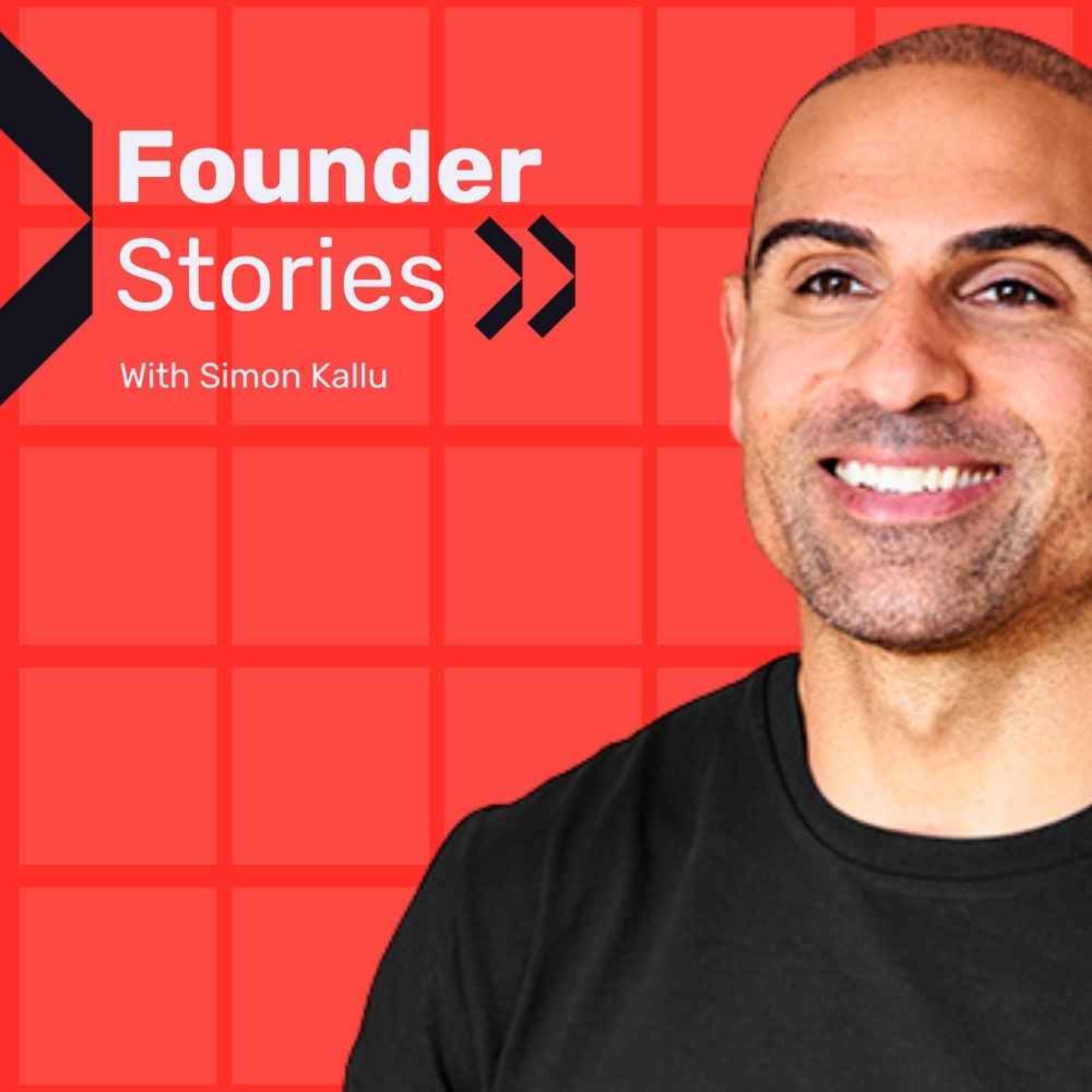 E27: Mindset, mistakes & scaling a food business71 / 100
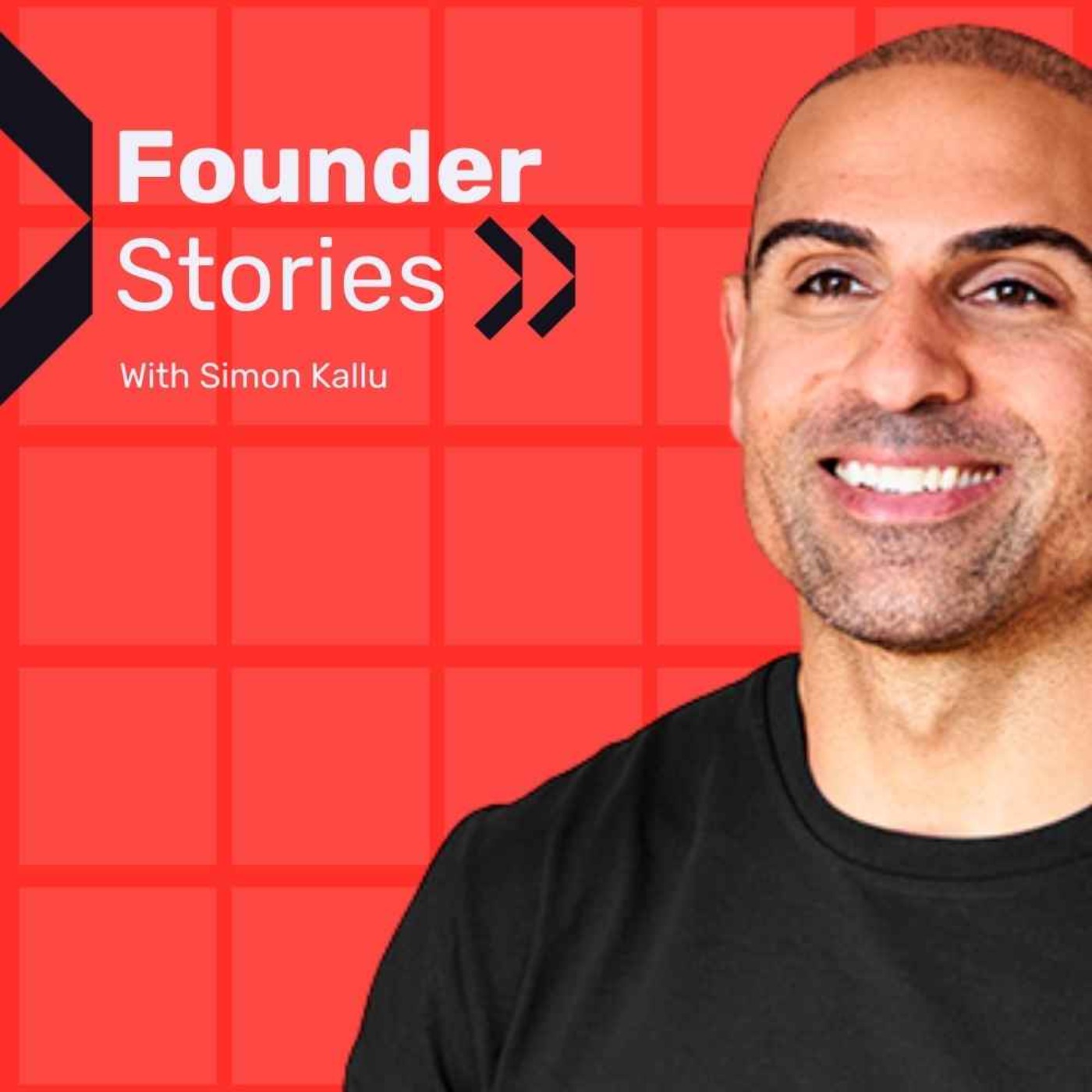 E28: How a 21-year-old built Europe’s most exclusive entrepreneur network59 / 100
 E25: UK's luxury networking club that thrives on shared experiences instead of sales61 / 100
 E23: Stand out or stay invisible - visual storytelling for entrepreneurs75 / 100
 E22: Building a startup with no investors - The Jamaican twist that’s shaking up the drinks industry