Brands for a Better World · 2026-07-01 · 1h 2m
Key moments - from our scoring
Substance score
39 / 100
Five dimensions, 20 points each
Kate Williams, CEO of 1% for the Planet, articulates a case for maintaining robust philanthropic funding alongside business investment, arguing that the nonprofit and for-profit sectors operate within fundamentally different systems and serve complementary roles. When billionaires including Giving Pledge signatories recently abandoned philanthropic commitments to focus solely on business investment, Williams contends they created a dangerous false dichotomy - implying nonprofits are expendable when they actually address market failures: problems with no profitable solution yet (or ever) but critical importance to long-term planetary health and social systems. The conversation with host Gage Mitchell explores how nonprofits function as long-term innovators willing to tackle multi-stakeholder complexity that short-termist capital markets cannot fund; how philanthropy should be structured to trust organizations (citing Mackenzie Scott's unrestricted grants as exemplary); and why the double standard applied to nonprofit "overhead" versus venture-backed company burn rates reflects unfair power dynamics. The episode clarifies where government, traditional corporations, impact-driven businesses (B Corps, benefit corporations), and philanthropists each fit - and why sector complementarity, not competition, is essential for systemic change.
Philanthropy allocates resources to impacts and solutions outside the marketplace where entities prioritize mission delivery over financial returns - addressing long-term problems with no profitable business case that still require investment for planetary and social health.
They created a false dichotomy arguing philanthropy should be abandoned in favor of only business investment, which misunderstands the total system; nonprofits address critical gaps (like biodiversity protection) for which no marketplace exists, making both nonprofit and business investment necessary.
Scott provides unrestricted grants that trust organizations to allocate resources where they have greatest impact, rejecting the unfair power dynamic where donors dictate spending; this contrasts with restricted grants that force nonprofits to chase funding elsewhere for essential operations.
Nonprofits invest in long-term actions for future planetary health even without immediate returns, while businesses operate on quarterly shareholder timelines; this structural difference means nonprofits serve as long-term innovators testing solutions before markets recognize their value.
The transcript indicates this distinction exists but does not fully elaborate Williams' answer on where benefit corporations and B Corps specifically fill gaps left by government withdrawal or insufficient philanthropic investment.
Our reviewer’s read on each dimension, with quotes from the episode.
There are a handful of genuinely useful observations - the false dichotomy critique of the Giving Pledge bailors, the revenue-vs-profit distinction for the 1% pledge, and the food-bank-as-GHG-reducer framing - but the episode is heavily diluted by long host monologues, mutual affirmation, and generic sustainability discourse that adds nothing a thoughtful reader hasn't already heard.
when is a food bank that's providing food for people who are food insecure also a really powerful reducer, um, of greenhouse gas emissions. It's like, well, when it's a food bank that's sourcing food by diverting it from the waste stream.
1% of revenues is a Pretty high bar. And so, you know, what we're certifying is that all of our members are doing a meaningful impact, uh, effort, and that it's landing on the ground with verified, uh, nonprofits.
The false-dichotomy critique of wealthy Giving Pledge defectors is the episode's most interesting original move, but it isn't developed with rigour; the rest of the content cycles through standard impact-business discourse, explicitly name-drops the recycled Ikigai framework, and closes with clichés about planting trees for future generations.
they made it into a false dichotomy. Yeah, no, uh, we're going to exclude nonprofits from where our resources go, and we're going to just focus on businesses because they're. The businesses are the ones that build our future.
One of the frameworks I'm often recommending to people...is the Ikigai framework, kind of a Japanese framework for finding purpose.
Kate Williams is a legitimate practitioner - 12 years as CEO of a globally recognised certification body - and her perspective on how the environmental nonprofit taxonomy was rebuilt is credible and earned; however, she rarely goes beyond what a senior staffer at any peer organisation would say, and the conversation never extracts operational depth commensurate with her tenure.
I've been at 1% for like 12 years, and we had a much more traditional definition of environmental at that time
we created these four impact areas through the research that we did. Just economies, resilient communities, rights to nature and conservation and restoration.
The revenue-vs-profit mechanic and the four named impact areas are concrete and useful, and McKenzie Scott's unrestricted-grant model is a named, real-world reference; but the episode is largely devoid of membership numbers, dollar volumes flowing through the network, third-party data on philanthropic trends, or any quantified evidence for the claims being made.
Companies committed to 1% for the planet give whether or not they profit. So even in years where you're not turning a profit, you're still giving 1% of your revenue.
Mackenzie Scott is a great example. She's done her homework, has made some really sizable unrestricted grants
The host consistently answers his own questions before the guest can respond, pivots repeatedly to lengthy personal anecdotes about his own agency, and never once challenges a guest claim or requests supporting evidence; the episode closes with favourite-snack and life-changing-book softballs that eat substantial runtime.
And my, I've, my whole career, I've spent, you know, decades in one foot in for profit and another foot in nonprofit because I'm always running non profits on the side of um, doing my work with my agency
Yeah, that's great. I love that framework. That's awesome.
Computed from the transcript - who did the talking, and the words that came up most.
What is the role of philanthropy, business, and government in creating long-term impact? Kate Williams, CEO of 1% for the Planet, joins us to explores why “either/or” thinking can limit progress, and why the most effective solutions often come from a both/and approach. We talk about how nonprofits are pioneering solutions to problems before there’s a marketplace, how the billionaires bailing on The Giving Pledge are missing the bigger picture, and how the new wave of businesses are deciding that profitability and positive impact can go work together. Kate then tells us about 1% for the Planet, how the membership works, and how the members are giving back and reaping the rewards. Tune in as we discuss how money, power, and responsibility shape the future.
Transcribed and scored by The B2B Podcast Index.
Speaker A: Hey, it's Ryan Reynolds here for Mint Mobile. Now, I was looking for fun ways to tell you that Mint's offer of unlimited Premium Wireless for $15 a month is back. So I thought it would be fun if we made $15 bills, but it turns out that's very illegal. Uh, so there goes my big idea for the commercial. Give it a try@mintmobile.com Switch upfront payment
Speaker B: of $45 for three months, $90 for six months or $180 for a 12 month plan. Required $15 per month equivalent taxes and fees. Extra initial plan term only greater than 50 gigabytes. Me slow when network is busy. See terms.
Speaker C: You're listening to Heritage Radio Network. Wynn is a food bank that's providing food for people who are food insecure. Also a really powerful reducer of greenhouse gas emissions. It's like, well, when it's a food bank that's sourcing food by diverting it from the waste stream. And so then we can make that connection and there's many, many examples like that.
Speaker D: Welcome to the Brands for a Better World podcast. The podcast that brings you the stories behind people and products building a more just, healthy and regenerative future for us all. Tune in weekly and together we'll learn why these better products and brands were created, how they're helping fix broken systems, and what you can do to support them. My hope is that you'll discover some new brands to love and get some sparks of inspiration that will help you live your best life. Hi, I'm your host, Gage Mitchell, founder of Modern Species, a sustainable brand design agency helping better brands grow to scale their impact. This podcast is one way we do that. If you like the show, please help it grow by leaving a ratings and reviews on your podcast app and by sharing your favorite episodes with your friends.
Speaker E: Maybe this will be one of them.
Speaker D: On this episode, I'm speaking with Kate Williams, CEO of 1% for the planet, about the role of philanthropy in pioneering long term approaches to positive impact where philanthropists, businesses and governments fit into the impact ecosystem. How billionaires that are bailing on the giving pledge are missing the bigger picture. The ways in which 1% for the planet and and its members are demonstrating that business and impact goals can live together and much more. We then talk about what a better world means to Kate. Enjoy.
Speaker C: I'm Kate Williams, the CEO of 1 uh percent for the planet, which is a global nonprofit that engages businesses in supporting environmental nonprofits.
Speaker E: Love it. Thanks for coming on the show. I'm excited to chat more about 1 uh percent for the planet. But before we get there, I want to talk about the bigger picture of philanthropy in general, because I know you've been making some interesting LinkedIn, uh, posts about that. But let's first start with just philanthropy. What do you see as the role of philanthropy in society today?
Speaker C: What I see as a role of philanthropy, and I do get to think about this a lot, is that it is a way in which we can allocate resources to, uh, to areas that we care about, impacts that we need to invest in, solutions that need our attention that are outside of the marketplace. So by and large, because philanthropy can be applied in some different ways, but for the most part, we should think about philanthropy as dollars or other forms of resources that we're putting in solutions and impacts outside of a marketplace, where the mission of the entities working on those is solely to deliver good results for that solution or impact, not to generate a return in a marketplace.
Speaker A: Right.
Speaker E: And how do you kind of differentiate that from, let's just say, um, government, for example, which hypothetically speaking, should also be delivering impact and not necessarily generating profits. Where do you feel like government serves best and where do you feel like philanthropy fits best?
Speaker C: Yeah, and I think the differentiator between the two, because you're right, government resources can go to these outside of the marketplace or not looking for a return. Um, choices. Um, I think the difference is who's making the decision about the giving. Philanthropy is typically a private, um, act. So it's individuals, it's corporations, it's foundations, but that's non governmental entities making decisions about where they want to allocate resources. On the government side, a lot of times that can be super valuable because the amounts can be much bigger and they can, uh, be, uh, scaled much faster if stars align or if politics align. But I think what we all have seen is that while there's a big upside to that, so government adoption and government investment in solutions can often really move things faster and farther than without that. But when it goes away, it goes away and it can go away fast. So it can be just really solid and predictable until it's really not predictable and goes away.
Speaker E: Right? Yeah. And you mentioned outside the marketplace a couple times, just for anyone tuning in who's unfamiliar with what you mean by that, what do you mean by, you know, opportunities or areas of impact outside the marketplace?
Speaker C: Yeah, if you think about, um, values or things that we care about or solutions that need our attention, that there's not yet a business solution for them, and maybe there never will be. Like a Little tiny frog in some distant forest, there may never be a business case for protecting that frog. Maybe there will be. But even if there's not, nonprofits are often the ones who say like, but yeah, actually we should protect that as a part of the biodiversity of that faraway forest. And so we're going to invest in that because of a larger belief in the value of ecosystem biodiversity, ah, and health. So that's just like one example that I'm using. But the idea is that it's being able to identify things that matter for environmental reasons, for future planning reasons, for societal reasons. It can be, you know, any number of things that you know, can't immediately be solved by the business, um, sector. And so then, then we can sort of understand those as having opportunity, ah, outside of the marketplace.
Speaker E: Yeah, that makes sense. And I would almost like qualify that too with maybe there's just not a business reason short term. Because I think one of the challenges with businesses is that they're shareholder returns and stuff that they have to focus on are kind of quarter by quarter, not necessarily decade or century by century. So some of these things that actually do make material sense for the businesses to focus on like you know, regenerative agriculture or protecting biodiversity, things like that, those have big impact on that business 10 years from now. But businesses are often so short sighted that they can't invest in something that they're not going to see the returns on this quarter because otherwise their investors or stakeholder shareholders will get spooked and pull back support for it.
Speaker C: That's such a good point. Timeframe is kind of everything. And I think that really matters because a lot of times what nonprofits are doing are saying no, actually we have to act now because we care about the future in the long term. And so even though we may not see the return of impact or a solution or planetary health tomorrow or next quarter, but we know these are actions that we have to invest in if we want to have any hope of that form of health. So yeah, you're absolutely right, that timeline matters a lot.
Speaker E: Yeah, I never thought about it this way, but um, as we're talking about it, it almost feels like then nonprofits or organizations focused more on uh, putting philanthropy to action, um, they're kind of like the innovators in business, by which I mean they're going out and doing things that businesses can't yet see the value in and they go out and do a bunch of good work and then eventually 10, 20 years later the businesses catch on and realize, oh yeah, that was probably a good practice that we should have been investing in too. Now let's put our money into it as well and they eventually, uh, catch up hopefully.
Speaker C: Yeah, I love that. I think also there, you know, and again, this is, this is maybe another way of saying that like market, non market framing. But it's, you know, businesses and nonprofits are um, beholden to different systems. You know, businesses are operating in the, for the most part globally in the capitalist economy. And so there's a lot of flexibility within that, which I'm sure we'll talk about. But there's also some constraints and that's the system like that's, it's figuring out the dynamics of that system is what markets businesses have to do. Nonprofits, the system is more like natural and human systems which are different than just capitalist systems. They're also operating within capitalism. But I think nonprofits are, to your point, innovating in a much more complex set of different systems.
Speaker E: Right? Yeah. They're often willing to take on bigger, more complex problems, whereas businesses maybe embrace a little bit of complexity to build a moat around their business. But for the most part they're looking for the most efficient path forward. Whereas nonprofits are more willing to get in and do a multi stakeholder long term approach that focuses on global impact and not just any one entity.
Speaker C: Right. And I do want to be clear. I'm not anti business, um, nor am I like nonprofits are always best. I think it's very much like the kind of desired state is when we have both leveraging what they're able to leverage in the context that they work in. So we have businesses who are building businesses that are uh, delivering solutions, minimizing impact, thinking about that long term future. And we have nonprofits who are, you know, operating in the ways that they can to contribute to that, you know, long term health. And they both have different levers that they get to pull in their systems. And again, in an ideal world, we have both, um, you know, working together either directly or indirectly, but all the systems are oriented towards a thriving future. That's what we, that's what we hope for.
Speaker E: And because sometimes those businesses are the philanthropists that are creating or giving money or even creating foundations to support some of this work and, or sometimes they collaborate with these nonprofit uh, or you know, NGOs or whatever to bring about change that also benefits their supply chain or something along the way. So um, yeah, I think more of what I'm trying to paint the picture of here in this conversation is what is the best place for each entity type to play, and then where's the best. How are. What are the best ways for them to play together? I guess. But, um, with that said, maybe we pivot a little bit to your LinkedIn post, which kind of sparked the idea of this conversation, too, which was about the Giving Pledge, which, uh, for those who don't know about it, it was some of the world's wealthiest philanthropists out there all decided to get together and make a pledge to give away, I think, all of their money, or at least the vast majority of their money, over a certain period of time, rather than just trickling a little bit out at a time. Um, so we wanted to make big action quicker. So a bunch of people signed up for this purpose pledge. But then you made a post about some people bailing on that pledge and pulling back because they had certain criticisms around philanthropy. So can you talk a little bit more about, like, why people are bailing and how you think their arguments are, uh, dangerously incomplete, as you say?
Speaker C: Yeah, I think, um, you know, so the Giving Pledge, as you said, is these, you know, highly wealthy people who have. And let's be clear that the reason they're wealthy is that they have played in a system of capitalism. And the rules that they have used, which is pretty predominant in capitalism, is that ownership, wealth accrues to a very few people, and they are among those very few people. So I think it's just important to point that out, because it's not, um, divine right that they have those resources. It's a particular way of doing capitalism that has concentrated that wealth with them, and that's been oftentimes at the expense of other people. So in my mind, the way I think about it is that there's a responsibility that goes with that to be a complex thinker who cares about, um, a healthy future. And the recent unpleasantness amongst some members of the Giving Pledge is that they kind of came out saying, yeah, actually, no, we don't think that nonprofits play an important role. We think that what we should be doing with our money is investing in businesses that drive solutions. And if anyone is listening to what we were just talking about, both of those things can be true. I think the problem with where the, uh, Baylors came out in the Giving Pledge is that they made it into a false dichotomy. Yeah, no, uh, we're going to exclude nonprofits from where our resources go, and we're going to just focus on businesses because they're. The businesses are the ones that build our future. They use this building language. And again, it's like, we absolutely should be investing in the businesses that are building toward a healthy future. We do need that. But to call it an either or thing is really a lack of understanding of the total system, because nonprofits are not a nice to have. They play a really critical role in, again, addressing those things for which there is not a marketplace or not yet a marketplace, but that still very much need our attention and our resources. Um, and so, for me, the biggest problem of the Baylors is that they have powerful voices, and they kind of painted a false dichotomy between investing in business and investing in nonprofits, when, of all people, with the amount of resources they have, they should be able to do a powerful both. And. And that's, you know, that's the opportunity.
Speaker E: Yeah, that makes a lot of sense. And I think one of the things that struck me, too, is upon first reading that, my immediate thought was, oh, are they just tired of giving away their money and they want to, quote, unquote, invest in businesses because that will generate more returns so they don't have to, like, give up their precious money? And maybe it was like a. A panic moment if they signed this pledge and then decided that they wanted to back out and they had to psychologically justify it by saying nonprofits aren't the way to go. Or, you know, I know there's also a couple corporations out there that do set up great programs to give grants to businesses doing innovative things. And that's different. You know, you're not trying to make money off a grant. You're just investing, giving businesses the resources to make big impact that otherwise they wouldn't have been able to justify in their profit margins and couldn't afford to do. There's so many great examples of that out there. So what I'm not sure is when they bailed and said we should focus on business, were they saying, let's give grant money to businesses, or were they saying, we should only invest in businesses?
Speaker C: Yeah, and I don't know for sure. My read was that it was less about, um, the kind of form of giving that they were doing and more a point of view that they wanted to make around the, like, absolute value of philanthropy, or as the Baylors framed it, that it was like they diminished the value of philanthropy relative to any form of investing in businesses. So I read it more as, like, a, um, takedown of the value of the nonprofit sector and not so much, um, sort of structural argument for grants versus investment in business.
Speaker E: Yeah, maybe it was more about like their assumption or accusation that nonprofits aren't efficient or efficacious in their, uh, investments for various reasons. Because I know some, some nonprofits, um, get a hard time because of their percentage of money that goes to administration costs, for example, instead of into the, um, efforts themselves. But of course, how are you supposed to run these organizations? Are you just supposed to not pay people? That doesn't make sense to not pay your staff to do the work. So the work has to get done. So obviously some amount needs to go to administration. And then I've also heard some challenges with nonprofits of receiving, uh, a big check. But it's uh, uh, marked for specific functions within that organization. Like they might mark it for like, you can't use this for administration cost. You can only use it for this particular project, which also is a challenge because then the nonprofit has to figure out how they're going to pay their bills and pay their payroll and stuff. So they have to chase other monies, uh, to get that done. So there can be like a lot of confusion out there around like, well, does that mean nonprofits aren't effective? But I feel like that's a weird argument because for profit companies also have a ton of admin and operation costs that don't go straight into like making their product or whatever. So that always feels to me like a weird argument. And I don't understand why people can't invest in both the administration and the impact.
Speaker C: Yeah, I really appreciate you saying that because I think there is a, um, kind of strange power dynamic that it seems to be at play in, that people who are donating money to a nonprofit, there can be this expectation, um, or maybe let me put it this way, there can be an amplification of the slight risk that the nonprofit is going to be inefficient or not use that money. Well, whereas when we buy products or invest in companies, there it seems like, yeah, we do diligence, but they're. You, uh, know, I feel like we nonprofits sometimes appear to be held to a higher standard with weird, to your point, weird expectations that they can somehow do, um, deliver results without paying their staff or like having resources to buy computers or whatever the tools of the job are. So I do think it's good to just flag that Both nonprofits and businesses are groups of people doing something together. And they're oriented towards. They have specific outcomes, they have specific purposes. One is structured as a business, one is structured as a nonprofit. And we've already talked about how they operate in different systems but they are groups of people doing stuff together. And um, when you get groups of people doing stuff together, sometimes they're going to be effective, sometimes they're going to have bumps in the road, sometimes they're not. And it's absolutely appropriate, whether you're investing or donating, to pay attention to that. But I think the amount of um, like the way in which, uh, any stumble on the part of a nonprofit is really amplified into a storyline about nonprofits generally, um, is not always fair and is problematic because, you know, most nonprofits, and I work with a lot of nonprofits, so I feel like I'm in a good position to talk about this. Are really smart people working really hard, with a lot of passion, with a lot of smarts, with a lot of innovation, as you said, with really limited resources in most cases. And uh, being really smart about how they use those limited resources to generate amazing results that make our lives better. And so the more we can, um, get to know those nonprofits, of course, if they do not merit our trust, don't give it to them. But most of them do. And so, you know, learn and give trust. I think Mackenzie Scott is a great example. She's done her homework, has made some really sizable unrestricted grants meeting, saying she's trusting those organizations to allocate the resources where they can, you know, have the greatest impact. And then, you know, and then she's, you know, stepping out of the way and saying, you know, we trust you. And then of course, like, if those non profits stumble and fall, that's on them and they'll, that, you know, something that they will all have to figure out. But I think she's a good example of a philanthropist, uh, who has kind of come at it from the standpoint of like evening up the power and not just saying, I'm the philanthropist so I get to determine if you're worthy of my money, but more like, um, I have money to give. You have impact and there's power in that. And I'm going to do my homework and then I'm going to give it and I'm going to trust you.
Speaker E: Yeah. And let you do your thing. Yeah, that makes sense. And I think especially in this like tech investment centered world where everyone's kind of like, you know, fail forward and experiment and make mistakes quickly and then like build rapidly, innovate towards the final solution, it's weird to then take the approach like, hey, we've got these businesses out here that are losing like millions, maybe hundreds of millions of dollars a year yet Keep getting all this investment along their way of trying to figure out product market fit. Yet for a non profit, one stumble on, oh my God, what are you doing with my money? Like that just seems like this strange dichotomy. And maybe it is that, like at the end of the day, you're hoping that other company, the company figures it out and you get a big, you know, paycheck at the end of the day, whereas non profits, like, they're just going to need more and more money, uh, as they stumble. So maybe that's part of the reason that they're a little bit harder on nonprofits, but, but it still feels like it's unfair. So I appreciate people like McKenzie Scott giving unrestricted donations and letting the nonprofits do what they do best. Partly because even if, let's say 5 out of 10 of her investments end up, quote unquote, failing somewhere along the way, there's huge lessons to be learned in those failures. And if we can activate those lessons learned across that network that she's investing in or across the industry that those nonprofits are working in, then there is value in that. Even if something didn't work out, there's a reason why it didn't work out. Let's learn what that is and pass that information to everyone else.
Speaker C: Absolutely. I love everything you just said.
Speaker F: We're gonna need a bigger cake with room for 250 candles. I'm Josh Spiegel, host of the podcast Lunatic in the Newsroom. Join me and my guest, BJ Shea as we celebrate America's big birthday. Welcome to what are the best and worst American inventions? How would the founding Fathers feel about today's America? What's the most American thing? And what will America look like at 500? Join our celebration this week on Lunatic. Um, in the newsroom, we were also
Speaker E: talking about corporations and their role to play. And you were saying, you know, it's not about anti business, it's about where to, uh, philanthropists, where does government, where do corporations fit in? So most corporations, I think part of the challenge, like we were talking about before, is that they need to prioritize shareholder returns. And that usually means short term as well. Most shareholder holders aren't like, well, just get back to me in 20 years and let me know how it's going. They want constant updates. But on the flip side, there's this kind of entity type that's bubbling up between, you know, true corporations and nonprofits that I'm just calling impact driven businesses that take a more stakeholder driven approach. Um, that could be the B Corps, it could be members of 1% for the planet. And uh, there are literal entity types that are like benefit corporations for example. So where do you feel like those types of businesses are best suited to kind of fill in the gaps left by government where they're pulling back, or individual philanthropists where they're not willing to invest?
Speaker D: Yeah.
Speaker C: And I think I would even like broaden out your middle category of impact businesses to include most private businesses because I think it's important to remember that privately held businesses, they may have some investors, but they don't necessarily have that quarterly shareholder earnings report. Um, and so I think. And private businesses drive most of our economy. I think that's important to remember too. You know, both. There's a lot of, you know, small to mid sized businesses that make up a core of the global economy and then there's some pretty big private companies too. So just like noting that, I think that is actually a pretty big sector. And I think the really important thing that I think about a lot and that I, we see a lot of the 1% for the planet member companies, um, thinking about and acting on in really powerful ways is that capitalism, there's some flexibility within capitalism that we can take advantage of. So the kinds of things that we can do that are absolutely just within the realm of capitalism is we can decide where we allocate our revenues. In the case of 1% for the planet, our amazing members donate 1% of their annual revenues to environmental partners. So they're taking these markets driven resources and they're taking 1% of what they generate in a year and they're placing it in the nonprofit marketplace. That's amazing. Or the nonprofit outside of the marketplace. Um, we also see, you know, sometimes our members, but like expanding beyond just 1% for the planet members, there are companies that are, you know, looking at that sort of concentration of wealth and saying like, doesn't really make sense that the owners get all of it just because that's how it's often done. We can have employee ownership structures, we can have different ways that profits are shared so that the people actually doing the work are uh, also getting a stake in the benefits of that work. So I think there's um, such a huge opportunity for the businesses to look at that short termism in the eye and say there's a lot of ways that we can create a lot of value in all terms, like short and long term by just thinking about how we do capitalism differently. Because if you think about it, let's take A shift to more of an employee ownership model that's also coupled with 1% for the planet. Let's just use that as a case study. That company, uh, the potential benefits of that that have both short and long term impacts. One is those employees are probably more engaged because they're now not just working for, but they're actually, they have like an ownership stake in the company. And there's lots of different ways that employee ownership is set up. But it means that those employees, what they do every day has real benefit and upside for them and their voices matter in a different way. Um, so employee engagement skyrockets. Um, there are direct positive benefits for the planet which also helps with employee engagement, but it also has really meaningful impact. The 1% giving could be a core part of how that company is telling their story. So maybe they resonate more with consumers and build a different level of brand loyalty. And so that helps with their short term and their long term sales, um, activations. So those are all the potential opportunities that exist when businesses just take that a little step back. It's not even a huge thing and just say, um, what are a couple things that we could start thinking about? And I don't want to diminish. Employee ownership is a big deal and 1% is a big deal. But my point is that companies can do something even if it's not either of those things, even if it's just like a, uh, first step, which is we're just going to start exploring a little bit of giving and we're going to engage our employees in helping us to figure out who we give to. So we're saying that that's part of what we do. So it could be uh, even a baby step. But all of those I think start to create a different way of doing capitalism, uh, and a way in which it's not a trade off. Again, like we're not creating a false dichotomy between the business succeeding in the marketplace and the business contributing to positive outcomes for the future. It's the business saying like, oh, actually they go together.
Speaker E: Yeah, kind of like the yes ands that you were talking about before. You can make those investments and see some benefits from them too. And that's a good point that you made. With all those benefits that can come from taking uh, a more give back and take care of people on the planet approach is because, well, I think a lot of times maybe it's bigger corporations, but any company in general sees any money that's not going into making more money in the business. As an expense quote unquote, that they're uh, just giving away this money or investing in hope that it pays off someday in the future or something like that. But a lot of those benefits you mentioned are like immediate short term as well. So they don't even necessarily have to think in decades or centuries. All the time they can think about like, hey, if we do these things today, it will benefit us today and in the years to come in terms of making it easier to recruit or retain employees or have employees that are actually more uh, efficient and effective in their job because they're excited to be there and be part of something big. So those payoffs, immediate payoffs, make it less of a sacrificing, uh, your well being of your company to do some good. Where I think that's where some of the criticism maybe comes of like small businesses are always so strapped that they can't afford to do these extra things for people on the planet. But really if you're smart about which things you're doing, they can actually have immediate benefits on your business too.
Speaker C: Yeah, I think that's such a good point, is take a step. Because that always makes the next step easier. And you do start to see, you can start to see some benefits. And as you were saying before, even if that step turns out not to be the right step for you, you've then learned something. So it's like, okay, that step's off the table. We're going to try a different one. And if you've never taken, if you always hold back from taking any step, you're going to always be, you know, kind of have that paralysis of too many choices where, you know, it's always good just to realize, oh, okay, we're going to close that door because that didn't work, we're going to end, go over here instead.
Speaker E: Right? Yeah. And my, I've, my whole career, I've spent, you know, decades in one foot in for profit and another foot in nonprofit because I'm always running non profits on the side of um, doing my work with my agency, a for profit, um, but then also volunteering or donating work and other things like that for nonprofits. So some of the challenges I've personally seen with the nonprofit model that um, I struggle with is that often, not always, but often you're relied on the kindness of others to donate some money in order to do the work that you're doing. What I think a lot of nonprofits are shifting that model a little bit these days to uh, to also deliver value Add services that are worth paying for, that contribute to the impact as well. So that, that's great. But what I love about these more impact driven, or at least holistically impact driven businesses is that all their actions are also fueling their impact and funding their impact. By which I mean, if you are a better, um, for the world product company, your product itself is already doing good. So the more you get that product out into the world and the more of that product you make, it's actually making a positive impact. So every profit, dollar of profit that comes from selling that product, um, is already generated from making impact. And then you can take that money and invest it in doing more good in the community, supporting your employees or donating to causes or whatever else. So it's like it's a model that self funds the impact, which I really like. Again, I'm saying a lot of nonprofits are starting to shift in that direction too and not need the handouts as much. Um, but I think that's one thing that I hear criticism of nonprofits is it's part of the challenges is you're always out there having to fundraise to get the money to do the work. And then sometimes those fundraisers are like telling you which way you need to go with your work instead of you getting to authentically do the work. So that's where for my main business, Modern Species, the brand design agency, that's where I like doing sustainable work for sustainable brands and running my business in a sustainable way. So it's like 100% of what we do is impact driven. And then that way, um, we get to kind of choose our own destiny and have our impact fueled by the work that we're doing. As long as we're creating value, that revenue will come from the value.
Speaker C: Yeah, I think that's so smart. And I think it reinforces what I was saying earlier about both businesses and nonprofits are groups of people organizing themselves to do something. And I think you're absolutely right. The more that you can organize yourself to, um, be doing things and funding the doing of those things in such a way that it's all aligned towards what you're working on. And you're right, a lot of nonprofits are figuring out those earned revenue streams. And I think that's really smart when that's, you know, realistic because it does give them that ability to, um, you know, just have a sort of different way to resource the important work that they're doing.
Speaker E: Yeah, that makes sense. And um, I guess that's also on the flip side, one thing that kind of scares me sometimes about corporations is that are not focused on making what they do a benefit to society, but they're like, have an extractive model, and then they just, like, pat themselves on the back for giving, like, 0.01% of the money they make off of that extractive model to some good cause, and then say, look, we did our part. I like to encourage all companies to think about, like, well, where. Where are you extracting? How can you reduce that extraction? And how can you give back in a. In a holistic way that actually adds value to your business and your customers and your employees so that you can do more good without it feeling like it's a sacrifice? I think that's. That's my point too, is like, companies don't have to sacrifice in order to do good. You can learn from the nonprofits and orient all your work around good, um, and fuel it through your revenues too. So, uh, I just wanted to touch on that. But, uh, speaking of ways to do good, you serve as the CEO of 1% for the planet, as you were mentioning before. So for those listening who don't know what 1% for the planet is, can you talk a little bit about how the organization works?
Speaker C: Yeah, I'll put all the pieces together. We've sort of referenced it a couple times now. But so basically, we're, uh, a global movement of businesses like Modern species who give 1% of their annual revenues to what we call environmental partners. Because it's a kind of mix of different kinds of, uh, entities working in that, you know, space outside of the marketplace. And, um, they are. We sort of hold together the whole ecosystem, so we engage these businesses. We don't operate as a foundation, so we don't take the 1% in from those members and distribute it on their behalf. We advise them and support them, um, in identifying who are the best partners for them. And then we also vet the environmental partners on the other side to, um, make sure that they're doing amazing work, credible, um, entities so that the members can have a lot of confidence in their giving and feel like, have good information to make their choices with. And then we're a certification entity, so we certify every single year we're certifying that every member has completed, has fulfilled their 1% commitment. Um, and so to the point you were making earlier about making sure that the, uh, giving or action, ah, that the company is taking is sort of commensurate with their impact in the world, 1% of revenues is a Pretty high bar. And so, you know, what we're certifying is that all of our members are doing a meaningful impact, uh, effort, and that it's landing on the ground with verified, uh, nonprofits. So, you know, the whole ecosystem is just, like, steeped in credibility. Our businesses and our nonprofits are all just, like, really solid, playing their roles to create a better world.
Speaker E: Yeah, I love it. And some of the clarifying things, I like to make sure people understand, too, because some people hear 1% and they're like, well, that's not, uh, very much, but, like 1% of revenue is vastly different from 1% of profit. For example, some companies might only have a few percent profit margin every year if they're operating pretty lean. So that could end up being like 20, 50% or something like that of their profit they're giving. On the flip side, Companies committed to 1% for the planet give whether or not they profit. So even in years where you're not turning a profit, you're still giving 1% of your revenue. So the way I, um, have heard it described as kind of like paying your planet tax, because we're all businesses are using resources, uh, that are coming, uh, from the planet in some way. So by committing your 1%, you're just committing to, you know, giving back to that planet that you benefit from, regardless of whether you profit or how much you profit or whatever. So that's one thing I love about the model. Um, and then, um, I also love that it makes it easy, uh, to donate because you've got this great nonprofit network. And one of the hardest things I think about giving is knowing which organizations to give to. So having a great database where you can quickly search through and, uh, donate to organizations is helpful for someone like me who doesn't want to, like, scour the whole Internet and spend 20 hours trying to find the nonprofits that make sense for my causes that I want to donate to. Uh, but with that said, one of the concerns I initially had before signing up, and I was just at the B Corp Champions retreat and sitting at a 1% for the planet table there, um, and someone asked the same question I did before I joined, which is, will we give to causes outside of just the planet, like social impact or something like that as well, Education maybe? Um, and so we wouldn't necessarily want to sign up for this program because we have to give elsewhere to. But one thing that I've been impressed with is, like, the kind of somewhat broad definition of planet within the nonprofits that are in the network And I've found that most of the time I can do all of my giving across lots of different causes that we want to support within the network. And then, you know, I'll go above and beyond and support other organizations that aren't there too. But can you talk a little bit about, like, your definition of like, planet? Like, when you're vetting these, um, nonprofits, how are you deciding whether or not they fit within the network?
Speaker C: Yeah, yeah. And I love this question because it's something we've really invested a lot of thought and heart into, because when I first started, so I've been at 1% for like 12 years, and we had a much more traditional definition of environmental at that time, which is fine, like there's value in that, but it was, you know, kind of a natural resource based definition. Uh, and one of the questions that I was like, I remember talking about in my first year, just being curious about, is like, when is. When is poverty an environmental issue versus a social issue? Or is it always kind of both? And how would we determine if a nonprofit explicitly working in the area of poverty is also an environmental nonprofit? We had a, uh, curiosity about that intersection of planet and people for a long time. Then about five years ago, our fabulous environmental partners team, I think you met Mark at the table at the champions retreat. And he really led the charge with that team on doing a deep dive to really figure out what's a, uh, legitimate kind of, uh, framework that we can create where we really understand where the boundaries are and where the connections are between planet and people, where it makes sense to include that giving. And so we created these four impact areas through the research that we did. Just economies, resilient communities, rights to nature and conservation and restoration. Essentially we did what we were doing when we landed with those four, which have sub areas. Under each of them is we were saying to the world, we have an expanded definition of environmental and it's inclusive of some areas that in the past may have just been called social, but we actually have a way to now articulate how they're social and environmental. And so we're including them here and we feel great about it. I feel like it's such an important framework and it's such. I think it is something I'm really proud we've been able to contribute to the environmental community at large because it creates a way to make sense of when is a food bank that's providing food for people who are food insecure also a really powerful reducer, um, of greenhouse gas emissions. It's like, well, when it's a food bank that's sourcing food by diverting it from the waste stream. And so then that is, you know, we can, like, make that connection. And there's many, many examples like that.
Speaker E: Right. This is kind of almost about, like, direct impact versus indirect impact, too, because all impact areas are interconnected to some degree, right? So, like, to your point, maybe you're trying to make economic impact in a certain region with a group of people that need some economic support. If you don't give them that support, they might start cutting down forests to plant crops that they can sell across the globe or whatever. Whatever's kind of selling in different countries right now. But if you give them economic support, maybe they won't cut those forests down and they have other resources or other business models that they can focus on instead of, uh, cutting our precious forest down. Um, but every, every impact area to some degree, is interconnected with at least a handful, if not all, other impact areas. So that's what I love about the approach you're taking, is that you're recognizing that interconnectedness of these causes and allowing for, you know, organizations that have a somewhat indirect impact to the planet to also count within the network. And then the reason I mentioned that is for any organizations out there considering joining 1% for the planet, I say, you know, jump in and do it, because you'll be surprised that you can check a lot of the boxes of the impact areas you want to invest in within the network. And we've also gotten some of our, uh, clients that we're, like, donating work to or whatever, nonprofits to join the network as well, by encouraging them to apply, and then they get in, and then we get to do great work for them. And it contributes, uh, to some of our, uh, work. 1% commitment. Um, so also, 1% for the planet kind of sits at this intersection of the individual and corporate philanthropists, uh, because you also, I guess we didn't mention explicitly, but individuals can sign up for 1% for the planet as well and just give 1% of their revenue or their salary or volunteer hours as well, uh, account for a lot of that. Um, but. So individual and corporate philanthropists are kind of within your network, but you also support these nonprofits that are in the network too. So you get this great, uh, view sitting at the middle of all these entity types. So I'm curious, where are you seeing the network thrive right now, and what are the biggest unmet needs?
Speaker C: Yeah, and just a quick clarification for individuals, we don't do a certification of 1%. We have ways that individuals can participate and that, you know, there's. And so we love our individual community and we love that we're not, um, requiring that individuals go through a certification because we learned that individuals don't really matter. But it is fun for individuals to, like, think about, like, what is my 1% and how might I give that? So just a clarification on that. Um, I think what we're seeing that is, like, interesting and, um, worth watching is after a pretty quiet year last year, 2025, it was, you know, there was just so much uncertainty globally in the marketplace and sort of political place that, um, there, you know, there wasn't a lot of kind of people raising their hands and saying, I'm going to step in and make this big commitment. Just, you know, everything got a little small and quiet. Um, what we're seeing this year is that people are starting to say, enough of that. What are we waiting for? Um, there's no less dynamism in the, um, um, macro, um, space, but there is a lot more voice and courage, uh, coming to the front. And that's been really awesome to see because anytime a member like you, um, like any one of our members, anytime a B corp speaks up and says, hey, we're doing this because this matters, and it matters, you know, even when it's hard to do, it matters when, um, the chips are up, when the chips are down. That inspires other people. And you may not hear about those other people, but it truly makes a difference. And we, we see that time and again. It's about building momentum. So we are seeing more voice and courage in, you know, at different conferences, in, you know, in the sort of social space directly. You know, we're hearing from our members. So we're feeling psyched about that because businesses stepping up and being willing to talk about it and build momentum really means a lot. Um, I don't feel like I have, as we get from our position, as much of a finger on the pulse of individual philanthropy. I, um, do think it's had some of the same dynamics of fear and uncertainty causing some slowdown in paralysis. While also it's. In some cases, it's also created some amazing leaning in and saying, we're needed now more than ever. But a little bit mixed there, but I don't have as good of a, uh, I don't feel like I have as good of a trend line on that. I think for nonprofits, there's definitely been some challenges for those nonprofits in the US that were receiving federal funds, um, and even those that were based in the US but operating outside of the US There have been some significant losses. And we've seen some shuttering of nonprofits. We've seen there's some kind uh, of partnerships and consolidations that are beginning to happen. So I think it is a time of both challenge and opportunity for nonprofits. Opportunity in the sense of that, like, those, you know, there's like, creativity and sharpening of the ax that comes in hard times and that, you know, often, you know, there can be, you know, some strength that comes. And we're, you know, we're seeing that. And a lot of our nonprofits, with support from our members, are doing, you know, just doing great things that matter more than ever.
Speaker E: Yeah. Yeah. And your experience as this just popped into my head that, like, um, when I'm sometimes advising brands and it's like, tough time in the economy right now, like maybe inflation or whatever, um, a friend of mine once told me it's kind of when you're in these tough times, it's about who can bleed the longest without dying. Like, in terms of, like, companies. Like, if you can hold on and you can kind of not shutter the doors, but just get really lean and figure out how to kind of navigate these complex times. Then, um, as some of these other companies fall off, because maybe they didn't have as much cash flow or something like that to sustain them, you end up capturing some of their market share. So if you can survive through the tough times, you end up getting kind of a boost in revenue and market share, which is an odd way of looking at some of these challenges. But for nonprofits, I just popped into my head. I wonder if, like, there's often so many nonprofits working on any one. Cause as some of these nonprofits are struggling and having to shut down or minimize what they're working on. Are you seeing, um, them kind of maybe the nonprofits within a specific impact area kind of coming together to figure out how to pick up where they. That group left off. Or is that just leaving, like, big gaps in the, uh, in the impact area?
Speaker C: Yeah, it's tricky, and I think it's like real time. So I don't, like, I can't necessarily speak to how all the, you know, how everything's landed, but I think there are a few dynamics at play. Like, in an ideal world, which is not what we're in, but in an ideal world, if there were multiple nonprofits working on the same impact area, there would be um, and potentially dividing funding in ways that diminish their overall ability to accomplish. There would be resources to support a smart way of partnering, consolidating, aligning, such that, you know, resources were creating the sort of most efficient impact, unfortunately, like, really, for the most part, when we tend to look at, like, there's too many operating in one space or there's, um, you know, it's more, you know, kind of the chips fall based on, like, you know, who. Who's able to navigate the challenge most effectively. Because when you're feeling stretched and, um, afraid, it's not the time when you're going to be like, hey, let's sit down and figure out a creative solution to this problem that we've never been able to figure out before. So it is a time of pressure, and that I think, uh, to your point, pressure often gets us stronger in the end, but it's not without some challenge and, you know, suffering in the meantime. So I think it's such an important time, and we're really psyched to see, like, our members, our renewals happen at this time of year. I mentioned that we certify our members every year. And so this time of year is when we're doing a lot of that annual certification. And, you know, even though it is a tricky time in the market, we're having a really strong renewal of members, which means our members are sticking with us this year. And they, as they did last year, um, so we have a really strong renewal rate. And what that means is that these members are continuing to be invested in the partners. And they're saying it's worth it for us to keep driving this impact because we believe in those partners, we believe in what it does for us as businesses. We're glad that we're a force that's creating some consistent resources for nonprofits to help them navigate, um, these challenging waters.
Speaker E: Gotcha. Okay. Um, so with all that said, if you could wave a magic wand right now and fix one wicked problem, what would it be and why?
Speaker C: Well, I think the wicked problem is climate change. And, like, if you think of a wicked problem as something that there's no one solution, it really needs, like, complex solutions. And I think climate change is that. Um, and the way I would address it is to. I think we're in a somewhat stagnant, prisoner's dilemma space in that figuring out how to cooperate and being willing to take the risk to, uh, have a collaborative, cooperative, global solution. Just, there's a move over here, and there's the back step over Here and then there's a move over here and a back step over here and it's, you know, a lot of it is around like that short term competitive advantage kind of stuff. So the, the way I would want to solve it is to get everyone to realize, like, if we want to have a future economy in which anyone can come out ahead and continue to have a thriving business, we all have to invest in solving this now. And so all of us move making that move and agreeing to, you know, get out, uh, you know, agree to align in the ways that we need to. That's how we're going to get to a solution. So I'm a very optimistic person. I am also not naive. I don't necessarily think that's going to happen, but I do think there's a lot of ways that we can create pockets and movements where we start, we keep pushing that and create just a bigger and bigger groundswell of the companies, individuals and nonprofits who are willing to, to say yes, it's not a sacrifice to invest, uh, in a, um, brighter, healthier future. It's just a different way of thinking about what it looks like to be successful now. And we're willing to do that.
Speaker E: Yeah. Love it. And one of the questions I love to ask people is what kind of advice would you give someone trying to follow in your footsteps?
Speaker C: I know, I was thinking about this question. I, um, I would say first, don't follow in anyone's footsteps would be my main advice. Watch people. I'm a watcher for sure. Um, and observe and learn from them. But don't have it be your goal to follow in their footsteps. Have it be your goal to read the map yourself and figure out the path that makes sense to you and that you can walk. Because we're all n of 1. And so we need to learn from each other for sure, but we need to also be able to read the terrain and figure out the map. And then. So that's one thing I would say and then the other two, which I know you just asked for one, but I'm gonna say do, uh, is, um, relationships are always the most important thing and so just always centering relationships.
Speaker E: Love it. Love both of those. Just one follow up on the find your path. Do you have any resources that you would share that help people kind of figure out their own path rather than just looking to other people's careers or paths and copying them?
Speaker C: I mean, I do think like, definitely watch other people. So I'm not saying don't do that. So watch other People, I think, um, like being really curious about yourself. So learning about, like, what do you like to do all day? Um, because, you know, I think a lot of times we'll look at other people and say, oh, I love their job, but you might not know what they do all day and you might have zero interest in what they actually are doing. So figuring out what it is that makes you feel most energized and where you feel like you get into flow state, being attuned to and curious about that and self aware about that, and then having that inform, like, okay, so I see that person. It's cool what they're doing. I don't want to do what they're doing all day, but I want to have that same kind of impact. So what's the path that I should walk based on me loving accounting while they love writing? Um, how do I pursue that? Does that make sense?
Speaker E: Yeah, absolutely. It's like, be curious about yourself, but then be creative about finding your path. Like, find the way that works for you. Um, one of the frameworks I'm often recommending to people that kind of take some of, some of the elements that you were just talking about is the Ikigai framework, kind of a Japanese framework for finding purpose. And it encourages you to find the intersection of four things. Uh, what you like doing, kind of what you were just talking about, what you, um, are good at. Which, you know, some people, um, are good at things that they don't like doing. So that's why the differentiation. There's um, um, and then what the world needs. So like, where you can make a positive impact and what you can get paid for. Because, you know, obviously you have to make a living and survive off of whatever you're doing in most cases. So finding something that's at the intersection of those things helps give like a framework for that creativity. Like, you could see somebody whose, um, you know, impact you really love and you want to model some of what you're doing after them, but you don't like what they're doing every day. So you like, figure out your way to contribute to that and then you hopefully find an area of work that the world actually needs instead of just, uh, contributing to extraction or creating unnecessary distractions from, from the real work. And then what you can get paid for is obviously important because I think a lot of people that aim to make a positive impact, um, are often thinking the only way to do that is to like, not make any money and go volunteer all my time. But that's not true. Like you can make a positive impact in lots of different ways. So finding the amount of money you need to make and then finding the opportunity that can make that much money.
Speaker C: Yeah, that's great. I love that framework. That's awesome.
Speaker E: Cool. Okay, so a few wrap up questions before I let you get back to your busy day. Uh, what's your favorite new snack or recipe? I'm a food geek, so I always love to hear what people have to say.
Speaker C: I just got a hard boiled egg slicer that I'm very excited about. Um, I remember having one when I was a kid and I just, and I didn't have one for ages and I, um. You can just like slice a hard boiled egg and then have these beautiful slices to put on toast or in a sandwich. So that's what I'm most excited about.
Speaker E: Love it. Simple, easy to execute. And yeah, I remember those little, it's just got like little wires that you
Speaker C: just kind of slice. It's awesome. I'm very, very happy with it.
Speaker E: Love it. And I'm also a book nerd. So what's your life a life changing book you've read and why?
Speaker C: I've been going with sort of recency effect here. I'm definitely a big reader, so there's any given week it could be a different one. But this, uh, Ordinary Stardust, which is by Alan Townsend, it's a nonfiction, uh, like heartbreaking at one level about brain tumors in his family, um, but also like he's a, um, scientist and he has just some of the most remarkable writing about how we are the planet. And I'm always like wrestling with how to talk about like, we're not separate from nature, we are nature. And he has just this kind of brilliant way of articulating how we like physically as, you know, the components of our bodies. We are nature. So it's really good. I highly recommend it.
Speaker E: That sounds amazing. I'll put it on my list. Thank you. And this podcast focuses on the people and products building a more just healthy and regenerative world. So who would you like to hear us interview on the show?
Speaker C: I mean like every 1% for the planet member. Let's just start there. So we are your podcast, um, pipeline. Couple specific names I'll just flag. But like truly I could like go on and on and on, but Gordon Seabury, who's uh, at Toad and Company, he's been there for a long time and just such a smart, kind, mission driven businessman who's been done it for years and is so great and then Brad is someone I've just gotten to know over the last couple years, or really just last year at True Earth. Also a member and just a great voice in the M movement. Like when I was talking about sort of the courage, uh, to talk about and like bring others along. He really embodies that.
Speaker E: Very cool. Two great companies I'm familiar with, but people I'm not as familiar with. So I'm excited to look them up. Thanks. And then final question. Since we're called Brands for a Better World, what does a better world mean to you?
Speaker C: I think a better world means to me a world where we're clear eyed about our responsibility to future generations and that we use that to guide us in. Like, again, I will use the word responsibility again. That we're taking responsibility to do the work to create that better future, not to do work that's creating problems for other people to solve later.
Speaker E: Yeah, it kind of reminds me of the simple phrase of like, with power comes responsibility. But also that I'm always meant to mix up this, um, saying, but it's like be willing to, you know, plant the tree that you yourself won't get to sit in the shade of. But this kind of taking, thinking about our responsibility to make a world that is uh, viable for other folks to our future generations to live in I think is important. And it goes back to that original conversation around how corporations are often shortsighted. So if we could all corporations, you know, nonprofits, government, everyone take a more long term approach, we'd all be better off and future generations won't have to struggle with the problems we cause.
Speaker C: Exactly.
Speaker E: Hopefully. So thanks for those notes and thanks again for your time to jump on the podcast and talk through all this stuff. I loved that uh, post you made and the conversation here today. And thank you for all that you're doing to kind of lead an amazing organization and lead a movement towards uh, people and individual or people and companies giving back to the planet. Awesome.
Speaker C: Well, thank you. Thanks for being an awesome member and um, partner in the work.
Speaker E: Yeah, cheers.
Speaker D: Thanks for listening. For more information on Cate and 1% for the planet, visit 1% for the planet.org all spelled out. If you like this show, help it
Speaker E: grow by liking, reviewing and sharing. If you're new here, don't forget we have have over 150 episodes in the archive. Some of them might be called Evolve, cpg, but it's the same show. So dig in for more. Goodness. You can also hop over to heritageradionetwork.org to find more food related podcasts at our network or to print mag.com for podcasts at our design podcast family. I personally spend the most social time on LinkedIn these days, so follow me there by searching Gage Mitchell, Modern Species or Brands for a Better World. Thank you for supporting our show. See you next week.
Speaker B: The people who seem to get more done than everyone else. They're not working longer hours or running on more caffeine. They've just stopped wasting time on the stuff that doesn't move work forward. Switching apps re explaining context, hunting for files. Those aren't small inefficiencies, they're hours wasted every week. Superhuman Go gives you those hours back from the makers of Grammarly. Go is an AI chat that sits inside every tab and tool you already use, always available and ready to help you with what you're working on. Ask it to draft something, summarize a long thread, pull up a file, or prep you for a meeting. Go handles it without you ever leaving the page you're on. This is what it looks like when AI actually fits into your work instead of adding to it. It's like having a teammate whose only job is to help you be better at yours. Go keeps up so you can move forward with Go working with you, you can show off what you do best. See what Superhuman Go can do at superhuman. Com. That's superhuman. Com.
Other episodes covering the same guests and topics, from across The B2B Podcast Index.
 Avocado Green: The Organic Mattress Brand That Built Its Own Supply ChainShopify Masters · on 1% for the Planet85 / 100
 Roughly 697 million people worldwide lack basic access to safe water - Dave LeVan, CEO of Water for GoodThe Charity Charge Show · on philanthropy75 / 100
 How Patagonia Bootstrapped Activism Into Its Brand DNABootstrapped Business with Fexingo · on 1% for the Planet64 / 100
 How Patagonia Built a Business on Purpose Not ProfitStartup Stories with Fexingo · on 1% for the Planet62 / 100
 How Patagonia Put Its Mission Before the MoneyThe CEO Diary with Fexingo · on 1% for the Planet58 / 100
 Episode 075: Yvonne Renard, Anthesis GroupEconomics & Strategy Podcast · on regenerative agriculture52 / 100
 Experiments & Feedback with Adam Hiner of Pacha
 Zero Waste, All Flavor with Chanya Punyakumpol of Taan Thai
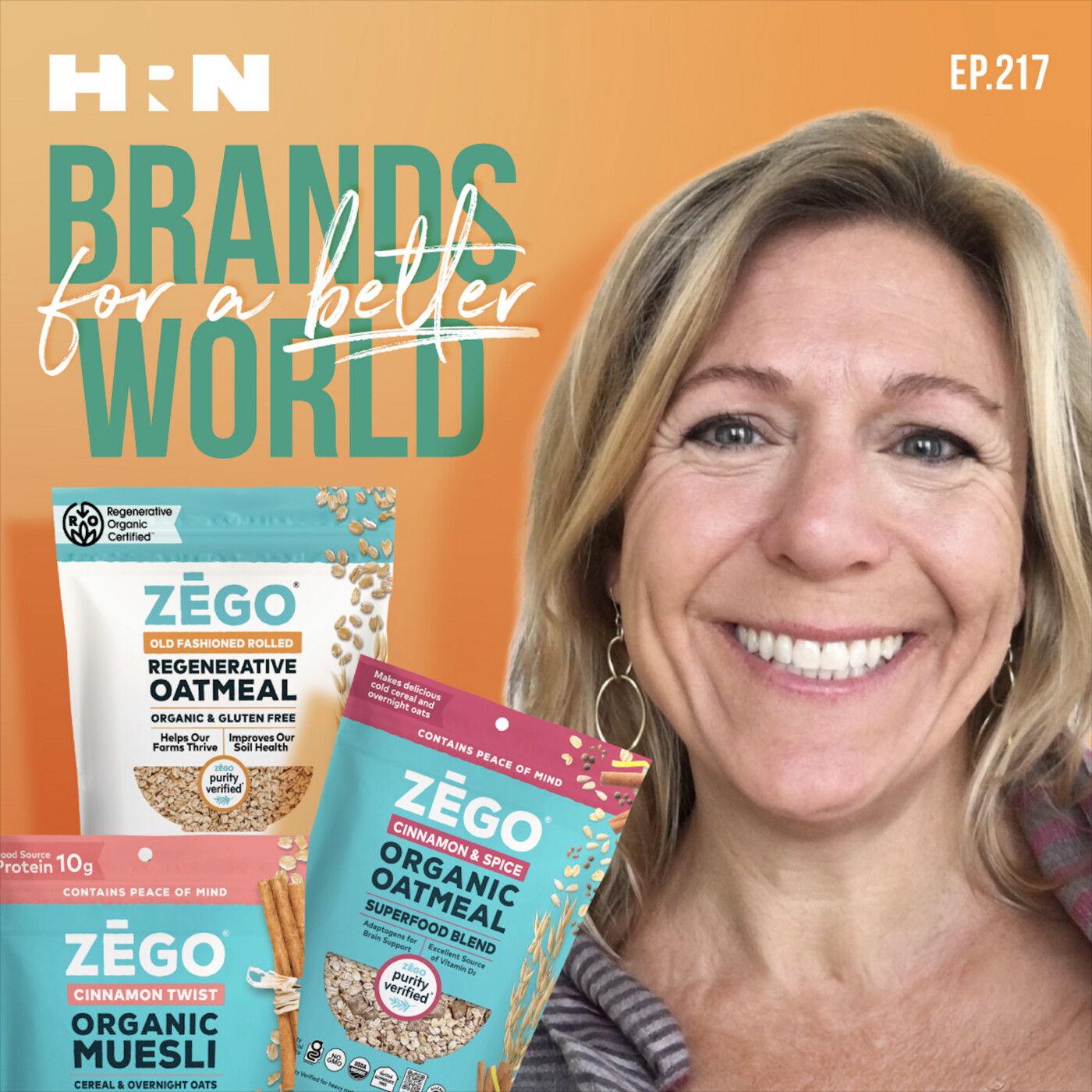 Expanding Capacity with Colleen Kavanagh, CEO of Zego Foods
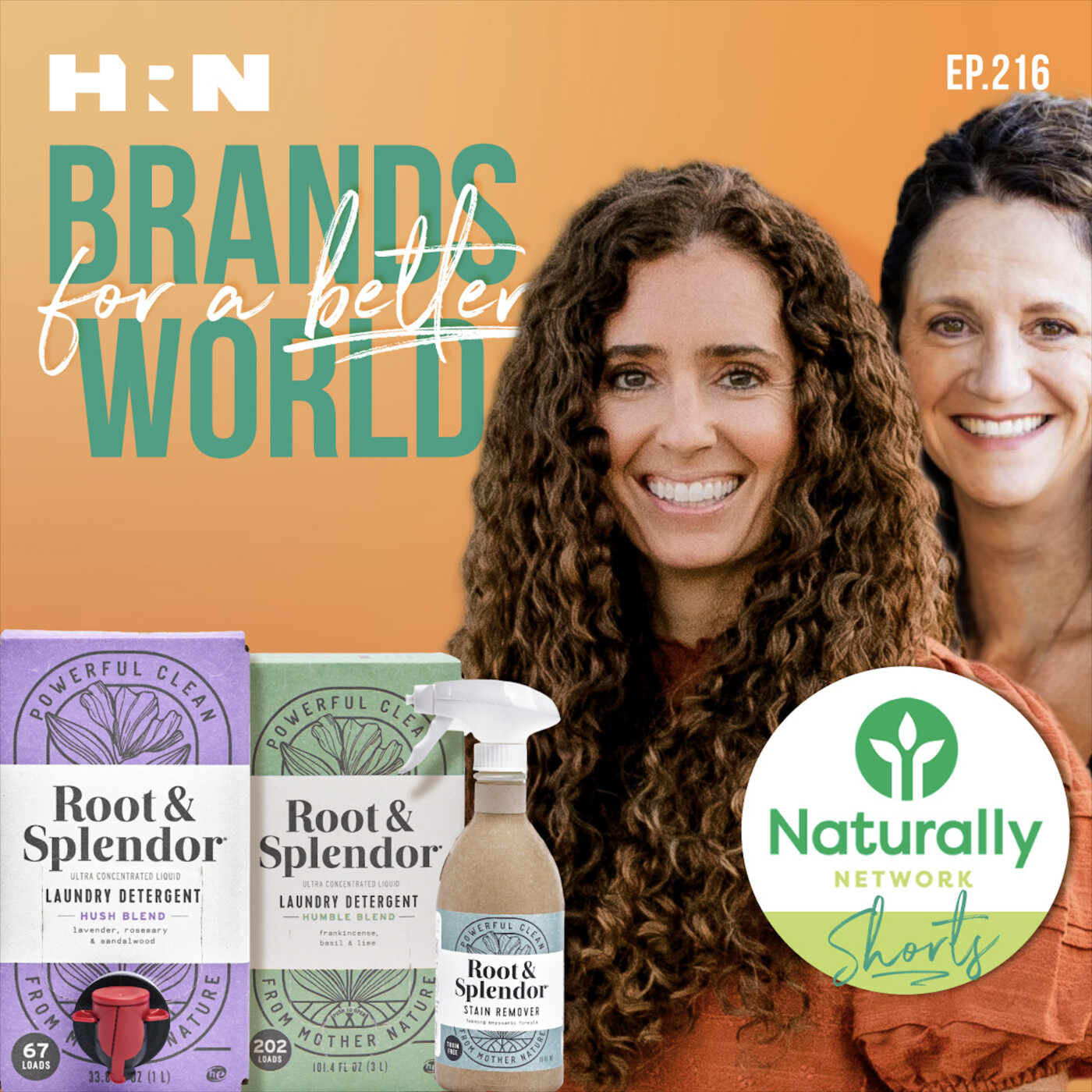 Efficacy Without Compromise with Kristin Fracassi and Alecia Nelson of Root & Splendor - Naturally Network Shorts
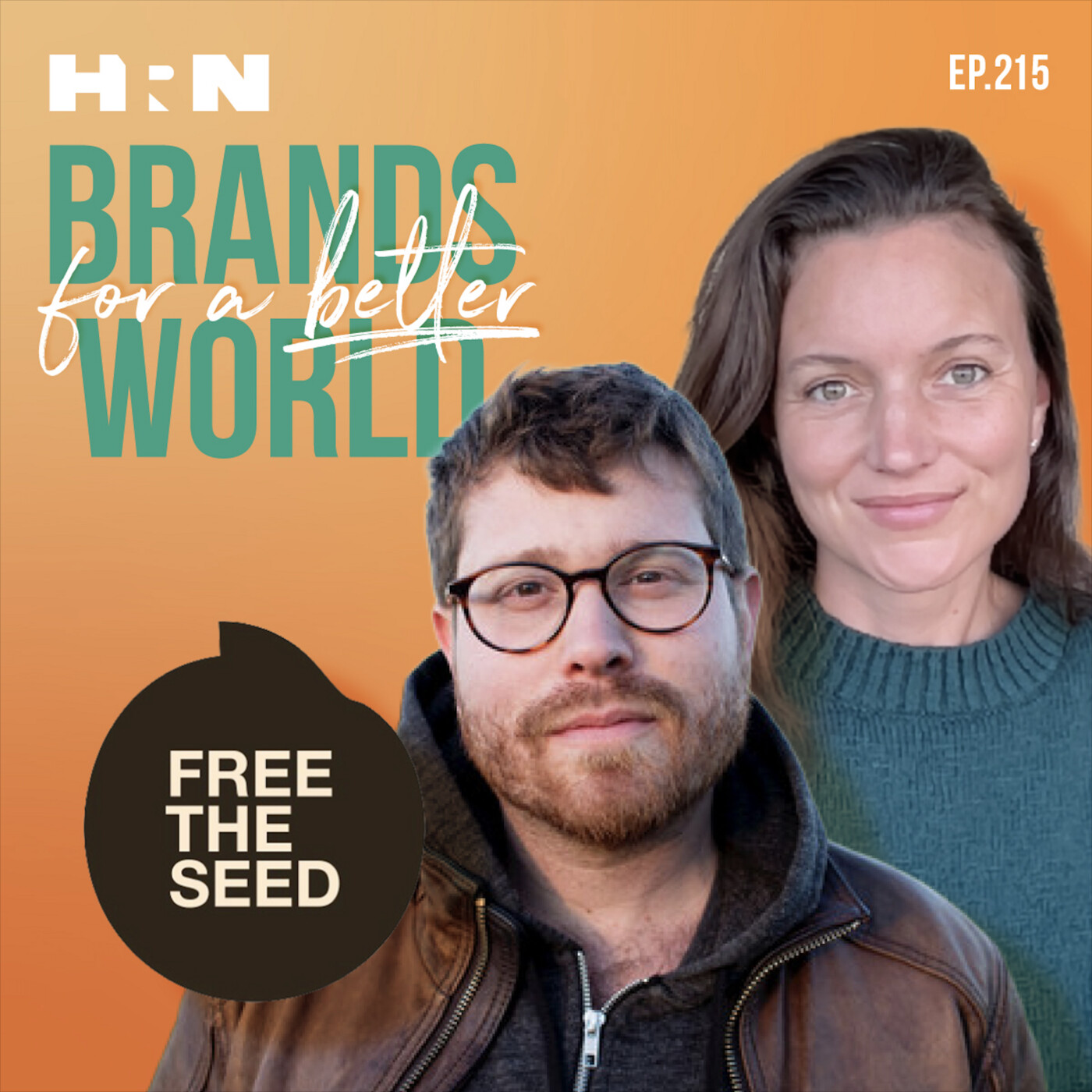 Defend Seed Sovereignty with Megan Westgate of Non-GMO Project and Loren Cardeli of A Growing Culture