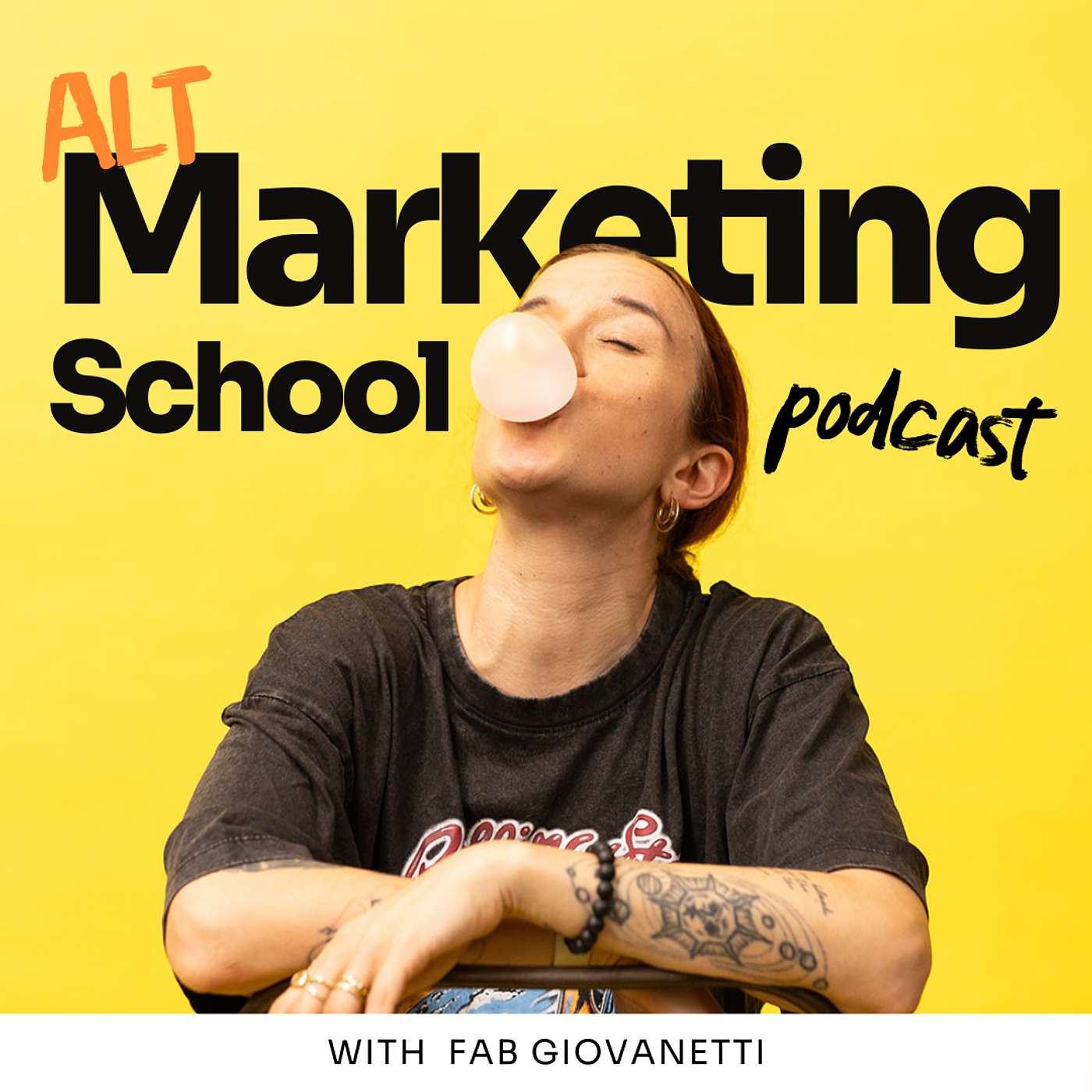
Alt Marketing School · 2026-06-17 · 30 min
Key moments - from our scoring
Substance score
63 / 100
Five dimensions, 20 points each
Andrew Cox Starkey, an SEO consultant running OptimaZ who has worked with major brands like the BBC and National Trust, explores the real impact of AI on organic search traffic and SEO strategy. While acknowledging that AI citations and overviews are indeed siphoning traffic from websites, he challenges the narrative that AI is killing SEO entirely. His key insight is that AI often serves as a conversation starter - users ask ChatGPT or Gemini a question, get partial answers, and then search Google or click through to learn more, creating a complementary funnel rather than direct substitution. The practical strategies he advocates focus on building comprehensive content that matches user intent and uses semantic clarity (subject-predicate-object relationships) so machines can understand what topics you genuinely cover. He references tools like Also Asked to identify related queries that AI systems fan out to answer, and recommends tracking AI visibility through SE Ranking or Wailkay, though cautioning that no tool can perfectly track AI citations due to response variability. This approach aligns with content mapping and funnel-aware strategy rather than requiring a complete website overhaul.
Yes, a significant portion of organic traffic loss is due to AI Overviews citing sources at the top of search results without requiring users to click through. However, this traffic was often low-quality (simple fact lookups) and isn't coming back, so the strategy is to focus on content that offers unique perspective and expertise rather than trying to compete for snippet traffic.
AI models read your entire corpus of content to understand context through semantic relationships. For example, if your site discusses hammers, nails, screws, and saws, the model infers you're a carpentry resource, not a stable for horses. Using semantic triples (subject-predicate-object statements) and deliberate vocabulary choices help machines understand your topic focus clearly.
Being cited in AI responses does establish authority, but the real concern is that clicks aren't following. The solution isn't to obsess over AI citations, but to create content so unique and expert that users will click through to your site for deeper insights that AI summaries can't fully capture.
Use tools like Also Asked to see the 'People also asked' questions Google displays for your target queries - these are the related questions AI systems fan out to in order to comprehensively answer the original query. Answer each of those related questions on your site with unique insight.
No - any tool claiming 100% accuracy in tracking AI citations is misleading because the same prompt returns different answers multiple times daily. Use tools like SE Ranking or Wailkay to track directional trends (are citations increasing?), but treat all AI visibility metrics as directional indicators rather than precise counts.
Our reviewer’s read on each dimension, with quotes from the episode.
The episode contains several concrete, substantive ideas about AI's impact on SEO - query fan-out, semantic triples, intent matching, content corpus building, and the distinction between AI as complement vs. replacement. However, it's diluted by significant filler: a 5-minute personal anecdote about babysitting Ronan Keating's child, meandering conversational throat-clearing ('so this is a really interesting one'), and repetition of core points. A B2B operator would extract actionable insights but has to wade through considerable padding.
So if you see those kind of questions, that's the kind of stuff that the machines are going to be looking for you to answer. to make sure that your piece is authoritative and comprehensive and quotable.
feed the machines, help them to understand what you're talking about. And if you, and they're super clever, if you talk about sneakers, they understand you also mean trainers, but it won't hurt you to also use the word trainers.
The core framing - that AI doesn't replace SEO but complements it, and that traffic is genuinely declining due to AI overviews - is sensible but not novel; this has been widely discussed in SEO circles by late 2024. The semantic triples and query fan-out concepts are established SEO doctrine. The most original note is the frank acknowledgment that lost traffic 'isn't coming back' and the emphasis on unique perspective as the differentiator, but this is presented more as practical reality-check than counterintuitive insight. Lacks contrarian edge or first-principles rethinking.
It's not a direct substitute. Like I think a lot of people are starting their conversations maybe with chat GPT or with Google's Gemini or Claude or whatever it is then they're asking questions about stuff they don't really know about.
That's just like, if you were relying on that kind of traffic, and I think for a lot of publishers like newspapers who were relying on eyeballs to sell ads on their website, this really damaging their business models.
Andrew Cox Starkey is a legitimate SEO practitioner with 7 - 8 years running his own consultancy and prior experience at scale with BBC, National Trust, and major sites. He speaks from real client work ('the majority of websites I work on... from huge international companies... to tiny local bakeries'). This is a credible operator with demonstrated hands-on experience, not a theorist or serial podcast guest. However, the episode does not establish his competitive standing or any particularly notable outcomes, limiting the score from 17+.
I've been running my business for the last seven or eight. It's not dead yet.
the majority of websites I work on and I work on huge international companies, websites and tiny little local bakeries, they're losing some of their organic traffic pretty much across the board.
While the guest names concrete tools (SE Ranking, Wai-Kai, Google Analytics regex by Dana DiTomasso, Bill Slavsky's horse analogy), the episode rarely provides numbers, timelines, or quantified business impact. Traffic drops are mentioned as fact but not measured. The 'time in Toronto' and 'what time does Fitzbilly's bakery open' examples are illustrative but generic. No specific case studies, revenue impacts, or comparative metrics. The regex setup and AI channel tracking are specific tactics but lack depth of implementation detail or results data. Several claims ('AI is still a vanishingly small part of their traffic') are stated without supporting numbers.
There's a brilliant woman called Dana DiTomasso who has written some really cool long regex. So you know when you go into Google Analytics... you can set up in your Google Analytics AI channels
in the majority of cases that I'm looking at, AI is still a vanishingly small part of their traffic.
Fab asks reasonable follow-up questions and does push back subtly ('before I get to my other question'), and she connects the dots to her own course (intent mapping, content strategy). However, the host rarely challenges claims directly or dig into uncomfortable nuance. When Andrew says traffic 'isn't coming back,' Fab doesn't push on what that means for specific business models. The longest tangent - the Ronan Keating babysitting story - goes unchallenged and fills 5 minutes. Fab is collaborative and contextualizing but not adversarial; she validates rather than interrogates. The closing segment on 'just because you could, should you?' is solid but comes late and brief.
Before I get to my other question that I have for you, I'm incredibly excited whenever somebody talks about semantics.
That kind of intent matching is super important. But it's also then, like you say, about building up this kind of corpus of an idea.
Computed from the transcript - who did the talking, and the words that came up most.
Catch up with the full session inside our all-access pass and course library: Today’s chat with SEO expert Andrew Cox Starkey slices through the noise of AI and search, revealing how machines understand your topics, how AI is reshaping traffic, and why human-grade content remains king. ABOUT YOU TEACHER Andrew has spent his career working on websites for big household names including the BBC, National Trust, and Lord’s Cricket Ground. He started his specialist SEO consultancy, Optimisey, in 2017 and has been helping businesses big and small get more of the right kind of traffic to their websites ever since. Website: optimisey.com LinkedIn: linkedin.com/in/andrewcockstarkey Instagram: instagram.com/optimisey BECOME A SMARTER MARKETER Get weekly lessons in your inbox for £0:
Transcribed and scored by The B2B Podcast Index.
Fab: So hello, marketing rebels. Welcome to All Marketing School. We're the school that teaches you how to make your marketing more impactful, human and fun. We're here to keep up with marketing so you don't have to.
I'm Fab, your marketing fairy godmother and her teacher at All Marketing School. In today's class, I'm joined by the one and only Andrew Cox Starkey to talk about navigating SEO in the age of AI and more. He has spent his career working on websites for big household names like you may know the BBC, National Trust and Lewis Cricket Ground and he runs his own specialist SEO consultancy, OptimaZ. So I'm very excited to get started full class by asking you to tell us three things, one of which is a lie that probably have nothing to do with SEO, but we can guess which one is true and where does the lie sneak in?
I'm Andrew and thank you for being here with us today. Andrew Optimisey: Hi, Fab, thanks for having me. It's exciting to be here. So should I tell you the three truths and lies?
Are you gonna try and tell by the tone of my voice about which one's a lie? So it's all kind of, I these weirdly third person, so I can say, okay, number one, I briefly babysat for Gary Barlow, take that fame. I high-fived Owa the Rangutan, and I delivered my baby daughter at home. One of those is not true.
Fab: Yes, please! One of those is not true. So you can have a lot of think and you can see which one do you think we're all going to guess anyway. Obviously we will get the answer from Andrea as well.
I always like to guess, especially if I don't know exactly or I might have heard some of it and my memory is cloudy, which is today. So I'm going to have to go for a wild guess again. I am going to say that. You know what?
I'm going to say that it's the briefly that gets me with the beginning of Gary Barlow one. I'm going to go with that being the just because even if wanted to be the truth and I know I'm going to be wrong anyway. Which one is the lie? Andrew Optimisey: ⁓ that one actually is the lie.
So, but in the spirit them trying to like trick people by telling a lie that's close to the truth, I did actually briefly babysit for Ronan of Boy's Own Fame. And quick story on how that came about. When I was much younger and at university, I studied media and television. I worked on a show on Channel 4 called T4, which is, if you're old enough, you might remember that one.
was kind of like a morning TV show. He'd have bands and stuff. And we were on this big summer shoot out in this lovely stately home in the middle of nowhere. And Ronan Keating was performing, launching his solo career.
His wife was there watching and she had to go and get something for him. And so she just handed me one of their children, this very young baby. And I was like a runner on the show, just the lowest of the low, fetching the tea and the coffee. So she was like, hold this baby for a sec.
I was like, OK. I was like 19, never held the baby in my life. Absolutely cracked myself. Didn't kill the baby.
About 10 minutes later, she came back and I gave the baby back. that was fun. So for 10 minutes I babysat one of Ronan Keating's children. But the other ones are all true.
Fab: ⁓ my God, that's amazing. It's not... I absolutely love that. That is brilliant.
And again, it's kind of funny to see how like sometimes you say the truth and the lies, if they're close enough, there's kind of like a little bit of... Exactly. You also don't sound any different mentioning any of those and that is why. Okay.
There's so many other questions that I want to ask about orangutans. Andrew Optimisey: making plugs, then it's believable, Fab: and delivering a child at home, but we're not going to, because today we're going to be talking about something else. ⁓ however, thank you for sharing a few more bits about yourself that most of us didn't know about. So I want to talk about the impact of obviously AI in search and SEO.
I think in the of how things are changing, there are. things that we can take home that are actually timeless in the way that the humans are doing the search. Cause regardless of what they're searching is still the humans that are doing the search. So I asked Andrew to talk us through a couple of the things that you think are important when it comes to transferring some of the knowledge that we have about how SEO works and then putting into the AI side of things.
So what does that look like in practice when it comes to some of the things that actually you see are very similar between the two practices of looking for something through an AI platform versus just looking for something on the internet. Andrew Optimisey: So this is a really interesting one because this whole thing of like, you know, I've been in SEO long enough to know and have heard from people like, oh, SEO is dead. I've heard it pretty much every year for like the last 10, 15 years.
And I've been running my business for the last seven or eight. It's not dead yet. ⁓ so it's a really interesting one in terms of like how AI is changing things and it is changing things. I think, you know, it'd silly to think about it otherwise, even if you just stay just within the Google ecosystem, you know, we're also now seeing these AI overview answers coming up at the top, ⁓ which then pushes all the, even if you rank number one, you're now kind of ranking lower and lower down the page.
Cause these AI overviews pop out at the top, showing you and telling you all the answers and sometimes citing their sources and sometimes not. ⁓ so AI is changing things and stuff, but I think that. It's not a direct substitute. Like I think a lot of people are starting their conversations maybe with chat GPT or with Google's Gemini or Claude or whatever it is then they're asking questions about stuff they don't really know about.
They're like, ⁓ know, my, my foot hurts or, know, what's the best way to learn more about SEO and those kinds of things. They're having kind of conversations with these systems and then they're going off to search stuff. either directly through the search engine or the AI chat bot where it's like, okay, well, you know, who are the best people I should follow in SEO or how can I find out more about, you know, tennis shoes or whatever it is? And then that's leading them off back into the web that we all know and love.
Or they're then using that information to go, okay, well, you know, Claude recommended these three, four, five companies. I'm going to go Google those now. And it's one thing is leading to another. They're not necessarily direct substitutes for things.
I think a lot of the stuff that, You see all these data about like, know, 90 % of people are using AI and doing these things and it's wiping out this thing and it's wiping it. And it is changing lots of things, but it's like, it's not a direct. replacement for search and lots of ways we look at the lots of ways that people are using AI, they're using it to write content, they're using it to fix their essays, they're using it to fix their typos, they're writing those angry emails and getting AI to rewrite it in a slightly more professional kind of content.
Search didn't do those things for you before, that was not a direct replacement if you're a shop selling stuff online or a subscription marketing school or an SEO, whatever, those journeys weren't happening on search anyway. People were having those conversations either with colleagues or friends and now they can have it with a robot. those kind of things. So it's not a kind of like for like replacement.
I think we're to come more on some of the stuff about, you know, where SEO and AI, AI fitting in alongside each other and how big they are relatively in those slices of the pie. But I think that, yeah, it's an interesting one about like, you know, where AI is fitting into this kind of SEO journey at the moment. Fab: ⁓ Now I want to talk about what AI search is changing in real terms. Obviously what still matters this way.
⁓ And we might explore a few more ways to make our content more portable, fresh and authoritative, obviously, ideally without having to rewrite our whole website by the end of it. So I just want to say. So here are my questions. ⁓ And this is a huge, ⁓ kind of blank statement, but it came up in a variety of ways.
So had to bring it up as a question. ⁓ my organic traffic is dropping. A lot of people are saying this they were just like, what is going on ⁓ is ⁓ exactly. Is something going on?
Is AI stealing my clicks? What is happening and what can I do about it? Andrew Optimisey: so the short answer is yes, it probably is. the majority of websites I work on and I work on huge international companies, websites and tiny little local bakeries, they're losing some of their organic traffic pretty much across the board.
and a large chunk of that is because of those kinds of AI answers where like, know, previously people were like, you if you say like, or what time does, you know, Fitzbilly's bakery in Cambridge open. used to get the organic result come up at the top, you'd have to click it, it would take you to the right place, would take you to their opening hours page. Cool. You don't get that anymore.
⁓ Even for really straightforward questions, you get the answer in the search results. It used to be for really fairly basic things like how old is Barack Obama? Google would show you right at the top, here's 54 or whatever it is. Now, even quite complicated questions, you get that answer kind of pulled in at the top.
People don't need to come to your website anymore. You're being cited and all that kind of stuff, which is great, and you're shown as the authoritative source, but they're not coming through to your website so much anymore. That's just like, if you were relying on that kind of traffic, and I think for a lot of publishers like newspapers who were relying on eyeballs to sell ads on their website, this really damaging their business models. ⁓ And it's painful and it's hard, but like, you know, we've kind of got to get used to the reality of that traffic's not coming back.
Like Google's not going to suddenly turn that off and go, actually, yeah, we made a mistake. If we don't want to do that kind of stuff and have people stay in our ecosystem, we'll let them go back to yours. That's fine. So it's not coming back.
So that's why, you this kind of idea about, okay, what new are you bringing to the party? Thinking about that kind of content that you can write, that you offer a unique perspective kind of stuff. think something we haven't touched on, which you kind of hinted at a little bit there. about the kind of content you can write, what content can I write?
Something that comes up in a lot of stuff you'll read and hear about AI is query fan out. So if you ask a fairly basic question like, best SEO in Cambridge, the machines in the background are doing this kind of thing, it's called fan out where they'll ask seven or eight related questions. to help it understand the answer. basically then it's going to ask the same question eight, nine, 10 different ways, collect all the answers, and then build you a list from bringing all that information together.
And you can see some of this stuff and lots of these tools that you can find. One of the ones I really like is a tool called Also Asked. So when you go on Google and you ask a question and you get this next box that appears halfway down the page saying, people also asked, if you're asking, where can I buy a guitar? People also asked, should I buy a bass or an acoustic guitar?
And people also asked, how many strings does my guitar need? People also asked, what's the right size guitar to all that kind of, that's kind of query fan out kind of spelled out in front of you in the Google search results. And if you see those kind of questions, that's the kind of stuff that the machines are going to be looking for you to answer. to make sure that your piece is authoritative and comprehensive and quotable.
If you're talking about guitars, do you have something on your site that says, how do you find the right size guitar? Do you have a piece that says, if you're starting out, which is the easiest to learn acoustic or bass? That's the kind of stuff where it's like, okay, right, this is the kind of content and you as a guitar expert, I hope you've got something unique and interesting to say about that. You can say like, oh, when I started out, I did this and here's my idea of it.
And if you're left-handed, you might want to think about this. Tell me something unique, feed the machines. So that kind of stuff. So yeah, in answer to the question, like my organic trophics dropping, is AI stealing my set?
Yeah, probably. But there's not a lot you can do about it. So you've just got to keep moving on and stuff, that kind of stuff. think this has always happened.
Remember back in the day when you'd go to those websites, it's like, what's the time in Toronto? and you'd have all those websites that would then you'd have to click through and go the time of Toronto now is three, four, five o'clock, whatever it was, that kind of stuff. You don't need that. Those websites are dead.
Like if you just Google what's the time in Toronto, bam, there's the answer right there. It's like you don't need those websites anymore. So if you were one of those websites that was relying on ⁓ straightforward snippet information, like what side of the road do they drive on in England, that page is not gonna get you much traffic anymore. What else have you got that's interesting to say about that?
What else have you got that's interesting and relevant to your business that you can offer your unique experience on that takes it to the next step that the machines can't quite quote so much and just throw up in the research results? Why should I click through to your website to find out a bit more? Fab: ⁓ What made me think about and let me know whether that makes sense when it comes to an action to take when it comes to the content fanning and understanding that it reminds me a lot of what we talk about in our ⁓ SEO user intent course, which is content mapping as well and mapping it in a way that you're mapping the journey of what they're discovering, what people are looking for when it comes to content, where is it in the funnel as well, bottom, top, middle.
⁓ It of reminds me a bit of that when some people ask me, well, how do I actually have a content strategy? that is kind of still HESIO, but also kind of funnel centric. I always direct them back to that workshop, not just because I did it and I know it's good, but because I generally find that content mapping is really helpful. And it kind of sounds like a way that, first of all, in my opinion, also helps you create content that people really want to see because it becomes more of a tree, right?
Then just random dots of content don't come together. But it sounds like it also is helping with the authoritative piece for the machine to know whether what is inside your website is relevant and it's kind of tied to the bigger picture. Would you say that that could be something to explore? Just kind of using it as an idea to create more relevant content and where to go next.
Andrew Optimisey: I love that. That's a great point because this kind of in SEO world we call it intent matching. If somebody's coming with you know exploring intent they don't know about guitars or whatever silly analogy I've used. They just want some information about how do I decide this and you're coming in there with like buy my guitars buy my guitars buy my guitars.
It's just like you know that's not helpful. It's like it's kind of cringy. It doesn't do your brand any good and it puts people off. and it doesn't answer the intent that they had.
They just wanted some information and you're smashing them over the head with buy stuff. Alternatively, if they have an intent to, I just want to buy a new acoustic guitar, this size, this color, whatever, and you're going to then launch into some three hour ramble about how you should decide the best guitar and like, ⁓ you considered a bass and what about if you're left out? I literally have told you in the search question I asked, buy acoustic guitar, red, size, whatever, and you're then going through something else and again, not matching their intent to buy, you're going through the informational intent.
it's not a good match up. This kind of stuff doesn't work. that's, yeah, I'm sure you cover that in your course. That kind of intent matching is super important.
But it's also then, like you say, about building up this kind of corpus of an idea. So the machines will, they'll read your whole website and they're to be looking for in your corpus of content, what things do you talk about? So the silly example that was used by a great guy called Bill Slavsky, who's a SEO who sadly passed away a few years ago, but he used this example about horses. So if your website talks about horses, cool.
How does the machine know what kind of horse? Do you mean a click cloppery horse? Do you mean a carpentry saw horse? Do you mean a gymnastics, like a vaulting horse?
And the reason the machines will understand that is because they'll look at all your other content and you talk about hammers and you talk about nails and you talk about screws and you talk about saws. Okay, you mean probably mean a carpentry horse. So if your website talks about horses, cool. How does the machine know what kind of horse?
Do you mean a click cloppery horse? Do you mean a carpentry saw horse? Do you mean a gymnastics, like a vaulting horse? And the reason the machines will understand that is because they'll look at all your other content and you talk about hammers and you talk about nails and you talk about screws and you talk about saws.
Okay, you mean probably mean a carpentry horse. And then if your content also talks about on the other side, if you're another website that talks about, you know, bits and saddles and stirrups and riding, then you probably mean a clippity-clop horse. Those are the kind of clips. So in this corpus of content that you're building, the machines, if they look at the whole of your website and they are doing this, how do they know what topics and stuff you're talking about?
And can you make that super crystal clear? And then if your content also talks about on the other side, if you're another website that talks about, you know, bits and saddles and stirrups and riding, then you probably mean a clippity-clop horse. Those are the kind of clips. So in this corpus of content that you're building, the machines, if they look at the whole of your website and they are doing this, how do they know what topics and stuff you're talking about?
And can you make that super crystal clear? Like this kind of idea of like in SEO, talk about semantic triples. So I've got to make sure I get this right. So you talk about a subject and a predicate and an object.
So Fabiana is the subject. The predicate is she founded this thing that she did. And the object is the art marketing school. So if you talk about those things, again, it's just, you you don't have to make your content super clunky, but feed the machines, help them to understand what you're talking about.
And if you, and they're super clever, if you talk about sneakers, they understand you also mean trainers, but it won't hurt you to also use the word trainers. If you mentioned the word sneakers 17 times in your content, maybe once you could change to trainers just to make sure that like, okay, the machines definitely understand you mean sneakers, the shoes, not sneakers, like sneaking around or sneakers, the movie or sneak feed the machines, help people be super clear about what it is that you do in that kind of corpus of content.
What are the things that you're really hot on and you know loads about. Fab: Before I get to my other question that I for you, I'm incredibly excited whenever somebody talks about semantics. So the fact that we actually talking about nouns and verbs and I'm like, yes, that's how a sentence is formed with a subject of predicate. I haven't heard it since I was probably like 13 and I'm very excited about that because it's literally the principle of how we speak and communicate.
random language nerd aside. the other question that I have for you, which I think it's tied to obviously seeing Andrew Optimisey: Thanks. Yes. Fab: what is working and what isn't, right?
It's, it's, you know, we're talking about obviously doing the things and showing up, but I think it's good to know if we are interested in where the traffic is coming from, if we can. So I think that is the thing. Organic might be dropping. So we're trying to figure out also where people are coming from as well as asking them, which is always good.
And sometimes it gives us an actual answer that we can use. Sometimes not as much. Andrew Optimisey: Mm-hmm. Fab: Is there any other way that we can either track or just be more aware of where our people are coming from, especially when a lot of this content is cited by, I don't know, Proplexity, ChatGPT, everybody else under the sun.
Andrew Optimisey: So the short answer is no, but the longer answer is no, but. So you will have probably already had lots of tools emailing you and saying, ⁓ yes, we can track your prompts and we can track your visibility and all this kind of stuff. And yeah, sure you can, but it's like, the problem is like you as one person can ask the same prompt five times throughout the day and get different answers. So any tool that's telling you we can 100 % accurately track whether you're being cited in this prompt when people put into prompt, who should I use to help me with SEO in Cambridge?
You will get a different answer from the same machine to the same person asking the exact same question multiple times throughout the day. So everything that you get with all this kind of stuff with a pinch of salt. That's not to say it's not worth doing. It's not worth tracking.
Of course you can, but it's like, definite big pinch of salt with all this kind of stuff. you can, there are tools out there. So I use, ⁓ SE Ranking is my kind of SEO tool of choice. And they will give you some ⁓ ideas around AI visibility and you can feed it the kind of things you're interested in, the topics you would like to be ranked for, the kind of prompts you would hope that your customers might put in that you might show up for.
And they'll give you some idea of the visibility, but know, like with search, you can ask the same question 15 different ways. And that's just, we're back to language formation and stuff. ⁓ So I'd be very wary about ⁓ any tool that says, yes, we can absolutely, definitely track ⁓ your visibility in search. So there are some good ones, Wae-K, ⁓ which is kind of spelled like a sort of Japanese, W-A-I-K-A-Y.
So they have some really interesting visibility tools. ⁓ they're not cheap. So you have to take this kind of stuff carefully, depending on what stuff you want to track. And again, it's how many prompts do you want to track?
10, 50, 100, 1,000, however many you track, it's not going to be enough to cover all the differences. Again, it's this kind of direction of travel. Are you moving in the right direction? If you weren't sighted before, are you now getting sighted?
This is the kind of stuff you probably want to keep an eye on. But I wouldn't go too far on. spending loads of money and time worrying about which kind of ⁓ models and citations and stuff you're showing up. And you should be able to get some kind of idea from that, from web tracking.
So I'm going to cite someone else's work again. So there's a brilliant woman called Dana DiTomasso who has written some really cool long regex. So you know when you go into Google Analytics and you can see your channel sources like organic and. organic social and paid social and organic social and direct traffic and referrals and all that other kind of stuff, can, using her little bit of regex, you can set up in your Google Analytics AI channels and it will box all the GPT's, perplexities, cloths, all the different, like some AI models that I hadn't even heard of and put it in like a channel where you can see like AI traffic.
And again, it's not biblical because some of the tools don't have all the tracking properly installed, which they probably should. You can actually see then how many people are clicking your citation or whatever when you show up in these answers. Are they actually coming through to your website and buying stuff or doing that kind of stuff, which is super interesting because in the majority of cases that I'm looking at, AI is still a vanishingly small part of their traffic. Fab: I love that because I think that was where I was going with my thinking.
was like, even if going forward in the next three to six months, we just want to know. want to, to me it's all about marketing. It's not all about, but great marketing is also about validation and like validating a theory or an opinion. Like a lot of the times I think that, ⁓ I'm going to go into a bit of a career soapbox moment, great marketers evolve and grow, just by knowing more things, but also by knowing the power of.
Being able to validate, analyze, and obviously pivot by having some data to go by. I know it sounds obvious to an SEO person, but not all marketers obviously are SEO first, right? Or kind of analytics or search or optimization first. So when you are not, I think I'm reminded that actually understanding how to validate an idea matters.
Sometimes you want to try it, but then how do you know if it's worked? How do know if you should do it again? And to me that is more interesting. This final part that you mentioned, like...
How many people are actually finding me through this channel, this medium versus others? Because then is that reality check, as you say, saying, okay, maybe we should focusing on this instead of that, which I think matters a lot when it comes to this. I want to have a final little closing point that goes back to. a little micro story about when you first talked about SEO before business owners at one of our coworker events.
Obviously that's how I got to be like, we need to SEO more, please. And you were like, Yes. ⁓ Which is the fact that we were saying that, yes, you might've had some clients if I can mention it, but you might've had some clients that were like, ⁓ do I even need you anymore? And you were like, well, you probably will need me.
Andrew Optimisey: you Fab: back at some point, if you just, if you think that you don't need that, that side of what you do anymore, if you don't need that support, that actually is the bread and butter of great foundations of search engine and optimization, right? That's the other part that I think is important to remember. So it was kind of funny to mention that, obviously you can give us more context about that, but I wanted to say this question, this final thought comes from that conversation of being like, maybe for the next three months, you're like, we don't need you on Retina anymore.
And then you're like, well, but in six months, you might be back and be like, we need to fix the mess that we made. and I think that's obviously my hope for my students, my lovely marketing rebels, not to make that mistake, to almost let go of the basics and then having to spend a lot of time, a lot of money, or a lot of headaches to fix the mistake they were making. So what would you say to fellow marketers? You know, not necessarily your potential clients or your old clients, but even just to fellow marketers.
Is there any word to the wise that you would give them when it comes to finding the balance between obviously what we said is the foundations and also that shiny object syndrome that I feel a lot of us are under this kind of weird pressure at the moment. Andrew Optimisey: Yeah, I think I would say so I have different political views about the merits and environmental impacts of AI and how many people are using it and all that kind of stuff. But marketing only on I think it's an interesting one in terms of.
Just because you can doesn't mean you should. So there was a great thing that I saw. So Joe Glover, who lots of people will know from the marketing meetup, went to a summit in the States about Adobe talking about the future of all these kinds of things and let know, AI can 5X, 10X, 50X, whatever your content production. It doesn't mean it's any good.
So you could use AI tools yourself to like, you know, spam out pages and pages of content and lots of websites have, and there's been some interesting experiments from SEO nerd friends of mine who've deliberately tried to like, you know, break the system. Like how many pages of content can I just smash out in a day? I'll set a machine and I'll code it. So will just bang, bang, bang, bang a hundred new pages a day.
And for a while it works. And then it doesn't. And then the traffic drops off a cliff. The authority goes through the floor.
Nobody's interested in what you have to say, so you don't get any traffic. So I think, yeah, this kind of idea of, all right, AIs are going to replace SEO. I don't need an SEO consultant anymore. I can just go to Claude and ask him to write me an SEO strategy.
Sure, you can. And some of it will be pretty good. And if you've got zero SEO strategy, then having an AI written SEO strategy might be better than zero. But we've all seen the stuff that the machines get wrong.
We've all seen the stuff where the machines are quite sycophantic and they go, yes, of course, your SEO strategy is brilliant, Andrew, well done. You should definitely implement all these things straight away. Would you like me to help with that? I can over your blog and smash out 500 blog posts tomorrow.
Let's go. But still doesn't have that kind of human quality of the machines. example is that machines often come like, here's the alternatives. best SEOs in is one of these three people.
Would you like me to book a call with one of them? So it still hasn't made the decision. Well, you've still got to look at those three and go, this guy, maybe this guy, know, still has to, the human element still has to come in and make that decision and stuff. yeah, the same with all these kinds of SEO tools.
It will say like there's 500 things you should fix on your website. It won't tell you what priority to fix them in. won't tell you which ones are the most urgent. won't tell you which ones like, you doesn't have 20 years of experience like me.
And you can prompt it. You can say like, ⁓ you're an SEO consultant with 20 years of experience. That doesn't mean it's true. You tell the AI machine like, all right, you know, you're a ballerina with 50 years experience.
It can't dance. Fab: I love out of all of you said that kind of what bringing it back to the very beginning just because you could right should you I think that is the most powerful thing when you think about it just because because right now we have that right now we can do so much more but should we do so much more because or where should we put our attention I'm just gonna finish off this before remind people where they can you know connect with you even further and get your help if they need it but I just wanted to say when you think about the fact that Andrew Optimisey: next rest of the class and I'll see you then.
Fab: Time is one of our biggest currencies at the moment. And actually we felt for a split second as marketers that we had a lot more time. We felt, well, as a marketer now I've got so much time because AI and those tools can do a of the work for me. And it turns out that what is happening instead is that now we have even less time because we feel we can do more.
And we don't ask the question that you just asked us more often, just because I could. Should I? Where should I put my... You my time and what should I put my efforts and my focus because you still have to make the decisions.
You still then have to implement some of this as well. Even if there are more ideas than ever right now, right. We can tap into it more things that we can do. So thank you for mentioning that because I think it's a great way to almost validate or assess anything that we think we should rush into pretty much tomorrow as well.
So. If people have any other questions or they just want to check out some of your work, some of the incredible things that you do, can you remind us again where they should go? Andrew Optimisey: So I am Optimizy, that's my company name. I'm Optimizy pretty much everywhere.
I spend far too much time on LinkedIn, so you can find me there and ask me questions on there. Optimizy.com is my website. I'm Optimizy on Instagram as well, but that's mostly pictures of my allotment and my dog.
So if you're interested in that kind of stuff, by all means follow me there too. ⁓ But yeah, I run some SEO events. If you're in or around Cambridge and you want to come to those, come along and talk to me at those stuff. But yeah, otherwise if you...
have any questions, but I love talking about SEO. I will gladly talk to you about SEO whenever you want. So yeah, find me on LinkedIn. ⁓ I'm optimizing pretty much everywhere.
Come talk to me.
Other episodes covering the same guests and topics, from across The B2B Podcast Index.
 Paul Graham On Startups, Ambition, and Great FoundersY Combinator Startup Podcast · on ChatGPT88 / 100
 The AI-Native Law Firm, with Ryan Walker of General LegalMeeting of the Minds · on Claude88 / 100
 How SSW turned AI into ½ their pipeline - Ulysses Maclaren, COO of SSWSaaS Stories · on Claude86 / 100
 How a solo founder used Codex and ChatGPT to launch a fashion brand without engineers | Yana Welinder How I AI · on ChatGPT82 / 100
 657. Waziri Garuba, CEO of Harlem Labs, Introducing G.R.I.O.TUnleashed · on Claude80 / 100
 Unresolved.cx - When Feedback Has To Matter - Paul TuckerUnresolved.cx · on Claude80 / 100
 EP 294 - Make Connections, Not Small Talk: A No-BS Networking Playbook for Marketers39 / 100
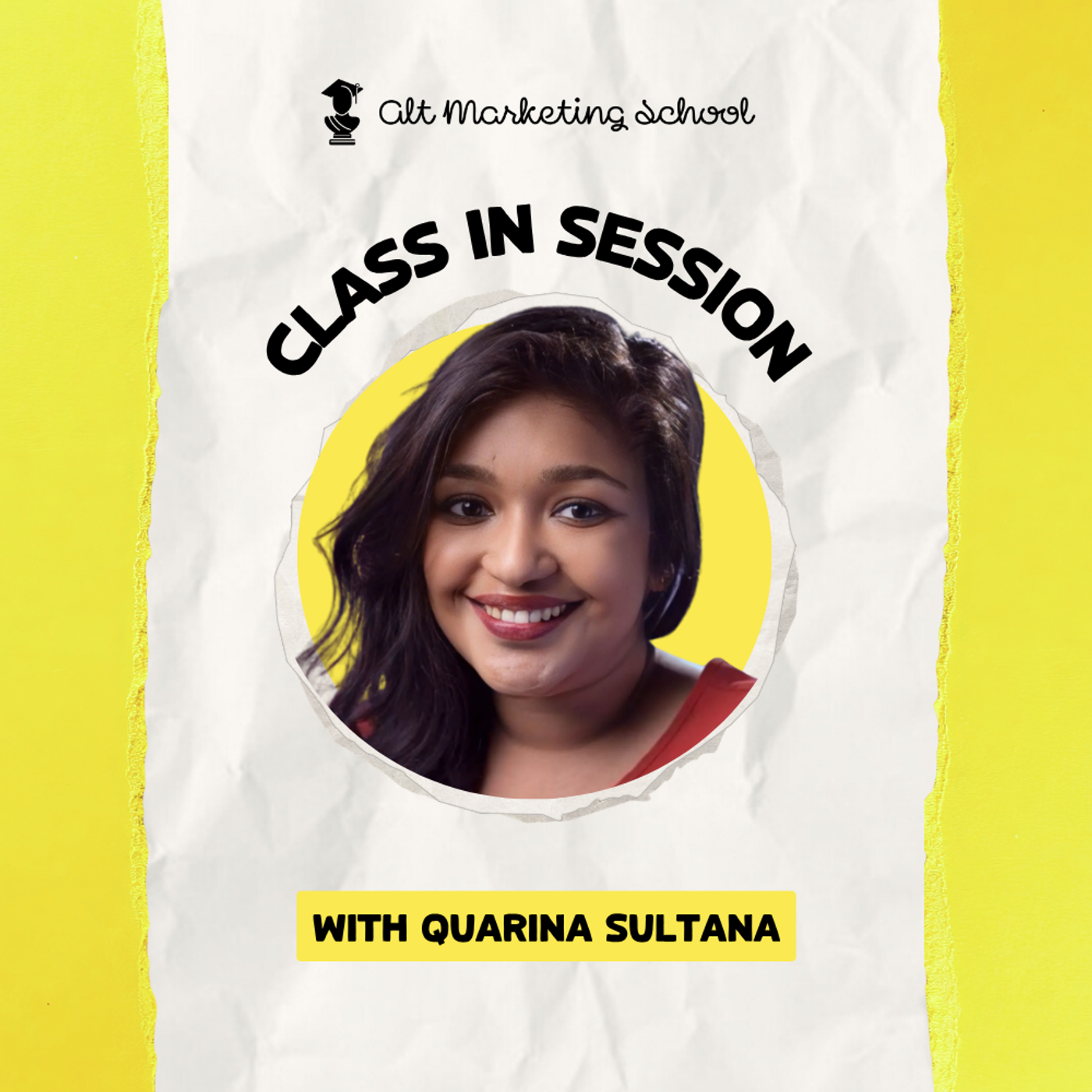 EP 293 - Want to Do Charity Work as a Marketer? Start Here55 / 100
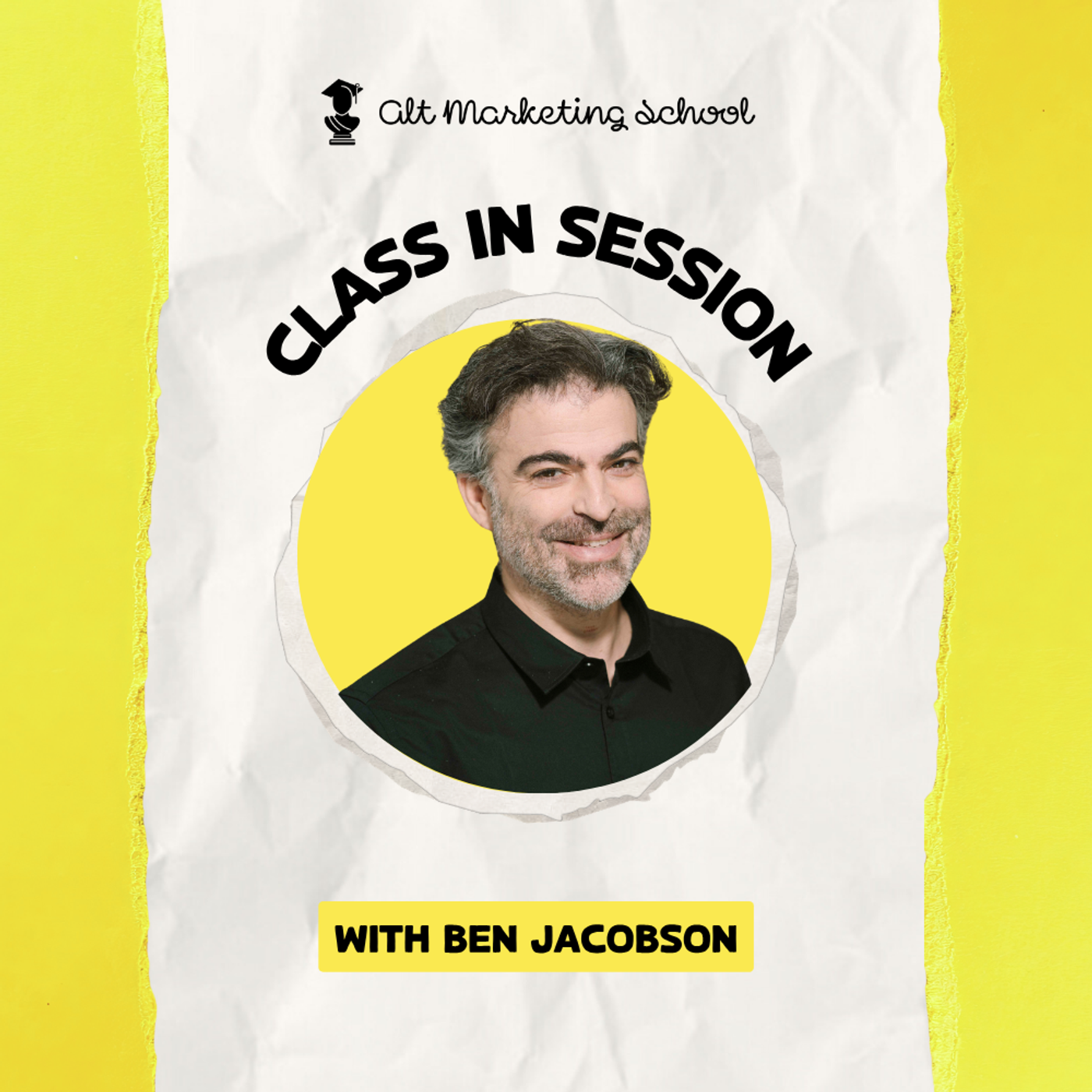 EP 292 - How to Get Cited in AI Search (Not Just Ranked)85 / 100
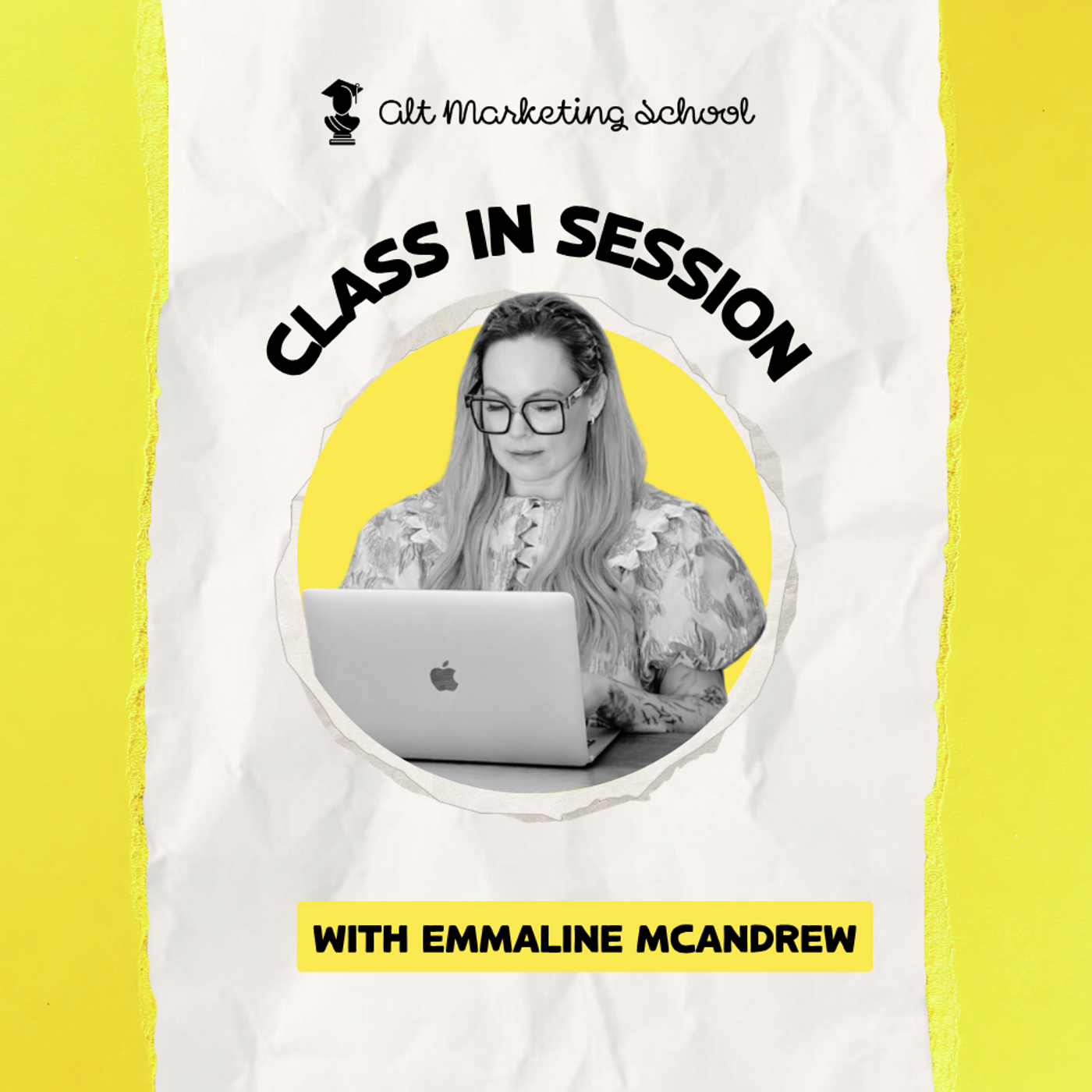 EP 291 - No More Burnout Marketing: Boundaries, Pricing, and Profit at a Slower Pace 75 / 100
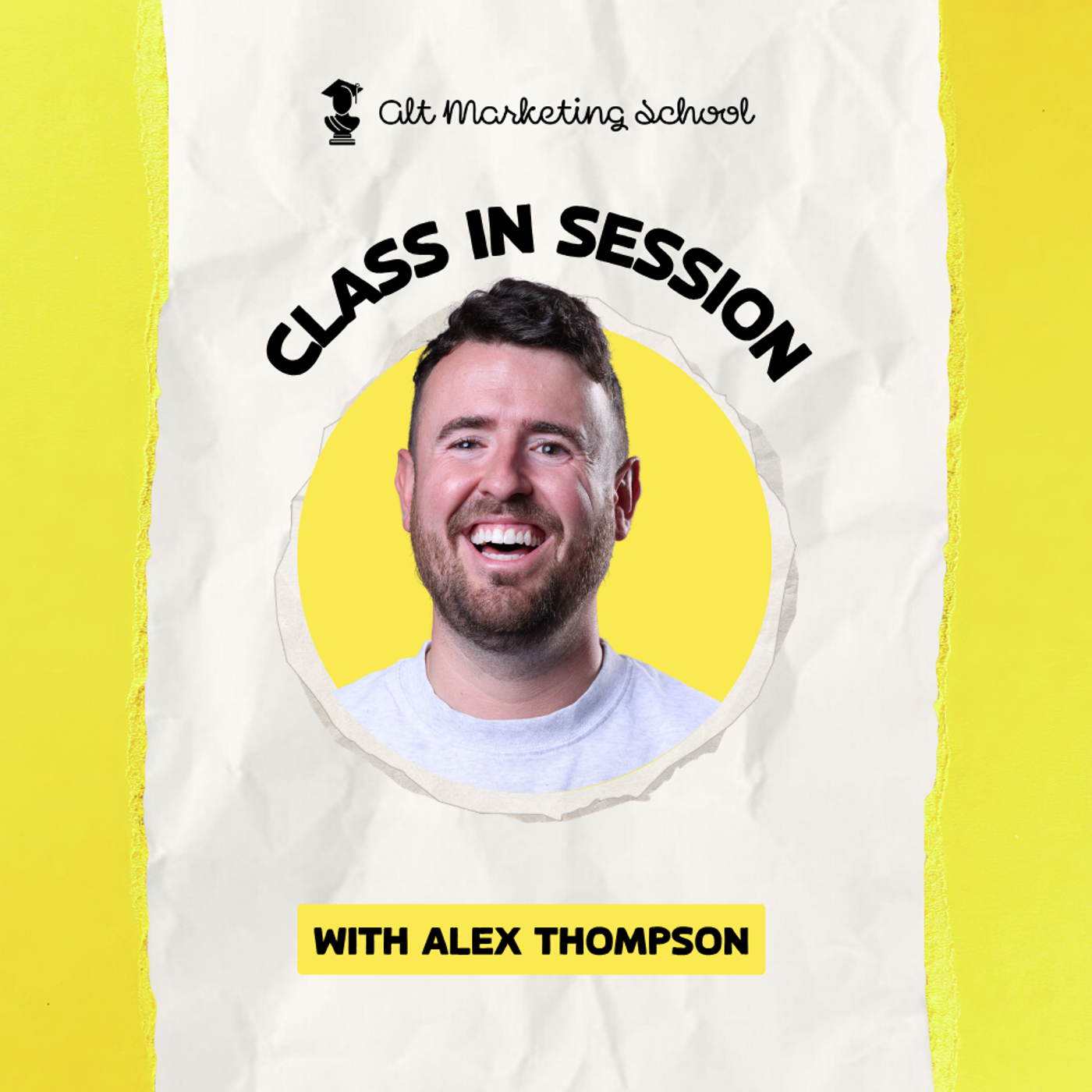 EP 289 - The Real Reason Your Agency Can’t Scale66 / 100