
AI For Small Business Growth · 2025-06-11 · 11 min
Key moments - from our scoring
Substance score
17 / 100
Five dimensions, 20 points each
AI-powered personalization has become essential for cutting through the marketing noise in today's competitive landscape. The episode breaks down how AI analyzes customer data - browsing history, purchase behavior, website interactions, and demographics - to build detailed profiles that go far beyond basic segmentation. Google Ads and Facebook Ads exemplify this approach, using AI to optimize ad targeting and improve click-through rates while reducing customer acquisition costs. Email marketing platforms leverage AI to personalize subject lines, body content, and send times based on individual preferences, while recommendation engines on e-commerce and streaming services predict what users want to buy or watch next. The discussion covers measurable outcomes including conversion rates, customer lifetime value (CLTV), and ROI, along with practical implementation via marketing automation platforms and standalone AI tools. Key challenges addressed include GDPR and CCPA compliance, algorithmic bias mitigation, and infrastructure costs - though a phased pilot approach can help small businesses adopt responsibly without overwhelming their budgets.
AI algorithms sift through customer data including browsing history, purchase behavior, website interactions, social media activity, and demographics to build detailed customer profiles that identify nuanced preferences and predict future behavior beyond simple demographic segmentation.
AI improves marketing ROI through targeted advertising that focuses ad spend on high-intent audiences, personalized email marketing with optimized send times and content, and recommendation engines that drive higher conversion rates by suggesting relevant products based on individual preferences.
Businesses must comply with GDPR and CCPA regulations, be transparent with customers about how their data is collected and used, and conduct regular audits to ensure ethical and responsible use of AI.
Key metrics include click-through rates on personalized ads, conversion rates on personalized emails, customer lifetime value (CLTV), and return on investment (ROI), which provide insights into campaign effectiveness and customer relationship strength.
A phased approach starting with pilot projects and gradually expanding to more comprehensive implementations helps minimize costs and risks while businesses build necessary data analysis capabilities and employee training.
Our reviewer’s read on each dimension, with quotes from the episode.
The episode consists almost entirely of well-known, surface-level platitudes about AI-driven personalization (data analysis helps targeting, email marketing works better when personalized, recommendation engines boost engagement). There are no novel claims, no counterintuitive insights, and no non-obvious connections that a B2B operator couldn't already find in dozens of marketing blog posts. The content is padded with repetitive examples and throat-clearing.
AI algorithms sift through vast amounts of customer data Data, not data browsing history, purchase behavior, website interactions, social media activity, and even demographic information to build detailed customer profiles.
E commerce sites, streaming services and even news websites use AI powered recommendation engines to suggest relevant products, movies or articles to users.
The episode regurgitates standard industry talking points about AI personalization that have been circulating for years: segment your audience, send targeted emails, use recommendation engines, track CTR and conversion rates. There is no contrarian angle, no first-principles rethinking, and no framework that diverges from what every marketing automation vendor already promotes. The examples (bakery, clothing retailer, book retailer) are generic templates.
Platforms like Google Ads and Facebook ads leverage AI to optimize ad targeting. By analyzing user data, AI identifies individuals most likely to be interested in a specific product or service.
A clothing retailer, for example, might send an email featuring new arrivals in a customer's preferred style, size and color accompanied uh by personalized recommendations based on their previous purchases.
There is no guest. The episode is a solo monologue delivered by an unnamed host reading what appears to be prepared script. No practitioner, founder, or operator with real experience implementing personalization is present to share hard-won lessons or specific results. This is a fundamental structural flaw for a B2B podcast claiming to be educational.
Hello everyone and welcome to AI for Small Business Growth, the podcast where we explore how artificial intelligence is changing the game for entrepreneurs and small business owners.
The episode avoids nearly all specific data, metrics, case studies, or dollar figures. Examples are vague archetypes ("a small bakery," "a clothing retailer") with no named companies, no real conversion rate improvements, no actual ROI figures, and no timelines. The mention of GDPR and CCPA are name-checks without specifics. There is zero evidence to substantiate any of the broad claims made.
A small bakery, for example, can use AI to target ads towards individuals who have shown interest in baking supplies, recipes, or nearby cafes on social media.
A significant increase in click through rates on um, personalized ads or a higher conversion rate on emails with personalized content are clear indicators of a success of AI powered personalization.
There is no conversation at all - only a monologue. The host does not ask probing questions, challenge assumptions, push back on claims, or explore nuance. The delivery is didactic and script-read with filler phrases ("um") and no genuine intellectual engagement. No disagreement, tension, or critical examination of when personalization fails or when the costs outweigh benefits.
So whether you're tech savvy or just getting started, we'll break it all down in simple, actionable ways to help your business grow smarter.
However, the implementation of AI powered personalization is not without challenges.
Computed from the transcript - who did the talking, and the words that came up most.
Transcribed and scored by The B2B Podcast Index.
Speaker A: Hello everyone and welcome to AI for Small Business Growth, the podcast where we explore how artificial intelligence is changing the game for entrepreneurs and small business owners. In today's episode, we're diving into how AI is helping businesses like yours create personalized customer experiences, dramatically improve marketing ROI and building stronger, more lasting relationships with clients. So whether you're tech savvy or just getting started, we'll break it all down in simple, actionable ways to help your business grow smarter. Personalized customer engagement is no longer a luxury, it's a necessity in today's competitive landscape. Consumers are bombarded with marketing messages daily and only highly relevant personalized content cuts through the noise and resonates. Artificial intelligence offers small businesses a powerful means to achieve this hyper personalization at scale, dramatically improving marketing ROI and strengthening customer relationships. Forget generic blasts. AI empowers businesses to deliver tailored experiences that foster loyalty and drive conversions the foundation of AI powered personalization lies in data analysis. AI algorithms sift through vast amounts of customer data Data, not data browsing history, purchase behavior, website interactions, social media activity, and even demographic information to build detailed customer profiles. This goes far beyond simple segmentation based on age or location. AI identifies nuanced preferences, predicting future behavior and uncovering hidden patterns that human analysts might miss. For instance, AI might identify a customer's preference for sustainable products even if they haven't explicitly stated it, based on their past purchases and website browsing. This level of granularity allows businesses to tailor market messages and with precision, ensuring maximum relevance. Targeted advertising is a prime example of AI driven personalization. Platforms like Google Ads and Facebook ads leverage AI to optimize ad targeting. By analyzing user data, AI identifies individuals most likely to be interested in a specific product or service. This means that advertising budgets are used far more efficiently, focusing on potential customers who are generally receptive to the message. The result is a higher click through rate, lower cost acquisition or CPA and improved return on investment. A small bakery, for example, can use AI to target ads towards individuals who have shown interest in baking supplies, recipes, or nearby cafes on social media. Instead of wasting resources on generic ads, the bakery focuses its marketing efforts on a highly receptive audience. Email marketing, often overlooked in the age of social media, is another area where AI shines. AI powered email marketing platforms can personalize email subject lines, body content, and even the timing of email delivered based on individual customer preferences. Rather than sending a generic newsletter to every subscriber, AI can dramatically generate emails tailored to the individual's interests and purchase history. A clothing retailer, for example, might send an email featuring new arrivals in a customer's preferred style, size and color accompanied uh by personalized recommendations based on their previous purchases. This level of personalization significantly improves open rates, click through rates and ultimately sales. Furthermore, AI can optimize email send times, delivering messages when a customer is most likely to engage, maximizing the impact of the email campaign. AI also revolutionizes content recommendations. E commerce sites, streaming services and even news websites use AI powered recommendation engines to suggest relevant products, movies or articles to users. These recommendations are not randomly generated, but based on individual user preferences and behaviors. By analyzing past interactions, AI predicts what a user might be interested in, improving user engagement and driving conversions. A book retailer, for example, can use AI to recommend books similar to those a customer has already purchased or books in genres they frequently browse. This personalized approach not only increases sales but also enhances the overall customer experience, making the user feel understood and valued. The impact of AI driven personalization is measurable. Businesses can track key metrics such as click through rates, conversion rates, customer lifetime value, or CLTV and return on investment to assess the effectiveness of their personalized campaigns. This data provides valuable insights into what resonates with customers, allowing businesses to continuously refine their strategies and optimize their marketing efforts. A significant increase in click through rates on um, personalized ads or a higher conversion rate on emails with personalized content are clear indicators of a success of AI powered personalization. Moreover, monitoring CLTV helps demonstrate the long term impact of building stronger customer relationships through personalized engagement. Several AI tools are specifically designed for personalized marketing. Many marketing automation platforms integrate AI capabilities, offering features such as predictive analytics, personalized email marketing, and dynamic content generation. There are also standalone AI powered tools that specialize in areas like ad targeting, customer segmentation and recommendation engines. Small businesses can choose the tools that best suit their needs and budget, integrating them into their existing marketing infrastructure. The selection of appropriate tools should be based on factors such as size of the business, the complexity of its marketing activities and the available budget. However, the implementation of AI powered personalization is not without challenges. Data privacy is a crucial concern. Businesses must ensure that they comply with all relevant regulations such as GDPR and ccpa, and be transparent with customers about how their data is collected and used. Moreover, AI algorithms can perpetuate biases if the data they are trained on is biased. Businesses must take steps to mitigate biases in their data and algorithms to ensure fair and equitable treatment of all customers. Regular audits of the data and algorithms are essential to ensure ethical and responsible use of AI. Furthermore, investing in the necessary infrastructure and expertise can be costly for small businesses. With many affordable AI powered marketing tools are available, businesses may need to invest in data analysis capabilities and employee training to effectively utilize these tools. A phased approach to AI adoption, starting with pilot projects and gradually expanding to more comprehensive implementations, can help minimize costs and risks. In conclusion, AI powered personalization is a game changer for small businesses. By leveraging AI to analyze customer data and tailor marketing messages, businesses can achieve significantly higher engagement rates, conversion rates, and ultimately, revenue growth. While challenges exist, the benefits of personalized customer engagement far outweigh the costs and risk, making it an essential investment for any small business striving to thrive in today's competitive, lit digital landscape. The key to success lies in adopting a strategic approach that prioritizes data privacy, ethical considerations, and measurable results. By embracing AI responsibly and strategically, small businesses can cultivate strong customer relationships, build brand loyalty, and drive sustained growth. Personalized marketing is not merely about technology, it's about building genuine connections with customers and providing truly valuable experiences. Thank you for tuning in to AI for small business Growth. Today we explored how artificial intelligence is transforming personalized customer engagement, improving marketing roi, and building stronger relationships with your audience. These tools aren't just for big corporations, they're here to help your small business thrive. So make sure you tune into the next episode to get more information about how artificial intelligence can help your small business grow. Until then, keep innovating.
Other episodes covering the same guests and topics, from across The B2B Podcast Index.
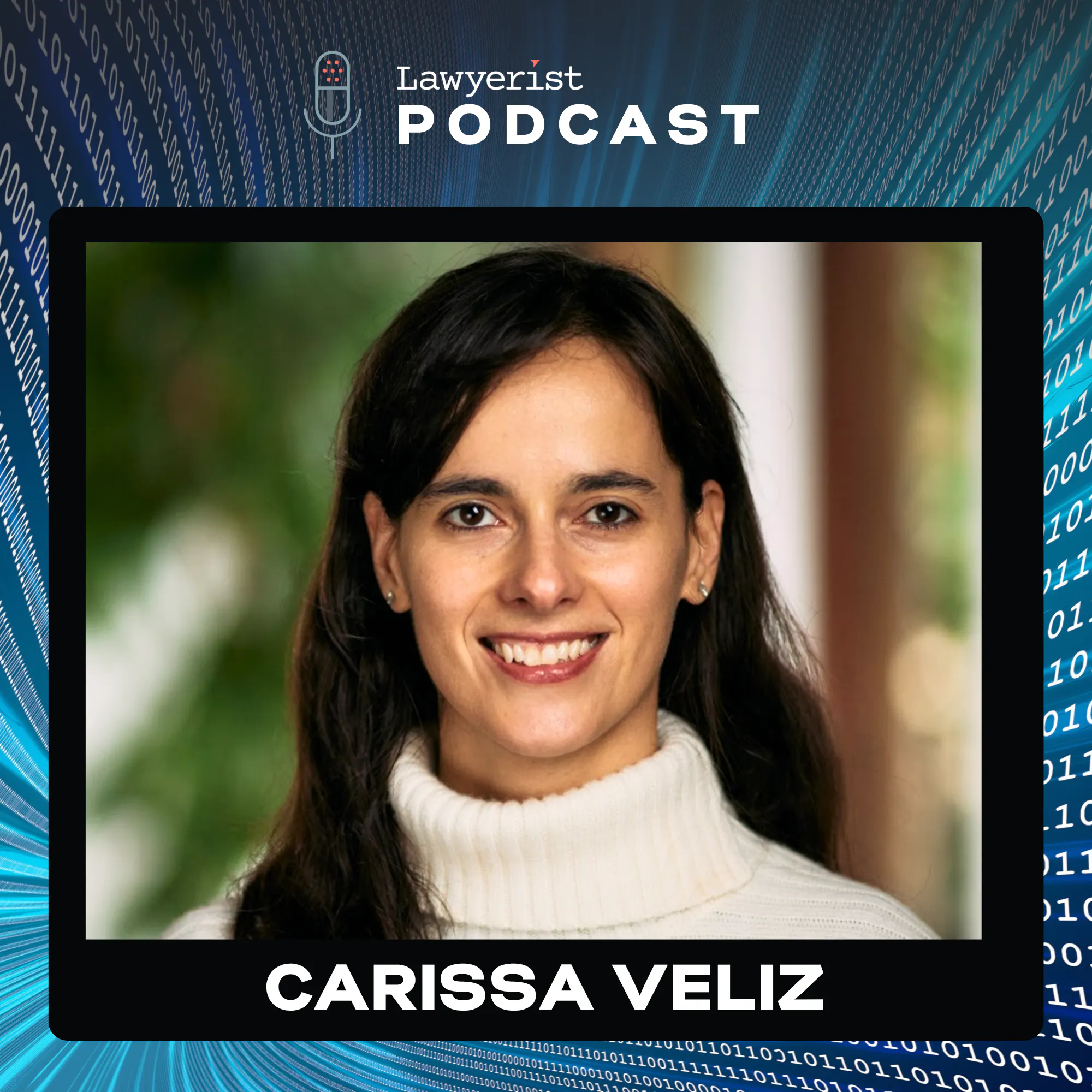 Privacy, Power, and Prediction: Reclaiming Control of Your Personal Data, with Carissa Véliz | Lawyerist PodcastLegal Talk Network · on Predictive analytics85 / 100
 Drones Are Changing the Future of FarmingFood Tech Talk · on Predictive analytics81 / 100
 How to Build Your Launch Goals From Scratch in 4 Steps w/Tamara GrominskyProduct Marketing for You · on customer segmentation81 / 100
 Ep. 280: Mid-Year Marketing Check In - Same Tactics, New SteroidsOut of the Hourglass · on Google Ads80 / 100
 From £3k to £80m: The Bootstrapped Must Have Ideas Growth Story with Amy KnighteCommerce MasterPlan · on Google Ads78 / 100
 He Was the Only Marketer at a Startup Fighting Service Titan - Here's What WonStacking Growth · on Google Ads78 / 100
 AI For Small Business Growth 10 AI-Powered Productivity Hacks30 / 100
 Get With It or Get Left Behind30 / 100
 AI For Small Business GrowthA Visitors Guide to London 11 Hidden Secrerts.m4a29 / 100
 AI tools for e-commerce business29 / 100
 The Best of AI For Small Business Growth29 / 100