
3i Member Spotlight · 2026-01-15 · 48 min
Key moments - from our scoring
Substance score
62 / 100
Five dimensions, 20 points each
This episode chronicles Dan Novaes's unconventional path to founding Mode Mobile, starting with childhood arbitrage opportunities in Brazil and Indiana (Playboys, Pokemon cards, Ralph Lauren jackets) that generated substantial early revenue. By his senior year of high school, Novaes was running $2 million in annual sales reselling electronics like iPods and BlackBerry phones across different geographic markets, leveraging international price differentials and import tax arbitrage. He recognized margins were thin (5-15%) and scaling remained limited to his one-man operation with his mother handling logistics. In college, he pivoted toward digital products, launching fratstars.com - a music playlist platform that attracted a million monthly listeners before Spotify dominated the space. A chance Fiverr hire of a teenage developer from the UK led to an $85 app deal that generated $10K in the first week and became a foundational moment. That same developer eventually became his co-founder at Mode Mobile, the smartphone earning platform. Novaes discusses how early hustling mentality needed to mature into longer-term value creation, and how losing $100K to a UK warehouse robbery accelerated his shift from physical goods into digital ventures. This conversation is valuable for operators interested in understanding how early-stage arbitrage experiences inform later scaling challenges, geographic market opportunities, and founding team dynamics.
He discovered a 40% employee discount with no purchase limits, cross-referenced SKUs on eBay to find arbitrage opportunities (e.g., jackets priced at $160 after discount selling for $380 on eBay), bought inventory on his father's credit card knowing he had 2-3 weeks for returns, and enlisted other employees to buy jackets for $20 commissions, avoiding the need to show up in person.
Novaes bought 'bad ESN' BlackBerry phones (stolen or defaulted CDMA-based phones from US carriers) cheaply on eBay, unlocked them, and resold them internationally where they could operate on GSM networks in the UK, Australia, and Europe - markets where they commanded much higher prices.
He hired a teenager from the UK on Fiverr for a $5 music app gig; the developer quoted $85 instead and delivered a functional MVP two months later that generated $10K in its first week, leading Novaes to invite him to relocate and start an app company together.
A warehouse robbery in the UK cost him over $100K in uninsured inventory when he was 22, triggering a realization that he couldn't scale the business beyond his one-person operation and that the physical goods model was too risky compared to the repeatable margins of digital products.
Fratstars.com was a pre-Spotify music streaming platform catering to fraternities that attracted 1 million monthly listeners and shared traffic with Barstool and Elite Daily; Novaes eventually decided to pivot to app development rather than continue competing with better-capitalized platforms, even as those competitors went on to successful exits.
Our reviewer’s read on each dimension, with quotes from the episode.
The episode delivers a narrative-heavy business biography with intermittent operational insights - particularly on arbitrage discovery, crowdfunding mechanics, and the shift from hustle to sustainable business models - but much of the runtime is spent on colorful storytelling (Playboy resale, Pokemon cards, eBay flipping) that entertains without teaching specific, generalizable lessons for B2B operators. The crowdfunding and Reg A discussion is substantive; the early arbitrage examples are repetitive and anecdotal rather than analytically deep.
I didn't know what cash flow was at the time. I, and I think the biggest issue is I didn't know how to scale that business beyond my one man operation effectively.
the biggest issue is that you, uh, sometimes maybe think a bit more shortsighted, um, in nature... what you end up happening is... how to think more long term and actually generate value beyond just a hustle
The core thesis - paying users for smartphone engagement via ads - is not new (beenverified models, reward-for-action platforms existed pre-Mode). The crowdfunding/Reg A innovation is genuinely novel for execution, but the supporting framing (phones as an asset class, data ownership compensation) echoes existing fintech rhetoric. The arbitrage stories are derivative of a well-trodden entrepreneurial template. Limited first-principles thinking or counterintuitive claims that would surprise a seasoned operator.
we believe we're the closest company in the world to make that, um, possible
the idea of Uber and Airbnb is really kind of like what they did essentially is they took cars... And what we're doing that for phones now
Dan Novaes is a relevant, practitioner-grade guest: founder and CEO of a venture-backed, scaled company (50M+ users, $75M+ raised, EBITDA-positive, real revenue at scale). He has hands-on experience with early arbitrage, app economics, hardware-software integration, and novel fundraising mechanisms. However, he is not a marquee operator in an established category (e.g., not a Stripe founder or SaaS unicorn leader), and Mode Mobile remains a niche earn-on-phone play with unproven long-term unit economics at scale.
we've had over 50 million people, um, you know, download user software around the world
we've been EBITDA positive every month and, and continuing to grow
The episode includes concrete numbers on growth and revenue (50M users, 250M across apps, $100/month target earnings, $75M raised, $25M revenue in 2022), specific retailers (Best Buy, Walmart, Target), named companies (Robinhood, Candy Crush, Facebook/Instagram), and real timelines (Instaliker grew from $600 day-one to $12K next day, $3-4M month run rates). However, much of the specificity is about the founder's personal journey (dollar amounts from childhood flipping, commission examples) rather than Mode Mobile's competitive landscape, CAC, LTV, churn, or detailed unit economics that would inform an operator's own strategy.
we did over 25 million. Right... by you know, 2022 we were, we did over 25 million
the average is around 40 to 50 bucks a month. We have users that are earning several hundred dollars a month, but we typically say around $100 a month
The host (Mark Gerson) asks warm, often surface-level questions that elicit good anecdotes but rarely probe operational depth, unit economics, failure modes, or competitive threats. Gerson validates Dan's story frequently ('incredible,' 'fascinating') rather than challenge claims. Weak follow-ups on business model mechanics (e.g., 'how do you pay someone for charging their phone?' gets a vague answer about lock-screen ads with minimal probing). No pushback on eyebrow-raising claims (e.g., 3x retention from a $75 phone, sustainability of the arbitrage models, or long-term profitability without relying on continued ad spend inflation).
Well, Dan, your background and your story and your company are so interesting. I just want to dispense with an introduction and get right to it
What a fascinating story. What an inspiring story.
Computed from the transcript - who did the talking, and the words that came up most.
Dan Novaes is the Founder & CEO of Mode Mobile, an earning-technology company that has facilitated nearly $1B in earnings and savings to users through everyday smartphone activity. A lifelong entrepreneur, Dan began identifying arbitrage opportunities at an early age and went on to build multiple profitable consumer businesses before graduating high school. Prior to Mode Mobile, Dan founded and scaled top-grossing App Store products, raised venture capital with backing from Mark Cuban, and built consumer platforms reaching tens of millions of users globally. Today, Mode Mobile has just under 200M MAU users across 170+ countries, generated tens of millions in annual revenue, and built one of the largest user-shareholder communities in the world through innovative crowdfunding and Reg A financing. He has been a 3i Member since 2024.
Transcribed and scored by The B2B Podcast Index.
Speaker A: Uh, hello, this is Mark Gerson. I'm the co founder and chairman of three I members, and I want to welcome everybody to the three Eye podcast, particularly our guest of honor today, Dan Nova.
Speaker B: Thank you. Yeah. Excited to be here.
Speaker A: Well, Dan, your background and your story and your company are so interesting. I just want to dispense with an introduction and get right to it, because I'm sure all about you will come out in our discussion. Okay, so this is, like, the most interesting entrepreneurial story ever. And, um, it starts, Dan, when you were about 10 years old, um, in, I believe, Brazil, and you found some Playboys.
Speaker B: Yes, that is, uh, that's where it all got started. Um, I. I grew up.
Speaker A: Great story. Great story. Let's. Let's. Let's tell it to the, uh, Three Eye audience.
Speaker B: Okay, so, uh, yeah, the story goes. So I grew up between Southern Indiana and Sao Paulo, Brazil, my whole life. Um, the thing I started noticing when I was around that age was just how different, uh, the prices of things were, and also just how the cult operated. So in Brazil, you can go to any newsstand, and as long as you have money, you could buy whatever you want. And, um, I would buy.
Speaker A: This is like 25 years ago, right? You're about 35 now.
Speaker B: Yes, exactly. That's 25 years ago. Um, yeah, that, you know, we. We were not on our phones or laptops, um, at the time.
Speaker A: Right.
Speaker B: So, uh, you know, you. I would buy those. And then, um, at school, that was a hot commodity, you know, So I just started selling per page, uh, at school.
Speaker A: In Indiana or in Brazil?
Speaker B: In Indiana, yeah.
Speaker A: So you buy the Playboys in Brazil, where. Where there was no age, uh, requirement, and then you'd bring it back to Indiana, where you discovered an arbitrage.
Speaker B: Exactly. And then, uh, you know, you'd sell at $20 per page, uh, which was a lot, you know.
Speaker A: Yeah. I mean, how many pages adjusted or how many sellable pages were there?
Speaker B: Uh, I mean, there's. Yeah, there's probably like, what, like, four editorials in each magazine. I had, like, five magazines. I mean, it's a lot of pages. You know what I mean? So there was.
Speaker A: You're selling them for $20 a page. You were probably paying, what, like, five bucks for the whole magazine?
Speaker B: Yeah, if that. Like three bucks, two bucks. Um, but it was. It was more, I guess, the fact that I had to play boy, I guess, at the time. But, um, you know, and then, yeah, that worked pretty well until I, um. There was a kid that wanted an entire magazine or, like, Two entire magazines. And, um, I sold it to him. And then he stole 300 bucks from his parents. And he gave me a tennis racket, too. Um, and that was, uh, and some sneakers.
Speaker A: Yeah.
Speaker B: And then I got caught. And, um, then I almost got suspended. And it was this whole thing because, you know, this, like, my parents came and then my mom was upset that she's like, these are. People are going to think it's your parents. And that gave you this. And so it caused this fiasco. Um, I didn't get in trouble. Like, I didn't get expelled or anything, but, you know, I, I stopped selling, um, Playboys at that point.
Speaker A: Well, I imagine so. You're like 10 or 11 at this point in Southern Indiana. Did anybody admire the entrepreneurial energy and creativity behind this? Because if I, if I were an adult in that, I would be like, Dan, you are going to be special. Like, this isn't. You have discovered arbitrage at age 10 and 11. Not only that, you've just. This is like the best irr. Arbitrage of all time. You're paying three bucks for the magazine. You're selling each page for 20.
Speaker B: I definitely think it was an, um, you know, I didn't quite get that type of feedback, but, you know, I wish I would have, you know, um, it was. And that's what I would, I think I would say to my kid, you know, um.
Speaker A: Right.
Speaker B: No, my parents were, they were upset, but they were quite cool at the same time about it. Like, they didn't. I didn't get, like, tremendously punished. It was like kind of a deep scolding. Um, but, you know, at school, it was just kind of. I, I always had those types of things. You know, I did something similar with Pokemon cards, um, with Japanese Pokemon cards specifically. There, uh, was like a grocery store that would sell them. And then I. In Brazil, similar situation. No, this is in Indiana. I, like, I, I, I've always liked Japanese snacks. And there was a Japanese grocery store, and it, it was when Pokemon was really kind of getting big, and it still is today, actually. But, you know, anyways, there was an opportunity for you to buy these cards that never came out in the US And I would just create these kind of narratives, um, of like, because everything's in Japanese, you can't read anything about these cards, but they're Holographics. And I'd get kids to give me their Charizards, um, which was like the 40 card at the time. And I would then sell them at the local card store and then I had a similar situation eventually. Like some kid was like, um, you know, told, uh, his mom and then I had to give them the card back and this whole thing. So anyway, what's going on in that case? Um, she felt that I took advantage of the, of, of her, her kid because he gave like his most expensive cards for these Japanese cards. And I was like, I mean, these are, I don't know, it was a fair trade. I mean it was like, explain what it was. And then, you know, I just knew where to get them. He didn't. And that was that, you know. But those were the early signs of. I didn't know what the word entrepreneurship was at the time. Um, but those were the type of things that, you know, my parents would have to deal with and sometimes I'd get in trouble for, for those types of ways of thinking, I guess.
Speaker A: So you didn't know the word entrepreneurship. You probably also didn't know the word arbitrage at age 10, 11, 12.
Speaker B: Definitely did not know the word. Yeah, arbitrage.
Speaker A: But you instinctively discovered it. So do you think entrepreneurship is born or is it made or is it some combination? Because in your case it's clearly to at least some significant extent, born.
Speaker B: Yeah, I think it's a great question. I think the, um, I think it's born, um, however, I think that you can develop it. I think the downside of being born with it is that you, uh, sometimes maybe think a bit more shortsighted, um, in nature. I think if you look at a lot of the things I did when I was a kid, they were hustles. Um, and then I think what you end up happening is, and I had to learn this in many things I did, um, over the following decades is, um, how to think more long term and actually generate value beyond just a hustle, you know, and that's, I think the, the differentiator of like what you learn from that, but having that instinct, that natural ability is really important, I think, in your foundation, but it's not necessarily required.
Speaker A: You know, your early days of, um, entrepreneurship as hustle were not over. I mean, there's that incredible story of you working retail. Uh,
Speaker B: yes, and, and this was probably like my first real significant amount of money.
Speaker A: So. How old are you now? 14? 15.
Speaker B: I'm, I'm 16. Recently. 16. I, I 15. Um, I just recently turned 16. And um, yeah, I was working at a, at outlet, um, in Indiana. Polo in Indiana, um, Edinburgh Outlets. Uh, and there was a Polo Ralph Lauren store. And um, at the time, you know, I I was trying to. I had just gotten this job, you know, I've been there for like two weeks and I got my first paycheck and it was like, it was back breaking work. You know, I was like, wow, this is really hard to make money. And I was really excited to got my first paycheck. And it was like a great.
Speaker A: You come from making $20 a page and however much on Pokemon cards, and now you're making what like in Those days, like $9 an hour working retail.
Speaker B: Not even. I think that after tax it was like five, it was like 7:50 an hour. But after tax was like 5:50. And that was, that was the thing. I was like, man, I put in like all these hours, I put in 20 hours and I got like. It um, was just under 100 bucks. And that was the first realization. I was like, wow, it's really hard to make money. And I was like. And I kind of had forgotten all the things I did, you know, when I was a kid. Um, and then um, right around that same time there was this. It was like a random Sunday. And where I grew up in Indiana, there was like a bunch of uh, Toyotas and you know, this big, you know, um, you know, manufacturing culture there for diesel engine and stuff. And this huge tour bus of Japanese, uh, you know, people were coming to visit that area and it's just me and one other guy. And they spent like 40 grand that, that Sunday and we helped the entire people and I'm thinking, okay, like they just spent 40k. I'm going to get a commission on this for sure. Yeah, you should.
Speaker A: Yeah, you know, this 10, 15, maybe 20% something.
Speaker B: And um, I got a $5 Arby's gift card. And I was like, I was really upset. I remember thinking, I was like, that is insane. And um, and I remember at the time, one of the benefits of working there, and this is one of the best things about it, I had a 40% discount and as an employee and I was like, man, with no limit about that, with no limit. And I was like, I could have just given them 20%, called it a day, I would have made a K. And that's when I had that idea. I was like, wow, like I can, I'm going to go around this store. And at the time I had a Palm Trio. It was like one of those Palm Pilots. And I was just taking photos of every single, um, you know, uh, QR code of uh, like model, number of clothes. And I was just cross referencing them on ebay. And eventually I Found this jacket that had this crazy arbitrage. It was like, you know, after. My discount is like 140 bucks, 160 bucks. And on ebay, they were selling all day for 380. And so I just bought three on my dad's emergency, uh, credit card that I had. And I knew that if I kept the receipt, I would have, like, you know, two or three weeks to. To return it, no issues. And, um, I listed it that same day that I bought it and didn't tell anyone, didn't tell my parents. But then by the next day, they sold, right? And I made like 600 bucks, like, you know, free and clear. And, um, once the money came in, I told my dad, and then I just tried to do it. And then they upset. He was pissed. He was pretty upset, actually, at the time. Why was he upset? Uh, well, because he was like, you know, he hid in his brain. It didn't compute. Like, this money is not actually going to come in. Like, you know, what is ebay? Like, you know, it was like, that type of mindset. And then my mom, like, defended me. She's like, you know, you need. You need to, like, foster this, like, whatever. And then once the money came in, then my dad was like, okay, that's fine. And then, uh, and then I just did it over and over again.
Speaker A: How many do you think you sold? Bought and sold?
Speaker B: Oh, like, I bought the entire stock. And then it got to the point where my managers were. Some of them were cool with it. And so I'd only know what you were doing. Inkling. I just had a lot of uncles in Brazil that needed these jackets, that wanted these jackets. And then what, uh, I ended up starting to do is I had everyone at the payroll that was on payroll there. I paid them 20 bucks if they bought their jacket. So then I had, like, that entire. So I didn't have to actually go to work. And so I ended up keeping that job for like four or five months while minimally going into that. At the time I was going to get fired. I heard, uh, from the general manager. Um, but I made about $30,000, um, in that, you know, stint. And, you know, I. That was my startup capital. Um, and then I. That's when I kind of. It really opened up my eyes of various different opportunities. And, um, then the next phase of that was kind of, um, when the ipod kind of had come out. And this was like the opposite, uh, of what I did with the Playboys. Um, ever since, when I was growing up, countries like Brazil, they have Very high import taxes. And so essentially services are cheap, but goods are really expensive. And essentially, um, at the time with the way logistics worked, um, there would be a six month lag when new items would come out in the US so so basically the iPod or the MacBook would come out here and then it would take another three to six months before it would even be sold in Brazil. This is not an issue today. Um, so I started selling them on the Brazilian ebay, the version which called Mercado Libre. And um, I started exporting them uh, overseas. And then I found this to be the same in the uk.
Speaker A: But you saw what kind of arbitrage is there. So you're buying ipods, um, I suppose at retail, regular price in the US
Speaker B: and you know, I actually, I found a distributor actually in Miami. Um, you know what I did is I searched on ebay and I found someone that was selling them pretty cheap. And I knew how ebay fees worked. And I was like, for this guy to be able to sell these iPods for 350 bucks and pay the ebay fees, he's. His cost has to be 300 and he has to make some sort of profit. Electronic margins are small. So then I just sent a message like, hey, I'm a 16 year old entrepreneur. Um, I would love to develop a relationship with you as a distributor. Like, can you help me out? And then he kind of just became my mentor, you know, at the time. And um, you know, he would sell to me and do drop shipping and things of that nature. And, and so that's how I was getting them. So I was getting for actually lower than what you would get at Best Buy or these stores of that nature wasn't having to pay sales tax. And um, what I realized essentially is that this was also happening in countries like the uk. The arbitrage was smaller, but I could do it at much larger scale because the pound was so powerful at that time, right? Or you know, I mean pounds is still obviously pretty profitable, but at the time, like there was a big opportunity there and instead of it being $300, it was 300 pounds. But that's $450. But if you shipped it there, you can then sell it all throughout the European Union as well, because at the time it was part of the eu. And so you had all this crazy arbitrage that was possible. And then I, um, you know, then saw that the same thing was actually even better with cell phones as an example. And this is like maybe my senior year of high school, now that I'VE started to. You know, I was doing about $2 million a year by the time I was a senior in sales.
Speaker A: Million dollars a year in sales or profit?
Speaker B: And sales. And sales. No, I wish it was profit. Um, what would margin slim? You know? Yeah, um, about 10, 15% margin.
Speaker A: Um, you're making 200 grand profit before you gradu. Year, before you graduate high school.
Speaker B: Yeah, right around that time. Yeah, it was, and it was a great.
Speaker A: How much, how many hours a week did this take you?
Speaker B: I mean, I was in high school at the same time, so.
Speaker A: Right.
Speaker B: Probably 20, 30 hours. My mom was shipping all my packages. She was, she was shipped like 80 packages a day. It was amazing. Um, and so, and, and, and then essentially, um, what I realized with cell phones, it was, it was something similar. It was like, you know, at the time there was like, you know, uh, the BlackBerry was the biggest thing. And these blackberries, if you stop paying your bill here in the US for Verizon or Sprint, it was something called cdma, which is a specific type of band and it's not SIM card based. You stop paying your bill, essentially the phone becomes a paperweight. But what I realized is that there was this, um, if you brought it overseas to the uk, it has to operate on GSM signal. So I would buy the, basically the bad ESN. That's what it's called, bad serial number blackberries here in the U.S. how do you buy them?
Speaker A: Like who's selling them?
Speaker B: I would just buy them on ebay. And then eventually you just find these liquidators that are basically selling them for parts, um, because you can't be using it here in the US and then essentially you would unlock them. Right? And then you could sell them in Australia, you can sell them in Europe, whatever. And I was making like $100 a phone. And my cost on these phones was like 50 bucks. So that margin was insane. But that didn't last forever. That was like during the period of like the BlackBerry Storm era, the BlackBerry Storm 2 era. And so it was like, um, but it was, it was insane. It was awesome at the time.
Speaker A: How much money were you making doing that? So you're making, you're making $50. Ah, an item profit. How many you think?
Speaker B: Yeah, I mean, I probably bought a few hundred of them uh, at the time. And, and again, like I did this all throughout, like similar stuff all throughout college. And you know, it was always around this 2 million bucks a year was kind of like the, you know, kind of what I was doing because I. The problem with this, or at least at the time is like I didn't have more capital. And so basically all the money going out is coming back in. All the money going out is coming back in.
Speaker A: So you're learning cash flow at the same time.
Speaker B: Yeah, I didn't know what cash flow was at the time. I, and I think the biggest issue is I didn't know how to scale that business beyond my one man operation effectively. Like um, it was really my one man operation plus my mom, right. And that's like, who is like shipping all my packages. And um, you know, and I didn't like set it up to like be a business that sold and then, and then I did some stuff along the way that was like stupid. Like um, as an example, um, I had this warehouse in the UK and we, I had someone that was basically uh, a freight forwarder at the time, but it was a DVD shop that basically worked out a special deal through um, a mutual connection. And they were shipping all my packages. We were shipping so many packages to the UK, these big boxes with like 50 to $100,000 worth of electronics. And one day I woke up and I'm like 22 at this time. And I heard that it got uh, robbed. And I didn't have any insurance in this uh, you know, facility. And I mean I got robbed for like, you know, well over $100,000, like around 100k. I can't remember the exact value but I remember it being like a significant value of my liquid net worth. Um, and then I just remember going back to sleep thinking like, this is definitely a dream. And then I woke up and I was like, that definitely was not a dream. I was like, man, I can't believe that just happened. And so, um, that's when I started kind of thinking. I was like, you know, I don't know if I like this business. I need to get more in digital. And then at the time was like, I can't get hacked in digital. And so um, and obviously you can get hacked in digital but you know, it wasn't like that way. Right. And no one ever caught these guys. Um, and that was that. And so that was like the downside of like taking that big risk because you know, when you, the profit, uh, like that BlackBerry story is kind of unique. My typical margin was anywhere between 5 to 10% on products. Sometimes you'd have these unique ones but it would blend out to about 10%. So it was great for just my one man, you know, college student operation. And then I, you know, figured out That I wanted to be an entrepreneur and I didn't want to go into investment banking or consulting. And I did some internships in that during college, but it just wasn't for me, you know.
Speaker A: Okay, so you graduate, uh, college, and, uh, how does your entrepreneurial journey continue?
Speaker B: Um, so. So in college we, um. So. So I, I started like a music website in college at the time, and it was before Spotify and we had a ton of. We m. Had probably been a million people a month listening on these playlists. And, um, I found it was a website called fratstars.com. it was, uh, definitely catered to fraternities. Um, and, and. And that, that culture. Um, and, uh, what was interesting, it was kind of like the era of like, Barstool was just starting up. Like, we would actually share traffic with like, Elite Daily and Barstool and all these sites. So it's kind of interesting that those guys kept with it and had great exits. And, um, for me at the time, we were like, oh, the iPhone is coming out and it's getting big, like these apps. And so, um, I decided to figure out how to make an app for our website. And, um, I reached out and I found my, um. Like, Fiverr had just come out and I had done a commercial on Fiverr for five bucks and won this like, tech star, uh, contest. It was on tv and I was like, that was the best, like five bucks I've ever spent. Um, you know, and it was like a. It's not like AI Today where you could make these great videos. It was kind of a trash video, but it was a template. But, you know, we. We growth hacked it in one. Um, and then I was like, I wonder if I can make an app for five bucks. And you know, obviously it was going to be a little bit more, um, but I found out some kid that was like, I'll make an app for $5. And I explained him the idea and he's like, look, I can't make it for five bucks, but I'll make it for 85 bucks. And then I was like, okay, no problem.
Speaker A: A music app.
Speaker B: Yes. And, uh, for, for. For this, this platform at the time. And, um, turns out that, um, you know, I didn't have high expectations. Uh, but it turns out it was like a high school kid that didn't really trust his skills at the time. He was only 16, um, and just wanted to work on a project. So it wasn't about the money. And we kind of became Skype friends. And you know, about two months later he delivered, um, you know, a very MVP app of this service. And I put it onto the app stores and literally made like 10k in a week, right? And I was like, wow, what a great return. That was amazing.
Speaker A: You made 10k from the user, from advertisers or what was the business I've
Speaker B: charged at the time? I charged 199, uh, to buy the app, you know, and that was 10.
Speaker A: And you made 10k in the first week?
Speaker B: Yeah, exactly.
Speaker A: Did that continue?
Speaker B: Um, uh, yeah, I would pitter patter, like 50 to $100 a week. Pretty organic or sorry, a day, like organically. So it was like, you know, bring in two 3K a month and, and didn't have to think about it. It was like, you know, and, and then I was like, wow, like this app thing is, is really interesting. And um, anyways became me and this guy became friends on Skype. And um, I was like, yeah, I just graduated. And he's like, oh, I'm about to graduate. And uh, then that's when I found out he was in high school, about to go to college. And I was like, hey, like I think you should move. At the time I was living in Chicago, I was like, you should move to Chicago and we should um, start an app company. I wanted to create an app builder. You know, at the time we had Squarespace for apps was the idea. And um, he lived in the UK at the time and he's like, look, I'll take a gap year. And his parents let him and that turns out to be my co founder till this day in Mode, right is I met my co founder on Fiverr on a five dollar gig. And um, we, uh, we end. He ended up moving, you know, to the U.S. uh, for, you know, on and off for like a year. And uh, you would think that like we, we crushed it that first year and it was like a lot of struggle. We, we, you know, we made some money just from like making other kind of like nonsense apps. But the app builder never really took off at the time. And at the very end of that, uh, stint he was like, look, I can't take another gap year because they won't let me. Um, so I gotta go back. But I'm down to work part time on this, on this uh, project. And I was like, okay, well I have another idea for another product. Um, Instagram had just gotten sold to Facebook for like a billion bucks and it was starting to get big and I was like, I want to create like a Instagram exchange system. Um, that, that basically if I like someone's photo or follow them, then I can basically get, you know, credit, ah, for that. And then you can get on the popular page. That's how the algorithm worked at the time. And, uh, we built this up in like a week and just launched it, you know, right before he started his freshman week in college. And, um, that day, I remember going to New York and it. It went live at like 10:00pm um, and within like two hours, like, I remember seeing the next morning, I made like 600 bucks. And I was like, man, that was insane. Um, and then you see the grossing charts and that's how it changes every three hours, the algorithm. And you just see it rising, this app, like, you know, because it was like called Instaliker. And, um, the next day it made, after Apple fees, which they take 30% rip, it made $12,000. And I was like, oh, my God, one day. Um, yeah, one day. And, um, and then it hit sixth in the top paid and we were 72nd grossing. So it was like us, uh, plenty of fish, Wall Street Journal, you know, and then like the Lakers up there. And, um, you know, my, you know, this kind of continued on for a month, like, we were ripping like 3, 4, $500,000 a month, um, through this app. And this was like.
Speaker A: And that had good margins. That one had good margins, like 100% margins.
Speaker B: Uh, I mean, yeah, the only cost of the was. Was really kind of just the. The, like the AWS services and things like that on it.
Speaker A: Right?
Speaker B: And, um, you know, it was, it was. Yeah, there's great margins, um, because it was all organic growth, like, too. You know, we had a really nice viral loop that we built. Um, the downside. Here's. Here's where this comes. So. But I was like, okay, well, um, you know, I think you should drop out. And he's like, listen, uh, I'd be cool to drop out if you can figure out a way to get me a visa. Because he's from the UK and he didn't graduate college, so he wasn't eligible for the H1B. And so the only visa he was eligible for was something called the O1A, which is basically people of extraordinary ability. Right? Um, so it's like what musicians get really intelligent, like, you know, you know, like Nobel Prize people, et cetera. And, uh, this guy comes nowhere and
Speaker A: creates a top 75 app overnight. So that sounds pretty extraordinary to me.
Speaker B: Yeah, yeah. I mean, it would. We talked to lawyers and they're like, look, if you could raise Like a venture capital round, um, you would have a higher likelihood. And so at the time I was able to get Mark Cuban, um, to become an advisor in the company. Uh, how did you become an investor? Um, I went to IU and then he was an alumni. And then we had a mutual connection of one of the students that was working with us at the time and then got the connection and you know, that's how I met Mark. And um, so we got him and then we met, uh, an investor in Chicago and they raised, and we were able to raise actually a one and a half million dollar like blank check essentially to start like an app builder and you know, portfolio company and close that round. And um, and then my co founder dropped out and we were able to get the Visa got approved for it. And um, you know, he got his green card like last year, you know, uh, after 10 years or a little more, 12 years of this back and forth on it. So it was definitely a crazy story. Um, but where ENS Liker went down. And again this kind of comes back to the hustle long term, uh, concept is that, you know, the way that we were operating at the time is because it was getting so much traffic, um, the app that we couldn't use the public APIs, it would get rate limited um, by Facebook or Instagram at the time. And so we uh, figured out a way how to hit the private API. And that worked fine up until one day where Facebook sent us cease and desist, say hey look, we're going to sue you because this, like, we don't want these types of services on that. And then um, they just kept the cease and desist and like, you know, stupidly we never, I never responded to it. Um, and Apple eventually was just like, we're going to take this app down. And then they just did, you know, and then basically it kind of just went away. And then we had to relaunch it with like a different model that didn't use the API. Um, and then we ended up selling the business like a small version of that, like you know, to an app buyer and stuff. And you know, it was again like kind of a short lived, short term hustle. It could have probably been a lot more, but it gave us a lot of startup capital and kind of brought everything together. But again, this is kind of that idea of kind of like, you know, I had many of these like little wins I would say, but they never stacked, you know. And then, you know, that's kind of what I really picked up in my think in my 20s that ah, hey, I need to think about things differently, uh, than how I am. You know, it's been good for like my.
Speaker A: So at some point you said, okay, this um, intermittent burst of high income is great, but now I want to build something of enduring value.
Speaker B: Yeah, yeah. And essentially like, you know, that is enduring value, that's thoughtful, that kind of aligns value and also can be sold. You know, I think that was the other issue. I kept building things that I can't get be sold and I would never think about that. You know, it's just, that's the problem with hustle culture, you know.
Speaker A: Right. Okay, so how do we go from the um, uh, app building, uh, what's, what's the next step? And of course we'll get to Mode Mobile, which is an incredible company, incredible story. But before we get to Mode Mobile, what's on the way in your journey?
Speaker B: So along the way, um, we had like this app studio model, launched a lot of small kind of one off apps and games and some of them did okay, but there were small exits, you know, along the way, um, like a few hundred K here and there. We were still trying to figure out the app builder.
Speaker A: That sounds like a more than paid for the 1.5 million you raised.
Speaker B: Yeah, I did. And the company continued on. Right. Um, eventually what ended up happening is we came up with an idea that basically like, you know, we literally started with the idea of everyone wants apps to then hey, there's too many apps. And then we were like, hey, we're going to bring together um, a lot of different services into one place and kind of create a super app. Um, and we were going to focus on the media and content space and m. That was like our big focus. We were able to raise a little bit more seed capital at the time and um, and, and got guys like Mark that invested at this time, like you know, went from advisor to investor, which is a good signal. And then um, but, but we then launched a platform. You have big hopes for it. And it just stalled. It didn't do anything. It was like, you know, it just wasn't working. Uh, but we had one type of user that was using it. Um, and we interviewed those users and it turns out there was like lower uh, income individuals that were unwilling to pay for services, um, like subscriptions.
Speaker A: What kind of services?
Speaker B: Spotify, Spotify, SoundCloud, whatever. At the time there was this like weird um, again short term thing, like the APIs didn't have ads in them. Like the YouTube API didn't have ads. SoundCloud didn't have ads. And so basically you were able to almost kind of get the premium of the services for free within our service. But it's because of this like, nuance with how the APIs were working at the time. Obviously that wasn't going to work long term. Um, and then basically we found, hey, like, if these people don't want to pay and they're using this, like, why don't they want to pay? Oh, they just don't have money. And so we're like, well, what if we paid you to use to stream music? Would you be interested? Um, and uh, we did have this radio integration at the time. And then they were like, yeah, like that would be very interesting. And then we're like, okay. And so we put a, uh, if you remember the first version of Robinhood, it had these like, invite a friend and there was like a, you can skim the line. And they built like a huge multi million person wait list. And we just basically built one of those. And within like a month we had like 250,000 people signed up to get paid to listen to music. Right. And that was a really great concept. And that took off like Wildfire. Um, we then went to go try
Speaker A: and execute what's the business model behind that? So you people listen to music off your app.
Speaker B: Exactly.
Speaker A: And, and there are ads in the, and there are ads in the app,
Speaker B: their ads. But then that's the problem with the business model is that we're like, oh, like background listening doesn't really have a lot of foreground, doesn't have attention. So it's really hard to make money. And then we had a problem with making money. And so uh, we then were like, okay, like let's expand to other services. So basically you would earn points as you do these, like as you're listening. But if you wanted to accelerate your points, you could play games. And then we moved into shopping offers, we moved into news, we moved into like all these other things that you do on the phone. And over the course of like the next year or two, what started happening is, uh, the business started morphing into kind of what we are today, which is like this idea of like, hey, people can get rewarded for the things they do on their smartphone.
Speaker A: And now with the points, you could then and can now redeem the points for cash.
Speaker B: Exactly. Yeah. Gift cards, cash, you know, PayPal, crypto, things like that.
Speaker A: So you get paid. Productivity now is, is that, that's the same concept that's behind Mode, Mobile Exactly.
Speaker B: So this ultimately became Mode. You know, we, we uh, did a name change at the time. But um, you know, one thing that we also noticed on Mode is that a lot of our users were on Android. Um, and because, you know, inherently Android tends to be more of a budget conscious consumer, uh platform, the phones are much cheaper. And so we pivoted all of our business into Android effectively. Um, and we could do a lot more with that platform because it's much more open. Um, and so what the concept eventually became is like, hey, what we're really kind of building here is like an earn os, like an earning operating system. And um, and then you know, uh, the business like it generated its first revenue in 2021. Like did I. Sorry in 2019. And we did like about 100k. Um, but by you know, 2022 we were, we did over 25 million. Right. So it grew really substantially um, at that time and, and um, some in between that. Around 2020 I had this concept of like, hey, what if we created a phone that paid you? Um, um. And uh, so not just the software
Speaker A: but now the hardware.
Speaker B: Yeah. Because I had this like downloading an app is a really low barrier to entry. Right. And, and you're just kind of like, I dunno, you download it and then that's that. But I was like, you know, uh, if, if people had a phone that's was paid them as they use it, would they use it differently? That was one. And then the second thing is sometimes when you download an app and you've already used another service, so if they had Candy Crush already on their phone, I can't get paid to send them into Candy Crush.
Speaker A: Um, but if they use your phone, you control the experience well and it's
Speaker B: a new phone so because you have to redownload Candy Crush. Right. So the thought process is like, okay, the new experience creates a whole new landscape that people are the advertisers have to repay to basically get that uh, you know, experience. Um, and so that was like would the monetization be different? Would the usage be different? And um, I flew to uh, this is, this is like I flew to China, well Hong Kong at the time. And I met with a manufacturer to figure out how I could launch a phone. And um, and then basically figured out a way to launch just 5,000 units. M. And the idea was we were
Speaker A: at a price point of what at
Speaker B: the time it was um, it was about $70, $75 to the customer. Um, our with cost and shipping it was like 99. Um to it was kind of what we were going to sell. And we were effectively selling it for cost. My whole goal was really to understand, like, if I sell it directly to my consumers, will they generate more software revenue? And we basically just did that. We just sold it to our own user base, um, the first 5,000 phones. And um, and then what we saw was like three times higher retention, three times higher earning and people were just bought in to uh, that, that idea. And so.
Speaker A: Because it was their phone.
Speaker B: Yeah. And also you have the intent, I think, like, you know, if, uh, you, if you think about when you go to a restaurant, you know, when you, you, when a waiter brings you a tap water versus you ordering a bottle of Pellegrino, you were committed to the bottle of Pellegrino, you paid five bucks for it. And so I'm more likely to drink it because I ordered it, you know, and so it was just. It doesn't have to be a ton. I think that's why $1 trials are better than free trials is, is just like, you know, because now I want to get my $1 worth. And um, and so you see that in SAS and other businesses. So that was the thesis, you know. And um, and then we launched another phone a couple years later, um, and got that into retailers like Best Buy, Walmart, Target and et cetera. And you know, but the company is primarily a software company. You know, the business model is more to be more like Roku, you know, or we're licensing this software to other carriers, uh, and OEMs. And we think Earnphone, um, as a category, you know, as opposed to being like a hardware manufacturer.
Speaker A: So that you have the hardware and the software.
Speaker B: Yeah, we do. But right now we're like really more focused on. We launched those two just to prove out that it was possible. We got a lot of resistance from companies that are like, hey, we've seen these companies that come out and say ads are going to pay for everything. And there's been a ton of failures in the space, even in the desktop area, uh, era where um, you just show ads and they think it's going to work. But I think that it's changed a lot. Like, you know, the cost of phones is much lower now, the service is much cheaper now. It's faster. It's like the first screen and people are spending, you know, 40 hours a week on their smartphone. Right. One third of your waking life on average right now is being spent on your smartphone. And Gen Z is like one half of their waking life. You know, if you're sleeping eight hours a day. And so it's like, it's an insane amount of time that's being spent and that money is being made by Facebook and uh, you know, these companies that are collecting trillions of dollars worth of data off of your attention, essentially.
Speaker A: And your insight was, well, you're the, you, the customer. It's your data. You should get paid for it.
Speaker B: Exactly. If you're basically, um, you know, especially for. For who our target market is. I mean, if you think about it like these are people that, um, you know, making an extra couple hundred bucks, 100 bucks a month is a significant impact when, um, especially now with like, inflation and how things are happening. And so can you basically make the smartphone free or better? And, um, we believe we're the closest company in the world to make that, um, possible.
Speaker A: So, uh, what's the, uh, scale of the company now? How many users do you have using the software? Um, and. Or the hardware?
Speaker B: Yeah, so, um, we've had over 50 million people, um, you know, download user software around the world, um, and, you know, 170 different countries, um, the company's scaled quite significantly. You know, we've. We've applied like, um, more of like an ecosystem model to kind of build a flywheel effect where we're starting to buy other apps and services to integrate into our ecosystem. So the insight here was, you know, in 2022, when we had all that crazy growth, um, we had a lot of like, financial service providers, um, like crypto companies like Voyager and whatever, and a lot of these guys went bankrupt. And, um, we got, you know, stiffed on multimillions of dollars, um, in advertising dollars. And, uh, it almost killed the company, you know, to be honest with you, uh, in 2022. And so we had to completely shift our business model. And some of the insights I got from that along the time was like, hey, we're making money off of these advertisements and stuff, and when they pay us, it's fine. But a lot of these companies, these games, they're collecting all the lifetime value after that moment where that exchange happens. Right? Because they're paying us for a specific action. So you, you know, download Robinhood and spend five bucks and you know, we get paid $100 from Robinhood, or you download Candy Crush and they're willing to pay us an install, um, you know, for a specific amount of retention, but then the revenue goes away. Um, we had this idea was like, well, there's a lot of great games out there and apps and services that we can basically go buy and then we buy them for, you know, a specific EBITDA multiple and then essentially integrate them into our ecosystem. And then we've been able to scale that quite significantly. And so the company now has, you know, amongst all of our apps and services, we've had well over 250 million people, um, you know, download or use our services. And, um, you know, the company's been, you know, hit profitability in terms of last six months. We've been EBITDA positive every month and, and continuing to grow. So it's, it's been quite, um, exciting, you know, in that sense, in all
Speaker A: cases, uh, the customer gets compensated in points that he can redeem for dollars for actions he takes.
Speaker B: Yeah. And anytime that they're using our software with it, then the idea is that we can reward you per minute that you use these other apps and services as long as you come in through our service first. Um, because we have technology kind of tracks, um, what you're doing on the phone.
Speaker A: So how does the user come into your service?
Speaker B: They download the app or they use one of our phones, um, but it could be on any phone, any phone that they have the app downloaded. Um, and then what we're starting to do now with these services that we're also buying is like, we're kind of applying the same Earn OS technology and kind of building loyalty inside of apps. So, um, the very similar way of how you use Marriott or use United, the idea is like, as you're using these apps, um, you're basically getting rewarded for the usage that you have in there. And then we basically build a very similar kind of reward loyalty framework and then give you perks, um, within that product. Right. Um, and so it's kind of just applying that same business model in these products that we're buying and you're buying the cash flow from.
Speaker A: Now, I see you just made the analogy to Marriott. I've also seen you make the analogy to Airbnb and Uber. Yeah.
Speaker B: So the idea of Uber and Airbnb is really kind of like what they did essentially is they took cars.
Speaker A: Uh.
Speaker B: Right. And created a new market with that, um, or houses, if it was case of Airbnb. And what we're doing that for phones now, you're obviously going to earn a ton more from being, uh, an Uber driver or, um, an Airbnb.
Speaker A: Well, that's because a car or a home is worth a lot more than a phone.
Speaker B: Exactly. And no one. And not everyone has that. Right, but everyone has a phone. Like, literally, you Know, you could go to the middle of like sub Saharan Africa and you know, there's, there's 7 billion smartphones out there and it's growing. And so the idea is like, you know, we're kind of creating a new asset class for the phone. That's how, you know, we think about it, um, in terms of the core business.
Speaker A: So how much money can a user of um, uh, mode make? Uh, on a monthly or annual basis?
Speaker B: Yes. I mean it depends on the country that they're, uh, applying for because obviously advertisers are willing to pay different things. Uh, yeah, in the US Generally, our goal is to kind of get people to about a hundred dollars a month. Like that's, you know, our average redeemer is uh, getting, you know, on the earn phone is, is getting, you know, the average is around 40 to 50 bucks a month. We have users that are earning several hundred dollars a month, but we typically say around $100 a month now.
Speaker A: Just doing what they would do anyway.
Speaker B: Exactly. But the thing also about that number is that that's like earnings. It's really hard for us to quantify savings because we do things like, um, we connect people to savings opportunities and we don't get paid like for that savings and we can't track that. Like if you, if I connect you to say, uh, a Facebook class action lawsuit that, you know, basically, you know, you can get paid $200 from there. There's no way for me to get necessarily, um, compensation for that. So we, our whole goal is really to focus on how do we connect people to the most amount of earnings and savings. And sometimes we may also refer people to other savings products. So it might be like a fetch, which is like a cash back, uh, platform for shopping, uh, and groceries. And so it's hard to kind of quantify, um, some of those things. But just with our goal we say typically about a hundred dollars in earnings, um, just so we don't set people's expectation that they're going to make like a billion dollars, you know, from what they're doing here.
Speaker A: So a user, if they value the savings, uh, we don't know exactly at how much, but they value it, let's say at 800 bucks a year and they're making 1200 bucks a year, they're making $2,000 a year doing what they would be doing anyway.
Speaker B: Exactly. Yeah. We give them, you can extreme music, they play games, they charge their phone, unlock their phone, like we pay them for, you know, that's interesting.
Speaker A: So how do you pay Somebody for charging their phone. So who's paying you to pay out of that, out of the money that someone's paying you, you're obviously paying the user to charge his phone. Let's click that example. So interesting. So I'm charging my phone. How does that economic ecosystem work?
Speaker B: Yeah, I mean just think about how like uh, if you have like an Alexa, the one with the screen, right. There's uh, like advertisements that'll kind of pop up in it. So as you're charging the phone, like you know, we'll sometimes put different uh, things that you can do um, to claim extra points in there. And so we just reward you per minute. And then after you get a certain amount and you check back in, we might have an advertisement at that point in time. And so it might be websites, it might be different advertisers. So we're just kind of taking these things that we know are super passive that people need to do, um, and reward them or for the, for unlocking your phone. Um, you know, we might show advertisements on there, but now we also have products that are like hey, we'll show motivational quotes on the lock screen. And so it's like kind of a nice service but you also might have advertising there at the same time. And, but think about it. Every time people open up their phone 70 times a day, um, and so it's quite significant in terms of like, you know, that engagement of what's happening and you see really nice click through rates, you know, for those advertisements now.
Speaker A: So you've innovated uh, so remarkably with um, we can call it e commerce or just commerce on the phone. You've also innovated with the way you finance the company.
Speaker B: Yeah. Uh, so let's hear about that. Unique. Yeah. Um, so yeah, I mean Moat is one of the biggest crowdfunders in the world. Um, we have over 60,000 shareholders or 50, uh, 7,000 shareholders in our company.
Speaker A: And how many of the shareholders are users?
Speaker B: Um, about half. About half of our users. Um, and we have a huge wait list of it. The problem is it's a lot to process that it was like, I think we're one of the first companies to ever get qualified to let people invest in our ah, we did something called a reg A which is, allows you to raise $75 million in capital. Um, it's kind of like a mini IPO, but you're not listing on the stock exchange, um, where we allow people to actually invest in points. And so the SEC qualified that, you know, so it was really unique. Uh, you could read it in our form 1A, you know, what do you mean investing? We created an exchange rate based on the point. So if you basically took $4,000 worth of points, or, sorry, 4,000 points, it equals whatever, five shares, you know, X amount of dollars. And then it kind of stacked all the way to like, I think 500 or a thousand dollars worth of, uh, shares. And so there was like a ratio and so just really unique, um, mechanism that allowed your, you know, your user base to become your investor base and it builds ambassadorship. Right? And I think that that's kind of the idea is, is. And what's one thing I think is really interesting of what happened during COVID and you're seeing that in like, you know, you saw that in like the meme mania and all this other stuff is that everyone's an investor now, you know, with retail and fractional shares and everything. And so you see this audience that traditionally hasn't really participated in the these markets and now retail is a much, much bigger part of that. And so that was kind of like, you know, one of the things that we innovated on during that very difficult time in 2022. Because I was in a really difficult situation as an entrepreneur. We had this insane growth, um, we were no longer a series A company. We were kind of like going into the series B company size. However, uh, the market, if you remember at that time was extremely frothy. And all these like growth stage funds like tiger21 or, uh, sorry, not Tiger, Tiger Global and Softbank and whatever were underwater on all their investments in their own portfolio companies. And it was to the point that now they only had to care about the top 10% of their portfolio. I hadn't even raised around yet. And we just got all of this pushback from these fintech investors and crypto investors, um, or it's not investors, sorry, platforms that were paying us and then now have like no money to either pay us or in some of the cases are going bankrupt and that whole FTX scandal. So my numbers are going down as it's going and my payback period is changing. So I was trying to figure out like, how do I get first, how do I pay my users less without pissing them off? And the only thing I could think of in my head is like, what if I gave them shares in my company? You know, maybe that would be interesting for someone to supplement. And uh, the second component was like, you know, I knew what I was good at, right? And I knew that I was A good marketer, um, you know, that's like a skill. I've always been good. It's like, you know, and I understand user acquisition on a consumer level. And so then that's how I got into crowdfunding. Um, and, you know, it was, it was a big pain to get into because we had to get audited financials. And that's a lot of work for a company that has never done it before. And, um, we launched that campaign at the end of 23 and within three months raised 5 million bucks. And at the time that was like the cap that we could raise. We actually raised six. We had to refund almost a million dollars to people. Um, and, uh, then I went through this process to actually do the Reg A, which allows you to raise 75 million. And you know, we successfully sold that out. Um, you know, we launched it last year and earlier this year sold it out, um, and, and raised just about $75 million worth of shares is what we sold on it. So it was extremely successful.
Speaker A: Wow. So you have 57,000 shareholders and have raised about $80 million.
Speaker B: Yeah, a little under 80 million, but yeah, just, just in that, in that, uh, realm. And um, yeah, I mean, we see it as a, an extremely powerful tool, um, especially if you look at kind of like what we've been able to figure out is how to market to retail investors and allow, um, people to, you know, back things that they care about and before it actually hits the public markets. But I think if you can, um, understand, uh, my goal is to take this company public. Right? Um, and, but, you know, by the time we do that, we're going to have, you know, 2, 300,000 retail, uh, investors at minimum. I think that our goal is to actually have a million shareholders because we want to open up to more users. But the opportunity here is insane, right? Because now, um, we don't have to just rely on the institutions to back our business. And I think that, you know, if you look at the best companies in terms of like, price to equity multiple, it's the companies that have the cult following, um, from retail investors and good financials. So for us, a really big component of how we want to run our business is really about, hey, profitability. This is how much EBITDA we're spinning out good financial metrics, um, plus, if you can build that, um, ambassadorship for that community and add value to them, much like how, you know, three I does for, you know, your members, um, you're going to have people that believe in that and it's going to create that narrative and that compounding effect. And that's really our goal. And so, you know, we do that with our earnings calls. And every time we do a webinar, we have four or five thousand people register for them and raise $10 million in like a week, um, you know, from people that are interested in what we're doing. And you know, we do two investor calls or two earnings calls a year. Even though we're not a publicly traded company, we just do them. And, um, it's been extremely successful.
Speaker A: And what, and what an ambassador program.
Speaker B: It's also an Excellent Ambassador.
Speaker A: 57,000Ambassadors for the company and the product and whatever new is coming out.
Speaker B: Exactly.
Speaker A: Yeah.
Speaker B: And it's allowed us to, you know, honestly, the amount of doors that's opened up and I think the, you know, you have to market your company. And one of the things that, you know, I was also thinking about 23 was, is like, how do I market this business? Because it's a new concept, um, and it's not just the user acquisition that I'm doing to like get installs or whatever. It's like the marketing to get the channel partners like the AT&TS or the T mobiles of the world, like the decision makers at these companies to see this model over and over again. There's like, um, desire and want for this. And I think one of the benefits of crowdfunding is that when you see us in a newsletter like Robinhood Snacks or Morning Brew or whatever, and we, we, we were one of the biggest newsletter buyers in America, um, you know, you're not only getting those investors that are investing in your company, but you're also getting the marketing for free. And so the amount of people that have applied to our company, like the caliber of talent that we're getting into the company, the companies that are actually like, reaching out to us because they see our ads everywhere, um, and it's all free because I'm taking in more capital, significantly more capital than I'm spending to acquire that investor. And every investor has an LTV associated because we see that 45% of investors reinvest again, um, at higher clips. And so it's kind of really building, um, you know, somewhat what happened within, like the crypto NFT kind of communities, but with retail crowdfunding and like the, the regulatory environment now allows for that. And you can just create that really nice community, um, you know, approach. And that's kind of what we're doing.
Speaker A: Right. Well, Dan, what a fascinating story. Uh, you've had, journey you've been on and company you've created in so many ways. And uh. And uh. Just want to thank uh you for such a fascinating discussion and uh. Thank you for your friendship uh, and partnership and membership in 3i. And uh. It's just, it's just such a delight to be uh, your friend and to be your fellow member of 3i. What a great story. What an inspiring story. And uh. I and I'm sure every listener just can't wait to see uh, where it continues to go. You're only 35.
Speaker B: Yeah, 36 now but yes, yes. Sorry. But I appreciate you having me on Mark. It's been ah. Honestly the community is great. Met a lot of really amazing like minded people and um, you know it's. It's uh, been awesome and I appreciate you taking the time today to, to talk to us about it.
Speaker A: Oh Dan, thank you so much.
Other episodes covering the same guests and topics, from across The B2B Podcast Index.
 Ignite Startups: How Adam Nash Built Daffy Into a $1B Donor-Advised Fund Platform | Ep281Ignite · on eBay87 / 100
 Inside Felix's Stablecoin Remittance Playbook w/ Manuel GodoyMoney Code · on Mercado Libre85 / 100
 The SaaS Playbook For Growth, Partnerships & AcquisitionsSaaS Stories · on eBay77 / 100
 Monetisation, AI Innovation, and Building Sustainable Creator Ecosystems with Jon SavageInto The Podverse · on Spotify77 / 100
 The new product organization: How AI changes teams, not just softwareDevOps Sauna from Eficode · on Spotify75 / 100
 Sell AI Avatars $25 EachAI Paycheck · on Fiverr74 / 100
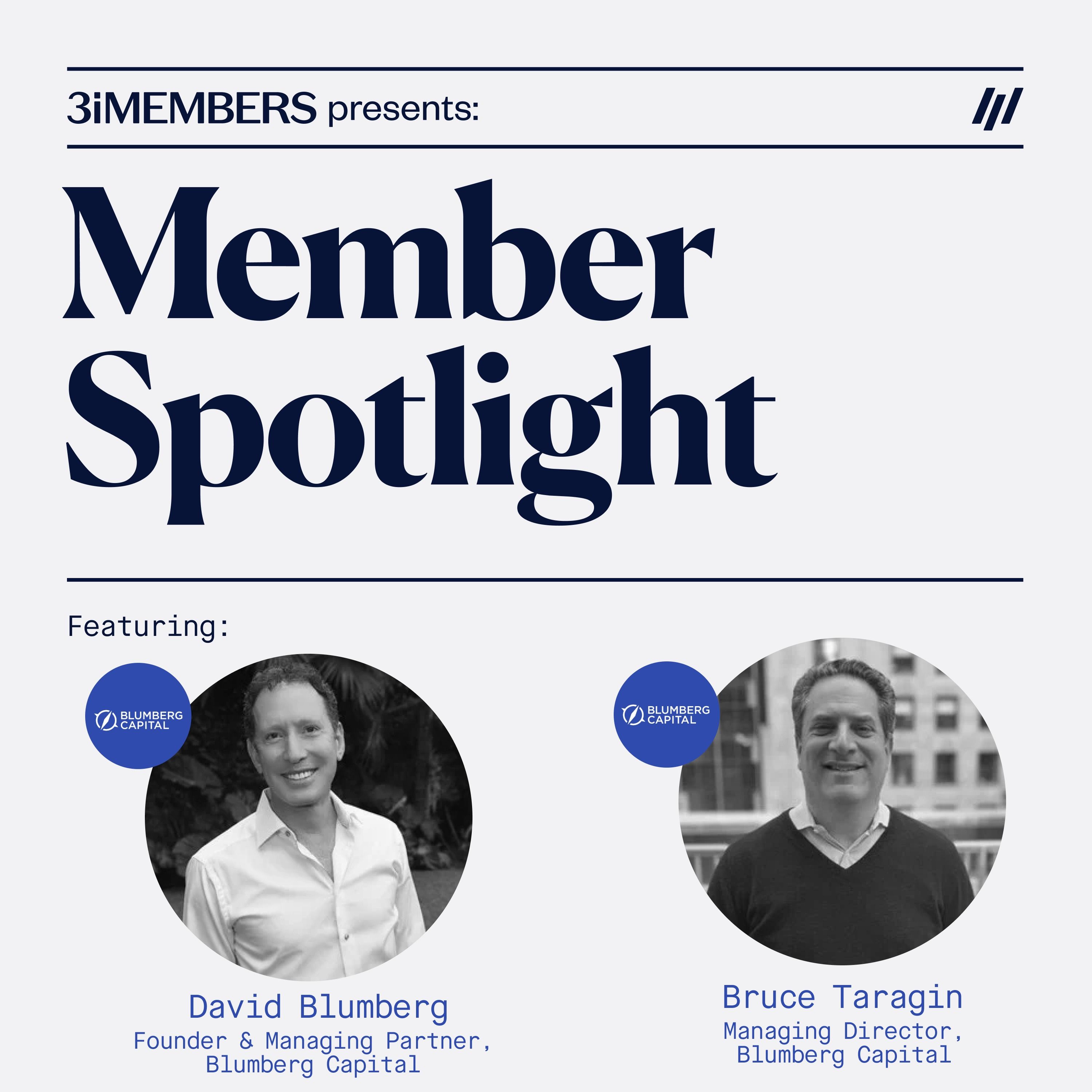 Venture Capital, AI, and the Art of the Long Hold with David Blumberg and Bruce Taragin of Blumberg Capital72 / 100
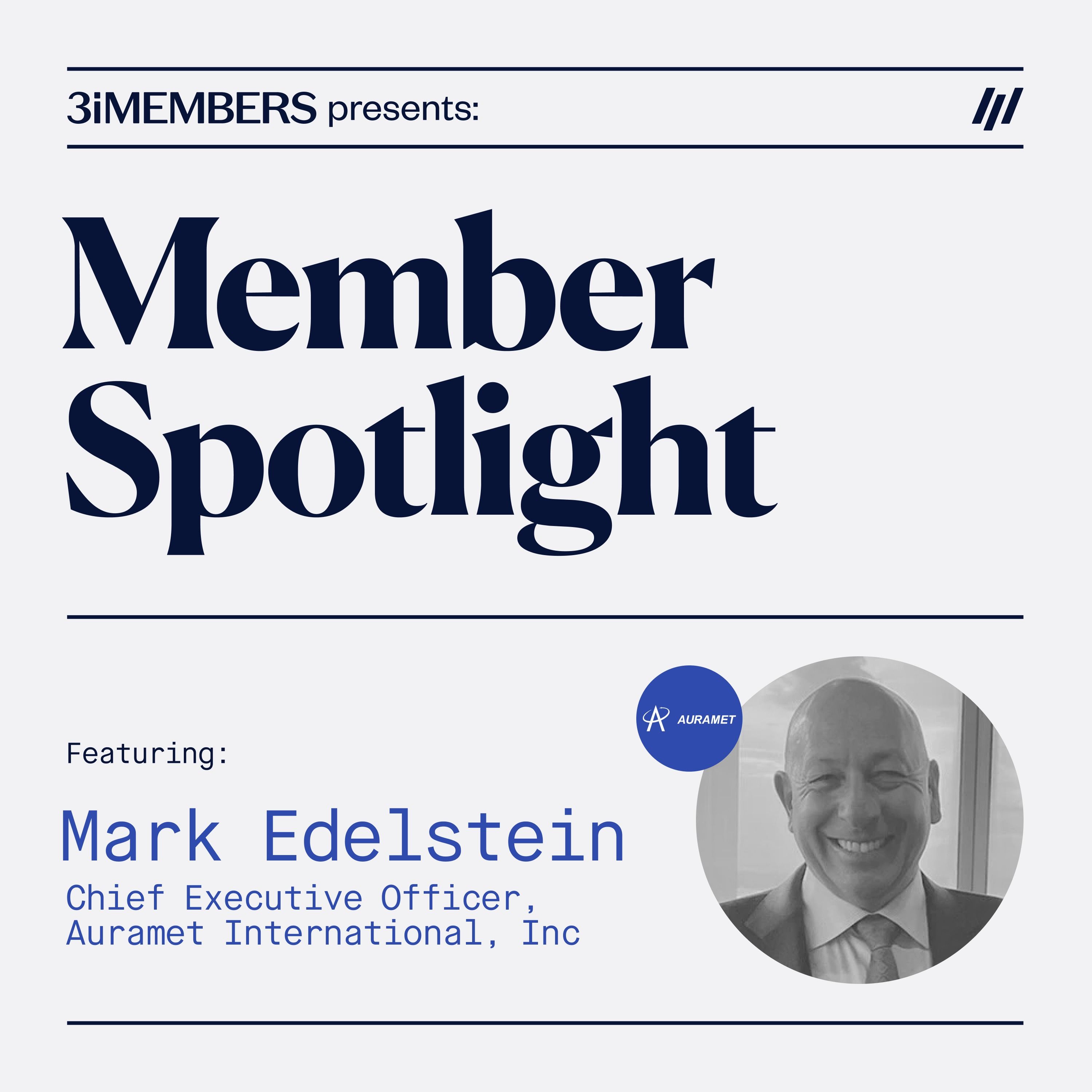 Inside Commodities: Building a $25B Metals Business with Mark Edelstein, Chief Executive Officer of Auramet International, Inc66 / 100
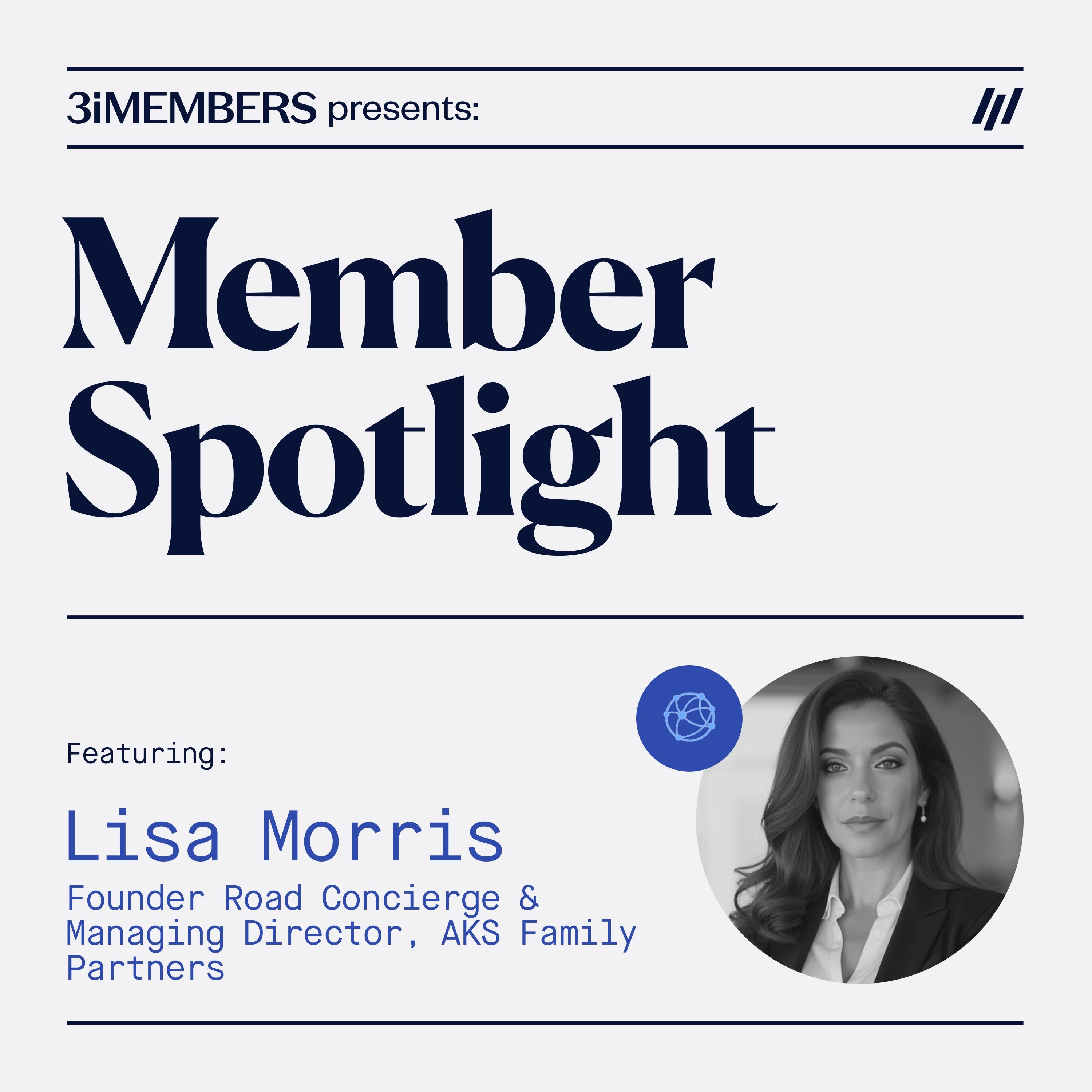 From Broadway to Exit: A Performer’s Path to Impact Investing with Lisa Morris, Founder of Road Concierge and Managing Director of AKS Family Partners69 / 100
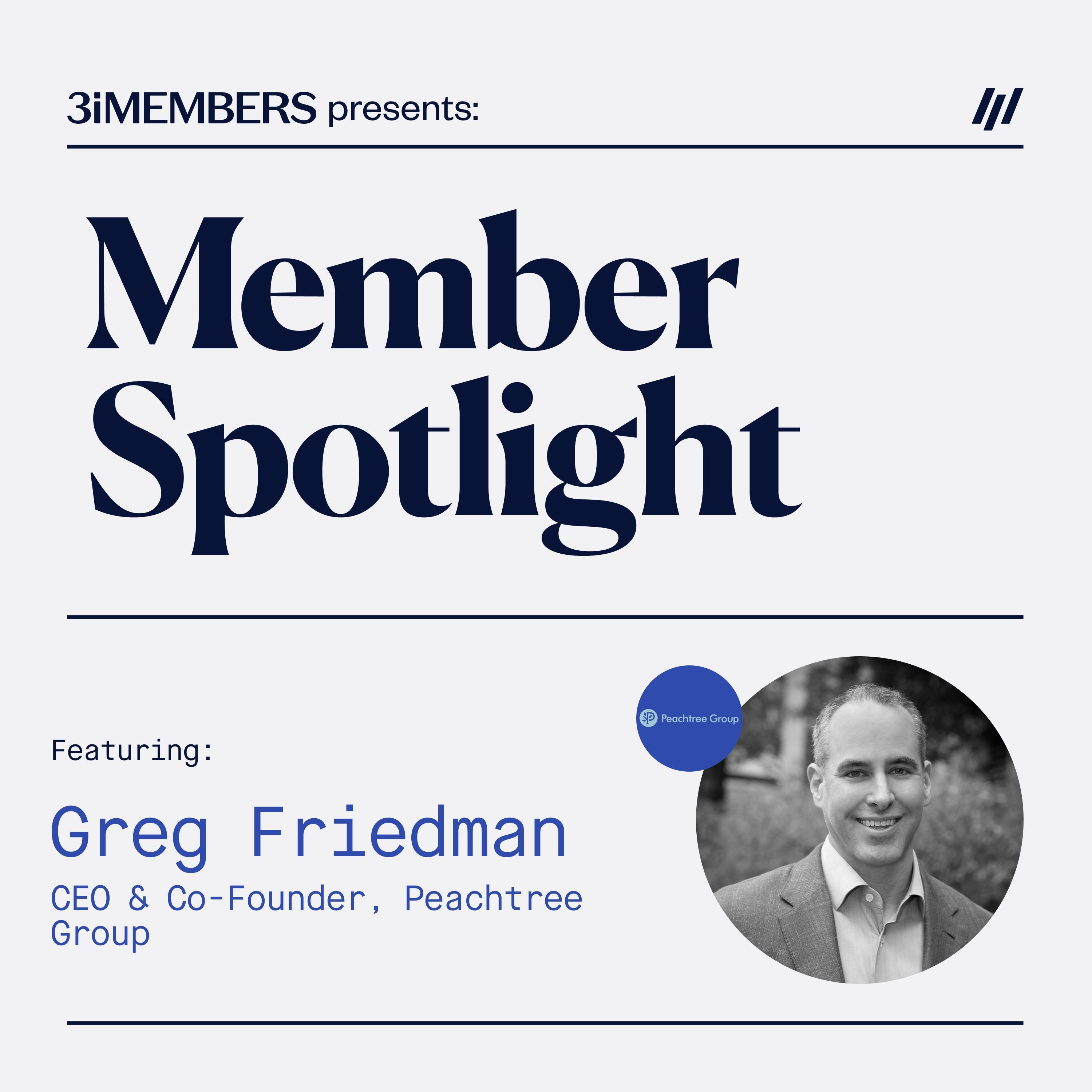 From the Financial Crisis to a Real Estate Empire with Greg Friedman, Founder & CEO of Peachtree Group
 The Pioneer of Fintech: How Mitch Caplan Built the First Branchless Bank and Transformed E‑Trade into a Digital Powerhouse