
Venturing with Vishesh · 2026-05-28 · 27 min
Key moments - from our scoring
Substance score
53 / 100
Five dimensions, 20 points each
Phonely founder Will Bodewes discusses how his voice AI agent startup scaled from a $7 pizza box payment to a $16M Series A, with customers replacing 350 agents in a single month. The conversation covers Phonely's technical evolution - from using OpenAI to deploying fine-tuned models on Groq hardware for latency-critical applications - and their deliberate choice to remain horizontally positioned rather than pursuing vertical AI. Bodewes explains the rationale behind staying platform-agnostic across use cases (healthcare, plumbing, dentistry) and shares recruiting philosophy focused on finding operators with top-1% competency in any domain. SaaS founders and AI infrastructure builders will find value in his candid takes on model performance plateaus, the counterintuitive appeal of customer-investors (three customers participated in the round), and why he rejected pressure from early-stage VCs claiming the voice AI window was closing.
Will called a vet clinic owner from a Facebook ad campaign, talked for two hours, and convinced her to pay $7/month - which he wrote down on a pizza box since they didn't have payment processing set up yet. This led to subsequent customers at $30, $150, and $500/month.
For customers prioritizing low latency and conversational accuracy to specific scripts, fine-tuned models optimized for well-defined tasks delivered better results than general-purpose LLMs, especially when run on Groq's fast inference hardware.
Yes - customers approached Phonely about investing after evaluating all voice AI providers and gaining conviction in the solution. Will was clear they received no board seats or preferential treatment, and that revenue-paying customers would receive better treatment than investors.
Phonely deliberately chose horizontal positioning because customers across different verticals (insurance, healthcare, plumbing) asked for the same voice AI solution; building a vertical product would mean turning away paying customers who had identical needs.
A Melbourne-based VC pressured him to raise pre-YC by claiming other voice AI companies had already raised money so he was late - an argument Will now dismisses as flawed timing pressure that motivated him to wait for YC instead.
Our reviewer’s read on each dimension, with quotes from the episode.
A handful of genuinely interesting operational details emerge - the 30% call failure rate customers endured, the Groq LoRA beta relationship, and the architecture trade-off between latency and intelligence in voice AI - but roughly half the episode is filled with YC platitudes, vague hiring commentary, and thin anecdotes that add little for a B2B operator.
we had one point where 30% of our calls were just like outright failing...And our customers stuck with us. And they stayed through that
a voice is always one to one. You need to have another person online talking to you. Whereas chat, you can like chat with one person
A few contrarian frames stand out - that ugly, hard-to-solve problems are actually attractive because others avoid them, and the crisp 'they're buying not selling' reframe on VC dynamics - but most of the episode recycles common founder wisdom about culture fit, iteration speed, and finding product-market fit.
You should be looking for something that's like, oh, uh, this is a hard problem to solve. This is ugly. I don't want to solve it. This is gonna suck. Then you should do that thing
they're not selling, they're buying, you know, so they're not giving you something, they're taking your equity
Will is a legitimate early-stage practitioner who has built real traction - YC alumni, $16M Series A, oversubscribed round with customer investors, first Groq LoRA customer - but he is still pre-scale at 25 people and many answers reflect limited organizational depth rather than hard-won expertise at scale.
we were their first Lora Fine Tunes. So they launched Lora Fine Tuning and we were the first case, case study, first customers to have that
our realm was oversubscribed anyway. So I was like, I will move some, push some people out so our customers can get in
The episode earns credit for concrete numbers scattered throughout - $7, $30, $150, $500 pricing progression, the 30% call failure rate, 350 agents replaced, $16M raise, 25-person team - but several topics (hiring process, go-to-market plans, AI model performance claims) are discussed only in abstract terms without supporting data.
we closed like a $30 a month subscription, then $150 subscription, and like a $500
we had one point where 30% of our calls were just like outright failing. Like they were middle of conversation. One provider was just sending errors
The host showed genuine episode prep - surfacing the Groq LoRA detail, the Spokesound pivot, and the pizza box story - but consistently fails to press when answers get vague or contradictory; the 'AI tapering' claim was raised and then allowed to dissolve into qualification without any real challenge.
And so the dominant narrative right now is, you know, AI models are getting better. But you've said this publicly, you think AI is tapering off
Makes sense. Makes sense. It's still early, so yeah, makes sense
Computed from the transcript - who did the talking, and the words that came up most.
I am joined today by Will Bodewes, founder and CEO at Phonely. Phonely uses AI to answer business phone calls so naturally that nine out of ten callers can't tell it's not human. They just raised sixteen million, and one of their customers replaced three hundred and fifty agents in a single month.
Transcribed and scored by The B2B Podcast Index.
Will Bodewes: Yeah, I mean, we're still more horizontal from a use case. Like I said, I think my bfit, like vertical AI is like more of, uh, it's like a different type of thing. So I don't think there's anything wrong with, like, having a vertical AI.
Vishesh Duggar: But I'm your host, Vishesh Building Neo voice control for your entire computer. No typing, no clicking. Curious. Check out Vishesh space. I am joined today by Will Bodovice, founder and CEO at Phonely. Phonely uses AI to answer business phone calls, so naturally that nine out of 10 callers can't tell it's not human. They just raised 16 million, and one of their customers replaced 350 agents in a single month. Hey. Hi, Will. Thanks for joining me on the podcast. Do you want to tell a little bit about Phonely and what do you guys do? What's the grandma version? How would you pitch this to your grandma?
Will Bodewes: The grandma version? Well, yeah, thanks. Thanks so much for inviting me. Really excited to be here for a little bit of background about Phonely for those that don't know, for the grandma version, very, very, very simply put, we make it easy for businesses to answer their phones with AI that sounds like a person. So instead of having a receptionist or a call center, you can use a voice agent that answers your phone. For a little bit more complicated version, what we allow you to do is we allow you to optimize that AI agent so that it can get better at, uh, your outcomes. So, for example, let's say that you have a business that you need to schedule appointments on, whether that's healthcare, whether that's a dentist, whether it's a plumber, whatever. You really, really care that that AI, just like you'd really care that a receptionist does a good job at actually scheduling those appointments. And so we have statistically the best voice agent at optimizing for your outcomes. So we can learn, it can get better, and then you can see all the data. You can make informed decisions to do that. So we're valuable for small businesses, but we're really valuable for large organizations and businesses at a lot of scale that are trying to say, how do I improve my conversion rates through the phone as a channel? Make sense.
Vishesh Duggar: Makes sense. And so I read somewhere your dad runs a veterinary clinic and he was your first customer or a test customer, or did you guys use V1 on him?
Will Bodewes: Yes. He was a lot of the inspiration for why we ended up picking this idea to work on. We knew we wanted to work in AI. This is like when we started working on this. LLMs were not doing function calling yet. Right. Um, I was in my PhD and I was figuring out what were the opportunities out there. My dad was a veterinarian, and I, uh, was like, what's your big problems? And he said, well, hiring people to answer the problem. And turns out that that problem was not solved at the time. And I still think that, you know, so now it's getting pretty close to solved, but there's a lot of room that can be done to optimize it. Right? So we started working on that because it felt like a really, really valuable thing. Whereas, like chat or texting, it's a multi one, but a voice is always one to one. You need to have another person online talking to you. Whereas chat, you can like chat with one person, chat m with another person. So we wanted to work on that and also felt like there was a big frontier, a lot of work to be done to make it really valuable.
Vishesh Duggar: And so your first customer or sale was a, uh, $7 a month, um, written on a pizza box. What was the first sale like and how did you end up making that sale?
Will Bodewes: It took me about two hours to close that sale. I remember it like it was yesterday. It was. We had gotten a Facebook ad or phonely in, like, for vet. I think it was Vet AI Bonanza. She was not a veteran veterinarian at all. But I called her up and I talked to her about, hey, this is what we're doing, you know, blah, blah, blah. And I think by the end of it, she just got so sick of me talking to her that she was like, all right, fine, I will, uh, I'll pay for your product. So then she was like, uh, $7 a month. I can do that. So I didn't. We didn't have a way to actually process payments. So then we wrote it down on the pizza box. And then it was like, she didn't end up becoming a good customer for us, but it was the first payment. And I was like, okay, well, we should probably get paid this figured out. And then later that week, we closed like a $30 a month subscription, then $150 subscription, and like a $500. And those became our early test bed of customers that we actually relied on.
Vishesh Duggar: And so that first pricing, was it like pulled out of thin air or a number that you would just stick and try or.
Will Bodewes: Yeah, I mean, you know, you have some rough ideas. There's like a lot of research that you can do, but realistically, it's just pull it up. You know, we knew our cogs and so we were basing a lot of this on our cogs and then figuring out willingness to pay. I mean there's a ton of studies that are done on this, but realistically, it's just you gotta see what people are willing to pay for your product.
Vishesh Duggar: And so, you know, you've um, you no longer use OpenAI under NEET and you've deployed your own fine tuned models running on Groq. What was the rationale for the shift? And for someone who doesn't know any of those, what those words mean, can you walk through um, how, how that decision was made?
Will Bodewes: Yeah, so we can use OpenAI under the hood. I want to clarify that like we're not exclusively on fine tunes, but what we found is for some of our customers they really cared about a few things which involve latency and then conversational accuracy to their scripts. And so for those customers, especially those who are doing a lot of volume, it actually just made sense for us to, you know, fine tune a model that was really good at what we had there. So while we can use OpenAI and while a lot of our customers do use like something like OpenAI or Anthropic or you know, whatever, um, underneath the hood, we found that for some customers we could better results using a fine tuned model such as um, Ollama or Quinn or whatever. And then Groq is a very fast inference hardware. So running it on Groq really helped us a lot to be able to make sure that we could guarantee that low latency response.
Vishesh Duggar: And did Groq build something specifically for you for fine tuning? I read somewhere that they deployed some hot swapping tech. What was that like? And um, how did you end up pulling that off?
Will Bodewes: Yeah, so we were their first Lora Fine Tunes. So they launched Lora Fine Tuning and we were the first case, case study, first customers to have that. So we had it quite a few months before it was actually launched. Um, and we were one of the use cases that they had used to like beta test and, and get the optimization out. So yeah, Flora Lora Fine Tune is a, is an adapter on top of um, there's an adapter to customize the parameters to output what you wanted to.
Vishesh Duggar: And so how did you end up getting into that program? Was there a call for this or.
Will Bodewes: Yeah, we were, we uh, we did this with um, one of the companies that I actually invested in, um, Mai Tai. And we had, you know, they had been working with Grok, they've been partners with them. And so we were introduced through them and then that was how we had kind of got all this introduction and made it happen.
Vishesh Duggar: What does Mai Tai do?
Will Bodewes: I think that they are not entirely sure now. I think they may have pivoted. But previously at the time they were doing like fine tuning assistance for models and we're like hosting their own kind of models on these, these fast surface platforms.
Vishesh Duggar: And so you invest as well. Like angel or super early.
Will Bodewes: Yeah, uh, just a small Angel. So they were, they were in our YC batch. And so it's not uncommon for founders to invest in each other's startups in the batch.
Vishesh Duggar: And so between the customers who are using your fine tuned version or for whom you are deploying the fine tuned models, are there specific use cases that those are better for what give you conviction to move in that direction?
Will Bodewes: So a fine tuned model makes a lot of sense when you say, hey, here's the task that I want you to do and I want you to do it really well and I want you to be fast to achieve. Right. Like when those, when you have like a well defined process and you want to be fast and you want to be cost efficient, that's really where it goes does well. Voice is a natural place for this to live because latency is so important. Uh, the amount of intelligence that you need to get out of like the reason why voice to voice is not taken off is because what they do is they create a compressed model um, that you know, kind of like talks. It's a, it's a faster model. Right. So it doesn't have the deep intelligence like a thinking model would. Right. And so what you have to do is you have to very carefully design your architecture to get that same level of intelligence in a conversation without having ah, the ability to like have that additional latency in their thinking.
Vishesh Duggar: And so you had, you've already raised series A I think recently and three of your customers ended up signing checks. Like how did that happen? Did you seek them? Did they seek you in terms of investment?
Will Bodewes: Yeah. So I um, mean we just have a really build really good relationship with them. And then also like I think they evaluated all the providers on the market and had very high confidence that this was the right way to solve problems. Problem. So we didn't really come to them. It was more of like what I think we're raising money and a lot of them are like hey, conversation. Whenever you guys, whenever you raise your next round, we want to be involved. Right. Like that's how it went. Um, more so than like we didn't really reach out to them being like, hey, do you want to invest money? It was more of like, hey, we know that this is going to work. We, we are very convinced that like you're going to be on the next, on the rocket ship and we want to be a part of that. So it's independent of like, it doesn't help, it doesn't drive any like direction of the company other than literally just they, they thought that we were going to be successful and so they wanted to put in money.
Vishesh Duggar: Yeah, that, that makes sense because when the, when customers usually put money it could impact directions. But I guess you've already had that conversation.
Will Bodewes: They don't have like a board seat or anything. And it was minority stakeholder control. It was, it was literally. And I told them this and I was like, hey guys, this is not. If you want preferential treatment, like pay us more in revenue. Don't you know, investment is not a, there's not a path to that. That's because you want to get on the rocket ship. And our realm was oversubscribed anyway. So I was like, I will move some, push some people out so our customers can get in because you know, I like that relationship and I want them to be successful as they are.
Vishesh Duggar: So you've been publicly critical about vertical AI. Um, you know, you've had your big wins in insurance as well. That's kind of vertical. Where do you see phonely fitting in? Is it, um, more of a horizontal tech or a vertical tech?
Will Bodewes: Yeah, I mean we're, we're still, we're still more horizontal from a use case. Like I said. I think my beef with like vertical AI is like more of, it's like a different type of thing. So I don't think there's anything wrong with like having a vertical AI, but you should probably build more. So like it should be a vertical automations platform and what should just be a channel that makes a lot of sense for a certain type of use case and a certain type of business model. Um, but there's a lot of businesses out there that, that doesn't make sense to. Right. They're looking for the best voice AI system. It turns out you can't build the best voice AI system, you know, when you're building like a bunch of other things. And so we really set out to say like, hey, what are the problems that our customers actually want solved? Um, and if we were to build that like vertical AI solution, what we'd have had to do is like Said no to customers in different verticals and different domains. And that just didn't make sense to me. Like, it didn't make sense to me that we have like all of our customers that are kind of wanting the same type of platform and the same type of solution in different verticals to say, like, okay, well, we're just going to ignore all of you and we're just going to focus on one. But um, I'm like, you guys are both asking for the same thing. It's not a vertical specific type of a problem.
Vishesh Duggar: Yeah, maybe, maybe. It's also probably the use case you have is fairly horizontal. So it does make sense there might be use cases where it is not as horizontally applicable as a tech. And so you're going from 25 people to presumably whatever 16 million hiring looks like. Are there already organizational changes you're seeing or making? And do you have any, like, do you have, what are some of the plans you have to tackle those organizational changes?
Will Bodewes: Yeah, I mean, big, uh, recruiting effort, obviously, like our grow to market team is getting much, much bigger because previously it was just me and now it's going to be um, a large team of account executives, SDRs, growth marketing people. So organizational changes, I mean, I think that they're arising as we come up the works. Um, realistically it's just like doubling down on what we do really well and then expanding to get our name out there as much as we can.
Vishesh Duggar: And so the dominant narrative right now is, you know, AI models are getting better. But you've said this publicly, you think AI is tapering off, the rate of improvement is slowing down. Why do you think so and how are you trying to tackle that problem?
Will Bodewes: Like AI models are getting very good at some use cases. Like I said that maybe six to three to six months ago, something like that, where I said, hey, you know, AI M models are, are kind of tapering off. And I think when what I was saying is like talking very specifically to our use case and I still do see that, where it's like we're not getting 10x better performance out of the models getting better. Like it's just the performance is not improving that much in terms of intelligence, terms of solving the problems that we're trying to solve. If I say like, okay, well I plug in like a GPT5, what's happening is models are getting better at specific tasks. So if you look at coding and you look at anthropic and how POD code has changed the way that we write, it's getting much better. There Right. And that's because they're optimizing for specific things and specific tasks. And I. So like, when I say I think there is still a lot of improvement that's being done, um, when it comes to like, what, what folks like Claude have been able to do, um, and pump out, but I think that there's still a lot of work to be done and I think that's, that's the thing to get across is like, just because a model's great at coding doesn't mean that we're at AGI. It doesn't mean that we're at the best things in sliced bread. Um, it just means that models are getting better, they're getting better at specific tasks.
Vishesh Duggar: Given that right now you are the sole marketer, what's your marketing AI stack right now?
Will Bodewes: Yeah, marketing AI stack. Honestly, not too much. It's me going on LinkedIn and posting around like what I think, like I have an open claw that I've trained on, like my contacts and I say, hey, like, I'm looking to put this post out, but I've really struggled. I have a high bar of quality and a lot of times even though it has reference and contacts, it's like I still want to put my own personal touch on it. So I don't really have a great one other than a lot of. It's just like connecting tools together, integrating with OpenClaw so I can understand analytics quickly and um, looker studio and stuff like that. But I don't have a great, don't have a great answer to that, unfortunately.
Vishesh Duggar: And so how long have you been writing on LinkedIn and what's the experience been so far?
Will Bodewes: I think basically since we started only I've been posting on LinkedIn. I think around the time that we got into YCD. My experience so far, I mean, when you post on LinkedIn, you die a little inside every single time. I think that's just the part of the, uh, what comes the territory. But overall I've been able to build like a small audience that I think is pretty engaged in what we do. And I really just like to post. I try to just tell as much of the story from the way that I feel it as, as I can. I don't really view it as like a big acquisition channel for us, um, people hear about us, whatever, but like, I just view it as a way for me to say like, hey, this is like an expression of what I'm feeling, what I'm thinking and what it's kind of like to build a Company from nothing, from a founder that has gone through YC and you know, kind of like raises series A, like gone through the hoops of it. So that's at least what I try to do.
Vishesh Duggar: Makes sense. Makes sense. It's still early, so yeah, makes sense. And like what are, let's say, top three things that you took away from the YC experience?
Will Bodewes: I think the biggest thing is like it's really helpful to have somebody that's building, have other people building around you. That's m a, uh, helpful thing that you can have is a group of people that you respect. You like they're also building. The other thing is, you know, still gotta do it, you gotta do the work. It doesn't matter if you go through yc, it doesn't matter if you raise a bunch of money. Like none of that really matter. Like the work still has to be done. Your problems are just not solved because you've hit some milestone. I think that's a big one. Yeah. And then I think the other one is just keep going and don't quit.
Vishesh Duggar: Ah, I'm sure there are obviously post race challenges, uh, that come with trying to deploy capital. But apart from that, what are some of the current challenges?
Will Bodewes: Right now it's all around recruiting and hiring. So how do you find good people at scale and quickly and so what
Vishesh Duggar: does your hiring process look like right now?
Will Bodewes: Yeah, it depends on the role a little bit. Right. But there's kind of a few hoops that we'll want people to jump through. The first one is you have the background, you have the experience, what we're looking for. Right. That filters out a decent amount of candidates. You do have those things. Then the next thing that we're going to look at is do you have the right characteristics to make this work, if only. Which is not just been in a corporate job and really good at present, clocking in, clocking out. But how do you respond when things don't go well or things change or you know, this uh, is a startup. It's a different environment to a lot of people. So looking for folks that, that have that. And then the third thing is really just looking for culture fits. Right. We have a pretty unique culture here at our company and it's really important for me to like it's one of the most motivating things that I have is, is I like the people that I work with. And that's been the best part about doing what we do, especially recently is having just a really awesome group of people to experience it with. And like this weekend, you know, we biked 750 miles from San Francisco to LA and it was with all people on my team, you know, and, and to have a group of people that can come together and like do some crazy extreme kind of event, have a great time together, camp out, you know, like do, do all of that and everyone be game. I think that that's like, that's a really cool experience and, and hard to find people that fit all those boxes.
Vishesh Duggar: And what's the most pressing role you're hiring for right now?
Will Bodewes: We've got a few, but sales go to market type of roles are the big one for us. And customer success, that's another one.
Vishesh Duggar: The best hire hire signal you've seen that has nothing, uh, like um, you know, you have to hire this person that has nothing to do with resume.
Will Bodewes: Nothing to do with resume. Yeah. Well, depends on how you define resume. But the thing I'd like to look for is find somebody that's just top 1% at something. I believe, I believe that that's transferable. I find that like we find people that are really good at one thing and then have excelled to be the top of their field. They have some sort of competitive bit to them in which they have like an internal bar. I think that there's a lot of people out there that don't have a high bar for themselves and a high bar for their performance. And so when you find somebody that has a high bar for themselves and expectations of themselves and you put them in an environment in which um, you know that they can chase after and try to get over that bar, you end up with a really good employee. Mhm.
Vishesh Duggar: Worst advice you got from a VC that you followed.
Will Bodewes: Worst advice I got from a vc. I remember worst. There's been a lot of bad conversations with VCs. I think. I think one of my least favorite conversations I had with VC was a VC in Melbourne actually. They were really trying to get us to take an investment. They really wanted that to invest in our company. And so they were basically trying in some way to bully us and say like all these other companies have raised money and you haven't raised money yet, therefore you need to take my money now. And they were looking for a big chunk of chunk of the company. And this is pre yc. And I remember that that conversation like really bothered me because I was like, I was like, there's not that this was, this was two years ago, right? So imagine two years ago people being like, you're already too late in the Voice AI game. Like you're, you're way too late. These companies are, they've raised money. You're like, that's such a dumb argument. Ah, right. Because probably two years from now there's going to be new voice AI startups. Um, and so that was probably the worst thing. I remember that being bothered by that intel for like a week and then I was like, we got into YC and I was like, see ya dude. I was very happy to send that rejection to them.
Vishesh Duggar: That's a good angle by them though for someone who's a first time founder, pressuring them like that.
Will Bodewes: Yeah, yeah. It's like if you're a founder, don't let VCs pressure you into anything. They're trying to, they're not, they're not selling, they're buying, you know, so they're not giving you something, they're taking your equity.
Vishesh Duggar: And there's always room for like a lot of founders do get rushed into either raising or pushing a product out because of the competition, but that's not the right way. There's no set timeline. You're not going to be late. And so what does your dad think about phonely now?
Will Bodewes: Yeah, I mean it's been for a while and most people, I think everybody, you know, was like happy that I was doing something and they thought that I was going to be successful. But I don't think that anybody had predicted how fast we would grow and how quickly this would all happen. So they're pretty proud, they're impressed. Uh, they're like go. They're like just, we can't really help anymore but like old cheery on
Vishesh Duggar: and ah, he's still your customer or did you guys finally deploy this?
Will Bodewes: He actually sold his practice. So he sold his practice in. Yeah, around the time that we were starting it and so it was like to corporate and we tried to sell with them for a bit but then we kind of like moved out of the veterinary space and ended up like it's just not like a big enough opportunity for us really.
Vishesh Duggar: Um, a thread I missed was spokesound.
Will Bodewes: Uh,
Vishesh Duggar: that was a hardware startup. How did you switch from hardware to like software? Uh, what are some of the things you liked about running a hardware company?
Will Bodewes: Yeah, what I like about running a hardware company is that that your challenge is very easy. What do I mean by uh, that like in a startup. A lot of what a startup is, it's about finding a hard problem to solve.
Vishesh Duggar: Right.
Will Bodewes: Like once you find a hard problem to solve that people actually want solved like, uh, you're in a really good spot, right? But it's actually really hard to find a hard problem. And so whenever we come across something and we're like, that's going to be really hard to solve, we're like, good, that's awesome. Because that means that other people aren't going to want to solve it and they're going to want to pay somebody to solve it. And so this notion of people starting software companies and being like, I'm just gonna start it really quickly and make a bunch of money off of it because it's easy, is the wrong notion to start. You should be looking for something that's like, oh, uh, this is a hard problem to solve. This is ugly. I don't want to solve it. This is gonna suck. Then you should do that thing because that's what's gonna end up paying you money. And so with, with hardware, your problem is hard. You know, the hard problem, which is like, how the heck do I make a hardware product actually work? Because you have very long iteration cycles, it's expensive, you have a lot of logistics to coordinate to even get a product working. Whereas software, it's like you can unclog code and 20 minutes later you got something up and running. And so I think that like, for. What I liked about it was the ability. The thing was like, okay, well if I do this, this is, here's the hard part of it, right? Um, the distribution, the other things come easy. I think the parts I didn't like about it was, yes, it was slow. I couldn't iterate very fast. Um, and then two, the biggest reason I didn't feel like I was solving a problem that really exists in the world. And that's why I ultimately left because I really wanted to solve a problem. Um, and I was like, I'm building a nice to have. And I didn't like that. Um, and so had I been working on something where I was solving a real problem, um, I would have continued on it, I'm sure. And that was just founder. That was just ignorance on my first start. Like, I just didn't know, right? I was like, oh, you have an invention, then you do the invention, you know, I was like, that's not really. I find a problem, find a hard problem, work on the hard problem that people care about until the problem is solved. That's the new like mental model that I have.
Vishesh Duggar: And so for the last, whatever, two
Will Bodewes: and a half years, uh, a lot
Vishesh Duggar: of things have worked. What have been some of the epic
Will Bodewes: failures I Mean, most, like, most everything has broken like six times. Right. You know, it's, it's funny, there's different phases of your startup. For the first like, year, it was how the heck do we make an AI even talk? Right? And that was a really, really hard problem. And like, yeah, you could get to a demo, but how do I get that to be reliable with, you know, five nines of uptime? Super, super hard problem. Because you're relying on a bunch of startups. Um, and these startups are beach providers, LLMs, and they go down all the time. They have latency spikes all the time. So how do we guarantee to our customers that we're going to be up 100% of the time? Really, really hard problem to solve. Took us, yeah, probably a year to get that right. You know, and, and a lot of our. And like, that's also a really good testament of like, are you solving a good problem? Is we had one point where 30% of our calls were just like outright failing. Like they were middle of conversation. One provider was just sending errors, error codes back, right? They were, they were erroring out. And it was affected about 30% of our calls. And our customers stuck with us. And they stayed through that. I was like, that's a real problem if you can have a 30% failure rate. And our customers are still, still paid us full. And so we're like, okay, well, we're really solving the right problem. And now we've got tons of systems monitoring. We've got a big team that works on that. I'm, um, a big QA team as well to like, kind of solve all those things. But say that that was one of the hardest parts. And now it's like, now the hard part's like, well, how the heck do we scale? How do we double, triple, quite, quadruple our team size to get the gross targets that we're looking for to become, you know, what we want to be in in a few years. So just different types of problems.
Vishesh Duggar: Yeah. Once you start adding people, yeah, it becomes a lot more complicated. 25 is still sizable. Um, do you have any thoughts on how you're going to design the organization so far or you're playing it by the year?
Will Bodewes: Yeah, I mean, it kind of like has becomes one of these things where you, uh, at least what's worked is you have ICs until you get to the point in which you can't manage something and then you turn it over to you find somebody to fill that role. Right. So that's been a way that worked really well. That's working for us. Because otherwise, if you try to, like, bring in a bunch of senior leaders and executives and do all this stuff, at least from what we've seen and what my founder friends tell me is what happens is you kind of like, lose. Like, you don't know how to evaluate somebody, so you lose control of it of, like, where the organization is going, right? So it's like walking that fine line of saying, like, okay, I need to have a little bit of a taste in what's actually happening, and I also need to have experience to come in and, you know, build on top of that. But I think that just, like, blindly having a bunch of people pointing at this and saying, like, okay, go figure it out. I've seen a lot of founder friends get burned on that.
Vishesh Duggar: All right, last question. How can people reach you and where should people follow you and know more about Phonely?
Will Bodewes: Yeah, for sure. You can head to Phonely AI if you want to check our product out, go press button. You can press and talk to phone me right there. The other ways you can learn about, uh, us is going to our LinkedIn. We have a pretty active one. We're getting Twitter, Instagram, all that. Stuff that up. Uh, but go to our website or go to my LinkedIn, Will. And my last name is O. Davis, spelled B, O, D, E, W, E, S, and all the journey there.
Vishesh Duggar: Well, Will, thanks for taking the time. It was up. Uh, pleasure having you here and I wish you all the best.
Will Bodewes: Awesome. Thanks so much. Appreciate it.
Vishesh Duggar: If you found this valuable, you can subscribe to the show on Apple Podcasts, Spotify, or whatever your favorite podcast app is. See you in the next episode.
Other episodes covering the same guests and topics, from across The B2B Podcast Index.
 Ep 93: CEO of Redwood Research Buck Shlegeris on OpenAI/HuggingFace Revelations, Fixing AI Safety & Takeover OddsUnsupervised Learning with Jacob Effron · on OpenAI98 / 100
 Episode 029 AI and the Rise of the Superpowered SoloAI Tools for Practicing Lawyers · on Claude88 / 100
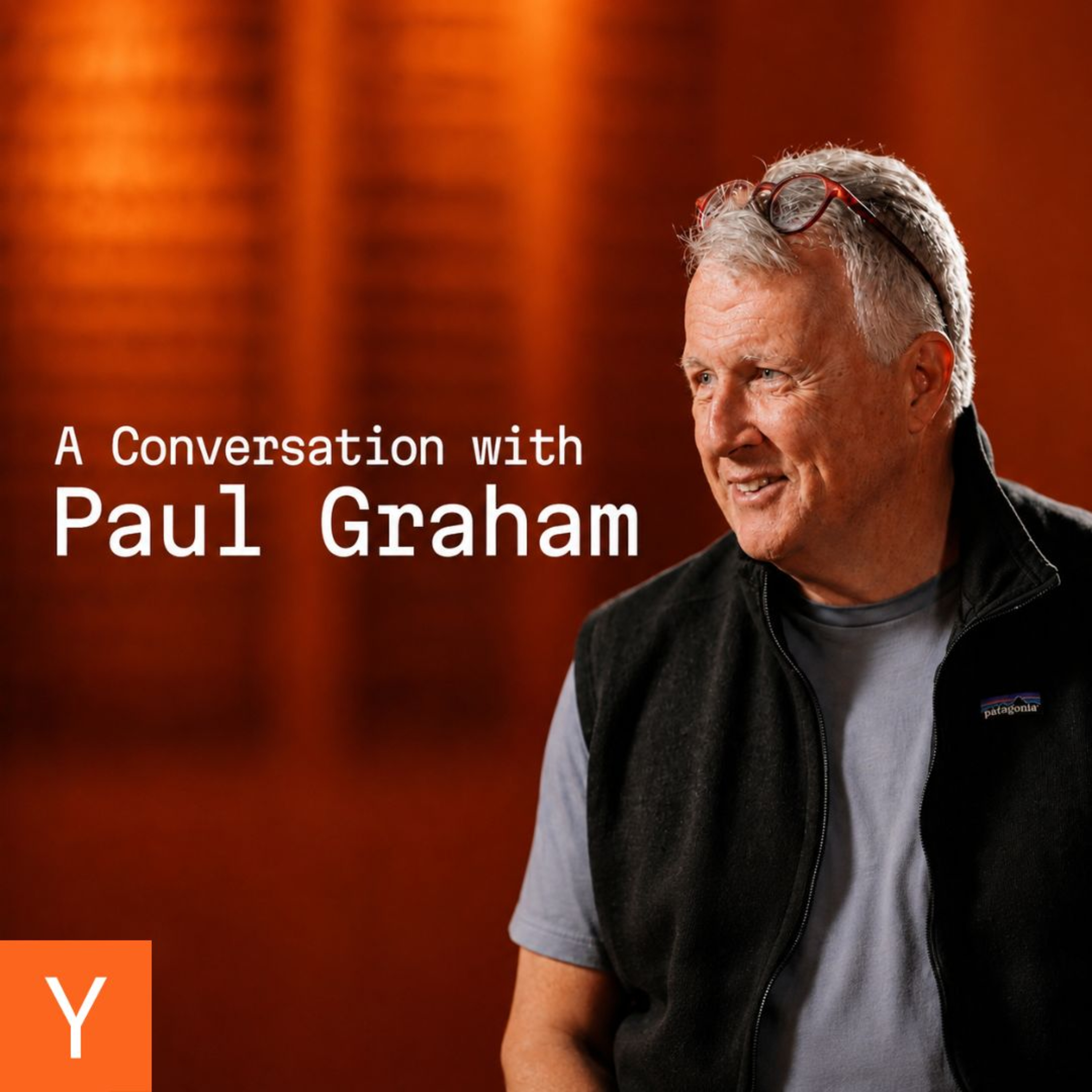 Paul Graham On Startups, Ambition, and Great FoundersY Combinator Startup Podcast · on OpenAI88 / 100
 The AI-Native Law Firm, with Ryan Walker of General LegalMeeting of the Minds · on Claude88 / 100
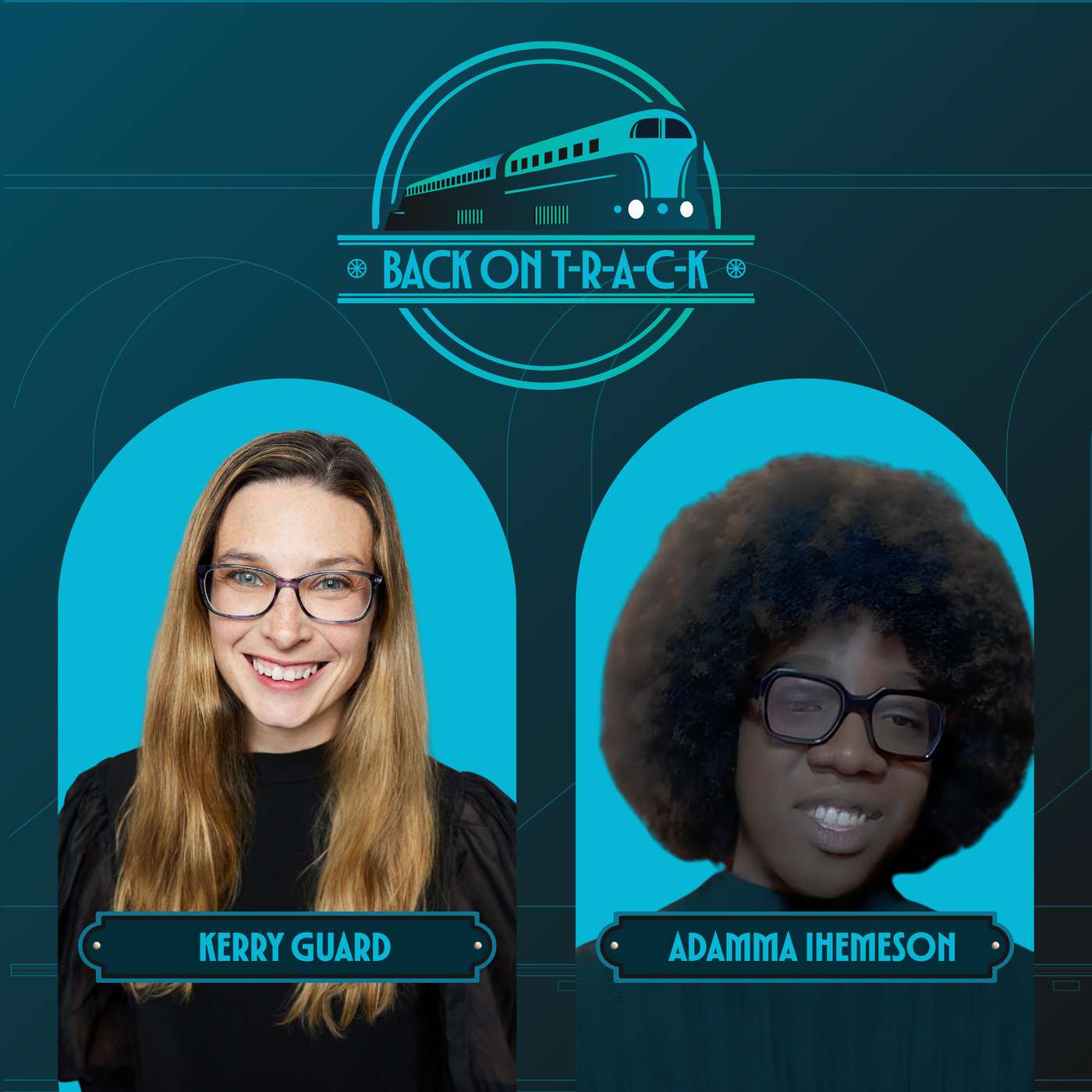 Adamma Ihemeson on Building Autonomous AI Systems You Can TrustBack on T-R-A-C-K · on Claude84 / 100
 Unscripted with Victor: Agentic AI, Fintech's Future, and the Death of the App EconomyVentures from The Valley · on OpenAI83 / 100
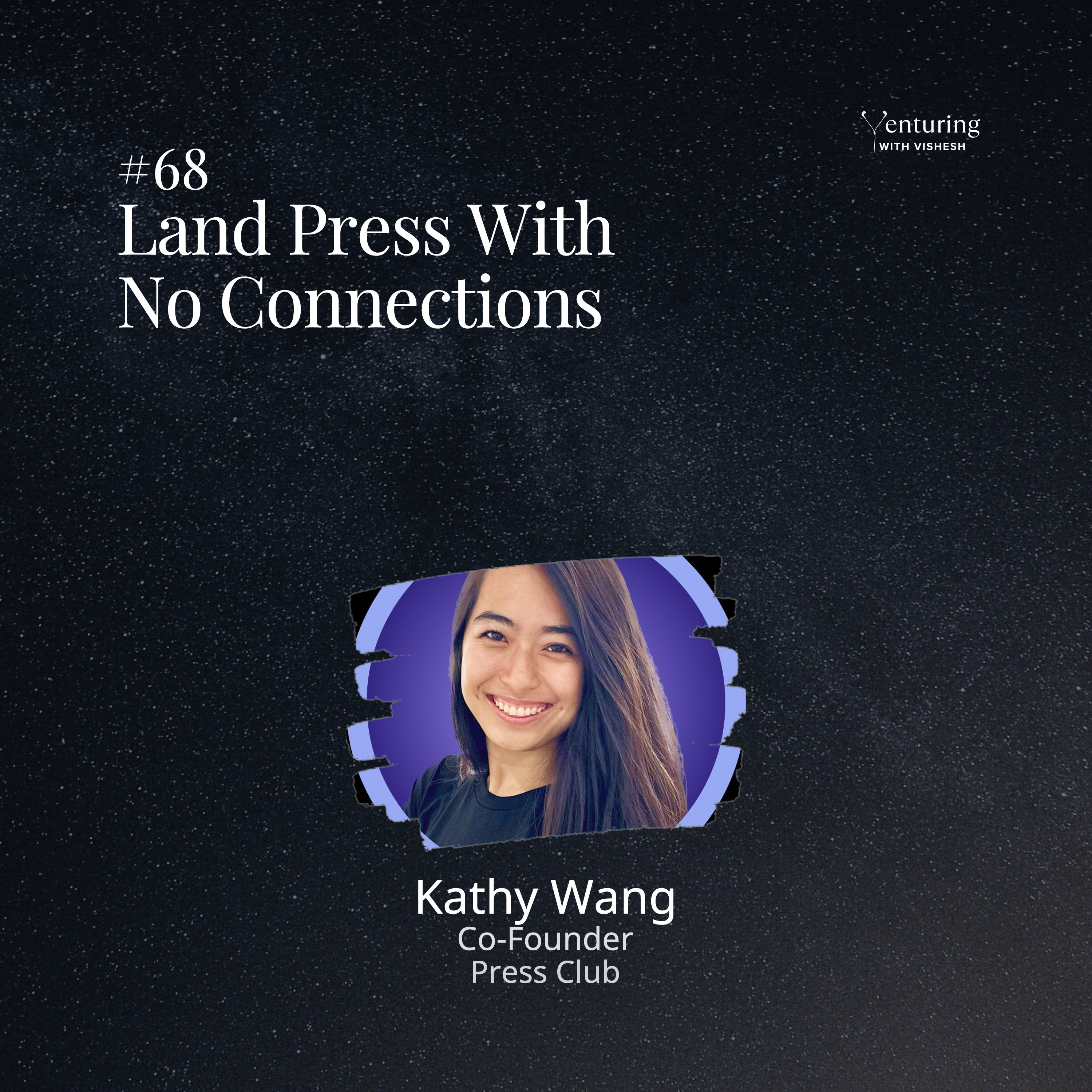 #68 How to Land Press With Zero Journalist Connections | Startup PR | Kathy Wang69 / 100
 #66 Quiet Quitting Is a Design Outcome, Not an Attitude Problem | Work Design | Justin Robbins66 / 100
 # 65 The Marketing Industry Solved Measurement. It Was Always the Wrong Problem. | Peter Grafe71 / 100
 #63 Throxy: The outbound company that ignored LinkedIn completely | Arnau Ayerbe71 / 100
 #62 Synthetic Human as a Service | Krishna (Vasanth) Namasivayam80 / 100