The Tech Chef, Restaurant, Hospitality and Hotel Technology Business Podcast · 2025-01-21 · 29 min
Key moments - from our scoring
Substance score
59 / 100
Five dimensions, 20 points each
Ken Gavranovic brings extensive experience from iconic brands like Disney World, Marriott, Extended Stay, Verizon, and 7-Eleven to discuss why digital transformation initiatives fail and how hospitality leaders can succeed. The core issue, he argues, is that companies focus on activities (like "moving to the cloud") rather than outcomes, and lack clarity on how technology serves business goals. Gavranovic emphasizes that transformation requires alignment of three elements: people (employees need to understand the benefits and feel empowered, not threatened), processes (existing workflows must change, not just add technology on top), and technology. He introduces Product Genius, an AI-powered tool that uses QR codes and conversational AI to capture real-time guest feedback, answer questions, and surface operational patterns - delivering over 4,000% ROI in one case by identifying repeated HVAC issues in days rather than weeks. For hospitality leaders, he recommends starting with easy wins tied to customer pain points (identified through existing NPS and survey data), building momentum, and explaining the 'why' throughout the organization so staff see AI as augmenting rather than replacing human connection.
Companies often focus on technology activities (like "moving to the cloud") rather than defining clear business outcomes. Additionally, they lack alignment between leadership, lack clarity on how the technology serves guests and employees, and assign leadership to teams that feel threatened by the change - causing those teams to move slowly rather than champion adoption.
AI handles routine, low-value tasks like answering common questions, sequencing operational tasks, and capturing feedback, freeing staff to focus on high-value human interactions. Tools like virtual concierges or smart QR codes learn guest preferences and route issues instantly to staff, allowing employees to resolve problems faster and more personally.
Product Genius is an AI tool that uses QR codes and conversational interfaces to capture real-time guest feedback and questions, understand guest needs instantly, route issues to relevant staff (like room cleaning or maintenance), and surface operational patterns - such as recurring HVAC problems - so leaders can fix systemic issues quickly and measure ROI.
Start with one or two easy wins tied to documented customer pain points (from NPS or survey data), define clear outcomes, identify the right people to lead (not those threatened by change), explain the 'why' to employees, and measure the transformation process to build momentum and demonstrate value before scaling.
Identify existing broken processes through customer feedback, NPS scores, and surveys - particularly areas with repeated negative feedback - and address those first before layering technology on top, so automation and AI enhance rather than mask underlying operational problems.
Our reviewer’s read on each dimension, with quotes from the episode.
The episode contains several substantive ideas about digital transformation (distinguishing outcomes from activities, leadership alignment, people-process-technology integration) and AI in hospitality, but significant portions are filler - intro/outro music lyrics, lengthy host setup, and generic platitudes about technology augmenting humans. The Product Genius discussion delivers specifics, but much of the conversation repeats familiar concepts without novel depth.
you have to have clarity in what you're doing... you have to have leadership at the very top of the company aligned and aligned, that this is not just a technology play. This involves people, process and technology.
with the investment of product genius, just that one thing was over a 4,000% ROI.
The core framework (outcomes vs. activities, people-process-technology) is well-established in transformation literature and repeated across many consulting contexts. The healthcare cloud example is illustrative but not novel. Product Genius itself is a specific tool, but the underlying insight - real-time feedback loops and pattern detection - is a straightforward application of existing AI. Limited contrarian or first-principles thinking.
you're focused on, I call it activities versus the outcomes.
technology, if you look at what it's done and what it continues to do, it really augments it. So it lets us stop doing the low value work and focus on that high value work.
Ken Gavranovic has legitimate operating experience at recognized brands (Disney, Verizon, 7-Eleven, Cox Automotive, Marriott, Extended Stay) and founded Actionable and Product Genius, so he's a practitioner, not a pure thought-leader. However, the depth of his specific operational achievements at these brands remains vague in the transcript - he references them without detailing concrete leadership roles, scale of impact, or duration. He's credible but not deeply vetted through specifics.
I've had the opportunity to lead transformations at iconic brands like Disney World, Verizon, 7Eleven, Cox Automotive, maybe heard of Kelly Blue Book or Autotrader.
one of the things I did with Extended Stay and Marriott is how do we focus on that digital experience.
The episode includes one concrete example: the hotel's 4,000% ROI from identifying HVAC issues via Product Genius (though no company name, timeline, or investment amount provided). The healthcare provider example ($50M cloud spend, multiple failures) lacks names and specifics. Most other claims are general assertions about AI, hospitality, and transformation without named companies, metrics, timelines, or dollar figures beyond the ROI claim. Moderate specificity with gaps.
one of the top 10 healthcare providers had literally spent $50 million going to the cloud. They had failed multiple times.
with the investment of product genius, just that one thing was over a 4,000% ROI.
The host asks setup questions and introductory prompts rather than sharp, probing follow-ups. When Ken makes claims (e.g., AI is bigger than the Internet, 4,000% ROI), the host responds with anecdotes or surface-level agreement rather than pressing for evidence or drilling into assumptions. Few genuine follow-ups that would test or extend Ken's reasoning. The conversation reads more as a structured narrative walkthrough than a dialogue challenging substance.
Speaking of data, you've shared some pretty impressive success stories... Can you walk us through a hospitality specific example where product genius drove measurable improvements?
How can hospitality leaders identify and address outdated workflows before layering on technology?
Computed from the transcript - who did the talking, and the words that came up most.
Ken Gavranovic joins the podcast to discuss the transformative power of AI and digital tools in the hospitality industry. He highlights how many companies struggle with digital transformation due to a lack of clarity on outcomes and insufficient leadership commitment. Drawing from his extensive experience with iconic brands, Ken emphasizes that technology should enhance human connections rather than replace them. He introduces Product Genius, a tool designed to capture real-time guest feedback and streamline operations, which has proven to deliver impressive ROI for hospitality businesses. Throughout the conversation, he offers actionable insights for leaders looking to successfully navigate the complexities of AI-driven transformation while fostering a culture of continuous improvement. The conversation reveals a deep understanding of digital transformation, particularly concerning the hospitality industry. Gavranovic, whose extensive experience includes leadership roles at prestigious companies, discusses the pivotal role of AI in reshaping customer engagement and operational efficiency.
Transcribed and scored by The B2B Podcast Index.
Speaker A: You are listening to the Tech Chef Podcast. This is episode number 85, January 21, 2025. This show is powered by Growth Advisors International network, where travel and hospitality companies come to grow. For more information, please visit gainadvisors.com
Speaker B: this
Speaker C: is Ken Gravanovic, CEO of Actionable and Product Genius, and you are listening to Skip on the Tech Chef Podcast.
Speaker B: Off Premise Strategy, Business Continuity. How about a taste test of restaurant technology? Drive thru or curbside? Mobile apps or AI? It's all on the menu. Cooking up for the date. It's a recipe for success. You're in good hands with the Tech Chef. Make a plan to be your best. Strategize with the Tech Chef.
Speaker A: Hey there, friends, and welcome back to the Tech Chef Podcast. I'm your host, Skip Kimple, broadcasting from Chile, Fort Lauderdale, Florida. Well, whether you're tuning in during your morning coffee or catching up after a long day, you're in for another packed episode all about restaurant and hospitality tech. Today's show is all about sparking fresh ideas, exploring cutting edge technologies, and giving you the strategies you need to take your business to the next level. If you're new here, welcome aboard. I'm so glad you found us. Don't forget to hit that subscribe button on your favorite podcast platform so you will never miss an episode. Oh, and one more thing. If you've been enjoying the show, we'd love it if you could drop us a five star review. Your support keeps this community thriving and helps us bring you even more incredible content. Ken Kravanovitz joins this podcast to discuss the transformative power of AI and digital tools in the hospitality industry. He highlights how many companies struggle with digital transformation due to a lack of clarity on outcomes and insufficient leadership commitment. Drawing from his extensive expertise with iconic brands, Ken emphasizes that technology should enhance human connections rather than replace them. He introduces Product Genius, a tool designed to capture real time guest feedback and streamline operations, which has proven to deliver impressive ROI for hospitality businesses. Throughout this conversation, he offers actionable insights for leaders looking to successfully navigate the complexities of AI driven transformation while fostering a culture of continuous improvement. It's showtime. Let's dive right in. Ken Gravanovic, thank you so much for coming on the show. And by the way, just so you know, I had to practice the pronunciation of your name, uh, multiple times before I got you on the phone, uh, just so I made sure I got it right. So welcome to the show and for our audience who may not know you, could you share a little bit about your journey, you know, how you became passionate about helping companies transform and really what led you to focus on growth through AI and digital tools.
Speaker C: Thanks Skip. It's great to be here. My passion for transformation really started early in my career when I saw how companies that embrace change and innovation really outperform those that don't. You know, over the years I've had the opportunity to lead transformations at iconic brands like Disney World, Verizon, 7Eleven, Cox Automotive, maybe heard of Kelly Blue Book or Autotrader. And in each case the challenge was the same is how do you take this new thing, whether it be the Internet, whether it be let's be a digital business, whether it be how do we embrace AI or in your case, VR, all these different things, how do you really embrace this change and uh, involve not just the technology? Because a lot of times people think it's the technology is the key thing, but how do you evolve the people, the processes that really unlock that new technology? And that led me to focus on a number of different things starting early in my career and kind of the transformation to the Internet later on, digital transformation, where I did that for again companies like Verizon, Disney World, seven eleven, Cox Automotive, and then the last seven years I've really been focusing on AI and digital tools and a lot of people think AI just happened two years ago. But you and I both know it's been around for probably the last seven years and mostly for the benefit of enterprise and medium sized companies. But now with OpenAI and some of the new generative of AI, it's going to be a game changer. I think it's actually going to be bigger than the Internet. And so I'm really excited about it and bringing that to the masses because a lot of people get afraid of AI. Just if you think about it, people are afraid of the Internet. Think about go back to PCs, oh, when PCs happen, that's going to replace everybody. But I'm a big believer that technology, if you look at what it's done and what it continues to do, it really augments it. So it lets us stop doing the low value work and focus on that high value work. And so how do you get companies to change and really embrace that so that their employees can focus on that high value work, really streamline operations, uncover hidden opportunities and ultimately deliver better experiences for customers, employees. That's kind of where I think the real growth happens and why I'm really excited in this kind of phase of my journey to really help companies really embrace those AI and digital tools. Because as you and I both know,
Speaker A: change is hard, very hard, and not always accepted.
Speaker C: Absolutely.
Speaker A: You also have some experience, if I'm not mistaken, in the hospitality industry, correct?
Speaker C: Yes. Some brands, like Marriott, for example, Extended Stay would be a few, which again, the themes are always like, how do we take this new technology and make it better? If I could just jump into one example, like Extended Stay is a great example, is many hotel chains, for example, realized that they were giving away a lot of money to third party booking sites. And the reason they had to give that money away to third party booking sites is because they hadn't really done a great job of building a relationship with their consumers. So you see, you know, a lot of technology went into how do we start to build, you know, loyalty programs, how do we start to communicate and have offers so that our customers become more loyal? And so that means we need to focus on, for example, you know, one of the things I did with Extended Stay and Marriott is how do we focus on that digital experience. So that digital experience is amazing and it's consistent, you know, and that's just again, one example of, you know, how hotel chains, you know, can embrace that. We'll talk about a little bit bit more and then, yeah, I'd love to hit more on some of that transformation because that is a real big challenge.
Speaker A: Well, you brought it up before, so let's dig right into it. In regards to, um, digital transformation. It's been a buzzword for years and I still believe it is, uh, a technology that continues to evolve under the umbrella of the term digital transformation. Uh, yet so many companies struggle to finish what they start. In your experience, why is transformation so hard? And what do leaders often overlook?
Speaker C: Really great question. And I think it starts with a lot of times in boardrooms, there's a meeting where, let's just talk about cloud and then we'll talk about AI. There's a meeting where someone says, hey, what's our strategy on the cloud? Or what's our strategy on digital transformation? Or what's our strategy on VR? What's our strategy on AI? And then oftentimes, if they're not careful, it becomes into, well, our strategy is we're going to go to the cloud, you know, and this reminds me of an example I'll share with you. I won't mention the company's name, but we'll say one of the top 10 healthcare providers had literally spent $50 million going to the cloud. They had failed multiple times. Multiple times, actually, they failed going to one cloud provider. Ah, uh, that's a problem. Let's go try a different cloud provider. It must have been the cloud provider. They failed again. And the third time I got involved and when I went and met with the leaders team, you know, a number of different things, but of course you and I both know, first of all, you have to have support at the top, but you have to have clarity in what you're doing. And I said, what's your goal? And they said, we need to move to X public cloud. And I said, is why are you doing that? And they're like, well, what do you mean, why? Because that, uh, we're going to be a digital company. If we do that, we're going to be cloud native. And I said, well, why are you doing that? And they said, well, because we want to build software that is built, delivered faster to our customers and we want to have this and we want to have this benefit and this business. I said, great. So those are the outcomes you're trying to achieve, right? And they're like, well, oh yes. So they weren't clear. First of all, they were focused on, I call it activities versus the outcomes. And I think that's where it starts, is you have to have leadership at the very top of the company aligned and aligned, that this is not just a technology play. This involves people, process and technology. And we need to be really clear on what success is, uh, and just following through in that example. So I said, okay, great. So those are the outcomes and what's that going to do? Well, that's going to shrink this department, impact this department, make this department better. I said, great. So who's in charge of the transformation? And you wouldn't believe it. Well, you probably would believe it is the company, the group that was going to be most impacted. So in other words, they were going to have to learn new skill sets because it was going to automate, um, a lot of their work. That was the team that was driving the transformation. So again, we're all humans. If you feel threatened, are you going to move fast in that transformation or not? So that was kind of the first thing is who's driving at the top and who's leading that initiative. Initiative. And then the other part is don't underestimate that people process and, you know, again, that leadership, commitment. So, you know, for people, I think the employees need understand why they're doing the change. What's the benefit to them? What's the empowerment? You know, what is it? How does it help them, you know, what's the processes we're not going to move to doing this new way and keep doing things the old way. We have to change all of that. And then again, I think that leadership, commit, commitment.
Speaker A: Well, once again you just mentioned, uh, several key important things and that's really about hospitality. And by using technology to enhance the experience for the guest. The hospitality industry thrives on human interactions, but AI is now becoming a key enabler. How do you see AI transforming customer engagement and operational efficiencies in hospitality?
Speaker C: Yeah, no, I think that's a good point. And I think the conversations I've had at the very top of hospitality, and you talk to them all the time much more than me, is it's all about the human touch. It's all about that experience, that guest experience that they create. And so how can we transform it? I think you're already starting to see if you've been to many hotels, maybe you get a text message now and it says, I'm some virtual name. How are we doing? And it checks in with you throughout the day. That's kind of the first step for AI. But I think that's where people need to think about is, you know, with the customer experience, how can we do that? You know, how can we um, empower the staff so that they can focus on high value interaction? So I think when you think about AI, for example, what are the routine tasks that they do that are low value? You know, like answering guest questions or, or sequencing something in operations? You know, um, client says this, a guest says this, somebody else needs to be um, um, dispatched. We need to make sure that they do that. How can we autom, automate that? You know, any kind of things that you know, whether it be the people, that's a poor use of people, that's an inefficient process, you know, and, and again, like with all of these, leadership has to be committed to and explain why we're making this change. And it's not about replacing people, it's about enhancing and amplifying the human connections with technology.
Speaker A: It's funny, you talked about the hotels and the, you know, the chatbot that you get back as you check in. I think the best use case scenario I've seen of that is a, uh, recent stay out was staying at, uh, the Cosmo in Las Vegas and their virtual concierge slash, uh, AI bot. Her name was Rose. And the second you checked in, Rose started flirting with you. Um, but during that whole process she was learning through your interactions and because of her quote unquote attitude or her Demeanor, it somehow opened up the conversation for you to feel more comfortable with this person, quote, unquote person. And, um, it learned and started to make very specific recommendations during my stay, which I thought was fantastic. And I guess that leads to, you know, from a staffing optimization or hyper personalized guest experience, AI really offers immense opportunities. What should hospitality leaders focus on first to ensure they leverage AI effectively?
Speaker C: Well, if I could let me just hit on one thing first, is I do think, generally speaking, I think for hospitality leaders, they should focus on the key areas. I think it's going to make the, the, the them be able to operate faster, smarter and more personal. You just talked about that. So instant engagement, so that you can really like whatever the client want, whatever the guest wants, whether they're in their room, whether they're out in your facility, they're at the spa, they're at the pool. You want to capture and engage them and understand what they're doing, the questions they ask, what they're doing so that you can deliver. You've got the ICP of your guests. And so going back to personality, which, which AI can actually talk in a way that's relevant to them, to really, you know, meet, um, them where they're at. So I think instant engagement, you're going to see that with operational efficiency. You know, the fact that we have to call the front desk and say, hey, can you do the sheets? And then they get somebody on the radio and say, hey, can you go and do this? Like all of that's going to change and it's going to be incredibly personalized. Now, I want to go back to your question. I think you were saying, like, how can they actually deliver a better guest experience.
Speaker A: Yes.
Speaker C: Now, well, if I'll give you an example of something that I'm involved with, you know, which is a company called, uh, Product Genius. So, um, we've talked about, you know, the digital concierge, but let's talk about, you know, kind of, I think, taking it to the next level. What if you could have, you know, something like a QR code that understood every single thing in the hotel. Where are the facilities? What are the events? Where can guests go nearby to enjoy things that are adjacent to the, to the hotel? Um, if it understood every single piece of that, if the guests could ask questions like, hey, I need to find out where this is, I need to get feedback, I need to have the room clean, um, and get those instant answers and share feedback. I think that's an area that you're going to see immediately um, companies, uh, and hotels start to get advantages from.
Speaker A: All right, so you just opened the door on Product Genius. When we come back after this short break, we're going to dig more into that Product Genius product. We're also going to talk about some practical steps for leaders, um, some future trends, and, uh, just continue this conversation about AI and leveraging it and having leadership endorse change within an organization. So stay where you are at. We'll be right back. Are you ready to level up your tech game and understand the world of xr? Dive into the world of extended reality with Magic Gate's XR Bootcamp. Master the concepts of virtual reality, augmented reality, and mixed reality in just weeks. No special equipment or previous knowledge is required. Limited seats are available to sign up now@bootcamp.magicgate.com that's Boot Camp. Your future in XR starts there. Ken, continuing where we left off, let's go back into Product Genius and let's talk about, uh, those who may not be familiar with it, what it is, how does it act as a 247 digital employee to really help hospitality businesses thrive?
Speaker C: That's great, Skip. Thanks for that. Well, if you think about it, you know, in every, uh, every single day in hospitality, you have guests and employees that walk into your business. They experience, you know, your room, your facilities. They have questions and they have answers. And all of that simply not captured in any way. It's accurate. If you think about there's NPS scores, the data's pretty clear. Increasingly less people engage surveys people are getting tired of doing, you know, uh, a Google, a Google review tells you one star tells you someone hates you, five star tells you something amazing happened. But there's nothing that actually captures in the moment what customers are thinking, what are their questions and what is their feedback. So what product genius is, is a tool that actually can digitally understand everything about the business. So it can answer any question that your guest has instantly. Um, and it can also capture that feedback. So you can say, for example, uh, if they're in the room and they scan something and say the room's not clean, you could say, great, we're going to get somebody to take care of that and instantly text the, the room cleaning service to go deal with that. Uh, if somebody had a bad experience at the pool, maybe something's broken or the AC is broken, that feedback is automatically captured and actually routed to the various people in the facility so they can instantly address it. And that's great. So if you think about it from a consumer perspective, they get to share feedback. It's fast because it actually has a conversation with you in the personality that the hotel wants. Um, but now you've got a bunch of unstructured data. What's great about AI is it can actually take all that unstructured feedback, not just the feedback, but also the questions, and figure out what is the clear patterns at your particular location, what's going on? Um, we've got repeated issues where the pool wasn't clean. We've got repeated issues where customers really love this or hated that. It can actually uncover the patterns. So now you know exactly what the pattern is and actually can suggest, here's the specific actions that you can take along with the quotes to back that up. So now you've kind of got real time, I think about as almost like customer observability, where you're observing all of your guests, understanding what they're doing and being able to act on a regular basis. And that's the essence of product genius. And we're seeing people use this data to say when we see a customer have a bad experience, let's notify the front desk and immediately resolve it. Or if a customer really loves it, let's route them to our Google review so that they can um, um, capture that or maybe want to capture additional information like their, their name, their email for a special promotion. Now we've got a lot of data about what that guest likes.
Speaker A: Speaking of data, you've shared some pretty impressive success stories. Um, prior to this, um, podcast here today, as you and I were speaking about, um, really, clients are seeing massive ROI by using this product. Can you walk us through a hospitality specific example where product genius drove measurable improvements?
Speaker C: Absolutely. Um, imagine hotel that implemented product genius and placed those smart QR codes in the rooms, the gyms, the pool area, check in guests, use that to report issues, ask questions, share feedback. What it was able to do is actually notice the pattern. So one of the things was in one particular area there was repeated issues related to the heating and cooling. So before it was intermittent and they couldn't actually see that they have an issue in this particular area of the hotel. So instantly they knew that versus that kind of simmering. And maybe they discover that four or six weeks now they were able to determine that in one week. And that particular example, with the investment of product genius, just that one thing was over a 4,000% ROI.
Speaker A: So obviously this show is not about product endorsements, but I think it's important to uh, set the standard that, you know, you have a product that Leverages this technology to really help the organization just leverage, you know, the technology out there in order to be able to provide a better customer experience, create more efficiencies, etc. This goes back to the leadership and about technology implementing within an organization. Transformation is a cultural shift, not just a technological upgrade. What's your Advice for Hospitality CEOs on aligning people, processes and technology to make AI driven transformation successful?
Speaker C: I think that's a great question. I think with AI, I think the first part is to think about what are the key use cases and outcomes that we can use with AI. So we think about. AI is all about optimizing and automating the different interactions that we have. So I think think about the outcomes where it's going to apply in that business. And you think about, you know, of course, customer service, you think about operations management, you about operations automation, capturing feedback, you think about, uh, you know, customer loyalty. Those are clear areas that AI can absolutely impact. And if you want to take a little bit broader thing, I think you can look at anything that you do in the, you know, uh, in your hotel that is a repeated process, steps, 1, 2, 3, 4. If this happens and do that. We often have manuals that tell people to do it. Those are prime examples where AI can do a tremendous, and take that, automate those things so again the employees can focus on higher value things. So what I would do is kind of look at those things, kind of define outcomes for each of those, then articulate these are the outcomes. We want to go find the right people who are ready to drive transformation, get clarity on the outcomes and then think uh, about what processes need to change, who are the right people. Again, explain it and then measure that uh, process of transformation, a piece of
Speaker A: that, you know, we both sat in advisory roles obviously in the past. A lot of times I'll find that there are broken processes and those really need to be fixed first before implementing new tools. How can hospitality leaders identify and address outdated workflows before layering on technology?
Speaker C: Yeah, I think that that's a great question. I would start with the customer. I think there's clear data. They probably already have surveys, they've probably done some nps, they've got some level of feedback. Here's areas that we repeatedly get negative feedback. I think looking at those areas first is a great place to say, okay, great, how can we automate that? How can we, we make it so that these scenarios simply don't happen again? Then take that technology. When I say that those are kind of the Low hanging, you know, um, opportunities and focus on doing one thing. Because a lot of times people say we're going to embrace AI across everywhere. Let's focus on some easy wins. And then the other part is once you pick a couple of easy wins and show the value to the team, everybody's going to get on board the transformation train.
Speaker A: You've been in the technology side of things for quite some time. Like you said, going back to the very first web, uh, company out there, um, what was it called? Web web.com. what year was that? Just curious.
Speaker C: That was 97. We went from zero to 300 million in like two years.
Speaker A: You know, 97 is the year I coded the first HTML for my website. I thought I was. Yeah. And I, Everybody's looking at me like, why are you wasting, what are you doing? It was, it was a crazy time. And there's also a tool, a website out there where you can go back in time and look at URL, uh, over that period. And I went back the other day and I found my original website, which I, uh, thought I had lost forever. But as I say that AI and digital tools are evolving rapidly at a pace that we've never seen before. What emerging technologies do you think will have the most significant impact on hospitality in the next, let's say three to five years?
Speaker C: You know, I think you're going to see AI. You know, I think extended reality, um, and predictive analytics are probably going to be the key three areas that I think are going to have the biggest impact.
Speaker A: I think AI plus XR extended reality is the future. You combine those two together, you have got a powerful machine. We're talking a lot about future and, you know, what to, what to adopt next within your organization. For leaders who are hesitant or overwhelmed by that digital transformation, what's one practical first step they can take to get started?
Speaker C: Well, I think it's really focused on solving one real problem. You know, I think guest feedback's probably one thing that is an easy one. Right. Do you really, you understand often you've got, again, you've got NPS scores, you've got surveys, but a simple thing with AI is, well, what's the actual thing that our customers, what's the real pattern? Like, I know we have a problem, but what's the data that tells me what the actual problem is versus this general thing or problem? So I think improving guest feedback or streamlining, you know, kind of reporting, you know, is one way to kind of start small, measure success and scale from there. And what's Great. If you, for example, captured guest feedback, that's going to really open up a lot of other opportunities. So now you've got at least visibility on other areas to improve.
Speaker A: Looking ahead, what excites you the most about the intersection of AI and the hospitality industry? Basically, how do you see the role of human connection evolving alongside smarter tools?
Speaker C: You know what I get the most excited about and I think this is again, a lot of people are afraid of AI. We've all been like checked in a hotel where someone's using an outdated check in System and spending 20 minutes trying to work through whatever that guest issue and we're standing in line waiting. I think AI is going to really empower teams to focus on, on creating meaningful guest experience. Why? The technology handles the routine. And you're already starting to see in some hotels where they have like parts of, where the technology part of check in is there. And so that way the employees can, the staff can really focus on like how do we create an amazing experience for you? So I think that's really the future. It's all about enhancing that human touch, not replacing and really making sure that hospitality remains personal, efficient and then ultimately unforgettable.
Speaker A: In closing, Ken, you've shared so much actionable advice today. If there's one key takeaway for hospitality CEOs listening right now, what would it be?
Speaker C: I would say start small, solve a clear problem, so that way you've got an immediate roi. And I would say, and remember, AI is here to amplify your people, not replace them.
Speaker A: Love it. Finally, where can our listeners connect with you, learn more about you and stay up to date on your latest work. Great.
Speaker C: So you can go to ProductGenius Guru to learn more about product genius. Or if you go to LinkedIn, just go to LinkedIn and do LinkedIn um.com K G-A V R A N O
Speaker A: V I C and I'll put a link in the show notes to all of those so people don't have to memorize that. You can just go and click on the link either in the LinkedIn post or uh, on the podcast post as well. Ken, thank you so much for joining us. This is a really nice twist based upon, you know, who our guests have been in the past. I like the leadership aspect of things. I like the quote unquote transformative growth concept and leadership for high impact hospitality executives. I think you had a lot of good advice here today. This is one you might want to go back and listen to some key points, especially around the leadership area. So thank you for sharing your thoughts, your ideas and I look forward to continue to watch you online.
Speaker C: Skip, thanks so much. And again, if there's anything to do for any of your audience, like just, you know, brainstorm or just transformation has nothing to do with AI. Anything I could do to help, just feel free to reach out.
Speaker A: I hope you enjoyed that conversation. And if you have any thoughts about the show that you like to share with us, you can leave a message on LinkedIn. You can always reach out to me via, uh, everything social at Skip Kimple or everything@magic Gatetech. This includes X, Facebook, Instagram and of course LinkedIn. You can always go to the website@SkipKimple.com for all of the archive shows and all of the show notes are there as well. And you can also hear all of these new episodes on the Magic 8 website at magic8.com and of course you can email me at skipagic8.com next week on the Tech Chef, we are going to be talking about IoT with Fabio Zanaboni, CEO of Bubblynet. Fabio digs deep into the benefits and cost savings that can be achieved by putting the right IoT devices in place. If you have not yet implemented this technology, listen to the show as it could save you a fortune and help to improve your guest experience. Baby, it's cold outside. So whatever you do, stay warm, stay safe, stay healthy and stay hungry. My friends.
Other episodes covering the same guests and topics, from across The B2B Podcast Index.
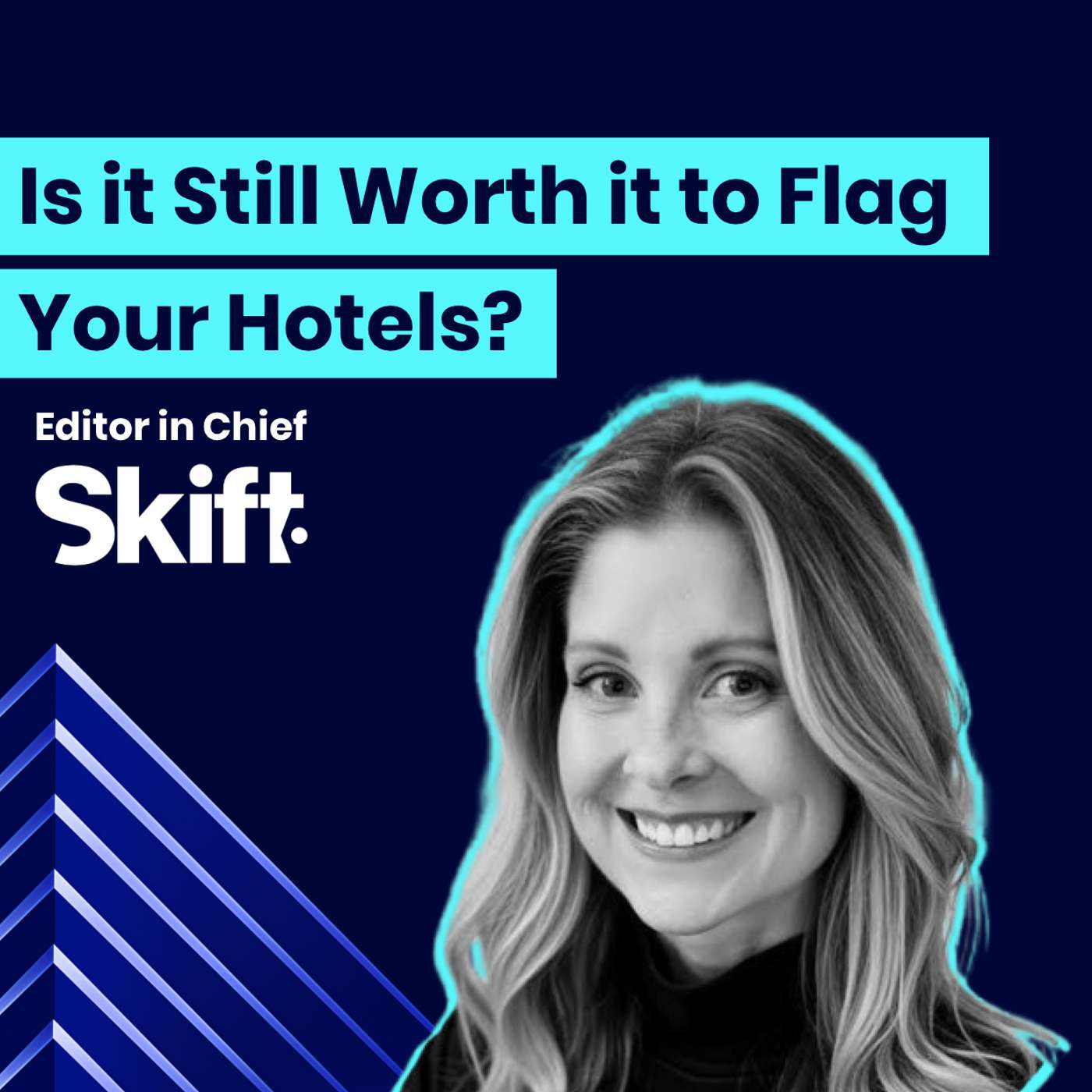 Skift Editor-in-Chief on Why Hotels Are Going IndependentHotel Tech Insider · on Marriott80 / 100
 How Mollie's is Running Hospitality Like a High Street Retailer - With Matt Bell, Mollie's MotelsPillow Talk Sessions · on Operational efficiency78 / 100
 Peter Bheda, Chairman & CEO, Frontera Hotel Group, interviewed by Lan ElliottIt's Personal Stories, A Hospitality Podcast · on Marriott76 / 100
 #404: Dennis McGettigan, From a House of Ten in Dublin to Dubai's Biggest Pub EmpireMade in Dubai with Spencer Lodge · on Marriott74 / 100
 Revenue Isn’t Your Problem. AI Is Exposing Your Broken Systems with Ali MankiScaling With People · on NPS scores73 / 100
 Why the Best Leaders in Hospitality Are UnforgettableThe Michelle Pascoe Hospitality Podcast · on Marriott72 / 100
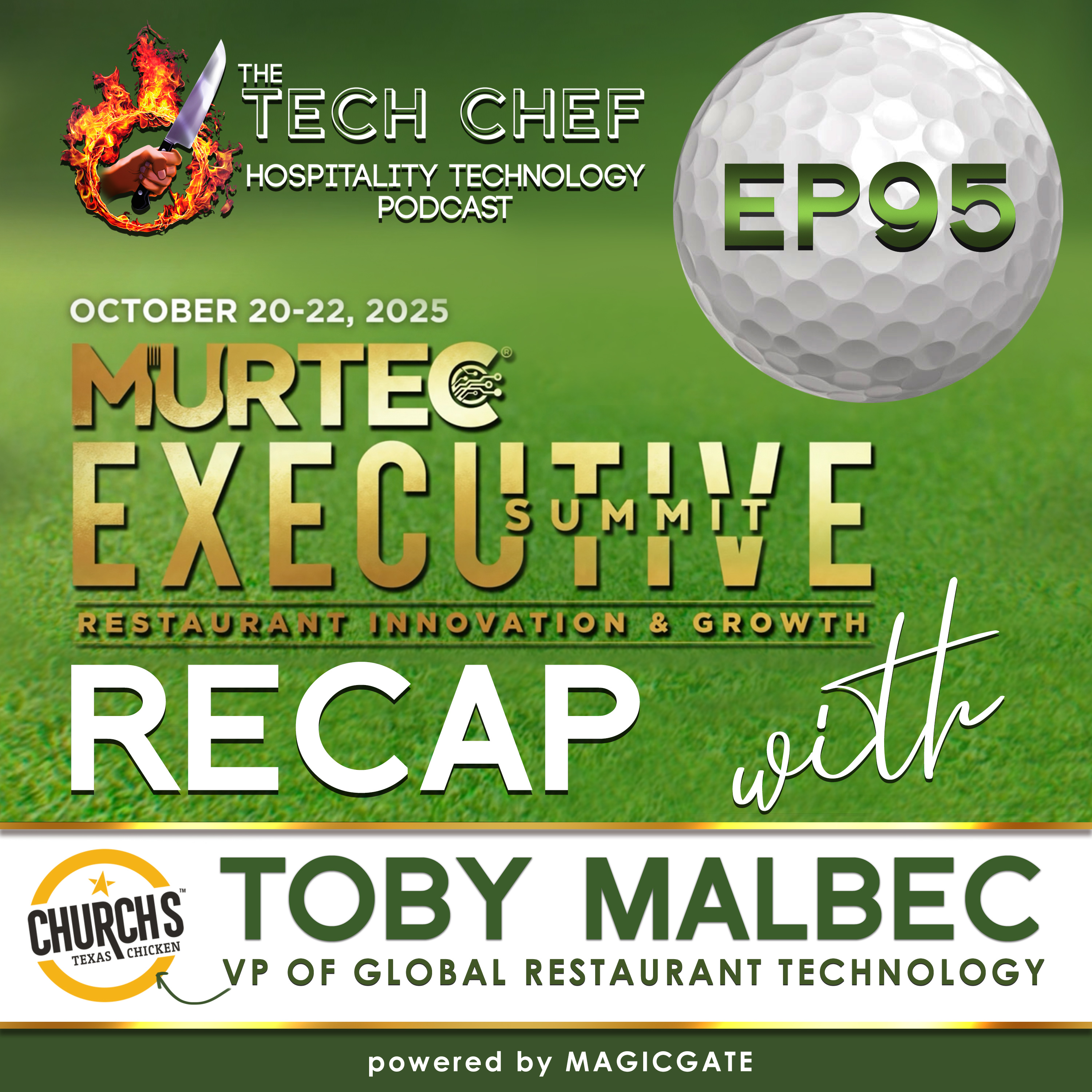 TCP095: MURTEC Executive Summit 2025 Recap with Toby Malbec65 / 100
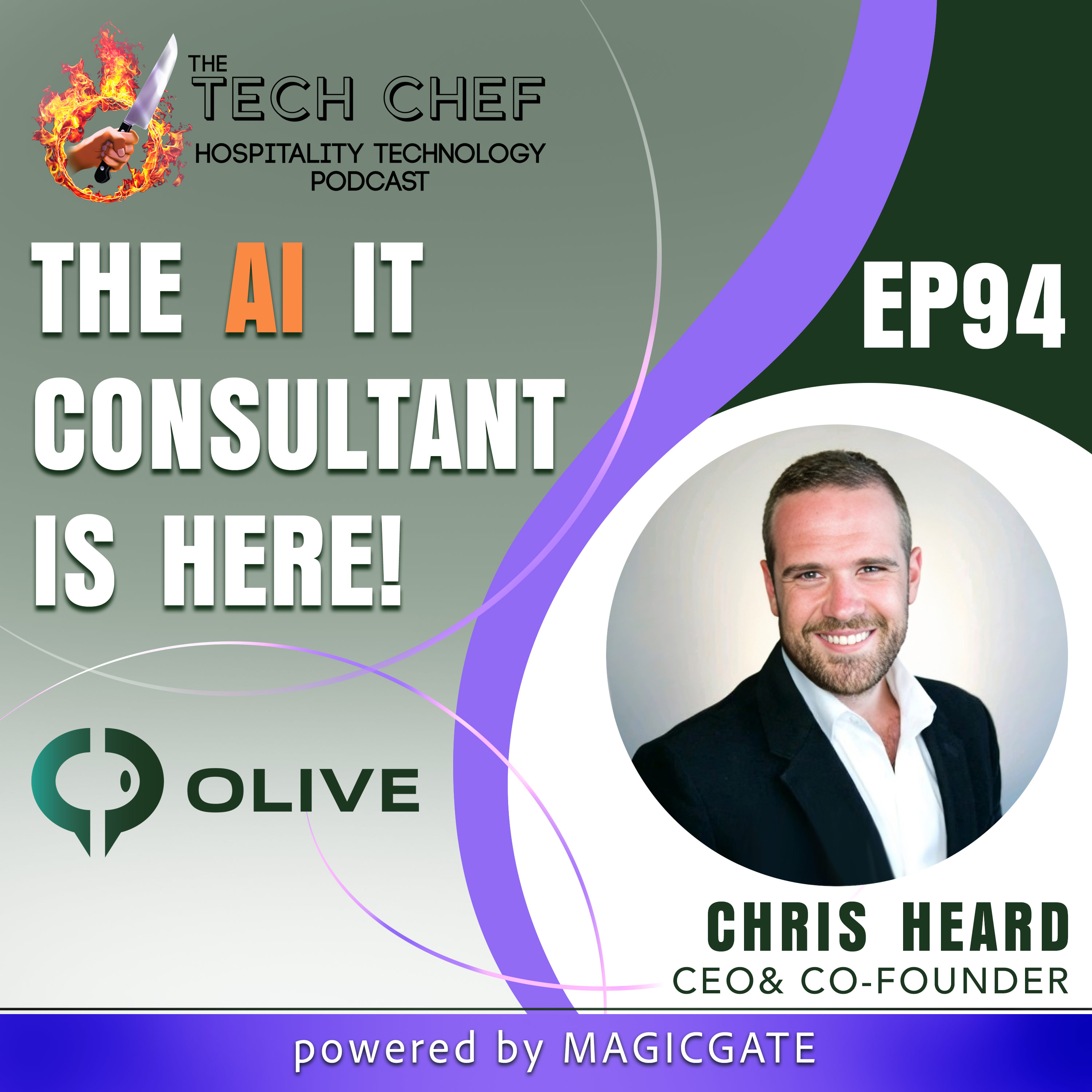 TCP094: The AI IT Consultant Is Here!75 / 100
 TCP093: MURTEC 2025 Recap with Tom Seeker69 / 100
 TCP092: Making Data An Experience, Spreadsheets Are Dead!75 / 100
 TCP091: VIROO: The Only XR You'll Ever Need65 / 100