The Modern Recruiter · 2024-09-26 · 41 min
Key moments - from our scoring
Substance score
47 / 100
Five dimensions, 20 points each
Benjamin Mena's journey from struggling recruiter to industry leader offers concrete lessons in personal branding through content. After being nearly fired three months into his recruiting career at Aerotech in the mid-2000s, Mena learned by cold-calling top billers and studying their techniques - a vulnerability-driven approach to mentorship that shaped his philosophy. He spent the next 15 years building deep expertise in government contracting across agencies and corporations like Lockheed Martin and various "Beltway Boys" contractors, before launching Select Source Solutions with his wife in 2017 following a layoff during a geopolitical contract cancellation. The real shift came during COVID when Mena started the Elite Recruiter Podcast to package recruiting wisdom for people like his former struggling self. Now 179 episodes in, the podcast has become a business development channel and authentic relationship builder. Beyond podcasting, Mena uses a multi-channel content strategy including LinkedIn, LinkedIn events, and in-person summits to build his recruiting brand. His approach balances consistency (releasing content despite uncertainty about audience size) with niche focus - government contracting expertise unlocks both recruiting placements and podcast guest access. This horizontal, omnichannel strategy differentiates Select Source Solutions in a crowded recruiting space.
Mena cold-called the top 10 billers in his office during lunch and after hours, asking them to mentor him on how they were successful. He learned subtle reframing techniques and how to make recruiting conversations authentic to his personality rather than following rigid scripts, which he struggled with.
Mena started the Elite Recruiter Podcast during COVID with the original working title "Recession Proof Leadership." He wanted to package recruiting conversations and strategies from successful peers to help people like his past struggling self, and to build relationships with industry figures he respected.
Select Source Solutions was founded in 2017 by Mena and his wife after he was laid off from a government contracting role due to geopolitical issues. Within days of launching, clients from his 15-year network began reaching out with business, so they had immediate revenue from his established reputation in government contracting.
Mena uses a multi-channel strategy: the Elite Recruiter Podcast (179+ episodes), LinkedIn presence, and organized recruiting events and summits. He views podcasting as authentic relationship-building and business development, even if the audience is small, because it deepens his connections with industry peers.
Select Source Solutions focuses on government contracting recruiting. Mena's 15+ years of experience in that niche gave him deep industry knowledge, a built-in network, and the ability to provide unique podcast guests and insights - all of which reinforce each other as content authority and recruiting credibility.
Our reviewer’s read on each dimension, with quotes from the episode.
The episode is predominantly biographical narrative with occasional useful takeaways buried in anecdote. Actionable insights exist (1% LinkedIn posting stat, reframing from helping everyone to helping the right candidate, refusing sales training as a costly mistake, virtual events as BD) but they appear infrequently and are rarely developed with depth.
only 1% of the active population on LinkedIn actually post something
one of the biggest decisions that impacted my career and probably took away millions of dollars of revenue that I could have made sooner is I kept on saying no to sales training
Most frameworks here are well-worn recruiter career advice: find a niche, surround yourself with better people, intrinsic motivation matters, go back to basics. The 'spotlight others to have it shine back on you' content insight is moderately fresh, and the govcon margin dynamics add minor novelty, but there is little genuinely contrarian or first-principles thinking.
putting the spotlight on somebody else in turn will always put the spotlight back on you
the government contracting space, typically the lowest bidder is the one that wins the work
Mena is a genuine 20-year practitioner who built his own firm, staffed billion-dollar government programs, and runs a 179-episode podcast - real operator credibility in a specific niche. However, Select Source Solutions is a small firm and his expertise is narrow (govcon staffing), limiting broad B2B relevance.
I focus on government contracting... I've had a direct impact in over a billion dollars worth of government contracts
shortly after that, looking at the next year, I was like on that list every single week. Typically like one to three
The episode contains a reasonable sprinkling of concrete numbers - the $556M program, 650 virtual event signups, 26,000 DC-metro recruiters, 80/20 consulting split - which elevate it above pure abstraction. However, many figures are approximate and the govcon mechanics, while specific, are explained at a surface level without hard sourcing.
took a vacation after just staffing up $556 million program
fast forward by the end of the week it was like 650 and I was like, what the hell's going on
The host sets a warm tone and uses a clever structural device (borrowing the guest's own three questions), and does probe on company revenue mix and career transitions. However, he frequently answers his own questions, asks multi-part open-ended prompts that let the guest drift, and never meaningfully challenges any claim or pushes for harder evidence.
So what's the split today with kind of more the consulting and more the direct placement?
What would you say if you had the opportunity to talk to your younger self?
Computed from the transcript - who did the talking, and the words that came up most.
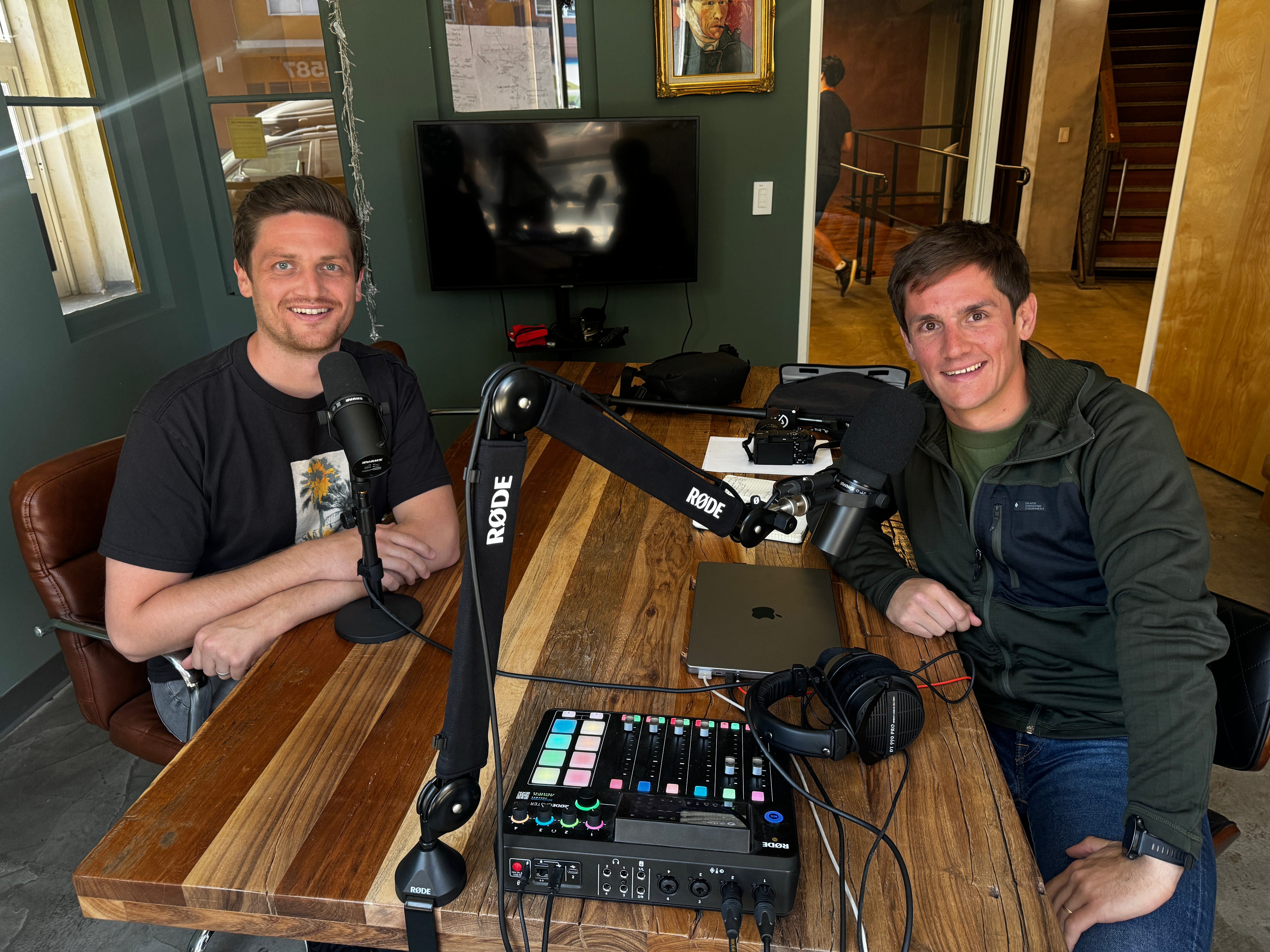
Hey everyone, This week on The Modern Recruiter, I had a great conversation with Benjamin Mena, host of The Elite Recruiter Podcast and Managing Partner at Select Source Solutions. Benjamin then interviewed me on his own podcast - give it a listen here . It was fun to do a crossover episode - and I know many of you are already big fans of Benjamin's! Benjamin shared a lot on his personal story from getting almost fired as a young, hungry recruiter, to launching his successful practice and scale his personal brand: * The power of consistent content creation Benjamin's journey with The Elite Recruiter Podcast shows how regular, valuable content can build strong relationships and generate business. He emphasized the importance of sharing others' stories and industry insights rather than always focusing on yourself. * Specializing in government contracting recruitment The virtues of niching are something I hear again and again on this podcast (most recently on episodes #73 and #74 with Diane and Clark). By focusing on this niche, Benjamin built a deep expertise that set him apart.
Transcribed and scored by The B2B Podcast Index.
Speaker A: In the world of recruiting, some people have seen it all. They build recruiting teams from the ground up, hired hundreds of people in the best companies in the world, develop their expertise year after year. I'm Robin Choi, and I'm on a mission to collect their learnings. These are their stories. Hello, everybody. I'm today with Benjamin Mena, who I found out is not French, and it's not announce Benjamin Mena, but really like Benjamin Mena. So, uh, very happy to have you here, Ben.
Speaker B: Excited to be here.
Speaker A: We just did a recording on your podcast, the Elite Recruiter Podcast, one of the most recognized and best podcasts in the industry. You also have your recruiting company that you own with your wife. The company is called Select Source Solutions, and you've been in industry for 20 years. Today, we're going to be covering your own personal story, your background story that I found very inspiring because I, uh, listened to it on another podcast, the Digital Recruiter Podcast, hosted by Clark. And I really liked your story because, like, very much a story of humble beginnings and how you get there today. So I want to listen to that again. And I found it very inspiring again for anybody starting today in the field. And then we're going to ask a few more questions, and we're going to be focusing a lot on the content because not only do you have your podcast, you also organize events, three different events that you're going to be telling us about. And I like that you can have this very horizontal approach to content. It's not only the podcast, uh, or it's not only LinkedIn or it's not only events, but it's mix of everything. So how did you get started? Go into the widths of what do you use? What is the technology you use? What are the tricks and the things you learned along the way as well as, like, how did you keep going and how did you stay motivated? Because as we talked, getting started is the easiest part, but keeping going is the hard part. So what were your motivations and how did you keep going? All right, so the floor is yours. Can you start maybe telling us a bit more about your personal story, um, and how you got started 20 years ago, almost 20 years ago now in the recruiting industry.
Speaker B: Robin, I'm excited about sharing this, but if you want a good laugh, like, I'm so used to being on the other side of the chair asking questions, so I'm not used to the focus being on me. So, huge thank you and a, uh, huge thank you for every single person that tunes in to the modern recruiter you guys are what makes this podcast so successful. Starting with my story. I suck at recruiting. I absolutely suck. I sucked so bad that they actually sat me down and said, we want to get rid of you. Nobody wants you on their team, but the only reason why we're not getting rid of you is because you hate your numbers. And this is like three months in. Like, I knew people.
Speaker A: Great start, man. Great start.
Speaker B: Like, I knew people in the recruiting space. I knew people that were just making money. I knew people that were just absolutely, just crushing it. And I was just like, you know my background, I went to college, got a degree in economics, ran cross country and track and field until I got injured out. So I, I knew how to do the work. I understood the reps, I understood the miles, I understood, like the practice. And so I would come in every single day and I'd be like, you know, you said 75 calls. I talked to 75 people. Next day, 75 calls. Next day, 75 calls. And just nothing was working. Nothing was connecting, nothing was crossing the finish line. And they just a, uh, hit point. And when you're brand new working at a staffing company and you're on a salary, they're looking at you as an investment. And my investment wasn't really working out,
Speaker A: but because you were bad at it, because the recruiting industry can be brutal. There's a lot of variance as well. There's delays. You were saying this is three months in. And obviously I don't know a bit more about the story, but depending on the clients and the ranks can be hard to close people in three months. And then there's always a lot element because there's such small numbers. You're going to make two, three placements per month anyway. So sometimes you got to have months where you're just going to make zero placements. And that's part of the job.
Speaker B: Oh, yeah, it's part of it. It's one of those things, like looking back. So the agency that I started on loves people fresh out of college. They typically start them in batches. And the other people that got started along with me also got started in established niches. So there was already Rex already this, you know, not knowing this at the time, like, my account manager was actually brought in and starting a whole niche from scratch. So we were pretty much starting at zero. But at the same time, I was being compared to everybody else that had all these, like, legacy accounts. They could easily fill stuff in. It was like a lose, lose situation almost for me. And when they sat me down and just said, like, hey, in reality, like, you suck. We want to get rid of you, but we don't. Your activity numbers are saying that you should be doing something. I took it hard, man. I went home that night and I had probably way too much wine. And I can't remember if it was like, around that time, but also around that time. Like, I didn't even have a car. Like, I was showing up to the agency office before everybody got there. Uh, if you want to get off. My car was actually in the parking lot, but I was completely dead. Like, it didn't work. So I was like, showing up before everybody was there and just pretending. I was, like, working early, and then I'd work late enough that everybody left so that nobody knew that I actually didn't even have a car. Because at the same time, like, if you're sucking recruiting, nobody cared about my sad story. Nobody cared about how hard my life was. Nobody cared about those things. And I knew I had. It was my responsibility to change that. So went home, had probably too much wine. And then the next day, the company sent out a list of the top 10 recruiters in every space every Wednesday. So I pulled up that list and I just, during my lunchtime, I just started cold calling. I'm like, hey, you're doing really good. You've been crushing it. Uh, you got like 15 minutes to chat with me. I want to learn from you. I'd love to. Like, how are you doing things? Like, how are you working so well? How are you billing so much? And I just did that, like every lunch. I did that after hours. The conversations I had was just like, no, just all these, like, conversations. The people that were billing the most in the office, I went just like, hey, can I take you out to lunch? Can I do this? Can I do this? Like, had to be around them to figure out what I was doing wrong. And it wasn't like, hey, I did this wrong. Like, I could easily point it out is I started to learn how to reframe the conversations. I started to reframe, like, how I thought about things. It was just like these little subtle changes that I picked up from every single one of those top billers that really just completely turned my recruiting career around. And, um, I have no clue where I would be if it wasn't for those people that actually gave me that time of day. I have no clue where my life would have been this now 20 year time period that I've been in the space. But shortly after that, looking at the next year, I was like on that list every single week. Typically like one to three. Like top one to three on that list every single week. And it really was just the work ethic. Like I knew how to put in the recs, but I just needed a little bit of change into where I was going. And secondly, a lot of times when recruiter starts working somewhere, like, they get the script. Here's a script that you have to have. And some people are absolutely great and smooth at working with those scripts. I sucked. It wasn't me. I couldn't have those conversations. I struggle reading out loud. Like even to this day I'm reading something out loud, I just struggle with it. So I had to learn how to make it work for me. And that was one of the biggest things.
Speaker A: Also interesting. So what's the learning there? That to me the learning is. Well, a, the company was probably not wrong to sit you down and like tell you this. It was maybe a harsh truth to hear, but maybe they were right. And it's in a way they were definitely right to not get rid of you because you were hitting the numbers. At least they did something right. Maybe they could have taught you. Maybe they should have been doing that work of telling you how to do it instead of just telling you to find a solution for yourself. But a, uh, good learning is you try to look for mentors and advice and look at what other people did well. And I guess 20 years ago, there weren't that many options outside of just chatting one on one with people. No podcast, no YouTube videos.
Speaker B: And that was like one of the things compared to like, if you look at today versus 20 years ago, the recruiting world that I knew was in that little silo of that agency that I worked in. It was a large, multinational, big agency. But that's all the world I knew. Today you can go hop on LinkedIn and just be like, oh, I want to go check out the modern recruiter podcast. I want to go check out this podcast. I want to go learn from this person. Uh, if I have questions about comp structure, somewhere here somebody has an answer. Back then it was just like, that's all you knew. There was no place for information. The World Wide web wasn't full of just help to do articles where I could just hop online and go find something. It was just, you know, I've always had this rule, like, even in like high school and college, you know, definitely from the sports world, it was like, try to get around people that are better than you. And there's a way that you could learn from them. Okay, that person was, you know, as a runner. Okay, so that person was doing like 80 miles a week or a hundred miles a week. I'm doing 40 now. I see the difference of why that they've gotten better than me over a compounding amount of time.
Speaker A: Yeah, that's very good point. It's also hard to do because you need to put your ego on the side. Like, it's hard, but it's a very good way to learn and to progress. And it also makes the work more enjoyable. Right. Because you know which areas you need to focus on. You know how to get better. What's the process you need to apply to get there?
Speaker B: Well, and you know, you mentioned ego side and like I've seen that derail a lot of people's careers. Like, I had no plan P. I had no backup. It was like I had to figure out how to make this work or I was going to be on the street and not able to pay my rent. Like, it's not like I had this massive savings account where you easily fall back on and not worry about things for months on end. I was like, even when things started actually working, I was still spending. When I got a car that worked, I picked up a job doing deliveries for pizza at, uh, Domino's. So like every Thursday, Friday, Saturday, Sunday, when I wasn't at the staffing agency, I was delivering pieces to help pay bills. Like I had to figure out how to make it work.
Speaker A: How did you get there in the first place? Like, why recruiting?
Speaker B: Yeah, if you want to go laugh. I originally, my original plan while I was in college is I wanted to be an intel analyst for the Department of the Navy. And I wanted to be focused on Chinese economic affairs. Like specifically.
Speaker A: Very specific.
Speaker B: Yes. And so I sat down with many recruiters for the military. One time they actually lost my paperwork, which is weird. Like, yeah, the first time they lost my paperwork. The second time they actually, like the recruiter I was working with actually went MIA and had major issues. And then I ended up running across somebody who became a friend at the time who was actually doing a lot of debriefing at the presidential VP level. He worked at the Pentagon. And so I literally just started sitting down, like coffee, lunch, dinner, asking him questions. And you know what he could tell me was based on the non classified stuff and conversations like, this isn't the feel for you. You're too much of a people person. You too much want to help people. Which is also the thing I struggle with in recruiting. He's like, intel isn't for you. So shortly after that, I kind of just, I was like, oh, crap, what do I want to do? And I knew a bunch of people in the recruiting space, realized you could make great money in recruiting. I just had to figure out how to make it work for me. And the funny thing is, you fast forward like X, Y, Z amount of years, you know, I focus on government contracting. I cannot tell you how many intel like officers and specialists I have placed over the years. So, like, the space that I wanted to be in back in college, I've had a direct impact in over a billion dollars worth of government contracts filling those people and hiring for those people. And also now that I know the information and how much they get paid, I'm kind of glad I didn't go that way.
Speaker A: Okay, cool. And do you agree that it wouldn't have been a job for you now?
Speaker B: Yes, now that I've hired, like, well over a hundred recruiters.
Speaker A: All right. And so from this, you kind of about to be laid off. You're terrible. Not making any placements. Nobody wants to work with you. You start talking top builders, you become one. You learn. So that was again 2008, 15 years ago, 16 years ago. And then you created your company in 2017, from what I'm seeing on LinkedIn. Right. So about 10 years after, before we talk more about the company itself and select Source solutions, what happened in the meantime? And what were your learnings? And did you always want to create your own company and work for yourself? Was that a goal initially? And did you prepare for this in those 10 years?
Speaker B: If you want a good life? You know, I think later on in life I had this entrepreneur. I'd love to own a business, I'd love to kind of be in charge of myself thing, but I think everybody does that. But like, probably five, ten years after Aerotech or five to eight years, probably not.
Speaker A: I mean, Aerotech, which was the first.
Speaker B: Which was the first company. And like, the main reason, like, actually don't laugh at this, I loved it there. I had a blast. I worked hard. Once I established myself, things were amazing. But one of the things that I did at Aerotech is I wanted to focus on government contracting. My manager at the time actually did not want me focusing on govcon. He wanted me to focus on his stuff. So I started cold calling other offices, and in the evenings and weekends, I started working on the positions in other offices, focus on government contracting so I could build out my government contracting personal portfolio of work and experience.
Speaker A: Nice. So that's hustling.
Speaker B: And I was actually chatting with the team at the time because they were actually looking at creating an entire govcon division. You know, government contracting is a huge business, but it's a different sales cycle. It's a different thing than it's typically like filling a light industrial job. It's like you're now bidding on these contracts. So like we were talking about like structures and this. But then I never wanted to go on the sales side of the house, but I opened up an account, I always wanted to stay on the recruiting. I opened up a huge account that ended up turning into millions of dollars of revenue for the agency. And after it started like really doing well and I started placing people, spread was great. They redrew my district so they cut that company completely out. And I got told like, hey, this is the way things are. You no longer have this huge account, you're no longer allowed to recruit on it. We need you to train up this other recruiter to handle it. And. And I was just like, I did all this work, I've done all this work. And they're like, it doesn't matter. So the first thing I realized was how important politics were at these larger organizations. And if you want to get off, the recruiter that I trained crushed the numbers for President's Club. I missed it by a few thousand dollars and they sat me down that year and it was just like they literally said it was like you miss it because you didn't work hard enough. I was like, but what about all this stuff that I did over here? They're like, well that doesn't matter. Like you just didn't work hard enough. So after that I kind of just like, I'm done, I'm out of here. And went to a different, another agency real quick that didn't work out. Just stuff happened on actually the congressional level that impacted how the agency worked. But then got a job at Lockheed Martin as an internal recruiter there and just from there worked at multiple.
Speaker A: How do you get that job? Did you work with them before? Were there a client?
Speaker B: So based on the government contracting work that I did, I ah, was able to show the work there. And one of the recruiters that is actually working there used to be an Aerotech employee also. So I just networked my butt off. And because I had that relationship and because like we spent time together and I guess maybe he solved some of the things I did. Like when he knew me, there was a bunch of other interviews that were happening and he was just like hey, like, I've seen this guy's work. He knows what he's doing. Definitely. He's already got govcon experience. So it was a combination of networking and relationships.
Speaker A: Yeah, that's so important, especially when you're young. All right, cool. So lucky Martin. And you stayed there for about two years.
Speaker B: Two years. Then I moved over to other government contractors. You know, one of the things about the government contracting spaces, the ebbs and flows of these large government contracts have such an impact on your job as a recruiter. So if they just want like a billion dollars worth of business, of course they need recruiting help. If they just lost the billion dollars worth of business, guess what? They don't need recruiters. But guess what? That contract goes somewhere else. And you kind of just, I hate to say this, like, in the govcon space, you have to understand how to follow the money and how businesses make money in government contracting. So did that for a while. Worked for a bunch of what I call the Beltway Boys, and finally took a vacation after just staffing up $556 million program. Life was great. Took a vacation over in France. And while I was on vacation, few glasses of wine and I got a call saying, uh, unfortunately, we gotta let you go. It was a geopolitical issue. And they actually said that you're just collateral damage.
Speaker A: Cause like, the contract was voided or.
Speaker B: No, it was like some other stuff that a foreign government wasn't happy with something and they just needed to do some things. And because of this is going to be on hold and all this stuff, like the money's not there. But they were like literally said on the phone, like, hey, you're one of the best recruiters. This isn't about you. This is just business. We're going to have to let you go. And then they're like, can you send back the laptop? And I'm like, I'm in France. And I'm like, well, can you send it back? And I'm like, unless you're paying for it. And they're like, okay, wait till you're back. But that night, my wife actually just, like, looked at me. We were having a glass of wine and she's like, hey, let's do it. We've been talking about starting our own company. Well, let's go do it. And that's where Select Source Solutions was founded.
Speaker A: Where was that? In France, by the way? Because I forgot to mention in the introduction that you're a fan of France. You got married in Bordeaux and that, uh, behind you that we're seeing here. So if people see the video is the Miroir d' Oreux in Bordeaux, where I'm from. So I really appreciate the reference. So where was it in Bordeaux?
Speaker B: We're going to enjoy a glass of wine and we'll talk about a feature.
Speaker A: Right. And then so back to the US and then you got us working on your new company. Because now time is of the essence, right?
Speaker B: I mean, one of the benefits of being in a niche, like no matter whether you're an internal recruiter or working at an agency, is the power of being in a niche is you start supporting a lot of people. So because of that, it was literally day two, day three. As soon as they heard that we were on our own, we had people reaching out to us.
Speaker A: Cool.
Speaker B: Which, thank God. Yeah.
Speaker A: But then again, it's like 15 years of work already at this point. Like a network that you keep building and compounding effects over many years. So get started. You already have some business. And at, ah, what point did you decide to do more content? Like when did you start the elite recruiter and when did you start doing the events and what was the goal behind it?
Speaker B: Let me just kind of take a step back. The podcast actually started. There's two times where people have started podcasts, probably around Covid and now. Because now, like a lot of people see it as a great avenue of business development, as a way to be different, authentic, and get in the door and actually create relationships. Which is why I absolutely love podcasting.
Speaker A: And also because the first ones have been successful and they're telling them like, you should create.
Speaker B: Yeah, exactly. You know, both of us have probably put in like hundreds of hours of work behind that. But that's details. But, you know, I started it during COVID and just it was a time to like, the world was shutting down and the world was just absolutely chaotic. And the original name of the podcast was it was something like recession proof leadership. And then all of a sudden part of certain industries like died completely and other industries were just on fire. And I'm like, well, I can't really call it a recession if this person's making a million dollars a year. So it turned into conversations with my recruiting friends and just trying to share some stories of what they're doing to win, how they're doing bd, how they're doing things. And it just a little bit to kind of like, I remember me back in the day at Aerotech as a recruiter that was just looking for some sort of help. I'm like, how can I package up some of these conversations to help me that many years ago because I know somebody else is probably dealing with it. And that's kind of like the original thought of it. And 179 episodes in now, I think is like, the latest posting.
Speaker A: Wow.
Speaker B: Multiple, uh, years of content. It's kind of grown, uh, like some legs of its own and kind of doing stuff. And I joke around constantly, and people ask me, like, what I'm trying to do with it on. I still feel like I don't know. But you've released the first a hundred episodes. Uh, it was a Gary Vee quote. It was just like, hey, if you're the only person listening to it at the end of the day and you're still learning a ton and having fun, guess what? Every single one of those a hundred episodes is worth it, even if you are the only listener. And that's the way I look at it. If nobody's listening, cool. But every single conversation I have, I'm growing from every single conversation I'm having. I'm getting a relationship with the people that I respect. And it's a great way to just, like, really open doors. And if you always want to have this question that you really wanted to ask for somebody that you respect, guess what? Hey, come on a podcast, most of the time, they'll tell you the secrets.
Speaker A: Yeah, I agree. And I feel like it's so much easier. So it's a lot of work. 100. How much?
Speaker B: 179 have been published. I've got, like, another 15 episodes not published.
Speaker A: And I don't think people realize how much work that is. And so I have two podcasts, one in French, one in English. We're at about a hundred episodes both. We started at about the same time, but we had a huge, like, six months where we stopped recording at all. It's a lot of work. You got to find the guests, you got to prepare. You got to stay, you know, excited for each episode. So it's a lot of work. And I like the reason why you did that was kind of intrinsic motivation, is not to make more placements. It's not to make more revenue. In the end, you probably did make more placement and more revenue than if you didn't have the podcast because you're doing more stuff as well. There's just, like, pure placements. Um, just doing this for the sake of doing it and enjoying the thing. And back to what you said about running, it's about the same. Like, if you enjoy the training, then you're going to do well at races. But if you only train for the race then you're going to get bored and sick of training. So I really like there's this intrinsic motivation. A lot of people ask like how to get started with podcasts. How do I get started? Should I start with LinkedIn? Should I start with a podcast? And a good answer is probably do whatever you want that allows you to like what you did with the podcast is basically what you did in your early years at Aerotech. Like it's just like talking to top billers, talking to top performers and asking them for their tips. It's just recorded this time right like so uh, it's basically the same thing. You used to do it pro bono and just for you and now you're showing it with everybody. So good learning there. So can you tell us a bit more about the state of the company today of your company and like what you do? Exactly. I know that you do some placement work, some direct placement, but not only. And you found ways to. And there's probably more also retention in the government space and smaller space as well. So I guess you have a lot of repeats customers. But can you tell us a bit more about the state of the business today and the impact that you saw the content have on the business?
Speaker B: So self care solutions. So one of the interesting things about the government contracting space is most of the government contracting space like large government contractors are just super complex staffing firms. And I can give like a super quick govcon lesson out there. It's the government's like constantly asking for help like hey, we need help here to do this, we need help here to do this. And then companies like Lockheed Martin and Boeing bid it but then as soon as they win it they need to put people in it to fill it. So like the biggest revenue generators of government contractors are the recruiters and a lot of times the recruiters at ah, these companies are not set up properly to succeed. So like we kind of come in behind the scenes and help them make sure that these large scale government contracts are filled because if they aren't filled, one that's lost revenue. Two, like it has an impact on national security. Three, depending on like the program, Americans can die. And four, if you really screw it up, you're no longer allowed to even be involved in that kind of business ever again. So there's a lot of on the line that companies are willing to pay for or uh, why they need help doing it. But we have learned in the recruiting space being our own company, there's also a thousand ways to not get paid. In the government contracting space. We've had security clearances of people that are at the Maryland customer that starts with the N and ends in an A that has a full scope polyclearance. We find the perfect needle in the haystack of this one skill set that they have and get them over to a job over with a Virginia customer that starts with a CNN's and an a that requires a full scope poly too. And for some reason the clearance doesn't cross over. And that process has taken months. And all of a sudden I'm back to square one. And it's not like the company wanted them, the team wanted them, um, the government customer wanted them. All these approval paths of like potential failure and then the clearance just doesn't cross over. So like we've had a lot of learning lessons. So like we kind of come in, we do direct placement work, but we also do a lot of consulting. Like we've done embedded stuff consulting. Like we help with it sometimes with talking about proposals, giving guidance on how the market looks like coming in behind the scenes and actually like sometimes taking over talent acquisition for a company as you're like doing a quick scale up or surge recruiting. So there's all sorts of different things that we've done over the years that we've set up our business. And I think that's one of the things a lot of like recruiting businesses. I don't want to say like fail at, but if you're really good at contingency recruiting, keep doing it. But there's also like so many other ways that you can support your clients and still make money for your recruiting business. That's kind of like what we've learned. And you know, our many years in the government contracting space has kind of set us up for that.
Speaker A: So what's the split today with kind of more the consulting and more the direct placement?
Speaker B: I would say in terms of revenue, probably like 80%. I uh, think at least last year it was like 80% consulting compared to direct placements the year before. That was okay. Was probably a little more even.
Speaker A: Okay. I thought it would be the opposite. I thought okay. So it's kind of more consoling than placement.
Speaker B: And a lot of it is the business that has come to us and that's how they need help.
Speaker A: Yeah, right. You gotta find the underlying pain.
Speaker B: Uh, yeah, we find the underlying pain. We also understand also how the government actually pays their bills. We also understand the profit margins and the rap rates with these government Contracts and some of these large contracts. Because the way that the government contracting space works is typically the lowest bidder is the one that wins the work. You know, so you have 15 companies bid, you have like the lowest bidder over here, you have probably the best bidder over here. And uh, the government wins it to this one. So like the margins are super small, like the way the government works, super small. So like many times some of these smaller to mid sized firms that need the recruiting help most of the time can't just cut a $30,000 check because they don't even have $30,000 for their own executives. Typically, to get that kind of $30,000 check, you're probably looking at an XY spread over how many months work that person's actually billing to the government. So we have our structure set up on all sorts of different things because we understand how the space operates.
Speaker A: Got it. Another learning there is kind of, uh, always evergreen to say that, but like kind of find your niche in a vertical. So for you it's a very specific niche. And finding that niche allows you to know people, to have a stronger network. As you mentioned, like when you started your company, you already had the network to get started. And also understand how your client think and how your client's client, who's the government think as well, and how all the market evolves. And that kind of expertise you can only have if you're very highly specialized. And that makes you so much better at your job that someone would be more generalist. So yeah, that's just another kind of playbook theme that I always hear from successful people is they find a very specific niche in the recruiting industry and like stick with it.
Speaker B: And I was going to say to go with your content question is if you want a good laugh, uh, we really haven't done that much business development since we started the company. Like a lot of it's been incoming, a lot of it's been referrals, a lot of it's just been networking. And you know, we're actually starting a podcast that's actually focused on govcon for business purposes. But because of the recruiting podcast, I have executives reaching out to me within the government contracting space because every single time, because I'm connected to them on LinkedIn, and every single time that they logged in because I'm posting something from content from the podcast, they see my stuff, they know me. I had a call like a week ago, an executive in the AI space within government contractors. Like, hey, all the people know about you. They told me I need to give you a call. Looking for my next opportunity. Would love to chat. And that's because of content. And I know we want to talk about content also, but I hated content for a long time. I hated those content creators on LinkedIn. I was like, this is not why LinkedIn is created. I'm like the old dog, you know, the guy with a cane, get off my LinkedIn lawn. But I started leaning into it and when I first heard about content, it was like, hey, those people that are talking about it all the time, it's like a brand.
Speaker A: Me, me, me.
Speaker B: It's all about, uh, me. It's all about me. And I hated that. That's not my personality. That's not like, who I am. You know, when I talk about my podcast, I just say like a little recruiting podcast constantly, and you probably need to reframe that. But that kind of content, I hate it. But then one of the things I learned from the podcast is sharing stories, somebody else's stories, their expertise. Talking about it, like drawing a post about, like, hey, I just had an, uh, interview with, with Robin and we were talking about how we built hire suite and the things that he did and you know, about his modern recruiter podcast and the lessons he learned. And like, you know, he's an investor now and here's some of the top tips that I learned from him. Talking about what he's investing in and how you could set up your company. I started doing that and putting the spotlight on somebody else in turn will always put the spotlight back on you. Uh, and it took me a long time to realize that. I didn't know I was doing that. But if you are not one of those me, me, me people talk about other people, talk about the industry, talk about what's happening in your niche, share stories, and the spotlight will automatically be shined back on you.
Speaker A: Yeah, totally agree with this. And also another thing that I understand is you always create content that you would enjoy in the first place and that you would enjoy that kind of consume. And I see that a lot on LinkedIn where people write about themselves and sometimes. So it's kind of fine to write about yourself as long as you're sharing a story or there's something either fun or that you learn something. There's. But sometimes it's just like we won that award from like that second tier award from a company that nobody knows and, uh, like, what's in it for your audience? Why do you do this? What's right for your audience? Make something that's Interesting for people. You can talk about you, but it has to be interesting to the audience. And one way to do it is what you did, like create content that you would enjoy yourself on the podcast. So we're going to talk a bit about the events as well. But the events are basically like the first event was kind of a side project that you put together to just gather some friends. And that worked because people are looking for this, right?
Speaker B: Oh my God. Like, I think like events right now could be one of the biggest BD things. I'm like figuring out how to do this like BD structure to make it like work. But the first event I had was in March and it was just like a dumb idea that I had in the middle of a run. It was just like, let me pull some of my friends together, like some of the people that I've had on the podcast and it'd be cool if like 25 to 50 people signed up for it. And then fast forward by the end of the week it was like 650 and I was like, what the hell's going on? It was like, hey, let me pull together some of the people I respect, some of the podcast guests that I've had on and make it like an event where people can learn and grow. So that was the first one and then that kind of turned into like, I, uh, wanted to do a second one this year. I was like, you know, this also set it up as a two times a year thing, end of the first quarter. So that way like, you know, people are coming off like a January high, working hard and that need a bit of like a refresh. And that's also why you see a lot of like large sales organizations. They do like quarterly functions or by yearly functions to help with that motivation, the external motivation, when the internal motivation starts going down. So the next one is going to be right before Q4 starts. And it's called Finish the you're strong. And it's actually a. I think it's like 31 speakers, like all from across the staffing in the recruiting industry. Just like uh, a power packed week from like 9 to 5 every single day of just like sharing and pouring their hearts out.
Speaker A: Is that in person, it's virtually nice.
Speaker B: It's made it so like anybody can show up. Like it's actually. The registration for the live events is actually free and it's a small charge for the replays.
Speaker A: Yeah, no way. Okay, I'm probably idiot not, uh, finish the year strong. We'll add the link if you have
Speaker B: A link description and it's just like I wanted to be a way where people can access these speakers in a way that they can learn and grow. And you know, it's a small charge for the replays. Just uh, and really that's just to help cover the costs of summit events, the systems and all that like marketing and emails and all that fun stuff. And then because of like how AI is changing and how AI is changing the world. And I think a lot of recruiters are going to be blown away in the next few years of how AI is going to really impact the community. I think a lot of recruiters initially saw some really shitty chatgpt. Content is like, well, AI sucks and it's a fad. So I'm doing an AI summit in about a week or two and this will probably be live after that event's done. And that's really just going to be a bunch of tech demos. It's going to be some AI speakers just talking about like what's coming and what's changing, but also get a chance to like, you know, shorten the sales cycle. How often, you know, Robin, if you have people that want to find out, but they just want to see the demo real quick, your support sales team is like going through this entire sales cycle. So it's a chance to share some of the stuff, cut the sales cycle for some people and really get a chance to see what they want to buy as recruiters. And I know most of the time the big tech demos, tech expos are for all the executives and I'm like, but us recruiters are the ones that actually hands in doing it. So that's the AI recruiting summit. But yeah, the big one finish here strong. And it's really just made me think of like how recruiters can put together a virtual event at a pretty decent low cost in their space and how they can actually win. So like one of the things that we're thinking about is like actually making a government contract focused one and helping government contractors win more money. We're creating the relationships there where they're coming to learn and grow. But on the back end we can work on actually helping fill the contracts too. So it's another value add that recruiters can potentially add and just be different. Like you have to be different out there. There are 26,000 recruiters in the D.C. metro. How do you stand out?
Speaker A: I love this. It's brilliant. It's the same as my other big learnings was LinkedIn Lives. It's so easy to put up together LinkedIn Live, and then you can invite people to the LinkedIn Live and get people who show up. It's very low effort, but such a high roi. Um, so much bigger than just, like, writing and cold calling. So 75 people per day or a cold mail, which you have to do. But at least some people who are warm and show up to the event and know about you already.
Speaker B: And here's the thing. Like, people that don't want to make content, I get it. Like, I don't want to do it either. But here's the thing. Like, only 1% of the active population on, uh, LinkedIn actually post something. So how can you easily become that 1%? How do you stand out? I can tell you, out of the 26,000 recruiters in the D.C. metro, even less than 1% of those recruiters are actually posting content. So me and you probably post more stuff than most people because of the podcast and because of all these other things that we're doing. But you can easily stand out by doing just, like, two to three posts a week, more than 99% of the other recruiters out there.
Speaker A: Right? You do this, send 150 invites per week to people in your niche, and then you're already. All right, one. So we did an episode together on your podcast, Recruiter, just before, and I recommend everybody to listen to it and to listen to recruiter and leave reviews on Apple podcasts and Spotify, because I know it helps. You asked me three questions that I really loved, and I mentioned on this episode that I wanted to ask you those questions. So this is my opportunity. The first one is, what would you say if you had the opportunity to talk to your younger self? You are starting at Aerotech, and just after these three months, you just had that call or that meeting with the person saying, you're terrible at recruiting. Nobody wants to work with you. You have the ability to time travel, get back to that time. What would you say to your younger self that could change your career? Or, like, that took you a few years to make the discovery to learn that thing? What would you say?
Speaker B: I'd say there's two things that I would actually tell myself. One of them is, like, just after that conversation, initially, uh, I thought recruiting was a job to help everybody. Your job as a recruiter is to help people. You help get them placed. No, your job as a recruiter is to actually help your client find the absolute best person. So I had to reframe from, uh, helping everybody to, I hate to say this, helping less people, but helping the people that was going to be a win win for them.
Speaker A: Ah.
Speaker B: And a win win for the client. So that was one of the biggest things that I had to just overcome. Cause you know, you see the wreck, you see the position, you see this and you get in a great conversation with somebody. And I was probably spending so much time on conversations that were probably going to lead to nowhere. And I thought that was the effort and the energy that I needed to do, but it wasn't.
Speaker A: It's actually not helping them.
Speaker B: Yeah, it wasn't, but I didn't know that early on. And then the second piece of advice is like, shortly after I started doing good, I. They kept on wanting me to move to different offices to start setting up other niches. And I didn't want to move, which I get that a hundred percent happy with the decision not to move. But I think one of the biggest decisions that impacted my career and probably took away millions of dollars of revenue that I could have made sooner is I kept on saying no to sales training. I wanted to stay in the recruiter seat. One of my biggest mistakes early on is saying constantly no to any of the sales training to be a salesperson. And I think that has had a multiple millions of dollars of impact on money that's come into our recruiting business and other things. Because I've had to. Later on, when we started the firm, I had to actually go learn how to do sales. I had to spend some time learning how to like, what is sales? What is sales and staffing. I'm a great recruiter. Luckily I have like a ton of referrals. But like, how do you actually sell stuff?
Speaker A: I mean, you mentioned like understanding your clients, underlying motivations and their own clients and all this. Natural. You have to learn this, but you
Speaker B: also have to be able to sell yourself. And that was one of the things I had to learn. It wasn't natural for the recruiter out there that's listening. That is just like struggling with business development. There are a lot of other people like that out there. So you can find ways to learn the business development, become stronger in that business development, but also lean on your strengths.
Speaker A: Okay. The second question you asked was, what advice would you give to someone today who's already like 10, 15 years in to the job? What's the number one thing you would tell them?
Speaker B: I would say the biggest thing is like, go back to the basics. It's so easy to get caught up on this AI trend because we're always talking about AI, but if you look at your Metrics. At the end of the day and the end of the week, are you still doing what it took to make you successful in the first place? Are you still hitting those numbers? How many sendouts, how many interviews, how many phone calls? How many conversations did you have? If you're not having those, go back and start reworking that and get back up there again. If you have. If you're hitting those and you're hitting those numbers, you might have to start looking at doing something different. How can you stand out from every single recruiter? And it's. Robin is a master at this, about how to build a brand for your organization that creates inbound. But you gotta figure out something that works for you. Can you start a podcast? Can you start an event? Is there a way that you can actually break through all, uh, this AI noise out there so you can have those authentic conversations? So that would be the second way I would look at it.
Speaker A: Okay, good one. The third question you asked was the hardest. People reach out to us because we are public, we have the podcast, we write a lot, and people will reach out to us with tons of questions. And we try to engage with them, usually on LinkedIn and by the way, keep sending us questions. I know that when people subscribe to the Modern Recruiter, they get a automated email that they can reply to. And if they do reply, I see the replies and then I engage, uh, with them personally. So we get exposed to a lot of questions. But what's the question that people never ask you and that you wish they would ask? Like, what would you wish people ask you more and why would you reply?
Speaker B: I mean, there's two ways I want to go about this. First question is just like, I wish they understood those early days, how much it hurt, how painful it was after that, uh, conversation to kind of like, I had to make a choice. I either build myself up or quit. It wasn't easy. It was an extremely painful time period. But I would say. The second thing I would say is with questions, like, we get a lot of questions, we get a lot of surface level questions. I would love to, like, give me a second level question. What works in bd? Okay, cool. Uh, there's like a thousand. I actually give you the answer. I need to ask you a thousand questions back. But if you listen to a podcast and you were sitting there like, okay, you had a conversation with Robin and you guys talked about XYZ and you mentioned this. Can you go into some more detail if more people did, like, in depth? Second level question. I think that could have a more impactful answer. Because the better the question, the better the answer. And so often a surface level question, I feel like I have to ask 15 more questions to be able to give even a good answer. And those 15 more questions requires 30 minutes. And, you know, you're going down a rabbit hole.
Speaker A: Just more work for you, right? Yeah. So basically, instead of asking, like, what's the number one thing you would recommend to someone who wants to start a podcast? It would be like, I noticed that you're sounded very crisp on the conversation with Robin. What's the microphone that you're using? Yeah, and that's putting in the work and, like, kind of making it clear what you want to do. Because if you ask general advice on podcasts, it's easy. Again, we can for 10 hours on how to do a podcast, but if you ask me for the microphone that you should use, I can give you a pretty good answer with three recommendations for three different budgets in, like, 30 seconds. Yeah, that's a good point. All right, man. That's it for today. Really enjoyed your personal story. I find it very inspiring and a good, like, uh, a beacon of hope for a lot of people in recruiting, especially starting when it can be hard. You don't know where to go, you don't know what's expected from you, and sometimes you hit all the right milestones, but you're just not successful. And I really enjoy that you give us hope here. So thanks a lot. We'll totally check, finish the year strong. And, um, I'll try and add a link to the show notes. Is there anything else you want to add? And where can we learn more about you and where can we follow you?
Speaker B: The easiest place to follow me, of course, is going to be LinkedIn. That's probably the place where I'm most active. But I just want to also say, Robin, thank you so much. The impact that you have in the entire recruiting community is huge. It's one of those things that with a podcast and content, you're putting in slow pieces of work. You're impacting a person here, you're impacting a person there. You know, you have a global impact. And it's just make sure, like, every now and then, you ask Robin, like, a great question, reach out to him and be like, hey, I heard this on the podcast. You guys talked about this. I'd love if you can, like, ask Robin one more question deeper. And also his guests, like, not, uh, just me, all his previous guests, ask them a question deeper because that's where they can make the impact in your life. And I believe recruiting is an incredible career. I believe it's one of the most amazing careers that you can have out there, and also a great career where you can have a huge financial impact on your family and impact people's lives. So I wish you guys the best.
Speaker A: All right. Thank you. Good parting words. And one final thing. You're often in France, and we have a big audience in France, so I would encourage everybody who's in France listening to us right now send you a message, and then maybe you can make new friends in France next time you'll be around. So, yeah, if you're listening to this, you're in France. Send a message to Ben and he'll be happy to chat.
Speaker B: Absolutely.
Speaker A: All right. Thanks, man. Have a good one. Hey there. This is Robert. Most our listeners come from word of mouth, so thanks a lot for your support. And if you enjoy dayplayers, please keep on sharing it with your team and friends. Stay tuned for the next episode. And if you can't wait, follow me on LinkedIn for more content on recording. Talk to you next week.
Other episodes covering the same guests and topics, from across The B2B Podcast Index.
 The Responsible Way to Use AI in B2B Content (Without Creating Slop)Tech Qualified · on LinkedIn content strategy82 / 100
 Your Marketing Needs Trust, Not Just ReachWinsDay · on LinkedIn content strategy72 / 100
 Rain: Using Autonomous Aircraft to Stop Wildfires Before They StartClimate Rising · on Lockheed Martin70 / 100
 #68 How to Land Press With Zero Journalist Connections | Startup PR | Kathy WangVenturing with Vishesh · on LinkedIn content strategy69 / 100
 Ep 216, Failure Is A Component Of SuccessConflict Managed · on Lockheed Martin69 / 100
 284. How Dr. Ali Abdaal Accidentally Built A $6M BusinessProductive Insights Podcast · on LinkedIn content strategy67 / 100
 The Modern Recruiter #77: Selling your recruiting company to Elon Musk, Chris Bakke, Founder at Laskie
 The Modern Recruiter #76: Startup Hiring 101, Steve Bartel, CEO @ Gem
 The Modern Recruiter #75: From Professional Soccer to Recruiting, Jared Watts, Director of Talent @ Vantaca
 The Modern Recruiter #74: Mastering LinkedIn for Recruiters, Clark Willcox, Founder @ The Digital Recruiter
 The Modern Recruiter #73: Building and Selling a $28 Million Recruiting Agency, Diane Prince, Founder @ Recruiting Agency 360