The Modern Acre · 2026-06-30 · 27 min
Key moments - from our scoring
Substance score
39 / 100
Five dimensions, 20 points each
Ambrook has scaled dramatically by building financial software tailored to resource-intensive small businesses, particularly agriculture. Burnett explains how the company manages high-touch onboarding for diverse operations by offering both self-serve and white-glove account management options, complemented by educational resources and AI-powered learning tools. The platform now bundles accounting, invoicing, bill pay, and embedded banking - traditionally fragmented across QuickBooks, Bill.com, and other tools. A significant development is the MCP (Model Context Protocol) server integration, which allows farmers and other businesses to build custom applications by connecting Ambrook data with external systems like John Deere Ops Center or ChatGPT. Ambrook also addresses seasonality - particularly the May planting season - by targeting more complex, balance-sheet-heavy operations where switching costs justify mid-year transitions. The company's brand strategy includes Offrange, an editorially independent media publication with 150,000 newsletter subscribers, alongside Ambrook Education, which offers free software to students and teachers. This educational mission aligns with Ambrook's core purpose: building financial literacy and independence among small business owners.
Ambrook offers multiple onboarding paths: self-serve functionality with email curricula and checklists for independent users, and dedicated account management for complex operations. The company also invested heavily in educational resources and AI-powered tools to help customers learn financial concepts at their own pace.
MCP (Model Context Protocol) is a standardized way for AI tools and custom applications to read and write to software systems. Ambrook is enabling customers to pull data from both Ambrook and external systems like John Deere Ops Center, then use Claude or ChatGPT to build custom applications and write results back into Ambrook without requiring dedicated integrations.
Ambrook offers embedded deposit accounts that customers can set up - technically banking services. The company partners with Stripe and Third Bank underneath, providing FDIC-insured accounts alongside invoicing and bill pay functionality.
While peak sales occur around tax season and May (planting season), Ambrook minimizes seasonality by targeting larger, more complex operations that switch mid-year, and by growing non-seasonal FinTech workflows like invoicing and bill pay that operate on different cycles than the tax year.
Offrange is an editorially independent media publication with 150,000 newsletter subscribers that publishes unusual stories about agriculture and related topics. It functions as a top-of-funnel brand awareness and partnership tool, separate from conversion-focused marketing.
Our reviewer’s read on each dimension, with quotes from the episode.
The episode has scattered useful data points - complex customers being most retentive, May as the worst sales month, MCP server democratising custom software - but roughly a third of the runtime is an unrelated biological summit recap, and the Ambrook interview itself is padded with vague growth-speak and platitudes. The insight-per-minute rate for the titular topic is low.
our highest value and most retentive customers are the most complex ones. So the folks who are running multiple entities who have a bunch of different enterprises
the worst month for like from a sales perspective is always going to be May because it's right after tax day and it's when everyone's planting
The honest farmer voice from the biological summit (9/10 trials failing) is a genuinely rare, counterintuitive data point against industry hype. The MCP-server-as-ag-integration-layer framing is mildly fresh for this audience. Everything else - brand-as-funnel, chaos-accordion org metaphor, always-be-raising - is recycled founder narrative.
nine out of ten haven't worked so like in the room of audience of all these people you know just super bullish about the about the about the industry
the chaos accordion. It's like just when you think that you have figured something out, you know, like the chaos like starts to, you know, starts to become a bigger deal again
Mackenzie Burnett is a genuine founder-practitioner who has demonstrably grown the product, making her more credible than a pure thought-leader, but Ambrook is the episode's explicit sponsor, which structurally caps candour and depth. She hasn't yet operated at truly large scale, and the sponsorship relationship is unmistakable.
we had around a little over 2000 customers and now we have over over 7
we actually already have we already have an embedded deposit account
There are genuine specifics - 7,000 customers, 150,000 Off Range subscribers, a named Texas ranch with a described custom OS, PlyMag at 15x EBITDA, Third Bank as the banking partner - but no revenue figures, no churn rates, no CAC, no headcount, and no customer ROI data surface. The specificity is real but thin for a 27-minute episode.
we have about 150,000 subscribers to our weekly newsletter
There was like one company called PlyMag that sold for 15 times EBITDA
The host asks a few directional follow-ups (seasonality, integrations, what she's changed her mind about) but never pushes back on any claim. The fundraising question is completely dodged - 'can share a little bit more details maybe in the next couple of months' - and the host simply moves on. The sponsor relationship visibly muffles any productive tension throughout.
so yeah, it's been, um, that's been good there. Um, can share a little bit more details maybe in the next couple of months
Well, Mackenzie, this has been a ton of fun. As we wrap up here, maybe talk to us about your goals for the rest of the year
Computed from the transcript - who did the talking, and the words that came up most.
Tim and Tyler talk to Mackenzie Burnett, Founder and CEO of Ambrook, about rapidly scaling customers and deploying new strategies during a growth phase. - This episode is presented by Ambrook .
Transcribed and scored by The B2B Podcast Index.
The mission of AMBREC is to build a more prosperous and resilient America, and a lot of that also comes with really strong financial education and enabling people to understand that they can actually feel a sense of independence and kind of bet on themselves. Coming up, we're talking to the CEO of Ambrook, Mackenzie Burnett, all about what's the latest going on in their business. The Modern Acre is presented by Ambrook and we're super excited to be talking to the founder and CEO today on the podcast.
If you don't know about Ambrook, listen to the podcast today, but also check out their website. The link is in our show notes. Tim, you were busy on the move this week, traveling in Salinas. you were you were all over creation this week and ultimately at the biological summit so i mean tell some of your uh how did all that go yeah i was on quite the boondoggle this week ty got a few extra cold brews to power through but was over in the salinas area monday to wednesday had a few few meetings checked out reservoir farms we've obviously had danny bernstein on the podcast a few times so it's cool to see it in action it's it's a real place it's not just a in ai uh ai generated pictures so i was able to check out some of the startups there and do a little tour on monday afternoon and then tuesday wednesday was the salinas biological summit that i'd been to the past year and so it was cool to see that event continue to grow and just all about biological so i was wearing my ag list hat for that kind of checking things out but it was a pretty action packed couple days what's the vibe right now in the biological market i'm curious what the uh what the biggest topics or you know thoughts from the event were yeah so like attending last year to this year it's like a lot of similar trends like the the audience is like not necessarily farmers it's more kind of like regulators and and companies that are developing products or they're kind of talking through kind of discovery of products that are working i mean there's still like the stuff we've talked about like two three years ago with biological ties the same like they're still talking about like the biggest challenges is grower trust which is like why we built aglas so So yeah, I feel like we're beating a dead horse or something, but it's like the same challenges keep coming up.
I'm like, that's why we built Aglist. But let me pull up some of my notes here, Ty. Yeah, so the first day, Pam Marone did kind of a keynote on kind of the state of the industry, state of biologicals. That one's kind of interesting because it's stuff that you don't typically see on LinkedIn, but she kind of goes over kind of like the state of the M&A market and like what's happening.
And she had a slide where she was talking about kind of the deals that have happened in the past year or so. And interesting to see kind of like, you know, private equities, family offices starting to roll up biological companies, which we've talked about before, where there's, you know, huge fragmentation in the market there, there should be fewer companies. So that's starting to, to happen. There was like one company called PlyMag that sold for 15 times EBITDA, which is quite interesting, like very big multiples on these businesses.
And in that instance, I guess it was a competitive process where like both companies that were competing and kind of drove the price up. So, you know, there is big opportunity for these companies to have good outcomes. Like that's a great multiple on a business if you develop a technology and there's multiple buyers at the end of that. So they talked about a lot of the end buyers or the Bayers, the Cortevas, kind of the big companies.
But there's also, you know, kind of this middle market with Copert. And we saw what happened with Vestron getting acquired by Sutera. So it still kind of like seems like a frothy market tie, like a lot of things happening. There's still kind of this bottleneck around kind of regulatory of getting products like through the pipeline to actually be in the hands of farmers.
The farmer panel was quite interesting. There was like one dedicated farmer panel and then Don Cameron, who's a farmer at Terranova Ranch, is his operation in California. He was leading a session with a lady from CDFA and he was talking about their experiences using biologicals on his farm. And he was like very, very blunt about it.
He was just like, we don't have a very good feel for biologicals as farmers. he said he used like a root biostimulant this year and he wasn't happy with the results where like the plant size was down and so like he was not happy with that one and said like they're you know stuff we already know but he said we're just bombarded by sales pitches for these companies of just kind of these too good to be true products and it's overwhelming for them and then he said like of the trials they've done he said like nine out of ten haven't worked so like in the room of audience of all these people you know just super bullish about the about the about the industry where it's headed like the on the ground of just like we we've tried a lot of stuff and it's it's not working so there was like a good i think balance where it wasn't just like they solve it like biological solves every problem there's no issues it was like actually like nice to hear people say that like it's it's not perfect there are challenges like not every trial is is successful on wednesday afternoon i i moderated panel that was about kind of how industry leaders are navigating the biological transition so had the head of the california almond board on there an executive from from bayern and then gentleman from brazil who has a biological company down there so i think i did diddy proud tie ran it 45 minutes with the panel i took a bit of a fashion risk i got some off-white pants so it was like kind of khaki-esque and haven't really done that before i'm like usually a blue jean guy so i think i think i pulled it off except dad saw a picture on linkedin and he's been rousing me all day about it my goodness get yourself a pair of blue jeans what's wrong what's wrong with i was off the farm just like feeling a little feisty mix it up a little bit oh man this is what happens when you try to compete with me this is what happens i reminded dad there's like a picture of him floating around i think it was like on his honeymoon or something but he's wearing white white pants and i'm like uh you did that and he like conveniently forgot that he ever wore white pants yeah and also the length of his shorts um are a little little short little short dad yeah don't don't come at us dad all right let's jump into this conversation tim you were able to sit down with uh with mackenzie and have a conversation with the latest at Ambrook.
So let's jump in. Hey, Mackenzie, welcome back to the show. Hey, so good to be back. I know excited to have you.
We had you on in kind of the fall of last year and awesome to have you on so, so quickly. You've been experiencing just awesome growth of the company and excited to kind of dig into all the latest that's happening at Ambrook. So I guess let's start there. Like when we, when we chatted less than a year ago, it was like, you know, kind of ag focused, you were just off a, off a big series A and you were looking to kind of grow and scale.
It looks like you've, you've done that quite rapidly over 7,000 customers. So now just talk to us about that, about that growth. Yeah. So I think last time, last time we chatted, we were, we had around a little over 2000 customers and now we have over over 7 and that primarily still in agriculture but we starting to see some honestly natural growth Our customers are trying to pull us into some of these more adjacent like ag adjacent industries So trucking construction, skilled trades, property management, which I think, as you know, a lot of farms also can be shaped like those businesses too.
So that has been really interesting and it has been really rewarding to be able to build with our customers as they They've pulled us into those industries and that has driven a lot of the growth as well. What we're seeing over, you know, so Ambrook, we build financial tools for small businesses across America, especially much more resource intensive industrial businesses like agriculture. We build the accounting software, payments and banking if folks want to use those tools, those banking tools with us.
And what we're seeing actually is that our highest value and most retentive customers are the most complex ones. So the folks who are running multiple entities who have a bunch of different enterprises or these different P&Ls going on who are pretty balance sheet heavy. And those folks are really digging into a lot of the different parts of what we're offering. We, you know, we've matured a lot of our invoicing and bill pay functionality as well as our services.
So a lot of folks now are on Ambrook or opting to work with us for, you know, dedicated account management or work with one of our service partners as well. So it has just been really fun, honestly, to grow as our customers have grown. And the industry has obviously changed so much over the past year as well. So that has just been a really, really awesome ride.
Yeah, it's super cool to see you roll a lot of these functions into one platform where historically a grower might have used remote inbox or they're heavily male for bill processing and they're using bill.com or they're using other tools for bill pay. They have their banking set up. They have Xero or QuickBooks that they're using.
So to be able to integrate this all in one is a huge, huge value add and I'm sure saves a lot of time. But I want to get in more to the growth story. I'm just fascinated with this of ramping 5,000 customers in less than a year. How do you onboard these customers?
Like you mentioned, like it's live onboarding. It's very consultative where like each of these operations is very nuanced and bespoke and you're onboarding. It's not like every single one of these looks the same. Every customer looks the same.
So how do you like operationalize that internally to add that many new customers? Yeah, totally. So this is where I think maximizing customer choice is really important. So some folks really just want to be able to go on their own.
And so they've actually pushed us to build a lot more self-serve functionality to be able to onboard and kind of get the reading on their own time, have an email trip that kind of walks them through a curriculum, have a checklist that helps them onboard. For the folks who I mentioned want more dedicated account management, we have options for that too as well. but a lot of it is you know you have to build a good enough product that is intuitive for folks to be able to onboard not to the system but also oftentimes folks are doing more complex accounting with us as well than they were able to do before like being able to do managerial accounting and understanding your unit economics it does actually require um some comfort with uh with bookkeeping concepts and with financial concepts.
And so we've invested a ton in building out educational resources for folks to be able to level up there as well. And actually, a lot of folks are liking talking to some of the AI that we've integrated as well to be able to level up on some of those educational concepts. And that has been really interesting just to see different ways in which people like to learn. Maybe talk to us about kind of like integrations, like there might be instances where you have a customer that like, you know, they're happy with their bank, they want to onboard certain features.
Like, are you building out integrations where Ambrook talks to other systems and have kind of like a, you know, a la carte offering? Yeah. So I think there's two different types of, I would say, integrated systems that we're thinking about now and kind of building out. The first I would say is more traditional world, which is like you have another, piece of software, you're integrating with them via API.
So Square, for example, we've integrated with and you can pull in all your Square transactions more easily. There's a lot of point of sale systems that we also want to be able to integrate with down the line. The other type of integration, which actually gets a little bit more to what you were talking about with like the bundling of all these pieces of software now, you can do a lot of stuff with cloud now. And the way that a lot of software is exposing its functionality to an LLM, like a cloud model or something else is through an MCP server.
So MCP stands for like model context protocol. It's like an eight, you can kind of think of it like an API in the traditional sense, but it's a standardized way to let these AI tools and other custom applications be able to read and write to another software system. So in this case, it would be Ambrook. So if, for example, someone wants to pull in data from John Deere Ops Center, for example, and be able to also marry that with the financial data in Ambrook, before you might have had to export something from Ambrook, maybe Ambrook and John Deere would have set up the integration for the user, like that would have been work that both parties would have had to do for the user.
Now, basically, what you can do is you can essentially pull data from both and be able to work with Cloud or something similar or ChatGPT to be able to build custom applications with both sets of data. And then what we're essentially enabling is folks to be able to both read from Ambrook, but also write back into Ambrook. And so it's a really interesting time where we're seeing a lot of customers starting to build a lot of custom software applications, just like little one-off pieces of software that they might want to be doing on their own.
And I think that's another way that we're thinking about integrations. yeah we're in this amazing period where like custom software is like democratized to everyone where like historically this might be a use case if you're a fortune 500 and you want kind of like custom bells and whistles now it's like available for for ordinary businesses which is awesome to see like talked a little bit about the integrations and farmers starting to develop their own internal software like on our farm we're leveraging ai to like interpret soil tests and water tests and a lot of that so maybe just talked about like some of the use cases farmers are coming to you or businesses are coming to you with different ways they want to integrate?
What been interesting Yeah there a bunch of different use cases So we have one ranch in Texas who also a services customer with us They built out a full custom operating system for their operation that handles hunt bookings direct beef sales customer contracts batch email workflows The one thing that a lot of our customers don't want to sort of roll their own is the accounting software. And so they've asked, just because there is a lot of considerations to building out money movement and sort of gap compliant accounting software.
And so they've actually asked us to, you know, they want to, they're going to be in our beta, our beta group for the MCP server to be able to start to pull in the financials more to a lot of the more operational side. We have another customer that's rolled all of their own payroll for that as well. And again, like the read-write capability into the accounting system is sort of what we're working with them on. And I think, as you know, like we talked about last time, but we like to work really closely with customers to build out a lot of the software.
We have groups of what we call design partners, which are our customers that have sort of raised their hand for different features that we're developing. And we kind of work really, really closely with them. We oftentimes visit their operation in person and build that relationship that way as well. But it also makes it a lot easier to be able to really know what someone wants so we can build the right thing on our side.
working in agriculture there's obviously a seasonality aspect to it and like obviously in the business that you're in switching costs are very high when if you're with an accounting software it's like a lot of thought going into like when is the right time in the year to do this like are you seasons seeing seasonality into your business or you're looking at other markets to kind of like mitigate that or how do you think about kind of like you know limited sales windows or seasonality in general yeah it's a great question there definitely is seasonality around when you sell accounting software in particular around the tax season.
It's actually, I do think there's some, there's obviously seasonality in ag. It does map pretty closely. I think the worst month for like from a sales perspective is always going to be May because it's right after tax day and it's when everyone's planting. And so, but it's kind of interesting when you run a business like Ambrick, you really want to look at year over year growth.
So you can compare this May to last May, for example, and that's sort of how you track it. When we aren't seeing as much seasonality, when we're getting into, when we work, when you go on the larger end of the custom spectrum, you don't see as much seasonality because folks tend to maybe want to actually switch their system mid-year if they have a more complex back office, for example, or more people involved there. And then the other piece is when folks are using more of the FinTech workflows, you also don't see as much seasonality.
So for example, like if folks, we have more and more folks who are coming for like the invoicing or the bill, you know, the AR, the AP side of things. And that doesn't see as much seasonality either because those are just on different cycles than the tax year. Nice. And on the FinTech side, are you just doing kind of the bill payment, to ap ar are you actually looking to like do actual banking like like mercury for for ag like is that the yeah so we actually already have we already have an embedded deposit account that vose can set up um it's technically banking services um because we're you know amber is a technology company not a bank mercury says the same thing but we partner really closely with stripe and with uh with underneath the hood it's fit an account with fit third bank so um you know fdic insured sort of everything that you would need there.
And so yeah, a lot of folks are using our deposit account, as well as the invoicing and the bill pay side too. Very cool. Well, Mackenzie, as entrepreneurs raising venture capital, it seems like the common word is like always be raised and always be raising capital. Like how are things going on the investment side and fundraising?
Like you've obviously proven a lot of growth the past year. Like how are you thinking about future funding to the business? Yeah, I think we're just really fortunate to have a lot of investors who want to double down on the business. And so, um, so yeah, it's been, um, that's been good there.
Um, can share a little bit more details maybe in the next couple of months, but, um, but otherwise, yeah, things are looking pretty good. I want to move a little bit in a, in a bit different direction on like brand marketing and like look to your site earlier today and it like looks, looks very clean. You've been making some updates. Like, yeah, talk to us about your, your thoughts with that and like off range is kind of your, your media, media offshoot.
Talk to us about kind of your strategy with, with content and like the, the role that marketing plays. It seems like you do a really good job with that. Yeah. Brand and marketing are so interesting.
And I've learned so much over the past couple of years about that, you know, sort of all the different components that go into that. So Offrange, I would say, so Offrange, for folks who don't know, is our editorially independent media publication. It's run by a really fantastic editor, Jesse, and focuses on stories, you know, that you might not otherwise, you know, that might be a little bit more unusual or you might not always hear about in agriculture. The audience for Off Range is super broad.
So we have about 150,000 subscribers to our weekly newsletter. And it ranges from customers of ours all the way to like food interested, you know, folks in Manhattan. Like it's a huge spread. and and so that has been really interesting because it I think when you think of brand you kind of think of it as like you know brand and marketing think of it as a funnel so brand is you know brand sometimes can be at the considered to be at the very top of that funnel which is you're not really doing it for these like conversion outcomes you're doing it broadly for awareness and for partnerships and some of these other pieces but OfferWrench has been such a joy to build and has been so fun to see that grow.
When it comes to marketing and content marketing, for example, we've invested a lot in our educational resources, like I was talking a little bit about a little bit ago. And so Ambrook Education is really big there. We actually offer Ambrook for free to any student and teacher. So if you have it, as long as you can sign up for free with the .
edu. If you're a student or teacher that does not have a .edu, you can reach out to us and we'll offer it, give you a free subscription It just really important to us that we able to also teach really strong principles around good financial health and good accounting best practices Because I think that is also something that is just worth investing in. And it's also good for Ambrook.
And the mission of Ambrook is to build a more prosperous and resilient America. And a lot of that also comes with really strong financial education and enabling people to understand that they can actually feel a sense of independence and kind of bet on themselves and understand their numbers day to day. And so many producers that we've spoke with, which is why we started the company, did not understand, you know, did not really know their cost of production or felt really intimidated to understand that.
And so Ambrook is not just trying to build easy to use software. It's also trying to build these educational resources that help people understand like that you can actually do it yourself and you can do with Ambrook. So that has been a big, um, and big investment on the marketing side as well. Yeah.
It's super cool to watch, like look at a lot of ag tech companies and the branding is always kind of like, eh, it's whatever, but like you're the aesthetic is very cool. So it's awesome to see what you've done to develop the brand and continue to tell that story. So I have to have a little bit of fun with it. I think it should just feel like, you know, building a company should, should be a little bit playful too.
Yeah. Yeah. It feels cool. Mackenzie, you've been leading the company for, for several years here.
Like, has there been anything you've changed your mind about within like terms of building the business or how you lead the organization? Like anything you've changed your mind about? I think a lot of businesses, every business goes through these like cycles of, you know, you kind of feel, it's like my executive coach calls it like a chaos accordion. It's like just when you think that you have figured something out, you know, like the chaos like starts to, you know, starts to become a bigger deal again.
And you kind of have to re-figure out what, you know, how you should organize the company or the team, like how you should think about the problem, how you should think about the market. I would say like every six months or so, if you're growing fast enough, you are having to figure out like pretty new shapes of problems, which requires like, sometimes requires you to kind of throw out the playbook that you were relying on before. And so I think that's something that I've gotten better at as the company has grown is recognizing when the existing playbook is no longer working.
And I'm not saying I'm perfect at it, but I think being much more willing to kind of throw an org out the window and just kind of like reorganize the entire company over a weekend and like, you know, come in on Monday and be like, all right, here are new sort of team shapes, like just being more willing to see it as a malleable thing because especially now like technology is changing so fast in a way that it is completely completely upending um what is possible to build or how fast you can build or what the team shape should be and so just being really willing to do that really like quickly i think has been something that i've had to learn yeah i think that's an awesome way to think about it like very self-aware of like how you lead a 10-person company and how you like organize that versus a 50-person company versus a 100-person company.
It's totally different styles and structures to do that. So to have the self-awareness of like, hey, we're at a different time now. So we might need to shift things around to get to the next phase of growth is really cool. Yeah, and no one tells you when it's time.
No one's going to knock on your door and be like, time to change. You have to recognize that yourself. Totally. Well, Mackenzie, this has been a ton of fun.
As we wrap up here, maybe talk to us about your goals for the rest of the year. We're halfway through 2026. Talk to us about kind of the objectives. Is it to get to 20,000 customers?
What's the North Star right now? Honestly, I think the North Star is to make sure that we're meeting the moment and be able to both meet the industry where it is today, but also I think where it will be in 12 months when you just see a pretty rapid change in a lot of technological capabilities and make sure that we're working with the right customers who are kind of leading us into the future in that way. And so, yes, we definitely have growth goals and, you know, there's a lot of things around that.
But the most important thing is to do that in a way that still enables us to remain as close to what customers are really asking for and what the market really needs. And I think being able to balance those two things, it's like, I want to organize the company in a way that can have all the creative ideas and be able to meet the moment in a way that also makes our customers feel really seen. So that has been just top of mind for me. Now, that makes a ton of sense.
We're excited to probably have you on next year to talk about the growth that you're going to see over the next year. And as we wrap up, Mackenzie, how can our listeners get in touch and connect with you and Ambrook and Offrange? Yeah. So I think the last thing I'll just leave folks with is if you've ever finished a year and not been sure which part of your operation actually made money, that is a problem that we solve.
And that's not by adding complexity to your day-to-day, but by giving you a real-time picture of your financials by enterprise, by entity, by whatever unit of business you care about. Most of our customers tell us the first thing that they felt after setting up Ambrook was relief. And so that is definitely, I think building software is actually about understanding emotions and what emotional journey you want to make sure you take people on. So if folks, if that sounds like a problem that anyone who's listening has and wants to learn more about it, you can check out ambrook.
com. And more than happy to point you toward whether or not, you know, you just are looking for educational resources, or you're looking for new software, like we want to be there for that. So Tim, how did your conversation with McKenzie go? What was your takeaway?
Super fun conversation. It's been awesome just to see how much they've scaled. Like we had her on last fall, so not even a year ago. And like how quickly they've ramped customers, like over 7,000 customers now.
Like that's a ton of customers to manage and like they're doing it in I think a pretty smart way where they're not having to like scale headcount rapidly, like internally using a lot of AI tools. So it's cool to see kind of these modern companies build more leanly and just see them kind of get into more industries outside of agriculture. I think that was always part of their hypothesis was big producers have adjacent businesses, but they've been kind of leaning into that to expand the aperture of customers that they can target with the platform.
So thanks again, Ambrook, for sponsoring the podcast this quarter. It's been awesome to see the growth. And we'll be sure to check in with McKenzie in a year or so and see how things are going.
Other episodes covering the same guests and topics, from across The B2B Podcast Index.
 Shadow AI: 7 Out of 10 Workers Use AI Their Company Can’t See | Ravi Soin, CISO SmartsheetCXO Spotlight · on MCP (Model Context Protocol)87 / 100
 Fintech Recap: ALT5 Sigma, Increase & Fed Master AccountsFintech Business Podcast · on Stripe86 / 100
 The API of the Physical World: Sy Bohy on the Future of Connected HardwareHow I Grew This: Real Stories of Digital Growth · on Stripe81 / 100
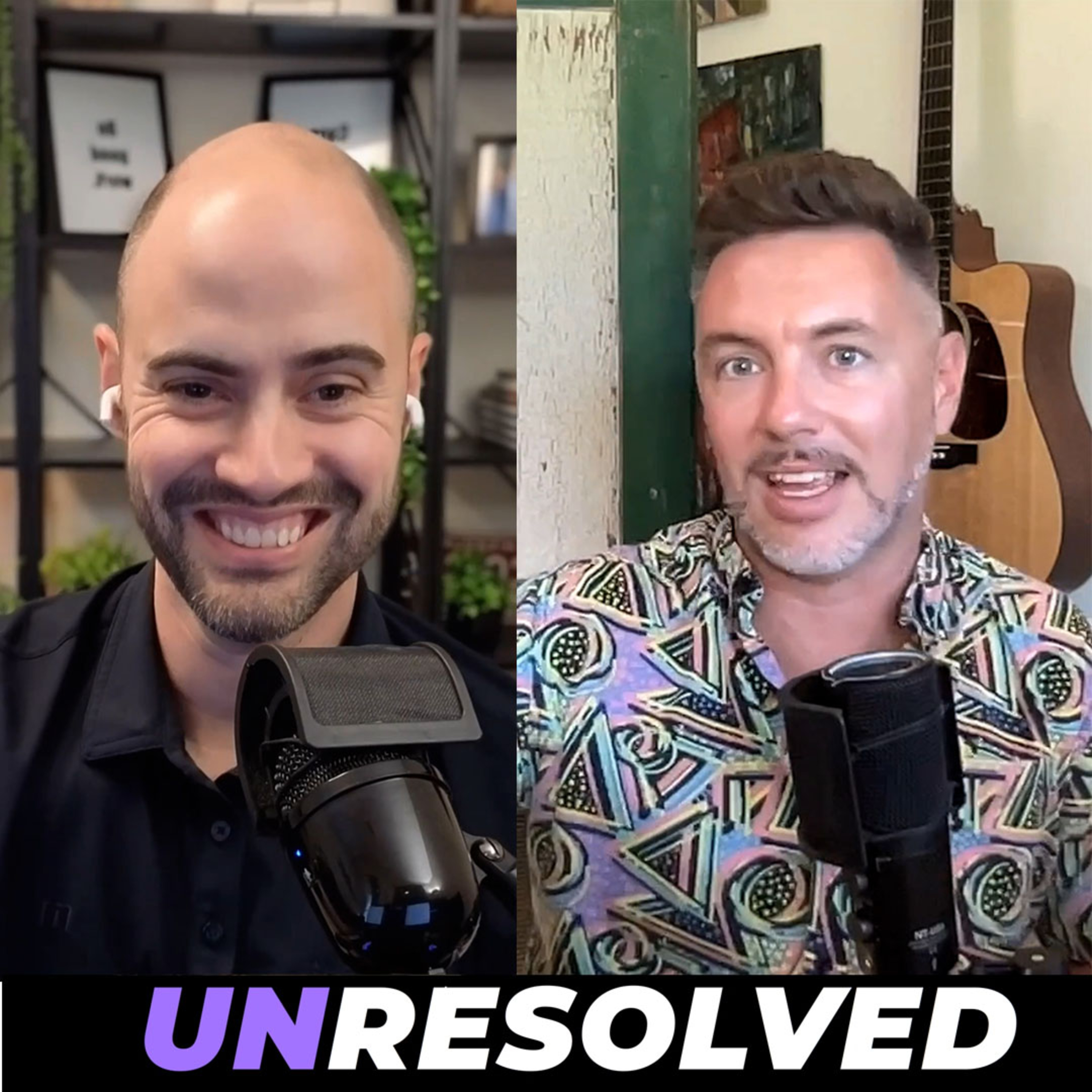 Unresolved.cx - When Feedback Has To Matter - Paul TuckerUnresolved.cx · on MCP (Model Context Protocol)80 / 100
 #40: FX & Global Payments Insights with Marc Racette CEO of PulseFXFintrepreneur · on Stripe78 / 100
 MicroConf Tactics: Start a SaaS From $0 in 2026MicroConf On Air · on Stripe77 / 100464: Our Podcast "Sabbatical" and Cascade Energy Acquires Yield!61 / 100463: Heritable Agriculture, a Google spinout, is bringing AI to crop breeding461: The Newest Nuss Farms Customer: Chipotle!460: Leaf's CEO on Raising $13M Series B Led by Bayer459: Have We Finally Hit AgTech's Bottom?