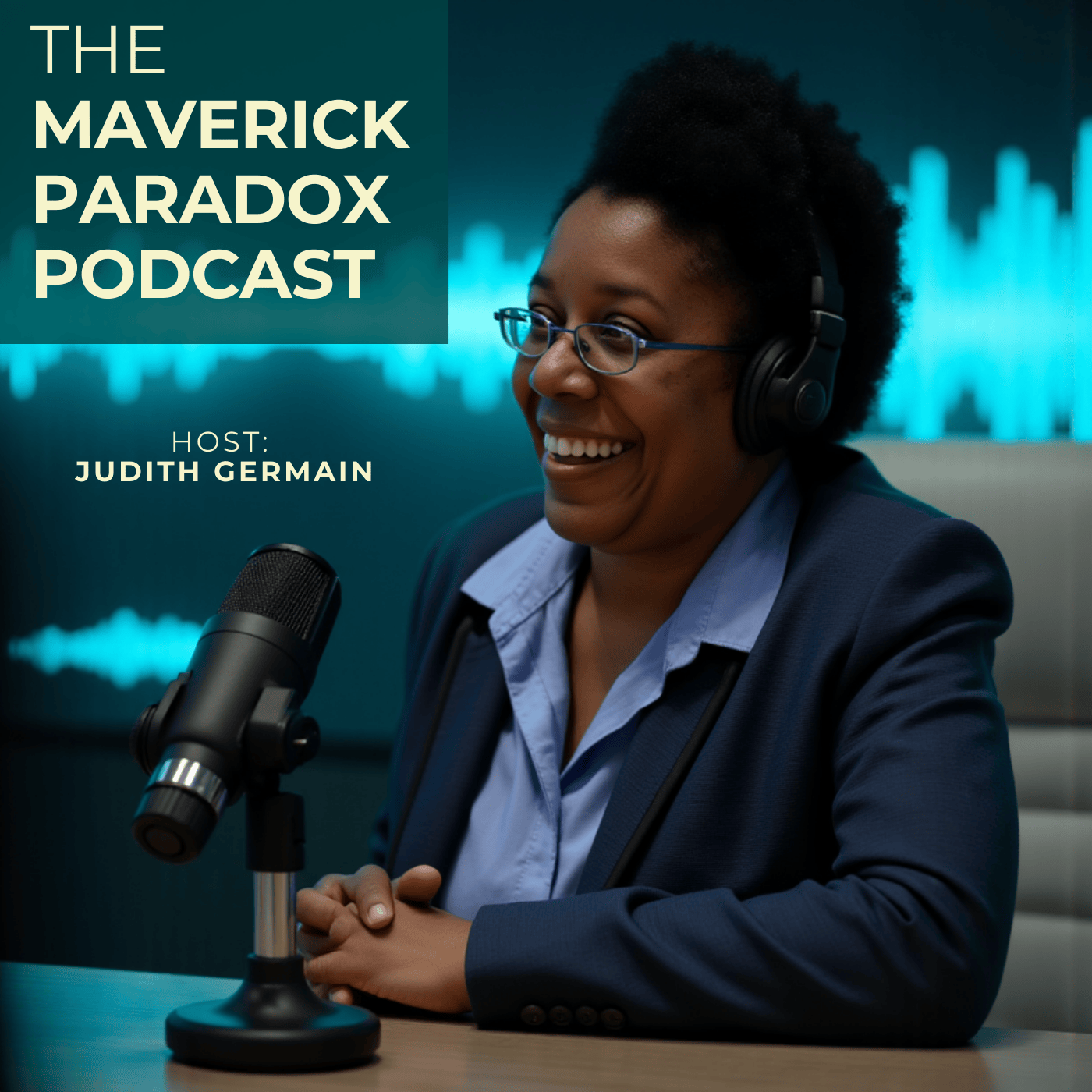
The Maverick Paradox Podcast · 2026-03-23 · 46 min
Key moments - from our scoring
Substance score
29 / 100
Five dimensions, 20 points each
Terry Seal brings a contrarian perspective to biohacking, challenging the assumption that nicotine is universally harmful. Drawing on research from the National Institute of Health and 30 years of NRT (nicotine replacement therapy) studies, she explores how the molecule itself - separated from combustion and tobacco industry deception - may enhance cognitive function, memory recall, and focus in low-risk formats like nicotine lozenges, pouches (snus), and lozenges. Seal frames this alongside other evidence-based biohacking practices: hydration, sleep optimization, red light therapy, sauna and cold plunge contrast therapy, and nootropics like rhodiola, lion's mane, and ketones. She draws parallels to medical cannabis - where THC is isolated from combustion for therapeutic benefit. A significant portion addresses the gender health gap: women experience monthly hormonal rewiring (unlike men's circadian cycles), affecting cognitive performance, pain management, and energy. Seal's own journey with endometriosis and perimenopause - conditions she struggled to get diagnosed and treated - led her to self-experiment with biohacking tools and nervous system regulation techniques like meditation and stress management, emphasizing that biohacking isn't just supplements but also emotional and physiological optimization.
Over 30 years of research on nicotine replacement therapies (NRTs) conducted by the UK and US health institutes show nicotine can enhance word recall, focus, and general cognitive ability - but only when separated from combustion; smoking is still harmful and causes cancer.
Women experience monthly hormonal rewiring (different hormones every day across a 28-32 day cycle) that affects brain function, pain, and performance, yet doctors often lack training to address conditions like endometriosis and perimenopause, leaving women to self-experiment without proper support.
Nicotine is absorbed through oral mucosa (inside the mouth) and skin, so lozenges and patches work by letting it absorb slowly over time; cannabis THC absorbs well through the stomach, making edibles effective, so delivery methods differ significantly.
Sleep, hydration with proper electrolytes, daylight exposure, movement, and proper nutrition deliver the biggest impact; most people are dehydrated or salt-deficient, which alone causes brain fog and impairs cognitive function.
Nicotine is addictive (psychological and physiological), and oral nicotine poses potential downsides to oral health; however, addiction remains the largest concern when separated from combustion-related cancers.
Our reviewer’s read on each dimension, with quotes from the episode.
The episode is overwhelmed by biographical throat-clearing, TV preferences, name-origin stories, and truffle-hunting dogs. The substantive claims about nicotine (cognitive benefits, oral absorption, gender health gap, cycle-syncing) are real topics but delivered at the shallowest possible level with no mechanistic depth, no data, and no novel framing a curious operator wouldn't already have encountered from a quick Google search.
even according to National Institute of Health, the nhs. Ah. You know it is, you know Based on over 30 years of studies done on um, nicotine lozenges primarily
intermittent fasting can be really stressful and spike your cortisol if not done in the right way as a woman
The central reframe - nicotine molecule separated from combustion may have cognitive merit - is the dominant idea in biohacking circles and is not argued from first principles here. Every other idea (cannabis parallel, cycle syncing, imposter syndrome tips for women) is recycled and unattributed commentary that circulates widely without any fresh angle.
nicotine and caffeine are some of the oldest, longest used substances, uh, in our society
some of those loud voices out there, including Dave Asprey, have latched onto those scientific studies
Terry Seal is a genuine practitioner - eight years in CPG private label, an operational VC role in Berlin, a wine-tech founder, and now building an actual nicotine product - which gives her legitimate operator standing. However her command of the underlying science is surface-level, she references no clinical depth, and the conversation reveals more personal-health narrative than hard-won product or go-to-market expertise.
I was at the time working with Ventures, um, on an operational VC in Berlin
I am the only venture lead in our company who's a woman
Almost no concrete evidence is offered: studies are described only as 'over 20, 25 years old' and 'from the 80s and 90s' with no titles, journals, or effect sizes; no product metrics, no funding figures, no named competitors, and no clinical outcomes. The episode trades almost entirely in vague gestures toward science.
some of them, you know, even quite, quite old, over 20, 25 years old at this point, uh, from the 80s and 90s
they've been around for over 30 years, so they've been studied and monitored by health authorities
The host opens with a favourite-TV-show question and spends several minutes on name etymology and truffle-hunting before reaching substance; she frequently redirects to her own experiences and anecdotes (brain hacking, imposter syndrome work) rather than probing the guest's claims. Occasional decent prompts - asking about five-year safety risk, youth appeal, and pregnant-women disclaimers - are undermined by a complete absence of pushback on any specific nicotine efficacy or addiction claim.
What's your favorite TV show?
do you have like five things that you think a woman should do in a male dominated industry
Computed from the transcript - who did the talking, and the words that came up most.
In today's episode Judith Germain speaks to Terry Seal about biohacking, nicotine, and navigating male-dominated industries. Motivated by her experiences with perimenopause and endometriosis, Terry Seal began exploring alternative approaches to pain and stress through the biohacking community. This journey led her into emerging research on nervous system regulation and cognitive performance, including the wider scientific debate around nicotine's potential and acknowledged risks. Key Takeaways Biohacking is a personal journey for Terri Seal, who used it to manage endometriosis and perimenopause after finding conventional medicine inadequate. Biohackers are reframing nicotine, citing studies on lozenges and pouches. This is distinct from smoking, which is universally condemned. Terri Seal's company, VELTS, takes a highly responsible approach to this controversial product, using adult-oriented flavors (e.g., grapefruit rosemary) and strict marketing to avoid youth appeal and prevent non-users from starting. Navigating male-dominated fields requires specific skills, including emotional regulation, confidence-building, finding allies, and actively managing imposter syndrome.
Transcribed and scored by The B2B Podcast Index.
Speaker A: Foreign.
Speaker B: Maverick Paradox Podcast. I'm joined by Terry Seal, fire hacker, venture builder and challenger of convention, to explore a question most people wouldn't dare ask. Can a molecule we've labeled bad actually have benefits? We unpack, um, nicotine, the gender health gap, and what it really means to make informed adult decisions in a world of marketing noise. If you're ready to question assumptions and think for yourself, this conversation may well be a stretch. Welcome to the Maverick Paradox podcast, the show for business owners, organisational leaders and the pathologically curious. I'm, um, Judith Germain, a Maverick leadership expert exploring what it really takes to, to lead in a world that doesn't always make sense. If you're ready to think differently, challenge the status quo, navigate complexity and drive real impact, you're in the right place.
Speaker A: But also, I don't think we talk enough about some of the other emotional side of biohacking, you know, so like the nervous system, regulation, you know, meditation, trying to also, you know, give myself tools to better manage the stress. I, you know, think as well as a, a part of, of biohacking, um, or just increasing your health overall.
Speaker B: And today our guest is Terry Seal. How are you doing, Terry?
Speaker A: I'm, um. Well, thank you. Thanks for having me.
Speaker B: You're welcome. Terry, tell me, what's your favorite TV show?
Speaker A: Uh, oh, I was like, I'm not ready for that one.
Speaker B: Um, uh, I like detective stuff, but the unusual detective stuff like Columbo or Sherlock Holmes, that kind of.
Speaker A: Ah. Uh, yeah. Um, I mean I kind of either lean towards, um, in the comedy like direction and there's uh, of course south park is never disappoints there. Not that I think it's my favorite show, but I like to kind of get into a space that's so somewhat positive and fun with the tv, um, rather than, you know, like really kind of dark, violent, sort of, I don't know, things. Um, just. I think there's enough of that out there and just, yeah, want to laugh and have fun. Basically. Rick and Morty, you know, south park, that kind of fun stuff.
Speaker B: That makes sense. All right then, that's good. So tell us a little bit about you.
Speaker A: Yeah, so from originally from, you know, the US kind of grew up moving quite a bit. You know, my dad was in the retail industry, so as the nature of that, you kind of move as things get bought and sold and, you know, integrated. Um, and then landed in New York where I started my career primarily in the consumer packaged goods industry, really. First started developing private brand products for retailers. So you know, similar to like Tesco's here in the US and all those Tesco brand products. Um, um, that's what I spent the first around eight years of my career doing in New York before I got a bit into the wine industry and through the whole love personal journey got found my way over to Germany and been here for about 10 years. And yeah, super, very much in this, this world of consumer packaged goods, we're laced with technologies and technology and venturing. Um, yeah. And besides that, you know, I love cooking as a hobby. I have a dog who is, um, trained for truffle hunting. So kind of very much.
Speaker B: Oh, wow, that's.
Speaker A: Yeah, it was a quite, ah, a journey and it's really fun. It's fun to have that sort of bonding activity and to see, you know, your dog, like really love it. Um, it's something he's super excited about and like his ultimate day is probably, if he had to pick would be, oh, truffle hunting.
Speaker B: Well, it's always nice to have truffles too. So I noticed your name, Terry, is with a Y and not an I, which is normally the masculine way of saying it. Is there a particular reason or did you just like the. Why?
Speaker A: Yes. Uh, well, so the, the story is, you know, my, my parents didn't really have a name plan until the delivery room and my mom loves telling the story that my dad was kind of shopping around some ex girlfriend names and then one of our good family friends is named Terry, also a woman, so I took on her name. Although interestingly enough, my great grandmother is named Carrie. So maybe there's something in there and probably should have been named Carrie in the end. But yeah, so it's kind of funny and everyone asks as well. It's always, yeah, so it's not short for anything. Uh, and yeah, it's an interesting, interesting.
Speaker B: I thought you was going to. I thought he was going to say, oh, my dad registered the birth and he spoke it wrong. Because so many times people say that, don't they? We say like, oh, my dad sport it wrong. My mum was really upset.
Speaker A: I thought you said that.
Speaker B: Yeah. What was your best, what was your best friend say about you?
Speaker A: I mean, they would definitely say that. Um, yeah, I'm kind and considerate, patient, good listener and yeah, very much loyal, you know, through thick and thin. Have a lot of friends that go back, way back. Even though we've moved and you know, live in different countries, uh, we're always able to, to really pick back up where we left off and have that Feeling of, you know, like it was yesterday since we've seen each other.
Speaker B: Cool. Thank you for that. It's always interesting to know what other people see is like. Now I understand that you've kind of come into this biohacking route. So could you tell us first of all, what is biohacking and how did you get to where you are, um, from where you've been?
Speaker A: Yeah, absolutely. So I mean, biohacking in the simplest terms are, you know, activities that you can do to, to hack your health and, you know, tap into improving your mitochondrial health. And this can be really simple things like getting daylight, uh, getting proper sleep. Hydration is a huge one all the way down to, you know, things that are kind of increasing in popularity like red light therapy. I think we're all pretty familiar with contrast therapy. So sauna and, and cold plunges, as well as in a load of other modalities, um, you know, including nootropics. Um, so yeah, it's really just anything that you can do to improve your health on this cellular level and you know, it doesn't need to be expensive or complicated. Honestly, the most simple things are what, uh, make the biggest impact. Sleep, movement, eating the right things, staying hydrated. Um, um, we had, you know, Dave, the, one of the founders of biohacking, ah. At uh, our launch event here in London and we were talking about, you know, exactly, biohacking. Like, what would be the top things. I got on a bit to brain fog and I'm like, you know, where does one start if you have that issue? And the answer was hydration. Like you probably are deficient in some electrolytes or salt. So it's kind of incredible how such simple things actually can be the key to feeling better.
Speaker B: Hmm. Okay, so did you say nootropics? Did you say.
Speaker A: Yes. So what is that? Nootropics. So nootropics are, um, um, you know, so called smart drugs, even though they're, most of them are not drugs. So these are things that you can take that are really aimed at improving your cognition, your memory, just general kind of brain health. Uh, uh, so these include things like, of course, our favorite caffeine. I think most of us have all, all use caffeine to get into our workflow, feel a bit better for the day. Uh, um, that can also be things like rhodiola, lion's mane. Both of those have been shown to help improve, you know, focus and again, even electrolytes, making sure you're hydrated. As we know, a dehydrated brain, you Know that massively decreases your, your cognitive abilities. Um so you know, very simple, I wouldn't class water maybe as a nootropic. So it's just really this class of actives. I would say that again people use to you know increase, increase performance. Um also forgot ketones is important one because your body can produce produce ketones on its own either through a ketogenic diet or even through fasting. When you switch over into that, that state of produ producing ketones. A lot of people report after you know these multi day fasts how clear and you know like sharp they felt mentally. And ketones are also something you can you know take as well with MCT oil. I know this bulletproof coffee is um, is and still was and still is very popular. Uh where you add you know, butter into your coffee with some NCT oil to help increase the level of ketones. Um uh. So yeah, even things again that your body produces could fall into that, that class of.
Speaker B: No, some of that stuff feels very counterintuitive. Like butter in your coffee just seems weird. And nicotine as something good. So sounds counterintuitive. So can you tell me a bit more about that?
Speaker A: Yeah, I mean I guess starting first with the uh, butter coffee. I mean certainly that's I'm kind of with you. I don't actually enjoy drinking that much. So when I'm trying to dip into the you know increasing my ketones I will just take NCT oil on top of like a chia um mix or something that's um, more palatable for me. You know even according to National Institute of Health, the nhs. Ah. You know it is, you know Based on over 30 years of studies done on um, nicotine lozenges primarily. You know there, there is a separation of you know, nicotine in itself in these lower risk um formats um, you know, can potentially provide these, these benefits, these increases in performance particularly on the cognitive side. Again, word recall, ability to focus, um, those sort of things.
Speaker B: Okay. Because there's been. Because when you say nicotine.
Speaker A: Mhm.
Speaker B: It's hard not to think of the tobacco industry and it's hard not to think about the bad history. And you know my mind goes back, not that I was alive then, I hasten to add, but like the marabar adverts of the guys dressed up and the adverts that says you know, your doctor prefers a marrow or whatever and then the years later discovering that it's been really bad for you. So with the nicotine tablets for example, lotions. Is there a danger that can like five years time, some are going to say, actually these were really bad.
Speaker A: I mean, I mean, great question. And certainly the, you know, tobacco industry did no favors to themselves long term by kind of participating in extremely deceptive marketing practices and you know, seeding the products in the way, you know, such as what you mentioned, you know, getting doctors to recommend smoking. I mean, we know smoking is bad and it causes cancers all throughout the body and is certainly something everyone should avoid. And to your point about, you know, in five years, will it come out that, you know, these, you know, nicotine tablets or what's really popular right now, the, the white snus and nicotine pouches, um, you know, will there be overlooked over time, some, you know, similar negative effects that come from that? Um, I mean, it could, it is possible. Uh, I would just reference. So at least, I mean, there's two or three things. One is certainly the, the research done by the health institutes, both in the UK is quite strong on this as well as the us. Um, you know, they are looking at this over, over time and when you look at the data, at least again conducted on NRS, which, you know, our product is, is not NRT. But, um, so these nicotine replacement therapies, which are lozenges, they've been around for over 30 years, so they've been studied and monitored by health authorities. And again, the addiction is certainly the largest issue there, um, as well as potential downsides on oral health.
Speaker B: So we started off talking about biohackers and biohackers reframing nicotine. I mean, this is a big ask really, so, you know, because I think for years we've just gone nicotine bad. You know, um, it's not, hasn't even had the same thing as like alcohol, alcohol good, alcohol bad, alcohol good. You know, we're kind of still stuck with good, bad, good, bad, maybe less, you know. Um, so how are biohackers reframing that conversation around nicotine and what are the things that we should be looking out for?
Speaker A: Yeah, so in terms of this biohacking space, um, you know, some of those loud voices out there, including Dave Asprey, have latched onto those scientific studies and there are a number of studies out there, some of them, you know, even quite, quite old, over 20, 25 years old at this point, uh, from the 80s and 90s, um, you know, linking nicotine to, you know, cognitive enhancement. Uh, so they kind of latched on to that, you know, that research and started self experimenting, really. Um, so it kind of started in this very like niche self experimentation zone where you know, they're you know, self experimenting with a lot of different things, not even just nicotine. Um, um, so it, yeah, really started in that niche conversation, but still really based on, you know, scientific studies that did point that out and then experimenting on their own bodies and finding that for them, not for everyone, but for certain people, that it really clicked and made sense and you know, was something they wanted to integrate into their lives. I mean biohacking as well has in certainly the last five years extremely accelerated. You know, you have voices like Andrew Huberman. Now everyone, not everyone, but a lot of people are familiar with Brian Johnson. The uh, he's very focused on longevity and trying to not die.
Speaker B: Oh, is that the millionaire? Is that the.
Speaker A: Exactly, yeah. So the Netflix documentary.
Speaker B: Yeah, I saw the documentary.
Speaker A: Yeah, he's, you know, he's actually against nicotine. But um, there's you know, definitely a solid discourse out there. But you know, as that ah, biohacking just kind of expanded and they keep looking at really anything that one can do or take. Um, um, you know, naturally going back to nicotine kind of was inevitable in a way. I mean nicotine and caffeine are some of the oldest, longest used substances, uh, in our society. I mean so many authors, I mean, have written books on that combination nicotine and caffeine. Whereas other things like you mentioned alcohol, um, you know, I think where the science is coalescing around the fact that there's actually not really any positive sides to alcohol. Um, so yeah, so it is, it is really based on the, the efficacy and the science there. And if you can remove some of the, or some, or most of the downsides of getting away from combustion. Um, again, not in any way to say that it's a hundred percent safe or non addictive. M. But there are merits to nicotine as a molecule and yeah, it's a, you know, there's biohackers. I mean they really try anything and again, I think they keep circling back around nicotine because it's, you know, available, it's not expensive and it has, you know, a clear impact on their performance. Um, um, so it's a very interesting.
Speaker B: So that's what they're saying for them it makes a difference. So is it a bit like nicotine and cannabis in the sense that cannabis has been um, deemed illegal in most places for a long period of time and now they've taken out the THC element of it and well, some places you can have it for medical uses and that has seemed to Be helping people through pain management and anxiety and stuff like that sort of medical grade cannabis. Is this a similar sort of thing that you're seeing with nicotine then?
Speaker A: Yes, I think there's definitely parallels, um, to the cannabis, you know, medical cannabis side. Um, certainly THC is not as positive when it comes to the cognitive impacts, but all those things that you mentioned, pain management, sleep is a big one, um, appetite for, you know, cancer patients who are struggling to eat. Um, and you can, if you can, abstract the THC from the combustion which, you know, smoking cannabis is not great for you, even though it has some, um, real noted medical impacts. Um, you know, it is very much the same. If we can remove the combustion from that and have safer alternatives that are really just about, you know, thc, the molecule in that cannabis case, um, then, you know, the, the risk of taking it are a lot lower. I think it's a great parallel because also THC can be, um, psychologically addictive, you know, emotionally addictive, and there are some physiological addiction things. So, um, so it has a lot of parallels to, to the space, uh, or to nicotine.
Speaker B: Yeah. Okay, so is the nicotine edibles in the same ways as cannabis edibles, or is there something similar but different?
Speaker A: Um, they are similar, but different. And the main difference is that, uh, you know, THC is absorbed very well through, you know, through your stomach. So ingesting a cannabis gummy or a cannabis drink or whatever that works, nicotine, um, is absorbed and then, you know, of course, through our lungs, um, as we know, through vaping and smoking, but also through our oral mucosa. So it's absorbed through, you know, in the cavity of your mouth. So with oral nicotine, you have to let it absorb properly there. It's also absorbed properly quite well through your skin, as we know, from nicotine powder, uh, patches, although at a much lower, slower rate. Um, um. But, yeah, so that's the main, main difference, but it's still kind of the same in that you can have a, a, a nicotine lozenge or a nicotine tab that you, uh, put into your mouth and let it slowly absorb over time.
Speaker B: Okay. The Maverick Paradox Magazine. The Maverick Paradox Magazine is for the pathologically curious. Written by a swagger of socialized mavericks who are divergent thinkers, the magazine tackles the biggest issues affecting maverick leaders today. You might be a business owner or a leader within an organization who wants to have your thinking challenged, to be exposed to a diversity of thought, or to learn from diverse experts in their fields. If so, the Maverick Paradox Magazine is for you. Join the swagger@themavericparadox.com and engage in the conversation. What made you go into this? I mean, what's your story? It's a strange story, isn't it, in the sense that someone comes up with the idea of hello, sucking a nicotine lodging, if not.
Speaker A: Yeah, I know, right? Um, um, yeah, it's a great question. I mean it does go a little bit back to, you know, how I got into, you know, biohacking, which was, you know, I was at the time working with Ventures, um, on an operational VC in Berlin. And it was kind of twofold. First I got in touch with, you know, through some of my founders into some, some chat groups around biohacking, you know, microdosing, experimenting with Wim, Hof, breathing, sauna. Uh, you know, people did mention nicotine at the time, which you know, for me was like totally new, that people would be using it to, you know, increase their performance as well as that coincided uh, with a time when I was struggling with really two, two topics. One, endometriosis and still really in that gap of di, like having a firm diagnosis and know it was causing so many issues for me, so dealing with a lot of pain and low energy as well as I didn't quite know it yet for another two years but already entering into um, perimenopause. So just all the things were happening, you know, it wasn't managing stress as well. I was starting to not sleep as well, my energy levels were low, the brain fog was hitting, um, and I didn't have a lot of answers going to um, my doctor. So it kind of led me in that to self experiment, try, you know, read what I could get inspired by, you know, biohacker voices, listen to as many podcasts as I could and just try out different things really in the first stop to like reduce my pain and, and sleep a bit better and then hopefully that would kind of help me be a bit more focused and manage the stress. Um, um. So that really got me into, yeah, the biohacking space and you know, I'm, you know, very obvious things like again the sleep, nutrition, hydration. But also I don't think we talk enough about some of the other emotional side of biohacking, you know, so like the nervous system regulation, you know, meditation, trying to also, you know, give myself tools to better manage the stress. I, you know, think as well as a part of, of biohacking, um, or just increasing your health overall. Um, um. So yeah, it was a bit of a like you Know, twofold, getting inspired, getting in touch with these people who were experimenting with different things that kind of opened my eyes to like, these are people I really respect and they're like, working hard and, you know, amazing people and like, they're, you know, dabbling with nicotine, um, and a lot of other things as well as, again, my, my own personal journey of just being honestly, really, really desperate. And in that gap, um, you know, the double two of those, those big topics, you know, there is a big gender healthcare gap. And yeah, even now I'm, uh, you know, talking with my ob GYN and she looks at me straight like, I know, like this gender health cap is so real because I'm like, which doctor is going to be able to help me sort out all of these things? And it'. Um, you know, when my ob GYN is telling me that like, I understand this is a problem and I see that as a medical professional, you know, you kind of have a problem. And. Yeah, so that's again, my, my journey into biohacking. Um, and it's still continuing. I'm still switching around and trying different things and, you know, just trying to figure out what works for me long term. Um, um, and most of the things I do are pretty, um, uncomplicated, like avoiding my screen before sleeping, drinking enough water, all that kind of stuff.
Speaker B: So, yeah, literally, I think it was over to this morning or yesterday. I was reading an article where they proved how the female body is certainly proved. It's kind of obvious we're kind of different from guys, but in a sense that like when you have your period, your brain rewires like every month your brain's been rewired. It's like, you know, and all these other things like, you know, we have heart attacks in a different way than the guys do.
Speaker A: Yeah.
Speaker B: And all. And how you can't ignore the hormones and this is what, you know, and this is what's it's affecting. And it was quite a shock, you kind of know. But it's different when you actually read it and you sort of go, okay. Because I didn't realize that menopause re. Rewired the brain completely and pregnancy does. And so I guess if anything, maybe women are the ultimate biohack because we're constantly rewiring our brain.
Speaker A: We are, we are. I love. Yes, I love that statement. Um, um. And it's so true. I mean, I, I wish I knew some of this information sooner about, you know, this. You know, we do have a 28. You know, roughly everyone's a bit different. Right. But 28, 32 day cycle and on any given day your hormone levels could be different. Whereas men have, you know, they have, they go through a day and they have nighttime and daytime kind of hormones, right, like adrenaline waking you up, some cortisol. But they do not have that daily uh, change or that like for, you know, change. And it's so real how that can impact your performance. And you can even tap into those certain times of the month that are better for certain things. Like right after your cycle you're feeling energized and good. So that might be a good time to really take, you know, undertake um, you know, very mentally or physically tasking challenges. Whereas during your, your cycle when you're menstruating, um, you know, it's a good time to reflect and look inwards and. Yeah, exactly. And like we kind of beat ourselves up for that. But it's like no, that's like listen to your body and there's some great voices out there that are, you know, spreading the words I think in the US Like Mindy Peltz is one who really got me onto um, you know, how you can kind of cycle sync and even build in fasting to, in the right way for women. Because you know, that's one of the things, intermittent fasting, you know, again it has its merits but most of the research was done on men and actually intermittent fasting can be really stressful and spike your cortisol if not done in the right way as a woman.
Speaker B: It's all complicated. So what's it been like then for you to, to move into such a male dominated industry?
Speaker A: Yes. So it's, you know, not, of course not without its challenges. You know, this started quite early when I started working in the wine world. So after I was doing my, during the time I was completing my masters and working in consumer, uh, packaged goods, you know, on very standard type products, dairy products, frozen goods. Um, I was kind of, you know, interested in something new. Got into the space of wine and was uh, also a CEO at quite a young age. And remember kind of walking into those rooms and getting, getting the looks of, you know, we uh, know why, how she's here, how she got here, or just assuming I'm the marketing assistant, um, which still happens on occasion quite interestingly. Um, so yeah, it's been really um, you know, challenging. It does force you to kind of look inward though in terms of how you show up in those spaces. And um, you know, it's taken me a while I think to Kind of figure, figure it out how to show up, um, for me in those spaces and you know, protect my energy and try to understand, you know, why I might be getting, you know, triggered in certain scenarios. Not that you know, to say that people can't be just outright not good people or not nice in certain situations. But um, you know, often it is like once you kind of get that awareness of some of those, those like bullies in the room can just be, um, you know, you know, their, their inner child is not in a good place. Right. Um, so it's been, it's been interesting. You know, it's definitely challenging being the only woman sometimes in those spaces. And as well in the nicotine industry is again another extremely male dominated space as well as uh, venturing early stage ventures. Um, you know, kind of the same thing when you, yeah. Whether it's looking at funding or the number of, you know, women as founders, you know, those numbers are significantly lower than the funding that goes to men and the number of men who are founding companies. Um, so yeah, I don't know, I must have just been assigned this challenge at birth to, to be um, the you know, swimming upstream if you will at times. Um, but yeah, you know, it's, it's still, you know, industries that I really enjoy and I'm passionate about. So you know, push through. And I think as well I. Wow. Such a difference now when I look when I first started my career to 2026, um, in terms of like the allyship, like you know, with finding men who support women in their careers and can elevate as well as women really banding together in a positive way to help each other and you know, network and support. So there's more support systems out there but you know, can definitely be a very lonely, challenging um, space. But you know, if you own your craft and have the credibility as an expert and know what you're doing, I think ultimately you can, you know, push through that. But it's not without those days that really make you like, question why, why am I here?
Speaker B: So, okay, so is it harder than, was it harder than getting funding as you say, in venture capital capital?
Speaker A: Yes, it is. Yeah. Um, I've worked on both sides, both on the allocation of funding and being um, you know, fundraising. Um, so not for this current venture, I would say that was, you know, quite generally quite a positive experience. Um, however, I am the only venture lead in our company who's a woman. So that I think speaks quite heavily to that point of um, there's not a lot of us or enough of us out there. Um, but I recall when I was fundraising, I had a, when I first moved to Germany, um, about 10 years ago now, I was fundraising for a wine matching algorithm. So it built the ability to kind of recommend different wines. You would take a little short questionnaire and it would say, hey, you know, get this such and such wine for, you know, your fish meal or what have you. And I recall in the fundraising time, um, yeah, I mean you would just get. When I would sometimes go onto calls by myself, um, you know, and I would have, you know, I would just get really questioned, particularly on the financials, like some reason just, I don't know, women can't do financials or whatever. Or some men have a really difficult time believing that and they would just grill me like up and down about it. And then I would have maybe a follow up call and I would bring on one of my co founders or someone from the team and it would just be the attitude shift, you know, and, or even if I would have, you know, sometimes I would have my team on there and I would kind of answer a question and then it falls on deaf ear somehow. And then my, my colleague would answer and they would just be like, oh, okay, yeah, so it is there. I mean, I think it is getting a lot better. But you know, even working on the allocation side, um, yeah, there are fewer women who. I don't know if we're just not encouraged enough or what it is, but you know, I saw far fewer applications coming in through our programs, uh, for female or like female led ideas. Um, and yeah, again, that's okay.
Speaker B: So do you have like five things that you think a woman should do in a male dominated industry? Yes.
Speaker A: Um, I mean, so for like the first one is for me, definitely looking inward into your ability to regulate. I think that's so important. And so I mean like regulate your emotions. Kind of this nervous system regulation. Um, I think it's something I'm only now kind of getting the full hang of. Um, because yeah, that really impacts your performance and how you show up in different rooms. And that's something you can completely control. Right? It's uh, within, within that, um, confidence. I think seeing confidence not as this nebulous, hey, it's, it's out there, but really building your confidence as a skill. Um, whether that's through, yeah, visualization or manifestation or other things that you can do. Um, I think also owning, you know, owning your craft, um, if it helps you show up and feel more confident if you've Done the work and you've put in, you know, the practice to show up in such a way, uh, as well as finding, yeah, more allies, mentors is a bit, um, of a different category. But identifying those, those men as well as women who are going to help and support women in their careers, um, you know, I know that made a huge difference for me and um, current, particularly in my current environment. I, one of my investors is one of my biggest fans, as he says. So it's like, so important to have someone like that in your corner who you can call and, you know, ask for advice, vent sometimes. Um, and then also a fourth one would be, um, you know, again, it's in this nervous system regulation category. But, you know, understanding your own limited limiting beliefs, whether that's, you know, I'm not a good presenter or I'm, you know, not as good as so and so at, you know, pitching to investors, but like understanding, you know, your own personal limiting beliefs which could be holding you back, um, in certain areas, performance, um, um, and my last one, a bit related to that is this. You know, if you have imposter syndrome, which I think almost all of us do, at certain points in time, you know, finding out what that is about and, you know, how you and it can again, train yourself to, um, have less of that. Not that it can ever goes away. There's always like, moments where it kind of kicks up, but it's really fascinating just to sit back and reflect on what is triggering that and what can I do to train my brain or like, rewire habits so that, you know, I can show up on the stage and feel confident presenting in front of 50 people, or I can go into a room of only men and pitch for funding and know that I have a seat in the, uh, you know, I deserve a seat at that table, right? Um, um, yeah, I think so. I think it's a very long, lifelong journey on that imposter syndrome thing. But the sooner you can get in there and start questioning your own emotional, you know, triggers, I think the better off you'll be. And I say that as 42 and I'm still figuring that one out, so.
Speaker B: I know what you mean. I, I help people with imposter syndrome, and I found that I, uh, also help them with the brain hacking side of it as well. Interesting. Yeah, so in the techniques that I talk about it, you know, in the mentoring, I include brain hacking exercises for them to do. Um, and I found that people, like one person reported that their imposter syndrome had reduced to about reduced by about 97%, they said in after three sessions, and they were teaching their colleagues what to do because it was that useful. They're going, what you need to do is. But, yeah, so it certainly. It is certainly possible. Um, and I think it's a lot to do with how you. How you see. How you see imposter syndrome.
Speaker A: Um, may I ask what these hacks are like? What kind of. In general, the modalities or tools? Um, yeah. So
Speaker B: part of it is understanding where the root comes from. So there's a little bit. So the way I look at things is that you don't need to take someone to a point of trauma to solve it, where people like to seem to leave people in this traumatic state for some reason. I'm not too sure why. But, um, you think you kind of need to know where it comes from. And that can be. That doesn't take hardly any time. And then you deal with it from a cognitive basis. And then the hacking is depending on. So it really depends on what they've said is that I can give them exercises of how they can think or how they can reframe. So some of it is reframing, so sometimes even live. They'll start talking and I will just reframe as they're talking. And then it's like, oh, yeah. And then you can hear the difference it makes because they'll start talking and then immediately dive into a reframe. They don't even get to finish the sentence because they get used to reframing. And also there's exercises that you can do about how you see things. And it kind of, like, helps to rewire the brain so that you don't have, um, negative talk going on. So he's keeping the brain from being toxic, really, from that perspective.
Speaker A: So I love that.
Speaker B: That's.
Speaker A: Um. We just had this past weekend, Maya Raichura speaking. And you know her, one of her last statements was like, your brain is like a puppy. If you don't train it, it's going to poo all over the place. And it's so true. Yes, exactly.
Speaker B: You keep telling yourself you're stupid, then what are you going to be? You know, it's. It's as basic as that. So I totally get that. What would you say your mission is? What's your mission?
Speaker A: Uh, I mean, my mission is for me to spread the word, I think. I don't know. I've kind of become the. The endo slash perimenopause warrior, um, in a way of, like, spreading that If I can be, you know, inspired through our conversation or any others of like women to um, you know, seek the right support, introduce them to new tools or that's, you know, things like we are just discussing kind of reframing your thinking. Um, so that is a big, you know, focus for, you know, my personal life as well as, you know, something I think that can influence and impact others.
Speaker B: Yeah. So how are you going to ensure that the conversations that one end need to have is safe for consumers and sits within legislation morally as well as legally? Because it's very easy to be legal, but not so easy to be moral and legal, if you see what I mean.
Speaker A: Yeah, no, absolutely. Um, and it's a multi part effort there. I mean one we have for ourselves, um, fairly strict marketing standards, um, in terms of, you know, not appealing to youth, not appealing or promoting messages that would imply that, you know, the product is without risk. So um, you know, we have a very, you know, well it's, it's a document but it's not about having the document, it's about living by those beliefs. And um, so that's one, one element. Of course we do have the support of people like a compliance, regulatory, legal people who help, you know, read through every little thing and identify, hey, this could be misconstrued or interpreted in such or such way. Um, and as well, it's just part of our brand values. Um, you know, we want to be communicating in a transparent and intentional way and we want to be science backed. So if we're making a statement around, you know, whether it's product efficacy or any sort of statement around the impact of nicotine, it needs to actually be real and you know, a scientific study or a clinical study behind it or some sort of product test behind those statements. Um, so it's really important to me as a founder that we're not um, being disingenuous. Mhm. And staying true to that and you know, not getting into the territory of, yeah, predatory marketing. But you know, it really starts with that being part of the company values.
Speaker B: Okay. Because I remember, I think it was another Nick Fix documentary. I remember saying this thing about um, vapes, the early vapes. And they were designed to be cool.
Speaker A: Yeah.
Speaker B: Um, and then they had really cool flavors, um, which really kind of brought the youth. And then they had this whole. They tried, from what it seemed to be what the company was called, they tried very hard to stop youngsters vaping but were felt no uh, matter what they did, it was unable to do so because it was just Too cool a product. Uh, do you run the risk of that?
Speaker A: I mean it's, it's. Oh, ah, yes, I think that's a risk for any nicotine product. Right. That it has youth appeal and that it gets taken up in those categories. Um, we do everything in our power to avoid that. And you know, I don't want to call it the name for those of you haven't seen that documentary. But you know, they were going to events with like primarily crowds of 25 and under and you know, having a booth in the back of like a club kind of environment. Um, so, uh, yeah, there's certainly, um, and as well, that company did not, you know, they hired people who are very good at marketing but didn't know the tobacco industry. Uh, so. And on our team we do have people who know the nicotine and tobacco space, know the regulations, and are constantly, you know, by our side watching what we're doing. So that, I mean that risk is always there. Right. And that's something we're very intentional about not, um, aligning with, uh, whether that's with the packaging, making sure that's child safe, which makes it slightly less appealing and cool. Like have like little child safe buttons on it or like a, uh, you know, push and twist mechanism. Um, as well as, you know, while we do have flavors that are, you know, I think appealing and tasty, we do make sure that they're adult, you know, strawberry, black pepper, grapefruit, rosemary. So we aim to try to, you know, stay out of that zone and make sure that it's clearly positioned to adults and that we're in spaces, um, again, that are like not.
Speaker B: And you've been super clear about the addictive nature of nicotine is not. And I looked at your website, which is clearly stated, I think on the first page. So you know, you're trying to make people have um, informed decision making. And I guess, I suppose a part of not making it too cool, I guess is not encouraging non users to stop, start using nicotine as well.
Speaker A: Absolutely. Um, always say if anyone is coming. I mean we've had that interaction in our space. You know, people come up, hey, I'm not. We always ask that question, you know, are you currently nicotine user? And the answer, um, is no. We say, I'm sorry, you can't, you can't trial this product. Um, and you know, that's actually something then other nicotine users in the space have realized, hey, that's um, something I respect. So yeah, it's very important for us that we're not appealing to people who aren't already using nicotine. This is, you know, if anyone has any doubt about, hey, I might be ah, at risk for uh, you know, getting addicted to this or I quit smoking before. Should I try this? No, you shouldn't. Like, if there's any concern or any thought in your mind of like, maybe this is not right, then don't do it because it's, you know, it is an addictive molecule and not, uh, um, you know, that's a real, real fact and it's important that people aren't tempted by.
Speaker B: Do you have disclaimers for pregnant women, for example?
Speaker A: Uh, so we do. We have on our packaging, um, warnings for that. Definitely not for. Yeah, anyone pregnant or lactating should definitely not take nicotine.
Speaker B: Okay.
Speaker A: Just thought it was worth checking because
Speaker B: I was doing my research and it was saying that it's, you know, nicotine can be quite toxic for, you know, unborn babies and stuff.
Speaker A: So extremely. Yeah, so definitely it's good to see
Speaker B: you taking responsibility in that area. Before we close then, uh, Terry, is there anything that you want to add or say, share?
Speaker A: Um, no, I think we've, we've covered most of it and I'm just thinking,
Speaker B: I, uh, mean, you're challenging the status quo right now, aren't you? So is there anything there, is there anything that you need to do that's different?
Speaker A: Mhm.
Speaker B: In that space?
Speaker A: I mean, yeah, I guess in terms of this challenging the status quo, it's um, you know, staying true to what science, like what, what's and like what's real and what's responsible. Um, because yeah, there's, you know, conflicting voices and some people in the biohacking space in particular tend to take things quite far and make sometimes outlandish claims. So it is going to be a challenge to um, you know, stay true to what's, you know, what we can prove and what's, what's safe for people. Um, but yeah, that's, that's the everyday challenge there.
Speaker B: Okay, well, thank you so much for coming on the show and sort of talking us through a counterintuitive.
Speaker A: Well, thanks for having me. I appreciate it and appreciate as well the openness to, you know, a controversial topic at times. It was lovely.
Speaker B: You're welcome. And thank you out there for tuning in to the Maverick Paradox podcast. I'm your host, Judith Germain. I hope you enjoyed today's conversation.
Other episodes covering the same guests and topics, from across The B2B Podcast Index.
 Why Your Peptide Vendor Cannot Show You the Study | Elias Arjan | The Owner SeatThe Owner Seat · on red light therapy90 / 100
 Episode: 200 - Ridhi Tariyal on Bridging the Data Gap in Women’s HealthMedtech Talk · on Endometriosis87 / 100
 What’s Holding Back Women’s Health?Biology Matters · on Endometriosis81 / 100
 The Science of Longevity: Unlocking the Power of Carbon 60 with Chris Burres from MyVitalCHolistic Growth Podcast · on Biohacking65 / 100
 Filmmaker & Health Expert Jonathan Otto: Ignore This Red Light Protocol At Your Own Risk (#554)The Deep Wealth Podcast · on red light therapy61 / 100
 Viral Video Success Without Fancy EditingThe Proffitt Podcast · on perimenopause60 / 100Insights from an ex submarine officerEmpathy and clarity in the workplaceThe VC Landscape: Navigating seed stage fundraisingRewiring Your Mindset for a 24-Hour Work WeekFinding Your Passion and Purpose with Corey