
The Family Biz Show · 2026-05-14 · 56 min
Key moments - from our scoring
Substance score
43 / 100
Five dimensions, 20 points each
Successful family-owned construction businesses face a critical inflection point when growth outpaces their original operating model - a challenge that 95% of construction companies never confront because they remain under $10 million in annual revenue. This episode explores what happens when a construction business crosses that threshold and discovers that the founder's hustle-driven leadership style, relationship intensity, and reactive problem-solving that built the company become the exact constraints limiting further growth. The panel - including Ricky Stellar (Stellar Advisors), Roe Diffendorf (More Than Money 360), Jerry with Pro Excel Construction Coaching, and Anthony De Tucci (Livingston Associates) - identifies three critical failure modes: owner bottlenecks where all decisions funnel through the founder, coordination gaps where siloed advisors (CPAs, attorneys, investment managers, insurance professionals) create tax and estate planning inefficiencies, and unspoken family expectations that sabotage generational transitions. They argue that construction company success requires shifting from the "genius with a thousand helpers" model to distributed leadership through organizational development, accountability systems, and explicit family communication. Listeners will discover specific warning signs (endless approval queues, reactive firefighting, finger-pointing), why founders struggle to delegate despite obvious stress, and how multi-generational transitions succeed when the exiting leader sets a hard departure date and truly exits - as demonstrated by Roe's own fourth-to-fifth generation handoff.
Less than 5% of construction companies surpass $10 million in annual revenue; 67% do less than $1 million, 28% are between $1-10 million, and less than 0.5% exceed $100 million.
Warning signs include leadership team constantly waiting for owner approvals, finger-pointing among staff about responsibility, reactive problem-solving without planning ahead, and teams unable to plan weeks or months in advance because everything gets bottlenecked to the owner.
Set a specific departure date (Roe's father gave him 7 years), truly step aside and stop returning to the office, and don't create a lingering ghost presence by comparing new decisions to how the founder would have done things.
The coordination gap occurs when siloed advisors (CPAs, attorneys, investment managers, insurance professionals) make decisions in isolation without integrated strategy; it's solved by designating a "most trusted advisor" or coordinator to align all parties and account for tax, legal, and estate planning implications.
This is when the owner wraps their identity in the business and enjoys being the person everyone comes to for decisions, which feels needed and important but prevents the organization from becoming scalable and independent of their constant intervention.
Our reviewer’s read on each dimension, with quotes from the episode.
The episode opens with genuinely useful industry statistics (95% of construction companies never pass $10M) and has a few worthwhile practitioner insights, but the majority of content is generic advice - build an org chart, communicate with your family, coordinate advisors - presented at a surface level with substantial filler and mutual affirmations between panelists.
67% of construction companies, they do less than $1 million in annual revenue, 28% are between a million and 10 million. And less than a half of, uh, 1% surpass 100 million. That means 95% of construction companies never pass $10 million.
we spent all this time preparing the money for the heirs, and we spent no time preparing the heirs for the money
The framing of family as an asset class and the relay race succession metaphor are mildly fresh, but the bulk of the episode recycles well-worn family business consulting frameworks - buy-sell agreements, SOPs, governance structures, advisor coordination - without offering contrarian or first-principles arguments.
I actually think of family as an asset class.
they kind of become the dog that caught the car. In other words, like, they become a victim of their own success
The panel has genuine practitioner credibility - a fourth-generation family business leader with a 150-year firm navigating a fifth-generation handoff, and a construction coach tied to over $10B in project bids - but all four guests are primarily advisors and consultants selling services, not operators who built and scaled construction companies themselves.
I'm the fourth generation. Business is one, uh, hundred fifty years old this year.
Jerry's been involved with, you know, bidding well over $10 billion of work
The opening industry statistics provide a concrete anchor, and Roe's personal succession story adds some texture, but the episode almost entirely avoids named companies, specific revenue figures from client engagements, timelines, or measurable outcomes - defaulting instead to abstract principles and vague anecdotes.
67% of construction companies, they do less than $1 million in annual revenue, 28% are between a million and 10 million. And less than a half of, uh, 1% surpass 100 million.
We've been working with a very large farming family and they are passing down to their third generation right now.
The host occasionally pushes for elaboration (asking for warning signs, requesting an expansion of 'governance') and structures the conversation reasonably well, but there is no genuine pushback, no challenged claims, and the round-robin format produces a parade of 'love it' affirmations that prevents any idea from being explored with real depth.
Let me follow up on that too... if I'm an owner and I'm doing this right now, what are some of the warning signs that I should be looking for as an owner?
you use the word governance and not everybody understands what that means. What do you. Can you expand on that for just a second?
Computed from the transcript - who did the talking, and the words that came up most.
Growth can look like success from the outside. But inside a family-owned construction business, growth can also create pressure, confusion, and decisions the original business model was never designed to handle. "You built something successful, but why does it feel harder to run?" "Why is every decision still coming back to you?" "How do you pass the business forward without damaging the family?" "What happens when wealth grows faster than communication?" "Are your advisors solving separate problems, or helping you see the whole picture?" This conversation gives you the answer. In this episode, Michael Palumbos leads a powerful discussion on what it really takes to build sustainable success in family-owned construction businesses. The conversation explores why many construction companies outgrow the systems, leadership habits, and informal family assumptions that helped them succeed in the first place. You'll hear from Ricky Stellar, Roey Diefendorf, Jerry Aliberti, and Anthony DiTucci as they unpack the hidden pressures behind growth: owner dependency, unclear roles, siloed advisors, family expectations, succession tension, and the need for stronger governance.
Transcribed and scored by The B2B Podcast Index.
Speaker A: Welcome to the family Biz show where family business leaders become family legacy architects. We believe the future of your business, your wealth and your family doesn't happen by accident. It happens by alignment. Each week we bring you bold conversations, practical tools and generational insights to help you build a self operating business, a coordinated family wealth plan, and a sustainable legacy that lasts. Because it's not just about success today, it's about significance tomorrow. This is the family biz show. Build the flywheel, protect the legacy.
Speaker B: Welcome everybody and thanks for joining us. Uh, today's conversation, it's really focused specifically on, um, family owned construction businesses and more specifically, what happens when those businesses become successful enough that the original operating model no longer works the same way. Uh, because we consistently see is that growth changes more than the business. It changes leadership, decision making, wealth complexity, and family expectations and the pressure surrounding the business itself. So for like many successful construction companies, nobody ever told them that, that the game could change. And that's what we're going to unpack today. So when we look at the construction industry, it's one of the largest and most unique industries in the United States today. It's relationship driven, it's operationally intense, and it's also one of the most family owned industries in the country. I think it's number three in the family businesses. That's pretty significant that it's the third largest, you know, family business industry. But here's what people, most people don't realize is that 67% of construction companies, they do less than $1 million in annual revenue, 28% are between a million and 10 million. And less than a half of, uh, 1% surpass 100 million. That means 95% of construction companies never pass $10 million. So if you're on this call and you have surpassed $10 million, you're no longer playing the same game as 95% of your competitors out there. Most owners assume that they're, what they're experiencing is normal. But, but based on statistics, it's not. At a certain point, the business becomes something much larger and more complex than it was originally designed to handle. And the fact that your family owned construction businesses, this is rarely just about revenue, right? It's about family identity, leadership, reputation, you've got employees and what gets passed forward to the next generation. So before I introduce air panel, I just want to get a quick read from everybody. At what point do you usually start seeing businesses realize the game has changed? Jerry, I want to start with you, if that's all right.
Speaker C: Sure. So it's really quick. You want to just. Is getting, um, at their peak end. I mean, one of my clients, uh, a couple months ago, calls me up and says, if I don't fix this, I'm gonna have a heart attack. And within the next six months, you know. So what's that tell you? It tells you that the. It's just the. These particular people are just consuming way too much information. Right. So they need to start building out that org chart and bring in those new leaders who can start. Who they can start passing those, uh, outcomes and decisions to as well.
Speaker B: Great. Thank you, Ricky. From your perspective.
Speaker D: Yeah, Michael, thanks for asking. Uh, honestly, they usually start noticing when, just like as you said, they have vendors, they have families, they have different advisors that are all getting involved. And it's no longer just a conversation over the dinner table or over Sunday dinner. It's now board meetings and scheduled appointments into the future that need to be understood. And advisors often become siloed and they're not talking to each other. And the owner is none the wiser about how big this problem has become, and they need someone to help champion them through that.
Speaker C: So I think.
Speaker D: Thank you for that.
Speaker B: Yeah. Ro, you got a unique perspective on this.
Speaker E: Well, I would just say that when they figure out that the race they're running is a relay race and that the real issue is passing the baton, and, uh, that's the issue that I find is they all of a sudden, they realize that, hey, if I don't. If I don't become successful at that, and I can tell you the war stories. We've made all the mistakes over all these years. If they don't get that right, then they've lost it. Right. So that's the issue.
Speaker B: Love that. I love that passing of the baton analogy, Anthony, from your perspective.
Speaker F: Yeah, I, uh. You know, you talked about the industry. It's already a complex, volatile industry. Between workforce shortage, you know, material, uh, supply chain issues, things like that, lack of back or volatile backlog. I would say on top of that, they kind of become the dog that caught the car. In other words, like, they become a victim of their own success and their systems start failing them. And they feel, uh. Like the theme that I think you're hearing from other people as well is like, they're starting to feel like instead of them running the business, the business is running them. And so what worked at a certain level up to this point now starts failing them, and they're at a crossroad and they. They're. They're torn in a lot of different directions.
Speaker B: Yeah. And you know, success changes the business like we've been talking about, but it also changes the family around it. Leadership becomes more complex. The wealth, personal wealth starts to expand faster than the coordination of um, all of that wealth. Expectations tend to evolve across generations and eventually the business begins carrying more than operations. Um, you know, we always say it's built through hard work but sustained through intention. And many successful families are still relying on the old assumptions and informal systems they get, they're getting siloed advice. And then there's the all, ah, the, you know, the, the, the. One of the most horrible things I think is the unspoken expectations. I have an expectation of what you know, you're going to do, but we're not talking about those things. So I, you know, again, I'm going to introduce all of you in a second but I want one more time we're going to, you know, chime in here. What's one assumption that you see successful families holding onto too long? And this time Jerry. And Jerry, let's kick off with you.
Speaker C: Yeah, sure. So, I mean one of the ongoing conversations I have is that a lot of these owners feel that their people are going to naturally step up, ah, and skill up without proper development.
Speaker A: Right.
Speaker C: You know, everyone is a great builder but you gotta, at some point a project manager needs to be taught that they're pretty much running a smaller project and within the grand, I'm sorry, they're pretty much running a smaller business business and within the grand business. So they need to be taught that as well and understand how, how that all comes together. Just to give one example. So that's probably the biggest thing that I've been seeing lately.
Speaker B: Love that. That's really good. Ricky, what about from your perspective?
Speaker D: Thanks, Michael. That was a great answer, Jerry. You know, we often see that families believe that production and success will create clarity along the way. When often the leading or exiting, potentially exiting generation and the incoming generation may just become two ships in the night. They're not communicating with each other enough. They're not talking about the untold expectations that they're looking forward to and that the growth alone will solve the complexity just because there will be more money available to fund their problems. When oftentimes there needs to be hard conversations about like what you said. Those expectations evolve me in my own perspective. I work in a second generation business and my father's way of doing business and his process is a lot different from my own perspective coming in and the expectations that I bring to our conversations can sometimes Feel a little overwhelming. So you need somebody to help champion those conversations between the two different generations or three sometimes.
Speaker B: Sure, Roe.
Speaker E: That's a good segue into, uh, what I would say, because I'm the fourth generation. Business is one, uh, hundred fifty years old this year. My father said, I've seen. And we had hundreds of businesses that week. We, you know, worked with the largest of which were construction firms. And he said, I've seen too many of the, the owners. Hang on. And he said, they make that mistake and, you know, the problem is they love it and this is their life. Right. And he said, in order to really have a successful transition, you've got to get out of the way. And so when he did it, he said, I'm going to give you the date. And we had seven years to work on it. And I did the same thing as I transfer to the fifth generation. And I stepped aside, I went one step further. I said, you see my desk? I said, throw it in the dumpster. See my chair? Throw it in the dumpster. I'm not coming back. I have not set foot back in there. They're up because you don't give them room to grow. So that's the mistake I've seen so many times.
Speaker D: Love it.
Speaker B: Yeah. To that point, my father gave me a date and, uh, did the same. Same exact thing. That's, uh, pretty neat. How many family businesses we have all touched or been part of. So, you know, here we are, family businesses serving family businesses. Cool. Anthony, what about your perspective on that question?
Speaker F: Yeah, I guess I would say too often there's owners who have hopes or wishes, and they either don't share them. Meaning, like, what's in what's in your head or in your heart does not equal reality. Or even if you do share it with people, that doesn't necessarily mean that that's what everybody else wants too. So being able to have those conversations and, you know, you and I have talked a lot of times about the real secret is clarity plus alignment. Right. Um, and that comes through planning and conversation. So when you have those two things, you, you can get somewhere. But oftentimes, because of what's going on, it's really hard to be the person who is in a role plus also kind of directing the play. So being able to have some kind of outside help, I don't care who it comes from, to be able to help facilitate that group as an independent, objective, uh, third party, to help create clarity and alignment to keep things moving forward.
Speaker B: Yeah. And what we realized over time is that success often creates responsibilities the original business was never designed to carry. Yeah, right, exactly. And there's also that time frame where it's like, dad did it this way, and we're trying to honor dad when realistically, you know, the. The only answer is to change and to grow and evolve, I think is the right word. At a certain point, uh, this stops being a construction business conversation. It becomes a leadership conversation or a, ah, wealth conversation or a family conversation. So let me introduce you guys. Ricky Stellar is a wealth advisor at Stellar Advisors. Ricky is Emrick Stellar iii. You know, he and I share the fact that both of our fathers knew each other, worked mentoring us and other people and being in business with, you know, your father and Ricky, as you were talking and going, yep, my dad, if I tell him I'm doing a webinar, he's like, you're doing what? So, Roe Diffendorf from More Than Money360. Super awesome to have you here, Roe. You know, when you look at where family dynamics start to impact the business, that's where more than money 360 comes in. Rowie, I know this is right up your alley, but it's, you know, wealth comes in many forms. It's not just the financial form. And there is the relational form and the human form and the spiritual capital. There's just so many different ways of looking at wealth. And Rowie helps with bringing all of those together. Jerry, founder of Pro Excel Construction coach And you know, when you're starting to look at, ah, how those construction companies need to scale their operations as you go up market and doing the work that you're doing, and Jerry's been involved with, you know, bidding well over $10 billion of work. And so I think he's got a pretty good handle on all of those things. And then, uh, Tony De Tucci is the president of Livingston Associates and also having worked for a family business, brings a unique, you know, skill set to what it looks like from inside family owned construct company. So one of the interesting things about successful family owned construction businesses is that different people often see the same pressure, but from different angles. So we've got, you know, a plethora of, you know, coaches and advisors that are all looking at this differently. Some, you know, operationally, financially, emotionally, and obviously, like we said, inside the family. So I wanted today to feel less presentation and more like, you know, a conversation that owners rarely get to hear. So I thank you all for joining us today. I really appreciate it. Uh, the goal is not theory, it's to talk Honestly about what actually starts happening inside successful family owned construction companies as they scale. So let's kick into, come on. The first one that we, you know, that we tend to see is the owner bottleneck. And you know, the business has grown, but the operating model hasn't. Decisions, relationships, pressure, accountability, eventually everything begins flowing through one or two people. The owners of the business might be, you know, three brothers own it, or four brothers that own it, or two sisters and two brothers, whatever. But it's. Everything flows through them. And in many family owned construction businesses, the owner isn't just leading the company, they are the company. So Jerry, where do you at usually see construction businesses start feeling that operational
Speaker C: ceiling when um, we see the decision is still going through the owner like how you said before, I mean to the core of what I do is develop people as, as an employee performance trainer. And you know, nobody really, when I start working with a company, many people just don't understand exactly what outcomes they're. They're responsible for. Right. And then even if those understand what outcomes they're responsible for, there is, there's no accountability system in place. Right. And then if there's an accountability system, who's holding these individuals accountable? Is the leader? Who's supervising them? Are they, are they too soft where they feel like they need, where, where they feel like they need to be liked every single day? Right. That's a, that's a major issue that I see. So it's really building out that org chart, building out the leaders. And then as you're building out that org chart and you're implementing new leadership roles, the owner needs to keep finding their way out of that, out of the weeds. So at some point they're driving strategy, they're picking up backlog and they're building relationships and they're not dealing with submittals out on m. The job site.
Speaker A: Got it.
Speaker B: Let me follow up on that too.
Speaker C: They need to have that mindset too.
Speaker B: That's, and that's difficult because not everybody makes that switch. But if I'm an owner and I'm doing this right now, what are some of the warning signs that I should be looking for as an owner?
Speaker C: So your leadership, so, so your leadership team is always waiting for you on, on approvals. There's a lot of this happening, right? There's a lot of finger pointing and then everybody's each other because they all thought that the other person was responsible for something as well and just a lot of reactive problem solving. So no one is really planning ahead because they're too caught in the moment dealing with reactive issues.
Speaker B: Got it.
Speaker C: This is all about urgency, it's all about planning, and it's all about scheduling. So if you don't have your team planning weeks ahead, months ahead, then you're just going to constantly be in a reactive state. So why is that happening? It's because everything, uh, is getting bottlenecked to the owner.
Speaker A: Got it.
Speaker B: Anthony, did you experience that kind of pressure inside the family business you work for?
Speaker F: Yeah, absolutely. I think it's a common thing that obviously, you know, isn't just a once in a while occurrence, you know, and there's a lot of different things that drive that. But, you know, technology changing over time, just sheer workload, quite frankly. Ego or identity, meaning whoever the owner is, like, their identity is really wrapped up in this organization. And so even though they don't like the stress, they do like the, you know, the, the genius with a thousand helpers model where they like, everybody comes to me, I feel needed or I feel important or knowledgeable. They're. Sometimes they're worried about letting go because of quality issues or reputation issues. They've always made decisions based on, like, their gut, as opposed to data, um, and, and they don't even necessarily have tools in place to be able to see that data. But at the end of the day, I think the, if you've ever heard the saying, you know, build a team so strong that no one knows who the leader is, we talk a lot about like, who are you in your organization? And I think a lot of people still see themselves as like the MVP of the team, the all star player. And you're like, how do you get to put yourself in a position of being the coach or the general manager or like, whoever. So to get further and further away from the field, which is today's game, so to speak, and more thinking about, you know, drafting and future strategy and like, what's going to happen three to five years from now. That's the position that a leader needs to be in if they're going to have a scalable, healthy organization. And one of the best tests of that is like, when stuff comes to you, can you as a business owner say to yourself, that's not my job? Because we were all like, oh, that's my job and I'm ready to pitch. And you like, that's not my job. That's so, you know, that's Mike's job. That's Jerry's job. If you can't point to somebody else, then guess who? It's probably Falling on. And that's a need identification to say, well, we don't have a system or a process or a champion for that, that function of the business yet, and we need to build one. Otherwise rises and falls with me.
Speaker B: And you know, to add to that, I have a phrase that I talk to people about, wydr, and it just stands for what do you recommend? It's so easy as the owner to, to just give away the answers because you know it, but it's not building.
Speaker F: You know, the, uh, you're teaching your team to figure out how to make those decisions and you, uh, know, do the analysis themselves.
Speaker B: Yeah, yeah. Rohi, for you. What does that level of dependency create inside families over time?
Speaker E: Let me just talk quickly about the, the family situation. So as we were preparing, I think we did a pretty good job in the handoff. But when my father left, right, the bottleneck or the slowdown was the office manager, the people, they would say, well, your father wouldn't do it that way. I go, but I'm, um, making the decisions, right? It was my father's ghost. Haunted the place for five years. It really took that long for his influence where I could then actually be in, you know, have that response. Although I was calling the shots and doing it and it was slowing it down because it was, I was like, time to redo things, time to have more technology. Well, your father would do it. It was very difficult. And that's exactly why I didn't want to be the bottleneck. When I walked out, I was 50 years door to door. And at 50 years, I said, I'm out. And the day I walked out, I said, they know how to do it. I'm just going to get out. And if they screw it up after all this time, that's up to them. I did not want to be the bottleneck. Like someone said, it's easier to have him come. Roby knows the answer. Sure, let's just ask him. No. And so I got out of the way and I think they're doing much better than I ever did it.
Speaker B: Love it. And so I think that's, you know, why we're all here is because what gets many businesses to $10 million of annual revenue, the hustle, the founder instinct, the, the reactive execution, it often becomes the exact thing limiting growth afterwards. The companies pulling ahead today are, uh, building businesses that operate through leadership and systems, not constant owner intervention. So we're going to hit them. Talk about the coordination gap. And, um, what happens here is we've built this successful business and it does start to spin off personal wealth. Wealth has grown, but the coordination hasn't. Oftentimes you've seen multiple advisors, no integrated strategy. And what we see frequently is that successful families actually have great advisors. They've got a cpa, an attorney, an investment advisor, and insurance professionals, sometimes multiple investment advisors, but very rarely are, uh, all of those people coordinating together. Decisions are being made in isolation. Legal over here, tax over there, investments, ownership, estate planning. And everyone assumes that, you know, someone else is coordinating the whole picture. So Ricky, I want to ask you, do you have an example or where do you start to see this breakdown first? And you can do it through an example or just.
Speaker D: Yeah, I mean, I've seen it happen many of different ways and many different times. Oftentimes it's with the HR person not speaking with the business owner who's running around worrying about the different projects and creating revenue. HR is managing the finances or the business inside of it. And they're not speaking with the advisory team or even have an advisory team established to create any sort of cadence of accountability among all the different people. I think where a specific role that a good advisor or strong advisor could fall into for a family that has this need is the role or the idea of a most trusted advisor who's going to sit with the matriarch, patriarch, leader of the family and look at all the other people, whether it's the investment advisors, CPAs, attorneys, whoever, and coordinating the conversation among everybody. Because oftentimes when family businesses get to this size, there is an overall coordination gap and the big picture is not understood. One, maybe even the exiting party has no idea what the big picture is at that point. And they're not even sure how to start the conversation because there's nobody there to push forward on all the various advisors banging on their door trying to get paid as well. Right. So. And unfortunately, what nobody's really talking about in that coordination is, you know, we're talking about advisors, business owners, next generation, but there's a fourth or fifth party to that, which is Uncle Sam. And Uncle Sam always needs to have his little taste in all this conversation. So it's really important that one we include him in this conversation. I think it's really important to also touch on one of the most beautiful things about our country is the power of black and white ink on paper. And if you are not reviewing your estate planning documents or the overall business ownership succession documents, you may be leaving dollars on the table, unnecessary costs going out of the family wealth and or creating a lot of strife for future generations.
Speaker B: So what are examples of some of the actual, the technical things that families think are handled but oftentimes they're not.
Speaker D: Well, oftentimes, you know, there may be an outdated buy sell agreement when you know, the owner party brings in the oldest child or the first group, then there's another child that comes into the fray. Or maybe they're not talking about considering the business getting to this point where they need to look at estate uh, tax considerations or wealth transfer planning for people outside of it. How are you gifting shares of the business or assets outside of the business to equalize amongst the various generations? And then how do you keep all of that coordinated and discussed so that again you can have Thanksgiving dinner at least once a year and saying hey, pass me the salt instead of hey, you ruined my life. Uh, because that can happen often and I've seen it in my own family. My grandfather, he was a third generation construction company owner and he built highways for the state of Pennsylvania. And it got to the point where it got too big and there was three kids involved and then my mom being the daughter involved. So there was some gender norms that needed to be discussed and outdated thoughts about that. Especially when you're inside the scope of a construction company that if you're not addressing those concerns, you're either hurting people along the way or leaving a lot of dollars on the table or going to the federal government or state government or whoever not that's for sure.
Speaker B: I love ah it and there's you know, I know you know this but it's like, you know, the when's the last time you stress tested the buy sell agreement, the estate plan or the financial plan. It's like, you know, we really need. You stress test all the steel that's going on there, you stress test your, your build. But what are you doing on the personal side?
Speaker D: Yeah. And if I may respond to that, I think a lot of owners are not understanding the benefit of planning and coordinating because there's safety inside of the environment of planning. Regardless of what type of planning you're doing. You can try on different solutions. You can tell your advisor they're crazy for even recommending solution B or uh, C because A so great or what's the blend of all of them before you enter the heat of the transaction? You know, once you get a binding loi, you're losing opportunities to save on estate taxes in the future. And if your advisor is not talking to you that prior to somebody banging on your door trying to offer you a Big check or your son or daughter trying to get you to go to Florida more often, you may be missing out on opportunities. And then on top of that, I think, you know, the idea of modeling out different solutions and different cash, uh, flow models is really important because it's really hard to unpack gross income, net income, expenses, what are your add backs, all of that inside of your head. And then you somehow have to also pay taxes on that number. And then you come up with some number outside of that, again, all in your head. It's really hard to see what that number looks like. And then how does that number compounding with your rate of return inside your personal investment accounts, or where or what is the tax savings potential or what is your tax liability if you kick the can on this problem for far too long?
Speaker A: Got it.
Speaker B: Thank you. Rory, what happens emotionally when wealth expands faster than the communication within the family?
Speaker E: Yeah, uh, let me just go back to that. Just piggyback off that last one and I'll get to. I thought that when I got out of graduate school with my largest family that we had was a construction family. And I think I thought everything was picture perfect. I mean, we had all the. All that stuff was done right. This was back in 19. My dad, 86. I came in in 1976 and I'm working on this big family thing. And our neighbors, my two best friends, were in construction company families. And we did all of that same thing. I thought we were doing a great job. And then the transition comes and the handoff and the wheels fell off. And I go, what went wrong? And it wasn't that all the financials, ah, that all that was in place. It was all emotional, relational. And I said all we did was help create more financial wealth. And it didn't work. I mean, we had kids suing each other. My best friend, same thing, suing his sister. And there was plenty of money that wasn't a money situation. And so that's when I realized that we spent all this time preparing the money for the heirs, and we spent no time preparing the heirs for the money. And I go, okay. It's like halftime. I was, you know, 30 years into my career, and I said, am I going to play the second half the same way I played the first half? And I go, no. And so I said at that point to my dad, I said, I'm going to start working on how do we prepare the heirs so that way this doesn't happen. The handoff is there. And that's the transition part that dovetails in you need both of them. But for me, it was. Now I have to find the real process in order to accomplish that. That's been the fun part. That's where I am today.
Speaker B: Love it. Basically, at a certain point, wealth itself becomes a system. And if that system isn't intentionally coordinated, complexity compounds. That's where many successful businesses begin feeling the pressure that they can't even fully explain it because there's nobody that can explain it. Remember, go back to that first slide. Only 5%, you know, of, uh, construction companies get to over $10 million. So even the advisories, you know, advisors that are out there, that they were great and they were wonderful when you were doing 2, 3, 4, $5 million, but now you're doing 45, $75 million. And they don't understand the complexity of what you've built and how that all comes together, the next one. So that's coordination gap. Let's talk about the family friction. And, you know, expectations evolve. And, you know, in a family business, you know, let's just keep it simple. Grandma and grandpa started it. You know, the sibling, their, their, their children took it over. And those three kids grew up in the same house, so they were taught the same values. They were, they were, they were doing everything together and everything kind of made sense. But now when you start to go from G2 to G3 or further on down the line, it just gets, you know, more complicated because like, uh, I said, expectations evolve, but roles aren't clear. Everyone at the table, everyone's at the table, but not everyone's aligned. Because these conversations aren't just business conversation. Remember what we said, they're family conversations. So, Rowie, what are some of the most common dynamics you begin seeing once businesses become successful enough to support multiple generations?
Speaker E: Yeah, I think the thing is to figure out as they're growing and that governance structure is, you know, what seats are going to be on the bus. Someone said clarity and alignment. Well, what are going to be the seats that are going to be on the bus? What positions are we going to have? And then the next part of that is sort of the alignment. Who's going to sit in the seat? And if we don't have that defined, it's like building, you know, the building and not thinking about the foundation. Just if people just start getting on and taking any seat that's there. And so that's where you need to actually now start to look at real assessments and say, hey, do they have the strengths? What are the weaknesses? How do we now incorporate and put the right people in there. So that way it has a chance of, you know, moving on and having some kind of success in the succession.
Speaker B: Yeah. So you use the word governance and not everybody understands what that means. What do you. Can you expand on that for just a second? Because I think it's really important.
Speaker E: It's really sort of doing business as a family.
Speaker F: Right.
Speaker E: You have to say, what is it that we're going to do? So when we look at it, we're really working off of five different areas. Communication is sort of the base. How do we better communicate and then identify our values? So we know, hey, how. What do we agree on, what do we disagree on, what do we agree to disagree on? Right. But our values and then legacy, what does that mean? What do we want to have and hear the voice of everyone. We're getting everyone involved, not top down. And then gratitude. One of the things that we see is a great entitlement. And how do you take entitlement and change it? And so it's, you know, the gratitude part. And then with all of that, it now lets us to. Leads us to the, you know, the governance structure, which is, you know, do we have a code of conduct? How does our family, you know, when we meet together, we also think that's important part of it. But, you know, how do we, uh, you know, treat each other? And what is our culture? You know, that's why teams win. Right. It's the culture. And what is that, uh, structure and do we build it in? So that way we understand this is the flow of how we operate. We do that for our business, but do we do it for our families and the extended families? We're saying yes. You know what, that's an important part of putting the puzzle together. Agreed.
Speaker B: You and I have had this conversation many times, but it's, you know, the business owner is sitting there, the group is saying, let's invest in some other real estate. Hey, let's invest in some other. Another business that kind of coordinates with the business that we're in right now and can supplement some things so that we're expanding our asset allocation. Hey, large cap, small caps. Put my portfolio together. But where the where. When we're going from G2 to G3, and especially further than that, how much money are you setting aside to invest in the relationships of the family?
Speaker E: Yeah, we call that actually the sort of the family advancement and sustainability. I actually think of family as an asset class. And so when you're looking at your portfolio, you say, well, how much would you be Willing of your portfolio to allocate for the preparing your heirs. I mean, think about it. There are people that donate money to endow a chair at their university and educate kids they will never have met, but they never would think about putting that kind of resources together to endow their family for continuity and prepare them. That's the strategy. That's a winning strategy for a family going forward to be generative.
Speaker F: Read.
Speaker B: Great comment, Anthony. Where have you seen family businesses struggle with that alignment around operations?
Speaker F: Yeah, I just want to say I really loved what Roe just said. It's such a valuable comment. Uh, you know, the joke in construction companies, especially with family dynamics, is kind of like doing the work is the easy part. You know, it's complicated and stressful and everything else. It's like, if we could just build the stuff all day, that'd be great. It's dealing with all the people parts that become, uh, challenging. And it's even more challenging when it's family because there's these interpersonal dynamics of like, well, who's good at what versus who likes doing certain things or wants the chance to get to do certain things. Or you're like, well, you know, even though Michael doesn't want to do it, he's the person we're going to press into service to make him do it, or vice versa, going like, you know, it's the thing that I'm really good at, but nobody lets me do or, um, to go like, I want to be paid by the business, but I don't want to work as hard as everybody else in the business. So who has expectations? Who feels pressure? What's the dynamic between family members versus non family members? Especially when some of the non family members might be the ones who are really high performers or carrying the weight, or they have their own expectations or hopes about ownership or leadership or, you know, something carrying the organization into the future. And then, you know, whoever that owner is, having these hard, um, distinctions between, like, what is fair versus treating everybody equally because those are not necessarily the same things. And probably most importantly, to not kill the golden goose. You know, these are good problems to have. Like you said, you've actually built wealth, you've found success. Don't kill the golden goose. You have to be able to navigate conflict and deal with some of these things because if you don't, everything else winds up falling apart or at least being volatile or at risk. Um, you know, and people love the feel good that comes from saying, well, this, we run this place like a family personally, like with all Love and affection for, you know, families. I hate that saying. I much, much rather prefer the saying that we're trying to run this like a championship level team because if the team doesn't win then you have a pretty crappy dynamic and lots of families are dysfunctional. Quite frankly, I would much rather be a high performing team that says, hey, we get results, we don't kill the golden goose. We are an elite performing machine and there has to be some accountability and some clarity around that because if that doesn't happen, all of us are basically losing in the end. So getting out of this, like I said, the warm blanket that says, you know, well, we're a family, we have to professionalize this thing. I use the analogy of like when it's a backyard football game on Thanksgiving, it's like, ah, we don't have to put, put that much effort into it because we're just having fun. You know, like when you're still running the business out of your basement or your garage. Okay, like no risk, not, not, you know, not a huge reward, but not a lot of risk either. But when you like this is, this is an NFL franchise, look at how much money's uh, at risk. Look at how high the stakes are. Like you have to have a better plan and putting the effort into building that plan and having those family interpersonal dynamics managed. Well, I, like I said, I really loved what Roy said. Just uh, you know, if you're going to, if you're going to do that, you have to invest in your family and their.
Speaker B: And it's not just, you know, people forget that. It's not just your family anymore. You now have, you know, 60 employees. You got 60 families, 250 employees, 250 families that you know that are affected by all these decisions. It becomes super important. Jerry, over to you. Operationally, what do you see happening when leadership alignment breaks down?
Speaker C: Generation wants to bring the company to a different level, right. That first generation is more, is more risk for and the more cautious to make, to make any kind of adjustments in the business because they, because they built all those relationships from the ground up. They, they, they, they went through all that, all that pain from, you know, from, from learning the hard way. The next second or third generation, they have the cash flow, they have the profit now they have that foundation, they want to bring it to the next level. They start implementing some new things. And then, and what I find is that uh, there's a lot of confusion around the authority in the business as well. Right. You know what we set up there's that goal stat, so, so there's that previous generation that helps transition and then that goal sticks around for, for a lot longer. Then you get a lot of the, uh, well, that's not how we always did it type of, uh, feedback as well. So there's a lot of confusion around authority, which, which, which, which pushes out a lot of mixed messaging. And when you get a lot of that mixed messaging, I mean, a lot of people when, when, when I work with companies that have a lot of high turnover, they just don't know where the company is going because that messaging is not being relayed properly. And it just naturally slows down the execution of, of uh, of uh, of anything that's happening within the business state. And it's causing a lot of cultural attention as well. So and then, and then what happens when you have a lot of cultural tension is that people become very slow and start avoiding decisions. Right? And then just things really start falling apart. I also want to add one more thing as well, is that a lot of the different generations, I, I believe Anthony was talking about it before, is they have, uh, one wants to be in the field more, One wants to be in the office more. I personally feel that as you start getting to that second, third generation, you need to start bringing in that CEO, the executive vice president, the president level, where the owners start seeing out of the weeds altogether to preserve their own family relationship as well. Hey, the business has a solid foundation. Let's put a person who shares out values to act as the liaison between what's happening out in the field and then where we want to take this company as well. Not saying that they need to be completely out of the business. I think that's, that's, that's a good step as, as well as putting that liaison between, between how the business was run for X amount of years and where they want to take it as well.
Speaker B: So just because a family has shared history, shared history doesn't necessarily or automatically create shared alignment. And the larger the business becomes, the more intentional communication and leadership development need to become. You know, and here's what's really unique, I believe, is that these are not separate problems. What affects one area eventually affects them all. And this is where we realized these businesses weren't dealing with isolated problems they had. Operational pressure affects family dynamics, family dynamics affect decision making. Decision making affects wealth coordination. And once one area weakens, the pressure spreads everywhere else. And that's what led my team to develop what we call the family business flywheel. And so what we Realized is that success doesn't create isolated problems, it creates interconnected pressure, operational pressure, basically the business pressure, wealth complexity and family dynamics. They don't evolve separately, they compound together. And um, the businesses that continue scaling successfully across generations are usually the ones that are intentionally aligning the business leadership, health, um, and the family communications and governance and the decision making. The flywheel is not a series of steps, it's an operating system. And you know, as we're going through any operating system we may be relying more on um, developing the self operating business at one time, the family business, family office or the wealth might need, where we need you know, some work, the sustainable family legacy portion, you know, might need some more work at different times and it's going to ebb and flow. But when you start to think about 100 years, 250 years, all of the systems are ah, the areas that really need to be focused on. When one area weakens pressure, it spreads across all of them. When they align though, the momentum compounds. So quick question uh to you guys. What's one thing you consistently see businesses doing differently once they become intentional about alignment? We've all seen the successful families but what are some of the things that you see them doing differently? Ricky, I'm going to start with you.
Speaker D: Thank you. So I think first of all one thing you'll start seeing differently is a lot more accountability, cadence of accountability moving forward. How do we structure our conversations and how do we maintain status quo with that intention? If you do not have the intention laid out or what the alignment is, what can you work towards because you need to discuss it, you need to have the hard conversations with yourself and your family and everybody else involved in your family business so that one you can lay out what are the standards of success that you start to live by and work and operate by. But also how do you again then share that perspective with the other generations and get everybody equally involved. I wanted to share a quick point. We've been working with a very large farming family and they are passing down to their third generation right now. Not construction I understand, but I think some of the you know, ideas are the same as when the first generation started working the land, moving the land, second generation is now looking at qualified plans and benefits and how do we take it to the next level and multi state operations. While the third generation is empowered to explore biotech sciences and how to get more involved in local governments to help improve their family position overall. So there's a lot of different ways families can intentionally grow and strategically develop their wealth and their positioning within themselves and making sure that each generation, whether they created wealth on a computer or swinging a hammer, has equal amount of responsibility and respect amongst everybody involved in the family business.
Speaker E: Love it.
Speaker B: Jerry, give me your perspective and then I'll uh, bounce it around differently next time.
Speaker C: No, thank you. So, so when there's intentional alignment, you know, I think the first thing that happens is that leadership is distributed properly. Right. So everyone understands who goes to who for what, everyone understands who makes what kind of decisions. It promotes a stronger operational operational framework as well and at least a proactive planning. There's, it's, it's just if you're in a reactive state, you're going to be missing a lot of opportunities. You're going to be missing a lot of change orders. You're just going to be missing a lot of value engineering opportunities as well. And then you implement those systems and it takes away from a lot of people dependency as well, which is really important with multifamily businesses because you know, going from G1 to G2, for example, a lot of the people that were in the G1 era have been with that owner for 20, 30, 40 years and they're carrying that over to the next generation. That next generation is really relying on them. Well, what kind of training and mentoring is in place to carry on that knowledge? You know, a lot of people talk about SOPs. SOPs are super important but you can't create, create robots in construction. Right. Or you need a high level of competency and a high level, uh, a high level of a sense of urgency to be, to be really good in this business as well. So love uh, it. Yep, good, thank you.
Speaker B: So let's talk about the self operating business. You know, I want people to understand the owner still leads, but the business no longer depends on them. The goal isn't to remove what made the business special, it's to make sure it survives beyond one person. The companies making the biggest strides aren't necessarily working less, but they are operating differently. Anthony, what changes first? Once businesses stop depending entirely on the founder from your perspective, I think a
Speaker F: lot you start to see uh, a few different things changing all at once. But like, kind of like, like you talked about the family flywheel, they all kind of happen together but there's more, there's more freedom, there's less drama, there's more clarity. You know, the things that I think I would call like our elements are like, you know, there's humility, there's open mindedness, you know, but I think some of the things that you. You've kind of touched on a little bit. Like, I. I loved what Rowie said about setting the date. Like, if you said to yourself, uh, not to sound super morbid, but to go like, hey, I'm going to be dead in five years like this, you know, begin with the end in mind and start working backward to plan for that date. When you start to put systems in place and people in place and become like the coach or the general manager of your thing to build something so that you can buy back your time, buy back your freedom, buy back your peace of mind and make your business work for you instead of the opposite way around. All of a sudden you feel this shift where, like, uh, I said there's more peace, there's more clarity. Businesses that are willing to have hard conversations and can be fanatic planners, which is ironic to me. Like in construction in particular, that, like, you know, if everybody said, hey, right, like, we have all these skills around planning to build a project, but we don't necessarily look at our business as a project. Like, and this is what it'll look like when it's finished, when I'm done. But when my legacy is, I would compare to people like, anyone who's a business owner knows the shift from like running a project to running a business. Like, there's things you don't know or don't think about. And until you're in charge of the whole business, you don't see those things. There's another layer above that still that's called like, running your legacy, your family office or whatever. When you get to that level, you start thinking and strategizing at a whole different level again. And you need to get to that level if you're going to figure out how to create an off ramp for you and build something that's going to live beyond yourself.
Speaker E: Love it.
Speaker B: Rowie, from your perspective, what changes, you know, once the business.
Speaker E: If you go back to that graphic before and you looked at that orange box there, that orange circle that you had, I mean, for me, if a family. This is why it's so beautiful what you had. Because I think what we were doing for many, many years was green and blue, and we were doing it great and to the elimination of that. And so now that you've got all of these put together, that orange piece is what I don't want to work with a family that's not interested in doing this. And so we built the technology platform to do that exact portion and be the combination of this thing. So it's all working together. And if you don't, you know, you can have some great business. But I'll tell you, from my experience, the wheels will fall off. It's, that's not what it's about. To have generational, uh, success, it's a whole different ballgame.
Speaker B: Love it. Uh, and then we talk about the coordinated family wealth. We call it the family business, family office, which gets a little technical because not everybody understands what a family office is. But just let's call it coordinated family wealth. The wealth continues to grow, but now it grows with coordination. And at a certain point, wealth itself becomes operationally complex. And the families pulling ahead are intentionally coordinating planning, communication, ownership, tax strategy, leadership, and long term decision making. Ricky, what changes when families become intentional about coordinating instead of accumulating?
Speaker D: Yeah, well, families, especially construction families, often become financially dependent. They start financially dependent, move to financial independence, and often this conversation becomes when they're starting to realize that they are transcending or becoming financially transcendent. And we often want to talk about the modeling and the cash flow and the taxes and all this stuff that's on paper so that we can understand what it costs to run their life. We, we want to understand that if mom and dad can make it all the way home, and make it all the way home means living and dying with significance and dignity. Dignity to me could mean a lot different than to you and whatever that is, we want to, as a strong advisor, be able to help them be heard, understand that and make sure that that is funded. Because if we are able to fund mom and dad's lifestyle, they do the gifting, they do the living, they do the charity that they want to do, then we can be more intentional about the excess wealth and how that either moves to G2, G3, or to charity in the most tax efficient manner. That way we have more integrated planning overall, we have clarity around ownership, and there's often a lot of money saved in taxes along the way. I think also where to touch on that is what assets or what dollars are being spent inside the business to support the family's lifestyle. All of a sudden we get mom and dad out of the way and they're looking to, you know, they need a check to pay the country club membership that year. What are we going to do? Because you have been thinking about buying a new truck or a new machine before that, and now they're waiting like, hey, wait, we didn't put enough money aside. So not talking about that can often lead to stunting the potential growth that G2 or G3 or 4 or 5, whoever may have. So we oftentimes will work with our owner clients to, one, understand what areas of the business are dependent on them or not dependent on them. We have a couple surveys and processes to work through that. And then we want to understand is how ready the owner party is ready to exit. Are they mentally ready and financially ready considering someone like Bill Gates, he could have. He was ready to leave. He was well off and left. But we have someone like Warren Buffett, who I believe Warren Buffett could retire if he wanted to. But again, he's still clocking in. You know, those are things that we want to understand and discuss, and without talking about them again, it's just going to be a jumbled mess up in your head. And then oftentimes we want to also understand what the growth goals are for G2 as well, because if we're not able to understand what those growth goals are, we may be missing important voices or conversations that should be heard.
Speaker E: Love it.
Speaker B: Anthony, what does that clarity change for the business itself?
Speaker F: Well, it's an interesting. We've talked a lot about the, um, family dynamic, meaning how all these things operate together. But I think one of the things we haven't really touched on yet is all the people who are around that family. And so being able to show that it gives them a plan, it gives them clarity. A lot of people during these moments, like leading up to a transit position, you'll see sometimes, you know, either more chaos or people who, you know, like one of our key employees left. And part of it, they just. They just needed to know the plan, right? So being able to have a positive culture that said, uh, you know, a lot of people, like, well, I don't want to talk about it. You're like, we need to talk about it because the key people really need to know. And then that again, clarity and alignment, right? When, for better or worse, when you can tell people the plan. And obviously, you know, timing is important and clarity, like, the messaging around that is important, important. But when you can deliver that, um, in a way that says, hey, we've got this figured out, a lot of people, you know, there are an awful lot of people I could point to who have left organizations and they were part of the succession plan and nobody told them. Nobody told them. And they were going, like, you know, I don't know, like, I think, you know, eventually this person's going to retire or pass away or. And nobody. I don't know what's going to happen. They're Going to sell the business? Are they going to close it? Like, you know, you have to be able to share the plan with the rest of the people. And the plan is more than just like the systems to say, like, what is the role? What is the long term outlook? The more you can show people that you've built something that's going to live beyond you, the more confidence that they can have, the more clarity they can have. They get excited about the, you know, people worry like, well, they're going to be scared about change. They're actually, you know, they may not like what they hear. Some people might not, but the overwhelming majority will live with whatever it is. What they can't live with is not knowing. Being able to share that plan is a really, really pivotal part of seeing any kind of transition not only evolve but, but actually be, uh, affected successfully.
Speaker B: Awesome. I'm gonna, I know we're a minute over, I apologize to everybody here, but I want to wrap up Sustainable family Legacy. You know, the business survives transition because the family learns how to navigate success together. What gets passed down then isn't just ownership, it's trust, its communication, its stewardship and shared responsibility. And the businesses that sustain across generations usually become intentional about those things long before pressures force the conversation. What I wanted to let people know is grab those QR codes. We do something, we offer. The, uh, top QR code is for the family business flywheel snapshot. And it's going to help you to kind of think about how do we feel about the areas around the business, around, around our wealth and around our legacy, the sustainable family legacy. And it will help you to, you know, take a peek at, you know, leadership, coordination and governance. And it's designed to help you guys have a conversation, um, around where, where you're at. If you do nothing else, you can get that QR code, go take the, the assessment and then have the other family members in your business take it and then just look at where you're aligned and where you're not. If you do nothing else, that one tool will, will really help you guys to have a conversation that you've never had before. And then if you take the snapshot and you have some questions, the bottom QR code is so that you can book a call with us. No obligation. It's just a, uh, hey, let us get together and just talk about, you know, where do those gaps exist for you guys? Maybe dig a little deeper into, you know, what's going on and how could you address and go after those things? Thank you all for joining us. That's 403. So I apologize. Thank you to our. My panel. You guys were fantastic. Really appreciate you being here. If anybody wants to stay on, if somebody has a question, you can throw your questions in the chat. But I just wanted to be cognizant of everybody's time and I don't know what just happened there. That's what happens when Michael runs the, uh, the show. But feel free to. If you've got a question, we're. We'll stay on for a bit here and happy to answer whatever questions you've got. And then if anybody wants to join us, we're going to have a. Another discussion. We're actually, Ricky, your dad's going to be on with me. But our June webinar is the Silent Killers of Family Business and why Success Makes Them Worse. But anybody has any questions, feel free to put it in there. And matter of fact, I don't, uh, see any questions popping in there. I wonder if I can. I don't know enough on how to feel free. Up. Tom, query. Tom, how are you? Great, thank you. He's. Nice work, guys. Very informative.
Speaker E: Thank you.
Speaker B: And, uh, the chat's open to everybody and I can. Even if somebody wants to ask a question, just let me know and I'm happy to open it up and allow you to talk. That's fine. Perfectly fine. Now that I. Now that I'm scrolling over it and I see how to do it, just imagine when I've done three or four of these and I really know what I'm doing. Um, on the technology side, it's pretty cool. So Michael Morris, want to listen to the recording later. Um, when will it be posted? Good question. Usually takes us, uh, two, three, four days at tops. Here we are on a Wednesday, knock on wood. It's up by Friday. Worst case scenario, will probably be up by Monday, um, or Tuesday. Anybody else? You're welcome. You're welcome. I hope, I hope everybody, you know, love a thumbs up or a yes. You know, did you walk away with learning something new or where did we just remind you of something that you hadn't heard before or that you had learned before but just forgot to, you know, to be thinking about it. We're good with, you know, we want to make sure that we're adding value to, um, these conversations.
Speaker D: I learned a lot, if that helps.
Speaker E: Good.
Speaker A: Yeah.
Speaker B: Yes, me too. I'm always learning. I'm always learning. All right. There's no other questions coming in at this point. Thank you, everybody, for joining us. Uh, really, really appreciate it.
Speaker D: Thank you.
Speaker B: You got it, everybody. Have a wonderful day.
Speaker A: Thanks for joining us on the Family Biz show, the podcast for visionary leaders building alignment across business, wealth, and legacy. If today's episode sparked an idea or a conversation, share it with someone who matters. And if you're ready to align your family business around a strategy that scales, connect with us. Until next time, build the flywheel. Protect the legacy.
Other episodes covering the same guests and topics, from across The B2B Podcast Index.
 Why Governments Are Failing to Keep Up with AIFinTech Bites · features Jerry65 / 100
 Tien Tzuo, CEO and Founder @ ZuoraVenture Passport · on Organizational scaling84 / 100
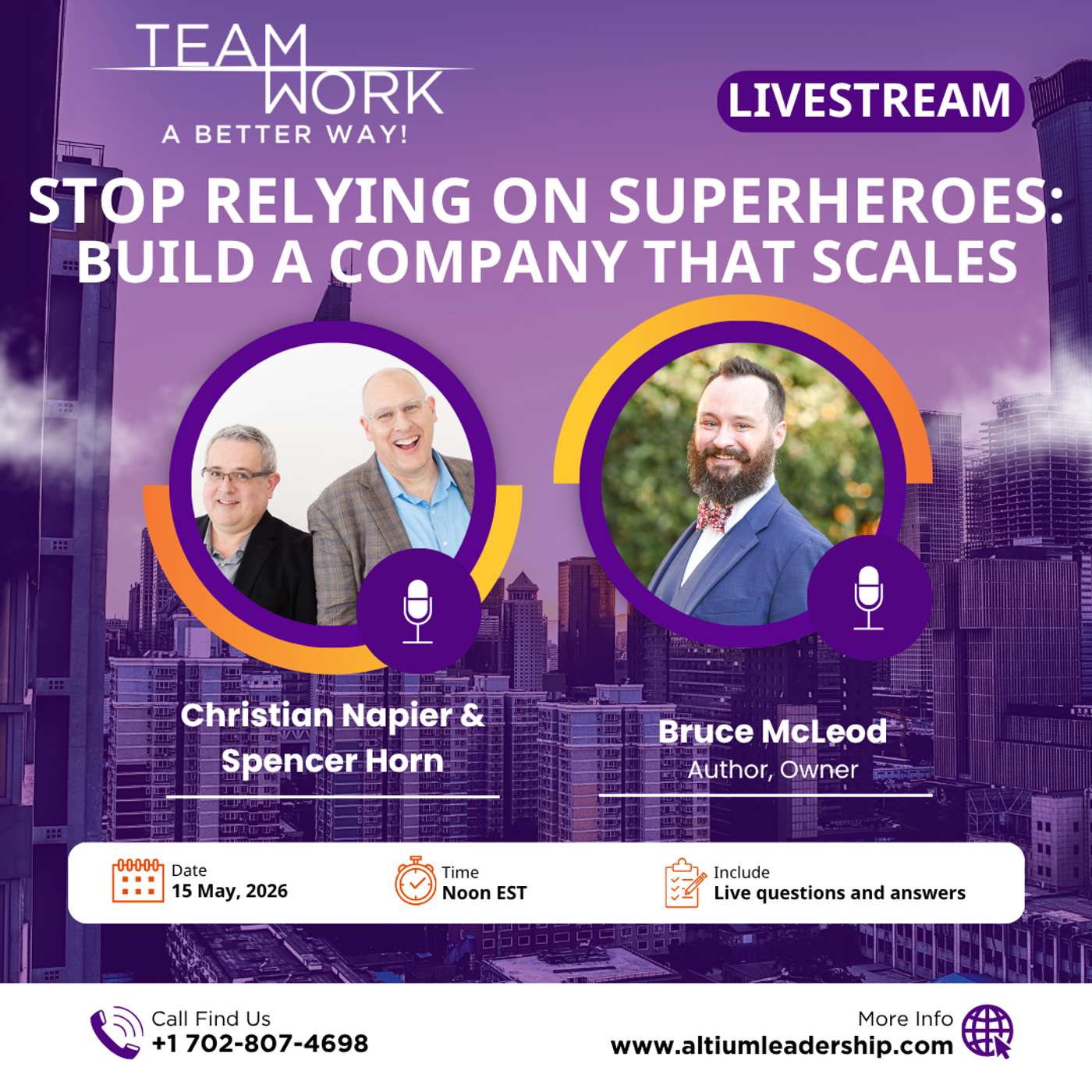 Stop Relying on Superheroes: Build a Company That ScalesTeamwork - A Better Way · on Organizational scaling74 / 100
 Pathways to Scaling Financial Advice with Jamie HopkinsHeart of Advice Podcast, Presented by eMoney · on Organizational scaling74 / 100
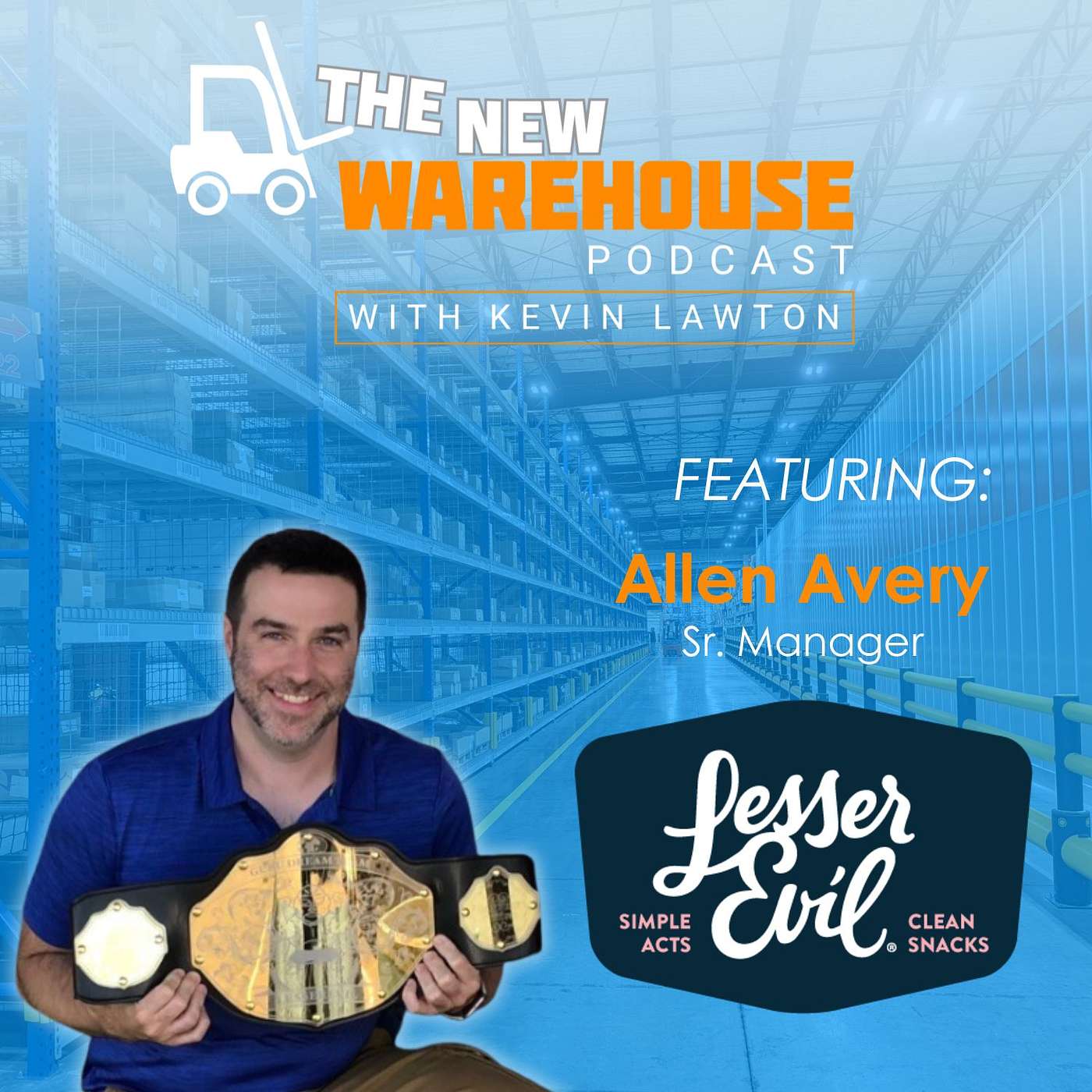 Warehouse Leadership Lessons from LesserEvilThe New Warehouse Podcast · on Organizational scaling63 / 100
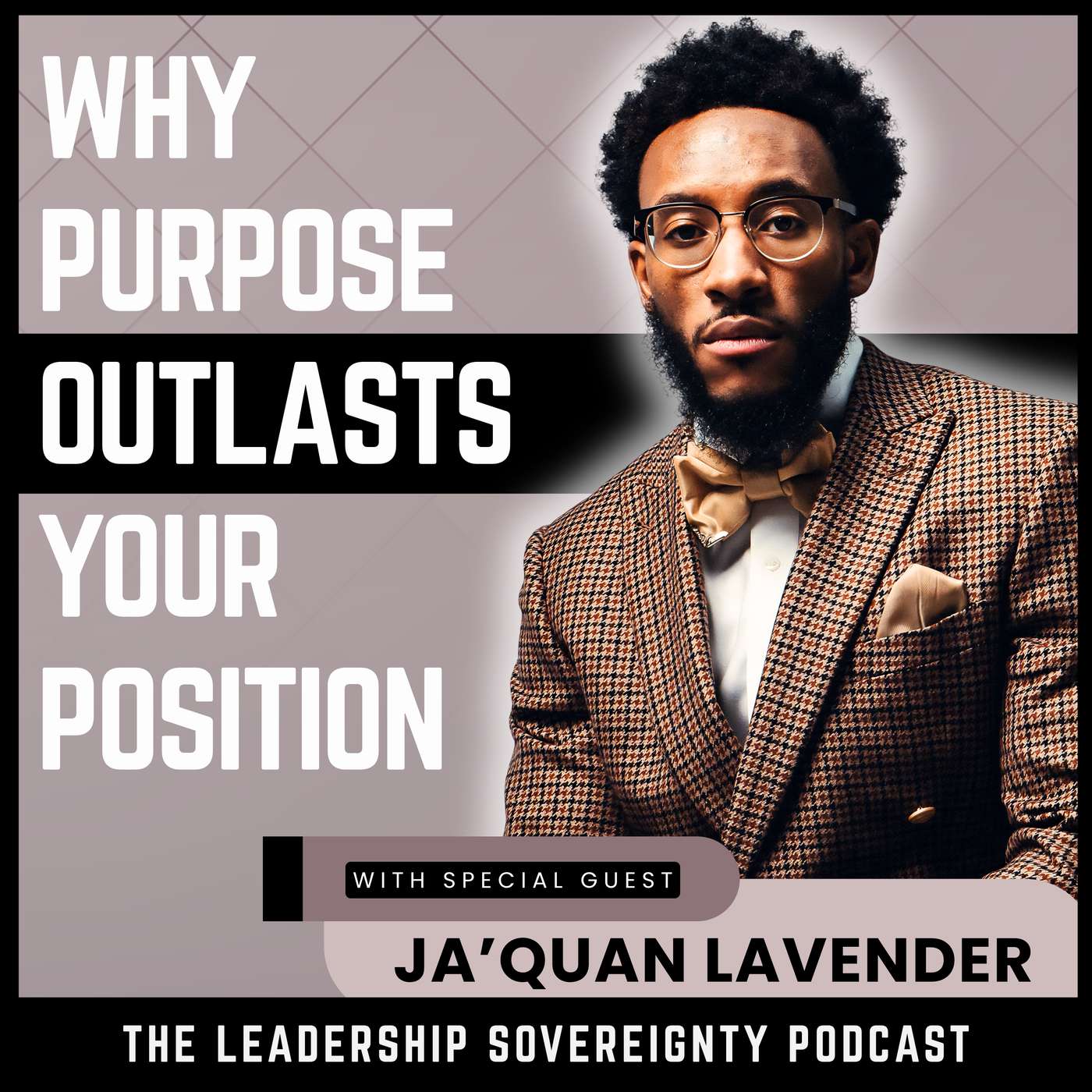 Why Purpose Must Outlast Your PositionLeadership Sovereignty Podcast: Career Growth and Promotion · on Organizational scaling37 / 100
 How ESOPs Help Family Business Owners Exit Without Losing Their Legacy | The Family Biz Show Ep. 4084 / 100
 The #1 Mistake That Could Cost You MILLIONS When Selling Your Business | The Family Biz Show Ep. 133
 What Wealthy Parents Must Teach Their Children Early | The Family Biz Show Ep. 131
 The $84 Trillion Opportunity Most Family Businesses Are Missing | The Family Biz Show Ep. 130
 The Family Business Problems Legacy Can Solve | The Family Biz Show Ep. 129