
The Design Strategy Podcast · 2023-01-11 · 31 min
Key moments - from our scoring
Substance score
32 / 100
Five dimensions, 20 points each
Prapti Jha brings a unique cross-industry perspective to design strategy, having worked as an architect, led innovation at Ford Motor Company's D4 lab, humanized cybersecurity at Cisco's Duo Security, and now researches public health at Harvard TH Chan School of Public Health's D-Lab. Her current work focuses on tuberculosis control in India, where D-Lab combines ethnographic research with rapid prototyping to connect government policymakers with grassroots caregivers and patients. She emphasizes that while industries differ in content, the design strategist's role remains consistent: connecting siloed teams, bringing desirability to strategy, and fostering creative collaboration. Key trends she recommends tracking include Web 3.0 and decentralization, sustainability initiatives gaining business ROI traction, and accessibility design. The conversation highlights how design strategists function as generalists and connectors across disciplines - translating between research teams, business stakeholders, and technical experts - making them valuable in organizations that work in silos.
Harvard D-Lab is the design laboratory at Harvard TH Chan School of Public Health that brings design and public health together, leveraging design's ability to understand lived experiences and rapid interventions alongside public health's evidence-based scientific approach. The lab collaborates with institutions, government bodies, and NGOs globally on projects like tuberculosis control in India.
Design strategists at D-Lab identify disconnects between top-down policy creation and grassroots implementation by conducting ethnographic research with policymakers, NGOs, care coordinators, and patients, then prototype interventions to learn what works in communities before feeding insights back to policymakers in an iterative loop.
Generalist design strategists act as connectors who understand multiple disciplines (research, business, engineering) and can translate between them, while specialists focus deeply on one industry. Generalists find themselves comfortable in any organizational context because they rely on consistent design process skills rather than domain expertise.
Prapti recommends tracking Web 3.0 and decentralization of the internet, sustainability initiatives gaining business traction, and accessibility design - all of which will have ripple effects across industries and should inform design strategy work moving forward.
Speaking to people, reaching out proactively, setting up conversations, and learning from people's experiences across different fields and industries - essentially building networks and exposing yourself to diverse perspectives early on rather than waiting until later in your career.
Our reviewer’s read on each dimension, with quotes from the episode.
The episode is predominantly a career biography with surface-level design thinking talk. The TB project methodology and the dual role of researcher-as-trainer offers a passing moment of substance, but the rest is filler, platitudes, and generic career advice that a B2B operator would already know.
the other aspect of it is also helping them or training them about how to do design research so that if we are not there, they can continue that process
there is a disconnect between when the policies are being made on the government level and how it's being executed on the grassroots level
Almost every idea is recycled design-thinking canon: generalist vs specialist debate, humanity-centered design, Web3 and sustainability as trends. Nothing contrarian or first-principles; the guest even explicitly leans on Don Norman rather than offering her own framework.
I would start with something that's given, and that would be Web 3.0, which is the decentralization of Internet and Metaverse
I would just quote Don Norman here is being humanity centered
Prapti Jha is a legitimate cross-industry practitioner with stints at Ford's internal innovation lab (D4), Cisco's Duo Security, and Harvard D-Lab, giving her credible breadth. However, she is a mid-career individual contributor, not a senior operator who has run P&Ls or scaled teams, and the conversation never extracts the depth her experience could theoretically yield.
I was a part of um, their human centered innovation lab inside of Ford Motor Company called D4
my role specifically was inside Duo Security part of their business which essentially was um, the Cisco secure part
The episode earns some specificity credit through named institutions, book titles with authors, and the TB-in-India project framing, but there are zero metrics, outcomes, timelines, or dollar figures anywhere in the conversation - it stays at the level of named nouns rather than evidence.
One is, uh, 101 design methods by Vijay Kumar
The second one is, um, Communicating the New by Kim Irwin. And that book, it talks all about how you want to talk about the new idea
The host asks generic career-biography questions, frequently inserts lengthy personal anecdotes (the CFO workshop story, personal book preferences), and never pushes back on a single claim. Follow-ups are affirmations rather than probes, and at least one promised topic is dropped entirely.
Yeah, I think it's super interesting. And it also reminds me a bit of this whole theory of is it better to be a specialist versus a generalist?
Yeah, I think everything you shared is super interesting. I actually don't know most of them
Computed from the transcript - who did the talking, and the words that came up most.
Prapti is a strategist and researcher at Harvard D-lab where they’re bringing together design and public health. Besides her current role at Harvard D-lab, she also shares the learnings she has made throughout her career, starting as an architect and transitioning into design strategy by working at Ford and Cisco. In addition, she shares that she sees design strategists as connecters, breaking silos and bringing different knowledge areas together so they can learn from each other. Key words: Design-thinking Design for public health Etnographic research Quick interventions Educating non-designers Specialism versus Generalism Creative collaboration Humanity-centered design Web 3.0 Metaverse Sustainability Books: 101 Design Methods, Communicating The New, Ten Types of Innovation CNBC video series: How Companies Work Speculative fiction DISCLAIMER: all speakers on this podcast, speak on behalf of themselves and do not represent the company they work for.
Transcribed and scored by The B2B Podcast Index.
Speaker A: Foreign.
Speaker B: You're listening to the Design Strategy Podcast, a uh, podcast that brings you different perspectives from design strategy practitioners around the world. Hi Prabhupti. Welcome to the Design Strategy Podcast and thank you for joining us today.
Speaker A: Thanks Josephine. So happy and excited to be here today.
Speaker B: Yes, me too. Because you are a researcher and strategist at Harvard and I'm um, curious and interested to hear more about that today. And you have a diverse background because you worked at Ford before this and also at Cisco, so very different industries. So could you maybe tell a bit about where you're coming from in this industry and how you got in the role where you are today at Harvard?
Speaker A: Absolutely. So I started my career as an architect, work uh, in that field for a few years and then you know, formalized my education and design strategy and then moved to Ford Motor Company and there I was a part of um, their human centered innovation lab inside of Ford Motor Company called D4. And there I was working on the, you know, the future of mobility, but at the same time also really working with the broader Ford Motor Company in different departments like purchasing, manufacturing and stuff like that, uh, and really collaborating with those teams to bring the, you know, design thinking aspect of IT and also like the design strategic part of it into their different teams and collaborating with them. After Ford I moved to Cisco and my role specifically was inside Duo Security part of their business which essentially was um, the Cisco secure part and the role that entailed, uh, basically humanizing the cybersecurity space. So what I did there was again, um, some aspects which were common was collaborating with different stakeholders, partners and bringing the desirability lens onto the table as we were creating strategies. And then I moved to uh, Harvard TH Chan School of Public Health as a researcher and astrologist. And I'm a part of D Lab, which is essentially the design laboratory at Harvard. And the goal of the lab is to bring design and public health together and see how we can approach it in a slightly different way, how we can leverage the value that both the areas bring. So what I mean by that is uh, public health, the area has been really great when it comes to evidence based design. The scientific approach and what design brings is really quick interventions at times understanding the lived experiences of people on the ground level and really making those two areas meet, uh, to at times just work in a faster way and uh, approach problems in very different ways. So what I do currently at Harvard D Lab, we collaborate with institutions and also like you know, government bodies across the globe. So that includes on ground Research, working with the uh, different policymakers, working with other stakeholders and partners and people who are on ground executing some of those public policies. So yeah, it has been an exciting journey and uh, full of new experiences, um, and really fulfilling.
Speaker B: Yeah, I think it sounds super cool and I think it's very interesting to hear that you made already like quite a few steps which I think are very cool companies, or it sounds to me like very cool companies to work for. So I'm really curious to hear more about uh, why you made the decisions, you know, to move and what, what were the things that were going through your mind back then. But I'll get back to that later. Um, yeah, so, uh, you told a bit about your background and your current role as a researcher and strategist at Harvard D Lab. Could you maybe give an example of a project that illustrates how you apply design strategy on a daily basis? And I know you recently joined, joined Harvard. So um, maybe you have a project from the other companies. But I think it would be interesting to hear more about the processes you go through or tend to go through on a daily basis.
Speaker A: Absolutely. And uh, I'll take example of two projects which are very different. So I'll start with the current project that I'm working on at Harvard. So the project that we are working on is the um, tuberculosis problem in India. And we are collaborating with the um, bodies in India, which includes some of the government bodies and also the NGOs working around those things. So tuberculosis is a huge public health challenge that a lot of countries, including India, has been going through for years now. And through this project, what we are doing is we are trying to understand what are some of the policies and things that are in place in the country from the top down level. At the same time we are also trying to understand, uh, what are the lived experiences of the patients, the caregivers, and also people, or we call it care coordinators from the government body who are out in the field to really help those patients. So India has a lot of, uh, you know, um, initiatives around bringing TB under control, tuberculosis or TB under control, and they have a lot of folks who are on the ground making those things happen. But as we see in most of the cases, and it's not just one country or the other, but it's very common to see in other areas too, but specifically in the area of public health, that there is a disconnect between when the policies are being made on the government level and how it's being executed on the grassroots level. Because at times the Lived experiences of people, what they go through, their day to day lives, they might not be reflected or represented in the best manner when the policies are being made. So as D Lab, uh, we talk to, we collaborate with all these stakeholders and partners that I mentioned, from the government bodies to the uh, NGOs to some of the corporate partners that we might, might have when it comes to technology being used. But at the same time we also, on ground go, uh, go and talk to the people who are giving those care and also talk to the patients who are going through care in different stages of the care for tuberculosis and understand what are the, some of the challenges and barriers that stop them from, you know, let's say taking the TB treatment altogether. So you see, the biggest value that we bring as T lab, um, members is connecting those two together. And for this what we do is, is starting with ethnographic research. So on ground research, synthesizing all the things that we learned at both the levels and also then thinking about some of the interventions that we might do that might be very quick. In this case, I call it like really prototyping, but prototyping to learn and not necessarily test. So putting those interventions as prototypes in the communities to see if that helps or how does it interact with the other things in the communities and then learn from those things and then again share those insights with the stakeholders, the policymakers. So it's kind of a loop, an iterative loop that we understand and we think about, but we make sure that we are engaging people at different levels in the spectrum of public health. So that's the biggest value and a differentiation in this project.
Speaker B: Sorry just to interrupt you, but you were saying, um, you do on site research. So this is a project you mentioned in India. Does that then also mean that you travel a lot to these destinations for your work?
Speaker A: That's correct. And one thing that I would highlight when we are talking about research is our role as researchers at D Lab is twofold. So one is actually traveling to the place. So let's say in this case traveling to India and doing on ground research with other partners, local partners that we have in the country. And the other aspect of it is also helping them or training them about how to do design research so that if we are not there, they can continue that process and work as partners and collaborators and move the work forward. So I really found this interesting and like fascinating because in this project it's not just you are the strategist and the researcher, but you are also the aspect of education, uh, lies there throughout. So you're doing something, but at the same time, you're making a person come onto the journey with you so they can continue the process forward. So that is how this whole model works, about collaborating and doing on ground research.
Speaker B: And I was wondering, because I think the project you now told us is a very cool project, as I said. Um, uh, but I'm wondering, how is this project different? Different from, for example, projects you've done, um, at Cisco, which is basically in tech and IT versus projects, uh, Ford, which is automotive. Like, were those projects very different or are there also similarities in between those?
Speaker A: Yeah, absolutely. Great question. So, yes, to both, they are different, but they're also similar in ways. For most of the projects at Ford, it was about learning what's today, collaborating with all our stakeholders to bring all their learnings in, and then, you know, creating concepts, testing, and then keeping the stakeholders engaged throughout the journey. When I moved to Cisco, which was a very, entirely different space of cybersecurity, and it was 100% new to me. I had never worked in IT or in cybersecurity. But slowly, as I started learning about the space and my role itself, I saw a lot of similarities in the, I would say, the approach and activities that I had to do. The difference only was the content and the things that we were talking about. Um, the subject matter experts in the room, uh, were different and they were bringing different content, uh, and the ideas were different because it was a different industry altogether. So as I frame it, you'll see a lot of similarities in the steps, but the content was different. Uh, what we were talking about in the real time was different. So that's how I see the difference and the similarity in the different roles that I've been in.
Speaker B: Yeah, I think it's super interesting. And it also reminds me a bit of this whole theory of is it better to be a specialist versus a generalist? Um, and I think I read a few books and articles on it, and I think as a design strategist, you quickly tend to be a generalist. But I think what you're telling about how the different industries, actually, only the content was different, but sort of the process was sort of the same that you do as a design strategist. I think that shows that, yeah, that you are really a generalist in a sense of, you know, a little bit of everything. And it's just the, the content that changes, but the process itself remains the same. Instead of that, you're very specialistic in one industry and you only know a lot about that industry. But yeah, as a design strategist, I think it's interesting that you're always a bit in between everything, right?
Speaker A: Yeah, absolutely. And that's a great point. Uh, and this whole conversation, or I would say at times debate around, uh, generalists and specialists is something I have been a part of too. And, you know, like, having conversations with people. And it's a very interesting conversation because at times I find myself in both the buckets. But as you said, I identify as a generalist because, um, how I see a role of a design strategist is like a, I would say a connector. Uh, and by that, what I mean is, like, most of the times I have found myself, um, in projects that I've been connecting people and teams. Uh, and by that, by connecting, I mean bringing the learnings from those different parts so that the research, let's say there's a dedicated research team on a project and I'm collaborating, collaborating with them. As a design strategist, I do understand how research works. I have also done research, so it's easier for me to translate the research outcomes to my, let's say, business partners or business stakeholders. And also having an acumen for business helps me talk in their language and help them understand or like, you know, highlight things that they might be more interested in. And then if, let's say I'm talking to the engineers, you know, bringing the aspects of the research that would be interesting to the engineers. So as I said, a connector role, and then it becomes a generalist role. And also it kind of helps you. At least it has helped me to feel comfortable in any space that I'm in. Because you're confident about your skills as a design strategist and not worried too much about, you know, the industry or people who would be in the room because they might be from a, ah, very different expertise. And that's, I would say, at times really valuable for companies where they're, you know, sometimes intentionally or unintentionally, people start working in silos. So, like, being that bridge, bringing people together with that skill set is at times really, really valuable.
Speaker B: Yeah, I'm facilitating a few workshops every now and then for these big corporates. And they're indeed exactly what you're saying. I'm always thrown into the room as like, okay, she's a design strategist. She knows nothing about the industry, but she knows a lot about these design processes. So she's going to do a workshop for you. So you all get out of your silos and then literally I get people from four different departments that are like, super senior. And you always, I don't know, like you. At the start it was, uh, very awkward because I'm like, okay, um, I'm not as senior as these people, but it's funny because they're often so happy to have you there. Like to give one example, I once had like a cfo and she was in the room and I was constantly asking during the workshop, okay, what does that abbreviation mean? What does that acronym mean? Because I said, assume that I don't know anything. And that's a bit awkward and scary because sometimes people may look at you like, okay, why don't you know it? But 99% of the times I get someone who's coming after the workshop to me, and also this CFO who said, thank you for doing it, because I actually recently joined this company as a CFO and I also didn't know the acronyms. That's also why I always love to say that I'm a generalist in the room because it sometimes makes your life a little bit easier because you, you are the one that can ask for acronyms. But that's just a funny example. And maybe going back to another question because I was wondering, what are the biggest challenges that you encount in your role as a design strategist?
Speaker A: So something that's a challenge is also something that I enjoy. So it's very interesting. And the thing is collaborating with diverse stakeholders. And as a design strategist, that's a part of day to day job. So let's say when you're preparing for a workshop, you have to make sure folks who would be joining, they have enough context about what we are doing, but also should be open to, you know, new things. Because at times when they're a part of these kind of workshops, it's something very new for them. So at times as a design strategist, I do get questions like, is this the right use of our time? You know, can we just like work on this solution that we have already kind of thought about and we have seen it working with different companies. So really educating your partners in a subtle and soft way to help them understand as well as appreciating the value that they bring into the room or into the project is, I would say, um, something that I really enjoy as a challenge.
Speaker B: Yeah, and I completely recognize that. I think it's also a challenge, but it's also what makes a job fun, um, in a way for me personally. So absolutely, I agree with you on that. One. So, yeah. Another question. Why do you think it can be valuable to have a background in design strategy?
Speaker A: So I would say it depends on where you want to go with the skills that you get as a design strategist. So, for example, some of the biggest thing that I feel as a design strategist is bringing the desirability lens to the strategy. You make sure the aspect of desirability, uh, what people value is at the front and center. The other big, big skill sets that I feel you bring as a design strategist is creative collaboration. And that can take different forms, can be just like a workshop, or it can be few people working on concepts together. So it's just like a very creative way of thinking and bringing everyone's perspective into a project. And what I see, using these two skills, really having that systemic view is the biggest value.
Speaker B: Yeah, and I think that's very interesting because it also goes back a bit to your point about being a connector, what you mentioned, and trying to solve that disconnect between the government creating those policies, as you mentioned, and what's actually happening in the field and in society. So I think that's interesting that you mentioned that. Uh, and what trends do you recommend design strategists to look into?
Speaker A: That's a great question. I would start with something that's given, and that would be Web 3.0, which is the decentralization of Internet and Metaverse, because it has already started affecting and it is going to shift a lot of things in the way people live and work and play. Uh, and all these things are going, um, to affect whichever organization or company that one is a part of. So even if we think at this point we are maybe not connected to that world, it's a tech world. And maybe the job that I do is not overlapping with that, but I see it as there's a ripple effect and you would see all those things in your job. So, like just being aware of that trend and reading about it. The other two things I would say from a trends perspective is sustainability and accessibility. And it's interesting because I'm saying sustainability as a trend. It has been here for years, but still I think the traction that sustainability is getting now, which of course it should have caught years ago, is different and is shifting, even if you're just looking at the business and the ROIs, sustainability at the forefront of it, and people are shifting their strategies based on these things. So really keep being up to date about how things are moving and how we can inform our work from a sustainability lens. Is crucial. And the third one that I mentioned is accessibility. So thinking about people in a more holistic way and making sure no one is left out of the design that you're creating is really crucial. So trends around all these things, I feel is going to be really crucial. And as design strategists, what we bring in is. I would just quote Don Norman here is being humanity centered as we are going through these trends or like these shifts, shifts in the world, uh, and how we can make sure it is good for humanity as well as for business would be crucial moving forward as designer and design strategists.
Speaker B: Yeah, humanity centered was one of the things that, uh, came by, by some of the people in the podcast. So I think it's always interesting to hear that that's a recurring topic. Um, and what you mentioned, also about sustainability, I actually have an episode with a circular design strategist. Um, and yeah, so that's the title. Right? That was my response to that title when I saw it and why I wanted him on the podcast. But I think, um, if you're. So, if you're listening and you're interested in trends about, um, circularity and sustainability, definitely also listen to his podcast episodes because I think it's very cool. As you're saying, you're seeing it as a trend. And so apparently there are now also these titles or role titles popping up. There are people who position themselves as circular design strategists, so even specialized in this topic of sustainability and also in accessibility. I've seen those role titles as well. So. So I think those are very good trends that you're mentioning to look into.
Speaker A: I want to check out that podcast too. Like Circular Design Strategist. That sounds so cool.
Speaker B: Yeah. Right. Yeah, yeah, it's an episode on this podcast, so it's the one before this one. So it's Pablo. And, um, I'm just curious because going back a bit to your career path, you had a lot of different experiences at different companies. I'm wondering what were the things or maybe who were the people that influenced your career path and the decisions you made along the way? So, for example, the decisions to switch to a new role or that inspired you to look around to say it like that?
Speaker A: Yeah, absolutely. So I think for this I'll go back to my architecture school days, and that seems so long ago, but I think that's where, uh, the shift started happening. I think the first person who really helped me think that way was my architectural thesis guide at that time. Uh, his name, Satya. Ah, Key he guided me through a very research heavy architectural thesis because I was really interested in doing research, talking to people and spending a lot of time before I even get into the concepting phase and like designing phase of architecture which at times isn't the norm necessarily. So I feel like that was the first time when I was like, okay, design is much more powerful than just the traditional ways of how we see design. And then I would say my interest around, um, research and strategic part of design, um, went into it. And I also feel the next very important influence was my master's program at the Institute of Design in Chicago. So it's a graduate only program and people are there from, they might have 15 years of experience working in finance and now they want to learn about design LED innovation. So I feel like all those different perspectives and experiences I got a chance to learn from and craft something that I was interested in that was design strategy path informed by research. After that I would say working at Ford and Cisco, I got some great managers and peers at my workplace itself who really helped me think through my, I would say strengths. And that kind of helps you see where you want to grow in your career because if it is aligned to your interests and the things that get you excited, that's how I see where I want to go next. So whenever I've taken the next step in my career, it has always been about is this a thing I enjoy and does it provide me growth?
Speaker B: Yes. And if you look back at your career path so far, were there things you would have done differently?
Speaker A: I would say I would leave it how it has been. And the reason I say this is, uh, because if you look at my career, um, one, uh, can think that the architectural education that I got in the practice that I did doesn't add in a way or it might not be the best use of time, um, in the initial time of my career. But as I have been through that journey, the things that I learned as an architect and things that I practiced has really, really been with me when it comes to, you know, the things that I learn. And that's why I feel like I wouldn't change anything because it just gave me a diverse experience. But I would add one thing. If we look at the soft skills perspective, one thing that I would start, I would have started early on, which I didn't, would be really speaking to people and reaching out. And what I mean by that is really being open to setting up conversations, talking to people in different areas, different fields, being open to different industries, uh, and learning about what are the things that are happening from people's experiences? So that is something I would move even earlier in my career to practice.
Speaker B: Yeah. And I think that's a valuable tip also for the people listening and, uh, looking at the future. What are things on your list that you maybe still want to achieve or what direction do you want to head into?
Speaker A: I would say there are two areas. One is applying design, different areas and industries. And to see the power of design and learn about different industries at the same time. Because when I'm in a room, as I mentioned, with different kind of subject matter expert, I learn from their knowledge. But at the same time, I also see the power of design skill sets in very different, you know, areas. So that gets me excited. The other is, uh, design education. Even in today's world, at times people do associate design with just art and aesthetics and maybe design creation, which is a part of it, but just bringing the whole narrative around, problem solving through design, um, and, you know, strategic design and helping people understand and, uh, students who are early in their career to explore it as a path is also something I'm really passionate about and I would love to do more in this area. Yeah.
Speaker B: Yeah.
Speaker A: Cool.
Speaker B: And being on this podcast. Right. Hopefully that inspires a lot of people. It does.
Speaker A: It does. Absolutely works in that direction.
Speaker B: Thanks to you. Thank you also for being here. But I think that's cool that we can contribute to your journey in that way. And you mentioned already, uh, the tip of working on your soft skills, but do you have any additional tips for the people listening, um, to define their own career path? Us?
Speaker A: I feel like if you're interested in, um, a career of, you know, working as a design strategist or something similar to that, few, um, tips that I have is, um, building on, um, one's business acumen. Because if you're coming from a design background, and I have been in that place where, you know, not necessarily paying a lot of attention towards how businesses work and, you know, how they make money and all these things. Things, it's really important to learn those things. So I would pay heavy, heavy, um, attention and learning towards business building that business acumen in whichever area you are. The second is language alignment. And I feel like this is a tip that kind of comes handy even in your life, like whoever you're talking to. It's always more valuable and fruitful if we can align our language or any information that we are sharing in a language that they understand. So really making sure whenever you're presenting something, how might we align that Language with the audience or the collaborators. And the third one I would say is, um, understanding an organization holistically. And maybe this is a part of business acumen too. But what I mean by that is, um, let's say if you started a new company, part of this, like a smaller organization or like one very specific organization. But what really helps is seeing where you were, even if it feels really tiny at a point, how does it move throughout the organization, uh, and how does it make an impact? So, like just seeing that, how it ladders up, uh, and how decisions are made, how different organizations, sales, marketing and all these organization, how do they work? I have found it really valuable. You know, that kind of helps inform my work and also helps how I present my work and, uh, how I help people see the value in the work that, that we do as a team.
Speaker B: Yeah. And last but not least, do you have a favorite book or podcast or maybe documentaries that you found valuable for your role and career?
Speaker A: There are a few books I want to name, actually three of those that I really find helpful. One is, uh, 101 design methods by Vijay Kumar. And why that book is helpful is because it's kind. I see it as a dictionary of design methods and tools. So it really is a book you can keep handy. Let's say you're in the research part of the process. Move into that, uh, just flip through that, uh, book and see where the research is, different types of methods are given, and then see what might be helpful in that part of process that you are in. The second one is, um, Communicating the New by Kim Irwin. And that book, it talks all about how you want to talk about the new idea or the new thing that you want to build or develop or like, help your company, um, see it or think it or put it into the strategic vision. So whenever you're talking about something that's very new, uh, it's hard to communicate that. And that book really helps in crafting that communication and helping you think through that. And the third one is, uh, ten Types of Innovation by Larry Keeley. And that book is based on a framework that helps you come up with new ideas and new types of innovation and shows you the areas, the things that you can, can innovate in. Um, whenever you're trying to think about something new. Uh, I won't go into the details, but those are the three very different kind of books that has come in handy. One is on the methods level, the second is Soft Skill and Communication. And the third is really thinking about innovation from a higher Level perspective. One other thing that I would add is, um, recently I started watching a lot of videos produced by CNBC around how companies work. And they have this like how Starbucks works, how Target works, and they talk about from the operations to customer experience to marketing in a short video, like six or seven minutes. It helps you look and understand a business holistically and how all things play um, together. So I think like videos like that is, are also very helpful. And the last thing is speculative fictions. I feel like that's really important and helps me open my mind and I would um, recommend that to folks books. Recently I watched upload, which is science fiction, speculative fiction or of what it might be using the technologies that we are creating today to you know, movies like Ready Player One and there are multiple out there to just like keep your mind open and think about how it might affect the human experiences of the things that we are building today. So I would say like keeping my eyes and ears open all the time, reading about everything, uh, that might at that point seem, um, not connected is what it is to be a design strategist.
Speaker B: Yeah, I think everything you shared is super interesting. I actually don't know most of them, so I'm definitely going to look into it. You mentioned that the first book, the dictionary book, I love those kind of books. Like for me Delft design guides and the service design guides are for me those sort of dictionary type books. But I didn't know this one so I'm definitely going to look that up. And then I think the CNBC series also sound very valuable. Yeah. For me as a consultant especially because I always have one day to dive into an industry I never uh, worked in or know anything about. So then those short video series can be very helpful. And also the speculative. Indeed. I think it's always interesting to, to look into that. Um, um, it may not seem connected as you said, but it is and it's going to always come into hand, especially also for creativity. Cool. Well, thank you Property for sharing all those resources. Uh, and then with that I actually want to end the podcast and thank you very much for, for being here. I hope you had fun. I think the conversation was super interesting, um, for me as well personally. You shared a lot of insights about your role today, but also your career and the moves you made and the learnings you made basically along the way. So yeah, thank you very much for being here.
Speaker A: Thank you so much. It was a pleasure being a part of this podcast.
Speaker B: Thank you for listening to this episode of the design strategy podcast. Did you like this episode? Then please leave a rating and hopefully until the next time.
Other episodes covering the same guests and topics, from across The B2B Podcast Index.
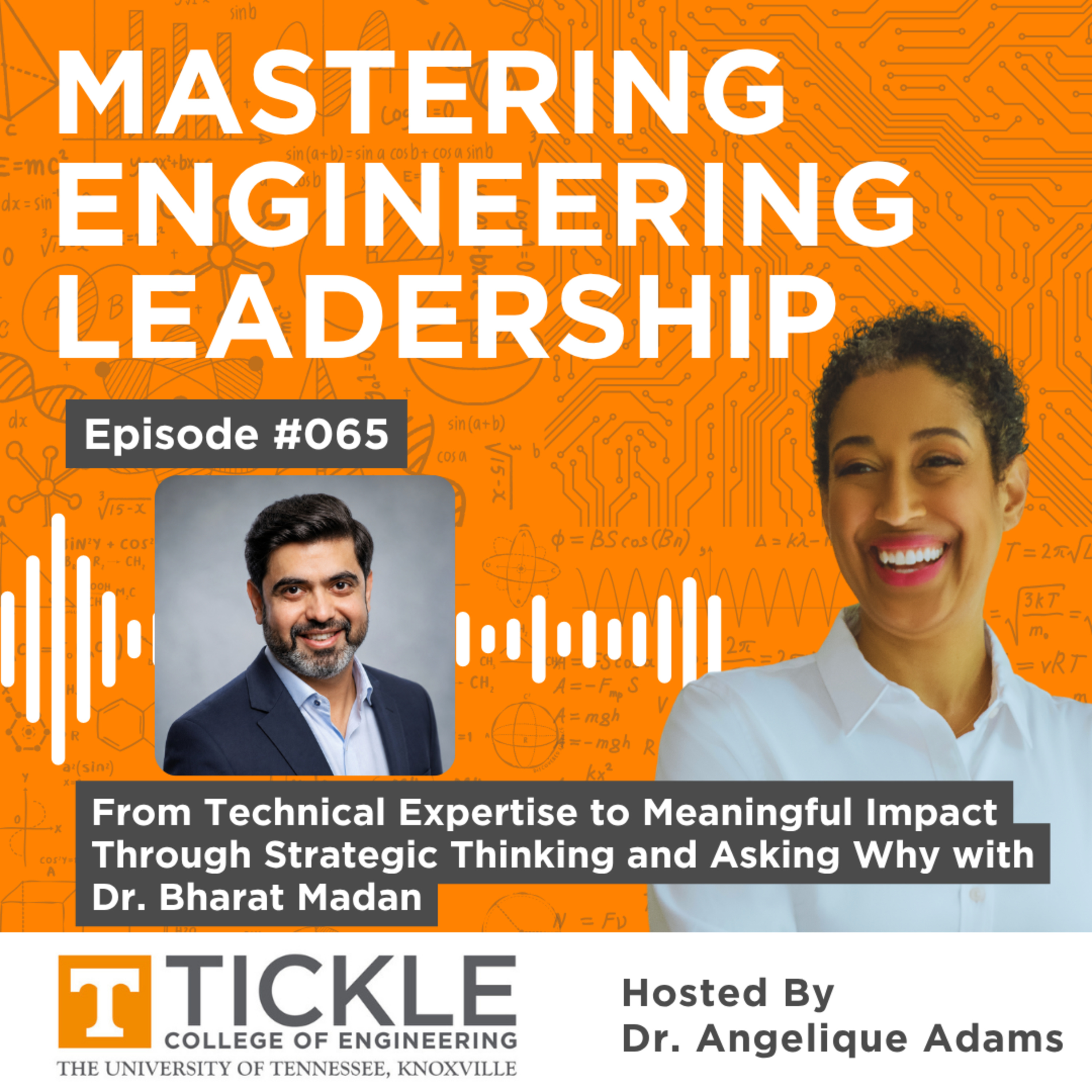 MEL #065 | From Technical Expertise to Meaningful Impact Through Strategic Thinking and Asking Why with Dr. Bharat MadanMastering Engineering Leadership · on Design thinking83 / 100
 Dose of Reality - Mark Hadfield and James James AddlestoneInspiring Futures · on ethnographic research83 / 100
 602: Human-centered product design - with Ravi SawhneyProduct Mastery Now for Product Managers, Leaders, and Innovators · on Design thinking81 / 100
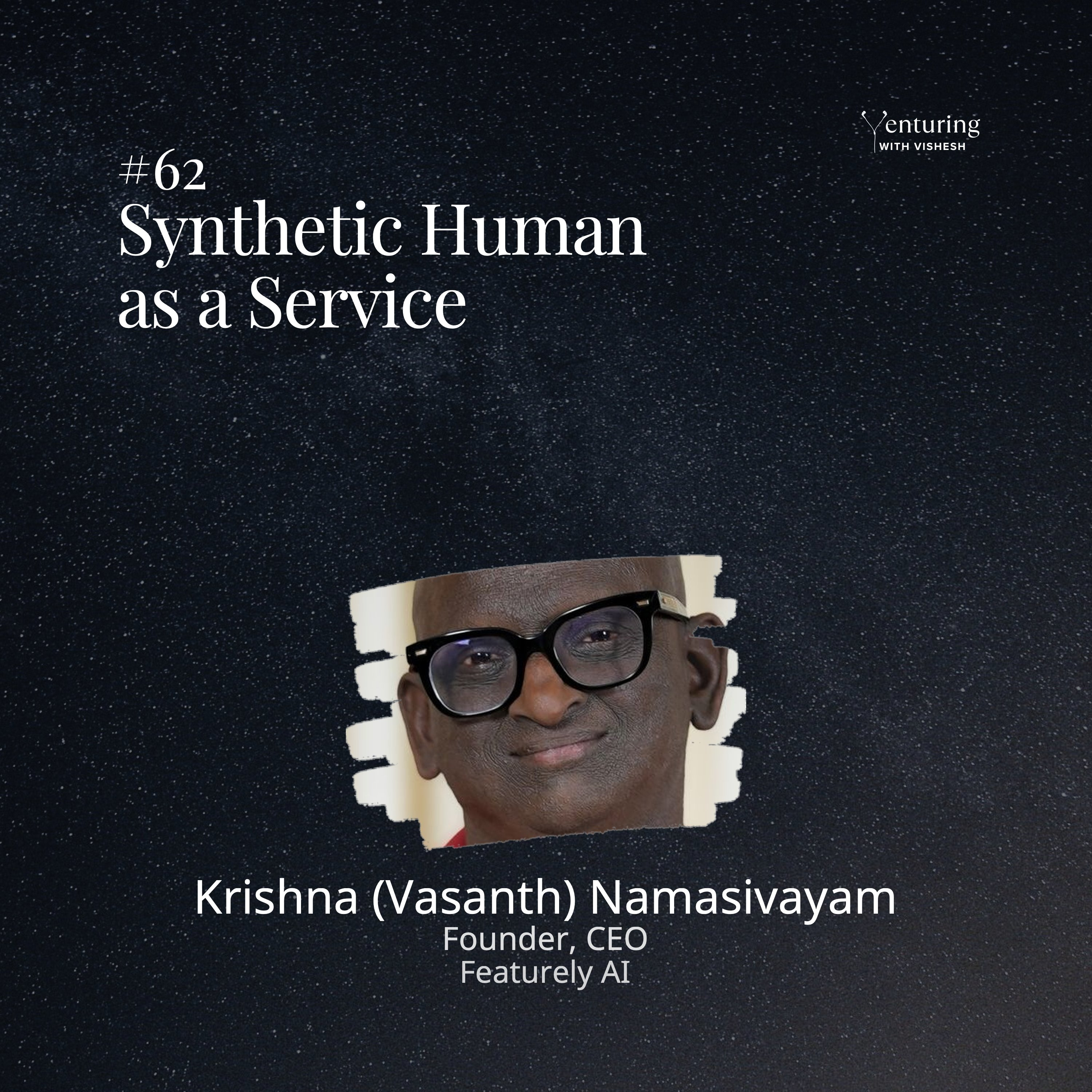 #62 Synthetic Human as a Service | Krishna (Vasanth) NamasivayamVenturing with Vishesh · on ethnographic research80 / 100
 S3 Ep 30 HR Meets Design ThinkingManaged Chaos Podcast · on Design thinking76 / 100
 Building Product-led Teams with ConvictionProduct Rebels · on ethnographic research76 / 10017. Pablo Groglopo - Circular Design Strategist16. Kartik Poria - BCG Digital Ventures15. Seun Olatunji - Freelance Design Strategist14. Kim Durieux - Freelance Creative Strategist13. Liset Molenaar - SHV Energy