
The Curiosity Current: A Market Research Podcast · 2026-06-16 · 41 min
Key moments - from our scoring
Substance score
54 / 100
Five dimensions, 20 points each
Kerry-Ellen Schwartz, Senior Director of Global Foods at PepsiCo, discusses how innovation-focused market research requires balancing traditional methodologies with hands-on consumer engagement - particularly when developing new product formats, flavors, and categories. Rather than relying solely on stage-gate frameworks or synthetic data models, Schwartz emphasizes the irreplaceable value of mall intercepts, in-home testing, and direct consumer tasting when assessing transformative innovation. She argues that synthetic data, built on historical consumer behavior, cannot predict disruptive shifts caused by external factors like economic downturns, political climates, or natural disasters (citing COVID-19 as a prime example). For brands like Lay's, Doritos, and Mountain Dew, Schwartz advocates pairing quantitative concept tests with qualitative on-the-ground research to diagnose risk and validate that products genuinely resonate. She also explores how social listening and Reddit communities reveal authentic brand passion in ways traditional brand trackers cannot, and addresses the emerging threat of AI-mediated search - where chatbots like ChatGPT may become gatekeepers between consumers and brands, favoring paid placement over earned discovery.
Synthetic data is built on historical consumer behavior and cannot predict drastic changes caused by external factors like economic shifts, natural disasters, or pandemics (such as COVID-19). Direct consumer interaction - tasting products, touching packaging, and gathering real-time feedback - is essential for understanding whether transformative innovations actually work in practice, which no model can replicate.
The decision hinges on risk level: for low-risk changes like flavor updates to existing products, a concept test plus R&D sensory testing suffices. For high-risk launches - new categories, new formats, or new brand positioning - she layers quantitative concept tests with qualitative in-home testing, mall intercepts, and direct tasting to validate that products meet key sensory and consumer preference metrics before building a launch plan.
Social listening captures authentic, unprompted conversations where consumers discuss brands they genuinely care about - without brand facilitation. Traditional trackers often measure low engagement because consumers rarely think deeply about CPG brands daily. On Reddit and specialty communities (like Mountain Dew fan forums), Schwartz finds authentic passion, flavor speculation, and direct consumer requests that signal what drives real brand affinity and innovation opportunity.
She expects a future similar to paid search, where brands pay for placement in ChatGPT results or optimize backend website content for AI indexing (AI Engine Optimization, or AEO). Without intervention, chatbots will likely become ad-supported platforms, meaning paid and earned strategies will determine brand visibility - diminishing organic discoverability the way social media advertising has evolved since Facebook's early days.
Our reviewer’s read on each dimension, with quotes from the episode.
There are a few genuinely useful operator points - matching research rigor to launch risk, the limits of synthetic data for predicting discontinuities, and AEO/SEO-for-AI strategy - but much is wrapped in repeated consumer-centricity platitudes and padding.
You can't predict with synthetic data a drastic change that could happen
we're building backend pages to our website that are scrollable by AI
The synthetic-data-looks-backward critique and the AI-as-paid-mediator prediction are reasonably fresh, but the bulk leans on well-worn ideas (touch grass, voice of the consumer, Steve Jobs/iPhone, aspirational self in surveys).
I think about Steve Jobs and Apple when, you know, the iPhone was coming out. No one was asking for the iPhone
I just see a world in which you pay to be at the top or you pay to be inserted into the answer
The guest is a Senior Director of Global Foods at PepsiCo with hands-on innovation work across Lay's, Doritos, and Mountain Dew - a genuine senior practitioner doing the thing at scale.
Carrie is Senior Director of Global Foods at PepsiCo
She's worked across brands like Lay's and Doritos
Some concrete anecdotes (Mountain Dew Reddit fans, the healthy-eater's junk-food pantry ethnography, AEO website pages) ground the talk, but it largely lacks hard numbers, dollar figures, timelines, or quantified results - she even admits not having the data.
I don't have the data in front of me
everything in their pantry and their refrigerator... was full of like junk food
Hosts ask layered, well-prepared questions (the access-vs-understanding and breadth-vs-depth framing was sharp) but rarely push back or challenge claims, and the conversation drifts into agreeable tangents like Mountain Dew ice cream and teenage AI rebellion.
how do you think about that trade-off between breadth and depth, access and understanding
what signals do you look for that indicate that a tool is truly going to accelerate your work versus is just talking about it?
Computed from the transcript - who did the talking, and the words that came up most.
In this episode of The Curiosity Current, Stephanie Vance and Molly Strawn-Carreño are joined by Kerry-Ellen Schwartz, Global Senior Director, Consumer Insights for Food Ventures at PepsiCo. Kerry-Ellen brings over 15 years of experience across various industries to her role at Frito-Lay, where she leads the foresights agenda and shapes breakthrough platform innovation. The conversation centers on the evolving landscape of consumer research and the necessity of looking beyond historical data. Kerry-Ellen defines the core differences between a current insight and a predictive foresight, emphasizing that foresight requires taking an extra step to extrapolate where behaviors are heading. She shares a cautionary tale from early in her career about how a lack of foresight regarding generational shifts led to a significant market mismatch. Stephanie, Molly, and Kerry-Ellen also explore the power of human centricity. Kerry-Ellen advocates for building empathy by connecting directly with consumers to understand their emotional motivations. The episode highlights her passion for mentoring junior researchers and supporting working parents in the industry.
Transcribed and scored by The B2B Podcast Index.
If you're just looking at historical data and that historical context, you're always just replicating what used to be or what happened in the past. You can't predict with synthetic data like a drastic change that could happen. There's economic climate, there's political climate, there's natural disasters. There's all these things that are happening again outside of us brands that are happening to consumers that have an impact on their behavior.
Hello, fellow insight seekers. I'm your host, Molly, and welcome to The Curiosity Current. We're so glad to have you here. And I'm your host, Stephanie.
We are here to dive into the fast-moving waters of market research, where curiosity isn't just encouraged, it's essential. Each episode, we'll explore what's shaping the world of consumer behavior, from fresh trends and new tech to the stories behind the data. From bold innovations to the human quirks that move markets, we'll explore how curiosity fuels smarter research and sharper insights. So whether you're deep into the data or just here for the fun of discovery, grab your life vest and join us as we ride the Curiosity Current.
Today on the Curiosity Current, we are joined by Carrie Ellen Schwartz. Carrie is Senior Director of Global Foods at PepsiCo. Kari is one of those insights leaders who sit right at the intersection of innovation and real consumer understanding. She's worked across brands like Lay's and Doritos, leading efforts to create entirely new product experiences, not just optimize what already exists.
Kari's work focuses on blending hands-on consumer interaction with emerging tech, helping PepsiCo navigate how insights evolve in a world where AI is accelerating Everything. So today we'll explore how research methods are changing in a fast-moving innovation environment, where synthetic data fits and where it doesn't, and what it takes to stay grounded in real consumer understanding as technology reshapes the landscape. Kerrie, welcome to the show. Hi, thank you so much for having me.
We are so glad you're here. And if you're amenable, we're just gonna jump right in. One of the things as we were doing research on you that really stood out is how hands-on your approach is. Consumer testing, new innovations in home, in-context observation, real-time iteration.
And it seems like it's happening at a company and scale where maybe I would expect the default to be something more formalized like stage-gate framework. And I'm curious, what have you had to unlearn about more traditional research approaches to take this kind of approach? And if I can hit you with a double-barreled question, What does it yield in terms of consumer understanding that something like a benchmarked score from a survey might not? That's a great question.
I think in the type of work that I'm doing, which is really around transformative innovation, trying to get into white space, traditional methods are helpful. They - we definitely still utilize those. So a formalized stage gate process, yes, we're still doing all that type of stuff, but sometimes I tend to want to take things a little bit further, especially when dealing with things like white space. There are instances where trying to innovate a product and it's not just a new flavor, you know, it could be a new format or it could be a new packaging type.
Like, it's really important to get consumers to touch and feel those things. And it's very easy for us to get lost broadly within insights in data. Data, you know, comes to us in an Excel sheet or something, and we can look at it and kind of think we know the answer, but Sometimes you have to kind of go outside, touch grass, actually talk to consumers, really get their feedback and really, you know, hear directly like what's working, what's not working. And I find it my job with as an insights leader, as an insights person and a person passionate about insights is to remember that it's not just the data on a slide that we're presenting to senior management or executive leaders.
It's about the consumer. We need to make sure this is working for the consumer, making sure that we stay consumer-centric in everything that we're doing. And if we don't have that story, if I can't with confidence say like consumers love it because they've actually tried it or they've tasted it or they've touched it, I don't think like all the data in the world will, will solve that. Like you really need the consumer to help guide the process.
Yeah, AI can't exactly tell you what something tastes like just yet. I hope not ever, honestly, because that's not great. Right. Fair enough.
And to support a lot of this work that you're doing, you're very intentional about the partners that work to support all of your innovation work. And instead of going to the biggest firms or the biggest start-to-finish off-the-shelf process, you often work with smaller boutique teams that can move quickly and stay really scrappy throughout that. So what is it about those scrappy partners that make them the right fit for you in this kind of innovation work that perhaps the bigger, more polished brands don't have?
I'd say there's room for both. Utilize both. I'd say the bigger firms that have their own internal frameworks and their own processes, it's also hard for them to get out of their own way sometimes and think beyond that. And sometimes a boutique firm will say, let's try that, let's go pilot it, let's go see if it'll work.
And if not, we'll, we'll pivot and do something else. And I just like the ability to have a couple people in a room think through a problem, try to solve it, test it out. I truly believe in test and learn and just saying like, all right, we can go to a mall and talk to a bunch of consumers and get them in a room and see what they say. And, you know, and if that doesn't work or that's not kind of leading us down what we were trying to solve for, let's try something else.
Let's go into people's homes. Let's, you know, do more kind of on-the-ground type research. I do appreciate the ability of smaller firms to kind of not only think outside the box, but also be willing to pivot and also be a scrappy partner with me. I don't have all the answers, and that's why I lean on vendors to kind of help me solve it.
But I'm also looking for partners who can come up with scrappy solutions as well. I love the still doing the mall intercepts. I think that's something that's refreshing for me to hear. That is to this day one of my favorite methodologies, and I don't see it get used a lot of - after COVID, I feel like, like it's started to trend down.
But yes, because that cross-section of people is pretty - or it used to be especially pretty representative. And you get them, you're getting them in real time, like intercepting them. I don't know, it was beautiful. I used to do that a lot and I loved it.
I did that a lot too, like way back when. There's something about just kind of running into person. They're not prompted, they're not - you kind of put them on the spot. And so you got like really raw responses and you get like like truly human behavior.
They're like willing to talk to you. I will say in like entertainment, I have friends who are in Entertainment Insights and, you know, they still do that as part of like movie screening and test screening. So it still exists, but it, it tends to be more for things like where consumers are like directly interacting with the end product and less so on within CPG world. I think now apart from like AI and synthetic data, I think a lot of the shift has gone to an online quant survey route.
And if not that, then IDIs, focus groups, things like that tends to be the default versus intercepts. For sure. And you hit on this a bit already, but I wanna come back to it. It's, it's all in this realm of what we're talking about.
The idea that access and understanding are not the same thing. We have these AI-powered tools and even digital tools that are clearly expanding access. They allow you to reach more diverse consumers more quickly than ever before. But when it comes to understanding something new, especially something experiential like food, access is only the first step.
It does not equal understanding. And I'm curious, how do you think about that trade-off between breadth and depth, access and understanding when you're designing a particular piece of research? I think it sometimes it comes down to how much risk the team is willing to take on when it comes to like a launch plan. So If it's something you're changing a flavor of a product that's been in market for a while, your R&D team's probably done a ton of sensory.
Do you need to do more than just a concept test at the end of the day to push it over the finish line? Concept test is probably fine. You know, you're not changing anything too drastically, so I wouldn't push too hard on like going outside of our traditional methodologies there. But on the flip side, if it's a brand new product in a brand new category in a place we've never been, showing up to consumers in a, in a way that they're not used to seeing us, that's when I'd say like we need a more robust plan, including talking directly to consumers and kind of getting their direct feedback and making sure they're trying and touching and tasting these things so that we really understand like, yes, this is working or no, it's not working.
But I think as part of that process, you can kind of slot in your more traditional stuff, um, and traditional methodologies in between the more kind of scrappy on-the-ground work. So for instance, it's a new concept and it's a new idea. You can do a quant concept test there. Um, now you've got your feedback, it's a great idea.
You've optimized it a little bit more. You've got new flavors, you've figured out the format, you've figured out the production, all the supply chain stuff. Now you have an end product. That's when you need to, before you build your launch plan, like again, take a second to get feedback.
Is this still working? Do consumers still like this? Does it taste good? Is it kind of meeting all those kind of key metrics that we have from like a flavor profile perspective?
All of that on-the-ground insights needs to come back into play. Whereas again, you know, my earlier example of it's just a flavor swap concept test, probably fine. Some R&D sensory testing is probably fine and you're good to go. But again, if you're going into like a new category, a new space, the risk level is much higher.
And so I try to balance out what the risk is if we don't have those answers. Makes a lot of sense. That's, I think, an important thing that you bring up about what's, what's the risk if we do or don't have the answers. I know sometimes research can, especially with larger projects, can get very bloated very quickly.
How are we staying to the poignant questions, the things that I absolutely have to know and the impacts of those versus what's a nice to have? Yeah, exactly. And at the same time you're talking about the evolution of different types of research, uh, brand tracking is also evolving. We're moving from standard funnel metrics towards a more integrated type of analysis that captures more of an authentic brand conversation on platforms like Reddit.
And when I think of authentic, interesting conversations, the Wendy's X account, Twitter account always comes to mind for me. And they were really the first to do that and stand out in that way. I know it's incredible. It's so so entertaining also.
What does that unlock that traditional brand tracking never really could do? I started off my career doing brand tracker studies a million years ago, and I lived in those funnels. And I always, as in your research, kind of wondered like, is this real? This is truly how consumers feel.
This doesn't feel right to me because how much do consumers actually think about any brand. There's very few brands that consumers truly, truly think about on a day-to-day basis that they can like tell you they love or hate or whatever, especially CPG brands. There are a handful of brands that people are super passionate about and like they truly want to talk about the brand and truly love the brand, and you'll find them on spaces like Reddit. But how many people talk about toothpaste, really recommend toothpaste to their friends?
Not a lot, unless they had some crazy experience they just want other people to have. So I think as social media, right, has expanded and has become, you know, this other thing, people, you can actually hear those raw conversations and you can really understand like, do people care off the bat? Like, do people actually care about our brand? Do they care if we do this thing differently?
How are they thinking about us? And what you'll find through those conversations, like through social listening, is unless you're really messing up in some way, probably not in the conversation, is fine, which is good. Like, you don't want to be in that kind of conversation, right? Because it's messy.
Or if you've done something really funny or cool, like the Wendy's example, great. But does that increase sales? Do more people go to your store, buy your food? I think that potentially is up for debate.
I think I would need to see more analytics of how scrappy a person is on social media, or brand is on social media, how it relates to actual consumer behavior. I think we see this more in like political realm, Democratic and Republic social medias like are having a heyday right now. They're going crazy. They've tapped into the zeitgeist of what social media behavior is, but will that resonate at the polls?
Truly no. Same thing for brands. Like if you're really funny and cool as a brand showing up on TikTok, does that make more people buy you? Probably not, but maybe, I'm not sure.
Like I said, I don't have the data in front of me, but I think it's important to tap into those, those conversations people are having authentically about your brand in those spaces, if they're having them at all. There are certain brands I think that do play a role in people's lives enough that they'll talk about it. I worked on Mountain Dew in a previous role here at PepsiCo, and people love Mountain Dew. Like, they're super passionate about it.
They're fans of it to the point where they do have a Reddit subchannel and they do talk about our flavors and they speculate on what the next flavors will be. They get emails from consumers directly saying like, why can't you bring back such and such flavor? It was so good. There are some brands that consumers are super passionate about that sometimes you'll pick it up in a brand tracker, but you really need to be listening directly to and observing those conversations to understand like, what is it about your brand that's driving these conversations?
What is it about your brand that consumers care about, to talk about amongst one another without you facilitating the conversation. So I think as brands, it's really important to track those types of authentic places where people are having these conversations and really see what that equates to from like a metric standpoint for brand tracking. I don't know, maybe you said you used to work on Mountain Dew. Here's a piece of insight for you.
When I was in college, I was so obsessed with Mountain Dew Code Red that I actually took a bottle of it to one of those make your own ice cream places. I had them put it in the cream and like on the freezer stone, I had them make me cold red ice cream. So there you go. We had like consumers like tell us like, you guys on that brand, like you need to do candy, you need to do ice cream.
Like this flavor is so good, you need to be doing these other things. And from an innovation standpoint, that's great because again, it's going back to consumer centricity. You want anything that you do, anything you bring to market to be rooted in a consumer need or a consumer tension that you're solving for. Or something consumers are directly asking for.
So it was really fun working on that brand because again, the fans were so passionate that it was just so fun just to like hear pitches of flavor ideas from them. Like it was so interesting. I bet. That's great.
Yeah, I love that. And it's also, I think the point you're making about, you know, I think the thing that's so appealing about like a brand tracker is that you do get to produce that nice funnel and that's what we all want to see. See, right? We want to see conversion and we want to understand it.
But the reality is that there are things that happen around the brand that are not translating neatly down the funnel. It doesn't mean they're not valuable things, but understanding how they relate to the funnel can be, that's its own project. I think that the problem, I think, with those traditional kind of funnel metrics is if there's a drastic change up or down, it's really hard to diagnose directly what's causing that. Is it your comms?
Is it a new innovation? Is it some other kind of noise that's outside of your brand that's causing an issue? Like, I just recall 10, 15 years ago trying to diagnose those swings in conversion to something tangible, and it was always such a pain because you couldn't - there was no direct correlation. Things are happening in the marketplace that don't directly involve you that could be having an impact on those conversions.
That makes a lot of sense. To take us to an entirely different topic, let's hit synthetic data, if you don't mind. And I know - I want to say before we talk about this, I know that's a loaded term with multiple definitions. But in almost every iteration of synthetic data that I can think of, it is by design looking backwards because it's built on models that are built on historical data.
The kind of work that you're currently doing requires you to look to look for things that are not fully formed yet, things that haven't been said before. So when you're trying to surface like emerging trends, breakthrough ideas, what do you think has the potential to get lost if folks rely too heavily on models that are rooted in historical behavior? Actually, I think it ties back to what we were just talking about with brand funnels. There is noise outside of the historical data, right?
If you're just looking at historical data, and that historical context, you're always just kind of replicating what used to be or what happened in the past. You can't predict with synthetic data a drastic change that could happen. There's economic climate, there's political climate, there's natural disasters, there's all these things that are happening, again, outside of us brands that are happening to consumers that have an impact on their behavior. We saw that drastically with COVID right?
No one saw COVID coming the way it did. You could have modeled things and said like, oh yeah, this could happen. But like, could they have modeled everything shutting down and everyone being in their houses? And you really couldn't model that, right?
Because it was - it came - unless you're like academic researchers in like viruses and stuff, probably knew something like would eventually happen, but even they couldn't have modeled like the consumer behavior of what have happened and what did happen. And so if you're constantly relying on like a synthetic model to tell you what to do, something will happen to blow it all up and it, it won't matter anymore. I will say like maybe it's controversial take, but I'm not a huge fan yet of synthetic data.
I think it's not real. It's data, but it's not based on current consumer behavior. It's based on past behavior. So it's just a model of like, here's what happened in the past when all of these things were happening.
But again, it can't really predict like what the next big trend is going to be. It's not going to tell me right now a big flavor is barbecue. What's the next barbecue? It's not going to tell me what the next barbecue is.
It's not going to tell me what I should be gambling on or banking on from a flavor perspective. Like I have to be again listening to what's going on in away-from-home channels, what's going on in like restaurants and what chefs are doing and how they're communicating all the things that they're doing from a flavor perspective and how that all starts to trickle down to consumer and CPG goods. Like I need to be paying attention to that versus like just looking at past data because that for especially for innovation, that's not really going to help me too much.
No, that makes a lot of sense. And I mean, thinking about AI in totally different context that I know you have sort of thoughts about, there's something almost fascinating about the way that AI is starting to sit between essentially consumers and brands, not just influencing discovery, but potentially shaping the choices that people even see in the first place. And I have that experience all the time when AI, especially the LLMs, first started being released to consumers. I was like, this is the best internet exploring, the best way to do the internet that I've - yes, amazing.
But sometimes, often now I'm like, I just wanna see the search results. Like, where are they? The organic ones, they're gone now. And so when you think about chatbots like ChatGPT becoming that kind of mediator of the experience between brands and consumers, what do you think changes most about how brands are competing for attention?
Honestly, I actually have thought about this a little bit. I kind of just see a world in which you pay to be at the top or you pay to be inserted into the answer the way sponsored results come up now in like a Google search. So I imagine a world where a person goes to like a ChatGPT and says, I'm out of groceries and I need chips, I need soda, I need water, I need poultry. I need all these things, create my shopping list with prices for me.
And I would expect it all to be branded because of paying to be part of the search, a news SEO or something like that. That's where I kind of see things evolving because that's how they've kind of evolved previously. Previous. So I wouldn't expect anything different unless these companies decide, no, we want you know, our AI chatbots to stay completely unbiased.
But I just don't see that happening because they're companies, it's ad revenue. Like, we've seen it with all the other, like, new tech things, like social media. If you remember Facebook when it first launched, it had no advertising. It was nothing.
There was nothing sponsored. And it was such a different experience than it is today, where if you start scrolling now, every other post is an ad or something sponsored. We've even seen that now with TikTok. Like, if you scroll on TikTok, every third or fourth thing you see pop up is an ad or something like someone's trying to sell you.
So I, I wouldn't imagine AI or these chatbots to be any different. And even from an earned perspective, there's a lot of buzz now about the emerging AEO and the AI Engine Optimization, so SEO for AI systems. And so even on our side, we're building backend pages to our website that are scrollable by AI so that when you search, who's the best market research tech platform, it is able to more quickly pull those things from our website and list us. So even there's strategies that companies are doing that is not even from a, we're giving OpenAI money to rank us, but we're trying to competitively get that earned edge in those systems already.
It's already happening, right? Like going to evolve and eventually 5 years from now, like, we'll forget what Google searches were like pre-AI. Yeah, my brother-in-law was saying the other day, he's like, I heard somebody say, I Googled that specifically instead of saying like, oh, I searched that because now there's this inclination that by just saying I searched that, you ChatGPT'd it or you Claude'd it or you looked it up in AI versus you actually Googled it. So you're saying Google has gone from being a specific term to a generic term, back to a specific term, back to a specific term, because it's like, it's a very specific type of search.
I don't know. It's very weird. I kind of wonder, like, I have 3 kids. One of them is a 14-year-old boy who is all over all of this.
He's really into computers and tech, and he's the one who gives me updates on things like AI and He and his friends are very anti-AI. Like, they're, they're not really fans of it just because it feels so not real. They know everything on the internet's like not real. This is like a step too far in at least my 14-year-old son's mind.
It's like, I wanted to figure these things out. Now you're just giving it to me and I don't even know where you're pulling it from. Like, it just feels like it's so much so quickly that I wanna learn how to code. I don't want AI to code for me.
I understand that it's a tool, but now it can do everything. Like, so where's the human in all of it? And he's maybe a little dystopian, but he's like, what happens in the future if AI can do all this stuff? And now we're gonna have robots that have AI.
What happens to all of us? What are the jobs that we're supposed to be doing? Do we just service the robots or do the robots service themselves? Like, is it all AI?
And like, he and his friends are kind of like, no, we're not gonna use ChatGPT. It's so dumb. Like he has needs to rebel against something 'cause he is a teenager and this is the thing that he's choosing to rebel against, he and his friends. And I just find it very interesting.
I think that's fascinating. And it's also like good, right? And I say that because you want, like, I mean, we, I think we all talk about this quite a lot, but it's, I think AI can be such a powerful tool, especially if you are working in a domain where it's very easy for you to spot where AI went wrong. So like as a researcher, if I ask it to do things for me, it can speed up things for me so easily.
It's so powerful. But I can also quickly skim through something and be like, here's the part wrong. How does somebody who's 14, 15, 25, how do they develop that skillset of discernment with AI in the mix? So it is, it's such, so thorny.
I mean, his group of friends, sample of, you know, 4 or 5 boys, teenagers need, will, they have an urge to rebel. Most kids, he's putting his energy to rebelling against AI. So I'm interested to see if, of where that goes in the future. So I'm, I'm not discouraging it, obviously, but I'm just curious how it will evolve.
Because I know schools have shut down using AI for anything, as they should, because kids need to learn. But at some point, we're all within our inside space navigating, like, where these AI tools fit in our lives and our careers. And younger generations will need to figure this out as well. So it's an important conversation to have more broadly.
Because right now, like, it's at that cusp where it could go crazy and, you know, it could go so far in the future it's hard to even comprehend, or it could just end up being a Google replacement, which is kind of what I use it for. But I know I should probably be exploring more broadly what I should be using these AI tools for. Well, it's better than what I rebelled against. I think I rebelled against Twilight, so it's probably better.
That's not that bad either. I was like, what's Molly gonna say? Yeah. Oh, God.
You mentioned that you're navigating AI in your profession. And so we're absolutely at this moment where every single vendor is talking about how they have AI and agents and things in some forms, but that doesn't often translate to real value. And we're all highly versed in the marketing fluff that can sometimes come about with these types of injunctions in places. So when you're evaluating partners, especially in the AI space, but in general, what signals do you look for that indicate that a tool is truly going to accelerate your work versus is just talking about it?
I think that's a really great question because it's hard to see through all the marketing fluff, even when you're a part of making marketing fluff yourself. I'm working with vendors and partners who are utilizing AI in different ways. I'm right now, when it comes to like the tools and things that, that partners are sharing with me, Anything that speeds up the, like, the analysis, right? Like, if you've got a whole bunch of data and you can, like, feed it through ChatGPT or something and it just helps consolidate it more quickly, I think that's great.
And I think that is what we should be using AI tools for. Where I get a little bit nervous is when we start talking about, like, AI personas and, like, all these things that are, like, not, not real people where we're supposed to be getting feedback from. And that's where I'm like, uh, I get hesitant. Okay, like we've made up this persona based on all this historical knowledge that we know about our consumer.
Is that right? Is that what we should be doing? How much are we actually saving versus just talking to an actual person that exists in this world and is not synthetic? So what's the value here?
Like, it doesn't feel like we're saving time to me, but maybe we are because we can shoot AI a bazillion questions and it'll come back with some sort of answer. But again, are those answers real? Are they good? Like, can they be trusted?
Anything where AI is just replacing, like, a person speaking as a person is where I get nervous, versus AI just doing math and doing an analysis. That's a cutoff for me right now. Again, I'm still learning, still open to seeing how these tools evolve, but I just need to be convinced, I guess, a little bit more on the value of not talking to an actual human being versus talking to a ChatGPT AI persona. I think related to that, it goes back to something you said earlier around risk, and that's kind of how I frame it right now.
I think especially when I'm talking to clients is around like, is this a tactical or strategic question? Is this a right now question or a looking forward question? If you had the data in hand, like if you could go through all your historical studies and try to find an answer and you would be satisfied that way, like those are all cues that maybe synthetic data is a good option here. But when we're talking about strategic work, highly forward-looking work, those are the areas where the risk is high.
And I mean, I don't think we're at a point either where a lot of us feel very confident about putting our eggs in that basket, so to speak. Exactly. And I, I think kind of framing it around risk, Definitely makes sense. And also value.
A lot of partners come to me and say like, "Mute, this will cut down on the time and the cost," which as you know, are the two most deciding factors when, you know, picking research vendors, how quickly they can get it done and how cheaply they can get it done. But I'm, I'm not always faster and cheaper is better. So I, I'm still, again, not convinced. Is it truly saving me anything if I have to go back after this and again, talk to real people when I should have done that in the first place?
I don't think AI is at a point yet where it can capture how weird people are and just predict the interesting things that people do that surprise us. I mean, that's to me what keeps life interesting is the weird things that people do when confronted with different situations. And every time humans do something weird, like we're talking about COVID and hoarding toilet paper, it can look back But I don't think that it can actually take that information and apply it to what if there was something similar that happened that humans would do, because would we do toilet paper again?
I don't know. We might pick something else. And that's a really good point because humans are so nuanced and weird to your point. Like, I just remember doing some work a few years ago around like health, like health and wellness and talking to people who were like claimed super healthy and they were doing all these things.
And they're working out every day and, you know, they only eat clean and all these things. But when we went into their house, assuming they lived alone, like I remember going to this person's house, they lived alone. So everything in their pantry and their refrigerator was their own and it was full of like junk food and it was full of like these things that you would not expect a person who eats really clean to have in their house at all. That's, and that was so great 'cause then we could push on that.
Like, hey, you said you eat really clean. Like, why do you have this soda in here that's full of sugar. Tell us what that's about. And then you can hear like, oh, well, sometimes I need, you know, an emotional boost and this reminds me of home.
And so I have a couple sips of, of soda and I, I feel better. And like, you would never get that from a ChatGPT. It just wouldn't come, come through because people are weird and they do things that make absolutely no sense on paper, but it makes sense to them. And that's really the role of insights, right, is pulling out Oh, well, there's some emotional comfort thing going on that people still need to tap into.
So even though you can come up with the cleanest, most amazing flavored CSD and they'll buy it, but they'll still need something nostalgic to hold onto. And like, that's an important insight, right? That's so, so deep that again, you would not get that from an AI chatbot. Well, and honestly, that's just a plug for, I think, qualitative and in-home ethnographic approaches too, because I would even argue that in surveys, we are engaged with an aspirational self.
Exactly. To my earlier point, that's why, like, even if I'm doing a lot of quant, I will still push to do some sort of qualitative to talk to real people. Because again, you need to hear the stories and the reasons why behind all the data. Like, the data can get you so far, but again, if you're pushing into a new category or pushing some new innovation, you really need to uncover like those nuggets of truth that you can only get from actually talking to a human being.
Absolutely. Kind of related to this topic, but the, the through, you know, taking it truly all the way through to practice. You've said that one of the most valuable skills and insights isn't just finding the truth, but knowing how to bring that truth into the business in a way that senior stakeholders can really hear. And I think it's It's so important to shift consumer and customer-related conversation away from leaders saying, I think, or we the brand think, and toward what the consumer is actually telling us.
And I'm curious, like, to you, what makes that ability, the ability to really ground your work as you were just saying, and what the consumer is actually, you know, saying, so critical for, especially I'm thinking about like the next generation of insights leaders? I think that's so critical because oftentimes in any big company, ideas sometimes come from the top, right? They're not germinated directly from consumers or even like a marketing team. Sometimes a senior stakeholder will say like, hey, this seems like a really good idea, let's do it.
Everyone's like, yeah, okay, we'll figure it out. In my mind, the role of insights is to say, is it a good idea? Like, let's kick it over to consumers. Will they buy this?
Will they pay for it? Let's have them tell us the reality of this thing versus trying to shove it down their throats in a way. Let's just hear them in their own words. And that's why I love qualitative research so much because it's great to have a number on a page, but I love to have a number on a page with a video of consumer either talking to that point or kind of saying like why this may not work or where we could potentially optimize.
Like It's important for the role of insights to just be the consumer. Like, your job is to represent your consumer. So if you're in a meeting and you hear something come up that seems crazy to it from a consumer perspective, you raise your voice and say like, well, you know, the consumer probably isn't gonna go for XYZ. They may go for ABC instead.
Let's try to pivot or, or try to think through like how to position this in a way that makes sense for the consumer. So I think it's really critical for the next generation of insights leaders to remind themselves that their role is the consumer, you know, that, that's kind of your stakeholder at the end of the day is because these are the people buying our products. Like these companies wouldn't exist if people didn't buy the stuff. So you need to make sure that you're representing the person who's going to buy the end product and making sure that their needs are heard, represented, we're solving for their key tensions, their needs are being met, they're willing to pay for, for this thing.
These days money is super tight. Is it something people are going to put value against? And if not, how do you fix it and make it better? That voice of the consumer and being the advocate for the consumer, especially when it's not potentially something that additional senior leadership wants to hear, that's when it can get challenging.
But to stay rooted in your advocacy of them, I think that's a really great takeaway. And just to build on that last point, it's not that ideas coming from the top are bad because sometimes they're great. And it's just that sometimes ideas coming from the top, like, they still need to be optimized. They still need to be kind of vetted through the consumer.
I think about Steve Jobs and Apple when, you know, the iPhone was coming out. No one was asking for the iPhone. Like, if you had told people about the iPhone before it existed, they would've been like, why would I need this? Like, I have a computer.
Crash your horse. Exactly. It's not to say that these ideas that come down are bad, but sometimes you just need to figure out like the right way to position them and the right way to make it make sense for the consumer or the right way to make it seem like the consumer is missing out by not having this thing, right? So I just wanted to make that, you know, super clear.
It's not ideas should always come from the consumer because consumers don't actually know sometimes what they need or want or whatever. So ideas have to come from all different places. But the point is, as an insights lead, you said this, to advocate for the consumer. So if this thing doesn't make sense, figure out how to make it make sense for the consumer, right?
Like, and work with the consumer to find out what that angle is to optimize the product and make it better. So, Carrie, this has been such a wonderful conversation. Lots of insights. You've made me think about a lot of things that I don't even think I've, I've been thinking too much about lately.
So I, I really appreciate that. For someone listening who wants to drive meaningful innovation like you do, but feels overwhelmed maybe by how quickly tools, expectations, AI, and consumer behavior itself are changing, what do you think is the single most important principle that you would tell them to sort of ground themselves in? Again, I think it just goes back to the consumer centricity. Like, we're all people at the end of the day.
We're trying to sell these things to people. What do they want? What are they - how do they feel about it? What keeps them up at night?
What are the things that you could potentially be solving for to help them through this product? And sometimes it's not as simple, you know, the consumer wants this, so we build the thing. Sometimes it's, you know, tapping into an emotional need over a functional need, or maybe it's a nostalgic thing that you can tap into. There's some human truths and, and humanness that you can always tap into as an innovation leader and as an insights leader that can help explain or help storytell what you're trying to do.
Like, you can kind of ignore all the, the tools and all the other stuff if you can just make that connection to a person. That's a perfect way to close this out. And Carrie, thank you so much for your time, taking the time to chat with us today. We've covered a lot.
My takeaways are how to evaluate AI and actually the purpose of it versus the fluff, how to engage with people more authentically and to keep that as the centric part of insights moving forward, and also Mountain Dew. So thank you again. And I'm going to go to the mall. So, I mean, I think we've got it all covered.
Yeah, exactly. So, right. I need to do less online orders and go and check out all kinds of weird, interesting stores that I'd never heard of at a mall. Thank you again, Carrie.
Thank you for having me. I really appreciate it. The Curiosity Current is brought to you by AYTM. To find out how AYTM helps brands connect with consumers and bring insights to life, visit aytm.
com. And to make sure you never miss an episode, subscribe to The Curiosity Current on Apple, Spotify, YouTube, or wherever you get your podcasts. Thanks for joining us, and we'll see you next time.
Other episodes covering the same guests and topics, from across The B2B Podcast Index.
 Webflow’s CMO: Stop Chasing More Content! Win AI Search! End Silos!Marketing Trends · on AI Engine Optimization (AEO)88 / 100
 Ep. 280: Mid-Year Marketing Check In - Same Tactics, New SteroidsOut of the Hourglass · on AI Engine Optimization (AEO)80 / 100
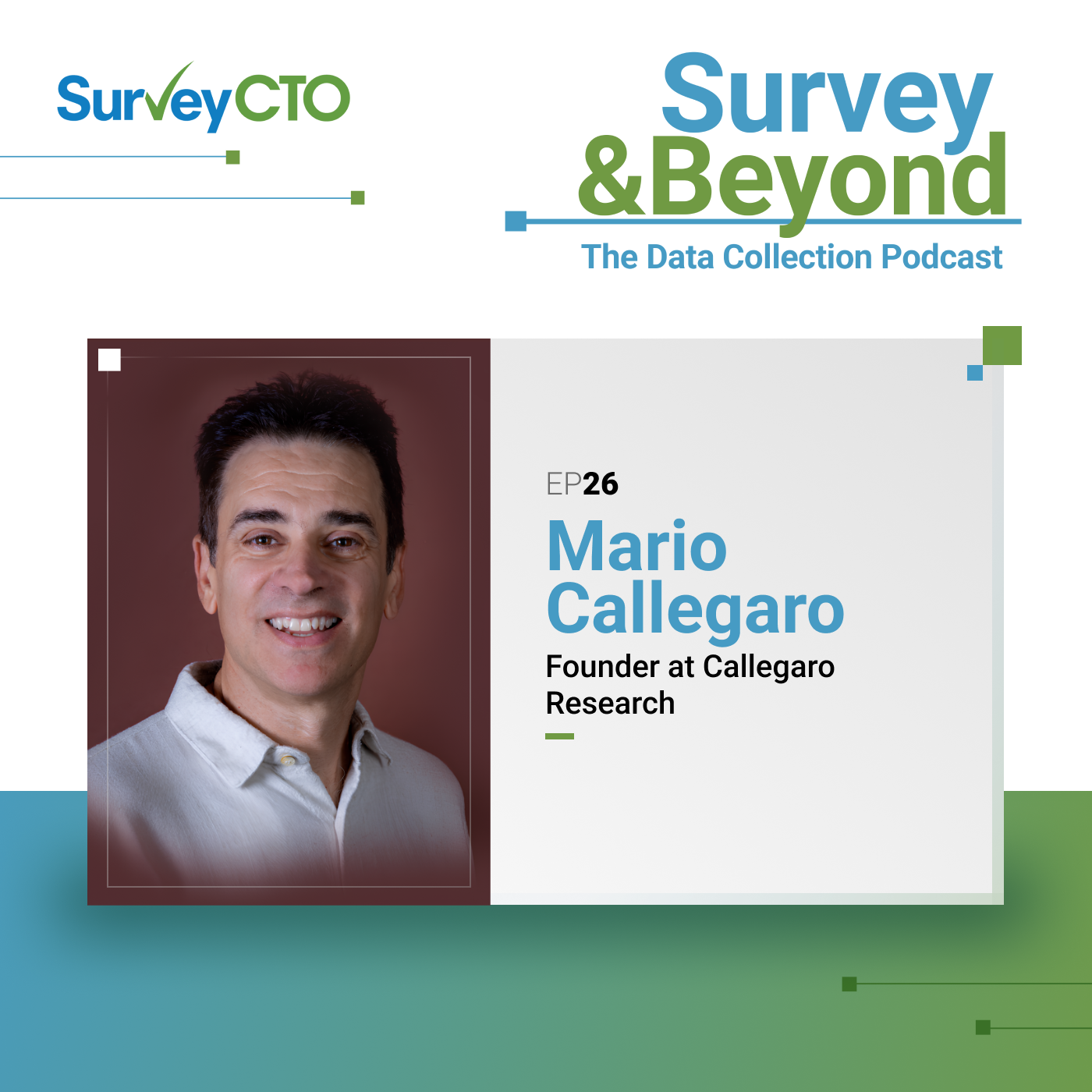 Data Quality, AI, and the Future of Survey Research with Mario CallegaroSurvey & Beyond: The Data Collection Podcast · on market research78 / 100
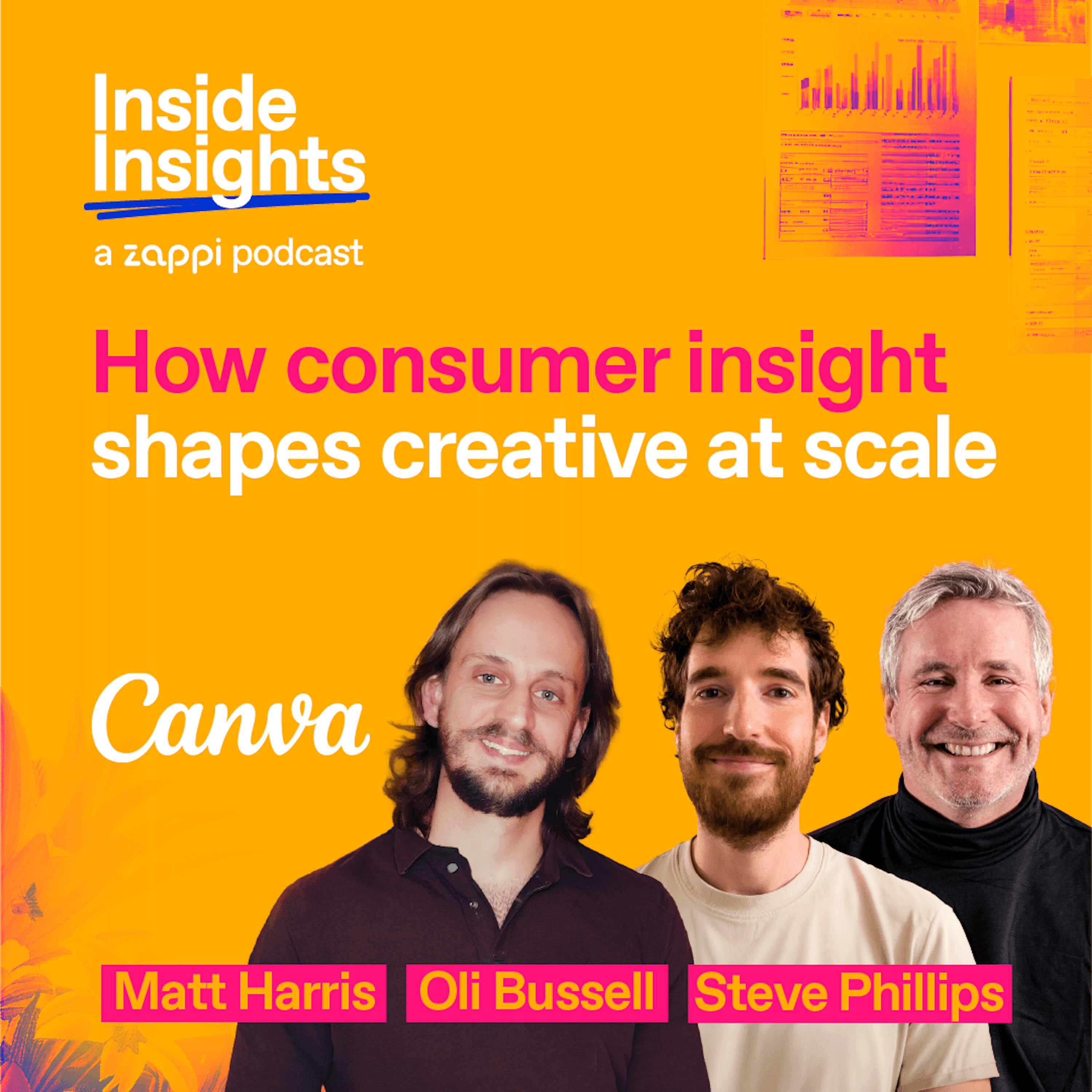 How Consumer Insights Shape Creativity Across MarketsInside Insights · on market research70 / 100
 AI for Inventors: What to Use It For (And What NOT To Do)Pitch to Product · on market research61 / 100
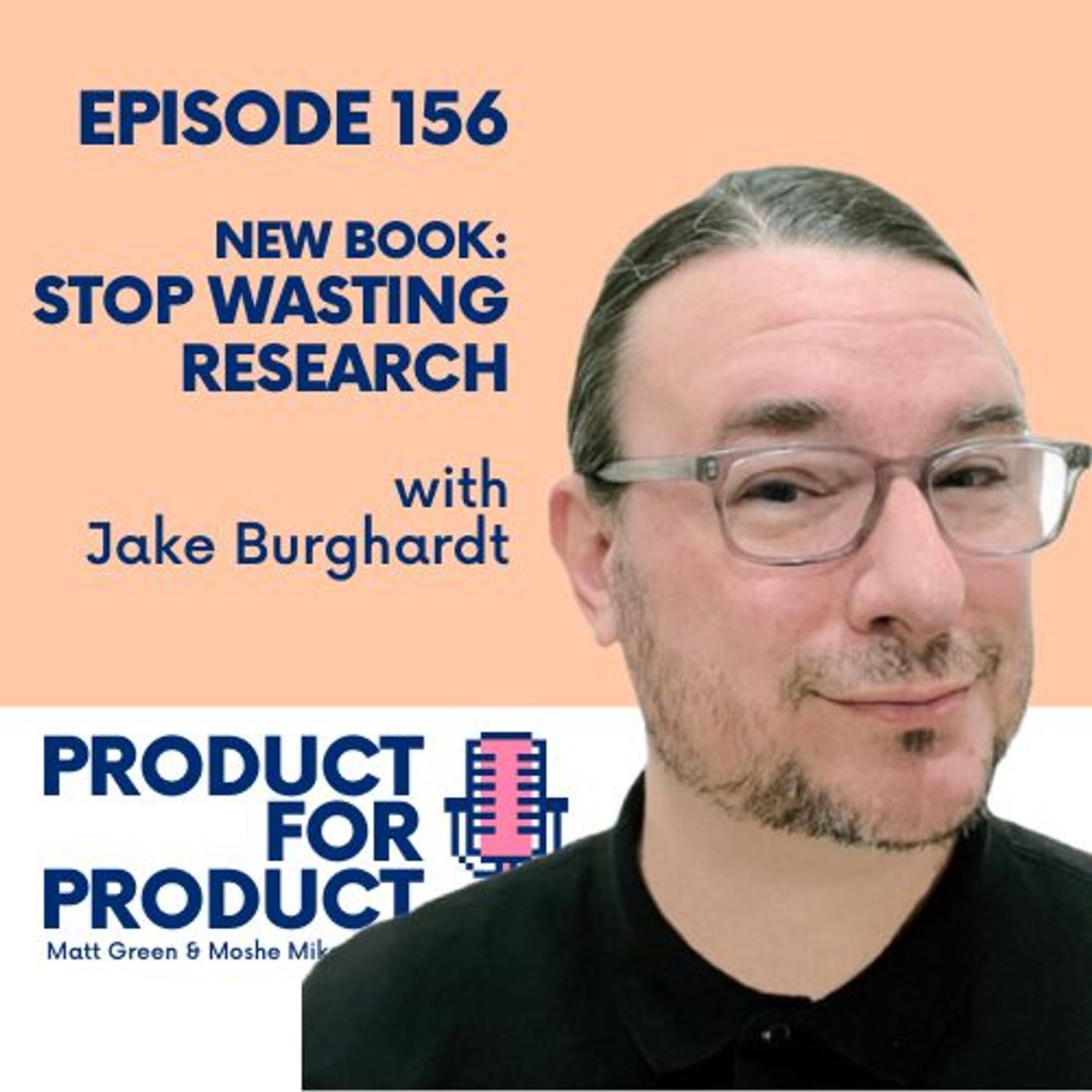 EP 156 - Stop Wasting Research with Jake BurghardtProduct for Product Management · on market research59 / 100
 The coupon deal that revealed retail media's power with David Glaza67 / 100
 Why your research needs a “thinking cave” with Sarah Kling89 / 100
 Social media is your new decision engine with Vladimer Botsvadze46 / 100
 What second by second phone data reveals about human attention with Byron Reeves77 / 100
 Your tools aren't broken, your processes are with Zontziry Johnson67 / 100