
The Chief Executive Podcast · 2026-06-17 · 25 min
Key moments - from our scoring
Substance score
28 / 100
Five dimensions, 20 points each
Taj Hotels' approach to hospitality leadership centers on a deceptively simple but execution-intensive philosophy: treating every guest as a family member or God, rooted in the Sanskrit principle "atithi devo bhava." Saurabh Tiwari articulates how this extends beyond hotel operations into a broader service business mindset applicable to industries from automotive (Jaguar, Range Rover) to any customer-facing organization. The company operates 650 hotels globally with significant expansion in the Middle East (three operating properties in Dubai including Taj Business Bay, Taj JLT, and Taj Exotica at Palm Jumeirah), plus presence in New York, San Francisco, London, Sri Lanka, Cape Town, and the Maldives. Recruitment strategy prioritizes attitude and character - humility, charm, conversational ability - over technical skills like cocktail recipes or sauce ingredients. Key challenges include consistent ROI delivery amid geopolitical volatility, rapid adaptation to changing market conditions, and competitive talent acquisition. The overarching context is the Tata Group's purpose-driven model, where 60% of profits after stakeholder obligations flow to community philanthropy, creating what Tiwari calls a virtuous cycle of responsibility-driven leadership. Three core values - Trust, Awareness, and Joy - guide decision-making.
Tajness is Taj's philosophy of treating guests as God, rooted in the Sanskrit principle "atithi devo bhava." It means going out of your way to exceed expectations, anticipate needs, and treat customers like family rather than transactions - creating memorable experiences that drive repeat business and word-of-mouth.
Taj prioritizes attitude and character: humility, modesty, charm, and the ability to have genuine conversations. The CEO emphasizes hiring "nice guys" first, then assessing if candidates can relate to guests naturally - technical skills are secondary because "culture eats strategy."
Key challenges include delivering consistent ROI to investors amid geopolitical volatility, rapid adaptation to changing market conditions every few months, and recruiting and retaining quality staff consistently - particularly competing against higher-paying industries for talent.
60% of profits, after paying all stakeholders and dividends, flows to community philanthropy - a commitment rooted in founder Jamshetji Tata's belief that community is the purpose of the company's existence.
Trust (between guests, employees, and the brand promise across markets), Awareness (of guest and associate needs, investor interests, and global changes), and Joy (finding fulfillment and love in your work).
Our reviewer’s read on each dimension, with quotes from the episode.
The episode is dominated by platitudes and vague generalities ('treat guests like God,' 'hire for attitude,' 'keep things simple') with almost no non-obvious operational insight a B2B operator couldn't derive themselves. The density of genuine ideas per minute is very low, padded by mutual admiration and anecdote.
culture eats strategy for, for lunch, you know, so if the culture is right, you know, this, the everything else falls in place
you treat the guest as you would treat your best friend, as you would treat your cousin visiting you to Dubai
The episode recycles well-worn hospitality and leadership frameworks - 'guest is God,' 'hire for attitude not skills,' and directly quotes the Drucker aphorism without attribution. The 'Tajness' label is interesting but never explored with first-principles depth or any contrarian angle.
culture eats strategy for, for lunch
atithi devo bhava, uh, which means guest is God. So whenever a guest comes to your house, right, you treat guest as God
Saurabh Tiwari is a genuine regional operator with a real P&L, a career that started as an intern and rose to area head overseeing multi-country hotel portfolios - not a thought-leader or podcast personality. However, he is a regional head rather than a group CEO, and the conversation fails to draw out his deeper operational expertise.
I'm the area head for the Taj Hotels in the Middle East. Um, I also overlook the CIS development in the CIS countries
our MD and CEO, Mr. M. Puneet Chatwal, who has taken um, this company from 150 odd hotels to 650 hotels in last six to eight years
There are scattered concrete data points - staff-to-room ratios, hotel counts, the philanthropy percentage, and named properties - that provide some grounding, but they are descriptive rather than analytically instructive. No revenue figures, RevPAR data, retention metrics, or case studies of specific service interventions appear.
any five star hotel in Dubai will have approximately 500 plus hotels because the ratio to the room is almost the double, you know, it's 1.5, 1.6 per room
60 plus percent of that after paying all these stakeholders and dividends etc goes to philanthropy
The host is consistently sycophantic, asks broad leading questions, never challenges a claim, and injects his own anecdotes mid-episode. There are no meaningful follow-ups, no probing for specifics, and the closing summary ('you've fully infected me with Tajness') exemplifies the PR-interview dynamic throughout.
Thank you so much for that inspiration. I think you've fully infected me with Tajnas
I had the privilege of being a coach for Enrique Llores, who became CEO of Hewlett Packard
Computed from the transcript - who did the talking, and the words that came up most.
Some brands do not just build hotels, they build a philosophy of service. In my latest CEO Series conversation, I sat down with Saurabh Tiwari of Taj Hotels in the Middle East to explore “Tajness” the idea that every guest is treated as God. From iconic palaces in India to Taj Exotica on Palm Jumeirah, their wow factor is not only architecture, it is a culture of anticipation, generosity, and pride in serving. As leaders, what would happen if we treated every client interaction with that same sacred level of care? Listen to the full conversation and reflect on how your organization can elevate its own version of “Tajness” #Leadership #CustomerExperience #Hospitality #ServiceExcellence
Transcribed and scored by The B2B Podcast Index.
Speaker A: Hello everyone, it's Mark Thompson. And I'm so thrilled to have with me today a leader in the hospitality industry who's transforming the way you get served all over the world. The, uh, Taj Group has just done a remarkable job in transforming, I think, the way we show up as leaders as well. Because every single person you'll ever meet in that organization is a role model for service and for contribution. And so that's been the through line here with the CEO series. We are talking to people who are making an intentional effort to get better and better at what they do, provide increasingly high levels of service. And now after 25 years of doing this program, I'm delighted to have you, uh, share with us, uh, some of your insights about what it means to be a hospitality leader. So thank you so much for being on the program.
Speaker B: No, thank you, Mark. Thank you so much for having me. Um, delighted to be here. Uh, just to tell you a bit about myself. You know, I'm the area head for the Taj Hotels in the Middle East. Um, I also overlook the CIS development in the CIS countries and uh, you know, a bit of North Africa, but mainly I'm based in the Middle East. So, you know, it's, it's a delight to be here. I'm glad we connected in London and here we are, um, on this very, very prestigious interview. I'm delighted to be a part of it actually.
Speaker A: Well, thank you so much because you, uh, deserve to be. And I think the GCC in the Middle east has been a spectacular example of transformation, uh, and growth, uh, a willingness to invest, stand behind those investments and then produce levels of services that are world class. So tell us a little bit about where you are having impact within the Middle east in the work that you're doing and the locations that you're serving right now and how you feel, uh, about development in that part of the world.
Speaker B: I think it is, um, a great, great city. We, we are based in Dubai. I'm based in Dubai and we have three beautiful hotels here in Dubai. Um, there's a city center hotel right next to the, um, the Burj Khalifa called the uh, Taj Business Bay.
Speaker A: Yes.
Speaker B: And we have the Taj at the jlt, uh, Jumeirah Lake Towers. Again, a beautiful skyscrapers. When you're driving from Dubai to Abu Dhabi through the Sheikh Zaid Road, which is the main motorway, um, the JLT Taj JLT cannot be missed. It's a beautiful positioning that we have there in terms of location and proximity. And then we have the the stunning Taj Exotica. It's a very exotic hotel at the Palm Jumeirah. So Palm Jumeirah, you know, it's an iconic place and that's how we like to position our hotels. We want our hotels to be iconic, especially when we go outside India. In India we have many palaces, you know, portfolios about 650 hotels today worldwide between operating and uh, in the pipeline. But in the Middle east we have three operating and we have three others, uh, signed. So, um, but the, the now that we are very well established in, in India, you know, we want to be in, in Middle east, we want to grow in Middle east and you know, it is all happening in Middle East. You hear a lot about the Kingdom of Saudi Arabia. UAE is, you know, is a stunning, uh, country, um, its ease of doing business, how it is welcoming to different nationalities. So we're very fortunate to call Dubai home. You know, um, apart from Middle east, we also have hotels in, in, um, in the US we've got hotels in, in New York and San Francisco. We've got hotels in London, we've got hotels in Sri Lanka, Cape Town, Maldives. So international portfolio is pretty limited at the moment. But, um, we are on our way to make sure we expand, especially in Africa. We will have, you know, quite a few nice hotels coming up. Good news is underway very soon. So that's a bit about our footprint.
Speaker A: You know, that is, um, it's remarkable how that's grown and the kind of impact that you're having. As you said, you tell us a little bit more about what it means to have that uh, wow factor. That must be difficult to differentiate yourself from other hotel groups at other hospitality. I think that's how to differentiate yourself. What would be your advice in terms of both, I guess, the physical representation and then also the services.
Speaker B: That's a fantastic question mark. It's all about making the difference. It's all about differentiating yourself, uh, from different brands. See, hospitality industry is very vast today. We're in the business of hospitality. Uh, you've got the biggest companies from the US and Europe. You know, to find your, yourself in that space and to rub shoulders with this, with mega uh, industries, you have to have some sort of differentiator. And we are, we, we have that differentiator. But let me go back to go, to tell you the future and where we are today. Let's go back a little bit to the history. The group started in 1903 when uh, Jamshetji Tata, our founder, he made the first hotel of India Um, this was the first five star establishment, the first elevator of India which was in a hotel which is the Taj Mahal Palace, Mumbai, right across the, the gateway of India.
Speaker A: Oh yes.
Speaker B: And from there the journey started. Now we have, we have many palaces that we manage. Um, you know these are real palaces from the bygone eras and now these palaces are managed by the Taj Group. So Taj has always stood for that iconic luxury. It is, look, it is, it stood for, for its uh, the grandeur, the expansiveness of the hotel, the luxury element of the hotel. But I think the most important thing is what differentiates us is the Taj Nes. We've given uh, uh, coined a term called Tajness which is we, we, we go out of our way to make sure our customer is treated as God in Indian culture. You know, because we're an Indian company. Company is actually called as Indian Hotels Co. Ltd. IHCL. And Taj is one brand of IHCL. You know, in Indian culture we used to say uh, there's a saying in Sanskrit which goes like atithi devo bhava, uh, which means guest is God. So whenever a guest comes to your house, right, you treat guest as God. That's the culture and that's the philosophy that we live by. That's the philosophy we talk about and that is um, what Tajna says. When a guest comes to us, we just make sure that the guest is taken care of. We go out of our way, we exceed all expectations, we anticipate the needs and that's the differentiator. You know, hardware is of course important in a five star luxury establishment. So that's why we have iconic hotels. We have these palaces, we have the pier at the New York, We've got the 51 Buckingham Gate next to the Buckingham palace in London. We have these properties in Palm Jumeirah and you know, the most, um, beautiful locations, stunning destinations. But what is the real differentiator is we treat our guest as God.
Speaker A: When you uh, I really, when you talk about the Taj Nes and the guest as God, you're way ahead of me because I wanted to ask you to take that metaphor of the way you show up and the service you provide into how we can show up as leaders or how we can think about, let's say many of the people on this broadcast are in service businesses, um, many are in hardware businesses and many now uh, are in both because it's about providing services around the hardware, uh, as well. I uh, had the privilege of being a coach for Enrique Llores, who became CEO of Hewlett Packard and leaned into the culture. The original culture was about service. It was about collaboration. It was about being a partner with your customer and elevating that relationship. Now you're taking it to an entire new level when you say the guest is God. And could you talk more about that philosophy in terms of how we might internalize that, uh, in service businesses, uh, for the entrepreneurs and leaders of organizations that are doing services?
Speaker B: I think it's a very deep question mark and a very, very, um, very, very vast, uh, question. But I'll try to decode it and give you a simple answer. I think it's about creating that memory. It's about creating that memorable experience, especially in the service industry. In the hospitality industry, if the customer remembers your name, we always say we should use the guest name, right? But if the customer remembers your name, that's where you've delivered the memorable service. That's why establishment, the restaurant, regional establishments, you know, there are certain companies and, and certain brands which say, hey, my name is Mark and I'm your server today, right? Uh, so if the guest, guest will only remember your name once you have delivered that exceptional service, which is a memorable service. And there is a trick to it, how you can make sure that the guest remembers you. Okay? What I tell my people, my team members, you know, every time we have the, the induction of the new joiners, I go in and I give a quick introduction of ourselves, our, uh, what we believe in, our values, our culture, etc. But, uh, most importantly, I tell them about memorable experiences, which is, you treat the guest as you would treat your best friend, as you would treat your cousin visiting you to Dubai, right? And in any industry, so if you're, you're a auto salesman, you're selling, I don't know, a car. Let's, let's use, uh, our own brand called a Jaguar or a Ranger, which belongs to the Tata group. As a salesman, you should be, you should be putting yourself into the customer shoes and saying, hey, you know what? This is the best car ever. You see a young customer in front of you, say, you know, he's, he would like a fast car. Let me recommend him a nice sports car, an F type or something, a convertible one. You know, uh, you see, there's a, there's a family which has come to see a car, right? And you think that this is my friend, this is my, my, my, my cousins who are coming to buy a car. And then you tell them, you know what, for you, the The Range Rover Autobiography would be the best one because it's the most comfortable and the most luxurious, the safest car, you know, so you, you empathize, you treat them as your best friends and the right kind of answers come to you as uh, a, as a salesperson, you know, we don't have to. Sometimes I also tell them it's very, very, uh, rare what I'm going to tell you because I tell my, my team members, you know, the waiters that I'm inducting in the first day in the industry, tell them you don't have to, uh, oversell, don't upsell, give the customer what they want, not what we want to sell. So understanding what your customer wants, thinking of them as, not only as God, but also thinking that your cousin is visiting you, um, to your shop or your business or your hotel. And then the right way and the right answers come, I think is a, that is what creates the most memorable experience. People remember you and that creates that snowball effect. And you know, customer comes back to you, creates a repetitive business. You know, they talk to other people. So there's word of mouth, you know. So I think the business of hospitality or our industry hospitality is about simplicity. It's about keeping things simple, keeping things, you know, absolutely the way you would want to be treated.
Speaker A: It's interesting you introduced the term simplicity. I'm thinking about when you're treating that customer with higher elevation, like a family member or like uh, a God, that implies a relationship. I haven't heard anything you've described here that sounds the least bit transactional. It's not that I'm staying with my family for the night. I'll be back, Um, I will be coming on special occasions. I'll be there in the context of my greater life and um, have to decide where I'm coming. And I have many choices. And you're saying you're welcome here as something more than just, ah, an overnight guest. It's not a one night stay.
Speaker B: Absolutely. It's never a one night stay. So Mark, I think, you know, it is important when you think that a friend of yours is visiting you. What would you tell in a, uh, in a hospitality industry, in a, in a hotel, imagine, uh, your best friend comes to your house. You would tell him, hey, what are you, what do you want to do tonight? And this is what we tell our guest. What are you doing tonight? Can I help you organize something? Do you want to go for dinner? And that gives me opportunity also to explain my services, my different restaurants, different Hotels that we have, you know, we have the Taj Exotica by the beach and there's a beautiful restaurant there by the beach or there's a rooftop there. You know, you must, must go. This is what I will tell my, my best friend, right? And that's how you tell the guests. And that creates the most lasting and memorable and uh, impactful experience for our, for our guest. And that's, that's a decent differentiator.
Speaker A: It's very, it's a big differentiator and it's very inspiring. And honestly I have to say it's simple in concept but for most organizations and for most people, very difficult to actually do. So I'm imagining of course, you're screening to try to find people who get energy from making that kind of connection. I mean it's a special, it's not everybody who instantly lights up at the idea that, that I've got to have family over. And so you're looking for the former rather than the latter there. Talk a little bit about that, how that affects your selection process.
Speaker B: So you know, when I was looking for my first job there were a lot of questions asked around, um, how do you make a particular cocktail? I started my career as an intern. We used to call it industrial training. You know, it sounds like we're going to be working in a steel factory, but trust me, it was a uh, beautiful five star hotel. And they would ask us cocktails, how do you. The most difficult question I was ever asked as a, as a 17 year old was how do you make a cigar? Believe you may have no idea. You know, I started asking the same thing when I became a, ah, restaurant manager. I started asking my waiters, how do you make a Bloody Mary? You know, the most difficult one once was, uh, one of my um, assistant managers was asking a waiter what is the, the recipe of a Worcester sauce? Like wow, even I don't know that I think those days are gone. You know we look for now in people, we look for attitude. Do they have an attitude of being humble? You know our MD and CEO, Mr. M. Puneet Chatwal, who has taken um, this company from 150 odd hotels to 650 hotels in last six to eight years. You know, he always says the first cut is you have to be a nice guy to be working in our company. You know, you need to be a humble person, you have to be a modest person, you have to have the heart in the right place. You know. Then the second thing we look for is at my level, I look for is that person has an attitude. Is that person charming enough? Is a person can have a decent conversation. Can I have a conversation? Which is not very superficial. It is not limited to phraseology, it is not limited to, you know, the status quo. It is about having a decent conversation. Hey, how are you today? Something as ah, simple as that. Instead of saying good morning, you know, and that stiff neck attitude is not there. So we need, in today's hospitality industry we need people who are more relaxed, more easygoing, more charming. And then all these, the sales pitch and everything, you know, flows as they say, uh, you know, um, culture eats strategy for, for lunch, you know, so if the culture is right, you know, this, the everything else falls in place. So we, we need people who are, who are culturally rich, who have good values, who are, you know, charming and, and they can have a pleasant conversation, who are pleasant and above all they're, they're nice people, they have the heart and at the right place.
Speaker A: That's lovely to think that uh, you can be rewarded for all those character, um, attributes which are, which are something we love in family members as well as in the community and our neighbors and so you can treat them that way and it's a virtuous cycle. When you think about the biggest challenges you have, what are the hardest things to do? Um, in your, if you think about the people listening to this program are running businesses, they're leading businesses, they're leading uh, great divisions like yours. Uh, what's the toughest thing that, that you have to roll up your sleeves and do.
Speaker B: I think we have, we have fun in our industry. It's a very interesting industry. It's uh, you know, um, a global industry. Everybody wants to be a part of hospitality industry. More and more investors are coming in our, our uhnis who come to our hotels, they say like you know, saurabh, please tell us a way to invest. How can we get inside this industry? It's a great industry. Now the challenges are there like any other industry. Um, but I think some of the challenges are true to give the returns to our investors consistently because you know the, the political scenarios change, you know, different uh, parts of the world, the different uh, things going on, you know, without mentioning and, and spelling it out, uh, with clarity. Uh, but there are challenges, there are geopolitical scenarios, etc, so these are challenges. How you circumvent around it is, is challenging. You have to take quick decisions. We can't be operating the same way how we were operating three months back because every three months something new happens. So to Be adapting to the challenges is you know I would say for your listeners that we should be quick in deciding. It's about being fast, it's about being agile, it's about taking quick decisions and adapting to the scenario. So our challenges are giving the ROIs consistently to our investors. Our challenges are to make sure we adapt quickly to the, the you know, political scenarios around this. Recruitment um, is you know we spoke about recruitment and how we select but getting those right people consistently. You know, we have a Brigade of over 6, 700 people per hotel in any five star hotel in Dubai will have approximately 500 plus hotels because the ratio to the room is almost the double, you know, it's 1.5, 1.6 per room. So consistently having a perfect um, you know, recruit in the housekeeping, in the FNB business, in the front office business, it's not very easy because there are many industries that, that pay you better than hospitality industry, you know, so, so you, you have to be really on, on top of your game when you, to find the right people to go to the right, right places, right source markets, right um, recruiting agents that we collaborate with. That's one of the challenges that we have.
Speaker A: When you think about that um, the world is changing quickly. This sense of agility that you're talking about, that sense of responsiveness, the sense of not being frozen uh, by complexity but indexing towards the simplicity of your values. I can see a draw, a uh, very clear metaphor from those business conditions that, that require being very flexible uh, and being very responsive to also the use case for the service that you're providing people because things change for them. Um, you're helping them this moment. They may be here for a wedding, they might be here for a major business conference and then stuff is happening all the time. So embracing. That's one of the things that really struck me when I met you at Parliament. Uh, that's when we first connected was at the institution of directors, the Global Institute of Directors, a great Indian organization with a global uh, diaspora and ah, impact all over the world uh, with India and tell me about that dimension of uh, being able to contribute to having impact for India um, and the Tata legacy. Could you comment on the role that you feel like you play um, in employment and community and, and in society. How do you feel about that? Important.
Speaker B: I'm being nostalgic now. You're reminding me of, of my, my speech in the, in the House of Lords and I spoke a lot about the, the company that I was representing which is Indian hotels and it's part of the Tata group and I, I, I, I know uh, where you're coming from when you say that and um, no, it's, it's a, it's a great question, um, Mark. Uh, because we really believe in giving back to the community. You know, our, our founder, Mr. M. Jamshetji M. Tata said that community is not just another stakeholder, it's a very purpose of your existence. So it's a purpose driven company. I've worked with many different international companies and I would not like to mention the brand names but you know, the sense of leadership that I get here, the sense of responsibility that I get in this company, it is all driven because we all work for a uh, for a big cause. We all work for a cause that we are here for the community. You know, leadership is not only about, you know, leading from the front, which it is. But you know there are many different elements of it. But very recently in my career I, I realized it's all about giving back to the community. It is a company that is, is huge. You know, we, we make a lot of revenue and profitability and believe you me, when we don't reach our forecasted numbers, we are questioned once we reach the targets or even if we don't, right, 60 plus percent of that after paying all these stakeholders and dividends etc goes to philanthropy. What a beautiful company to work for. You know, I don't know any other company, you know, with my limited knowledge I don't know any other company that, that does that, that is so particular about business and, and yet they give back to the community at the end. You know, so I learned very early in my career always remember the end game. What a beautiful end game this the company, uh, you know, IHCL and the Tata Group has and makes me very proud to be part of this company and that's the impact we make and that's the impact I make as a leader to my team members here. When I speak to them I speak with the same passion that hey, we should all be so proud of working with a company that uh, that means, well, that is culturally rich, that has got very strong values of, of trust, awareness and joy. You know, these are our values Taj. Trust, awareness and joy. So you, you, you, the trust that you have on me as, as employees, you know, my, my team has on me the trust that I have on them, the trust that the guest has that the brand promise we made in India, the same brand promise would be delivered in, in London and the same brand promise will Be delivered in New York. M. Right. So that's, that's your trust. Awareness is being aware of, of everything around you. Being aware of your guest needs, being aware of your, your associate needs, you know, being aware of your investors needs, being aware of what's happening around you. To be like we were saying earlier, to be very, very agile and adapt quickly to, you know, the changing scenario around the world. Right? And, and have joy. What's the point of doing something when you're miserable? You should have fun in whatever you do. And again, I like to quote my CEO and MD, Mr. Punee Chatwal. He always says that he loves his job. And I heard that so many times in my career. When I was young, people used to say, if you don't love your job, don't do it. But when a CEO tells you with so much of assertiveness, I love my job, I was like, you know what? That is so true. What's the point of doing something if you don't like it? And I use that. And now I see my, my peers, my team members, you know, everybody is, I love my job, you know, so it is, it is important to. That's why we say joy at work, you know, so trust, awareness, joy. Our three values are very close to all of us. Um, and that's what we abide by.
Speaker A: Thank you so much for that inspiration. I think you've fully infected me with Tajnas, um, and I'm glad. From your lips to God's ears. And that might be every customer that we serve, every family member, uh, that we serve. If we could bring that sense of joy, uh, and trust and commitment. Um, what a great mantra to leave this conversation. And I look forward to many more with you. It was an honor to take this time together, uh, and thank you for, um, making that impact on the world that you serve.
Speaker B: Thank you very much, Mark. Thanks for this opportunity. I'm so glad we met in London and finally we could do this, uh, together. It was, uh, good fun, it was very good conversation, lovely talking to you and uh, I also really hope so we would do that again in the near future.
Speaker A: Thank you. Thanks for listening to the Chief Executive podcast. I'm Mark Thompson and please don't forget to like and subscribe for more episodes every week.
Other episodes covering the same guests and topics, from across The B2B Podcast Index.
 Suman Guha on Nation-Building, Global Commerce & Purpose-Driven Leadership at Tata GroupVTEX Live · on Tata Group69 / 100
 Puneet Chhatwal -MD & CEO at Indian Hotels Company LimitedMary Gostelow Girlahead Podcast · on Indian Hotels Company Limited (IHCL)64 / 100
 Soon Hagerty: Building Brands, Businesses, and Boundless Futures#WisdomOfWomen Show · on Purpose-driven business model59 / 100
 How to Hit $160k Solo at 60+: The G.O.A.T. Strategy with Martin from NorwayWash and Win with Friends · on Purpose-driven business model41 / 100
 Sergei Guriev | London Business School
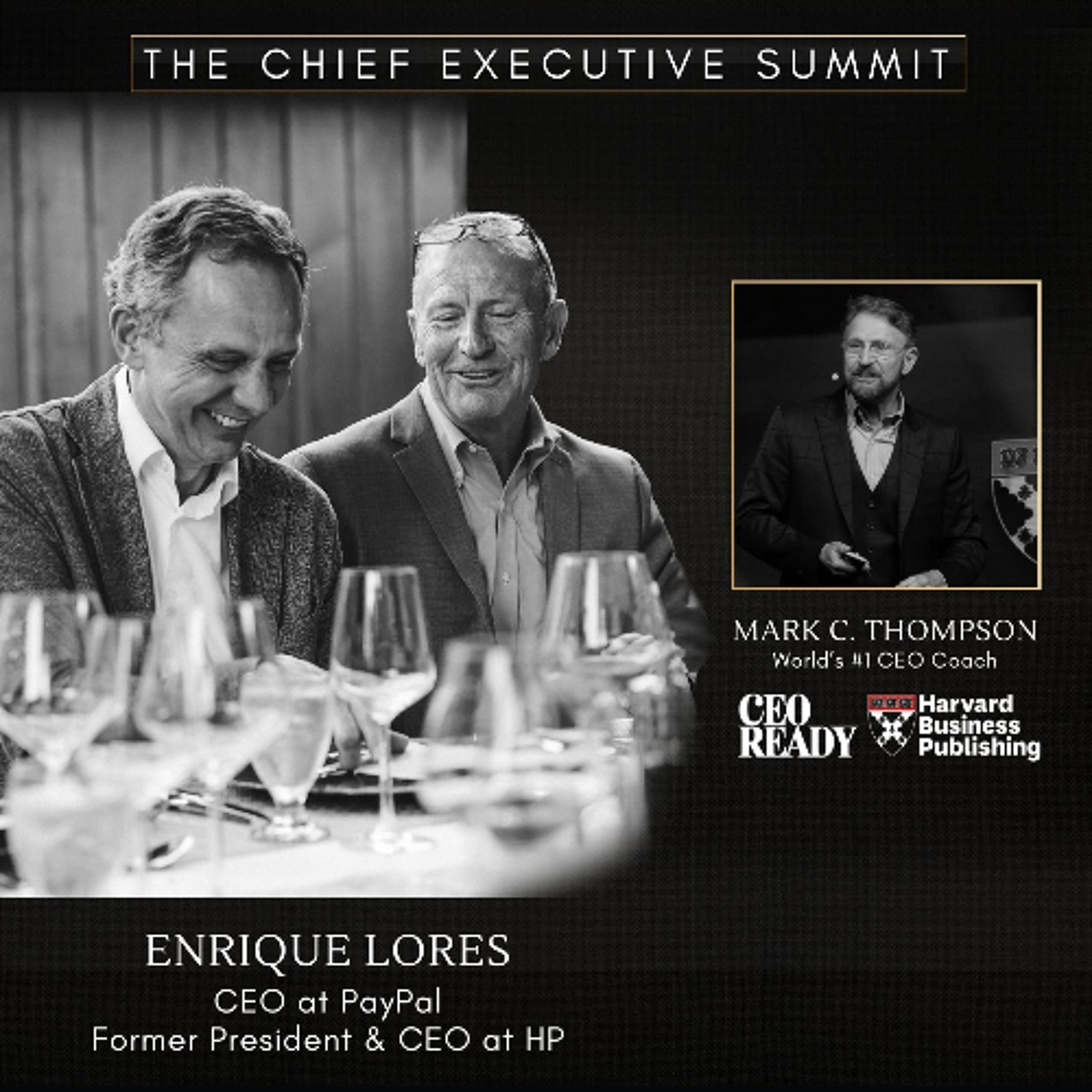 Stanford CEO Summit - Enrique Lores | PayPal & HP
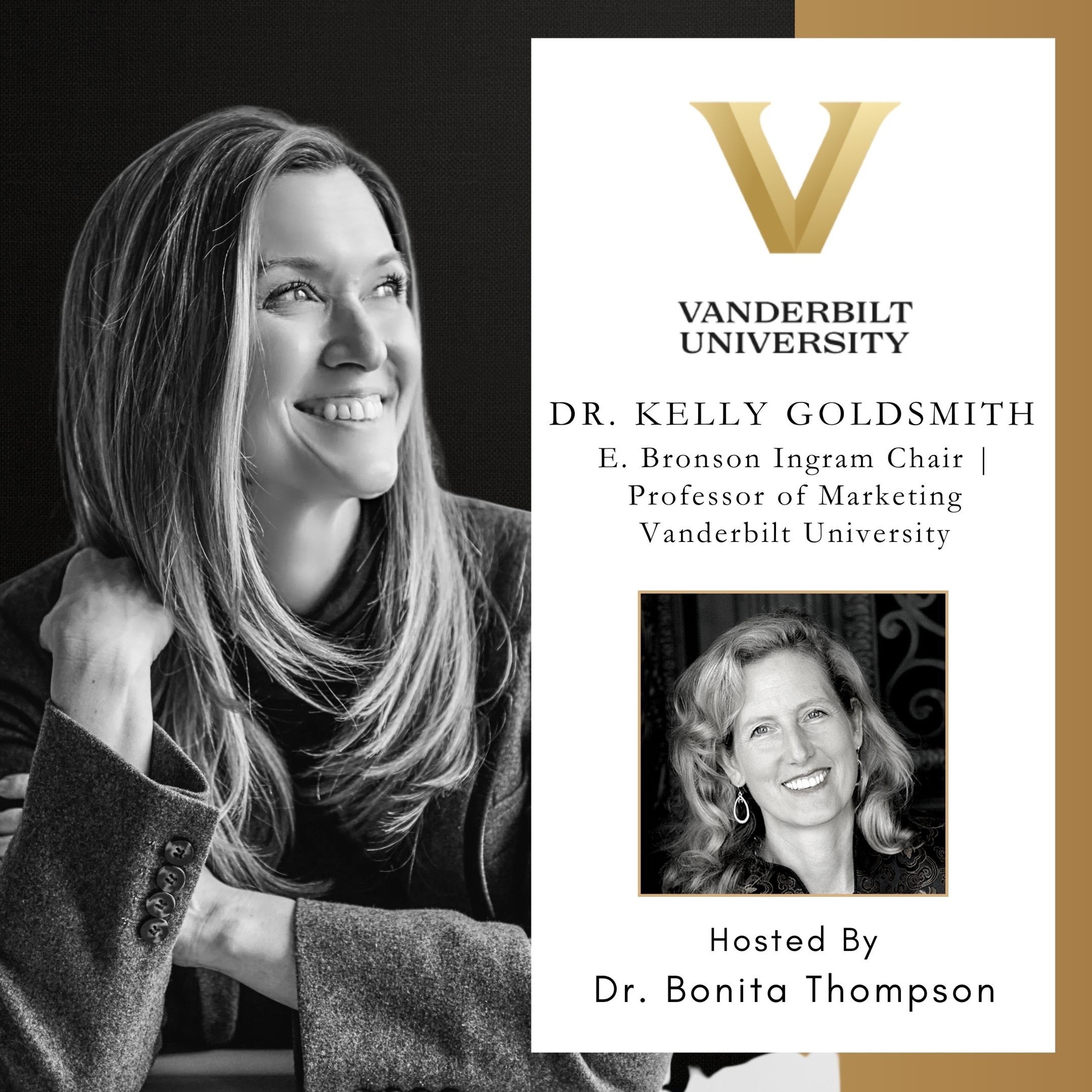 Dr. Kelly Goldsmith | Vanderbilt University
 Hindou Oumarou Ibrahim | President of the Indigenous Peoples Association
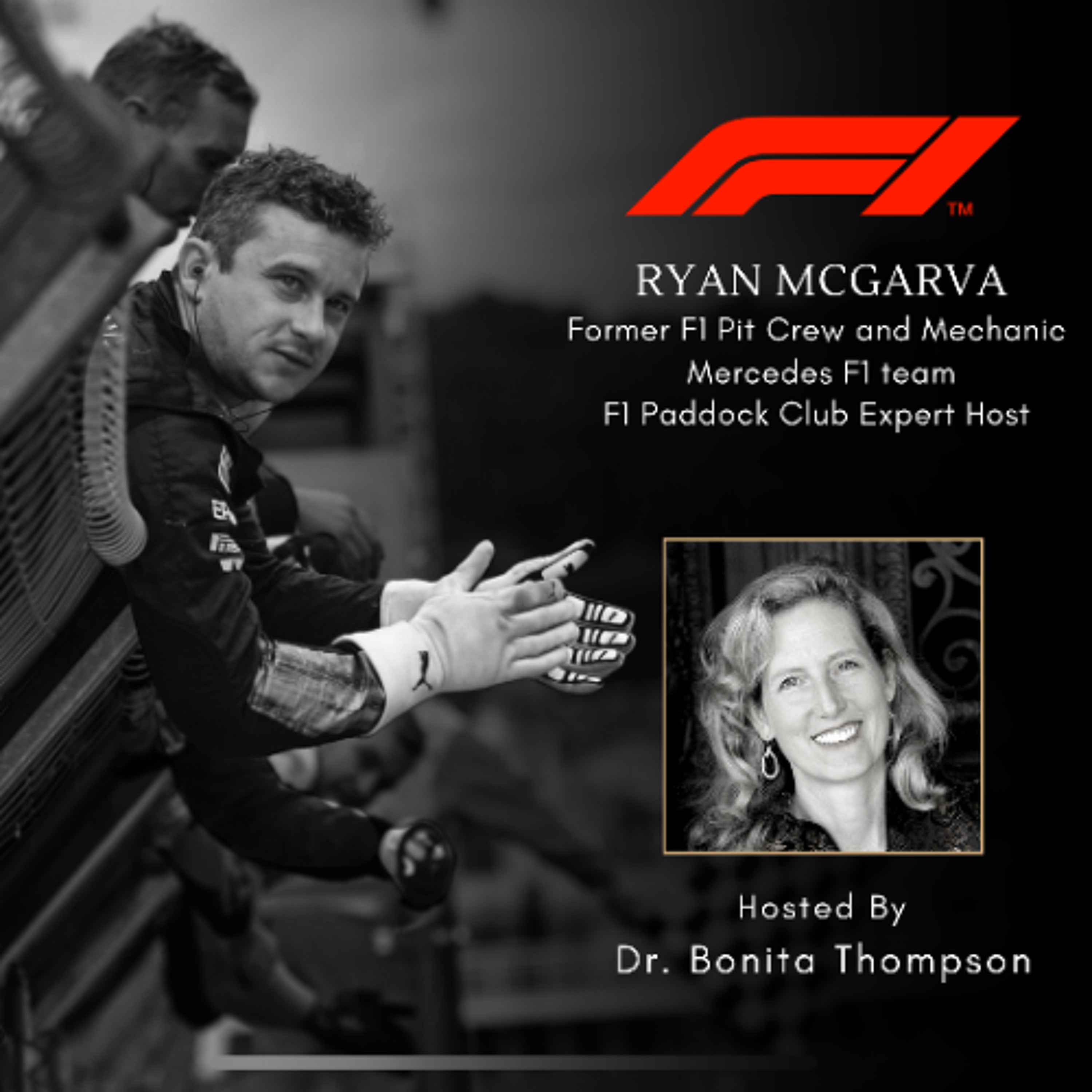 Ryan McGarva | Mercedes F1 team