
The Chad & Cheese Podcast · 2026-07-03 · 1h 21m
Key moments - from our scoring
Substance score
44 / 100
Five dimensions, 20 points each
Dan Lyons brings firsthand experience of Silicon Valley's toxic culture around age discrimination, having written both the New York Times bestseller Disrupted and scripts for HBO's satirical Silicon Valley series. After losing his journalism job at Newsweek following 14 years in media (10 at Forbes, 4 at Newsweek), he joined a Cambridge-based startup at 52, expecting his reporting and writing skills to transfer easily. Instead, he found himself in a bewildering environment: no clear reporting structure, no job direction, colleagues who mistook him for a parent visiting the office, and a CEO who publicly told the New York Times the company only wanted to hire young people and that "gray hair and experience are really overrated." The interview reveals how casual the ageism was - management didn't even consider that older employees would be offended by being asked to promote an article explicitly rejecting them. Lyons and another older hire became "lunch buddies" but eventually agreed to hide their friendship, meeting separately at restaurants to avoid being seen together as "the two old guys," a dynamic that perfectly captures the isolation age discrimination creates in tech culture.
After being laid off from Newsweek in 2012 following 14 years in journalism, Lyons wanted to transition to tech partly because he'd covered tech companies for years and knew people who'd made fortunes there, but primarily because his wife didn't want to leave Boston and he found a startup in Cambridge that was hiring.
No one was prepared for his arrival - his intended boss (the CMO) wasn't there, he was given no job description, colleagues mistook him for a visiting parent, and he was assigned a bouncy ball chair and told to figure out his own role in a completely flat organizational structure.
The CEO told the New York Times the company only wanted to hire young people, stating "gray hair and experience are really overrated," then directed all 500 employees to promote that article on social media without realizing it would alienate the company's few older hires.
There were only two older employees besides Lyons; the other man befriended him as a "lunch buddy," but they eventually agreed to meet separately at restaurants and avoid being seen together in public to prevent being marked as "the two old guys."
Yes - Lyons wrote for Silicon Valley after his startup experience, and the show is widely regarded as a documentary-like satire of Silicon Valley culture, directly informed by the dysfunction and ageism he witnessed firsthand.
Our reviewer’s read on each dimension, with quotes from the episode.
There are genuine observations buried in the episode - notably the contrast between cheap perks (ping pong, candy walls) and what actually drives retention (childcare, education, career advancement), and the observation that departing workers carry psychological damage, not just financial losses. But enormous stretches of the conversation are consumed by horoscope discussions, love language tangents, a twin flame cult documentary recap, Casper the ghost nostalgia, and celebrity crushes, producing a very low insight-per-minute ratio.
it wasn't beanbag chairs and beer and uh, game rooms and ping pong tables. You know, it really wasn't. It was continuing education, career advancement, mentorship, um, good paternity, uh, and maternity leave, paid time off
people left these places with their self esteem in tatters. They were really destroyed
Dan Lyons's first-person narrative of joining a startup at 52 gives the episode some freshness, and the framing that startups demand total devotion while offering zero reciprocal commitment is articulated clearly. However, almost all the substantive claims - ageism is rampant, startup culture is performative, the Bozo Explosion, culture starts at the top - are recycled ideas that have been in wide circulation since at least 2016, and the episode never attempts a contrarian or first-principles argument.
we want you to be completely devoted to us. We want you to wear swag every day to work. The company color was orange...But, but we, we don't have any commitment to you
says the CEO of the company where I work
Dan Lyons is a legitimate subject-matter witness - a NYT-bestselling author who lived ageism firsthand at a major tech startup, wrote for HBO Silicon Valley, and conducted genuine research for Lab Rats. He brings real credibility as a practitioner-journalist. However, he is an observer and writer rather than a founder, executive, or operator who built or scaled something, which limits the actionable depth he can offer.
I sold this and I adapted it as a film script
I traced it back to a business model and then why does that business model exist? And ended up tracing it back to decades of things getting worse and worse
The episode contains a handful of useful specifics - Dan's tenure at Forbes (10 years) and Newsweek (4 years), his age at startup entry (52), the company's average employee age (26), and an unverified Fortune list statistic - but the most important claims (why toxic cultures form, what good cultures actually look like, what the research shows) are stated abstractly without named companies, cited studies, dollar figures, or verifiable data points. The startup itself is deliberately unnamed, which further limits evidence grounding.
Only four years. But then I've been at Forbes for 10 years before that
the average age was 26
The host has clearly read both books closely and draws out useful anecdotes - the Facebook post incident, the first-day onboarding chaos, the Fortune list research - showing genuine preparation. But she allows the conversation to collapse into extended off-topic tangents (horoscopes, love languages, a twin flame cult documentary, a 90s child actor crush) that consume perhaps 20% of the runtime, and she defaults to sycophancy rather than pushing Dan to substantiate his claims or reveal anything genuinely surprising.
I would love if we could take a break, bit of this interview and have you recollect exactly what happened there
I think everyone's looking for their twin flame employer version
Computed from the transcript - who did the talking, and the words that came up most.
Maureen sits down with Dan Lyons - bestselling author of Disrupted, former Newsweek and Forbes journalist, and writer for HBO’s hit series Silicon Valley. At 52 years old, Dan made the jump from traditional media into a hyped tech startup… and quickly discovered he was suddenly “ancient” in an industry that worships youth. From bouncy ball chairs and candy walls to getting sized up as “someone’s parent” on day one, Dan delivers hilarious, painful, and brutally honest stories about ageism in tech. He breaks down the infamous CEO quote that sparked a company-wide controversy (“Gray hair and experience are overrated”), his wild ride writing for Silicon Valley, and what he uncovered in his follow-up book Lab Rats about toxic work culture, psychological burnout, and why so many companies treat employees like disposable kids. If you’re in recruiting, HR, or tech - and especially if you’re over 40 and wondering whether experience still has value - this conversation is equal parts laugh-out-loud funny and eye-opening. Needless to day, Dan Lyons doesn’t hold back.
Transcribed and scored by The B2B Podcast Index.
Speaker A: Dude.
Speaker B: It turns out that Winston Smart Recruiters First AI Hiring Sidekick is taking all the grunt work out of recruiter's day. Things like candidate screening, scheduling, all the admin garbage no one actually wants to touch. Winston can do it all, man.
Speaker A: You know I'm a fan of using new tech that takes the boring, repetitive crap out of a recruiter's day and allows them to have more time to connect with hiring managers and candidates.
Speaker B: Yep, Winston's doing the heavy lifting while recruiters kick back and do the actual hiring stuff. You know, like talking to people.
Speaker A: I really dig that Smart Recruiters is evolving out of the legacy ATS model and embracing cleaner processes using AI. With most ATS providers, it's like, hey, 2003 called and it wants its 30 minute application process back.
Speaker B: No doubt. It sounds like Rebecca and the team are using Winston to push smart recruiters into the future. While the ATS vendors are basically on an AOL dial up modem with a dashboard
Speaker A: with smart recruiters, Winston does the grind and the recruiters get the glory.
Speaker B: For more information on superhuman hiring with Winston, visit smartrecruiters.com that's smart recruiters.com.
Speaker A: start using Winston today. Or I guess you can stick with.
Speaker C: Now we return you to our regular scheduled program in progress.
Speaker B: Hey, boys and girls, it's Joel Cheeseman here. I guess it's been a minute. Listen, with, uh, Wreckfest going on and fourth of July coming, Chad and I are pretty busy, so we thought that we would, uh, let you listen to one of Mo's interviews with author Dan Lyons. So enjoy, uh, that, enjoy the 4th of July, enjoy your vacation, enjoy family. If you're not in the U.S. just, I guess, hang out while the Americans, uh, get wild and crazy. We will return with your regularly scheduled programming after the break. Now to it's commercial time.
Speaker A: Look, we talk about global talent all the time, but let's be real. International hiring is usually a total compliance nightmare. And you know what I mean. Stitching together random tools, drowning in foreign paperwork, and sweating over regulatory blind spots, it's a massive time suck. That's why it's time to stop bootstrapping and start using Pebble. Pebble built a decade of compliance expertise directly into an AI driven platform. Instead of taking months of legal headaches to hire abroad, pebble lets you compliantly hire across 185 countries in minutes. Yes, I said minutes. Contracts, payroll, benefits. It's all in one place. Pebble sets your global team up for success and you stop wasting time on manual HR. Busy work so stop the HR time suck. Try pebble today and get 25% off your first employee's fees for 12 months and just go to Hypble AI before it's gone. That's H I P E B L A I terms and conditions may apply.
Speaker C: So wash out.
Speaker A: It's showtime.
Speaker C: Oh, the other guy was, like, a little bit older than I was, I think even. But he spotted me, like, the first day or first week and, like, tracked me down, and he said, I heard they hired you, man. Like, you gotta go to lunch and stuff. So we became, like, little lunch buddies, you know, like the two old guys.
Speaker D: Is it like in Silicon Valley where Monica is made to be best friends with the new coder?
Speaker C: Yeah.
Speaker D: Just because she's another woman at the tech company.
Speaker C: And just like that, I said to him at one point, like, uh, dude, we got to break up. Like, we can't. We can't be seen as a pair. Like, you come over to my desk and then all my. All my colleagues see you, and we go, okay, Going off to lunch. You know, me and my buddy. Yeah, the two old guys walking out. Like, we can't. It looks worse than either of us alone. We should meet at the restaurant. Let's, like, leave separately and come back separately. Don't get seen.
Speaker D: Like it was a clandestine affair or something.
Speaker C: Yeah, yeah. Like, we don't want to couple up.
Speaker D: Welcome to It Gets late early. Today is a big day for me. This is kind of a bit of a bucket list moment for me as a podcaster because this book, the author of this book, uh, disrupted. Dan Lyons is here with me today. And this book is kind. It's kind of like the OG book about being old in tech, which is actually a large part of the reason I did it. Decided to do this podcast, and this really set me off on the path. So for better or worse, Dan Lyons, thank you for writing this book because this podcast wouldn't probably exist without you, and I'm just really grateful that you said yes. So thank you.
Speaker C: Welcome, guys. Thank you for having me on. I'm really always grateful to meet anybody who liked anything I wrote, to be honest. So, yeah, thank you. Looking forward to talking with you about it.
Speaker D: Awesome. So for those of you who don't know, Dan wrote the New York Times bestselling book Disrupted, which is all about joining a tech startup at the ripe old age of 52 and feeling like a fish out of water from the get go. And he also wrote for the absolute smash hit HBO comedy series Silicon Valley, which is about Silicon Valley. So, uh, Dan is amazing. And everybody who doesn't know about his work, uh, that's on you. You got to go figure that out. And, uh, and read the book and watch the series.
Speaker C: Yes, that'd be great. Please do buy, buy many copies of the book. But yeah, I've always, that was the thing. I always found tech to be really funny. It seems to me such a great source of comedy.
Speaker D: It is. I mean, tech is hysterical. I mean, you so rightly point out in the book and throughout Silicon Valley, which is essentially a documentary, as many people have said.
Speaker C: Yeah, people say that.
Speaker B: Yeah.
Speaker D: So, Dan, take us back in time. It's around 2012, and there are all sorts of changes afoot in the media industry, in the journalism world, and you decide after losing your job, which was a tough story to read, by the way, and plenty of us in tech are feeling that these days, there's been a massive layoff. Boom. Um, but you lose your job and then you decide to make your way into the tech startup world. Tell me a little bit about that transition.
Speaker C: Sure. Uh, right. So, yeah, I was at Newsweek and you could see it was coming. Most of my colleagues had already taken buyouts. I, for whatever reason, hung on. I got laid off and some of the refugees from Newsweek had ended up at Time. And I called over there and like, no, we already have tech people. Sorry, so like, no jobs.
Speaker D: And how long have you been at Newsweek, by the way?
Speaker C: Only four years. But then I've been at Forbes for 10 years before that.
Speaker D: Lifetime in tech.
Speaker C: Yeah, right, I know. But you know, for many of the last years of those jobs, you're always waiting for the next layoff. It's when the Internet was starting to really eat away at the business. So, you know, you've been in a dying business for a long time. And, um, I had toyed with the idea over the years of switching over and going to work at a tech company because I had covered all these companies and I saw all these people, you know, making a fortune and I thought, you know, they're not smarter than I am. I mean, the, the, you know, the PR people and stuff, I was like, I could do that, you know, um, uh, so I thought, you know, I had actually interviewed over the years for different jobs and half, um, heartedly. Anyway, so this time I said, okay, this is it. I'm, I'm, uh, going to go, go work in tech. Which is what, you know, all old journalists do at a certain point. All my friends have gone to do that. They're all at tech companies now. They all landed pretty well. Um, and I then thought, well, where. And so I had connections at different companies and I, uh, you know, went out and interviewed. I had one really great opportunity that I wish I had taken, but I didn't. And, um, my wife didn't really want to leave Boston. And the problem is there's not a lot of tech in Boston. Um, and then I found a place in Cambridge that was hiring and they were startup. And I thought, well, good, I'll go there. This is cool. And you know, it's a startup, so you might get, you know, you getting on the ground floor on something that's really going to take off is maybe better than going to some big company.
Speaker D: That's totally a lot of calculation.
Speaker B: Yeah.
Speaker C: And also, it was just, I wouldn't have to disrupt the family. We could just stay here and I would have this job. And it was. I was going to be writing, so I kind of thought, well, same kind of work. And my, my skills will be applicable here. You know, it's a good. Because that's the challenge you have as a journalist is what, what skills do you really have? Like research, reporting and writing. Um, and we tend, however, not to have great. Um, we tend to be a little more blunt or a little people, you know, like, rude in our, in our business, but with each other, we all get it. You know what I mean? And we kind of like, yeah, we tend to be cynical. We tend to be, you know, it's
Speaker D: fun being in a newsroom. I, I kind of miss it.
Speaker C: It was good, right? It's, it's like, it's great if you like it. So, yeah, you have to kind of tone that down, you know, I. And so that's the challenge when you're a journalistic crossing over is. Is more that, like the cultural, um, behavioral thing. So. But I thought, oh, that'll be a challenge. But, you know, I'm, in my mind, I'm still young, you know, like, I'm 52. I'm 52. You know, like, that's, um. And yeah, so that's how I ended up going to work at a startup.
Speaker D: So at that time, you weren't particularly concerned about your age getting in the way?
Speaker C: I'd never thought of it. I'd never even thought about my age.
Speaker D: Wow. Wow. You were in for an awakening, it sounds like. So talk about. So you've explained a little bit why you chose the company that you landed at. Uh, makes sense, all of that. Very relatable. Tell me what it Was like when you walked in the doors that very first day. Take us back.
Speaker C: It's a great scene in the book, right?
Speaker D: Um, there is.
Speaker C: And I think it's the opening scene in the book. The opening of the intro of the chapter, the first chapter. Um, and actually I, you know, I sold this and I adapted it as a film script and didn't get. Didn't get made, but it was the same, Same opening of the movie. You know, the Porsche schlub riding into work. So I, I, looking back now, I realize what happened is the two founders hired me.
Speaker D: That you had founders interviewing you?
Speaker C: Well, and I was like, old enough. One of the founders had seen me give a talk once, and he liked the talk, you know, and they kind of. Yeah, I guess. I don't know. I also found out later that other people had been through the same thing. The founders hired them, put them in the job I had, and then they all got, Ah, it was all a train wreck. Over and over. It was a train wreck. And so they assigned me to the cmo, and I interviewed with the CMO and his team. Seemed to go well. Um, but then, uh. So I thought I was reporting to the cmo. I was kind of disappointed. I thought I'd report to the founder. I kind of thought I should be like, their advisor, you know, and they were like, no. Um, and then it turns out the CMO didn't want me either. And.
Speaker D: Great story.
Speaker C: So I showed up, like, on Monday morning, you know, Bright eye. Yeah. And the woman at the desk is a young woman. I forget her name. She's really funny. I really, like, ended up really liking her. But, um, she's like, okay, and I can help you. I'm like, yeah, I'm here. It's my first date. I'm a new employee. She's like, you are like, look at me. Like, what? You know, because people used to stop me and be like, are you looking for someone? I thought maybe you were someone's parent. I'm like, yeah.
Speaker D: He's like, bring your parent to work day.
Speaker C: Yeah, yeah, yeah. So I was like, no, no, no. I work here. And she's like, you do? I was like, well, it's my first day. And it's like, well, who do you. Who do you work for? Who's your boss? I tell her, the cmo. She makes a call. And I'm sitting there now I'm watching they have a TED Talks on loop in their little waiting area. Uh, sitting there with my little backpack, trying to look like a cool startup guy. And, uh, she comes back and says, well, CMO isn't here. Okay, so there's some other guy I talked to who works for the cmo. Maybe, maybe it's. Maybe he's around, right? No, no, he's not here either. I'm like, oh, she's. Then I'm thinking, like, did I have the wrong week? You know, I look at my calendar, like, maybe I'm supposed to start next Monday. You know, like, no, it's pretty sure. It says right here, come in Monday. So, uh, this guy, she said, hold on a second. And this guy comes out and he's like, oh, hey, Dan. And he's like a young guy, nice guy, like 23, 24. He had worked at Google briefly for like two years selling ads. And then he was here and he had just started. And I didn't know what he did, but I thought maybe he was like the admin for the cmo, you know what I mean? And he said, well, you know, those guys aren't around. But, uh, I'm going to take you around, just give you a tour of the place, show you where everything is. Okay. Help you get settled in. So I'm thinking, okay, this is like, you know, that, you know. And, uh, so we go around. He's showing me, and it's, you know, increasingly more insane. Like the big game room and the. The candy wall and the kitchen and this and that. You know, the whole thing is just crazy. And there's all like, motivational sayings everywhere, but I'm kind of like, oh, this is cool.
Speaker D: This is startup feedback. That's my personal favorite. The. What are there instruments laying around? I've seen that at some companies.
Speaker C: Oh, there was. In fact, we went by one thing, and there was like a drum kit and some guitars and stuff in amps. And he's like, yeah, it's just if someone wants to jam for a little bit. And I was like. And I said, well, has anybody. Does anybody ever do that? He's like, no, no, but it's there because it's like our culture. I was like, what do you mean? Like, you know, we're fun. Okay, You're a fun culture. Okay, I get it. And he's like, yeah, like, we do outings where everybody goes and we do go karts and stuff. Like, we have. It's really fun. It's a really fun place. Yeah, I get it. Okay. It's seems really fun, you know, and then, uh, we go to the. He said, let's go to a little office. Uh, you know, because everybody worked open style. He had these little meeting rooms, you know.
Speaker D: Oh, yeah.
Speaker C: Ah, yeah, it's awful. So, uh, he's going to this little tiny room and it's a whiteboard. And he said, do you know how the, the marketing department is organized? Like, no, no. Um, let me show you. So he starts drawing like, so we don't really have or charts, but you know, this is what the org chart would be. And there's this and that. Then over here is this team, over here, this team. And then it's me. And then you're in here and I'm like looking m at it. I go, okay, so wait a minute. So do I work for you? Like, are you, are you my boss? And he said, well, we don't really have bosses. But I'm like, but you're my boss. He's like, yeah, basically, yeah. I'm like, oh, I thought you were. I thought you were. You know, I didn't say what I thought, but. And then suddenly I had this like panic attack. He's like, well, let's go show you where you're going to be working. And I'm like, all right. Okay. And uh, so I'm following him. And now as I'm looking around, I realize they're all children. And I start having this like this acid flashback where they all look like, in this like LSD way. They look like they were 12 year olds playing dress up. And I was like, oh, oh, like they're kids, you know. Now this sounds very ageist on my part. And that's what they would say is that I was, I was very.
Speaker D: It does go both ways. You're correct. Right.
Speaker C: And, and, and they, you know, and they would say like, yeah, you just wrote us all off because we were only 22 or something. And like, yeah, you know, whatever. It's just weird, right? And um, so we get to this little room and there's like just. They call it the content factory. I don't know, 10 or 12 people. It's a little tiny thing. It used to be like a library. And it was just desks lined up like two desk facing two desk facing two that, you know, you know, you and I sitting all day making the content. Making the content. And uh, and so I miss them all, but I can't remember any of their names. You know what I mean? And like, um. And he's like, well, I don't know where we're gonna put you, but we have this like, there's like a spare desk over here. And uh, we'll get you a laptop. And, like, there's like a bouncy ball chair. You know, like a big, orange bouncy ball chair. And I'm like, dude, you know, I don't know. Uh, can I.
Speaker D: You.
Speaker C: Can I get a chair chair? You know, like, on the way. I don't look like. I don't want to look like I'm old, and I'm, you know, I'm like, I'm not cool. But they had, like, I'll. I'll wipe out. If I sit on that thing, I am gonna fall, you know, and there's a whole room. There were, I think, all women. There might have been one guy, but
Speaker D: let's basically tech, too. So you must have been in either HR or marketing. So there you are.
Speaker C: Yeah. And, uh, I'm like, I'm gonna wipe out on the floor in front of all these women, and they're just gonna laugh their asses off me. It's day one. I'm just. So they said, we'll get you a chair. So they went and found a real chair. And then, like, I don't know, somehow got me a laptop. And they're like, okay, so you're all set. And I'm like, well, you know, what do you want me to do? Like, oh, I don't know. I don't know. Just, uh. Who hired you? I'm like, well, you know, who's gonna do this? What did he tell you? What did he tell you you're gonna do? I was like, I didn't want to tell you, but he told me I was gonna be running the blog. And, like, all these people over here that work on the. I think I'm going to be their boss, you know, because the founders were like, our blog sucks. We need someone to come in and fix it. So I kind of thought, like, oh, that's what I'm doing.
Speaker D: These people report to me.
Speaker C: Yeah, yeah, right. And they're like, no, no, that's not the case. And so. So, like, really, for a while, I. I didn't know what I was doing. And then I think I went and got a badge, you know, and.
Speaker D: Yeah. Went down to the candy wall. Yeah.
Speaker C: What, you don't know what to do? Onboarding. There's all this stuff. Oh, no. Then there was two weeks of training or onboarding or a week.
Speaker D: Oh, yeah, yeah. That's when they sell the Kool Aid super hard.
Speaker C: Totally.
Speaker D: Totally. Yeah.
Speaker C: And, uh, so that kept me busy for a couple weeks, but then, like, I still really didn't know what do I do here? And they're like. And it. I learned, uh, the really bad thing is I've heard that you say, well, it's kind of job is going to be kind of like what you make it, you know, you just go like, we don't give a lot of direction here.
Speaker D: We, like, go getters, though.
Speaker C: Yeah. And like, you know, and it's like, you know, if you need a lot of direction, this isn't a good place for you. And it's like, well, a little direction would be good, you know, the slightest bit with me. I was talking on when the book came out and I was doing promo. I went to wgbh, the radio station in Boston, for a interview with a woman who has a show on the radio, Callie Crossley. And like, she couldn't believe this. And I was like, yeah, I know. I said, but, Kelly, it would be like, you know, you got hired here and you showed up on the first day and you said, okay, what do I do? And they were like, well, you know, uh, I don't know. Here's a microphone. Uh, I guess, you know, just hang out. We'll figure something out.
Speaker D: Like, you know, some candy at the candy wall.
Speaker C: Yeah. Nobody, no, you know, you'd say to you, you have the 8, 8am to 9am slot, and your show is about like, no, there was none. So, yeah, like, pretty quickly I knew this was a mistake.
Speaker D: That's so brutal. We all have reality, right, that we have to deal with, right? We live in a country that doesn't give us health insurance, right? You need to go get a job. You have a family that you need to provide for. So you're in between a rock and a hard place, right? There's a point in the book when you talk about the overt ageism, um, that is displayed by your CEO at that company where he literally says on the record, like, we really want to hire people who are younger, essentially. And you then, in response, went on your, your personal Facebook and you made a post about that. And so that's one thing that I'd love for you to walk the audience through, because, you know, a lot of people in tech are feeling that, ah, you had just people, like, the floodgates open. And people were like, me too, me too, me too. So I think that's, that's really what this podcast is all about, is validating people's experience. So I, uh, would love if we could take a break, bit of this interview and have you recollect exactly what happened there and kind of walk down that delightful memory.
Speaker C: Yeah, sure. Yeah.
Speaker D: I'm sorry if this is going to be a little scarring for you.
Speaker C: Yeah, it's going to be rough. It's like reopening all these things. Well, oddly enough, many, many years later, uh, that experience also led me to write the more recent book, uh, you know, shut the F up.
Speaker D: Yeah.
Speaker C: Because I look back on that now and realize, God, I just. I should have just said nothing. So, to recap, CEO of the company was interviewed in the New York Times and said, in effect, we really only want to hire young people. Um, and the money quote was like, gray hair and experience are really overrated.
Speaker D: Yes. In tech.
Speaker C: And then I was like, okay. You know what I mean? But, uh, then they were very aggressive in pr and they gave. You know, the word came out to the whole company, like, 500 people. Like, we all get to get out there and put this on your social and promote this and drive traffic to this article.
Speaker D: Like, drive an article. Drive traffic to an article that says, you don't want me at this company. Awesome.
Speaker C: Yeah. But, like, whatever, you know, they didn't even think of that. Like, it didn't, you know, and it wasn't like.
Speaker D: Because you were one of what, like, two people there?
Speaker C: Two. There's, like, two guys. Uh, the other guy was, like, a little bit older than I was, I think, even. But he spotted me, like, the first day or first week and, like, tracked me down. And he said, I heard they hired you, man. Like, you got to go to lunch and stuff. So we became, like, little lunch buddies, you know, like the two old guys.
Speaker D: Is it like in Silicon Valley where Monica is made to be best friends with the new coder?
Speaker C: Yeah.
Speaker D: Just because she's another woman at the tech company.
Speaker C: And just like that, I said to him at one point, like, uh, dude, we gotta break up. Like, we can't. We can't be seen as a pair. Like, you come over to my desk, and then all my. All my colleagues see you, and we go, okay. Going off to lunch. You know, me and my buddy. Yeah. The two old guys walking out. Like, we can't. It looks worse than either of us alone. So we should meet. We should meet at the restaurant. Let's, like, leave separately and come back separately. Don't get seen.
Speaker D: Like it was a clandestine affair or something.
Speaker C: Yeah, yeah. We don't want to couple up. And he was having similar issues like I was, but. And neither of us could really say anything about it. So it was like, we kind of, you know, uh, it was like a Support group. But, um, so yeah, there was no, there were no old people, so I didn't think they were. I think the CEO probably didn't even think anyone would care. And in fact, the place was like, the average age was 26 and it was really full of young kids. And in many ways that made sense, right? Or some of it. Um, I get. I, I could see why. Um, but, uh, so here's the other. So, so having come from the, the, the journalism world, you know, you're a little freer in that world to be kind of irreverent about your own institution or your boss a little bit, you know, in the sake, you can be a little obnoxious and get away with it. Like, I worked at Forbes and they had a, uh, uh, they had a deal for a while where they did a show on Fox and it was called Forbes on Fox. And they were all conservative. This is way before maga. Like, this is like their sane kind of conservative. Like, you know. Yeah, it was before. Yeah, we really went mad men. It, uh, was like before even the. What was the one, The Tea Party. They were even before that. So like, you know, we would all make fun of it because we're all liberals, you know. One of my friends was the token liberal on the show, so they could beat up on somebody every week. And like, you know, we all knew and they knew it was like, fine, we could rip on them, you know, so. But I had a funny joke about, you know, I quoted the CEO and then said, you know, says the CEO of the company where I work.
Speaker E: And, uh,
Speaker D: that. On your Facebook?
Speaker C: Yeah. And like, and I thought about it for a while. It's like, no. And I deleted it. Put it back. Deleted. And you know, looking back now, now being older and wiser and um, you know, more heavily medicated, I think now I would know enough to just say, you know what? Walk away if you want to do it tomorrow, like, come back tomorrow, don't do it now. But instead I hit, I hit, you know, publish or whatever. And I didn't realize. I thought it was funny, right? I had a link to the article too, and I kind of thought it was funny. Like, haha, yeah, guess what? That might both doesn't like me. Like, I know the guy liked me. You know what I mean? It wasn't like, it wasn't a serious rip. I was a little peeved. It was also kind of like, oh, this guy kind of stepped in it here, you know, and call people out. Like, I kind of figured it would kind of Thing where the CEO would be like, Dan, I'd be like, hey, come on, man, come on, what are you talking about? You know, and he'd be like, oh, sorry, he had gray hair. You know what I mean?
Speaker D: That's the other thing. It's like, come on, man.
Speaker C: Yeah, like, but I thought, you know, we'd laugh about it. Like, hey, man, that made me feel special. Anyway, but the people that I knew on Facebook all started piling in and to your point about your podcast, this was the first time I became aware of this. But it was really, really a visceral issue for them. They were all, you know, I guess my age, more or less, you know, a lot of them and I think all had felt this kind of thing and really, really it started getting a lot of comments, you know, and I was like, oh man, this is not good. This is supposed. And they were really going to town, like making it worse than it was because it was like the guy made a little toss off comment in an interview. He probably wish he hadn't said it because what he said is essentially like illegal, right?
Speaker D: Yeah, it is actually.
Speaker C: It'd be like saying, you know, we really don't like to hire, uh, you know, women because, you know, they get pregnant and uh, you know, they're not as smart as the men, you know, anyway, so, uh, so man, it was the first time, like I said that I felt the strength of how, how strong people feel about age bias. And then, then it might have, it would have, could have just died right then. But then the head of PR at the company. Weighed in commenting on my post because they would watch everybody's social all the time. Oh yeah, you know, it's like saying, you know, typical, blah, blah, blah, blah, blah, I think, right? Kind of like PR thing, you know,
Speaker D: but really, like, do you remember what it was like?
Speaker C: No, I don't remember something. I, I still didn't remember. Their, their PR was always sort of very Orwellian.
Speaker B: It's commercial time.
Speaker E: Okay?
Speaker A: Face it, recruitment marketing is broken. 70% of paid recruitment media spend is wasted, 93% of candidates bounce before they even apply for your job. And this is not a talent problem, that's a data targeting and experience problem. But hiring companies like Touchmark didn't just fix it, they transformed it. With 82% more high quality applicants, 45% reduction in media spend, and 55% less recruiter time spent, Touchmark proved what's possible when recruitment marketing actually works. So how'd they do it? They chose Jovio, an AI led High performance recruitment marketing platform built to eliminate waste and drive more results. Using Jovio's AI agents, your job ads reach the right candidates. All while your career site, conversational AI and application process deliver better candidates and conversions. But what about those qualified candidates you've already bought and paid for, but they're just sitting and wasting away in your ats? Well, Jovio actually re engages those candidates. And you can stop losing qualified candidates today by choosing Jovio. Just go to jovio.com. that's j-o v o.com. it's showtime.
Speaker C: You know, like, sort of, you know, happy happy, you know, blah, blah, blah. Right, Right. And then I'm like, oh, shit. So the people at work have seen this, right? Like, this isn't good. Then the CMO weighed in and said, well, you know, the CEO, I think it's good because, you know where he stands. He says what's on his mind, you know, so, uh, even if it's legal,
Speaker D: he says what's on his mind.
Speaker C: Or just like, even if it's, you know, hurtful or unkind. Anyway, people then people who. Other people are teeing off on these people so bad. It gets really ugly and on and on.
Speaker D: Facing page.
Speaker C: Yeah, I don't. Yeah, I don't even know how long. And I started thinking, like, I should delete this.
Speaker D: This is awful.
Speaker C: Like, I should delete the original post, make it go away, but now it's too late. And if I do that, it will look like they. And it will look like. Yeah, the Internet server. It'll look like they made me take it down. M. So then I was like, I don't know what to do. So I found. I think I'll try to make a joke out of it. So I found, like, pictures of myself as a kid. Like, there was one. I was an altar boy when I was a kid. And I had a picture, like, in my little robes going like this. It's a really funny. I'm looking very serious. My hair is all calm. And I'm like, you know, in front of the fireplace, you know, having this formal picture done. Is he the first? I don't think First Communion, we wore robes. But anyway, so I'm wearing these little robes and I'm like, you know, 12 or whatever. And I posted it saying something about something. I just hired as, you know, senior director of content, uh, marketing or something. And I have a lot of good ideas. Ideas, you know, like, this is. We should. Because people are like, what's next? Gonna hire, like, teenagers and stuff? Like, yeah, they're the smartest. So, uh, I can't even remember the jokes, but it's like, yeah, I just applied, you know, my m. My new. So I thought, well, it might as well make it funny, you know, and, uh. And maybe that'll save me. But, you know, it didn't really. Um. So when I. I went back to work, I went in the next day and, like, you know, everybody's looking at me. They all know, you know, and, uh, Facebook gate. Yeah. Yeah. And the CEO never said a word to me. And someone said to me, ah, he didn't care. He wasn't bothered at all. But the head of PR was, like, livid, Livid. And I had to go make a formal apology, like. Like a. Like a, you know, re education camp thing. And I had to do it. I had to do it very publicly and tell her that I was sorry. And the reason was that she was mad because this has been a big coup for her to get this, um, drive traffic to get this article in
Speaker E: the New York Times.
Speaker C: Yeah, right. And then I had ruined it for her. And, uh, like, no, I really drove probably more traffic to that article than anybody else's post. Right?
Speaker D: Bad press. Doesn't she.
Speaker C: Anyway, she's really mad. Like, really, really mad and, like, really hurt. And I had to go. I think I got. I ordered. They were like, these cookies. Like, really nice cookies you could have delivered. I used to get them sometimes when, uh, you know, I. I worked at Fors, like, 10 years. And it's like the IT people would come and save me, help my computer. I'd. I'd order a box of these things, you know, have them sent to the IT department. Hey, guys. They're always like, hey, man. It's like a way to say thanks to somebody, you know, and, uh,
Speaker D: have never liked me. I never sent him cookies. Good deal.
Speaker C: So I sent her cookies. I think it was cookies or brownies. No, it was brownies. These, like, really expensive, really good brownies. And I made a point of, you know, first I had a big thing with her, and I talked to her, and I'm really sorry.
Speaker D: And then.
Speaker C: Then I made this big gesture. Like, the brownies are delivered by somebody, and she opens them, and there's this groveling note for me. And of course, everybody around her sees, and it's like, come have brownies. Dan got me brownies because he's an asshole, you know? So I was like, okay. It was a very public mea culpa, you know, like, okay, I really fell on my sword. Big in A big way. And then it was kind of never brought up again. And then they hired a new guy in to be my boss. And I said to him, like, a couple months later, hey, man, I think I'm pretty screwed to this company because of this thing. He said, oh, no, no, I know about that.
Speaker B: Nobody.
Speaker C: Nobody cares about that at all. Nobody cares about that. But then it was a, uh, year later, but I kind of think I sealed my fate. Although I've thought about it since. Like, I think maybe they were never going to keep me for four years. They often would hire people, keep you for a couple years, and then you're out. You know what I mean? They didn't want me to vest, but, uh, I vested a little bit. But, yeah. So anyway, they. Yeah, I think that was. That was the first time my eyes were open to the idea of. Well, that job was the first time I had ever seen, uh, anything like that. You know, in terms of age. I had come from Newsweek, where, um, I was, say, 50. Jon Meacham, the editor, was 39 and won a Pulitzer Prize while we're working there, while he's also editing Newsweek. And we're all like, Jesus, you know, But. And then my boss was, uh, my direct boss. The business editor was a woman whose. Almost exactly my age. And then, um, you know, I was never even aware of age or older people, younger people. But it wasn't like, you know, hey, when I was at Forbes, the editor of forbes was like 90 years old. He had been around forever. Jim Michaels was like a legend. But, um, yeah, it just had never. And I just. I had always been in these workplaces.
Speaker D: I read in the book that you had just actually published an article. Not you necessarily, but News Week had published an article about the beached white male or something like that. Males in their 40s and 50s plus couldn't find jobs anywhere. So you had that probably in the back of your mind, right?
Speaker C: Totally, totally.
Speaker D: And that's where a lot of people are, right? They're in the sort of. The midlife collision. I heard that term the other day. Instead of the midlife crisis, which is also a thing, the midlife collision, where you have all these responsibilities, you might have personal health struggles, you might have aging parents, you might have young children you're supporting, you need to get healthy, so on and so forth. And so you have to just kind of make it work, right? And so I imagine you've walked into the situation and. And I feel like, especially coming from, um, more of a. I guess a traditional background, you were unlikely to view, like a short stint in a tech company as something that was passable or okay or, uh, something that wouldn't be an issue for you moving forward. Right. So I imagine you were like, I really effed this up, but I'm here and now I just have to make it happen. So, like, talk about that reality.
Speaker C: Yeah. Well, also, I had. I, I remember thinking, like, I, this is a great job. You know, I can work another 10, 15 years at this place because this company is going to grow and grow and go. I'll, I'll. This will be my last job. I'll retire from here. I'll work my way up. This is, this company grows, I'll grow. And I'll have you know, these are so stupid. Like, so stupid.
Speaker D: But you worked in tech before. I mean, the things you described to me, I mean, just sort of the Montessori, like, vibe and like the young sort of atmosphere, like that speaks very true to me because I've been in tech for a while now, but that was your first foray into it. And, uh, you unlikely, uh, you were unlikely to probably hear the nitty gritty from your friends who had left the journalism profession and gotten into tech, you know, in some parts, probably for self preservation. They're like, yeah, it's great. Never look back. Love it. Right? Like, people don't necessarily tell you exactly how they're feeling.
Speaker C: Well, and they did say it was an adjustment. One of them told me, like, dude, you'll never do this. Because even among, even among journalists, I was kind of obnoxious. And, um, Although, you know, one of my friends who's the most obnoxious journalist I ever knew, has had a fantastic run and I'm not going to say where because.
Speaker D: Because we don't want to out this obnoxious.
Speaker C: He's, he's as outspoken and as whatever as I am, I would say. And he's, he's done very, very well. He somehow managed to, to do it, you know, Um, I, I actually think.
Speaker D: Or is he still journalism?
Speaker C: No, he's still working in tech. Tech company.
Speaker D: Okay.
Speaker C: He left, um, he left journalism a while ago and like all my friends, everybody bailed out, you know, even the ones who were at, um, decent places. All the people from Forbes that I worked with are. They're all over the tech industry now. It's like they're all scattered to the winds, you know.
Speaker D: Well, it's kind of booming until recently, I guess. Um, booms and busts. Bubbles, right? Booms, busts and bubbles.
Speaker B: Yeah.
Speaker C: And Then there was, There was a period where they were all hiring in house journalists and they were going to build their own newsrooms. That was a little fad for a while. Um,
Speaker D: sounds like something Gavin Belson would do and then like scrub the Internet.
Speaker C: Yeah, yeah, it is. Like, in fact, it would be something hooly. Would create their own newsroom, hire a bunch of, you know, journalists, like, you know, washed up magazine guys and make them cover their own industry, you know, but. And try to present it as like, this is. But with neutral. We're not biased. This isn't sales. You know, we're not just selling stuff.
Speaker D: So, speaking of Gavin Bellson, and tell us how you got the call to go work on HBO Silicon Valley, which, by the way, I was able to call it work to rewatch it for the third time in anticipation of this interview. Yeah.
Speaker C: So I. Oh, so you can, you can.
Speaker D: Why are you watching? I'm like, it's work. It's preparation, it's research.
Speaker C: Yeah. And you can expense that m. My
Speaker D: hbo, uh, that month.
Speaker C: Anyway, um, I, I had done this, uh, back in the Forbes days and into Newsweek, I had this, uh, blog called Fake, uh, Steve Jobs or a character called Fake Steve Jobs. And I wrote a blog and I pretended to be Steve Jobs. And um, it was, it was really funny. And I was anonymous for a long time, so there was a big. Which I knew is good marketing. Like, everybody would want to know. There'd be a whole thing about like, who is this? Who is this mask man? And then I finally get caught. And then, uh, I, I published a book. Like a fake novel, first person novel by fake Steve Jobs.
Speaker D: I've got to read that.
Speaker C: Uh, it's pretty crazy. It's called Options. It's, you know, it's not a good book. It got. But. And I kind of thought like, oh, this is going to get savage. I think one review came out and it was like so brutal. I thought. I, I thought maybe we should cancel a book. Oh, the pre publication. Like one of those places, like, I forget what they're called, but the little pre pub ones are all a little bit earnest. And they didn't like it or. No, there was some, some tech reporter wrote a bad review and I was like, oh, I called my wife's like, it's gonna, this is gonna be bad for me. And then, uh, but then others came out and they were like, oh, this is like Jonathan Swift and uh, Voltaire and stuff. And I was like, oh, okay, I'll take that. You know, like npr. I was on. I was on, uh. What's the show with Kai Rysdal? Is that Marketplace? Yes. Suddenly it got all this. So it got all this good attention. I mean, it didn't sell very well, but, um. And then it got attention in Hollywood. And the guy who made Bruno and Borat, he read it. And I got teamed up with him by a production company. We developed it as a show, and, um, we sold it to Epics. And then it lingered for a while and languished. And then they said, we're not gonna make it.
Speaker D: Oh, man.
Speaker C: Then. And we had pitched to hbo. HBO turned us down. Um, Showtime had made an offer too. We should have gone with them anyway, so. Because there was a lot of appetite. All the meetings we had, you could tell they had all been trying to find some way to tell a story about Silicon Valley. They're all aware of it. You know, up north there's stuff going on, but how do we get our teeth into it? So then Mike Judge, Soldier, Silicon Valley to hbo, and the agent who sold it was my agent at wme. And, uh, so I wrote to him. I was like, hey, dude, you know, like, if they ever need writers and stuff, like, can you get me in on that? And he's like, yeah, uh, we'll see, you know, And I totally forgot about it. And I went to work at that startup and, you know, was going along, and then one day, out of the blue, like, I got a call from wme, from the guy who had been the assistant to my agent the last time I talked to them and now become an agent. And he was like, yeah, so look, uh, the HBO guy, guys on the show want to. If they get renewed, would you come work on season two? I said, yeah, sure. Um, and, yeah, so that was it, basically because my scripts had been floating around out there. And, um, I guess h. Well. Oh, no. Cool. Because the guy I partnered with, Larry Charles, does a lot of stuff at. HBO. He works on Curb youb Enthusiasm stuff. So. So Larry was out there with these scripts floating around of mine, and I think showed them to those guys. Anyway, that's how. That's how it happened. Yeah.
Speaker D: Uh, so when it happened, were you like, okay, this is it. This is my ticket out of here. Like, I'm gonna have this writing career in Hollywood. What was that like?
Speaker C: Uh, yeah, again, super naive and stupid on my part, but I was. Yeah, really? Really. I was, like, ready to move again. My wife's like, we're not moving. Yeah, Yeah. I was all, this is it my big break. And you know, and then I, I had meetings with, uh, with my agents and they were like, yeah, if, look, this is such a good credit. If you, if you want to move here, we can keep you working forever. You make like they quoted some numbers. I was like, oh, that sounds good. You know, and, and one guy, they, they said a number and then like the. He and the other guy, he said the other guy. Look at his face. Because I was like, you know, they were like, oh, you know, on there.
Speaker D: Damn.
Speaker C: I was like, wow, really? And uh. But then, you know, I did the one season I actually didn't get hired back. The guy, he basically didn't hire back. The entire room got let go, which is, I think that showrunner was his deal. Some shows hire you and then you're in. Other shows just bump the whole room and.
Speaker D: Interesting. Why would they do that? Is that a negotiation tactic or.
Speaker C: No, I think it's like, well, the guy, the showrunner of that show really began his career at, um, Seinfeld. Seinfeld always did this. Larry David would hire a bunch of people in, suck em dry for a season, get all the ideas out of them, and let's get a bunch of fresh people in with new ideas. Yeah, yeah, yeah, yeah. It was really, um, it was very much like a startup, a TV show. But then I didn't get hired back. And I was kind of pissed. Uh, all of us were.
Speaker D: And then three. You didn't get hired back.
Speaker C: That was after I did season two. Didn't get hired back. But then when the writing season for season three began, they got stuck and they didn't want to call me. Like the showrunner was too proud. So they had one of the producers who was like Mike Judge's manager whenever, call me out of the blue. And meanwhile I was working on. Disrupted the book because I had been. I'd gone through that whole fiasco with the startup that had ended. I sold a book and he called up, he's like, uh, yeah, uh, you know, I think you would come out maybe and work. Would that be okay? Like they knew, like, you're probably pissed or whatever. And so, yeah, so I said, yeah, I'll do that. You know, whatever.
Speaker D: Sort of solidified your place in the writers room.
Speaker C: No, because it hadn't even come out yet. That was just a manuscript. They didn't know anything about it. And um. And I was, you know, I was always kind of peripheral to. There's like 12 people in that show writing, you know, and no one person. Well, a couple people at the Top. Who did all the talking, you know, but like, otherwise, the rest of us were all very small contributors, you know? Yeah, it was.
Speaker D: It's.
Speaker C: It's a weird. It's a weird job. It's not actually not a great job to be on. I know these strike. Right. Uh, people are on strike, fighting for point, you know. Do you know the guy, what's his name? Joel Stein. He used to write the back page of Time magazine every week. He wrote like, like these humor columns. It was every other. But he. When I got. Somehow when I got to LA the first year, someone I knew knew him and said, oh, he go, I'll introduce you. You know, talk to him about. Cause he had done some TV writing. And. And I'm all like, yeah, this is great writing for tv. It's so cool. Right? And we had breakfast. Yeah, it does, right? We had breakfast. He was like, uh, look, I hate to break it for you, like, because I'm like, how come you're not doing it anymore? It's like, because honestly, it kind of sucks. I was like, why? Because he's like, well, you're in the same room around a conference table with the same people every day for say, 14 weeks, and it's like the longest business meeting of your life. They bring in. He said, like, he said, uh, his metaphor was you're in a first class. You have a first class seat on a plane and they bring you great food, but the plane never lands. You just keep flying and flying and flying around. You know what I mean? And he said, it's just if you're used to writing journalism or even books, you know, you write and there's a thing and you have it. It's very ephemeral tv. It's very much. You're just talking, you know, uh, and if it's not your show, if you're the show creator and then you have some. Sorry, then you have some creative control. But otherwise, yeah, you're just.
Speaker D: But I imagine. I imagine you. You were quite valuable to them in that you had experience in the startup world, right? Like you could bring things that actually happened or close enough to your work and help inform the direction of their.
Speaker C: Yeah, yeah, yeah, that's. That was very true. Yeah, that, that, um.
Speaker D: And the fake Steve stuff, like a documentary in some cases.
Speaker C: Yeah, yeah, yeah, it very much is. And. But all the hooly stuff was really not in the original pilot of that show. And it was just. It was just about the guys. And then, um, when they. They went and reshot the pilot because HBO was going to kill the show and they added all this hooly stuff. And the hooly stuff, I think was largely drawn on the stuff I was right. Because my show was about a guy like Steve Jobs or Gavin Bellson. My guy had a guru, you know, he was kind of the whole thing, you know, Denpak.
Speaker D: I love that.
Speaker C: Yeah, it was his Denpak. And so they sort of created a character, you know, and a company over there that was more similar to what I had done. And, uh, yeah, I was good for plot, like figuring out what would happen next. What would happen next. What would happen next. Um, I was not so good on comedy, even though I thought, oh, I'm really funny. My fake Steve blog was so funny. But then in the room with these guys, I realized, like, no, there's different levels of funny.
Speaker D: I mean, those guys and you comedic geniuses. And that show makes me laugh out loud so much. And there's so many just small nuanced points. Like for example, the character that got very little airtime. But Jan the Man, the Jan the Man person in sales, I was like, that is freaking hilarious. The woman who always say, hi, I'm Jan. I'm, um, Jan. They call me Jan the Man before she said anything. It's like, that's so brilliant because we do have to bro down or we're going to go down. In the words of Ehrlich. Right?
Speaker C: Oh, that's a. Yeah, yeah. I. I don't know. It's, uh. And the other thing about that show is that, you know, we'd write it all, then they do a table read and rewrite it, whatever, finally get it to the point and then shoot it. But then they would then tell all the actors, let's do all these scenes over, but like improvise. And most of the good stuff in that show wasn't from the writers, it was from the actors. They were all. It was. All the really good stuff was improvised. The framework and the outline, the. Well, even then in the, in the editing room, they would cut things up. Like, I would leave and like there was episode one, two, three, four, five, six. And then episode five would. Now when it aired would have like, oh, things from three, but then this other thing from six, they would mix it all up. But, um. But yeah, the biggest revelation to me was really those funny actors who are really good improv guys.
Speaker D: Yeah. I mean, that show is just. It was exceptional.
Speaker C: So it was funny.
Speaker D: Yeah, it was so hysterical. Um, notably less hysterical though, was a follow up work that you did To Disrupted. So disrupted.
Speaker C: That's a polite way of saying it's boring and depressing.
Speaker D: I find it to be a very important work, as do countless other reviewers.
Speaker B: Yeah.
Speaker D: Basically excoriate the tech industry in your follow up book, Disrupted does it does the beginning job of it and you get exposed to things that are really pernicious and awful. Lab rats. Like crystallizes it all with data and facts and really lays bare some of what has made work suck so much. Right. So tell me about getting through Disrupted, which by the way, was an, uh, international bestseller. New York Times bestseller. Right. Like super popular. So that obviously struck a chord with people. It was a revelation into the tech industry, which is, you know, the object of much fascination. But then you followed it up with this really, let's call it a sobering read, Dan.
Speaker C: Like, it was very polite of you.
Speaker D: Really good. It was really good. But it was not as funny because it was so depressing.
Speaker B: Yeah.
Speaker C: And I think I should have leaned more on funny and a funny and a story rather than. Yeah. And actually that book, the book original proposal and the pitch was meant to be funny and started getting more serious as I was working on it because I just went into journalist mode. But, um, yeah, in a nutshell it was like, okay, here's this funny stuff that happened and disrupted and I observed it all. Then the next book was why is that happening? Why do companies treat employees this way? And I traced it back to a business model and then why does that business model exist? And ended up tracing it back to decades of things getting worse and worse. Um, which is why it's a sobering book. It didn't do very well, that book. Uh, it came out the week of the 2018 midterms when Trump was president. Nobody. Yeah, nobody was buying any books that week, you know, and I can't blame it on that really. But, um, it just, you know, didn't.
Speaker D: Timing does matter though, I'm sure.
Speaker C: Yeah, I think it does. But it was also. Yeah, it was. I think it was a good book. Like I'm. I'm proud of what's in it, but it's not a fun read, like you say. And you know, it was.
Speaker D: Honestly, Dan, I was reading it and I thought, do I really want to contribute to this industry? Am I? And then the way in which it's bled out into other industries and informed the way all industry practices, it's unavoidable. Right. Like I'm kind of screwed. Damned if I do, damned if I don't, was kind of the overarching theme, uh, and thesis at the end of the day for me. So I was like, okay, well tech might be this way, but then so is everything else. Now I guess we're all screwed. We're all in it together, right?
Speaker C: I tried to end with a ray of hope and saying like, I found a bunch of companies that had good cultures. And then the idea was like, okay, if you want to be like one of those, here's what they do. I sort of studied, I looked at the list of um, Fortune magazine does a list of the best places to work. You know, top places to work.
Speaker D: Isn't that pay to play, is it?
Speaker C: I don't know. Or I hope not.
Speaker D: Everything is. Anyway, continue. Give me the way of.
Speaker C: And then over the years, over the. Because it's, it's conducted by this company independent of Fortune. But um, ah, over the years were like, I think 12 companies that had made the list every year for 20 years, something like that. So then I, so I reached out to the company that did the research and um, talked to some of these people and to find out like, okay, so what do all these companies have in common? Like what, what lessons could you extract from these places that then you could copy? And so I tried to extract some lessons from that. Um, and oddly enough it was, you know, uh, you know, not surprisingly, like places where people are happier, places that treat people well in certain ways. Um, but it wasn't, that's the interesting thing. It wasn't beanbag chairs and beer and uh, game rooms and ping pong tables. You know, it really wasn't. It was continuing education, career advancement, mentorship, um, good paternity, uh, and maternity leave, paid time off. It was all stuff that people really. Child care. Child care is a huge one. Yes. Ah, like, you know, and um, and then that made me realize, well yeah, but all that stuff's expensive and ping pong and beer is really cheap.
Speaker D: That's a different kind of person, right?
Speaker C: And then you check out because you turn whatever and you decide, you know, you're going to go have a grown up life now. You care about child care, you care about a 401k. You know, you care about health benefits.
Speaker D: The things that were sexy to you when you were young are, uh, not the same things that are sexy to you when you are old.
Speaker C: Yeah, like I never played ping pong at that startup. I was there almost two years. I never played ping pong, never played pool, video games. I don't think I ever played any of the games.
Speaker D: Did you go to the Candy wall.
Speaker C: I did a couple times. But, you know, it's like, you know, I can't really eat a lot of candy.
Speaker D: That's the other thing. It's like, well, we're gonna put on weight at our advanced stage if we just.
Speaker C: Yeah, it's like, yeah, I like diabetes. If I work, I can't really hit the candy.
Speaker D: Well, burnout. Let's not get diabetes.
Speaker C: Yeah, it's like, look at me, man. You think I can't eat candy.
Speaker D: But.
Speaker C: But it was, you know, it was, it was. Yeah, it's cool. But, um, and I, I always add this, um, sort of asterisks that most people, they were really having a great time. Like a lot of people, they were having a really, really great time and have fantastic memories. And then there were some people who would get chewed up and like, you didn't fit.
Speaker D: You get, you know, culture fit, right?
Speaker C: Yeah, culture fit. And I ended up, after my book came out, all these people came out of the woodwork to tell me their stories at the same place. And they were crazy, insane stories. Um, and that's what. Yeah. So that led me to write Lab Rats because I realized also there was a new kind of suffering at work that wasn't, you know, oh, uh, the work is so hard, the hours are long, or my boss is a jerk. Um, it was more like this psychological, um, suffering. And people left these places with their self esteem in tatters. They were really destroyed. Yeah. Like, um, they really left feeling like, I am really no good. I thought I was good, but I'm not good. And over and over I heard people tell me that it was very sad and.
Speaker D: That's right. I just am recalling in your book that you had one such experience where you had a really extremely toxic boss who tried to make your life hell in an attempt to make you flee the company. Which ultimately I did. But, yeah, I mean, this happens everywhere. It's so relatable.
Speaker C: Yeah, it was a weird experience because I had heard of that tactic. Like, it didn't happen in journalism. People very rarely got fired.
Speaker D: Uh, graduated. Right?
Speaker C: Yeah, they call it graduated. And they were all happy for you. And they put an email, oh, you know, so and so graduated. Who can't wait to see what they got to do next. And when they say that, you know, they didn't have anything next. Which meant they were fired. Right. Because if, you know, sometimes if, if someone left it for a job, they'd be like, uh, well, he's got a job, Google, and was so happy for him. But this Was just like, can't wait to see. And you would get fired. It would graduate. Like you get Wednesday night at the ends. They have to the end of the day or whatever. They just tell you, don't come tomorrow.
Speaker D: Oh boy.
Speaker C: It's just done by like out of the blue. People get kneecapped all the time. And um, yeah.
Speaker D: Safety in that kind of an environment when it could be like your name any day. Right. Like your head.
Speaker C: And then, and then it's like you see it happening all the time and then you're the survivors. Right. And you're kind of like, oh God, yeah. Creates us. Feel like it could happen to any of us. And um. But I think some people didn't feel that because they felt so much part of like the. In group.
Speaker D: Yes.
Speaker C: Like you didn't really have to be good, you just had to be.
Speaker D: That's right. There was something. You called it something in the book. It was like the boss, um, it was basically like failing up. Like when you get in early enough at a tech company, you can continually be promoted into, into roles you should have no access to whatsoever. And I think it was something that maybe Steve Jobs coined it.
Speaker C: Yeah, uh, the Bozo Explosion.
Speaker D: That's it. Yes, the Bozo Explosion. And so you're surrounded by these people where you're like, him. He has that job. Like what, like how. Right. And that I've seen over and over again in my career too.
Speaker C: Have you? Like where people.
Speaker D: Oh yeah.
Speaker C: If you're popular, it's like high school, but like you're popular and so everybody
Speaker D: likes you a hundred percent. That is, yeah, that is very much in play for sure.
Speaker C: Really?
Speaker B: Mhm.
Speaker C: You've experienced that?
Speaker D: Absolutely.
Speaker C: Did you ever feel like you were the outside one?
Speaker D: Uh, sadly I. Well, yes, always. I was never the Bozo getting, uh, pushed up the. Up the rungs of the ladder. Unfortunately, I would have loved to be. I'm like, hey, if this is how it goes, if you fail up, like, pick me, why not me? I'm in, I'm ready. I'll maybe even do well and continue going up for you. But yeah, no, I saw that pretty much everywhere.
Speaker C: A lot of it seemed to have to do with enthusiasm.
Speaker D: Oh God, yes.
Speaker C: Yeah, yeah.
Speaker D: Which by the way, we aren't, we aren't suggested to have as much of that as we get older. Right. Um, I actually had someone interview me recently and ask me like, how do you, how do you keep your energy up? How do you know? How do you stay energetic? And I was like, wait, I'm not sure if this is a coded way of saying you are old or, like, if you're actually thinking I'm low energy or something. It was very awkward, but I can only imagine it's going to get 10 times worse as I get older.
Speaker C: You say Adderall, you know. Yeah. Yeah. Well, how do you do it? I don't know. That's what I do. Start every day with vitamin A. Yeah, tell them that.
Speaker D: So there's a shortage, Dan. There's a shortage. I can't get the meds I actually need.
Speaker C: And you didn't. That's right. I heard those meds are short supply. Um, and then you didn't get that job, or do you haven't heard yet or.
Speaker D: Oh, no, no. That was actually a job that I held in the past. But I remember during the interview process, that question was asked to be. And I was like. And the guy who asked it was older than I am, uh, by a lot. And I was like, what's this? I don't know. Yeah. Maybe it was because I'd mentioned I had kids, which, by the way, I don't advise a lot of people to do unless it's somehow coming up on the interviewers part and you're creating rapport. Otherwise, I'm like, it only seeks to, to hurt me as a woman. So as a man, they're probably the promotion. You're a dad. You're such a good dad. You got your wife at home, right? She's. She's taking kids, right. You know, still in play. Very much.
Speaker C: Have you seen that video went viral recently on, like, Tick Tock with this UPS driver talking about his wife. He was.
Speaker D: No, it's.
Speaker C: It's a twist where, um, he starts off by saying, you know, I don't help my wife with the cooking, I don't help with the cleaning. I don't help raise the kids. And he's thinking, okay. Then he turns around, he says, because those are my jobs. Like, I do those things too. I'm not helping her. Like, I'm a man. And like, this is like, stop getting over this idea that you help your wife with that stuff. Like, no, step up. Yeah, it was pretty cool. But yeah, I think. Well, there also. I heard stories of women getting pregnant and then suddenly, you know, oh, there's some performance problem and you're gone.
Speaker D: You know, it's interesting how that occurs in relation to. Yeah. In proximity to the pregnancy.
Speaker C: But I think there are other companies that are really great that really, really, um, treat people really well. Yeah, well, you know? Yeah. And it's. It is. It does come down to the culture. And I think the culture starts with the founders and.
Speaker D: Yeah.
Speaker C: Um, and I've noticed that in other. I don't know if you ever have, like. Are your kids in school?
Speaker D: Yes.
Speaker C: I forget how old they are. Like 6 and 8. Are your kids?
Speaker D: Yeah, my kids are in school.
Speaker C: Elementary, so. Yeah, elementary. A little too early. My kids went. Went to a. A private middle school and transferred there. And, uh, they had this culture, you know, and it was, like. It was really good. It was just. I. I really admired the culture of the school. And I would. Was wondering, how do they do this? Because, you know, every year it's a new group of kids. But I realized a lot of it had to do with the headmaster who had come in, and it set this example of. Of what, you know, how we operate and what we do. And, um. Yeah, I think a lot of it. Culture is fascinating to me, but, um, I think a lot of it stems from leadership and from people. People who are leaders, who are, um, walking the walk, so to speak, who are acting, you know, setting an example. But you're young to feel, like, old about the workplace, I think, aren't you?
Speaker D: I mean, you know, I'm 40. 41 next week.
Speaker C: You're so brave to say that.
Speaker D: I'm trying to change things. Right. Like, we should all be proud of our age.
Speaker C: You're 41 next week.
Speaker D: 41 next week.
Speaker C: Oh. Happy birthday.
Speaker D: Thank you.
Speaker C: What day is it? October. What?
Speaker D: The 24th.
Speaker C: Okay.
Speaker D: Um. Over there.
Speaker C: What's that?
Speaker D: Are you a big horoscope guy?
Speaker C: No, I was one. I don't know.
Speaker E: What.
Speaker C: What. What horoscope is that?
Speaker D: I'm. I thought that's where you're gonna go
Speaker C: with this, but I don't know those things.
Speaker D: Casper. I'm a Libra and a Scorpio both, so.
Speaker C: I know. I know just enough of that to know that, like, you should avoid Scorpios at all costs.
Speaker B: Right?
Speaker C: Right. Isn't that. Isn't that the case? I dated. I more than dated. I was madly in love with a Liberty woman who was a Scorpio when I was young.
Speaker D: Yeah, um, she was. I guess you dodged a bullet. What can I say?
Speaker C: You know, we're still friends. We talk all the time. We had one of those, like, crazy, toxic relationships. That's also. But also, like.
Speaker D: Yeah, no, probably good that that one ended. See, I'm also a Libra. I identify as Libra.
Speaker C: So what are Libras like?
Speaker D: Libras are the water sign. So we're very loving and open and kind, et cetera.
Speaker C: You know, the one that freaks me out more than the horoscope stuff. And it came. I don't know how old this stuff is. Is the. What's your love language? Oh, do you know that stuff?
Speaker D: I read that book forever ago.
Speaker C: You did?
Speaker D: Uh, I don't remember being from it. I was like, I think I like all of these things. It was like, which one do you like? You like gifts? You like words of affirmation? Do you like physical contact? I was like, all of them.
Speaker C: Check, check. Yeah, yeah, I'll take all of that. That all sounds good. Yeah. I, I, I for a while. I don't know. Yeah, it must have been a. It was. That's an old thing, right? I remember meeting people or talking to people and be like, oh, have you heard about love language? What's your love language?
Speaker D: You know, now it's quiz to get your email, right? It's like, find out which, you know, variety of coffee you are. Some, you know.
Speaker C: Yeah, yeah, I don't, I don't know. But, uh, my son and I just started watching this, this documentary last night. It's a series about this. I guess it was a cult called Twin Flames. Have you heard of this?
Speaker D: Oh, my God. I've heard of the concept of twin flames. Tell me more. I, I'm, I guess I'm going to get sucked in, though.
Speaker C: I'm. My son's taking a course in, uh, college, freshman year, about cults. And, uh.
Speaker D: Fascinating.
Speaker C: Yeah. And then somehow he's home because he's sick. And, uh, uh, we buzzing through the channels last night, and I saw something about Twin Flames because he and I kind of like cult things or, you know, weird, like, unexplained mysteries, kind of UFO things. You know, we watch all those things because they're just crazy, you know? He's like, oh, dad, yeah, I've heard of Twin Flames. You got to watch this. So we checked it out, and it was like this couple, right? And they had this idea, the twin flame ideas, that everybody out there has someone who is not like your soulmate. It's even more than a soulmate. It's like you're half of it and they're the other half, and you just have to find each other. And it's like, divinely inspired. And, uh, so it began as kind of like self. It became like self help run by this couple, only they became almost like cult leaders. And it got very culty.
Speaker D: Multi millionaires. I'm sure, yeah.
Speaker C: They made a fortune. And I only watched the first episode last night, so I'm dying to see where it goes. But I love that concept too, that you have a twin flame. And it was like all these. Just in the first episode, you start to see where it's going wrong, where people like, well, you know, this guy, I really like him, he comes into the store, but, you know, I haven't talked to him yet, but I'm pretty sure he's my twin flame. Like, they're like, he is your twin flame. You have to take action, right? But then they would be like, uh, this guy, this guy blocked me on Facebook.
Speaker D: And.
Speaker C: And they're like, you have to go to his house, knock on his door because you love him. And, you know, and he loves you. He loves you. He just needs you to act. So they had to turn people into stalkers.
Speaker D: That is horrendous.
Speaker C: So funny. It's great, man. It's great. I don't know why we're talking about this, but anyway, you're going to edit all this out, right?
Speaker D: I'm looking. I think everyone's looking for their twin flame employer version. So.
Speaker C: Wow, look at how you brought that back.
Speaker D: You are good. Uh, yes, threading the needle. So you've learned a lot about the tech industry through living in it. Um, working first at that company that shall go unnamed unless you go purchase the book Disrupted, which everyone should go do, obviously. Um, but after that, you, you continued your work in the tech industry. You also got to parody it on the fantastic show HBO Silicon Valley, which is hysterical. And if people on this, people listening the show haven't watched that, that's like, I mean, come on, guys, let's, let's. Then you got into the sobering analysis of Silicon Valley and the tech industry at large with Lab rats. And now you are working at DocuSign, which I would imagine has to be somewhat of a twin flame for you, because you are there and you've been there a while and you seem happy. So tell us, as you've gotten older, as you've gotten more experience, what, 10 plus years in the tech industry, what should people be looking out for to find their twin flame employer?
Speaker C: Wow, that's such a good question. And we should start a twin flame cult around employing like, like basically headhunting recruiting, right? Because that was the premise of the cult was, we'll help you find. We're going to help you find your twin flame.
Speaker D: Um, brilliant. But I would say here today, Dan, we started it, our little startup this we should record.
Speaker C: Well, we are recording this so we'll know the origin story of this.
Speaker D: Yeah, exactly.
Speaker C: We probably do better finding jobs for other people then.
Speaker D: How about for us?
Speaker C: Yeah.
Speaker E: Yeah, right.
Speaker C: We should both get. I love my job. I love where I work. And I. For, uh, the first time since I think I was at Newsweek, like, I wake up every day and just like, psyched to. I might work at home, but, like, psyched to go to work. I am. I just. Yeah, I somehow got really lucky. And Docusign has this amazing culture. It's one of the things that nova. It's like 20 years old, so it's not a startup. And, um, it's that culture has baked in that. It's that people. People always say, everyone who works there will say, what. What do you like best? It's like, I. I love the people. I just. I work with great people. And, um. And right now the company's in this period of transition. They. The entire. Right after I joined, the entire leadership team basically turned over. So it's almost like a whole new company or it's a new team with a new vision for this very cool, established company. Like, how are we going to build this next act for the company? So if you're. If you like that. Some people, I think, want to be in a place that's, um. You know, it's all. You just. You fit in and do the role because someone else used to have this job and now you have it.
Speaker A: Or.
Speaker C: Yeah, or you can. In a role in this place. You know, there's a little bit of. Not chaos, but there's a lot of change. You know what I mean? And if you see that as an opportunity, uh, which I do, then it's a great place to be. But yeah, it's like, honestly, it's really, really fun. And I get to do stuff that's a lot like journalism and, uh. Yeah. So it's crazy. That's my twin flame and Docusign.
Speaker D: Dan Lyons.
Speaker C: It kind of is. And not. Not every. You know, there's. There's people of all ages and, uh.
Speaker D: Are you guys hiring?
Speaker C: Huh?
Speaker D: You guys hiring?
Speaker C: Just saying they might be. We'll talk. We'll talk out. I. I'm probably. But, you know, they. They really, honestly, like, um, I've met. We had a meet and greet in Boston for whoever wanted to come go out for drinks. And like, they're all, you know, people in sales. And so nobody. Nobody's in comms. Like, I'm in communications. But it's a very small Group. But these, even these people are all great. I was like, I want to hang out with you guys all the time. Like, they're just awesome. They've all been around a bit, you know, they're kind of veterans and they, uh. Yeah. Anyway, so it's. Yeah, this is my twin flame job. But how would you go about finding your twin flame job? I guess first you'd have to know
Speaker D: some people, some hope, because you know what, we're all getting older every passing minute, right? And most of us can't, you know, be independently wealthy, so we kind of need to have jobs.
Speaker C: I wish I could be.
Speaker D: Show us the way, Dan. Like, give us some hope.
Speaker C: Well, don't you think? I think first of all. So the big thing about twin flames, we're going to beat this metaphor to death. But it is commitment, right? It's like you don't have a twin flame that you're going to be twin flames for 18 months, right. And then you're going to go find the next twin flame. Right. And so I think. I'm not sure if, you know, employment for life. Well, we're never going back to that. And I'm not even sure that was great. But that's like my dad's generation. My dad worked at one company his whole career. Retired, pension. Um, but I do think it ties back to that, like, best places to work thing. When an employer conveys that there's a commitment to stay with you and to, ah, help you grow and to provide you with things that make your life good. Uh, it brings out the best in people. Um, and it creates, like you said mentioned, psychological safety, um, that sense of, no, you belong here. And um, I think, you know, that would be, I think that would be even an interpersonal relationship. You'd need that to be called a twin flame. Like, what do they call it? Harmonious twin flame union. They have like all these terms but like, yeah, and that's. But like, basically it has to come down to people on both sides have to be like, you know, I'm going to commit to you, the company. I'm going to really, you know, do a lot. And the company says, yeah, good, and we're going to commit to you. Right. So I mean, I always wondered, like, the thing of that startup was like, we want you to be completely devoted to us. We want you to wear swag every day to work. The company color was orange. So people would buy orange sneakers and orange watches and oranges. And. But, but we, we don't have any commitment to you. Like you should have.
Speaker D: Very disjointed, you know.
Speaker C: Yeah.
Speaker D: Poorly.
Speaker C: But. And I think, uh, you know, I don't know. I think, um, yeah, twin flame employers. That's a good idea. I'm really kind of stuck with that now. I think I'm gonna have a hard time getting that out of my head. That was a great idea. Seriously. You're like, hey, it's what I do. I'm gonna have like five more before this day is over. That's just not even one of the good ones.
Speaker D: But I'm all about innovation and disrupting. Okay.
Speaker C: Like, Right, Yeah.
Speaker D: Breaking things down. That's one thing.
Speaker C: You like to foster collaboration and optimize performance. I was reading somebody's, um, LinkedIn bio. That's another story. But. But yeah, you know, that is. That is a good metaphor, though. And people kind of have to find. Because here's the other thing.
Speaker D: The place where.
Speaker C: Well, there's another fit. This is like, if it is a place where you're going to bounce in for 18 months, two years, there's a lot of people who want to do that too.
Speaker A: Imagine mixing pandalogic's AI with Broadbean's global job network to redefine your hiring process and expand what's humanly possible. Well, that's called Veritone Hire, kids. Whether you're piloting a scrappy startup or a corporate juggernaut, they've got you covered. Need to blast job postings, craft a killer programmatic campaign, or I don't know, maybe hit those diversity targets. Veritone Hire does it all. Find, connect and hire faster with AI powered tools designed to bring people together so you can get back to what's important. Growing your damn business. It's AI that helps people find more great people. Ready to elevate your hiring game? Head over to veritone.com hire and see what all the buzz is about. That's veritone.com higher. So wash out.
Speaker C: Boy, that escalated quickly. That's their twin flame, right?
Speaker D: Yeah. And you know what? Like I will say in defense of people who do that, um, one of the best things about. And I unintentionally did that. I mean, it was not the plan.
Speaker C: It wasn't your choice.
Speaker D: Not my choice necessarily. It was the more recent ones. Not so much. Um, the. We will not get into the reasons I leaving certain places and why one such company will literally never go on my resume because I'm so horrified by what went down at this company.
Speaker C: Really? Oh, man.
Speaker D: M. The things I could tell you I'm gonna put it in a book. I'm, um. It's. It's so bad. Horrendous.
Speaker C: Wow. Okay.
Speaker D: Um. Yeah, like, so bad, you need to see the receipts to believe it. Like crazy. Um, in 2023, crazy, crazy shit still happens. Like Emily Chang's book Brotopia. Yeah, still happening.
Speaker C: Um.
Speaker D: Oh, I believe what I can say about having moved around is I've amassed this amazing network of awesome friends and people that I call tomorrow and just pick right back up where we left off. And so from that perspective, it's been great, and it's been broadening my horizons and, you know, my network, um, I'm not thinking of it in, like, a transactional way, but, like, I have all of these friends, and actually, when you're looking for your twin flame employer, what you should be doing is actually connecting with people from your network. So by virtue of having jumped around a bit of bigger lay land. Right. I have a little bit more of a shot there. But, you know, I'm just looking for a home, Dan. I'm looking for the right place, um, or no place. And doing this thing and somehow making it work. But it's, um. You know, I think people. A lot of people don't prefer the concept of having to, you know, have these tours of duty, basically gig working in a, uh, setting. Like, not. Not many people are super pumped about that. So watch. If you haven't seen the super pumped about, uh, Uber, I haven't seen that show.
Speaker C: Is it good?
Speaker D: It's so good, but it really. It's kind of like lab rats, you know, it just makes you want to just dystopian f out, you know?
Speaker C: Is it on hbo? I'll find it.
Speaker D: Um, I think it's on Showtime.
Speaker C: Showtime, okay.
Speaker D: Yeah.
Speaker C: Um, yeah. Oh, okay. Because I thought that show didn't do very well. I don't.
Speaker D: It kind of didn't, but I loved it.
Speaker B: Yeah.
Speaker C: I'm gonna go watch it now. I, uh.
Speaker D: He was a crush of mine back in the day, so.
Speaker B: Who?
Speaker C: Travis?
Speaker D: Uh, yeah, not. Not Travis Kalanick did not like him, but the actor Joseph Gordon Levin.
Speaker C: Oh. Oh, yeah. He plays. He plays the Travis. It's all done. Like, it's. The character is called Travis.
Speaker D: Yeah. Kalanick or Kalani, actually, about Uber.
Speaker C: Yeah, yeah, yeah. Um, yeah. Joseph Gordon Levitt's a cool guy. He's an interesting actor, isn't he?
Speaker D: You know him?
Speaker C: No, no, no. But I mean, I know who he is.
Speaker D: Like, can you hook it, uh, up for me if my husband and I
Speaker C: don't know if I did meet him once, but it's like, uh, it was at a big conference and I was one of the little speakers and then he was the big name guy that they have because, you know, he's really into tech. You know, he has a startup and stuff. I's very tech savvy. And so he was, he was like the big famous speaker that was going to be there and the rest of us are all little schlubs and the CEO who ran the company was like, well, part of the perk is you're gonna, we're gonna have a VIP meet and greet with elbows. So y' all get to shake hands and go like, hey, uh, uh, really like it. Yeah, good luck.
Speaker D: Yeah.
Speaker C: Like what do you say?
Speaker E: Right?
Speaker D: What do you say?
Speaker C: Like just, uh, you're. I've seen you on tv, you know, like. Yeah. I don't know what to say. Uh, but yeah, but yeah, but then I started paying attention. I think he's a good actor and he gets interesting roles.
Speaker D: Yeah.
Speaker C: You know, he's uh, uh, I would say, but he was your love, he was your crush, he was your twin plan.
Speaker D: A real full circle moment for me was watching, uh, Casper. Do you remember that, that ah, flick, Casper with a friendly ghost.
Speaker C: It was about Casper the friendly Ghost.
Speaker D: There was a film back in, I mean, I guess it must have been the 90s. Um, watched it with my children and at the end, and you probably don't know who this is, but for any of the geriatric millennials listening to the show, you may, especially if you're female, know who this is. But at the end of Casper, Casper the ghost becomes a boy. And the boy who portrays Casper in this is none other than the crush for every single girl in the 90s, Devin Sawa. And I don't know what Devin Sawa is doing now, but he was back in the 90s. And my own daughter saw Devin saw on screen and later said, mommy, I have a crush on that guy. And I was like, this is too much. This is too much.
Speaker C: Really?
Speaker D: Yeah. Mhm.
Speaker C: I don't know who that is.
Speaker D: But it's okay, Dan. It's okay. Anyway, so maybe he was my long lost twin flame. Who knows? But um, could be, he could be. But I think what I want to leave people with is the hope, the ray of hope that you ended Lab Rats with and you're ending this interview with, which is there is a place for you in the tech industry, no matter how old we get, even if our hair turns gray, like you can find your twin flame employer and have a great career. I mean, you literally use the word psyched to describe how you feel getting up and going to work. For me, that is inconceivable. So I'm just really thrilled that that, uh, is possible. So thank you for. For making me aware that it's really. Maybe it's me, Dan. Maybe I am doing something like.
Speaker C: Well, you know, get some counseling. No, the thing of it is, it's hard. Like, you know. Yeah, it's. I don't know. Yeah, I think I got lucky. Just got really, really lucky in this because I stumbled into it. But then I. Yeah, you went through it first, Stan.
Speaker A: I mean, you.
Speaker D: You did have some trauma right here. So I'm glad you arrived.
Speaker C: And to be honest, maybe part of the reason, like, that I think this is going well or is that I learned a lot in. About, uh, mistakes about myself like that. That's the other thing about that book is sort of making fun of tech, but it's also really making fun of myself. It's like I did a lot of stupid stuff. Like, I had a lot of. Yeah, yeah, I know. But, like, so I learned a lot, I think. Made a lot of mistakes, but, yeah,
Speaker D: I mean, that's part of growing up. Right. And we're, uh, going to get you a job.
Speaker C: We can get you a job.
Speaker D: Sounds great. I mean, I'm also hoping it might just be this and somehow it'll work out, but podcasting? Podcast. I mean, apparently there's tons of money in podcasting. Just ask Joe Rogan. I'm sure that's just an extra new question.
Speaker C: I know, right?
Speaker D: I, uh, thought.
Speaker C: I think it would be. Yeah, some people really make a killing at it.
Speaker D: Some people. I think it's like the point.0001% of people kind of like the people who get rich at tech startups with their options. It's like the.0001. But anyway, um, no, we will. We will figure out the good places in tech. Actually, that's one of the missions of this emphasis and this podcast itself is to highlight employers who are great and do employ people for a long, wonderful, fulfilling career and, you know, provide opportunities for growth, even if you happen to be, you know, over 40. Um, so we'll want to highlight that. So, you know, DocuSign is getting a nice little call out here for being just that. Um, but, you know, the other thing is you mentioned you've learned a lot over the course of your tech career, and you've. You've done some things right, you've done some things. Things wrong, you've landed where you have. And, you know, I think all of that somewhat sounds like it culminated in your latest book. Um, Shut the F up. Um, sorry, Mom. Uh, but it's. It's a book all about the. The fact that we. We talk too much sometimes. And. And I love that I'm discussing this on a podcast, but I think when we next have you back, Dan, I think we should talk about that. The. The. The lessons that you can learn from that particular book and how to apply them to your tech career to. To have a longer and better, more fulfilling career and in this industry. So, yeah, I'd like that.
Speaker C: It does apply to work and to personal life, but, yeah, yeah, that'd be great, for sure.
Speaker D: Well, I think you have, uh, shared so much wonderful stuff with us today, and I'm so appreciative that you came on the show. Like I said, this was, like, a big. A big win for me. I've always admired your work and, uh, really, really thrilled to have you here. So thank you for joining.
Speaker C: Thank you for having me. I appreciate it. It's fun to talk about this stuff with you.
Speaker E: Have you ever wondered why songs on the radio are popular? Why do certain movies get made, even though the premise seems completely random? Why are concert tickets costing you $3,000, but nobody makes any money touring? Well, on my podcast, Breaking down the Biz, we answer all those questions and more. I'm Seth Schachner. I have over two decades of experience in the entertainment and the music industry. And every week I talk to insiders that lend insight and expertise on the media you know, and love past, present, and future. Subscribe now on your favorite podcasting platform or watch us on YouTube so you never miss a beat. Let's make sense of this industry together.
Other episodes covering the same guests and topics, from across The B2B Podcast Index.
 We React to Viral (& worst) Workplace Videos - Part 1WTF is Business Casual · on Toxic workplace culture69 / 100
 Ep 216, Failure Is A Component Of SuccessConflict Managed · on Disrupted (book)69 / 100
 Episode 580 - Your Weekly TA & Recruitment News with the ScoopTaPod · on Toxic workplace culture61 / 100
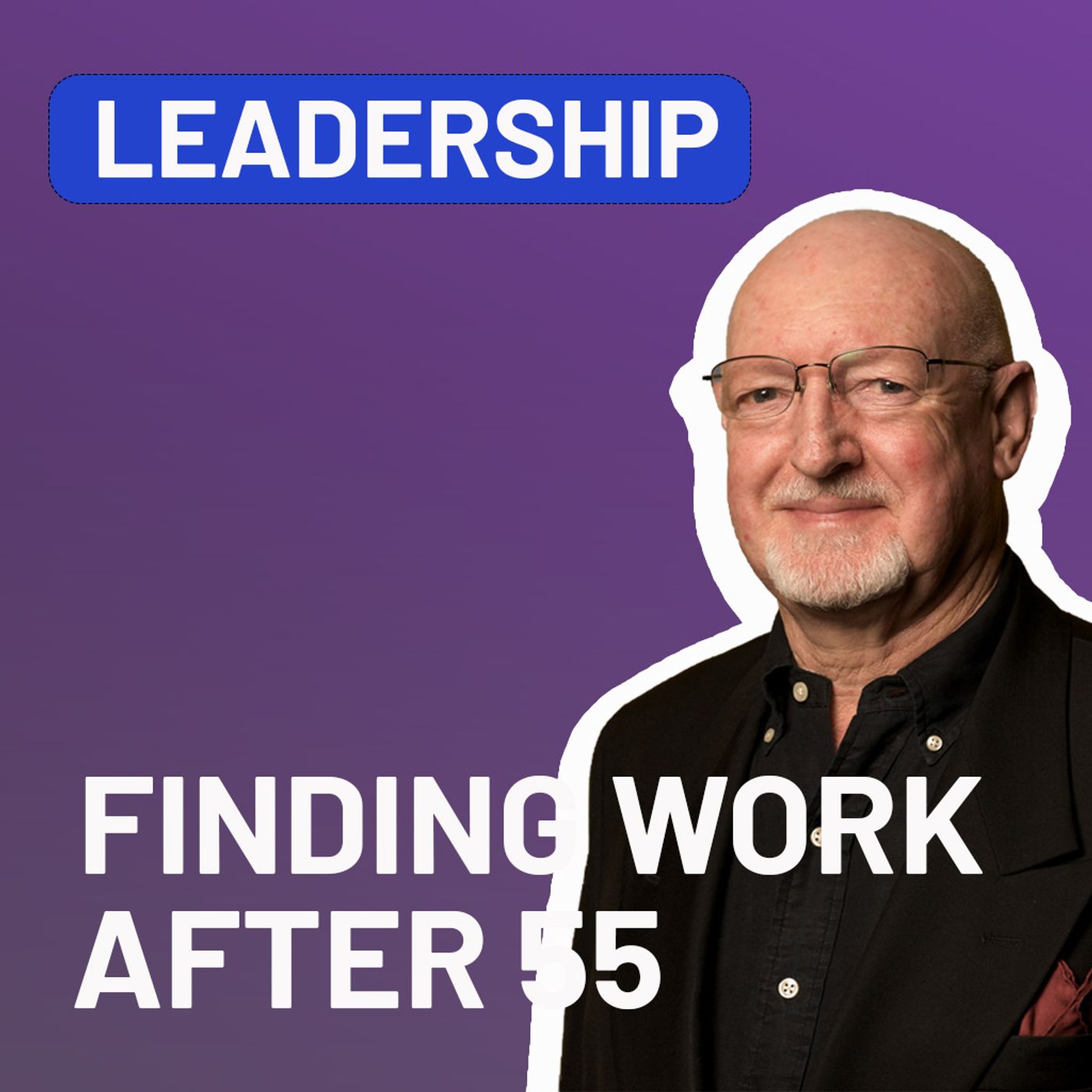 Unlocking New Opportunities: Finding Work Beyond 55Talking Business with Mark and John · on Age discrimination in hiring50 / 100
 Finding Joy in the Modern Workplace with HRManifesto's Leigh HendersonPaychex PULSE, an HR Podcast · on Toxic workplace culture50 / 100
 I Did Everything Right...So Why Was I Still Unhappy?Suits & Pajamas™ · on Toxic workplace culture47 / 100Your Best Hire Already Left w/ Gustavo SerbiaThe Snapchat & Anthropic Hype MachinesShredded: LinkedIn, Adzuna, Autodesk, Microsoft, Deel, Oracle, Fika Jobs, & MoreStartup Debate: Skills-Based Hiring w/ Maya Huber & Phuong VuIndeed's AI Bias Machine