
Talking Business with Mark and John · 2025-03-14 · 43 min
Key moments - from our scoring
Substance score
51 / 100
Five dimensions, 20 points each
George Norris draws on five decades of experience - starting his own business in 1974 after leaving Celtics Oil - to guide corporate leaders through the entrepreneurial transition. He frames leaving corporate as becoming a "business astronaut," requiring conviction, self-belief, and meticulous risk management rather than reckless leaps. Central to his approach is developing a detailed business plan, including forecasting revenue and calculating the Capital Required to Operate (CRTO), which helps secure financing and demonstrates credibility to banks and stakeholders. Norris emphasizes the critical importance of identifying your existing strengths - what you're already good at and passionate about - rather than venturing into unfamiliar territory. He shares concrete tactics: building a support network of trusted advisors (excluding spouses), using Rudyard Kipling's six questions (what, why, when, where, how, who) for powerful communication, staying decisive rather than procrastinating, and positioning yourself as a leader through consistent action. Real examples illustrate his philosophy: turning down a rushed marketing project to protect a client's reputation, cold-calling prospects after sending letters, leveraging golf for relationship-building, and seizing unexpected opportunities like his hallumi cheese venture. Norris stresses that authenticity - being yourself rather than adopting a false persona - builds trust and accelerates growth. His advice suits corporate professionals contemplating entrepreneurship, those struggling with early-stage business decisions, and leaders seeking to build sustainable enterprises grounded in genuine expertise and relationships.
There's rarely a perfect moment; often adversity or an unwanted corporate change (relocation, demotion, lack of advancement) creates the push. The key is ensuring you have conviction about the move, self-belief in your abilities, and a calculated risk-management plan with realistic financial forecasts for 12-24 months.
A solid business plan should forecast revenue and expenses for the first three years, identify target clients and their characteristics, and calculate your Capital Required to Operate (CRTO) - the capital needed to sustain the business through startup. This preparation helps secure bank financing and demonstrates professionalism to potential partners.
In corporate, decisions flow through committees and boards; as an entrepreneur, you must be decisive and act quickly, often with incomplete information. Surround yourself with trusted advisors (accountant, lawyer, mentor) but ultimately trust your intuition, facts, and pragmatism rather than procrastinating or deferring to your spouse.
Use Rudyard Kipling's six open-ended questions (what, why, when, where, how, who) to deeply understand client needs rather than yes-no questioning. Follow up written outreach with personal calls, listen without answering your own questions, and position your advice from the client's perspective and interests, not yours.
If you're unsure of your ability to deliver at the standard your client expects, be honest and ask for more time or say no - it builds trust. However, if you have foundational expertise in a domain, take calculated risks by saying yes and learning quickly, as George did with hallumi cheese; unexpected opportunities often follow action.
Our reviewer’s read on each dimension, with quotes from the episode.
The episode contains some genuinely useful frameworks (e.g., Kipling's six words, CRTO statement, comfort+confident+trust formula) and specific tactical advice (business plan creation, contacting 20 qualified prospects, open letters), but these are heavily padded with meandering anecdotes, repetition of core themes, and motivational throat-clearing that dilutes insight per minute. The signal-to-noise ratio is moderate.
You've got to have a business plan. Now I've been putting together business plans for about thirty five businesses.
If you ask questions beginning with any of those words, you cannot get a yes no answer. But you have to be quiet when you ask the question and not answer them.
While the guest deploys some useful frameworks (CRTO, Kipling's questions, the comfort+confident+trust formula), these are borrowed from others or well-known business concepts. The core narrative - corporate risk, authenticity, relationship-building, treating customers' needs first - is standard entrepreneurship advice recycled across countless business podcasts. The guest acknowledges he's repeating ideas and cites external sources. There is minimal contrarian thinking or fresh first-principles reasoning.
People have to feel comfortable... is a little formula I have here, John
knowledge is power. Okay, Francis Bacon, famous Englishman. Knowledge is power.
George Norris is a seasoned practitioner with ~50 years of entrepreneurial experience and clear expertise in coaching business leaders. However, he is primarily a coach and author now, not a current operator scaling a business. His most specific examples (cheese business, car launches) are decades old. He lacks recent, on-the-ground operating experience in a contemporary business context, which limits his relevance to modern B2B operators facing current market dynamics.
I was sixteen years at an international oil company called Celtics Oil and I jumped off into space.
I'm virtually if you wanted to put it in inverter a com as a business doctor
The episode includes some concrete examples (20 prospects contacted, 3 clients acquired; Canon camera client; Japanese car manufacturer; halumi cheese delivery; car launch on ice in Adelaide) but most lack hard numbers, timelines, or measurable outcomes. Financial metrics are almost entirely absent. Many claims are vague ("grew from one to thirty five" employees with no timeline or revenue figures). The anecdotes illustrate principles but don't provide the data density needed for rigorous learning.
I sent this letter to the person that I thought was the appropriate one from research. And then what I did, this is the part that's difficult. Really, you've got to pinch yourself a bit. Then what I did was allocated time when I was at my best, and usually that was after lunch early afternoon for me
After I was myself when I started, and after nine months I equalled my competitors twelve the years turnover.
The hosts (Mark and John) ask reasonable opening questions and show genuine interest, but rarely push back, challenge claims, or dig deeper into contradictions. When George makes bold assertions (e.g., that his business plan didn't predict outcomes accurately), the hosts accept the explanation without follow-up. There's minimal evidence of productive disagreement or skeptical questioning. The conversation feels more like a conducted interview than a rigorous dialogue.
George, can I ask a question?
But when you're an entrepreneur you have to make those... Can you talk more about that?
Computed from the transcript - who did the talking, and the words that came up most.
Are you considering making the leap from the corporate world to entrepreneurship later in life? In this podcast, we delve into the crucial aspects you need to consider when embarking on this exciting journey of starting your own business. Join us as we discuss the essential elements required for a successful transition, from the critical mindset shift of believing in yourself to effectively mitigating risks inherent in entrepreneurship. Discover the importance of crafting a solid business plan tailored to your new venture, acknowledging your strengths, and embracing bold decision-making as you pave the way for your entrepreneurial endeavours. Tune in to gain valuable insights and actionable tips on how to navigate the complexities of leaving corporate life behind and venturing into the realm of entrepreneurship in the later stages of your career. Empower yourself with the knowledge and confidence needed to take the next steps towards building your own business legacy. Are you ready to escape the corporate rocket and embark on the thrilling journey of crafting your entrepreneurial path?
Transcribed and scored by The B2B Podcast Index.
Hello and welcome. Today we're going to be talking to George Norris. George is a coach, a mentor, author, and a keynote speaker. He has written six books about leadership and as coach beny business leaders worldwide on leadership and how to successfully lead big organizations.
What we want to particularly talk to George about today is how to transition from corporate to your own business. So let's jump into it. With thirty years experience in autologistics and state of the art locations in five major strain cities, pre Car Fleet Services are a premier all in one solutions provider for commercial vehicle fleet operators, leasing companies, and original equipment manufacturers. Please visit precar dot com dot au and click on the link to Fleet Services.
George, thanks for joining us today. Great to have you on the show. We're speaking about a very interesting topic today is jumping from corporate into your own business and becoming entrepreneur. It's quite a daunting task and you have a lot of experience in this area.
Can you share some of your understandings and what how you coach and mentor leaders who want to take that big next step after corporate, Well, I. Can John and I'll probably couch it in terms about what happened to me because I was sixteen years at an international oil company called Celtics Oil and I jumped off into space. I call it becoming, say, a business astronaut. That's what I think, because when you start your business from a corporate the risk factor is fairly high, emotionally, spiritually, financially, physically, in a lot of ways.
Actually, when you do it, you have to have conviction the reason, and you usually have there's a reason for doing it. Either you've been looked over, or you're going to be shifted somewhere you've done with it go. In that case, that was my case. I was going to be shifted up to another location in the country with a young family and in fact not paid for the job.
I was going to bsr's manager looking after about twelve people, and they weren't going to increase my sorry. So I had a couple of reasons to think about what I should do, and I worked out that if I did what I knew and I believed in and I was good at and I was getting accolades four for the reason they wanted to promote me, then I should have self confidence enough to take a calculated risk. And so that's fifty years ago, John, when you believe that I started my business in nineteen seventy four and round figures fifty years in a bit.
So it's been up and down along the way. It's not as it's not plain sailing. I've been asked by a number of clients what was it like when I did it, And I made this comment to them, and I said, look, it's a bit like It's a bit like standing on the edge of it, Cliff, looking over at the water and the rocks and seeing that there's nowhere to land, but knowing in your heart of hearts that there is. So you have to have this self belief and then go forward and not look back.
Now that might be a bit dramatic what I've said, a bit melodramatic if you want to say, but that's what i've said. And I've been asked by a number of companies to actually tell their agents and their franchised people that who take these risks. The first thing I think you've got to do is look at what you care businesses, and what you love and what you're good at. You've got what your special skills are, but there's no point really jumping off and trying to do what you're not good at and what you haven't done before, and in fact you won't get it following easily, so you increase your risk.
So starting your own business is all about risk management, if you really want to say it, the same as an astronaut leaves the capsule and goes out on the in the space tied to it, buy one thread and I've read some books on asternoids and don't worry, they get anxious to once you make it. But make that decision, then what you have to you have to make sure that is it something you're going to love to do. You've got to want to love lv what you're going to do, not just like it, You've got to love it because when you love it, you will get up early and you'll go to be late, and you'll think it and act it and speak it and read it.
Got to do a lot of reading and your passion will be there. So that's the first thing. And if you've got a special skill, and in my case it was communication, I guess that was my skill. Training, coaching and communication.
That little package I was coaching about thirty odd businesses at the time and training them and my communication skills I was told were very good, so I set out to focus on that area. Now, John, when you focus on what you're good at, you usually do it pretty well and you don't second guess yourself. You tend to come through with conviction and self confidence, which people want. George, can I ask a question?
Yes, please, Sorry I'm cutting back, but what I'm interested and you spoke about that calculated risk? Yes, can you talk a little bit more about how do you define that risk and when do you do your actual jump? Okay, okay? Is there a good moment to jump or when you get pushed by the company?
That's good, that's good question, John. Sometimes is there a good moment to jump? Well? Sometimes out of adversity, as affirm you say before in your podcast, it's a famous saying of mine, if I can say it's famous.
Out of adversity comes advantage. It's just at the time of the adversity you don't yet know the advantage. So often people do you a favor. And so because they were going to shift around with my family, etc.
Ceter As I've explained, they actually did me a favor because I went to the senior manager at the time. I had a great relationship with him, and I said, his name is Rick Clark, and I said, look, Rick, I want to get some wisdom off you and some mentoring. I want to go my own business. What do you think I should do?
And his fantastic He was a captain in the military before he joined the Celtics. He said to me, well, Georgia, you'll finish up one day being seventy more than that now and you'll wonder whatever happened if you hadn't done it. So you've got a sort of life's a bit like that, and you've got to take some risks. We all take risks.
So what I did then to help the risk be as small as it could be, which I think is a good question you ask, is I put together a business plan. Now I've been putting together business plans for about thirty five businesses. So I had to said down and put one together for me from zero. So a bit like a train leaving the station.
It starts from zero and it gets going and might get to one hundred k's two hundred k's depending what country are in. But so I had to forecast the first I forecast the first three years. Can't do much more than that. I don't think after a year you're really crystal balling anyway.
So I forecast what I thought I could do and what type of businesses could I could get as clients, what sort of income I would need, what sort of costs initially, and we used to call it at the Celtics, so I can give them credit for this. A CRTO statement. Now that's really an funny acronym. It means capital required to operate and not many people do this, but we were forced into this process to forecast the capital required to operate for a business.
So I did it for me, and then I went when I worked out how much I'd need for especially the first twelve months and then the second twelve months. I went to a couple of bank managers with a business plan that I'd written down and typed out, and I showed them and they were quite shocked. Actually it's a bit of funny. It's quite funny, John.
They said, we don't get many people come in here with a business plan. We just come and get people asking for money. I said, well, I'm a bit different, I guess, and they said, well yeah, So it enabled me to get over the draw bridge and into the castle, i'd call it, because I had the equipment and the preparation to enable them to take a risk with me. So that's how it all started.
And I think it's very important to invest, that's a good word in starting our own business, John, to invest time, effort, and your skills in putting together a business plan so that others can understand where you're going and what percentage of opportunity and success you might have. But the question I wanted to ask about the business plan because what I found when I started my own business, I throughout this beautiful business plan. It was all fantastic. I did the jump, got into the business, and things weren't as I anticipated and things turned quite differently, so I had to quickly adapt as I went.
So is that normal or yes it is? Yes, business plan wasn't good enough? Or what do you say about that? No?
No, No, Well that's I think that's inevitable. I mean it's like going on a holiday and all of a sudden the bridge is broken and you've got to divert. You've got to pivot, you've got to take action to change. Yeah, I mean life's like that.
John, It's a good point you raised, and I think you've got to set off like you do on any any adventure, because that's what this is. Really, You've got to set off on an adventure with a series of four back positions. I'll call it Plan ABC, what if you get to D if you want, But you have to have those and you have to take action quickly. One of the things that you find when you're running your own business you've just alluded to it really is you have to be decisive.
You have to make decisions fairly quickly. I mean, you've got to stay the course. I mean that's a really important thing. It's easy to give up quickly, and in fact, many many small business people who left a corporate find it difficult in the first nine months.
They're about six months three, six nine and give up just before they're about to be successful. That's a bit like building and building you see the top scot All the skyscrapers in the world have a foundation that takes us as long to build as it does above the ground. So you have to put the foundations down and you have to be patient and stay the course. But if you don't put the foundation down, and in my case, John and I don't know about yours.
I joined various associations to network. I made sure my business circle I kept, I kept seeing them for a coffee or a plate of spaghetti or whatever. I made a point of that. Then one of the things I did, which I would have explained and helped others to do, was I actually sent out an open letter to a number of companies that I considered so interesting to sort of qualified really an open letter to it.
A number of companies I considered were would be good clients for me, So I sort of selected about twenty of them, and I sent this letter to the person that I thought was the appropriate one from research. And then what I did, this is the part that's difficult. Really, you've got to pinch yourself a bit. Then what I did was allocated time when I was at my best, and usually that was after lunch early afternoon for me, where I had not a script, but I had sentences.
I had prompt bullet points, and I rang every one of them back. Now they're quite shocked because not many people do that. So I rang them back just to make sure they had received the letter. And I used some techniques which I've alluded to earlier.
My skills are in communication, especially some very great communication toolboxes I've been fortunate to run into or open. One is rudget kipling six words you can't get a years now answer to. Now, that's a brilliant piece of poetry. And for those who haven't seen this before, it goes something like this, I'll do it slowly.
I kept six honors serving men. They taught me all I knew. Their names are what and why and when and where and how and who? Now.
If you ask questions beginning with any of those words, you cannot get a yes no answer. But you have to be quiet when you ask the question and not answer them. You have to steer this off to really be patient and let the other person think and answer them. So anyway I did this, I rang up these people, and I finished up getting three significant clients out of that, which I never expected to get.
And then the other thing that happens that which is interesting, John, is when your colleagues and network know that you've taken the will use the word risk, the calculating risk to start your own business. Many people you don't know about admire your courage really quite significantly and I had this happen to me where some people came to me and said, look, we'd like you to do that. This is what you're doing with yah yeah, yeah, I said yes. And they knew of me, but not about my business so much intricately, and they introduced me to some clients they thought I could help.
Now, that was good testimonial referrals, but they knew they'd known me for years. They weren't really taking a risk in their eyes as much as I thought. So, yes, you've got to pivot, John, You've have to. It's not all not all plain sailing.
To take your point, and also coming back to what you probably thought, not everybody's cut out to run their own business. I can tell you know, people close to me I know about They prefer to have people around them in a structure without the risk of capital worries and finance and legal and a whole range of things. They just prefer to get up, go to work every day and give their best, I might add, and use their skills, but not have the the what would you call concern, worry whatever of those other extraneous things.
So another question you mentioned that the decision making, Yeah, deep around that what do you mean by dicassage, because it's quite different. In corporate you do everything sort of by group decision because you present a strategy to the management team or to the board, there's a lot of discussion around it and eventually a decision will come through the process. Yes, but when you're an entrepreneur you have to make those There's someone else to speak to, maybe your accountant or maybe you're a lawyer, but you left to make those decisions.
Can you talk more about that? And yeah, I will. That's a very good point, John. The worst, the worst person you're going to have is a is It sounds terrible what I'm going to say.
How can I rephrase that? The most unfortunate person you should put in in any position of advisers your spouse, because they want to help you and they feel like they but they often haven't let the skills to do it. You're going to be very lucky to have somebody with the skills to do that. And then if they haven't, they feel they feel terrible, they feel guilty, they feel stressed, they can't sleep, they're worry about the business.
I know about all that's cost me. You know, a couple of relationships. So you have to choose your support group, which is what you're talking about carefully, and you have to have one. So I chose a number of people as that I could bounce ideas off and they were very helpful, and often they wouldn't agree with me, I might add, but I can only tell you that from my perspective, being decisive, it means that you've got to have we all know in life, men especially have a sixth sense, but they very really take it.
You know, this is I'm writing a book at the moment, I think you know the stealth bomb about men's mental health. Well, men have this sixth sense often about issues, but they're loath to use it. I have no idea why. Perhaps it's to sign a weakness.
But female use it all the time. They have intuition and they have a sixth sense and they'll make decisions quickly. They're very good that way. And so I had to have a bit of a female side in me and make some quick decisions.
And I suppose if you're a pragmatic person, and my ex manager at the oil company told me once he thought I was a very pragmatic person, Well, that means you usually take out emotion and to the facts. That's what I've worked out. That is. So if that helps you to make decisions faster, I think that's useful.
Otherwise, just sit on a picket fence and procrastinate, and you and I both know that gets you nowhere. So people don't see you as being a good leader. See, when you start your own business, John, you've got to be a leader of yourself, and then when you employ one, two and three people and I got up to thirty five, then you've got to be a leader of others and be decisive. See, they want to be led into the future by somebody who is a person of action.
If you sit there and twitter your thumbs and sit on a pick of fence, then they think they're in trouble too because they've backed the wrong. Also to speak, they're giving up their life to work with somebody who can't make a decision. So you've got to make a decision whether it's right or wrong. You know, you've got to weigh that up.
But it is very important. I think you make a really good point there, George, about that procrastination and action, because just the fact that you're going forward and taking action leads to so that action might not be one hundred percent right. But if you don't take any action, nothing happens. But if you take something and you're sort of eighty percent right, and as you go forward, you're just your process.
So after you get going in the right direction, and eventually is that correct or. It is because other things happen, you'd be surprised. If you take that you might be the right decision. But because as you write me, say, you go forward in that direction, somebody, you're bump into somebody.
It's really weird. Provided you have your be I'm a big believer in being who you are right, and I think you and I both know that. We've both seen that in our careers. I'm who I am.
If you don't like me, that's bad luck. But that's how I am. Okay, And so after I was myself when I started, and after nine months I equalled my competitors twelve the years turnover. How about that in nine months.
Of course, he wasn't happy. He's a nice guy, but he couldn't work out how I did it. Well. I never went to any of his clients.
They came to me. Some of his people knew I'd started out and by myself, and the network's got going, and that's what happened. So and it's a really good point, John, I'll just labor on for a second. One of the clients that I acquired said to me, can I run a marketing program for them in three weeks?
How about this? And I said, oh, how about that. I've only started in business two months And I said no, I can't. I said, I put your products and people at risk.
So I had to have these skills. And I said, what do you mean. I said, well, you're wanting You've got an international product in photography. Yeah, it was happened to be Canon Cameras, and I said, I'm sure they're they're world leader.
So if I was to rush around now and put something together to help you, it would be half baked and have holes in it. And I wouldn't want to do that because it wouldn't match the standard of your product. Then you'd be put at risk. He said, how much time the extra do you want a little bit like that?
And I said I want another four weeks. He said, okay, you got it. So so you have to have conviction and self believe in and be forthright a bit but you see what I've just hopefully done for you then is I've given him a benefit related piece of information saying if you value your product and your business, then I want to do that for you because I don't want to put you at risk. So what I picked up early days was you have to influence change and influence business from their position, not yours.
And once you do that, yeah, they love you. That's the word they beat up after your door, John, I promise you. Yeah. So we grew from one to two, three, four to thirty five.
And I mean one day I walked This is what happened. One day I walked off the seventh Green at Yariyara, having only started my business I don't know, about eight months, and a divisional manager of a large Japanese company said, call me Monday, That's what he said. And I said why, I won't say names. Why and he said, because Bill Smith joining us from another Australian car company and he'll need you.
I didn't ask for any business. I never I just played golf, right, but they after when this is one of the things you can do to help your business grow. You have to see, golf's a great it's a great insight window into people's personality, ethics, attitudes, you know, yeah, a whole stream of behaviors and you see it over four to five hours, so you see consistency or not. And that's what I've got that match business from a golf course, never asking, but the person saying to me, after getting to know my consistent behavior pattern, call me now that that role that clients I had for five years every division in Australia, and we launched a car for them as well.
And at that stage, walking off that greend of the eighth tee, I had no idea in my wildest dreams that was going to take me to the nineteen eighty four LA Olympics. Help me negotiate a contract with Torbling. No idea. So the biggest piece of advice I can give people starting their own business is be yourself.
If you try to be somebody else, you will fail and people will see it. Because George, I was quite interested in exactly what you're saying now, is be yourself. Even going back to when you spoke to your example about the yes, yes, the camera guys, and it's just when you are open and honest to them, you start to develop the trust because people can see and trust you, and so that develops the relationship. Is that right, no question?
You're corrected, Yeah, no, no question. You see, you're going to have the courage of your convictions. So he couldn't. He couldn't believe I was taking a big risk by saying no.
Of course I wanted his business, but not on the on the terms that he wanted me to do them, because I put him and me at risk. So part of the the point you're making is they have the ability, the communication skills, and the empathetic behavior to put yourself in the other people's shoes and speak from their position. And I suppose what I'll use where we don't use it much of these days, having our guts to do it, that's what you've got to say, right, having the intestinal for it.
You to say, I don't care if I lose this business, but I mean it in his interests as well as mine. So that's what I did, and because of that, I've got more of his business. I said it. But then also in another way, you can also turn it on his head, were you sometimes have to be pretty confidence about your ability and make something happen great.
So, for instance, I started a cheese business, and I went out and through pure accident, I met someone and they said, can you make illuminities? And I don't even know what illuminiteese was, but I was making four or five other types of cheesers. I thought in the back of my mind, I thought, I'm sure I can make Alumi cheese. So I said yes.
So he said, can you bring me a sample on Monday? So I went off. I went home and I got these massive cheese books, and I've been to some cheese courses and I was making quite a lot of different types of cheese, so I had the basic foundation. I made a sample on the kitchen stove from Hulumi and I took it to him on the Monday and he tasted it and he said, oh, that's fantastic.
Can he delivered three hundred cages next Monday? So I said, yes, I can. I spent the whole week because we just about died in the process of doing it, but I delivered him three hundred cag is the next Monday, and he became my biggest Hallumi customer. So sometimes you have to take the chance and just jump at it.
You don't do it, you'll never get that chance again, it'll be out the window and gone. So I could have said no, I can't do it, walked away and I would never have seen him again. Well, well that's a very good story, John. I'll give you a slightly different one, but this is similar.
My largest car client came in this day and said, came to me. I always went to them, and this guy said, can I shut the door? And I thought, we're in trouble. We've done something wrong, as you normally think, and I said, I said sure, So how can I help you?
And he said, look, he said, this is classified, but we want you to launch a car for us. It's our first front. We will drive car and we're the last of the major five manufacturers. And I said, but John, we call him John.
I said, but Johnny, John, I've never done that before. And he said, we know that. We like the way you think. So what do you think now?
I could have said no, I'm too scared, I won't do it. And I said, okay, you're on now. I launched a car on ice with ice skaters. Yeah, and with miss entertainers from Australia, closed the whole of the Adelaide Main Street and we had the whole of the entertainment what do they call it over there, the festival either, I think they call it.
Anyway, we lost the car and ice for the first time in the world. Now worked that out and had I'd never done it before in my life. It's a bit like you're cheat store, isn't it. But I have to say yes because he wanted me to do it.
See, so that your man and my man had one thing in common. They both believed we could do it, John, So we must have given out via our eyes and body language, communication skills, ethics, whatever, and they would have researched us too, the fact that they wanted us to do it, see, because we may what I believe small business people, when you start your own business, you're in business to make others famous. That's how. That's how.
I've probably never said that enough in my life. But I made this guy at this company famous and he got headed to buy another card company. But yeah, because nobody thought we could do it, you see, and we did. I think the other thing, John, which we may not have touched on, but I will because of the podcast, is setting up yourself with a brand.
And I think it's important to have a brand that tells as well as sells, or conversely sells as well as tells. And part of that is having a positioning statement that you have on your website, card email that says, in my case, strategies for success building your brand, for instance, in other words, when you do business with me, this is what I do for you. If you have that on all your corporate communication, it acts as a silent influencer or salesperson. If I can use that, and you don't mention it.
You don't have to, but it positions you in their eyes. Toyota, you have a great one in the world. Haven't changed it for thirty years. I think, Oh, what a feeling.
You see. That's what you get when you're buy one versus this and was this and nohow, well, really you don't know how to build a car. You should be doing it. So they're speaking from their position, whereas to add a position speaking from the buyer's position a bit like BMW is year driving pleasure, similar thing.
So it's very important to position you'll brand so people feel comfortable. As a little formula I have here, John, which you might like me to say, people have to feel comfortable. Plus little plus on Comfortable plus confident plus trust equals a wise decision. See and I say the word a wire wise decision.
Well, when people do business with you, when you've jumped off the corporate and started your own business, they invariably tell others what they're doing in life, but parties and pub and barbecues and I don't know, gave a goal from footy whatever, and they need to feel they've made a w this decision, not a stupid decision. So I've learnt this little formula goes. You've got to make them feel comfortable with your presence, plus confident with your knowledge, plus trust you with your time management and reliability consistency, so they'll then make a wise decision to appoint you, and thereby hangs a tail because once you do that, they refer you to others.
It's a domino effect. You can't stop it. It's like a runaway train John where every time I went to this Japanese car manufacturer in Fisherman's Bend, I'd be introduced to another manager of another division, and before I knew what was happening, I had every division in Australia and I never asked for it, but they did all the work. But I think, George, you make a really good point there, and that a lot of business is done in the passages totally.
So you bull that trust yep. And I know when I was in corporate, I needed lots of things done. There were certain supplies we used that we're really good, and I was confident if I gave them something, I'd go away and they'll deliver it and I would be at the right standard and the right quality and on time. Or if they couldn't do it in a certain time, as you said earlier, they initiate, say to me, while we can't do it in that, but we're doing in that offen.
I was happy to take that extended time and I'll give them additional things, knowing that they may be slightly more expensive, but I was confident to. Us right, Well, there you go, because what you. Can't do is give work to people and then find that the quality isn't there, and then it leaves egg on your face and you have all types of issues trying to explain to your boss while you spent all this money and you've got this poor quality product. So to me, it's really interesting that how you spoke about that.
Well, well, it happens. It's been happening to me for the last and ideas as a corporate coach and mentor. I mean, I'm virtually if you wanted to put it in inverter a com as a business doctor, if you want to call it that. It's a bit of a stretch, but I know that nobody will referm me unless they're confident that they're not taking a risk.
It's really interesting what you'll send saying John, So, I think when you start your own business from a corporate as obviously, or just startup anyway, people don't understand this as much as they should. It's all about risk management. Are you taking the risk out of others by saying they want you? You have to take the risk out of employ when you employ people so they will work with you.
Yes, it's not enough people understand this. So and it's a big responsibility, isn't it taking a risk? I mean you're putting at the moment and I'm proud of it. You know that I'm coaching and me touring senior managers at a number of companies, and that means that they've let me loose with their men, with their people.
You see wow, So what a risk they take if I wasn't is what I say. I am so so I'm proud of that. So they have to be all. I think the word that pops out from your brain and mine is authentic.
That's what you have to be. And once you have become through as authentic, then they see minimal risk. So therefore they say yes, and therefore they want to work with you. And it's a bit like that.
There's a saying around Australia. I know it's an australianism. Once you work for some companies, it's like being in the Australian cricket team. You'll never get out because they don't want to take a risk with your people.
That doesn't say much for the selectors. Sorry about that, but that's a joke that you and I know has been around for some years. So once you perform in that world, they they just want you again because they reduce as the risk. But one of the things that I think you've got to you've got to have to enable this to happen, John, is you've got to have some sort of ego.
And it's okay to have an ego, it's you've got to keep it in check. That's obvious. You've got I use this. You've got to know you're okay.
Now, there's nothing wrong with knowing you're okay. When we brought up as kids, we're told to shut up and sit in the corner and behave yourself and don't do it. You know what's your peas and cues. I've said this to many people who started their own business.
You have to break out of the crystals and fly, or you've got to get out of the nest and fly. Once you've got your wings, you've got to You've got to fly. It's okay to do that, by the way, because if you stay in your nest or your crystal is you'll die. Even mother birds once the down has gone and the birds of the chicks have got wings, if they don't get out and flies, you'll you'll push them out because otherwise they'll die.
So I think that's an important piece of philosophy in running your own business. Starting your own business, you've got to be prepared to fly, but be resilient and calm and have support mechanism around you. That's the biggest single growing factor in the world. I don't know with you know that John is.
Coaching and mentoring of business people is the fastest growing corporate consulting segment in the world. And it's in fact no longer there to fix people. It's there to support people and help them to grow. That's been a big change so apart from having banks and legal things and having enough money and the right staff, and having your right name and you right website and a positioning statement.
And I'll give somebody a really good piece of advice if you'd like me to. When people start off, they invariably because they don't know, they don't know, they'll invariably go to a printer or to an artist to help them design their business name cards, et cetera. And I've seen this that many times. It's quite sad, and they mean well, but they haven't got the right knowledge.
So they come up with a pretty card or a pretty logo with no positioning statement, no reason to buy, but it looks pretty, and unfortunately, you need to go and look at strategy. Get strategy. Have a session on strategy first with a corporate coach or somebody who knows so that then you brief the artist, then you brief the person to produce your corporate communication based on what will work for you to help you be successful, not on what looks pretty. Sorry I'm being a bit pedantic, but I say, but I've seen it so many times.
So I now say to clients, whatever you do, don't you print anything or change anything until you show me first. And I say why is that? And I say, because they haven't got the skills to do it. It's been like going to a cosmetic surgeon to have your leg, have your leg amputatd Well, you wouldn't do it.
So you've got to go to where you know, where people have the right information. So you jump into your own business. You need to be authentic to reduce the risk of dealing with your customers. What other ways can you reduce that risk?
When you meet a potential new customer, The first thing I do, and I think people need to do, is find out not tell them all about them, but ask them questions about what they want to achieve, what are their goals, what are their needs and wants, and what do they need to have assistance with. And once you do that, and then you submit your proposal with their objectives first, then your methodology how you'll help them, and then Lastly, the investment. I never gets the word cost the investment.
They need to invest in your services to able that to happen. I find that once you come from their position, they quite get attuned to that. They find that quite amazing. Really, you're not trying to sell them anything.
You help. The simple thing you've got to do to win business is to help people to buy, not sell them anything. People hate to be sold but love to buy. So what you've got to do is have a have a philosophy whereby you try to help them buy you by them, by you trying to do what they need, not sell them what you want them to have.
I mean, it's the oldest trick in the book is that you go to a car salesperson. That's why they rate low in ethics, and you want to go for a car. They'll try and say, do to what they want you to have. No, no, no.
The new breed of car salesperson is somebody who helps you to buy what you want, what you need, and they're the most successful. And when you do that, you get the best You get usually least amount of price obstacles, and you get the most gross profit. And the people just want to tell others about you and be the part the door. So's it's a philosophical answer to your question.
If I have answered it correctly, I perhaps. I think it's fantastic. I think it's been an interesting discussion. And even for me, yeah, because you know I've started on business different businesses, Yes, and it's always been very interesting for me, and you know, talking to you and pointing out I look back myself and I can see a lot of mistakes are made and I think there's probably things I should have could have done a lot better.
Well, but it's always hard sight afterwards you look back. Into quite sure, you know, hindsight is brilliant, isn't it. So maybe it would have been better if I've met you fifty years ago. Well I've had a few people say that, but look the one the final icing on the cake.
If I could say this to people who are starting their business is knowledge is power. Okay, Francis Bacon, famous Englishman. Knowledge is power. You have to stay up to date with knowledge.
If you don't, you die on the vine. So people find you've got to go to conferences, you've got to read, you've got to see knowledge as an investment in your armory, and then you've got to have what I wrote today, You've got to have a silver bullet, and the silver bullet, in my opinion, when you run your own business is to have what I call serpetition that comes from Edward de Bono. You've got to have a point of difference over others. And in my case, John, you can't have anyone else.
You get me, you see, that's my point of difference. Now that's good and bad in a way. But at the moment when I had my company with thirty five other people, yes they had others, other choices, but I know I found something out. People want to deal with somebody they can like, trust and respect, and then they build loyalty.
So it's a bit of a circle that goes around. So knowledge is power. And also I think you've got to be proud. You've got to be proud how you portray yourself.
It's easy to slip. Working from homes easier to slip. I'm sure you've got to be careful what you wear, the clothes you wear, the shoes you wear, how you're groomed, you know, how you arrive. Time management at the moment is critical, and people in small business I know you know, John stretched for time, So you have to be tough on time, or time will be tough on you.
You've got to learn to say no. See my daughter ring ten minutes before this podcast about coming around on Friday for a Grand Final. I said, I've got to go, Darling, I'll ring you back tonight. She said, no, No, talk to me tomorrow.
I have to say that because otherwise I could have is I could have talked to her and then said, sorry, John, I'm running twenty minutes. What do you want to have gone? What? So.
So, you've got to have respect when you manage your time, and that enables you to listen to other people, builds respect for them and they love it. When you don't have good time management, you're showing them disrespect that you really don't rate them high and they're not worth much at all. I have that's been a help to a lot of people, John, to help them jump off into space and be a business astronaut as I call it, because it takes a lot of courage to fly in the space with a limited amount of resources and have a go, as they say in Australia, have a go your mug.
It's a good say. George, thanks very much. It's been great talking to you, as you've really given some great nuggets of information that I'm sure but I even use myself. There's a few things either I thought, oh that's a great idea, and I'm sure i'll plant in my own business at the moment.
So thanks for your time this evening, and we appreciate talking to you. My pleasure.
Other episodes covering the same guests and topics, from across The B2B Podcast Index.
 Corporate Finance Explained | When Bitcoin Hits The Balance SheetFinPod · on Risk management80 / 100
 Navigating AI Risks with Trevor Horwitz from TrustNetB2B Automation Spotlight · on Risk management79 / 100
 The Financial Stakes of Risk Management in a Self-Insured CaptiveThe Canary Report: Safety & Risk Management · on Risk management77 / 100
 How to Manage Employees Without Being the One With All the AnswersThe People Side of Business · on Leadership coaching62 / 100
 208 | You’ve Learned How to Work. But Have You Learned How to Play?Your Money, Your Rules · on Leadership coaching34 / 100
 How Vertical SaaS Solves the Compliance Trap in ConstructionVertical SaaS with Fexingo · on Risk management
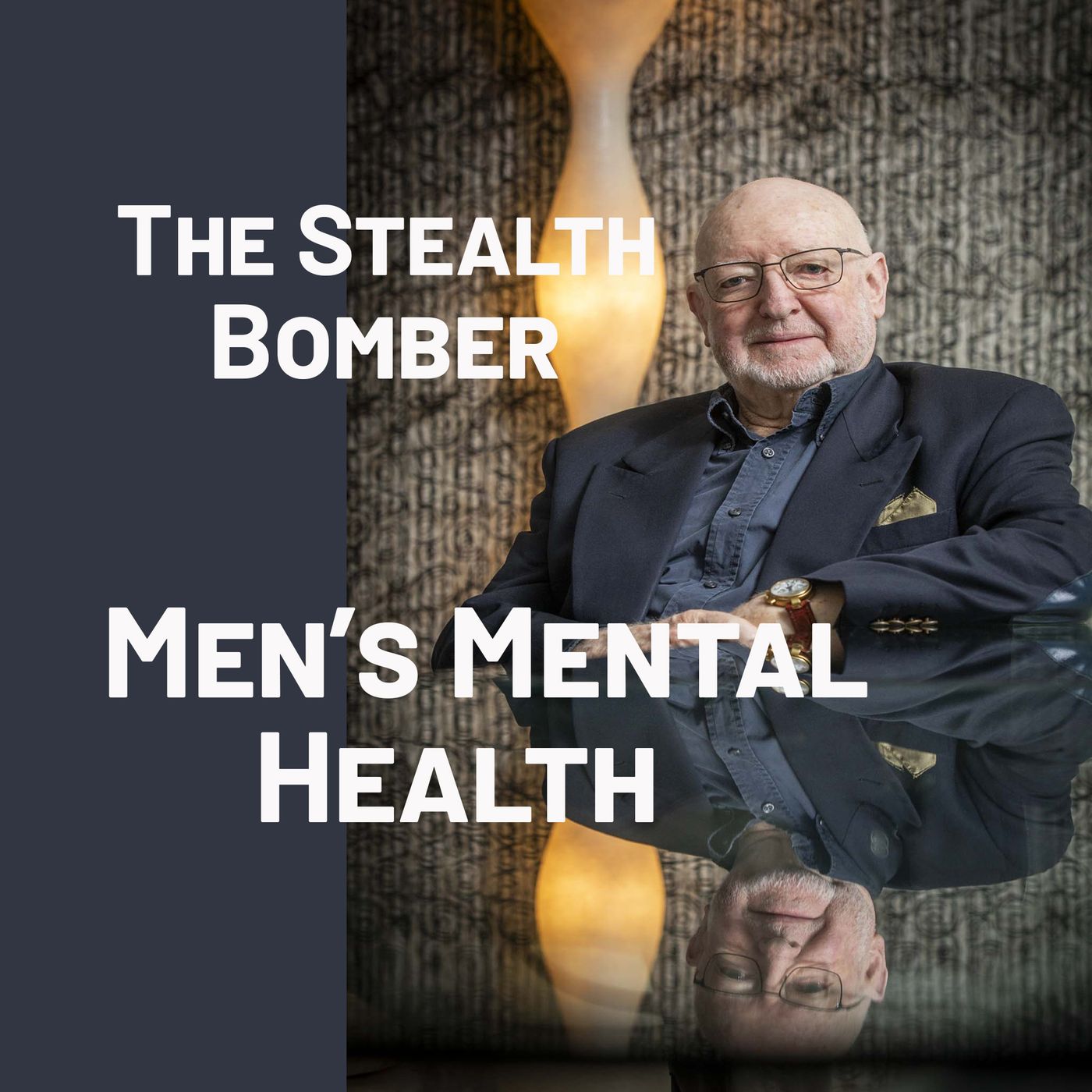 Breaking the Silence: Men's Mental Health Insights from "The Stealth Bomber" by George Norris59 / 100
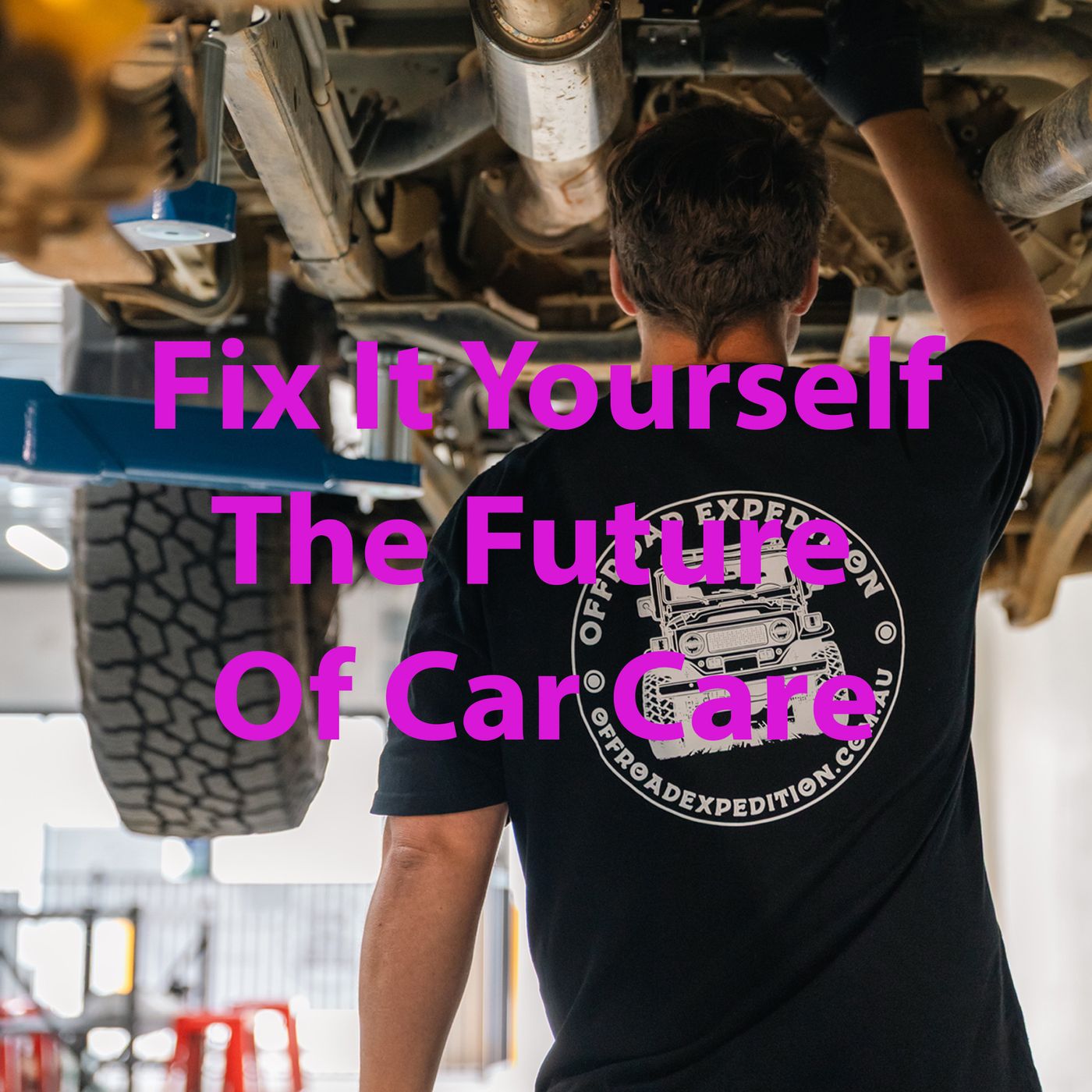 DIY Garage: Empowering Drivers to Fix Their Cars52 / 100
 Why You Pay More For EV Insurance.42 / 100
 Unveiling the Genius Behind the Bogányi Grand Piano: A Modern-Day Masterpiece49 / 100
 60 and Fired: Your Roadmap to Recovery from Retrenchment52 / 100