
Sound BITES · 2025-12-04 · 49 min
Key moments - from our scoring
Substance score
48 / 100
Five dimensions, 20 points each
Tronix3D, led by founder and CEO Mike Vindler alongside head of sales Alex Trader, operates as a high-touch additive manufacturing service bureau specializing in rapid prototyping and low-volume production across plastics, composites, and emerging metal technologies. Unlike self-service 3D printing platforms, the company differentiates by consulting with customers to solve deeper supply chain, labor, and time-to-market challenges - shifting revenue curves left rather than competing on cost reduction. Vindler, who spent 15 years in R&D for the energy industry and has been 3D printing since 2005, acquired and reinvented Tronix3D to serve diverse sectors including defense (nuclear submarines, destroyers), medtech, robotics, and autonomous vehicles. The company is now expanding into metal 3D printing (titanium, aluminum) using hybrid technologies that blend metal injection molding principles with additive processes, while also building in-house low-volume injection molding capability. Trader brings 15 years of sales experience and Pittsburgh tech ecosystem connections to address a critical market gap: educating larger enterprises on where additive manufacturing fits and how service bureaus can offset expensive tooling and production delays. For engineering teams, procurement leaders, and manufacturers wrestling with prototype-to-production transitions, this conversation unpacks real applications beyond desktop figurines - including industrial-scale training models and AI hardware enclosures - and the role AI design tools may play in democratizing additive manufacturing.
Tronix3D uses high-touch consulting to solve customer supply chain, labor, and time-to-market challenges rather than simply offering self-service part printing. The company focuses on shifting revenue curves and creating value through quality and rapid iteration into low-volume production, competing on impact rather than cost reduction.
Yes, Tronix3D is moving into production metal 3D printing using technologies like titanium and aluminum, and is developing hybrid approaches that combine metal injection molding principles with additive processes. However, metal 3D printing still requires different technologies for different projects and is transitioning from R&D to true production capability.
Energy companies surprised Mike Vindler, who now manufactures high-fidelity industrial-scale training models of equipment that weigh millions of pounds and cost millions to disassemble. Additionally, AI and vision software companies engage Tronix3D as an auxiliary mechanical design department, outsourcing enclosure design and hardware packaging.
By 3D printing replacement parts rapidly - often within days or a week - Tronix3D helps keep production lines operational rather than waiting weeks or months for manufacturers to ship spare parts, directly preserving revenue.
Yes, Alex Trader notes that many larger companies have the capital to buy expensive 3D printing equipment but lack understanding of how to actually use it. Tronix3D addresses this through education and positioning itself as a service bureau to offload mechanical design and production challenges.
Our reviewer’s read on each dimension, with quotes from the episode.
The episode contains a handful of genuinely useful insights - particularly the 'complexity is free' principle in powder-bed printing and the embedded-spare-parts use case - but these are surrounded by extended personal background segments, Pittsburgh community-building chat, and a fluff-heavy closing section on music and podcasts that dilutes the signal considerably.
complexity is truly free. Right. And that unlocks a lot of potential. What's not free is like the size of the part.
We actually printed um, inside of a camera housing for an AI Vision company. We printed spare parts inside the back of the COVID where there was empty space that could break away from the 3D print.
The complexity-is-free framing for powder-bed systems and the embedded-spare-parts-in-housing concept are genuinely counterintuitive and practitioner-derived; however, the AI commentary recycles the widely-circulated 'engineers who use AI will replace engineers who don't' line, and the career-advice segment produces entirely generic answers.
complexity is truly free. Right. And that unlocks a lot of potential.
the engineers that use AI will replace the engineers that don't
Mike Vindler is a legitimate practitioner - 15 years R&D in energy, 20 years in 3D printing, multi-company operator - and speaks from genuine experience rather than punditry; Alex Trader's sales background is real but thinner relative to the technical depth of the topic, and neither guest operates at a scale that commands top-tier caliber.
I spent uh, 15 years in R and D in the energy industry. Ended, um, up kind of developing new processes and tooling for large scale power gen.
Our production machines still cost half a million dollars a piece, right. To do production
There are some concrete anchors - the $150k Stratasys machine vs. a $400 printer today, the camera-housing spare-parts use case, the 3,500-to-12,000 sq ft expansion, and the six-month concept-to-product timeline for Revobo - but no customer names, no revenue figures, no win rates, and most claims about market opportunity remain hand-wavy.
it cost $150,000 or something, you know, some astronomical number in 2005. Right. And, um. And it doesn't do what a $400 3D printer does today.
it went from concept to products being finished, uh, within about a six month window, um, leveraging everybody here locally in Pittsburgh.
The hosts ask a few decent contextual follow-ups (surprising industries, five-company management load, exciting-vs-scary on AI) but consistently let claims go unchallenged, frequently insert their own anecdotes instead of pressing for depth, and close with the generic 'dinner with your 18-year-old self' and 'what's in your AirPods' questions that produce zero actionable content.
Is that, is that like exciting or scary or both?
Are there any Industries that surprise you, um, in terms of like demand or interest, where you're like, oh, I didn't see that coming
Computed from the transcript - who did the talking, and the words that came up most.
Today on sound BITES we have have two guests: Mike Vindler, CEO of Tronix3D with a really interesting background we will dive into and friend of the show, Alex Trader who is Tronix3d’s head of Growth/Sales. Tronix3D is a leader in the additive manufacturing space - specializing in rapid prototyping and low-volume production. Their focus spans design, engineering, and production with the ability to create parts out of plastics, composite and metal. Really exciting space to be in, especially how additive manufacturing is unlocking designs that you literally can’t produce by another process. Mike Vindler: Alex Trader: Tronix3D: Business Innovation Technology Entrepreneurship Strategy Spotify/Apple: nanochomp’s Strategic Mind GPT: Hosts: Derek Loyer: Lauren Taber:
Transcribed and scored by The B2B Podcast Index.
Host: Today's episode is brought to you by our company, nanochomp Marketing Strategy and Analytics. We help product and marketing teams solve problems and experience growth using data and approachable AI. Visit nanochomp.com to learn more. Hey everyone. Today on the podcast we have Mike Vindler, founder and CEO of Tronic3D, who's got a really interesting background we're excited to dive into. And friend of the show, Alex Trader, who was one of our first guests, if not the first, maybe first or second guest. Uh, he's head of sales at tronics3d. Tronex3d is a leader in additive manufacturing space, specializing in rapid prototyping and low volume production. Their focus spans design, engineering, production, and they have the ability to create things out of plastics, composites, metals, all kinds of really interesting things that, you know, if you're not familiar with the space, you wouldn't even know are 3D printable. So, so we're really excited to have you guys here. Um, we're really excited to hear about the story of Tronics. And let's start with the background of each one of you and then we'll jump into the company. So Mike, thanks for joining, man.
Mike Vindler: Yeah, no, I appreciate, uh, you having us on. And I'll queue off my background here, but yeah, so I spent uh, 15 years in R and D in the energy industry. Ended, um, up kind of developing new processes and tooling for large scale power gen. Uh, and you know, I was kind of that intrapreneur kind of position, um, you know, where, you know, oftentimes I was coming up with my own projects, you know, kind of trying to get budget for them, doing all those things. And so eventually, uh, I was, I was a customer of Tronix 3D at first. So, you know, I'm not technically the founder, um, but we did, we did acquire the rights to the company and the equipment. It was very interesting kind of transaction. And we moved into the city and really reinvented what tronix3d is. And I've really grown it massively since then. So. But I have a ton of background in 3D printing. I've been doing it since 2005, um, you know, when 3D printing didn't look anything like what it is today.
Host: Sure. Like you probably can't see it because it's blurred out, but there's like an old school Lulzbot mini sitting over there on the table, which is completely different realm for what's possible today. Uh, yeah, I would love to take a deeper dive into that and then Alex hit us with your background really quickly, how you got here and what you're doing now.
Alex Trader: Yeah, absolutely. Well, it's an absolute pleasure to be reconnected with you guys after a couple of years, I think. And I'm on the website. I was the third episode.
Host: Oh, episode three. Okay.
Alex Trader: Yeah, Episode three, the first episode where you did thumbnails, um, on there.
Speaker D: So pick the right guy.
Alex Trader: Yeah, it's been, it's been full circle here, which is, which is cool to see you guys and see how this has transitioned, uh, over the last few years. Um, so my background is, you know, I've been in sales roles for the better part of probably 15 years or so. Um, the last, uh, nine, ten years I've been in sales in and around the Pittsburgh, um, region and have really focused on technology innovation, startup investment, really, um, just as a champion of our ecosystem as a whole. Getting involved with both universities, um, you know, University of Pittsburgh and cmu, uh, as a business mentor during my time with True Fit, um, as a sales director for them and then, um, you know, jumped into the DoD space a little bit. Um, the early part of this year I jumped on board with Mike, uh, and team and the relationship spun out of a multi year friendship, uh, where we just were laughing because it seemed like we had shared calendar and every single networking tech event that surrounded around beer or alcohol. Um, Mike and I were at and uh, became fast friends and about three years after, uh, those happy hour engagements, uh, you know, I jumped on board with the team here.
Host: Awesome. No, really good. Thanks man. Really appreciate the background. Um, and I'm really excited to hear about not only the technology, but there's so many applications that people don't realize, uh, for added manufacturing right now they still think of things maybe like my little Lulzbot printer making little plastic figurines, but that's completely different world. Now you can make manufactured parts with them, even using things that are metal. So Mike, let's talk about Tronix. What y' all are working on, what area y' all kind of fit in and you know, what you've uh, seen over the last couple of years as you've been growing it.
Mike Vindler: Yeah, I think, um, you know, as far as what area we fit, I think that's one of our key differentiators. So I'll focus on that for a little bit is that, you know, there's lots of shops out there that are doing additive manufacturing and if you know what machine you want to print it on and you know, what material you want to print it out of and you kind of have all the specs nailed down, right. You can, you can dump it in their website and get a part shift, right. We work a little differently. We wanna work with our customers to identify the real challenges that they're up against. Not necessarily just providing a machine to hit print.
Alex Trader: Right.
Mike Vindler: So oftentimes really what we're doing is you know, we're talking to customers about how we can solve their supply chain issues, how we can solve a labor challenge, right. By reducing component uh, count or do something like that or uh, really just going after those high level challenges. One of the biggest things that we do I think and where companies see a lot of value and I'll say that because we uh, actually uh, provide the services to one of our spin out companies, right. So multiple companies now is that we really oftentimes are helping customers go to market faster. Right. And we're able to provide that really rapid iteration and transitioning into low volume production kind of all at the same time, same space. Like how do you get parts out to customers quicker? How do you do it in a real way? How do you know, how do you go from one to a thousand parts really efficiently, really fast? And that's what we can do. So it's exciting.
Speaker D: So it sounds like you uh, at like you have a real high touch consulting component to your business, is that correct? Do you see that as like your main differentiator? And how is that sort of from an ROI perspective, how is that, you know, helped you guys kind of differentiate in this, in this crowded space?
Mike Vindler: I, I think it really helps us, you know, kind of stand out from the crowd one, right. That's what always companies are trying to do. Um, that high touch point. I think our customers should get more value out of it. Right. You know, so, so we're not talking about trying to compete with other companies by being 10% cheaper, right. We're trying to create more value for our customers. And I think that's, you know, we can talk and you know, you could say how, how do I reduce the piece of plastic by 5%, whatever, that's fine. How do I, how do I move my revenue curve to left by six months, right? If, if you're talking to a CEO or CFO level person, they're going to find tremendous more value out of shift revenue curve versus trying to cost reduce by a little bit. Right. So I'm not saying that we're, we're trying to be the most expensive or anything like that. We try to Be competitive. Right. But the way we compete, if I bring value, not by reducing cost, and when you start reducing cost, it's a race to the bottom. You run into quality issues. You know, I mean there's all these kind of downstream effects that people don't realize. And we really take a firm stand that we're providing real value, real quality, all of that. And really taking 3D printing from what you're thinking of, like, you know we talked about like a desktop machine to like real production, real manufacturing and taking that kind of stance.
Host: So yeah, that makes a lot of sense. It's kind of like, you know, if you're in the fabrication space and you're needed something stamped or cut out of metal, the first thought is like, well, if I don't have a machine, I can go to send, cut, send and have it here in a week. Right. But that's different than uh, I think I need this part. I want to test this, I want to see if it fits my application. I scan something and I need that determination of like, how can I build it, how do I manufacture it, what's the next step to make sure I get what I need versus the uh, either the self service or um, I've already got it in mass production. I need to cut, cut coins uh, here and there and there. But I think like the applications that you work on are probably extremely important.
Mike Vindler: Right.
Host: You'd have to be thinking about like how do I work in defense, how do I work in medical, how do I work in automotive. And some of these three printed parts aren't just prototyping like people think like they're full production, you know, doing very hard duty these days.
Alex Trader: Yeah, I think you know, our, our customers and just to uh, give our, my 10 second elevator pitch and how I engage with clients all the time is that we're working with everybody from the guy down the street who's literally creating a new fishing bobber in his basement, all the way through to printing parts for nuclear subs and US destroyers like end use parts for these things and literally everything in between. And every industry in from medtech to energy, um, robotics, autonomous vehicles, you name it, There is a potential for a 3D print component, uh, in that and to Mike's point, we do have that conversation a lot of shifting that revenue model to the left. Um, but it's about how do you transition from very expensive processes or manufacturing methods and how can we more rapidly iterate, um, on you know, what it is that ah is trying to be accomplished.
Speaker D: Are there any Industries that surprise you, um, in terms of like demand or interest, where you're like, oh, I didn't see that coming, that you've kind of found a niche.
Host: I would.
Mike Vindler: So yeah, I'll get into one is one that I never thought we'd probably get into. And it is energy and that's my background. But we're making all these industrial scale models, right. And you know, they kind of came to me because I was, you know, I spent 15 years working on that equipment and then they wanted to scale it down and make a model for training. So obviously I was the right fit. Right. I own the 3D printing company. Uh, I know, you know, I have experience in the actual equipment that we're making models of. But um, that's really translated to a lot of other customers. Um, and so making these super high fidelity, uh, small models, right, of things that weigh millions of pounds that you can't ship. Right. And you know, cost millions of dollars to take apart. And we've really gotten into this weird niche where, you know, we've had other people in the market come to us build these models and it's a significant source of revenue. Like surprisingly, I think that's one surprising space. And then, um, I wouldn't say it's surprising, but you know, the amount of AI stuff that's going on. Right. You know, if you think about AI, uh, in general, what do you need physical hardware for? But we've done a really good job at providing an end to end solution for software and you know, vision companies where we can provide engineering. So, you know, they can hand us a circuit board and camera and say, please wrap in plastic. This is the type of environment, this is how I need to mount it. So we can be like a turnkey solution to that. And that's been a really interesting space as well where we can kind of be, you know, an auxiliary mechanical design department. And it kind of unloads them and allows them to focus on what's really valuable to them. The piece of plastic on the outside, you know, is obviously not where their company value is. And we can, we can help kind of take that off their list.
Host: So that's an interesting application. It's like a lot of times when you think about engineering design of completed parts, the packaging is already decided and something's fitting inside of an envelope. But on the other side of it, if you're trying to be very application specific and you're making a tool and then you need to wrap it after the fact, sometimes the only. This is interesting That a lot of people don't realize the only way to produce some things is via, uh, additive manufacturing. But you can't do it with stamping, casting, taking a billet and cutting it, even if you have a seven axis machine. Like literally the only way to get some of these complex shapes is through the mechanism that you all create, which is pretty unique. And we're seeing more and more, I think a lot of people don't realize that metal parts are now created with additive manufacturing from aluminum. Like titanium lends itself really, really well. Are you seeing more demand for that in the space or is it still like plastics? Composites are ruling the majority of what you're building.
Mike Vindler: So I think the metals is an interesting space. Right? And we're just tooling up for metals. We're just starting to print titanium, um, and we're getting into that. And really the challenge with all metals has been for every different project, there's almost a different 3D printing technology that's needed.
Alex Trader: Right.
Mike Vindler: And, and so the space hasn't really consolidated into like a production level environment yet. And so in order to be, you know, a contract service provider like us, right, where we build parts to spec, we would need, you know, 20 metal machines, you know, and each one would only be used a little bit, right, For a specific project. They're much more R and D, you know, kind of space. We are starting to see some of these new technologies get a little bit more into production. Where when somebody sends us a part file, we can say, you know, yes, we can print that. No, we can't. Yes, this is what it costs. Right. In the past, metal has always been like, we can try it. This is what it would cost to attempt it. How do we change it? Right? So there's some new technologies coming out that kind of merges like mim, which is metal injection molding are very known. You know, parts of iPhone are made with mim. Right. Um, we basically do that without molds, and we do that in 3D printing with a post centering. So it's a little more production oriented, but not in the. That I need to make 100 parts. I can just make 100 different parts quickly. Um, so it's kind of good to hybrid. And that's, that's where we're going with titanium. And so we've been, we've been holding back until we feel like it's in the right space in production. And, and I played with a lot of metal injection molding in my last job, you know, and a lot of metal 3D printing, sorry, in my last job. And um, you know, it's, it was always a challenge to get parts, uh, out in a real production sense.
Host: That makes sense. And I think, um, when you think about these technology shifts, like, the potential is really, really huge. And where you started the conversation was, you know, you think about not only designing and engineering things, but the cost of tooling. I think people greatly underestimate what the cost of tooling is. And a lot of people don't even know that soft tooling exists and that you can create a lot of those, you know, relatively, you know, not only parts, but pieces of tool by using additive manufacturing. And I think that opens the door a lot for cost effective production.
Mike Vindler: Yeah, we actually, um, we are just also building out some capability to create. When you talk about soft tools, is actually 3D printing part of an injection mold? Right. So we can do that. And we're actually, we're actually going to be bringing a low, like a very low cost, low quantity injection molder in house so that we can be an end to end. Because in a lot of like, medical devices, you have to prototype in the exact same material and process. Right. Um, it doesn't have to be the same tool per se, but it needs to be the same. It needs to be exactly the same material with 3D printing. And materials tend to be tailored to 3D printing, just like injection mold materials are tailored to injection molding. So we're trying to find that. Right. Interesting crossover where we could have injection molded parts like in as little as the same day, just in low quantities for testing. So we are trying to bridge those gaps and kind of create these like, hybrid opportunities.
Host: Got it. That makes sense.
Speaker D: I want to go back to Mike. You mentioned that you've been like 3D printing since 2005, so 20 years kind of in this space. You know, what have like, I guess what's the most, like, surprisingly or interesting thing that you've seen sort of over the last 20 years? And you know, what excites you about kind of, you know, the future of it?
Mike Vindler: Yeah, I think, um, you know, when I started 3D printing, right. We actually had a Stratasys machine where I worked. Right. And it was probably, I don't know, it cost $150,000 or something, you know, some astronomical number in 2005. Right. And, um. And it doesn't do what a $400 3D printer does today. Right.
Speaker D: Yeah.
Mike Vindler: And when you really think about that drastic shift in the cost of equipment, it's wild. Right. And so it's exciting to see that there are 3D printers on every engineer's desk right now. Back to what we do. Our production machines still cost half a million dollars a piece, right. To do production, but it's just, it's moving that, that engineering, that iteration so much faster. Um, and yeah, it's really interesting to see where it goes. I think one of the biggest gaps that we're going to see filled in the future, right. And then maybe the near future is that you still have to know how to do design and engineering in order to go from an idea, uh, to a 3D printed part. And so I'm really curious, as AI starts to take over these places where you can have uh, a conversation with AI that can do the design and engineering for you, how does that really enable literally someone receiving a 3D printer in a box from Amazon, almost having a conversation, maybe not with that printer, but with their phone. And then something very bespoke unique spits out the other end. That's kind of finishing that entire cycle. Right. So it's great to have a 500 3D printer on my desk, but if I can't design something for it, it's not a ton of value. I'll download a bunch of stuff online, whatever.
Alex Trader: Mhm.
Mike Vindler: Um, but it's that design side. So I'm really, really trying to stay up to date on what that AI design space is doing because that's really, that's the key to unlocking all this low cost kind of 3D printing space.
Host: It's like Vibe coding for hardware. Right? Vibe coding and AI has really opened up the ability for people to create applications or solve problems, but the hardware element is still existed. It's like if I want to make a, uh, part for a car or anything, right. I have to know how SolidWorks works. And that is a massive learning curve. Even if you try to use something like Tinkercad, I'm just going to uh, make a little teeny thing for my desk. It's still massive learning curve for 3D modeling. And when you have the ability to put AI in the mix, that could make it extremely more accessible and that changes the game drastically. That's interesting. I wouldn't have thought about that.
Speaker D: Is that, is that like exciting or scary or both?
Mike Vindler: It's both for sure. I think the position we're in, it enables what we're doing. Well, um, we do charge for engineering. We do have engineers and I think, you know, I've heard a lot of people are scared of it taking your Job, whatever. I think it's the engineers that use AI will replace the engineers that don't type of situation. Right. So I think as long as we stay on that cutting edge and, and we're enabling that type of thing for our customers, I think we'll be all right. Um, I think there's plenty to be scared of in lots of different ways. I'm not a hater in this, in this space, but, man, it's exciting. And I think anything exciting is a little scary as well.
Speaker D: That's a good point.
Host: Yeah. Yeah, I think that's interesting. Um, so, Alex, what are we doing right now to get the awareness level up to pull in onboard new customers and find those opportunities of people that need small, um, production or rapid prototyping? Or are you trying, Are you convincing at this stage? Or are people convinced and they just need awareness? Where are we at?
Alex Trader: That's a great question. And Mike and I have had many conversations around this over the last several months. Um, one of the things, you know, coming into this additive manufacturing space with zero manufacturing background, um, it's definitely been kind of downloading from Mike's mind and drinking from the fire hose. My background has been all kind of software innovation and shifting to physical products, physical componentry. Obviously we had the Iot me thing a couple of years ago, and we're having a lot of conversations with companies around the Internet of things and those physical products. But shifting from what those physical products can do and how those physical products are made has definitely been a transition. Um, you know, the go to market strategy for me, it's, it's not much different from the software space. It's a, it's addressing a different grouping of people instead of software engineers and directors of software and that level, it's more, you know, mechanical engineers and directors of hardware and, you know, they have the same goals, just get there in a different way. Um, you know, I think, to answer your question, there is, from what I've seen jumping into this industry, there is a large educational component that we're still trying to solve. Um, where you have these, especially the larger companies where, you know, they, they have the capital to purchase a large investment in a 3D printer, but there is a lack of understanding in how to actually leverage that technology to accomplish the things that they need to accomplish. Um, and so there is a large opportunity for education, um, in the conversations and trying to help individuals within those companies understand where additive manufacturing does and does not fit. You know, what types of things can they leverage the technology to do for Them, what types of things can they leverage us as a service bureau to do for them and to offload? Um, so we're not just sitting back and having people reach out to us. You know, all the time. There is, there is going out, hey, what are you doing? As Mike said, what are the challenges that you're experiencing? Um, if a line goes down in a manufacturing facility, how much are you losing? How can additive manufacturing solve the challenge of you having to reach out to the manufacturer of these lines and wait days or weeks or months for spare parts to come in? And can 3D printing, um, can we, can we have you apart in a day or in a week? How does that change the revenue, you know, when you're keeping those lines going? Um, those are all pieces of kind of the sales conversations that are, that are in this. Um, you know, we've had the, we've been blessed to work with some really, really, really amazing and interesting companies and are having active conversations with leading technologies globally. Um, and you know, referrals, word of mouth, all that kind of stuff. Um, prior to Mike and I'll, I'll dig into the background of Tronics3D a little bit. Um, before Mike's acquisition, Tronics3D was the first company in the world to metal print and Niobium. Um, Niobium is. Come to find out it's really great for rocket engines. So our space rocket company came in and acquired that portion of the business and, and that's what opened up, uh, the opportunity for Mike to come in and acquire the rest of it. So tronix3d has had a very, very, um, good name for a long time and under Mike's leadership it's been able to kind of expand in that polymer business. Uh, but it's lots of interesting, um, kind of sales strategy conversations that we're having. Trade shows, um, not necessarily the additive manufacturing shows because that's more just downloading where the state of the industry is today. It's not really customer focused, uh, but going to DOD centric trade shows, um, robotic centric trade shows, like industry specific, where we know that we and additive manufacturing as a whole can solve very, very specific and particular issues. Going and having that conversation and educating the folks there on what we've done for other clients.
Speaker D: So is that education? Um, just more conversations and back and forth? Because I feel like if there's a barrier to like understanding, a lot of you could probably get shut down, you know, so it's like what's helping you sort of drive that education or is it just really like getting your foot in the door and having those conversations? Or are there, is there like marketing material just coming from a marketing background that's, that's really resonating with your, with your target?
Alex Trader: Yeah, that's a great question. And I smiled and kind of laughed at that because another topic that Mike and I have been talking about uh, a lot lately, um, we're actively looking into over the next six to 12 months, um, one moving from where we are, it's about 3, 500 square feet, um, into 12,000 square feet in the same building right above us. Um, it's, it's really a five year plan. But in that plan is to develop out kind of a training scenario, um, and having like a center of excellence where um, we've had multiple conversations even in the last few weeks to month where organizations are reaching out saying, hey, will you come in? Can we pay you for your time to come in and train our engineers on how to use these technologies? Um, on the defense side of the house, in all the conversations that I've heard, additive manufacturing is a massive uh, interest and could be a huge value add. The challenge is in the military being able to figure out what technologies do we need to acquire. How do we then train the individuals into using those technologies for these specific purposes? Um, and so you know where we see a huge, huge uh, opportunity in being able to leverage Mike's expertise and what he did in the energy space for 15 years, kind um, of downloading that wrapping curriculum around that, leveraging our engineers past experiences, um, his business partner Jason's past experiences. And I think that, I think that we could add a lot of value into the additive manufacturing ecosystem globally, um, in doing that. So it's in process. I will say I'm still learning a ton in the industry. Um, there's still a long ways to go on that. But we're looking to head down those paths because of the need that we see.
Host: And I think you mentioned people spent, big companies will spend all this money, get a 3D printer, they spend 20, 50, 100 grand on um, something they think is going to work and then it becomes a toy or it's novel for a couple weeks and then it collects dust. And then the person that knows SolidWorks doesn't work there anymore and you have a very expensive, underutilized depreciating asset. And they wouldn't buy a CNC machine, right? They wouldn't think to do that or um, they wouldn't buy a plasma cutter, wouldn't even think to do that. But like, oh, we'll just get a 3D printer. But we need to get to a space where you are in the same engineering workflow when, you know, as an engineer I'd think, okay, well, I need a fastener. I'm going to McMaster car. Oh, I need to get this plate cut really fast. I'm going to send cut, set like. And if they're like, oh, I need a complex curve created, design and manufactured. We need y' all in the conversation, right in that early piece of it. Not only for large companies that would eventually cut tooling, but for, um, small companies that want to use it as a production method. And I mentioned earlier, and I think y' all touched on it, there are pieces that can only be created with additive manufacturing. It's just not possible to do it other ways. Um, I think y' all are looking in the medical space and things like that. These are, you know, even though it's a device that might be used for multiple different people or applications, in its exact application, it's used once or application specific drones and robots, it's used in that configuration and that shape and curve one time. And they need a consistent way to get a good product. And so I think that's a place where you're probably investigating as well, right?
Mike Vindler: Yeah, absolutely. And I think it's really important to kind of think about how when you're, when you're thinking about design of a part, when you're thinking about manufacturing of a part, how, how are you separating out, you know, what is 3D printing good at, right? And we have this conversation all the time of like, right, there's, you know, if I want something that's large and flat, I'm going to laser cut it. If I want something that's, you know, uh, I don't know, a little more of a complex, I'm going to start thinking about machining, right? And when we talk about 3D printing, uh, a lot of the ways that people think about manufacturing it kind of goes out the window a little bit. And because especially when we get into like our high volume production, like powder bed machines, right, which can print one of, you know, one part at a time, you know, 100 different parts, you know, whatever. We don't have to worry about the quantity, but we don't, we don't charge for complexity, right. And that's one of the very rare technologies, right? Even the filament based printers, complexity can cost money. When we get to the powder bed systems, complexity is truly free. Right. And that unlocks a lot of potential. What's not free is like the size of the part. So if you have really large, low complexity parts, unless you need them tomorrow, 3D printing is probably not a good option, right. If you have smaller parts that are really highly complex, 3D printing, even if you can make it in another way, still might be cheaper, right? Because we don't, there isn't a tooling cost, right. If you could, you can injection mold something really complicated. But if you have to have like five slide outs and whatever you're, you know, quarter million dollars into tooling and um, you know, even if you need to make a hundred thousand, that amortization can still be expensive, right? So when we talk about 3D printing, when, when we truly unlock the cost of complexity, it can really start to change your designs, right? So now we can put, we can put text inside objects on how to assemble the part better for free, right? So you add value, right. You know, you're, or how to maintenance it or how to, you know, how things align, right. We can do all these things. We actually printed um, inside of a camera housing for an AI Vision company. We printed spare parts inside the back of the COVID where there was empty space that could break away from the 3D print. Now because it was inside the COVID they only paid for that little bit of cost of material which was super low. They didn't pay for the complexity of building those spare parts into these little breakaway tabs. And that way their entire service team didn't need to carry those spare parts on them. And they always had enough spare parts to serve as a tool. Right. So now you've eliminated an entire supply chain. You've eliminated like a stocking and inventory control. You know, like you go down this list of things that you're eliminating because we understood that complexity was free, right? And, and that, that, that is the real secret to unlocking like true end use manufacturing versus just like the bridge manufacturing. To get me to other tooling or to get is uh, that's, that's the unique sauce that we always try to distill. And I think that's the hardest thing for engineers that are used to traditional manufacturing, that are very good at traditional manufacturing and have learned all about traditional manufacturing. We really have to like kind of break their habits in that way.
Host: That's a super clever use case that I wouldn't have thought about. And like there's a saying, it's like you don't think to look behind the door unless you've stood there and that's really it. It's like, you know, if you're an engineer, you'd be like, oh, well, you know, if you have spare parts, we inventory those, and they got to be in a bag, and they have to have the right label on them, and then that's a. All the customer service, and they got to go pull it. And now you. You eliminate that now, like, my brain immediately goes like, man, how many other things are like that that are following that use case? And when you talk about your design consulting, like, that's one of those things that almost nobody would intuitively get to unless they've already been told or known that that was a thing you could do. That's pretty clever. I never even thought of that.
Mike Vindler: Yeah, it's exciting. And I think the amount of different use cases that we've gone over with clients, the history I have in engineering, my business partner, you know, he's owned composites, manufacturing companies, all sorts of other wild stuff, right? And he's kind of our. He's like our design savant, right?
Alex Trader: I let.
Mike Vindler: He leaves the business to me. I let the innovation happen to him, and. And we cross over in the middle somewhere. That creates a little bit of magic. Um, but, yeah, that's. You know, like, we've. We've come up against so many different challenges and so many different perspectives that. That if we can bring all of that to the table, we can. We can kind of get people outside of the box thinking. For sure.
Speaker D: No, I was gonna say you. So, Mike, you have, like, five active companies right now. That makes my head explode a little bit. So I'm curious, you know, how. Gosh, how you manage all of that? I know you mentioned you have a business partner, and I'm sure that's. That's quite helpful, but would you consider, like, maybe the fact that you have 5A strength, or is that a challenge, or does it vary depending on the day?
Mike Vindler: Yeah, I think it varies. Depending on the day is the right answer. Right. Uh, you know, finding time to sleep might be challenging at times. I'm not sure, you know, if I went back, I would do it any other way. Right. I think I'm just driven to these things. I think everything that we've done, the, uh, companies we built, we really. Between my business partner and I, we. In order to do something, we. We truly feel like we have to do it right. This is not like a want. This is not. We're not. We're not doing a company so we can be rich and famous someday. We're not. We're. We're seeing these problems that we're uniquely positioned to solve, and then we're going after them. Right? This is not. You know, we started, uh, you know, I think over eight years ago we started. We were both racing cars, right? And that's how we met. You know, we met, uh, we probably met in, like, 2008 or something. But about eight years ago, we were both racing cars. We both have manufacturing backgrounds. We're like, okay, these parts don't exist. We're making them for our own cars. He was making different parts than I was, and people wanted to buy them.
Alex Trader: Them.
Mike Vindler: Right? And so we were just in that unique position where we were integrated into the community. We had the manufacturing background, and we were already doing it for ourselves. And so that company just kind of formed. That's where we learned to work together, which was super key, right? Where our strengths were, you know, where. Where, you know, we had disagreements. You know, the name of that company is I Build Race Cars. You know, and obviously we're going for a lot of SEO on that. Um, my business partner, Jason, loved the dude, but he literally didn't want to join the company with me, even though I was like, you can have half of it, uh, because it was named I Build Race Cars. And we weren't actually building race cars. Like, he is so literal. And sometimes I love the dude, but, like, it was super funny. Eventually he came around and we. That's where we. That's where we kind of had all of our moments where. Where he's like, that doesn't make sense, you know? You know, and we. And we found our middle grounds and we did all that. And that just helped all these other companies kind of. Kind of launch well and. And know where our space was and. And know where we could help each
Host: other, you know, that's funny. I mean, I'll jump in because, like, usually I'll tell anyone who will listen this point, so I'll bring it up. So you and I have racing cars in common then? Because, uh, I've started racing Hondas, then BMWs, and then a few other things as I've come up and became a racing instructor. So we'll have to definitely nerd out about that. But, yeah, that was where I started with 3D printing. It's like I needed to create certain parts and brackets that weren't easily to just bend out a steel or aluminum to, like, mount, um, mount various things inside of. Inside of a car into a cage, like, all that kind of stuff. And it's Just like, well, I'm not going to use a zip tie for this. So, you know, you start doing different, different ideas. That's pretty interesting. Um, but yeah, like to Lauren's point, managing all that's got to be tough. But I guess directionally there's a common core that's pulling all your interest in business together.
Mike Vindler: Yeah, I think and the key was, right, is I knew, you know, Jason is kind of that engineering savant, right. He's tried to run businesses in the past and he'll fully admit to you that, you know, he's done fine, but the business side of thing is not his part. Right. He's, he's our, he's that secret sauce I have. Somehow I don't have an mba, I don't have any of that stuff, but I, you know, have, have managed to, uh, to, to learn my way through it. And not that I'm, I'm probably learning something new every day, but um, but that's really where, you know, I really took over. And that's what we learned from the Igo race car stuff. So when TRONICS 3 came up for sale, really my goal and kind of my intention of that was to wrap a prototyping and R and D company around my business partner Jason, you know, and all of his unique ideas and his kind of toy box of wild stuff that he's invented, wrap some structure around it, wrap a good business around it, do all that and then give him some freedom to go and kind of chase some opportunities. And really that's what these other companies have come out of. Right. We did start a second racing parts company. Like it started Subarus, went to Lotuses, right? So now two companies. But the other two companies, we have a healthcare technology company called Revobo, uh, and then we have a linear actuator technology that Jason invented and we're actually building uh, like motion simulation platforms right now. Um, and all of that came out of just like unique experiences. Finding the right co founders, being in the right place at the right time and having some like, really unique perspective on how to solve those challenges. And, and you know, when you get to that point, you're just like, okay, we just have to start this, this company, right? There's almost no choice there.
Host: Uh, but I think it makes sense. And like again, um, having being able to have a foundation that you can rapidly test and iterate off of is super, super helpful. So Alex, where are you fishing next? Like what are you looking for next? Where are you seeing things growing with the business and what opportunities are you. Are you chasing pretty narrowly?
Alex Trader: Well, I, uh, will say that our. Our biggest focus right now is a robotic space and then the defense space. Right. I mean, there's a lot that's going on in the. In the government ecosystem as a whole. Um, but if we see what's happening out east and we see what's going on between Russia and Ukraine, we see, you know, active drone technology, and we see, you know, drones being manufactured and then sent into the field same day. Um, that's. That's a huge topic of conversation in manufacturing as a whole. Shifting from offshore manufacturing and reshoring the manufacturing of those technologies and components, um, we're having those conversations. So, um, you know, it's. It's. I will say the top focus is probably robotics. Defense is probably next. And then, you know, in. In these kind of industrial models, uh, we're seeing a whole lot of traction. And I don't think Mike or I ever thought that we'd be getting jazzed up about, you know, selling industrial models. But, um, there's a lot of value there, uh, as. As a company, and our expertise, especially his background, lends, uh, a hand to that. Um, one of the interesting things, you know, um, I think Derek, you and I actually connected years ago with what Eric Sanchez and I were doing with IoT media and entertainment, um, and doing those events. I've continued over the years to do events and put things together and have since you joined the board of a local organization here in Pittsburgh. Started out as a VP of outreach, uh, currently operating as the president of our local chapter. We'll be rolling off of that board, uh, sometime in the next couple of months. Um, once I roll off, it's actually in tandem. It's gonna. It's gonna happen before I roll off. But because Mike and I can't help but start new things all the time, we're actually looking to spin out a M manufacturing community here in Pittsburgh, uh, similar to the way that the Pittsburgh Robotics Network operates for the robotics ecosystem. Uh, us will be a community for manufacturers, um, those companies that are looking for. Looking to reshore and looking for local manufacturers to accomplish things. Um, an interesting tidbit of information is that Pittsburgh actually has more manufacturing companies that has coffee shops or restaurants, uh, within our region. And so most people have no idea what they do or that they exist. These are like unnamed buildings, um, you know, throughout the region of. Of the Pittsburgh area. Um, and we really, you know, with Mike served on the board of the PDMA with me, as well as my VP of Programming. Um, and so we have the background and have the network to, and the knowledge to be able to spin something up that truly adds value into, into a region of the country that can truly operate end to end from ideation through to manufacturing. Um, you know, Mike didn't touch on this and I'll give him an opportunity to, but the, the back brace company that they have, Revobo, um, was exactly that. It was all local, local providers, local suppliers. It went from concept to products being finished, uh, within about a six month window, um, leveraging everybody here locally in Pittsburgh.
Host: Wow, that's.
Speaker D: Do you think, I was gonna say, do you think that's a unique advantage of Pittsburgh and how much, you know, of being where you are is, um, you know, integral to your, to your business and maybe the culture of your, of your company?
Alex Trader: Yeah, I'll start and then Mike, I'm sure you'll have some thoughts on this too. But I think definitely it is, it is a huge value add for our region in Pittsburgh. I think that, I think it's definitely not discussed enough and it's something that Mike and I and some of the other folks that um, that we know that are, that are operating as connectors in Pittsburgh's ecosystem are seeing and we're starting to talk about. Um, you've got organizations like the Keystone Space Collaborative, um, who are, you know, it's a tri state collective, uh, between Pennsylvania, West Virginia and Ohio, um, that's pulling together, uh, our region as a hub for space manufacturing. Um, it's just so much that's happening from a manufacturing perspective in the city. Um, and one thing that Pittsburgh does very, very poorly is actually communicate those types of things outside of our region, even within our region. Um, and you know, there's a couple of organizations that are working on doing a better job of that. Um, you know, and our mentality is rising tides raise all boats. We have no desire to create an organization that's going to step on toes of other organizations or other communities. Um, we simply want to be the catalyst for raising, um, everybody up, bringing everybody together, um, to really accomplish those goals. I mean there's enough, I always say there's enough pie to go around for everybody.
Host: Yeah. And I love that approach. And I think, um, there's a meme I saw a while back and it's uh, it showed this like pristine lab and it said like what people think 2000 horsepower engines are built in and then it shows what they're actually built in. And it's kind of like this dingy space, someone spraying it off with a garden hose. And like the whole thing is like, people don't realize a lot of those, like, nameless buildings. That's the machine shop. That's the guy everyone goes to to get a block line home or whatever it is. Like, and you'd never know. It's not like some amazing, beautiful building that has great marketing. No, he is the person that can do that within, you know, a thousandth or something along those lines. And you never think about that. And they just kind of stay in their niche. But if you can elevate the whole community up and give access to those amazing resources to more people, think more can get accomplished more effectively. That's awesome. I like that initiative. So related to that, we're kind of coming up on time, so want to be respectful of time. And we've warned you all ahead of time and we've already got Alex's answer, but we'll ask him anyway. But Mike, we'd like to wrap up on two questions, one of them being if you could have dinner with yourself at 18 years old, 25 years old, what does that conversation look like? What advice do you give yourself back then?
Mike Vindler: Oh, that's kind of wild. Um, yeah, I didn't, didn't think about this ahead of time. So m. I'm just going to wing it.
Speaker D: Um, even better.
Mike Vindler: Yeah. So I, I think the biggest thing is, is I probably would have stepped out on my own earlier, right. And just been like, you know, take those chances. Um, you know. Yeah, take a little bit more risk.
Alex Trader: Right.
Mike Vindler: You know, working in a, in a big corporate space for 15 years was amazing. An amazing learning opportunity. I did all of that type of stuff. But if I could go back, I would have done it, I would have done it sooner. I would have probably, you know, uh, I had fun in college. I did all of that. I probably would have applied more on the networking and community building side because I think that's so key to getting, you know, any of these companies off the ground, to being able to, you know, be an entrepreneur is to not, not to do it yourself. It's to find the right people to do it with and the right people to, to, to execute on that. And, and so I think, you know, going back, I think that's where, that's where I really needed to do a lot of work when I really got out on my own. And then I completely underestimated. Right. So I would say, like, really build those good long term relationships, even if you don't know what they're useful for today. Right? Um, you know, build them in a genuine way and then, and then, uh, yeah, and then, you know, trust yourself a little bit more and maybe take a little bit of a bigger risk earlier. I don't know. That's probably, probably my best outlook there.
Host: I think that's good. That's really good. Alex, do you gotta. Do you got an update to yours? We're not even gonna review what yours was, so.
Alex Trader: Well, good, because it's probably, I don't know if it's the same or different. Um, you know, I think if I was to go back and have a conversation with my 18 year old self, uh, it would have been to one. Just trust the process. I mean, I speak about this often, even in conversations with my kids. Like, I've literally tripped into, uh, every professional space, um, that I have found myself in over the last 15 to 20 years. You know, I tripped into sales, I tripped into technology, I tripped into, um, I tripped into the fence space. Tripped in the end of this stuff with, uh, with Mike and Tronics in the manufacturing space.
Mike Vindler: Um, I think it would have been
Alex Trader: that to get into sales much earlier on, um, and to really hone the craft. I've always been very personable. I've always been very engaging. Um, I sell the way that I do and build the relationships the way that I do because that's who I am, not because I was trained to do that. Um, so I think that's always been, I've always been just a very relational creature. Um, but really honing that in much earlier on and then I would have loved to have gotten into technology earlier than I did. Um, I didn't get into technology until 2015, 2016 in Dallas. And uh, I wish that I would have gotten into just the space so much faster. I mean, it's, it's all different, you know, it's, it's changed over the last 10 years. It's definitely changed over the last 20 years. But, uh, just being in that, in that space sooner I think would have done a lot of good professionally.
Speaker D: I do feel like that's similar to what you said, but don't quote me, I gotta go back. Um, well, that's awesome. But the last question we like to ask, so both of, for both of y', all is, you know, what books are you? You know, I mean, Mike, you got five companies, maybe you're not reading a lot, maybe you don't have a ton of time to read, but what books are you reading? Podcasts are you listening to could even be music, if that's how you, how you decompress as well. What's. What's on your playlist or what's in your AirPods?
Mike Vindler: Yeah. So this probably isn't surprising, but I list I listen to the acquired podcast a lot.
Speaker D: Oh, it's great.
Mike Vindler: Um, you know, it's phenomenal. Um, and then the second thing that I listen to, I, um, definitely don't have time for, you know, music or anything like that. Um, the second thing I've been doing is. And I'll put this out there because this is, I think, super powerful is, um, I've been using notebook to, to build, like, database of information and then having it create a podcast for me, um, to. To listen to on my commute to work. Right. So. So again, I don't have a lot of empty space. Um, but like, like commute those empty spaces that I do have that are, you know, I can't be reading a book or I can't be doing whatever. I'm actually using AI to create tailored learning experiences around that time. So super, super cool thing to do in. No.
Alex Trader: Super nerdy dude.
Mike Vindler: Yeah, super nerdy. Never stop working.
Host: That's a good use case and I love it. If you want to, if you want to amplify that up a little bit, there's a tool, uh, called N number eight N. N8N. It's a really sick automation tool. And you could actually use N8N to look for things that you're interested in. Pull that information out, dump it into the notebook lm and then turn it into a podcast from there. We can basically take you out of the loop at the front of that process. Super nerdy about it. We can brainstorm about that offline. But team, thanks so much. I think this is a great story. Yeah, yeah, I don't necessarily care.
Speaker D: That's not true.
Alex Trader: There's no.
Host: Sorry about that, man.
Alex Trader: I don't do. I don't do a whole lot of reading. So, you know, the add really kicks in when I sit down and I'm trying to ingest information. I do listen to a lot of music, but it's basically been the same playlist since I was, you know, in college, uh, and coming out of high school. A lot of. A lot of email, a lot of punk, a lot of Blink 182, Mayday parade. You know, the Yellow Card just came out with a new album, which is, which is pretty fantastic.
Speaker D: So, so did the Starting Line, so
Alex Trader: you need to listen, and I saw them in Pittsburgh last month. Um, yeah, it was. It was fantastic. So that's, that's.
Mike Vindler: My playlists are the same music as
Alex Trader: you come across new stuff, send it my way.
Mike Vindler: I'll.
Speaker D: I don't know, new things. As you know, it's the same old stuff. But if any of our old bands, to your point, release a new album, I'll let you know.
Mike Vindler: Perfect. Perfect.
Host: We are in a unique era, uh, where you have these, like, rock stars that are 60 years old, 50 years old, still touring and singing their hits that are, you know, a little bit more moody than you'd expect a 60 year old to sing. But that's the generation we're living in right now, I suppose.
Alex Trader: Guys, I saw Creed and Finger 11 and three doors down last year when they came to Pittsburgh, and I was just in my divorce. Dad rock.
Speaker D: Hate it.
Alex Trader: It was fantastic.
Speaker D: Oh, my God. Yeah. That's amazing. I bet you weren't the only one there. The only one.
Mike Vindler: Same vibes, 100%.
Speaker D: Oh, my God, it's so good.
Host: Well, team, thanks so much for joining us. Really exciting to hear what you're working on. Love to continue the conversation in the future. Um, great to see how the space is moving, how the evolution of 3D manufacturing is continuing to evolve, and we're really excited to see what happens with Tronix 3D in the next coming years. Thanks so much for joining us.
Mike Vindler: Awesome. Um, thank you.
Alex Trader: Appreciate it, guys.
Other episodes covering the same guests and topics, from across The B2B Podcast Index.
 From Billable Hours to Business Outcomes: How AI Is Rewriting the Rules of IT ConsultingEvolving the Enterprise · on Rapid prototyping78 / 100
 How Can a Smaller Prefilled Syringe Transform Medical Logistics with Ian Speers & Robert HalvorsenProvider's Edge · on Medical device manufacturing77 / 100
 AI That Delivers for Business: Building your Agentic WorkforceAI for Business with BCN · on Rapid prototyping75 / 100
 Derek Baird from Switchboard HealthProduct in Healthtech · on Rapid prototyping68 / 100
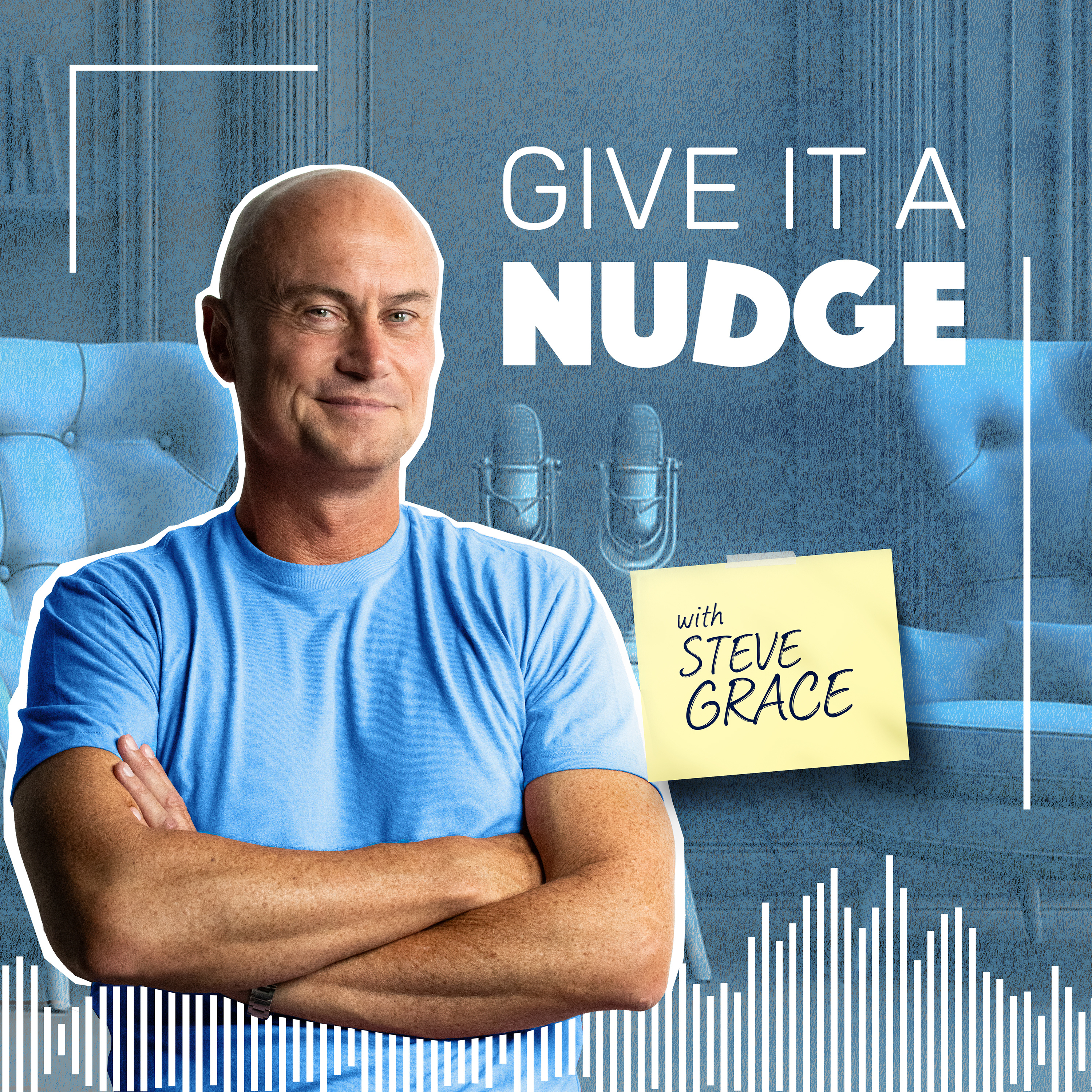 The Carbon Fiber Armor Built For Elite Special ForcesGive It A Nudge · on injection molding61 / 100
 Episode 40 - Should you be using AI to code at work?The Scripting Den Podcast · on Rapid prototyping41 / 100
 Sound BITES Podcast: E53 - Mickie Kennedy | Founder of eReleases78 / 100Sound BITES Podcast: E52 - Chris Hilgers | Founder of Peak Franchising51 / 100Sound BITES: E51 - Natalia Zacharin | Zacharin Consulting65 / 100Sound BITES: E49 - CJ Casselli | Truss Vet80 / 100Sound BITES: E48 - Daniel Myers | Flair.co78 / 100