Private Equity Talks · 2025-11-19 · 33 min
Key moments - from our scoring
Substance score
55 / 100
Five dimensions, 20 points each
The fund finance lending market is experiencing significant capital inflows driven by demand for alternative liquidity, new product structures, and private credit firms deploying capital outside traditional leveraged finance. HSBC Innovation Banking's Mirza Mulich explains that while broad capital flows are entering the space, most concentration is at the large-cap end, with new entrants typically starting there before moving downstream. NAV lending - a key innovation allowing sponsors to tap portfolio value without fundraising - has generated disproportionate conversation relative to actual deal volume; Mulich notes that high legal and due diligence costs, combined with limited M&A activity, mean sponsors only pursue these facilities when they have concrete acquisition targets. The discussion highlights significant differences between the large-cap and mid-market segments: established firms with strong track records find LP conversations easier, while emerging managers face steeper adoption challenges. Sublines, the foundational product, remain relationship-driven with thin margins, and despite competitive pressures from new credit funds and alternative lenders, relationship banking looks set to remain crucial for mid-market success.
NAV loans involve significant legal and due diligence costs, so sponsors only pursue them when they have actual M&A opportunities to deploy the capital; without active acquisition targets, the upfront cost is prohibitive even if strategically appealing.
Most new capital is flowing to large-cap players; mid-market GPs benefit less directly, though new lenders are offering more optionality, and established mid-market firms with strong track records are finding more favorable terms and flexibility from both traditional and new lenders.
Large-cap GPs raising record funds naturally need new financing solutions and have experienced LPs who understand these products, while mid-market and emerging managers must educate LPs and often lack the track record to justify the complexity and cost of solutions like NAV lending.
Banks provide sub-lines primarily as relationship tools to win, retain, and strengthen relationships with GPs rather than as standalone profitable products, which is why margins remain compressed even as new capital enters the market.
According to Mirza Mulich, relationship banking remains central to mid-market success, and new competition signals market attractiveness; while larger cap players may see more lender switching, the mid-market's relationship-driven nature protects incumbent banks like HSBC Innovation Banking.
Our reviewer’s read on each dimension, with quotes from the episode.
The episode offers some useful market context on fund finance dynamics - notably the distinction between large-cap and mid-market lending, the gap between NAV deal conversations and closings, and the role of relationship banking - but much of the discussion circles back to the same points repeatedly without introducing novel operational insights a seasoned finance operator would lack. The guest articulates established knowledge about product adoption trickling down from large to small managers and the cost-benefit tensions in deal structuring, but there is limited density of truly non-obvious claims.
I am not seeing a huge amount of new entrants and I believe the main reason is new entrants, especially in the capital core line space, will be probably starting with something more in the larger space at the larger end of the market before they tap into probably the lower end of the market.
I think if you compare the number of conversations that we have had compared to the deals closed, there is obviously a huge difference there.
The episode rehashes widely-known frameworks about market concentration at the top-end, relationship-driven banking, and the gap between deal chatter and actual volume. The insight that new players target large-cap first is conventional wisdom. The trickle-down metaphor applied to fund finance adoption is familiar. While the specific segmentation between sub-lines and NAV lending carries some value, the overall perspective lacks contrarian or first-principles thinking.
I think it all starts probably at the larger end of the market and then it trickles slowly down.
I think it will always be the key to deliver for our target market. Um, but it still has enough space for other players to come in and deliver on their solution.
Mirza Mulich is an HSBC Innovation Banking fund finance professional with relevant operational experience in the space, giving him credible ground truth on market activity. However, he is an HSBC employee speaking at a branded podcast segment, which inherently biases the conversation toward the bank's commercial interests rather than independent analysis. His seniority and direct deal experience are genuine, but the format undermines caliber.
Mirza Mulich of uh hsbcib, uh who as we know is an established fund finance bank active in the market
HSBC Innovation Banking, who is of course our, uh, podcast sponsor.
The episode lacks concrete data: no specific deal volumes, margin numbers, pricing compression metrics, or named case studies. References to market trends ('lenders coming in,' 'new entrants') remain abstract. The mention of sub-line margins being 'skinny' and NAV deals carrying 'higher margins' is stated without numbers. Mirza acknowledges a gap between conversations and closed deals but offers no figures on the ratio or scale of activity.
the margin on the loan are pretty skinny
there is a lot of costs that are involved from a legal perspective. M, there's a lot of due diligence that needs to happen
John Whittaker asks reasonable follow-up questions and steers the conversation toward substantive points (e.g., relationship banking, pricing compression, NAV deal volume gaps). However, he rarely pushes back on Mirza's claims or surface-level assertions, and the interview feels like a collaborative information-gathering session rather than adversarial interrogation. The host's lengthy monologue near the end demonstrates depth of thinking but shifts focus from interviewing the guest. Questions are competent but not sharp enough to probe contradictions or discomfort.
And can we talk a little bit around volume? Because um, as you kind of hinted at in one of your previous answers, um, there's been lots of chatter around the use of nav facilities in particular
Yeah, no, absolutely. And I think it speaks to a really, um, uh, interesting question about where the market will move.
Computed from the transcript - who did the talking, and the words that came up most.
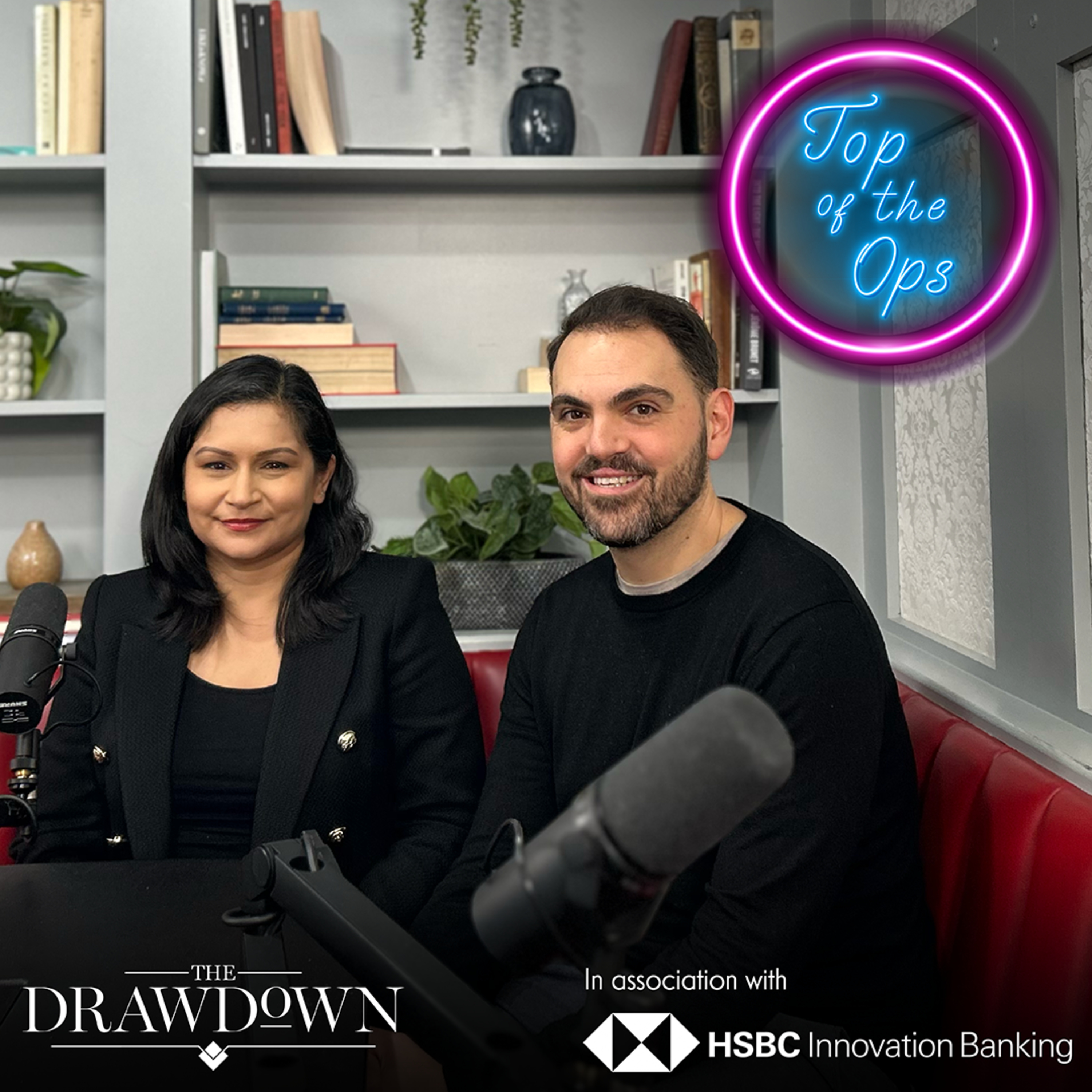
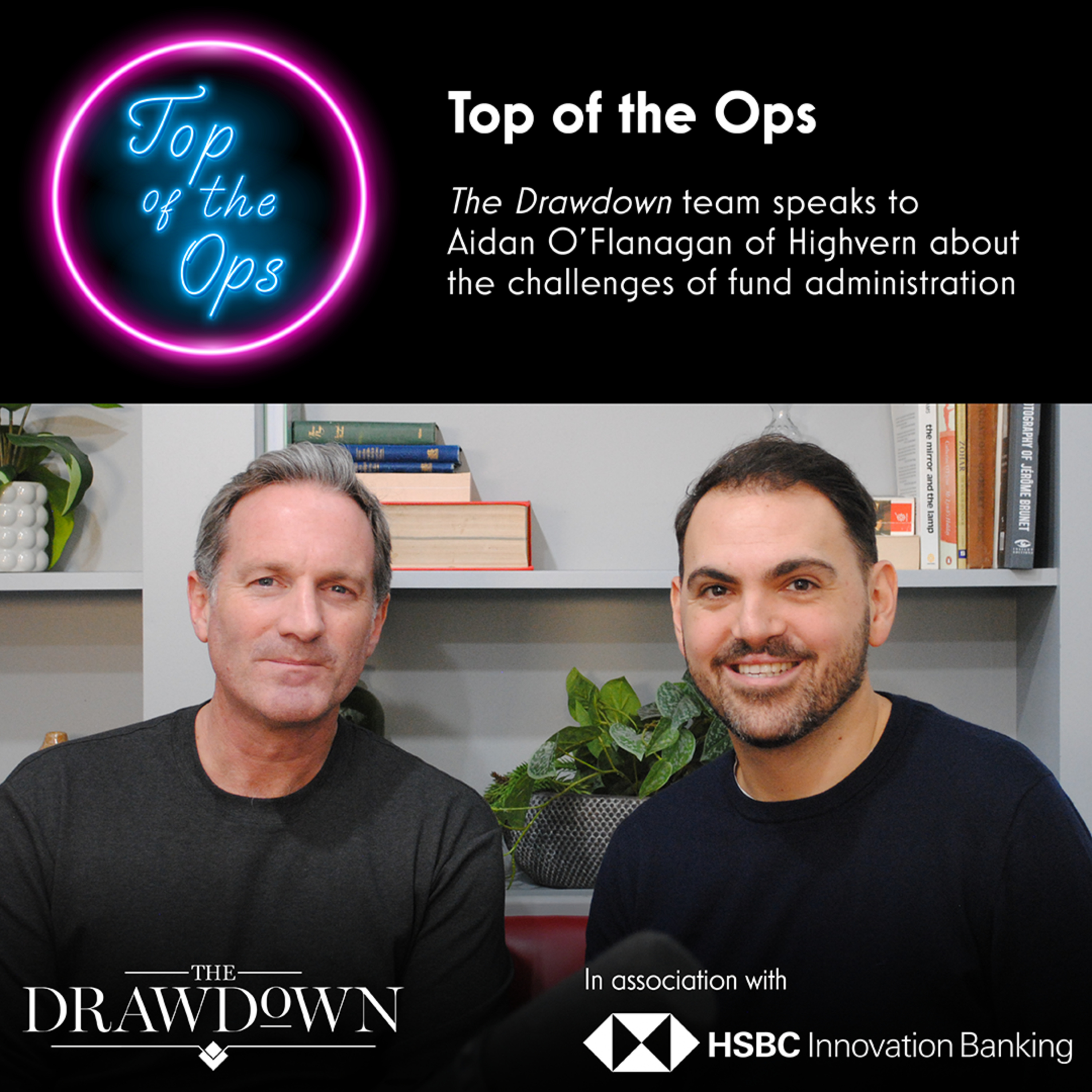
In this episode of Top of the Ops , The Drawdown team discusses competition between lenders in the fund finance market with Mirza Mulic of HSBC Innovation Banking. Lots of debt providers see opportunities in a growing market but how much will the market remain driven by relationship as it continues to expand and innovate?
Transcribed and scored by The B2B Podcast Index.
Speaker A: Foreign.
Speaker B: Hello everyone, and welcome to this latest episode of Top of the Ops, a podcast brought to you by the Drawdown. I'm, um, John Whittaker. I'm the editor of the Drawdown. And it is a pleasure to be hosting another Toto episode where we will once again delve a little deeper into a recent article exploring operations and finance topics in private markets. Today we're focusing on lender trends in fund finance. A, uh, topic directly related to HSBC Innovation Banking, who is of course our, uh, podcast sponsor. From mid market private equity to venture capital innovation needs different. Our FSO partner, HSBC Innovation Banking offers tailored financing, foreign exchange and banking solutions to match evolving needs. Backed by deep sector expertise and global reach. Its strategic fund solutions team are, uh, here to help UK clients achieve their financial goals. Discover more at, uh, hsbcinnovationbanking.com now to help me dissect today's topic, I'm joined by the Venkman and Spengler to my stance. Uh, the Drawdown's deputy editor Matthias Plotz and reporter Tanya Kushal welcome both.
Speaker A: Hello.
Speaker C: Uh, am I Venkman or Spengler? Not that I know who either of those are, but it's nice to be back in the studio, even if it's just a floating head on a screen.
Speaker B: Yes, Matthias is dialing in from Brussels, uh, for which we are, ah, very, uh, grateful. Um, I'll let the listeners decide whether you're either Venkman or Spengler, Matthias. That'll be a fun game for them. I would have made reference to K, uh, Pop Demon Hunters, uh, Tanya, which we're both huge fans of. But, uh, um, I thought even you wouldn't have probably recognized the main characters names.
Speaker A: Yep, I have no clue how to even pronounce those names, so I'll let it be.
Speaker B: Anyway, today we are looking at the lending market for fund finance because there's been a lot of new capital coming into this market. So some of that is because of rising demand, um, as GPS become increasingly comfortable using products other than sub lines. Ah, and need to find alternative liquidity solutions while exits and fundraising remain subdued. Um, we also have seen some new structures being introduced to allow institutional capital, uh, better access to the market. A term loan, uh, tranches on sub lines are a good example of this. Uh, they provide, uh, the certainty of deployment required by these types of investors and in turn they help lenders recycle capital and avoid hitting thresholds. But uh, another major driver is that private credit firms that have a leveraged finance Business need another way to deploy capital given the lack of M and A deals out there. So what we've seen particularly recently is, is a lot of these shops um, setting up uh fund finance strategies for the very first time.
Speaker A: That's interesting because um, the market has been very much a borers market and it's something that has been talked about quite a bit. Of course there are a lot of products out there, um, sponsors. I've had a conversation with uh, somebody recently in the industry saying that sponsors don't actually have much to look out for. Um, but I also want to mention how it is essentially leading to one of I guess a very popular product which is nav. And the natural progression of it and evolution of is really seeing a new shape. Uh but at the same time I wonder where is the risk factor? There's a big risk factor for emerging fund managers when it comes to nav and given this market I guess what does it mean for them?
Speaker B: Yeah, um, NAV has been seeing a lot of um, headlines around uh from Roth Finance over the last couple of years. I guess because it's emerged as um, a more popular tool. I think there's a lot of debate in the industry about how risky those facilities actually are and lots of lenders of them um, will uh, uh make quite forceful arguments um uh against the kind of leverage on leverage arguments um being put forward by some um and also a lot of people point out that they're quite difficult transactions to put together. So even though there's a lot of interest, there's a lot of inquiries. The volume of transactions um isn't maybe quite as high as um uh is sometimes uh reported. There's also some debate from lenders and advisors I speak to about how much pricing compression is going on. Um, uh, you would think lots of new money coming into the market. That must mean that pricing uh is being really uh pushed down quite far. Well particularly on something like sublines. Um uh the margins on those are pretty skinny already and uh, banks have traditionally provided sub lines not purely because of the economics of the deal but in order to win, retain and strengthen relationships with uh, gps. So lots of new lenders are increasing ah, optionality for borrowers. But the flow of fund um finance deals has not necessarily matched this supply which kind of provokes the question about whether this is having a distorting effect on the market and how that's playing out. Right. So to help answer that question, uh, we've invited um, Mirza Mulich of uh hsbcib, uh who as we know is an established fund finance bank active in the market to share his view on this topic. So, uh, here is my conversation with him. Mirza, great to see you again. How are things?
Speaker D: Very good, thank you. Very good.
Speaker B: Well look delighted that you can join us uh, for this episode of the podcast. We're going to dive straight in. Right. Um, today we're looking at the lending market and fund finance, um, and the fact that it's been quite noteworthy how many new lenders, how many new participants have launched strategies recently. Given that the general flow of transactions at present sometimes described to me as lumpy, uh, it depends on what products we're talking about. But have you been surprised by, you know, the, the flow of capital coming into the market?
Speaker D: No, I'm not surprised by the flow of capital. I think we still need to differentiate between the markets we are talking about. I think when we talk about uh, this generally fundraising market being challenging, uh, in the mid market and the small cap space. Whereas I think what we have seen is the large cap space has been very, very successful in raising funds. So if you are raising your biggest fund in history, you may also need probably new financing solutions. Now when it comes down to our target market, HSBC Innovation Banking, targeting first time managers up to mid market private equity firms, I am not seeing a huge amount of new entrants and I believe the main reason is new entrants, especially in the capital core line space, will be probably starting with something more in the larger space at the larger end of the market before they tap into probably the lower end of the market. Hence I think, yes, as a broad comment, I think there's capital flows into the fund finance industry, but I do believe the majority of the capital flows are concentrated around the larger end of the market with regards to capital core facilities.
Speaker B: Yes. Yeah, you've seen kind of some bespoke strategies being launched for nav, um lending at kind of the smaller end. It's often said to me, you know, not a lot yet, but there are some people who I guess reflect in what you're saying that actually traditionally there haven't been a lot of players playing in that space.
Speaker D: You're right, you're right. Think again. I think it's almost, if you, I think we are seeing more uh, new players coming into the net finance, NGP finance place, probably more credit funds because I believe credit funds have just a slightly more flexible mandate to adjust and meet um, imminent market demand. Having said that, I also think that the big mainstream banks in fund finance who are invested in the long term in this space have all adjusted and are ready to do exactly the same today. It's probably just a question of time and it took them slightly longer to get there. But ultimately I do see today in the same way banks being around and trying to deliver the right solution for their clients in the GP finance and their finance process. So yes, there's more capital flows in this space because ultimately returns are higher. It's a slightly different approach compared to capital core facilities. Also the structures are much more fit for purpose for credit funds because it's more term loans. But in the end I do think come back to my original point. You need to be very, very careful around your target market. You may have much more options if you are a large cap player and you want to test on one strategy, a new credit fund and maybe then go with your relationship bag on the other fund. If you are, um, mid market private equity firm or a venture capital firm, I think you probably will first speak to your relationship banks if they can support you.
Speaker B: Yeah, um, we'll come back to that kind of relationship question in a little bit because I think that's kind of crucial to all of this. But just to go back to um, what you're saying in terms of the, the level of capital coming into the kind of area that you work in, um, you have some people report back some level of pricing compression on some facilities, uh, though potentially not in the same area of the market, maybe where you see more of that capital flowing in. And then also question marks over, uh, lenders wanting to be, or new lenders coming in being willing to be more flexible with terms. Um, have you seen that in the deals that you're going up for?
Speaker D: I think it's just, I think a general trend of, um, especially in the net finance space, um, you see increased demand for the product given where the market is. And this just means that over time each lender starts to be more comfortable with the product. Um, you learn how to assess risk better over time and you just also learn how to underwrite deals. Um, which means ultimately that something today looks significantly more flexible compared to a deal which was two years ago. But it's mainly driven by. You understand what the client needs today much better than two years ago.
Speaker B: Yeah. And you would agree it's strongly a borrower's market at the moment. Right. There's lots of optionality there, um, different flavors depending on what your strategy is, what your size is.
Speaker C: Yes.
Speaker B: Um, and the term innovation is banded around quite a lot in terms of products and what's out uh, in the market, where do you see kind of interesting developments in terms of products for, uh, borrowers?
Speaker D: I think the products that we see most, um, that have changed significantly are probably the ones that are currently also the big flavor of the month, which is obviously GP Finance and F Finance, because ultimately this is where the true need is. Currently you are trying to solve for a problem and this is where a lot of brain work is being spent across the industry, um, to really find the right solutions for the ecosystem. Um, so I think there has been a lot of changes, um, which is I think a function of lenders being prepared to structure differently, but it's also a function of borrowers having probably a better understanding how to now structure these deals. Because ultimately three, four, five years ago, if you are a sponsor, you haven't even thought about a net finance solution because you would just raise another fund, another fund and you just don't. Why would you spend your time thinking about nav finance if you don't really need it? Today you are in a situation where you are considering it and it may make complete sense to do it because you can ultimately create value for your LPs.
Speaker B: And do you think that knowledge is evenly spread across the market in terms of kind of clients you speak to or do you, you know, is there. No, there's a difference between some managers who are more on top of this than others or see opportunities where others maybe necessarily.
Speaker D: I think so. I think so. I think there's still. It's probably similar to the general trend. I think it all starts probably at the larger end of the market and then it trickles slowly down. I would say within our space there's probably m. The more sophisticated mid market PE firms would probably know very well what they do because they may have seen it when they worked somewhere else before. Whereas when you talk about slightly smaller, um, private equity firm or venture capital firm, they probably know about the product, but ultimately because they need the right use case. And it's also a very sensitive topic, um, to find the right moment and the right use case to actually have this conversation also with your LPs, because ultimately you need to explain to your LPs why you want to put this nav financing solution in place. And it seems easier for more established firms to have this conversation as opposed to maybe someone who's raising their second fund.
Speaker B: Yeah, easier from a DP's perspective if their LPs have experience with a larger manager doing something similar and that experience kind of filters through.
Speaker D: But also if you also have delivered on your track record and what you promised to these LPs across the last four, five funds. It's probably just again, it comes down to relationships and having this open conversation with your LPs to say, actually I need this because this is the use case. I want to use it to acquire this business and I'm going to repay it within two, three, four, five years. And I think again, it's just much easier if you have already delivered good results for LPs.
Speaker B: And can we talk a little bit around volume? Because um, as you kind of hinted at in one of your previous answers, um, there's been lots of chatter around the use of nav facilities in particular the uh, last couple of years. And let's not dig into those, that kind of um, uh, arguments around use cases and stuff. I think what's more interesting for me is you have firsthand experience every day of how difficult these transactions are to structure. Right. And um, they tend to be very bespoke. Right. And so my perception is that they're talked about a lot. They have been talked about a lot for a couple of years now. But that doesn't mean that there's necessarily been a huge acceleration in terms of deals being transacted. But maybe you're doing lots of deals.
Speaker D: I think you're spot on. I think you're spot on. I think if you compare the number of conversations that we have had compared to the deals closed, there is obviously a huge uh, difference there. And ultimately it's not even driven by lenders not feeling comfortable to provide these nav facilities. The truth is, in order to provide a NAV line today, there is a lot of costs that are involved from a legal perspective. M, there's a lot of due diligence that needs to happen before you actually decide to put a nav line in place. As such, if you don't have the actual MA opportunity to do it, you need to be very careful if you want to go through the whole structuring process, spend a lot of money and then turn around and say to LPs. We actually don't even have a use case for that. And that comes down to the point where as the market currently, there's obviously a lot of um, uh, challenges around um, M and A Dynamics. We don't see a huge amount of new deals, um, that are being done. It is starting to improve slightly.
Speaker C: Mhm.
Speaker D: But ultimately your sponsor will only use the nav line if they actually have a deal to fund. If they don't have the deal to fund, then you may conceptually agree that this is a great, a great proposition and they may use you going forward if they do have this deal. But you still need a deal, if you see what I mean.
Speaker B: Yeah, no, absolutely. And I think it speaks to a really, um, uh, interesting question about where the market will move. Um, I think particularly a couple of years ago people would have said that as soon as the market comes back, then the use case for NAV goes away because everyone kind of saw them as a way of, uh, funding distributions, although that was probably exaggerated at the time. Even then, um, uh, and then the market will come back and so then it will, you know, it'll still be there, but it won't go on this accelerated path that people expect. But other people now say, well, actually it's an established tool and actually increased M and A should see even more NAVS deals being done because exactly that use case is coming up time and again much more, uh, regularly. What's your feeling, whether you think this is something that's going to continue to grow and actually a healthier market in two, three years time will see, um, 100% substantial growth.
Speaker D: I do think that the conversations around NAV finance have, I think, unlocked a completely new way of thinking how much capital and value can be created in a fund. And without even having to think of DPI distributions truly for value creative purposes, I think sponsors are now truly seeing the benefit of having the ability at least to sit down day one and put a structure in place that allows them to have a capital call facility on day one and then potentially have a NAV line around the end of the investment period, um, to create value for the fund and ultimately allow them to invest more and deliver more for their LPs. So I think having these options on the table day one, before you start kicking off your fundraising on the next fund, is extremely valuable for our ecosystem.
Speaker B: Mhm.
Speaker D: You may not need it, but you have all the tools in place and you will create a structure that allows you to do if you do need it.
Speaker B: M. Um, final point, we kind of running out of time. But I did want to come back to that relationship question because I think it's intrinsic to this whole conversation. As I say, new people, uh, seeing opportunities to come into the market, um, in what I sometimes describe in the European market, it was quite cozy, quite, um, small group of people being involved in the majority of deals that uh, we're transacting. Um, there's obviously been a few people moving around the market and being attached to new strategies, but obviously Just opportunities for new lenders and capital come in. And I'm intrigued to see how you think about that as a bank when obviously you, you're a bank first and foremost, right? So you want to be. Fund finance is just one of the um, parts of the offer that you want to provide to clients and you want to be there for them over a long period of time. Um, do you see that being threatened at all by like new, you know, you know, do you worry about that level of competition? Uh, or do you think that potentially, um, some people who think that there's an opportunity there might find it more difficult to deploy than they think because of how relationship driven the market is.
Speaker D: I think within our target market, um, I'm not too concerned because I think competition and increase in capital inflows into our target markets M is just a reflection of how attractive the market is and it just is a sign of how much other people believe the opportunity is going forward. That's number one. So I would be more concerned about uh, uh, ASPC Innovation Banking being the only fund finance provider in the uk. That would be my concern because clearly then there's an issue there. Um, and competition typically means that you have to ask yourself what you can do better for your clients to increase the impact for your clients ultimately. And that is very healthy. That is good. And this is exactly what the industry needs. Do I think that there will be a significant shift away from relationship banking? I don't think so. I think it will always be the key to deliver for our target market. Um, but it still has enough space for other players to come in and deliver on their solution, whatever it is. As long as the market is growing, there's enough space for many people to participate. But I think at the core of it will always be the relationship which is going to determine the success of the fund, I think.
Speaker B: Mhm. Um, Mirza, pleasure speaking to you as always. Thank you for being on the podcast.
Speaker D: Thank you so much for being here.
Speaker B: So that was Mirza there. Guys, what are your thoughts?
Speaker C: Um, okay, if I'll start and I'll leave the complicated stuff to the both of you. I suppose from a very kind of top level view, I find it quite interesting how different this industry operates to kind of private equity, which is what I spent most of my time covering. Where we as a publication almost make a distinction and a, uh, deliberate choice not to kind of COVID your large cap players. Because the large cap and the M Mid market and private equity, they play two very different ball games. Um, and what is applicable, maybe at the one level doesn't translate necessarily to the other level. Um, and from kind of what Mercer M was saying, I think that this sort of fun finance market is one where it very much centralizes or the practice crystallizes around the large cap players. And it goes kind of back to um, what you were saying is that is where most of the capital is flowing. Um, and also that it is easier for the mid market players in this space space um, to kind of get LPs on board that have worked with large asset managers before that know how to kind of put these deals and transactions into place. And so it feels like it's much more a market that is kind of dominated by the market practice at the top then kind of to make a joke about my favorite American president, Ronald Reagan, trickles down, um, rather than private equity where it's two different lanes. And I find these different market dynamics quite interesting. But I don't know, what do you guys think?
Speaker A: It's interesting because he definitely mentioned one thing about competition in the market. Um, and even though the European market is a lot smaller compared to uh, the US market or even some of the Asian markets, but there's a lot of innovation and it's a matter of how healthy the market is as a result of the innovation and competition that's there. It's going to of course lead to good progression. But what is really key to deliver for the target uh, market that each uh, GP has? And I think of course he said that it's easier from a GP perspective to have a good track record, like you said, the larger cap, uh, fund managers to easily sell this to their LPs. Um, but, but it's interesting because when we look at NAV specifically the question is how many NAV loans does the world really need? And do we even know what the real volumes of NAV is compared to the sublines that are out there?
Speaker B: Yeah, I mean the answer is that we don't know um, the real volumes of nav. And it's obviously easier to track against um, sublines because um, as kind of Mirza said, the largest managers are raising funds they're used to now as standard raising a subline when they raise a fund. And so therefore we've got a pretty clear idea of the activity in that part of the market. Um, you just track the fundraising. Um, but NAV loans are much more bespoke, um, and opportunistic. And so you're not really sure um, what the volume of activity is. And speaking to people in the market, the perception is that there's less going on than some people would um, necessarily imagine. Uh, there is, um, but I think that thing around top of the market versus mid market, the thing to bear in mind is the pricing dynamics subline is a very vanilla product. Right. And the returns you get as a lender on that are uh, the margin on the loan are pretty skinny. Right. So you're largely doing it for a relationship play m rather than looking to just make money as a business out of lending sub lines, um, it's supporting clients that you're very close to. Um, whereas if you're just looking at where I can make money as a fund finance lender doing these harder to structure deals which um, you know, are more bespoke and take um, you know, take longer to put together, they also carry a higher margin, much higher margin to them. Right. And actually the more esoteric what some people sometimes talk about innovation are they actually just talking about loosening of terms. Right. So we're talking about higher LTVs. Are we talking, talking about um, uh, um, lighter covenant structures, that type of thing. There um, is where you can start to charge a lot more money. So yes, um, that trickle down happens as bigger players, um, uh, uh, are doing facilities and then LPs like gain experience, yada, yada yada. But if you're an opportunistic lender, the place that you want to try and lend is into uh, the harder to reach areas. Um, um, and quite often it's the smaller managers as well. Right. And then you have that tension against their need for the facility and their ability to swallow the cost of that facility because they are ah, by nature, you know, um, uh a smaller player so they have less appetite for um, uh, you know, debt. Um, so all those dynamics are kind of playing out at the moment and um, it comes back to that relationship thing that we kind of ended up with Mirza at. And actually the point I wanted to make is people talk about relationships a lot in fund finance but often they mean to at least two different things. So there's that um, you know, the fact that a bank or a non bank lender, uh, doesn't uh, want to just provide you a sub line, but wants to provide you a sub line so that they can also provide you the account bank, um, and you know, provide you leverage finance as well and do a whole host of other things potentially FX whatever it is. Right. Um, so it's a way of getting, building a relationship potentially to then sell ancillary products um, to you. But then there's Also, um, a meaning around the fact that the industry is not hugely high volume. Right. And it's, and it's not super transactional. Um, when I speak to a lot of gps, you know, there's that attitude that um, they may be able to get slightly better pricing if they shop around more, but they're probably happier transacting with people they know. Right. And that's not just laziness, it's like, you know, these are really long term relationships so they actually want to have met these people, feel they know them, feel that they can trust them, feel that they're in the market for a long time because they, you know, in not too distant memory we had, you know, um, you know, regional banking crisis in the US and players pull out and that was quite a chasing experience with lots of gps. So that's the other aspect of it, right, is people who are coming into the market and they're, you know, some of them are saying, we will just lend, we'll come in and give you a nav line and we don't want your sub line, we don't want anything else, we're just doing that. And then you've also got lenders coming in who are saying, well, we already do your lev finance so let's do your fund finance. So there's lots of different approaches to this and um, my feeling is that the success or failure of a lot of those is going to be reliant on how relationship driven the market is going forward. And obviously Merz has got a take on that and he thinks that is largely going to remain unchanged going forward and he may well be be right. Um, but I think that's going to have a lot to say in how the market evolves going forward. Sorry, that was a bit of a rant, wasn't it? No, that was great. Um, Matthias, I don't know if you've got anything.
Speaker C: I think this was fantastic. Do we just want to do a 45 minute episode where it's just you?
Speaker B: Um, yeah, I do like talking about fun finance. Sorry. Um, because I've gone on for so long, I think we've run out of time. So all it leaves us to do is just to get a quick update for both of you guys, uh, on the stuff that you're working on at the moment.
Speaker A: So, um, stuff I'm working on. I've got a longer piece I'm working on about CFO succession planning, especially around, for example a CFO has been in that role or with that firm for 10 years, 15 years how do you get somebody to fill in those shoes and, uh, not lose the institutional knowledge that they have built there? And also make sure that, um, the new person can advise and mentor the younger talent that works under the cfo. That's one. Um, the other one is budget coverage. Of course, we've got the budget, the UK budget coming up, uh, this month, and there has been rumors of, uh, an exit tax or taxing partnerships like employees. So we'll see what, um, the results of that are going to be and how the industry is going to react to that. Yeah, those are the two things for me.
Speaker B: How much Rachel Reeves wants to carry on boiling the PE frog. Matthias, how about you?
Speaker C: Um, so I think I've got two pieces to shout out. One kind of piggybacking off of what Tania said is I've had a couple of very interesting conversations around how CFOs manage it. When they're number one or the number two down the ladder from beyond them moves out, or if you have two potential successes to your position, one of them will have to go. How do you manage that? Um, so that's something I'm looking into. And then the other one, uh, I think is looking at Ireland fund domicile. Stay with me. Um, and the way it's kind of carving or the potential. Ireland has to carve out its own niche for evergreen and hybrid, um, fund structures. Given its kind of history as, um, a hedge fund domicile, um, I don't think it's going to beat Luxembourg as the forerunner, uh, in Europe anytime soon. But I think the domicile has potential for very targeted areas to carve out its own niches. Um, that's what I'm looking into.
Speaker B: Fantastic. Look out for all of those stories on the Drawdown website over the next weeks and months. Um, it just needs me to say thank you to you both.
Speaker A: Thanks, John.
Speaker B: Well, thank you, um, and thank you to everyone for listening. We'll be back with another episode of Top of the Ops very soon.
Other episodes covering the same guests and topics, from across The B2B Podcast Index.
 TOTO: Succession battlescars60 / 100
 TOTO: Levelling up60 / 100
 TOTO: The transfer window76 / 100
 Top of the Ops: Retail therapy76 / 100
 Top of the Ops: Have a CTO at it78 / 100