
North Fulton Studio · 2026-07-17
Key moments - from our scoring
Substance score
31 / 100
Five dimensions, 20 points each
Morgan Chen runs a documentary-style video production company that helps businesses, nonprofits, and local governments tell authentic stories through video. Rather than generic B-roll and talking points, Chen's approach involves deep interviewing and strategic storytelling to reveal the emotional truth and real-world impact behind a business - what drives its founder, how it serves the community, and why customers should trust it. He worked in Portland under documentary filmmaker Courtney Herman and has since applied those methods to projects for the City of Lafayette (Honeybee Festival, city amenities), Anyone Can Camp (summer camp with body positivity mission), and manufacturers seeking internal and external engagement. Chen argues that most business videos lack intentionality and authenticity, relying instead on clichéd graphics and performative messaging. His three company pillars - courage, curiosity, and integrity - guide the process of extracting genuine stories that establish credibility, reduce decision friction, and differentiate businesses in crowded markets. For business owners hesitant about being on camera, Chen offers alternative approaches like animation while emphasizing that sharing impact is a responsibility to stakeholders.
Documentary filmmaking focuses on authentic emotional storytelling and specific examples of real impact, while typical business videos rely on generic graphics, talking points, and performative messaging that often lacks intentionality and feels inauthentic to viewers.
Rather than describing features, focus on telling stories about customer impact, real-world examples of how you solve problems, and concrete wins or case studies - along with the founder's mission and values - because viewers primarily want to know if they can trust the business.
Morgan Chen Productions offers alternatives like animation, behind-the-scenes footage, and other creative formats that don't require the owner to be on camera, while still conveying the emotional truth and impact of the business.
Morgan Chen has helped Anyone Can Camp increase visibility and enrollment by showcasing their body positivity mission, assisted manufacturers with internal employee engagement and external financing narratives, and created impact stories for the City of Lafayette that communicate growth and community benefits to residents.
Courage, curiosity, and integrity guide the company's process of drawing out the best stories from business owners, their teams, and their products in an authentic and emotional way.
Our reviewer’s read on each dimension, with quotes from the episode.
The episode surfaces a handful of non-obvious points - applying documentary methods to business video, the idea that emotional specificity outperforms generic informational content - but most of the conversation is padded with generalities about authenticity and courage rather than actionable frameworks a B2B operator could deploy.
I think you can only achieve a certain kind of universality with being as specific as possible.
you have to have a really concrete examples of what you have done, what you have achieved, what your wins are, sometimes even how. What your losses are just to give the audience your credibility
The documentary-filmmaking-as-business-video angle has modest distinctiveness, and the car-show casket anecdote is a vivid illustration, but the core arguments - be authentic, share your why, emotion beats information - are recycled takes that circulate constantly in marketing content.
we chose to have the owner talking about what is his favorite moment with the car. Because the car is not just the car.
a lot of it focuses either on what's copying what is currently work that's always been done
Morgan Chen is a practitioner but is running a small local production company serving a Georgian city government and a summer camp; there is no evidence of scale, significant client revenue, or insight born from large-market experience that would be directly applicable to most B2B operators.
we uh helped many m many kind m kind of businesses. I just worked on uh summer camp, it's called Anyone can camp
I just, uh, filmed the Honeybee Festival for the city of Lafayette
The episode does offer named examples - Lafayette, GA's Honeybee Festival, the car-show casket story, Anyone Can Camp, unnamed manufacturers - but there are zero metrics, no conversion lifts, no dollar figures, and no before/after data to substantiate the claimed business impact of video storytelling.
he talked about, he built this car with his father. And uh, when his father died, he was military, so he was Able to carry the casket in his pickup with the flag draped over
The pickleball court opening, the pool opening, the golf course, the airport
The host asks a few directional follow-ups (how this contrasts with typical business video, how to handle camera-shy owners) but largely mirrors and summarises the guest's own words back to him rather than probing deeper, and no claim goes meaningfully challenged.
It sounds like to me, based on what you're saying, if I can mirror this back to you, it sounds like what you're saying is that a lot of business videos are more informational.
So I would think that a lot of business owners that maybe some do have video but uh, there are a lot that still don't. They don't use video and they don't because they're scared.
Computed from the transcript - who did the talking, and the words that came up most.
Morgan Chen, Morgan Chen Productions, on Documentary-Style Video Marketing for Small Businesses and Nonprofits (North Fulton Business Radio, Episode 974) On this episode of North Fulton Business Radio, host John Ray welcomes Morgan Chen, President of Morgan Chen Productions, to discuss how video storytelling can help businesses build trust with the people they serve. Morgan explains […]
Transcribed and scored by The B2B Podcast Index.
Speaker A: Live from the Business Radio X Studio, Inside Renaissance bank, the bank that specializes in understanding you. It's time for North Fulton Business Radio.
Speaker B: Hello everyone. Welcome to another edition of North Fulton Business Radio. I'm John Ray and folks, we are broadcasting as usual from inside Renaissance bank in beautiful downtown Alpharetta. We've got a great guest today. Morgan Chin is with us. Morgan is going to talk about his video production company and um, he's got some interesting things to share about video and what business owners need to think about when they want to do video. But before we get to Morgan, I, uh, want to remind you that Renaissance bank is the antidote. If you and your business are tired of the automated and impersonal megabank experience, the folks that I refer to Renaissance come back and tell me that Renaissance is big enough to handle pretty much any need you can throw at them from your business, but they're small enough to deliver their services in a personal way. And you know, that's a magic combination that you just don't find too many places anymore. The best place to start is to go to RenaissanceBank.com to learn more and be in touch. Renaissance Bank Understanding youg Member FDIC and now I want to welcome Morgan Chin. Morgan is with Morgan Chen Productions. Morgan, welcome.
Speaker A: Hey, thank you so much, John.
Speaker B: Yeah, great to have you here. Let's talk about you and your work. How are you serving folks through Morgan Chen Productions?
Speaker A: We are a documentary, uh, video production, storytelling company. Uh, we use um, ah, documentary uh, methods to tell emotional, authentic stories that drives us specific, using a lot of specific examples to show exactly how your company or services function in the world, impact the world and help uh, the world. Um, we try to connect uh, a lot of the customer, uh, bases to your services and uh, showcase how important it is, whether it's a small business or local government or tourism, to uh, showcase how this kind of service um, really impacts the community. We try to um, use uh, video to engage as much as possible with the businesses, uh, and the community as possible.
Speaker B: Okay, excellent. I want to get to several things you said there that are interesting that I want to get to. But before we do that, let's just talk about your passion for video. How did that develop and why. Why is that something that lights uh, you up, I guess you might say.
Speaker A: I went to school for video. I went to school, uh, in Portland, Oregon. Studied under a documentary filmmaker named uh, Courtney Herman, which uh, really gave me a thrill when to how uh, freedom. We can tell stories how uh, you can spend with almost anybody and Any business. And everyone has a story to tell. I think most people, even though a lot of the stories, a lot of the, uh, persons are m. Maybe ignored or feel that they are insignificant, where they just going about their lives. So I learned early on every story is important. And then I did a documentary film four years later with a summer camp. So I orchestrated a whole film, shot it for 11 weeks, uh, interviewing both the counselors and the children and uh, really got into their lives. That kind of gave me some, uh, ground on the boots, on the ground experience, how to tell each one of the story, how to focus too. So that really kind of lit a fire under me how when I made my first documentary film and taught me a lot about interviewing, how to draw people's, uh, stories, which, um, uh, we continue to do today. Ah, ah. With both people and businesses.
Speaker B: You mentioned in the show notes that I received from you. You mentioned the impact of your father on your business, kind of where you are. Talk about why he's such an important figure for you.
Speaker A: Yes. Why? My father is a salesman. So we. I kind of. I grew up in a, uh, business family, in a sales family. And he always kind of guided me, also challenged me in how I make my business decisions. Uh, he has, uh, asked, you know, why. Why you? That was his most important question. Why you? Uh, what makes you. What makes you different. And I have to have to think about that in whatever I do. Whether it's business, whether if I want to do more community engagement, whether you want to participate in civics, you know, service. So I have to decide. Okay. Why. Why me? Because I, um. And I tell this to my team, Morgan Chen Productions. We follow really the three things that really set us apart, which is courage, curiosity and integrity. Our company focusing on. To draw out the best stories from you, yourself and your products to complete a very. A, uh, picture of, uh, everything that you're capable of and everything that you're helping the community doing. And we do it, uh, in authentic and emotional way. And um, my father also, I think it's been very supportive, uh, even though she sometimes, you know, may disagree with some stuff also I was able to still get a lot of love and support from him. And also watching him work, uh, a lot, six, uh, days a week sometimes, and build my kind of work, work ethic, which I learned a lot from my father. Uh, so I also worked with him, um, a little bit.
Speaker B: Okay.
Speaker A: Seeing how, uh, how he, you know, kind of takes away of kind of the. The curtains a little bit. Uh, uh, how businesses run how things he kind of showed me not everything's run under perfect conditions. I think if you have the right direction, you know, you prepare as much as you can, but once you have the right direction, maybe you're ready, 50, 60, 70%. You just go ahead and commit yourself. As long as the main direction is right, go ahead and then just endure through the chaos. And then, um, and then just not be. You don't have to be. Just keep doing with action. I think action was very important for him, and quickness is very important, which I also tried to do for my customer. I tried to give them a quick turnaround time. I tried to give them speed, which is something else I learned from my father.
Speaker B: Wow, what a what, uh, a tribute. That's wonderful. Morgan. I want to talk to this concept, or have you talk about this concept of applying the documentary filmmaking mindset to a business. I think you've alluded to some of this, but I wish you'd dig into that a little more, describe what that means for a business owner that maybe is a little quizzical about that.
Speaker A: Uh, yes, I think of. For one, there is a whole environment of, Of. Of avenues, uh, how you present your business. One avenue is uh, like, kind of like what we're doing here. Telling what it. What are you passionate about? What are you. Why you started this. Asking these kind of questions which, um, documentary love to ask, exploring, uh, the minute detail of human reaction, human reactions. That is very important to share. Share your why. Everyone talks about sharing your why. But how to do that documentary video does that extremely well because it is, it is, um, you can see it and you can hear it and you can craft it in a way that best represent yourself. For example, uh, I just, uh, filmed the Honeybee Festival for the city of Lafayette. And there was a, um.
Speaker B: Lafayette, Georgia.
Speaker A: Lafayette, Georgia. And they had a car show. And uh, one of the second we did for the car show was the winners, I think, ah, a lot of it is, you know, you can tell in many different ways. You can tell how beautiful the cars are. The winners and the trophies and the uh, mayor congratulation. But, um, we chose to have the owner talking about what is his favorite moment with the car. Because the car is not just the car. Car just like your products, business or part of service. Not just the service. The car is a lot of emotional connection to whatever his experience is, whatever the community experiences. And our, Our story was he. He talked about, he built this car with his father. And uh, when his father died, he was military, so he was Able to carry the casket in his pickup with the flag draped over and drive the, uh, to the funeral, and his mother was sitting right beside him. So we focused on these kind of stories.
Speaker B: Wow.
Speaker A: That. To showcase the car show. Because that. That is the difference, I think, um, because it's more. Almost more splashy than the. The sexy shots of the car, in my opinion.
Speaker B: Yeah. Well, you're saying something that I think is really important. It's not about the car per se. The car is just the means to an emotion. Right. That it's about what the car represents and what the car brings out in the people that are in the car. The. The man that owns the car, what.
Speaker A: What have you.
Speaker B: That's what I hear you saying.
Speaker A: Yeah. And people trust you more when you present your. Your values and your, you know, your. What's really meaningful for you inside and when you can communicate that very effectively, which we all have. If you. You should find or we strive to find. And in that process, exploring that, examine that and bring that out is a very powerful tool to see.
Speaker B: So, Morgan, what. How does this approach contrast to what you see out there with business owners and the kind of videos that they put out about their business? Right now?
Speaker A: I say that, um. Uh, a lot of it focuses either on what's copying what is currently work that's always been done, I think is a. Is a part of it. The, you know, that the texts, the, um, the flyback graphics, the people smiling, the. Or if they just do it by themselves, some introductions to the team or some of the things they see online. I think it lacks intentionality, which I think. And curiosity. I even. Even people, I try to. When I work with them, I try to really spend a lot of time with the business owners, really, um, draw out what is really, uh, important, but also not as everyone wants to sell themselves, but not in a performative way. I think I want to tell a story in a way that is not performative and acceptable. Uh, and people. Because people can tell if you're not authentic, if you're just talking some talking point. I think that's why people. We sometimes don't like politics so much,
Speaker B: uh, because of the inauthent. The inauthenticity.
Speaker A: Yeah. All right. So we try to bring out authenticity to the businesses, and maybe that's difficult to do sometime when you're just thinking about your own talking points, uh, which we get very involved in developing that strategy and developing that kind of, um, line of questioning that our own ethos try to bring out in both the business Owners, your team, and the business itself.
Speaker B: It sounds like to me, based on what you're saying, if I can mirror this back to you, it sounds like what you're saying is that a lot of business videos are more informational. They're more of just the facts as opposed to like the emotion behind the business and the why and the, the authenticity of the person behind the business. It's more of a, Of a
Speaker A: um,
Speaker B: surface montage of what they're, what the business is all about as opposed to digging into the, to the uh, emotion behind it. Is that a fair way to say it?
Speaker A: Yeah, I think mostly uh, we know the best of the business, the product and the services. I think for, in order for a video where you have to dig deeper, even you're just talking about the product services, you have to really explain, even can go deeper in that. Like how customers are asking questions and uh, how you're the expert. But the customers have a variety of questions that they might want to know. Uh, but the question most they want to know is who the business is and can, can you trust them? That starts with yourself and your abilities and your mission. So answer that is the most important. And then um, it was also important to establish some authority to establish some of the facts and the future and the myth and expose some of the information to the customer. That is also important. But do it in a way that covers a lot of their questions, not just the ones that uh, super obvious to you because you are, you are the expert and have to answer a wide range of concerns and question from the customer.
Speaker B: So I would think that a lot of business owners that maybe some do have video but uh, there are a lot that still don't. They don't use video and they don't because they're scared. I mean let's just be honest about this, right? They don't want to be on camera. They don't feel like they, they're going to look good on camera. How do you talk to business owners like that?
Speaker A: I talk that you know, video is not going away. Uh, it is a um, growing sector in, in the marketplace in kind of the um. I think um, you have to number one have the capability to share your, your, your story. That is part of your responsibility I think as an entity to your business. I think it's a variety uh, of method. Now you can, it's very creative in this type of storytelling. You don't necessarily uh, have to be on camera. I have a customer that really was frightened and frightful and uh, we did Create animation for them. That's a little extreme case, but it was a very fun case to work on. Um, but the way we wouldn't uh, we present yourself as we're on your side to tell your story and whatever. From what I learned, your story matters. And if you believe in your product or services and story matter, you should have the confidence to do it because you already have the confidence investment to bring what you bring to the society. That is a lot of step most people haven't taken. You have the courage to take that and we encourage you, you have the courage to um, to tell your story even to a broader audience. And uh, I think that um, and we encourage everything that brings out the courage is in um, in the community. And I believe uh, you will benefit from that.
Speaker B: Do you find that it's easier to get a business owner to express themselves about their why, about the, the emotions and their mission? It's easier to capture that on video than it is to have them just simply talking about at a high level detail about their business.
Speaker A: I think it's very difficult to talk about their why. Because the why sometimes it's a very concise, it's a very craft this statement. But I, like I was saying it kind of loses. It's um, it's a. Sometimes some of the authenticity of it. I think you have to have, continue uh, talking really establish because you. I think a lot of the whys are, are not connected necessarily to, to the story. I think it's, it's important to have a story of the why. Yeah, because uh. Not just have the why. I don't think it's necessarily enough because it doesn't necessarily build all that trust. Uh you have to have, have a really concrete examples of what you have done, what you have achieved, what your wins are, sometimes even how. What your losses are just to. Just to give the audience your credibility. And that video does very well I believe. I think you can only achieve a certain kind of universality with being as specific as possible. And for me specific it's good.
Speaker B: It strikes me that it a dick. A documentary mindset around our framework. However you want to think about it, that you bring to business videos that what that does is it does create a story and that what that does for the viewer is it makes that business much more memorable and distinct and differentiates that business much more so than just the informational flyby. You might say.
Speaker A: Yes, absolutely, absolutely. Uh, it's telling. We're giving a uh, platform to that the story can illustrate. They put the variety of images and connections to the, to to the audience. M. Many of the audience either are having the same issue, uh, have the same questions, have the same experiences, will immediately be drawn to what you're offering and makes the choice. Because I think a lot of the friction is there's so many choices in the world. But you take away that kind of friction and make the choices m m much easier. And we see this throughout our culture all the time. You have the, whether it's a um, great success, a story that you read of, uh, Hollywood movie, those things are more memorable, it sells quicker and um, have more impact that can bring a group together and people are m fan for you for longer.
Speaker B: Yeah, I love that Morgan Chan is with us folks. Morgan Chen Productions is the name of his firm. Morgan, let's talk about what's going on for maybe a business owner out there who thinks I need to make a change in my business, I need to do something different. What are the symptoms that are going on with me and my business that make me think I need to pick up the phone and call Morgan?
Speaker A: Yes. Um, if you need more agating stories, both external or internal, and to craft your story, whether it's uh, you're uh, looking for to draw more people to your website, to your product or services, whether to achieve uh, your goal and using this kind of storytelling is I believe the most effective way. And you have to really identify your impact. I think that's also very important. If you really have a bigger goal of impact. This kind of storytelling really what you should really call me. For example, for the city of Lafayette I was. My videos are showcasing the different part of city, new city facility. The pickleball court opening, the pool opening, the golf course, the airport, that's all fine. But the story that we are trying to tell is that the city is growing up. The city is adding all these amenities. Uh, the kids don't have to travel to Atlanta or do travel to Atlanta, to Chattanooga to experience fun things in the city. That they can grow up in the city and become long term community of the city. They can invest in this community, they can live here and still enjoy all these amenities. They want their, they can grow up here, they want their children to stay here. And that's how the town grows. And that's instead of they just grow up and leave. Um, so that is the impact that we're trying to create with video. So I think about the impact first and then I will uh, craft your story and also and I can you know, help craft impact as well. Yeah, that is very important when you call me. And also we also work on creating trust with the community. If any. If you have any friction on decision making if you have any um, myth or your business that you're trying to break through. But people are hard to be convinced by this kind of storytelling. Showing them some of the behind the scenes stuff, some show some m of the emotions, show them some of your passion can create less friction and more trust in your business.
Speaker B: Excellent success stories. Something you've mentioned, the city of Lafayette. Something tells me you have a whole lot to share when it comes to success stories. Maybe you can share another one.
Speaker A: Uh yes, we uh helped many m many kind m kind of businesses. I just worked on uh summer camp, it's called Anyone can camp and they are really trying to bringing uh extracurricular activities and non judgment and how kids should behave outside the school and teaching body positivity in encouragement and strength through growing up. And we help them increase their visibility, enrollment and also the impact and importance how they are helping the community, how they are building better generations for the future in Atlanta. And uh we are working with manufacturers to tell stories about their success m in engaging whether it's internal communication, recognition
Speaker B: uh
Speaker A: of the employees, inviting employee engagement, whether it's podcast, whether it's a uh week uh monthly employee uh highlights to boost visibility seen inside the company and morale inside the company. We also externally tells their story to the community, to the. To the governor's office, to the local chamber, to their financial institutions for the next rounds of financing which is always important to see see progress.
Speaker B: Sure.
Speaker A: Um, yeah we want to help with both internal external and we have, we have done that through throughout the companies in Georgia.
Speaker B: Yeah, that's fantastic. Morgan Chin folks with Morgan Chin Productions. Morgan, this has been terrific and I can't imagine there aren't some folks that uh wouldn't want to be in touch after hearing what you've had to say. So let's tell them how they can find you.
Speaker A: Yes, uh, uh my website is uh WWE Productions with an S and uh my phone number is 770-688-9505. My email is Morgan M O R G a n c morganchamproductions.com and you're. You uh can reach out to me anytime and it's, it's named after myself which um. I always have some hesitation think about whether I'm going to change the name in the future but I always thought. But then I try to encourage myself because what Walt Disney can do.
Speaker B: Absolutely. I love that Attitude. Yeah, why not? Uh, if Walt Disney could do it, why not you, right? That's fantastic. I love that. Morgan Chin, folks. Morgan Chin Productions. Morgan, thanks again for coming on.
Speaker A: Thank you so much, John.
Speaker B: Thank you. Hey, folks, uh, before we let you go for today, I just want to give, uh, you a few things to think about. If you're a law firm, medical practice, or a manufacturer, there's one headline you never want to see. Local business pays thousands in ransom after cyber attack. Beyond Computer Solutions exists to make sure that that headline never has your name on it. They provide managed IT and cybersecurity services built for industries like yours where compliance and reputation are essential. Lots of bad guys out there, folks. The best place to start is with a complimentary security assessment, and the place to go to learn about that is beyondcs.com they do superb work, folks. I know this because they keep us cyber, uh, safe here at North Fulton Business Radio. Also, if you're a consultant, coach, or fractional executive and you're tired of the mindsets that hold you back in business development and pricing, you're tired of not getting paid what you're worth, I've written a book for you. It's called the Generosity Mindset, and it will change the way you think about the value that you bring to clients and the relationships you build and what you charge for your work. You can find the book on Amazon or at the generosity mindset.com or where your favorite, uh, brick and mortar bookstore. If you're in the North Fulton region, you can find signed copies of the book on the shelf over at Barnes and Noble on North Point Parkway. Finally, I just want to thank you. I want to thank you for listening to this show. Of course. But I really want to thank you for all your support over what is now 10 years of North Fulton Business Radio. We just blew the candles on that cake, folks, and we couldn't have gotten anywhere near 10 years without your kind support. You have always enabled us to live into our mission, to be the voice of business in the north Fulton region and beyond. And I'm grateful for you, and I'd love to hear from you if you've got a feedback or questions or objections. I love hearing everything. John, uh, Ray Co is the place to send me a note. So for my guest, Morgan Chin. I'm John Ray. Join us next time on North Fulton Business Radio.
Other episodes covering the same guests and topics, from across The B2B Podcast Index.
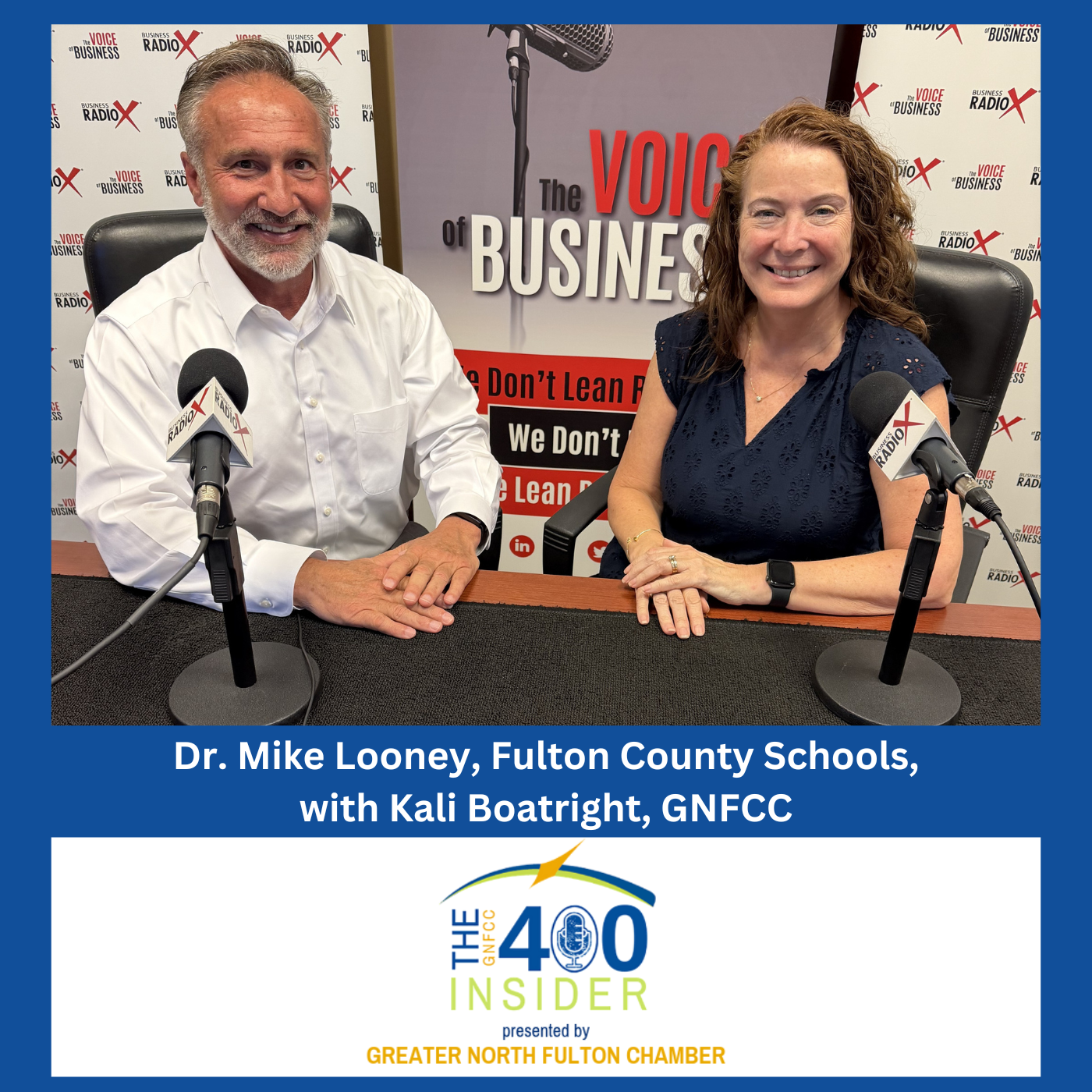 How Fulton County Schools Is Building Tomorrow’s Workforce52 / 100
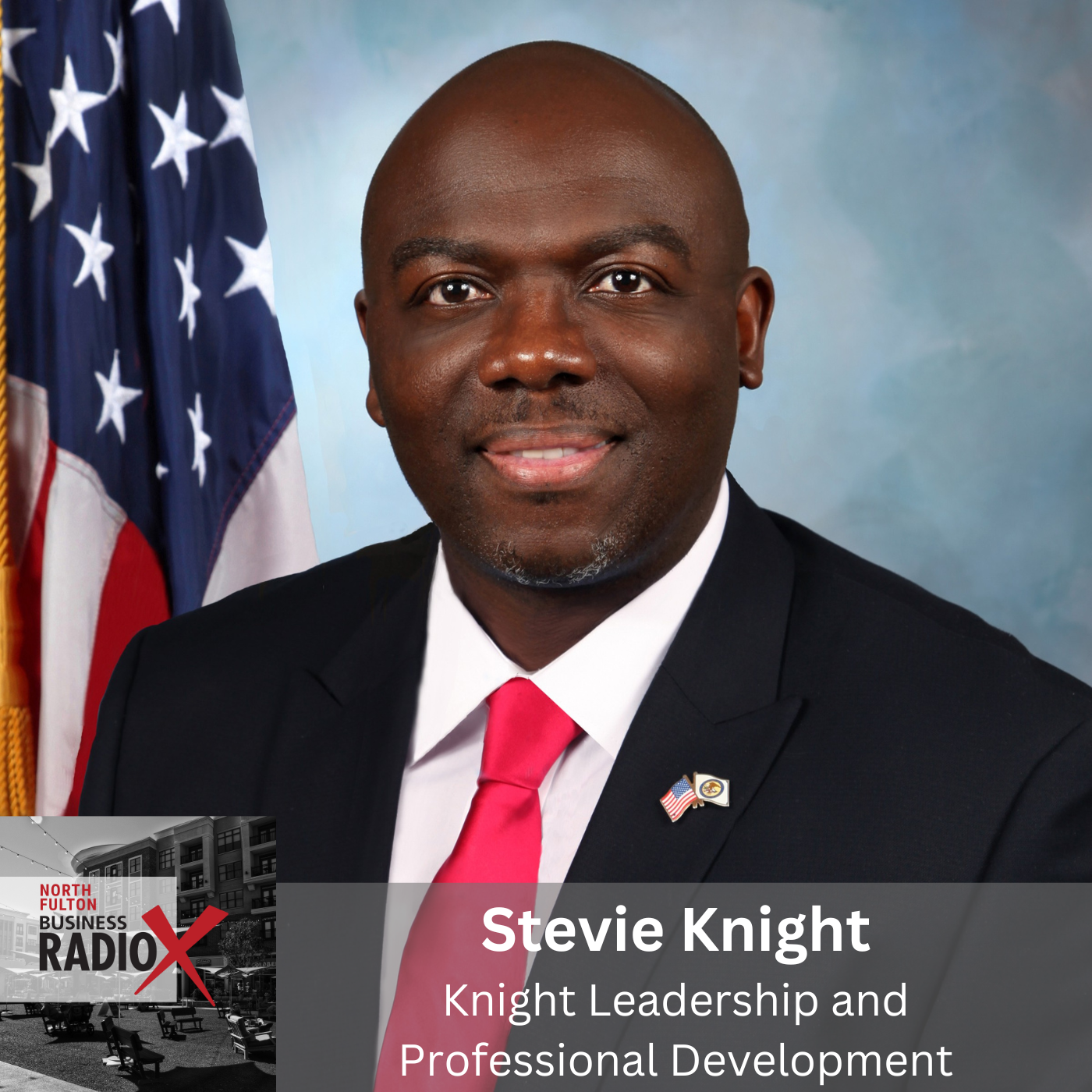 From Federal Warden to Leadership Coach: Stevie Knight65 / 100
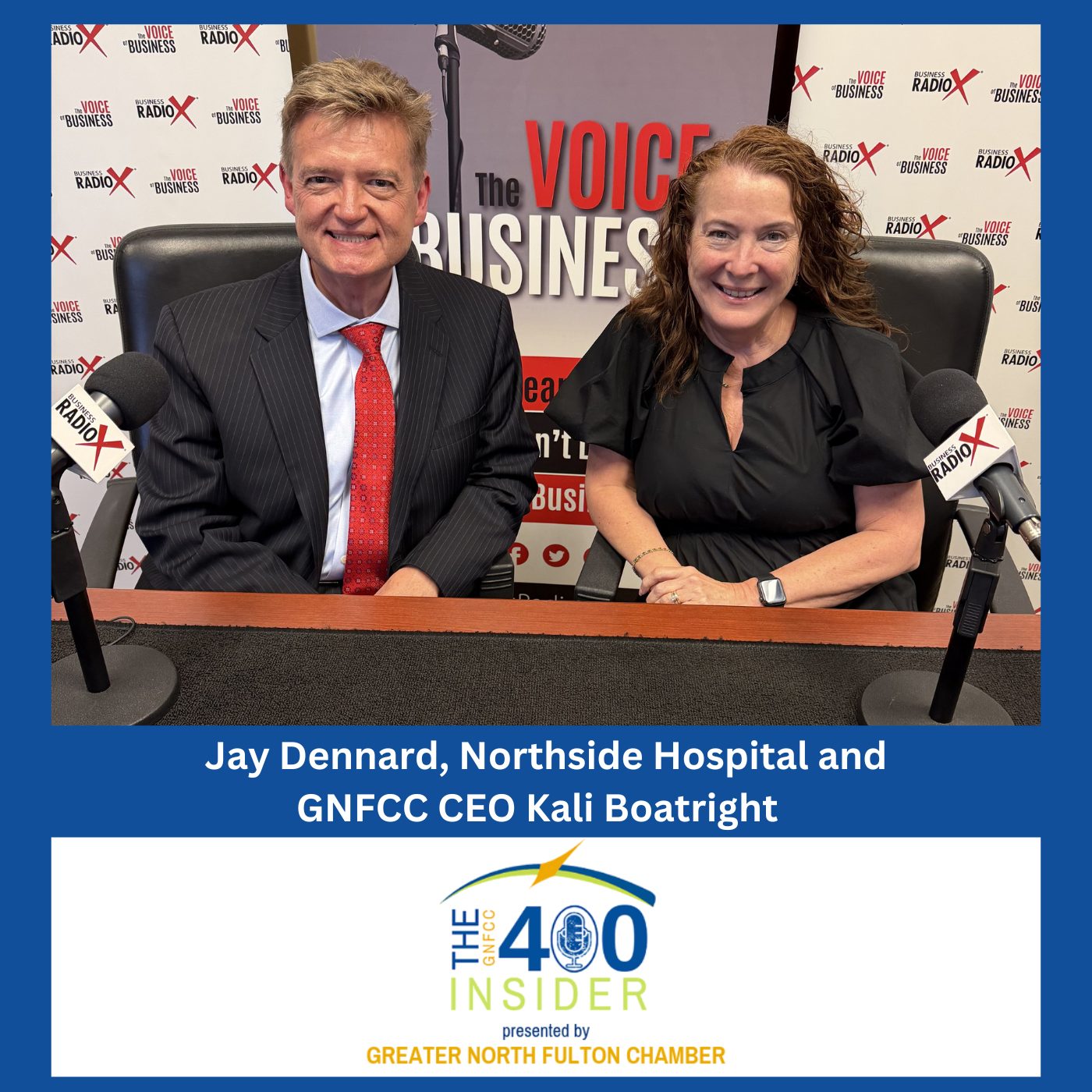 Jay Dennard of Northside Hospital on Care and Prevention39 / 100
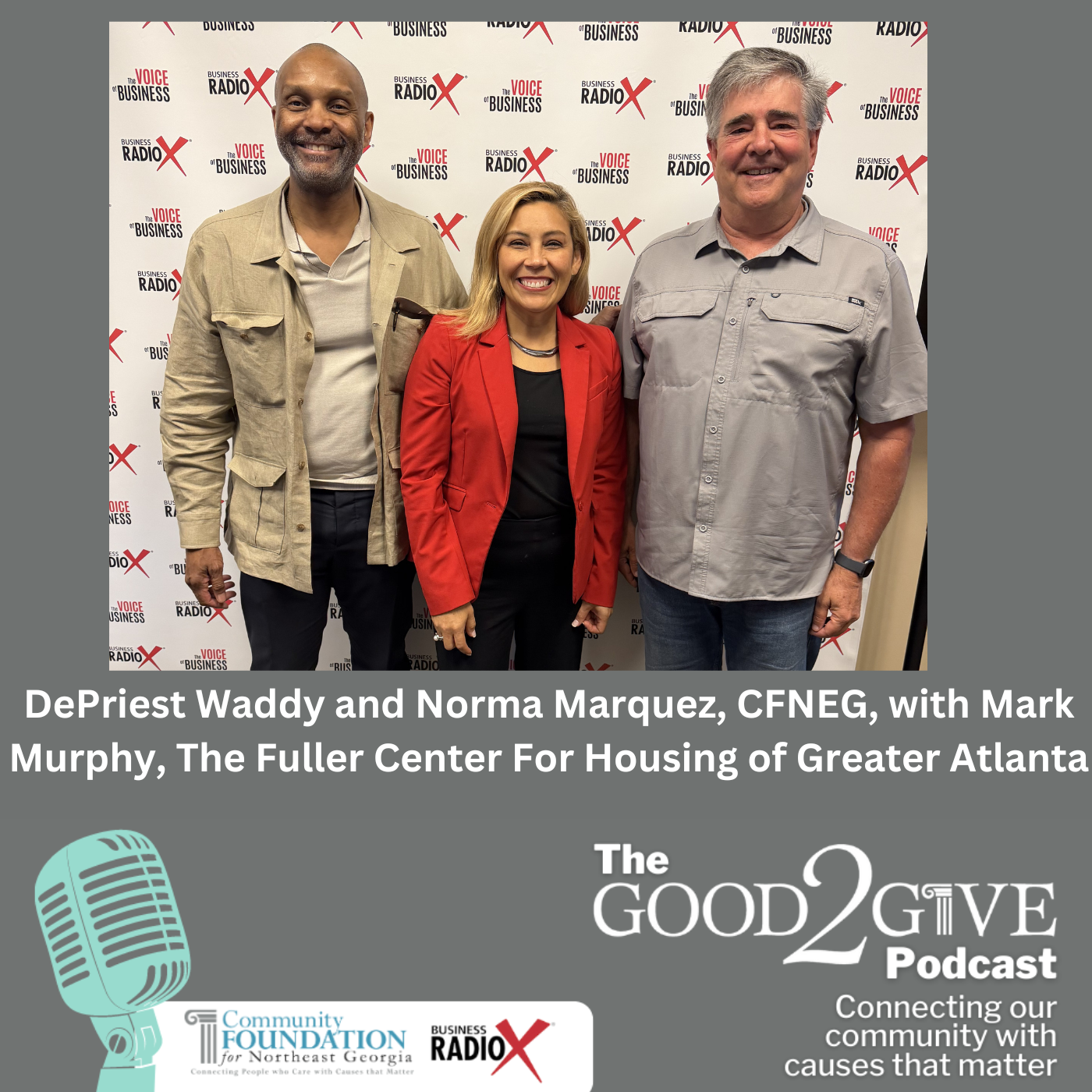 Fuller Center for Greater Atlanta: Homes for Working Families57 / 100
 Lisa-Ruth Karnes on Vital Signs and Workforce Housing in Cobb55 / 100
