
Marketing BS with Edward Nevraumont · 2023-02-08 · 13 min
Key moments - from our scoring
Substance score
47 / 100
Five dimensions, 20 points each
Movie theaters represent a puzzling gap in revenue optimization strategy. While airlines, hotels, cruise ships, and sports venues have embraced dynamic pricing for decades - charging different prices based on demand, timing, and seat quality - theaters continue to charge a uniform price regardless of whether you're seeing a blockbuster or indie film, buying tickets weeks in advance or hours before showtime, or sitting in premium seats versus back rows. Edward and Peter examine why theaters have resisted this shift, tracing objections to outdated concerns about devaluing products and losing ad impressions if customers buy tickets early. They explore how Paramount's research-backed pitch for 80 for Brady demonstrated that price sensitivity varies dramatically by title, and how pricing expertise could unlock significant revenue. Critically, they distinguish dynamic pricing - where market conditions determine price - from personalized pricing, which Amazon infamously tested and abandoned after consumer backlash. The discussion reveals that consumers accept discounts and coupons (framing) far better than transparent price discrimination (different list prices for identical purchases), suggesting the path forward for theaters involves strategic framing rather than overt personalization.
Theaters have resisted dynamic pricing due to fears of devaluing products and losing customers through early ticketing (which reduces ad exposure), but these concerns haven't materialized in other industries that successfully made the transition decades ago.
Dynamic pricing charges everyone the same price based on objective factors like timing or seat location - anyone buying front-row tickets pays more; personalized pricing charges different people different prices for identical products at the same time based on their characteristics, which caused Amazon major backlash.
No - like consumer packaged goods manufacturers, studios can't force retailers (theater chains) to charge specific prices, but they can pitch market research and pricing strategies like Paramount did for 80 for Brady to convince chains to experiment.
Yes - people accept higher prices for better seats, shorter waits, and timing flexibility when framed as market-based pricing; the backlash concern theaters cite appears to be an excuse rather than a real barrier based on adoption in other industries.
Secondary markets are unlikely to develop for movies because unlimited identical showings exist (unlike live events), so scarcity pressure that drives StubHub adoption for concerts and sports doesn't apply.
Our reviewer’s read on each dimension, with quotes from the episode.
The episode surfaces a few genuinely interesting ideas - particularly the distinction between dynamic and personalized pricing and the framing of coupons as socially acceptable personalized pricing - but most of the runtime is spent on the obvious observation that theaters should price like airlines, which is not novel. There is significant filler and mutual agreement that dilutes density.
personalized pricing to say based on, uh, giving your characteristics, we're going to charge you differently than me, even though we're coming in to buy tickets at the same time
they could have just priced it at $10 and offered $2 off coupons to a whole bunch of people. Instead of pricing it at $8 for everybody and 20% of people paid 10, they could just price it at 10 for everybody and 80% of people got $2 off and everyone would have been fine with that
The coupon-as-stealth-personalized-pricing reframe is a mildly interesting lens, but the central thesis - theaters should adopt dynamic pricing like airlines - has been a commonplace observation for years. The episode reaches no contrarian or counterintuitive conclusions; even the 'adapt or die' closing is a cliché.
It's a Different kind of process. People adapt to it and become second nature, just as does in these other domains
they got to adapt or die
Speaker B references hands-on pricing experience at Procter & Gamble (Swiffer), which gives some credibility as a practitioner, but neither speaker is identified as a senior executive or domain expert in theatrical pricing, ticketing, or revenue management. They present as informed generalists rather than operators who have done this at scale.
When I was at Procter and Gamble, we could go to the retailer and say, hey, we want Swiffer to sell for 9.99
Paramount, you mentioned 80 for Brady. They can't set the price, but what they did is they went, spent a whole ton on market research and then put together a research pack
There are real named examples - 80 for Brady, Amazon's pricing experiment, David Chappelle/Chris Rock in Seattle, StubHub, SeatGeek, Swiffer at $9.99 - but the episode lacks hard data: no revenue figures, no elasticity numbers, no study citations, and the Amazon story is vague on timing ('around the turn of the century'). Specifics are illustrative anecdote rather than rigorous evidence.
Paramount, you mentioned 80 for Brady. They can't set the price, but what they did is they went, spent a whole ton on market research and then put together a research pack. Basically it was a sales pitch
Back around, right around, um, the turn of the century, Amazon experimented with that a little bit and they got caught
The host does ask one genuinely probing question - pressing for a counter-example where dynamic pricing was a mistake - which elicits the personalized pricing distinction, the episode's best moment. However, most of the conversation is mutually agreeable, with very little pushback, no productive disagreement, and several exchanges that are little more than affirmations.
Is there any example of a company that started moving this direction or an industry that started moving in this direction where it was a mistake?
But is there an example where dynamic pricing wasn't the right choice?
Computed from the transcript - who did the talking, and the words that came up most.
I realize there has not been an essay or a briefing in a while. I am trying hard not to let this newsletter distract me from writing comedy. It’s coming along nicely, but at some point I will pivot back to writing more here. In the meantime, I hope you continue to enjoy these short conversations I am having with Peter and we are hitting the more interesting marketing news in any given week or two. In other news, my 1960s comic book podcast is re-branding. “Super Serious 616” is becoming “WHAT IF… MARVEL was real?”. I wrote a little about why we are making the change here . The big impedes was a big advertising push we are doing later this week that should (if all goes well) blast us to the top of the Apple Podcast charts. The hope is that after an artificial boost or two to the top of the charts, we can use the momentum to maintain that position naturally. It will be an interesting experiment. In the meantime I think the quality of those podcasts have gotten better and better. If you are at all interested, now may be a good time to jump onboard.
Transcribed and scored by The B2B Podcast Index.
Speaker A: A million dollars isn't cool. You know, it's cool because competition is just a click away. Ho, ho, ho. The anecdotes and the data disagree. The anecdotes are usually right.
Speaker B: Peter, when was the last time you saw a movie in the theater?
Speaker A: Oh, we go every couple of weeks, every now and again. It's a very different experience now with the big crazy seats and having to pick your seats in advance. And it's just. It's not like it used to be. But still, it's a nice getaway.
Speaker B: Nice. So you paused during COVID but then you're kind of gadda the same frequency you were before.
Speaker A: Even during COVID we'd go a couple of times. There was one time we went to see Tenet only people in the theater.
Speaker B: My m crazy Tenet story is for, uh, a buddy of mine's birthday. I rented the entire theater so the two of us could go see it.
Speaker A: There you go. Well, we didn't have to rent the theater. We just bought regular tickets.
Speaker B: And you still got it, the whole thing.
Speaker A: Door. So during COVID when no one was going to theaters, it was like the safest place you could be because no one else was there. So we'll still do it every now and again. It is funny how the industry has changed. Maybe not funny, maybe sad how it's changed so much since then.
Speaker B: Uh, yeah. I think it's interesting how little theaters have changed over the years, and it feels like they're changing quite a bit now. As you said, they made changes in terms of the seats are fancier and more comfortable and they're serving better food and so on. But in terms of, like, things like pricing, pricing has been very. Hey, pay one price. Everyone pays the price to walk in and see the theater. When you're dealing with a product that has an expiration date, like after 8pm on Thursday, anyone who's not bought the ticket, those empty seats in the theater are going unsold. It's very much like an airplane. But theaters have never been priced like an airplane.
Speaker A: I have never understood that. Yeah, they should definitely be using different kinds of dynamic pricing. And of course, it's not just them. It's going to be the same thing with sports venues and concerts. And it's funny, in those domains. You keep hearing a lot about it. Sometimes controversial, but movie theaters seem to be just clinging to their kind of dinosaur ways. Although it gets just now starting.
Speaker B: And even things like, um, not just dynamic pricing, but even pricing by title. If you go and buy books, books vary in price every book you bought. I don't know what the price of the book is going to be until I look at the price on it and they're all over the map. Whereas when you go to see a movie, whether you're going to see a $500 million Avatar sequel or you're going to go see a nice little small new indie flick, they're all the same price.
Speaker A: And that's why it's, uh, so interesting. So there's the new 80 for Brady movie just came out and there's all this headline news. It's going to have a different price. As if this is a radical. Even in the articles it's saying this bold move just because they're charging a different price for a movie. Yeah, they're absolutely right. That should be the way it always works. Not this kind of one time weird thing.
Speaker B: And apparently it has been done in Europe. So in Europe they have priced blockbusters at different prices than smaller indie, lower budget movies. But in the US there's been a tendency not to do that. And I think the logic is like, right or wrong, the logic has been if we price a movie at a lower amount, it will signal that the movie is flawed in some way and therefore it'll drive. Even though it's almost like the idea of a luxury good, if I go and start discounting a luxury good, then maybe my price elasticity is a negative elasticity. It might drive people away because it's considered bad because it's a lower price. And it seems like that was the fear in the US if we reduce the price of the movie, people are going to think it's a bad movie and no one's going to go.
Speaker A: And that's why we shouldn't teach economics courses, because people jump to these ridiculous conclusions, you know. You know, it was the same thing with professional sports. A lot of Major League baseball teams are saying, oh no, no, no, no, we can't change the prices. Same issue that we don't want to devalue the product. And now they're doing it all the time, not only charging different amounts for different games, but changing the pricing as the game gets closer. And even, uh, based on weather and who's pitching and so on, that's just become the rule. Now it's just a matter of how. It's just weird that some sectors like movies have just stayed behind and just haven't gotten with the times.
Speaker B: I went and saw David Chappelle and Chris Rock were in town here in Seattle in December, and we went to get tickets. And they, like most of the seats in the house, were at set prices. Now the better seats were better prices and so on. But the best seats in the house, it said this on the website. Our top seats are dynamic pricing changing on a day by day basis based on demand.
Speaker A: That's kind of interesting, is like going to a restaurant where they have fixed prices for everything. But then there's that special steak or fish market price, which implies that everything else charged isn't at market prices. Everything should be at a market price. And, uh, people get used to it. That's the thing. A lot of these venues hesitate to do it because of some sense of fairness or something. It's like, oh, no, we don't want to go down the same path as the airlines. But people get used to it. People understand that, uh, as long as they're not being gouged the fact that they bought the tickets later or they're buying better seats, they should be willing to pay a little bit more.
Speaker B: That's right. And maybe the airlines get us used to it to a point where now it's not a big deal when it happens in the movie theaters. I remember it was probably 2003, 2004 was the first time I went to movie theater where I bought my ticket. I bought my seat of where I was going to sit prior to that. I think every time I went to the movie theater, you'd buy a ticket and then it was first come, first serve for where you're gonna be in the theater. Of course, it was around that time 15 years ago or so, where they said, hey, no, you can actually buy your seat. And now you can buy in advance and now you can show up just before the theater, just before the movie starts. And I think the concern at the time, uh, at least what I heard prior to that was we don't want to do that because we want people to get to the theater early so we can serve them the ads. And if we start letting them buy their seat, they can show up at the last minute and it won't be able to advertise to them.
Speaker A: Wow, that's such bad logic. Given how much of a premium they can make for those better seats. It's a whole lot more than putting a couple of eyeballs in front of ads. And in some way, the cy psychological weirdness of having to choose the seat, I think is actually less painful, less cognitively taxing than the idea of paying a little bit more money because you're closer to the Showtime. It's a Different kind of process. People adapt to it and become second nature, just as does in these other domains.
Speaker B: And what's fascinating too, I think, is who controls this pricing? When I was at Procter and Gamble, we could go to the retailer and say, hey, we want Swiffer to sell for 9.99. But we couldn't tell them that Walmart would whatever price. We told them Walmart would put it lower and we'd be like, please don't put it lower. Like we want this to be higher. We want this to be a high margin product. We want everyone else to charge more money for it. But they could do whatever they wanted. We couldn't force them to do anything. Now we could run ads on television saying, go to your local retailer and pick up your Swiffer for $9.99. But at the end of the day, the retailer decided and it's that it's the same way with theaters. And so Paramount, you mentioned 80 for Brady. They can't set the price, but what they did is they went, spent a whole ton on market research and then put together a research pack. Basically it was a sales pitch. So they went all the big theater chains and said, we did some research and it shows that the price sensitivity for 80 for Brady is really, really high. And if you reduce your price, you can fill seats with older people who otherwise wouldn't even go to the theater at all. And they had to make a pitch. And uh, apparently I guess that pitch worked.
Speaker A: That's great. And that's the way it should be to get whether it's the theater owners or again, uh, any kind of venue, to run experiments, to take chances. I think there's a real opportunity, whether it's the studio itself or some third party to come on in and start offering that kind of pricing expertise. Now the next thing you got to wonder about is will there start being a secondary market for movie tickets? You know, the idea is ludicrous right now, but, uh, anything's possible.
Speaker B: Yeah, it just, it feels like at least right now the supply of seats is so much higher than the demand for seats. And also you have uh, uh, a zero marginal cost electronic product that you can just put more showings. Right. So if you don't go and see it at a certain time, they can run another showing at another time. Unlike, um, live shows like a Beyonce show or Taylor Swift show, like Beyonce could only be in so many places at once. It can only be so many shows. They can keep showing Avatar forever and ever and ever. And you're Going to get this, if not the same experience, pretty close to the identical experience, no matter, uh, when you see it.
Speaker A: No, that's a good point. There's not as much of a necessity for a secondary market as there is for sports or concerts. But on the other hand, there's a lot of people who are becoming accustomed to buying their tickets through the secondary market. They'll start by going to StubHub or SeatGeek to see what's available. They don't want it to go to the primary market. Maybe it's because they don't trust the venues who are selling the tickets, or maybe they have a good experience with the secondary market. So I think it will emerge, even if it's not quite as vital.
Speaker B: We talk about these companies that have been very reluctant to move in this direction. Airlines did this decades ago. Hotels did it decades ago. Cruise ships have done it decades ago. Movie theaters took a long time to do it. Athletic, uh, venues like baseball and stuff took a long time to move in this direction. Is there any example of a company that started moving this direction or an industry that started moving in this direction where it was a mistake? We keep talking about everyone's, like, afraid to do this. They're like, oh, I'm afraid to put them by their seats in advance because we'll miss the ads, or we're afraid to do this because our customers will hate us. But is there an example where they were right, where, like, they should have moved more slowly or not moved at all?
Speaker A: Well, in terms of the overall movement, I don't think it's ever a mistake. But there's no doubt there's specific times, you know, specific games, specific sections of seats that are either going to be priced too high or low. That's just the chance that these organizations take. I mean, let's face it, every game or movie or concert, they're never going to get the pricing exactly right for every seat. So you just have to hope, on average, that it works out in their favor. But it's not an exact science. But it's a hell of an interesting science. No doubt about it.
Speaker B: But is there an example of where dynamic pricing wasn't the right choice? That, like, hey, we had fixed prices, Everyone wants us to move to dynamic pricing. We think it's a bad idea. Every example that we're talking about, it was actually a really good idea. Theaters are slow. They should have done it earlier. But is there an example where someone moved too fast and they should have,
Speaker A: oh, yeah, I'll tell you where the Third rail is personalized pricing. A lot of people mix that up with dynamic pricing. Of course, with dynamic pricing, as we get closer to the date or if it's a better seat or whatever, anybody would pay that higher price. But personalized pricing to say based on, uh, giving your characteristics, we're going to charge you differently than me, even though we're coming in to buy tickets at the same time. Back around, right around, um, the turn of the century, Amazon experimented with that a little bit and they got caught that they were charging two different people at the same time different prices and they, boy, oh boy, did they back down on that. They apologized, never again. It was just a little experiment. So yeah, that's a real danger zone. Not say it can never happen, but given our kind of how naive we are, even with just regular dynamic pricing, that's a step too far.
Speaker B: Well, it's interesting you say, it's funny, I remember that when that happened at the time, I didn't make the connection. But you're right, they did that where they got nailed. I think it was personalized pricing where some people were paying higher prices than others. We do personalized pricing where some people pay lower prices than others all the time and no one gets upset about it. Like if rather than charging $8 for the CD for most people, but $10, if we knew you're like a high level, like a adamant CD buyer and you're price insensitive, they could have just priced it at $10 and offered $2 off coupons to a whole bunch of people. Instead of pricing it at $8 for everybody and 20% of people paid 10, they could just price it at 10 for everybody and 80% of people got $2 off and everyone would have been fine with that.
Speaker A: That's a great point. As long as you separate out list price from the discount from the coupon or whatever, that's okay as long as people have to do something. But when it's just offered up, when the face value is different for different people at the same time. And uh, you're right, it might sound a little hypocritical, but that's the reality that we haven't yet come to grips with.
Speaker B: One thing I see on Amazon all the time now, not all the time, but fairly consistently, is I'll go to buy a product and on the main page it's listed at one price. After I click through and go on to the product page, there'll be a little box and says, hey, click 5% off coupon. Click here. Yeah, I see that regularly. I wonder if. Imagine that's probably personalized that I'm getting. I'm seeing that coupon and other people aren't.
Speaker A: That's right. And that again, that's fine. That's totally kosher. And people are good with that. It'd be interesting to see it. At what point, though, do we graduate from that to just showing different prices and calling a spade a spade? I still think we're a long ways away from that.
Speaker B: Fair enough. This, uh, has been fascinating. I think we're agreed that theaters are smart to do this. They should have done it a long time ago. The consumer backlash is going to be negligible. Theaters are just coming up with. That's the word I'm looking for. It's an excuse rather than a reason.
Speaker A: That's right. They're not willing to do the hard work. They're not willing to figure it out. Given the state that they're in economically, man, they better do some homework. They better find these kinds of revenue opportunities if they're going to stay afloat, because the. The old rules do not apply anymore, and they got to adapt or die.
Speaker B: All right, this is BS this is BS Why are we here? A billion dollars.
Other episodes covering the same guests and topics, from across The B2B Podcast Index.
 Full Impact, Fractional Time - Taking Ownership, Diagnosing Chaos, & Driving ImpactPractical Product Management · features Peter71 / 100
 This Week in Jobs: Reading Between the Jobs Numbers (Can We Trust It?)Cornering The Job Market · features Peter
 We Grew Too Fast and Nearly Lost Everything - With Njål Elliasson, Proptonomy & HeimbyPillow Talk Sessions · on Dynamic pricing86 / 100
 How B2B Brands Use AI for Dynamic PricingThe Growth Operator with Fexingo · on Dynamic pricing85 / 100
 From Static to Dynamic: The Evolution of Pricing Science in DistributionThe MDM Podcast · on Dynamic pricing83 / 100
 Growth: Turn Discounts into a Profit Engine with Smarter Promotion Strategy with Dan Bond, RevLifterKeep Optimising · on Dynamic pricing82 / 100
 Marketing BS Podcast: Have Electric Vehicles Changed the Rules of Loyalty?
 Marketing BS Podcast: Southwest Loyalty and some announcements
 Marketing BS Podcast: Streaming Grab Bag
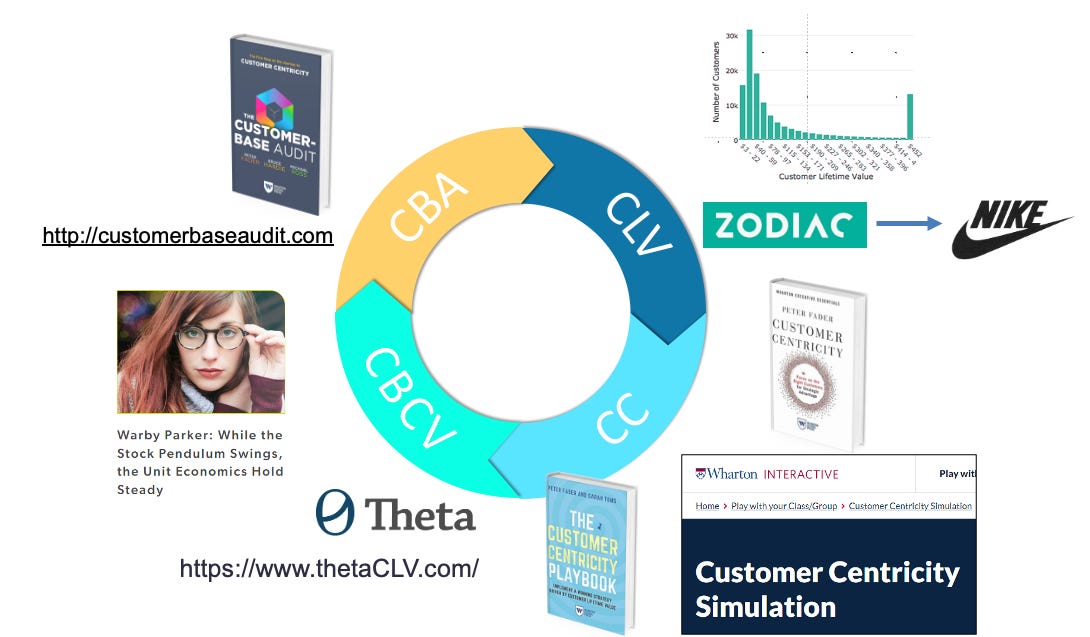 Marketing BS Podcast: Fader's Books
 Marketing BS Podcast: Strategy vs Tactics