M&A Advisor Podcast · 2026-07-09 · 43 min
Key moments - from our scoring
Substance score
68 / 100
Five dimensions, 20 points each
The Key Safety acquisition of Takata represents one of the most complex distressed M&A transactions in automotive history. Takata, a Tier 1 supplier of airbags, seat belts, and steering wheels, faced a massive recall - 350 million defective units - that created $30 billion in potential liability and threatened supply continuity across all global automakers who were legally required to use certified Takata parts. The deal panelists explain why distressed M&A often succeeds: limited competition (only three other major passive safety suppliers existed), compressed timelines creating urgency, and the ability to surgically acquire assets while leaving liabilities behind through bankruptcy courts. However, this transaction uniquely required building consensus across 99.8% of affected OEM production volume, multiple national court systems (US bankruptcy, Japanese civil rehabilitation, Canadian proceedings), and regulatory bodies including CFIUS - which raised national security concerns over Chinese parent ownership of US military-grade fabric assets. Rather than being a "bad business," Takata's operational issues (lost OEM confidence, leadership gaps, criminal penalties) could be fixed with the right team. By structuring the deal through multiple asset sales across jurisdictions, using a "bad bank" structure for ongoing defective inflator production, and securing OEM indemnification agreements backed by the threat of supply denial, Key Safety transformed a toxic situation into consolidation, ultimately creating Joycen Safety Systems, now the world's number-two passive safety supplier.
All global automakers needed the supply to continue - Takata airbags were sole-source certified into vehicles already on the road - making supply continuity a matter of national economic importance. With the right team (Skadden legal structure, KPMG diligence, strong management), operational issues could be fixed, and the liability could be structured away through bankruptcy courts across multiple jurisdictions.
Through a multi-jurisdiction strategy: US bankruptcy handled US and Mexico liabilities; Japanese civil rehabilitation addressed Japan; Canadian court handled Canada; European and Chinese assets were sold separately through holding companies with different structures. A "bad bank" entity kept ongoing defective inflator production within the bankruptcy estate, while OEMs signed indemnification agreements backed by the threat of supply denial.
A bad balance sheet (over-leverage) can often be solved through refinancing, while operational distress involves deeper issues like lost customer confidence, leadership problems, and cultural issues. Takata had both: financial constraints from recall liability and operational damage from lost OEM trust that required a strong management team and advisors to fix.
By securing consensus through indemnification agreements and OEM commitments to resource continuity, backed by the implicit threat that OEMs refusing to sign would not receive supply (halting their vehicle production). This locked in 99.8% of affected production and proved Key Safety was viable despite being the smallest of four passive safety suppliers.
Key Safety's Chinese parent company owned a US subsidiary producing military-grade fabric for nuclear missile nose cones, triggering national security review. Approval required legislative advocacy and Senate testimony to convince the administration that rejecting the deal would devastate US automotive supply chains and tier 2-4 suppliers across multiple states.
Our reviewer’s read on each dimension, with quotes from the episode.
The episode delivers substantial practical insights into distressed M&A structures, liability management, and stakeholder consensus-building, with concrete details about the Key Safety-Takata deal mechanics. However, it relies heavily on a single case study and occasionally drifts into general affirmations ('it was the right team', 'tremendous value') without extracting broader principles.
we had a stick. Right? We're always looking for carrots and sticks. We had a stick. And that stick was that if you were an oem, um, and you didn't sign up and indemnify us, you were not going to get the supply of parts.
So you can reject contracts. You can use that as a point of leverage to negotiate with parties. You can, um, you know, you get the benefit of the free and clear order from the bankruptcy court
The episode covers well-established distressed M&A concepts (363 sales, free-and-clear orders, good bank/bad bank structures) and applies them competently to Takata, but does not present novel frameworks or counterintuitive thinking. The remain-co structure for the PSAN inflators is clever but not conceptually original. Most ideas echo standard bankruptcy and M&A playbooks.
there was this sort of remain co structure where we had, um, a portion of Takata that had the production capacity for the piece Anti inflators under its ownership.
It's similar to sort of the good bank, bad bank structures that were used in the financial crisis
Excellent guest roster: Joe Perkins (interim CEO of Key Safety, former CFO NextEra, CEO at multiple companies, lived the deal for 2 years), Lenny LaRocca (Head of Automotive at KPMG, led diligence), and Steve Daniels (M&A partner at Skadden, managed the complex legal structures). All are practicing executives and advisors with direct, large-scale deal experience, not career podcast guests. Their credibility is evident in execution details.
Joe Perkins to my left, uh, he's the former interim CEO of Key Safety. We're going to talk a lot about Key Safety's acquisition of Takata.
Lenny LaRocca, I think everybody heard. Head of automotive at KPMG
The episode includes concrete numbers (350-360 million defective inflators, $30 billion potential risk, $7 billion acquisition of $1 billion buyer, 99.8% OEM participation, $200+ million synergies identified, 15-20 year parts supply obligation) and specific deal mechanics (CFIUS approval, testimony to Senate Commerce Committee, multi-jurisdiction bankruptcy/court structures). Some claims lack detail (e.g., 'two years of deal work' but sparse timeline specifics, synergy identification without cost breakdown).
$30 billion global, um, potential risk. Right. 350, 360 million of these inflators on the road
we had 99.8% of the inflators manufactured. Of the OEMs that comprise the inflators manufactured, they signed on to this indemnity agreement.
The host (Speaker A) frames misconceptions clearly and directs follow-ups systematically, asking Steve, Joe, and Lenny in turn. However, questions are often soft and declarative rather than probing ('Can you talk us through...'). Few instances of genuine pushback or productive disagreement; speakers largely affirm each other. The moderator doesn't challenge vague claims (e.g., 'tremendous value') or ask for specifics on risk mitigation failures.
Um, Steve, maybe starting with you on a more generic basis and then moving over to Joe and Lenny, how often is that actually true, that it's a, that you have a distressed company and it's a bad business and how do you distinguish between bad business and, and just bad balance sheet?
Lenny, you played a big role in helping all of us figure out what we were taking and what we were leaving behind. Can you unpack that?
Computed from the transcript - who did the talking, and the words that came up most.
Live from the 2026 Distressed Investing Summit Deal Forum at the Four Seasons Resort Palm Beach, this fireside chat digs into distressed and opportunistic M&A through the lens of one of the most complex deals in recent auto industry history: Key Safety Systems' acquisition of Takata, the airbag supplier behind one of the largest product recalls in consumer history. Featuring: Ron E.
Transcribed and scored by The B2B Podcast Index.
Speaker A: Foreign.
Speaker B: Hi, I'm Roger Aguinaldo and welcome to the M and A Advisor podcast. Since 1998, the M& A Advisor has been the definitive source dedicated to recognizing achievement, delivering unrivaled thought leadership, and connecting the world's mergers and acquisitions elites. We help you sharpen your edge and accelerate your success in dealmaking. Whether you're an ambitious new player or a market veteran, this podcast provides masterclass strategies, unvarnished stories, and vital lessons from M, the industry's influential figures. Before we launch into this episode, be sure to follow us on YouTube, Apple Podcasts and Spotify. And subscribe to our essential M and A Alerts. Email email newsletter Find all the links below. Your engagement fuels the deal making community. Now let's get into the transaction.
Speaker A: Good afternoon everybody. Hopefully, uh, we'll have slides. If not, we'll do it without slides. Just, uh, want to make sure I go through everybody. Um, Joe Perkins to my left, uh, he's the former interim CEO of Key Safety. We're going to talk a lot about Key Safety's acquisition of Takata. Uh, former CFO at next year CEO at Mobex, CEO at Paslin, uh, and now current, uh, board advisor to paslin. And Lenny LaRocca, I think everybody heard. Head of automotive at KPMG and Steve Daniels, uh, my colleague and partner, uh, M and A partner at SCAD Narbs. Uh, today's topic is, uh, Distressed M and A. Opportunistic M and A. Uh, there's academic literature that says that empirically shows that there's increased return on, uh, investment with respect to, uh, distrust M and A. And there are, uh, four drivers. Well, the slides are up, but don't move. Four drivers for value. One is limited competition. Two is bargain prices, driven in part by limited competition. And it's a compressed timeline. There's urgency in the market, so the market price generally trends downward. You get a free and clear order so you can surgically acquire what you want, leave behind what you don't want, and there's finality. There's no looking back for fraudulent conveyance on the cons. There's more parties you got to negotiate with. Um, there can be a perpetual auction. And that accelerated timeline means it gives you a crunch. For purposes of trying, um, to do your diligence. We're going to put that in the frame of thinking about a highly, um, complicated transaction. Key Safety's acquisition of Takata. Um, and we want to set the stage by explaining what happened, uh, in that transaction. Lenny, you want to give us a little Bit of background, sure.
Speaker C: You guys hear me?
Speaker A: Okay.
Speaker D: There we go.
Speaker C: Thanks, Joe. That's why you're the CEO Uh, anyway, so has anybody heard of Takata? Did anybody sound familiar to anybody? So, uh, Takata was a Tier 1 auto supplier, and they provided, uh, passive safety components to automotive OEMs. And those were mainly seat, uh, belts, steering wheels, and airbags. And the airbags, for those of you who don't know, there's actually this little explosive inside an airbag that goes off when you get in an accident or when it gets hit. And Takata had an issue. A, uh, major recall. Uh, one of the largest recalls in consumer history in the U.S. like, 350 million units recalled. And obviously, that's a big, big ticket of a recall. The OEMs are ultimately responsible for that payment. So when you get your car and you have an issue with your car and you take it in and it's a recall, the OEM M has to pay for that. But the OEMs want to pass that on to the supplier. And so as part of that process, Takata was in a lot of trouble. But in the auto, uh, passive safety space, there's really only two other major competitors to Takata at that time. One was Auto Leave and. And the other one was, uh, ZF's TRW passive safety business. So this space had already really consolidated, and they really needed Takata to survive. I mean, most airbags, most cars in the US Had a Takata airbag. And so as part of that, uh, Takata had to go through A. The OEMs were pushing them to go through a sale process. And that's when we came in with, uh, Key Safety, who. Who Joe was the, uh, CEO of. And key safety was like that, like, fourth player that represented less than 10% market share. So they had to, uh, enter the process to try to purchase Takata, uh, through the bankruptcy and through all the other topics, uh, we'll discuss here today.
Speaker E: So is this on? Can you hear me?
Speaker D: Yeah.
Speaker E: So one of the more unique things I think about the Key Safety transaction was just the number of stakeholders that were involved. And so, as Lenny said, it was really. Every global auto manufacturer was affected. And because of the certification process for parts, you can't just go out and get a different airbag and put it into the vehicle. So you have no choice but to use the same airbag that you've been certified to use in, uh, the production of that car. So even though the airbags were exploding in some cases and killing people, the auto manufacturers needed to needed to have the supply of that. And so it was a pretty, pretty desperate situation for them. And so in order to get to a transaction here, noting that we're representing the smallest of the safety suppliers, um, we had to build consensus among all the stakeholders and particularly the oem. So all of the US Auto manufacturers, German auto manufacturers, Japanese auto manufacturers, and many of the specialty sort of smaller vehicle lines all were involved. And we had to convince them that, you know, Joe was instrumental in his lighting as well, that key safety was a viable purchaser for this. And then, you know, there were similarly, there were regulators like nhtsa, uh, which was monitoring the recall aspect of this. And, um, the doj, there had been a billion dollar, uh, criminal penalty imposed on Takata for falsifying safety records. Um, and there was a consent decree and plea agreement with them. So these parties wanted to make sure that whoever stepped into the shoes, is that better? Whoever stepped into the shoes of Takata and took over that business was going to be a good, um, steward of that obligation. So that was a big aspect of what we had to do as a deal team.
Speaker A: One of the major themes of what we were doing in the key safety Takata transaction was driving to consensus. Steve just talked about all the stakeholders, um, and we were looking for, uh, consensus across all these stakeholders. So what were the things that we were doing? We were supplying an incredibly important part to the manufacturing of an automobile. And there were 360 million defective inflators out in our ecosystem. Uh, what we needed to do was we needed a process where we had the OEMs that were gonna support what we were doing. Because the auto industry is built off a sole source supply. We knew that all these automakers needed the business to continue going. So part of what we did was we negotiated with the top 15 global OEMs, and we got them to agree as part of our transaction to a framework that was going to include different court, uh, processes in Japan and Canada and the United States. And they agreed to indemnify us for those matters that couldn't be carved out or left behind as part of the court process. But we had a stick, right? We're always looking for carrots and sticks. We had a stick. And that stick was that if you were an oem, um, and you didn't sign up and indemnify us, you were not going to get the supply of parts. And that meant that that OEM was not going to get its vehicles off, uh, uh, a manufacturing line. And so in the end, by getting, by doing this process, we had 99.8% of the inflators manufactured. Of the OEMs that comprise the inflators manufactured, they signed on to this indemnity agreement. We also got these OEMs as part of that negotiation to release key safety from liability in connection with future manufacturing. We're going to talk about this later as we go through Q and A, but we got the OEMs to agree that for business planning purposes, they were not going to resource, they were not going to move parts away from us. And they gave us a framework to get us comfortable that for future bidding we were going to have a business, um, to further incentivize that. We had an earn out concept. We then had tort claimants, we had to settle with them. We had an unsecured creditors committee. We settled with them. We had various governmental institutions like the doj, nhtsa, cfius that ST will talk a little bit about. We settled up with all of them so that we de risked our process and got in front of. By the time we were in front of the bankruptcy court for a confirmation, by the time we were in front of the Japanese court for what's in a sense a 363 sale, by the time we were in front of the Canadian court, we had broad based consensus and we were able to get our transaction approved. Scale and complexity. Steve, if you want to talk about the scale of the liability.
Speaker E: Sure. So think about a $30 billion global, um, potential risk. Right. 350, 360 million of these inflators on the road and then there's a need to continue producing these things even though we know that they're dangerous and they can kill people. Um, so it's a massive liability, um, would dwarf the balance sheet of key safety and frankly would be pretty off putting to just about any management team looking to make an acquisition. So it was critical that we could structure the transaction in a way that encapsulated or left that liability behind. And so we did a few things. We had a bankruptcy proceeding in the United States. The company was truly global and it was, I think every office in Skadden, which is, covers the globe, was involved in the transaction. Um, we had a bankruptcy proceeding in the US that ah, dealt with the US centric liabilities and also brought in Mexico. There was a proceeding in Canada and there was a separate civil rehabilitation proceeding in Japan. Um, initially we thought we would try to carve out the European business because of the margins and some of the other issues associated with it. But it turned out that the business Was, was so inextricably tied up globally that you couldn't really do that. So we wound up doing asset sales in um, in Europe and throughout, through the German um, kind of holding companies. And then we did a separate asset sale in Mexico and a separate asset sale in uh, in China. Um, all of these have sort of unique issues, different product liability regimes. Ultimately we couldn't do asset sales everywhere because of the time and complexity. And so we had to absorb some stock purchase structures and take on entities that potentially had these liabilities. Um, but we tried. So we had to really understand what the nature and scope of the liability was, what the product liability laws in the jurisdiction were and try to make assessments about where we could do that. Um, we also were uh, you know, the company did not want to touch the continued production of psan inflators because once you are in the stream of commerce and you're producing them then you become potentially a responsible party. So we used sort of a bad bank type of structure or main co structure where the continued production of psan inflators for the auto manufacturers, which is frankly still ongoing, um, was done through an entity that remained in the bankruptcy estate. So reorganized Takata um, holding company um, that produced the go forward inflator production. So the key safety didn't have to be responsible for that. Um, we've talked a lot about consensus. I mean none of this stuff would have worked if we had not been able to get the support of the auto manufacturers behind us. Because unlike a lot of situations, it wasn't the lenders that were driving this, it was the customers.
Speaker A: Okay with that and we invite audience participation. We'd like to talk through some questions, uh, what we at least think of as common misconceptions, uh, in the context of uh, distressed M and A. Uh, so my first question for the panelists. Um, there's a misconception that when a target has trouble, when there's a troubled business, that target has deep operational problems and is too risky to acquire and integrate. For this reason, many business people assume that it's too complicated to acquire and integrate. So I'd like to ask the panelists, Steve, maybe starting with you on a more generic basis and then moving over to Joe and Lenny, how often is that actually true, that it's a, that you have a distressed company and it's a bad business and how do you distinguish between bad business and, and just bad balance sheet?
Speaker E: So sometimes it really is just a financial matter. The company is over levered. Ron and I were just involved in A matter where company was a fantastic business, just had way too much debt, uh, was growing through incurring indebtedness and acquisition and just got over levered and out over their skis. That is something that got dealt with out of court. It didn't require, um, a bankruptcy ultimately. But, uh, you know, in other cases, the run up to. And we had another situation others, um, in the audience were involved in too, um, where there were problems with the business, where the way the business was being run was really, um, really needed to be revisited and kind of, you know, solved. And so coming into it, you have to have the right advisors. And so like Lenny's role, working with KPMG to evaluate what are the root causes of the financial distress, what's actually happening there, and then having a strong management team, uh, people like Joe who can look at the business and see operationally what's going on there, what are the problems that are arising. And then you have to know going in what you're dealing with, is it financial or is it operational? And if it's operational, can that be fixed? How would it be fixed? Um, what's the cost and what's the time that would it take to resolve it?
Speaker A: And Joe, in your experience on Takata, if we zoom into that transaction, how do you think about that? Same question.
Speaker D: Yeah, Ron. Um, thanks. Maybe before I get into that, I think I speak on behalf of all of us up here on stage that we're thankful to be here. We are incredibly passionate. Eight years after deal closure with respect to what we were able to accomplish. And for me it went well beyond the, what I characterize as tremendous economic value that we created. We saved tens of thousands of jobs. We, we maintained continuity of supply within the auto space. Had Takata failed, had key safety gone down with this deal, the interruption that would have happened to the auto space and thus the global economy would have been monumental. And the other thing, we preserve public safety. And you know, to be very matter of fact, people died as a result of these faulty airbags and people that Takata lied about it. So there were a lot of sticky issues to get through. So Ron, back to your question. Yes, obviously, given the peace and liability that Steve talked about, you know, the financial statement constraints were enormous and that required a deal structure that was very innovative. But the, there were issues well, well beyond that. And from a broader operational perspective, Takata had completely lost the confidence of all of the global OEMs. There was a tremendous amount of criminal and civil penalty issues that were an overhang to the team within Takata, there were cultural issues. Our owner, that was the platform for the deal was Chinese and we were buying a Japanese asset. That was only the beginning of the cultural complexities that we had to run through. Massive leadership issues within the Takata organization. So, you know, the obvious question then becomes, well, with all of these operational constraints, why didn't we run? Well, we ran towards it and we did because we had a handful of aces. Number one, we had a tremendous team. Um, and I am an advocate to this day for Scadden and the deal structure that they were able to create. And KPMG as well, given the diligence as they held my hand through the entire process. So we had a tremendously effective structure that we developed. Um, and with Lenny's leadership, we absolutely were certain to the extent that we could strip away the financial constraints, the PCN liability, and with a strong management team, correct some of these organizational and operational issues. And then you lay around synergies and effective integration, that's a tremendously valuable asset. At the other side that I really think many others would have ran away from, we didn't. We held a hand of aces. We got the deal done. Um, the Post transaction company, which is now Joyce on Safety Systems, is the number two largest passive safety company in the world. A key supplier of the global OEMs for seat belts, steering wheels and airbags. So, you know, it was two years of our life. I think we remain lifelong friends as a result of, uh, the challenges we went through. But, but this went way beyond financial issues and into deep items that we, uh, knew if we worked through them, there would be tremendous value on the other side. And that is. That's exactly what happened. And I'll say one thing, Ron, then I'll give it back to you. Cause Jack was talking about career mentorship. And I'll never forget the day my mentor. It was about 10 months to a year into the deal, and my mentor sat me down and he said, joe, you have to stop. You know, you're trying to thread a needle quote from a mile away. And you know, when you think about the three items that I mentioned earlier, preserving supply, public safety, and saving jobs, I could not stop. We threaded a needle from a mile away. I don't know that we'll ever do it again. But in this critical moment for the industry and for the country and for countries around the world, we did it.
Speaker A: Thank you, Joe. Again, I encourage audience, uh, participation. So if anybody has questions, um, obviously you can tell from Joe's passion he lived It.
Speaker D: It's like it was yesterday. Ladies and gentlemen, if you have a question, please raise your hand and I'll come to
Speaker A: Lenny. While we're waiting for people to ask questions, what about you were the diligence. Put it together guy? What was your view on. You came on the scene and you're looking at how would you put these two companies together?
Speaker C: Yeah, absolutely. Um, I always joke around that the reason I have a big white beard is because I'd worked on the Takata deal for two years. Um, caused me to, uh, have a little bit of distress. But the big issue that we had to deal with is really understanding the business. Right. Because Takata had been in distress. They have been. You know, they had this recall issue. OEMs were, uh, actively resourcing, so they were actively taking product away from Takata and giving it to their competition because they needed to make sure that they could get airbags. Right. So when we were in this process, we had to help the company really understand what's the baseline, what's the performance of this business and what's the financial outlook going to look like? Because in auto, you know, they source these products years in advance and then they sit on the car for five to seven years. So it's really important to understand what's in that sort of revenue book of business. Right. So we did a lot of diligence on what Takata was saying, but we also leveraged our network to understand did. Did Ford already resource the F150 from them because of all the issues that were happening. We found out issues even before the Takata management did. So that gave confidence to the company that, you know, they're going through all this effort, right. Spending a lot of money dealing with the liability and dealing with the structures and all the complications. But are they going to walk out of that with a business that's still viable, that's still going to be productive? And so that was obviously a big portion of the deal.
Speaker D: Yeah. Ron, if I could add, I, Lenny, certainly agree with everything that you said. And I would just add, um, a little bit more qualitatively that, you know, back to one of those aces in her hand. It was the team. You know, we can talk through this entire conference about very technical points, but in the end, it's about human capital. It's about leadership. It's about quality and experience of the team. We did not interview any diligence firms. When I knew we were going down this path, I called Lenny and I said, let's go. There was no Other firm that we talked to, I didn't know Ron and Steve at the time we were referred to them. We met them one time and we were off and running. There was no one else that we talked to. We had the dream team and the management team was committed, um, from two perspectives. One, from a deal face front to the deal perspective. You know, I spent two years down the road. I was never a day to day CEO or CFO because I was so impassioned about ensuring that we got the deal done. So that was key. But the team back doing the day to day who was rallying around the deal team and taking care of producing car parts each day was equally important. So I think one of my key themes is there is tremendous economic value that can be pushed through in deals that many would run from if you have the right team, you have the right advisors, you have the right passion. And again for me it went beyond the economics. We were, we were saving something. And so again that was one of the aces in our hand. The quality of the team, um, that I think was irreplaceable.
Speaker A: Um, Joe, you had mentioned before, uh, we had culture issues because we had a parent of our buyer was Chinese. Right, Joycen. And we talked about consensus, driving a consensus. Well, we tell the audience about this wasn't just consensus amongst the OEMs and other tier 2, tier 3 suppliers. You actually went above and beyond because we had a CFIUS issue. How did you handle that?
Speaker D: Yeah, and ah, we were talking before, you know, we came up here and I told the guys and they all agreed. We talked about it when we were prepping the other day that, that our ability to get consensus across multiple constituencies is why the deal got done, um, through KPMG's leadership. Number one was ensuring that the OEMs, um, um, the customer group as we called it, it was really the negotiating body that they believed that this deal team could get it done. The key safety being a billion dollar company could swallow a $7 billion company and maintain continuity of supply. So we spent countless days between myself and Lenny and others at KPMG talking to the OEMs, advocating for the deal. Um, but it was well beyond that. The cultural complexities. I had to be the face of the deal in many instances just given the dynamics culturally of what we were dealing with. And CFIUS was a great point. So in the end of the deal, um, we uh, discovered that we had an issue that required CFIUS approval. Um, we were a Chinese buyer effectively, um, and that raised issues with respect to an asset Ah, in the US that was selling to the military, uh, fabric actually that went onto the nose of a nuclear missile. So it was tremendously sensitive. But, you know, we needed CFIUS approval on that unique deal construct that we put forth to address that issue. So, you know, I spent probably three months straight in D.C. talking to everybody who would listen on the Hill around, you know, political. Please push the administration to approve this. And, you know, if you don't, uh, I'll just be factual that constituents in your states that, you know, rely on auto tier 2, 3, 4 and below, it's going to be highly impactful. Um, I testified to the Senate Commerce Committee. I ultimately, you know, had interaction with others in the administration, administration just to garner support to ensure that there was a absolutely had to get done for the three key points that I said earlier. So again, our ability to get consensus in parallel, uh, across so many different parties that Steve described up front was really, in the end, the enabler that got this done.
Speaker A: Fantastic. Uh, an additional misconception when buying a troubled company is that when you buy a company that's troubled, you're going to end up with unwanted contracts, unwanted assets, and so you have a lot of buyers that just walk away. Um, Steve, over to you. Um, what's your take on that? How would you explain this issue or unpack this issue for a potential buyer?
Speaker E: Sure. So bankruptcy is unique in the ability to carve out unwanted assets and reject contracts. I mean, I do both distress M and A and also regular way M and A and Nipron and I have done many, many deals together. When we do them out of court, Um, I think it bothers him that you can't just leave stuff behind and carve things out and just, you know, not, um, be burdened by that. And in bankruptcy, you can reject contracts. You can use that as a point of leverage to negotiate with parties. You can, um, you know, you get the benefit of the free and clear order from the bankruptcy court, so you don't have to worry about, if you do leave an asset behind, that you're going to have fraudulent transfer liability and have to look over your shoulder. So it's a m much different framework. And sometimes the kinds of companies that we're dealing with, like Takata, you just wouldn't want to buy that whole company in a stock purchase and take on board all those liabilities. So, um, really there's no way to do a transaction, I think, like that, um, without the benefit of being able to carve out some of those liabilities and assets and Leave them behind. So
Speaker A: Lenny, you played a big role in helping all of us figure out what we were taking and what we were leaving behind. Can you unpack that?
Speaker C: Yeah, absolutely. So obviously we had to go through all the customer agreements and understand what the products they were getting supplied, what the pricing was, if there was opportunity to go back to the OEMs and ask for more pricing. Um, but there was also a big piece of, uh, synergy in doing this deal because, you know, Key Safety was a smaller supplier but growing very rapidly, and Takata was an existing supplier supplier that was freeing up capacity. So we did a lot of work to understand where that capacity was and if there was opportunity to drive synergy. And I think it was something like over $200 million of synergy that we were able to identify. And that was really attractive to the OEMs as we were having these discussions with them around supporting, uh, KSS and Joy sun and buying Takata, was that they're going to generate synergy, we're going to be more efficient, we're going to going to understand how to utilize, uh, existing capacity. Because like Joe said earlier, like, there was not really a fundamental operational problem, like at the plant level. It was actually very good operationally. And Key Safety was able to benefit from that as part of a synergy and value capture.
Speaker A: Fantastic. Thank you, Lenny. Steve, there was also another issue and for the audience, the automakers, because they were slow to evolve on the engineering, they continue to need those old inflators, the exploding inflators, otherwise they couldn't continue manufacturing their vehicle line. Um, Steve, do you recall how did we structure this? Because our buyer keysafety did not want to continue manufacturing faulty inflators. We didn't want to touch it. So what do we do to structure that? So we made the OEMs happy and we were able to take the business free and clear.
Speaker E: So I touched on this, uh, a few minutes ago. But there was this sort of remain co structure where we had, um, a portion of Takata that had the production capacity for the piece Anti inflators under its ownership. And any production that go forward after the closing of the transaction of these Peace Anti Inflators was done by that entity. And the. Which remained under the auspices of the bankruptcy court. Um, that reorganized, uh, Takata entity, um, you know, kept all of that product liability exposure. And so our client didn't have to take that on. Um, and it's similar to sort of the good bank, bad bank structures that were used in the financial crisis where, you know, bad Liabilities were sort of bad. Loans were hived off and put into um, a infrastructure that um, housed those so that the buyer didn't have to be exposed to that. And it worked quite well. Ultimately the OEMs did a lot of banking of products so they produced massive quantities of inflators and purchased them in advance of the closing. But over time, as I said before, they still need that supply. You should be aware that vehicles are on the road, many of them still have these influences, inflators and that the OEMs are you know, satisfying recall obligations in a lot of cases by replacing these defective inflators with newer defective inflators that are less dangerous.
Speaker A: Thank you, Steve.
Speaker C: For those PSAM inflators, is there a
Speaker D: plan kind of going into bankruptcy? Was there some other technology to kind of supplant that or did those, does that just sit in bankruptcy for.
Speaker E: That's for the OEMs to decide. Right. I mean for as far as JSS was concerned, they didn't, they didn't take that on. Um, I think it was eye opening for us to learn, you know, both how these inflators work. I mean there's a little explosive device, a number of them in your car, one sitting right in front of your face in the steering wheel. Um, the OEMs could not get away from that.
Speaker C: Right.
Speaker E: There was no way to. I mean you have an obligation to produce replacement parts for vehicles for you know, 15, 20 years after they're built. And once they're certified for production you can't swap out the part. So you know, ultimately people knew that PSAN was not the right approach, but there was no way to get away from it. Um, and so that, you know, I don't think, you know, perhaps there's a safe way to build a piece anti inflator in the future. I don't, that's outside my scope. But um, you know, certainly the um, there was no way to get to sort of wean off that, that, that, that supply need, you know, at any
Speaker C: time, but remain co lasted for several years. I mean I think it's still, I mean I have a 2022 Jeep Wrangler and I had to just replace the airbag in that. Right. So like there's, it's still out there.
Speaker E: Yeah, we all got, I mean I got a recall card during the deal for the BMW that I had at the time.
Speaker D: And if your question from say a technology perspective is more forward looking, other than um, replacement parts, which we articulated as being part of old Takata, that inflator is not going into new vehicles anymore. It's only the concept of where necessary. Replacement parts on vehicles that were already on the road. That technology is not used anymore.
Speaker A: Yeah, Lenny, on um, another diligence question for you. Uh, I often hear timeline's too tight. How are we going to get this done? How are we going to figure out what the problem with this business is? Can you talk us through when you take on an engagement like this compressed timeline and diligence, uh, how do you deal with that?
Speaker C: Yeah, I mean, well, this deal was kind of all over the place. It was a lot of compressed timelines. Um, but in general, deals are getting, are much faster now. I mean they're expected to get due diligence much quicker. I think the panel before talked about AI and different solutions that AI is doing for investment banking, um, at our firm. I just sat in a demo yesterday actually with a client where we demonstrated, uh, our diligence agent. And so we literally can download data rooms now and put it onto a teams site, deploy our agent and go through and do things that staff people were doing even just a couple years ago. So we're obviously using AI to go much quicker. Uh, specifically with Takata, the big issue was the book of business, the revenue. And the only way we could really move quickly on that is going directly to the OEMs, going directly in market. So we did several around the world tours where we had to go to Japan for a week, sit down with oem, sit down with Takata, really work through it, fly over to Germany, do the same thing, fly back to the US and we did that for several weeks. And I always joke with my team at that time because we would be on the airplane for like 40 hours a week, that I expected them to keep working the whole time. So, you know, I'd walk around in business class and make sure that their hands were on their keyboards. I'm just kidding. I'm kidding.
Speaker A: Thank you, Lenny. Uh, Steve, over to you. Um, we often hear the misconception that bankruptcy process for an acquisition, it's too complex, it's time consuming. Um, you do both, you do these distressed transactions and you do public M and A. Um, how do you think about that issue?
Speaker E: So the bankruptcy process is very sort of flexible, um, based on the needs of the situation. So you can do a 363 sale incredibly rapidly. You can do, um, a sale pursuant to a plan of reorganization incredibly rapidly. And the court is sensitive to the sort of melting ice cube situation. If the needs of the situation drive it the court can be very flexible in terms of the timing. Um, so we've had a lot of success getting things through very quickly. It obviously depends on the case. It depends on the company and the situation. And there are certain things like regulatory approvals that the court can't override. So in the situation we're dealing with right now, there's a bunch of health care regulatory approvals. There's, you know, uh, there's still federal antitrust approvals that are required. But in terms of just getting the deal through the court, that can be done incredibly quickly. Um, so it's a really good tool if you need to accelerate and you get the benefit of that free and clear order. And the liability protection with also speed.
Speaker D: And Ron, I'm sorry, I think the way the management team looked at it was, hey, it's a tool that's in the toolbox. And, you know, given the complexity of what we were dealing with and the size and the scale and the scope of the liability that was on the table, it was the right tool for us. Now, there were other things that we had to do. Ron, you may get into it around the indication indemnification agreements from the OEMs, but, you know, at the core of what we were doing was ensuring that the Post transaction Newco would never be burdened with this level of liability. So it was the right tool for us. And really it wasn't, uh, an overly lengthy process. It took us a while to understand the size of the liability. It took Lenny and team time to think about synergies and think about really what the economic upside was. But the actual process that we went through, and my view was manageable, specific to the bankruptcy process.
Speaker A: In our last couple minutes, um, we also want to hit maybe the elephant in the room. And Steve, I'll turn this one back to you again. Cost, we hear repeatedly, and I think in some way, shape or form, it's led to the LME transactions and not a court. How do people. A lot of buyers are shy about using, uh, a, uh, process to acquire a troubled company because of cost. What do you tell a client about that?
Speaker E: So it's not a secret that bankruptcy is really expensive, and that's why people try to structure around it. Debtors often try to find ways to avoid it. Um, all the stakeholders get compensated for their expenses by the debtor. And there's a lot of different stakeholders that have their, you know, have expenses that they want covered. Um, but for a buyer, you can get protections that would not be available in a private company deal, you can get m expense reimbursement. In the Takata situation, we had a substantial amount of upfront expense reimbursement. It wasn't contingent upon the transaction closing. Um, there is also break fees and expense reimbursement that come if the deal gets topped. Bankruptcy is a perpetual auction, so there's, there's always a risk that you're going to have another bidder come in later and top the bid. And in that case, if you're the stocking horse or the plan sponsor, as KSS was in this situation, they get the benefit of a breakup fee and expense reimbursement. So there are a lot of things that are available there, um, to defray those costs. Um, if you're willing to dive in, you provide a real, as a buyer, you provide a real benefit to the estate to driving the sale process forward and you should be compensated for that. Um, so, um, it's a significant mitigant to that risk for a buyer that's interested in getting involved in the situation.
Speaker D: Enron. I would add from our perspective, from a management team's perspective, the cost of not doing this deal across numerous constituents and stakeholders would have been exponentially higher. So, you know, not that we specifically did that, you know, business case and pencil did, but it was very intuitive. This was the right tool for us. Very innovative, very appropriate. And again, we were very successful in what we ultimately created by the post transaction. Nuco. It was necessary. The cost, had we not done it would have been much, much higher.
Speaker A: Okay, uh, unless there's any questions from the audience, uh, we're grateful for everyone's time.
Speaker C: Thank you.
Speaker B: We hope today's episode delivered actionable intelligence. We want to hear from the field, share your questions or insights. Leave a message on your favorite platform or email us@editoraadvisor.com to secure your steady feed of premium MA content. Follow us on Spotify, Apple Podcasts and YouTube and subscribe to our MA Alerts email newsletter. Find the links in the description below or visit us directly at our website@www.maadvisor.com. i'm, um, Roger Aguinaldo, founder and CEO of the MA Advisor. Thank you for being part of the M and A Advisor community. Until next time, stay decisive, stay connected and happy dealing.
Speaker C: With.
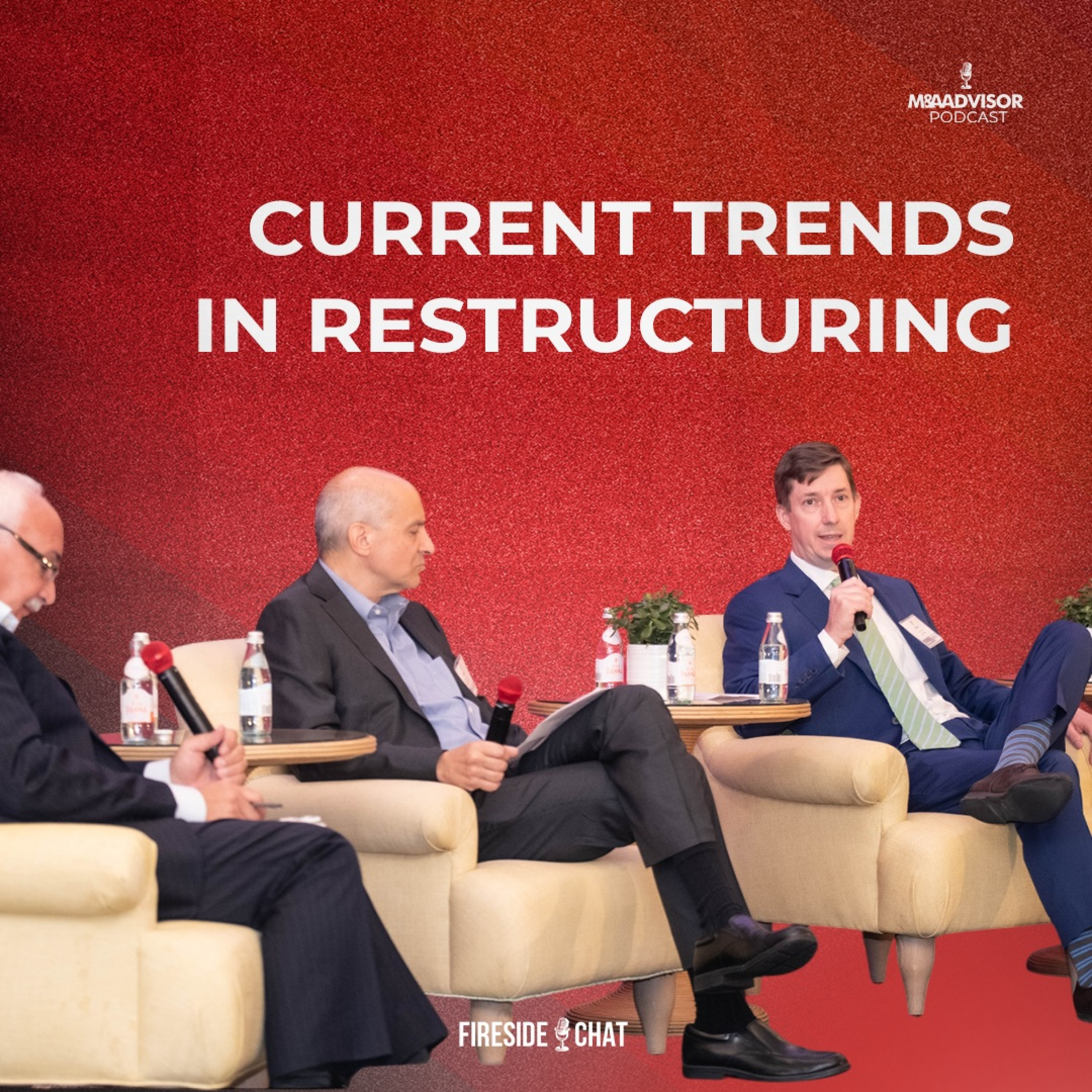 Current Trends in Restructuring : A fireside chat from the 2026 Distressed Investing Summit78 / 100
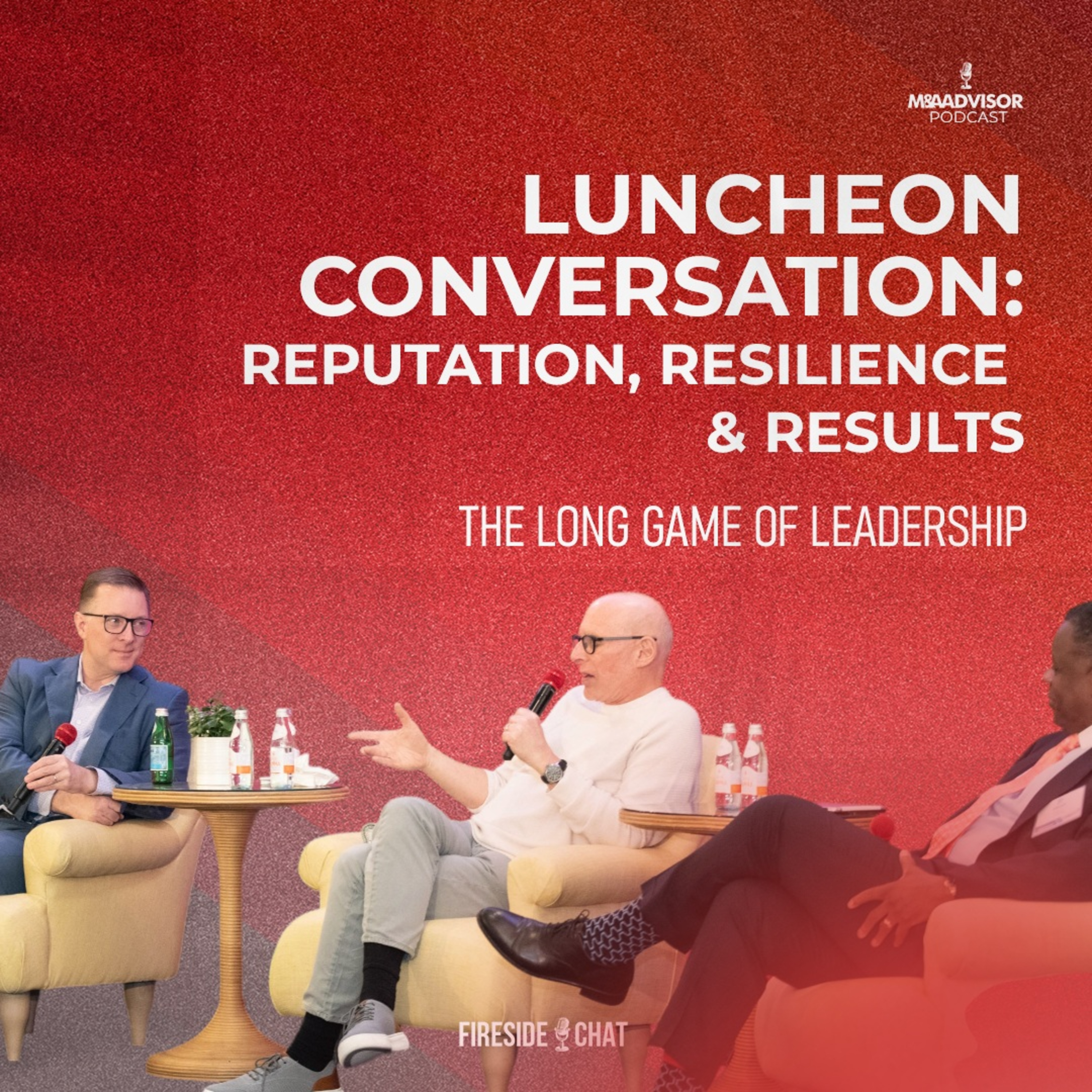 Reputation, Resilience & Results: The Long Game of Leadership
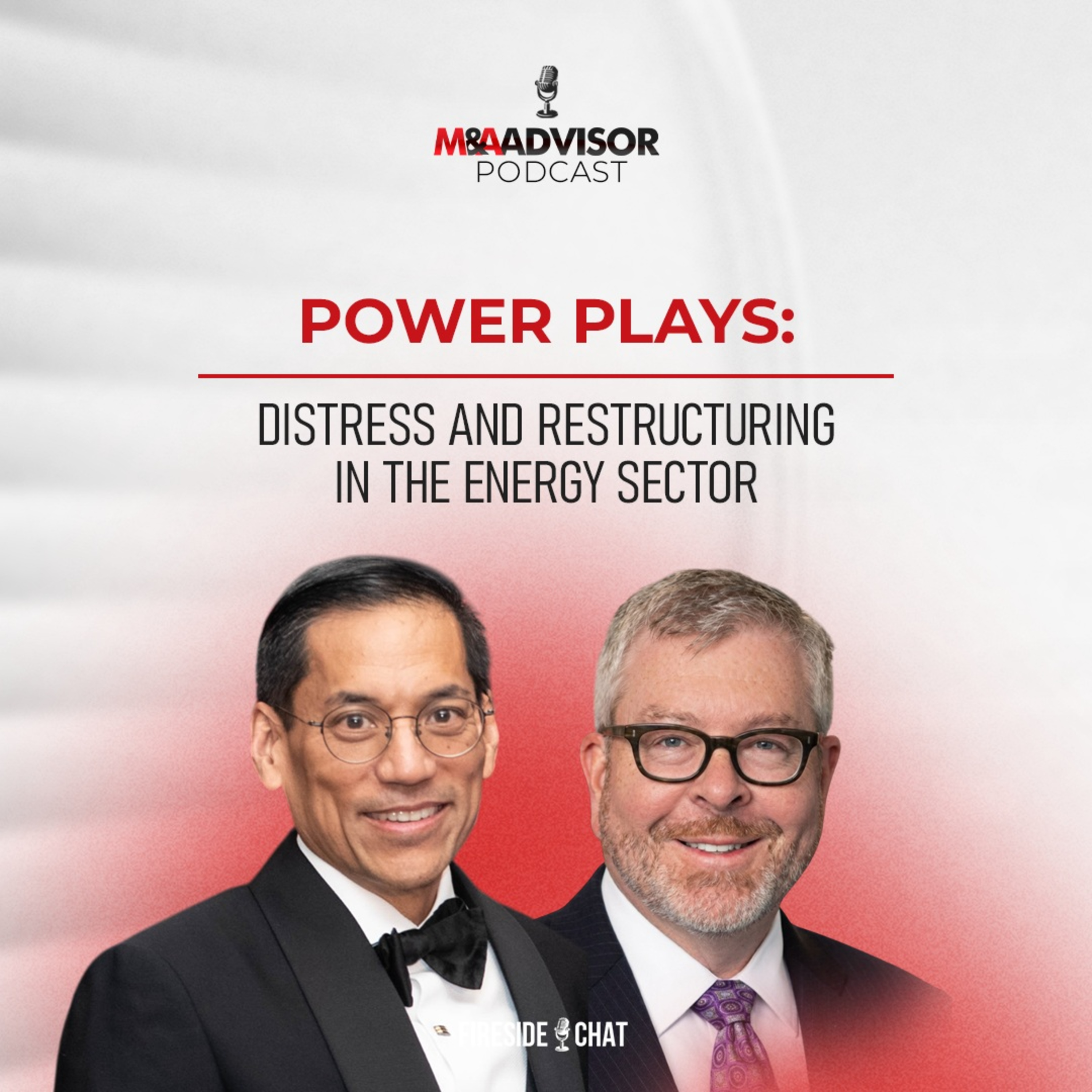 Power Plays: Distress and Restructuring in the Energy Sector
 Strategy, Leverage & Leadership: What Determines Outcomes in Modern Restructurings
 Running the Business While Selling It: Preserving Value in a Distressed M&A Process