
Innovation and the Digital Enterprise · 2025-05-22 · 43 min
Firasat Hussain brings deep technical and organizational leadership experience to Snapcare, an AI-enabled healthcare staffing marketplace that connects clinicians with facilities while managing credentialing, scheduling, and compliance workflows. His career arc - from Oracle and Orbitz through roles at RR Donnelly, Ticketmaster, and Arivia (where he led a 210-person tech organization) - demonstrates a pattern of building teams around user experience, iterative innovation, and data-driven design. At Snapcare, he's applying these principles to healthcare staffing, where the core challenge involves sourcing clinicians, managing complex credentialing processes, and using technology to optimize the mix of internal and contingent labor for hospitals and post-acute facilities. Hussain emphasizes what he calls "tech. right. touch" - ensuring technology serves human outcomes, not just operational efficiency. His leadership philosophy centers on being "kind but not nice," providing candid feedback within a framework of genuine care for team members, colleagues, and clinicians. He views travel, parenting five children, and continuous learning as essential to staying sharp and avoiding insularity in perspective, whether in technology decisions or broader worldview.
Snapcare is a healthcare staffing platform that sources and credentials clinicians (RNs, LPNs, CNAs), matches them to facility needs, and provides a SaaS solution for scheduling and labor optimization; it also helps facilities determine the best mix of full-time and contingent staff to manage costs and compliance.
Hussain started as an accounting major, transitioned to technology via Oracle SQL and Java, then held leadership roles at Orbitz (10 years), RR Donnelly, Ticketmaster, and Arivia (where he served as CTO and managed a 210-person technology organization).
He believes in being "kind but not nice," - delivering candid, sometimes uncomfortable feedback while maintaining genuine care for the person and understanding their individual journey and challenges.
He emphasizes that parenting and leading large teams teach similar lessons in humility, continuous learning, and viewing challenges as opportunities; his experience across 23-year age gap between oldest and youngest children has made him a more mature and adaptive leader.
He saw healthcare staffing as a fragmented industry ripe for consolidation and AI-driven innovation similar to how online travel agencies transformed travel, and he was attracted to the modern tech stack and opportunity to improve patient outcomes through technology.
Computed from the transcript - who did the talking, and the words that came up most.
In this episode Patrick and Shelli talk with Firasat Hussain, the Chief Product and Technology Officer at SnapCare. Firasat shares his 25-year journey through various technology leadership roles at companies like Ticketmaster, Orbitz, and RR Donnelley, emphasizing the significance of thoughtful leadership and iterative innovation. He describes his transition to SnapCare, where he is leading the integration of new AI tools and modern tech stacks to transform healthcare staffing. The discussion delves into Firasat’s leadership philosophies, the importance of trust and influence over demands, and his commitment to growth and learning, both personally and professionally.
Transcribed and scored by The B2B Podcast Index.
Speaker A: M. Foreign.
Speaker B: Hello fellow innovators, this is Patrick Emmons
Speaker C: and this is Shelly Nelson.
Speaker B: Welcome to the Innovation and the Digital Enterprise podcast where we interview successful visionaries and leaders and give you insight into how they drive and support innovation within their organizations. Today we're joined by Farasad Hussain, the Chief Product and technology officer at Snapcare, an AI enabled health care staffing marketplace. Profit has over 25 years of experience leading technology teams including key roles at Ticketmaster, Orbitz and the travel loyalty firm Orivia. He emphasizes user experience, iterative innovation and data driven design as keys to building successful platforms. Now at snapcare, he's helping transform healthcare workforce solutions with a technology first approach and an AI powered platform. Really excited to learn from his insights on leadership, technology trends and driving innovation in the digital enterprise.
Speaker C: Welcome to the show Far as It.
Speaker A: Thank you so much. Happy to be here.
Speaker C: As Patrick said, You have over 25 years experience in tech leadership. So what first sparked your interest in tech? And can you give us a brief overview of your journey to becoming Snap Care's cto?
Speaker A: Absolutely. Well, believe it or not, I in the beginning started off as an accounting major and a friend of mine who was learning Oracle SQL at the time, this was a long, long time ago, he was like you should, you might be interested in this stuff, give it a shot. Because at that time I wasn't really feeling the love with accounting and I was just thinking about my trajectory in life. And so he introduced SQL to me and another one of our best friends, uh, together and both of us embrace technology like literally after uh, just a couple of months we started to learn from him and that really catapulted each of us into learning different technologies within Oracle and just kind of building our mind and experience around what is the stuff that we're working on. Like what does SQL do, what does PL SQL, they had a rapid application development platform called Oracle Forms. So I just uh, went head, uh deep into that and just went through that uh, bit of transformation and started to feel more and more comfortable and then I started to basically interview for more technical roles and fortunately someone gave me a shot and so in terms of kind of like the big milestones that really I was able to learn and grow. I started off pretty early in my career at Oracle and then spent a number of years there, did a little bit of pre sales consulting training, got my first foray into Java there as well and that allowed me to have a lot more opportunity outside of Oracle. And then I ended up leaving Oracle. Fast forward a few years Landed at Orbitz which still sometimes I think to this day man, I, I'm truly blessed because I didn't have the resume or the pedigree to really join at Orbit. And it was a wonderful career. And then from there I went to, I left orbit after about 10 years and went to RR Donnelly which is one of the largest or used to be one of the largest commercial printing companies and helped them with their digital transformation. Left there after a few years, went to Tekken Master and then spent a couple years there in again learning a lot and able to contribute to help that business. And then uh, the last few years someone um, gave me a shot at being a cto. So I joined Arivia as their cto. The CEO that I worked with him in the past at Orbitz slightly and so he gave me a shot and spent about three and a half years there and then recently left for Snap Care.
Speaker B: That's awesome. The uh, you know you mentioned Orbits and I actually brought it up with somebody uh, the other day who uh, you know Orbits and there's a couple other firms here in Chicago that I think in that early stage of like real software engineering. They were doing software engineering in Chicago. I wouldn't say that there was many who were actually doing at that level of like really doing software engineering. And your career is taking you through a lot of different industries, live events, travel as we talked about. But snapcare is your first foray into health care tech. What attracted you to the health care space and to joining snapcare in particular?
Speaker A: Yeah, uh, just going back to Orbitz real quick on the comment you made. I think it ties nicely into the health care portion at Orbit. It was a true opportunity and my first real opportunity. I would say that expanded my aperture of what is actually possible using technology. It helped build the necessary tools and confidence to self reflect ability to solve different types of problems, large scale or not and also develop kind of a calculus model in my mind to take risks and allowing some kind of measured risks as well. And that fast forward to today. The staffing industry is very different than my previous experiences, especially healthcare staffing. It's a highly competitive environment. There's lots of companies that are in this where they're staffing different types of healthcare professionals from clinicians to doctors, surgeons, so on, so forth. So I think it's very much about how do you synergize human capital with technology. And that piqued my interest. And in this space there are so many mid to small players with different offerings and portfolio and there's Just a couple of handful that are just really large solution providers and staffing firms. So I think this is an industry that's very ripe for consolidation and lots of innovation. Health care has been on the benefiting end of a lot of innovation and staffing is catching up to that similar to how OTAs were I think about 10, 15 years ago was highly fragmented and the OTAs came in to help consolidate and build those platforms. So I think that also is ready here. And the part of the attraction was from a just personal perspective that the tech stack is cool. It's a modern tech stack, relatively new. There's not a lot of legacy, if you will, compared to some of the other shops I've been in, I think and I believe and we are actively working on driving differentiation innovation using AI and machine learning. So we've got a number of capabilities we're building up now, which, you know, I think we'll talk about. But that's what really drew me to SNAP Care is the industry itself tie into healthcare and just the immense upside in using technology to help shape better patient outcomes and also facility outcomes.
Speaker B: So I'd see a hallmark of just is that really like you see interesting things. Is this about internal growth? Is that what drives some of your decisions and like you've made some big decisions, big leaps, you know, personally, professionally, is it the experiences that you're looking for? Is it the growth potential that they represent?
Speaker A: Yeah, absolutely. I mean I'm a builder so I want to build and deliver impact. So that's definitely a driving force. And I've also been fortunate to work with people that I enjoy and so at snap I'm working with someone that I've worked in the past from Orbit Stay. So that's a wonderful experience. Again, same thing at Arivia that happened. So I think part of it is just the environment and being able to work with people that I've worked in the past and had a great experience with. I think the third thing is yes, I think I'm continuously building my, my resume for myself, right. Am I growing? Am I learning? Am I able to deal and solve at a higher level of complexity and scale as I progress in my career? And that's just the test that I apply to myself and it keeps me motivated to keep learning and trying to stay sharp with all those young kids coming out of school were they're just amazing and so I kind of use that as the measuring stick for myself is not necessarily compete with them head to head. They're obviously no class to themselves. But Can I keep up to some extent and share my experience and perspectives to with my team in a leadership capacity and also as a coach and as a team member to help make their lives better at work and make it easier and more productive.
Speaker C: I'm just curious what your day to day looks like as a CTO for this type of AI inspired company versus some of your other CTO roles.
Speaker A: I would say most of it is the same. That's the thing, right? It's um, being on the execution, delivery side. A lot of it is about understanding the business, the strategy, the outcomes, building a culture in the technology and product organizations that embraces those needs and helps deliver them as quickly and in the best way possible. The dimension around new technologies, and that's the exciting part, is we're all learning together on, uh, how do we best leverage that solution for those use cases, how do we deliver value in the smallest way and iterate our way up to something more meaningful? And then I think the really fun part is seeing the business teams and our clients and end users really benefiting from those new things and reinforcing that. Yeah, we did the right things here and we just need to continue investing in this. Or perhaps we didn't think it all the way through or we made some mistakes. Let's take a step back, use those feedback loops, course correct and keep moving forward.
Speaker B: You had shared in a previous interview that, uh, some of your words or mottos to live by is to be kind to fellow travelers. We're all on this journey together. Is that how you feel about, like your career? Is that how you feel like it's not just about like traveling and going different places, but like, yeah, we're all fellow travelers.
Speaker A: We're all fellow travelers in this world. And I wholeheartedly believe that. I don't always get it right, of course, but yes, I think that each of us have our own journeys and each of us have our own challenges and things we're aspiring towards. And I believe as a. Just to connect on a human level is to understand those things and how to help us best support them. And then in addition to that, you know, be on the receiving end too. Right. And people should know who I am and not as this enigma, but rather I'm a human being that I've got my own challenges and where I'm learning still. And sometimes I need help from others too. And be kind to me in that process and I'll be kind to you as well and we'll all get along, uh, especially helpful when we're having tough conversations with each other. Right. Or we're debating ideas. We need to do it in a candid way, but in a kind way.
Speaker B: There's somebody. I talked the other day. It's important to be kind but not nice. Does that resonate, does that fit?
Speaker A: Absolutely.
Speaker B: With what you're saying?
Speaker A: Absolutely resonates.
Speaker B: Yeah. The nice part is, like, we do have to tell some people things that they need to hear. I always reference, I predicate whenever I'm gonna tell somebody things that I don't think maybe they're gonna comfortable hearing. I reminded them of the scene in Goodwill hunting when Chucky finally tells, you know, Will that if he's still living in the neighborhood in 30 years, he'll kill him. And, uh, I just say, you know, just be Chucky. You know, I'll say to people like, hey, I'm gonna be your Chucky on this. And then they look at me like I'm a weirdo. And then I gotta explain this story.
Speaker A: And so, you know, yeah, Chucky could mean different things.
Speaker B: It really could reference terrible pizza. Uh, but yeah, checking the whole golfing too. Well, ironically enough, I know that you recently traveled to Spain. And Shelly just done some traveling too. Uh, Shelly was spending, uh, some time in Germany. And I'm gonna get wrong with it. Switzerland.
Speaker C: Switzerland, yeah.
Speaker B: Yeah. So I. I guess from both your perspective, you know, you find that traveling gives you a different perspective to give you opportunity to, like, objectively assess and like, kind of look at things from an outside looking in or what are some of the things that happen? What do you enjoy the most about traveling?
Speaker A: Yeah, I think traveling is essential in understanding the human journey. I think part of it is, um, self learning, self reflecting of, uh, all the blessings we have here personally and then nationwide, of course. And then it's also understanding other people's perceptions, perspectives. So we can have the right perspective or an expansive perspective. And we're not just focused on our perceptions and speaking from our perceptions, if that makes sense. So I think it's incredibly powerful. And I think, you know, from a technology perspective, it helps me understand, you know, what capabilities exist in different economies and different geographies. How do people use those different digital interactions or touch points? What works, what doesn't work. So it's instructive to me in that way. And also it's just fun to be able to talk to people about different ideas of how do they deal with this sting there. Whether it's in Spain or wherever else. And it's really cool to hear their experiences with that and see if there's something that I can apply in what I'm working on currently or something in the future.
Speaker B: Mhm.
Speaker C: I love everything that you just said and I would completely agree with you. I also think I realize when I travel just how small we are. What a small piece in the world we are. And there was a book I read recently by Malcolm Gladwell and talks a lot about how people can become very insular depending on where they live, the community, how they're influenced. And so I always get excited to visit other countries, communities, whatever that looks like, just to broaden my perspective and also see the different influence that others have or what influences them. So it's powerful, it's really interesting. And I think to your point, that's something that we should all strive to do more of.
Speaker A: I love that. I love your point about being sometimes overly insular.
Speaker B: Do you remember the name of the book, Shelly?
Speaker C: Yeah, it's the follow up to the Tipping Point. Um, I just lent it to a friend. I was looking around to see if I have it here, but yeah, I will let you know. It's his most recent.
Speaker B: Awesome. Well, I know we talk about a lot, I'd like to, you know, we've talked about Snap Care a little bit, but I know snapcare is described as an AI enabled marketplace for healthcare staffing. But do you mind explaining like what does snapcare do and what is your role? What are your goals? What does victory look like for you?
Speaker A: Yeah, snapcare as I mentioned is a healthcare staffing company. And what that basically means is that we work with different client facilities. Think of like a uh, hospital setting or emergency department within a hospital or even where we focus is post acute, so long term care or senior living and, and they have a set of clinicians that they are in need of. And so typically these post acute facilities or acute facilities, they hire a number of full time staff so like RNs, LPNs, CNAs as such. And then they will basically create schedules of shifts where those clinicians are assigned based on their preferences and their PTO and their also depending on the kind of facility you're in, the patient acuity. So what kind of patient load is coming in, the number of beds that will be occupied. And based on that you have to staff according to that. If you've got different levels with different patient acuity, you want to staff the right skill sets to be able to take care of those patients in the best way. There's also an element of cost management and an element of compliance. Our value proposition is we bring many, many years of experience in a consultative form to help our post acute clients with shaping their clinician staffing, starting with building out a successful internal pool of FTEs. And then we will help provide SNAP clinicians to fill in the gaps or any kind of augmentation that would be needed for those shifts of schedules and you know, changes of your schedule needs. And the other dimension too is that we are as part of our SaaS offerings is that we deliver not only a SaaS solution where they can use our capabilities to manage all of those resources and create schedules and manage the operations around those schedules. So for example, last minute call outs and I want to plan out uh, what next month looks like, so and so forth. But we also provide capabilities where we help you optimize that spend, so help you determine what's the best mix of internal and contingent labor. How do you get to a place where we can save you considerable dollars to as you're thinking about your staffing and over long periods of time. And so that's part of our, some of the capabilities we're actively building and we've already built. And so I think in terms of our SaaS offerings that would probably give you a good overview of what we provide today.
Speaker B: I know a little bit about that industry and from the nursing perspective is what I'm most familiar with. And I understand the complexity of just even qualifying, validating. You need so much documentation for each nurse and there isn't like a repository. So it's a lot of scans, if I'm not mistaken. I don't, it's been a couple years since I've been brought up to date. But it sounds like that is part of the challenge that you're faced with and the opportunity that you're seeing.
Speaker A: Absolutely, yeah. So part of our platform is about sourcing clinicians from different paid and organic channels and then recruiting them, finding the best match of the opportunities we have to the clinicians that were sourced and then going through a credentialing process. That's that whole document piece you were just mentioning, Pat. So it's like yes, we have a clinician native mobile app where they upload all these documents and certifications and they do skills assessments and all of that is dependent upon state requirements, facility requirements, and we provide a solution around that, uh, we use internally and it's a whole workflow around getting them compliant and getting them ready to get onboarded onto these different client assignments.
Speaker B: Well, with the uh, the needs that we're going to have from a healthcare Standpoint, obviously the efficiencies are going to be critical to make sure that we're getting these talented folks to the right places at the right time. It just, it seems like a, uh, huge challenge. Of course, slash opportunity.
Speaker A: Absolutely.
Speaker B: If it's easy, everybody's doing it, right?
Speaker A: Yeah, absolutely. That's part of our, uh, secret sauce. We've been doing that for a number of years and we have the solution and the operations to scale up to help our largest of clients to be successful with that.
Speaker B: Staffing is a very people centric business. Right. And so I think snapcare's idea, if I get this wrong, please correct me more. Tech. Right. Touch.
Speaker A: Yeah. That's definitely our motto where we're also playing up the care in SNAP Care. So both for our team members, our employees and our clients and clinician staff is that we want to make sure that we are not just getting bodies in and filling positions. Right. We're trying to help improve patient outcomes as well and getting the right clinicians in place to help those patients with their recovery or their treatment, whatever it may be. So that's definitely part of, uh, our motto and our emphasis is the care portion.
Speaker C: And Piers thought, I know you're a, uh, father to five, I believe, from age two to 26 and you also have several extracurricular activities that you enjoy. So curious how you managed all of that with being a CTO and leading large tech teams.
Speaker A: I've got a lot of gray hair. That's how I'm doing that. I mean, I've got a wonderful wife and my kids are wonderful. My youngest is three years old now.
Speaker C: Okay.
Speaker A: And he's definitely a bundle of joy and a lot of energy that I have to expend, but that's the way I re energize. And so I try to spend enough time with him, of course. And he's getting into soccer now and he's going to start swimming lessons and he loves to chat and we're best friends and so it's a great way to spend the afternoons. And part of that is just the thrill of watching him like, dad, you're working. What are you working on? He's like on my computer, slamming away at the keys on the keyboard, trying to be me. And it's just so amazing and profound to watch that. And, and it just, it's a wonderful part of being a dad and a father for that age.
Speaker C: Awesome.
Speaker B: I have five as well. And you find yourself being a different dad, the number of five? Because I do. Right.
Speaker A: Like they're Just, yeah.
Speaker B: I think part of it is the journey between like and it's again, I think you go through leadership journeys of like the people that I led 20 years ago don't know the pat emonds that exist today. And, and as a second son, I used to think my brother was full baloney when he's like, hey, they were way harder on me. And now I know it's 100% true. 100% true.
Speaker A: 100%. I totally agree with you. I mean my. There's also an age gap between my older four and my youngest, you know, almost 19 years. Yeah. Uh, so my oldest, she's 27 now and absolutely who I was as a father at that time. I was a nervous wreck and after every kid I learned from my mistakes and I'm still learning as my wife would tell me, and trying to do the best I can. So I think absolutely, I. That's helped m me I think learn to be a better leader as well is that you have to have humility, you have to keep learning and keep looking at different challenges as opportunities. And that maturity has helped me at home as well in how I'm raising my 3 year old. And I think I'm hoping he'll say, dad, you did a pretty good job. I'm hoping. We'll see.
Speaker B: Uh, I don't think so. Not until they're their own, you know what I mean? Not until they're in the pocket and they've got their own kids and like, hey, it was okay. That wasn't so bad.
Speaker A: Right now I'm Superman. I can do no evil, no harm. You're right. Teenage years and beyond is. Yeah, we'll find out.
Speaker B: Well, I am curious on like some of the leadership components. Right. So leading large teams is, uh, something you've got a lot of experience at. Right. At Arivia, you had a 210 person technology organization. Again, I do think there's parallels between the leading of your family, leading of your children, leading of the people that you're responsible for at work. So what experience taught you how to manage? Uh, what are some of those things that you had to learn to be able to manage such large teams and still deliver results? And are those things that you're now applying at Snap Care? Does the game slow down a little bit where it's like, I know how to run this. I've seen this before. I've got plays, I got a playbook. Right? Yeah. Uh, they got greasy finger marks on pizza and they're well worn of like, I've Done this. Is that how you feel? Is that also a little bit about that?
Speaker A: Yeah, absolutely. I think that's, that is true. I, I've been able to develop a 90 day playbook now of what does the first 90 days look like for me and I share that with my team members, I share that with my manager and peers. And so I think it helps create a sense of understanding and especially commonalities and also does some expectation management as well. I think there's two dimensions in addition to what you just described. Pat was leading an organization and also being part of very large organizations. I think they're similar where you're doing a lot of influencing either way. Right. And it's something that I didn't really understand when I was younger in my career but learned at Orbitz when I was able to. I was recognized for some of the contribution that was promoted at Orbitz. It helped m me very clearly understand that influence is way more important than command and control. And command and control is not a long term strategy. It's necessary sometimes and that is a tool in all of the leaders toolbox whatever level you're at. But influence is I think one of the most essential tools we have. And part of that influence is understanding how to ask the right questions and then letting that drive where you influence and how much you influence. And I think the other aspect of that is in uh, addition to asking the questions is trying to connect everybody to the why, what are we doing this for? Not just at a team level mission but overall. And I'm not speaking about like what's your passion? I'm saying, you know, what are we trying to achieve in the next 90 days, six months to a year and those time horizons and using influence as a way to drive alignment where there's commonly misalignment across teams and that's kind of a normal thing in large organizations and small. Whether you lead them or not. There's a lot of influencing to gain alignment, to negotiate how I need your help and how I can help you because we have shared objectives perhaps or we have dependencies that we need to help each other with. So I think influence is to me something that it's been an evolving skill. I'm still learning and I look at others and observe others and how they're doing it and there's a lot of great people out there who've really figured out how to influence in the right way. So I think that's one aspect real
Speaker B: quick before we go on because I uh, 100% agree with you what do you think is a critical element, uh, to really establish that influence? Because there's a great book called influence by Dr. Chalde. He talks about seven different forms of influence. And I think they're really important and they're good tactics. Right, but what is it like, what do you think you need to do to really pull off, uh, you hear influence and people get, uh, it feels, looks grimy, but it's not. Right. So how do you make it not grimy?
Speaker A: Yeah, the way I like to do it is part of that kindness track, right. Is what are your intentions? And I start with myself. So, uh, after 30 days or 60 days, 90 days, do a self assessment of do I understand what we're trying to achieve here? And can I be honest with my manager about, yeah, that doesn't seem possible, or yes, we can accomplish these things, or I'm seeing these other concerns or risks, how do we mitigate them? How do we manage, uh, out of them? So I think part of it is being able to have honest conversations and understanding intentions with myself, with my manager, with my peers, with my directs, and even a level beneath that. So skip level. And part of that is just getting to know people a little bit and having some casual conversation, some frequent touch points, understand what's motivating them, what are their pain points and concerns, finding ways to help them a little bit, to allow them to open up. Um, and so we can get to the core of intent. And once I think I can understand your intent and what's important to you, then I think from there, it's either help them from there because it aligns to what I'm being asked to do and what I think is important for us to achieve as, as an overall leadership team, or what our objectives are, or work to call out those differences and hopefully have constructive conversations with those individuals and teams on where can we compromise, where do we need to negotiate, how do we get to a place where we are more aligned than not? And I think part of that process, it either builds trust or creates enemies, uh, very quickly.
Speaker C: Right.
Speaker A: And you know, luckily in most cases it builds trust and I think it builds a path to influence from there. Because I'm not coming at you generally speaking, and most majority of the time as you're doing something wrong, I'm just trying to understand what you're doing. And for me to understand it, here's why I need to understand it. So I try to explain my intentions as well. And that usually opens up most people and allows us to have a, I think a Good, productive conversation of, uh, where we need to align and how we work together. There's been cases where we're not aligned. And you know, some people are just naturally, you have to kind of peel away at the layers a bit more. And so in those cases, I've become a little bit more candid and blunt and upfront, like, hey, I, I need you aligned on this. I need your help on this. You know, so it's more that track and to kind of get them to open up to say either they're, they're on board or not, and if not, and that's a different set of conversations to be had with them. And so that's kind of how I treat it.
Speaker B: Here's what I heard. Kindness, listening, helping, honesty, understanding. That shouldn't seem very grimy.
Speaker A: Yeah, trying to be. Yeah.
Speaker B: Well, that's my point though is like, I think a lot of people would not think, think that that's how you build influence. I think it's power leverage, these things that like. And I think that's a big mistake. I think a lot of people don't really understand the power of active listening. It's the first thing we teach our leaders is how to be good active listeners. It's really a critical component, especially as a consultant. Being active listeners is, is critical. But I do think like, you know, I little side story, I do coach my folks on active listening and we did this leadership thing and they're like, why are we learning about active listening? And I asked everybody, I said, think about your favorite boss. Not me, of course, your second favorite boss. Right. I said, uh, what did they do? Why were they such a great boss? And everybody said they listened. That's how you build influence. It's pretty obvious, right? Don't ramrod, don't tell, don't dictate. Right. Uh, to your point, lead with kindness listening. How do I help? Right. How do I help you? But the other one, and I really want to stress this point, the most powerful phrase in leadership, management and sales is I need your help.
Speaker A: Absolutely.
Speaker B: Uh, salespeople just don't get that one. Like, I need your help. Right. It's, it's a really powerful relationship building activity of admitting I need, I respect you, I want your input. Right. I know it's supposed to be your podcast and now I've just went off on my own.
Speaker A: No, I, I love what you're saying. I want to hear more, Pat.
Speaker B: Well, when you said I need your help, I'm like, you are strumming my chords, right? Like that is, if I could work one phrase into my day more often, it, it should be that phrase. I think we'd all be better off as teammates. Right. And as individuals, if we just ask for more help.
Speaker A: Yeah, and there's a balance to that, too. I think if we ask for too much help, it's. That doesn't have a good look either. But I think technologists tend to want to work in a corner and don't ask for help because they want to be successful in what they're given. And sometimes it's having those tough conversations of, I, uh, know you're not asking for help, but I'm going to give you my help or I want somebody else to help you, and that's okay. Yeah, there's no negative here. We're all working as a team, and that sometimes means we have to let go of our, our ego a bit for the bigger picture or the greater good.
Speaker B: 100%. I know I interrupt you. I know you started with influences. Uh, one of those things that you, you got in your playbook of like your 30, 60, 90 day. What else is. What's in that bag? What else are you going to pull out and show us?
Speaker A: Oh, yeah, I can do that if you'd like to. I get to. Regardless of what's happening in terms of the strategy, how well we're doing or not doing, I kind of hone in on a, uh, couple of key things right away, just out of habit. One is, is there a North Star of, of where we're going and why are we making these decisions and how are we making decisions? That's. One second is get to a place where we all have an understanding of how we ship code and we do that safely and we do it, uh, securely and have that apparatus or that foundation built. If it's not built now, or if there's parts of it that still need to be built. To me, those are table stakes. Like, before I start talking about all the other sophisticated things we're doing, can we ship code multiple times a day? And that's the goal. Sometimes we'll never get there, but that's the goal. And all of that will help shape mindsets and, you know, decision making and, uh, planning. I believe around how we think about projects, how we think about delivering value to the business, how do we measure success is kind of that foundation of can we ship code quickly, do it safely and securely? If not, let's work on that as one of our top priorities in addition to our North Star. And then I look at the Organization, of course, something I've done at Arivia and in past is is everyone aligned to their stakeholders in achieving like a single threaded accountability model to some extent. And you know, at Arivia, we were organized before I got there. There were multiple acquisitions that were made. And so one of the first things, you know, when I got there and observed is everybody was siloed. So there were multiple development teams working on different platforms, kind of building similar things, like, hey, we should really address this, right? Like, why are we building the same feature two different ways? That doesn't feel like it's the right thing. So we reorganize. So I think part of that is also looking at the organizational structure. Are we aligned to the business needs, how do we deliver value as quickly as possible and do that in a scalable way for the technology? So we start to mitigate tech debt in all the different shapes and sizes of tech debt from day one. And we start talking about what is tech debt, what are pain points. So I think tying to influence is also understanding pain points and tying that to uh, people's incentives levers is in some of those things I just described is I think another way of fostering collaboration and driving some innovation.
Speaker B: That's awesome is that uh, when you're talking about like what we do to me begets the question of what we don't do. Is there certain intolerables, uh, like when you get involved you're like, hey, I really got to make some clarity around we're not doing this anymore. Is that part of right. It's not just what we are going to be, but like what we are. We're more likely defined by what we're not going to put up with than what we are aspiring to be.
Speaker A: Such a great point. I mean, I think that's the toughest job for any manager and leader is to say no and to do it in a constructive way with enough information. So yes, I think a lot of it is having a clear prioritization criteria. Doesn't have to be anything sophisticated, but it's a basic rubric that we can all understand of, uh, how we prioritize work and what we determine is important to the business and for ourselves. And weirdly, you know, we talk about this as teams all the time. There's so many podcasts about this. It's, you know, it's. Everybody understands prioritization, but a lot of companies struggle with this in different ways. And yes, I think part of my 90 day plan is to understand what are those three things that are must dos. We m, as a company must do these things, we must do them well. And becoming a CTO has I think helped shape that even more. I think I'm getting better at that every day at uh, every week because it helps us reduce this cognitive overload that all of our team members have of everything we have to do and keep track of and all these processes. And so the more I can help lower that for myself and my team members of the business and get really laser focused on these are the three things we all agree are the most essential things that are going to give us 80% of our success in the company. Let's get aligned on that. Right? Let's get everybody on board with that. And that's how we spend 80% of our time. Everything else is you have to prioritize and then there's a trade off decision we're going to have to make together on those things.
Speaker B: That's awesome. Yeah, it's, you know, I know where we're kind of wrapping up here and I just want to say thanks. What I love for us, it is the humility that you bring to everything. Right. And uh, it's just a lifelong learner, right. Is such an important attribute I think for anybody to be successful. And you demonstrate that in so many ways of like, I need to work on M this I can get better. And it's to do it without any sort of chain, right? Where it's like, no, these are all just opportunities to grow. I've grown a lot. Do you take time and like I think uh, a lot of times we lose perspective like how far we've come. Right. Because we see the road ahead. And I think a lot of times people don't look back enough like really take account of like how much they've achieved what they've done, how they've changed, other perspective has changed. Right. And how they. Do you spend time on that? Do you, will you take like a quarterly break or something like that to really kind of examine, you know, how far you've come and your successes and all that?
Speaker A: Yes. I think I learned at Orbitz to have a uh, career plan and that was kind of my first time of really understanding that I have a future in technology. So before then I was kind of meandering. I was like, ah, this is cool, that's cool, I'm learning. But Orbit's opened my eyes, as I said a little bit earlier, to there's a track of craftsmanship and self improvement and innovation which is unique in, in this space in technology. Regardless of what industry you're in. And we have a saying in my culture where you take account of yourself before you're taken account of. And so it's important to me, like, you know, I don't do it on a quarterly basis. I try to do it both on a personal level and professional level is reflect on the things that I need to be better at and the things that I've done better at and jot down some things that I need to just focus on a little bit more. So that gives me some structure from a professional perspective in that continuous learning. It's tough these days because AI to me has kind of thrown a lot of things up in the air of, um, what impact who are we going to be in 5, 10 years? What are we going to be able to do? And so it's exciting and a little bit unnerving at the same time, maybe for a lot of other people. So I take that as okay. Yeah, I think that just gives me a frame up of what do I need to learn now and how do I start learning those things and start tinkering around with those things in order to have better knowledge about them and then hopefully be able to use that knowledge in my current role or next role, even if I don't have the great idea around it, which I don't expect to, but at least contribute to some ideas on those topics where then we collectively can decide how to move that forward.
Speaker B: Fantastic. Going after a better way to close this out for us. What I heard as you were wrapping up is I think a lot of engineers, we're all looking for a great product to build and we all want to. I think what I heard from you is worry about becoming the great product, right? You individually, right, like you start a journey, start out in accounting and thank God you got out of that. I couldn't think of a worse hell, to be quite frank, you know. You know like that's like my nightmare that being the President of the United States because you would never have a burrito. How are you ever going to have a. Like that's just a terrible job. Who wants it? But I do think like you get on that path of like, hey, you know, we're self learner, right? We're always trying to like make something and it's like, well, how do you make yourself valuable? Because I think to your point on the AI is like that is going to be kind of an important element as we're, we're not so much the generators of things, right? But really what are we? Not so much what do we do? Or what are we? And I think the great advice for everybody to, you know, even if you don't know where you're going, just start planning something, how to improve yourself. Right. Even if you don't have, like, some overarching goal. Because I. I think. No, I don't think many 25 year olds really have. Like, this is what I want to do with my life. Right.
Speaker A: Absolutely not. Right. Uh, you got to make decisions quick and take some calculated risks and try. If that doesn't work out, it's okay.
Speaker B: Yeah, it's all good. Well, we want to thank you so much for joining us. Obviously, I've known you for quite a few years here and, uh, I'm glad you finally were able to come on the podcast. Really appreciate you taking the time and sharing your wisdom and your experience.
Speaker C: Yeah, thank you so much.
Speaker A: I had a great time. Thank you for having me as well. And it was such a wonderful time talking to both of you.
Speaker B: Awesome. We also want to thank our listeners. M. We appreciate everyone joining us.
Speaker C: And if you'd like to receive new episodes as they're published, you can subscribe by, uh, visiting our website@, uh, dragonspears.com podcast or find us on itunes, Spotify, or wherever you get your podcasts.
Speaker B: This episode was sponsored by Dragonspear Beers and produced by Dante 32.
Other episodes covering the same guests and topics, from across The B2B Podcast Index.
 AI CEO Series: Dr. Varun SivaramNext in Tech · on Oracle86 / 100
 235: Why Execution Beats Strategy Every Time with Patrick Thean, Rhythm SystemsSuccession Stories · on Oracle80 / 100
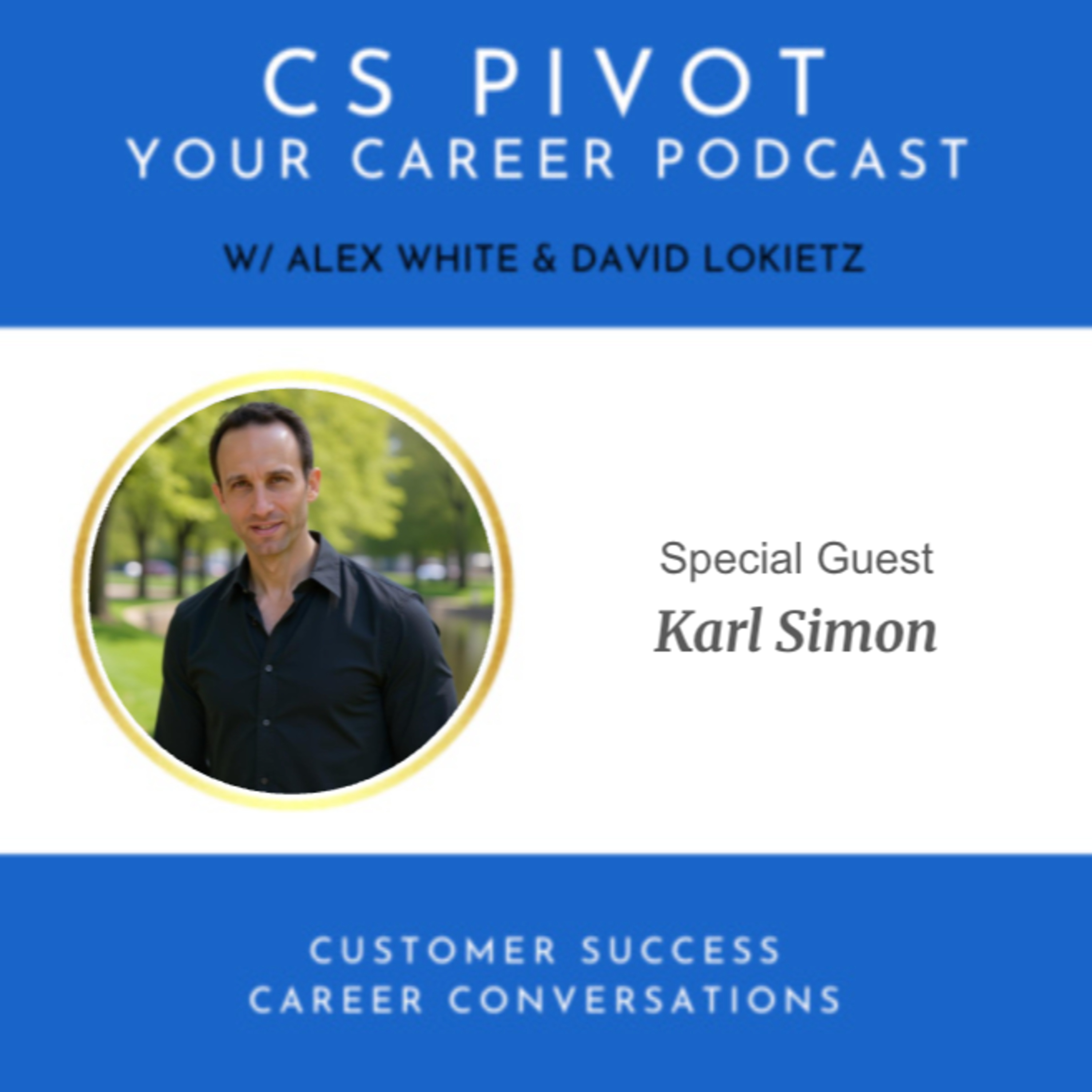 The Power of Unified Data: Karl Simon on Leading AI InnovationCustomer Success: Pivot Your Career · on Oracle78 / 100
 75. 30,000 employees gone overnight: What can we learn from Oracle’s cull?The Difference Engine · on Oracle73 / 100
 ALERT: AI Credit Spreads Are Suddenly Blowing Out... Just Like 2008?Eurodollar University · on Oracle67 / 100
 #300: Innovating the Meeting & Events Sales Process | with Mike WaltmanThe Modern Hotelier · on Oracle67 / 100
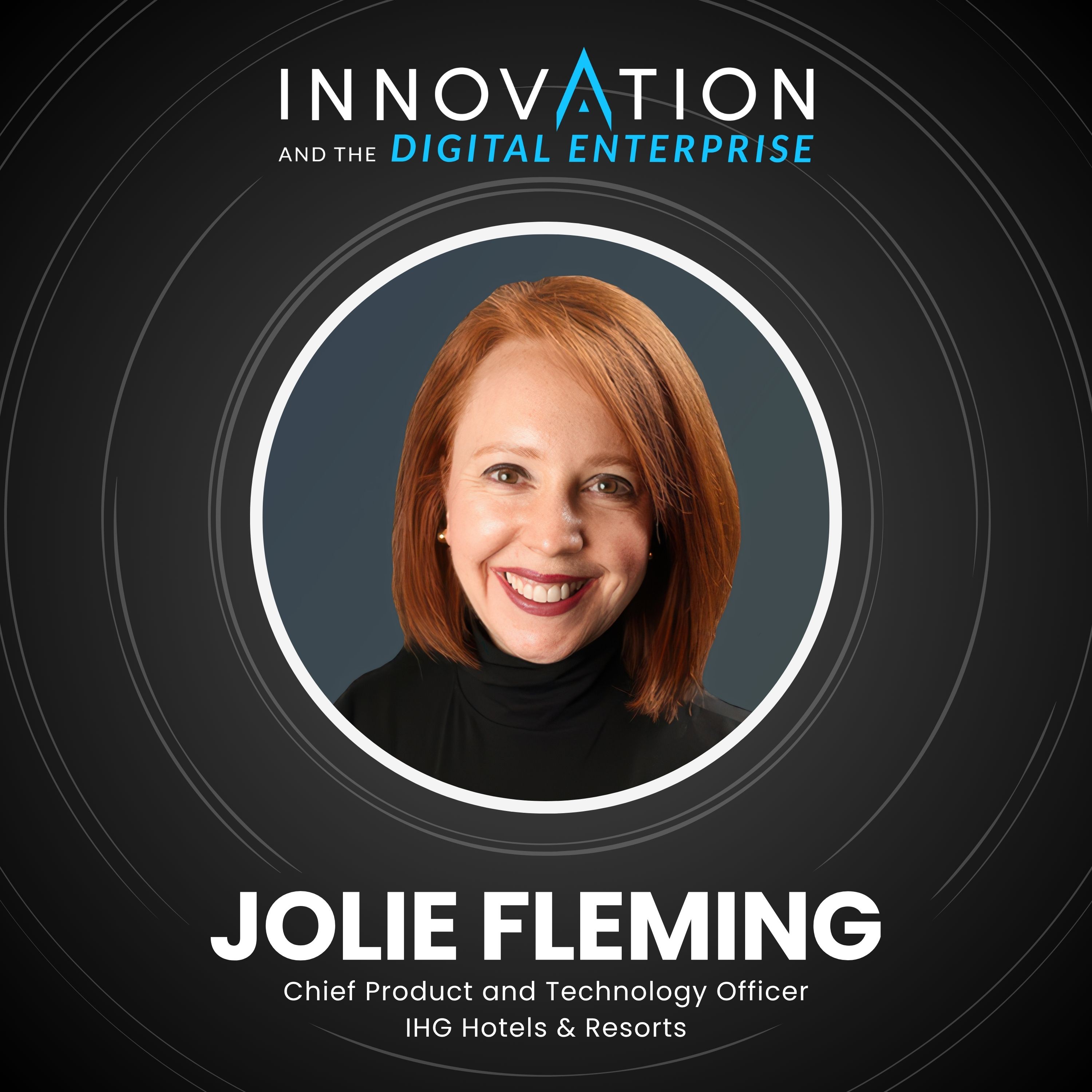 Leading IHG's Global Tech with a One Team Mindset with Jolie Fleming60 / 100
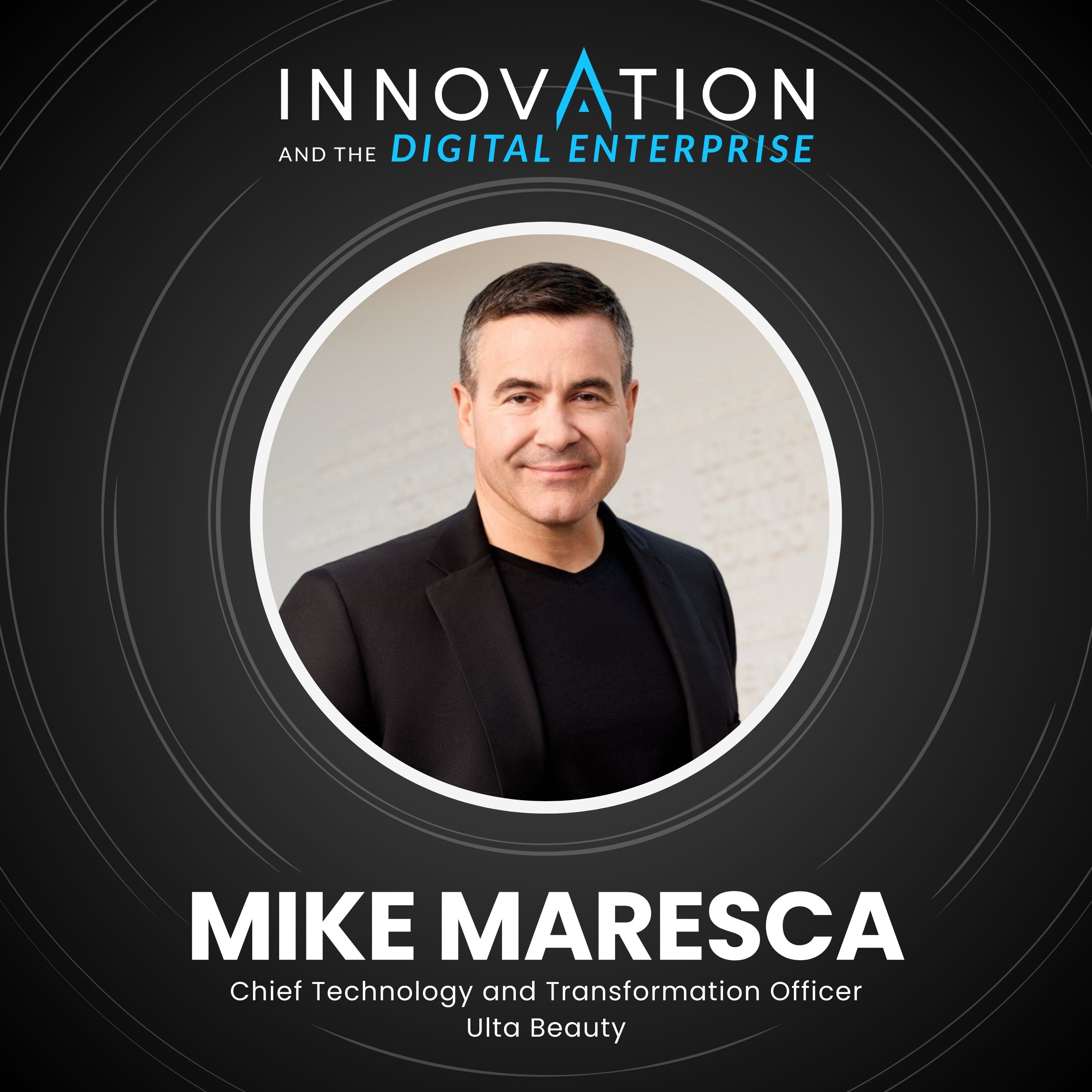 Lead With Bold Vision: Guest-Centered Tech with Ulta Beauty's Mike Maresca64 / 100
 Make Mistakes Matter: Turning Setbacks into Growth with Michael Ehlers79 / 100
 Resonant Insights on Change and Transformation: A Compilation72 / 100
 Balancing Speed and Stability in Digital Transformations with Adan Pope73 / 100