Hardware to Save a Planet · 2025-09-16 · 1h 2m
Solar panel costs have dropped 90% in the past two decades, transforming clean energy from subsidy-dependent to economically viable on its own. If we care about scaling climate tech, we need to understand the role of economics, policy, and geography in shaping which solutions thrive. In this episode of Hardware to Save a Planet , host Dylan Garrett welcomes Pavel Molchanov, Investment Strategy Analyst at Raymond James, to share insights from his 20 years of studying energy markets. Pavel explains why economic viability is more important than technical breakthroughs, how different regions demand different solutions, and why climate adaptation will be essential. He offers a clear-eyed view of what it really takes for climate tech to achieve global impact.
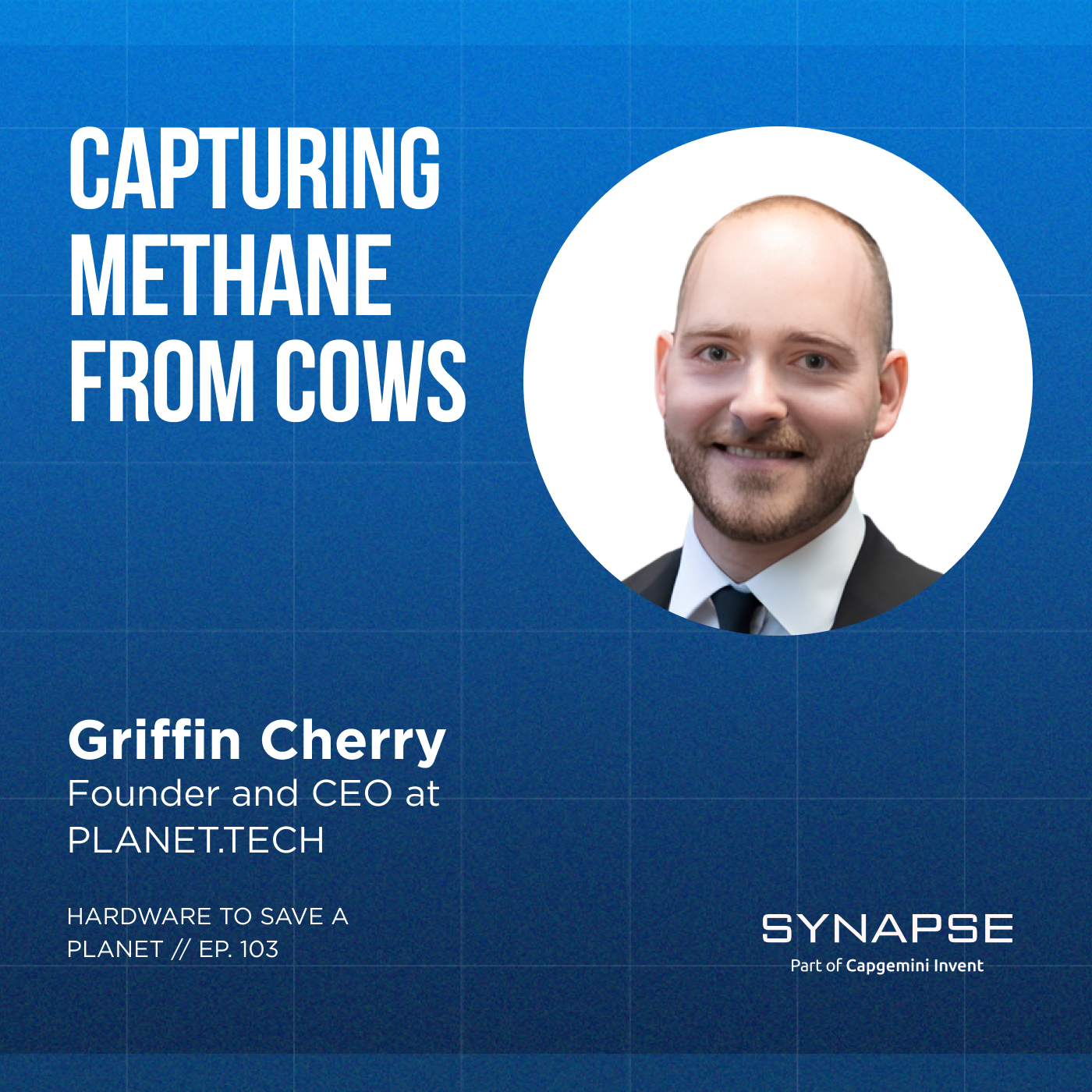 Turning Cow Burps into Clean Energy with Griffin Cherry85 / 100
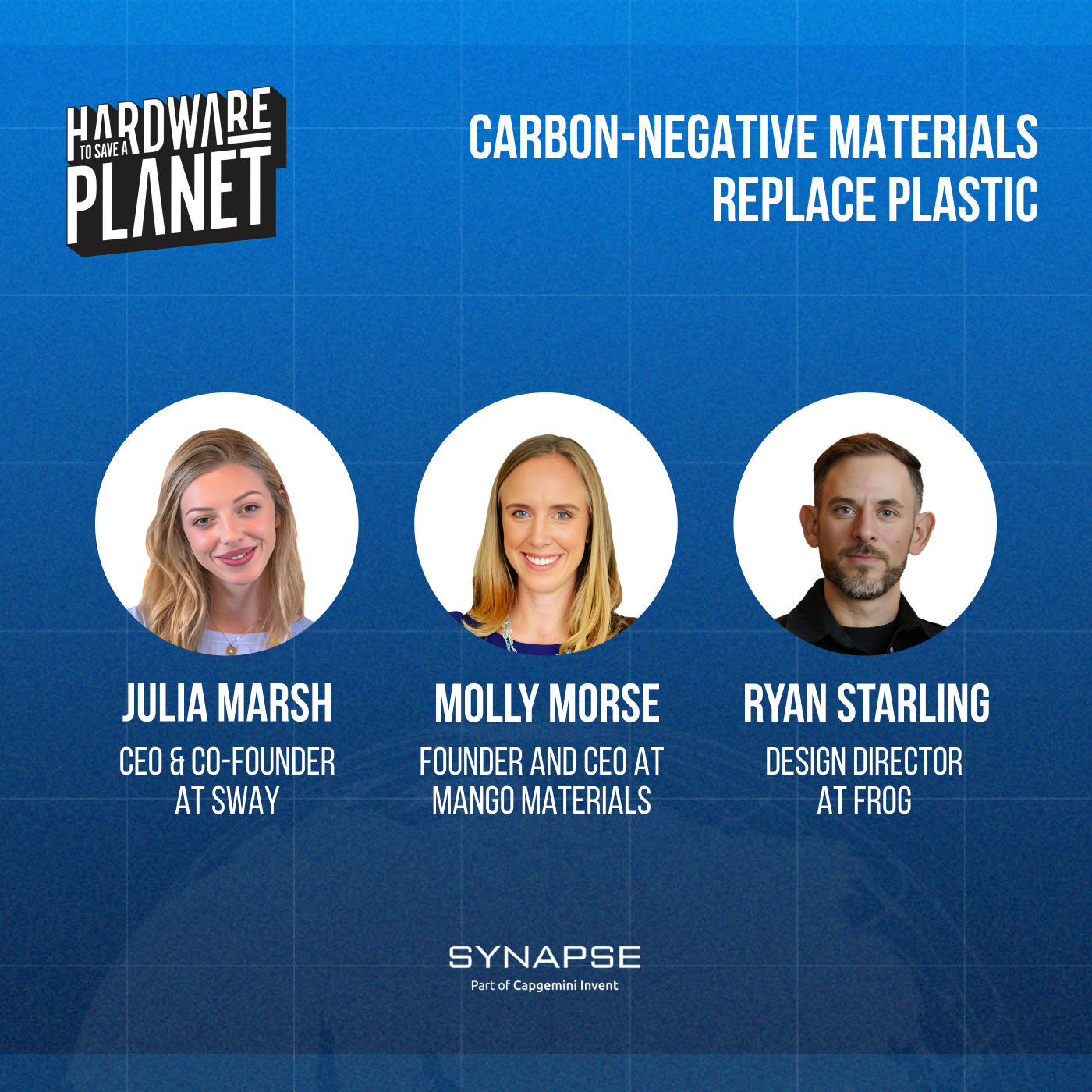 The Race to Replace Plastic: 2026 SF Climate Week81 / 100
 Climate-Driven Wildfires: Building Faster Fire Response Systems with Andrea Santy65 / 100
 Why Solar Deployment Speed Is the Real Climate Bottleneck with Deise Yumi Asami77 / 100
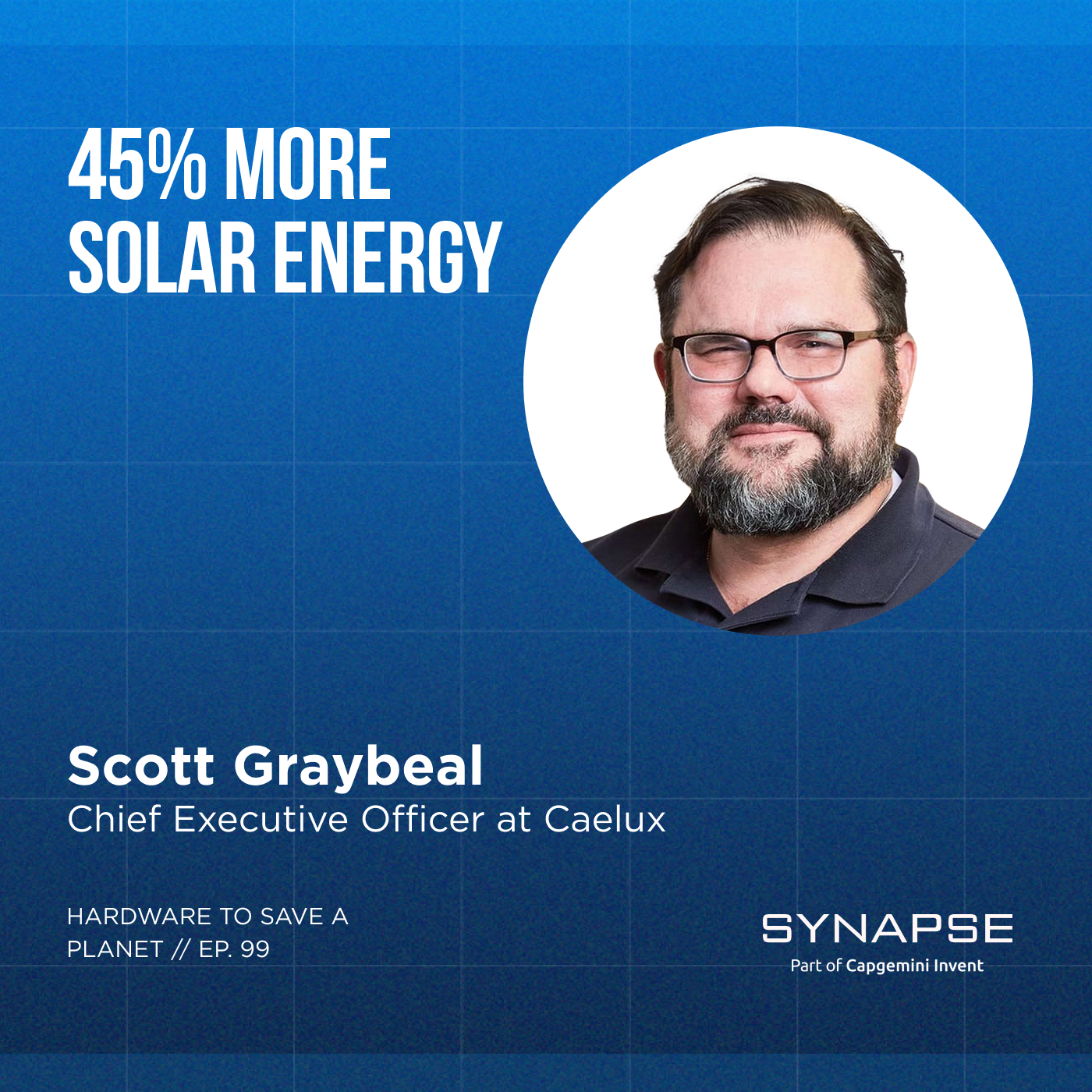 30% More Power, 20% Lower Costs: Scott Graybeal on Solar’s Step-Change Moment86 / 100