Dine & Dish · 2026-07-01 · 49 min
Key moments - from our scoring
Substance score
32 / 100
Five dimensions, 20 points each
Rolling Greens CEO and co-founder Lindsay Cunningham discusses how plant-based proteins are reshaping nutrition for military personnel and K-12 students, while meeting the surge in protein demand driven by GLP-1 adoption and updated dietary guidelines. Her company, which evolved from a Boulder-based organic food truck into a CPG brand with shelf-stable plant-based proteins sold in 7,000 retailers nationwide (Walmart, Sprouts, Whole Foods, Publix, HEB), pivoted to bulk feeding during the pandemic to address supply chain constraints. Cunningham explains why plant-based proteins - made from peas, beans, and legumes with zero soy, wheat, and glyphosates - deliver fiber alongside protein without the heaviness of animal products, and why the flexitarian model (incorporating one plant-based meal weekly) resonates with 22% of US consumers and 36% of Gen Z. For B2B operators in foodservice, hospitality, and military contracting, this episode covers ingredient transparency trends, the shift toward real food in grocery retail, and how clean-label proteins are gaining acceptance among servicemembers and families who initially resist plant-based products until tasting them in familiar formats like tacos and ground proteins.
Plant-based proteins from Rolling Greens products provide both protein and fiber, making you feel full longer without heaviness or bloating. They contain zero saturated fat and avoid animal protein's digestive burden while delivering high fiber that animal products like beef don't provide.
Flexitarian means eating primarily plant-based while occasionally including animal proteins - even one meal per week qualifies. About 22% of all US consumers and 36% of Gen Z identify as flexitarian, making it a more sustainable and attainable dietary approach than full vegetarianism.
Rolling Greens products are available in approximately 7,000 stores nationwide including Walmart, Sprouts, Whole Foods, Publix, HEB, and occasional Costco rotations. They're shelf-stable (pantry-ready like canned tuna) rather than frozen or refrigerated, making them portable and requiring only boiling water to prepare in minutes.
Rolling Greens products contain 10 or fewer recognizable ingredients (beans, peas, vegetables, seasonings) with zero soy, wheat, and glyphosates. They're certified non-GMO, gluten-free, kosher, and have no glycophates, emphasizing food transparency and clean labels consumers can pronounce.
While the episode begins explaining the military expansion process, the transcript cuts off before the full explanation. Lindsay indicates it was both a deliberate choice and an organic path, driven by their mission to feed troops and children who protect and will grow up in the country with healthier diets.
Our reviewer’s read on each dimension, with quotes from the episode.
The episode contains a handful of real data points and product facts, but the vast majority of runtime is consumed by the host's personal anecdotes (dance nationals, Pigeon Forge restaurant walks, Naples family, daughter's meal prep), leaving very little time for actual nutritional or business insight. Basic claims like 'fiber makes you feel full' and 'eat less processed food' dominate.
I was just talking to Lindsay off air and telling my guest this week that we just got back from Dance Nationals in Pigeon Forge, Tennessee
fiber is our products are high in fiber and protein. So you're getting that combination that makes you feel full longer and satisfied, but you don't feel weighed down
The episode recycles the standard plant-based food narrative: eat more plants, food transparency is important, less processed food is better. There are no contrarian arguments, no first-principles thinking, and the potentially interesting angles (military procurement complexity, shelf-stable vs. frozen category dynamics) are never developed into original claims.
we are not going after meat. We are not a meat replacement. We are helping A to meet the demand and just offering a clean protein solution
we're the no glycophates, kosher, non-GMO. gluten free. So we're certified in all these areas
Lindsay Cunningham is a legitimate 15-year founder with a real track record - Shark Tank appearance, 7,000-store retail distribution, and active military/K-12 feeding programs - making her a genuine practitioner. However, the host's constant tangents prevent her from demonstrating depth on the most substantive topics (military procurement, product formulation), so her real expertise largely goes untapped.
we're in about 7,000 stores nationwide, including nationwide. So including Walmart, Sprouts, Whole Foods, Publix, HEB, and an occasional Costco rotations
our group works with over 400 US farmers
There are a handful of concrete figures (7,000 stores, 400 US farmers, 22%/36% flexitarian stats, peas sourced from North Dakota/Minnesota/Montana, cheaper than 90-10 ground beef, 10 ingredients or less), but the most potentially rich section - military procurement and base-by-base approval - is left almost entirely abstract, and the disease-prevention question is explicitly dodged.
we're cheaper than 90-10 90-10 ground beef, but plus we're seasoned
most of our peas come from North Dakota. there's some in Minnesota. Montana is another big hub
The host routinely hijacks the conversation with extended personal stories (walking out of four restaurants in Tennessee, her daughter's Naval Academy diet, her husband's Italian grandmother), frequently answers her own questions, and never pushes back on a single claim. There are no probing follow-ups, no productive disagreement, and the lightning round is pure PR softball.
Wednesday night we walked in and out of four restaurants. We literally sat down, were seated, got up and left
my daughter. She loves tacos. Every I mean, every time we we come by the office, there's like this Mexican truck in front. She's like, Mommy, can we get tacos?
Computed from the transcript - who did the talking, and the words that came up most.
Welcome to Restaurant Diva's Dine & Dish Podcast , where hospitality leaders, restaurant executives, entrepreneurs, chefs, and innovators share ideas shaping the future of the restaurant and hospitality industry. In this episode, Michele DiMeo, The Restaurant Diva , sits down with Lindsay Cunningham , co-founder of RollinGreens , to discuss how plant-based protein, food innovation, sustainability, and military nutrition are transforming foodservice. From building a nationally recognized brand carried in more than 6,000 retail locations to supporting military dining facilities, Lindsay shares how healthier protein solutions are helping operators improve nutrition, reduce costs, strengthen supply chains, and meet changing consumer expectations.
Transcribed and scored by The B2B Podcast Index.
MIchele N DiMeo: All right, well, welcome back everyone for another episode of Dine and Dish. And boy, what a week. I was just talking to Lindsay off air and telling my guest this week that we just got back from Dance Nationals in Pigeon Forge, Tennessee. And crazy week driving through the mountains, eight hours, got home at two o'clock in the morning and back on the air for another episode to share exciting topics and information as we do every single week.
And ⁓ this topic this week is ⁓ very apropos and very timely because obviously I Day was this week for the US Naval Academy and definitely an event that's dear to my heart. I did it ⁓ four years ago with my daughter. So watching what goes on here in Annapolis ⁓ during I Day is just such a surreal ⁓ time for parents and and military families. But ⁓ we had Jonathan last week.
⁓ on the ph on the phone and on the show and we talked through food service for the Navy and the White House. And this week, ⁓ my guest Lindsay Cunningham is on the line and she's also a a friend of Dave Epperson. Dave's been supplying some amazing guests this this last couple weeks. ⁓ but we're gonna talk through plant-based proteins and military and so many amazing topics.
So I want to jump right into the show because I know what's gonna happen. We're gonna run out. Of time, Lindsay, and I'm not gonna have enough time to talk through all the great things. And so welcome to Dine and Dish.
And I'm so excited to finally have you on. Lindsey Cunningham: I know. Thank you so much for having me and all that you do for the community and really appreciate your time today. MIchele N DiMeo: Yeah, so it's gonna be a great show because, you know, I really wanted to time this around commissioning week, but we did even better.
We're timing it around eye day. And and what a better way to talk through nutrition and protein. And I have to tell you, before we get started, and you, you know, you introduce yourself and you talk about rolling greens, but you know, of course everybody wants to lose weight and get healthy and eat healthy and cleaner. And I had this call with the nutritionist, and the first thing she said is, ⁓ you don't eat enough.
Protein. And I was like, I actually eat really healthy. I eat very clean. And I mean, ⁓ veggie and vegetables and salads and protein.
And then she started talking to me about plant-based proteins. And I said, It's funny you should say that because I'm gonna talk my whole podcast this week on plant-based proteins. So I'll fill you in on that conversation in just a couple of minutes. But why don't you just introduce yourself, who you are, the company you work for, and then we'll jump into the show.
Lindsey Cunningham: That sounds great. Well, my name is Lindsay Cunningham, and I'm the CEO and co-founder of Rolling Greens, alongside my husband, Ryan Cunningham. People call him Chef Co. That's a story for another another time.
⁓ but we actually my husband is a second Generation food business based out of Boulder, Colorado. His parents had the first organic food truck in 1980. The two of us revitalized it in 2011. We took back the name Rolling Greens.
We became a farmer's market staple. We catered hundreds of weddings and events a year. All of our products, 90% of the products were up were from local farmers. And people would lying around the corner for hours waiting on his food.
And that's when we knew we had something special. For one, and two, we we have always had the mission of feeding the world healthy, tasty, affordable food. So the first way we did that was through consumer packaged goods. We started primarily in frozen.
We had a lot of success. We were on Shark Tank, QVC, ⁓ nationally distributed. And Chef Co had created our shelf stable proteins ⁓ and made from plants. And that was in 2019.
And we sat on it for a couple of years. And through the pandemic, COVID-related supply chain issues, ⁓ frozen being at an all-time high, we really wanted something that was more sustainable for your body, the planet, and our bottom line. And that's actually when we decided to shift into shelf-stable proteins and meals completely. ⁓ now we think of ourselves as a protein brand, a clean protein brand that happens to be made from plants.
We don't see ourselves as, you know, just plant-based or just vegan. and there's a lot of macro trends happening right now where our product lineup really fits in with where the trends are heading, but more so than the trends, it's the lifestyle, right? You talked about protein that we get into and you know, fueled by GLP1s, the new dietary guidelines. ⁓ and then also most recently in the last couple of years, we started feel feeding our our military, our US military and dining halls, ⁓ and then also K through twelve.
And those are really our two big initiatives in feeding our kiddos, you know, helping to combat, you know, obesity and chronic disease and more. MIchele N DiMeo: Yeah. ⁓ Wow. So you've covered so many things.
So we're gonna backtrack and I'm gonna ask you so many questions about all the different points you covered. So first I have to say, I mean, what a great story. ⁓ it it's ⁓ I I don't know if it's good or bad. Like I work with my husband too, and some days I'm like, and then there's days I'm like, ⁓ it's so great to work with your husband.
Right. But 20 years later we're still working together. So Lindsey Cunningham: Yes. MIchele N DiMeo: ⁓ that's an exciting thing ⁓ to be able to work with your spouse and and ⁓ do something together that you're passionate about and you know you're able to be successful with.
So that's exciting. ⁓ so talk through first off, I gotta hear the story with Shark Tank because you know everybody loves the show. That's super cool that you guys were able to go on to the show. So obviously you made a deal.
Lindsey Cunningham: Yeah. Well, so yes. ⁓ we didn't yes, we made a deal in the tank. ⁓ it didn't actually end up working out with Robert Hershevec outside the tank, but it was an incredible experience.
Shark Tank is like nothing out there. ⁓ we really went in for a deal, you know, we we ⁓ unfortunately didn't end up doing it, but we had so came out with so much more. ⁓ you know, the experience of just going through that, of like getting up there and being so nervous, but like just crushing it. And I think just kind of getting outside your body, knowing your, you know, having confidence and like you know your business, you know what you're doing.
And it's funny because, you know, one of the things I said in the tank was around food service. Now, what I meant was exactly where we're what we're doing today. And it's military, it's K through 12. It's not, it's not.
commercial food service, but it is technically bulk feeding. And they all tried to skew me away from doing that. Now, if we were talking about the military specifically at that time, I think they would have had a different tone. But it's just very interesting.
And I said, hey, we're gonna do shelf stable. All the things I said in the tank is what we're doing today. ⁓ and so it's really exciting. And you talked about working with your significant other.
I mean, it is rare. It is rare to work. I mean, we've been together 19 years. MIchele N DiMeo: Yeah.
Lindsey Cunningham: We've had a business ⁓ congrats. Yeah. And we've had a business for 15 and you know, it's it's we're the one percenters that are it's a very hard task, but it is a cr incredibly rewarding and we complement each other ⁓ in what we the skill set that we bring. MIchele N DiMeo: Us two.
That's funny. Nineteen years, yeah. Yeah, that's funny. It's we're similar as well.
So, you know, Jannar is kind of the restaurateur. He's the one that's in the field, ⁓ like your husband, chef does the recipes, does the menus, and I'm more the operation side, the marketing, the creative, the legal, the operation. So we're probably very similar in our ⁓ our dynamic mix of our business. Yeah.
So talk through the whole plant-based protein vision. So Lindsey Cunningham: I'm sure. Sounds like it, yeah. MIchele N DiMeo: Before we get into military in schools and how it translates into hospitality, talk through what plant-based proteins are and how they work and how they I guess translate into the body and how your body breaks it down because it's very different than meat and and chicken.
And a lot of the listeners might not know the benefits of it. So if you can start off there, that would be amazing. Lindsey Cunningham: Sure. I mean, there's tremendous benefits from eating plant plants and having more plants in your diet.
I want to preference by saying that we are not going after meat. We are not a meat replacement. We are helping A to meet the demand and just offering a clean protein solution. You look at what's happening with protein soaring right now.
People are trying to get protein and every single thing they eat, it's extremely difficult, right? Like I can't have 400 eggs a day. It just doesn't work. And so having more in your tools, in your toolbox, is gonna help this.
I also think a huge, tremendous MIchele N DiMeo: Yeah. Lindsay, wait, not to cut you off, but that is so true. The first thing that the the diet dietitian or her actually she's really a doctor. She's a biometric doctor, but she also talks about diet and and ⁓ and one of the things she said is, ⁓ you need to have at least 130 grams of protein.
And she's like, ⁓ what are you doing for breakfast? What are you doing for lunch? And I'm going through the diet, and she's like, ⁓ you definitely don't you need to get some plant based protein. And I'm like, Plant because obviously, you know, you can only eat so much eggs and so much chicken and so much steak.
So look. Here you go. Here's my plant-based shape. Exactly.
Yeah. So she's giving me all the names, all these plant-based proteins. And I'm thinking to myself, okay, this is the first time I'm I'm going this route, but I'm gonna do it. So I'm right there with, I mean, this is the second day that I'm really doing it, but it's definitely nicer because you don't feel, you know, when you're eating a lot of the meat, I mean, I eat meat, I eat chicken, I eat steak, but when you're eating a lot of those type of proteins.
Lindsey Cunningham: Which probably has like forty grams or something like that in your shape. Yeah. MIchele N DiMeo: I feel like they're more filling. They bloat you.
Like a plant based protein, you drink it, you eat it, you don't feel I I don't I don't know the word. You don't feel as like heavy or sick or bloated, right? I guess is the best word. Lindsey Cunningham: Sure.
Well, I'm like I'm smiling because it's like kind of where I was headed next. It's so it really there's a lot of aspects to why that is. One thing that I will say that our products have and that is how healthy for plant proteins is it has the fiber component component. Not only is it protein, it's fiber.
So when you eat regular beef, you're not getting that fiber. MIchele N DiMeo: Mm-hmm. Lindsey Cunningham: So the fiber is our products are high in fiber and protein. So you're getting that combination that makes you feel full longer and satisfied, but you don't feel weighed down.
You don't feel heavy and sluggish. And so that is something that is a great benefit to eating more plants. ⁓ it's a lot more sustainable. ⁓ we in order to meet the growing demand of protein, we have to be as a society.
Incorporate more plants to help do this because we don't have enough land, water, cattle, the cattle is too young. We don't have enough resources to do it. And so the new dietary guidelines put animal protein at the top of the food pyramid. At for the first time in history, it recognizes plant proteins as well peas, beans, legumes.
That's what our products are made out of. So it's phenomenal that you know we're seeing that, but they're also saying at the dietary guidelines. double your protein intake. And so people across the board are having a hard time doing this.
So incorporating plants that taste great, what there's no problem, right? It's high protein, fiber. There's zero saturated fat in our products. So it's like a lower fat product product.
⁓ The list kind of goes on. It's clean ingredients. So our products have like 10 ingredients or less that you know love and can pronounce. So our products also have zero soy and zero wheat.
So when you think about plant-based, usually in the past, what's happened is it's been high in soy, wheat, unnecessary ingredients. It's usually frozen or refrigerated. Our products are shelf stable. So they sit in your pantry, just like a can of tuna or a can of beans.
So it's this ease of use. We want to make it as easy as possible. So for our proteins, for example, you just boil water. Add the product and in minutes you have your protein that you can put in tacos, bowls, salads.
So versatile and so easy to make. MIchele N DiMeo: Wow. Wow. So you said they're all shelf stable.
So I mean that in alone is amazing. Cause then you can travel with it. You can take it with you. You don't have to worry about f ice packs and things going bad.
And I mean, that's in and above itself such an amazing aspect. Well, now I I gotta tell you, I'm definitely, definitely a fan. I'm adding plant-based protein to my diet. So this that's my win.
Lindsey Cunningham: Yeah. No, it's been Yeah. MIchele N DiMeo: We scheduled a show and I started going through like all the bullet points. I'm like, ⁓ my God, this is perfect because I'm gonna pick your brain even for my own personal health.
So that's great. Lindsey Cunningham: Right. Well, the other thing I'll mention is this mindset of being flexitarian. So we consider ourselves flexitarian.
We are not a hundred percent plant-based in our own diets. we are primarily plant-based. We eat a lot of plants, but we still have the occasional inclusion of animal proteins. Even if you did that one meal a week, one day a week, you kind of are in this category of flexitarian.
22% of all US consumers identify as this flexitarian and 36% amongst Gen Zers, the largest generation alongside baby boomers. So understanding that having this flexitarian mindset is more sustainable and attainable. We're not asking you to give up your red meat and your chicken, and we're not asking you to do that. But one meal a week, just say, hey, I'm gonna incorporate another protein on my salad.
It's just adding to the repertoire that you currently are doing. MIchele N DiMeo: Yeah. So Lindsey Cunningham: It's adding, it's not taking away. MIchele N DiMeo: Exactly.
Well, you want to add protein anyway, because you know, what everybody always says is feed the body. If you feed the body, it's easier to lose weight, build muscle, it's healthier. You know, most people think, ⁓ to lose weight, you starve the body. And it's not even also about losing weight.
It's just about also just general nutrition and health. ⁓ you know, the the more benefit and the more you balance your diet with different proteins. I mean, it's just in health wise, I mean, it's just important, right? Lindsey Cunningham: Yeah.
Yeah. Well and I think too, like when you think about how we are, like, you know, ⁓ how I feel about my own body, but how I feel how I've heard of people we've either partnered with or given product to, they're like, This literally changed my body composition. And they're not eating it every single day. But they're like obsessed with it because it's so easy, it's so delicious and nutritious, and it's helping them change their body composition.
Now I'm not saying our products are gonna you're gonna lose all this weight if you eat our products solely, but having more plants in your diet is known to do that. MIchele N DiMeo: Yeah. So what are you seeing in terms of trends of restaurants? Because I mean, being the restaurateur and being in the restaurant business, I mean, we hear it all the time, you know, and you mentioned the GLP ones and everybody's on different diets and shots, and people are definitely eating differently.
They're buying differently, they're eating differently. So, you know, their prior there definitely priorities are shifting from health and ingredient transparencies. And I know even with menu labeling and looking at caloric intake, so What are you seeing the trends from your products? Are are you I know you said you're not really into more the retail and hospitality, but talk through just the trends in detail.
Cause I mean, obviously you're seeing that as well with the uptick in your your business. Lindsey Cunningham: Yeah, well, I can speak to re we are in retailers. So we're in about 7,000 stores nationwide, including nationwide. So including ⁓ Walmart, Sprouts, Whole Foods, Publix, HEB, and an occasional Costco rotations.
So you can find us. Our goal is to be on everyone's grocery list, you know, at least once a week. ⁓ and so what we're seeing is this revolution as far as retail grocery, we are seeing a revolution coming. from the new dietary guidelines, but in real food, clean food.
That is what we are demanding. We've been saying it forever, right? Like we have always we picked the hardest industry there is, which you're in, which is food. Then package food is another level of being hard for then having a food truck, coming from food truck even harder, right?
It's a restaurant on wheels, but then also not having another Me Too product. Like it's not another salsa. It's not another hummus. We went totally left.
Shelf stable plant protein that it requires education. Where does it live in the grocery store? So merchandising. So it's extremely difficult if you look at it just, you know, black and white.
But for us, we want to develop and offer incredible solutions that are going to take us into the future. And so part of that is we've been part of this transparency. We're the no glycophates, kosher, non-GMO. gluten free.
So we're certified in all these areas. That's what you're gonna see in this next generation of food is the transparency of where is your food coming from? What does this really mean? What am I eating?
Like if you look at this pack, it's it's beans, it's peas, it's apple, it's carrot, it's seasoning. That's it, right? You won't see an ingredient on there that you can't pronounce and you're like, what am I eating? I can't tell you that for 99% of yeah.
MIchele N DiMeo: All those crazy chemicals and all the crazy names that are on there that you don't even know what what you're reading. Half of them you can't even pronounce. I mean, my daughter was looking at something and she says to me, What is that? And I'm like, I'm really not sure.
You know, and then we're eating it. Lindsey Cunningham: And it's like why? And so consumers, yeah, and and people are sick and people are getting sick from our food. And so people, our consumers are now saying, I'm going to demand to know what is in my food and where is it coming from and how is it grown?
I mean, there's a whole thing around glycipates. and you know, that being one of the number one carcinogenics, and that's in our food. And so there is a revolution happening. And I think we're gonna see these huge trends going into the future.
I mean, I think protein and fiber and food transparency are gonna take us into the next few years for sure. MIchele N DiMeo: Yeah. So I have to tell you, you know, my husband's family's from a small town outside of Naples called Monte de Procida. And they grow I would say probably a significant sixty to seventy percent of everything they eat.
I mean, they have beautiful gardens and they have tomatoes and the eggplants. I mean, everything that they grow is so healthy. It's there's no process, there's no chemicals. I mean, you know, they're they have s fresh seafood and fresh meats, and then, you know, you come back here and everything's processed and You know, you look at the life expectancy ⁓ of Europeans that eat so healthy and they cook everything and they they watch what goes into their food versus the life expectancy of, you know, a typical American that eats fast food and a lot of these processed foods.
And it's just it's amazing the numbers that, you know, of the even the age, you know, his his grandmother lived to be a hundred and four years old, where here, you know, You don't see that. I mean, to live over a hundred is very rare, you know? So I obviously there's definite ⁓ results, definite information that supports everything you're saying because we see it. We see it in Europe.
We see it with my husband's family, you know, just with how they eat and how they dine. My mother before she passed away, we took her to visit his family in Naples. And she kept saying, Wow, wow, pinch me. Like people eat like this, it's so healthy.
And ⁓ and she was just so incredibly impressed by the different lifestyle of living off the land and eating off the land versus all the processed crap that we put in our bodies, you know. Lindsey Cunningham: Well, and that's how we started. I mean, you take it back before the nineteen fifties, right? That's how it was.
And then I think that there was a revolution around comfort food, TV dinners due to the war. And then we kind of switched that I don't wanna say sluggish, but from like the farm to table to like TV dinner, you know, we weren't even at the table anymore. We weren't even talking anymore. And so really our focus is like A bringing people back together at the dinner table.
And having something that everybody can enjoy. And listen, not everybody's gonna like it, but when you when you cook, I the the feedback is so overwhelming of being positive. But like so many things that we've heard is like, hey, I didn't tell my husband and my kids, or I didn't tell my wife and their k my kids that this was plant-based. I made ground taco with protein with in tacos, and they were like, wow, this is really good.
And then the next week they requested it. And then, like by the third week, they're like, you know, you're not eating meat, you're eating plants. And they were shocked. And I think when we go to military bases, the servicemen and women acceptance, right?
Because they think everybody thinks that they know plant-based and they have a misconception of plant-based and maybe given the right to do so because of what's been out there. But I think that the next revolution of rolling greens and other products that are on the market that are really doing it justice. we'll kind of turn that reputation around because it has to be in our diets going forward. So however we're gonna make it tasty and healthy is our number one MIchele N DiMeo: Yeah.
So you started to talk a little bit about military. ⁓ why don't we jump into that topic since this is a great segue into that? How did you get involved with Army and Air Force and service members and the whole expansion into the military network? Because I mean, obviously, military dining facilities is very different than hospitality and restaurants and your husband being a chef.
So how did you get involved there? How did it get approved? Talk through the process of ⁓ is there a do they check the food? I mean, what how does it even work with military installations and bases and I'm sure the wreck and the mess halls?
I mean, so walk walk us through that whole process and mentality of why you even went that route. Lindsey Cunningham: Yeah, you know, I feel like the, you know, you know, when you say like you choose certain paths and paths choose you, I feel like this was just it was it was like a combination of like us choosing each other. I don't I can't explain how it worked, but we've always wanted to feed our troops, the men and women who protect our country and the kids who are gonna you know, grow up in this country and be healt and have healthier diets because we know for kids specifically, you get into their diet now and they're gonna be healthier have healthier diets as they grow.
⁓ I think we have, you know, there's I don't want I'm I'm not getting political because we're apolitical, but I'm just saying there is a we're gonna you know we're ish I'm an issue voter. But what I th what I believe in is a human issue, which is food. And and we ha we don't Have necessarily the options that we might need in our military and in our schools. And so that has been a big passion for us.
And so I it literally started going base by base and getting into the servicemen and women's mouths, getting their approval. I mean, there's like 50 different approvals you have to get through each base. And it is extreme, it's extremely difficult path. Again, We we somehow my husband and I choose the hardest paths out there because we're so passionate about what we do and what we can bring and the impact we can make.
And that's what we're striving for. So I think it's it's a whole separate conversation and about how to be successful in the military. And we're still figuring it out, right? There's no un there's no one key will unlock one door.
You we're going down 17 doors. To get to this mission of feeding our servicemen and women healthy, tasty, affordable food. But when you think of it on the affordability scale, I mean, we're cheaper than 90-10 90-10 ground beef, but plus we're seasoned. We're creating a ton of labor savings for the back of the house, similar to what we would do in a restaurant, right?
Like your patron is happy with the taste and the texture and everything like that. It's more affordable, so more money in their pocket. And we're creating efficiencies for the back of the house. We're doing the same thing for K through twelve and for military dining halls.
MIchele N DiMeo: Mm-hmm. Yeah. So it's amazing to me that the military doesn't feed healthier food in general. ⁓ you know, watching what my daughter went through, you know, she did, she's a division one athlete, ⁓ you know, US Naval Academy graduate.
She's now a Marine at TBS Aquantico for Marine. And the one thing that she does every week is meal prep. And she'll call me and she'll say, Mom, I'm stopping at the restaurant. I'm getting And she literally will get whether it's ⁓ I mean, we do some of the pastas, like we'll do ⁓ pastas that are not just true pastas, you know, they're like more the plant-based pastas, or we'll do like chickpea pastas, whatever.
So she'll do those and then she'll do her broccoli, then she'll do salmon, then she'll she'll have it all in containers where it's steamed and healthy. And then every day she makes these bowls, these healthy bowls. Cause she's like, I need to be able to perform at my, I mean, especially for a lot of these trainings she does. She has to be able to perform at like, a level that's up here.
So you would think that the military would support this in general just because of the the the output that they want from these kids, right? So especially at the US Naval Academy, what they go through plebe summer and then into first and second year and, you know, all of the training they at they get up at three o'clock in the morning. I mean, she literally texts me yesterday, she's like, we've been up since three o'clock in the morning in the field. You would think that the food that they're putting into their body, the fuel that they're putting into the body would be of the optimum result, just like what you're talking about.
So I would think that they would open arms to you with like, please bring it in. It's sustainable. It doesn't go bad. It's healthy.
It allows the body to process it easier. I mean, I would think it would be something that they would be all over. Lindsey Cunningham: It's such a tricky thing. They are.
They're the thing. They do want it. They are open. That's the direction they're headed.
⁓ they are wanting to make these changes. And I think fitness and national secure it's a national security problem. It's, you know, we can't, you know, there's a lot of obesity within the military. And I know they are looking to solve for that currently.
So it's kind of the right time, the right product, the right MIchele N DiMeo: I know, that's a tricky one, right? You would think. Yeah. Lindsey Cunningham: time in history.
And that's what we're hoping to be a part of. But yes, you to to answer your question, that's exactly what they want and what they need. And then it's like, okay, well then how do we get it to them as far as, you know, go through there's a lot of process in place that that makes it difficult to just, hey, I want this. Hey, you can get it.
And so that's what we're working towards. And that's that's another thing. It's like everybody would be selling to the military if it was that easy. Right.
So I think that They are looking for, you know, we're American made and we're, you know, we our group works with over 400 US farmers. So we're we have the farmer aspect, we have the labor savings, the affordability. So we're definitely moving in the direction to partner with the military in a very big way. It just takes a lot of time and effort.
MIchele N DiMeo: Yeah, I'm sure. Well, I mean, they spend billions of dollars on training and equipment and everything that they provide for the kids at these they do, they do. So, you know, it's it's surprising that they don't talk more about food and nutrition as just another piece of that that whole training budget, right? But you mentioned agriculture.
Yeah. You mentioned agriculture and farmers. Talk to me about your products, where they are supplied. Lindsey Cunningham: And food.
And food. I think they do. MIchele N DiMeo: the US farmers local. I know you said that you work with a lot of domestic sourcing.
So talk through the ingredients that are in your product and why it's so important for your mission and and your your company and the growth. Lindsey Cunningham: Sure. ⁓ so like peas specifically is a top product, ⁓ top ingredient within our products. It's a very sustainable crop.
It requires, you know, lower, much lower water to grow. ⁓ the impact is pretty phenomenal. and we most of our ⁓ peas come from North Dakota. ⁓ there's some in Minnesota.
⁓ Montana is another big hub. And so having as much domestic as humanly possible is our number one goal. All of our manufacturing is here. ⁓ so being made in America is a huge priority for us.
MIchele N DiMeo: Yeah. ⁓ it's actually good for sourcing too. I mean, being a restaurateur, ⁓ you know, getting the products has is always the most challenging. You know, you deal with weather, you deal with crops, you deal with farmers local farmers.
I know one of the the problems that we had for a long time, like with tomatoes and eggplants, where if you have too much rain or you have droughts or you have too the weather's too hot, it ruins the crop. So you have to have the buying power to be able to bring that product in and Because obviously being in the restaurant business, you look at cost, right? So you need to make sure that everything's cost effective. So this is actually ⁓ very interesting to me because if there's sustainability, if you have certain crops that are high and and your purveyor doesn't have the buying power, you can look for other options to put on your menu to be creative.
You know, if you you have chefs in these full service restaurants, you can get creative with some of these, you know, vegetable protein type ⁓ dishes. Lindsey Cunningham: Yeah. And our goal is to expand sales so that we can give more business back to our farmers. ⁓ we want to come back and say, Hey, we want you to grow, you know, ⁓ five million pounds for us this year, right?
And so that's our goal is to get just keep that ecosystem moving and working. And I think peas and beans and some of the crops. So bean is another big product of ours, our ingredient of ours. So you know, keeping that ⁓ you know, the high integrity, the transparency of where it's coming from and that partnership is huge for us.
And I think that there's going to be ⁓ more around farmer partnerships in the future as well. ⁓ it's already kind of moving in that direction, but highlighting people like a pea farmer is huge. ⁓ they just like a cattle farmer, ⁓ I think the pea farmer should be ⁓ highlighted as well. MIchele N DiMeo: Yeah.
So you also mentioned obesity and that's such a huge pandemic. I mean, we talk COVID as a pandemic, but obesity is definitely also a pandemic in this country. I mean, my husband and I, we were traveling in the Midwest and we were talking about it this week. ⁓ and I really believe it's such a mentality in restaurants because after five days of being in Pigeon Forge, Tennessee, I said to my husband, I'm like, we need to find a healthy restaurant.
I mean, we need something that has green, lettuce, vegetables, and is not bar food and fried and steak. And I mean, it was getting to the point. I and I'm not gonna lie to you, this is horrible to say, but Wednesday night we walked in and out of four restaurants. We literally sat down, were seated, got up and left.
Because you get to the point where the menu's the same. Fried chicken, waffles and fries, steak, mashed potatoes, ⁓ wings. I it was to the point where I I just wanted a healthy meal. And it took, I literally went to Chat GBT.
We walked in and out of four restaurants. The fourth restaurant was an Italian restaurant and we sat down and then Gennaro looked at me and he's like, okay, this is not even Italian. Like it was Italian, but it was not fresh Italian. It was like the process where they buy the meatballs and they buy the sauce.
And it, I mean, he looked at one of the dishes and he's like, okay, now I want to leave. You know, the first three I made him walk out of. The fourth one, he made the choice. And we literally went to ChatGPT and we said, please find a restaurant in our area within 10 miles that has healthy food, farm to table, cooked by chefs, not processed.
And it we literally found a restaurant in Savarville, which was like 1.9 miles away, and we had the best dinner. I mean, yes, the cost was more. ⁓ you know, because obviously you're going to a lot of these restaurants in these.
touristy areas and they're trying to keep the cost down. So they pack the restaurant. But how do you expect people to live healthy, have great metabolisms, you know, not be overweight, not deal with obesity. If you're going to continue to serve food that's fried, high in salt, I mean, it was just, I was getting to the point because we don't eat like that.
By day five, I'm like, we need to get out of here. We need some healthy healthy food options. Lindsey Cunningham: Yeah. Right.
Right. I think that ⁓ man, I feel like that like a lot of times I travel. Even if I eat at very nice restaurants, I feel like it's it's like too much or too heavy or something like that. That's why, by the way, if you want to lose some weight, eat at home a lot of the day, like a lot of the days of the week.
Cook for yourself because I I took like maybe two weeks ago, I took like a week. Off solely of eating out. Like I just made everything. My husband, I mean, I live with a chef, so it's a little bit easier and he cooks for me a lot.
We recently had a baby, so I'm he cooks for me even more than he did before. But I do cook for myself and I notice such a significant shift. I lost like three pounds by just eating at home because of everything that you're saying when you go into a restaurant, whether it's fried or lots of salt. I think salt is good.
by the way, okay, especially good quality salt. You need salt in your diet. It's a mineral. It's something that you need you talk about electrolytes, right?
People are like, I can't MIchele N DiMeo: My husband gets up every morning and he puts salt into water and drinks it. I'm like, I don't know if you should have that much salt. Lindsey Cunningham: Right? That's like what Element is.
But yeah, like Element, that brand it's basically like ⁓ salt water. But then people look at the back of a, you know, you know, package of something and they're like, which by the way, you don't need it like that much salt in a lot of these entree frozen entrees, but you look at the back, you're like, ⁓ my gosh, this is too much salt. But then you're having electrolyte drink or whatever it is that is salt. MIchele N DiMeo: Yeah.
Lindsey Cunningham: And so we need that in our body, electrolytes, especially about how much you move your body. That's a whole other conversation of salt. But I think it just depends on, yeah, it depends on a lot. I I agree the portion sizes way too big.
So like you could go and eat that way, but eat a quarter or half of what they give you. With the dinner. We did too. MIchele N DiMeo: Or split the di dinner.
Like my husband and I split everything, or like my seven year old and I, we order together, like, here's a salad. Let's get grilled shrimp. And we split it because I mean the dishes come out and they're hu I mean, first off, what do you do with all that that extra food? You're throwing it away.
Lindsey Cunningham: We we make it half the amount and half the price. And then we would be richer and we would be s thinner and fitter and healthier. So I think I'm just saying nobody needs Right. It it I don't know how the like if you look at the evolution of a plate size of like center plate with the vegetables, it became all of a sudden like the carbohydrate was the biggest MIchele N DiMeo: Exactly.
the restaurants want to hear that. We're on the other side. Eat, please. Lindsey Cunningham: And then the meat portion was smaller and everything kept getting smaller in the wrong direction and bigger.
⁓ you know, so I feel like the portion size is huge. We don't need that much food. I don't know. I think that the it's a mess.
And then we're on, you know, medication to help our cholesterol and help all these things. But if a lot of it could be solved by cleaner diets, it really could be. MIchele N DiMeo: Yeah. So let's talk about that for a second.
I mean, plant-based protein diets can play in disease prevention because there's a lot of ⁓ people out there that will go to nutritionalists that are like fighting cancer because there's a lot of our foods that make us sick and people don't realize that. And so plant-based, and I'm sure you probably can speak to this and you probably have a lot of knowledge on what plant-based diets can do for disease prevention. Lindsey Cunningham: You know, that's not ⁓ not not as much, and I don't want to make kind of any claims or kind of go too far into that, but you can watch like there's Netflix series.
There are series all over TV that indicate and show you how really a plant based diet or a semi plant based diet can improve your longevity. Look at what is it called? The blue, ⁓ I can't think of it, I'll have to come back to you. You know, like the blue MIchele N DiMeo: Yeah.
Yeah. Lindsey Cunningham: Like Low Melinda. MIchele N DiMeo: I don't know it. It's blue.
Lindsey Cunningham: ⁓ what the people the diets. Sorry, it just ⁓ what's that diet? ⁓ It's like where they live. I'll have to get back to you on that.
MIchele N DiMeo: I don't know. Yeah, let me know. That's right. Lindsey Cunningham: I will get back to you, but basically Yeah.
But basically they ⁓ there's a group of people who eat plants and they're more ⁓ you know, they're like 90 years old and they're still working, but like, you know, active in their ⁓ community, they're eating more plants and they're living till they're ninety, a hundred and still working and still they're they're around European. MIchele N DiMeo: Yeah, well, that's what we just talked about. I mean, yeah, my my husband's father's in his nineties. And I mean, he literally still walks to the piazza.
He's still taking care of the garden. He's still cooking. Like you would see him. I mean, we go every year.
We're getting ready to go in two weeks. And every time we see him, he looks exactly the same. He doesn't change. He doesn't age.
I literally say to my husband, every year I'm like, ⁓ your dad looks the same. Doesn't age. Lindsey Cunningham: Right. Because they're focused on a happier, fuller life and having cleaner food, having food from the garden, like you said, going and picking your food from the garden, going to farmers' markets and getting your food.
So you know, like if you don't want to grow your own garden, I'm terrible at like doing that. But I go to the farmer's market, I know who grows my food, I know them by name, I you know, and it's around here. It's like the energetics of food. You can't match that.
And then Eating less out, but like being around family more, having a fuller life, not retiring at age 60 and just giving like just not doing much. I feel like people I know so many people that have died like days literally after they've retired, and because they just stop. And so it's doing things that you're enjoying, getting in the community, being of service. I think it will give so much joy and value, and you'll be living a healthier life and a longer life.
MIchele N DiMeo: Yeah. So before we run out of time and we get to my lightning round questions, because of course 40 minutes flies by and we didn't cover half the talking points, but that always happens. Talk about the future of food and protein for me. So talk through what excites you most about our industry and you know, what you think the future looks like for plant-based proteins and where your company's gonna go.
Lindsey Cunningham: Yeah, I think that there's so much hope. I have so much hope for the future. I always had hope, but I have more so now than ever. I think there's such an opportunity for brands like ours to really do good, like do well by doing good.
And that is what we do. We put so much love and care and transparency into our food that we create for people. And our kids and having your servicemen and women. And I think that that is gonna pay off in a big way.
I mean, we're still a small business, but we have aspirations to be very big and make a huge impact on this world. And I think the trends we talked about, you know, protein and fiber camp components, ⁓ you know, transparency and where your food is coming from, I think it's gonna be the next really big thing. and I think there's a revolution on how people can help themselves being healthier. Not leaving it up to, you know, not saying taking a GLP one is bad, but I'm just saying, you know, not leaving it up to something else.
If it's ⁓ if it's meant to be, it's up to you. It's up to us to make the change. And we can make these small changes every day that will lead to something big overall. It's it's daunting and overwhelming when you think about, okay, hey, I need to lose a hundred pounds.
That would overwhelm anybody, right? So little things every day. Like I'm gonna wake up. I just started drinking 36 ounces of water as the first thing I do when I wake up.
⁓ and how much better that I feel. And then I feel like, okay, now I'm gonna have, you know, a little bite to eat and I'm gonna have now I can have a coffee, right? Instead of just waking up and right away I'm going right to my coffee that might have sugar in it. And so, or people are eat you know, eating donuts or waffles or whatever it is.
And so have just one little thing a day can help. set you up for success for the rest of your life. MIchele N DiMeo: Yeah. So before the show ends, every every week I do lightning round questions.
So I'm gonna pick your brain on your industry and your product. Really quick, one second answer. So what's your favorite rolling greens product? Lindsey Cunningham: ⁓ ground taco protein.
MIchele N DiMeo: Hmm, okay. Is it is it the flavor? Is it I mean, tell me why. Lindsey Cunningham: It's it's hands down, it's from the flavor to the texture to the ease.
I mean, it tastes like I mean, Taco Bell ⁓ like a Taco Bell soft taco that we c you know, kinda grew up on, but it's healthy. It's it's clean ingredients, you know, it's made from peanut beans. MIchele N DiMeo: Okay, I'm gonna have to try it. Especially my daughter.
She loves tacos. Every I mean, every time we we come by the office, there's like this Mexican truck in front. She's like, Mommy, can we get tacos? I'm like, Okay.
So I'll have to try it. Lindsey Cunningham: Yeah. Yeah. It's like your favorite Mexican restaurant.
It's like boom, couldn't even tell that it's made from P and B. MIchele N DiMeo: Wow. All right. One ingredient you can't live without.
Lindsey Cunningham: ⁓ maybe salt. I would say salt. I would say ⁓ No, I'm really well actually I do th I think I like Asian. I lean like kind of like Mexican Asian, but yeah, no, I feel like whether it's a good quality sea salt or a tamari or I just like love like fun, like salty things.
⁓ but I just ⁓ MIchele N DiMeo: Are you a salt person? That's funny because they always say, are you salty or sweet? Right? Because they always ask that question, do you lean towards the sweet or the salt?
Lindsey Cunningham: Salt a hundred percent more. I mean I like sweets, but I you know, it's ⁓ it's umami, right? You need all of it. ⁓ but I would say, you know, what I I like to cook with, you know, I need ginger and I need onions, ⁓ those are pro and garlic.
Those are probably the other three like real garlic. Totally. Yeah. MIchele N DiMeo: Yep.
Yeah, I was gonna say garlic's a big one because that can change any dish for sure. What's the biggest misconception about plant-based proteins? Lindsey Cunningham: Mm, that it's ultra high processed. MIchele N DiMeo: Really?
See, I would think that when people ask me about plant-based proteins, the first thing I think about is taste. Lindsey Cunningham: Mm, yeah. Yeah, and then it tastes like because most of them do taste pretty bad. MIchele N DiMeo: Yeah.
So from your industry, and this is a personal question now, then more of just a general question. How do you change the flavor? Is it just through because a lot of plant-based proteins obviously can be very earthy tasting and might not, you know, it turns people off because I've had a few of them and I'm like, ⁓ my God, I don't know if I can eat this. How do you change that without adding sugar and a lot of the the processed foods to make Cause you know how it is.
Processed food and sugar makes it good, right? If it's not sugary and then it doesn't taste good. So how do you do that from a when you're sitting down to look at like what's our next ingredient? What's our next product?
How do you think through that? Lindsey Cunningham: Well, Chef Ko, ⁓ my husband, is the magic behind all of that. And he just has a way of creating umami with natural flavors. I mean, he grew up, his mom had he still has it in existence today, the school of natural cookery.
It's an online culinary school. And it really centers on like intuitive cooking, but like cooking from your fridge, cooking from and in I think in like kind of salt to fit. And I think that he kind of grew up with this. You don't always need butter and bacon and to make a really good dish, you know?
So I think that he just has this magic of how he creates products. And I think a lot of it comes from like nostalgia and comfort food that he grew up with and how do I make it in a healthier way? ⁓ and I think that that's kind of like the the the baseline. And how I make it taste good?
And I don't know how he does it. ⁓ really. Like, I mean, I do. MIchele N DiMeo: Yeah.
We're gonna have to have him on the show. He might need to be part two of your show because we need to get him on here and let him share some of his secrets and his recipes. Lindsey Cunningham: Yeah, a hundred percent. He is he's Chef Magic is really his should be his name.
MIchele N DiMeo: Very cool. Well, for everybody listening, you know what I'm gonna say. That's another episode coming to an end. And you know where to find us.
DMs are always open on Instagram. You can reach me on LinkedIn, restauronddeva.com. ⁓ again, this was such a great show, Lindsay.
Time goes so fast and it's a shame we don't have more time. But ⁓ if there's one thing you want to leave the listeners with today about nutrition or health or plant-based proteins, what would that be? Lindsey Cunningham: Say give it a shot and just make one small change. We're not asking you again to like give up meat or you know dairy or whatever it is altogether.
Just incorporate one meal one day, taco Tuesday. Grab some ground taco, rollinggreens.com, swap it out, do a quick swap for your your tacos on a Tuesday and check it out and give it a shot. It will be worth it.
MIchele N DiMeo: Yeah. Well, I'm going to. I'm definitely when we hang up, I'm definitely gonna order the tacos for my daughter. I'm gonna do the test, like you said.
I'm gonna make it, not tell her that I'm doing it. And I'm gonna see because she's the one thing I will tell you, especially owning restaurants, all my kids have been when it comes to flavor profiles, they totally know. Like we'll go places and she's like, ⁓ this pizza is so horrible. And there'll be other kids eating it like, ⁓ it's so good.
And she's like, She's just a connoisseur when it comes to Lindsey Cunningham: Ha ha MIchele N DiMeo: flavor profile. So I'm going to do the test and I'm going to send you an email and I'm going to say, you know what? She didn't know or she knew. So I'm going to do that test this week.
But thank you so Lindsey Cunningham: Yes. And it's not supposed to be exact replica, but it will give you an idea and you won't be missing, you know, I think anything in the diet. Yeah. MIchele N DiMeo: Yeah.
⁓ I'm gonna do it for sure. For sure. That's gonna be my next thing that I do this this afternoon. But thank you so much for being a guest on the show.
This has been a pleasure. ⁓ it's just amazing to listen to your story and all the success and what you're bringing to the table and and just the mission of getting people to eat healthier. I mean, you know, just like being in the restaurant, we strive to do our best in the hospitality world and create great solutions and great things for people to enjoy. And it's about creating smarter and healthier and more sustainable ways.
And I mean, I'm such an advocate. I mean, as you can see, I'm drinking my plant based protein. So ⁓ thank you so much for being on the show. I look forward to meeting you one of these days.
Dave Epperson talks so highly of you and I'm so glad he had ⁓ he put us together. Lindsey Cunningham: I know, me too. What is he is the best and I was gonna say if you can drink plant based, you can eat plant based too. Cause there's you know exact no, I appreciate everything that you're doing, you know, for the restaurant community and everything.
So thank you and I hope you have a great rest of your day. MIchele N DiMeo: Yeah. Well I'm going too. Thank you.
And we definitely need to get your husband on. I definitely want to book him out and talk about ⁓ some of his recipes and how he comes up with these dishes. I think it would be a nice sequel to the show. All right.
Thank you so much, Lindsay. And that's another episode of Dine and Dish. And we'll talk to everybody next week. See you later.
All Lindsey Cunningham: Definitely. Let's do it.
Other episodes covering the same guests and topics, from across The B2B Podcast Index.
 Stop Paying. Start Leading: Taking Control of Healthcare Strategy (Feat: Paul Dumas)Broken Benefits · on GLP-1 medications95 / 100
 The State of Managed Care: What Health Plans Must Get Right in 2026Soaring to New Health · on GLP-1 medications86 / 100
 Cash Pay From the Pharma Manufacturer Point of View, With Ophelia JohnsonRelentless Health Value · on GLP-1 medications86 / 100
 #288 Why Great Companies Lose Their Way After Going Public with Eric Ries Author The Lean StartupGrowCFO Show · on GLP-1 medications84 / 100
 Episode #113: Brian Underwood, Beauty & Grooming Director, Men’s Health and Women’s HealthHospitality Forward · on GLP-1 medications76 / 100
 The weight-loss era is not just about selling clothesThe Backroom with Retail Dive · on GLP-1 medications71 / 100
 Dine & Dish | Restaurant Employment Law: Legal Mistakes That Could Cost You Thousands | Doug Plass86 / 100
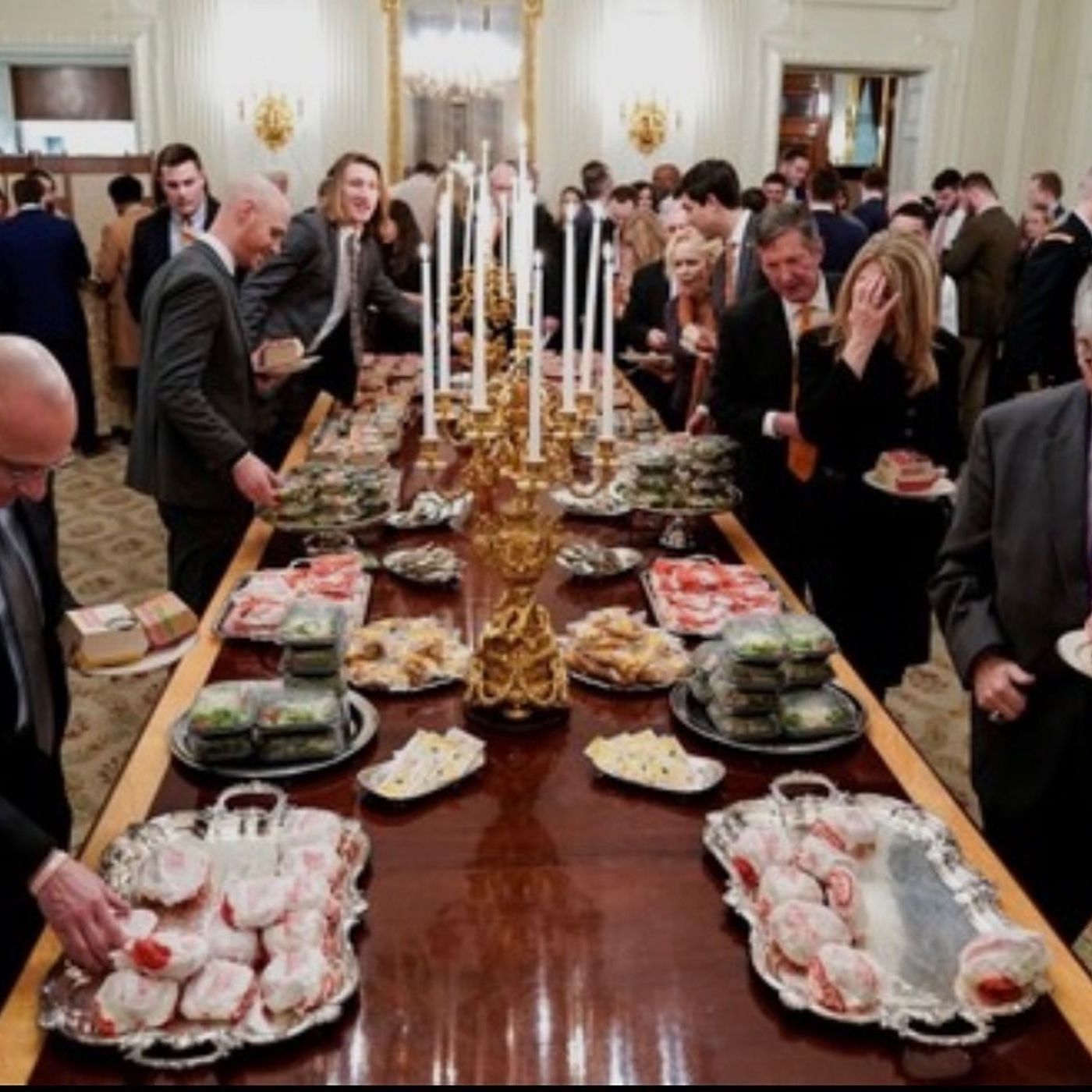 Dine & Dish | Military Leadership Meets Hospitality Excellence | Jonathan Oringdulph77 / 100
 The American Dream in a Salad Bowl: Building a Fast-Casual Franchise Success Story | Joey Cioffi68 / 100
 Hospitality Operations: Why Great Concepts Fail After Opening | Ami Alexander80 / 100
 Strong, Balanced & Thriving: Women’s Health Over 40 | Jess Olmeda72 / 100