CX Impact Exchange · 2024-08-15 · 21 min
Key moments - from our scoring
Substance score
16 / 100
Five dimensions, 20 points each
This solo episode examines the psychological power of language in customer experience, arguing that words - not just problem resolution - determine how customers feel during and after interactions. Brent Williams walks through the concept of trigger words: specific phrases designed to evoke emotional responses and build trust. He dissects the psychology of communication, explaining how certain words release feel-good chemicals in the brain and establish safety. The episode offers concrete phrases for different scenarios - handling mistakes ("I sincerely apologize for the inconvenience"), managing angry customers ("I hear you and I understand your frustration"), and closing positively ("Thank you for choosing us"). Williams shares a personal anecdote about a twice-delayed delivery where empathy-first language transformed a departing customer into a satisfied one. He acknowledges practical challenges: maintaining authenticity under pressure, building consistency, and resisting script-reading robotics. The solution involves active listening, roleplay practice with colleagues, and staying calm. The episode targets CX professionals seeking communication mastery, recommending "Words That Work" by Frank Luntz and "Psychology of Persuasion" by Robert Cialdini for deeper study. Williams also mentions offering personalized coaching sessions for teams wanting to elevate their interaction skills.
Trigger words are specific phrases or terms that evoke strong emotional responses in customers. When used correctly, they tap into brain chemistry - validating language releases feel-good chemicals that change mood instantly and build trust by making customers feel understood and valued.
Start with validation ("I hear you and I understand your frustration"), then shift to solution-focus ("I want to help resolve this for you"), and finally collaborate ("Let's work on this together"). This sequence acknowledges emotions while positioning you as a partner, not an adversary.
Use phrases like "I sincerely apologize for the inconvenience" and "Thank you for bringing this to our attention" to acknowledge the error and show empathy, then redirect with "Let's see how we can make this right" to focus on solutions.
Practice active listening to genuinely understand the customer's emotional state, roleplay scenarios with colleagues to embed phrases naturally, and stay calm under pressure so your responses come from authentic empathy rather than recitation.
Acknowledge the limitation with empathy ("I wish I could offer a different solution"), reframe positively by focusing on what is possible ("What I can do is..."), and balance with gratitude ("I appreciate your understanding").
Our reviewer’s read on each dimension, with quotes from the episode.
The episode is almost entirely composed of well-worn customer service platitudes and basic empathy phrases dressed up as 'trigger words.' There are no novel mechanisms, frameworks, or non-obvious observations; the content could be found verbatim in any introductory customer service handbook.
it's not just about solving problems or delivering products. It's about how customers feel during and after their interaction with your company
take a deep breath before responding and remember that your goal is to help the customer and make them feel valued
Zero contrarian or first-principles thinking. The 'trigger words' concept reduces to a list of the most generic CX scripts imaginable, and the underlying psychology is stated at pop-science level with no fresh angle. The episode recycles decades-old customer service training material without any new lens.
When we hear words that validate our feelings or show empathy, our brain releases feel good chemicals that can change our mood instantly
I hear you and I understand your frustration. This validates their feelings, which can help to calm the situation
There is no guest whatsoever; this is a solo monologue by the host. The host references personal tenure but the content itself does not demonstrate deep or senior-level practitioner expertise, and the episode ends with a pitch for his own coaching services.
As someone who spent more than two decades in this field, I've come to realize the importance of personalized coaching and training sessions
The lone 'real life example' is entirely anonymous with no company, product, team size, or outcome metric - just a delayed delivery resolved with 'a small compensation.' Book references are the most concrete items in the episode, and even one title is slightly misquoted.
we offered a, uh, small compensation for the inconvenience. The result? The customer who initially called ready to leave us ended the call, thanking me
First on the list is Words that Work by Frank Lentz
This is an uninterrupted solo monologue with no interview, no follow-up questions, and no pushback possible. The host poses rhetorical questions to the listener but there is no conversation to craft; the episode is effectively a read-aloud blog post.
Now I want to hear from you. Have you had experiences where your choice of words made a significant difference in a customer interaction?
All right, let's get started. Here on CX Impact, we're all about meeting every single customer interaction.
Computed from the transcript - who did the talking, and the words that came up most.
In this episode of CX Impact Exchange, host Brent Williams examines the essential role of language in shaping customer experiences. The central discussion revolves around the concept of 'trigger words,' phrases that evoke strong emotional responses, which he believes can significantly impact the customer journey. Through the exploration of real-life examples and practical applications, Brent showcases how effectively using these trigger words can turn even negative situations into positive customer experiences. He also discusses the challenges of using these words authentically and consistently, offering useful tips to overcome these issues. Lastly, the episode features some valuable resources: recommended books on the psychology of language and information on personalized coaching sessions offered by Brent himself, aiming at mastering the art of customer interactions. The episode underscores the power of words in customer experience, emphasizing empathy, understanding, and proactive problem-solving.
Transcribed and scored by The B2B Podcast Index.
Speaker A: Hey, everyone. Welcome to cx, uh, Impact Exchange. I'm your host, Brent Williams, and I'm thrilled to have you join me today. Whether you're a seasoned CX professional or just starting your journey in customer experience, you're in the right place. This is the podcast where we explore the ideas, strategies and conversations that really make a difference in the world of customer service and experience. In today's, um, episode, we're diving into the incredible power of language in shaping customer experiences. You might not realize it, but the words you choose can make a massive impact, even turning negative situations into positive ones. We'll be talking about the concept of trigger words, how they can evoke strong emotional responses, and why they're such a crucial tool for anyone working in cx. I'll share a real life example from my own experience where a few well chosen words turned a frustrated customer into a satisfied one. Plus, we'll break down some practical examples of trigger words you can use in different scenarios, from handling mistakes to making sales. We'll also touch on the challenges of using these powerful words effectively, how to stay genuine under pressure and make them a natural part of your communication. By the end of this episode, I hope to give you actionable insights that you can take back to your own work. And of course, I want to hear from you. Have you ever turned a tricky customer situation around with just your words? Or maybe you've had a time when the right words didn't quite come to mind? Stick around till the end and I'll tell you how you can share your stories and questions with me. All right, let's get started. Here on CX Impact, we're all about meeting every single customer interaction. Let's kick things off by talking about how customer experience is fundamentally about feelings. Yes, feelings. You see, it's not just about solving problems or delivering products. It's about how customers feel during and after their interaction with your company. Whether they're delighted, frustrated, or somewhere in between, those emotions are, uh, what they'll remember long after the details of their transaction have faded. As customer experience representatives, we have this incredible power in our hands. Our words can shape a customer's entire perception of an interaction. Think about that for a moment. Even if everything goes wrong, like a messed up order or delayed service, how we communicate can still leave the customer feeling positive. Now, this might sound like a bit of a stretch, but trust me, it's not. It all boils down to the words we choose. When we phrase our responses thoughtfully, we can turn even the most challenging situations around. Let's Consider a tough scenario. A customer who's received incorrect information. They're already upset before they even reach you. How do you think this interaction will go if our words don't acknowledge their frustration or if we appear dismissive? Not well, that's for sure. But when we carefully choose our words, we can completely shift the dynamic. Raises that show empathy and convey understanding can transform a customer's experience. For example, saying, I understand how frustrating this must be and I'm, um, here to help, can begin to calm in our great customer and open the door to a more productive conversation. Even in the worst case situations where we've made a mistake or given incorrect information, empathy and a proactive approach can radically change perceptions. By saying something like, I sincerely apologize for the inconvenience, and let's see how we can make this right. We're not just addressing the problem, we're also addressing the customer's emotional response. And that, my friends, is incredibly powerful. Remember, it's not just about the transaction. It's about the experience and the emotions tied to that experience. Words have the power to validate, diffuse anger, and build trust. And when used wisely, they can turn a negative incident into an opportunity for positive engagement. So the next time you find yourself in a tough spot with a customer, remember your words can make all the difference. All right, let's dive deeper into why trigger words matter so much in customer experience. To begin with, trigger words are specific phrases or terms that evoke strong emotional responses. When used correctly, they can drastically influence how a customer feels about an interaction. These words can be the difference between a customer walking away frustrated or feeling understood and valued. The next point is all about the psychology of communication. You see, our brains are wired to respond emotionally to certain words and phrases. When we hear words that validate our feelings or show empathy, our brain releases feel good chemicals that can change our mood instantly. This is why building trust is so intertwined with the words we choose. The right words can make a customer feel safe, understood, and appreciated. Imagine a customer calls furious because they've received the wrong product. Now your goal is to calm them down and find a solution. But how do you do that? Here's where trigger words come into play. Start by saying something like, I hear you and I understand your frustration. This statement alone can diffuse some of the tension. It shows the customer that you're not just hearing their words. You're acknowledging their emotional state. Then follow up with, I want to help resolve this for you. Notice how this shifts the focus from the problem to the solution. You're showing a proactive approach, making the customer feel like you're on their side. And when you end with, let's work on this together, you turn the situation into a, uh, collaborative effort rather than a confrontation. So the key takeaway here is that the right words can build trust, show empathy, and encourage positive actions. It's not just about what you say, but how you say it. By integrating trigger words into your conversations, you can shape a, uh, customer's perception positively. Even if the situation starts on a negative note. Keep this in mind the next time you're handling a tough customer interaction. The power of words is truly transformative. Alright, let's get into a real life example of turning frustration into satisfaction. This is a story from my own experience that shows just how powerful words can be. So picture a customer calls in absolutely fuming because their promised delivery has been delayed not just once, but twice. The frustration in their voice was palpable. And here's the kicker. The situation was entirely out of our control. Now, I'm sure many of you have faced a similar scenario. It's tough, right? The customer was ready to give up on us, to leave our service altogether. I started the conversation by saying, I hear you and I understand how frustrating this must be. I'm really sorry this happened. Just by saying these few words, I could sense a slight shift in the customer's tone. It was like a small crack in the wall of their frustration. This recognition of their feelings was key. When you're dealing with an upset customer, the first and most important step is to let them know you understand their pain. Then I move the conversation forward with, let's see how we can make this right. I'm here to help. Notice the shift. I acknowledged their frustration, but then directed the focus towards a solution. This is crucial. Instead of dwelling on what went wrong, guide the customer towards what can be done to resolve the issue. It's about flipping the narrative from problem to resolution. We worked together on arranging a new delivery date that suited the customer. And to make amends, we offered a, uh, small compensation for the inconvenience. The result? The customer who initially called ready to leave us ended the call, thanking me. They expressed genuine satisfaction with how the issue was handled. This situation could have taken a very different turn if I hadn't chosen my words carefully. That call could have ended with a lost customer. But by focusing on empathy and finding a solution, we turned a potentially negative interaction into a positive one. This real life example highlights the transformative power of words in customer interactions. It's not just about solving the problem at hand, but also about addressing the customer's emotional response. And that's a win win for both the customer and the company. All right, now let's dive into some practical examples of trigger words in action across various customer service scenarios. These phrases can be game changers in turning a potentially negative interaction into a positive one. First up, what do you say when a mistake has been made? Here's a simple yet powerful I apologize for any inconvenience this has caused. This acknowledges the mistake and shows empathy for the customer's experience. Next, saying thank you for bringing this to our attention. This turns the complaint into an opportunity for improvement, making the customer feel heard and valued. Finally, let's see how we can make this right. Focuses on solutions, directing the conversation toward positive outcomes. Now, how about when you're dealing with an angry customer, start with I hear you and I understand your frustration. This validates their feelings, which can help to calm the situation. Follow that up with I want to help resolve this for you. This phrase shows a proactive approach to finding a solution, turning the customer into a partner in problem solving. And let's work on this together. Encourages cooperation. Making the customer feel like you're on their side. But what happens when the outcome isn't, uh, ideal? Begin with I wish I could offer a different solution, but here's what we can do. This shows empathy while setting realistic expectations. Then while we can't do that, what I can do is reframe the situation positively by focusing on what is possible. Wrap up with I understand this isn't what you were hoping for and I appreciate your understanding. This balances empathy with gratitude. Acknowledging the customer's patience when it comes to making a sale or upsell. Effective trigger words can make all the difference. Try I recommend which positions your suggestion as a trusted expert opinion or many of our customers find helpful using social proof to encourage action. And finally, imagine how would improve your experience, which encourages the customer to envision the benefits, making the decision feel more appealing. Lastly, let's talk about closing a conversation on a positive note. Say, is there anything else I can assist you with today to ensure all concerns are addressed? Showing thoroughness and care. Thank you for choosing us and we're here anytime you need help. This leaves the customer with a lasting positive impression, reinforcing their value. And we appreciate your business, which reinforces the customer's importance to your company. Fostering loyalty by using these trigger words and phrases effectively, you can positively influence a customer's perception of their interaction with your company. It's all about creating an emotional connection and showing genuine care. So the next time you're in one of these scenarios, try incorporating these phrases and observe the difference they make. Now let's talk about the challenges of using trigger words effectively. It sounds simple in theory, but in reality it's often a lot harder, especially when you're under pressure. A ah, busy day, multiple calls lined up and you're already feeling the weight of a previous tough conversation. In these high stress situations, even the most seasoned CX professionals can struggle to find the right words. One of the main challenges is maintaining authenticity. Customers can usually tell when words are being used just to pacify them, rather than coming from a genuine place. This is where most CX reps stumble. Using trigger words shouldn't feel like reading from a script. It requires a balance of showing genuine empathy and choosing your words thoughtfully. When you genuinely care about resolving the issue and making the customer feel heard, that's when the magic happens. Another challenge is consistency. Making trigger words a, uh, natural part of your interactions takes practice. It's one thing to know the phrases and another to use them effortlessly when the pressure's on. Consistency is key because it helps build trust. The more consistently you use these words, the more authentic they'll feel, both to you and the customer. So how do we overcome these challenges? Here are some. First, practice active listening. It's not just about hearing the words the customer says, but understanding their emotional state. When you're attuned to their emotions, your responses can be more authentic and empathetic. Second, roleplay scenarios with your colleagues. This might sound a bit old school, but it's incredibly effective. Role playing helps you embed these trigger words into your natural flow of conversation. The more you practice, the less you'll have to consciously think about which words to use in the moment. Lastly, stay calm under pressure. This is easier said than done, I know, but it's crucial. Take a deep breath before responding and remember that your goal is to help the customer and make them feel valued. When you're calm, it's easier to maintain authenticity and use trigger words effectively. In summary, while using trigger words can be challenging, especially under pressure, with practice and focus, they can become a natural and powerful part of your customer interactions. So keep at it, practice with intention, and watch how your ability to connect with customers improves. So far, we've unpacked the incredible power of words in shaping customer experiences and the importance of using trigger words effectively. But how do you take all this knowledge and turn it into practice? Let's dive into that first and Foremost, embracing the active use of trigger words is vital. It's one thing to know that certain words can evoke emotional responses, but it's another to integrate them naturally into your everyday interactions. This means being mindful of the language you use and tailoring it to fit the specific context and customer you're dealing with. One of the best ways to get comfortable with using trigger words is through role playing scenarios. This might seem a bit old school, but trust me, it's incredibly effective. Pair up with a colleague and take turns acting out different customer service situations. Focus on weaving trigger words into your responses naturally. The more you practice, the more these words will become second nature to you. Role playing also gives you the space to make mistakes and learn from them. In a low pressure environment, you'll start to see which phrases resonate best and how to pivot when an interaction isn't going as planned. Planned? It's all about building that muscle memory so that when you're in a real life situation, you can respond confidently and effectively. Now I want to hear from you. Have you had experiences where your choice of words made a significant difference in a customer interaction? Or perhaps there was a time when the words you chose didn't quite have the effect you intended? Sharing your stories can be a great way for all of us to learn and grow together. So drop me a message and let's keep this conversation going. In conclusion, turning knowledge into practice is all about mindful application and consistent practice. Using trigger words effectively can transform your customer interactions, turning challenges into opportunities for positive engagement. So go out there, practice with intention, and make every word count. If you're as fascinated by the power of language in CX as I am, I've got a couple of book recommendations that will take you even deeper into this topic. First on the list is Words that Work by Frank Lentz. This book dives into how specific words and phrases can influence people's perceptions and behaviors. It's a fantastic read if you want to understand the psychology behind effective communication. Next up, uh, is the Psychology of Persuasion by Robert Cialdini. This classic book breaks down the science of why people say yes and how to apply these principles in various situations, including customer interactions. Cialdini's insights are invaluable for anyone looking to master the art of persuasion and build stronger connections with customers. So whether you're looking to refine your communication skills or simply want to understand the underlying psychology of language, these books are must reads. And don't worry, I've included the links to these books in the show notes so you can easily find them and start reading now. If you're passionate about enhancing your CX skills and you want to take your communication to the next level, I've got something just for you. As someone who spent more than two decades in this field, I've come to realize the importance of personalized coaching and training sessions. Yes, that's right. I'm offering sessions designed specifically to help you or your team master the art of customer interactions. So why should you consider this? Well, let's face it, making a customer feel heard, valued and understood isn't just a nice to have, it's essential. Every single interaction is a chance to build a relationship, to turn a customer into an advocate. And the key to doing that effectively lies in your communication skills. Imagine being able to handle even the toughest customer interactions with ease, turning potential conflicts into opportunities for positive engagement. That's what I aim to help you achieve. In these personalized coaching sessions, we'll dive deep into strategies tailored to your specific needs, focusing on the nuances of language that can make all the difference. If you're interested, all you have to do is reach out to me for more details. Whether you're looking to boost your own skills or you want to train your entire team, we can work together to elevate your customer experience game. Trust me, the difference a few well chosen words can make is incredible. Ultimately, it's not just about solving problems, it's about creating connections. It's about ensuring that every customer walks away feeling valued, uh, and understood. By mastering the art of using trigger words and effective communication, you're not just doing your job better, you're making a real impact. So let's work together to make every customer interaction count. And that wraps up today's episode of CX Impact Exchange. We ventured into the transformative power of language and customer experience, highlighting how the right words can turn even the most challenging situations into positive outcomes. From understanding the psychology behind trigger words to tackling real life examples and practical applications, we covered a lot of crap. Remember, your words wield incredible power in shaping customer experiences. Incorporating empathy, understanding and proactive solutions into your interactions can make all the difference. I'd love to hear your thoughts and stories. Have you ever had a customer interaction where the right words turn things around? Or maybe there was a time when your words didn't have the intended effect? Share your experiences with me by sending a message. Let's learn and grow together. Don't forget to check the show notes for links to the books and resources mentioned in today's episode. As well as details on the personalized coaching sessions I offer. Thank you for tuning in to CX Impact Exchange. Ah. I'm your host, Brent Williams, reminding you to make makes every customer interaction count. See you next time.
Other episodes covering the same guests and topics, from across The B2B Podcast Index.
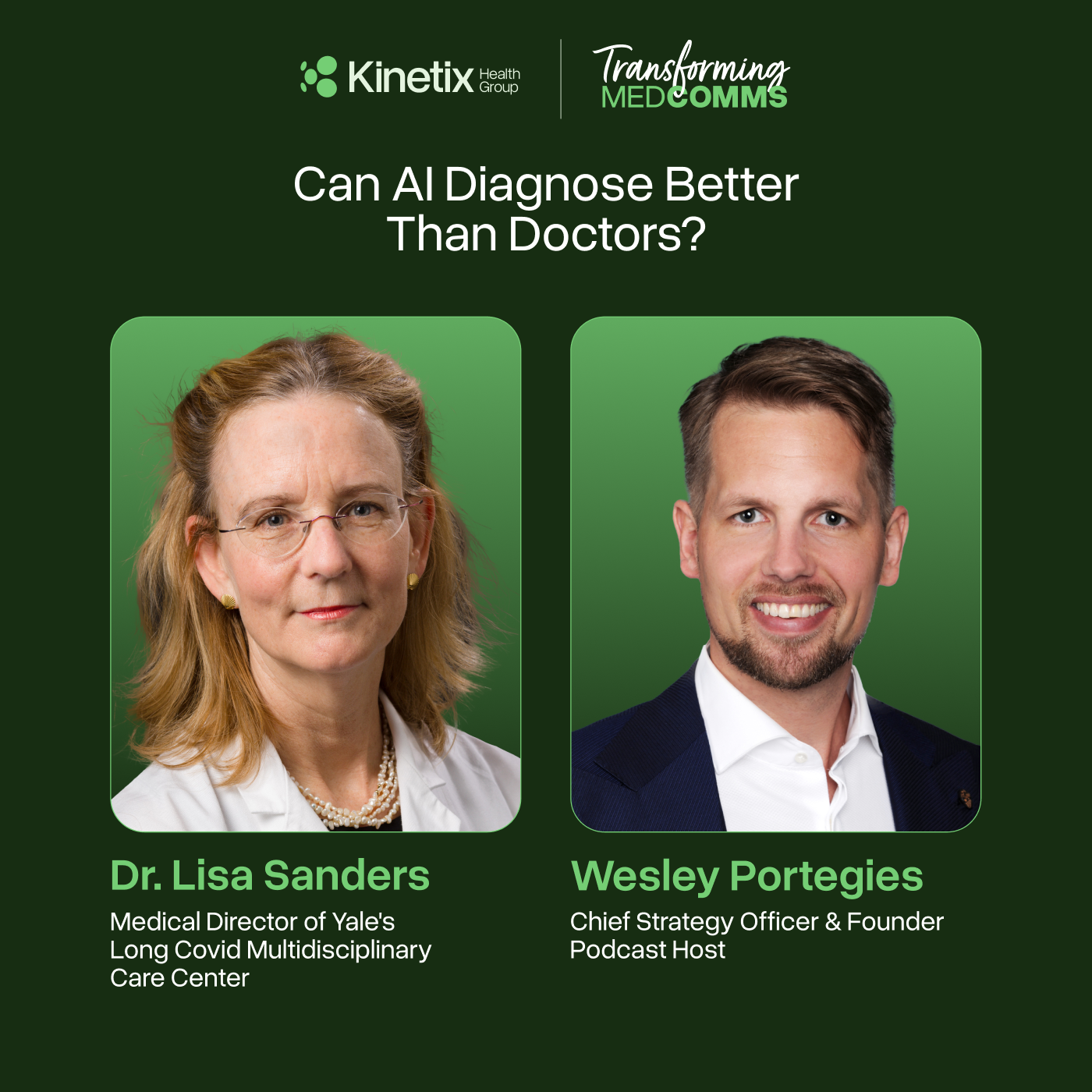 Can AI Diagnose Better Than Doctors?Transforming Medical Communications · on Active listening83 / 100
 Emotional Intelligence: The “Untouchable” Differentiator in an AI WorldThe Diamond Podcast for Financial Advisors · on Active listening80 / 100
 The HR Leader That Brings Therapy to Work with Isidora Torres, VP of People at BeehiivFNDN Series · on Active listening80 / 100
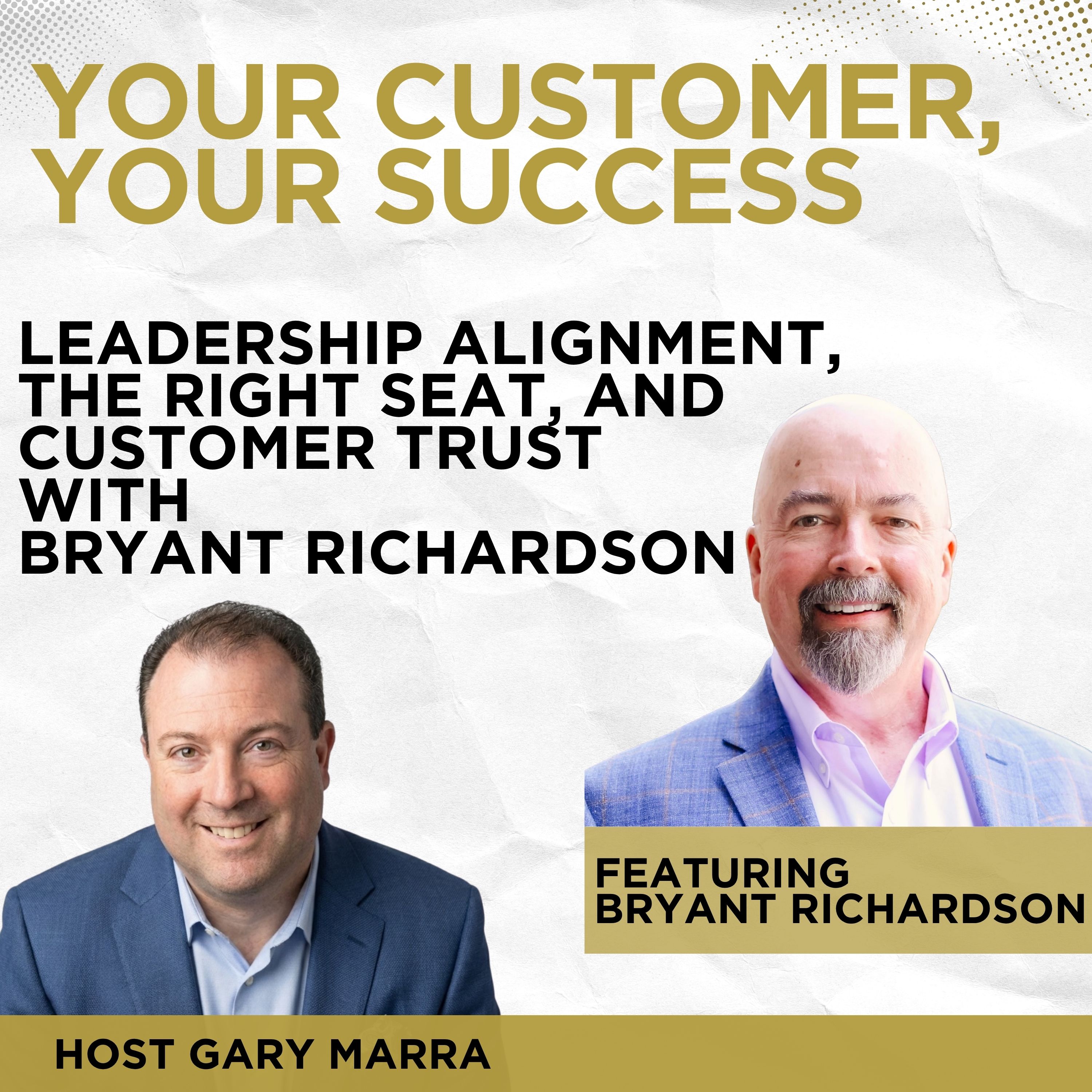 Leadership Alignment, the Right Seat, and Customer Trust with Bryant RichardsonYour Customer, Your Success · on Customer experience strategy78 / 100
 108 Years In: What It Takes to Lead in the Third Generation with Jaclyn Leibl-CoteBuilding Unbreakable Brands · on Customer experience strategy77 / 100
 Working With Intent Across GenerationsThe Future of Work · on Active listening76 / 100