
Customer Success: Pivot Your Career · 2026-01-30 · 27 min
Key moments - from our scoring
Substance score
27 / 100
Five dimensions, 20 points each
This year-in-review episode takes stock of the Customer Success Pivot Your Career podcast's 2025 performance and previews its strategic direction for 2026. Hosts Alex White and David Loketes showcase listener growth - 154% increase in listening time, 87th percentile ranking among Spotify shows, and high share rates - despite releasing only nine episodes due to personal sabbaticals. The episode recaps conversations with nine CS leaders spanning job search coaching (Carly Agar), enterprise relationship building (Carol Crow at Google, Drew Cather at Trace3), AI-driven retention products (Chris Fernandez), professional services strategy (Sri Vidya at Databricks), interim CS leadership models (John Huber of Customer Success Architects), enterprise account management (Matthew Rinker at DocuSign), and pivot selling during economic downturns (Caroline Grant). Key themes include treating CS as an organizational competency rather than a siloed department, building trusted advisor relationships, health score measurement, leadership-on-demand models, and dynamic customer engagement during budget shifts. The show targets professionals entering CS or seeking strategic insights from seasoned operators navigating enterprise accounts, AI integration, and revenue expansion without expanding headcount.
The podcast achieved 154% growth in listening time year-over-year, was designated a rising star with growth outpacing 87% of other shows on Spotify, and received more shares than the majority of podcasts on the platform, despite releasing only nine episodes.
John Huber of Customer Success Architects offers three service types for companies that cannot afford full-time CS executives: part-time or interim leadership on demand, advisory services, and coaching. He focuses on defining metrics and performance optimization, churn reduction, customer journey optimization, and renewals and expansion revenue.
Carly's episode on resume optimization, LinkedIn profiles, AI effectiveness, and translating previous roles into CS positions resonated throughout the year. As a former CSM and career coach who has placed over 1,000 people in CS roles and builds referral relationships with recruiters, she provided actionable job search strategies that listeners repeatedly returned to.
James Lawson, founder of River Consultancy Group, presented the CAT model as a framework for building a company without a traditional sales team by leveraging customer success and relationship-driven growth strategies instead.
Chris Fernandez's company, Open Mirror, uses AI to identify patterns within customer workflows that help predict and prevent churn, focusing on developing proper health scores to measure and improve retention across multiple use cases rather than single-purpose solutions.
Our reviewer’s read on each dimension, with quotes from the episode.
This is a recap episode where hosts summarize prior conversations with generic CS truisms; almost no novel, non-obvious claims survive the second-hand retelling.
treat CS as a competency within your organization and not as a department
If you aren't empathetic to your customers issues, then you probably shouldn't be
Content recycles well-worn customer success themes - trusted advisor, empathy, reduce churn, upsell - without any fresh or contrarian angle.
it's how do we personalize the relationship with our customer
how do we reduce the churn, how do you put a retention program in place
No guests actually appear; the episode only describes past guests, some of whom held relevant roles (Google, DocuSign, Databricks), but the transcript itself is just two hosts recapping.
being a customer success executive at Google
Matthew Rinker who is the enterprise Customer success manager for DocuSign
Some named people, companies, and a few metrics appear, but claims about episodes remain abstract with little hard data, concrete outcomes, or numbers beyond podcast stats.
listening time to our podcast. The growth of that was 154% from 2024
she's placed over a thousand people
Pure mutual agreement between two co-hosts with no probing questions, follow-ups, or challenge; it's a self-congratulatory recap and promotion.
Well, I think, uh, we should start this with a little self promotion
absolutely just thought it was absolutely brilliant session
Computed from the transcript - who did the talking, and the words that came up most.
Hosts Alex White and David Lokietz provide an overview of each episode from 2025 and discuss what's ahead for 2026. Guests in 2025 included; Carly Agar, Carol Crowe, Drew Cather, James Lawson, Chris Fernandes, Sri Vidya Annapragada, John Huber, Matthew Rinker and Caroline Grant.
Transcribed and scored by The B2B Podcast Index.
Speaker A: Welcome to the Customer Success Pivot yout Career podcast. I'm Alex White. My co host is David Loketes. Our podcast is focused on people looking to get into the customer success profession. Or those already in customer success are looking to get some insights from other CS professionals. This episode is perfect for those just discovering our podcast as we'll review each episode in 2025 so you can target the most relevant convers stations. We'll also give you an update on what we've been up to and what to look forward to in 2026 to get us started. How are you doing, David?
Speaker B: Hey, Alex. Happy New Year. I'm doing great. How are you doing?
Speaker A: I'm ready for the new year. I'm excited. Beginning January, you're always bright eyed on what you're going to do in the next year. And I have a lot of hope for a really great year.
Speaker B: I always take the last two weeks of the years to try to reflect on the past year just personally, professionally, personally. And sometimes there's a lot of sadness. It's like, oh, all that, all that water that's already gone under the bridge. But at the same time, I start building enthusiasm as we get close to the new year and now we're in the new year and it's like, oh, great, here's a brand new canvas. Something to aspire to do. What's that going to look like? So I'm equally as excited again, as time passes, you reflect a little bit longer. But I'm, um, excited to see where we're going to go this year. Great.
Speaker A: Well, I think, uh, we should start this with a little self promotion. Spotify gives a podcast year in review for us and we get that personally. And this is our second year and it really shows that we were starting to connect with a larger audience. Our podcast was designated as a rising star, which is great. That shows our podcast growth is outpaced 87% of the other shows. I think it's based on percentage. We're pretty small, but we are growing and we received more podcast shares than the majority of other podcasts on the platform. So we appreciate that that means other people and our listeners are sharing it with their friends. So please continue to do that. And the one stat that stands out is we also had listening time to our podcast. The growth of that was 154% from 2024. So a little easier to achieve this when you're starting out, like I mentioned, but we're looking to exceed those numbers in 2026.
Speaker B: I think those numbers are just absolutely fantastic. And thank you to our listeners. I mean, it just is a wonderful reflection of, I think, work we've been doing and the great guests we've had on the podcast. I think it's really important to mention that we only released nine episodes last year. We decided to take three months off. So those numbers could actually be, or probably should be higher had we done a dozen releases in the year. But I think overall, nine releases, these numbers, our listeners are doing a great job of listening and sharing. We couldn't be happier. With that said, maybe we should share why we took a little bit of time off and where we're going. Would you like to kick us off, Alex?
Speaker A: Yeah, I guess that would be best since I'm the culprit for the three month delay. I needed a little bit of a break myself, personally. In September, I did make a very difficult decision to leave my job. Having a good job fit where you're happy and excited to go into work is really important. I didn't feel that. I didn't feel like it was good for me. It wasn't good for the company. And I did decide to leave. I also made the decision not to start looking for a job until the new year and, uh, entirely disconnect from work responsibilities and truly almost go into a retirement hiatus and focus on me and the family. So it's been a fantastic end of the year for me. We went to Boulder, Colorado and Seattle, Washington for college football games. We did several trips down to Paso Robles with you and your wife came down, as well as our podcast alumni, Steve Pino. We had a great, great weekend. I did trips to New Jersey for my high school reunion in Pennsylvania to see family and we hosted Christmas for the local family that we have here in the Bay Area. And the great thing, um, was the last two weeks we had our kids back. They live in Seattle, Washington and Traverse City, Michigan, and they came back with their partners to stay with us for two weeks during the holiday. And we just had a blast. There's a lot of just downtime, just hanging out and watching a movie, but we also did some other stuff like Sharks games and stuff like that. So that was pretty fun.
Speaker B: Yeah, we appreciate the trip down to Paso. We always have a good time. It's nice to be able to just sit around, get caught up with good friends, good wine as well. Yeah, it's always welcome. And you both are just two of the greatest, most gracious hosts on the planet. So thank you.
Speaker A: You know, we had a great time having you down There.
Speaker B: Yeah. You're not completely to blame for taking the hiatus. As I said earlier, I always use the time to reflect on the year which was a good time for to be able to reflect, get caught up with family. I did take some time off and I had a hip replacement. It seems like every other year I'm going to do some sort of replacement part two years ago, shoulder. This year, hip. Hey, what's next?
Speaker A: Right, yeah. Now you can hula hoop again, right?
Speaker B: Exactly. It is an absolutely wonderful surgery and the pain went away immediately. So for me the doctors did a brilliant job. So I'm really thankful for it.
Speaker A: Yeah.
Speaker B: So again, as they say, we're back and ah, I'm really excited about it. I actually like the idea, the premise of this first podcast to reflect a little bit on the year with all our listeners, talk about our guests and just kind of re promote a little bit of what they brought to the table because they were just absolutely fantastic. And so what I think is why don't you go ahead and kick it off and let's get started on it. What do you think?
Speaker A: Awesome. Sounds good. Okay, so we'll go month by month. So back in January we started with Job Search insights and Career coaching with Carly Agar. The one and only has been our most listened to episode in 2025. Not just because it was the earliest in the year, but we still have quite a few people each month going back and listening to it. Carly helps CS folks get a job, which is if you're looking. We highly recommend listening to this episode and reaching out to Carly. She is a former csm, has turned her career into starting her own company. She's the host of a podcast called the Customer Success Career Coach which she just released her 100th episode. So congratulations to Carly and some of the things we discussed. Optimizing resumes and LinkedIn profiles using AI effectively value of drawing parallels with previous roles. Uh, that was an interesting conversation about if you're going into a new field, how do you take your past and make it relevant to that role? And one of the quotes that she had is you can be the best CSM in the world and still not be great at interviewing. They're two totally different skill sets. The other very interesting thing is she interviews CS recruiters extensively each year to find out what are the trends, what are they looking at. So she knows what they're looking for, how to position herself more effectively to get through that first gate as well as she's placed over a thousand people enrolls and when they hire, they go back to Carly for referrals from her client base. So she has this interesting model where not only does she have people out there in the CS world that are coming back to her to look for people, but she also has these recruiters that are recruiters. So she's interviewed them. But then when they start to look for good hires, not only do they do job postings, they reach out to Carly and get some people that are good fits and recommendations for Carly. So very good episode to kick off the year.
Speaker B: I like the way she kind of cross pollinated in talking to the recruiters and actually getting different levels of feedback from them. I thought that was extremely helpful and I can understand why a lot of folks would keep continue to go back to that as well as follow Carly. Yeah.
Speaker A: Yep. Why don't you grab the next two?
Speaker B: Yeah. Wow. I can't get into the next one, which is Carol Crow without saying that we've known Carol for a long time and we've worked with her and absolutely brilliant at building relationships with client. And really what jumps out at me with Carol every time we talk on the podcast or even outside of the podcast is just Carol's passion. Carol really gets what it means to build a relationship, to really understand her customer, what are their pain points. And a lot of things jump out every time we talk to her. But one of the things that she said, which we've observed, which is really critical, it's sort of the Ghostbuster approach to it. Who are you going to call? And she builds this relationship and trust with her customers. When they have a problem or when they feel they can't overcome something, who they're going to call, they call Carol. And she may not have the answer, but what she does is she's built that level of trust with them and helps point them in a direction or helps bring solutions to the table or people that can help them solution. And I think from a customer success perspective, we all need to reflect on how do we interact with our customers, how do we act internally to support our customers. And Carol is a great reflection on how our customers trust us and, and then internally how she makes those connections. I absolutely just thought it was absolutely brilliant session on relationship building. And again she talks about a variety of her techniques. Again, her toolkit is hers. But there's so much to learn from, uh, her technique.
Speaker A: Yeah. And being a customer success executive at Google, it's a different model. Carol focuses on a small number of enterprise customers, but these organizations are really large and complex. You really need to embed yourself into their culture, get to know a bunch of people and really become the trusted advisor. So if you're looking to work with large enterprise customers or you already do, this episode is for you.
Speaker B: Yeah. Next up, we had Drew Cather. And Drew is General Manager at Trace3. And very much like Carol, Drew is a great example of building relationship. He builds a relationship with his clients, becomes that trusted advisor and really works hard not to let he or their offerings or his company be put into a box. Hey, we see you as only doing X. He works with the relationship with his customers to figure out, okay, how else can we help you? We can help you in a broad area. We're not just single focused. And what Drew does very well and what he articulates very well is how to continue with recurring revenue, how to make that kind of ongoing. In addition to that, how do we upsell or how do we cross sell? And there's a lot that goes into driving that. First and foremost is you build the trust. How do you build the trust? They do it through delivery excellence. Okay. When their customers contract them to bring in the work they deliver. At the same time they're talking about, hey, here's additional services, things that's going on in the industry, hey, have you thought through this? So bringing to their clients proactively, additional ideas, additional thoughts, what if understanding their business, their marketplace, how can we help you help your customers drive revenue? Helps us drive revenue through recurring revenue upselling and cross selling. So again, another high energy individual. But also there's a common theme here. It's how do we personalize the relationship with our customer, how do we listen to what their needs are, how can we help them be successful? And through that ongoing diligence and listening and communication, they build these relationships that increase revenue, solidify the relationship. Those are not easy things to do. So absolutely brilliant session as well.
Speaker A: Yeah. And I think that trusted advisor or strategic advisor that we had talked about is Drew's in consulting world. And obviously that is going to be critical for being successful in consulting. But I would add that this is also important to be that if you're a product company and you go in and we were at Apogee, it was an API management company. We needed to be the trusted advisor about anything about APIs strategy, how they were going to be more digital, how they were going to be more efficient in exchanging data and engaging developers every time we wanted them to come back to us. So even if you're working for a product company, being able to do that more than this is how you use our product. Products are getting easier and easier to transition off of. But if you're a, uh, trusted advisor, that's another reason to stay. So. A very important concept.
Speaker B: I agree. So, Alex, who's up next?
Speaker A: Okay. In April we had James Lawson, who's the founder of River Consultancy Group. He has a marketing background, which I think is our first guest on the podcast to have a strong marketing background as they moved into cs. I'm pretty sure there's several comments that he made that kind of stood out and reminds me why I have these mantras that I always repeat. And I. This, uh, reminded me going back and listening to this was one of the things that James mentioned is treat CS as a competency within your organization and not as a department. And it's so true because when it's customer success, people start going, well, give that to customer success. You want everybody to have a customer success mindset within the organization. Extremes like procurement and getting contracts and legal review, making it a good experience for the customer. That was one that stood out. The other was the concept of are we moving in the right direction versus measuring impacts, which is very controversial. You have to listen to the episode. And the other one was go slow to go faster. And I. That was last year. Pretty much what I thought of. And I'll end it with the cat model. And I'm not going to go into the details, but it's about building a company without a sales team. It is possible. You should listen to the podcast. It's a very interesting conversation. I'll give it back to you, David, for the May episode.
Speaker B: No, it is a very interesting concept. I did enjoy that. From there we jumped into May and we met with Chris Fernandez. And this was a little bit different because we went down the path of AI and also building a product. And I, uh, thought Chris was fascinating. And way that they built the product was basically what they wanted to do was be able to build or leverage AI based on patterns to help their customers or people deliver value within their current workflows, preventing churn or and basically affect retention. So here we get into the AI because AI is fashionable everywhere, everybody's thinking through it, but they're developing a product open mirror that basically helps identify through patterns. How can we begin to reduce that churn? How do we get retention? And he really focused on a lot of things, but what is your health score? How do we come up with a proper health score to begin to flush this out again? It's right in line with A venture capitalist startup, new company, new product, but thinking out of the box, looking at patterns not just for a specific use case, but patterns that could be applied to multiple use cases. Absolutely. Another smart energy driven individual that is looking to solve a problem about retaining revenue and just customer problems with the focus on something that's measurable. And I think when you focus on something that's measurable, it's easier to get your customers to understand what an impact is, good, bad or indifferent.
Speaker A: So yeah, and I think it's interesting model because instead of being a venture company that goes out and starts to invest in companies, they actually find these patterns, validate the patterns and then hire the executives and the team to go build a company. And that is a really interesting concept. So okay, June, we were reconnecting with someone we worked with at Apogee. She was at Google when the episode was released and has now moved into databricks and is the director of professional services and retail, CPG travel and hospitality divisions. I'm talking about Sri Vidya. She has a very diverse background across the organization from support to supply chain and finance and more Great insights to her passion for learning how to foster companies to adopt new technology. So part of its experience and she's had that experience but she shares that along the way in things to look for. She also discussed about empathy, a big word in cs. If you aren't empathetic to your customers issues, then you probably shouldn't be. In CS we touched on emotional intelligence, ability to understand and manage emotions and recognize them in yourself and others to adapt and again slow down to go faster with something. Like I mentioned, that was a common theme I think in customer success in general you're so overwhelmed that you get to a point that you start to make mistakes and slowing down and having better responses and focusing your time I think was a key in 2025.
Speaker B: Yeah, so we're already halfway through the year and again granted we only did nine recordings but they were pretty impactful and July was nothing short of that. We brought on John Huber was our guest and participated. And John, he is a founder of a company called Customer Success Architects and for all intensive purposes he is a hired customer success director, vice president, executive level that offers up uh, three types of services for his clients. So not every organization can invest in customer success executives customer success roles. So what his customers do is they bring him in and he has what he calls leadership on demand, customer success, advisory services and coaching. So there's three layers that he's able to offer up to companies that don't have the money to invest in full time, but also sets them up for success. I found all those areas fascinating, but the one that just jumps out at me is the leadership on demand. And it is a part time or interim basis. But he has some core competencies or key points that he likes to focus on with the executives and with the companies to help establish what the program needs to be. And those are defining what are your metrics and performance optimization, what are we trying to accomplish and how do we measure it. Churn reduction, we talked about that earlier about how do you reduce the churn, how do you put a retention program in place. Talks about customer journey optimization, how do we make things better, easier for our customer. And the third is and probably most important to the bottom line renewals and upsell, expansion and increase in opportunities. So I think those opportunities, having it from an executive perspective brought in from outside in helps organizations. And then he leverages advisory services and coaching as they start adding staff. So a different approach, different view, but no less important. As a matter of fact, I would say it's probably very relevant and very prevalent to the needs of a lot of companies these days.
Speaker A: Yeah, and John's doing well. I actually talked to him the other day. So business is going well and I think he's on to something because I think what happens is you hire an early stage csm, you might add one or two more and then you're in this weird situation of needing to hire someone more senior as your company grows and you need different mindsets to move forward. And John's a perfect fit for that where he can come in part time basis and show the value of having a higher level person within the organization that's doing strategy. And then what happens is that can then justify getting a role set up to actually fill that full time. If John's not it. Right. He'll do it for so long, but he's really working with multiple customers. But then you get someone like John to then take that full time. Or you might say we don't need a full time, we just need part time. And John's a perfect fit to do that. So it's a very interesting model and he's doing well.
Speaker B: And having that outside individual come in and do it periodically infuses fresh blood or a new lens into the organization to challenge the norm or maybe call out some things or bring things to the table that you may not see when you're embedded in an organization. So I agree it's a, it's A brilliant model.
Speaker A: Yeah. And think about it. What if your CS leader was talking about CS with three other companies and learning from them? Right. He's teaching them, but he's also learning from them around the way of different ways, different industries and then bringing it back to you to give you new ide. There's a huge benefit to that. So in August we had guest Matthew Rinker who is the enterprise Customer success manager for DocuSign. We touched on account management for CS which is a hot topic. And the roles, in my opinion are getting more and more gray because CS is doing revenue generation focused type work as well. We also spend time talking about CS mindset and the CS models and strategy. And Matthew has a lot of experience with large enterprise customers. So if you're in enterprise and you want to hear some other enterprise CSM information or looking to go into that to learn a little bit more about what's the difference of having a thousand customers versus having ten customers. That episode would help there. And there's a lot of good nuggets of information.
Speaker B: Very good. And to close out the year, we finished the year with Caroline Grant, who's heads up technology strategy advising for me. It was extremely timely in the sense that a lot of companies are tightening their belt. A lot of companies are pivoting from Project A to Project B, from Spend A to Spend B. And what Caroline really was able to shed some light on was wrapped around working with your customer and understanding where should we apply our services. So if there's a statement of work or a contract in place and they're expecting A as the output, they may not have a need for A right now, but they may have a, uh, need for W. So if we could change and pivot with the client and give them something of value, you're retaining that relationship, you're retaining that revenue and you're also creating other opportunities for upselling or cross selling or future selling. I think it's really important, especially today where a lot of companies are saying, hey, I don't want to do X, but I need to do something with AI. Well, what's your strategy? What's your vision? What's your roadmap around AI? Uh, what are your data strategies? So being able to work with a customer, personalize, pivot and give them a little bit more of what they're needing, I think helps build that relationship. It helps with longer term retention and the cross selling. The upselling is, I don't want to say infinite, but it's good for a long term. It could be immediate revenue in the next upcoming year, two years down the road. So you build that relationship, you listen to the client, you can help grow within the organization and upsell and across.
Speaker A: So I think it was a great year. I feel we got our rhythm going in the podcast. Looking to pick up more listeners and continue our uh, growth in the podcast world. So David, what are your thoughts for 2026 and CS and types of guests we should look for?
Speaker B: Wow, I'm really excited for 2026. Like I said earlier, I reflect on 2025 and that's beyond behind us. Right? It's 2026. Some of the things I'm looking at is knowledge share. How are we continuing to grow relationships within our organization, within our customer base? I know we've got a couple guests that we're going to be teeing up, but sharing information, growing people, growing individuals, growing relationships I think is really critical. I think the other part that I'd like to continue to focus on is what does customer success mean to you? So you know, a lot of people customer success has really grown in the last five years as a core competency, but yet there's so many tendencies that have gone on for 15, 20 years. So I think continuing to bring guests on that sit there and talk about what do I do from a relationship building, what do I do from an onboarding perspective, what do I do from a cross selling relationship? Trusted advisor, continually have conversations with different folks. I think the words and the descriptions they bring to the table help our listeners understand how what I have done is relevant, how what I've done continue to grow, can continue to grow. So I think just staying on the path with exposing m more opportunities that have been created and learning I think will be sort of where I'd like to help us, uh, go in 2026.
Speaker A: Cool. And one of the things I'm getting interested in is products out there in the market. They're really helping CSMs do their work and get the support needed to be successful in the role this leads. Our first guest in 2026 we have, uh, Steven Wise of Snowwise Technologies where they have a CS tool for CSMs where budgets are tight. You refers to it as a CSM's executive assistant. A great way to get started. So we will start to blend in both our concep the year that's a wrap for 2025 in review and a little insight into where we're going. We hope you will join us this year as we navigate the world of customer success and do our small part in the community. Until next time. Have a great day, and we'll talk to you in a few weeks.
Other episodes covering the same guests and topics, from across The B2B Podcast Index.
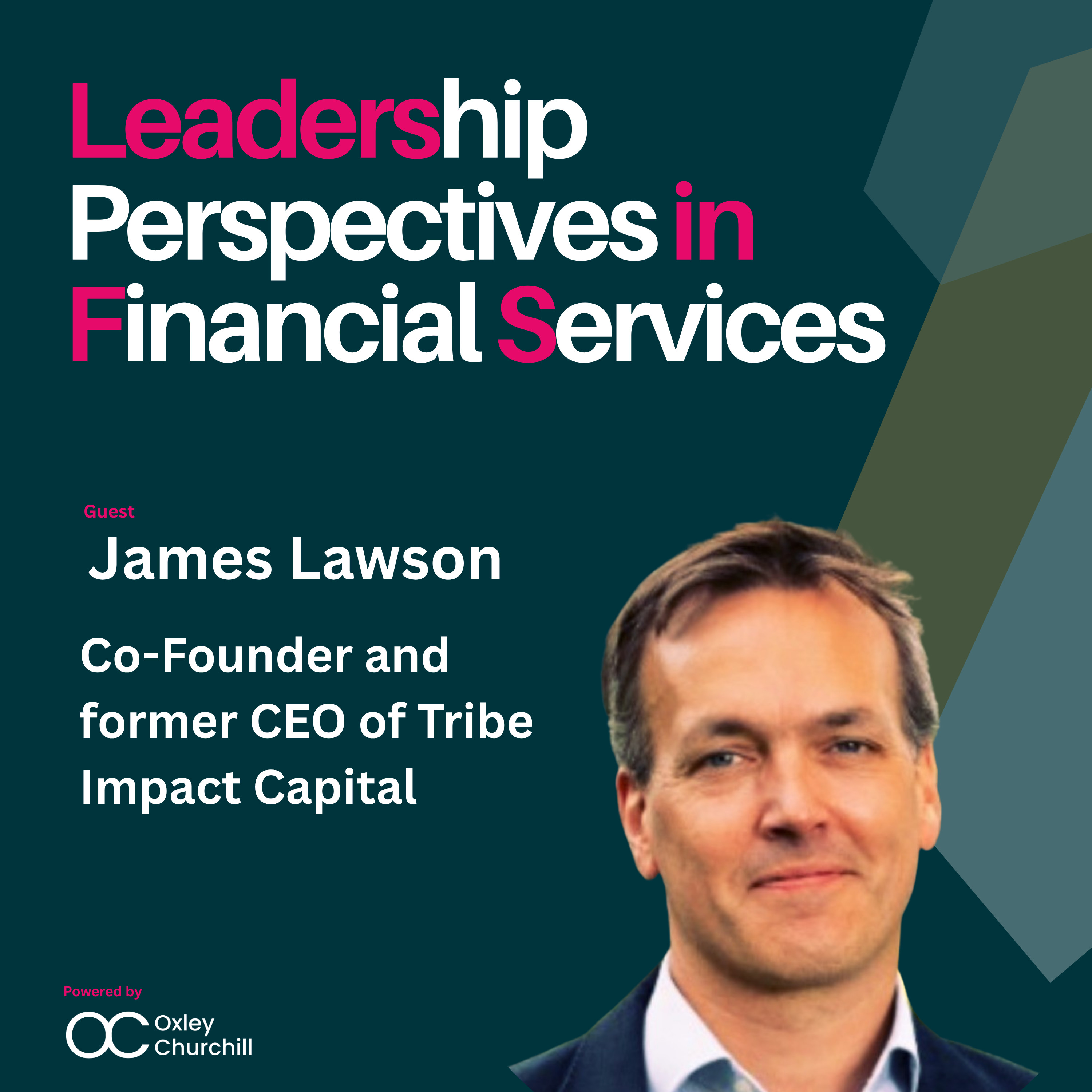 James Lawson on The Realities of Building and Exiting Businesses in Financial ServicesLeadership Perspectives in Financial Services · features James Lawson72 / 100
 135. You Nailed the CSM Interview and Still Got Rejected. Here's 4 Reasons WhyCustomer Success Career Coach, Career Tips and Proven Job Interview Strategies For Every Customer Success Manager · features Carly Agar46 / 100
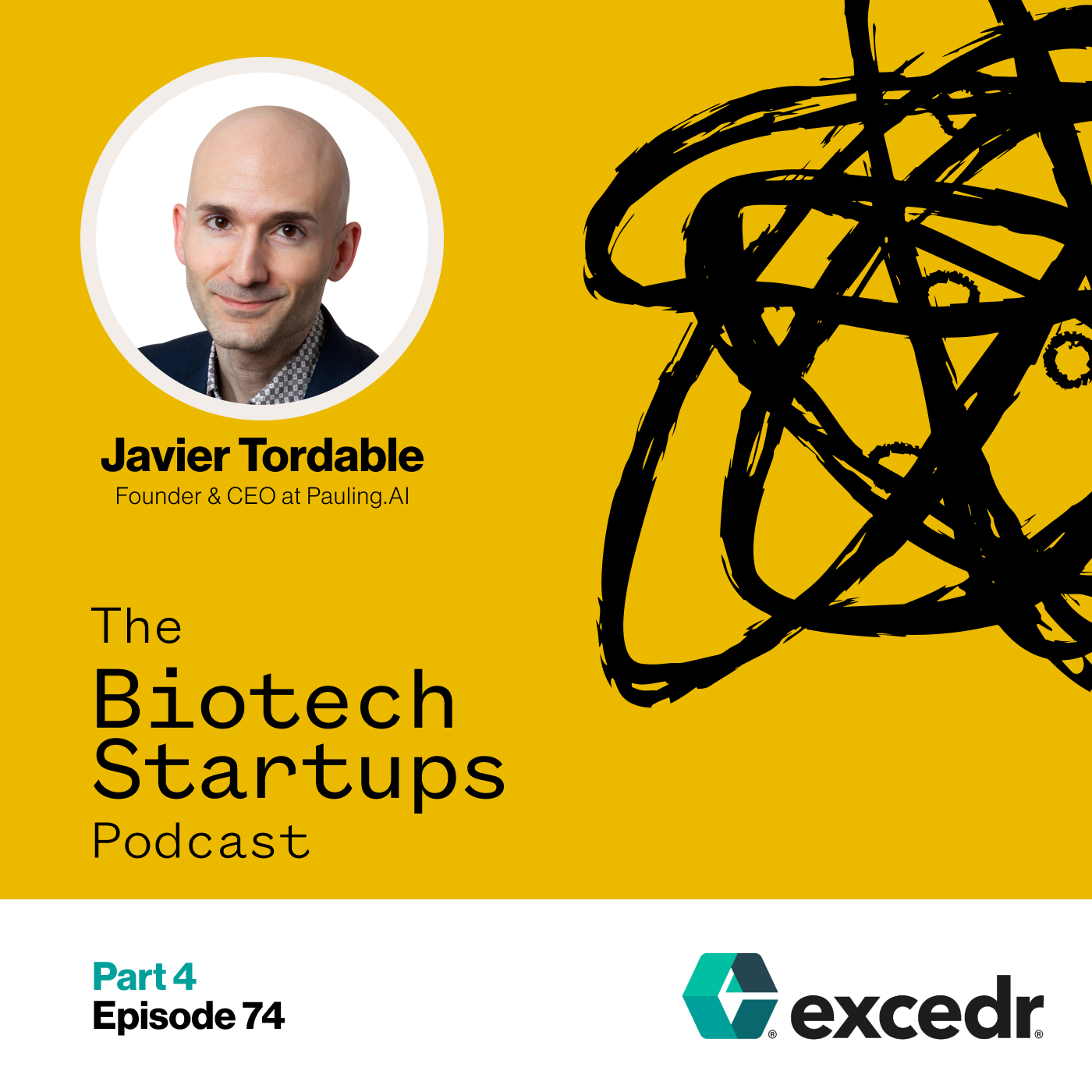 🧬 This Ex-Googler Replaced a Whole Drug R&D Team | Javier Tordable (4/4)The Biotech Startups Podcast · on Google82 / 100
 Why Your Customers Are Lying to You (Without Even Knowing It) With Malinda SannaUp Arrow Podcast · on Google81 / 100
 Michael Moritz: Steve Jobs, Sequoia, and the Weight of HistoryThe Puck: Venture Capital and Beyond · on Google74 / 100
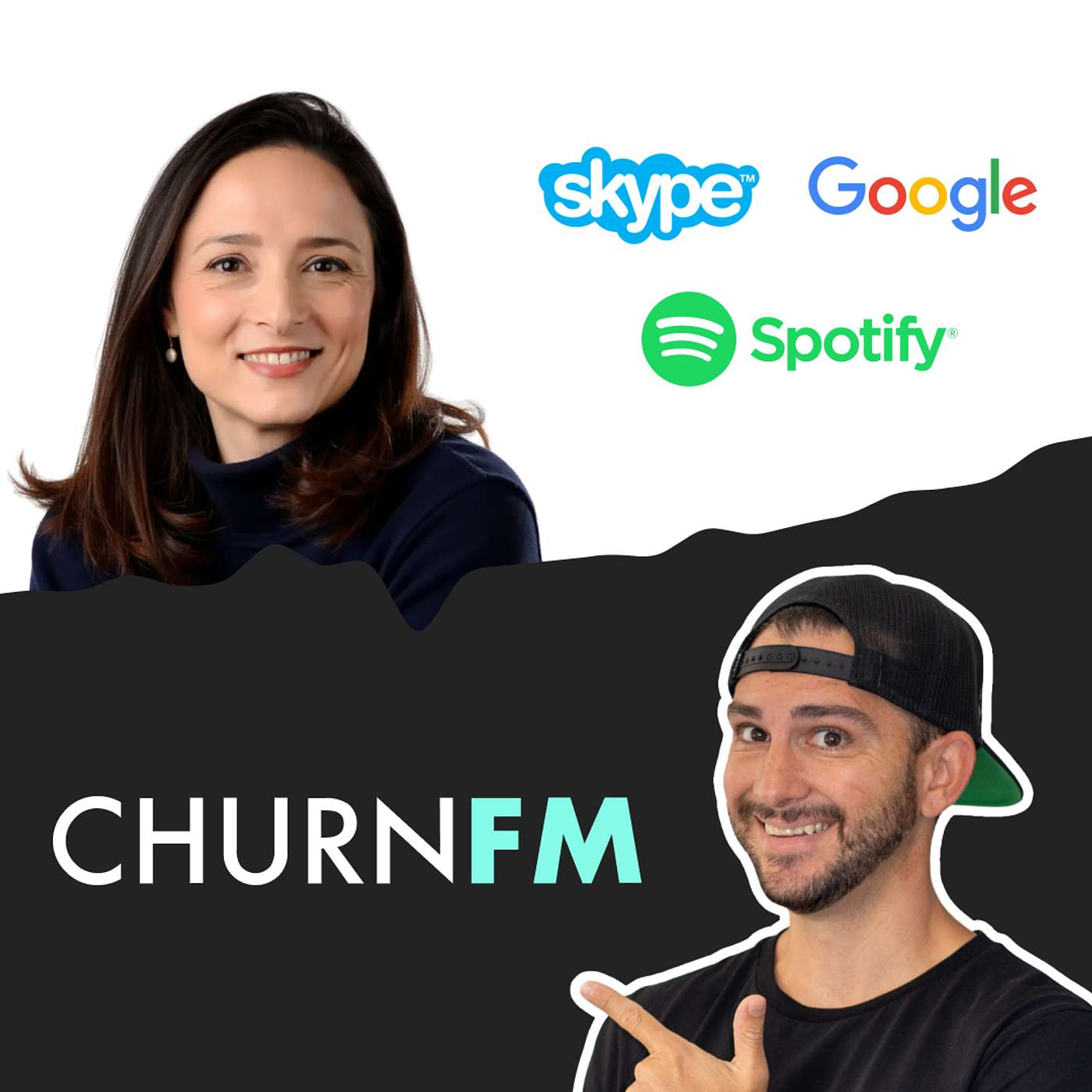 E304 | Why Product Delight Is No Longer Optional | Nesrine Changuel (Skype, Google, Spotify)CHURN FM · on Google74 / 100
 Defining Outcomes Strategies: Eric Gardner's Journey in Customer Success51 / 100
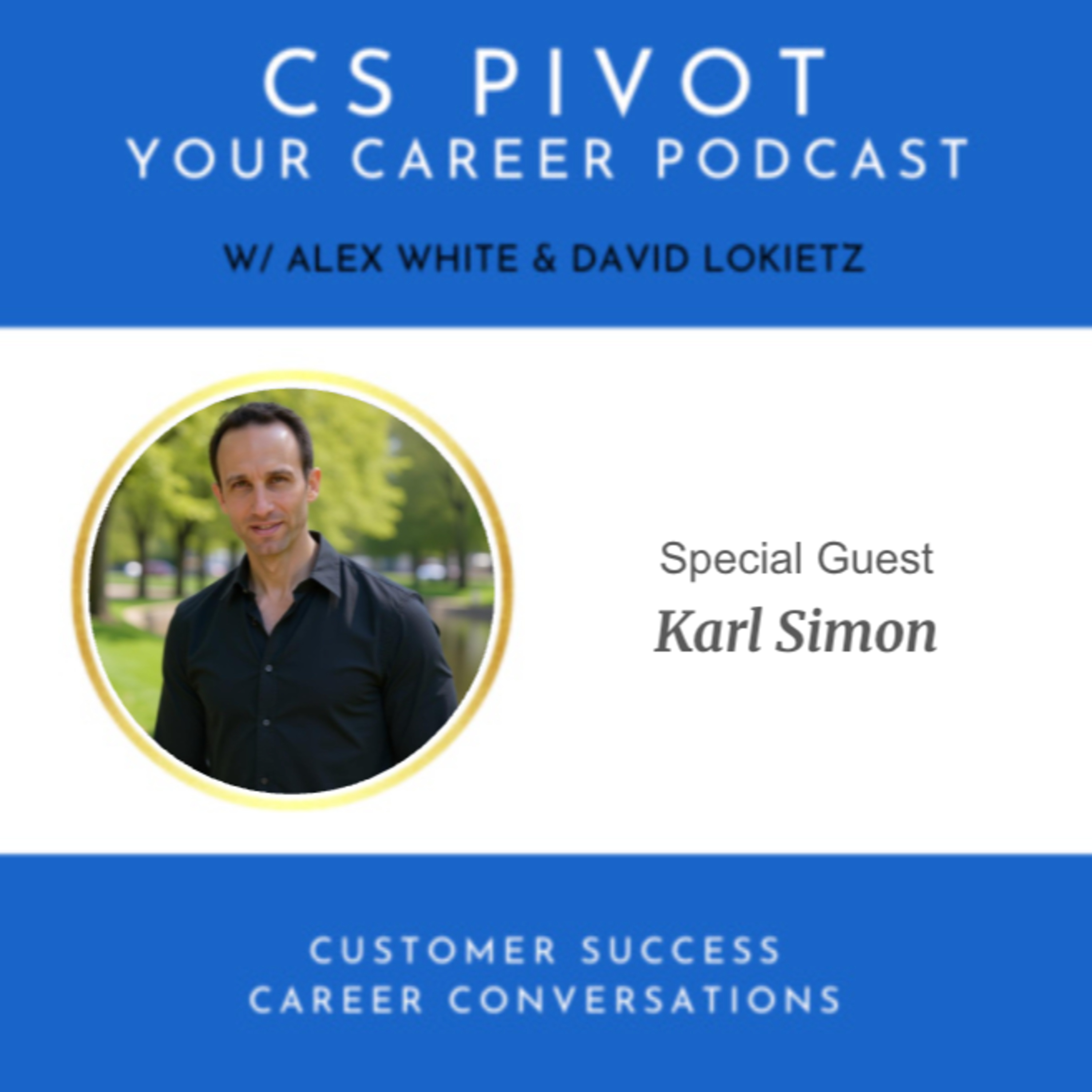 The Power of Unified Data: Karl Simon on Leading AI Innovation78 / 100
 Beyond the Resume: Rebecca Novetsky on Product, Customer Success, and Startup Life51 / 100
 Navigating Global Customers: Sudi Navile on Customer Success and AI Innovation71 / 100
 Pivot to CS & Technology: Amber Monroe's Healthcare Journey67 / 100