
CMO Unplugged · 2026-06-28 · 12 min
Key moments - from our scoring
Substance score
34 / 100
Five dimensions, 20 points each
This meta-episode captures an unscripted conversation between host Chris and producer Caroline James about the evolution and learnings from the first six months of CMO Unplugged. The pair reflect on interviews with Paul Taylor (fractional CMO formerly at Blue Prism), Rula (storytelling focus), Stephen (fractional CEO on short-term revenue), Ravi (agentic AI and creativity), and others, identifying consistent themes: CMOs facing increasing headwinds, pressure to do more with less, shorter average tenure in the C-suite compared to peers, the rise of fractional CMO roles, and the tension between AI-enabled efficiency and human creativity. A secondary theme involves recognition of the communications function's importance to building trust (evidenced by interviews with B2B communications leaders). Beyond podcast episodes, Chris and Caroline discuss building a movement around CMO Unplugged - a private, peer-to-peer community positioned at the B2B end of the market, supported by thought leadership white papers tied to each episode's theme. Berkeley Communications positions itself as the enabler rather than hero of this community. The conversation reveals the hosts' ambitions to scale from six episodes to weekly cadence and to create structured knowledge assets around topics like agentic AI implementation.
CMOs are under siege with constant headwinds, pressure to deliver more with less, and shorter average tenure in the C-suite than any other executive role, according to the first six episodes of interviews.
Agentic AI is an emerging capability that can help automate back-end systems and processes; CMOs should understand its practical applications now rather than waiting, as featured in the Ravi interview on the podcast.
Yes, fractional CMO roles are becoming a clear trend, with guests like Paul Taylor (ex-CMO of Blue Prism) repositioning themselves in this model as a response to organizational pressures and the changing nature of the role.
Human input and strategic judgment are critical differentiators; while all CMOs use AI, it is the human elements they add that create quality work, and purely AI-generated content leads to rising mediocrity.
CMO Unplugged is developing a private B2B community platform for CMOs to enable peer-to-peer learning, supported by thought leadership white papers tied to each episode's theme.
Our reviewer’s read on each dimension, with quotes from the episode.
This episode is primarily meta-commentary about the podcast series itself rather than substantive B2B marketing insights. While there are passing mentions of themes like 'CMOs Under Siege,' fractional CMO models, and AI's role in marketing, these are stated without depth, evidence, or actionable detail. The majority of the runtime consists of hosts reflecting on their journey, celebrating guests, and planning future content - classic filler that offers minimal novel learning for a B2B operator.
They're all finding their own niche, aren't they?
The pressure on the CMO to deliver more with less is part of why there was a piece of research
The ideas presented are entirely recycled and commonplace in B2B marketing discourse: CMOs under pressure, doing more with less, fractional roles, AI's impact on content quality, and the importance of trust in communications. No contrarian perspective, first-principles thinking, or fresh framework emerges. The episode amounts to a surface-level summary of conventional wisdom without challenging or reframing any existing narratives.
CMOs Under Siege
the fractional cmo
The episode briefly references past guests (Paul Taylor ex-CMO at Blue Prism, Rula on storytelling, Stephen as fractional CEO, Ravi on agentic AI, and Betha on communications/trust) without depth about their actual experience or credentials. Paul Taylor's transition to fractional CMO suggests real operator experience, but the hosts' commentary on these guests is vague and lacks detail about their accomplishments, tenure, or specific business impact. No guest is actually present in this episode to assess.
Paul Taylor, who was CMO of, uh, Blue Prism
Stephen, wasn't he. He's also a fractional CEO
This episode contains almost no concrete data, metrics, named examples with context, or specific evidence. The hosts mention research about CMO tenure being shorter than other C-suite roles but provide no numbers, source, or methodology. References to past interviews are anecdotal and vague ('he said this', 'she was great'). No dollar figures, timelines, company performance data, or measurable outcomes are cited to support any claims.
the average tenure of a cmos is shorter than any other on the C Suite
I think there's some. short term revenue.
The conversation between the two hosts is warm and collegial but lacks rigor. There are no sharp questions, genuine pushback, or productive disagreement. The dialogue is largely affirmatory ('they're lovely people', 'it was great') without depth-seeking follow-ups. The exchange reads as two people congratulating themselves on launching a podcast series rather than probing the substance of what they've learned or challenging assumptions about CMO challenges.
They're perfectly normal people, it turns out.
The ones we've met, though, so far. Yeah, they have. They've all, uh, genuinely great human beings and.
Computed from the transcript - who did the talking, and the words that came up most.
Six episodes in, what have we learned? Chris Hewitt and producer Caroline James take a break from interviewing CMOs to reflect on the journey so far. They share what has surprised them, the feedback that's stood out, and how CMO Unplugged will evolve in the episodes ahead. It's an honest, behind-the-scenes conversation, complete with one rather embarrassing microphone mishap. Contact Chris or Caroline: Timeless by Alex-Productions
Transcribed and scored by The B2B Podcast Index.
Speaker A: We are now six podcasts into our series of cmo, um, Unplugged. And we thought this might be a really good time to just pause and reflect on how it's all going and what we're planning to do in the future with the podcasts. And we've been getting some lovely reactions from people. So where do we go from here? Well, Caroline and I, Caroline James, who is the producer of the show, and myself both unwittingly went into this without any knowledge whatsoever to see how we get on and decided to. This podcast you're about to listen to is just a 10 minute chat between us, just reviewing on how things went. We're calling it CMO Unplugged. It is so unplugged that I actually forgot to plug in the microphone. So apologies for the sound quality, but let's just have a quick chat with myself and, well, Caroline James, the producer. Caroline James, welcome to CMO Unplugged. I can't believe that you're here as a special guest on the show. Hello.
Speaker B: I've just learned how to become a producer and now I'm actually a, uh, guest. I'm very, very honored to be here, Chris. Good for us to dissect the last six months of our lives.
Speaker A: Yeah, I mean, I've actually just come out of, I think what is the seventh interview so far. Ah. And that is actually was our first one where a guy actually came into the studio and he was coming in basically. Well, if you remember that Dr. Michael Mosley, very sad story about his passing, of course, but he used to have a program and he launched a book called Just One Thing. And what I wanted this guy to come in and do, Andrew, um, Winton, who's the ex CMO of Kaspersky, was just basically say, what is the one single thing that CMOs can do or business, businesses can do with AI? And it was a really good show. But that we can't. I can't reveal too much detail. No, you can't.
Speaker B: And I haven't, I haven't actually been able to listen, uh, to it all. So I'd like to think what you guys have been talking about that we need to edit.
Speaker A: It was really, really good. But anyway, let's just have a little quick reflection back on this thing because what happened about six months ago and
Speaker B: what happens a lot when working with you, Chris, and that is exactly that you come in and you go, I just had the best idea ever. Usually on a Monday morning, there's usually a list of at least 10 I generally try and put them on the long list, but there's one or two that I realized are not going anywhere, and the podcast was one of them, I have to say.
Speaker A: But you hadn't a clue how to make a podcast.
Speaker B: No, neither of us did listen, but
Speaker A: I nearly find out.
Speaker B: Yeah, thanks for that. I have. Yeah, I have. I have found out. My biggest worry, though, was it can't look. It can't look bad. Okay, so. And, um, what worried me is if we do a podcast, if anyone's going to listen to it, it's going to have to be on Spotify, YouTube and Apple. And I've got to make it stand up against Diary of a CEO or something.
Speaker A: Well, that is actually not a bad idea. Let's make it stand up. Uh, as good as quality is a diary of it. Now, you've got to bear in mind, everyone was a beginner once.
Speaker B: Yeah.
Speaker A: And I think for both us, as looking back at the work that you've done as a beginner, and, um, me too. It couldn't have done it without me, Caroline.
Speaker B: Of course I didn't.
Speaker A: No. But you are the real star of the show.
Speaker B: So basically, for those listeners, if we have any, the reason I'm the star of the show is Chris comes up with this brilliant idea. Can talk to absolutely anybody. But I needed to go and find out what platforms I use, how I use them, how easy do we need to be seeing videos? Or could it just be sound? How am I going to approach the CMOs? Because we've talked about this a lot, but the CMO for me, has always been the most elusive creature, uh, of them all. I mean, I've been selling into marketing, comms, teams, PR teams for 20 years. And the good old CEO, uh, CMO, walks into the boardroom at the last minute when you've done your final pitch and picks the agency that's going to win. But I can never get to them. So I'm really interested. I was really interested to learn how. What makes them tick. How could I, you know, how can I influence the decisions they're making? This is actually. They're so very human and very lovely.
Speaker A: They're perfectly normal people, it turns out. Yeah, well, not all of them.
Speaker B: You know, the ones we've met, though, so far.
Speaker A: Yeah, they have. They've all, uh, genuinely great human beings and. But this is more than a podcast, isn't it? At the end of the day, what we're trying to create is more of a movement here, which obviously, yeah, we want to position Berkeley Communications not as the hero of this story, but as the, I don't know, the Enabler by bringing CMOs together. So this is part of a movement, and that movement we're calling CMO Unplugged. But the first theme. The first theme was cmos, uh, Under Siege. And that struck a chord, didn't it?
Speaker B: Yeah, it did. I think very quickly we were both shocked by how hard the role was and how many things they're getting thrown at them constantly and how they really wanted to talk about that. I couldn't believe how many people just. Yes, let me talk about it. And I think that they really were coming up with similar challenges, weren't they?
Speaker A: The headwinds that CMOs are facing now and then, I think we've learned a lot just by listening to these very, very experienced ones. And I think if you look, if you go back to the very first one, uh, Paul Taylor, who was CMO of, uh, Blue Prism, and since see, Blue Prism, as it ended up being known as, had a huge team behind him, global team of content marketers. But all of a sudden, he's now out there repositioning, reinventing himself as a fractional cmo, which is a theme that's coming through loud and clear that the fractional cmo. But they're all finding their own niche, aren't they?
Speaker B: Yeah, really interesting. Then there was Rula, who I loved Ruler. Uh, she said everything we would want her to say without us asking, actually, didn't she? Because her thing was all about, well,
Speaker A: storytelling, which is my favorite thing. Yeah, Paul was all about actually just tackling the headwinds, keeping it human, the metrics that matter. I remember him talking about that. Ruder came on, talking about.
Speaker B: Well, he also mentioned how he has to do so much more with so much less now. And that's just a given. And that was quite scary. That's, again, another theme.
Speaker A: You're right. That actually, that is a theme, I would say. Yes. Really kicked off solidly when Paul talked about it, but it was pretty much coming through all of the. All of the interviews that we did. In the end is this pressure on the CMO to deliver more with less is part of why there was a piece of research, if you remember, which we put out there, uh, at the very early stages, which is about the average tenure of a CMO now, hence the reason why so many are fractional. But the average tenure of a cmos is shorter than any other on the C Suite, and that kind of is testimony to that. But, yeah, you're right. We've got, uh, some really interesting themes coming out. Who else have we had on the show? Carol?
Speaker B: So we love a storytelling. Then we had Stephen, who again, ex client Stephen, wasn't he. He's also a fractional CEO. Uh,
Speaker A: what now his focus was again,
Speaker B: you know, short term revenue. I think there's some.
Speaker A: Yeah, I mean, so there is the. I do remember quite well the comment that short termism is a big problem and the C Suite, um, in particular across beyond the cmo are thinking that how can we cut costs by using AI as a tool to enable that to happen. Of course, as a consequence, we now see the rise of mediocrity. I mean, what do you think when you look across LinkedIn at the moment?
Speaker B: Well, I don't see hardly any of the same people because every single person is putting much more content out than they did initially. You could spot it straight away. Now it's getting harder to spot it. And I think we will all admit, and every CMO we talk to, we all use AI, but it's the human stuff that we put into it that's great. So that brings us on to Ravi, actually, because Ravi was great, uh, based in the U.S. he was, he was talking about agentic AI and creativity. And AI and creativity. Yeah.
Speaker A: And um, in particular because. And I won't give away too much about the interview I've just done, but how, where do you begin with agentic AI is? So that, that's where the just one thing, you know, works out for me, because it is. What's the practical thing that you can do now? There's lots of good advice coming through from these people, lots of lessons that we're learning.
Speaker B: Well, I have to say with Ravi, I literally, after that I did tell him this as well. Agentic AI. I was like, right, okay, now understand what it is, but is it actually happening? And it's something that I've looked into and has actually helped the back end of our own CRN system. So I learned a lot from that and the team did as well. We certainly understood it.
Speaker A: Yeah, no, that's the point, isn't it? If you do all these things in plain English, we start to get a, ah, feeling of, yeah, we get it. But ultimately the, yeah, we're here to not just promote cmo, uh, Unplugged, um, as a podcast. Now, we, as I said, we want to create a movement around this because when you start talking about all of these problems, all of these headwinds, then the one great way they can all learn from each other. Is not just by coming onto the podcast, but for us to try and enable some kind of community to come together. Now there's lots of CMO club at members club, cmos. There you go.
Speaker B: That could be it.
Speaker A: But the thing here, the nuance that we have is very much at the B2B end.
Speaker B: Yeah, I mean maybe tech as well, but I think what we've learned actually is it doesn't need to just be tech. But yes, B2B. Because let's not forget to beat her as well because what was so interesting about her is on the B2B side of it is she's communications. So she isn't a cmo, but she's a director of communications, she's written a book.
Speaker A: Yes, that's right.
Speaker B: Um, and what she said about communications is trust. Trust, that's right, yeah, right.
Speaker A: It's all about trust. But also she was talking about the, the, the greater recognition for the comms, uh, function with, you know, who may be.
Speaker B: And that's how important it is now.
Speaker A: Indeed, indeed. So, yeah, no, all of these come together in a very rounded way and I think by what I'm keen to do is to see the podcast helping to facilitate a wider community, but also for us to create some kind of incentive for people to sign up and join this community. Because I think the peer to peer learning thing that is really useful for
Speaker B: one another and it's straight away is all of these, all of these six people, you put them in a room together, they're not going to run out things to say and they're going to agree with each other and they would get on like a house on fire. So that's why the private club that we're talking about or really starting to think about for CMOs could really work. Yes, they can talk to each other. What else would they want?
Speaker A: Well, uh, this again, I think the, what has worked out really interesting is the thought leadership that we're putting out with each individual broadcast. So there is a download, uh, write paper so on the, based on the theme of each of the. And I think what we could be talking about when we put the um, Andrew Winton's um, podcast together is that, you know, just one thing. What's the one thing you can do now? And he could just kind of give us all the tips, guide to how to experience um, agentic AI in particular and just do one thing that's going to make a difference to the business. All of these things, they've all got a lovely, lovely little theme. But then of course all that thought leadership starts coming out. We're building up an awful lot of knowledge base now, and we're barely into this. So I say, why don't we just agree today we'll set up this community. I'll, uh, ask you to go and do that on a special platform. You know, you'll find out how to do it.
Speaker B: I'll go find a new platform.
Speaker A: And. And before we finish, I'd like this now to go weekly. Is that okay? Is that okay, Caroline?
Speaker B: Just so you all heard it here, it's not going weekly. Not just yet anyway. But I think this is going to be fun.
Speaker A: Uh, okay.
Speaker B: We've got some good ideas.
Speaker A: Okay, well, let's see. Caroline, before you go, there's one question I always ask people on the program, and I just did it to Andrew at the very end of his interview, and I just wanted to do the same to you. When you were a little girl, what did you want to be when you grew up?
Speaker B: A blue pizza presenter.
Speaker A: And here you are, a presenter on the CML team.
Speaker B: I'm a podcast producer. And actually, I'm just a sales girl. M. And I'm very happy with that. Oh, love you too.
Speaker A: Love you. Bye, Caroline. Thank you for coming on the show.
Speaker B: Bye, Chris. It was a pleasure.
Speaker A: And it certainly was a pleasure, I hope, for everyone listening. Uh, okay, that's the end of our little chat. Hope you enjoyed it. Uh, we're now beginning to start work on the next episode. That is the one with Andrew Winton. Uh, do watch out for that in a couple of weeks time. Thank you everyone for listening.
Other episodes covering the same guests and topics, from across The B2B Podcast Index.
 Radiology Can't Keep Up. Here's Where AI Actually Helps | Dr. Nina KottlerRethink Imaging · on Agentic AI96 / 100
 How People Intelligence Is Helping Shape Cisco’s AI Workforce TransformationDigital HR Leaders with David Green · on Agentic AI92 / 100
 Turning AI Agents Into Revenue Workflows With OutreachTech Talks Daily · on Agentic AI83 / 100
 Unscripted with Victor: Agentic AI, Fintech's Future, and the Death of the App EconomyVentures from The Valley · on Agentic AI83 / 100
 Demystifying AI Regulation, Innovation & the Future of Financial Services with Colin PayneDave and Dharm DeMystify · on Agentic AI82 / 100
 The Agile Insurer: How AI, People and Strategy Are Reshaping Insurance | 8 Industry LeadersMaking Risk Flow · on Agentic AI80 / 100
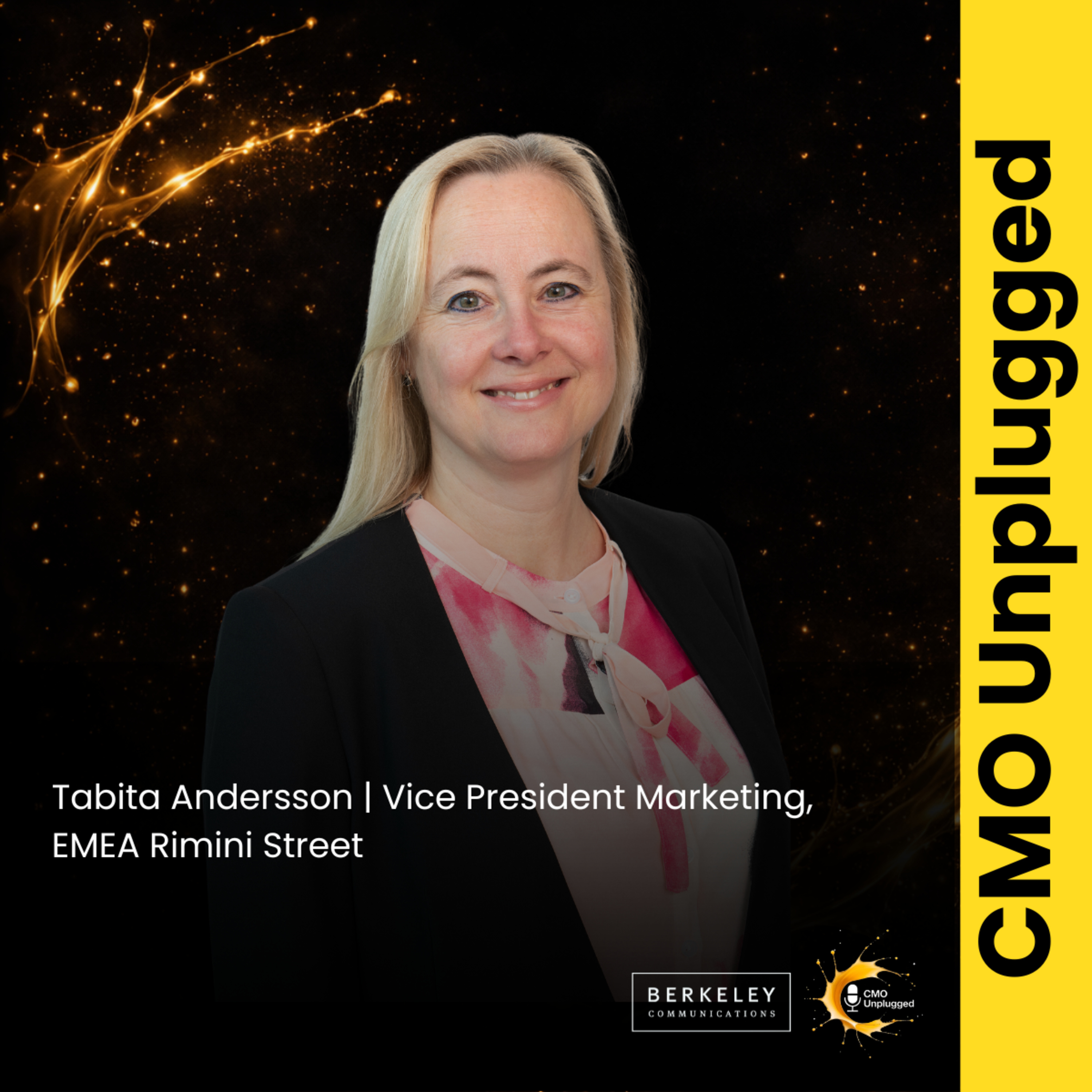 Trust: The Secret Weapon in Modern Communications54 / 100
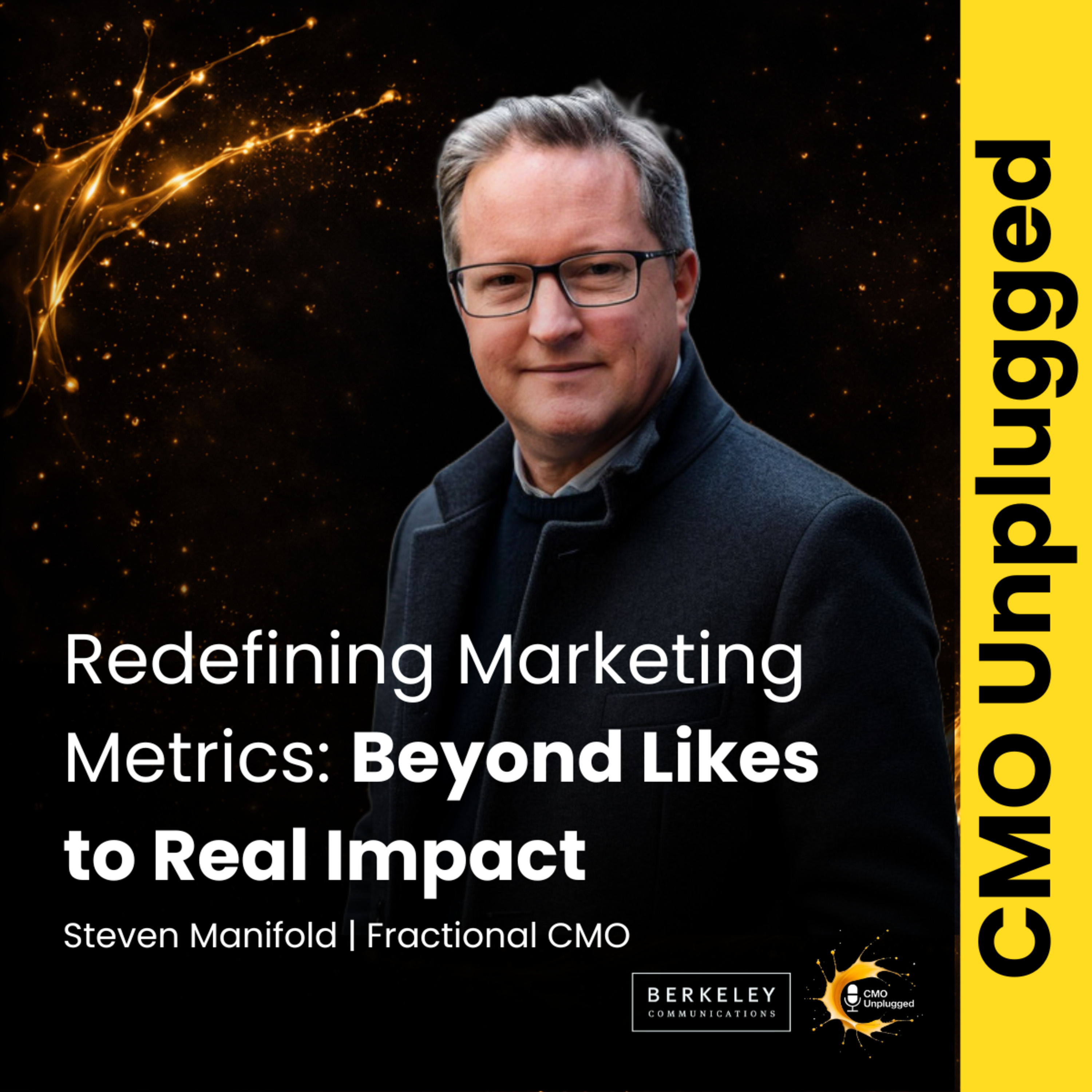 Redefining Marketing Metrics: Beyond Likes to Real Impact57 / 100
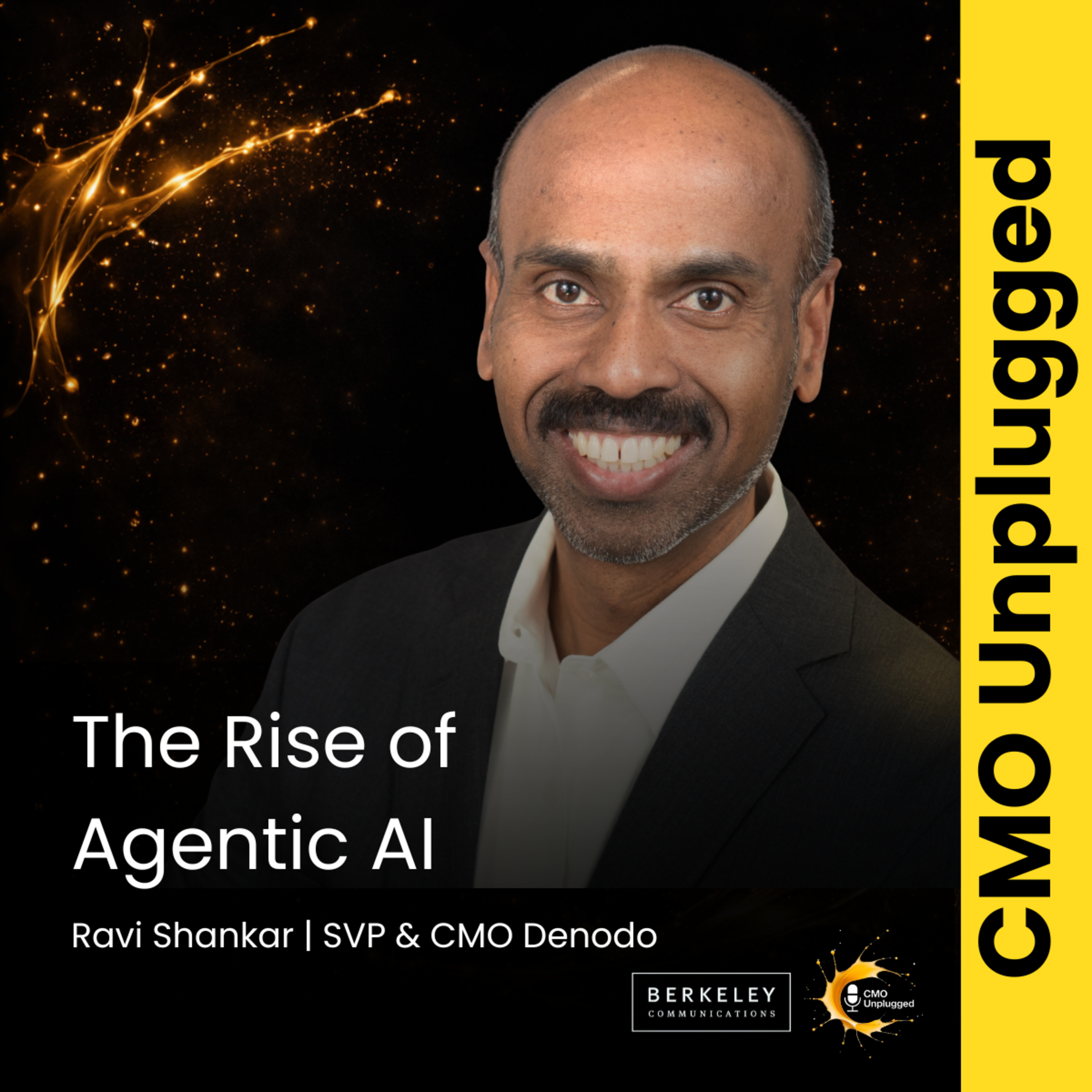 What every CMO needs to know about Agentic AI 54 / 100
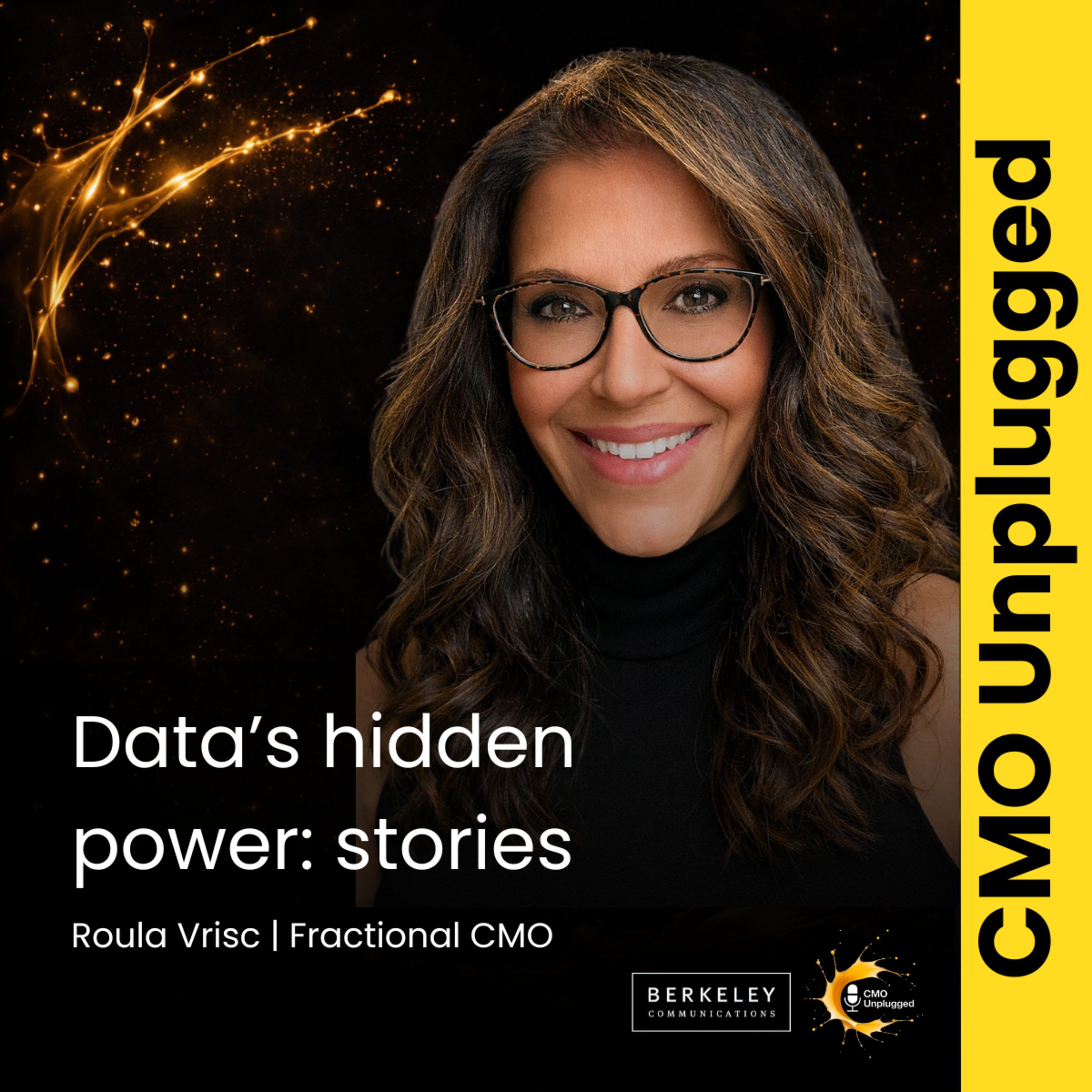 Data’s Hidden Power: Stories, A Journey with Roula Vsric61 / 100
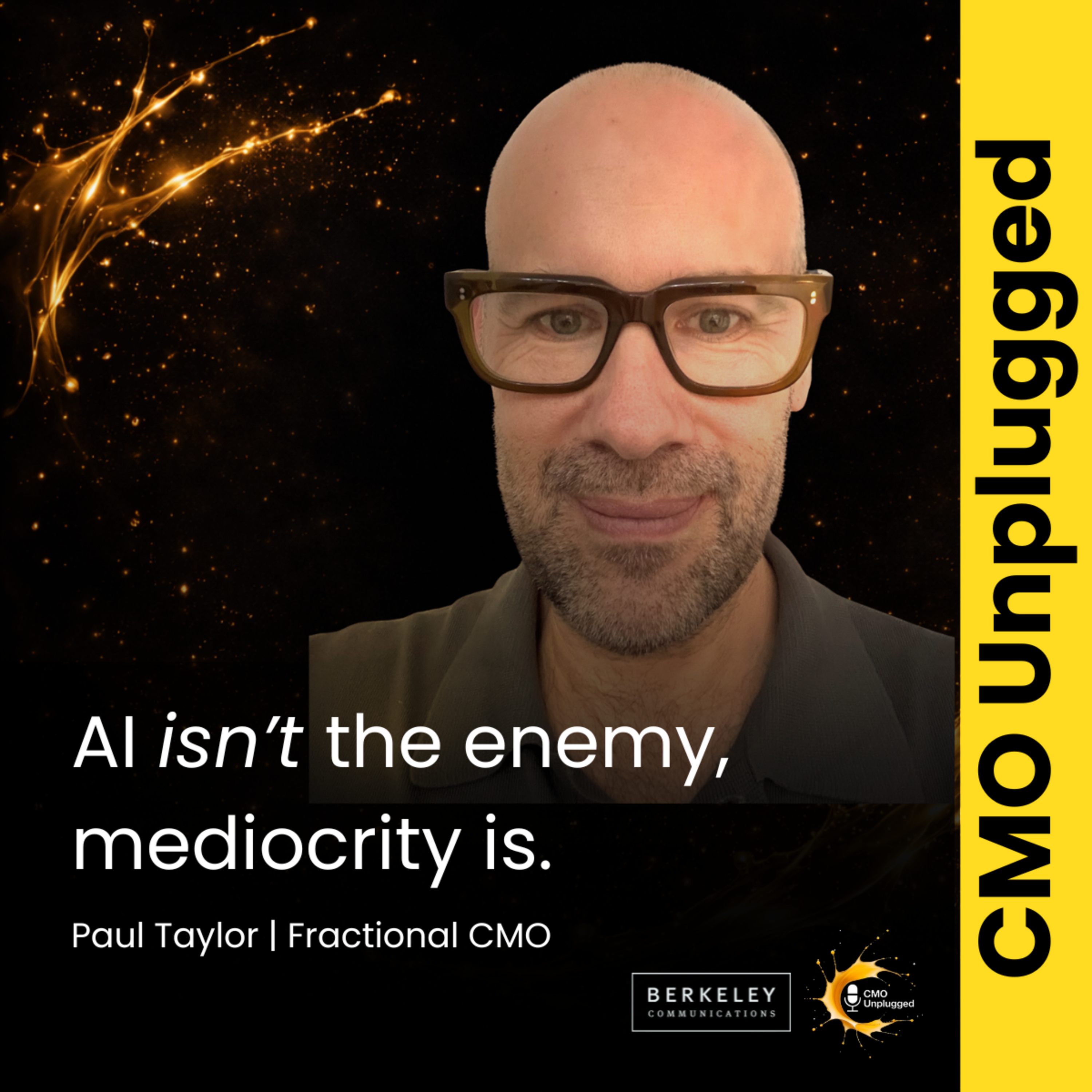 AI isn't the enemy, mediocrity is: Insights from a Seasoned CMO62 / 100