Building Biotechs · 2024-12-11 · 34 min
Russ Peloquin brings two decades of M&A and commercialization experience to a conversation about building and scaling biotech companies in today's difficult fundraising climate. Drawing from his work as fractional CCO and CEO across multiple portfolio companies, Peloquin introduces the 'three P's' - people, product, and pennies - as the framework for moving from idea to commercialization. He emphasizes product-market fit early and staying alert to regulatory blind spots, particularly in diagnostics where FDA 510(k) clearance timelines and strategy can make or break a company. On fundraising, he recommends bootstrapping, pursuing friends and family rounds, starting VC conversations early, and selectively engaging success-fee-based brokers and investment bankers who understand VC thesis-matching. In M&A, he stresses valuing IP moats for pre-revenue companies and validating market demand through consultants and business development hires. His network-building approach - connecting founders with moonlighting operators he's vetted over 24 years - offers practical access to quality advisors. The conversation surfaces real acquisition due diligence demands (financials, HR, IP), the risks of contentious deal negotiations, and why IPOs may no longer be the universal exit, given public market volatility, Sarbanes-Oxley compliance costs, and founder concerns about total transparency.
Russ calls them the 'three P's': people (right team to execute), product (validated product-market fit), and pennies (sufficient funding). Companies must move from minimum viable product (MVP) to product-market fit (PMF) before scaling, which takes time and money - especially since life sciences, unlike software, cannot be developed in isolation.
Bootstrap aggressively to extend runway, raise friends and family as a bridge, start VC conversations early and often (expect 3-6 month cycles), and use success-fee-based independent brokers or investment bankers to refine pitch and match you with aligned VCs - avoiding monthly retainers unless you have capital to spare.
Acquirers will review all financial data (P&L, cash flow, balance sheets), HR files and complaints, and every operational detail. For pre-revenue companies, IP protection and market validation become critical; founders should understand company valuation and ensure buyer fit before extensive due diligence consumes time and resources.
Hire experienced regulatory consultants early to map FDA 510(k) or other clearance pathways, design trials correctly, and identify blind spots before they derail the company; regulatory missteps can kill a startup faster than almost any other issue.
Public companies must disclose all failures and successes, face expensive Sarbanes-Oxley compliance, and subject founders to loss of privacy and control. Market volatility (as seen post-COVID) means timing is unpredictable, making acquisition or licensing a more founder-friendly exit in many cases.
Computed from the transcript - who did the talking, and the words that came up most.
This week I had a great conversation with Russ Peloquin, Managing Partner of LifeSci Catalyst Partners. We dive into Russ's unique journey from aspiring exterminator (yes, you read that right!) to leading life science entrepreneur, discussing his extensive experience in commercialization, mergers, and acquisitions. Russ shares invaluable insights on the importance of marketing, fundraising strategies for biotech startups, the phases of taking a company from idea to commercialization, and the critical steps toward securing regulatory approvals. We also touch on the intersection of genome sequencing, blockchain, and AI, exploring how this convergence is set to democratize and capitalize on personal DNA. Whether you're new to biotech or an industry veteran, this episode offers a wealth of knowledge and practical advice on navigating the complex landscape of life sciences and startups. Get Russ's recommended book! Freakonomics: A Rogue Economist Explores the Hidden Side of Everything Learn more about LifeSci Catalyst Partners!
Transcribed and scored by The B2B Podcast Index.
Speaker A: Today we have a special guest. We have Russ Poloquin, the managing partner at LifeSci Catalyst Partners. Russ is an expert in the commercialization of life sciences and biotech companies, and he helps them navigate the complexities of mergers, acquisitions and business development. And Russ was kind enough to share really valuable advice for startups on fundraising, uh, regulatory hurdles and strategic growth. We also talked a little bit about some cutting edge stuff in the blockchain world, which has not come up yet on this podcast. I hope you enjoy the conversation. Welcome to the Building Biotechs podcast. Over the years, I've helped over 90 biotech, life sciences and venture capital firms strategize and hire thousands of employees to scale companies that impact human health. We speak with those at the forefront of growing biotechs to learn their tactics on building these companies from the ground up. I'm your host, Karina Klingman. I hope you enjoy the show. Thank you so much for being here today, Russ. I'm really excited to chat about your experience, but I love to get a feel for who my guests are. So what did you want to be when you were 7? What are you now? And how'd you get there?
Speaker B: Yeah, so when I was 7, and I haven't quite figured out why yet, but I wanted to be an exterminator. Bizarre. Probably the first time you've heard that on your podcast. But I, I think it had something to do with, with holding the, the big wand. And I love bugs. And so that, uh, I guess maybe kind of burgeoned my love of science and biology. And so now as a managing partner of LifeSci Catalyst Partners, I get to work with different scientists every day. I get to help them and take their vision and commercialize it, expand it, and I help them make their dreams come a, uh, reality. And that's been a really, really cool experience. I love management. I'm a fractional cco. I'm a CEO. Help with overall strategy of the company and then also commercialization. That's what I've done. My whole career is commercialization, mergers and acquisitions, business development, different activities like that. So if a company is again trying to go from zero to one, they're trying to structure out their company, they need a C suite built. Those are all things that I can come in and assist with and do. And it's, and it's really fun. I mean, quite honestly, it's a lot of fun because it's one thing when you're an officer of a company and you're focused and you have a team and, you know, that's great. I love that. That's what I've done my whole career. But it's another. When you can do that for four companies and you get to help four different groups of people and you get to see how different companies, how their cultures develop and how, how they operate and the products that they're creating. It's just, it's, it's thrilling. It really is cool.
Speaker A: Yeah, Totally aligned there. My. That's exactly my client load. Right now. I have four clients that I am the fractional for, for lack of a better word, fractional head of talent for. And it keeps me on my toes. I just love it. So I'm, uh, I'm right there with you. So you went through medical sales, right? And had a little stint there. Tell me about medical sales. And how did you get into that and how did that lead you to what you're doing now?
Speaker B: Yeah, it was, it was just a happenstance call from a recruiter. While I was still in college, I was in the advertising and marketing program at the journalism school at University of Kansas. And it was one of my favorite professors who actually we were. Had a scheduled kind of, what does your career look like in the future? Uh, meetings. And she pulled me aside and said, if I were you, I would look into this. Which was going into medical, medical sales, the medical device, biotech, life science industry. And it was not really nothing that I ever thought of before. And so when she had suggested it to me, it's kind of a head scratcher. And she said, advertising is, is really not a great use of your, of your talents and your kind of proclivity to science and, and looking at data and trying to figure things out. And so during senior year, when you're trying to figure out, where am I going to work, who am I going to work for? I had met a recruiter at a, uh, networking event, business school, and he had called me later on when I was getting closer to graduation, said, hey, I want you to apply for this role.
Speaker A: I always really love speaking with people who have the marketing background because that's something that a lot of scientists lack and is really important in this business. And I bet that helped in your sales work as well. But now how does that translate both your sales, your marketing, that entire background into what you're doing now and how you're actually helping companies?
Speaker B: A lot of people in the science world, founders of device and life science companies, like you said, they don't even know what marketing is. And there's a, there's a really famous analogy that I like to use when I'm talking to these scientists and these founders who don't quite understand what marketing does and what the function of marketing is. And it's like the circus is coming to town and you were to draw up a sign and hang the sign up, that's advertising. Okay? If you were to hand that sign to somebody and they make it real pretty and they put cool graphics and pictures and colors and fonts on it, that's graphic design. You take the sign, you hang it on the back of an elephant, and the elephant walks through town. That's promotion. The elephant walks through the mayor's flower garden and tramples all of his flowers, and the newspaper writes an article about it. That's public relations. You get the mayor to come to the, uh, to the circus and put him in the front row and you get him excited and he's smiling and he's happy. That's publicity. And then you have somebody going around selling tickets, selling merchandise, T shirts, hats and bags of popcorn. That's sales. Now if you're the person that made all of that happen, that's marketing. So people tend to think marketing is inclusive of one or two of those things, but really it's the culmination and it's the coordination of that dance to make everything happen, that's marketing. And so I have taken that sort of philosophy. And when you are specifically in sales or you're specifically in advertising or whatever it might be, but you're able to coordinate everything, that's kind of, uh, an unusual skill set for people in commercialization, because knowing that you're able to coordinate everything and bring one goal to the end, that's really what's important.
Speaker A: That is the best analogy of marketing. I love it. That's so fun. Thank you. So you mentioned in our pre podcast meetings that you love helping companies go from 0 to 1. So that really early phase, tell me about that. And what do you do there?
Speaker B: I call it the three P's, you know, when you're, when you're trying to get from 0 to 1, which just means when you're going from idea, uh, to actual commercialization to something where you have something to sell, you need the three P's, And I call that people. Right. You have to have the right people in place to execute on your plans. You have to have the right product. Because obviously if you don't have the right product, you're not going to sell anything. Uh, but then you have to have pennies. You have to have funding, you have to have the money to get there, especially in this business, because it's not like tech or software where you can just, you know, kind of go into a cave and code yourself into a, into a new viable product. So getting from idea to a, ah, finished product that you can sell, it takes those three Ps. And to borrow from the tech world, it's what they call an MVP to pmf. Mvp, meaning minimum viable product. So you have to have something that goes from idea to something that is at least the minimum thing that you think the market would want. And then the pmf, which is product market fit, which means the product is something the market will want and that the market would buy. And in the life science world, because it takes so much time and money to get to each one of those stages, a lot of founders and a lot of companies are either afraid or maybe they feel like they don't have the money or the wherewithal maybe to pivot if something happens. And I think Covid is a great example of that. So many companies chase the COVID tail during the pandemic, but then the virus would shift. Right? We had different variants coming out and some tests stopped working or some tests weren't as effective and the FDA started pushing. And so I think it got to the point where companies were afraid to pivot because there was always something wrong or, uh, always something coming that would change that product market fit. So what the best companies did do, or the companies that had the ability to, was they prepared for that ahead of time. One of the things I really like doing with companies is helping them find those blind spots before they encounter them, helping them uncover the potholes in the road before they hit and destroy a tire. So once you're at that one stage, once you're ready to commercialize and sell, that's when things really start to move quickly and you need to be prepared for that.
Speaker A: Yeah, that's a really important phase. And it's interesting because I work with a lot of baby startups and there's this exciting scientific idea and the product market fit is definitely not something that a lot of scientists take into account really early in the process. So we talk about that a lot on the podcast because I think it's important to get out there that, like, you always have to have your eye on the prize. It's not basic research anymore.
Speaker B: Right. Having your head down is good and being able to develop a product, I mean, that's, that's really important. But if what you're developing doesn't have a market. What are you doing?
Speaker A: Right, Given the current fundraising environment, which we know is challenging, what strategies are you recommending for biotech startups right now who are seeking capital?
Speaker B: I've been helping and fundraising for 15 years now, and this is definitely one of, if not the most difficult environment that life science startups have ever been in in terms of, of fundraising. So I think if I were to help and they start this fundraising journey, number one is bootstrap. Just scrounge up as much money as you can, save money where you can. Because I think the road from when you start your venture to when you're actually funded from outside sources is three to four times longer than what you might expect or what has been in the past. So as long as you have some kind of a cushion for yourself, um, and for your organization, I think you're going to be better off. Going to friends and family is also, uh, a tip that I give people. People are often shy about doing that, completely understandably so. But you know, when you raise from friends and family, you don't have the monthly phone call from your investor saying, okay, what's the update? What's happening? It's, it's a little bit friendlier that way. And plus that's, it acts as a nice bridge between when you start your venture and when you're funded. And speaking of funded, start Those conversations with VCs early and often because again, that process, instead of being 30, 60 days, could be three months, six months, maybe even a year sometimes because the, the VC is saying, sounds like a great idea, but now's not the right time to give us a call in six months. So then the process starts all over again in six months. And don't be afraid to go talk to reputable brokers and investment bankers. That was when money was easy and money was, was really easy to come by. They kind of got a bad rap because they were charging a, uh, success fee and monthly retainers for a service that wasn't really required because VCs were just kind of throwing out money like it was going out of style. But now that it's more difficult, they do have that Rolodex and they do have the knowledge and they do have the experience to look at your pitch deck, for example, and say, ooh, this doesn't look quite right, or, oh, I would, I would take this out, or I would add this, or I'd embellish more on that, or I downplay this, but just make sure that you're doing it on a Success basis. A lot of the big banks, like the Goldmans of the world, they will charge a monthly fee and that's fine. If you've got the cash to pay for that, I think you'll, you'll reap those benefits. But most startups don't have $50,000 a month to spend on an investment banker. So you can find some good ones out there, some independent people who only charge based on success, based on what you actually raise.
Speaker A: Is that something that you have a good network in? And can you help people find those investment banking partners that are maybe a little more wallet friendly?
Speaker B: Yeah, yeah I can and I have, I have helped and it's really, it's, it's kind of a matchmaking game, right, because VCs have, have uh, a, what's called a thesis that they go by, they have their investors that invest in their funds called limited partners or LPs and they promise to those LPs we are only going to invest in these kinds of companies at this stage of their life cycle. So it's kind of a waste of everybody's time if you're going after VCs and investors who aren't at that spot. So being able to connect people with the right investors is really important. Now I'm not a broker because you have to have a license and you have to have uh, a very specific clearances from the SEC to be able to do that sort of thing. So at most you can call me kind of a matchmaker, but I don't get compensated based on that kind of arrangement.
Speaker A: So at Lifeside Catalyst Partners you also match make between other types of consultants too, depending on the clients you're working with and the company's need. Can you tell us a little bit about that network that you've built and how that works?
Speaker B: Sure. I've had just the awesome pleasure of working with some of the best people in the industry in my career and I've been in this business now for 24 years and uh, don't like to say how many, but I've worked with some of the best people in the industry and I keep in touch with, with the good ones as they say. So I like to connect those folks with people that I'm working with because I know the quality of their work, I know their ethics and their, their moral standards, I know how they work, I know the quality of their work, I know what it looks like, I know the output, I know how long it takes them, um, I know their ins and outs. So being able to reach out to those people. These are people who are still working, they're still doing the thing that you are hiring them to do. And there really is no better experience than that, than people who are in it still. And these people moonlight in their spare time and nights and weekends to be able to put together these projects. And like I said, I know the quality of their work and they wouldn't be a part of my network if they weren't.
Speaker A: Yeah, that sounds really valuable. We talked a little bit about your expertise in the diagnostics space. And so I'm curious, thinking about all of the regulatory hurdles to get a, uh, diagnostic quickly through the process. That sounds really valuable to have folks at all those different steps that can kind of tag in.
Speaker B: Yeah, yeah, absolutely. And getting FDA clearance, whether it's a 510 or, or what, what have you, it's expensive, right? And it's, it's never quick. It, it's never something that happens in 30 days or 90 days. But if you have the right people helping design those trials and, and putting the strategy together from the outset, that really does help the process. Because there are few things worse that will kill a diagnostic startup or, or any, any med device, biotech, life science startup that has a regulatory overhang. Nothing will kill a company faster than going through two years of a, uh, regulatory strategy only to find out, oops, we should have turned left when we turned right instead. So having those people help again, look for the blind spots, look for the potholes, Having those people in place is extremely valuable.
Speaker A: You've been involved in several acquisitions. Can you tell us how that works with these smaller companies and what to look out for in those processes?
Speaker B: Speaking from the founder's perspective, you have to find the right buyer if you are, are trying to sell your company or you're looking. And really what it comes down to is recognize the value of what you've built. Make sure that those conversations are amicable from the start, let's put it that way. Because when these conversations are kind of rough and a bit contentious and negotiations start before you even have a, uh, meeting, uh, of the minds, it's not going to get easier, it's only going to get harder. So when you step into those, those conversations, know your value, know the value of your company if you can. Whether you have to hire an outside firm to, to do evaluation, or if you're profitable and you're generating revenue and which usually if you're getting acquired, that's the case, have a, uh, private equity firm that might be interested in buying you they value companies essentially for free, because that's what they do. So take those phone calls, let them put a price sticker on your company and value not just your company from a monetary perspective, but also put a value on your time and your expertise by betting those potential acquirers. Because due diligence is no joke. It can be invasive and it can take a lot of time. So make sure you're getting into bed with the right people at the outset before you spend all this time kind of trying to figure out if it's even worth it. And then when it does come time to finally put pen to paper and sell your business, take care of the people who helped you get there. I've seen a lot of founders, and to their credit, they bled and sweated and, you know, cried over their, their startups for a number of years. And they deserve every single dollar that they get once their company is acquired. But don't forget the people that helped you get there. Build options, create an option pool, make sure they're protected when you do build that contract somehow so that they're taken care of. Because I think that that's important is
Speaker A: to also, um, you talked about this being an invasive process. Tell us a little bit about that. What might a company be expected to open up their books on?
Speaker B: What are they not expected to open up? I mean, everything from what you would expect, like, uh, P and L and cash flow and balance sheets and expenses, every bit of financial information that you can think of, all the way down to HR files and what complaints have been brought up to HR and what's been resolved and how is it resolved and if it's not resolved, why not? And what do you plan to do? I mean, there are all sorts of things that acquires, will get into, because, you know, just think of it this way. When you buy a car, a uh, used car, you're going to want to know what's wrong with that car before you buy it, right? You want to know every single thing that could and has potentially happened to that car before you end up driving away with it. Same thing with a company.
Speaker A: Hey there. Just a quick break. I wanted to let you know that if you're listening to this podcast because you are exploring careers in biotech, which it turns out quite a few of our listeners actually are, you might be interested in the Biotech Career Coach podcast. It is brought to you by our sister company, the collaboratory Career Hub. Huh? Which is our career development community. If you would like actionable tips on job seeking and career development that Is the place for you. It is a companion podcast to our Career Coach column that we write monthly in Biospace. But we go a little more in depth and sometimes we have special workshops and all of that good stuff. So if that sounds interesting, click the link in the show notes or search for the biotech Career Coach on Apple Podcasts or wherever you get your podcasts back to the show. And what if a company's not cash flowing yet? They are. They have an idea. They have a cool, promising technology. What about that process for an acquisition where their P and L is not going to actually have any thing on it, at least in the positive category? Right.
Speaker B: Well, then it's about ip, right? It's about what do you have protectable? What is what they call a moat? What is the moat around your product or your idea that's protectable so that some other company can't come along and do the exact same thing. So companies do acquire ip. I mean, it happens every day. There is a difference between being bought by say, uh, a competitive company or being bought by an IP holding company or being bought by private equity, for example. Having that IP moat is really important. Making sure your patents are filed and are protectable from the rest of the world. But then also you have to have some kind of a market validation. So spending time and a little bit of money hiring a consultant or having a marketing or sales business development type of person come in, that can help you validate the fact that yes, if this product existed, if it was commercialized, it would be purchased and how much would people buy it for? What would the market look like? What's the total addressable market versus what you can actually sell to? Because that's going to just put more value on your ip. Because it's one thing to buy a patent or to buy an idea, it's another to buy potential revenue, which is at the end of the day, what companies look for.
Speaker A: It's really interesting. That's not something we've talked about, uh, very much. Other exits that are very good for biotech. So we hear about licensing, we obviously hear about IPOs and staying the course. Do you have any thoughts right now in this market, what you're seeing with the ideal exits?
Speaker B: Yeah, you know, IPOs are tricky. You have to be a really special type of life science, biotech to go public. In, in my opinion, it's a push pull between investors and founders, I think because investors want to go public, obviously because they want to recognize return on their investment. Founders, the smarter ones, may be kind of Pushed back a little bit because once you go public, it's open kimono. Everything that you do, every failure, every success, everything that you do is now public information and you have to disclose it. And because of Sarbanes Oxley, it's extremely expensive just to maintain yourself on the public markets. So call it 20 years ago is everybody's dream to go public. That's what everybody wants to do. I'm going to, I want to ring the bell on the Nasdaq now. If you're talking about the market today and how it exists right now, I mean anyone, all you have to do is look at your 401k to, to know the markets have been on a tear. It's been a really, really good past couple of years for the stock market. But that's, that's no guarantee, right? And if there's one thing that we've learned over the past from COVID onward, it doesn't take much for everything to just flip upside down on, uh, its head. And we have an election coming up in three days and who knows what's going to happen with the results of that. And between then and inauguration day and post in, I mean, there are a lot of uncertainties. That just goes to show, if you would've went public six months ago, what's gonna happen to your market cap between then and, uh, the election? So IPOs are great if you're the right company. If you're not, push back on your investors if they're trying to make you go public. Acquisitions are usually the best route, especially if it's a competitor or if it's somebody who does something similar to what you do because your value automatically increases. Because they don't have to spend the money to implement what you've got, to start selling what you have or to continue research, because they're already doing it right? So versus a company or some other entity that's not doing what you're doing and they have to spend the money to create that infrastructure to do what you're doing. If it's a, uh, kind of a one to one, then your company already becomes more valuable. So it's, it really depends on what I'm, um, on the company.
Speaker A: I want to switch gears a bit and talk about the blockchain. How do you see the intersection of advanced genome sequencing, blockchain and AI? Because we're seeing a lot there right now. Now.
Speaker B: Yeah, when you say those three things, it kind of sounds like a, like a word salad for, for investors. I mean, those are really some of the hot areas for investing right now. And I happen to be working with a really innovative company who is literally at the intersection of those three, those three worlds. It's not so much the world of, uh, biotech that this particular company or companies that play in those fields I feel would change. But it's really, especially with this particular organization, I see them really changing the world. And it's a, ah, cliche and I very rarely if ever use it. But what they've done is they are able to allow people to democratize and capitalize on their own DNA. So think of 23andMe, for example, the billion dollar unicorn that's now a flaming heap of garbage since they've gone public. So the issue with 23andMe has been that they would advertise to you and say, send me a vial of your saliva, we'll analyze your DNA and we'll send you a report that says you're 10% Ukrainian and 20% Irish and 15% this. Right? Okay, cool. I mean, interesting, fun to talk about at a party on the weekend. But then they take your DNA and they'll sell it to Pfizer for $10,000. You don't see a dollar of that, right? You got a report that, that talks about your ancestry. That's what you got out of it. So what this company has done is they not only sequence your DNA, but the 23andMe M sequencing called CH38 looks at 0.02% of your DNA. The what's called T2T, which is another form of whole genome sequencing that this company does, they look at 99.98% of your DNA. So it truly is a whole genome. And we're talking terabytes of data here. And what they do is they've put that up onto the blockchain. So unlike 23andMe that got hacked, which is another reason why they've fallen from grace, because they stored that data on server farms and where anything else would be uploaded to the cloud, which is hackable versus what this company does is they store it on the blockchain, which is unhackable. It's tumbled and it's. There's a lot of proprietary ip like we talked about earlier, that's involved in the way that they store that data and privatize it so that it, it can't be hacked or identified to individuals. And then pharmaceutical companies, researchers at universities and academia, they use this company's AI system to crawl through all of the data from all of the people that have submitted their information and find specific people that have the genetic markers that they might be looking for. These researchers now they'll reach out to biobanks and they'll spend 2, 300, up to $10,000 a piece looking for specific data, specific information, but they can't get too specific because they don't have the ability to do that. They just buy a, uh, group of people and they pay a lot of money per sample. So what this company does, it allows that, that researcher to find specifically what they're looking for. Then the researcher can reach out to that individual data holder through the app anonymously and say, I want to offer you $1,000 for your genome. And the person can then say, okay, well, what it, what is it that you're researching? Oh, you're researching cardiovascular disease. My father passed away from cardiovascular disease. I'd love to help support that. Click. Yes. That researcher uploads the funds into the account and it gets transferred to the person's bank account all seamlessly through the blockchain. So it really is a true amalgamation of AI blockchain and human genetics, all culminating into a way for people to democratize and capitalize on their own DNA. So it's a, it's a really neat concept in which they've already, we talked about market fit and we've talked about market validation. They've already got that. But they, like so many others, are right in the midst of going through fundraising.
Speaker A: That's really fascinating, company. When we did our intake meeting before this podcast, you had mentioned this blockchain connection here. And that's not something I think biotech has really delved into yet. We hear about it with the crypto world and all of that. So I think people have a negative. I don't know if it's negative. They have a connotation, whatever their perceived connotation of crypto blockchain is.
Speaker B: Yeah, and that's not unusual. People are generally kind of, they push back on things they don't understand. And I'll be the first to say I, I'm not a, uh, what they call a crypto, bro. Like, I don't invest in Bitcoin or dogecoin or Shiba Inu or whatever these other coins are. Uh, but essentially the blockchain is a way to store data and to have data exist but decentralized. So it, it doesn't exist on a server sitting in Palo Alto in some server farm. This is something that is existing through a series of, I guess, call it terminals, computers that, that exist amongst each other and because it's constantly circulating and it's all tumbled for, for lack of a better word. Think of a puzzle that's broken up into a bunch of pieces. If you had to grab one piece and look at it, you would have no idea what it is until it's all put together. But it's the specific key that the blockchain individual holds that puts the puzzle, uh, all together to actually look at it and have it make sense. And you're right, it hasn't really been used in life sciences and biotech because no one has really kind of figured out what the utility is. But really what it comes down to is safety and it's encryption and when it comes to DNA. And I think 23andMe is a great lesson. Encryption is important, especially when it comes to your own information.
Speaker A: Yeah, I want to put our listeners on notice with, with AI and the ability that we're seeing for deep fakes and things like that. There's a lot, at least in the, the shows, the podcasts, the media I consume that's very security conscious. There's a lot of talk about moving more and more toward the blockchain for a lot of things that involve our personal information because of. It's much more secure. So if you're, if you're new to that space, it's definitely worth listening to some information, finding some information about it, because it's coming and I think it's coming really fast. So that's my soapbox. What do you personally want to achieve in the next 10 years either with this company or maybe something beyond?
Speaker B: Yeah, I would love for anyone with an idea to be able to develop that idea into a product and then to commercialize that product. I kind of envision myself being able to, no matter where they're at, being able to help them do that, whether it's finding an investor, getting them ready for pitch meetings, getting them funded, commercializing a product, making sure that product does have market fit, and getting them ready to actually do something. And then once they're there, scale. We didn't really talk much about scaling today, but that's another big part of, uh, what I do is helping companies. Once you're at that, once you're at one, how do you then get to that next level and that you don't grow too fast, or if you're growing fast, making sure you're prepared for that growth, which is also important.
Speaker A: I'm always looking for good things to add to my reading list. What is your recommendation? For me?
Speaker B: I love the book Freakonomics by Stephen Levitt. Yeah, it doesn't really have much to do with biotech, but what it does is it shows you that looking at data from a different perspective really can help you kind of change your view of the world. And it's wildly, wildly fascinating. It's a nonfiction book. It's more of a. More of multiple essays. And he's an economist, so he looks at different data sets and says, well, if you look at it this way, it can really show you X, Y, Z. It's a. It's a fascinating book.
Speaker A: I love books like that. I'll definitely check that out. I've heard of it before and I've heard great things about it, and I think it's so clear. You mentioned we're right now in an election cycle. You can see this at work, right? Looking at data, the same data sets from multiple points of view, multiple ways. And as scientists, I think we're uniquely positioned to think about that and how that juxtaposition happens. So very good recommendation for people who want to learn more about you.
Speaker B: Where's the best place they can send me a message on, uh, LinkedIn? They can go to my website at lifesci catalyst. Com or send me an email at russ lifesci catalyst.
Speaker A: Com. Perfect. We'll put all of that in the show notes so people can click right through and get to you. Thank you so much. This was really interesting. I learned a lot. So thanks for your time today.
Speaker B: Yeah, thank you. I had, um, fun.
Speaker A: Building biotechs is brought to you by Recruitomics Consulting. You can find building biotechs in Apple Podcasts, Spotify, Google Podcasts, or anywhere else podcasts are found. Make sure to click subscribe so you don't miss any future episodes, and join our mailing list for a weekly dose of biotech news and a podcast overview. And if you need to install a recruitment engine that saves time and money for your growing company, reach out for a free strategy session. I'm always happy to share my expertise and show you techniques to simplify your hiring process and maximize returns. On behalf of the team here at Recruitomics Consulting, thanks for listening.
Other episodes covering the same guests and topics, from across The B2B Podcast Index.
 MEL #065 | From Technical Expertise to Meaningful Impact Through Strategic Thinking and Asking Why with Dr. Bharat MadanMastering Engineering Leadership · on Minimum Viable Product (MVP)83 / 100
 How Medical and Dental Practices Can Grow More Profitably with Ibrahim AshmaweyProvider's Edge · on Minimum Viable Product (MVP)78 / 100
 The Brain as a Metabolic Monitor: Casey Halpern, MD, of SynchNeuro on Predicting Blood Sugar from Behind the EarStartUp Health NOW Podcast · on FDA 510(k) clearance76 / 100
 Freshworks CMO Kady Srinivasan on GTM - ICP, Not ProductB2B Go-To-Market Leaders · on Product-market fit (PMF)75 / 100
 Who Should You Involve in Your ERP Selection? - The ERP Advisor Podcast Episode 146The ERP Advisor · on Due diligence74 / 100
 How a Solopreneur Used One Client Exit to Pivot and GrowSolopreneur Sessions with Fexingo · on Minimum Viable Product (MVP)72 / 100
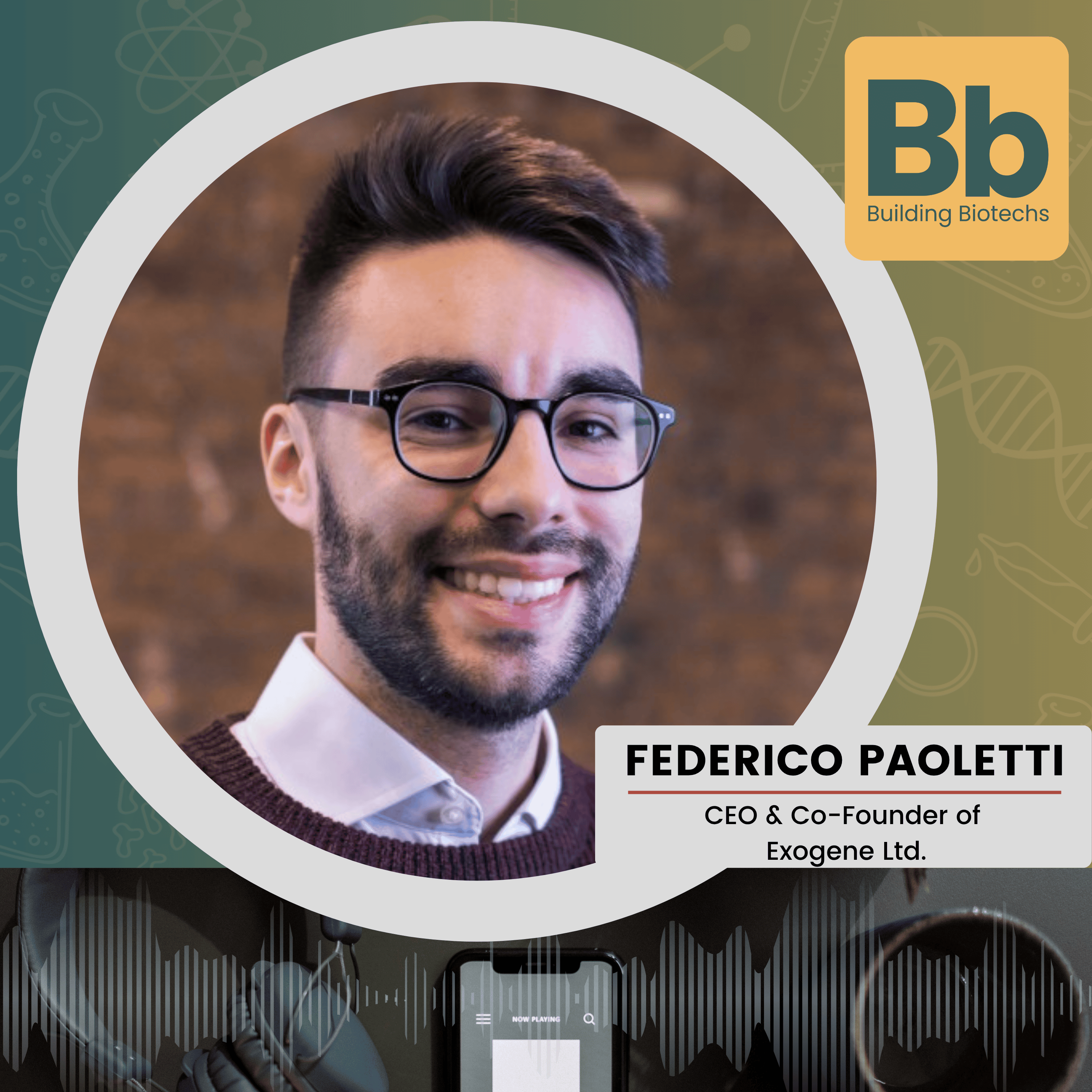 Putting the “Tech” in Biotech: An Unconventional Path to Building a Therapeutics Company, with Federico Paoletti, PhD72 / 100
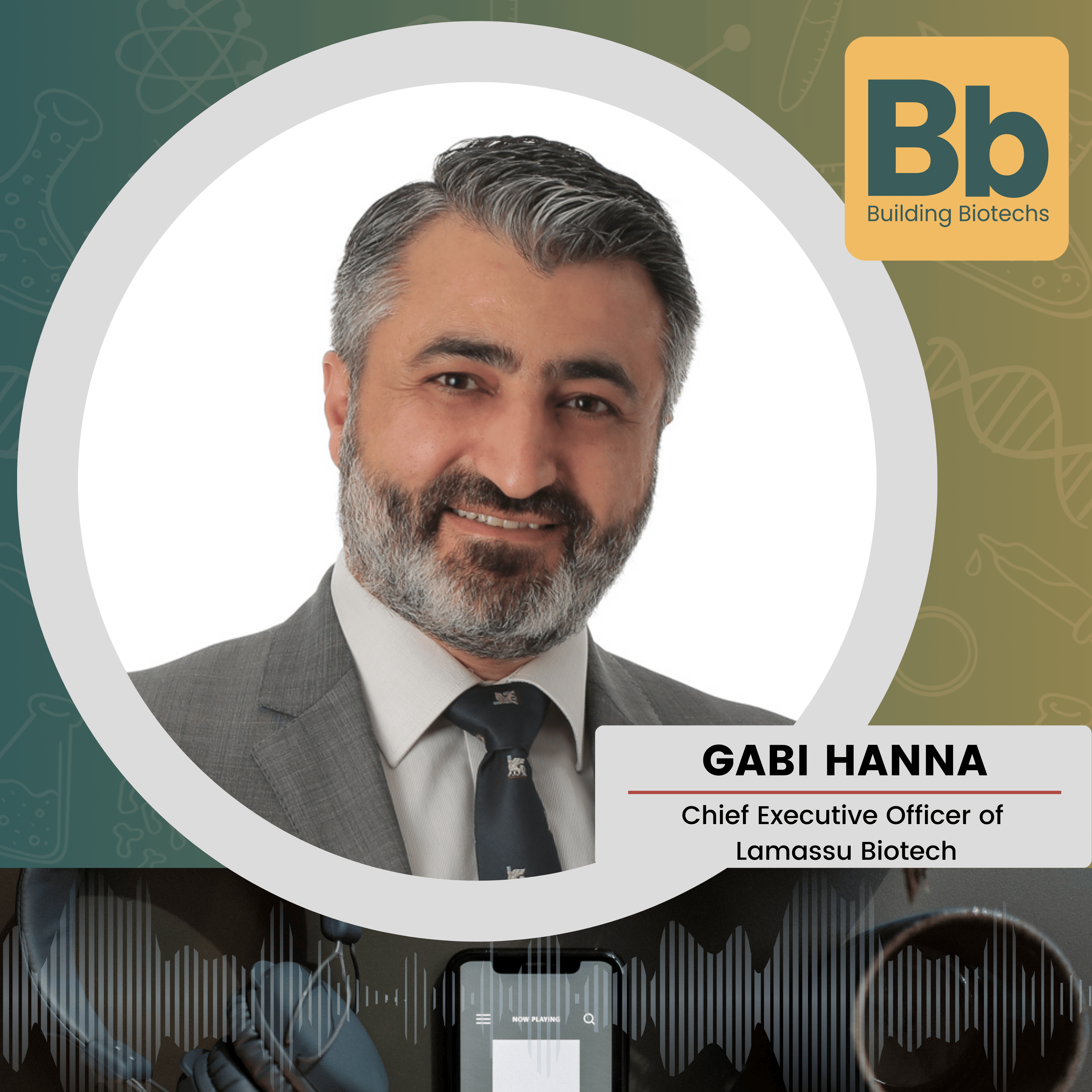 Accelerating Drug Development is a Moral Imperative with Dr. Gabi Hanna, MD
 Funding, Partnerships, and Growth: Strategies for Startup Biotech Success with Fractional Chief Business Officer Renee Williams
 Trust, Teamwork, and Innovation, with Natalie Nairn, Co-founder and CEO of Cyclera Therapeutics
 The Science of Success: Transforming Scientific Concepts into Marketable Products with Stacy Frye, co-founder and CCO of Stimulus Bio