Broken Healthcare · 2026-06-19 · 2h 9m
Key moments - from our scoring
Substance score
43 / 100
Five dimensions, 20 points each
Ray Kober discusses his personal experience with psilocybin therapy and three months of alcohol abstinence with Dr. Dana Minso, a family medicine physician and certified yoga instructor who challenges conventional healthcare approaches. Dr. Minso shares her perspective on plant-based medicine (ketamine, psilocybin, ayahuasca) as legitimate therapeutic tools despite regulatory constraints protecting her medical license, and introduces a vibroacoustic table - a surround-sound, frequency-based device using weighted blankets and vibration to teach the body calm - which she's using with neurodiverse children in her practice. The conversation explores why patients conflate quality healthcare with insurance brand names and hospital system affiliations, arguing that large healthcare systems become rigid and profit-driven, while independent practitioners like Dr. Minso can pivot, experiment with emerging modalities, and maintain deeper patient relationships. Relevant for healthcare operators questioning whether consolidation serves patients, and practitioners exploring alternative therapies within regulatory boundaries.
Ray reports being three months alcohol-free since his guided psilocybin therapy session, where he went in with the specific intention of addressing his alcohol consumption and addiction.
A vibroacoustic table is a therapeutic device that uses weighted blankets, targeted vibrations over chakra areas, headphones, and different sound frequencies to teach the body calm; it's designed to create an immersive sensory experience and can be customized based on patient needs.
Dr. Minso must protect her medical license, as regulatory bodies have pulled licenses before from physicians recommending alternative medicines; even if licenses are restored, the doctor's practice is often ruined by the process.
Patients often believe quality healthcare is determined by their insurance brand (United, Aetna, Cigna) and affiliation with large hospital systems, when in reality consolidation creates rigid policies and profit-driven care rather than better outcomes.
She describes her two biological children as neurodiverse with energy patterns from birth, approximately two years developmentally behind their peers emotionally, and identifies herself as a super empath who picks up on subtle energies others don't perceive.
Our reviewer’s read on each dimension, with quotes from the episode.
The billing breakdown section contains genuinely useful insights for employers and operators (CPT code mechanics, chargemaster vs. insurer rates, ASO auto-adjudication), but these are buried inside roughly 45+ minutes of magic mushroom autobiography, vibroacoustic table anecdotes, ice cream advice, and general wellness chat irrelevant to a B2B operator. The actionable content density per minute is poor given the runtime.
the insurance industry for the last 40 years has made everything seem unpredictable because they price gouge, they artificially inflate prices, which scares people. Um, they don't allow physicians and systems to publicize their prices actually written into their contracts.
if you have an independent tpa, that is a good tpa...they have different thresholds. So even they will employ some auto adjudication just for efficiency. But they'll have buckets. Okay. Any claim that comes in that's above $2,000, we're gonna put an eye on it.
The hospital-overbilling-vs-actual-reimbursement framing is well-worn in the alt-benefits space, and claims like 'nonprofits masquerading as for-profits' and 'brokers aren't evil, just incentivized' are standard talking points. The one moment of genuine freshness is using a real personal ER bill with actual payer-rate data to illustrate the gap, though even that approach (dissecting surprise bills) is increasingly common.
most of the health systems nationwide are for profit organizations masquerading as nonprofits
The insurance industry for the last 40 years has made everything seem unpredictable because they price gouge
Dr. Dana is a genuine practitioner - family medicine physician, former outpatient addiction medicine director, DPC founder with a full patient panel - who has actually navigated the system as both provider and patient. However, she operates at modest scale (small DPC practice in two Pennsylvania locations) and is not a benefits leader or operator at the enterprise level the show's B2B framing implies; her insights are clinician-level, not CFO or health-plan-sponsor level.
I ran an addiction medicine center outpatient
I have a health sharing plan. I love Zion Health Share. I've had them for years. And so I'm not worried... I've been through a hysterectomy with them. Now I've been through a broken arm with them.
The billing case study is the episode's strongest segment, anchored by real CPT codes, actual chargemaster prices, and payer-specific reimbursement data from payerprice.com (e.g., Cigna pays $68.77 for an elbow X-ray billed at $902). Kaiser stat on average premium cost is named and sourced. However, several other claims - about school shooters on psych meds, GMO grain strains, and the 2035 premium projection - are asserted without evidence and one fact-check attempt during the episode actually came up inconclusive.
Centara is actually getting reimbursed $78.44. Um, from United and $68.77 from Cigna for the elbow X ray. Okay, so then why am I being billed $902
$982. $982. And then, um, for the physician assistant that's employed through Webi, $837 for a five minute visit
The host spends the opening 25+ minutes narrating his own psychedelic and alcohol journey before pivoting to the stated topic, and throughout the episode he predominantly validates, echoes, and finishes the guest's sentences rather than probing or challenging. Questions are mostly leading ('When does it become a story?') and there is no meaningful pushback on any healthcare claim, including the unverified assertion about psych meds and school shootings.
I love hanging out with you as well. You're. You're. Everyone puts doctors on a pedestal
When does it become a story?
Computed from the transcript - who did the talking, and the words that came up most.
She billed me $902 for a two-second X-ray. The insurer pays $78. In this episode of Broken Healthcare, Ray Kober sits down with Dr. Dana Mincer DO - physician, Direct Primary Care founder, and certified yoga instructor - to break down what really happens when a doctor becomes a patient and gets the bill. Dana slipped on the ice on New Year's Eve, fractured her elbow, spent an hour in the ER, saw a PA for 7 minutes, and never met a physician. The bill? Over $3,300. She brought slides. In this episode: → The itemized bill from Sentara Health - and what insurers actually pay for the same procedures → Why a physician was billed who never walked into the room - and what happened when Dana called to dispute it → How CPT billing codes work and why hospitals always bill at the highest possible level → Why the chargemaster means the same procedure has hundreds of different prices at the same hospital → Why most US hospital systems are for-profit organizations operating under nonprofit status → How auto-adjudication works - and why insurance companies are blindly paying claims nobody is reviewing → Why self-funded employers using United, Cigna or Aetna as their TPA are paying full retail.
Transcribed and scored by The B2B Podcast Index.
Speaker A: This episode of Broken Healthcare podcast is brought to you by Benefixa healthcare consultants. Visit benefixa.com to learn what's possible. Reduce the cost of healthcare for your organization, deliver better outcomes for your people, and yes, design health plans that give your people a path to zero dollar out of pocket cost for healthcare. Visit benefixa.com today, Get ready to take
Speaker B: control of your healthcare.
Speaker A: Here's your host, Ray Kober, and we're live. Ladies and gentlemen, welcome to Broken Healthcare. My name is Ray Kober. I am your host, and I am delighted to have in the studio with us today Dr. Dana, mentor do extraordinaire. Welcome back to the big show. Show, Dr. Minsa.
Speaker B: Thank you. I'm excited to be here.
Speaker A: Did I say Mensa?
Speaker B: I like Mensa. That's like a New York accent.
Speaker A: Dr. Minsa.
Speaker B: Yeah, that's like a Staten island accent, isn't it? A little bit.
Speaker A: Where the hell did I get that? Hold on a second. There you are.
Speaker B: I like it. I'm humbled, um, to be here. I love hanging out with you.
Speaker A: I, uh, love hanging out with you as well. You're. You're. Everyone puts doctors on a pedestal, and I think that that's. That's appropriate because of, you know, just the massive amount of work that you have to put in to. To. To hold that title. And, you know, we learned from you last time, dio is even a notch above. So it's even kind of more. More, um, prestigious if. If we'll use that word. I know you don't think of it that way, but what I love about you is you're like a regular person. In addition to having put in all the work and being the real deal, you're just super relatable. And I heard from many people after our last conversation on air, they were like, she was really cool. I was like, yeah, that's why I had her on. So thank you for being you.
Speaker B: Thanks for. Thanks for having me. I'm just following the higher power.
Speaker A: You are indeed. Um, and I think you're right. My head is in the shot over here. Hold on a second. All right, technical difficulties. Hold on. Wait. We're going to do this live. This will be a first.
Speaker B: Hold on. This will be awesome. People can see. I can tell you I love it. Ah, we need to get Tommy down here. He can be our tech guy.
Speaker A: Uh, let's see. Did that work?
Speaker B: It worked.
Speaker A: So I can't do that. See the back of my bald head? Uh, I'm gonna try to behave. I'LL behave over here.
Speaker B: All right.
Speaker A: We're gonna make it work.
Speaker B: You can do this.
Speaker A: I could do anything. I did the YMCA over the weekend. I could do all that shit. Anyway, we're good. So, uh, we got a lot of serious stuff to talk about. We're having a little bit of fun now, but, um, we're going to talk about, you know, you had reached out to me early in the year and told me about a personal experience that you had with a, uh, health issue and then with the broken healthcare system. And, uh, that's kind of the highlight, the feature, if you will, of the day. But if I, uh, zoom out before we get into that story, which is really kind of, uh, an amazing story. Um, you know, you're just someone like, uh, hey, Tommy, how you doing, buddy? We don't have. We don't have them on camera, but
Speaker B: we should put them on camera.
Speaker A: Yeah, poke in. Just poke your head in for a second.
Speaker B: My amazing better half.
Speaker A: Yeah, just kind of just weave your way in. Try not to get killed by the equipment. Say hello. Duck down there. Say, hey. Give a wave. Right? So I met these two. I met these two at a pool.
Speaker B: Technically, it was the elevator.
Speaker A: Oh, you're right. You tell us story.
Speaker B: You were in this, like, really hot suit. Like, you looked really sharp, but it also looked really hot. And we're like, what are you doing?
Speaker A: You mean sexy hot, right?
Speaker B: Yeah, sexy hot.
Speaker A: Yeah, yeah.
Speaker B: Bald sexy hot. Yeah. And we're like, what are you doing? We're going out to the pool. You should come to the pool. It's so nice out. And you look like you were going somewhere, and you're like, actually, I guess I should go to the pool.
Speaker A: Yep.
Speaker B: And then we met you at the pool.
Speaker A: It didn't take much persuading, folks. It did not take much persuading. And if you've ever been to, like, a boring insurance conference, the pool is. Sounds so much more enticing than hotel ballroom. I was like, all right, I'm in. I ripped my suit off, I went down to the pool, and I hung out with these guys, and the rest is history, as you said. All right, go back, Tommy.
Speaker B: Okay.
Speaker A: You haven't put in the reps to be part of this conversation.
Speaker B: He's in the background for everything, so he hears everything.
Speaker A: I know for sure. He's a good man.
Speaker B: Yeah.
Speaker A: Um, so anyway, my blocking is all messed up. I need more subscribers so that I can have a proper studio with staff. But then again, this is kind of fun.
Speaker B: This is so nice. It's Humble.
Speaker A: So, um, we're going to get to your story before that though. Uh, just kind of a topic that everybody can relate to and I'll share a story with you personally. So we're here, uh, June 2nd. This will probably air within a couple of weeks at this point, but we are probably going to drop an episode this week where I share with the audience my magic mushroom experience.
Speaker B: Oh, interesting.
Speaker A: Yeah, yeah. So I, I kind of thought about psychedelics for a while and I'm a fan of the Joe Rogan show. And you, uh, know, he's got incredible guests on all the time and everyone from, you know, MMA people to political commentary to people in the healthcare space. And so I heard guest after guest after guest interviewed, you know, people like Aaron Rodgers, who's, you know, NFL, you know, quarterback, former, maybe at this point, I don't know if he's coming back next season, but extraordinary athlete, but also someone who is, uh, kind of a student of the game of health and life. And, and he described his experience with plant medicine, ayahuasca, psilocybin, magic mushrooms, etc. Etc. And he's had multiple guests on who were, um, war veterans, people suffering with extreme ptsd, people with addiction. And I didn't hear a single one of them say that they had a negative experience. It was all positive, positive, positive. And I was like, all right, so this is something I want to experience and it's not easy to do because it's illegal. It's. You can't, you know, just go out and have a magic mushroom trip. So I kind of went far and wide to have this experience, but I found a great therapist and was, I was able to do it. And so if you hadn't heard that episode yet, folks, go, go and check it out. Um, and I wanted to share, you know, what I experienced personally. It's not about me preaching for everyone to rush out and do it. I think you have to be very kind of cautious about anything that you're going to experiment with, let's use that word, do your diligence. And I did, I put the work in. I didn't just jump into it. It was a several month journey leading up to the experience where I went and I had psychotherapy and I meditated and really kind of did a journey inward. I did a lot of prep work. I met with, uh, a psychologist and a psychotherapist multiple times. And I was prepared, I was ready. I knew what the experience was going to be. And I could tell you one of the things that I Went in wanting to improve was my addiction to alcohol. And it wasn't, you know, I wasn't an alcoholic, quote unquote. I guess it depends on, you know, your definition of that term. A, uh, I'm, uh, sure that some would say, oh, you were an alcoholic, Craig. But I was, you know, consuming way too much alcohol, Totally functioning, but just not feeling great, not feeling the best. And it kind of started ratcheting up for me around Covid. And I don't think I'm alone in that. I think a lot of people, you know, just shut it in, in place. And um, you know, it was just easy, accessible. And it's self medication. Some people may take a little pill for me. And uh, and others close to me, it was alcohol, uh, primarily me. I'm talking about myself. And so I just got to a point where I was like, you know, this is, this is too much of a pull on, on me. And I'm not. I know I'm not my best self. So I went into the experience really kind of with that as an intention, you know, let me see if this will help. Because it's had been reported to have helped people with addiction and with um, PTSD and stuff like that. And so I said, all right, let's give it a shot. Anyway, you could tune into the episode to learn more about that experience. But fast forward and I'm, um, three months alcohol free since that experience. Pretty cool, right?
Speaker B: I think it's so amazing that you're sharing this and I so appreciate that you're sharing this. I appreciate your vulnerability. It's an interesting arena that people are almost afraid to talk about the addictions that are making their quality of life poor. And they think of it as an embarrassing thing. But from my perspective as a physician who's in family practice, but I've also, like, I ran an addiction medicine center outpatient.
Speaker A: Yeah.
Speaker B: I actually find that it's more the commonplace that people struggle with substance use issues. And it might not look like fall down drunk substance use, but for alcohol, I would say it's more the commonplace that people are using alcohol in a way that is intended for like medication or that. I see as we need to fix something spiritually for you, we need to find a different way, um, because you're using this for a reason.
Speaker A: Right.
Speaker B: And so I appreciate you opening up and talking about this. And I wish that I could recommend more alternative forms of medicine for my patients. I have to be careful, um, in that arena because you have a license to protect and they've Pulled it before for people. And even when you get it back, then your practice has been ruined. So.
Speaker A: Yeah, that's terrible. Um, that's an unfortunate, uh, predicament, because on the one hand, I understand that these entities have a responsibility to safeguard and protect people. Right? So that's. That's kind of the guise that they're operating in. And guys is probably a poor choice of words. It's, um. There has to be oversight. I would. I would imagine that, you know, it can't be the Wild west, but on the other side of the coin, why should, uh, folks who are really struggling either with addiction or with severe crippling anxiety or ptsd, isn't it equally, if not equally bad, if not worse than putting them through a system that would prescribe pills and rinse and repeat over and over and over again with, you know, no positive outcome in sight? So the. The answer is we're just going to have these people medicate. And when the medication isn't working, you know what we'll do? We'll up the dosage. And, you know, it's just my dentist actually told me years ago, you know, the school shootings. I don't know if it was Columbine or it was, um, uh, the preschool in Connecticut. But he said, I guarantee you that they're going to find that the shooter was on psych meds. And lo and behold, the shooter, it was discovered later, was on psych meds. And I said to myself, oh, my dentist is a conspiracy theorist. And then I started looking at it, and I was like, he's right. Like, these people, by and large, are medicated. And is anybody looking at the parallel here? Is this just the coincidence? I don't think it is. And so it's frustrating to me to hear that a learned physician and student of the game, because you're bold enough to not just kind of say, okay, my education is done. I went through medical school. I got my degree. I know all there is to know. No, you're. You're a curious person by nature. And that's not to say that you. I don't think you're the type of person, you. Correct me if I'm wrong, that's just going to kind of spew and regurgitate the latest thing that they hear or do. You're going to be thoughtful about it and do your research. And you. You have to be wary of giving people advice that doesn't have. Is it the AMA or who's the seal of approval that we're worried about?
Speaker B: Yeah, there's multiple different governing bodies. Um, what I do in my office behind closed doors is what I feel like the patient needs. And so that's the nice thing about, like, the practice that I have now is that I have ongoing relationships with my patients and the relationships built on trust and time spent. And so, um, that's a, that's a different picture. Um, I, I. There is so much clinical utility in ketamine, um, psilocybin, ayahuasca, probably as well. And just because we don't have full data on it doesn't mean it doesn't exist.
Speaker A: Right.
Speaker B: Um, I also like to just put this out there that, you know, when cannabis first became legal for medical use in Pennsylvania, I was really frustrated because it was like, the first product that came out was that crack rock of thc. It was called Shatter, one of the first products on the market. I'm like, this is not therap. Therapeutic. Right. And then we also saw things take a different turn, where it's one thing to use a substance as an assistive device to help open up your spirituality or your mind and process things. Because I think I say this all the time. We, as Americans, we get stuck in this talk cycle. It's like, you can only talk about shit so much. You have to stop talking about it after that, and you need to figure out different ways to move through it. And I think that your experience shows that that's probably what assisted you in moving in, moving through it. So I think there's a utility in that. I also see the other side of. Some people go all out with these things and they're like, oh, well, cannabis is herbal. So I'm just gonna use it every single day. And that's not good either. That's just replacing one addiction with another addiction. In my mind, even. Even if you're microdosing it on a, On a daily basis, I think for most people, not all people, I have a couple people in mind that I know are just like. I think that they're, they're operating on a level that's, like, so high, their intelligence level is so high that cannabis just brings them down to normal.
Speaker A: Yeah.
Speaker B: But I think for most people, it's like you have to ask yourself, why am I using the substance on a daily basis? Like, why am I not able to calm myself? What is internally sort of plaguing me? Um, but I'm really interested in ayahuasca myself. I'll leave it there, and then we'll talk behind closed doors.
Speaker A: Fair enough. Fair enough. Yeah. It's, and you know, I had stopped drinking for a month before and you know, it's not like I had the DTS or shakes or any, any of, any overtly kind of um, withdrawal, you know, symptoms. But there's something about, I think the, the experience. And I wish I could, you know, speak to you at a clinical level. I can't. But I feel like my brain was rewired. Um, and I know that it has something to do with neuroplasticity and just kind of making connections that otherwise it's almost like just witchcraft. It's just how does this happen?
Speaker B: So you can speak about it in witchcraft terms. But I mean while I am a physician, I'm also a certified ah, yoga instructor and I practice yoga every day. And I, I sort of view this in an energetic fashion as well.
Speaker A: Right.
Speaker B: Whether you like it or not, we're all energetic beings. Like my atoms and molecules are simply just bouncing around here and they happen to be like, um, held together a bit more tightly and that's what makes my structure. But then there's all these other interactions that happen. And then in the meantime, by the way, as I'm sitting here with you and having an interaction with you, we're having an energetic exchange that's happening as well. So I like to also just think of it in terms of energy. Like some, what I see is a lot of times people don't know how to like process the energy that you're. That they're taking in throughout the world.
Speaker A: Yeah.
Speaker B: And so I think that having that experience, that physical experience of processing energy different allows you to then take that experience and apply it to life when you're not using under the therapeutic, I guess, experience, if that makes sense.
Speaker A: Yeah.
Speaker B: I mean that's why, you know, we have a, um, I'm at the end purchase of a vibroacoustic table that I'm going to bring to the office for all patients to be able to use. Because I, I found this thing and I got on this table and I was like, oh my gosh, this is incredible. It's like teaching. No talk. It's just like we're using sound waves and vibration to teach your body calm. I almost think that that's sort of what happens with psilocybin or ayahuasca, where it's almost like rewiring and showing you
Speaker A: like at a cellular level. It's.
Speaker B: Yeah. And it's also show like specifically with psilocybin and ayahuasca, it's opening your mind to a Completely different. A completely different experience that you wouldn't have.
Speaker A: Yeah.
Speaker B: Um, otherwise. So different states of consciousness.
Speaker A: Tell me about this table a little more, because I've heard it's just like a flat table, like a. Like a. Like a, um, a chiropractic table.
Speaker B: So sort of. So. Okay. I want to start by saying that none, um, of our children are easy. And I would definitely say that. That my two biological children specifically, are probably in the category of neurodiverse. Maybe, Um, I am as well, probably. Who knows?
Speaker A: Uh, meaning what?
Speaker B: Well, I think that they're hardwired differently. They're very, very challenging. They're not. Like, when you see them compared to their peers at their same age, they are probably about two years emotionally developed, developmentally wise. Behind. Behind.
Speaker A: Okay.
Speaker B: Compared to their peers. And so I had to learn a different approach to parenting. They have trouble calming themselves. Um, they're just like. They're go, go, go, go, go, go. Their energy, like, they came out that way.
Speaker A: Right.
Speaker B: And so, um, I. And I think I was like that as a child as well, and I. That's probably why I fell into figuring out yoga, because I. We talked about this in the last podcast that we did was I had my own experiences with severe anxiety and depression, and I used substances to quelch those feelings. Um, when I was in my younger years. A younger human. I say, yeah. And to the point where, like, it was, like, it was definitely detrimental to my health. I shouldn't have been using so many substances in that fashion.
Speaker A: Right.
Speaker B: Um, and you're human.
Speaker A: It's. It's. And. And even. Even with your degrees and your learned experience, at the end of the day, you're human.
Speaker B: Yeah. And I didn't know how to process the energy that I was taking in. I. I think a lot of children or people that are in the neurodiverse category, I would also put them in the super empath category. I realized I was a super empath. So I sense and feel things around me that, like, other people don't. I mean, you can ask Tommy. Like, I pick up on stuff, and he's like, what? Like, okay, I'm just gonna go with it. It's like the feeling that you're picking, right? Like, yeah. And I just, you know, I'll walk past somebody. I was like, oh, that's just. I'm just like, chills. Like, it's just bad energy, bad juju or something.
Speaker A: Yeah.
Speaker B: And so I think that the, um, I got on this table just by chance at this, uh, fair that we were Having at the office. Basically a therapist. Uh, Juliet brought this table in, and it's, um. You're on. You can run different frequencies depending on what the person needs. And she builds these tables out, so it's a complete surround experience. So you have a weighted blanket on. There's a small vibration thing underneath you. You have headphones on. You can cover your eyes. Immersive, even. It's an immersive experience. There's even, um, Ah. Um, synthetic or vibratory plates that go over the chakra areas as well. And I got on and I was like, oh, my gosh, this is calm. This is what calm feels like. And I know this because I work toward this with my daily yoga practice and breath work. And I called Tommy and I was like, tommy, you gotta bring Stella over. She's our youngest. You gotta just bring her over. Like, you gotta just, you know, she was the one that we had at the time. And, uh, put her on the table. And she's seven. And she just went like, wow.
Speaker A: She went in and we had to
Speaker B: pull her off after 10 minutes. And she's like, no, I want to keep going.
Speaker A: That's how I felt after my last colonoscopy when they woke me up after giving me propofol. Yeah. I was like, put me back.
Speaker B: That cup burns going in now. So that's. But that's the difference between. If you can get the same effect from something that's not as invasive, I would say toward the body. Right.
Speaker A: Yeah.
Speaker B: Um, teaching the body calm. So, I mean, come down once we get it all set up. I have this amethyst biomat that goes underneath, and she. Actually, Juliet just texted me, I think, last night, that the full table's ready because she builds these tables out specifically. Um, I'd love to have you come down with your wife, try it out.
Speaker A: I'm in.
Speaker B: I can bring it up next time I come up. It's portable.
Speaker A: That's awesome.
Speaker B: Yeah.
Speaker A: Um, yeah, well. And that's an example, I think, of what is possible when you're a physician that is operating outside of the status quo. Right. Because how many docs really have the time even to explore stuff like this? And then if you are a traditional doc and you're working for the local hospital system, um, they don't want you doing stuff like this because this is going to cost them revenue. Right. It's. Yeah, it's a. It's a. Well, maybe speak about that a little bit, is what I'm saying, the truth, first of all, because lots of folks that I think, tune in, listen. And they're like, well, you know, I have the best, best health care possible. You know, pick a flavor United, you know, Aetna, whatever, whatever it may be. Cigna. Um, they think the logo on the ID card kind of, uh, you know, drives what is and is not good health care. And then beyond that, it's typically a doctor that's affiliated with a big hospital system. That's the next badge of honor that's going to have them beating their chest saying, oh, my insurance is better than yours and blah, blah, blah. What do you see? I mean, first of all, do you think that's the, that's the, um. Is that the pervading opinion or do you think I'm off there?
Speaker B: No, you're not off at all. You're not off at all. I think it's a really complicated answer because I think it's multifaceted. I, um, think that the. Just like when you work with, for any employer, any large employer, there's rigidity. Right? I mean, we're entrepreneurs, we're all entrepreneurs here. We have a cleaning business, enrichment that we bought. And so as companies are small and tiny, they can pivot and they can try out new ideas and if the owners are involved and we can, you know, make decisions a little bit more on the fly. And I think as companies in general, this is just general rule of thumb get larger that, that unless you put, um, um, certain ways, uh, of doing things in place, then that tends to happen. As companies get larger, they get more rigid, they put more policies in place and standards of care and this and that. And so I think that's part of what has happen with the consolidation of the health systems. The other thing is they just want to be able to bill insurance. And so this is not an insurance billable item. And so why would they spend time on it? Right. I think the last part of it is that this is just a general, uh, thing that's not considered in Western medicine. Energy work, like, it's just not the normal. When you talk energy work to standard Western physicians, most of them are just like, ew, go back to evidence based medicine. What's wrong with you? You know, like. Yeah, but they are also quick. A lot of patients come in and complain that they're quick to be assigned. Um, you know, this is psychosomatic. My stomach issues. He wrote in the chart that this was psychological for me. When they don't know an answer to something, which I don't know if it's generally that far off. I mean, Maybe it is, but I think it requires more of a conversation than that. So I don't know, I tried, I try my best not to like go into situations, be like these people are evil. Right. Like I try to give people the benefit of the doubt.
Speaker A: Sure.
Speaker B: The same thing in the brokerage space. I think we had this conversation. We were like, I don't think that the standard brokers out there who are only selling Blue Cross, United, Signet, Aetna, uh, and are, are evil. I think that a lot of them, maybe they don't know a different way.
Speaker A: Yeah.
Speaker B: Or they just, I mean you'll, you can talk more on that. And then I think once you. And they're incentivized to not know a different way. But once, a lot of times, once they see it, they're like, oh, and then you can't. How do you go back?
Speaker A: Well, with the, uh, here's the issue. The average broker's tenure is six years. Meaning that that's the client broker relationship. Same broker for 6 years, same doing a bad job. Right. And what do I mean by that? Bringing the client increase after increase after increase, playing the shell game of raising the deductibles, raising the co pays, transferring uh, more of the out of pocket expenses onto the employees and members at six years. And why is that? Because as in any other facet of business that we do, it's relationship driven. And we're talking about big spends. Right. So generally speaking our focus is mid large enterprise market. Talking about millions and millions upon millions of dollars being spent on this. And you might say, well Ray, that's crazy. Why wouldn't they put this under a microscope and really examine, do a forensic deep dive and figure out a better way to do this. And the answer is as old as time. It's relationship driven. It's trust. So I agree with you. It's not that the brokers are evil. The brokers who are the face of the brokerage are genuinely great. People go to games with them, hang out, you know, restaurants, fine dining, they could be your best friends. The disconnect is they are only bringing their clients the options that are decided in the boardroom. So at the CFO and the CEO level of the large privately held brokerages and the publicly held brokerages, they're about one thing. They have a fiduciary responsibility to their shareholders, not the policyholders. And so they are perfectly aligned with the big insurance carriers. And they're not going to adopt a strategy like the ones that we just discussed if it means cutting Revenue. Because if they're cutting revenue, then they can't fulfill their fiduciary obligation to their shareholders.
Speaker B: Right.
Speaker A: And that's where the problem is.
Speaker B: I mean, it's identical in medicine.
Speaker A: There you go. Right, exactly.
Speaker B: With the physicians, 100%, it's the same. It's a very similar situation. Just, you know, the incentives can be a little bit different depending on the system. But I would say, and this is, this might be bold, but most of the health systems nationwide are for profit organizations masquerading as nonprofits. And I'm just gonna let that sink in that, you know, I wrote an article on this about, um, Abington, Jefferson. Well, Jefferson specifically, which is the health system in our area in Philadelphia, one of the major ones. And, um, we live right around the corner from Abington Hospital. And it was just this just beautiful haven of a hospital that I trained in, even with my straight western medicine training. Like, it was just this high quality care, great specialists, um, during training. And then Jefferson came in and bought it. And um, they're not paying taxes in our community. Like, they're not paying property taxes. My children are in the public school system. And uh, we need a new middle school. And so they're raising everyone's taxes, which is fine, I'll pay it. I don't even care. It's fine. But I know some people are struggling and it's difficult for them. Meanwhile, this huge Goliath of an entity is like not paying any taxes. And then, you know, they're, they're. Anyway, it's, it's just a frustrating corporate practice that's happening. And again, I don't think that what you said is much different than what's happening sometimes with physicians where, but we call it, is this evidence based medicine. And so, and then we have organizations that make protocols for things. And if you don't follow those protocols and something were to happen and the patient wanted to, or the patient's family, like they don't have a relationship with you, you can get sued. And so, you know, did you deviate from those protocols or not? I think there's, it's a little bit more complicated in medicine because of the liability factor. And I understand why physicians are a little bit less willing to deviate from like the standard of care protocols. Um, but, but it is also very similar.
Speaker A: Yeah, no, without question. And I agree with you. I think the Nonprofit status that 95/% of these entities enjoy, uh, it's a loophole. Call it what it is. It's a loophole that really should be closed. We talk about politics ad nauseam. Right. Left, this, that tax the rich. How much taxes would we have as a nation and the individual states if these entities started paying their fair share of taxes? It would be a tremendous windfall. And I understand that, you know, there's, um, there are certain they're utilized correctly. If they, if they're utilized correctly. Yes, yes. I would go on the record as saying, um, you know, let, let the entities keep the money and, and spend it wisely as opposed to, you know, having, uh, it fall into the hands of our federal government or our state and local governments. That's a conversation for another day. Right. But I think the disparity though is should XYZ for profit corporation pay their fair share of taxes when these other entities are essentially for profit entities who are, you know, basically, uh, just riding on their coattails? The coattails of the for profit, uh, entities that, and not paying taxes, like, that's no bueno.
Speaker B: And that's a reason. This is one of the prime reasons. I mean, not all the reason, but why I decided to come out and like, with some of this information in the hopes that it would help to bring, you know, I'm 100% committed to transparency. So that's how we're gonna fix the system is through transparency.
Speaker A: Yeah.
Speaker B: But that's also how we fix most things. That's how we fix our intimate relationships. Transparency. Right. And presence.
Speaker A: Yeah.
Speaker B: And so, um, that's part of the reason why I was like, I think that we should test this sort of pilot episode out to talk about, um, and make these things more transparent with, with, um, with hospital, uh, billing practices. And what better way to do that than through actual real cases in, uh, small amounts so that people can wrap their heads around what's happening. Right. And they can really understand that. No, the $4,000 MRI is a real thing that's happening, um, when it really should be. $450.
Speaker A: Yeah. Yeah. No, and we're going to get to that in a moment. I think that, you know, the, the last thing that I'll share personally is, you know, for about the past year I've broken away from the traditional system and I have a direct primary care physician. And so, um, I told him about, you know, my magic mushroom experience and all that, and, uh, he said, can I get her number?
Speaker B: Awesome. Good. I'm glad.
Speaker A: So, um, you know, but I told him, you know, I really don't feel the urge to drink as I did. I said, and I don't know if that Means I'm never going to drink again. Or, you know, uh, because for me, it was really just the bad. It was most definitely a habit. Not going to sugarcoat that it was, it was a bad habit.
Speaker B: I mean, we're creatures of habit.
Speaker A: Yes.
Speaker B: Whether we like it or not.
Speaker A: But it was also just kind of the way that I would wind down at the end of the day. It was a social kind of mechanism. Any brokers out there listening will tell you that deals get done at the bar, not in the boardroom. And so it was just a way of life. And I said, I don't know if it means I'll ever drink again. And he looked me dead in the eye and he said, I. I don't think he should. That was pretty cool.
Speaker B: Yeah, it, it's, it really is toxic, I think, in the way that people are just, they've. I always say the same thing to people. We like to think that our brains, and this is just from all of the research I've done in the realm of positive habit coaching, we like to think that our brains are so much farther developed than animals. And they're not.
Speaker A: Yeah, they're.
Speaker B: They're really just not. We are creatures of habit. We have animalistic brains still. And so I think that just the simple, um, purposeful act of bringing consciousness to what am I doing right now? Am I doing this out of habit? Am I doing this because I want to do this? Am I doing this? Am I present in the moment? Like, just consistently asking yourself those, those questions in the moment can help with that as well. Like, why am I picking up a drink right now? Yeah, am I picking up a drink? Because I just. It's a social thing. And there's a glass of wine that was poured for me. Or am I coming home and I'm having a glass of wine or I'm having a cocktail to relax. And if that's the case, I always encourage my patients to say, what are the other ways in which you feel like you could relax? Could we get you to do a 20 minute yoga before you come? Like, just put a video on. Do a 20 minute yoga stretch. So that way you're physically releasing energy from the body, you're stretching your muscles, you're opening your joints up. And, um, that will actually change your brain chemistry as well. And then reevaluate after that if you actually feel like you need. Mm, yeah, the, the drink.
Speaker A: And so that's awesome advice, but I know that there are people listening out there as I am, that are like the glass of wine just sounds so much better.
Speaker B: It's okay.
Speaker A: Yeah, yeah. No, but you're exactly right. I mean, there are different ways to perform stress release. And, you know, you might want to give it a shot because. And it's true, man. After. After, like a rigorous workout and. And yoga, you know, for those who are, you know, um, not indoctrinated, can be extremely, extremely challenging and vigorous. And at the end of a quality yoga session, you could. I'm sure your body releases endorphins, your brain releases endorphins if you get that kind of athletic high. Right. But it just all depends on the practice.
Speaker B: Yeah.
Speaker A: Um, but I'm. I'm with you like that. That need needs to be the go to, as opposed to that bottle of bourbon, at least.
Speaker B: Yeah. I also think it makes you more present. Right. Like, I think it. All of these situations give us opportunities to train our brain, which is a constant process. Right. I like to think that, um, my brain is never done being trained, and it's got to train and adapt to different circumstances. And I like to think that if you're coming home and handling stress by having an external substance that sort of just numbs you.
Speaker A: Yeah.
Speaker B: How are you going to. How is that going to help you in functioning when you have stress with your partner or when you have stress with your child?
Speaker A: Yeah.
Speaker B: Um, or your boss, for that matter. You can't just, like, numb yourself in those situations. You need to actively engage. And so if you can teach yourself to be what calm feels like despite any external circumstance around you. And it's not 100%. Like, I've been at this yoga thing for decades. And you can ask him. I still lose my shit from time more frequently than I would wish. And I appreciate that. He really works hard to stay.
Speaker A: Tommy just, like, gave a sideways glance. Nothing overt, but I caught it.
Speaker B: So, like, I think that, um, it's just. It's a constant practice. Right. But I think that what I notice, and just from doing it myself and then also from. Because I practice what I preach and also from just having patients come back and talk to me about these things is like, I can see that it's like this calmness is infiltrating in a positive way the other aspects of my life too.
Speaker A: Right.
Speaker B: Right. Like, you know, um, I say the same thing with the workout. People say, okay, I couldn't get to the gym or I couldn't do this. And we had talked about this earlier. Like, what if you just set 20 minutes, just 20 minutes a day for my movement it can be any movement. Like, if I'm feeling tired today, it could just be a calmer yoga practice. But I'm just making 20 minutes a day for me and my movement. And, and I think that as you become consistent, that consistency and that calmness and that focus translates into other aspects of your life as well.
Speaker A: Yeah, no, and I think it's, you know, the other piece of it for me was wanting to dial in, uh, fitness and nutrition. And the way that I thought about it was like, alcohol is the number one that's most important. Like, if I'm going to check boxes, that's kind of the box that I want to check first. And then, you know, unfortunately, I, I kind of found, um, myself eating ice cream every night. And, you know, just, I love ice cream. Going to. Exactly every night, just going to a different vice. Yeah. But that's, you know, that's not good either. Right. So.
Speaker B: Well, hold on. You could get. This is a suggestion.
Speaker A: Okay.
Speaker B: Do you like mochi balls? Have you ever had mochi?
Speaker A: No.
Speaker B: Do you. Is there a Trader Joe's around here?
Speaker A: We have like, there probably is. There's like an organic.
Speaker B: Is there an organic Whole Foods? Yeah, they probably have mochi balls. Uh, I suggest this if you really love ice cream every night, because if you just cut yourself off, that inner child and you is gonna be like. Right. Because I tell, I always tell people the same thing. You can't cut yourself off because we all have this inner child in us. Whether we like it or not, it's in there. That's actually what drives a lot of our troublesome behaviors still as adults.
Speaker A: Right.
Speaker B: The inner child that we don't want to acknowledge. But if you could just get small sample sizes, just. And I like the mochi balls because they're like, it's just. It's like this big and it's got ice cream in the middle and sticky rice on the outside. They're really delicious.
Speaker A: Really?
Speaker B: Yeah. Or if you can find.
Speaker A: So it's a little fix.
Speaker B: It's a little fix. And you teach yourself to work through it slowly.
Speaker A: So you don't have 200 of these.
Speaker B: You don't know. The idea is. No. Some people have trouble with just that limiting factor at all. And in that situation, I would say then just don't bring it into your house. You make yourself go out for ice cream.
Speaker A: Right.
Speaker B: That's it. Um, but if you feel like you can be a little bit more controlled with, um, just depends on your personality. Those little single serve things are perfect for that. And Then you're not limiting yourself because when you limit yourself and you're like, no, I can't have this, then once you have it, you're like, I'm getting a double extra large with whipped cream and cherries and caramel and chocolate and everything.
Speaker A: I want 6,000 calories. That's the one I want. Yeah. Um, yeah, I mean, for me. So I don't know if you're familiar with the Scarsdale Diet.
Speaker B: No, but is it from Scarsdale, New York?
Speaker A: Scarsdale, New York, Scarsdale Diet. Um, it's a two week program. And essentially what you do is there's a set menu every day. Breakfast, lunch and dinner. Breakfast is the same every day. Black coffee and a half a grapefruit. Lunch is typically varied and dinner is typically a protein. Like you could have lamb or beef or chicken and like steamed vegetables. And if you want a snack, you could have celery and carrots. If I stick to that diet for two weeks and buy the book, no sugar, no processed anything, I'll lose £20 in two weeks. And then the problem becomes, well, then you can't go back to what you were doing because if you go back to what you were doing, it's kind of like you're just going to put that weight on and then some. Right. But for me personally, the one common denominator in me packing on weight is typically bread. It's anything having to do with bread, bread, pizza, that seems to me, and I know that that converts to sugar as soon as it hits your bloodstream. If I eliminate that and sugar, the weight seems to fly off of me. It's just the challenge of, okay, how do you get, um, uh, an older, let's say older Italian raised guy who is surrounded by bread and pizza and pasta to eliminate that stuff. But I know that if I do, it will be, um, I'll probably drop 15 points on my BMI.
Speaker B: So that's an interesting concept that you brought up. Right?
Speaker A: Yeah.
Speaker B: I think that some of that comes from also just. I don't know if you heard about this, but in the 60s they, uh, significantly altered, genetically altered the types of grain that are grown in the U.S.
Speaker A: do you know about that GMO?
Speaker B: It was like. I don't know if it's all just GMO or they actually. The actual strains of the wheat that's grown is different from the original ancient strains such as Einkorn. And there were a couple other. And I'm blanking on the names right now. So I used to, I actually finished my university a Small American university in Switzerland. And so I lived there for a couple of years. And that's the Italian part of Switzerland. So it's a lot of Italian culture and food. And, um, I don't know whether it's. For some people, it's just quantity. Like, they feel like once they start eating carbs, they can't almost stop themselves. They can't just have, like one slice of pizza and a salad they eat, you know. But in Italy, it's common that when you go out to dinner, uh, you go to a pizza shop on a Sunday night and you get a. It's a thin crust in the north, at least, and it's a pretty decent sized pizza. And you actually eat it with a fork and a knife.
Speaker A: Yeah, yeah, yeah.
Speaker B: Um, and so I don't know how much of that comes from just the fact that this grain has been genetically modified and that's what we're now calling our gluten.
Speaker A: Good point.
Speaker B: Carbs here.
Speaker A: Yeah.
Speaker B: And then some of it might just come from people just love carbs so much that they just want to, you know, eat carbs. I don't know.
Speaker A: But more studies should be devoted to that, you know, because really, if. If we're. If our food supply is poisoning us.
Speaker B: I mean, it. A lot of it is like, that's all the whole concept with how in God's name do we still have synthetic toxic dye chemicals in our food, Especially in our kids food and our cereals. Like, they already made, um, the red dye when it was a red number 40 illegal finally in the US but none of these dyes have been legal in Europe. And I don't know whether it's. I think it's an American thing where we're so stuck, we're so tied to our freedom.
Speaker A: Yeah.
Speaker B: Right. I will ingest sewage if it means that I am free.
Speaker A: Well, right.
Speaker B: It's like it's almost. I know. That's an extreme version of it.
Speaker A: There's that. But then there's also.
Speaker B: We don't want the government telling us what to do. But at the same time, you know. Oh, you brought it up for. Look, we have a. We have a fact checker.
Speaker A: This is our Jamie. Yes. Thanks, Jamie.
Speaker B: Okay, hold on. Hey. To understand what was. Let's go back to the grains real fast. To understand what was introduced to grains in the 1960s in the U.S. consider the following points. Glyco or glyph. How you say that? Glyphosate. Right. Glyphosate, an herbicide, was first registered for use in 74. Not in 1960s. Okay. In the 1960s, the use of synthetic fertilizers and pesticides increased significantly. There was a green revolution which introduced high yield crop varieties and chemical inputs to boost grain production. Um, but was there anything used with. Did you find anything about the, like the genetic alterations of the Einkorn variant? We'll have to come back to that. Yeah. Anyway, but I think so.
Speaker A: Thank you, Jamie.
Speaker B: Thank you. But I think going back to the freedom portion of it in Europe, none of these things have been, have been legal. And I think, I'm not saying, okay, I experienced the socialistic healthcare system because at the time I had a, I had a boyfriend there, an Italian guy. He got into a horrible motorcycle accident, was getting skin grafts in the hospital. And it was like, it's not a hospital where you want to be. Even in Switzerland, you don't have any private rooms, they don't have pain, trauma care. It's just a different, it's a different system. Let's just put it that way. I don't know that most Americans would be happy with that system. And there's long waits, especially in Italy, for just getting into any care. I have a friend who's a physician there outside of Lake Como, and she's just as miserable as the American physicians are, um, with the schedule and everything.
Speaker A: She has better coffee breaks though.
Speaker B: Yes, probably, if better espresso. Um, but going back to that, I think that Americans would be really upset if a lot of Americans already are really upset that the government came down and said, okay, well, we're making this substance illegal. I would say we should just make all toxic petroleum based dyes illegal. And there's a bunch of other things that we should be making illegal as well.
Speaker A: Sure.
Speaker B: But that infringes upon our freedom, um, as individuals and also economically because these companies have, uh, made entire structures based on these chemicals in their foods that they're producing.
Speaker A: Ban it all and ban it immediately. That's not freedom, that's oppression. It's, uh, the opposite of freedom. Why are there less than 400 substances approved in European products and there are over 10,000 such substances approved here? Well, that's, that's 10,000 to 400.
Speaker B: Yeah. That's the positive side of the socialistic health care system because the government is essentially paying. Switzerland's a little different. Switzerland's a semi private system. That's a story for a different time.
Speaker A: Yeah.
Speaker B: But most other areas in Europe, um, that's the one positive outcome, is that, hey, we're the government and we're paying for your health, so we better figure out what else is going to do you harm in your food products. And those are not going to be legal in this country.
Speaker A: Yeah, no, and that's one of the things that I applaud Secretary Kennedy, you know, for doing. At least he's trying. But as you can imagine, you know, you have, you have the giant insurance carriers, you have the PBMs, which they own, you have the institutions themselves, the hospital systems, you have private equity backing all of that. And, and then you have big food. And these are, uh, you're talking about trillions and trillions upon trillions of dollars of organizational revenue that is at risk. And you have Secretary Kennedy, you know, kind of waving a white flag saying, we got to stop this. And, you know, we've already kind of seen Dr. McCary get the boot. Is, Is Secretary Kennedy far behind? Probably not. Because I hope that's not the case, but probably not. And you know, why not? Just because he's going against the grain. And when you have that much money at stake, it's just that you could just see the writing on the wall. It's like his days are numbered. But God bless that man for, you know, doing the work that he's doing, because I don't think anyone could point at what he's doing other than, you know, just kind of the vaccine anti vax spin that the media is putting on. On, you know, his take on things. Um, which is not true. Which is not true.
Speaker B: No, he just. There were certain vaccines recently, they shouldn't be part of the regular schedule, but that's. I'm gonna get massacred by my medical community for, like, say, now you support Kennedy? And I'm like, no, that's not actually true. I like to evaluate the individual things that people do not. That doesn't mean that's who they are as a person. And I, I don't. I agree with you. Anyway. He don't.
Speaker A: I'm glad that you said that. Uh, no, but the truth is, at least my understanding is that he's not an anti vaxxer. He's pro knowledge. In other words, the people have a right to know what they're putting into their bodies. And a lot of this stuff was kind of fast tracked without understanding the full risk.
Speaker B: A lot of it was fast tracked.
Speaker A: I don't think anyone could disagree with that. But he's being eviscerated out there. Anyway. Um, I, I think the work that. I think he's an American hero. I've gone on the record as saying that before I continue to believe that I think he's a true American hero. And, you know, thank God for that, man. But anyway, let's get off of that soapbox.
Speaker B: You should tag him in this.
Speaker A: I will, I will. He'll never, he'll never see him. And my four listeners will, will probably see it. I don't know.
Speaker B: You never know.
Speaker A: Um, but yeah, I love that guy. Anyway, um, let's, let's fast forward and transition now to your personal, uh, encounter with the healthcare system as a patient.
Speaker B: Yeah. Yeah.
Speaker A: So I get a, I get a, uh, an email from Dana right around the turn of the year, I guess. I don't know. It was January, what the exact timing was, and you basically said that you had a slip on the ice and I wasn't even sure. And um, uh, you were all fired up about something. So let me just kind of let, let you take it from there. Yeah, but she was, this was a woman on fire. So. Yeah, tell, tell, tell the audience you.
Speaker B: Yeah. So I almost was hesitant to bring this in as like my case because this is not about me. I realized quickly. And this was the same thing with the DPC where I was like, okay, I need to get out of insurance based medicine. I'm going into dpc, um, and direct primary care. And then I realized quickly this was larger than me. So I realized quickly this was an opportunity. I had a small break in my arm. It's not a big deal. We were ice skating. I got pulled down, slipped on the ice. I had a, you know, but I wasn't even in a cast. But it was after hours. There were no Urgent Cares open in Williamsburg, Virginia. And um, so I, and I couldn't, I couldn't really move my hand. And I was in a significant amount of pain. So I knew it was broken. I just was like, I need to sort of just know. Did I. Is this a comminuted fracture? Meaning, like, do I need surgical intervention or not? And the only place I can get an X ray right now and get some pain control is if I go to the emergency room. So we show up at Sentara Health, um, in Williamsburg, and I had maybe a 5 to 10 minute visit actually with the physician. We had all the kids with us. It's like 11 o' clock at night by the time we get. And, um, and I just needed 2x rays, so I needed a forearm X ray because the way that I came down, I don't know if you can see me in camera, but I came down sort Of I went backwards and I hit this against the ice. And so there's a common fracture that actually can happen in the radius. Thankfully, I really have really strong fracture.
Speaker A: So you kind of went down on your left elbow.
Speaker B: It slammed against the ice here. But I actually fractured the head of the radius, which is up in this area. So it was like an. The force went through.
Speaker A: It's like a shock wave.
Speaker B: My olecranon, which is the elbow. And. Yeah. And just. But it's a small fracture, but it was right where, like, the tendon is. And so any type of movement was just extremely painful.
Speaker A: Yeah.
Speaker B: Um, I also probably hit the ulnar nerve there, and that was what was causing the difficulty moving my hand. So I just knew I needed X rays. So you have to get a forearm X ray and an elbow X ray because that's just. There's two separate X rays. And, uh, I have a health sharing plan. I love Zion Health Share. I've had them for years. And so I'm not worried. I know I'm going to pay my first thousand dollars, which I elected out of pocket if it comes to that, and then I'll be okay, you know, thankfully. Thank the universe that I'm not, um, struggling that way.
Speaker A: For the audience that doesn't understand, and we've mentioned that on the show before, Zion is not insurance.
Speaker B: No, they don't qualify as insurance. They're a health sharing plan. And health sharing plans are great options for people that are otherwise healthy. I'm more than happy to have conversations with anybody and everyone about this. In fact, and I love to do an apples to apples comparison. What I like to say is, hey, listen, for your family personally, look at the last year or even two years, write down everything that you had in healthcare. Like, what, did you, did you go to see a specialist? Did you go to urgent care? And how many times did you have an X ray done? Do you have, like. And then we can do an apples to apples comparison to see what that would have cost you, you know, self pay. But I listen, I'm a huge fan of the health sharing. Uh, there's Zion health share, there's ShareWell Health. Um, we also work with, um, Health Access Solutions. Tommy, uh, sort of helps people to go through. To go through him for that. So, um, for otherwise healthy people, I think they're really great options. And I was scared out of my mind when I first took the jump like seven years ago.
Speaker A: Yeah.
Speaker B: Because of all the brainwashing. There was really actually no reason for me to be scared because I've been through a hysterectomy with them. Now I've been through a broken arm with them. I just. I know they're gonna pay. I pay the first thousand dollars of my incident, and then I get to choose. There's no network. Like, yeah, they. They kick in and pay the rest. Sometimes it's after the fact, so I pay up front and then they just reimburse me. But it's. I've never had any issues, so I just wanna throw that out there.
Speaker A: No, that's really cool because a lot of people, as you say, are brainwashed. Right. You're a physician.
Speaker B: I was brainwashed. Are. That was the purpose of that was. That was the whole strat, that's a whole strategy for the last 40 years, is brainwashing us price, uh, fixing price inflation, artificially inflating prices and scaring us into submission.
Speaker A: And so what Zion does and other health sharing organizations do is you pay a monthly fee, the same as you would for an insurance policy which is regulated by the state. And Zion and none of the other health share, uh, services are regulated by the state. So people should understand this and do their diligence and do their research. But at the end of the day, instead of kind of being, you know, death by a thousand paper cuts, where you have a co payment and a co payment and a co payment and a CO payment and a CO payment, and then, you know, you have these other maybe large lump sum, um, expenses for emergency visits, et cetera, et cetera. Um, you simply have a deductible. With a health care organization, you can't
Speaker B: call it a deductible though, because it's not an insurance plan. Right.
Speaker A: Essentially you have.
Speaker B: Call it your initial. Yeah, unshareable amount. The iua.
Speaker A: The iua. There you go. Yes, you have an iua, um, and that's not a sexually transmitted disease or, Or a contraceptive, it's an iua. Um. Yes, it's your responsibility of the cost, um, your share of the cost. And then after that, uh, they pick up the rest. And there are limitations and rules, uh, surrounding that. You can perhaps trigger a second iua. But at the end of the day, when you look at it, it's pretty freaking cool in terms of what you're getting. And when I think about the broken healthcare model, I think that's by and large a big problem of the disconnect is the way that we've designed our insurance policies, or I should say the way that insurance policies are designed so that we're treating Health care, uh, kind of like a PEZ dispenser. You shouldn't need an insurance policy for a trip to the gas station to fill up your car. Right. Trip to the gas station to fill up your car. This is, this. It's not even routine maintenance. It's just part of what's needed. And so you should absorb 100% of that expense. Right, that's logical. But we are kind of treating our, um, our, our health insurance policies are treated. And the gas station is a bad analogy. Maybe, but you don't have an insurance policy for an oil change. Exactly. You're going to foot 100% of that bill because you should.
Speaker B: That's a predictable cost.
Speaker A: It's a predictable cost.
Speaker B: It's. Insurance is for unpredictable costs, but it's not for predictable costs. That's the basis of insurance, number one. And so the issue is that the insurance industry for the last 40 years has made everything seem unpredictable because they price gouge, they artificially inflate prices, which scares people. Um, they don't allow physicians and systems to publicize their prices actually written into their contracts. They silence, they have silenced physicians and saying you can't, you can't publish your self pay costs because we have a contract with you. So if you want to get paid by us.
Speaker A: Right.
Speaker B: For all these Blue Cross patients. Right. Um, and so they've made it seem unpredictable when. And what transparency does is it makes those costs predictable again. So with full net, you know, we now have full networks. Even just locally, I have a networks of what does imaging cost, what is specialist cost, what is a bundled orthopedic surgery cost look like for a full knee replacement, start to finish, um, specialist visits. We have all these numbers now. And then you can do your apples to apples comparison and possibly you might find that you just want to insure for the unpredictable. If I have an accident, God forbid, or if I end up in the hospital for something, and that's when my major insurance kicks in, or if I have any incident like a kidney stone that requires a, uh, small surgery to get the stone out, that's going to end up being more than $1,000 or $2,500, whatever you elect. And then my insurance will kick in because that's unpredictable.
Speaker A: Right.
Speaker B: But I'm budgeting maybe up to $2,500 per year. I'm going to just put that money away and save it.
Speaker A: Right. And instead the average cost of an insurance policy, um, according to the Kaiser Family foundation, that's sponsored by an employer, is now $18,100 a year. So $18,100 a year. I think most people would probably consider that a catastrophic expense. And that's the baseline for an insurance policy that is meant to protect against a sudden, unpredictable event.
Speaker B: Yeah, we're going to have a medic. We don't. I have a present, a separate presentation I put together on this. And that's. This is, uh, thanks to a good friend of mine, Chris Barakat, who has been an awesome mentor. And just. We're gonna end up. If we don't do something about the situation, we're gonna be in a situation by probably 20, 35 or 6 where the cost of, of premiums for a family are going to be over half. And that's just the premiums. That doesn't include co pays, it doesn't include your deductible, but it's going to be over half of the annual household income. 50% of the annual household income. Who's going to pay that? Yeah, it's going to be a Medicare for all. Maybe the really wealthy people just deal with it or, I don't know, they do something else. But, like, we're in a catastrophic situation right now. And the way to change that is through price transparency. And that's why I wanted to do this, even though, uh, you know, I'm exposing a large health system and a system that they, um, that they contract with Williamsburg Emergency Physicians Incorporated.
Speaker A: Every year, July rolls around and someone's scrambling to get PCORI filings done, spreadsheets, emails, stress. Simple 720 automates it in minutes. They're an IRS authorized E filer, so everything is filed electronically and sent straight to the IRS. Fix it before the deadline. Simple720.com all right, so let's get back to the fall on the ice. So you're, you're. You're. You're. You're skating around with your family. You're. You're. You're a good skater.
Speaker B: I am a good skater.
Speaker A: You're a good skater, right?
Speaker B: Tommy, tell him. M. I'm a good skater. I got pulled down. It was my fault. I was lending my hands and I was behind me to a time.
Speaker A: You were showboating.
Speaker B: Yeah, I'm a pretty good skater. I'm not like, amazing. I don't do like, triple axels or anything, but.
Speaker A: Right.
Speaker B: We're, we're both athletic, so.
Speaker A: Yeah, you're. You have good balance coordination, but you
Speaker B: don't see, you don't, like, see it because they're behind you and then they just, they Go down.
Speaker A: Like, huh?
Speaker B: And they pull you down. Yeah. Big enough to. Yeah. It was my fault. I should have been like, no, no, you're not holding my hands from behind. But I'll, you know, skate backwards and that way.
Speaker A: Gotcha. All right, so. So you go down.
Speaker B: Yeah.
Speaker A: You have this kind of, you know, this ripple effect that actually does more damage not where you impact it, but above it. If I'm understanding you right.
Speaker B: Yeah. And I couldn't move. I couldn't really move my fingers very well. So I needed to get right. And I just, I needed like some trauma. Just one or two pain pills to get me through the night because it was really, really uncomfortable.
Speaker A: So take us through. So you're. How far are you from getting emergency care?
Speaker B: Not far. I mean, it was 10 minutes. Everything's close in Williamsburg.
Speaker A: 10 minutes?
Speaker B: Yeah.
Speaker A: You're like, hey, this is, this is not good. Got to go get.
Speaker B: We live down there. I hate to say that since we met long distance. Just as a reminder, like, it's not like we have a. We have a vacation home. Um, no, I'm not balling in cash like that.
Speaker A: Right.
Speaker B: But we had. When we continue to be long distance because we have kids and exes on either side. So we, we go back and forth. So that's like a familiar area for us. Like, hey, what's open? You gotta go to Centera. That's what's the closest thing is we roll up there. Um, they take me back, I get the 2x rays and then I, I look at the X rays myself. I mean, I know most people can't do that. I was like, okay, I see the chip. There's a chip. It's broken. This is why I'm in pain.
Speaker A: Right.
Speaker B: But I see the physician assistant. Now Sentara is just the health system and they are a for profit system. Um, Sentara contracts with. And I found this out afterwards. Williamsburg Emergency Physicians Incorporated, which is called wepi. And, um, all that means is Sentara sort of just like the physical structure. They. I think they own the X ray machines. And then, uh, WEPI is the emergency physicians group and they employ the physician assistant who saw me. I never saw a physician. I just saw the physician assistant, which is totally fine. He's more than capable of handling my small fracture and handing me a tramadol to go home with. Like, no problem.
Speaker A: Yep.
Speaker B: Um. And that's it. It's just like a 5-10m minute visit. They gave me this crappy sling that really. They didn't. Even with this hip of injury they actually want you. It's really uncomfortable. They want you moving it as quickly as possible. Um, so like not. Not even in cast or anything. It was very simple. Simple thing.
Speaker A: Did you spend any time, you know, getting triaged and. Or was it pretty. Pretty quiet night? Was this, Was this New Year's Eve?
Speaker B: It was New Year's Eve.
Speaker A: Surprise. It wasn't more jammed.
Speaker B: Well, it's Williamsburg.
Speaker A: Okay.
Speaker B: Yeah.
Speaker A: Yeah.
Speaker B: Like people. I think it's a. There's a lot of retirement folks that will go down there, but I mean, I don't. It. It was. We waited a little bit of time. It wasn't. It wasn't a ton of time.
Speaker A: Okay, so you were seen relatively quickly.
Speaker B: Yeah, it was pretty quick, right? Yeah. He.
Speaker A: He spent five to ten minutes with you?
Speaker B: 20 minutes. No, I. The. The PA was maybe five to seven minutes.
Speaker A: Five.
Speaker B: It was a quick. Just like. Yeah, I think it's fractured too. And the radiologist will follow.
Speaker A: And, uh, so your whole visit, start to walking through the doors till getting out of that place. How long?
Speaker B: Probably an hour, an hour, hour and a half max. Because we were waiting a little bit,
Speaker A: but yeah, not bad. New York City, it would have been three hours, right?
Speaker B: I mean, Jefferson by us, it would have been a, uh, 12 hour visit.
Speaker A: Yeah.
Speaker B: That's how bad it's gotten.
Speaker A: Well, there you go. So 12 hours is probably more in the order of what it would. Would have been here.
Speaker B: I mean, I, I worked up at the Bronx in the ER there. That's.
Speaker A: That was a madhouse.
Speaker B: I would have been two day.
Speaker A: Yeah, yeah, yeah, exactly. Like. Okay, so they, they send you on your way.
Speaker B: Yeah. And they're just like, you know, follow up with ortho. I'm like, yeah, thanks. I don't need ortho. But, you know, any other person probably would have. But I'm gonna call my awesome friend Mike, who's the most amazing physical therapist.
Speaker A: Right.
Speaker B: And just get him to make me a. Whatever I need to do.
Speaker A: So what was the kind of the, uh, the exit orders? Is it like take, uh, Motrin or.
Speaker B: That's it Just like, wear the sling for now while it's painful. And then, you know, you know, you're supposed to start to move it as quickly as possible even though it's painful.
Speaker A: And ice and cold and alternating and all that jazz I think they gave me.
Speaker B: I was like, listen, I don't do it with opiates. Just. Can you just give me two tramadol? Just. I just need the pain control to get through tonight. Maybe tomorrow Night and I'll probably be fine after that.
Speaker A: And that was that.
Speaker B: Yeah.
Speaker A: Okay. And so, um, when does. So this is pretty routine so far. I'm m not hearing anything crazy unusual.
Speaker B: Yeah.
Speaker A: When does it become a story?
Speaker B: So they just. When we got the bills, I mean, that's it. So the bills rolled in afterwards because I roll up and I. With the health sharing, you say I'm self pay just off the bat, you don't even bother. I think there might be some other health sharing companies that might. But you get them all confused if you try to start looking it up as insurance and it's not. Um, and then the bills roll in afterwards, which I was expecting. Uh, I was, I knew things were inflated. I was not expecting this degree of inflation, let's just put it that way. And I was not expect. No, no options for negotiations.
Speaker A: So knowing what you know in your brain, what were you thinking the bills were going to be?
Speaker B: I don't know. I was thinking maybe for the visit itself, you know, they're probably billing as a level four, which it shouldn't be, but just because they're in the ER, they can. Which for people that don't know that we bill medical visits as uh, level one, level two, level three, level four, level five. Level five is like I'm coming in and having a heart attack coding. But usually they'll try to get the most out of billing because that's what they teach you in med school is you need to maximize the way you bill so that you bring in more profit.
Speaker A: Right.
Speaker B: And they don't think about the patient in that regard. They're just, they're thinking of it in terms of insurance.
Speaker A: So those levels are categorizing the level of trauma.
Speaker B: Yeah, like the degree of. And you can bill by time as well. Severity and. But now we have time billing. So if it's between, you know, 0 and 10 minutes, it's a certain timeframe. And if there's. It's up to 45 minutes, it's a different timeframe and you know, all the above. And uh, so I just. Because it's in the emergency room, they usually try to get away with billing a level four, which it shouldn't have been because it's really not an emergency room visit. It could have been handled as a level two or a level three. Um, so I figured they would probably be in the range of like 300, 350 for the visit and then whatever the cost of the X rays are. So I don't know even if they're Overcharging for the X rays. I know X rays are about 50 to $80, usually cash pay. So I was thinking like just double everything.
Speaker A: Right.
Speaker B: You know, so maybe what we're at uh, 300, 400, maybe 500 or $600.
Speaker A: Right. What'd they bill?
Speaker B: What was the total? I gave it to you? I think it was like thousands and thousands of dollars.
Speaker A: Is this a good time to bring up a slide?
Speaker B: I made slides for you.
Speaker A: Yeah, she came prepared folks. All right, hold on. Let's see if we can do this. We're gonna have to give my editor uh, something to do and post.
Speaker B: But just the visits alone, I mean the one visit was almost $1,000. It was 980 something dollars. I think it was over, over. They billed for two visits by the way, it was over $800. So just the visits alone is that uh, you're at eighteen hundred dollars.
Speaker A: Right.
Speaker B: And then I think each of the X rays were billed at 600 and the other one was over $600.
Speaker A: Well, let's check it out. So the bill that doesn't add up. And we'll make this available in the show notes. If you're driving around, we don't want you crashing or anything.
Speaker B: Yeah, don't look at the screen right now.
Speaker A: And it would be nice. My Adobe would cooperate, but it's not. So we're going to try to refresh this. Hold on.
Speaker B: Give it good energy. Come on Adobe.
Speaker A: Yeah, let's do it.
Speaker B: Uh,
Speaker A: um, doesn't want to cooperate.
Speaker B: I do want to emphasize that the reason that I'm, that I'm bringing this to light, um, is because I would love to eventually, somewhere, somehow start a series where we dissect these bills for people. Uh, because I think that this really, I think that it is through transparency and understanding that we um, will, um, will be able to change the system. And I really think that it's important if there are any employers watching or if you know employers, you send this to them. Because I think that even at the CFO level and the CEO level and the CEO level these things are so far fetched that that's why they get away with them. I liken it to. And this is a, this is, a lot of people aren't going to like this when I say this, but I, I am of Jewish background and my grandparents were Holocaust survivors and they always told the story that they couldn't get their siblings to leave town with them and to, to, to like get out of there because it was such a far fetched idea that Hitler was coming. They just signed a peace treaty and they just, they couldn't even envision like who would do that, who would. Nobody would put people in concentration camps. Like it's so far fetched.
Speaker A: Right.
Speaker B: And so although this doesn't involve that level of um, like human degradation.
Speaker A: Yeah.
Speaker B: It's, this is so far fetched and this is how criminals I think get away with things for a long period of time. If they're, if what they're doing is just so crazy and out there that the general public is like this. No, no, no, this can't, I can't even, this can't even be happening.
Speaker A: Yeah.
Speaker B: So I think that just one. If we just do this one case at a time, um, this will bring, shed some light and um, it is through the employers that we can change the system. If we have about 50% of healthcare being funded more or less by employers, then if they all just start to say no to the non transparent way, if they start to say no to the price gouging and the price inflation and the corrupt practices and they find other means, like you don't have to go head to head, just, just circumvent, just take a different path.
Speaker A: Yeah.
Speaker B: That's the path of least resistance. Then things will start to change naturally because they're going to have to. We live in a capitalist economy 100%.
Speaker A: And you know, I think the other thing is, you know, you could trust but verify. And if the scenario that you're painting though is, is really crazy, right? Like not, not, not getting out and saying oh, Hitler's not coming or, or you know, like being that frog in the pot of water saying water feels fine. What are you talking about? Um, that's good. We're good. Yeah. And then the next thing you know, you're, you're dinner for somebody.
Speaker B: Yeah.
Speaker A: Right. So the, the reality is this stuff is going on, it's happening like the, these nefarious billing practices are called revenue to these organizations.
Speaker B: This is normal. I want people to know this is normal. This is not the abnormal this is normal. It's just happening in a way that you can't see it most of the time.
Speaker A: Correct. And any astute, uh, business leader, I don't care what the three letters, you know, acronym is after your name. You just have to ask yourself, is Dana making sense right now? Is Ray making sense right now? If it sounds like they're making sense, at the very least, verify. Yeah, you know, just do your, do a little homework.
Speaker B: And also if you don't know about this. It's not your fault. Like, I didn't know about this, and I was. I've been in the system. I had no idea.
Speaker A: Exactly.
Speaker B: And most doctors don't know about this. And they're the ones, quote, unquote, submitting the billing.
Speaker A: Precisely. Precisely.
Speaker B: So they keep us in the dark, too.
Speaker A: So let's go to the slide. And so I don't know if this is. If this is not the one. Well, these are the two organizations that were involved, right. Sentara Health and.
Speaker B: And Williamsburg. So Williamsburg, again, is contracted by, um. Am I saying that right? Centera. Okay. I want to say Centaura because I speak Spanish and Italian, and I want the short A sound.
Speaker A: I like Santana, but it's not that. It's S, S, E, N, T, A, R, A.
Speaker B: Let's.
Speaker A: Let's implicate. Implicate the. Right.
Speaker B: Yeah. And they are a for profit system. We did look them up. Okay. Um. Yeah. So anyway, those are the two groups, and Tara is the facility, and Williamsburg is the actual group that's, like, providing the care.
Speaker A: And so they built for a physician who never saw the pain.
Speaker B: So this was the other part of it. So if you go to, like, one of the core problems. I shouldn't say the core problem, but yes, they. They actually build. Sentara. Build me for a level. Was it a level? Can you go to the next slide?
Speaker A: You said level four.
Speaker B: Level four visit. I think it was, um, uh, ed visit. So I can't. Yes. Sentara billed me for a level three visit. Actually.
Speaker A: Level three.
Speaker B: And they put a physician's name on there that never actually saw me. And so that was even more interesting. And I called Sentara about this, and I've been on the phone with them multiple times with their billing department, and they're just like, that's what we do. That's. It's our facility fee. And I'm like, yes, but you're. You're. This is a code billed by a physician. That mean. This is a physician visit code. This is a physician that saw me. M. But there was no physician that saw me. And, um, there was a. There was a PA from the. From Webby that saw me. And they're overseen by a physician at webi. They're not overseen by you guys, so you should take this off the bill. And the lady was so nice. Like, I had a long conversation with her. I was like, I know this. I know you've just been working in the system for so long. We actually had a really nice heart to heart.
Speaker A: Right, right.
Speaker B: Um, and she just. She couldn't do.
Speaker A: She's like, it's not my job.
Speaker B: Yeah, yeah.
Speaker A: No, And. And listen, uh, she. She's not the problem.
Speaker B: No, right.
Speaker A: She.
Speaker B: She's a single mom, actually, and she's been employed for 15 years by Centera.
Speaker A: And she's doing a job.
Speaker B: Food on the table.
Speaker A: She's doing a job.
Speaker B: Yeah.
Speaker A: It's not her. It's. It's the system. So. So these are the CPT codes.
Speaker B: Yeah. So I'm gonna explain this real fast. So cpt, Everything in medicine is built through CPT codes. Everything. If you don't have a CPT code assigned to it, you're not going to get any money for it.
Speaker A: CPT stands for do you know quiz.
Speaker B: That's something procedural. Tommy will bring another Be.
Speaker A: A test.
Speaker B: Tommy will bring it up. Hold on, hold on.
Speaker A: Come on, Jamie.
Speaker B: Current procedural terminology.
Speaker A: Thank you, Spock. Yeah, thank you.
Speaker B: So, um. So the cpt, uh, codes for the X rays. Each X ray has one. If you get an X ray of the knee, it has one, and it's. If it's a right knee, it has a modifier on it. If it's a left knee, it has
Speaker A: a modifier code on thousands upon thousands of CPT codes.
Speaker B: They used to do this, by the way, with books. Used to have books of CPT codes, and you have to look them up. And they do this also with diagnoses.
Speaker A: Right.
Speaker B: So if you. If you bill, for, for example, if your visit's shorter time frame, but you have three or four things that you've addressed.
Speaker A: Yeah.
Speaker B: Then that automatically increases the level of the billing that you can put through as well. So then you add the ICD10 codes to it, which are diagnosis codes. And there's books, a book full of them.
Speaker A: Right.
Speaker B: Um, now, thankfully, with, um, with AI, it makes it so much easier. Um, so anyway, elbow X ray, forearm X ray, and then there were two. Two Ed visit codes.
Speaker A: So these are four separate CPT codes. That's what you're showing here.
Speaker B: Yes, that's.
Speaker A: This isn't the level of severity of, uh, the ER visit.
Speaker B: Well, they are, because if you can see, the number three is a CPT code. 99283.
Speaker A: Yeah.
Speaker B: And then level. The number four is a CPT code. 99284.
Speaker A: Yes.
Speaker B: And so 884 is a more. Should, in theory be a more extensive or severe visit than a level 3. The 99283. So they go in 9928-1992-8299-2839, 9, 2, 8. 4 9, 928-5.
Speaker A: I see.
Speaker B: 5 is the max level. That's you coming in, uh, needing a stent placed or, uh, bypass.
Speaker A: Okay. And the zero is just X rays, um, not related to the ED visit.
Speaker B: Which one?
Speaker A: Well, number one and number two.
Speaker B: Number one and two are just the X rays that happened in the. Yeah, yeah, got it. Uh, and there's a CPT code for, I don't know, a pap smear, a
Speaker A: pelvic exam, you name it.
Speaker B: Yeah, it's a procedure code basically.
Speaker A: But the crazy thing is there could be a couple of hundred different prices for the same exact CPT code in the same exact hospital.
Speaker B: Yeah, that's called the Charge Master for people that are listening. And it's really. Nobody can really get a hold of the charge, but I actually just talked to it. This is a complete side note. We can talk about this a different time, but I had a nice meeting yesterday with a, uh, an undergraduate student who is working on a project to actually help hospital systems become more transparent with their Charge Masters.
Speaker A: As if that's what they really want.
Speaker B: I know, but it was a good. I told him that. I said it was, but I wanted to encourage him because I thought it was a cool idea.
Speaker A: Yeah.
Speaker B: So it. He put together this whole software program. He coded it himself. Okay, so anyway, let's see. To be continued.
Speaker A: Report back to us on how that experiment goes. All right, so what else do we got?
Speaker B: So, um, if you go back to the. Actually, can you go back to the previous slide? Yeah. So, um, so I, I put the. What they build. So the, the centerra build for the elbow X ray alone just for like, it's just, it takes two seconds. It's like boop, boop, boop. Done. $902 they build for the forearm X ray, $659. This is the bill I. For the, um, 2, 8, 3 code, which was by a doctor that never saw me, never, um, said hello, nothing, never walked to the room. $982. $982. And then, um, for the physician assistant that's employed through Webi, $837 for a five minute visit.
Speaker A: And this is the cash price, right? The cash pay price for this stuff?
Speaker B: Yeah.
Speaker A: Crazy. So the insurer rates.
Speaker B: Yep. So I want put to. I want to make things clear. I actually, um, I was searching around and I came across a website called payerprice.com. i'm sure there's other websites, but these guys were nice. I talked to them, talked to the CEO. And they were kind enough, um, they, they bring price transparency to help systems negotiate their rates with insurers.
Speaker A: Yep.
Speaker B: Um, but they were able to do some digging and they gave this stuff to me for free, um, to present here. So I got all of this information. The insurer rate is either Blue Cross, United, Cigna, or Aetna. That's what they were looking into for this specific, this specific system, or it would have been for Williamsburg and the surrounding areas. Because obviously region is, it's important to know what are these systems, by region and by system actually receiving as reimbursement from any of the major insurance companies.
Speaker A: Right.
Speaker B: Because I think that's important information. And then also, what are these systems receiving from Medicare? So there's two categories, and that's, that's
Speaker A: going to vary by geography. Plain and simple.
Speaker B: By geography, yes. And also by size of the health care system system, if. How much negotiating power they have.
Speaker A: Yep, yeah, yep.
Speaker B: So, um, so these were the ranges. So for the X ray that I'm being billed $902. And we know that any major insurance company is reimbursing 26 to $78.
Speaker A: Wow.
Speaker B: I'm being billed $659 for the forearm X ray. And we know that any major insurer is reimbursing this specific system 25 to $70.
Speaker A: So in this example, the system, if you're calling the system the healthcare provider, they're not gouging here. Right. And they're essentially gouging you. Right. In terms of the bill that they're presenting to you. In that sense, yes, you're being price gouged. But from their perspective, if this was going through insurance, they're getting peanuts compared to what the insurance company is billing. That money is going straight to the insurance carrier. So the insurance carrier, according to what I'm saying, is the real villain here. Right. You have two villains in the story so far. You have the system itself, and then you have the insurance carrier. In the case of the system, the healthcare system being the villain. You're coming in saying, I'm, um, a cash pay patient. And so they're presenting you with an egregious bill. And in that scenario, they're the only villain in the story. Because there's no insurance carrier in the story. Right.
Speaker B: There's no insurance carrier in the story.
Speaker A: It's you and them.
Speaker B: Yeah.
Speaker A: But what you're exhibiting here for our audiences, if this, if someone showed up with an insurance ID card and they came into the system, these bills may still have flown the same Way they made. They may have even inflated the amount that they charge the insurance carrier. But the insurance carrier would only be reimbursed. Um, I'm sorry, the health system would only be reimbursed a small fraction of what was actually charged.
Speaker B: Right. What was actually billed? Yes.
Speaker A: What was actually, uh, billed.
Speaker B: Yeah.
Speaker A: Yeah.
Speaker B: And there are a lot of instances and I have another situation to get into, maybe a different time, but just I'm in this every single day with patients, right. Patients coming to me saying, why am I getting a bill for $800 for a breast ultrasound, which we talked about. It was billed at $2,000 when the actual cost of a breast ultrasound is 180 to $280. So why, even with the insurance, why is this patient now having to pay $800? Yeah, they're paying. They're paying a portion of the super inflated, um, you know, gouging that's happening.
Speaker A: Right.
Speaker B: Um, and part of that also, I think, is just over the years, this is on the facility side or the, the health system side or the physician side, they're saying we have to say our prices are much higher because then the insurance companies come in and say we're only paying you a fraction of that.
Speaker A: Right.
Speaker B: So if we say our price is $100, then we're only going to get a dollar.
Speaker A: Right.
Speaker B: But if we say our price is $1,000, then we'll get, you know, $10.
Speaker A: That's completely as back.
Speaker B: Which is. I don't know what's true because I'm not involved in that side. But, yeah, it's what it is.
Speaker A: Yeah.
Speaker B: But I think there's another. If you go to the next, um.
Speaker A: Yeah, let's see what else we got here.
Speaker B: Go to the next slide after this one. Yeah, so this is just another example. Um, why don't you tell me when you're ready?
Speaker A: Yeah, you're good.
Speaker B: Okay. So, um, this is again from payer price, and they were nice enough to actually get us what, um, what United, Cigna and what Medicare? Well, Medicare I got from the Medicare data on their website. But. But they were actually able to get us the exact amount that these claims were coming in at and System. So Centera is actually getting reimbursed $78.44.
Speaker A: Okay.
Speaker B: Um, from United and $68.77 from Cigna for the elbow X ray. Okay, so then why am I being billed $902 now? I want to put this out there. I, um, did call both systems. I attempted to call both systems. I was Able to get ahold of somebody at Sentara a couple times, and they did offer me a 50% discount. That's why I put the 50% discount category. I, um, was not able to get a hold of anybody at Williamsburg Emergency Physicians Incorporated. I emailed everyone. You know how tenacious I am. I looked up who is running these organizations. I emailed them, I messaged them on LinkedIn. I called, I couldn't get a hold of anybody at Webby, which was frustrating because I think it's a physician owned organization. And just nobody was willing to talk to me. Um, and nobody higher up at Sentara was willing to talk to me either, which is a little bit frustrating, especially given that I'm writing from, hey, I'm a physician and I want to talk about this.
Speaker A: Right.
Speaker B: Um, so anyway, I just want to put that out there. I didn't. Just like we should just complain about this. I tried.
Speaker A: Um, why do you think they didn't. They didn't take your call or get back to you?
Speaker B: I don't know. Who knows? But maybe they will.
Speaker A: Now one can speculate.
Speaker B: Maybe they will.
Speaker A: Now we can say, well, maybe they call their legal counsel. And do you think their legal counsel would.
Speaker B: Oh, I messaged their legal counsel too.
Speaker A: I did. And you didn't hear back from them?
Speaker B: No.
Speaker A: Uh huh. Yeah. You know, if you don't hear back from legal counsel, you're onto something, Right?
Speaker B: Yeah, probably.
Speaker A: Because they have to do the calculus and they have to say, all right, well, if we get back to Dana, what's the potential for a positive outcome for the organization versus a negative outcome for the organization?
Speaker B: And what's the chances that she's going to take this public?
Speaker A: Correct.
Speaker B: I even messaged. I think I have my follow up message. I said, hey, just so you know, like, I think I'm gonna take this right, like, and just talk about this publicly.
Speaker A: No. And, and you can you firmly within your rights. As far as I know, this was your experience.
Speaker B: Ah.
Speaker A: With their facilities, you clearly, you know, you didn't reach out once, you didn't reach out twice. You reached out multiple times. You didn't get anywhere. And you know, you're a learned physician that's in the game. You understand this far better than most. What's the single mom, you know, working three jobs to put a roof over her head to do?
Speaker B: I don't know. But she, they, she should be promoted. By the way, Sentara, if anyone said Tara's listening to this, that woman that I had a conversation with in billing, you need to Promote her because she had really good people skills. And, uh, she shouldn't just be, like, answering the phones and billing. She should be a manager. So.
Speaker A: Yeah, I'm serious. I don't know if you want shout out her name. Probably not, but.
Speaker B: But, um.
Speaker A: But.
Speaker B: So, yeah, and then I just broke it down. I did the same thing with the forum X ray. And then I did the same thing with the actual, um, the visit codes that were billed. So you have the Sentara visit code, uh, which was negotiated down to $441, but then the major insurers pay a range of 61 to $189.
Speaker A: Yeah.
Speaker B: Medicare reimburses that facility Sentara, $73.58.
Speaker A: Yeah.
Speaker B: So then why am I. Why am. Why am I being billed that 17. Is that 17 times? I don't know. I'm not amazing at math. I have to use a calculator still. But, um, yeah, and. And then the same thing for the, the Level 4 visit, Medicare is reimbursing $125 in this region or to this facility. And the insurer's max out of pocket or max that they're getting reimbursed, but the insurers is $296.
Speaker A: Yeah.
Speaker B: So again, why is my bill $837 even double that?
Speaker A: And yeah, yeah, that's just outlandish.
Speaker B: But this is normal. This is happening every day. That's why, again, I'm fine. I'm like whatever.
Speaker A: Knock on wood.
Speaker B: Yeah, thank.
Speaker A: Um.
Speaker B: But imagine the single mom. That's not.
Speaker A: Okay, let's stay on that for a second because that's a big piece of it. Right? You're fine. Right. Because what we're talking about is how egregious the economics are. The economics suck. Right. It's in black and white. We see what the bill charges. We see with the insurance carrier reimbursement to the facility is we see what you paid, we see what Medicare paid. The math just doesn't add up. Right. It's way too convoluted. But you're okay. Right. And it's important in healthcare that we understand that both of those things are important. We shouldn't be raped on the bill and have a health outcome that is poor. You should be able to have a good health outcome and pay a fair price. And if we're just dwelling and focused on the health outcome. And I think a lot of folks, particularly decision makers, kind of look at healthcare through the same lens that they do anything else that they purchase. You get what you pay for. It is completely not the case in healthcare. In healthcare you can pay the lowest price and often the lowest price than healthcare is equated with the highest quality. It sounds preposterous, but that's the truth. Because if you are paying a cash pay price and you're paying now, in your case it really didn't work out that way, like you were presented a 50% discount, which is great on that one case. But um, ultimately if you are paying a cash price and you can negotiate a rate and typically the RBP vendors out there, the Imagine 360s of the world, are going to negotiate a fair reimbursement based on that Medicare price as a baseline. And so if you're a CFO out there and you're listening and you're putting on your CFO cap or you know, whatever executive you are on the chain, if you're involved in purchasing healthcare, know that that's kind of the mechanism that the industry is using. They're taking that Medicare reimbursement as a baseline and typically marking that up, uh, 20, 30, 40, 100%, which is still far below the negotiated insured discount rate and typically even lower than the cash pay price quote, unquote. And the other side of the equation for the finance, you know, cats that are tuning in is the time to money is typically a lot quicker in a cash pay model. So you're not being strung out for months and months and months while the insurance carrier is playing the, the float game on your money. Right?
Speaker B: Yes. There's three, like that's an average. It's three to six months, if not longer. But I have a question for you. So if, if this were, if I were an employee.
Speaker A: Yeah.
Speaker B: Of a self funded, um, organization.
Speaker A: Yeah.
Speaker B: Let's say I'm organization A. I have a, I'm large enough that I have a self funded insurance plan and I'm using Blue Cross or let's use Cigna as my administrator. Is it, is it true that I'm, that I, as the company, I'm going to get this bill because I'm still paying for everything, but I'm going to get the, Am I getting the inflated cost of the bill? Am I getting the, the $902 for the X ray bill or am I getting, how does that work with, with Cigna as the third party administrator? Is there some sort of discount that's negotiated? I'm still, I feel like, yeah.
Speaker A: What does the Kool Aid guys say? Oh yeah, I think so.
Speaker B: Something along those lines.
Speaker A: Yeah, yeah. You're, you're paying the maximum that you can possibly pay because you're in an ASO arrangement. Administrative Services only organization. Which means that CIGNA in your example is the tpa. They're the third party administrator. So they're adjudicating the claims. What does that mean?
Speaker B: Adjudication?
Speaker A: Uh, who sounds crazy, right? Or you know, I, I heard, you know, Tommy over here say that he's a CPA. What do CPAs do? They count beans? They look, they, they look at, they look at bills. Exactly. No, but you, the point is you don't. Tommy, do you pay a bill without looking at it? Would you say that's a good accounting practice?
Speaker B: He doesn't even go to the grocery store without looking at costs. He's like, what does that cost? And I don't know. And he looks at me and laughs.
Speaker A: There you go. So that is what CIGNA is doing as an ASO in that example.
Speaker B: So let's break this down. So when I'm employer a. Huh. My employee just went to the ER and this bill of $902 for the elbow X ray comes through Cigna.
Speaker A: Yeah.
Speaker B: And does anything happen to it or it just gets. Yeah.
Speaker A: So, so they, they have a negotiated arrangement, okay. With Sentara Hospital.
Speaker B: Okay.
Speaker A: And it says we will pay 80% of bill charges.
Speaker B: Mhm.
Speaker A: And that's the negotiated. And maybe it's better than that. Maybe it's 60%, maybe it's 50%.
Speaker B: But you don't, but, but they're, they already have that. Like you as the employer are relying on them to negotiate down. Correct these ridiculously inflated prices. But they're never getting down to the actual rates that they're paying.
Speaker A: No.
Speaker B: For their fully insured plan.
Speaker A: No. So maybe it's what I tell people is, you know, just use an example that you can, that, that's, that's um, kind of uh, every day. Right. So retail, wholesale, you're paying retail prices. When you're doing business even with a self funded plan. If United is the tpa, if CIGNA is the tpa, if Aetna is the tpa, you're paying the most that you could possibly pay. You're paying full retail. Right? And then if you don't have any cost containment and you're also relying on those organizations to take care of your pbm, they are your pharmacy benefit manager as well. So your drugs is put through their processing system. They're the, that business unit in their organization. You are absolutely paying the most that you can possibly pay. So yes, in this example, you're not
Speaker B: getting that 68 Cigna rate that Cigna is paying on a fully insured plan. You're getting maybe, uh, maybe you're getting the 50 discount. So you're still paying $451.
Speaker A: They're making money with both hands because they're making money.
Speaker B: Is this true as well? Well, the CIGNA will make money. In their contract, it's written that if we get a certain percentage of the discount that we negotiate for you.
Speaker A: Mhm.
Speaker B: So obviously it's more important for them to have that initial amount come through higher and then say, hey, we negotiated a large discount for you.
Speaker A: Correct, Right, correct. It's a big shell game.
Speaker B: Yeah.
Speaker A: And so, you know, what do you do? You stop doing business with those folks. Right. So you go to an independent tpa. That and the terminology in the business and the game is auto adjudication. Right. These large insurance carrier ASOs are auto adjudicating the majority of claims, meaning they're blindly paying the claims as they come in. If you have a, um. I'm going to use the, I don't want to use the word fiduciary, but. But if you have an independent tpa, that is a good tpa, that is.
Speaker B: They call it ethical capitalism.
Speaker A: Okay, let's use that. Ethical capitalism. They're in your corner. They're looking to maximize the savings for the plan sponsor, which is the employer and the plan members. Right. That's what you need. And so they have different thresholds. So even they will employ some auto adjudication just for efficiency. But they'll have buckets. Okay. Any claim that comes in that's above $2,000, we're gonna put an eye on it. Any XYZ claim that comes in over $5,000, we're gonna put eyes on it. And you catch stuff because you're looking. And when you look and you catch stuff, guess what happens? You end up being able to negotiate and save.
Speaker B: So I have a proposal. If you're a CEO or an HR person, it's like. Because I actually learned about this process. We were at a conference for uh, Murphy business for Tommy and I met really cool guy, um, who's um. They're. What were they? Electrical workers union. Yeah, they were the electrical workers union. And they have like, I think they have. It's a half a billion dollar fund that they're running for like
Speaker A: one of the other. There are a bunch of them, I
Speaker B: don't know, but they have the huge operation they're running for all these electrical workers that can be part of this union and they've um, for their benefits. And he said he didn't know anything about direct primary care yet, but he said that the first step was with, I think it was with Blue Cross. They said, hey, we want to bring in our own person to audit the claims that are coming through to, to see if the claims, if they're reasonable and they wouldn't let them do it.
Speaker A: Okay.
Speaker B: So they're still actually using United, which is interesting. But apparently in their situation United is allowing them to use their own independent auditor who they hired internally within their fund to audit. So that could be an interesting exercise to just. If you are running an employer sponsored health plan, uh, and you're using Blue Cross, United signer Aetna, go to them and say, hey, we want to bring in our own auditor to audit the claims to see if they're reasonable.
Speaker A: Yeah.
Speaker B: And if they say no or push back, then you sort of have your answer, don't you?
Speaker A: Pretty much, yeah.
Speaker B: I mean that's like just step one. I like to, I like to break things down into baby steps because that whole concept of like just get off the plan and circumvent it, like that's overwhelming especially.
Speaker A: Right.
Speaker B: Even for a company of 200 employees.
Speaker A: Right.
Speaker B: It's overwhelming.
Speaker A: There are um, there are ways to, there are ways to do it. But typically any time you challenge the status quo and you recommend navigating away from an ASO arrangement where the carrier is also acting as the t, as the tpa or bringing in an independent, you know, third party to conduct an audit, you're almost, not almost. You're always going to get pushback. Right. Uh, and the reason is they know that they're going to find bad shit.
Speaker B: Yeah. Well, even if they don't find bad, let's even take the judgment out of it, even they don't find bad. Just get a list of your, this is what I ask employers when I talk to them to do. Just, hey, just do me a favor, just get a list of like how much money was spent in the following categories. Imaging, radiology, like can we just get, let's just see the claims and I can show you what those things cost. Self pay. If you were to like use a different arrangement and make some of this stuff self pay or it would, a different third party administrator could maneuver that, um, paying out the claims a different way. And then you can make your own comparisons. Just do an apples to apples comparison. And that's where the transparency comes.
Speaker A: You're going to find bad shit. And you know what you shouldn't have a problem. You shouldn't have a problem with, with doing that dive. With that, uh, dispel what I just said. Prove me wrong. At least then you could say, okay, we went through the exercise. We didn't believe that Ray was right, and we found out that Ray wasn't right.
Speaker B: That's fine. You're okay with being wrong.
Speaker A: Send me communications.
Speaker B: We're both okay with being wrong.
Speaker A: I want to hear it. But the truth is it's a $5 trillion ecosystem with a T. Mhm. There's a lot of waste, fraud and abuse going on.
Speaker B: And we find that some of the holdup is when I, I've had these conversations with employers before. And then I think the employers will go back and talk to their friends who are maybe like the traditional brokers. And again, they're not evil. And then they're like, no, no, that's. It's. It would be dangerous for you. Yeah, it would be very, very dangerous for you to, uh, get off of traditional insurance. You'll go bankrupt if you do that.
Speaker A: Sure.
Speaker B: And then they don't present them with any other options. And this happens on the golf course. Like, yeah, I don't love to golf. I'd rather. If you want to, like, let's go play volleyball. We'll talk about this. Right. But I'm not usually the one that's having the time to golf.
Speaker A: Right.
Speaker B: This happens in the golf course after I have these conversations and then the conversation ends. Um, it's like, okay, well just, just do this exercise on your own. You don't need.
Speaker A: Right.
Speaker B: Anybody just get the info. I'm just encouraging you to get the information in step one.
Speaker A: Yeah.
Speaker B: So no.
Speaker A: And, and we're working on some stuff behind the scenes that will be readily available. Uh, probably, certainly by the time I think we air, um, our conversation where an employer is going to be able to just arm with two things. Their annual cost and the number of participating employees will present them with some numbers that will really open up their eyes. And that's really all you need just as a baseline. And then if they want to go further than that, we're going to provide some tools to really do a deep dive and make this stuff real. Because part of the problem is it's so abstract. Right. When you. Insurance is an intangible, you don't go to a supermarket and pick up, uh, if I send you to the supermarket and I say, go get Tide and make it have that whatever it is that he symbol on it. So it works in my Washer and I want the one with down. I give you specific instructions. You could zero in and pick that sucker off the shelf, go check it out, bring it back. And we know that we're good, right? Insurance is abstract and it's intangible. So I can't say this is specifically exactly what you're going to get and just have that, you know, be the thing. Right. Uh, unfortunately it doesn't work that way. And it's designed to be confusing. Right. People don't even understand how to, you know, use the coverage that they have in a traditional system. They don't know the difference between a copay and a deductible.
Speaker B: Confusing for me.
Speaker A: Oh, thank you very much.
Speaker B: Different. It's confusing for me if I don't know how anybody gets this. And I'm living in the system.
Speaker A: Um, and you're brilliant, you're friggin. How many languages do you, you speak?
Speaker B: I speak three.
Speaker A: Three? Well, well, I speak one poorly. You see? You see what I mean? So, yeah, the reality is it's, it's confusing by design. And the idea of our little show is to hopefully, you know, cut through some of that muck and Meyer. Right, that's, that's what we're here to do. Any other slides that you wanted to touch on here?
Speaker B: I don't know, let's go through. I think that really exposes the, um. I think, I think it's important to note that this doesn't just happen to people who are, quote, uninsured. Right. And I wouldn't consider myself uninsured. I have my backup plan in place. I always encourage people, by the way, to not go completely bare if you are completely bare, at minimum, see if you would qualify for signing up with, for a health sharing plan to start with. Like just because it's the bear issue that where if something big happens, but this could happen to you if, if you go into the emergency room and you are seen by an out of network physician, you don't have any control. The last thing that you're asking when you're in pain from a kidney stone, is this urologist who you're consulting with gonna be in network? Like nobody asks that, right? Um, uh, and so this could happen in that situation where they're at a network and then you're getting the full inflated bill. Ah, I shouldn't even say the full bill. It's just the grossly unethically inflated bill. Um, and it could happen if, you know, your insurance denies a claim as well. When they deny a claim you're not getting the negotiated rate, you're getting the inflated claim.
Speaker A: Right.
Speaker B: The other thing is that, um, there's a great organization called goodbill.com and, um, I think that's important to note that a lot of these organizations that are masquerading as nonprofits still, they're still non profits, so they, uh. Should I forget what the rule is called? But there's a law in place where they should be giving certain discounts based off of income. So you should always call and talk to them. Now, I want to just throw this out there. I put in hours of work on the phone and I just want to acknowledge that, man, people are busy. You have lives, you have children. This is a lot. This is a lot of work to do. Um, so I'll leave that there. But you should always call and inquire. And the first step is make sure you're getting a full bill with all of the CPT codes and everything on there so that you have all of the information.
Speaker A: Um, and while you say that, I would also say that, um, the late, great Marshall Allen wrote a book called Never Pay the First Bill. And he was a consumer advocate. And so, uh, there are resources out there where. And these so called, um, charitable nonprofits that are often faith, uh, based will come after you and your children if you owe them money. And so Never Pay the First Bill is really about understanding what your rights are as a patient. And if you're someone that is kind of under the weight of medical debt. And medical debt is, um, over 100 million Americans, believe it or not, carry some form of medical debt. And on average it's over $10,000 of medical debt. And so if you can, you know, just kind of wrap your head around that number for a moment, that's a huge, huge number and a massive amount of people. And, you know, I think the inclination is let's just pay the bill and move on with our life. Um, but some folks just can't afford it. And it's the number one cause of bankruptcy in the US So there are resources about there. Marshall Allen, Never Pay the First Bill. I highly recommend that you had a
Speaker B: guy on your podcast and I listened to, and I actually did a little short explanation video on my, um, Instagram channel. Put a little plug at Dr. Dana Love Health. Um, but it's just a quick. I did a summary that if you go to the emergency room, if you have, if you're not the great Al Lewis. Yes, Al Lewis. If you're not unconscious or if you have someone that's taking you just share this with everyone and everyone that you can do not, not sign that electronic form, make them bring it to you in paper.
Speaker A: Correct.
Speaker B: And then he has specific language that he'll have you cross out, like the clause that says I'll pay whatever, and put the specific language in there. So it's important. Go search for what is Al Lewis with the validation.
Speaker A: Al Lewis is now running the Validation Institute and also Quizify Harvard, um, trained attorney, taught economics at, uh, at Harvard. Um, lost at Final Jeopardy on a math problem. But that's another story entire. You have to tune into the episode. I love you, Al. Um, but brilliant, brilliant guy. And ultimately, uh, he came up with something called Prevent Consent. And when you go to the er, there are typically two releases that you're required to sign. One is a release that says you can treat me medically. Got to sign that one. The other one is you're personally liable, um, financially, financially for anything that happens in the ER and you don't have to sign that one. Um, and the Prevent Consent basically gives you language so that you can strike out their language, write in language which basically says that you agree and consent to reasonable charges up to two times the amount of Medicare that Medicare would pay, including insurance. And you know, I'm paraphrasing, you get the exact language if you go to the link, um, and sign that. And listen, at the end of the day, it's not that you're going to be bankrupt from that emergency visit, but it's about knowing your rights and heading, you know, heading it off at the pass. Right. You want to get ahead of it. And so the Prevent Consent really goes a long way at, uh, tilting the cards in your favor. And so they must treat you. It's law. They can't kick you to the curb. And if you don't sign their release, even if they don't accept what you write in, at the very least, if you show up in court and they don't have your written consent, then you have a leg to stand on and say, this is just outrageous. And a judge can look at that then and say, and, and, and make a reasonable and fair judgment. Hopefully.
Speaker B: Yeah. And they still, they have to treat you. There's a law called EMTALA M. They have to treat you no uh, matter whether you pay. You can't, they can't expect payment up front even if you cross it out. And they're like, the hospital administrator comes down, they're like, you can't do that. You have to sign this form you can say, actually just cite Emtala. You're. You're required and start filming.
Speaker A: Maybe if you say Em Tala, it's like, you ever watch the Lion King and the hyenas say Mufasa. It's like that they lose their shit. They're like
Speaker B: tail between the legs.
Speaker A: Emergency medical treatment and active labor law.
Speaker B: There you go.
Speaker A: Emtala. You say that and they'll magically change their tune. If they don't, they're stupid because they should be scared of Emtala.
Speaker B: Yeah. So you should share this with anyone and everyone that you know because if something horrible happens and somebody's taking you, somebody else is going to need to sign those forms, probably for you. So.
Speaker A: Correct. Um, so I think we get off the slides. We're going to have the slide deck that you tirelessly put together as a link in the download. But I think the moral of the story and the punchline is you don't have to take it as a patient. You had a slip and fall on the ice, you were over billed and you're in the know. And even after making the calls and putting in the work, they didn't really make any adjustments for you.
Speaker B: And I don't know that they're outside of their legal scope. I'm not like, I don't. I think that we need more legislation around this in terms of putting some regulations on, you know, the fairness, the fair billing practices. So I don't, I'm not accusing anyone of, you know, being outside of the legal scope. I think that again, it is through knowledge that we can transition, transform things. So I think this is just step one and just putting the knowledge out.
Speaker A: But in your case, Dana, you, um, had Zion. Did Zion step in and pay them? Has it been settled?
Speaker B: I wrote to Zion and then I tried to get to the, the CEO at Zion and I was like, I don't think you should pay this. In fact, we should tag them on this. I don't think you should pay this. Like, I just think. I also don't think that you should pay. Uh, the one thing that I think was legally in inappropriate was that they billed me for a physician that never saw me. Um, the physician assistant visit was fine, but Sentera shouldn't be billing me a Level 3 visit for a physician that never saw me, but they wouldn't respond
Speaker A: to me because that shit happens all the time. Yeah, I have a personal friend who's also a client. They run a good sized organization and she had a hospital stay and the same exact thing happened. She, because she reviews her bills and she said, I never saw this guy, this guy never saw me. And I don't know what happened, but I know this. She got them to strike it off the bill because she was not going to tolerate anything less. And she knew that she was in the right and she was. And so it would have been interesting to see what would have happened had Zion not paid. And then this gets elevated and maybe it goes to collections and it gets in front of a judge. And if you watch the episode with Al, the most recent one, uh, he does have a scenario and I'm not even sure how that played out because then the problem becomes we transition from the broken healthcare system to the broken legal system and then it's, and then it's a whole other kind of.
Speaker B: Right. That's what, that's. This is. The bottom line is if you are an employer, you have the capacity to change this for all of your employees. Like this is just, this is step one. And I think that, you know, we're still small with our other companies, but we are already committed to making it happen because we, we are, we've been given an opportunity to make a change and we need to make that change. So if, again, if, even if 40% or half of all of the employers make the change that's going to cause significant economic hardship and change on the side of the health insurance cartels and it's going to, something's going to start to shift. Right. Um, so I think that's the bottom line.
Speaker A: Well, so I think for, I think businesses are starting to kind of get it. Right. So the, the ginormous businesses that are self insured, like if you think the Amazons, the Googles, they're, they're managing this already, you know, to a, uh, to a pretty good degree. I shouldn't even say that.
Speaker B: Sort of. Not really though, because they're not even. They're not. We have a couple employers that are large like that.
Speaker A: Yeah.
Speaker B: And they don't, they don't seem to care to use us for cost navigation at all. It's like, it amazes me. And their employee. Uh, I just gave you that situation where their employee got a bill for $800 for a breast ultrasound when we know the actual cost is 180 to $280 locally.
Speaker A: Right.
Speaker B: So why is that, why is that happening with a large self funded employer?
Speaker A: Yeah.
Speaker B: That's a worldwide employer, by the way. Yeah.
Speaker A: And the answer unfortunately is it's budget dust to them. Right. It's just they're so big that even saving a billion dollars is like, not, not a big deal. Which is crazy, right? It's crazy. But that's the case. You know, typically we find, you know, and brokers listening in can relate. You know, the best targets are the targets that kind of operate on razor thin margins because every dollar saved there is an exponential win for them. Right? If I can save a company $10 million over 10 years and they're working at a 10% profit margin, they have to generate $100 million in business to recognize 10 million in bottom line savings, right? And so if it's a 50% margin or an 80% margin, it doesn't become as compelling. Um, if you talk to a private equity firm that, you know, understands the numbers and they know that that business has also got a PE of 20 or 30 or 50, you have their attention because now you're creating enterprise value. That is just, that's what they're all about. And so I think that, you know, we just need smarter leadership, whether it's an HR executive or someone on the finance team or the CFO that can look at this and say, you know, healthcare is our second or third largest expense after payroll, and if we manage it properly, we can do wonders for our bottom line and our shareholders. Crunch the numbers, do the math. I promise you, you can do wonders for your bottom line and your shareholders. Once that message starts getting out, you know, then it takes, it just changes the conversation. You know, the golf buddy at the country club, you know, you can make new friends if you have to, Right. Ultimately, if we're talking about $100 million to your organization, that's a lot of masters tournaments that you'd have to kind of, you know, foot the bill for. And I hate to say that, right, that sounds really kind of low budget, but I really believe in my heart of hearts, a lot of these relationships are created where there's some sort of payola going on. It just makes it so easy to turn a blind eye. But at the end of the day, you have a fiduciary obligation to your shareholders. This is an easy way for you to put eyes on it and say, are we doing the best we can do? And if the answer is yes, great. Take that litmus test, right? Take that leap. If you're doing everything that you could possibly be doing, then you should be able to just kind of run that through an audit every couple of years, just as a self analysis, as a self check. And you might be surprised, though, you might find an opportunity where you could save 10%, 20%, 50% on your second or third largest P and L expense. That's significant.
Speaker B: And also I think just recognizing that, um, a lot of alternative means to fund healthcare, uh, because they're transparent, mean that you're not going to be getting 7 to 10% automatic premium hikes every year. So that's just step one is like ask yourself as well, why, what if our employee population is relatively healthy? A lot of companies have a pretty young employee base.
Speaker A: Yeah.
Speaker B: What if they are pretty healthy? Why are we getting these hikes if we're not like, you know, we don't even know how much we're spending of the total premiums that have been paid in how much of those premiums were spent and on what. And if you're not overspending on your premiums and you're actually saving money, then why are you getting an increase 100%. The basics.
Speaker A: And then the other side of the coin, well, let me ask you, how long does your average patient in your practice, how long does it take for them to have a conversation with you over the phone or get an appointment?
Speaker B: Oh, we're samer next day for urgent appointments. We make sure that we see everybody.
Speaker A: I mean step one, samer next day.
Speaker B: Everyone has our cell phone numbers. They know they can just get a hold of it. We don't want anybody going to the urgent care if they, if we can avoid that.
Speaker A: Right. And then once they see you, if they need a major diagnostic exam, are you sending them to the local hospital?
Speaker B: No. I mean it really depends. I know we do. So dpc, uh, is a core piece here. I think that if any employer, and you've been in the space a lot longer than me in the brokerage space. But I think that if you're thinking about an alternative type of plan where you're going more self funded or level funded, I think you need to have a dpc, a direct primary care doctor that does cost navigation cost and care navigation. Because if you just simply go self funded, but you're still using the traditional means. Right. Like I know purposefully I will not send to the health systems whenever I can avoid that because I know Dr. Eric owns Wisteria Imaging, great imaging center down the road and I know that he has full transparency with his offerings and the cost and I know that they're gonna get quality care there and I know that if something comes up, he's gonna call my cell phone number. Right. So I try my hardest and to have same any, any employee that we hire like Our nurse practitioner practices the same way, where we have an internal list of who we can refer to, who we know is a quality care provider and also provides transparent pricing.
Speaker A: And that's huge, Dana, because at the end of the day, it's not uncommon for us to see a 10x differential and what the bill charges at the hospital versus a freestanding radiological facility.
Speaker B: That's normal. That's. It's. I, at this point, I expect it because I see these patients are coming to me, they're bringing their bills to me and I'm just. This is why, uh, well, I've now just come to say, yeah, this is normal. So even now for patients that I know are coming from self funded, larger employers to us, I tell them, I say, listen, I have all of the self pay just for labs. I know exactly what all of this is going to cost you. If we go through Quest or some other self pay option that I have, I have, they're in the system, I can just bring it, I can just make the lab list. So you need to really figure out on your specific plan, do labs count towards your deductible? Do your. Because if they do and you haven't met your deductible. Right. Uh, and you. A vitamin D is going to be billed at $200, whereas it's $15. That's the actual cost. It's not a discounted cost. That's the actual cost of a vitamin d. Expect a 10 to 20% markup on everything.
Speaker A: Right.
Speaker B: So if it's covered, fully financially covered. And I also explained that like financially covered is different than approved.
Speaker A: Right?
Speaker B: Right. I can get an authorization for an mri. It means nothing about financial coverage. Uh, it just means that they're authorizing it it to happen and then you have to sift through the fine print. So I just encourage everyone to get very cushy with whatever plans they have and then when they're ready to have that discussion about alternative funding, it's not for everyone.
Speaker A: Right.
Speaker B: But it's an important discussion to have because I liken it to malpractice when it's not had. Yeah, right. If I don't, if you come to me and you have pain and I don't say, hey, uh, this is my thought. These are all of the possible things that it could be. And these are all of the possible things that we could do. And I'm ruling out this and this. And I'm ruling that's sort of, to me, that's malpractice because I'm not Providing you with all of the information that you should have.
Speaker A: Yeah, no 100%. And what I was getting at earlier though is in a traditional model, it's not uncommon for it to take three months to get an appointment with a primary care physician and then if they need a specialist, another eight months.
Speaker B: Yeah, it doesn't happen.
Speaker A: And so in your practice you're seen. And unlike the traditional model where you may wait around in the waiting room for two hours only to be seen by your physician for 15 minutes, it's kind of flipped, right?
Speaker B: Yeah, that doesn't happen. We don't schedule any follow ups for less than 15 minutes. Unless it's an urgent appointment that's coming in, we're squeezing you in. That's a different story. Just come in. We gotta just see do we need to get an X ray or what's happening. And I only have 10 minutes or 15 minutes. But even half an hour appointments feel short to us. But when you're scheduling appropriate time for each patient, then you don't run behind and disrespect the patient patient's time so much. I mean, maybe it's 15 minutes occasionally and I'm running a little bit late.
Speaker A: Yeah, yeah.
Speaker B: But yeah, yeah. And you have time for every patient. And um, you're not, you know, the, the traditional model health care providers have 2,500 to 3,000 patients that they're assigned to. One provider, one, one clinician.
Speaker A: It's no. No wonder that they're stressed out and that suicide rates are as high as they are amongst physicians.
Speaker B: Yeah, I don't even know how you manage that. You can't manage it. So part of the issue is that n now responding to messages. So triage nurses, and they're trained as best as possible, but there's a different situation, different skill set.
Speaker A: Of course.
Speaker B: Um, uh, and if they're not, then the doctors are just completely overwhelmed and there's just, there's no, you could be waiting for weeks for a response. Because if you could imagine how many of the 2500-3000 patients forgot something and they're messaging about something. Yeah. It's just, it's an impossible, impossible system that they're making work.
Speaker A: Well, hey, listen, it's. We could talk for another. We've been going at it for over two hours or about two hours. Yeah, yeah, we could easily do another two, but that'll just be a reason to have you back again.
Speaker B: Wonderful.
Speaker A: Uh, what is the name of your practice?
Speaker B: Love Health Direct Primary Care.
Speaker A: Love Health Direct Primary Care.
Speaker B: We have Locations in Fort Washington and Doylestown, Pennsylvania.
Speaker A: Okay. And is there a website to visit or how do people find you?
Speaker B: Easy peasy, easy.
Speaker A: Lovehealthdpc.com lovehealthdpc.com Simple.
Speaker B: Simple.
Speaker A: Okay. And, um, I guess that would certainly be the best way for folks to reach out through the website. They can, they can get you 100%.
Speaker B: We're all over Google. Apparently people are finding us now via, like, Claude and Chatgpt, which I thought's cool. Yeah, they can schedule meet and greets. Um, we have old school, new school communication. You can simply call the office and Valeria is our main assistant and she'll likely answer the phone. If she doesn't, she'll get right back to you.
Speaker A: A real person.
Speaker B: A real person.
Speaker A: Wow.
Speaker B: Scary.
Speaker A: And, and, and, and just, uh, to, you know, kind of bring people up to speed who are not. It's kind of like Netflix meets Doctors, right? They, they're gonna, they're gonna sign up for a monthly subscription and that's gonna give them access to you as their physician.
Speaker B: Yeah. So we don't own people. Step one.
Speaker A: Okay.
Speaker B: So we don't have any contracts, right? Yeah. So, like, when people join, they just have their monthly fee. And I always tell them, uh, you can try our services if it's not working for you, no hard feelings, like you should. This is your one time in this. No matter whether or not you believe in reincarnation.
Speaker A: Yeah.
Speaker B: This is your one opportunity in this body, in this lifetime to go through and be the best you can. So if you feel like our services aren't working, we would love to know why. And so maybe we can correct it. And if it's just not working, that's fine. You should go elsewhere. And we'll gladly send your records, whatever you need.
Speaker A: How's your batting average? How many. How many people?
Speaker B: So my panel is full.
Speaker A: It's full.
Speaker B: My panel's full. And so, and Chloe is our, um, new clinician and she started in January, so she's taking new patients. And we're. I'm committed. As we keep growing, I'm just going to continue to hire clinicians that are awesome. Meaning clinicians that respect the sacred humanity and autonomy of the person in front of them. That. That's utmost importance. Meaning no, no patient should ever come into our office and feel degraded. Uh, feel like we are relating to them as less than we are. We're here as humbled advisors. And, you know, if you want us to make a decision for you after we discuss things, that's fine. We'll do it. But, um, if you don't agree with our suggestions, it's okay. I respect you deeply as a human. Right.
Speaker A: Yeah.
Speaker B: And then the second aspect is, is only hiring clinicians that really understand the limitations of Western medicine and that are willing to dig in and do some more. A little bit more integrative, you know, and learn about. We need them to understand hormone replacement therapy. That's really important. Um, but we also need them to understand that there may be other ways than, like, here's your standard antibiotic. You know, maybe like a combination or maybe black seed oil. Let's look into that. Providers that are willing to grow, they have an open mindset, and they're. They're willing to say, I don't know the answer to that right now. Can I get back to you?
Speaker A: Right, right. Interesting. Yeah. So, again, folks, if you're not informed, learn about dpc, because I really believe that dpc, uh, it's certainly not the answer, but I think it's a huge component of what the new healthcare economy can look like. I really believe in dpc, you know, particularly if you find a provider that you connect with, they connect with you. If they're of the mindset, uh, that Dr. Mentzer is of, and they're looking at you as a human being, as a, you know, uh, the whole enchilada that you are. They're taking a holistic approach, and they're not concerned about, you know, writing a script to get you to the hospital system that they're affiliated with so that they could earn RBUs, which. Which has transformed our doctors into glorified salespeople.
Speaker B: Yeah. We don't pay these based off of our fees.
Speaker A: She's not part of that. Um, but it is a thing. You can look it up. Um, you know, I applaud you for what you do. I hope that you inspire more physicians to go down the rabbit hole that you went through. Because it's not an easy decision. Doing what you did. It's courageous. Yeah.
Speaker B: And they don't need to. That's the thing. Like, we've just created an employment opportunity. Opportunity, which is awesome. I was able to do what I did because I have Tommy. I'm. I'm very honest with people. I don't know that I would have been able to do it without him.
Speaker A: Right.
Speaker B: It's a lot of work starting a company. You really need a solid foundation. And, you know, he's already an entrepreneur. He's a cpa. Like, I just. He helps. He helps me tremendously.
Speaker A: Sure.
Speaker B: Um, it's a business.
Speaker A: You're not taught, you know, you're not taught to be an mba.
Speaker B: It's a baby. It's another baby. Yeah, it's like, it's constant. And, um, so I had him to help with some of that load. I have him to help with some of that load. And so we understand that it's just not. Entrepreneurship is not for everyone. Um, and that's why we just said we're committed to growing. So if we find other like minded providers, hey, call us up, send us a message.
Speaker A: Right on, you know? Yeah. All right, so we'll get some stuff in the show notes so people can find it.
Speaker B: You can take my whole presentation if you want it, or I can clean it up.
Speaker A: However you want, whatever you're willing to share. Um, makes no difference. Makes no difference.
Speaker B: Full transparency here.
Speaker A: 100%. All right, folks, until next time. Love always. We'll see you on the next one. Take care. All right, that's a wrap.
Speaker B: Hit like follow and subscribe and we'll catch you next time.
Other episodes covering the same guests and topics, from across The B2B Podcast Index.
 When High Performers Break: The Science of Staying SteadyTeamwork - A Better Way · on Neuroplasticity85 / 100
 97: Finn Hall: Functional Mushrooms, Building a Premium Brand, Authenticity & Curiosity (CEO, Headstrong)The Curious Advantage Podcast · on Psilocybin80 / 100
 Aneesh Raman: AI won't decide the future of work - unless you let itWorkLab · on Neuroplasticity77 / 100
 S:8 E:2: Neuroplastic AI modelsIoT Unplugged · on Neuroplasticity75 / 100
 Psychedelics Might Be the Future of Mental Health | Althea CEO, Niko SkievaskiBoundary Breakers · on Neuroplasticity73 / 100
 How Revenue Marketing Makes the CMO a Business Growth DriverThe B2B Revenue Executive Experience · on Neuroplasticity71 / 100
 They Paid $600,000 for ONE Healthcare Claim. Could You Be Next? | Broken Healthcare #9682 / 100
 I Haven't Had a Drink in Over Two Months. Here's What Changed | Broken Healthcare Podcast #94
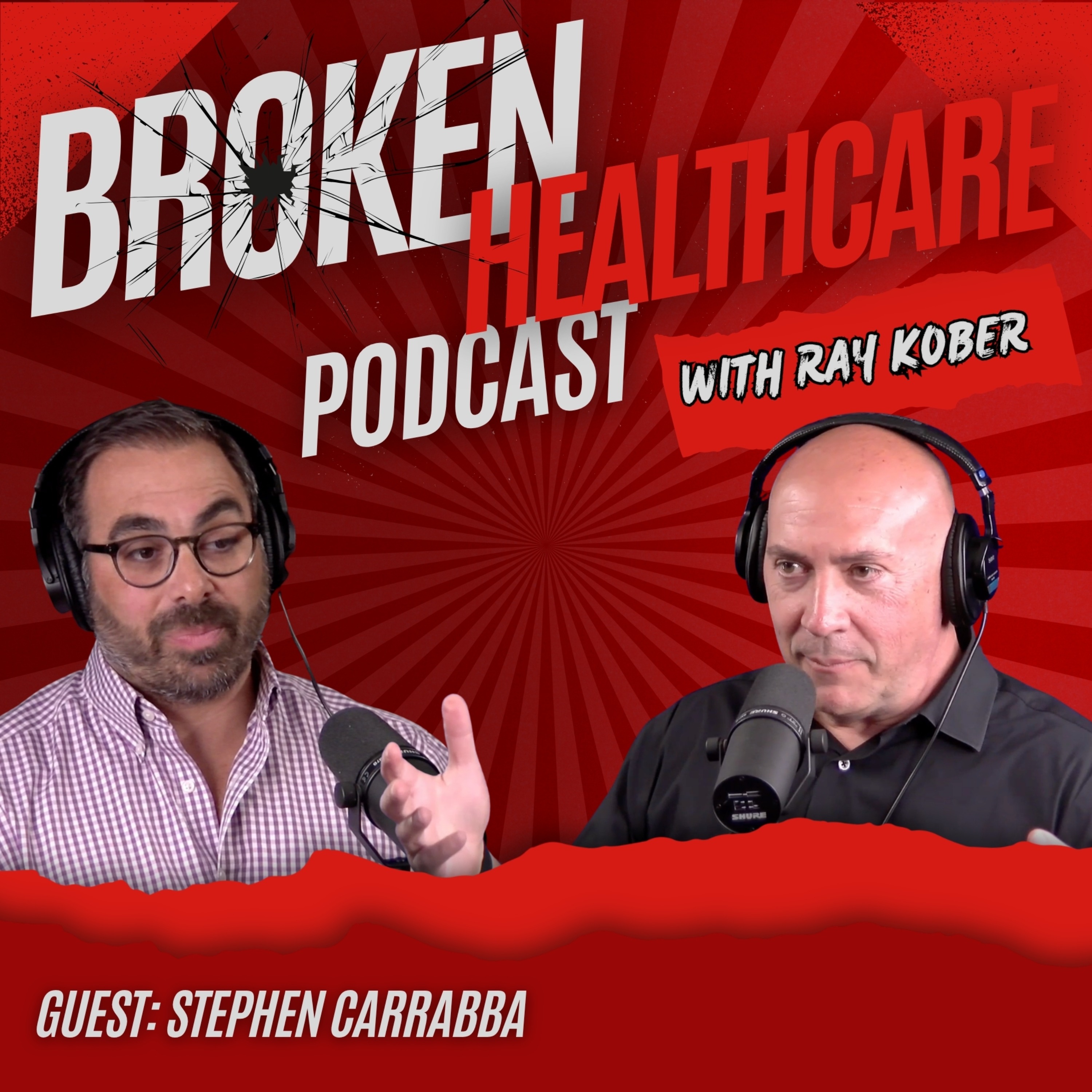 $7.4 Million Found in 60 Days: How AI Is Exposing Hidden Claims Waste | Broken Healthcare #93
 From The Convent to The White House to Fixing Broken U.S. Healthcare | Broken Healthcare Podcast #92
 Broken Healthcare Costs, Self-Funding, Anti-BUCA & Real Reform | Broken Healthcare Podcast #91