Broken Healthcare · 2026-07-27 · 1h 14m
Key moments - from our scoring
Substance score
62 / 100
Five dimensions, 20 points each
Todd Martin, a third-party administrator at Nova Healthcare Administrators, explains to host Ray Kober why self-funded health plans offer superior cost transparency and control compared to fully insured arrangements. A TPA serves as the operational backbone for self-funded employers - handling claims processing, member services, eligibility management, and risk oversight - while the employer retains financial risk protected by stop loss insurance. Martin argues that fully insured models are fundamentally conflicted: carriers profit from high claims and premium increases, creating a perverse incentive structure. In contrast, Nova charges a flat per-employee-per-month administrative fee regardless of claim outcomes, aligning incentives toward better health management. The conversation covers why 20% renewal increases signal a carrier running well on employer dollars, the risks of self-funding at scale below 101 employees (due to stop loss regulations and deductible minimums in states like New York), and why level-funded plans attempt to bridge predictability concerns but still require financial discipline. Martin emphasizes that employers need real data access to identify disease prevalence, plan design inefficiencies, and opportunities for clinical intervention - visibility impossible in fully insured models where carriers control all information. The episode is essential for CFOs, HR leaders, and benefits consultants evaluating whether their current carrier arrangement is actually serving fiduciary interests.
A third-party administrator (TPA) supports employers offering self-funded health benefits by becoming the operational face of the plan - processing claims, servicing members through call centers, managing eligibility, and coordinating with stop loss insurance to manage catastrophic risk, while the employer retains financial responsibility for claims up to a contractual deductible.
In fully insured models, the insurance carrier administers claims and profits from premium increases, creating an incentive to approve fewer claims and charge higher renewals. An independent TPA has no such conflict because they earn a flat fee and benefit when claims run well and employer health improves.
Stop loss insurance protects self-funded employers against catastrophic claims by covering claims that exceed a specific deductible (set by state minimums and employer risk tolerance), similar to how a high-deductible health plan protects employees - it hedges the employer's downside risk.
Groups below 101 employees face state-imposed minimum deductible requirements (like $20,000 in New York) that create unacceptable risk with a small claims pool; one major claim from a single employee could exceed the annual budget and leave the employer unable to absorb it without stop loss coverage becoming unaffordable.
Yes, changing stop loss carriers creates zero membership disruption because employees never see it - it only changes which entity claims are submitted to and where premium is paid, unlike changing fully insured carriers which requires new ID cards, network changes, and member confusion.
Our reviewer’s read on each dimension, with quotes from the episode.
The episode contains solid, actionable healthcare finance concepts (self-funding vs. fully insured, reference-based pricing, stop-loss mechanics, direct primary care, claim adjudication) that operators would find useful. However, much of this is explained rather than deeply explored, and significant portions are devoted to relationship-building, sports banter, personal anecdotes (mushroom trip, DPC story), and repetitive framing of the same core ideas. The episode relies on conversational illustration rather than densely packed novel claims.
We essentially become the face of the plan and help them manage their risk. So we service the members, whether it's a call center, we process the claims, we manage the eligibility.
Reference based pricing is the majority of our growth.
The core frameworks - self-funding as alternative to fully insured, RBP adoption, stop-loss risk management, crawl-walk-run transition strategy - are well-established in healthcare benefits consulting and have been circulating for years. The guest articulates them clearly but does not introduce contrarian reasoning, first-principles analysis, or genuinely fresh takes. The comparison of healthcare admin fees (per-PEPM fixed vs. percentage of premium) is useful but not novel in 2024. Personal anecdotes (DPC narrative, $600k radiation claim) add color but not intellectual originality.
Every claim before we touch it on a nightly basis, they all go through an editing process, looking for errors, unbundling, upcoding, things like that.
In the fully insured space, it's a percentage of that premium. So what justifies, if your insurance is going up 20% every year, what are you doing administratively for that fee to go up 20%?
Todd Martin is a credible mid-market TPA operator with 15 years of hands-on experience and clear domain expertise in claims administration, plan design, and self-funding mechanics. He is not a career podcast guest or pure thought-leader, and he has built and scaled Nova from 36 to 175 employees, demonstrating practical track record. However, he is not a Fortune 500 CFO or top-tier healthcare economist; he operates in a specific (albeit important) niche of the market. His perspective is valuable but somewhat narrow in scope.
I remember when I got done with college and one of my buddies from one of my marketing classes says, hey, I'm working for a TPA doing RFPs and we need help. And I'm like, what the hell is a TPA and what is an RFP? And here we are 18 years later.
I was employee 36, 15 years ago. Now we have about 175 employees, so we've obviously doing something right.
The episode includes several specific examples: the $600k radiation claim, the $10k family deductible Midwest group (600 employees) with DPC intervention, the Baptist Health balance-bill incident, $15k/month medications, pharmacy rising from 10% to 50% of claims over 15 years, and concrete admin fee benchmarks ($40 PEPM). However, many claims lack supporting numbers or timelines (e.g., 'claims ran well,' 'major high dollar claims,' 'a perfectly good health population') - the guest often gestures toward data without providing exact figures. The episode would benefit from more systematic metrics rather than anecdotal examples.
They paid $600,000 for radiation claim.
You have a $10,000 family deductible by the, you know, maybe one of the parents is working, the other one's staying home watching the kids... who's going to the doctor if you have a $10,000?
The host asks reasonable clarifying questions and follows up on key points (e.g., 'What the hell do you do?' as a TPA, probing the RBP growth claim, asking about network options). However, the conversation frequently drifts into rapport-building, sports talk, and personal anecdotes that consume substantial airtime without advancing substantive analysis. The host rarely pushes back or challenges the guest's framing - he is largely confirmatory ('I agree with you completely,' 'No question'). There are few moments of productive disagreement or sharp scrutiny of vendor claims. The episode functions more as a friendly discussion than a rigorous interrogation.
So we met at a conference. Do you remember which conference we met at?
Buffalo's not sunny, folks. Um, we're not going to hold that against you. You got a pretty damn good football team.
Computed from the transcript - who did the talking, and the words that came up most.
Todd Martin, Chief Sales Officer at NOVA Healthcare Administrators, joins Ray in-studio to break down what's really happening inside your health plan and why the arrangement most employers are in was never designed to protect them. Todd has 18 years in the TPA space and has seen it all. From a $600,000 radiation claim nobody caught, to a 1,200-employee company whose national broker never once mentioned reference-based pricing. He explains why a flat renewal means your carrier is making bank on your business, what private equity is doing to TPA service quality, and how an employer spending $10 million on healthcare could realistically save $2 million in year one. If you're an employer, CFO, HR Director or benefits consultant - this one's for you. Subscribe for more conversations on fixing the broken healthcare system. NOVA Healthcare Administrators: novahealthcare.com Todd Martin: tmartin@novahealthcare.com | 716-870-5916 #BrokenHealthcare #SelfFundedHealthcare #TPA #EmployerHealthcare #CFO #HRLeaders #ReferencedBasedPricing #StopLoss #HealthcareCosts #HealthcareTransparency #NOVA #Podcast 0:00 Introduction & Welcome 1:45 What Is a TPA and What Does NOVA Do?
Transcribed and scored by The B2B Podcast Index.
Speaker A: This episode of Broken Healthcare podcast is brought to you by Benefixa healthcare consultants. Visit benefixa.com to learn what's possible. Reduce the cost of healthcare for your organization, deliver better outcomes for your people, and yes, design health plans that give your people a path to zero dollar out of pocket cost for healthcare. Visit benefixa.com today, Get ready to take control of your healthcare. Here's your host, Ray Kober, and we're live. Ladies and gentlemen, welcome to Broken Healthcare. My name is Ray Kober. I am your host, and I am delighted to have in the studio today Todd Martin from nova. Nova what?
Speaker B: Nova Healthcare administrators.
Speaker A: Nova Healthcare administrators, welcome to the big show.
Speaker B: Todd, thanks for having me.
Speaker A: Oh, uh, thanks for making the trek from Buffalo. Did Sonny.
Speaker B: Buffalo.
Speaker A: Buffalo's not sunny, folks. Um, we're not going to hold that against you. You got a pretty damn good football team. I like that quarterback. If he could just get it across the finish line.
Speaker B: And you, you finally got a good basketball team.
Speaker A: So.
Speaker B: Geez.
Speaker A: Yeah. So as we record this, what are we on? Uh, June 10th? Uh, so the Knicks finally lost the game. They, they, they, you know, they had a pretty wild winning streak. Uh, they lost one. And the spurs were heavy favorites coming in, so I don't know what's, what's your guesstimate? What do you think's going to happen?
Speaker B: Well, I mean, the fact that they won two on the road in San Antonio, I think that puts them in a good spot.
Speaker A: Yeah, yeah, yeah. But, you know, it's. The work's not done yet. You can't rest on your laurels when you're in the finals.
Speaker B: The work's never done. It's like working in healthcare.
Speaker A: So we met at a conference. Do you remember which conference we met at?
Speaker B: We met at Benefits Pro in Boston.
Speaker A: Okay.
Speaker B: A year and a half ago.
Speaker A: Yeah. Yeah. And, you know, like all good relationships in this business, I think they start out at the bar.
Speaker B: Yeah.
Speaker A: Although I have not had a drink in three months. Pretty impressive. I don't know how long, you know, go watch the raised magic mushroom, uh, video if you want to learn about that. But I chalk it, I chalk it up to that. It was an incredible experience. I'm not saying I'll never drink again, although my primary care doctor was like, I don't think you should. But anyway, we met at a bar and we had a few laughs. And, uh, ultimately, um, you decided to join us. And I really appreciate you coming on because the reality is you are working in a sector of the business that it's not easy to find a good tpa. And for those you may be a CFO listening, or you may be, um, an HR administrator. If you're an hr, you probably know what a TPA is. But a third party administrator. Why don't we just start at kind of rookie level? What the hell do you do?
Speaker B: Well, I remember when I got done with college and one of my buddies from one of my marketing classes says, hey, I'm working for a TPA doing RFPs and we need help. And I'm like, what the hell is a TPA and what is an RFP?
Speaker A: Right.
Speaker B: And here we are 18 years later. I mean, basically what we do is we support employers that want to offer health benefits to their employees.
Speaker A: Yeah.
Speaker B: And not pay an insurance company to do it. Um, but they don't want to process claims, they don't want to service the membership. So we essentially become the face of the plan and help them manage their risk. So we service the members, whether it's a call center, we process the claims, we manage the eligibility. The majority of employers that are self funded, they purchase something called stop loss insurance. And so when I explain what stop loss is to people, it obviously helps the employer protect against catastrophic risk. And to dumb it down, if you have options with your employee health plan, the higher deductible that you have, the less that's going to come out of your paycheck. So the more risk that the employer wants is, the less they're going to pay for that stop loss coverage. Um, but the way that we approach things is like we want to just help on the clinical side of the house, because if we can just avoid claims by having healthier outcomes, that's the best case scenario for everybody.
Speaker A: Right. So, you know, I guess for. And it blows my mind, Todd, that we have large employers, forget about 100, you know, 100, 200 life groups, but we have thousand plus groups that are still fully insured. Having an insurance carrier administer claims, it seems ludicrous to me, and especially in this advent of the passage of the caa, it seems to me, although on the one hand you say, well, if they're fully insured, they're really avoiding the risk associated with being self funded. But couldn't you make an argument that there's an inherent risk if you're fully insured and that you're not, there's no way you're spending plan dollars wisely because the arrangement that you're in is conflicted. So it's a little bit of, uh, an awkward segue from what you just said. But it just comes to mind that, you know, the value that you bring in this environment more than ever as an independent TPA is you're essentially protecting an employer. You're hedging their risk against the lack of fiduciary, uh, oversight, or, you know, you're kind of reinforcing the fact that they are being, uh, uh, a fiduciary, a steward of, uh, plan dollars.
Speaker B: Yeah. So, I mean, you know, you mentioned those thousand life groups that are fully insured. You're paying money out the door every single month. You really don't even know where it's going.
Speaker A: Yeah.
Speaker B: Um, we obviously have opportunities that come through the door. The claims data is garbage. You don't get anything that really helps tell the story or what's driving the cost within that spend. I remember my first trip to New York City ever. Um, it was when I first started working at Nova. And they're like, go meet some brokers. And I said, where can I go meet the most brokers? And I was like, new York City. And I probably had 12 meetings in three days. And the majority of the employers or the consultants that I talked to, they didn't care about cost. They said they cared about brand for recruitment and retention. And I was like, well, I have no value prop. But a lot of that has really changed because currently it's not sustainable. We see renewals. If you're getting a 20% fully insured renewal, you're like, ooh, that's a good year. But whose bottom line's really growing at 20%? So employers, I feel when you have conversations with.
Speaker A: Well, let me stop you there. Yeah, 20% is not a good renewal. Hold on, camera. Wasn't on me. 20% is not a good renewal.
Speaker B: Honestly, in some situations, becoming not a good renew in the fully insured space. I'm telling you, like, we've seen 40%, 50%. And you know, I always talk to people about self funding and, you know, they come to me when they're getting the 50% and I'm like, you, we should have had this conversation when you were getting the 10% because that means you were running well, like, I can't pull a rabbit out of a hat. And if you have some major high dollar claims going on, you know, that's probably not the time to finally start having that conversation.
Speaker A: Yeah.
Speaker B: But when you're getting under a 20%, which is sad. It's sad. Um, you're probably running pretty decent.
Speaker A: Yeah. Yeah. And that's the that's the hard part, I think, getting an employer to understand that if you're in a fully insured model and you get a flat renewal. Let's go to flat.
Speaker B: Yeah.
Speaker A: They're making bank on your business. Right? Right. Because they're not in. I mean, just use common sense. Don't believe a word I say. Don't believe a word I say, but just use common sense. Why are you not getting an increase if they have a fiduciary responsibility to their shareholders to produce a return on their investment? There's only one reason why. Right. They're making bank on your business. And so I agree with you completely. That would be the best time. And the other thing that I think it's important for our listeners is to understand that if as an advisor, I present you my client or my prospective client with an rfp, a, uh, proposal from Nova, and it seems like it's even, even dollars to what you're getting, where you are today versus where you are now, that tells me, as an advisor, that you, Nova, are doing your job because it's incredibly difficult. And really, what does this all boil down to, Todd? Stop Loss. Right?
Speaker B: Yep.
Speaker A: Uh, the only component of your plan that is an insurance policy. And so what does Ray mean when he says that? Right. I'm talking to myself like third person. Who am I, Mike Tyson? So, uh, what I mean when I say that is, well, if the, if the risk is assessed appropriately, then that component of the plan really should have very little variation between what the fully insured insurance piece of, uh, the risk looks like. Right. I get scared when I see a TPA come back with a quote that's night and day from their current offer. That is a red flag for me because I say to myself, we're missing something. Right. Maybe they're trying to buy the business. Okay. But that typically doesn't end well. Meaning I never enter into a client relationship with a thought that it's a hit and run. I think that's just the wrong approach. I want to find clients, I want to partner with clients that are in it for the long term strategy. Absolutely. And we're, you know, to use your analogy, like we're not going to pull a rabbit out of a hat. Like, that's, that's not the way this is going to go down. But if we can come in and even be on par in terms of. Okay, if it's a level funded plan, is the majority of what you do level funded, would you say? No, it's not. It's not. No. Okay, that's interesting.
Speaker B: Um, I mean, we put together a level funded product about five years ago because I saw a lot of the Buka plans that were out there and like they weren't really being managed any different than a fully insured plan. If you ran well, you might get 50% of your claim surplus in the form of an admin credit if you renew. Like our level funded programs, they're truly self funded. Um, we just want to make it turnkey and easy. But whether you're 50 lives on a level funded program or 2,000 lives on a traditional self funded program, you get the same data, the same reporting. Um, you know, you were just kind of talking about stop loss and the one thing that, and you mentioned people going out there and maybe buying business. Right. But every single year when we're marketing the stop loss, like we'll go out, we'll market. Obviously we'd like to keep business with the incumbent, but we can move it. But there's no disruption to the membership, right? So if a broker or the employer is like obviously comparing costs on a fully insured BUCA plan every year, if they're going to go to the cheapest1, new ID cards, new networks, you know, disruption to the employees, we can change stop loss every single year. Plan design doesn't change, ID cards don't change, network has to change. So we don't want to move stop loss every single year, but there's no disruption. So I mean, there are just people that are taking risk behind the scenes, right?
Speaker A: No, and that's an excellent point because I think when folks think about their insurance policy, their healthcare plan, they immediately associate that with the logo that's on the ID card. Right? That's what they're fixed on. And what you're describing is with Nova, it's not so much that the carrier is going to change, you may change a component on the back end which is completely transparent to the membership. And that's what you want as an employer because that means zero disruption in that case. Right.
Speaker B: We could change stop loss every single year and 99% of the employees are going to be like, what is stop loss? They don't know that we're moving it. It's literally just a different place that we're submitting claims to and where we're sending premium to.
Speaker A: Yeah, exactly. So take me back though, because I'm a little intrigued. If we're talking about groups that are on the smaller size in the space, let's say, you know, what do you go down to typically is the minimum 25 lines? 25 usually. Okay.
Speaker B: And that really is, you know, depending on where the group is headquartered. Like, you know as well as me, both of us living in New York.
Speaker A: Right.
Speaker B: You have to have 101 benefit eligible employees to even think about buying Stop Loss. Right, Right. But you have groups in Texas that are six lives that have been self funding for years.
Speaker A: Right, exactly.
Speaker B: So I guess I wouldn't recommend six lives, but I'm just saying it's out there.
Speaker A: And so for the unindoctrinated, why wouldn't you recommend six? I mean, essentially what we're doing, right, with Stop Losses, we're taking on the risk. Right. And if you have six lives, it's not much of a risk pool. And so one member on that plan could blow things up 100%. And it doesn't take a lot. Right.
Speaker B: And so we were talking about those deductible levels with Stop Loss where the employer has to fund the claims up to a certain amount. A lot of states, even if they go below 101, like New York, um, they will still have minimum deductible requirements. Right. So if I'm an employer with say six employees on my health plan, do I have the Appetite to absorb $20,000 in claims on one of the employees or one of their dependents? And you know, that's a scary thought. So when you're in that space, you know, you might just be, you know, more comfortable with being like, I'm going to pay $500 for the employees to have health insurance.
Speaker A: Right.
Speaker B: You know.
Speaker A: Right. So take me back to, um, you not setting up level funded plans. So that, that intrigues me because when I think about the smaller groups and the self funded space, say under 100 lives and pick, pick any number under 100 lives, the majority of those plans that I see are built to resemble a fully insured plan. And what's one of the, one of the friction points I think is for an employer or for a cfo, they want predictability. So they want to know that next month's invoice is going to be this month's invoice and the following month's invoice is going to be this month's invoice and at some point there's going to be a reconciliation. And that's typically the way level funded plans, uh, you know, operate. It sounds to me like NOVA doesn't take that approach. And so maybe you could just speak to that a bit.
Speaker B: Yeah. So I mean, I think that one of the biggest hurdles for an employer moving and like we go through this every time we implement a group, you know, you might not have a big finance team. Right. And in a traditional self funded arrangement like we talked about before, claims are different every single week. So if you might have an employer that's struggling to make payroll, moving to self funding probably isn't going to be your best option. Right. Because you want to know what you're paying. But that's where a level funded solution could come in because you just know every single month I have to pay X.
Speaker A: Right.
Speaker B: But in a traditional self funded arrangement, I mean you're going to have good weeks, you're going to have bad weeks. Claims are never going to be the same whether it's medical or pharmacy. So you have to have that discipline to budget.
Speaker A: Right.
Speaker B: So that, oh, I have a really good couple of months with claims, I'm going to bonus out the employees new, like save that money, put it in your left pocket because at some point you're going to have bad claims a month.
Speaker A: Sure.
Speaker B: You know what I mean? So you have to be disciplined, you have to budget. Um, I was just talking to someone the other day and their claims were ran really well. Right. And they were considering getting rid of stop loss because they've built reserves to basically become the stop loss carrier themselves.
Speaker A: Okay.
Speaker B: Right. So instead of paying out a premium every single month, you've built this reserves because you were disciplined and you budgeted over a handful of years. And now if you get a $250,000 claim again, you know that money's there. So you're going to have good years, you're going to have bad years. Rule of thumb is that I've always learned and I've always shared is, you know, one out of four years is going to be bad.
Speaker A: Right.
Speaker B: But when you have those three good years, save that money for the bad year. So, yeah, you know, throw your books off the chart.
Speaker A: Yeah, yeah, no, I think. And that's probably conservative. You know, typically, um, you know, one out of five is what I, what I would normally say. One out of four is even more conservative.
Speaker B: Yeah.
Speaker A: And I think it's appropriate to set expectation levels. Right. Because what we're doing essentially is, you know, I love the uh, the Jeff Bezos quote. Their margin is our opportunity. Right. And that is essentially what an employer is doing when they switch from a fully insured group to a plan like Nova. Right. Because what they're doing is they're cutting the fat out of the pockets of that fully insured group's Plan design. It's design, by nature, is meant to have padding that ultimately benefits, um, the insurance carrier. At the end of the day, that's it.
Speaker B: So, I mean, not just nova, but all TPAs, typically across the industry. Like, our administrative fee is a per employee per month fee.
Speaker A: Yep.
Speaker B: Right. In the fully insured space, it's a percentage of that premium. So what justifies, if your insurance is going up 20% every year, what are you doing administratively for that fee to go up 20%? Right. You're doing the same amount of work in many instances, whether it's a sick population or whether it's a healthy population.
Speaker A: Yep.
Speaker B: So if claims run bad, we're still making $40 per employee per month. Claims run good, we're still making $40 per employee per month.
Speaker A: Right.
Speaker B: Um, don't quote me on that.
Speaker A: That's just a ballpark round number. Just the bookmark.
Speaker B: Yeah.
Speaker A: Right.
Speaker B: But, you know, in the carrier space, in the fully insured model, every time that, you know, a group runs poorly, all of a sudden, now you're. If the renewal is 20%, now they're getting more. 20% more on their admin. Makes zero sense.
Speaker A: Right? Right. 100%. Well, and that's exactly the devil is in the details. Hold on one second. I hear my dog barking in my headphones. I'm gonna. Everybody's gonna meet Cole. Give me a minute. All right, so typically, we don't do editing. I don't know if he's gonna make the cut. This little guy is barking, and I hear him in my headphones. First of all, he molested my guest prior to the interview, and now he's barking because he needs love and affection and attention. Are you gonna be good? Be good. Go lay down. Go.
Speaker B: Don't untie my shoes again.
Speaker A: No promises. If he does, we'll pause. Sorry about that. Okay, so, uh, that's my crazy shih Tzu who has not been fixed and has love and affection for anyone who enters my abode. Okay, so getting. Is he on your shoes? Get out of there, Cole. So, um, yes. When we look at this and we break it down, employers are not expected to be gurus when it comes to their health insurance. Right. They have a business to run, whatever that. They may be in the banking industry, they may be in the construction industry, they may be, uh, an auto dealership. They're focused on their business, and so this kind of becomes noise to them. And what has, um, pervaded is the routine of them trusting their broker, who's typically buddies with the Owner, family member. It's very relationship oriented. I don't think you disagree with that. And the broker comes in and they spreadsheet various options. And you know, they like anything in life if you're presented with options. Everybody loved multiple choice tests when they were back in school. A, B, C, D or E. Pick one. We're used to it. That's no way to run your health plan. And if you, you know, listen to Warren Buffett, GM is, um, what is it? It's a healthcare company with an auto unit attached. Because he's a guy that inherently understands the numbers, looks at the P and L, looks at the balance sheet, and he's like, omg M. They're spending more money on healthcare than they are on steel for the cars they make. And so you have to pay attention to this, folks. And we don't expect you to be gurus and become, uh, Einsteins when it comes to understanding the intricacies and the ins and outs of your health plan. But what you must understand is that spreadsheeting one worse option after the next is not the best way to go about your business. And Todd's group is here. I think the other factor that stops people from stepping off the ledge is this fear that all of a sudden, if their broker makes a recommendation like Nova, it means getting a divorce from, um, the carrier networks that they love so dearly. Is there any truth to that?
Speaker B: Well, I mean, honestly, I don't feel like I've ever sold anything. Literally. I feel like I'm a teacher. Feel like I'm a teacher. And I would never want to steer someone down the road of self funding if I didn't feel like it was the right fit. M. Now, with consultants, they have to understand that outside of payroll, it's becoming the biggest expense. Right. Like you talk about General Motors. You have to be able to understand what's driving the costs within all of your expenses. If you're a savvy employer and you need to have the right brokers. I mean, in reality, 15, 20 years ago, what you just mentioned in terms of the spreadsheets, like, that was fine, right? Because health care wasn't driving the cost of what their overall spend was as an employer. Yeah, now it is. Now it is. So being self funded, you have access to the data, you understand what is driving the cost within your program. Do you have a prevalent state of diabetes? Is there something that we should be doing differently? Um, you know, is it just the way the plan design is built? Right. Like, are people using the emergency room as their primary care.
Speaker A: Right.
Speaker B: Maybe there's an opportunity to do outreach to those that haven't been to a primary care in a year and help them get matched up. Because healthcare is confusing. Right. So a lot of times people need handholding, but in the carrier space, nobody's ever going to come up with a strategy like that. They need to work with a good cpa.
Speaker A: Right, right. Yeah. And, and the other thing that I know is that you know, when you're relying on the carrier to also adjudicate claims, that's a recipe for disaster. Right. Because again, what most people don't realize is that the carrier is playing games according to the rules that benefit the carrier. So auto adjudication is rampant in a fully insured plan, which is a keen to blindly paying a credit card bill. Right. Nobody would do that.
Speaker B: Right.
Speaker A: Unless you're my wife. Um, she doesn't pay the bills, thank God. Uh, but I don't even know what the hell I'm talking about. I pay the bills and I pay them anyway. But conversation for another day. The reality is, as a business person, I'm not going to blindly pay a business bill without reviewing it, auditing every bill that comes through. You're not running your business any different than that. Right. You're looking at your bills, you're scrutinizing them. When you're in a fully insured plan or you're in a self funded arrangement, you're relying on United or Cigna or Aetna to adjudicate the claims. They have an auto adjudication system and they're basically, they're not putting eyes on much at all.
Speaker B: No.
Speaker A: Um, and we didn't really talk about this before, so I don't want to throw you under the bus, but do you, do you, do you adjudicate claims? Are you looking at stuff that's coming down the pipe? Uh, is there more to what you're doing than just kind of collecting your 40x, you know, dollar a month? No.
Speaker B: I mean, so every claim before we touch it on a nightly basis, they all go through an editing process, looking for errors, unbundling, upcoding, things like that. And a lot of people have been trained to think about like the Buka's discounts. The discounts? The discounts. Well, you know, they give them large discounts because they know anything they submit is just going to get paid. Right, right. And a good tpa, they're going to peel back those claims and look for opportunities that are erroneous to save money on those claims. So a Lot of times people, uh, have been trained to think about discount, discount, discount. But if we don't have to pay for something, that's the best discount out there, right?
Speaker A: 100%. 100%.
Speaker B: Yeah.
Speaker A: And you know, again, like, getting back to what's in an employer's mind or, you know, an HR leader's mind. Well, if I switch gears and you know, let's say we're with United today, um, you know, I don't want to, where am I sending my employees? What's the ID card, you know, going, going to say. And in your case, I don't know if it's always, but most often you have a big network that you work with, correct?
Speaker B: Yeah. So, I mean, we work with national networks, we work with regional networks. Um, we have clients that have direct contracts. Um, I feel like the TPA space is almost going full circle from when I started. In the beginning it was regional networks, direct contracts, things like that. And then the Bukas started leasing their networks to TPAs and employers were like, ah, my employees didn't have access to everywhere, anywhere at any time.
Speaker A: Right.
Speaker B: Um, but a lot of those networks, they have handcuffs on plan design, steerage. And I think the mentality for the employer has gone back to what I'm doing right now is not sustainable. I just want my employees to have access to quality care when they need it. It doesn't have to be everywhere.
Speaker A: Right.
Speaker B: Um, and then they have more control, they have more transparency. And obviously, you know, that will so help what their overall health care spend is.
Speaker A: Yeah. And so is, uh, are you, are you, are you describing reference based pricing? Is that something that you incorporate into your plans? Not so much. Or is that all you do?
Speaker B: Just, uh, honestly?
Speaker A: Yeah.
Speaker B: Reference based pricing is the majority of our growth.
Speaker A: Is it?
Speaker B: Yep.
Speaker A: Okay, so, so people are catching on. They're. You're, if you're saying it's the majority of your growth, you. And you know, you mentioned before your first trip to New York City was, you know, how many years ago?
Speaker B: Uh, 15.
Speaker A: 15 years ago. Right. So you're a much younger man. Yeah. And you're like New York, just like I pictured it. Um, so Stevie Wonder reference, by the way. So you're, you're, you're in the city and you're knocking on doors, talking to brokers. How many brokers knew what reference based pricing was back then? No one.
Speaker B: I don't even think I knew what it was back then.
Speaker A: Right.
Speaker B: Um, but that's where we're seeing the majority of our growth. And honestly, like you hear stories like, oh, balance bills, things like that. Like I would say 2% of claims actually receive a balance bill.
Speaker A: Right.
Speaker B: And people call, they're like, I got a balance bill. And it's like, no, actually you have a thousand dollar deductible and so you actually have to pay that. That's part of your plan design and it's just educating the people.
Speaker A: Sure.
Speaker B: But I think education, when rolling out that program is key.
Speaker A: Yeah, right.
Speaker B: Because you're not going to have one of those BUCA logos on there. So people get confusing. But with the good open enrollment program, good communication to the membership, like it can be really, really beneficial to the employees as well as the employer.
Speaker A: Yeah, 100%. And I agree that communication is key. You can't expect that you're going to take a member population from a fully insured plan and put them, you know, put NOVA aside for a moment. But any RBP plan, it's like going, you know, out of the sauna into the ice, ice tub. There's shock there. Right. So you have to um, you have to kind of clutch them in, you have to ease them into that. And the greatest way to do that is by education. Uh, are there any other things that you incorporate into the process to help that transition? I know that there, and this may not even be on you per se, maybe it's more of a broker advisor plan design component. But do you find that it's helpful to incentivize employees in any way? Does that kind of grease the wheels?
Speaker B: Yeah, no. I mean a lot of the clients that we're seeing come on. But they'll have dual options. Right. So they'll have a national network option. Then they'll do a reference based pricing option and obviously it's priced to try and steer the utilization to that reference based pricing plan, obviously through payroll contributions, things like that.
Speaker A: Right.
Speaker B: Um, you know, if somebody doesn't want to go that route, they're going to pay a little bit more in terms of the membership. There's a lot of reference based pricing companies out there that like they're just repricing claims. Anybody can reprice a claim at a percentage above Medicare.
Speaker A: Yeah.
Speaker B: Like how are they supporting that membership down that open enrollment path to make the experience stronger? And you know, you mentioned like fully insured to reference based pricing, like from the employer perspective. I'm like a big advocate of like the crawl, walk, run type of approach. Like if someone's been fully insured with Blue Cross their entire life, jumping into a self funded RBP plan Might be a little aggressive. Maybe we, you know, kind of keep that national network on there. We obviously transition to a traditional self funded model. Understand what is driving the cost within your claims. You get an understanding of how claims are being paid because like I said before, they're never going to be the same. Um, and then once we have some strong data, maybe next year renewal, that renewal conversation is like, okay, this is how we can pay for things a little bit differently. Um, versus just being. I've been paying a flat rate for fully insured blue plan and diving into reference based pricing, self funded. Um, that can be a little aggressive in my eyes.
Speaker A: A little, yeah, no, without a doubt. I could not agree with that statement more because one of the quotes that I hate the most is the Drucker quote. Um, culture eats strategy for breakfast. There's a lot of truth to it, right? But at the end of the day, without strategy, you have no business, so you have no culture. But at the essence of what he's saying, you can't disagree with him, right? Because what no one wants in, what no good business leader wants, is disruption and fear. And when it comes to health care, I mean, I really go longer than a week or so without, and not because I'm in the business like in my personal life without. Like, I just heard my wife say yesterday that, uh, I think my nephew was considering interviewing somewhere and, um, they have great benefits was kind of the next thing. And I was like, ah, I was like, people should not be making career decisions based on how great the benefits package is. And I understand that most folks will disagree with me on that. But the reality is, if you know what I know it's not, I'm not in love with the logo on my ID card anymore. But a reasonable expectation, Todd, to your point, is not to throw employees to the wolves. And that's how they're going to feel if you go from fully insured, boom. To reference based pricing. And so I think that's a very, um, kind of astute pickup. Like you have to have a crawl, walk, run approach. If you don't, it's gonna end badly, right? You have to prepare them for it. And the other thing that you said that, uh, is absolute truth, textbook, is that less than 2% of the time you're going to have a balance bill issue or any type of provider that's not, uh, going to accept cash as a reimbursement. I mean, just think about it. Who doesn't accept cash? Everybody's accepting cash. And that's essentially what An RBP model is, it's a cash payment. Right.
Speaker B: So you talk about jobs and benefits. I'll just tell a quick story real quick. I remember my first job out of college. I had a thousand dollar deductible health plan. And my dad's like, your benefits are awful. And I'm like, dad, you were married to a New York state school teacher your entire life. You've never paid more than $5 for anything. M. Right. Like a lot of people would kill for a thousand dollar deductible these days, right?
Speaker A: Truth. Oh, a thousand is like, that's, that's, that's the Caddy. Exactly. Does it get any better than that? I mean really, if you're, um, you know, if you're working for a, uh, super large publicly traded company, something like that, yeah, those plans are still out there. But I even think those folks are wising up to the fact that it's not like the, the idea of $1,000 deductible back then was ludicrous. Right now the average is 2,3000, uh, at the low end, right. And we're seeing deductibles in the 5, 10,000 range. I think the max, uh, out of pocket limit is now 21,000 or something like that. It ratchets up every year.
Speaker B: I mean, you bring up a good point, because I remember and this is something that we're seeing a lot of across the country. You're familiar with direct primary care? I would say it was probably five, six years ago. We brought this group on the Midwest. Probably 600 employees on the plan, $10,000 family deductible. Average person's making 40, $45,000. So you take like your average family of four, you have a $10,000 family deductible by the, you know, maybe one of the parents is working, the other one's staying home watching the kids. By the time you put food on the table, pay for rent or mortgage, car insurance, the car itself, like who's going to the doctor if you have a $10,000?
Speaker A: There's nothing. Zero, none, none.
Speaker B: So this was my first introduction to it. They created a relationship with a primary care provider in their backyard where they're paying a capitated rate. And all of the membership could go there for limited utilization. No out of pocket. And we literally saw claims go down for four years.
Speaker A: Amazing.
Speaker B: So, I mean, obviously deductibles are getting higher, but we're seeing more models where they're paying that capitated rate to help eliminate that barrier. Because when you have a $10,000 family deductible. You're only going to the doctor like when it's emerging.
Speaker A: Right, right.
Speaker B: Like nobody's managing their chronic conditions. They might not even know that they have a chronic condition. Right. So you have all these people that are ticking time bombs so they end up, you know, as $200,000 claimant. Whereas if you paid this capitated rate where these people could just go in, take care of themselves, you could avoid that $200,000 claim. But a lot of people are shortsighted. And you mentioned earlier, you know, long term strategy, like that's where the mentality has to be. And you know, there's a lot of really good consultants out there, such as yourself, that are educating the employers on that long term strategy versus there's a lot of consultants out there that show up 90 days before the renewal and that's the only time he talks to or she talks to the employer about healthcare. It's the spreadsheet. And there really is no long term strategy, no long term thinking. Like healthcare literally needs to be an ongoing, all year round type of conversation with your clients.
Speaker A: No question. So the Broken Healthcare podcast is brought to you by Benefixa healthcare consultants. Visit benefixa.com to learn what's possible. Reduce the cost of health care for your organization. Organization, deliver better outcomes for your people and yes, design health plans that give your people a path to $0 out of pocket cost for healthcare. Visit benefixa.com today. And I love the fact that you brought up DPC because I mentioned earlier that yes, I did a magic mushroom trip. It was incredible. It was life changing. And after that I went back and I had a conversation with my dpc and I've had a DPC now for only about a year, but it's the best 95 bucks a month that I spend. Um, and that's what it costs me. It's going to vary from doctor to doctor and depending upon where you are in the country. But it's like a Netflix subscription for your doctor. But here's what's cool about it. I don't wait in a waiting room to see my dpc. I show up and he sees me. If I'm there waiting. I've never waited, by the way, but if I did have to wait, I wouldn't imagine I'd wait more than 10 minutes in his office for him. And then when I'm with him, I spend an hour with him and uh, yeah, I'm not going to the doctor every minute. Thank God I'M pretty healthy guy, but when I'm with him, he's paying attention to me. I'm not. You know, he's not rushing to get to the next patient to fill his 2,000 plus patient quota, which is. Which is what the average book is, right. For someone in the status quo. He's got a caseload that's a fraction of that. And he's got time to spend with me, and he knows me. So when I met with him and followed up and I told him, you know, about my, uh, mushroom trip, and I told him that, you know, at that point I hadn't had a drink in over a month, he looked me dead in the. And I was like, I don't know if it means I'll never drink again. And he looked me dead in the eye and he was like, I don't think he should now, dude, that's. And. And we're in this business a long time, like, and it's not just the. The broker TPA ecosystem that we're a part of. Alcohol is just part of the game. It's part of. It's part of business. And I enjoy. I enjoy it, honestly. Like, I enjoy the social aspect of that. It's cool. But for me, it was taking a toll on my health. And he knew me well enough at that point to say, I don't think you should. That was pretty cool. But the other thing is, he's not tied to private equity. He's not tied to a healthcare system. So if I need a referral for a colonoscopy, if I need a referral for a major diagnostic exam, he's not incented financially in any way to do that, and he's not under any pressure to refer me back to that hospital system. So, you know, he's in Huntington, Long Island. There's the North Shore system in Northwell, there's, um, Stony Brook. Those are probably the two biggest. And then there's a bunch of others, St. Francis, et cetera, et cetera. He's not connected to those institutions. And therefore, instead of sending me for an MRI that would cost my employer $8,000, he's sending me to a place that the MRI with the same exact equipment and possibly, frankly, the same radiologist who's just kind of moonlighting or swapping back and forth between the hospital and the freestanding clinic. Could be the same tech $800. It's a 10x differential. And so these are the things that are possible. Um, and while you may, as an employer, pay a premium to have that DPC as a component of your plan in the long run, if you're partnering with the right advisor and you have the right tpa, that small investment can pay huge dividends. Right.
Speaker B: No, I mean, so one of the things that I always share with people is that a lot of times people are just so focused on the fixed costs. Right. TPA fee, stop loss premium, um, broker fee. That's really probably 20% of the overall spend of the plan. Right. So what are those fixed cost doing to help manage that 80% which is the claims? Right. So somebody might say, oh, uh, I don't want to pay that $95, but in reality that $95 because you can go in, worst case scenario, wait 10 minutes, but you're going in there whenever you feel you need to. You're having a conversation, sharing mushroom stories, talking to them about not drinking. Um, but that's a better component. And I see more and more. For example, my primary care physician left Buffalo Medical Group because he was tired for the fee for service type of model and he went over to a DPC type model. And I can't say this for all of them, but I think most people become doctors because they want to help people. Right. And they want to sit down, they want to have that conversation. They don't want to get 2000 claims through the door and talk to you for two minutes and then have your PA take care of it. And then there's a massive administrative burden because you have to submit claims, you have to wait 90 days to get paid in a good situation from a buca.
Speaker A: Yeah.
Speaker B: Um, whereas I'm just going to get 95 bucks a month from Ray. And when Ray comes in, we're going to give a high five. We're going to talk about family, we're going to talk about health. And I'm not worried about having to get Ray out the door to get the next source of revenue.
Speaker A: Right. No copay, no deductible. It's a Netflix subscription for your doctor. You pay it monthly. And if I need him, he's there. We'll have a phone call, we'll teledoc. You know, I'll go there. You know, the plan is to really go there once a year for like a hands on physical.
Speaker B: Yeah.
Speaker A: Other than that, everything can kind of be done over the phone. And so, um, you know, it. I'm not, I'm not trying to preach and say go out there, run out there and do it tomorrow, but it's working for me. Yeah. You know, it's. And I Think as an employer goes, um, there's really very little downside.
Speaker B: I mean, that's the great thing about being a tpa is that as strategies change and they grow, we still are a key component to it. So we've had clients that were accessing a national network, and they were like, how can I do things differently? We moved them over to rbp. It was a rural area, not a friendly hospital system. After a year of doing rbp, the first week of the following year, every single person that went to Baptist Health, I will call them out. Um, every single person that went there got a balance bill on the same day. And they all came in, it was a bank. You know, they're like, do we even have insurance? And, you know, the employer was really concerned about recruitment and retention. They're like, we can't be having this. So we moved them back to a national network. But at the end of the day, like, we. We're still a key component. We don't lose a client because the strategy changes.
Speaker A: Right.
Speaker B: You know, so that's why it's always important to kind of like, meet that employer where they are for their readiness for change. Right? And we can try a strategy, whether it's dpc, whether it's rbp. If that strategy doesn't work out, let's do something different. Right? But we still become that valued partner. And as the strategy changes, we don't have to be replaced.
Speaker A: Yeah, no, I love that. And if I'm hearing you correctly, what you're saying is that as tpa, you're agnostic, right? If someone wants a national carrier, can you use the Cigna network? Or, um, if someone is die hard and they're like, hey, I want it, I need to have it, you don't care.
Speaker B: We don't care. I mean, we're agnostic to stop loss carriers. PBMs. I mean, we're probably integrated with, with 15 PBMs, right? No, I think they all Rob, Cheat and Steel. But, um, you know, it's funny, like,
Speaker A: some are better than others, some are better than others.
Speaker B: You're right. You're right. But, you know, I go to, like, a conference and it's like the Stop Loss carriers are getting out of the market, but new PBMs keep popping up. So I'm like, oh, but you're all transparent.
Speaker A: They all claim to be transparent.
Speaker B: Yeah, no, don't. I.
Speaker A: You got to tune into the podcast. We have, we have the good ones on, on this show, uh, generally speaking. But I tell everyone at the end of the day, for someone to make it on the show. Um, you know, even folks that are, that are here that are promoting a brand, right, at the end of the day, it's up to the client to do diligence. They have to, they have to do their homework. Whether it's a broker or whether it's an organization that is ultimately, you know, going to be, um, working with a group like yours. They should honestly know who. Who's in that stack. And the PBM is one of the layers in that stack. And if something doesn't check out or doesn't pass the smell test, then they should be comfortable having a dialogue with their advisor, with their tpa to say, I'm comfortable with everything here, but I'm not comfortable with XYZ pbm. You should be able to do that, and you should do that honestly. Again, uh, being realistic, I could hear the little voice in my head saying, ray, ain't nobody got time for that shit. Right? And there's something to that. So I think a quality advisor will eliminate that step for their clients and present them with a stack that they know is solid. But I think the most astute HR executives, the most astute business leaders, um, would ask for insight into who, Who. What exactly am I buying? And it's an education, Todd. Like, I didn't learn this overnight. It took time. Like, I've been.
Speaker B: Nobody went to school for insurance. Let's be honest.
Speaker A: Okay, well, the CEO of Aflac did Dan Amos shout out to D that most people, myself included, did not go to school for insurance.
Speaker B: Yeah, I mean, I. Obviously people come to me and they ask me for recommendations from time to time. Whether it's a consultant, whether it's an employer, whether it's a dad at my son's baseball game. They are always picking my brain. And, you know, I've been to a lot of conferences and you see, like, this fancy presentation. But, like, I will never make a recommendation to a consultant or an employer until we've worked with them.
Speaker A: Um, right.
Speaker B: So a lot of times the consultant will come to us. And, like, I always look at us as we're kind of like the nucleus. Like, we pull it all together. We have the nurses, we're integrating with the pbm. Um, whereas you can bring in all these variable components and we make it look so it's not confusing because you don't have the book card. Um, so I will never make a recommendation until a consultant brings somebody to us and says, hey, Todd, I want you to work with this wellness funder. I want you to work with this pbm. I want you to work with this stop loss carrier. If they do a good job for a year and then somebody comes to me and they're like, what's a good pbm? Then I'll make that recommendation. But I'm never going to make a recommendation based upon a presentation I saw.
Speaker A: Right, right. Yeah, that's. So that's a pro move, right? That tells me that you're a pro. Uh, because I feel the same exact way. Folks come to me all the time, brokers that I know, and they'll, they'll ask for a recommendation for TPA or for a PBM or for this or for that. And unless I've had hands on experience, um, you know, I'll. I will make recommendations based on me having a relationship with someone. Maybe I've never used them personally, but I know that this person.
Speaker B: You trust them?
Speaker A: I trust them. But also for me to recommend them, I have to know folks that have done business with them, that have good things to say. Because in our world, you have new vendors. I call them shiny objects.
Speaker B: Yeah.
Speaker A: No popping up all the time.
Speaker B: I see, I see people, they go to conferences and maybe they saw like five presentations and they come back and they're like, I need all five of these solutions for my client integrated tomorrow. And I'm like, well, why do you need a diabetes vendor if you don't have any diabetics?
Speaker A: Right?
Speaker B: Let's not, let's not make this more confusing than it already is. Like, let's understand what your claims data is, what's driving the cost, and if you have a lot of diabetics, then we can talk about the diabetes vendor. But let's try not to just throw solutions on there because there's a lot of them out there.
Speaker A: Right.
Speaker B: And health care is confusing. I mean, I'm not even an expert in it myself. I get my blood work and I have to go to my wife, that's a nurse that explained to me what it is.
Speaker A: How are you doing, Todd? Are you doing all right?
Speaker B: Oh, God, let's not go there.
Speaker A: Oh, that's hilarious. So. So then based on what you're telling me, you. You've been in this game a long time. Nova's been around a long time. They're not, you know, someone that takes a quote unquote chance on you. They're not really taking a chance because you're. You. You've. You've been around. What's your. What's your. I don't even know what an NPR score Is, but what's your retention like? Do people stick with you?
Speaker B: Yeah, I mean, honestly, the only time that we really lose clients, it's probably like in the under 150 lives. And sometimes it just might be, and I hate saying this, but it might be better for them to go back fully insured.
Speaker A: Right.
Speaker B: You know, I mean, self funding, I personally think it can work for everyone, but uh, you know, I've seen some situations where maybe you are just better off. And that's typically why we would lose a client. I mean, we are one of the top mid sized companies in the state of New York, which means we have amazing culture. Culture, I think trickles down to the member experience, the client experience. Um, and we just don't really lose clients. Yeah, you know.
Speaker A: Yeah. Well, to your point, if, if you have a uncharacteristic, uncharacteristically sick population, then you're, you're in a tough spot. Right. Because by the numbers, we know that Pareto's law applies to the numbers in health care. When we, when we look at claims, right? So 20% of your members are responsible for 80% of your claims. 80% of your members are responsible for 20% of your claims is the flip of that. Right. So the majority of your people are not utilizing healthcare, but it's the 1 percenters, the 5 percenters that really kind of take claims through the roof. And so if you don't have a large population and you have a uncharacteristically sick population, you probably will be better off finding alternatives to self funding. It's rare that I come across that, but I've had experience with a group that was a small group where a, uh, third of the members were battling major chronic health issues. Not a good candidate for self funding.
Speaker B: I mean, you were just throwing a lot of percentages out there. But I remember when I first got into the business, like 10% of the claim spend was on pharmacy. And back in that day, employers used to carve out their pharmacy to dip their feet in self funding. No, stop. Loss like that would be insane for somebody to do that today. Whereas pharmacy was 10% of the spend 15 years ago. And many groups that we look at, it's over 50. Right. And so there's a lot of things that you can do to help control the cost of pharmacy. You know, people talk about international sourcing, things like that, which obviously can help control the cost. But I mean, those are things you can't really mandate. You can make it attractive for the employee to want to go that route by sourcing. But at the end of the day, you could have a perfectly good health, uh, population today. And in two months you could have three people taking a medication that's going to cost you $50,000 a month. Because between the three of them, you know, in those instances it's like not sustainable. Because if it's a long term medication, even if you have stop loss insurance at renewal, they're going to laser out all of those medications and be like, okay, everyone's covered at $50,000 but you got to pay for Peter, Joe and Frank's, you know, $250,000 a year medications. And you're going to be like, ah, uh, I'm going back fully insured.
Speaker A: Right. Well, and I think that's where a quality advisor comes in because you know, again, you can't expect an employer to know what all that means. You have to spell it out for them. So I'm a big fan of laying out the good, the bad and the ugly. Right. Here's your best case scenario, here's your worst case scenario, here's everything in between so that they know what they're getting themselves into. So with your chassis and your model and you know, primarily being a reference based pricing house, would you, would you say that or would you not say that?
Speaker B: I mean, I would not say that we're primarily reference based pricing.
Speaker A: Okay.
Speaker B: I would say it's probably 10% of our business, but it's the majority of our growth.
Speaker A: Oh, I got it. So it's the majority of your growth.
Speaker B: Yep.
Speaker A: What would you say a realistic expectation is? So let's say I'm an employer that's listening and I have, uh, 500 employees participating in a plan and I'm spending kind of the national average. So what's that? Maybe I'm spending 10 million a year on healthcare. Just as a ballpark, I'm a little below the national average. What do you think is a realistic opportunity for savings on that? Spend over a five year period on medical claims?
Speaker B: I would say 25 to 30%. If you're moving from a, uh, traditional PPO network over to a reference based pricing model.
Speaker A: Right. So you know, you're saying like 2.5 to 3 million should be realistic? Well, you said claims, so it's 80% of claims. So 8 million would be claims. Let's say, um, 3, 8 of 24. So like 2.4 million, uh, at the 30% level is not unrealistic over a five year period. Not at all, no. And I would say based on What I know that that's conservative. Right. Because the difference is you're actively managing this stack as opposed to being a passive payer for healthcare. You now have uh, an astute TPA that's looking at claims as they're coming through. You're aligned with the right vendors and when someone needs a surgery, something uh, major, you're you, you basically are helping them find where the quality is highest and the cost is lowest. And between those differentials, the other stuff that we talked about like the 10x differential and going to a major hospital for a major diagnostic exam rather than a local freestanding radiological clinic from sourcing, you know, pharmacy and drugs, um, you know, more stupidly, uh, partnering with pick your flavor of marketing terminology, transparent PBM, fiduciary PBM. And in some cases, if you're saying it's 50% of claims, like I don't think I've ever seen it at 50%. I don't, I don't not believe you.
Speaker B: Yeah, I mean honestly. So.
Speaker A: But that's crazy talk.
Speaker B: But I mean if you have a group of say 70 employees on the plan, it really only takes one person.
Speaker A: Right?
Speaker B: Right.
Speaker A: Yeah.
Speaker B: You know, all of a sudden they're doing a $15,000 a month medication. We, we just were talking to a group that a buca. They were self funded, but they were on a BUCA plan.
Speaker A: Yeah.
Speaker B: They paid $600,000 for radiation claim. And you know, like even if that claims repriced differently, there's probably so much garbage in there that take repricing out of it. Obviously reference based pricing.
Speaker A: Yeah.
Speaker B: Somebody's going to reprice a uh, BUKA network's claims. Reference based pricing model.
Speaker A: Yeah.
Speaker B: You're going to save money.
Speaker A: Yeah.
Speaker B: But anyone can reprice a claim at a percentage of Medicare. Like what are you doing to those claims to make sure that what you're paying for is appropriate.
Speaker A: Right.
Speaker B: That's better than the best discount out there. If I can pay nothing, it's better than an 80% discount. Right.
Speaker A: You think? I would say I like nothing. Such a deal. So, yeah, listen, we, we could talk about this for days. Right. But I think the important thing for anyone that's interested, whether you're a broker that's looking for a TPA that's a solid tpa, you're an employer that's on the hunt. It's got his, you know, got his kind of ears on, her ears on saying what's out there? What's an alternative? Where could I go? You know, it's um, no One gets fired for hiring IBM, right? That's the expression. I'm not saying that Nova's IBM, but you're tried and true. You've been around for a long time. You, you have, you're not a one trick pony, right? We've talked about the fact that you can do rbp. It's uh, the, maybe the fastest growing segment of your business, but it's not the only thing, not the only trick up your sleeve. You can introduce national networks like a Cigna or like other, you know, major networks that are out there. Um, and what does that do? It helps kind of reduce friction and noise so that members know, hey, I don't have to check twice before knowing that this doctor or this hospital is in network. As you said, there is a crawl, walk, run educational process. They need to understand that they need to call the number on the ID card, not Cigna, because that could result in them hearing that their doctor is not in network or the hospital's not in network conversation for another day. But, um, the reality is the chassis, uh, looks, feels and smells very much like the fully insured chassis. And if that's what an employer wants, that's something that you have the capability to deliver. But on the back end, if you can introduce, um, all of a sudden cost containment strategies, they're on a path to saving. In a plan such as the one that we kind of kicked around millions of dollars. And if you're an employer that's listening and let's say you're spending 10 million and you have the opportunity to save 2 million in one year, if you're operating at a 40% gross margin, that's 8 million in sales that you have to generate to realize a, uh, $2 million savings. I mean, come on, you're good at math. Well, listen, now I'm probably going to get emails like, you fucked that up, right? Um, and maybe I did, but with a calculator, I'm deadly. Um, the reality is you got to pay attention to this stuff. How many golf outings does your broker have to take you on before you realize that $8 million is a lot of golf outings? Yeah. Right. So, uh, and, and look, the, the truth is, I think with a good advisor not trying to kick your broker to the curb, you could learn about these strategies and then have a converse separate conversation with a broker and say, hey, we love you. You've been doing business with you for years. We want to, we want to take a different approach. Do you want to join us on this journey or not? I think we're going to start seeing those conversations happen more. And with an independent advisor. If, um, an employer is paying an independent advisor to do an analysis and then that results in an engagement where there's findings that are delivered to the employer and part of the findings is nova. You don't necessarily have to kick the broker that you love to the curb. You could just tell your broker, hey, remember that spreadsheet that you have with all those different, worse options? I want to, I want you to give me some feedback on this option and then sit back and inspect what you expect.
Speaker B: That should be the role of the advisor. It shouldn't be the employer pushing for that. Right. We were in Boston last week meeting with hopefully a new prospect, 1200 employees on the plan and their incumbent broker, who's no longer the broker.
Speaker A: Right.
Speaker B: Um, the employer was saying, I need, I want to do something innovative, I want to do something different. Like what we're doing right now is not working. And this national brokerage won't throw out any names. They didn't talk to him about reference based pricing. Like, and so somebody that we have a good relationship ended up getting the bor. And he wasn't even really prospecting them, but like they were like long term friends and he was like, is there something you're going to be doing differently? And the broker, savvy guy was like, yeah, something you could be doing differently. And you know, like, the role of the advisor is truly to educate.
Speaker A: Right.
Speaker B: In the fact that they're not bringing these options and at least educating them because maybe reference based pricing isn't for everyone. Sure, right. But your role as the consultant is to make sure that people are aware of it. And if you're not educating them, um, that same thing is going to happen that we just experienced in Boston.
Speaker A: Sure, sure.
Speaker B: The, the CEO's buddy who might be in the business, but. Well, they talked about reference based pricing.
Speaker A: Yeah.
Speaker B: No. What's that? Yeah.
Speaker A: You know, I'm gonna push back a little bit, Todd, because I, I don't think I, I think the norm is that the, the big box houses are not going to have those conversations until they're forced to have those conversations. In other words, they're kind of, they love the sandbox they're playing in. Uh, the sandbox that they're playing in is delivering the 20% increases year over year that you talked about at the head of the show.
Speaker B: Yeah.
Speaker A: So if you're, if you had a business where you knew baked into the model you would make 20% more every year. Who the hell would say, no, we're going to change it up and go do business with Todd.
Speaker B: Yeah, right.
Speaker A: They'd be like, fuck Todd.
Speaker B: I honestly. So we basically nothing against like the big boxes because exactly what you said, like, their business model is based on that. Like, we typically have aligned with more boutique, like shops. Those are the people that are going in and talking to the employers about something different that those big boxes haven't.
Speaker A: Yeah.
Speaker B: And don't get me wrong, we'll be happy to work with them. But a lot of times those big boxes, they hear the word tpa, they think Maritain and UMR are the only two out.
Speaker A: But again, what folks have to realize is that you're. You could, you could really literally be best friends with your broker. And if your broker is the face of one of the bigs. Marsh locked in Aon, pick a flavor. Right? These giant multibillion dollar firms, your golf buddy, your fishing buddy, your restaurant buddy, theater buddy, they are not making the decisions about what gets presented to you. They're not. Those decisions are being made in the boardroom. And the boardroom is looking at the numbers saying, oh, hell no. Why would we have a strategy that shows our clients how to save 40, 50% of what they're paying when it means address the cut in our revenue? They're not gonna do it.
Speaker B: Right. Shareholders to report to.
Speaker A: Thank you very much. Yes. And so, you know, not trying to throw anybody under the bus, but just stating what the facts are. That's just the math. Right. So I think, you know, engaging. I do think that employers need to be more involved in this process. I don't think that they necessarily have to fire the broker that they love. And I'm not saying that everyone's going to start doing this tomorrow. We know that's not going to happen. But for those that do, for those that take the exercise and they hire an independent advisor, Health Rosetta advisor, next gen advisor, someone that knows what I know as an independent third party. They're going to learn a lot. And at the very least, they're going to be presented with options like Nova and they're going to have a different kind of discussion with their broker at renewal time. And that's key, that's clutch. And at the end of the day, they may say, you know what? As much as I love you, you should have been telling me about this. Right. Not necessarily that RBP is going to be the fit. Right. But there's so many other weapons in our arsenal. RBP is one. And to Your point? I'm not taking a fully insured group and going boom, directly to rbp. I think that's ridiculous. But there's a glide path, and there are so many different interim steps that you can take along the way, including introducing rbp. But it's like a toe in the water as opposed to being thrown in with the sharks. Um, yes, but we're talking about a, uh, massive amount of spend for these organizations, and you just have to kind of put your thinking cap on and say, these guys, Todd and Ray, they're kind of making sense.
Speaker B: Right. What I'm doing today isn't really sustainable.
Speaker A: Correctamundo. How do people find you?
Speaker B: How do people find me?
Speaker A: Yes. Do you want them to find you? Of course. You have a LinkedIn handle?
Speaker B: Yeah, I've got a LinkedIn handle. Um, you can always call me on my cell. 716-870-5916. Um, tmartinovahealthcare.com but honestly, I don't know why, but I just like talking shop.
Speaker A: Yeah.
Speaker B: Right.
Speaker A: So, I mean, it's a sickness, Todd. Yeah.
Speaker B: Yeah. I mean, I think I mentioned it earlier. Like, I don't really feel like I've ever sold anything. Like, I just educate people.
Speaker A: Yeah.
Speaker B: You know, and nobody really goes to college to be a TPA salesman. Um, you know, I probably spend about 20 of my time working on sales as a TPA.
Speaker A: Yeah.
Speaker B: You know, whatever needs to be done. And I think this is the whole attitude of everyone at Nova. Like, there's no silos. It's not like, oh, that's, that's, that's that side over there. Like, whatever we got to do to make our clients happy and take care of today, you know, we're all willing to jump in and do that, because from a sales perspective.
Speaker A: Yeah.
Speaker B: If I don't take care of what we already sold.
Speaker A: Yeah.
Speaker B: I'm not going to sell anything else. M. Right.
Speaker A: Yeah. So, yeah. Yeah. I love what I'm hearing. I mean, that's, that's, that's half the battle. And folks, honestly, like, finding a quality tpa, it's, it sounds a lot easier than it is. There are a lot of people that talk the talk. And, and I'm gonna, you know, I'm gonna say that the last thing that you want to do is be somebody else's experiment. Right. So, you know, if you, if, honestly, like, I, I, I think everyone deserves a shot, but at some point, you have to just ask yourself, like, how long have they been around? What's their track record? Like, you know, do, uh, your diligence. Really?
Speaker B: Yeah.
Speaker A: And, and I like what I'm hearing, and I would, I would tell folks, do your diligence. Don't do business with Todd because you like the way he presented today. That should factor in. But with any vendor that we have on the show, with anyone that you're considering putting business with a substantial amount of your spend. Do your homework, you know, do your homework. But it sounds to me like you guys are, um, are legit and, and worth at least the conversation.
Speaker B: Yeah. I mean, I was employee 36, 15 years ago.
Speaker A: Wow.
Speaker B: Now we have about 175 employees, so
Speaker A: we've obviously doing something right.
Speaker B: Doing something right.
Speaker A: Right.
Speaker B: Um, where I've seen some struggles within the industry, and if anyone's listening, don't take this the wrong way, but there's a lot of TPAs that have been gobbled up by private equity, and it's an opportunity for us. But a lot of times it's when that happens, obviously, Nova needs to be profitable, but we're not reporting to a board on the private equity that's just driving our margin.
Speaker A: Right, right.
Speaker B: And typically when that's the mentality, you cut cost. Right. And all of a sudden the account manager's got 75 groups.
Speaker A: Yeah.
Speaker B: They're not getting back to you that day.
Speaker A: Right, right, right, right. Yeah. So one of two things are likely going to happen or, or both. Right. You're. Your costs are going to go up. Your. The, the, the time to service is going to also go up.
Speaker B: Yeah.
Speaker A: Right.
Speaker B: And that's. There's two types of service, the way I look at it. Right. So there's the member service.
Speaker A: Yeah.
Speaker B: So their experience. And then there's. I'll put the advisor and the client in the same bucket. Uh, their services.
Speaker A: Right.
Speaker B: Go down. Right. Because, you know, there's only so many hours in a day. And if you're trying to serve a 75 clients. Right. If 10 of them put you, uh, give you a task that day, it could be challenging, depending on what those tasks are, to be able to address them all a little bit.
Speaker A: A little bit. A little bit. All right, Todd, so one more time, how do people find you? LinkedIn.
Speaker B: Uh, Todd Martin. Uh, tmartinovahealthcare.com or again, my cell is 716-870-5916. Feel free to shoot me a text or give me a call whenever you want.
Speaker A: Right on. I love a guy that gives out his cell phone number. That's, that's, that's rare, but that's that's pretty. That's pretty good.
Speaker B: Yeah.
Speaker A: Right on. Um, hey, I really appreciate you coming on. Uh, this was informative, educational for me. I hope. Hope, uh, you all liked it. Until next time, folks. Love always. Take care. All right, that's a wrap. Hit like follow and subscribe and we'll
Speaker B: catch you next time.
Speaker A: Sam. Mhm.
Other episodes covering the same guests and topics, from across The B2B Podcast Index.
 Stop-Loss DemystifiedThe Generous Benefits Podcast · on Self-funded health plans87 / 100
 [S2E19] Healthcare Big IdeasCLEARly Beneficial Podcast · on Stop-loss insurance86 / 100
 Navigating High-Cost Claims: Employer Strategies for Managing Complex Healthcare Cases with Dr. Christine Hale, Chief Medical Officer, US Benefits at GallagherThe Benefits Playbook · on Stop-loss insurance85 / 100
 EP 541 When CFOs Treat Healthcare As Any Other Cost - with Carl Schuessler, Jr.The ShiftShapers Podcast · on Stop-loss insurance85 / 100
 Leading Existential Change in Higher Ed Episode 4 of 7SPH Consulting · on Fiduciary responsibility74 / 100
 Navigating Client Loss: The Value of Healthcare Consulting vs. Brand Name BrokersThe Healthcare Hangover · on Self-funded health plans70 / 100
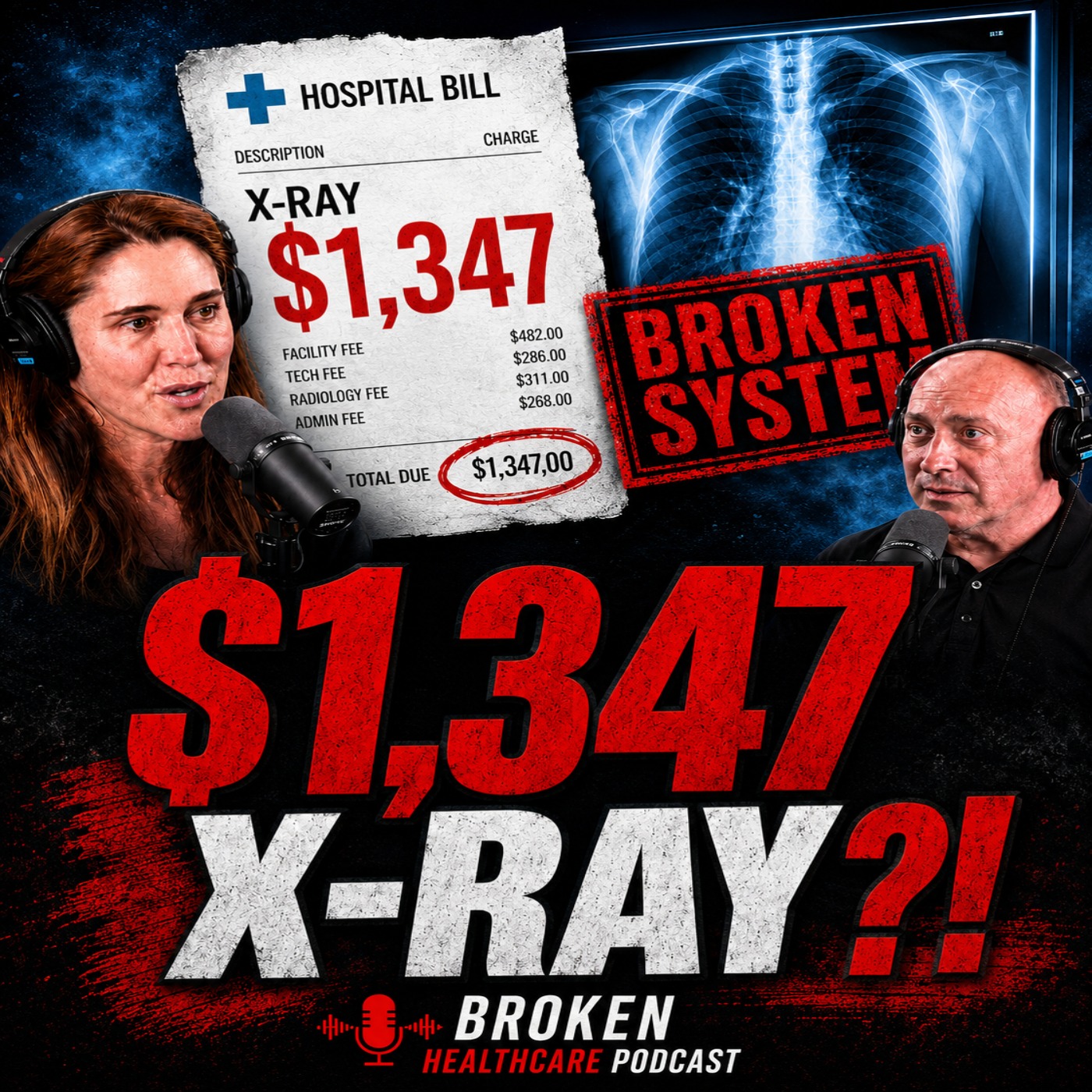 Doctor Asked What The X-Ray Cost...The Answer Was Insane | Broken Healthcare #9563 / 100
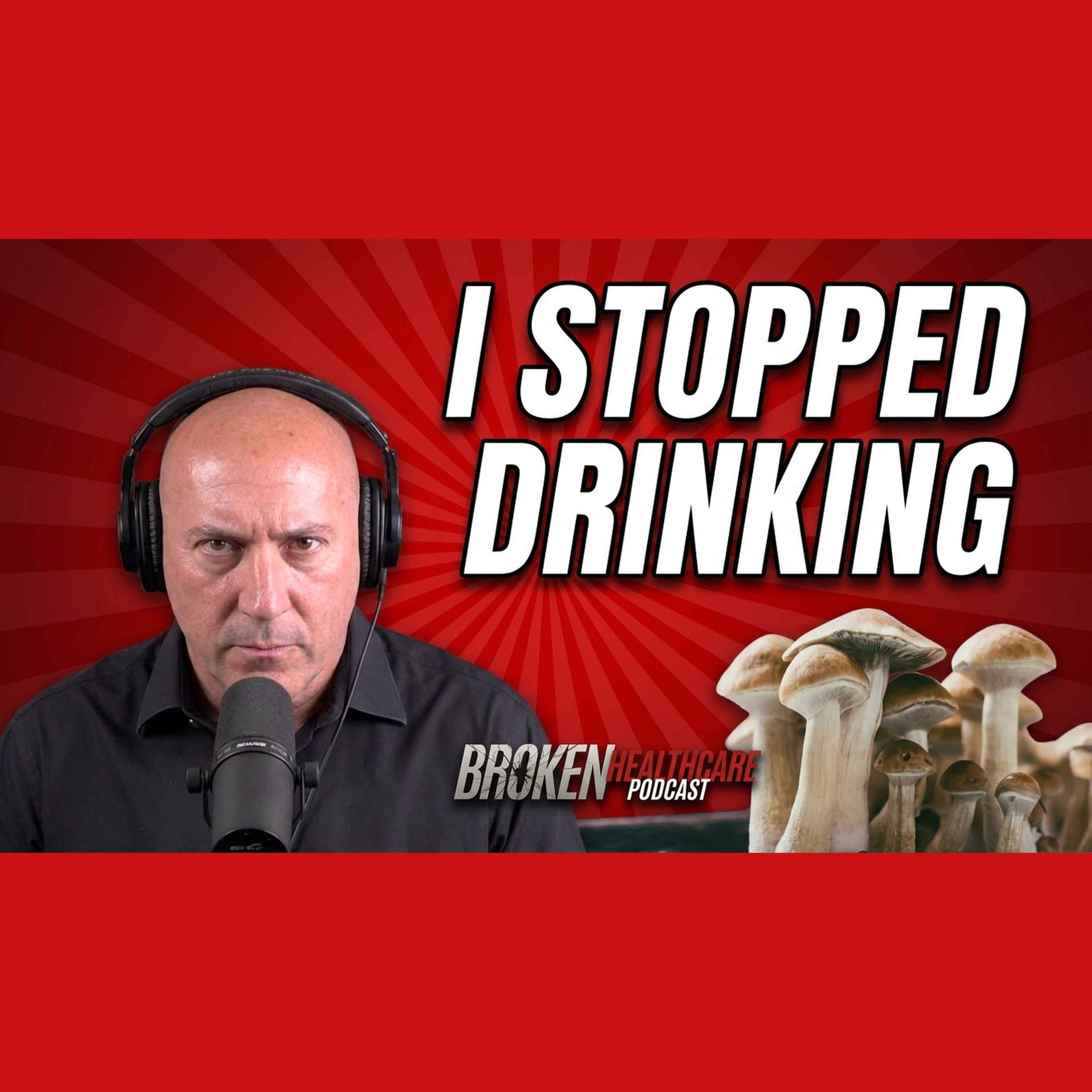 I Haven't Had a Drink in Over Two Months. Here's What Changed | Broken Healthcare Podcast #94
 $7.4 Million Found in 60 Days: How AI Is Exposing Hidden Claims Waste | Broken Healthcare #93
 From The Convent to The White House to Fixing Broken U.S. Healthcare | Broken Healthcare Podcast #92
 Broken Healthcare Costs, Self-Funding, Anti-BUCA & Real Reform | Broken Healthcare Podcast #91