
Always Better than Yesterday with Ryan Hartley · 2026-06-17 · 54 min
Key moments - from our scoring
Substance score
22 / 100
Five dimensions, 20 points each
Jessica Butcher transitioned from accounting to founding Power Branding, an agency helping health and wellness entrepreneurs amplify their impact through authentic, values-driven marketing. She and host Ryan Hartley explore how great marketing begins not with external messaging strategy, but with discovering and articulating the genuine values already present in a founder - through conversation, questioning, and distinguishing between passion-driven and pain-driven motivations. Butcher emphasizes that in 2026, with AI proliferation and eroding trust, the personal brand of the founder becomes non-negotiable; brands led by relatable, values-transparent individuals win while faceless, AI-generated content loses credibility. The episode addresses both the philosophical (why heart-centered leaders often resist marketing) and practical (consistent daily visibility, quality messaging, founder-forward positioning) dimensions of modern B2B brand building. Ideal for solopreneurs, service-based founders, and wellness entrepreneurs wrestling with how to authentically grow without compromising their values.
Through permission-based questioning that meets people where they are in their learning style; asking prompts about what sparks synergy, what drives purchases, and what's meaningful, then contextualizing answers within their specific industry or mission to surface values they already hold.
Trust is at an all-time low due to AI proliferation and synthetic content saturation; personal brands led by transparent, relatable founders establish authenticity and emotional connection that faceless corporate brands cannot replicate.
When stated values misalign with demonstrated actions - even slightly - conversions drop and engagement weakens; going back to core values often solves performance problems that appear unsolvable through messaging or methodology changes alone.
Both, but consistency and frequency now matter more than they did years ago; the saturated media landscape requires showing up daily and sharing regularly while maintaining heart-centered quality rather than defaulting to poor-quality content.
She uses AI intentionally as a tool aligned with her values, feeds it authentic information to counterbalance negative data, and treats it as an extension of her voice rather than a replacement for human creativity and decision-making.
Our reviewer’s read on each dimension, with quotes from the episode.
In 54 minutes, substantive marketing guidance is sparse and buried under extensive throat-clearing, personal anecdotes, and spiritual tangents. The only genuinely useful claims - that AI inbox curation (Gemini) is changing email deliverability, and that content creation systems should match individual workflow - are fleeting and underdeveloped. The rest is motivational padding.
I'm going to say this and it almost pains me because when I, when I first started doing this years ago, I always preached like quality over quantity
Google is incorporating Gemini into their inbox management. And so now it's like, it's not just about getting your email into the inbox and not the spam folder
The entire episode repackages standard marketing and coaching platitudes under the 'heart-centered' label without adding new frameworks or contrarian logic. Claims like 'this is the year of the personal brand' and values-first marketing are widely circulated talking points, and no argument in the episode challenges conventional wisdom.
this is the year of the personal brand. This is the year that those brands and companies that are led by a founder, forward individual, they, they'll make it to the top
Do you walk the walk and talk the talk?
Jessica Butcher is a small agency owner with real hands-on client work (including live event marketing at the Ironman World Championship), which gives her some practitioner credibility. However, she operates at a small-agency scale in a niche wellness vertical, and the conversation surfaces no evidence of having scaled anything or solved a hard B2B problem at meaningful size.
the two things most people come to power branding, that's my agency. Uh, the two things most people come to us for are email and social media marketing
Kyle asked me to support them when they completed the Ironman World Championship. When they, when they set the world record um, for the fastest push assist duo and I got to do all their boots on the ground marketing in Kona, Hawaii
The episode names a handful of real people and one specific fact (Ironman world record for push assist duo), but almost no marketing metrics, conversion benchmarks, campaign results, or budget figures are cited. Recommendations remain at a high level of abstraction throughout.
when they set the world record um, for the fastest push assist duo
I was working with my, my email strategist team member this week because, um, Google is incorporating Gemini into their inbox management
The host repeatedly redirects the conversation toward his own reflections, spiritual frameworks, and personal anecdotes rather than pressing for deeper expertise from the guest. Questions are uniformly soft and affirming, and no claim goes unchallenged or is asked to be evidenced - the episode functions as a mutual validation session rather than an interview.
One of the transformational books I've read over the last ten years is a book called Power versus Force by, um, Dr. David Hawkins
I truly believe the spiritual world has given us a great story of, you know, light and dark
Computed from the transcript - who did the talking, and the words that came up most.
Jessica Butcher is the founder of Power Branding, a marketing agency helping health, wellness and purpose-driven brands increase their visibility, authority and impact through authentic, values-driven marketing. Through strategic marketing, content creation, personal branding, communications and relationship-building, Jessica helps founders and organisations amplify meaningful messages without sacrificing authenticity. Those with ears, let them hear. Always love, Ryan
Transcribed and scored by The B2B Podcast Index.
Speaker A: Welcome to the Always Better Than Yesterday podcast. I'm your host, Brian Hartley. This podcast exists to equip and inspire your heart centered leadership. Every week we bring interviews with some of the greatest heart sets and mindsets on the planet. I hope the heart print of our time spent together is that it creates new possibilities for you and all those you come into contact with. If you'd like to explore what we could make possible for you, then head to abty.co.uk connect and book in a free 30 minute call to begin our journey on episode 339. What a joy is to welcome Jessica Butcher to the podcast. One of the things I've observed about this community over the years is our reaction to the words sales and marketing, the belief that we have to do it in a particular way. And one of the things I really want to continue to bring to you is examples of people who are doing that in a heart centered way. Which is why I'm bringing you this conversation today with Jessica. She is the founder of Power Branding. They are an agency that help health and wellness brands to greater heights through heart centered marketing. They ignite growth by fostering authentic connections and inspire engagement with the community. They amplify your impact and and m they elevate well being together. It's a conversation that I hope inspires your authentic heart centered marketing. Is episode 339 with Jessica Butcher. Yes. Welcome to the Always Best in Yesterday podcast. How are you?
Speaker B: I'm doing great. How are you, Ryan?
Speaker A: I love it when I get to see in someone's LinkedIn bio that they are, uh, all in the world of heart centered and you specifically are in the world of heart centered marketing. So I'm hoping that, uh, we could bring a great conversation that will inspire, equip and encourage the heart centered leaders in our community. Because if there's one thing I know we were just talking about, this is the humility of the heart sometimes means that they're not always very good at, uh, doing the marketing thing, which is the very vehicle for us to be able to do the thing we want to do in the world. So I'm hoping you can give us, um, some great insights and encouragement for our community today.
Speaker B: Well, I sure hope so.
Speaker A: Before we do that, help us get to know you a little bit better. Tell me a bit about your, uh, journey into becoming involved in heart centered marketing.
Speaker B: Absolutely. Well, uh, you know, like a lot of other entrepreneurs, I didn't intend for this to be my, my life path by any means. I actually went to college and Graduated with a degree in accounting. So you don't typically think of, of a number cruncher turning into a creative marketing, um, entrepreneur. But that, that was my path. I, I wanted to do more of this, Ryan. Like I wanted to have conversations with you. I wanted to be around people that are larger than life and um, in a corner cubicle with Excel all day just wasn't cutting it for me. And so that is really how I created power branding. Was, was looking for a way to um, support and be around other hard heart centered individuals. Right. And leaders. And so that, that's what drove me into, into the field of marketing. And I specifically offer marketing for health and wellness brands. Um, some of those brands are personal brands. A lot of them are, um, you know, they're, they're companies, they're service providers, retail, um, but that, you know, I chose that path because that's the lifestyle I live. I'm m. Super active in the CrossFit community. My husband is super active in the triathlon community. And so being to support leaders in that space and giving them platforms to, to shine and to inspire other people is what really lights me up.
Speaker A: Yeah. Come on. I, um, I was dangerous with a spreadsheet back in a, uh, lifetime ago. I used to be a analyst within the UK police service.
Speaker B: So you were dangerous with the spreadsheet?
Speaker A: Dangerous with a spreadsheet. But here's what I knew to myself, that I was a bit of an alien because, um, some, whether this is left brain, right brain, whether it's heart or mind, I'm not really sure. But there's the analytical side of things with the numbers. And then there's the bit that I used to love, which was taking this data, this and turning it into some form of story, being able to communicate to executives or leaders the story of the number. So I would do the numbers as much as I needed to so I could get away from them as quick as I possibly could. And let's tell the story, let's inspire decision making, let's inspire action or improvement. And that I guess was really my path to leaving things better, shall we say? I was doing that through the power of numbers analysis. And then when I found coaching, it was like, oh, I can do that without a spreadsheet. Like I could do that through power of conversation. Like, let's do more of that. Right? What was your bridge is. Maybe it's not so, maybe it's not so clear. Maybe it is like, what was your bridge between accounting and then marketing?
Speaker B: Um, honestly, I would say my bridge was when I was working in accounting, truthfully, I was just unhappy. And so my mental health was not great. My physical health was not great. Um, and I think because I was spending eight to 10 hours of my day, every single day, doing something that I didn't love. Um, but what I did know was that what was helping turn all of that around was my health, right? When I did take command of my health and I was, you know, I was active in the gym, um, I was active in a gym community. And so I had community around me, I had, um, nutrition. I was fueling myself. Um, it made a big difference. And that's really like, I wanted to give that gift. So, same thing. I. I wanted to give the gift of health to other people. Um, and I didn't want to do that in the form of me being the trainer, me being the nutritionist. I wanted to do it in a bigger way. And so, um, I realized I could do that by helping all of those experts get bigger and get their message. Um, and that's where the numbers still played into it. And just like you said, like, I don't necessarily want to look at the numbers all day, every day. I want to look at the numbers and then figure out, okay, are these numbers helping get your message to the right people, or do we need to pivot that message? And, you know, that's a big part of it, right, Is messaging. And so, so same thing. I like to see the numbers know if it's working or not. And if it's not, then I get to have the creative outlet. We get to, you know, just make small pivots, small tweaks to messaging or to avenue, you know, marketing avenues, pitches, things like that to really, um, to help continue to get the, the message, the important messages to, to people that just need to hear them and that can better their lives.
Speaker A: One of the transformational books I've read over the last ten years is a book called Power versus Force by, um, Dr. David Hawkins. It's an incredible book that's, um, really great at being able to define scientifically the, um, whether we want to use the word God or spirit or universe, there's this universal power that can come. And all the great spiritual teachers have always said that that power is within you. Right? And I love that your business is called Power Branding because it's. It's what I love to help people imagine, which is that it's. The marketing is an expression. It is just exactly expression of what is within. So the first part of the marketing journey really is not what you want to say out here, but maybe what is in here is that. Is that something 100 resonate with?
Speaker B: Yes. I, uh. You know, the first thing I do with any client that I ever work with is we have a conversation on values. And if. If those values don't exist, or maybe they just haven't. They always exist. But if you haven't really established them and put them on paper, we do that first. Um, because again, once we know your values, whether it's you as a person or as a business, we can establish those values. That is what needs to come through in the messaging all the time. And if, even when those numbers aren't making sense, when something isn't working, we not only go back to the messaging or the methodology, but we can go back to the values. Right. And how is this aligning? Because sometimes that's what it is. Like when your values are misaligned, even in just a little bit, it may not even make sense with data or on paper. But all of a sudden, that's where, um, that's where the conversion starts lacking. Or that's where the, uh, you know, the. The synergy starts to die down a little bit. And once we. Once we find those. Those values again, that's where, uh, we almost always get back on a path to success.
Speaker A: Yeah. And everyone can sprout the. The words spout, the words know, like, and trust. Right. I think people are used to that formula of know, like and trust. But if you are creating a gap between the values you say you demonstrate versus the ones you actually demonstrate. Well, I don't know the real you. I'm not sure I like the gap between who you say you are and what you actually are. So I don't actually trust you.
Speaker B: Right. I mean, I think, um, not you personally.
Speaker A: I'm. Yes.
Speaker B: Yeah. Yeah. I think that's the big. That is the. The key right there. It's like, do you walk the walk and talk the talk? And does that come through from your values or whatever it is you're putting out into the world? Um. So important.
Speaker A: But I think you said something wise a minute ago, which isn't that, um, we come to the world with the values through the mind, which is, what should they be? The minute we do that, we've lost, because we're searching out there for. The reality is you have them, they are there. How do you help people who maybe have never have come to this conversation for the first time, uh, go through a process of. Or even coming. Because here's the thing. I'VE learned with heart and mind or left brain, right brain. Sometimes it's a challenge to put words to a feeling. Do you have a method for, for that bridge of connection?
Speaker B: You know, I don't know that I would say I have a, a specific method. I think, um, a lot of it is, is really kind of meeting that person like where they're at in their journey. Um, it's just, you know, everyone's a little bit different in like their learning journey too. Are you a visual learner, are you an experiential learner and so on. And I think it's, it's getting to know someone enough to then figure out the best way to support them in honing in, you know, those values that they have. And like you said, I think the biggest hurdle, regardless of how we do that is getting out of the, what they should be and what they just truly are. Um, but a lot of times it's just, it's just through question asking. Right? So when you just allow someone the space to work through this, they can they start to find these answers on their own. So just by asking prompts of um, you know, what, what do you look for when, when you meet someone new that sparks, um, you know, that synergy for you? What do you look for when you're making a purchase? Um, what's meaningful to you? Um, and just asking those questions that really allow them almost to, as they start describing it, they start describing their values and it starts, you just start pulling that out of them. Um, and again usually just relating that to whatever, whatever it is they're doing and their mission is we just start kind of using examples. So let's say, you know, if they're, if they're a professional athlete, we would just have that conversation. But putting it in the context of their sport, if they're a business owner, we would put it in the context of the industry they're in. Um, but I think that is really the best way to, to really pull out, you know, the, the heart centered values and, and that, that they, that they have.
Speaker A: Yeah. One of the things I do here with, I mean I'm not necessarily in marketing, but I do help people find their thing. Right. What is it within them that they're here to bring to the world? And um, we'll go through what's really important to you, what's super important to you. I asked that question, annoyingly, the same question 10 times. 10 times, write down whatever comes out and then I'll do this little process of like, oh, is it like if you could only have one of these two, like one of them is going to be taken away. What is it? So they get this real refinement of absolutely. What is the top of the pile? What am I gonna die on a hill for? And then we go back through that list and I just, with permission we just say, okay, look at these words. Are they born out of passion or are they born out of pain? And it's incredibly powerful when you look at that and you go, yeah, these things I'm passionate about. And it's like, oh, that one. I don't want anyone to go through that. I want to help people overcome those things. And, and when we're talking about heart centered expression, love and service, like isn't it beautifully tragic when we can help others overcome or avoid the pain we've experienced? And isn't that um, business? Right? That's problem solving and it's finest is solving another's problem.
Speaker B: Yes, absolutely. Well, and, and you said something too that kind of sparked me when um, you know, one of my mentors, that's when, when we're working through even my own values or my own, you know, why something's important or not important. Um, it's very interesting but she'll just say like, okay, what are you, you know, like what's the end goal here? Like say a word. And then, and then she'll say another and another or why and why and you just keep taking it deeper and deeper. And it's very interesting how that can also um, really help establish some of the, the, you know, exactly what we're talking about. Your, your heart centered brand, your heart centered values, your heart centered purpose, um, and, or, or the opposite, like you said, even, even the pain or what you're looking to avoid.
Speaker A: And isn't it so much more fun to be the one asking the questions?
Speaker B: Thousand best friend and I just had that conversation the other day is uh, I gave her a piece of advice, she gave me a piece of advice and I'm like, man, it is just so much easier to give it than to receive it.
Speaker A: Yeah. So hats off to anyone that puts themselves in the uh, you know, the heart open perspective, the willingness to do this work because it's simply beautiful. And you know, I think we said at the top of the show like every, I really believe that everyone has something within them that is to be brought to the world in the service of other people. And the question isn't like, like do you have something? The question is, what is it? You know, let's let's preface this with you always have something but.
Speaker B: Mhm.
Speaker A: On the values conversation, you know, some of the community that you're talking to will be employees of larger organizations. So maybe now they're thinking about oh, I bring values and my business has values. How is that now shaping my experience of the workplace? But I'm not going to go there today. I'm going to go with the, that there's a lot of people in the community that are small, uh, business owners, founders, entrepreneurs like yourself. And do you see a pattern where the, the origin story of the founder, their values, their beliefs, they, they become a core part of the early business identity?
Speaker B: I, that's always the case, right? Like yes, always. Absolutely. Um, and you know, I think it's interesting because um, so often I hear founders and entrepreneurs, especially early startups, you know, they're always saying like well I don't want to be the face of this or I, I want this to grow beyond me. Um, but you know, what we're seeing especially in 2026 is, and, and with the addition of AI, um, you know the trust factor is at an all time low. Like who, who hasn't gotten on, on the intern days and thought is this even real? You know you see stuff all the time. Um, and so what we're seeing now is that um, the personal brand, this is the year of the personal brand. This is the year that those brands and companies that are led by a founder, forward individual, they, they'll make it to the top. Um, because there's trust there, it establishes something, that it's relatable, um, that and it's so important and so that would, that would be my biggest advice right is um, you know, bring those stories, bring those values to the forefront. Don't, don't try to hide them or try to, to minimize them.
Speaker A: I was really disappointed myself last week. I think I've got a really good Spidey sense for AI. Right. You know, and quite good. It's exhausting because you realize how cynical you've become now when you that becomes a question, is this real? So I've generally been pretty good with my AI Spidey sense. My wife's a musician and we really value um, authentic human creativity and expression. And I in instinctively thought a world class performer as I almost dismissed it as AI. And then the more I watched it I was like this is real. And I was like oh man. A little bit of like a little bit of time after that I was like oh man, I, I've been deceived you know, I mean, that's whole trust. It's not only just trust. I had a remaining emotional one say it was anger, but it was, I was not, I was pretty unhappy. To have been deceived and to have thought that about someone's work. And, you know, that's just one, that's one moment, dare I say I scroll, see multiple things a day. Like, it's an interesting world that we find ourselves in with us, uh, you know, that we're thinking now without even realizing.
Speaker B: Right. And I, you know, it's funny, I've even had that with clients before where they've said, um, like, this sounds like AI. And I'm like, nope. That came right out of my brain, you know? And so, yeah, but I, I'm with you. I think that is, that is the tightrope that we're walking. And I, I, I couldn't resonate more with what you're saying. It's almost like, um, there's a time and place when it's almost like a badge of honor that you can scope out AI versus real. But then there are the times where it may. I don't know about you, but I always feel guilty when it's like, um, I second guess that person that was truly them or that was their accomplishment or, you know, and, and I, I do hate that for, for all the benefits that there are, um, I do hate that that there is a little bit of that from, from the negative perspective that I think I don't see going away anytime soon is that, um, you know, the questioning of, like you said, human creativity.
Speaker A: I truly believe the spiritual world has given us a great story of, you know, light and dark. Right. You know, so if, if we just play that story out that the world is becoming less authentic, maybe it's becoming more chaotic, maybe it's becoming more divided and separate. Well, I believe that the universe is in constant state of balance, which to me says that there has to be the presence of love, light, hope, service.
Speaker B: Good.
Speaker A: Yes. But the challenge is there's something within all of us that is asking us, where will we play our part? How will we contribute to this marketplace? If I'm showing up on LinkedIn, if I'm showing up in. The question is, how will I place myself there? Uh, and quite frankly, I'm glad that organizations like you exist because you're going to equip people. The question isn't, do I do marketing? The question is, how do you want M to do marketing? Who do you want to be whilst you're Doing marketing, that is, that is what it means to be heart centered first. Right. Because if the difference between the heart and the mind is if the heart is who am I, what do I stand for, do I care about? Well then the mind is employed to then figure that out. The best strategy to do that, the best plan, the best delivery system. So we need both, but we need people that know how to journey in a way that you're going to help people, which is first.
Speaker B: Yep. Well, and you said something too that I think is, is important because how do we all take responsibility to input the positives? Because just like you said, I think there's a balance. Right. So for, for every negative, there's a positive. Um, you know, and I think that especially in marketing and AI and just the world we live in is like, how can we all be contributing the, the positives and, and especially in marketing. I work in AI systems all the time and I'm always like thinking if I can feed it, I hope that can help counterbalance like any negative information that's being fed as well. Um, and so again I think that is, and that's heart centered leadership. Right. And that's something you can apply whether it's marketing or day to day life or tech or biotech or whatever industry, I mean, you know, across all platforms. And I think that that is, you know, those are things that we have to uh, evolve as, as this technology is evolving and just as the world's evolving that we can do.
Speaker A: Well, the bits we talked about heart around identity and authenticity, you can't outsource that. So if you're outsourcing that you've already lost, right. Because you're chasing something that you can't replicate. Um, so I, you. I do use AI and, and actually I use it in such a kind, compassionate way. I really like, you know, make sure I speak to my eye and you know, because if this thing he's going to remember me, it's gonna, it's gonna learn who I am. But I'll say I've had to have some stern words with GPT. It's chatgpt recently like Summit's gone on the standard of their work. Honestly, I'm, I'm considering uh, removing them from my roster because they are underperforming. The amount of challenges. I don't know what's happened in the world of AI chat, gbt, but Subics happened in the last few months because they are underperforming.
Speaker B: I know, I feel like Claude is all the rage right now.
Speaker A: You know, Right.
Speaker B: Chad GPT is out. Claude is in. I don't know.
Speaker A: Yeah, might have to be that way. You know, it might have to be that way. So with um, with the way that you work with clients, what is like the, the top pathways that um, you know, what are the core things that uh, heart center leaders, founders, entrepreneurs, they, they need to be really thinking about in terms of 2026, 2027 marketing.
Speaker B: You know I, I'm going to say this and it almost pains me because when I, when I first started doing this years ago, I always preached like quality over quantity. And uh, although quality is still super important, just like we've been talking about and you know, really it's, it's a heart centered quality. But I think um, you know what I would recommend anyone to be considering this year into next year is um, is showing up in a, you know, a high quantity way. Uh, the, the world we live in there, it's, it's very saturated. There's between social media and um, you know, the m. Several platforms that we have now. Um, we as, as individuals, as consumers, we are just getting hit from all angles and to, to establish yourself and to share your mission, you have to show up and you have to show up every day and very consistently. I think you do a great job of this. I feel like every time I get on LinkedIn I see a post from, from Ryan. Uh, but I think, I do think that's. Yeah. So I, you know, again that's not to say that we want to get, you know, to be poor with what we're putting out there, but I do think um, it's being open to just sharing what's going on and sharing consistently. Um, but I think that really allows us, it does give us the platform to bring heart centered leadership to the forefront every day. Because also leadership isn't always like sexy in this big amazing thing. It is just who's willing to do the work and to you know. Yep, yep. And so I think it's, it's showing up.
Speaker A: Yeah. Well thank you for acknowledging that that's new because um, uh, so that was my style many a few. And, and I went through a few events, life events in 20, 23, 24 and I just, I, I took myself away from the social platform. So what you're seeing recently is me emerging from a period of.
Speaker B: I love that.
Speaker A: So thank you for acknowledging that.
Speaker B: And hey also kudos to you for like acknowledging that you needed the space. Right. Like just because, just because it's beneficial to do that doesn't Mean it's beneficial for everyone in every circumstance.
Speaker A: Yeah, two reasons. One is, um, I've always been a helper. Been always been a helper. Ah. And, and you know what? I really got to the idea that I just. No one likes a tired helper. I need to help myself. There was, you know, and actually having a. I uh, think a big thing about heart centered leadership is community. Right. You've already said the word community. Bringing people together as one. And I wasn't able to do that. I wasn't able to do that full hearted and you know, so I had to narrow down my bandwidth. So I made a conscious decision. But somewhere along that way I was like, man, the world's chaotic and noisy. I don't want to add to that. And, and so there was a moment of pause going, I'm not sure what I want to bring and contribute at that time. And for me that was wisdom because I didn't just fearfully show up out the fear of being irrelevant. But I'm sure there is a way of being able to. And I think the problem I had is I stopped completely. And so it's like that momentum building, getting going again. Right. So I made it probably bigger than it needed to be. But how does that look then? You know, I'm supporting CEOs that are uh, calendars booked out, super busy. The idea of them showing up on, you know, is overwhelming to them. How, how do you support, uh, busy people show up and be authentic? Is it about systemizing? Is that simple? Is it breaking down the m mystique, like where do you start?
Speaker B: You know, again, I think that it looks a little bit different for everyone. Um, so when I work with clients, you know, I'm a big believer that there's no two people, two businesses, two companies that are the same. Right. And so rather than trying to force everyone into this one system that's like trying to, you know, fit a square peg in a round hole, uh, that, that obviously isn't going to move the needle. So I think step one is always having conversations and figuring out like, what is their routine, how can we support them in their journey to showing up online? Um, you know, and for some, for some people it's as simple as, like they just have to hand it off. They use a team, you know, an agency like mine that can take over creating that content, managing the content, interacting with their audience. Um, for some that's, hey, we just need to build the systems, we just need to block the calendar. We need to, um, you know, maybe we, maybe it's once a week, they write their content and they schedule it. So we just need to get a software that can schedule that content for them, things like that. Um, and for, for some people, they're, they like, they don't want to sit down. You know, there's some creators and professionals out there that they, they're in real time and so they, it works better in their schedule to just when a thought hits them and it's super authentic, they want to get it out. And you know, I've worked with, I've worked with professionals over the years that like, they like to go for walks. You know, they, they, they build in their time for their walks. And so what do we, you know, what's the system for them? It's hey, we're gonna get out your phone and you're just gonna start like audio recording, talk to yourself or, and, and record that content and then you're inspired. Now come in, record it right. Then while you're inspired, record a 30 second video. You know, I've worked with clients that they're the opposite. They, they would rather block their calendar once a month, sit down, talk it out with someone, um, create, create the, the content ahead of time. So it's really just, you've got to find what works in your own lifestyle. Um, and that's, that's exactly what, what we do for so many brands.
Speaker A: I, uh, I don't know whether you can disclose your clients, so I, I won't say their names unless you do. But obviously we connected because you referred to me, one of your clients, to be on the podcast.
Speaker B: We can say their name. Yeah.
Speaker A: Okay, cool. Well, I'll let you say the names in a second. But um, that was one way that you represent clients about, you know, podcasting. And so you reached out to me and you got your clients hosted and I was like, well, I want to talk to you like as well. I was like, yeah, I'll interview your clients.
Speaker B: And I was so honored.
Speaker A: Yeah, I was, I want to talk to you like heart centered marketing. Um, what else, what are the suite of services that you can provide? Because I have two ladies in mind. I have two lady directors, incredibly heart centered. So I've been working with them from a heart centered leadership and culture perspective. I can help them with marketing, but it's not really my full, fullest service I can provide. And I m think you'd love them. I think what they're doing is changing an industry from the inside out. Um, incredibly powerful women leaders. So I'm going to Connect you both. I feel that whether there's work there in the future or whatever, I think it's a valuable connection to make.
Speaker B: Uh, I'm all about relationships, right. Whether relationships first, business is what comes after.
Speaker A: Well I'm going to connect you because I think there's, there's definitely something there. But um, for, for them or for anybody that comes to you, what is the full suite of um, pathways that strategies that people can engage in?
Speaker B: Yeah, well so typically the two things that most people come to power branding, that's my agency. Uh, the two things most people come to us for are email and social media marketing. Um, so that's both you know, organic and paid social media efforts. It's email campaigns, the flows, the um, automation segmentations. So um, really showing up consistently online is what most brands and individuals come to power branding for. Um, now outside of that we do offer a full suite of digital marketing services. So we do some SEO work, some website maintenance, um, you know, print materials for some of our clients, uh, you know, any, any of those marketing avenues. Uh, we do typically work in those fashions as well when it makes sense for those clients. And then um, the other side of the business that, how we connected is I, I met with you to um, recommend Brent and Kyle Pease to be on your podcast. Um, their book is right over here. Yeah, they. And so what I did to support, or what I do to support Brit and Kyle is um, I help them with um, some basic PR needs. Um, so in this case for the last couple months we've been running some PR around podcasts for them, opportunities for them to get exposure to um, you know, not only speaking but to expand their audience through sharing their story. Um and so occasionally I do get the opportunity to work with brands in, in a smaller PR realm, um, or even more of a personal branding realm. I've done some work with brand, specifically on his personal brand which has been great. Um, and so those are more like what I would call like one off projects um, that I, that I do to work with with individuals. One of my, I will share with you one of the um, more just special memories that I have or experiences I've had from power branding was um, in 2025, um, Britain. Kyle asked me to support them when they completed the Ironman World Championship. When they, when they set the world record um, for the fastest push assist duo and I got to do all their boots on the ground marketing in Kona, Hawaii. It was so fun. I got to do, you know, I was able to manage all their social content in real time. So, um, not only on race day, but everything leading up to it. So as they were getting press, as they were checking in and, and you know, shaking hands and kissing babies, I got to be behind the scenes capturing that content, posting it to their audience in real time. So fun, um, and just, just so special to see. Um, I was able to secure them some press spots while we were on the island. So getting them on some different YouTube channels, securing some interviews with some news outlets while we were there was super fun. Um, so that was a really special moment because what it ultimately led to was I had a media pass and I got to be on the inside of the finish line when they crossed, when they crossed the finish line. So, um, I'm sure this wouldn't, is not super surprising, but I was the one in the background sobbing as I was like holding my phone. Yes. So, um, so anyway, so, so any, you know, those are kind of one off things that I, I have had the opportunity to do for, um, athletes and founders along the way.
Speaker A: And that's the win, win, win nature of doing bringing your hearts to the world. Right. You get to be involved in life changing experiences. I'm sure you worked your ass off that day. Like it was probably a, uh, 14, 16 hour day. Like, you know, I, I was gonna make a joke saying, oh, that was a hard day's work. I bet it was a hard day's work. Like, just because you're in Hawaii doesn't make it not a hard day. But, um, I bet it's, it's like the, the sort of days you just, oh, uh, wow, that's what it's all about. I did say to Brent and Carla, because they're, they're, I think they're championing, um, having like the London Marathon, except, uh, a push duo. And I said, well, on the day that you do that, I'll see you at the finish line. I won't be running it with you. I won't be running it with you, but I'll come and see you over the finish line.
Speaker B: Yes, exactly. Oh, man, maybe I, I would love to come for that too. So, yeah, we could be there together.
Speaker A: We're gonna hang out, we'll hang out. We'll have a hard day at the finish line.
Speaker B: Yes. Yeah. Yes, exactly. Hey, I tell you, you know, my husband also runs these Ironmans and I tell people all the time, I'm like, you all think it's so hard for them to run a, you know, 15 hour race, but I'm like, have you ever spectated a 15 hour race?
Speaker A: Oh, my word. Stood still for 15 hours. Yeah, yeah, yeah. Mad. Yeah. My, um, my granddad did the half marathon recently and we stood there for ages for him just to run past in like 35 seconds. It's like, oh, we'll see. We'll see you again on lap two in about an hour and a half. Like.
Speaker B: Yep, yep. I know. Well, and like, Brent and Kyle are fast, so when they go flying by you, you get a short window to.
Speaker A: Yeah, yep. Real athletes. Real athletes. A bit of feedback for, for Brent as well as just saying like, man, that guy is like super humble. I wanted him to come on and share all his. Like, I have a friend that's an iron man who's done an iron man and he was really excited and, and I, I thought he was gonna come out with all these. Yeah, we did this and we. The most humble guy I've ever met. He gave all the credit to, to Kyle and um, I have this brilliant, amazing composite. Thank you for, for getting in touch and sorting that one out.
Speaker B: Yes, well, absolutely. My, my honor, absolutely.
Speaker A: What is inspiring you massively at the moment? What are the things that really set your heart on fire when it comes to power branding?
Speaker B: Um, you know, we kind of touched on this when you were telling me about, um, a couple of your connections, but relationships really drive me. Um, and you know, I, I tell people all the time, um, I'm in it for the long haul. You know, I'm not in, I, I'm m not in business or just in life trying for, to, to establish these short term relationships. I think you, you and I are going to be a great example. Like, I don't see this as, you know, I, I never saw this as, hey, I'll reach out to them and try and get burned on a podcast and never, never talk to you again. Um, it's a, you know, I would love to stay in contact forever. And um, you know, I do that in, in life and in business and I think, um, that is, that's how I've grown my business. That's how I, um, and it's what, what I love. You know, I, I am going to a conference at the end of this month. Um, and I in Florida and I live in Illinois. So that's a good little bit of a, probably a three hour plane ride. And um, I'm going to finally meet people that I've met online for the last two, three years and not just like three or four, probably 50 or 60 women that I, uh, it's a, it's a female founders conference. Um, you know, that's right. And that's certainly, you know, it's one of those like that is, that's, that is what drives me and what gets me up in the morning is creating relationships, helping people make connections. Um, and again, sometimes those relationships do turn into business opportunities and sometimes they turn into just getting to be someone's cheerleader and um, supporting their journey, seeing what they accomplish, um, and also like being inspired by them. Um, you know, whether it's um, what they're doing in their business or just in their life. You know, like I, I am so fortunate to have relationships with individuals who are, who are doing things from growing, you know, 8, 9, 10 figure businesses to people that are accomplishing these amazing athletic endeavors, to women who are just raising the next generation and m, you know, everything in between. And that, that is just, to me, that really lights me up is just generating relationships.
Speaker A: M. One of the most scary things for heart centered leaders, heart centered marketing, is to truly be seen.
Speaker B: Mhm.
Speaker A: Truly be seen for who they authentically are. Uh, um, it could be absolutely terrifying for people who have never done that. 2. It's one thing to like bring your baby to the world like as a business, but to bring that to the world and be truly authentic and run the risk of being judged, rejected. All of those things are incredibly real for some of the people I support. Would that be fair to say of the people you support too?
Speaker B: Yeah. And you know what's interesting about this? I don't know about you, um, a lot of times those people that kind of do drag their feet a little bit on, on actually showing up, um, the big thing I hear them say is like, well, I don't, I don't want to come off as conceited or cocky or um, you know, I don't, I don't want to be egotistical. And you know, I always try to remind people that number one, to be any of those things, you have to be completely ignorant of the fact that you are those things. So the fact that you're even considering it means that you're not egotistical in any way. Um, and number two, you know, the, the only result of showing up is that you make sales or generate relationships like that. You know, that's the um, you know, I, I hear it a lot, um, from clients. They don't want to be too salesy. And I'm like, yes. And the, the outcome of being salesy is making sales and also helping Those, you know, where you're not just selling something you don't believe in, you've created it. Right. And so, um, I think that's, that's the big part.
Speaker A: Yeah. We had a guy on the podcast, Jason Mark Campbell. He has a book called Selling with Loves Just Outside of My Eyesight. Um, and in it he gave a real great, um, heart centered masterclass on selling. He's like, if you believe in what you have improves the lives of other people, then you do want to sell to. Sometimes it's the ickiness that we have. You know, for me, without getting the conversation too deep, if I have a core wounding that Ryan Hartley is rejected, uh, and abandoned, then, then every sales interaction becomes an opportunity for me to revisit those emotions. So until I kind of go and pay attention to those kind of those chambers of my heart that have either hardened or armored, then, uh, then I'm going to feel that about sales. But the reality is sales is just the process of the relationship. Right. Becoming a formal one.
Speaker B: Exactly. And, and again, I think it's if, um, you know, if you're unwilling to show up and to share your story, actually what you're doing is you're just encouraging other people to also do the same. And I would say most people don't, don't want that for others. Right. Like, uh, as scary as it is to show up for ourselves and for our own, you know, brand or, or business or whatever that might be, I don't think any of us would sit here and say, well, I, I hope this person doesn't, doesn't grow their business or doesn't show up. And so I think we have to, you know, uh, encourage others, you know, lead by example.
Speaker A: Yeah. So I mean, I mean exactly with you. Right. When I'm supporting clients. Exactly the same with you. Which is like, you know, if you're, if you're thinking like that, then you're clearly not egotistical. But when my wife comes to me and says, I don't want my music to be like all self indulgent or self promotion, I just want the people who need to hear it to hear it. I'd be like, well, that is ego. You are, uh, I'll be playful with. I'll be like, you are making it about you. Like, I was like, that's totally ego. Like, I'll be playful. But, um, you know, and it's funny, isn't it? Because I think, uh, the one liner that I really love, I think it becomes, comes from Pavarotti. He says most people want to be loved by their audience. I want to love my audience. And I think if we can come at it like that, whether it be storytelling, marketing, sales, that means I'm not even thinking about me. The only bit about me I'm thinking of it is, is what do I have and what do you need? And then being in service of that, what everybody else is none of my business. But the more I can posture my heart on the one in front and be attentive and present to your needs, then I can serve you with only that which I have.
Speaker B: Right? And, and I think that that is like, and it's reminding yourself, right? Like anytime you put something out there, like is if, if I can make the difference in one one person today, or if I can impact someone or encourage them to take an action, it's totally worth it. It's. And it's totally worth. Even if there is that bad egg that's watching that has, you know, has something negative to say, it's still worth it if, if it makes that impact. And I think, I think that's 100%, you know, keeping that in mind, I want, I want to love my audience. And I think, um, you know, when you keep, when you have that as the value going back to our original conversation, like, you just, you can't go wrong. Like you're, you will be posting something so valuable, so meaningful to them that, that you have nothing to, nothing to hide.
Speaker A: Well, the, um, top environments, top platforms, top apps, whatever you might. What are the top pathways, methods, what are the top, um, areas that you're seeing, uh, are super powerful for heart centered marketing, expression, community building. What are the spaces and places we ought to, to be?
Speaker B: Oh, gosh, well, I don't really know that there's a place that you shouldn't be. I think it's, it's finding, you know, where, where's that audience that you want to love? It's, you've got to be wherever they are. You know, in your case, like, you have a podcast, you have listeners. So obviously we want to show up, um, regularly with your podcast. But then where else are they? I know I see you on LinkedIn a lot on Instagram, Um, you know, but if you, like you were talking about your, your wife is a, an artist. And so, you know, if you, if that's your avenue, obviously you want to be more on a video platform, showing up online.
Speaker A: Um, you know, I have to do dances on TikToks.
Speaker B: Well, um, for you, probably not, but some people probably should. Hey, I'm just saying, you never know. They can be fun.
Speaker A: I like saying is play to your strengths. Utley, you're saying play to your strengths.
Speaker B: Play to your strengths. Yes, but you know that a good example is, is yesterday I had a conversation with an author. Um, so obviously that individual needs to show up on Substack versus, um, you know, someone like me who I'm looking to connect and support business owners. I Show up on LinkedIn. Um, you're obviously showing up from a podcast perspective. So your platforms are potentially YouTube, Spotify, Apple, so on. Um, so again, I think it, I don't think that there's a magical platform somewhere. I think it's, it's again, we're looking at the audience that we want to love on. Where are they at? Where are they hanging out at? And um, sometimes that's easy to pinpoint and sometimes it's not as easy. Um, and I, I've helped people do that before is really figuring out, um, you know, step one is who is your audience and where are they? Um, and going all in there.
Speaker A: Um, email marketing. What's the crack with email marketing? Your experiences? Because I, as an experienced person, my side, My spam folder is full of people telling me that my SEO is rubbish, my reach of my YouTube's rubbish. And it's like, oh, no, does it work? Is email marketing effective in 2026? Do you recommend it?
Speaker B: So I definitely recommend it to anyone that has repeat buyers. Um, so if you have, if you have something that, um, we can sell to a repeat buyer, a repeat buyer has a, you know, their likelihood of, of making a purchase again is, is much higher than a new audience. So, um, I definitely recommend it for that. Again, it just really depends on what you're selling. Um, do I think those. I know exactly what you're talking about because I go in and I delete them and every single morning the, your SEO or your, your LinkedIn or your Instagram and all those. Um, but again, I think it's uh, number one, do you have an email list that's even opted in? Right, because those people you're talking about, I'm talking about we never probably opted in to even receiving their communications.
Speaker A: Yeah.
Speaker B: Um, and so again, I think. Do I think email marketing is effective? I absolutely do. If you have, um, if you have a, an opted in email list, if you have something actually of value to offer. Um, and, um, it again now it's, it's totally evolving. I was working with my, my email strategist team member this week because, um, Google is incorporating Gemini into their inbox management. And so now it's like, it's not just about getting your email into the inbox and not the spam folder like you said, but it's how do we make sure that AI is able to read our emails and, and push it to the top of, of an inbox so that it's seen? Um, so again, it just depends on, you know, who you are and what you're selling, um, for, for that to work.
Speaker A: Fascinating. You know, the reason I'm asking you these questions is because I want people to hear the, the reality of what's out there. I think because it's very easy for us in our own little micro world to, to make assumptions. You know, I've supported many people who have said very much the opposite of everything you're saying today. Like, I don't want to do this. That's not going to work. I, I don't want to be the face like, like literally. And it's. So is that, is that because it's. We make the wrong conclusions? Is that because of the old way of doing things no longer works? But I think it's really important. Again, we've, we've said the question isn't do we do it? The question is more about how do we do it? What do we prioritize? Where do we put our time, energy and effort? And. Yeah, yeah. So what's your, Anyone that's listening to this right now that is maybe, um, at the forefront of innovation, but maybe not a decision maker. So there's someone within an organization that is listening to this going, I need to take this podcast episode to my executive. This is what we should be doing. This is how we should be promoting. How do we equip and empower that person to go and be influential in their role right now?
Speaker B: Ooh, um, that's a great question. I would say, um, you know, as, as a decision maker for a company, um, number one, I would be so appreciative for any, you know, insight, ideas, innovation that, that a team member may have. Um, but I think anytime you can offer solutions, some data behind it, I think that not only is going to help you get whatever it is you're asking for, but I think it makes you look like such a strong team member. So, so say you're listening to this and you're like, holy cow, we should be capitalizing on email marketing. Let's use that. We were just talking about it, um, you know, taking not only this podcast, but then taking, hey, here and here's a LinkedIn for Jessica. Here's exactly how we contact her. Here's a website. Here's also three articles for why email marketing when you are selling whatever it is we're selling is supportive. Um, it just becomes a no brainer for, for that decision maker. Um, you know, decision makers are, they're busy, they have a lot to review. Um, so you know, streamlined, bullet pointed list that you can have for them. Um, just make, make it, make it a yes before, before they even have to ask questions would be, would be my recommendation. And also that's a great way to be a standout team member that, that gets the next promotion in my opinion.
Speaker A: Love it. Uh, how do people connect with you? How can they engage and work with you?
Speaker B: Absolutely. Well, two ways. LinkedIn, um, Jessica Wiesner Butcher on LinkedIn. Um, Instagram, uh, is I am Jessica Butcher. And then my business page is I am Power branding on Instagram. So very simple there. Um, if you're interested in like scheduling a call with me and my team, my uh, ah, website is iampowerbranding.com and there's a link in there. You can submit just your basic information and schedule a call and we can you know, talk. Whether that's um, you're just curious how to bring something to life. If you're just wanting, wanting some time. If you've listened to this podcast, I would love to give you 30 minutes and, and help you brainstorm that. Or maybe you're, you, you're wanting some fuller support and you actually want to talk about what that can look like. We can, we can have that conversation too.
Speaker A: Love that. What's the difference between your personal website? Are there additional services, other things that you do in the world?
Speaker B: The I am Power branding website is really focused on all the marketing that we've talked about.
Speaker A: Mhm.
Speaker B: Yeah.
Speaker A: And then the Jessica Butcher website.
Speaker B: Um, the Jessica Butcher is I, that was my Instagram. Sorry, I may not be very clear. Yep.
Speaker A: No, no, no, I miss it. That's cool.
Speaker B: Yep.
Speaker A: Um, I have a word here. Always better than yesterday. And the word really symbolizes the, the ripple effect of the work that we do. And I was having a conversation with someone earlier which is basically along the lines of the true beneficiaries of our work are not our clients is not the Brents and the Carls of this world is ah, everybody who then gets to be touched and inspired by the story of Brent and Kyle. So that's what I really, that's what really inspires me is the true Beneficiaries of these. This conversation is not the listener right now. It's what the listener goes and does and impacts whoever they go and impact.
Speaker B: Yeah.
Speaker A: Jessica, I'd love for you to kind of preflect on what you hope the heart print of your work in this lifetime will be.
Speaker B: Oh, that is such a loaded question. Um, because, because that's exactly like what, what fuels me, right, is it's not that I want to help my clients as much as I do want to help them. It's that I know that everything my clients are offering is helping hundreds, thousands and millions of people. And, and so I, I, that just resonates so deep, so deeply with me. Um, but yeah, I think, I think for me, what I, what comes to mind when I think of, you know, the heart print that I, I would leave is I, I mentioned this really early on when you asked, like, about me or how I got here. Um, and I said, you know, I at one point was an accountant. And, um, how did an accountant go from crunching numbers to an island in Hawaii running around chasing two of the coolest people on the face of the planet that, that set a world record. Um, and I think the heart print here is that you're just, you stuck and you're just one yes away from a different and an improved life. If, if you want that. Um, you know, I'm a big believer. Like, bite off more than you can chew and chew as fast as you can. I wouldn't do that all the time. Um, but I do, I do believe, I believe in rest, but I believe that, um, you know, just saying yes to opportunities and it allow you, only allow you more opportunities. Um, it's how, it's how I've landed and I'm having this conversation with you. Um, and so I think that, that that would be my heart print is just that, um, it's never too late to start and that you, you can always, always create something more for yourself.
Speaker A: This relationship began with a pitch. Just so everyone can hear this loud and clear, this relationship landed with a pitch. And now we're here, blessed with an hour long podcast where we've clearly got a relationship. We're like hearted human beings. We want to bring more good in the world. So the issue is not the, the pitch. If you bring goodness to the world, if you bring light hearted values to the world, then the people that you are destined to connect with will be welcome and glad of your pitch, your marketing, your sales, this, this episode is testament to that. So, Jess, thank you for your heart work. Thank you for bringing it all to the world and we'll be honored if you'd leave us a final thought from yourself.
Speaker B: Uh, a final thought. Well, Ryan, this has been amazing. I appreciate you and I hope everyone in this final thought can, can um, take one action today to put um, just some heart centered energy into the world. Whether it's make a quick social media post, hop on your story or um, just simply go out and you know, do do something for someone else today that, that is heart centered would be my final thought.
Speaker A: Love it. Thank you my friend.
Speaker B: Thank you my friend.
Speaker A: Hey my friends, thank you for making it to the end. I hope that our time spent together today has left you a bit, little bit better than before you push play. I'd really appreciate if you just took a moment to leave a review to allow me to meet more people where they are and hopefully leave them a little bit better too. If you're curious to know how I through Always Better Than Yesterday can serve you, your team, your organization, then head to always better than yesterday.com to connect. And while you're there, let me know one or two things that you're going to do as a result of listening to this conversation. I absolutely love hearing your thoughts, your reflections and the things that this spark in your own heart and mind. If you want more insights from my heart and uh, mind, I do send out short episodes on a Monday, Tuesday, Thursday and Friday. And again I hope that they serve you well. I appreciate you listening. I'm Ryan Hartley, host of the Always Better Than Yesterday podcast, a podcast for heart centered leaders. Just like like you keep leading my friends. Always love.
Other episodes covering the same guests and topics, from across The B2B Podcast Index.
 Nobody Is Watching You Anymore, and That's on You NowLife Fulfilled Podcast · on Personal branding74 / 100
 Episode 193: Becoming Iconic with Jen Leigh: The Founder Building a Media Brand for Ambitious WomenDawn of a New Era The Billionaire Brain Podcast · on Personal branding67 / 100
 152. Nik Hemingway - Interview Preparation Expert | Resume Writer | Career Coach | Executive CoachPeople in Transition · on Personal branding65 / 100
 The One Hour Time Investment That Changes Everything: Why You Absolutely Need a Personal Brand (Even if you don't think you do) ft. Vanessa ErrecarteIt's About Time · on Personal branding60 / 100
 Emily the Recruiter on CLOCKING IN & Communicating at Work (ep. 217)Talk About Talk · on Personal branding60 / 100
 Automation Matters with Kelly Boyi LinkedIn Coach, Mentor and AdvisorThe Robot Industry Podcast · on Personal branding55 / 100
 Ep 338 Interview Sessions with Anne-Maartje Oud | How to Handle Any Situation at Work
  Ep 337 Interview Sessions with Ben Veal | How A Podcast Became A Book | Good Journeys - 25 Inspiring People 75 Lessons Learned
 Ep 336 Interview Sessions with Nick Jonsson | Executive Burnout & Loneliness
 Ep 335 Interview Sessions with James Kellock | Kindness in Leadership & Life
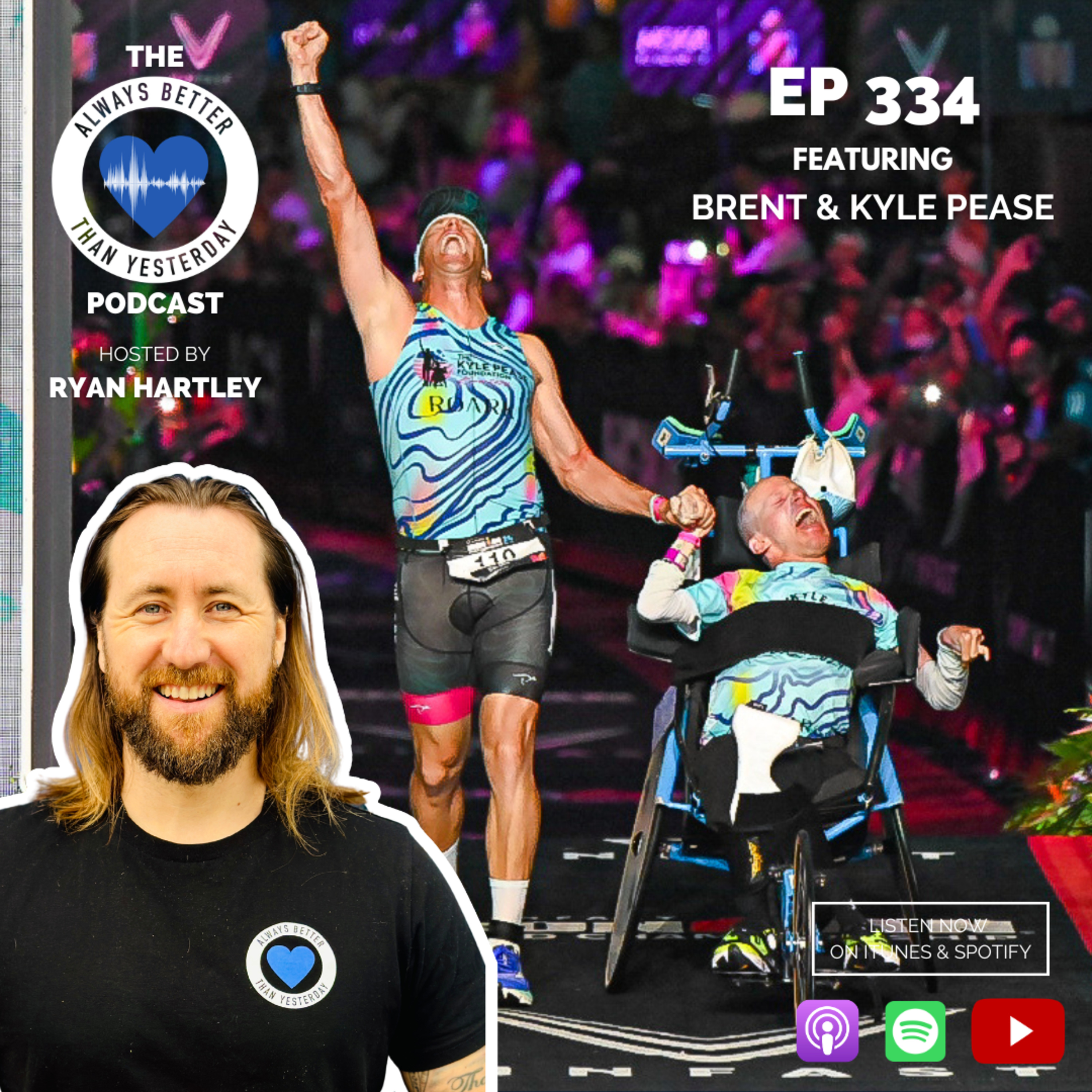 Ep 334 Interview Sessions with Brent & Kyle Pease | Beyond The Finish - Inclusion, Ironman & Inspiration