
AI Business Daily · 2026-05-23 · 39 min
Key moments - from our scoring
Substance score
7 / 100
Five dimensions, 20 points each
This episode explores artificial intelligence's growing impact on global business operations across multiple dimensions. Speaker A examines how AI-powered analytics systems enable companies to process vast amounts of data instantly, identify market patterns, and make faster strategic decisions compared to traditional manual processes. Key themes include real-time decision-making capabilities, predictive forecasting for inventory and customer engagement, and personalized digital experiences powered by intelligent algorithms. The discussion covers automation's role in reducing repetitive work, improving operational efficiency, and lowering barriers to entry for startups competing globally. However, the episode emphasizes critical counterbalances: cybersecurity, privacy protection, responsible data usage, and transparency are essential priorities as organizations rely more heavily on connected digital ecosystems. Throughout the conversation, Speaker A argues that technology alone is insufficient - human creativity, emotional intelligence, strategic thinking, and authentic customer relationships remain central to sustainable long-term value creation. The episode addresses digital scalability for entrepreneurs, the evolution of connected digital ecosystems integrating AI with cloud computing and analytics platforms, and workforce adaptation as professionals develop hybrid digital and creative skills. For B2B operators, this provides a framework for understanding how to balance intelligent automation with human-centered leadership in increasingly data-driven competitive markets.
AI-powered analytics systems process massive amounts of data instantly, allowing companies to monitor customer trends, website activity, and operational efficiency in real time, enabling them to identify opportunities and respond to market changes much more quickly than traditional delayed reporting.
Intelligent systems analyze historical data and market behavior to help businesses anticipate future trends, improving inventory management, advertising strategies, customer engagement, and long-term strategic planning before competitors identify the same opportunities.
While AI improves efficiency and automates repetitive processes, people continue driving creativity, emotional understanding, communication, ethics, and long-term strategic vision - capabilities essential for building authentic customer relationships and sustainable business value.
Experts emphasize that privacy protection, cybersecurity, transparency, and responsible data usage are critical priorities as organizations rely more heavily on AI and automated digital ecosystems to maintain customer trust and reduce security vulnerabilities.
AI-powered digital tools and cloud platforms have lowered barriers to entry, allowing startups and smaller teams to automate workflows, analyze customer behavior, and operate globally with lower operational costs while maintaining competitive efficiency.
Our reviewer’s read on each dimension, with quotes from the episode.
The episode consists almost entirely of generic platitudes about AI, data, efficiency, and the importance of balancing technology with human leadership - ideas repeated verbatim across multiple segments with zero novel findings or substantive business insights. A B2B operator would learn virtually nothing actionable or unexpected; every claim is obvious and unsupported.
Companies that understand how to use information effectively may gain significant competitive advantages
AI can provide insights and improve efficiency, but people continue driving creativity, communication, ethics and strategic vision
The entire transcript recycles the same five tired talking points - automation improves efficiency, AI enables personalization, humans drive creativity, trust matters, and adaptability is important - cycling through them verbatim across thirteen nearly identical segments. There is zero contrarian thinking, no first-principles analysis, and no departure from the most conventional startup-wisdom clichés about AI.
Businesses that successfully combine intelligent automation with authentic human centered leadership, innovation and sustainable long term value
AI can improve efficiency and automate repetitive processes, but people continue driving innovation through creativity, emotional understanding, communication and long term strategic thinking
There are no guests. This is a solo monologue delivered by Speaker A (presumably the host) with Speaker B interjecting only fragments and filler. Neither speaker is identified, and neither provides operator experience, data, examples, or testimony from actual business practice. This is pure content padding with no subject-matter expertise evident.
Speaker B: increasing increasingly digital markets
Speaker B: focus more on innovation, creativity and growth
The transcript contains zero named companies, zero metrics, zero case studies, zero timelines, and zero dollar figures. Every claim is abstract generalization: 'companies generate data,' 'AI helps businesses,' 'consumers expect personalization.' No evidence is offered for any assertion.
Companies today generate enormous amounts of information every second
Organizations that remain flexible and open to innovation may be better prepared for long term growth
There is no conversation; Speaker A delivers scripted monologue while Speaker B inserts filler words and fragments that add no substance. No questions are posed, no arguments challenged, no tension introduced, and no follow-up occurs. The format resembles a chatbot repeating a template rather than two people in dialogue.
Speaker B: increasing increasingly digital markets
Speaker B: and and the global digital economy
Computed from the transcript - who did the talking, and the words that came up most.
Artificial intelligence and digital transformation are reshaping industries across the global economy. In this episode of AI Business Daily, we explore how businesses are using AI-powered systems, automation, data analytics, and digital platforms to improve productivity, scale operations, and compete in rapidly evolving markets. We also discuss: data-driven decision making, global digital ecosystems, entrepreneurship in the AI economy, cybersecurity and trust, and why human creativity and leadership still remain essential in the future of business. As technology continues evolving, businesses that successfully combine innovation, adaptability, and authentic customer experiences may become the leaders of the next digital era. AI Business Daily is proudly part of the Cast Nexa media network. For sponsorships, advertising opportunities, collaborations, or podcast promotion inquiries, visit CastNexa.com or contact us directly at contact@castnexa.com AI Business Daily is proudly part of the Cast Nexa media network. For sponsorships, advertising opportunities, collaborations, or podcast promotion inquiries, visit CastNexa.com or contact us directly at contact@castnexa.com.
Transcribed and scored by The B2B Podcast Index.
Speaker A: The Future of AI Data and Smart Decision Making in the Modern Digital Economy Companies today generate enormous amounts of information every second and AI powered systems are helping organizations analyze that data faster and more efficiently than ever before. In the past, many business decisions depended heavily on manual research, traditional reporting and slow operational processes. Today, intelligent systems can identify patterns, predict trends and provide insights in real time. This allows companies to react faster to changing market conditions and customer behavior. One of the biggest advantages of AI driven decision making is efficiency. Businesses can now optimize marketing campaigns, improve customer experiences, manage operations and forecast future demand using advanced analytics and automation systems platforms. Data is becoming one of the most valuable assets in the global economy. Companies that understand how to use information effectively may gain significant competitive advantages in
Speaker B: increasing increasingly digital markets.
Speaker A: AI systems help businesses process large amounts of data quickly while identifying opportunities that
Speaker B: might otherwise go unnoticed. Another important trend is personalization.
Speaker A: Intelligent algorithms allow businesses to create more targeted recommendations, digital experiences, and communication strategies
Speaker B: based on customer preferences and online um behavior. Consumers now expect faster, smarter and more personalized interactions across websites, mobile apps and digital platforms. However, experts continue emphasizing the importance of privacy and responsible data usage. As businesses rely more heavily on AI driven systems, protecting customer information and maintaining public trust are becoming critical priorities. Cybersecurity is also playing a larger role in the digital economy. Companies are investing heavily in secure infrastructure to reduce risks and protect sensitive information in increasingly connected digital ecosystems. Human leadership still remains essential despite rapid technological growth. AI can provide insights and improve efficiency, but people continue driving creativity, communication, ethics and strategic vision. Businesses that combine intelligent automation with strong human centered decision making may become stronger long term leaders. Artificial intelligence is not simply improving business operations, it is reshaping how organizations analyze information, compete globally and prepare for the future economy. The next generation of successful businesses may be those who understand how to balance technology, trust, innovation and responsible leadership in an increasingly data driven world.
Speaker A: AI, Data analytics and Business Intelligence the next generation of successful businesses may be those that understand how to balance technology, trust, innovation and responsible leadership in an increasingly data driven world. As artificial intelligence continues evolving, data analytics and business intelligence are becoming essential tools for companies across nearly every industry. Modern businesses collect enormous amounts of information through websites, mobile apps, digital platforms and customer interactions. AI powered systems help organizations analyze this data quickly and transform it into valuable insights that support smarter decision making. One of the biggest advantages of business intelligence systems is predictive analysis. AI can identify trends, customer behavior patterns and operational opportunities before businesses notice them manually. This allows companies to respond faster to market changes and improve long term strategic planning. Another major trend is automation driven Analytics. Instead of spending hours organizing reports and reviewing spreadsheets, building businesses can now use intelligent systems to process information in real time. This improves efficiency and allows teams to
Speaker B: focus more on innovation, creativity and growth.
Speaker A: Personalization is also becoming increasingly important. Businesses use AI analytics to deliver more targeted recommendations, improve marketing campaigns and create customized digital experiences for customers. Consumers now expect faster and more relevant
Speaker B: online interactions across multiple platforms. However, experts continue emphasizing the importance of responsible data usage and cybersecurity. As organizations rely more heavily on digital ecosystems, protecting sensitive customer information and maintaining transparency are becoming critical priorities. Human leadership still remains central in the AI economy. Technology can support decision making and improve operational efficiency, but people continue driving strategy, communication, ethics and long term business vision. Artificial intelligence is transforming how organizations understand information and compete in global markets. Businesses that successfully combine advanced analytics with adaptability, trust and human centered leadership may become the strongest leaders of the future digital economy.
Speaker A: The growing importance of real time decision making is transforming how organizations understand information and compete in global markets. Businesses that successfully combine advanced analytics with adaptability, trust and human centered leadership may become the strongest leaders of the future digital economy. One of the biggest advantages of modern AI systems is real time decision making. In today's fast moving digital environment, companies can no longer rely only on delayed reports and traditional business processes. Markets change quickly, customer behavior evolves rapidly and businesses must adapt faster than ever before. AI powered analytics systems help organizations process massive amounts of information instantly. Businesses can monitor customer trends, website activity, marketing performance and operational efficiency in real time. This allows companies to identify opportunities and
Speaker B: respond to challenges much more quickly.
Speaker A: Another important trend is predictive forecasting. Intelligent systems can analyze historical data and market behavior to help businesses anticipate future trends. Companies use these insights to improve inventory management, advertising strategies, customer engagement and long term planning. Automation is also improving productivity across industries. AI powered tools reduce repetitive manual work along allowing teams to focus more on
Speaker B: innovation, communication and strategic growth. This creates faster and more efficient digital operations. However, experts continue emphasizing the importance of responsible AI development.
Speaker A: Businesses must balance automation with transparency, cybersecurity
Speaker B: and ethical technology practices to maintain customer trust in increasingly connected digital ecosystems. Human leadership still plays a critical role in modern business strategy. AI can support analysis and efficiency, but people continue driving creativity, emotional understanding, communication and long term decision making. The future economy will likely reward organizations that combine intelligent automation with adaptability, innovation and authentic customer focused experiences. Artificial intelligence is not simply improving business operations. It is reshaping how companies think, compete and prepare for the future of global digital transformation.
Speaker A: AI automation and Competitive Advantage Artificial intelligence is not simply improving business operations. It is reshaping how companies think, compete and prepare for the future of global digital transformation. As technology continues evolving, businesses are increasingly using AI and automation to gain competitive advantages in highly dynamic markets. One of the biggest benefits of automation is efficiency. AI powered systems can handle repetitive tasks, analyze data, optimize workflows and support customer interactions much faster than traditional manual processes. This allows organizations to reduce operational costs while improving productivity and scalability. Another important trend is intelligent customer engagement. Big businesses now use AI driven tools to personalize communication, recommend products and improve digital experiences across websites, apps and online platforms. Consumers increasingly expect faster and more customized
Speaker B: services in the modern digital economy.
Speaker A: Predictive analytics is also becoming a major business advantage.
Speaker B: AI systems can identify patterns and forecast
Speaker A: market trends, helping companies make more informed strategic decisions. Organizations that understand how to use data effectively may respond more quickly to customer
Speaker B: behavior and changing industry conditions. However, experts continue emphasizing that technology alone is not enough. Businesses must also maintain transparency, cybersecurity and ethical AI practices to build long term trust with customers and audiences. As digital ecosystems become more connected, credibility may become one of the most valuable assets in the future economy. Human creativity and leadership still remain central to innovation. AI can improve speed and automation, but people continue driving strategy, emotional understanding, communication and long term vision. Businesses that successfully combine intelligent systems with authentic human centered experiences may become stronger long term leaders. Another major factor is adaptability. Technology evolves rapidly and organizations that continue learning and embracing responsible innovation may gain significant advantages over competitors that resist change. Artificial intelligence is accelerating digital transformation across industries worldwide. But the future may belong to businesses that balance automation, trust, innovation and meaningful customer relationships. The next generation of successful companies may not simply be the most technologically advanced. They may be the organizations that understand how to combine technology with sustainable long term value.
Speaker A: Building Long Term Value in the AI Economy the next generation of successful companies may not simply be the most technologically advanced. They may be the organizations that understand how to combine technology with sustainable long term value. As artificial intelligence continues transforming global industries, businesses are increasingly focusing on growth strategies built around innovation, adaptability and customer trust. One of the biggest priorities in the AI economy is long term sustainability. Companies are realizing that rapid automation alone is not enough to guarantee success. Businesses must also create meaningful customer experiences, maintain transparency and build strong digital reputations in highly competitive markets. AI powered systems are helping organizations improve productivity, personalize services and optimize operations more
Speaker B: efficiently than ever before.
Speaker A: From customer support and marketing automation to predictive analytics and workflow management, intelligent technologies
Speaker B: are becoming becoming deeply integrated into modern business infrastructure.
Speaker A: Another major trend is digital scalability. Startups and entrepreneurs can now use AI
Speaker B: tools to operate globally with smaller teams and lower operational costs.
Speaker A: This is lowering barriers to entry and
Speaker B: creating new opportunities for innovation across industries such as media, education, e commerce and technology services. However, experts continue emphasizing the importance of ethical innovation. Privacy protection, cybersecurity and responsible AI development are becoming critical priorities. As digital ecosystems become more connected and data driven, human leadership still remains essential. In this rapidly evolving environment, AI can improve efficiency and automate repetitive processes, but people continue driving creativity, strategic thinking, communication and emotional understanding. Businesses that combine intelligent automation with authentic human centered values may build stronger customer loyalty and long term brand credibility. Another important factor is continuous adaptation. Technology evolves quickly and organizations that remain flexible and open to change, making stronger competitive advantages in the future economy. Artificial intelligence is reshaping how businesses operate and compete globally, but sustainable success may ultimately depend on balancing automation with trust, innovation and meaningful human connection. The future digital economy may belong to organizations that innovate responsibly while continuing to create real long term value for customers and communities.
Speaker A: The Future of Innovation and Digital Growth the future digital economy may belong to organizations that innovate responsibly while continuing to create real long term value for customers and communities. As artificial intelligence continues expanding across global industries, digital businesses are entering a new era of innovation driven by automation, connectivity and intelligent digital systems. One of the biggest advantages of AI is the ability to accelerate growth and improve efficiency simultaneously. Companies can automate repetitive workflows, analyze customer behavior, optimize marketing strategies and improve operational performance much faster than traditional systems allowed in the past. Another major trend is the rise of connected digital ecosystems. Businesses are integrating AI with cloud computing, automation platforms, analytics systems and communication tools to create smarter and more flexible operations. This allows organizations to scale globally while maintaining faster response times and improved customer experiences. Entrepreneurs and startups are also benefiting from this transformation. Smaller teams now have access to powerful digital tools that once required massive corporate resources. AI powered platforms are helping creators and businesses compete internationally with lower operational costs and greater efficiency.
Speaker B: However, experts continue emphasizing the importance of trust and responsible technology use.
Speaker A: As businesses collect more data and rely more heavily on automation, cybersecurity, privacy protection
Speaker B: and transparency are becoming critical priorities in the modern digital economy. Human leadership remains essential despite rapid technological progress. AI can improve speed and automation, but people continue driving innovation through creativity, communication, emotional understanding and long term strategic thinking. Another important factor is adaptability. Technology evolves quickly and organizations that continue learning and embracing responsible innovation may gain stronger competitive advantages over time. Artificial intelligence is not simply changing business operations. It is reshaping how Organizations compete, communicate and grow in an increasingly connected global economy. The next generation of successful companies may be the organizations that successfully combine intelligent automation with authentic human centered leadership, innovation and sustainable long term vision.
Speaker A: AI Adaptability and the future Marketplace the next generation of successful companies may be the organizations that successfully combine intelligent automation with authentic human centered leadership, innovation and sustainable long term vision. As artificial intelligence continues transforming global industries, adaptability is becoming one of the most valuable competitive advantages in the modern marketplace. Technology is evolving faster than ever before. Businesses are constantly adjusting to new digital platforms, automation systems and AI powered tools designed to improve efficiency and customer experiences. Organizations that remain flexible and open to innovation may be better prepared for long term growth in rapidly changing markets. One of the biggest shifts in the digital economy is the increasing importance of speed and responsiveness. AI systems allow businesses to analyze trends, optimize operations and respond to customer behavior in real time. This creates opportunities for companies to operate more efficiently while improving decision making and strategic planning. Another important trend is personalized digital experiences. Consumers now expect faster communication, targeted recommendations
Speaker B: and seamless online interactions across websites, apps and digital services. Businesses that successfully combine automation with authentic customer engagement may build stronger long term loyalty. At the same time, experts continue emphasizing the importance of ethical innovation. Privacy protection, cybersecurity and transparency are becoming increasingly important as organizations rely more heavily on intelligent digital ecosystems and automated systems. Human creativity and leadership still remain essential despite rapid technological growth. AI can improve efficiency and support data driven decisions. But people continue driving innovation through strategic thinking, communication, emotional understanding and long term vision. The workforce is evolving as well. Professionals who continue learning and adapting to technological change may have stronger opportunities in the future economy. Businesses are increasingly encouraging teams to combine digital skills with creativity and problem solving abilities. Artificial intelligence is reshaping how companies compete, communicate and scale globally. But sustainable success may depend on balancing automation with trust, innovation and meaningful human centered experiences. The future marketplace may belong to businesses that embrace technology responsibly while continuing to create real value for customers, communities and the global digital economy.
Speaker A: Innovation, Trust and the Digital Future the future marketplace may belong to businesses that embrace technology responsibly while continuing to create real value for customers, communities and and the global digital economy. As artificial intelligence becomes more advanced, companies are realizing that innovation and trust must grow together in order to create sustainable long term success. One of the biggest advantages of AI is the ability to improve efficiency and accelerate digital growth. Businesses can automate workflows, analyze customer behavior, optimize communication and and improve decision making faster than ever before. This allows organizations to adapt quickly in highly competitive global markets. Another major trend is the rise of intelligent digital ecosystems. Companies are integrating AI with cloud computing, analytics platforms, cybersecurity systems and automation tools to create smarter operational environments. These connected systems help businesses scale more efficiently while while improving customer experiences across digital platforms. However, experts continue emphasizing that technology alone is not enough. Consumers increasingly value transparency, privacy protection and authentic communication. Businesses that fail to maintain customer trust may struggle in a digital economy where audiences are becoming more selective about the brands and platforms they support. Human creativity and leadership remain critical despite rapid automation. AI can process information and automate repetitive
Speaker B: tasks, but people continue driving strategic thinking, emotional understanding, innovation and meaningful communication.
Speaker A: Organizations that successfully combine automation with strong
Speaker B: human centered values may gain stronger long term advantages. Another important factor is continuous adaptation. Technology evolves rapidly and businesses that remain flexible and open to learning may be better prepared for future market shifts and industry transformation. Artificial intelligence is reshaping global business infrastructure, but long term success may depend on how effectively organizations balance automation, trust, innovation and authentic human experiences. The future of the digital economy may belong to companies that use intelligent technology responsibly while continuing to focus on sustainable growth, ethical leadership and meaningful customer relationships.
Speaker A: The Evolution of Smart Digital Business the future of the digital economy may belong to companies that use intelligent technology responsibly while continuing to focus on sustainable growth, ethical leadership and meaningful customer relationships. As artificial intelligence continues evolving, businesses are entering a new phase of digital transformation driven by smart automation and connected technologies. One of the biggest changes happening today is the rise of intelligent business systems. Companies are integrating AI into communication platforms, analytics systems, customer support and operational workflows to improve efficiency and scalability. This allows organizations to operate faster while reducing repetitive manual tasks. Another important trend is data driven personalization. AI systems help businesses understand customer preferences and create more targeted experiences across websites, apps and digital services. Consumers increasingly expect personalized communication and seamless digital interactions in modern online environments. Businesses are also using predictive analytics to
Speaker B: identify market trends and improve strategic planning.
Speaker A: Intelligent systems can analyze large amounts of information in real time, helping companies respond
Speaker B: more quickly to changes in customer behavior and competitive markets.
Speaker A: However, experts continue emphasizing the importance of
Speaker B: responsible innovation as digital ecosystems become more advanced and interconnected. Cybersecurity, privacy protection and transparency remain essential priorities for businesses worldwide. Human leadership still plays a major role in the future AI economy. Technology Technology can improve productivity and automate workflows, but people continue driving creativity, communication, emotional understanding and long term strategic vision. Another major factor is adaptability. Organizations that remain flexible and continue learning may gain stronger competitive advantages as technology evolves rapidly across industries. Artificial intelligence is not simply Improving business operations. It is reshaping, shaping how companies innovate, communicate and compete in a globally connected digital marketplace. The next generation of successful organizations may be the businesses that successfully combine intelligent automation with authentic human centered leadership, innovation and long term customer trust.
Speaker A: The future of intelligent global markets may be the businesses that successfully combine intelligent automation with authentic human centered leadership, innovation and long term customer trust. As artificial intelligence continues reshaping industries worldwide, global markets are becoming more connected, competitive and technology driven than ever before. One of the biggest advantages of AI powered systems is the ability to operate at scale. Businesses can automate workflows, improve customer communication, analyze market behavior and optimize operations across multiple regions in real time. This allows companies to grow more efficiently in highly competitive digital environments. Another important trend is global accessibility. Smaller startups and independent creators now have access to advanced digital tools that were once limited to major corporations. AI powered platforms are helping businesses expand internationally, improve productivity and compete in global marketplaces with lower operational costs. Consumers are also changing rapidly. People increasingly expect personalized experiences, fast communication and seamless digital interactions across websites, apps and online platforms.
Speaker B: Businesses that successfully combine automation with meaningful
Speaker A: customer engagement may build stronger long term loyalty and trust.
Speaker B: At the same time, experts continue emphasizing the importance of cybersecurity, privacy protection and ethical technology development. As businesses rely more heavily on intelligent digital ecosystems, maintaining transparency and protecting customer data are becoming critical priorities. Human leadership still remains essential despite rapid technological progress. AI can improve efficiency and automate repetitive processes, but people continue driving innovation through creativity, emotional understanding, communication and long term strategic thinking. Another major factor is adaptability. Technology evolves quickly and organizations that continue learning and embracing responsible innovation may become stronger long term leaders in the future economy. Artificial intelligence is not simply changing business operations. It is transforming how companies compete, communicate and scale globally. In the modern digital era, the future marketplace may belong to organizations that successfully balance automation, innovation, trust and authentic human centered experiences while continuing to create sustainable long term value.
Speaker A: Human Leadership in the age of automation, the future marketplace may belong to organizations that successfully balance automation, innovation, trust and authentic human centered experiences while continuing to create sustainable long term value. As artificial intelligence becomes more advanced, businesses are beginning to understand that technology alone cannot replace strong human leadership. AI powered systems can improve efficiency, automate workflows and process large amounts of information faster than ever before. However, leadership still depends heavily on human qualities such as communication, creativity, emotional intelligence and strategic thinking. One of the biggest challenges for modern organizations is balancing automation with human connection. Consumers increasingly expect fast digital experiences, but they also value authenticity, transparency and meaningful communication from businesses and brands. Another Important trend is the rise of adaptive leadership. Technology evolves rapidly and organizations must constantly adjust to changing digital environments, market conditions and customer expectations. Leaders who remain flexible and open to
Speaker B: innovation may guide businesses more successfully through future transformation. Human decision making also remains critical in areas involving ethics, long term strategy and responsible technology use.
Speaker A: Businesses must carefully consider issues related to
Speaker B: privacy, cybersecurity, transparency and trust. As AI systems become more integrated into global digital ecosystems, the workforce is evolving as well. Professionals are learning how to collaborate with intelligent systems rather than viewing automation only as competition. Companies that encourage continuous learning and digital adaptability may become stronger long term organizations. Experts believe the future economy will reward businesses that combine advanced technology with authentic leadership and customer centered values. AI can improve operational efficiency, but human vision and innovation continue, driving meaningful growth and sustainable business success. Artificial intelligence is transforming how organizations operate around the world. But long term leadership may depend on how effectively businesses use technology to strengthen human experiences rather than replace them entirely. The next generation of global business leaders may be the organizations that successfully combine intelligent automation with trust, adaptability, creativity and responsible innovation.
Speaker A: The future of human centered innovation may be the organizations that successfully combine intelligent automation with trust, adaptability, creativity and responsible innovation. As artificial intelligence continues evolving, businesses are entering a future where human centered innovation may become one of the most valuable competitive advantages. Technology is transforming industries at an incredible pace. AI powered systems now support automation, analytics, communication and decision making across nearly every sector of the global economy. Businesses are using intelligent tools to improve efficiency, reduce operational costs and create faster digital experiences for customers. However, experts continue emphasizing that long term success depends on more than advanced technology alone. Companies must also focus on transparency and ethical leadership and authentic customer relationships. Consumers increasingly expect businesses to balance innovation with responsibility in an increasingly connected digital world. Another major trend is collaboration between humans and intelligent systems. AI can automate repetitive tasks and process information quickly, but human creativity, emotional understanding, communication and strategic thinking still remain a
Speaker B: single essential for innovation and leadership. Entrepreneurs and startups are also benefiting from the rise of accessible digital tools.
Speaker A: Smaller teams can now compete globally using
Speaker B: AI powered platforms for marketing, automation, analytics and online business management. This is creating new opportunities for innovation across industries such as media, education, technology and E commerce.
Speaker A: At the same time, cybersecurity and privacy
Speaker B: protection are becoming increasingly important. Businesses must maintain customer trust while operating within complex digital ecosystems powered by data and automation. Adaptability may also become one of the most valuable skills in the future economy. Organizations that continue learning, evolving and embracing responsible innovation, making stronger long term advantages in rapidly changing markets. Artificial intelligence is reshaping how businesses operate, communicate and grow globally, but human centered leadership may continue guiding the future direction of innovation. The future digital economy may belong to organizations that successfully combine intelligent automation with meaningful human experiences, sustainable growth and long term customer trust.
Speaker A: The Evolution of the Connected Digital Economy the future digital economy may belong to organizations that successfully combine intelligent automation with moving meaningful human experiences, sustainable growth and long term customer trust. As artificial intelligence continues reshaping industries, businesses are entering a new era of highly connected digital ecosystems powered by data automation and smart technology. One of the biggest trends driving this transformation is connectivity. Modern companies are integrating AI with cloud computing and analytics systems, automation platforms and communication technologies to create more efficient and scalable operations. These connected systems allow businesses to improve productivity while responding faster to customer needs and market changes. Another important factor is global accessibility. AI powered tools are helping startups, entrepreneurs and creators compete internationally with fewer resources and lower operational costs. Smaller teams can now automate workflows, analyze customer behavior, optimize marketing strategies and scale
Speaker B: digital businesses more efficiently than ever before.
Speaker A: Consumers are also becoming more digitally connected. People expect personalized services, seamless online experiences
Speaker B: and fast communication across websites, apps and digital platforms.
Speaker A: Businesses that successfully combine automation with authentic
Speaker B: customer engagement may build stronger loyalty and long term trust. However, experts continue emphasizing the importance of cybersecurity, transparency and ethical technology practices. As digital ecosystems become more advanced, organizations must protect sensitive information and maintain public confidence in increasingly data driven driven environments. Human leadership still remains essential despite rapid technological advancement. AI can improve operational efficiency and automate repetitive tasks, but people continue driving creativity, innovation, communication and long term strategic thinking. The workforce is evolving as well. Professionals who continue learning digital skills and adapting to technological change may have stronger opportunities in the future AI economy. Artificial intelligence is not simply transforming business operations. It is reshaping how organizations connect, compete and innovate globally. The future marketplace may belong to businesses that successfully balance automation, adaptability, trust and authentic human centered leadership in an increasingly connected digital world.
Speaker A: Innovation, Adaptability and the Future Workforce Workforce the future marketplace may belong to businesses that successfully balance automation, adaptability, trust and authentic human centered leadership in an increasingly connected digital world. As artificial intelligence continues advancing, the future workforce is evolving alongside rapid digital transformation. One of the biggest changes happening today is the growing relationship between humans and intelligent systems. AI powered tools are helping businesses automate repetitive tasks, improve productivity and analyze information faster than ever before. This allows professionals to focus more on creativity, communication, leadership and strategic thinking. Another important trend is continuous learning. Technology evolves quickly and businesses are increasingly searching for individuals who can adapt to
Speaker B: change changing digital environments.
Speaker A: Professionals who continue developing digital skills and understanding AI Powered systems making stronger opportunities in the future economy.
Speaker B: Remote collaboration and global digital communication are
Speaker A: also reshaping how organizations operate. Teams can now work together across different countries using cloud platforms, automation tools and AI assisted productivity systems. This creates greater flexibility and expands opportunities
Speaker B: for businesses and workers worldwide. At the same time, experts continue emphasizing the importance of responsible innovation as organizations
Speaker A: rely more heavily on data driven systems
Speaker B: and automation, Cybersecurity, privacy protection and transparency remain critical priorities for long term business success. Human creativity still remains essential despite rapid technological progress. AI can process information efficiently, but people continue driving emotional understanding, innovation, ethical leadership and meaningful customer experiences. Businesses that successfully combine intelligent automation with strong human centered values may build more sustainable long term growth in competitive digital markets. Artificial intelligence is not simply changing business operations. It is transforming how companies build teams, communicate globally and prepare for the future of work. The next generation of successful organizations may be the businesses that embrace technology responsibly while continuing to invest in adaptability, innovation and authentic human leadership.
Speaker A: The long term vision of the AI economy is becoming clearer. The next generation of successful organizations may be the businesses that embrace technology responsibly while continuing to invest in adaptability, innovation and authentic human leadership. As artificial intelligence continues reshaping global industries, the long term vision of the AI economy is becoming clearer. A future built on intelligent systems, connected digital ecosystems and human centered innovation. One of the biggest drivers of this transformation is efficiency. Businesses are using AI powered systems to automate workflows, analyze customer behavior, optimize communication and improve operational performance at a global scale. This allows organizations to respond faster to market changes while creating more personalized customer experiences.
Speaker B: Another major trend is accessibility.
Speaker A: Entrepreneurs, startups and creators around the world now have access to advanced digital tools that once required massive corporate resources. AI powered platforms are helping smaller businesses scale globally, reduce operational costs and compete
Speaker B: in increasingly digital marketplaces.
Speaker A: However, experts continue emphasizing the importance of trust and responsible innovation.
Speaker B: As organizations rely more heavily on automation
Speaker A: and data driven systems, Cybersecurity, transparency and ethical technology development are becoming critical priorities
Speaker B: for sustainable long term growth. Growth, human creativity and leadership still remain essential despite rapid technological progress. AI can process information efficiently and improve productivity, but people continue driving innovation through strategic thinking, emotional understanding, communication and long term vision. Another important factor is adaptability. Technology evolves rapidly and businesses that continue learning and embracing responsible digital transformation may gain stronger competitive advantages in the future economy. Artificial intelligence is not simply transforming business operations. It is reshaping how companies innovate, communicate and build relationships in the modern digital world. The future global economy may belong to organizations that successfully combine intelligent automation with trust, creativity, ethical leadership and meaningful human centered experiences. Thanks for listening to AI Business Daily, proudly part of the Castnexa Media Network. For sponsorships, advertising opportunities, collaborations or podcast promotion inquiries, visit castnexa. Com or contact us directly at Contact at castnexa. Com.
Other episodes covering the same guests and topics, from across The B2B Podcast Index.
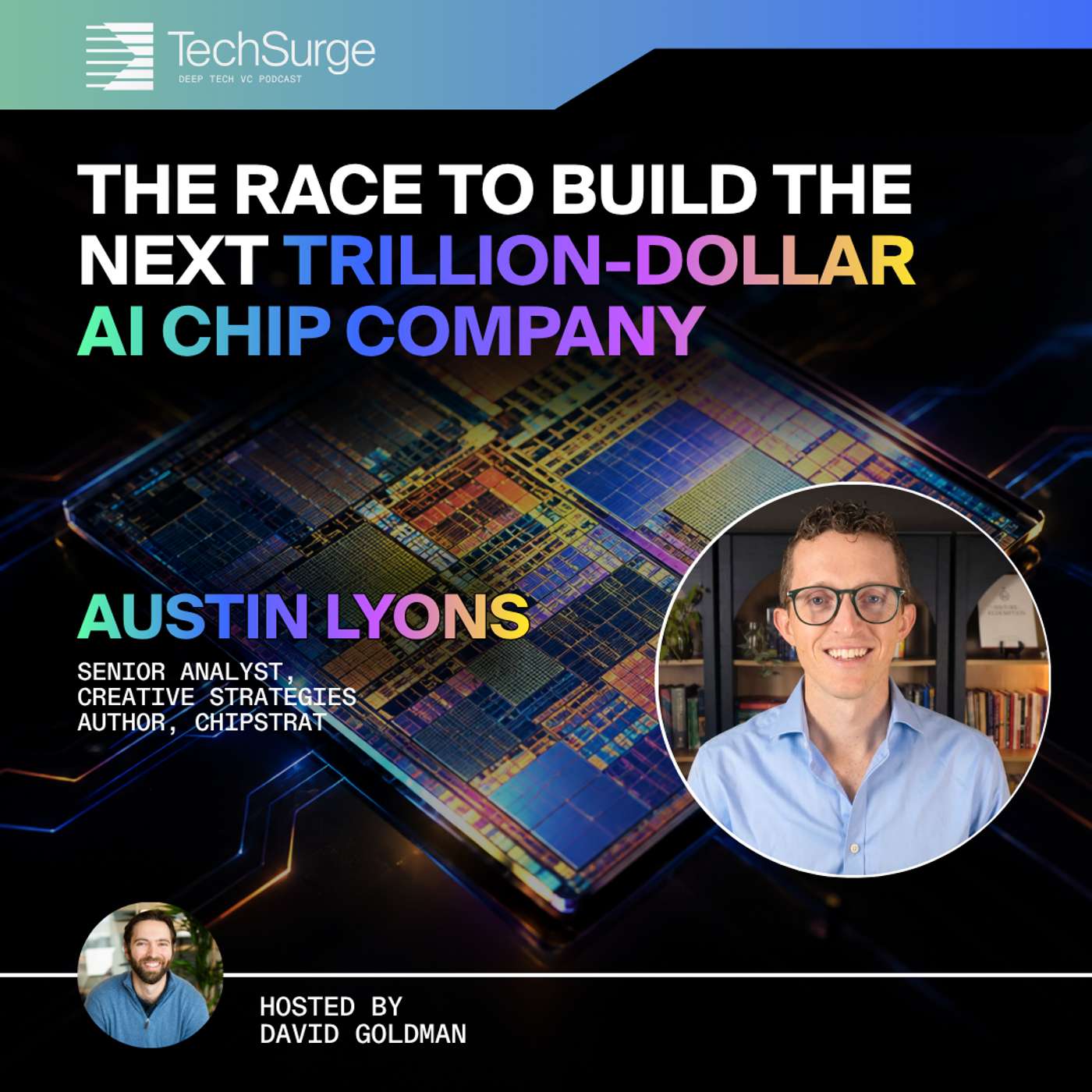 The Race to Build the Next Trillion-Dollar AI Chip CompanyTechSurge: Deep Tech Podcast · on Artificial intelligence90 / 100
 Less about Models; More about ArchitecturePractical AI · on Artificial intelligence85 / 100
 321 | How to Build an AI App Without Coding: From Idea to App Store with Replit & Claude by Bryce Rattner KeithleyLeveraging AI · on Artificial intelligence80 / 100
 €4M ARR to Surfpreneur in Costa Rica | Ilias Contreas, S3E9ProfitLed Podcast · on Digital transformation77 / 100
 The Hard Truth About CX and What Comes Next with Zack HamiltonBusiness Transformation Pitch with The CX Goalkeeper · on Digital transformation73 / 100
 Dorian Kominek - Riding the Partner RainbowPartnerships Unraveled · on Workflow automation65 / 100The Future of AI, Automation, and Global Business Transformation22 / 100The Future of AI, Entrepreneurship, and Digital Innovation22 / 100The Future of Human Creativity in the AI Economy22 / 100The Future of AI and the Global Digital Economy28 / 100The Rise of Automation and Smart Business Systems26 / 100