
WinHers United · 2023-04-12 · 1h 9m
Key moments - from our scoring
Substance score
43 / 100
Five dimensions, 20 points each
Michelle Lilly, founder of Tokenized Assets Trust and the first African American woman to earn a Master's in blockchain technology, walks through her journey from real estate investing to becoming an educator who has trained over 10,000 individuals in digital currency. She explains tokenization as fractional ownership of assets backed by real-world property (not speculative crypto), allowing investors to participate in assets like St. Regis resorts or luxury properties starting at $500-$1,000 minimum investments. Unlike REITs that require waiting for full property sales to exit, tokenized assets on blockchain provide liquidity - you can sell your tokens peer-to-peer at any time. Lilly breaks down Bitcoin's finite 21-million cap and the four-year halving cycle that drives bull markets, positioning digital currency as the inevitable future of finance as governments lose credibility (evidenced by BRICS nations abandoning US dollar for oil trades). For B2B operators, real estate developers, and investors seeking exposure to emerging asset classes and alternative wealth-building mechanisms amid currency inflation and geopolitical shifts, this episode clarifies the distinction between tokenization (asset-backed) and speculative cryptocurrency, making the case that blockchain technology will reshape finance regardless of regulatory uncertainty.
Tokenization is fractional ownership where a single asset (like a $10 million building) is divided into tokens that people can purchase individually for as little as $500. Each token represents a proportional ownership stake and generates returns equivalent to owning the whole property, making high-value assets accessible to everyday investors.
Tokenization of real assets is backed one-to-one by physical property (so tokens rise/fall with property value), whereas cryptocurrency is often speculative and not asset-backed. Additionally, tokenized assets provide liquidity - you can sell your tokens to other buyers on the blockchain anytime, whereas REITs require waiting for the entire property to be sold.
Bitcoin halving occurs every four years when the amount of new Bitcoin entering circulation is cut in half, making Bitcoin scarcer and typically triggering a bull run across the entire crypto market. The next halving is expected in 2025, historically followed by significant price appreciation.
Government-backed fiat currency is losing value due to inflation and eroding public trust (evidenced by BRICS nations abandoning the US dollar for oil trades), while decentralized digital currency on blockchain provides scarcity, transparency, and independence from government control.
While similar in concept, tokenization differs because tokens run on blockchain and offer liquidity - you can sell your portion directly to another buyer anytime without needing to liquidate the entire underlying asset, unlike traditional fractional ownership structures.
Our reviewer’s read on each dimension, with quotes from the episode.
There are genuine substantive nuggets on tokenization mechanics, Bitcoin halving cycles, and HSBC's market forecast, but they are severely diluted across 69 minutes by motivational filler, host affirmations, and repeated self-help platitudes. A smart B2B operator would extract maybe 10 minutes of usable material.
HSBC, one of the largest banks in the world is expecting tokenization to be a $24 trillion industry by 2027
every four years, bitcoin halves, which means that there's less put out into circulation every four years. And that triggers what's called the bull run
The tokenization and halving content is standard crypto-education material circulating widely in 2023; the mindset content ('you are the opportunity,' 'comfortable being uncomfortable') is generic motivational fare with no contrarian or first-principles framing. Nothing here would surprise anyone who follows crypto or entrepreneurship media.
winning is an attitude. It's a momentum that you get in. It's like jumping in at a portal
you are pre approved. You know how you get the credit card in the mail say pre approved
Michelle Lilly has verifiable and unusual credentials - first African American woman with an MS in blockchain, founder of a platform with a $323M pre-revenue third-party valuation, and practitioner-level deal flow (Forbes Global Properties, Four Seasons condo tokenization). However, the platform is pre-revenue and the conversation never probes the operational depth of actually building and scaling a fintech/tokenization business.
a third party company gave tokenized assets a $323 million pre revenue valuation
I got a $30 million raise that I'm doing. Like, I ain't never raised $30 million in my life, but I plan to exit for a few billion dollars
The episode drops several concrete anchors - HSBC's $24T forecast, Bitcoin's March 2017 entry price of $1,200, the 2020 run from $9K to $65K in 18 months, and the St. Regis Aspen example - but many claims are asserted without sources (the currency war item is cited only as 'this week'), and the tokenization deal pipeline is described anecdotally rather than with verifiable data.
I started buying Bitcoin at $1200. That was in March of 2017. And in 2017, December, it went to $20,000
when you seen Bitcoin in 2020 go from $9000 and within 18 months it was at 65,000 is because a halving took place
The host repeatedly validates rather than probes - 'I love that,' 'that was so good,' 'okay look' - and interjects lengthy personal anecdotes that stall the guest's momentum. There is no pushback on unverified claims, no follow-up on mechanism or risk, and the questions are generic topic prompts rather than sharpened inquiries.
Okay, look, sound like it's time to invest, if you ask me. Okay, look, financial advice.
I love that. I love that. So you know what it made me think of?
Computed from the transcript - who did the talking, and the words that came up most.
WinHers United the podcast is a women empowerment platform that is based on four pillars: business, mindset, personal development, and self-care. At WinHers United we believe these four pillars are necessary to be a successful entrepreneur. During each season, bi-weekly an ah-mazing Woman of Color entrepreneur is interviewed, and tells us more about her business, mindset, personal development, and self-care journey. Season 11, Episode 8 features Michelle Lilly - Real Estate and Digital Currency Investor, and Founder of Tokenized Assets Trust. During this episode entitled "You are the Opportunity", Michelle shares her journey of discovery and leadership in the digital currency and tokenization industry. Michelle encourages us to educate ourselves, overcome fear, and stay in tune with the currency that is becoming mainstream in the world.
Transcribed and scored by The B2B Podcast Index.
Speaker A: Winning is an attitude. It's a momentum that you get in. It's like jumping in at a portal. And you know, you like, man, they always winning, they prepare to win and typically that's what it takes, but it takes getting around other winners. And so if there's nothing else that I leave people with is get around some winners.
Speaker B: Welcome back to another episode of When Hers United the Podcast. I'm your host, Nicole Walker, and I truly appreciate you listening in. This is season 11, episode 8 entitled you are the Opportunity with Michelle Lilly. Before we jump into the interview, I
Speaker C: want to tell you more about me
Speaker B: and When Hers United the podcast. I believe that success leaves clues and
Speaker C: When Hers United the podcast was created
Speaker B: to give you the clues you need to succeed in business mindset, personal development, and self care. These are the four pillars we stand on here at Windhurst United, which is why they are emphasized so we all can live a complete and fulfilled life, both personally as well as professionally. I also believe that you can't be what you can't see, which is why Windhurst United showcases women of color entrepreneurs. If you love Windhurst United, please invite someone you know to listen and tell your friend to tell a friend.
Speaker C: Let's spread the knowledge, y'.
Speaker B: All. You know we believe in being empowered and empowering. On now, without further ado, let's get into season 11, episode 8 entitled you are the Opportunity with Michelle Lilly.
Speaker C: All right, we're back with another amazing winning woman of color entrepreneur, Michelle, welcome.
Speaker A: Hey, Nicole, thanks for having me. I truly appreciate you having me today.
Speaker C: You're welcome. All right, so before we get started, I'm going to tell you all more about Michelle. Michelle Lilly is a successful entrepreneur, real estate and digital currency investor, educator, and philanthropist with a passion for empowering individuals to reach their potential. She holds certifications in blockchain and ethereum technology and is the first African American woman to earn a Master's of Science in blockchain technology and digital currency. Michelle is the founder of Tokenized Assets Trust, which focuses on tokenization of real estate and other assets to allow for fractional ownership. Michelle has educated and certified over 10,000 individuals in the field of digital currency and has authored several books on topics including the Amazon bestseller Cryptocurrency and the New Black Wall Street. With a focus on developing strategic partnerships globally in the digital currency, fintech and blockchain industries, Michelle is dedicated to educating and empowering women and youth through financial literacy. Michelle Woo, that's some good stuff. That's some good stuff. So excited to learn more about it.
Speaker A: Okay, so excited to share.
Speaker C: So let's get started with you telling us how you got started in your business. Tokenized Assets Trust.
Speaker A: Okay, so, uh, let me take you back. I'm going to take you back to 2004 and then I'll fast forward. So 2004, I moved from Chicago to Houston and became a full time real estate investor. And the market changed in 2008. Jumped out the market. Serial entrepreneur up until 2017. And I was introduced to bitcoin. And at that time I started buying Bitcoin at $1200. That was in March of 2017. And in 2017, December, it went to $20,000. And I was like, what just happened? And then it dropped all of a sudden and I was like, what just happened? And so no one around me could tell me. It was, you know, it was like, hey, I don't know. I mean, you know, this is what the market does. That was kind of the answer. And that wasn't good enough for me. I made my professional career when I worked in corporate America, which Hasn't been since 2004. Was a corporate trainer, but I'm an educator at heart. And so I'm a researcher. So I like to know information. And so I was like, wait a minute, nobody can tell me what's happening. Nobody knows. We all just playing this game, hoping that we win. Uh, you know, we gambling then I'm not a big gambler. So I was like, I just can't be gambling. I need to know what's going on. Because one thing that I did know, you know, how you know, you like. I might not know what it is, but it's something here. It's something that is big right here. And I need to sink my teeth into it and figure out what's going on. And so I did. I started looking for education about cryptocurrency, not understanding blockchain. And I'll talk about that. I'm sure you're gonna have some questions for me about that, but I'll talk about that in a moment. But not understanding blockchain. So I started, and then I found a certification course on blockchain. And I said, you know what, let me go take this. Then I found one on Etherium and I said, let me find out about Ethereum. Because Ethereum is where smart contracts come into play. And I kept hearing that that was going to be big. And when I really started getting to the market and starting to understand, I said, wait a minute, hold up. This is going to be big. This digital currency is going to be big. I need to really understand this. And so I decided to go back and get my master's because not to go get a job, not to go get anything, but to more so have the knowledge base that I needed to know that. I said, you know what, I might not have a bunch of that old money, but I'm not going to miss this new money. And that's how I end up going to get educated. And so fast forward, I was educating individuals on cryptocurrency investing and that led to people asking me about, can you come and educate our real estate professionals down here in Miami? I'm in Miami, I live in Miami. I moved just recently from Houston to Miami simply because this is the blockchain cryptocurrency capital in the US in doing so, I had one of the big developers down here ask me about, hey, can you educate our real estate professionals about cryptocurrency digital currency and the blockchain? Because they were selling a lot of real estate to cryptocurrency investors. And so they wanted their top brokers and real estate professionals to understand it so they wouldn't be scared of it. Because a lot of times, as you know, we don't touch anything that we fear. And the news, mainstream media, can they praise it today and then next is like, oh, run, run, run, run, run. And so we don't really know what's going on. Fast forward, I was doing, I was educating about real estate and I was educating real estate professionals about how blockchain was going to affect the real estate industry. And one day when I was standing there and I was talking about tokenization and they're expecting hsbc, one of the largest banks in the world is expecting tokenization to be a $24 trillion industry by 2027. Now that's hyper growth. It's not a lot of trillion dollar industries. Okay? So I was passionate about it. I was like, pay attention to tokenization, pay attention to tokenization because it's going to be big and it's going to affect the real estate industry in a way that you're not going to see it coming. And the light bulb went off. You know how that light bulb go off and you like wait a minute, I know real estate, I know blockchain. Go create your own tokenization platform. And that's how tokenized assets. And I was saying, what are you going to call it? When I was on my domain search, I said, you're going to call it tokenized assets because you're going to Be able to tokenize, because in the real world, all assets will be tokenized in the next years to come. And so that's how I got to tokenize assets. That's how I was born.
Speaker C: I love that. Oh, my goodness. So many nuggets and just gems that you could pull from your story of origin, right. For your company. I love your quest for knowledge, right. And how you wanted to know more about the thing and did what you had to do, right. Went back to school so that you could understand the thing. Right. I love how you didn't allow fear of something new to stop you from jumping on to, you know, a wave. Right. That could change the world. Right. And that is lending itself to changing the world. And I love your how you said, I felt like something's here, right. Like, I feel like a lot of entrepreneurs or aspiring entrepreneurs can relate to that. I can relate to it myself, where it's like, you know, it's something, you know, you may not be at the breakthrough point, but at the cusp of is something here. Right? And just continuing to see that thing through to completion, I think is super, super amazing. Right? So I'm just. I'm ready. I'm ready to learn more. Right? So talk to us about wealth creation through tokenization. Right? Like you mentioned the word. Some people may know it. I know, for me, like, I hear it, I don't know that much, right? So I want to know. And I'm sure I'm not the only one that wants to know, right?
Speaker A: And let me say this, too. You made a point in there, and the quest for knowledge and the search that something is there. I wasn't in tech, okay? Let me be clear about that. I'm not the most tech savvy right now, but I understand it. I understand how to monetize it, and most of us only understand how to consume it. And I was like, I need to get on the other side of how to monetize technology and how to monetize this new technology, especially as it relates to money. I just wanted to make a point on that. But to get to your question about, you know, tokenization and what is it? I'm going to make it real simple for you. It's fractional ownership, meaning that we can own a piece of.
Speaker B: Of.
Speaker A: We could all say we want to buy this building behind me, and it was $10 million, you could say on our tokenization platform, you can invest for as little as 500 and own your piece and still get the same returns that if somebody who bought the Whole building would get. You just get your piece of it. So that's how you create wealth. Because it's going to be not just this building, but many buildings. I just got off a call before we got on with a gentleman that has Forbes brokerages and was inviting me to Geneva to come talk to Forbes because they are Forbes. Forbes has a, I didn't even know this until maybe about six months ago that Forbes has Forbes global properties. So Forbes has a brokerage just like Christie, Sotheby's, Keller Williams, whichever one that you know, you know. But it's a very luxury brand. They don't take anything less than $2 million and they want to tokenize some of their developments. And so it excites me because as you mentioned in my bio, it talked about being able to empower people through personal freedom and financial freedom. But to get to personal freedom, you gotta have financial freedom. Everybody's financial freedom is different. But to get there, you have to have financial freedom. And so tokenization allows you to create wealth. Because if you can take $500 a month, like I have a 22 year old, I have a 27 year old, and so now they can invest in properties and assets that they normally would never be able to invest in. And for as little as if they want to say, you know what, I just want to put $500 a month towards this and build a portfolio. That's wealth creation through tokenization.
Speaker C: I love that. I love that. So you know what it made me think of? I don't know if you know, someone listening may be similar to me to where in following stocks, like I've heard of how the stocks like split down to make it more affordable for people. Is that sort of like the same lane?
Speaker A: It's similar to that. The difference with tokenization is no different than fractional ownership. If you and I said we gonna get a group of people together and we gonna buy this, whatever this yacht, we gonna buy a yacht. I got a lady that want to tokenize a yacht. She does charters for yachts. So she want to tokenize it and share some of the revenue with the token holders. What makes tokenization different than just us buying it together under an LLC is, is that if you want to sell your portion of it, typically we have to sell the whole thing before you can get your money out. So if you think about a reit, a real estate investment trust, right, you can invest in that and you own fractions of what they purchased. However, you have to wait till the REIT sell the whole property in order to pull your, not your profits, but to pull your investment out. With tokenization, because it's on the blockchain, you could be in Korea, you could be in Jamaica, you could be in the Bahamas, and you could be right here in the US and if you want to sell your tokens, guess what? You can sell your tokens because you can transfer it. Because a token runs on the blockchain from wallet to wallet and it doesn't affect you or, uh, I. And you just sold your shares to somebody else. So it offers liquidity, meaning it offers you to be able to cash out. Because some people may not understand what liquidity means, but it offers you your ability to cash out. And because the blockchain is a public ledger and it can't be hacked, there is no fraud on it. You know, everything is recorded on the blockchain. So now it keeps the record of the transactions for us and there is no fraud. And so tokenization is going to disrupt many, many asset classes. Uh, it's also a funding source. So think about this, think about a developer. I just. The gentleman I was talking to at Forbes wants me to go with him to Oregon because it's not St. Regis, I think it's the Four Seasons. And they have what's called these condo tales. It's a hotel, but it's a condo that you can rent out a nightly basis. And Four Seasons is the operator. So they run everything for you and you just get your share of after their management team. And so now you can take those condo tails because they want to tokenize a portion of their condos so they can do what they can sell faster. Because now you have a group of people that can buy in versus one person having to spend 3 million versus two people having to spend 5 million. It just changes the game and it allows for anybody in the world to participate. And hsbc, in that same article that I mentioned, talked about how tokenization will open up for half of the world's population to invest in assets that they never would have got access to.
Speaker C: I love that. So we talking accessibility, you know, which is something that we need. Especially when you want to think about the racial, uh, wealth divide and like, what's going on. Right. So how can you get in and increase your standing in relation to wealth creation? Sounds like tokenization is a great way to do so. And it's so funny, like, you gave me a light bulb moment in listening to you because, like, I've heard of people to just talk about like the Metaverse, you know, and that digital stuff. But it sounds like tokenization is dealing with physical assets, right?
Speaker A: And not real world assets.
Speaker C: Right? Okay, listen, listen. Right. I love that. I love that. Look, y', all, now, we don't had a whole education class on how we could get some money now. How we could get some money. So, um, I would say, right, just for anyone listening, like, continue to do your research, right? But don't take the option off the table, right? Because, like, we're always looking for options to level the playing field. And this sounds like a very viable option.
Speaker A: It definitely is. St. Regis, they tokenized 20% of their Aspen resort, and you could participate for as little as $1,000. Not find out until after they had did it when I was doing some research. But think about being able to own a portion of St. Regis Aspen Resort for as little as $1,000. Do you know how many people that opens that up to?
Speaker C: Right.
Speaker A: It's definitely a game changer, and we're going to bring it mainstream. Our vision is to be the premier platform for tokenization, and so we look forward to bringing it to our community when we talk about the racial divide. And I don't know if you've been paying attention to what's going on in the news lately about the current. There's a currency war going on right now. You have Russia, you have China, uh, you have Kenya, you have Brazil that have said that they're no longer, uh, buying oil using the US$. USC. The US dollar used to be the currency that you had to use in order to trade in oil. They just said no more. They trading with the Chinese Yen.
Speaker B: Oh, wow.
Speaker A: Oh, yeah. This was just this week.
Speaker C: Okay, okay, look, breaking news, y'.
Speaker A: All.
Speaker C: Breaking news.
Speaker A: Breaking goes. There you go.
Speaker C: Listen, listen.
Speaker A: Yes. And I always say documentation be conversation. So at the end of the day, go look it up. Go Google. There's a currency war going on. And so people are going to look to put their money in assets versus keeping it in the dollar. I mean, you see the inflation right now. So your dollar ain't worth what it was last year. Go buy some eggs at the store. Same price. You could buy eggs for last year. You can't buy them for the same price this year.
Speaker C: Okay, so that's so good, right? As, uh, speaking of, like, current news, it makes me wonder, like, what's the risk in relation to tokenization? Because we all know, like, wealth attainment has been equated to real estate since the dawn of time, right? Like, getting real estate is a great way to accumulate wealth in Relation to tokenization. Like, what are the risks in that for people? Because I know when it comes to digital currency, everyone gets scared because like you said, one minute they love bitcoin and everything's great, the next minute, worst thing ever, right? So, you know, like, how do we calm people's fears in relation to wanting to go into this thing?
Speaker A: So let me first separate tokenization from cryptocurrency. When I talk about cryptocurrency or blockchain, most people make them, um, synonymous and they're, I mean most people, they put them together, they're not. Blockchain is what cryptocurrency runs on. So like the Internet, without blockchain, cryptocurrency couldn't exist. Because it's not just like if, uh, we couldn't talk right now on the zoom if the Internet didn't exist. So blockchain is what is the underlying technology and token is. So when it comes to tokenization, the good thing about what I was excited about, about tokenization, as you mentioned, we talked about real world assets. So it's backed by that asset. So it's not like it fluctuates with the price of bitcoin. So, so your token is one to one, meaning that if we bought this building for $10 million, that means 10 million tokens would be put out. So it's dollar for dollar. If the building goes up in value, your tokens goes up in value. If the building goes down in value, your token goes down in value. Just like it is if you own that piece of real estate without a token attached to it. That's the good thing about tokenization. The risk comes in just like anything. If I own the building and something happens and the value of it goes down, then the value of my token goes down. That's where the risk comes in with tokenization, because it's backed by the asset, so it's dependent on the asset, so it's not unsecure. Like cryptocurrency is. Like some cryptocurrencies are, because a lot of cryptos are actually backed by products. And people don't know that. They just invest in. Somebody told me to get in dogecoin or whatever, so I got in. Somebody told me to buy this coin. Not really understanding that when you're investing in cryptocurrency, you're actually investing in blockchain technology. You're investing in some type of technology that's being built for. The blockchain knows what those tokens and coins are.
Speaker C: Okay, uh, look, we got the education that makes me feel better. Right, because, like, there's a more comfortability in going into the real estate market, which, as we've seen, if we're, you know, been around for a while, the real estate market could be up or it could be down. Like right now, we're in the upstage. I know my house got a lot of equity in it right now. Right now. Right. But like they said, it might be coming down soon. Right. So. But that makes it more comfortable and less scary. Right? So I, I appreciate that explanation. So let's talk about the future of, uh, finance and blockchain.
Speaker A: Okay. So, you know, I'm an educator, so I always got to break it down from an education standpoint. Remember I asked you I didn't know what made bitcoin go up that year, and then I didn't understand why I dropped. So let me tell you, first of all, there's only 21 million Bitcoin that will ever be created. So you have something that's finite. You have a commodity that's finite. Okay? But what makes it also valuable is it does this thing called a having H A L, V I, n g. Now what does that mean? So I want to break it down to you in layman's terms. So, say, for instance, there was only $21 million that was ever created. And every year we only put in circulation a million dollars. But every four years, we drop that in half. So, um, every four years, instead of us putting a million in the circulation, we put half a million. What will happen to that dollar? It will become more valuable. Why did we see the inflation that we seeing right now is because we put out so much money into circulation that it dropped the value of the dollar and it rose the price of goods. So every four years, bitcoin halves, which means that there's less put out into circulation every four years. And that triggers what's called the bull run. We in a bear market right now. So when you seen Bitcoin in 2020 go from $9000 and within 18 months it was at 65,000 is because a halving took place. Next year we got another having that's about to take place. And when bitcoin rises, it rises. All of the crypto rises, the whole cryptocurrency market. So if somebody. I just gave that. That right there is a gem. If somebody just caught what I laid down.
Speaker C: Okay, look, sound like it's time to invest, if you ask me. Okay, look, financial advice.
Speaker A: This is not financial advice. But next year you have another Having coming. And so when people say, when you hear bitcoin say, I was just sitting with a gentleman, the big, one of the biggest developers in Chicago and he's heavy in the bitcoin, he calls himself a bitcoin maximalist. And you have a lot of those out there where they believe bitcoin will hit $10 million. So when it comes to, when we talk about the future of finance and we talk about the future of wealth and we talk about the future of money, digital currency is definitely going to be at play. And our traditional fiat, which is government backed dollars, no matter what country it is, that's what fiat is. Us is your money is backed by the government. It's not backed by anything else. It's backed by your belief in the government. That's what it is. And that's why a lot of it is dropping right now because the currency, because a lot of the belief in the government has dropped. So when we talk about the future of that, digital currency is definitely going to be at play. And uh, remember I said that bitcoin is finite at 21 million, which means the reason why people think it's gonna go to $10 million and so forth is because when it's all gone, you only can buy from the people that have it. And uh, you don't need digital currency to operate in the future. You use digital currency, right? If you zell somebody, you just use digital currency. You just called it zelle, but your money just transferred digitally. It just is in a centralized way versus blockchain and in a decentralized way. Okay? So the future of finance is going to be digital currency. So I would suggest to anybody to stay abreast, pay attention and don't dismiss it and don't just listen to what they tell you on the news because what they tell you on the news is they buying in the background because they buy low and ah, sell high. The traditional retail investor buys high. And who did they buy from? They bought it from somebody who bought low.
Speaker C: So pay attention, pay attention, right? And speaking from a person, right? Y' all look, y' all know, y' all know, look. Well, you may know because we've had one other person, but she spoke more about the Metaverse and things like that, right? So my knowledge into this world is very minimal. But I do know that it's something that needs to, you know, I need to pay attention to and we as a people need to pay attention to, right? But just from listening to you with my limited amount of knowledge, right? Like I don't got much knowledge into this world, but just having world knowledge in general. Do you want to support a currency that's decreasing or a currency that's increasing? Right? Like that was just like a, uh, very simple, you know, I was like, well, wait a minute. A dollar going down, it's going up. Sound like no brainer, right? Some things sound like a no brainer, but it also goes into some of the things that you've already talked about and mentioned of that fear. You know, I think with anything new, right, it's controversial. Like look at all of the craze that went about the COVID vaccine. Unpopular, uh, opinion whether you decided to get it or not. I think that the real issue with it is because it was something different, you know, that we knew nothing about. Right? Same thing in relation to digital currency, which I love how you equated Zell, right? Because I know I use Zelle all the time. And don't get me wrong, when Cash app first came out, I was like, I ain't doing that. And look, I do that now. I do it right. So.
Speaker A: And you know what, you said something about common sense and I just want to drop this. Common sense in there is 2023. In 2008, Bitcoin was introduced through a white paper. A gentleman of, uh, the name of Satoshi Nakamoto. Nobody knows who that is. We don't know if it's a group of people. One person I wouldn't tell who I was either if I was disrupting currency like that. But at that time you could buy bitcoin for less than a penny. But in 2013, 2012, so you probably could have bought bitcoin for a dollar, something like that, right? So let's just say a dollar and ten years later a dollar is worth less than a dollar that you would have bought, that you would have had at that time. But bitcoin, even when they say it's down, is still worth 28,000 today. That you gotta pay attention to that, Right?
Speaker C: Right. Yeah. Even before this call, right? Like I like to educate myself a little bit, right? And part of one of my questions was gonna, you know, and we talked about it, right? Like the way the news make it and it sound like, oh, I better leave that thing alone cause it's a mess, right? Like that's the way the news makes it seem like, especially with how they're regulating it, right? So with the whole regulation and all of the conversation around that. But then I saw some research and it's like, well, Bitcoin is up 40 something percent, 49% since whatever. And everything was like up. And it was almost 50%. And I was like, well, wait a minute. This do not go along with what I've been hearing, right? So I love how you uh, are demystifying the thing, right? And basically like, look, we pride ourselves on being woke, right? I hope we do. The winners of Windhurst United pride themselves on being woke, right? So we are getting some first line information in relation to what's really happening versus what is being perceived to be happening, right? So look, can't say you ain't. Look, we could lead you to the water. We could lead you to the water. Well, we can't make you drink it, right?
Speaker A: Listen, you said something about vaccines. Everybody was up in the uh, you know, whether you got it or whether you didn't. That's your personal preference. But the ones that was like, you know, more people did than not. And oftentimes it's because, you know, I mean, when you watch the tv, you being programmed, I mean it's back to the regular schedule program. They'll tell you that on the. It's the program and most people got the vaccine and didn't know. Just like we don't know about the dollar that's in our pockets. We don't know about what, what was in the vaccine. We just was, they told us this was what we needed to do and this is what we gonna do. And not to say that we don't follow science or we don't, you know, pay attention. I'm not anti government or, you know, but I am about being woke and thinking for myself because I had family members getting into it about, you know, the vaccine. And when you ask, well, do you really know what's in the vaccine? Do you realize what.
Speaker C: No.
Speaker A: But they said do it. And so it's that type of, you know, common sense that like you said, what's happening in the background. And I say that when it comes to finances is what's happening in the background is that you have to pay attention to. Because like you said, wait, uh, a minute, this is up this much percentage. But they saying that, don't pay attention to it. They say that, oh, bitcoin has crashed and bitcoin is down. But that depends on when you bought it. If you bought it. I told you that they were selling it to you see. Cause they buy low and sell high. So if you bought it at 65,000 because you was like, oh my God, the hype come in. But then when it dropped back down to 28. You like? Nah, it ain't worth it. Well, then you gonna wait till you get back up to 100 now and then you gonna buy. You gotta use some real common sense in that. Are you gonna sell to the people buying that 100 cause you bought it at 28?
Speaker C: Or are you going to buy it
Speaker A: at 100 and then watch it drop back down and then have to sell it to the people that's going to buy it back at 28 and turn around and sell it back to you at 150? It's your choice. I'm just here to educate you.
Speaker C: Mm, that was good. That was good. Are you the buyer or the consumer? Which one?
Speaker B: Which one?
Speaker C: That's a good one. We got merch.
Speaker B: Go to winhurse united.com forward/shop to check out the Windhurst T shirts. There are two options available for you in multiple colors. One is called the Windhurst Courageous T shirt and the other is called the Wynhurst Birthright T shirt. The material is top notch and the designs are too cute. Remember, you're a win hurt every day, so you might as well wear the T shirt. Get yours today@Winhers United.com. um, forward slash shop.
Speaker C: All right, Michelle, so we're going to switch lanes again, right? Because I feel like we dropped the low. We dropped the low on the people. So we want to switch lanes a little bit. Right. And still is going in relation to all of the things. Right. So I love your personal motto, you are the opportunity. I feel like that's directly related to mindset. Right. So can you talk to us more about what you mean by you are the opportunity and how people can adopt this outlook?
Speaker A: Absolutely. That's been my model for years and years and years. I used to call myself Ms. Motivator back in the day. And that's when I had my model. You are the opportunity. And where it came from. Is that the gentleman that told me about bitcoin? It didn't come from this, but is this theory behind it? I told a lot of people at the time when, uh, it was twelve hundred dollars, hey, you need to buy you some of this bitcoin. You need to buy you some of this bitcoin. You need to do this. And they was like, yeah, okay. Now, my mother, who called it, who to this day called it big coin, bought her some at $2,000 and she got her a whole big coin. She was the opportunity, though. The other people that I told that was like, michelle, what you talking about? What's that bitcoin you know, they could have took the opportunity, but they chose not to. So at the end of the day, somebody could say, you know what? I got a $250,000 job waiting for you, but if you don't show up, you miss the opportunity. So the opportunity begins and ends with you, and you got to have that mindset about everything, you know, tokenize. I'm in a field, I'm dominated by men. Women typically aren't in finance, and, uh, we definitely typically are in tech.
Speaker C: I don't.
Speaker A: I can't code nothing for you. And people ask me to this day, Michelle, I didn't even know that they had a master's degree in blockchain and digital currency. And I was, I'm gonna date myself some here. But, um, I was over 40 when I went back to school. But I could have took the opportunity and said, you know what? Nah, I'm not gonna do this right now. I got too much going on. Um, but I said, you know what? No, I'm the opportunity, and if it's gonna be, it's gonna be through me. And so I believe that you create your own opportunities by the decisions that you make and by the mindset that you have and the thoughts that you have. Because your thoughts then will determine what your actions are going to be. And so in any given situation, you are the opportunity. You determine whether you're going to take the actions to move forward or whether you're going to not be an action taker. It's up to you. And so that's where that model came from.
Speaker C: Okay. I love that. I love that. So it makes me think of the thoughts become things. Right? So making sure. And I agree with you totally. Like, I am a adamant proponent of, you know, like, motivation and inspiring people. Right. Part of the premise of this podcast, but also educating. We have a lot of similarities. My background is in education as well, but also educating the people and wanting them to have the tools they need to.
Speaker B: To be and do better.
Speaker C: Right. And you reminded me of my. I did like a recap, so to say, or a remix, a remix of Maya Angelou quote, that once you know better, you do better. Right? And I said, uh, because people could know better, but they don't got to do what they know. Right? So I said, once you know better, you have the opportunity to do better. Right? So that goes right hand in hand with you are the opportunity, which I love. And it just made me think of show up, made me think of seize the moment. Right. And some of the things you also said Leads right into the next question, which was, first of all, congratulations, right. On being the first black woman to earn a master's of science in blockchain technology and digital currency. Right. And it is me. I am a person that did not know that was a thing. I was like, okay, okay. Uh, right. So I wanted to talk about, like, being the minority in these kind of spaces and what practices you put in place for yourself to basically remind you that you belong where you are, even if no one looks like you. Right. And even if the information there is not targeted for you, so to say. Because I feel like information can be targeted for certain people, but making your place known and doing what you have to do for you.
Speaker A: Yeah. So, uh, I didn't go in with the intent to be the first. I just was asking around, like, hey, has any black woman graduated from here? Because I graduated from the University of Nicosia, which is in, uh, Cyprus, right outside of Greece. And it also. They ranked fifth in the world for blockchain and digital currency. So they was the first to accept bitcoin for payment. They was the first to put degrees on the blockchain. So they're heavy in the space. And it's interesting because one is the cryptocurrency space and the digital currency space. And blockchain, it's a welcoming space, too, because you get a lot of people that are not really down with the financial system and believe that it's unfair and unbalanced and that don't matter what color they are. But on the other side of it is, you know, prejudice exists wherever you go, whether it be about being a woman, whether it be about being black, but basically, to have both of them, it's a double whammy, right? So I sit in rooms, and oftentimes what make them pay attention is because of the credentials that I do have. And I'm not just sitting there. You can't deny those. You can't just be like, I. Well, you might know something. No, you got your master's in this, so you. I believe you know something. All right. I gotta. You know, Michelle, you are the opportunity, success, magnet, money magnet. Billionaire made millionaire, maker, global leader, phenomenal woman extraordinaire. Michelle Lily is in the building. Let them know, girl. Let them know. Let them know. And so, you know, you gotta do your. You got to do your affirming to yourself. Because when you do walk in and you don't see anybody like you, and they don't know your credentials, they don't know what you know. They don't know any of that. So you have to go in sometimes feeling like you have to prove yourself. And that has sometimes, you know, you, you like I gotta pump myself up for it. I gotta pump myself up. And especially getting into tokenization and building a tokenization platform because that's like being a bank, you're a funding platform. And so I've sat in rooms where I'm talking to, I mean the gentleman that, that I. One of the gentlemen that I just sat with. And I was in a cigar bar in Chicago, and I'm originally from Chicago and when I tell you this is the highest end cigar bar that I have ever been in and I'd have been in some nice places and I was sitting with a gentleman. Didn't know you would know we ain't had no jewelry. No, no. I, uh, mean you would have known. Had an apple watch on. And his family was the old. Was the biggest real estate developer in Chicago. They've been since 1906. One of his buildings he was interested in tokenizing is $60 million. So. And I'm the only little black girl sitting in there. And I'm sitting with some investment bankers, I'm sitting with fund managers and they want to know about this tokenization. And so you have to get past the intimidation. You have to, you have to reaffirm to yourself all the time that I'm worthy. Because, uh, you got the people around you doubting if you can really pull this off. And she really doing. Is she really capable? Is she really, you know, And I believe I'm the opportunity, so I'm capable. But it is having to tell yourself and having to surround yourself with people that's going to be that wind beneath your wings and that's going to continue to push you and not pull at you and not doubt because they doubt themselves or they doubt their capability to be able to pull something off that big. And let me just say I'm comfortable being uncomfortable because it's not that I sit there and all the time I'm comfortable. So I'm not going to sit here and act like I'm comfortable all the time because sometimes I have to adjust. But I'm comfortable being uncomfortable because my vision is on the other side of this. Being uncomfortable is the manifestation of the vision, the realization of the vision. So I'll walk through being uncomfortable to get to the goal. I was just in Chicago yesterday and I went to the park and it was 36 degrees. And every morning I had been going to the park and getting out the car And I just had a sweatshirt on because it was like 40 something, you know, almost 50. But yesterday it was cold. So I jumped out the car and I had took. I was sitting in the car meditating before I jumped out. And then I had got out as I had took my hat off and it was warm in the car. And I got off the car and I was like, woo. I started walking a little bit. I was like, ah, uh, I need to go back to the car. I'm gonna get this hat and get this other little sweatshirt jacket. So when I got back in the car, I didn't want to get back out because I was comfortable in the car and I didn't want to go back to being uncomfortable. And I said, michelle, you got to get to the other side and you going to be uncomfortable doing it. So you're going to have to, you go on back out there and be uncomfortable because on the other side of you, uh, getting out there is what you told is your word to yourself, which is that you gonna get your exercise in and you gonna walk this park. So I jumped back out there and I started running and then I got tired and I started walking. But I made it through because I pushed myself through to being uncomfortable. And so I share that because for those that technology may be uncomfortable to learn, because when you learn blockchain or cryptocurrency or whatever it is that you wanna, you know, dive into, a lot of times you learn a new language, you having to learn new things about yourself, your learning style, you're learning yourself as well, and you have to grow through it. And it's uncomfortable. But on the other side of that is the manifestation of the vision that you had and you started out with. But a lot of times we get there, we get there. And when people don't look like us, uh, when it is only men sitting in the room and you the only woman sitting in the room and you black, it can be uncomfortable, but you have to get past it. And that's where the dream realize lives. So it lives on the other side of being uncomfortable. So I've had to get used to being comfortably uncomfortable.
Speaker C: I love that. I love that. And that is something that look y' all loyal listeners now, I hope these trends is sticking out to you, right, like, oh, I want to be successful. Oh, how can I attain what this amazing win her has attained? And one of those key factors is being comfortable, being uncomfortable, right? Putting yourselves in situations that stretch you, right, and allow you to see what you're really made of. Uh, so I love all of that, and I love just your equation, like, equating it to financial, like, financial decisions and just being comfortable, you know, doing different and new things, right? Like, all of those are, uh, gems. Look, we got the gyms coming all kind of ways, y'.
Speaker A: All.
Speaker C: Like, you know, if you ain't get the whole breakdown of getting out the car in the cold and then having to get back in and then tell yourself to get back out and then equate that to business decisions, like, that was as simple. That was as simple as it could get, you know, And I think something that's truly relatable to anyone listening, right? So it goes across many outlets, guys. It goes across many outlets, or should I say win hers and when hims that may be listening, right? And we can all do it if that's what we really want to do, right? Like, you have to look, you are the opportunity, right? All right, so talk to us about how you stay up to date in your industry, right? Like, okay, you went for your Masters, but, you know, like, things change every day. Like, what do you do to keep yourself in the know?
Speaker A: So the first thing I did was in November, I moved from Houston to Miami because I teach this when I teach cryptocurrency. Investing is that we follow the money. And so for me in my industry, the money is in Miami. The opportunity is in Miami. I mean, not that it's not everywhere, but Miami is the capital that the mayor named it, you know, the cryptocurrency city. And so I wanted to be around other people that was trailblazing and trend setting in this industry. And I wanted to be around people that knew more than me. So I moved to where I could plug in and plug into the right people that were doing things. And they weren't just talking about it. We weren't just sitting around philosophiing about what it's going to be, but you actually got action takers.
Speaker C: And.
Speaker A: And so that's one way that I stay is I stay plugged into the networks. The other thing is that, you know, I stay plugged into the news on the financial news, because the financial news affects the digital currency space, whether it be on the stock market, it's going to affect. When the stock market goes down, cryptocurrency usually goes down as well. And so I stay plugged in that way. I go to conferences. For instance, it's a digital assets conference in San Francisco. You got the. When they talk about. That's what. When they talk about the top banks I mean, what the news is saying, well, at, uh, this digital asset conference, you got the top hedge funds, you got JP Morgan, you have Citibank, you have Wells Fargo, you. All the top banks, bank of America, all the top hedge funds, all the top private institutions that's going to be there. And so I want to know, uh, what they learning, what they talking about? Because they don't want. They're the ones who affect the regulation. They lobby. They the ones paying for the lobbyists that's going to affect the regulation. So I go to conferences to actually learn and to stay abreast and to. But not just the conferences that I'm comfortable going to. I go to the conferences that I might be the only one in the room, because I want to know what they know, I want to learn what they learned, what the big bank's talking about. And then just watching, I go to YouTube and I pull up, hey, what they talking about on tokenization? What are they talking about on digital currency? What's the. You know, I follow the people that's really moving and shaking in the industry to make sure that I'm abreast of, uh, what's happening currently. So that's how I stay abreast of what's happening and stay up to date in the industry, because it changes daily.
Speaker C: That's good. So I love how you said you wanna be around people that know more
Speaker B: than you know, right?
Speaker C: Like, I think that's amazing, right? Like a lot of times we do. Well, I know me, I'm gonna speak for me, y' all look, and I know I ain't alone in this thing, right? That I used to be the smartest person in the room often. And that could be sort of like an ego boost, right?
Speaker A: Absolutely.
Speaker C: But at the end of the day, is that ego boost also growing you? Right? Because that's putting a cap, you know, on your thing, right? Whereby not being the smartest person in the room could be intimidating, but it's also stretching you in ways that you may not even know that's occurring, right? So I think that was a gem. We want to make sure all the gems ain't going over nobody head. Y' all, now, y' all gotta catch em, right? Put em in your pocket and pull
Speaker B: them out and use them in the future, right?
Speaker C: You also piggybacking on social media some of the advice that you talked about or things that you do to make sure that. Or remind yourself you belong everywhere, that you're supposed to be telling yourself those positive affirmations and giving Yourself that consistent, positive selft talk, right? Like, I think that that's a great thing also, you know, And I just wanted to highlight that because I didn't get to highlight it last time. And then surrounding yourself with people that are cheerleaders, you know, as well as people that are mentors. And I love how you talked about, like following the movers and the shakers, right? Because a lot of times a person can be your mentor and that person don't even know you exist, right? Because you're getting what you need to get from them. They're putting it out there for you. And you could be consuming all the things to where this is your BFF in your head, right? And as it should be. So look, y' all need. If Michelle, look, if Michelle ain't gonna be one of y' all mentors, I don't know what you're doing. Look, in this space now, I don't know what you're doing, right? So I think those are just amazing gems to highlight, right? And just break down because I think a lot of times things may seem so far out of reach when they're really not, right?
Speaker A: That is so true. You know, we think that things are, you know, so far because I could have looked at that with building a tokenization platform. Like, man, that's, that's a lot. That's way too much. You know, let me just go ahead and keep educating and stay in my lane. I can control this. You know, I gotta, um, get people. I got a $30 million raise that I'm doing. Like, I ain't never raised $30 million in my life, but I plan to exit for a few billion dollars. And so that was difficult. And like I said, being comfortably being uncomfortable, but definitely not being the smartest person in the room, you got to get around some winners because it's contagious. Listen, it's contagious. And one of the things you mentioned about mentors and I'm looking for a new mentor right now because you want to be able to shortcut your way and short circuit. And I always tell people, my daughter gave me some of the best advice about winning is she was a three time state champion for basketball. And they ranked like number two in the nation was the team. And so her senior year, she decided she didn't want to play college basketball. She had office or whatever, but she decided she didn't want to play college basketball. And so she transferred from the school that she was at to another school and they weren't winning. And so she came Home one day because she, you know, she used to win it. So she came home one day, she said, mom, I know why they not winning. And I said, why? She said, because they haven't been taught how to win. They not prepared to win. I said, what you mean? She said, mom, before we used to go play another team at Westbury, that's the school that she was at. She said, I knew every player. I knew if they could go right, if they could go left. I knew who the shooters were. Uh, we knew how many points we was gonna hold the players, too. Like, they knew that we ain't letting them score more than 10. We knew they offense and defense, back and forth. We ran plays against they offense and defense. They went in prepared to win. I took that. I was like, that was such a gem. But guess how you get prepared to win? Because they was all winners. They was like number one. And the girl, one of her teammates was number one in the nation. The other one, ranked number five in the nation, was going to Stanford. The other one was going here. You know, so they was around winners and they was preparing themselves to continue that. Because winning is an attitude. It's a momentum that you get in. It's like jumping in at a portal. And, you know, you like, man, they always winning, they prepare to win. And typically that's what it takes, but it takes getting around other winners. And so if there's nothing else that I leave people with is getting around some winners.
Speaker C: Okay, okay, listen. You know, it's so. I'm so glad you said that. I love that. And wait, a few things I want to say. So what your daughter said actually reminded me of the book I'm reading, Atomic Habits. Right? And listen, it's a good, good book, but actually talked. It was a story, one story that they shared where some team. And look, don't Lord. Was it cycling? I think it was cycling. So a cycling team that was losing. And this guy came in to, like, take over and he changed little, small things, like painted the room a different color and little things. I can't. Look, I ain't quoting all the things, but little things that equated to a winning atmosphere, you know, whereby like that research and all of those little things, as opposed to people may think, oh, it's just playing the game. Like, it's so much deeper than that. Right? So I love that. And then another thing that I wanted to say is one thing that I noticed. So my podcast used to be called something different a few years ago. Then I had to change the name and I changed it to Win hers united. And I kid you not, ever since, I've equated myself as a win her. Like I go into events, I beat on, got picked to win this and pick to win that and win, win, win and win. And even before that, I always say all I do is win. Right? And that mindset. That mindset, right? And even with creating this podcast, I wanted to change the kind of people that were in my orbit, the kind of people that I was connected to. Right. And it I say I. I, uh, catapulted into a different realm. Like I feel like with this podcast I went into a different realm because where I was, it wasn't here. It wasn't the thinking, it wasn't the pursuing. It wasn't all the things that happen when you connect yourself to people that's making these things happen. Right? So agree, agree, agree and love all of that. All right, so we gonna touch on the often avoided S word. When it comes to entrepreneurs, I feel like women. Right. Self care. So tell us what self care means to you and how do you practice self care because it sounds like you busy, right? How do you make sure you're okay to continue to march on?
Speaker A: I, uh, typically work out at least five times a week. I usually start my day with it, so I'm usually up between 5 and 6 in the morning and getting my meditation on and getting my mind right for the day and then going to get my workout on. And I'm a massage junkie, so I believe in definitely getting my massages and releasing that tension and releasing that stress. I live off a marina, so I love to go sit out there and meditate. I go to the park down the street and just sit there and just breathe for a moment because it can be stressful, it can be overwhelming. My travel schedule is heavy. I have a lot of demands from different people calling you. You know, I got a staff, a team that I got to take care of, and I got to make sure they get paid. So it's a lot. But I do definitely try to relax when I can. I'll go out on a boat or whatever. I got some friends that see, I got some winners that got yachts. I'll go out and just take a moment and unwind for a moment because I believe in self care and it is hard to juggle it in the schedule, but I do make sure that I take those times and I. And I make sure that I take the time to have fun when I can. I really try to when I Have that moment that I'm in it to have fun and I'm learning and I've been better at it at times. Not to be a slave to that phone.
Speaker C: M. Mm.
Speaker A: Because that phone will have you become a slave to it. And not to be a slave to my email and you know, to take a minute when. Let me get back to them, I don't have to answer just cause they text me at 8:00 clock at night. Just because they sent me an email at 9 at night, I don't have to answer it right away. You know, I can take a moment. So. But it's taken a minute to get there. It's taken understanding that self care is important and that if I'm not right, nothing else, uh, is right anyway, so I uh, might as well get myself right. And then I've learned with my morning routine is that I gotta get this mind right first because without it I can't function. I'm gonna run around being reactive to a bunch of stuff and not thinking through things and going off strictly off my emotions. And as a woman for one, we are highly emotional, but in business you gotta be able to put that to the side. A lot of times you can use the intuition, but you got to put them emotions to the side because it's business. And I've just learned that you can deal with your emotions better when you have calmed your mind with some self care. So I'm one that believes in it and believes.
Speaker C: I love that.
Speaker A: Yes.
Speaker C: Look, y', uh all look, now we got. Listen, I ain't gonna tell y' all about all the gems. Look, if you, if you get em, you get them, right? I love all of that. And I do agree that a established morning routine helps for a better day and just a just overall better vibe about you, right? So practice the morning routine, y'. All. Look, and, and I would say too, for me personally, look, I'm speaking for my own thing, right? Like I come up with this morning routine and let's say I practice it five out of seven days a week, right? Giving myself that grace, right? Because it's easy to get into a shame or feeling bad if you can't do the thing seven days a week. And then next thing you know, you ain't doing it because you can't do it perfect. Look, uh, we're not doing that, right? We gonna keep doing it until we get better at doing it. And then once we get better at doing it, we're gonna keep doing it or figure out more things that we could Add in, right? So I think that that's amazing. And I just want to call out one of the self care practices that you talked about that I think is often overlooked, which is breathing. Like my apple watch. Take a mindfulness moment to breathe. Right? Like, that is so good. And even one of my therapists in the past, you know, like, she sent me breathing videos, right? And really, like, got me into taking breathing seriously, so to say, and using it as a mechanism to help myself censor myself and make sure that I'm, um, whole and complete to deal with what I need to deal with. Right? So wanting to highlight some of the things that don't cost that we can do to take care of ourselves.
Speaker A: Listen, your breath is your life. And most of us, if you, you know how you go to the doctor and they say, take a deep breath and you like. Because most of us are running around breathing like this, and that's where the stress. So now we get all this stress in our bodies. And so you got to take a minute to just breathe and let it out so that that life force can flow through you. I watched, I forget it was years ago. What made me start really paying attention to it. But somebody has said, watch how the shortness of breath, huh? Watch the shortness, the breaths that you take. And just taking a deep breath just calms your mind for just that moment. It calms your body. It allows you to center. It's like when people are arguing. If you just tell somebody, just breathe, take a deep breath. It gets them calm again. Because. But if they not taking those breaths, that stress is just right there and it's just shooting at you. So that breathing is, uh. And like you said, that's free, that don't cost nothing, right?
Speaker C: I love that. Yeah, Yeah. I practice that with my children when they're tripping out, you know, I'm like, you know, then it's like 10, like we don't do 10 of these things, right? You know, So I love that. And yes, y', all, look, we giving you the things that you could do that might take an, uh, investment, which I also believe you got to invest in the thing, right? But if you want to start out with the things that don't cost you a monetary investment, because everything is an investment in some kind of way, right? We giving you that too. So, Michelle, this has been so awesome. One more segment, one more segment before I let you go. I like to keep you. I could keep you all day. Look, because this is such a great conversation, but I won't do that. Right. So talk to us about your latest win and why it's important to you.
Speaker A: My latest win, so my latest win has been that a third party company gave tokenized assets a $323 million pre revenue valuation.
Speaker C: Okay, listen, congratulations.
Speaker A: Oh, uh, that's my latest win. So now I gotta go monetize that. I gotta prove that it's worth it. What also has been a win is being able to raise my level of leadership and being able to be aware of my level of leadership by having some disappointments. But I didn't let it be a disappointment in the people that was around me or my team. I had some disappointments on my team, but I let it be a win because I know that it raised my level of leadership. And so a lot of times we think that the disappointments, like, yeah, the $323 million valuation, that's good, but you gotta lead your team to get there. You gotta lead your company to get there. And so the win and the disappointment for me was that I learned some things about my own leadership that I'm able to take to the next level. And that's a win for me. So I didn't let it be, you know, I didn't let it discourage me. I just turned that thing around and said, you know what? Okay, so where's your accountability in that? And I started getting excited and feeling, uh, like, man, I had just won because I just learned something. I'm able to implement. I'm able to take action on something now and move in a different way that I wasn't able to move before. So that became a win for me.
Speaker C: I love that. I love that. Of course we love, we look, we love the monetary win, right? Or the leading up to the monetary win, but we gonna claim it, right? So it's a monetary win already. And I love your mindset when you know, and lessons learned when. So it's so funny, in the first few seasons of the podcast, I talked about or one of the questions was asking about failure and how you view failure. And that was from the premise of failure is not failure, right? You either win or you learn. Right? So I love how you just encompass that all in, right? Without even knowing that. Right? And to highlight that look, and for all y', all go back and listen to the first couple episodes, right? To get more insight in relation to these mindset practices that are necessary to be the winner that we all are, right? And having the humility, you know, to, to realize that, okay, what can I do better? Right? Because it's so easy. Like, I love the. All the people that, you know, believe in the Bible, right? So it's a scripture in the Bible that talks about, like, when you point your finger as someone else, right? Like, it's three fingers pointing back at you, right? So, yeah, we. It's easy to figure out what the next person did, but what can you do, right, to make something better in the future? Because at the end of the day, the only thing we can control is us, right? So even if what that person did was the thing is something you did, did you put yourself around that person. Whatever you did, you did something that put you in that scenario, right? So what can you fix to give a, uh, better outcome that you would like for your life, right? Like, that's really what it's all about. All right, so tell us what being
Speaker B: a win her means to you.
Speaker C: Ah.
Speaker A: Uh, so what being a win her means to me is reaching your own personal level of success, whatever that means to you, and creating your world so that you feel like the winner in it. Because it's all about the win. You feel like you. You know, if you feel like you a winner, you gonna start doing things that winners do. And being a win her is that your success. Your goals may change, your vision may expand, whatever that may be in the moment, because we're constantly expanding. We get to one level we want to go. You know, before I wanted to be a thousandaire, Then I wanted to be a hundred thousandaire. Then I wanted to be a millionaire. Now I want to be a billionaire. But it's not the money that defines the success for me. It's the impact also being a winner. Because in order for you to make billions, you have to impact some people in order to do that. And so for me, being a winner is just being able to really self realize that vision and your success and being happy in it.
Speaker C: Mm, that's good. Look, enjoy this journey, right? Picture what that journey is. Be flexible in the changes that come along, right? And enjoy that thing. I love it. I love it. All right, Michelle, so any parting advice or words that you have for us and you done. Look, she dropped all these parting nuggets along the way. I don't know if y' all caught that. She said if. If you're gonna take anything, take this. And she said it more than once, right? So we got a few things to take, right? But if you got one more to drop for us and then let us know where we can find you, connect with you, and learn more about your
Speaker A: business, I'M gonna leave you again with you are the opportunity and own it. Oh, uh, you know what? I'm gonna tell you asked me a question about walking in rooms and being the only woman or being the only black in a room that typically, you know, I'm in tech, I'm in finance that you don't sit at or they don't think that you deserve to be at, and so forth. One of the things that I had to tell myself a long time ago is that, you know what? You were born pre approved. You know how you get the credit card in the mail say pre approved, and it's just like, man, I'm pre approved. I'm good. Um, what you talking. Let me walk on up in here. I'm m. Pre approved. Matter of fact, tell them open the door, then move out the way. So if I could leave anybody with anything is that you are pre approved. And when you take on that mindset, then you understand that the opportunity begins and ends with you and that, uh, you can create anything that you desire for yourself as long as you're willing to be comfortable being uncomfortable to walk that thing out.
Speaker C: All right, Michelle, we gotta stalk you after this. We gotta find all of the information you dropping all of the. We need to know how to connect with you, Michelle.
Speaker A: All right, well, you can connect with me on IG at I am Michelle Lilly. You can connect with me on LinkedIn @michellelily. And you can also connect with me on Facebook @michellelily. And then your website is iam michellelily.com.
Speaker C: okay, uh, all right, now, wait. But no, we can't just. We need to tokenize love. We need to know how to listen
Speaker A: Assets dot com.
Speaker C: All right, y', all, look, look. Run, don't walk to go follow Michelle on all her platforms and go check out tokenized assets. Oh, my goodness, Michelle. I feel like the mind blown emoji, right? You blew my mind with all of this great, amazing information and just motivation. I so appreciate you.
Speaker A: Thank you for having me. I appreciate you. I appreciate being able to connect with another win her.
Speaker B: Yes. I really enjoyed this interview with Michelle and I hope you did as well. My takeaway for today is to do some research on tokenization so I can get into the market and increase my wealth. I really appreciate Michelle breaking down digital currency in an understandable way and demystifying what is really going on the in. In the market. But enough about me.
Speaker C: How about you?
Speaker B: What's your takeaway from this episode? Send me an email and let me know my email is winhers united mail.com I would love to hear from you. One of my mottos is sharing is caring, so I sure hope that you care to share. Don't forget to go to winhers united.com where you'll find the show notes for this episode. You can read Michelle's full bio, get the links to connect with Michelle, get the Cash app handle for Windhurst United, get the direct link to my Buy me a coffee page, get the link to get your Wynnhurst T shirt and more. We'll be back in two weeks with a special episode to close out this season, so be sure to tune in. And until then, as always, be empowered and empower on.
Other episodes covering the same guests and topics, from across The B2B Podcast Index.
 Real Estate’s Data Problem: Why Tokenization Keeps Failing | Matthew Schneider, Building Inc.Colors of Web3 & Entrepreneurship · on Real estate tokenization80 / 100
 Unlocking Digital Assets: Fireside Chat with OKX Australia’s CEO, Kate Cooper, and Build GM & Director of Sales, Dean MartinFinTech Australia's Podcast · on Blockchain technology78 / 100
 Crypto Wealth Management, Institutional Adoption & Digital Assets (Ep. 143)The Truth About Wealth · on Blockchain technology75 / 100
 Digital Currency Revolution: Brazil's Drex and the Future of Coexisting Stablecoins and CBDCsThe Encrypted Economy · on Blockchain technology75 / 100
 Purpose-Driven Careers in the Age of AIThe Future of Work · on Blockchain technology68 / 100
 Community Banking's Future: Human Connection in an AI-Driven World with Brian McEvoyBanking on Information · on Blockchain technology67 / 100
 S11 E7: Show Up Consistently with Shanel Evans
 S11 E6: Tell Your Story with Gloria Chou
 S11 E5: Live a Colorful Life with Nikita Burks-Hale
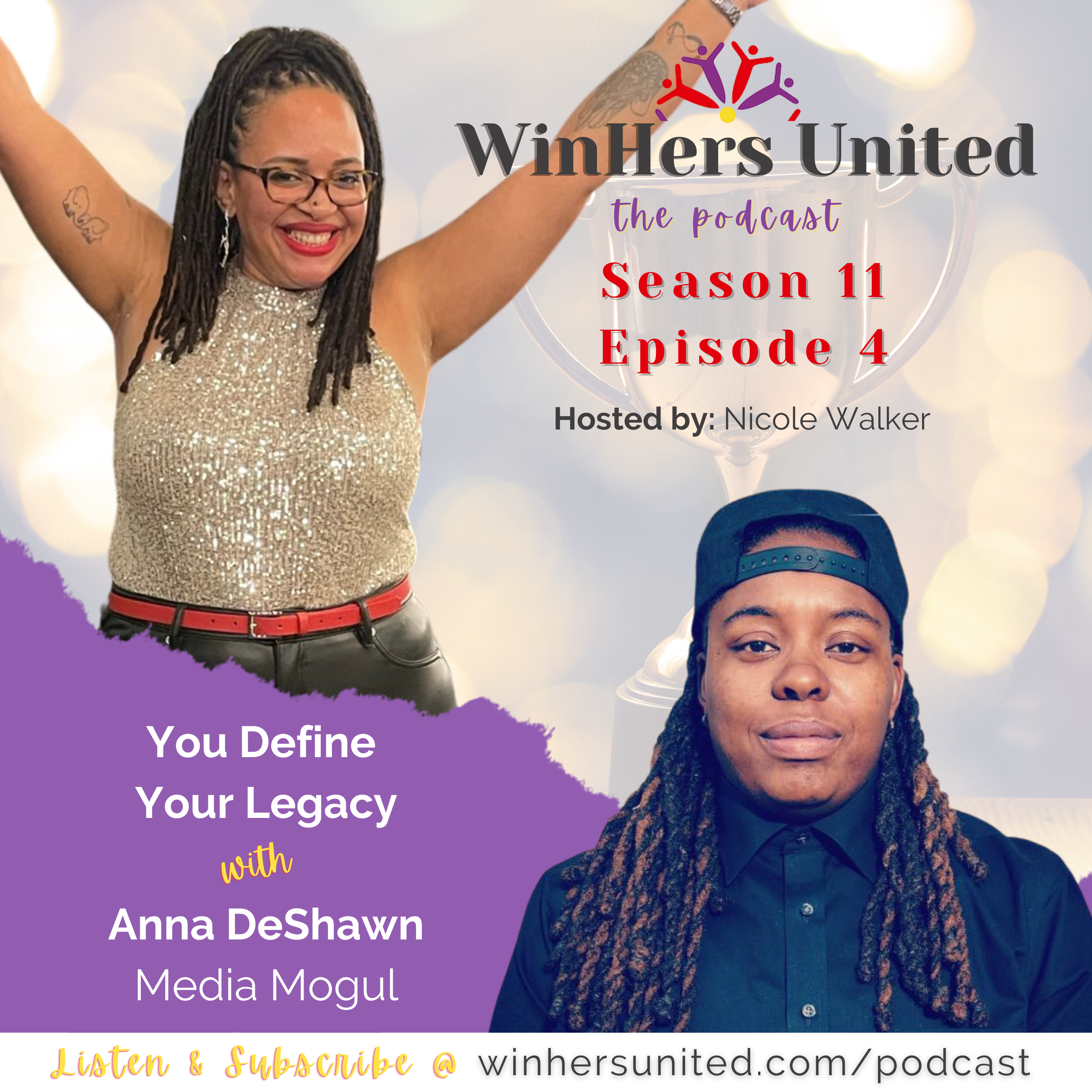 S11 E4: You Define Your Legacy with Anna DeShawn
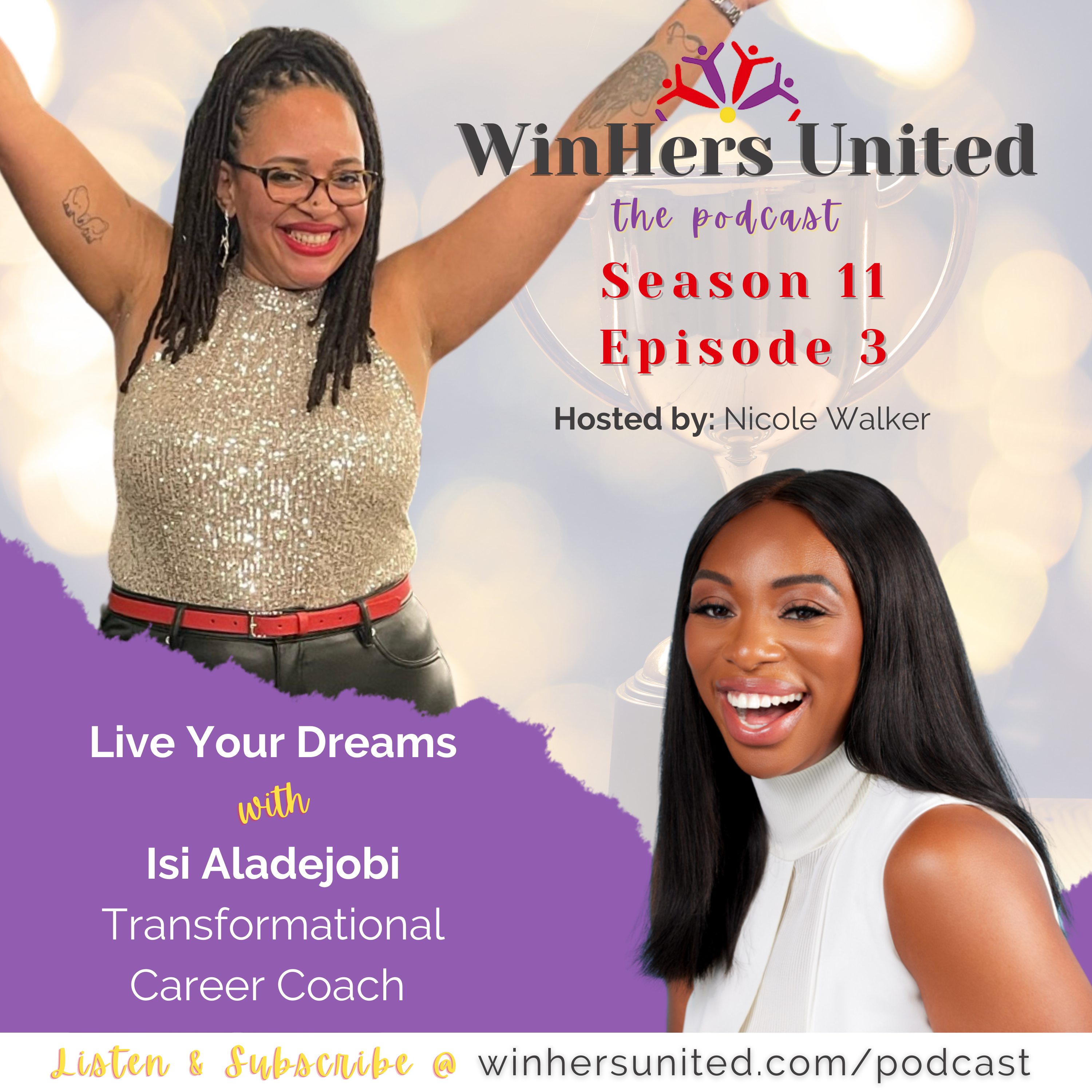 S11 E3: Live Your Dreams with Isi Aladejobi