What Fuels You · 2026-06-02 · 46 min
Key moments - from our scoring
Substance score
30 / 100
Five dimensions, 20 points each
Victoria Thain Gioia brings a 15-year arc from traditional finance to consumer health entrepreneurship, having worked through investment banking, private equity, and operating roles at The Honest Company, Olive and June, and Carbon 38 before co-founding Perelel with OB/GYN Dr. Khalid Bayati in 2020. Her motivation crystallized when her second child's diagnosis of cleft lip - despite taking recommended prenatal vitamins - revealed the inadequacy of the one-size-fits-all supplement model dominating women's health. Perelel solves this by bundling complementary nutrients into single sachets: daily resilience complex (collagen and lactoferrin), hydration powder (electrolytes, collagen, hyaluronic acid), mom multi support packs, and magnesium sleep support. Her background in financial modeling from banking and strategy from Harvard MBA gives her the operational foundation to build a profitable business, while her consumer brand experience at companies like The Honest Company informed how to build trust and transparency. She's intentionally built Perelel's 35-person team (all women) with flexible, remote-friendly culture designed to support working mothers - a direct rejection of the sharp-elbowed, male-dominated finance culture she came from.
After her daughter was diagnosed with cleft lip during pregnancy despite Victoria taking all recommended prenatal vitamins, she realized mainstream prenatal supplements lacked medical rigor. She partnered with OB/GYN Dr. Khalid Bayati to create doctor-formulated, research-backed supplements addressing women's actual nutritional needs at different hormonal stages.
Perelel's core offerings include daily resilience complex (collagen and lactoferrin), cellular hydration powder with collagen and hyaluronic acid, mom multi support pack combining multivitamin and cognitive support, and sleep support magnesium powder - all designed to bundle complementary nutrients into single servings to eliminate pill-sorting.
Her investment banking experience gave her financial modeling skills to build a profitable business and understand investor requirements, while her Harvard MBA provided strategic frameworks for management and scaling. However, she credits her consumer brand experience at companies like The Honest Company and Carbon 38 for learning brand building and trust.
She created a flexible, remote-friendly culture designed to support working mothers, intentionally rejecting the sharp-elbows male-dominated culture of finance and ego-driven girl-boss culture of some consumer brands. All 35 of Perelel's team members are women.
During her MBA in 2013, Victoria observed DTC companies exploding and approaching consumers differently with messaging around the 'better for you' angle, which contrasted with large established brands like L'Oréal and resonated with her vision for creating consumer companies.
Our reviewer’s read on each dimension, with quotes from the episode.
The vast majority of the episode is personal biography, family anecdotes, rapid-fire lifestyle questions, and host self-insertion. Actionable business insights are sparse and buried - the Erewhon co-branded SKU launch tactic and test-and-learn growth engine are the only genuinely useful nuggets for a B2B operator, and both are discussed at surface level with no depth.
hire slow fire fast. And I think when you're in the hiring process and we, we always talk about this as a team too, because it's like anytime you feel like a yellow flag in an interview process, like it usually is that it's not the right fit
we created like a parallel X Erewhon women's product and a Parallax era one men's product which was a really cool way to launch there because we had sort of support from them and us
The episode recycles very common entrepreneurial maxims - hire slow fire fast, if it's not a yes it's a no, work ethic from banking - without adding any new framing or contrarian logic. The founding story is emotionally compelling but the business lessons drawn from it are conventional.
hire slow fire fast
if it's not a yes, it's a no
Victoria Thain Gioia is a genuine practitioner - investment banking, PE, operating roles at The Honest Company and Carbon 38, and a real founder with a $27M raise and meaningful consumer brand built from zero. She has real credibility, but the interview fails to unlock the depth of knowledge she clearly holds.
The Honest Company. When I joined them, um, they were a couple years in and like really quickly scaling. Had done a really large fundraise at a very high valuation. And I think it was at that time in 2015, where these consumer companies were being valued as tech companies
our chief growth officer came from Netflix and had more but she understood a growth engine
There are some concrete data points - 35 employees, September 2020 launch, failed April 2020 fundraise, angel round early 2021, $27M raise, #1 prenatal on Erewhon, COO tenure of 4.5 years - but no revenue figures, growth percentages, CAC, LTV, or unit economics are shared. Named company references are present but discussions are shallow.
we launched in September of 2020
we were gonna fundraise in April of 2020 so that we could like hire a team and get this off the ground. And obviously we were not able to fundraise
The host repeatedly inserts lengthy personal anecdotes (her son's lacrosse career, her own supplement routine, her own family structure), asks leading questions, and offers no meaningful pushback on any business claim. The rapid-fire lifestyle section consumes significant runtime, and follow-up questions rarely probe deeper than surface acknowledgment.
My son plays college lacrosse, but not Duke. But yes, My son thought he was gonna play basketball for Duke
Oh, I'm getting that. I'm so getting that
Computed from the transcript - who did the talking, and the words that came up most.
Victoria Thain Gioia is the Co-Founder and CEO of Perelel, the first OBGYN-founded vitamin company offering doctor-formulated, research-backed supplements designed to meet the unique needs of women at every stage of their hormonal journey. Before founding Perelel, Victoria worked in investment banking and private equity, then moved into finance and operating roles at The Honest Company, Olive and June, and Carbon38. In 2018, while pregnant with her second child, she learned her daughter would be born with a cleft lip-often linked to nutritional deficiencies-despite taking all of the recommended vitamins. That experience led her to partner with OBGYN Dr. Banafsheh Bayati to bring real medical rigor to prenatal nutrition. Perelel launched in 2020 as a direct answer to the one-size-fits-all model that had dominated women's healthcare for far too long. See omnystudio.com/listener for privacy information.
Transcribed and scored by The B2B Podcast Index.
Speaker A: There should be these doctor backed, medically backed and more comprehensive products for women so that she's not pill sorting every day. This can be easier for her. We can take this onus off her.
Speaker B: You're listening to what Fuels you where we deep dive with CEOs, uh, entrepreneurs and business leaders to learn more about their stories and uncover nuggets of wisdom we can all use. I'm your host, Shauna Sperland, CEO of Fuel Talent, an award winning recruiting firm based in Seattle. Today's guest on the what Fuels yous podcast is Victoria Thaingioia. Victoria is the co founder and CEO of Parallel, the first ob gyn founded vitamin company offering doctor formulated research backed supplements designed to meet the unique needs of women at every stage of their hormonal journey. Before founding Parallel, Victoria worked in investment banking and private equity, then moved into finance and operating roles at the honest company, Olive and June and carbon 38. In 2018, while pregnant with her second child, she learned her daughter would be born with a cleft lip often linked to nutritional deficiencies, despite taking all the recommended vitamins. That experience led her to partner with OB GYN Khalid, Dr. Bayati to bring real medical rigor to prenatal nutrition. Parallel launched in 2020 as a direct answer to the one size fits all model that had dominated women's healthcare for far too long. Welcome Victoria. So good to see you.
Speaker A: Thanks for having me.
Speaker B: Of course. Okay, I'm hitting you with my rapid fire out of the gate. What is the first thing you do when you wake up?
Speaker A: I check my phone. It's probably bad.
Speaker B: I thought you were going to say you drink your coffee with your collagen.
Speaker A: I do do that. Like I get up, I check my phone, I go, I get up early, I go downstairs and make my coffee with my collagen and lactoferrin, our, uh, daily resilience product. And then I am on my laptop because I get up around like 5515 so I can work before the kids wake up.
Speaker B: I'm always in awe of people who have that answer of like getting up early and being so efficient and then like it's the best hour of my day. I'm like, I would be so. I'd be in the worst mood. 5am is a little early, but that's impressive. Okay. Is there an app on your phone that you can't live without?
Speaker A: I think it's Slack or Shopify.
Speaker B: Checking the numbers and checking the team. I know.
Speaker A: Yeah.
Speaker B: Do you hate to lose or love to win?
Speaker A: Oh, this is a really good question. I think I hate to lose.
Speaker B: And what about a bucket list destination trip?
Speaker A: I actually do have an answer to this. I really want to go to Korea, but on a beauty trip, because that's all I'm hearing people doing. So I really want to go for my 40th birthday. So I'm, like, trying to figure out how I would do that. And plant the seed.
Speaker B: You got to just manifest it. Tell your husband. Vic, you're on duty.
Speaker A: Yeah.
Speaker B: Okay. Is there a first concert that you remember going to that you loved?
Speaker A: My first concert was at my dad took my sister and I to see NSync because, uh, someone had given him tickets. And obviously we couldn't go alone. And, I mean, I think we were, like, 12 and 13, and he took us to our first concert.
Speaker B: Oh, I love it. And what are you currently listening to or, uh, reading or watching in your abundant spare time?
Speaker A: I'm actually a big reader. I read before bed, and I read when I can't sleep. I just finished the book Yesteryear, which was fascinating.
Speaker B: So what's it about?
Speaker A: It's about an influencer. It's kind of a play. Or not a play, Like a look at modern life today and this influencer world and this sort of trad wife and, like, staying away from.
Speaker B: So I'm reading it. The sad part is, I'm gonna say I'm listening to it. Cause I cannot read anymore. I fall asleep the minute I start reading. It's sad.
Speaker A: Oh, I know I have to read before bed. But I was obsessed with it. It took, like, quite a turn, but I was obsessed with it.
Speaker B: Okay, I'm writing it down. I'm reading it. Okay, this is not really probably rapid fire, but I just have to know, what's your own supplement routine look like?
Speaker A: Okay, so I start my day with my coffee, and I add our daily resilience complex, which is a collagen and lactoferrin product. Previously, I'd been just doing collagen, but I've been really excited about that since I have so many children that I think I'm always sick. So the lactoferrin helps with immunity along with the collagen benefits. And then I do our hydration powder sometime in the morning. I almost always have it for our, uh, kids football games.
Speaker B: What is the hydration powder? Is it like. What does it compete against? Well, like, an element kind of thing.
Speaker A: It's an electrolyte, so it's our cellular hydration. It also has collagen in it. It has hyaluronic acid, so it's really focused on sort of like that cellular hydration from the inside out and it tastes really good. And then.
Speaker B: Oh, I'm getting that. I'm so getting that.
Speaker A: Well, and today we're launching a, uh, limited time flavor for summer in a watermelon mint, which is so delicious. So very excited to finally have that. And then I, I do our mom multi support pack, which is like a multivitamin Omega cognitive support beauty blend all the things in one little sachet. Um, and I do a sleep support magnesium powder before bed and now my son has it with me, so it's part of our nighttime routine.
Speaker B: Oh, I love that you're like, calm down, kids. Have some of the magnesium. Yeah, I need to look at your stuff because I, I'm taking so many ridiculous things right now that I need to see if I can kind of blend them together. Like, do I need to take this and then that and then this. And what I do is I put them in these like packets. Not packets, but those like things that you travel with. The plastic.
Speaker A: The pill packs.
Speaker B: Yeah, pill pack things. Well, whatever. I like put them in and I do three weeks worth because otherwise I'm doing it all the time. And I literally don't like taking so many supplements. So I feel like I could probably look at yours and I don't know, put em into ChatGPT and be like, what can I get rid of?
Speaker A: Yeah, this is why we created literally like what you're defining. And we create these like little pockets. Like everything is like in one. And part of that's because we, our medical co founders are practicing OB GYN and like in the best ways possible. She's not coming from a business background, so if I was like, okay, we're going to make these products. She's like, we'll just put them together. Like, this woman shouldn't have to like scoop between two different products. She's like, it should all be in one. And so like, uh, when we made our protein powder, it's protein, fiber and creatine in one scoop. The whole core of this was that it is so overwhelming. And like the onus was on this woman to. I mean, and when we started this, there wasn't chatgpt. It was like to Google it and figure it out and like research the back of every label. And that was a lot of work.
Speaker B: Yeah, it's crazy. So I know you're in la, but I do hear a slight New York accent. I know you're from Rye. Grew up as one of four and you Talked about your sister already. So where are you in the birth order?
Speaker A: I'm the third of four.
Speaker B: And is it all girls?
Speaker A: No, it's, uh, two of each. So I have. It's. And it's, like, so strange because it's the same as my kids. So older brother, older sister, me as a girl, and then younger brother.
Speaker B: So you have boys on the bookends? Yeah, and the girls in the middle. That's literally my dream. So I have boy, girl, girl, but then I don't have that final boy. I can't even imagine. I've always wanted four, and I don't know why I stopped at three, but four seems like now that I've got three, I'm like, four just seems like the natural number because then nobody's left out. You kind of. Everybody has a pairing. Yeah, but nobody tells you that part.
Speaker A: Yes, I will. I mean, I was on a four, and I knew I wanted four. And the fourth was quite a lot of work of having him. But there are times where I'm like, we have so many children because it's like, now we have four different schedules.
Speaker B: Uh. Oh, yeah. How old are the kids now?
Speaker A: 8, 7, 5, and 2.
Speaker B: Oh, gosh, girl, you are in the thick of it. And you started. Well, we're going to get into your business. But now I'm, like, doing the math in my head of, like, wait, okay, so she's 20. 20. She had. Wow, that's nuts. I mean. Yes, Impressive. So you described yourself as a little bit of a nerd growing up. I don't see nerd today. Not that that's good or bad. I love nerds. But I'm curious what you're into when you were a kid, because you took a very kind of, like, uh, you know, amazing school path. And were you into other things, or were you, like, just focused on your books?
Speaker A: No, I mean, I was definitely focused on school, and I was definitely an emphasis. I like horseback road. I did gymnastics. I played, like, sports at school, but not as much. I know. Like, what else did I do? I feel like I did something.
Speaker B: Well, you went to, like, everybody's dream school. And. But then I'm like, oh, wait, she studied math. That's not everybody's dream subject. And I love it. Seeing a female. Female, you know, math major. But, uh, everybody. I mean, I don't know anybody that went to Duke that isn't obsessed with Duke.
Speaker A: I. It's a great school. I actually just went back for a girlfriend's 40th, uh, and she did it There. It was really fun to be back, and it's fun now. My oldest, who's a boy, who's only 8, but I think he's, like, decided he's gonna go there. Like, he wants to play lacrosse.
Speaker B: My son plays college lacrosse, but not Duke. But yes, My son thought he was gonna play basketball for Duke. When he was your son's age. Well, he.
Speaker A: He had that. He was like, should I play in the NFL or the NBA? And I was like, to be clear, you're not going to play in either of those.
Speaker B: You never know.
Speaker A: I know. He was like, that means you don't believe in me. I was like, I'm just being honest. I think we should set expectations.
Speaker B: Oh, geez. Yeah. And so your friends from high school and college, like, are you. I'm guessing you're in touch with a lot of them. Would they be. Are they surprised to see kind of the path that you've taken with your life, or is it like, oh, uh, we've always known Victoria was going to kind of be an entrepreneur, go on to do kind of big things?
Speaker A: I don't know. Actually, I'm not a risk taker in any way. Like, I think, as you said, like, I started my career in, like, investment banking, and then, like, I worked in private equity, and that was, like a very traditional.
Speaker B: Yeah, well, you. I'm guessing you got recruited out of, you know, on campus recruiting at Duke.
Speaker A: Yeah, I did all those things. I did a bunch of summer internships. I actually started my summer internships my sophomore summer. So I did, like, the junior banking program as a sophomore, and then again as a junior. I'm not sure why, but I did.
Speaker B: Well, who was guiding you along the way? Was. Was there, like, parents, or is it just your peers? Like, this is just kind of how we roll.
Speaker A: My dad worked in finance, so I think it was, like, kind of. I don't want to say like, uh, he pushed us into it, and, like, that would be anything, but I also think there was this belief that that was, like, a really good, like, fundamental of, uh.
Speaker B: Like, I think it is. I mean, I can't tell you how many people I've had on the podcast where that was their kind of path. My son's going into his senior year of college, and he's at a, you know, top school. And a lot all of his friends are like, investment banking or consulting. That's just what you do. And I'm trying to tell him there's a million different paths and. But they can kind of, especially East Coast Puts that in your mind of like, that's what you do. And I, uh, can't imagine a better foundation. I mean nowadays with AI, it's hard to know what that path should be or shouldn't be. But in retrospect, that was a good foundation for you, right? For sure.
Speaker A: And like I'd worked at, I'd actually worked at J. Crew. I did an internship in women's merchandising and then I went into banking. But I did always work in consumer and I always really wanted to work in consumer and like consumer brands and you know what it meant for the market and like consumer behavior. So it was skewed towards that and I got to work for some cool and interesting consumer companies. But I do feel like it's a pretty rigorous for that two year analyst program. Like, yes, pretty intense. But like I would hire so many bankers, uh, over again because like you get such a work ethic. You know what it means to work hard. You know what it means to like. I mean. And look, it was awesome at times.
Speaker B: Oh yeah. Like sleep under your desk.
Speaker A: Yeah. You get your teeth kicked in, but you kind of learn of like, you have to be proud of your work, you have to check your work, you have to be thoughtful and your work matters. Like right out of college, like you're going to get yelled at if there's an error. And it's not just because you're getting yelled at. It's like, well then it went into a book and then it went to a presentation. And then like, you know, there was an error in the presentation. And so it kind of teaches you. I mean, I think there's, there are uh, things that should change about it. And I do think with AI, hopefully all these analysts get a little bit more sleep. But I think it gives you a really good foundation and it gives you like a financial understanding. Especially now for me, I'm um, like I know what the levers are to grow a business, to grow a profitable business, to like what a financial model is. So I can understand like what does it mean to hire that next person and how to put all the pieces together.
Speaker B: Yeah, I love that. And also just even taking outside capital, like half of that is a lot of people are just drinking from the fire hose. If there's like a technical co founder, uh, who's never had business background and like who's going to be in that room kind of protecting you, understanding everything from a numbers perspective and what it all means.
Speaker A: Yeah.
Speaker B: So you did investment banking, private equity, and then did you Feel that it was a necessity for your career to go back and get an mba? Or was that because it was kind of a weird time in the market? Like, what, what drove that decision?
Speaker A: No, I mean, I do think you're a little bit on that path. Especially like some of these, like funds really believe in that path. But for me, I did want, I didn't want to work in that space forever. Like, I wanted to do something in the consumer world and, and it felt like this opportunity to make a career shift and work for a company, um, which I guess did play out. But I definitely thought of it as like it was part of the path. And I think a lot of the people that I worked with and for had all gone to business school and like really put a lot of value in the experience and what you learn and what you gain. Not just learn, but sort of the long term career benefits.
Speaker B: Well, in the network too. Especially if you're going somewhere like Harvard for an mba. It's like you just can't beat that. You can't, you can't beat that. Like the kind of people that you're around and what they've all probably gone on to do.
Speaker A: Um, yeah.
Speaker B: Super cool experience.
Speaker A: I think it was a great experience and I don't think that it's 100% necessary for everyone. And you know that you're leaving the workforce for two years is expensive. It felt like the right thing for me at the time, especially given I wanted to make a career shift. And so, and I think it was a great experience. I also met my husband there.
Speaker B: I was about to say, please don't leave that out if you met him there because so many friends have met their husbands in business school. And I'm like, I'm guessing you did. Oh, that's great.
Speaker A: I met my husband there or like we knew each other. He had gone to college with my sister, but we, we like met for real there. I met some of my closest girlfriends and I guess I did like, I was able to switch careers and try different things out. And so for me it was a really great experience.
Speaker B: And when you said you wanted to make a career switch, was, uh, that like, because you knew what you wanted to go toward or you knew what you wanted to leave or.
Speaker A: Both, Both, both. I did want to work for a consumer business and I think I originally probably was like, oh, I want to work at like l' Oreal or some of those big. And I say l' Oreal because that was one of the companies that we advised when I worked in banking. And then I think, like, seeing more under the hood from the banking perspective and being in business school, seeing the opportunities at startups. So I was there 2013 and that's when like all these DTC companies were exploding and, you know, approaching the consumer in different ways and different ways to sell to the consumer, different messaging, kind of what does the consumer want today? A lot on sort of the better for you angle. And that all really resonated with me. And so I wanted to both leave, but also kind of knew where I wanted to go.
Speaker B: That's really cool. And so wellness and kind of all of that kind of better for you category has always been kind of a part of your lifestyle.
Speaker A: Yes, for sure.
Speaker B: Oh, uh, that's great. And so would you say that early days investment banking and private equity or Harvard MBA prepared you more like when you reference things in your current role, which we'll get into, which is kind of giving you more like guidance of like, how should I handle this?
Speaker A: Well, I think there's two sides and I think that's like what it is to be a founder. I feel like investment banking foundation on, um, like the financial model to like start a business and be like, okay, how do we need to set this up so we can actually make a profitable business? How do we think about investors? How do we think about how much we'd fundraise? The foundation was from, um, banking, but I feel like a lot of today and where like, as the company scales and there's more people, you're more dealing with people and strategy and dynamics. And I think that is really been from, um, my business school experience. And I think that is where you learn a lot like of management and strategy and frameworks and how to think about things.
Speaker B: And you were told when you were working, you don't have to say where, but I'm super curious. I'm guessing it was in the financial services industry that a partner told you he'd hire a man over you because you're probably likely going to go the mommy track, which I feel like is like, great when you can just pull out and be like, you know what? Like, no, I'm not going to be playing by those roles. Like, let me set my own life here. Like, I don't need you to tell me how I'm going to live my life.
Speaker A: Yeah, it was when I was interviewing post MBA and it was at a fund, I was like, honestly floored that one, like, obviously you cannot say that. But two, it was like clearly believed and it was like, you're gonna leave the workforce and, like, we're gonna have to cover your work. And it's. It's interesting four kids later thinking about that and like, uh, how often I've left the workplace, but also thinking about our company. So we have 35 people. They're actually all women. And occasionally they have children and like, they have to leave the workplace, but they come back and they, uh, have a different perspective and they know how to multitask and they know how to prioritize, and they're usually really thoughtful about what we're doing.
Speaker B: Yeah, well, I think that whole saying of like, if you want something done, give it to a busy mom because it's true out of necessity. I mean, whether they're working or not, women and moms just somehow have to figure it out and how to multitask and how to execute. So. But I'm, I'm glad you did not take that job. I didn't know it was in an interview. That's crazy. So you took, obviously this very big intentional shift from investing to operating and went consumer, which I love. I'm a consumer of all these companies, so I'm like, oh, my God, you've had the best career and best schools. Like, it's incredible. And my favorite cities, Living a good life. The Honest Company, Olive and June and carbon 38, all such cool companies. What did you start to understand about consumer behavior or brand building from those companies?
Speaker A: So many things and so many different lessons and like, they were all at very different stages. And so carbon 38, I worked at when it was like four or five people and was ahead of the trend on athleisure. It was fascinating of like, how you could structure a business. It was creating like a marketplace. Then they were starting to build their own in house brand. And so it was like a lot about how you think about a business model, how you think about branding in the space, partnerships and how that can build kind of. I think they were very little funding too. And so it was like, how do you build buzz without a budget? And I think there was just so much there and take control of like, business model and margin. The Honest Company. When I joined them, um, they were a couple years in and like really quickly scaling. Had done a really large fundraise at a very high valuation. And I think it was at that time in 2015, where these consumer companies were being valued as tech companies and the MO was like, how do we raise as much money as possible? There wasn't really a thought about profitability and what that means. As a business, but I think from a brand building it was how much trust you can build in a brand and how do you do that and how do you build sort of trust and transparency and that consumer connection and how do you resonate with the consumer and then how quickly that can erode if things expectations aren't met.
Speaker B: Yeah. And what about culture, like from those companies and even the bank, the banking companies and private equity, like what feels like a good culture to you and how has that experience been for you kind of creating your own culture?
Speaker A: Yeah, I mean I think banking is a very sharp elbowing culture. Yeah, it's a very male dominated culture and that can be both positive and negatives in different ways. I've experienced a lot of different cultures and I feel like there are sharp elbows there. There's a little bit of like a girl boss era, uh, and ego in a lot of these things. And I think that's really not what I wanted to build. And I feel like going back to that comment made, you know, when we started parallel the week prior I'd given birth, my third child. I was a mom. I like had balance working with my first two children. And I think it's really, really hard to be a working mom and all that you're balancing. And so I think we went into it of uh, like we wanted to, we were creating this company to support women and like we wanted to create this company. We had our mission statement of uh, like to create a world with more healthy, supported women. But that had to be internal too. And so, you know, how do you do that as a culture where like you can support the working mom where you can. And we kind of have a hybrid remote structure and like if someone on my team is like, I have to work from home today because my daughter's home sick, like that is how it is. Like it's no question. And I don't think anyone's afraid of that. It's knowing like we're all responsible women or mothers or people and so we're going to get the work done. But if someone has to step out because they're cat sick, like they're going to step out their cat sick and then they should feel comfortable doing that. So it's like how do you create space for people to like balance and not feel afraid of that and then you can kind of have that transparency and then one of our like in our team values, it's sort of based on how we think about products and like high quality at some of that and like no nausea but it's like we are a bit of a type A team and we're all really working hard. So how can you create that culture without it being sharp elbowed and aggressive or competitive? And I think that's been something we've really focused on.
Speaker B: How has the recruiting process been for you with those 35 hires? Like, how do you find them? What is your interview questions to kind of weed out people who are not going to be aligned from a values perspective?
Speaker A: Yeah. And that has definitely been an iterative process the last six years. It's so mixed. And I mean, honestly, like, most of my team leads came from a referral or someone I know. Two of them actually worked with my husband on a previous company. And actually two of our my team leads who have been with the company for four years were cold outreach emails, which is also crazy.
Speaker B: That's awesome. Like they reached out to you or you reached out to them?
Speaker A: They reached out to me. One who was my chief of staff now is our VP of strategy went to Duke and she sent me an email and she said, I'm looking for intern. I think at the time she was looking for an internship and she's now been in the company for four years. And another was like, through, I think I'd posted on some group and she like sent me an email and now she's our chief operating officer and has also been at the company for like four and a half years.
Speaker B: That's fantastic. I love that.
Speaker A: Uh, so it's a lot of that. And I do think I've definitely learned and I still. You still falter on this a little bit, but it is very much of like hire slow fire fast. And I think when you're in the hiring process and we, we always talk about this as a team too, because it's like anytime you feel like a yellow flag in an interview process, like it usually is that it's not the right fit. Like something there.
Speaker B: Yeah. What is? I can't remember who said this, but it was like, if it's not a yes, it's a no.
Speaker A: Yeah.
Speaker B: It's got to be like yes at the end of the day too. You just never really know until you're working with someone. It's tough. So. Okay, so walk me back to the beginning of the. The parallel origin story. You kind of talked about your third child, but I know that being pregnant with your second. Ah. Im. Is it Imogen?
Speaker A: Imogen, yeah.
Speaker B: That is the best name. What are the other kids names?
Speaker A: Finn, Imogen, Pippa. And then the baby is Lachlan. Oh, these are such.
Speaker B: Are these family names are so solid?
Speaker A: No, actually, there are like, uh, they all have family names that are their middle names. But my husband is much more of, like, the creative than I am, and so he.
Speaker B: Well, he's good. Uh, I love it. So if you could walk me back to. You know, you're there, you're getting your 20 week scan with your second child, with your daughter Imogen, and you find out was, um, diagnosed with cleft lip. And did you find out in that scan that she's got a diagnosis in the scan?
Speaker A: So it was our second time at that phase. And you knew. We knew something was wrong because it's like the technician does the scan and then the doctor comes in to talk to you.
Speaker B: And.
Speaker A: And I think our association with the 20 week scan had been like, oh, it's this fun time. You get to see the baby. You get the 3D imaging. Like, this is so exciting. And the woman's doing the scan and then she gets, like, quieter and like, because my husband was there, he was making silly jokes, which he always does, and she just got quieter and quieter and quieter. And then she basically, like, stopped responding to us. And. And then she kind of stopped the exam. And we were like, oh, are we all done? And she was like, I'm gonna have to get the doctor now.
Speaker B: And stomach just goes into a pit.
Speaker A: It was the worst. Like, you're just like sitting there and like, uh, I know exactly what I was wearing to this day. And I mean, I guess this was almost eight years ago. You're just like, your whole life goes on pause. And unfortunately, you have like, a few of these other moments with our other kids where you're just like, you're sitting in that room and like, your whole life is in pause and you're waiting. Um, and he came in and he did the scan again. And then he kind of walked us through of what he saw and what this meant. Um, and this goes back to. Clefts can sort of be formed two different ways. They can be genetic, and when they are genetic, they can often be connected to more complicated situations and risks and quality of life and life expectancy. Or they can be. I guess the way he described it is like, they can be in the blueprint or in the build, so they can be more situational. Um, and so at that point, we had to sort of go forward with genetic testing and amnio to kind of see if we could get more information. So we kind of felt completely on hold. And we had a one Year old at home, I was working and we kind of had like a six week period to learn more information. Once we did the um, amnio and it felt awful. And like during a lot of this I, I think all of us would do this. I googled everything and like you just are in like the rabbit hole on everything. So I had gone down every path on the genetic side, I'd gone down every path on the like risk factor side which can be like steroids, environmental, some of those types of things. And then there was nutrition and learning more about prenatal nutrition and prenatal vitamins and formats of ingredients and what's in a bottle and how under regulated it was. And like it just kind of got me into this whole sort of rabbit hole of learning and how much was out there and like how overwhelmed I felt. And then, you know, we had a plan and we kind of learned sort of what the situation was, had done some testing. It seemed very likely that it was linked to nutritional deficiencies. We found an incredible surgeon. We actually got into like what is a clinical trial. This surgery was scheduled for two weeks post delivery. But I still couldn't like get out of my head. A lot of uh, the things I was learning about like the prenatal vitamins and this category where you put so much trust and I didn't really understand where any of these products were being made and like what was the quality
Speaker B: of the ingredients, the source and the quality of the ingredients a hundred percent
Speaker A: and who was making them. And also you're told to do all these different things, but the onus was totally on you. And we had also had some fertility issues before this. And like when I'd gone to my fertility doctor, he'd given me like a printout of like, here are all the things you should be taking. And like I'd have to research what brand to take and find it that way. And so it just felt like there should be something that was taking this for this woman and like giving her exactly what she needed and when she needed it and everything was so different. And so I brought this, my then OB GYN, Dr. Biotti. And I was like, this is kind of what I want to do. I think no one is serving this woman. And she fully agreed. And she was like, that's what I see in my practice. Like there's no one product I can recommend. I have to hold different things together. And it kind of created the spark of um, there should be these doctor backed, medically backed and more comprehensive products for women. So that she's not pill sorting every day of like, I need this pill and then I need my omega and then I need like this can be easier for her. We can take this onus off her. And then met my other co founder and she had just had her first child and like she was fully on board. And then we decided to do this in January of 2020, which was horrible.
Speaker B: Perfect timing, right as the pandemic is about to start. How did you come up with the name?
Speaker A: It was just iterating on it. So we like wanted to come up with a name that kind of like evoked the feeling. And we actually had like. So my last name is Joya. So we had like Joy in there a little bit or Joya and like Bundle. And then we had mayor because we didn't want to be a pregnancy brand. We really thought that we, from day zero, that we wanted to build a women's health brand and we wanted to support women throughout their entire life cycle. And that's where the opportunity was, was that we could see her through all these stages. Like, yes, we are so anchored in like motherhood and prenatals. That's like a huge needs case. But we also knew that perimenopause and menopause and there's like these. All these other spaces which have sort of the same like this moment of overwhelm and where supplements can really matter. So then we like got. We didn't want to use like mayor or any of that stuff. And we kept saying like, oh, it has to be like parallel to where this woman is. And so we just kept coming back to the word parallel.
Speaker B: Yeah, it's great. And so walk me through those first few months. Like, you've never done this before. Here you are, you've got your ob GY and you've got your co founder who's more of the. I guess Alex Taylor would be more of the what to your what?
Speaker A: She was definitely more in the brand content side. And then I was doing sort of like finance strategy, ops and growth and customer service, which I did. I answered every customer service ticket for our first like year and a half,
Speaker B: which ended up gotta do what you gotta do.
Speaker A: And well, we launched before COVID and then we were gonna fundraise in April of 2020 so that we could like hire a team and get this off the ground. And obviously we were not able to fundraise. And I took out a loan and we did some friends and family and we cobbled it together and then we were able to do an angel round in early 2021. But we never had a lot of money. And so I always had. And maybe this is because I'm, um, one of four kids. And like, all of that, like, if I can do it, I'm just gonna do it versus hiring someone else or outsourcing it or paying for something else. So did a lot of that stuff in the beginning.
Speaker B: Yeah, that's a great way to start, because you know how every little moving part is hard to scale when you're doing that, but that's how you become profitable.
Speaker A: Yes. Yeah. And that was definitely a goal.
Speaker B: Yeah. And so you're doing that in the early, early, beginning. And what was your kind of go to market strategy and how did that turn out? Because I know that you have had incredible growth and haven't really spent a ton of money on marketing. Right.
Speaker A: Well, we have now, but now you have early days.
Speaker B: Early days.
Speaker A: Early days. I think it was definitely. And. And part of it was just the world was totally shut down. So we launched in September of 2020. It was a totally different world. And so we leveraged giftings. We leveraged a couple of, like, select influencers where we could get more reach who could also storytell who were pregnant, and they could, like, show how they change through our products.
Speaker B: How did you get to them? Like, you're. What was the process to identify and. And then reach out? And then how did those partnerships work? I know that there's, like, several different ways to do it.
Speaker A: I mean, there's a couple of agencies, so I think we always sort of were going through an agency. I mean, you're dming people too. I just remember, like, we had one employee who was doing more of, like, email, social, and some of the influencer stuff. And she and I were, like, on the phone and, like, December of 2020, and we were trying to pick between two influencers, and I was, like, trying to, like, make math work about it while I was like, well, they have, like, this many followers, and this one has, like, this engagement rate. So if you, like, multiply that out, like, which one we should pick, it's kind of hard. And now there's so many tools. You, like, see their engagement rate. You see what brands they worked with. You see what works. But I feel like back then, and especially because you can't afford any tools, you're, like, putting a finger in the air. And then we turned on, like, paid marketing, and we were fortunate to get some good press hits in the beginning too, which I think built more awareness and more credibility.
Speaker B: I mean, obviously for sure. And you built a lot through this kind of channel, like organic social and the community helped sell the product.
Speaker A: Yes. So definitely like I think social and it's interesting how much social has changed over the last couple of years. But you know, we also built a really strong growth engine and so our uh, chief growth officer started advising us early on and really thinking about like how do we have this test and learn mentality where we make every dollar count and we learn from every next dollar. So building like a growth engine which is, I think that feels like it's really bottom funnel, but it's not. It's like how do you think about full funnel marketing? How do you think about like where is this woman discovering she's. Then she was Google searching. So like how do you have like a Google search strategy of uh, how you show up, how do you show up in different articles and make sure like the brand is being presented in a trusted way? How do we leverage kind of the trust and the quality and that's really how we show up on social. So. So I think it's all those things together and I think they only work if you have the flywheel evolved them working together.
Speaker B: It's definitely a hard business. I know that you're in some kind of bougie fancy places like Erewhon and I mean I of course love revolve and we go to free people all those places. But you're also on Amazon. Was your strategy initially kind of through those channels or is it just like we just want the visibility and um, we're looking at where the repeat customer comes from?
Speaker A: Yeah, I mean I think those channels are very small for this category but I think sometimes it's nice and to have some brand awareness in those places or ways to do different partnerships and be seen in a different light. Erewhon is, yes, is just like its own unique beast. And especially I think as an LA brand, we actually created co branded SKU or two SKUs with them which is actually how we launched an Erewhon. So we created like a parallel X Erewhon women's product and a Parallax era one men's product which was a really cool way to launch there because we had sort of support from them and us, uh, and sort of that joint brand Halo, which is really unique. Ah. But then over the last couple of years we've also added the rest of our products and have been like the number one prenatal on Erewhon for what that's worth. And then the other channels I think are definitely smaller. More brand awareness.
Speaker B: I'm curious also like going back to the growth thing of the business. Like what, what are some of the harder roles for you to fill as you're, I mean you're at this intersection of like science and wellness and CPG and you know, consumer, all of the things hitting together. What are the hardest roles for you?
Speaker A: Hmm. I think it's interesting. It's hard for me to answer that because I feel like some of the people that we've placed in the seat have had non traditional backgrounds for where they are. So our chief growth officer came from Netflix and had more but she understood a growth engine but at the same time she really understood our brand and what we were doing. But she is a best in class growth marketer but she also owns like influencers so she kind of does both. And so it's more about like the person and like also she's, she's taken on more. I think what's hard for a startup is like all of my, the team leads that I could talk about today, their roles have evolved over the last four years because the business has evolved so much. And so sometimes that means someone leaves and sometimes that means someone evolves and takes on more.
Speaker B: I always advise my startup clients like that I'm like you've got to hire for today but also be thinking two, three years from now if you're comfortable with the idea that that person's going to, that there's going to be churn because there will. And also the idea of rec. Titling like don't over title too early at a startup because where they, where are they going? It's like you can't start them out as you know, some crazy highfalutin title. So the, the vision for the business. Now obviously you're, you want to be like an overall women's wellness. Yeah, go to when women think about their overall wellness.
Speaker A: Exactly. We want to be the trusted supplement brand in women's health. So actually a big role that we did just hire for is our chief brand and creative officer. And so much of that is storytelling and it's storytelling behind the science and it's storytelling behind the woman. And I think that's where we have this duality as a brand with our medical co founder. We are so baked into the science and like the clinical and you know, sometimes where she'll explain a product but then it's like we also have this like founded by moms and deeply understanding what she's going through. And so how do we like tell Both of those stories and tell them together.
Speaker B: I think you're doing a great job of it.
Speaker A: Thank you. But we just hired an incredible sort of creative to lead that and so really excited for that, like, storytelling to continue on.
Speaker B: Yeah, that's awesome. I'm excited to see some of the stories. And so are there things that you've consciously chosen not to do because you've known that they might drive growth but they're not aligned, uh, with kind of your vision?
Speaker A: Yes, I mean, I think we definitely say no a lot and there's a lot that we won't do. And I think it goes back to that, like credibility and trust and what we've learned. And also like, this is the benefit of having Dr. Biotti. She's not gonna let us do a lot of like, we're not gonna put out a product that doesn't have science behind it.
Speaker B: Yeah, uh, you can't because it's her whole reputation.
Speaker A: I think it's the best thing. And like we agree things don't even have to go to her. We're like, no, she would. Whether it's a product, whether it's a post, whether it's an article, like we're not gonna say that. Like we're not gonna say something that cannot be backed up. And she really keeps us on that focus. And I think it's really important as a brand to know what you say no to and how you can stay really true.
Speaker B: If I asked her or anyone else on your leadership team, or I guess for that matter, any of your employees, three words that they would use to describe you, what would they be?
Speaker A: M. That's a good one. I don't. Gosh, I hope that they say that I'm hard working. I hope that they say I'm empathetic or honest. You know, I think I try to make the right choices and I think I try to be really open in communication and sort of like, even if we disagree of like here's where I'm coming from, like I understand where you're coming from, but I think we need to do it this way. So I try to be that way. I also know I can be sort of, I can be impatient, opinionated, like me, all those things. But I hope that they all say that they feel very supported.
Speaker B: And how about, how about your kids? Which words would they use to describe you?
Speaker A: I mhm. Think my kids think like, I'm definitely the fun one. I would do anything for my kids and not in like a spoiled way, but I think talking with them Being with them, trying to stretch to make them feel heard and understood. Maybe heard and understood, but told no.
Speaker B: Yeah, it's like the velvet hammer. I always love this saying, like, that's just the velvet hammer. I love you. Tell me about this fundraise that just happened. 27 million. What is your plan with that money? What are you using that for? What kind of growth?
Speaker A: And not a ton of that went into the business. I think that was, like, a really exciting moment with sort of those early investors I mentioned, those angel investors were able to give them a really nice return, which I think as like, an entrepreneur is really cool.
Speaker B: That's gotta feel amazing.
Speaker A: Yeah, it was really cool. And it was bringing. It was mostly focused on bringing on a new partner. Prelude, two female founders of that org as well, and an incredible team and really helping us with kind of this next phase of growth. It's like you, you know, the 0 to 11 and you keep scaling up, but real experts in kind of this next phase. And they've been incredible partners, and I'm really excited to have them on board.
Speaker B: Oh, that's awesome. And what. What is that part of the business going to be? I mean, what. Why did you feel the need to bring them on board?
Speaker A: It's product and, like, refining what the products are, how we show up in the world. Like becoming more of this women's health brand versus a, uh, prenatal brand and expanding our reach, expanding channels, and continuing to go from that growth into scale.
Speaker B: Yeah. That's so exciting. You're doing all the things. I'm guessing that there are days that you're just like, this is hard. This is so freaking hard. And when you feel that, who do you turn to or what do you do to get kind of energy and strength?
Speaker A: Yeah. And it's. It's definitely been that a little bit recently. I mean, I think it's my kids, so. And I think for better or worse, it's definitely been a harder stretch. It's hard. This is really hard. And I think we've made this seem easy for some reason. Um, and more like the Instagram versus reality parts of it. But of course, I think my kids sometimes are like, do you need a hug today? And I mean, that both, like, breaks my heart that they see some of this, but maybe it's good for them, too. Um, but they're what kind of keep me going.
Speaker B: My final question for you is, what fuels you? Like, what. What's your ultimate? Like, why?
Speaker A: I think it's. It's them. I think it is them. I I think I really believe in what we're doing, but I'm fueled by them every day and my daughters and you know, how they feel and the world I want them to grow up in.
Speaker B: Thank you for listening to the Wet Fuels you podcast. If you'd like to check out past episodes to hear from more business leaders, go to fueltalent.com podcast and if you have a minute, please leave a review and rating on your favorite podcast app or share this episode with a friend or colleague. Please share any feedback or interview suggestions for other guests by sending a message to podcastueltalent.com I'm Shauna Sperland, and thanks again for listening.
Other episodes covering the same guests and topics, from across The B2B Podcast Index.
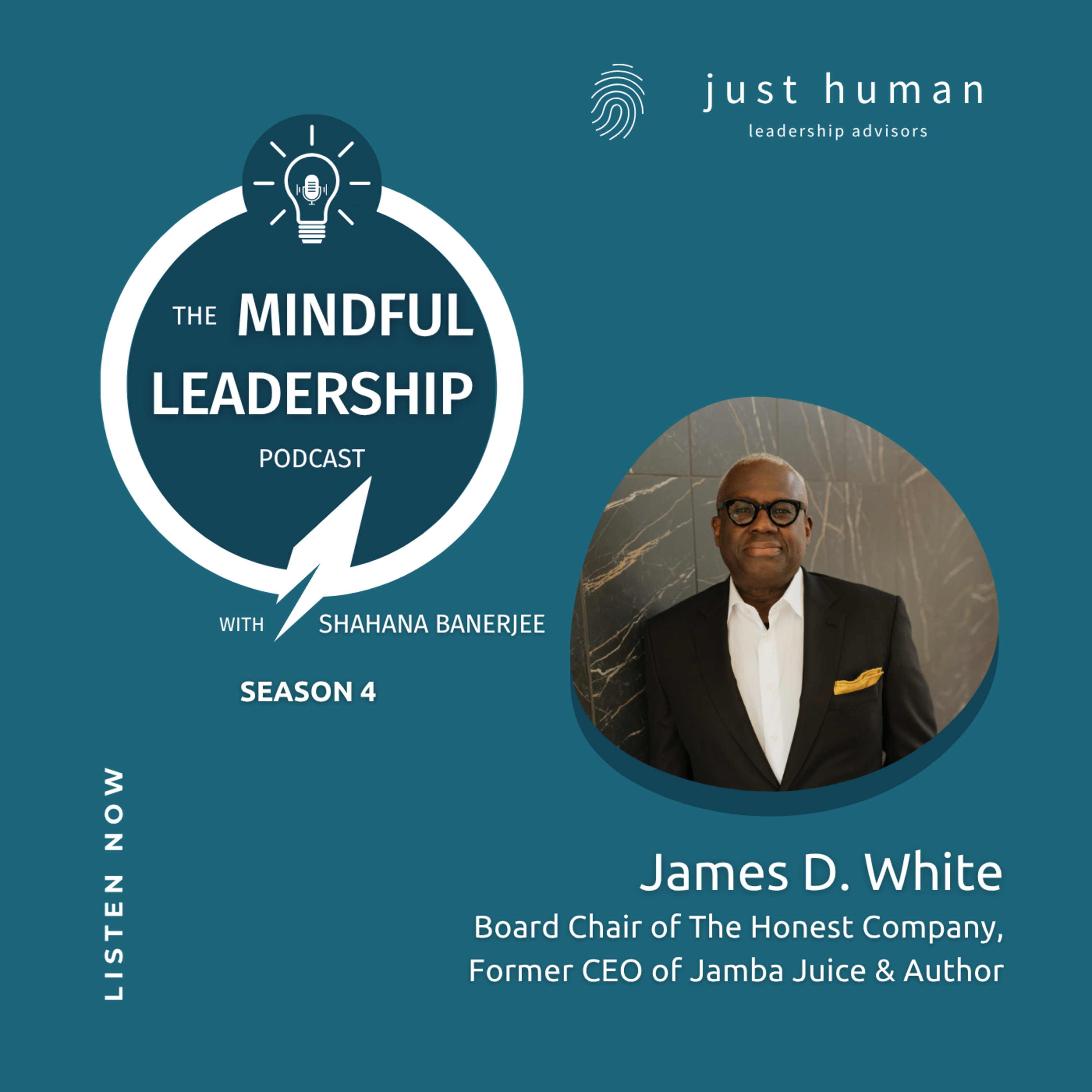 S4e04 Culture By Design with James WhiteThe Mindful Leadership Podcast with Shahana Banerjee · on The Honest Company73 / 100
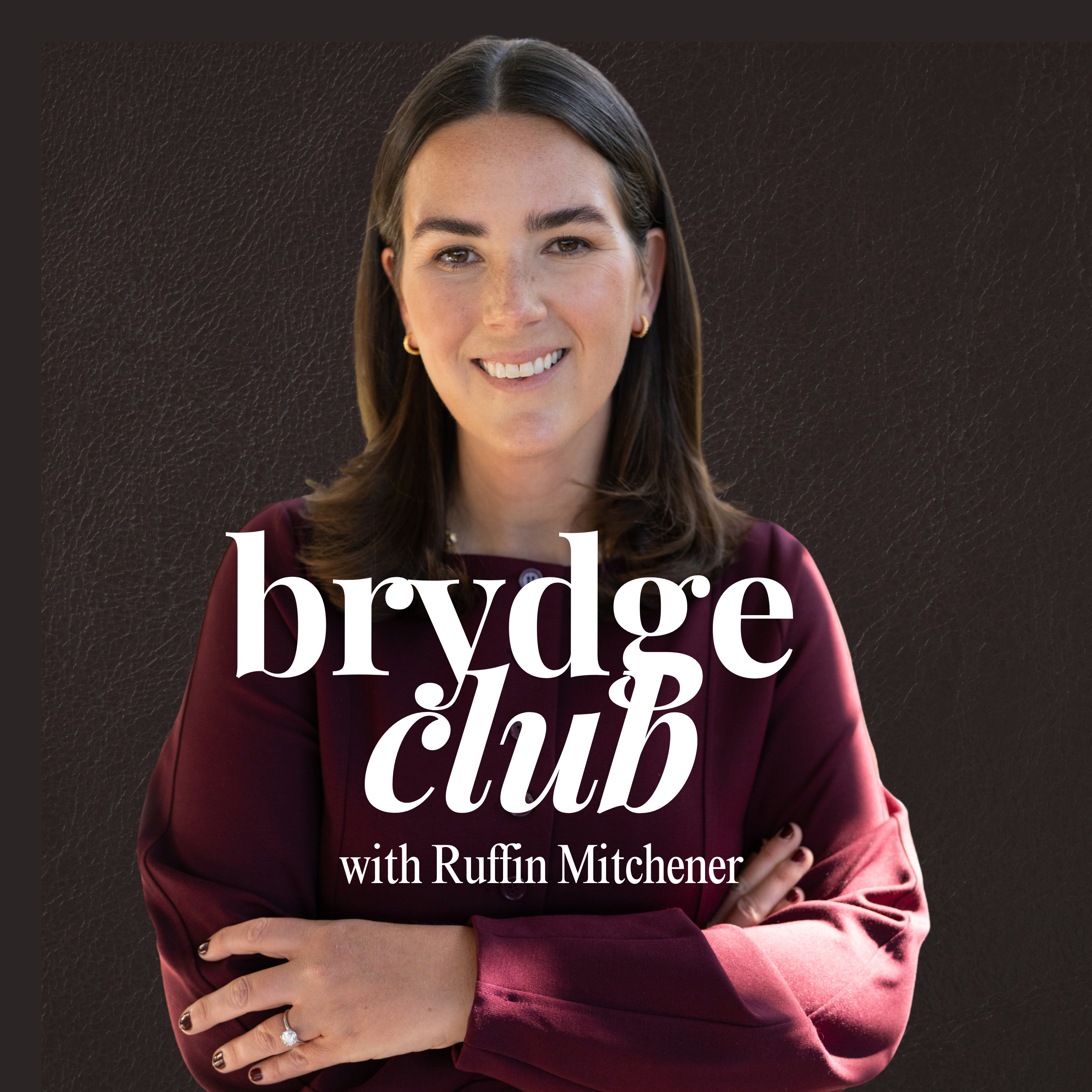 How Perelel is redefining women’s health with over 48 million capsules soldBrydge Club by Ruffin Mitchener · on Perelel69 / 100
 The Journey to Interplanetary Innovation with Relativity Space CFO Mo ShahzadThe Modern CFO · on The Honest Company67 / 100
 The Brand Power of Retail Pop-upsRebrand Podcast · on DTC (direct-to-consumer) brands65 / 100Greg Davidson - Co-Founder and CEO of LaloRoss Goodhart - Founder and Co-CEO of JupiterJennifer Worthington - Co-Founder and President of Two DiceArdie Sameti - Co-Founder and CEO of ScalaDeborah Benton and Amanda Schutzbank - Founders of Willow Growth Partners