We Don't PLAY!™: Best AI Marketing Visibility Podcast · 2026-07-25 · 51 min
Key moments - from our scoring
Substance score
41 / 100
Five dimensions, 20 points each
Navigational keywords are brand-specific search queries that direct users to particular pages on a website, unlike the broad, unbranded informational keywords discussed in the previous episode. Speaker D explains that navigational searches have high intent - when someone searches for "ChatGPT pricing," "Pinterest login," or "Marriott contact number," they're looking for a specific action or outcome tied to a particular brand. The episode emphasizes that URL structure and keyword density are critical factors: your website URL must match the search query (e.g., example.com/pricing for pricing queries), and hyphens in URLs should separate words so search algorithms read them as spaces. Speaker D uses the metaphor of treating websites like physical land - different services require different pages, just as a kitchen, bedroom, and living room define a house. Essential pages include privacy policies, shipping/returns pages, and service-specific pages for medical practices or regional variations. Guest Mark contributes insights about business websites and contact exchange methods like Popple RFID cards. The episode appeals to B2B operators, entrepreneurs, and e-commerce owners using platforms like Shopify, WordPress, Squarespace, and Wix who need to structure their sites for both user experience and SEO visibility.
Navigational keywords are brand-specific searches used to find particular webpages (e.g., 'ChatGPT pricing,' 'Pinterest login,' 'Marriott contact number'), while informational keywords are broad, unbranded queries (e.g., 'best restaurant near me,' 'what is the time today'). Navigational keywords have high intent and focus on specific outcomes tied to a particular brand.
When your URL matches the search query (e.g., example.com/pricing for 'pricing' searches), search engines display the exact page users are looking for, improving click-through rates and relevance. If your contact page URL doesn't match contact queries, Google may show a different page or nothing at all.
Key pages include: home, contact, pricing, reviews/case studies, privacy policy, terms of service, shipping/returns (for e-commerce), support/help center, and service-specific pages. These pages function like rooms in a house - they define what your business does and make your site discoverable for different user intents.
Create separate, hyphenated URL paths for each service or region (e.g., example.com/service-one, example.com/dc, example.com/maryland) rather than combining them into one page. This prevents confusion, improves user experience, and allows search engines to match specific queries to specific pages.
More pages require more investment and maintenance, but they expand your SEO footprint by allowing you to target different user intents and navigational queries. A 5-10 page site costs less than a 50-page site, but having purpose-driven pages (not redundant ones) improves visibility and conversions.
Our reviewer’s read on each dimension, with quotes from the episode.
The episode contains some legitimate SEO and website structure concepts (navigational keywords, URL optimization, sitemap hierarchy, date modified importance), but these are interspersed with substantial filler, repetition, and extended metaphors (the house analogy, land analogy) that pad runtime without adding new substantive ideas. The core insights about brand-plus-modifier keyword structures and page strategy are valuable but relatively basic and occupy perhaps 30% of the content.
navigational keywords are technically within the brand side of um, of keywording. Because when you look at informational keywords, you can have informational keywords and those informational keywords are unbranded most times
your URL has to match the search query. So the same thing applies to pricing. If somebody knows, oh, you have this type of service or you have this type of service, then you want to now say, okay, this service is leading to this point
The navigational keyword framework (brand + modifier) is standard SEO taxonomy that appears in countless guides and courses. The advice about URL structure, page hierarchy, and metadata is conventional industry practice. The house/land metaphor is a tired analogy. There is minimal contrarian thinking or fresh perspective; most content restates widely-known SEO best practices without challenging assumptions or offering new angles.
navigational search, we're being more specific because now we're focusing on brand specific queries which are used to specifically find a particular webpage within a website
If you have these pages, especially if you do E commerce, whether you're on Squarespace, um, Shopify, WordPress, Wix, Tilda, Duda, Mag, Gento
The primary guest (Speaker E/Mark) is vaguely introduced and provides almost no substantive input beyond agreeing with the host and briefly mentioning Popple cards and prior brand work. He rarely speaks and adds little evidence of deep operational experience. Joanne, who calls in later, is a genuine practitioner seeking help, not a knowledgeable expert. There is no high-caliber industry expert or operator with demonstrable scale sharing battle-tested insights.
Yeah, likewise. Good to see you. Um, you know I used to work with a lot of brands back in the day
I think a lot of brands and just people, individuals are missing a huge opportunity. Uh, I mean think about yourself
The episode includes one strong example (David Pazat, the Texas Airbnb photography case study ranking above Airbnb.com) with concrete context. Beyond that, examples are sparse and abstract: a bitcoin jewelry client, a medical company with 20 services, a 70-domain consolidation project. Few specific metrics, timelines, or ROI figures are provided. The pricing tiers ($1500, $3500, $7500 for 4/12/24 weeks) are stated but not evidenced with results.
We have a client here. He does photography. He's been doing photography for 20 years. He's based in Texas, and he does a lot of types of different photography. So if you go to Google right now and you type in Texas, Airbnb Photography, Texas Space, Airbnb Space Photography, hit enter on Google, you're going to find him. His name is David Pazat. You're going to see his name right there. And he's always above Airbnb. Com
We've worked with clients and we actually actively work with a client who has about 70 domains and has about 4 active websites
The host asks some clarifying questions of Joanne (follow-ups on her three websites, awareness stages) and does push slightly on audience segmentation. However, most of the episode is monologue; the host dominates speaking time, makes few challenging or probing questions of Mark, and the conversation lacks the sharp, directed inquiry expected of substantive B2B discussion. The host frequently pivots to self-promotion (links, booking calls, services) rather than deepening exploration.
when you put them on a priority list, which one is priority one, priority two, priority three? Or I can say it this way, which one is primary, which one is secondary, which one is tertiary?
If you understand what I said, if it makes sense to you, please put A one in the chat
Computed from the transcript - who did the talking, and the words that came up most.
Navigational Keywords - Business Strategies for Websites (Best Practices) The conversation focused on the critical role of navigational keywords in business website strategies and best practices for SEO. Several points were raised, including the distinction between informational and navigational keywords, the practical implications for website structure, and how search engines and users interact with these elements. Key Themes & Concepts What Are Navigational Keywords? One concept discussed was the definition of navigational keywords: these are brand-specific queries used to find specific web pages or destinations within a website, such as "Brand + login," "Brand + pricing," or "Brand + contact." Navigational keywords contrast with informational keywords, which are broad and unbranded, like "best restaurant near me" or "how to tie a tie" 09:06. Why Are Navigational Keywords Important? A key theme that emerged was the way navigational keywords indicate high search intent. Users searching with these terms already know the brand and are seeking specific information or functionality - like product pages, contact details, or policy documents 10:15.
Transcribed and scored by The B2B Podcast Index.
Speaker A: VRBO makes it easy to claim your dream summer spot with early booking deals, from homes with pools to poolside loungers. When you book a vrbo, you don't have to reserve any loungers. They're all yours. All you have to do is book early. Book with vrbo.
Speaker B: Grainger knows when you're a procurement manager for an office park, you're not managing one building, you're managing all of them. And to stay ahead, you need to see through walls and around corners. Lights about to fail, filters ready to clog H Vac on its last leg. If you wait until something breaks, you're already behind. Count on Grainger for quality products, easy reordering and, uh, 24. 7 support. Call 1-800-grainger click grainger.com or just stop by Grainger for the ones who get it done.
Speaker C: The most effective people at work aren't working harder than everyone else. They're working smarter, inside, better systems. Superhuman GO from the makers of Grammarly is the AI chat that works inside every tool you already use. Always ready and already aware of what you're working on. It's a teammate whose only job is to help you be better at yours. With GO working with you, you can show off what you do best. See what Superhuman Go can do at superhuman.com that's superhuman.com
Speaker D: navigational keywords, business strategies or websites today is the second of uh, this five part series which I am going to be sharing with you today and giving you some very simple steps that you can take for yourself and also learn how it works, where it works from and why we actually need to know these things. I felt like this was the right time to talk about this in a way that allows you to be more creative with your thoughts, with your processes and also understand how navigational keywords actually work. Because we have five types and I talked about informational keywords yesterday and now we're talking about navigational keywords today. The reason why I'm bringing these up for you is so that you can take action and understand why these keywords are so important for you to know so that when you have. So much for joining. Today we are going to discuss navigational keywords and understand why businesses need strategies for their websites. This has been a topic of discussion for some time and I felt like it would be very important for me to bring this to you. Today I was in the house chat and I wanted to paste it and I was like we are live and then clubhouse decides to just go crazy on me. So I'm going to Post it, come back here. Okay, we're good. So I'm not left out. I don't want to leave you guys out of this. What's up Mark? How are you man? Good to see you.
Speaker E: Uh, yeah, likewise. Good to see you. Um, you know I used to work with a lot of brands back in the day and just hearing you talk about business strategies for websites, I mean it's just such a, ah, it's so easy I think in today's age to have a website. It's never been easier to start a website with AI and ah, squarespace. So yeah, just want to be a fly on the wall and enjoy some good conversation.
Speaker D: Thank you, thank you so much for being here. Before we even go too far, tell us a little bit more about like what you see for businesses because ah, a lot time businesses, they think about their budget first before they take execution just because they want to make sure that their cash flow positive. But sometimes they don't really consider business or websites for that matter because that might not be at the top of their priority yet. It's supposed to be because that's how they actually get discovered or actually have any type of business operation. What do you see?
Speaker E: I think a lot of brands and just people, individuals are missing a huge opportunity. Uh, I mean think about yourself. If I click on your buy, I don't necessarily see a website, um, I'm sure you have one. But I think a lot of brands can really just add so much value by having a quick website that just tailors their audiences and gets um, their brand, their messaging, their products out there and just makes it really accessible and easy to find.
Speaker D: Speaking of accessibility, if you click on my face you should see my website there cause I have about seven links on my page. So when you click my face you should see to the left side, www Play Inc. Online and six more. So when you click that, you're gonna see all my other links that are there. My booking calendar for discovery call, my podcast, my LinkedIn, my Instagram, a scorecard and my access all quick links which is at the top of this room.
Speaker E: Actually you're absolutely right. And um, I think it's funny they say those who can do teach. And I think it's a little ironic how I'm preaching that everyone needs a website and I don't even have one in my own bio. So that's a uh, good reminder to all of us to really just consider just how easy it is to make an impact just by having a quick link on your page.
Speaker D: Yeah, it's so important. And I feel like when somebody has a link, it makes the conversation smoother. Like, let's say we go to a, uh, networking event or we're at a conference and we're talking and then we want to exchange contacts. Majority of the time, most people will connect on LinkedIn before they connect on TikTok, unless it's a creator event. But if it's a professional corporate setting, LinkedIn would be the first point of contact, social media wise, and then your website would now be the second in line. Have you ever seen that too? Or do you see something differently out of that?
Speaker E: You know, I noticed that a lot. And, uh, LinkedIn. LinkedIn is great, but, uh, I mean, these days especially, you know, everyone's cell phone has RFID technology. You can simply tap your phone or get like a quick little card and you tap it to someone's phone and all of your links appear. So LinkedIn is great, but it's also really important to really utilize just technology and keep up with it because maybe 2005, 2010, LinkedIn was one of the best options to get your brand investing out there. But there are so many more medium mediums that people can take advantage of that they're not. So I think that'd be great for networking. One of my close friends actually did sales engineering for a brand called Popple. I'm not sure if they've really expanded or grown, but their entire business strategy was you can buy any cheap piece of plastic, you put an rfid, a chip in it, and you tap that card to someone's phone and all of your links appear immediately. Yeah, I think there's a lot that can be done to get your, uh, brand and we're not there.
Speaker D: Took the words right out of my mouth. I've been using Popple for, I believe, three years now. And anytime I connect with people, I use my Popple. They just scan the code and we exchange contacts and they're there. And I'm easily able to upload the CSV file to my CRM, my comma separated value for those who don't know what a CSV is to my CRM, which is a customer relationship management tool. And it just gets easier and easier to connect and also, you know, build those dots in. So when you said Popple, I was like, yep, there it is. So definitely it's very important to look at that. If someone doesn't have an iPhone and you can use the rfid, then it's just faster for someone to scan the code. Even on LinkedIn people don't know that you can scan your LinkedIn profile with a QR code that's in your profile card. So these are new options for people to use and it's easier because that way the conversation is smooth and you don't have to break the cycle by trying to reinvent the wheel.
Speaker E: Yeah, no, that's super interesting. Are you based in Los Angeles by any chance or.
Speaker D: I'm based in Houston. What about you in Houston?
Speaker E: I'm based in Los Angeles. I I think Popple as a company is based in la, so it's good to hear that it's grown outside of the LA metro.
Speaker D: Uh, definitely. Popopl co if you guys want to know where that is.
Speaker A: Looking for the perfect rental? Discover top rated stays loved by guests. Rated highest by real guests through authentic reviews. These traveler loved stays are recognized by the details that matter most and validated by real experiences. Choose confidently from rentals you can trust. VRBO Book now a vacation rental loved by guests.
Speaker B: Grainger knows when you're a procurement manager for an office park, you're not managing one building, you're managing all of them. And to stay ahead, you need need to see through walls and around corners. Lights about to fail, Filters ready to clog. H Vac on its last leg. If you wait until something breaks, you're already behind. Count on Grainger for quality products, easy reordering and uh, 24. 7 support. Call 1-800-GRAINGER click grainger.com or just stop by Grainger for the ones who get it,
Speaker D: Have experiences like this. Talk about this at length and discuss how we, uh, are able to connect with businesses. Being a business as well, being a business owner, entrepreneur, creator and navigational keywords is something that I said I'm going to talk about. It's not going to be long. Like yesterday was really long. We had about 103 minutes in here and about 1200 people came to the room, which was super exciting. And I love that people were able to share their thoughts and just give because we learn every day and I love to learn and I'm sure you do too. And today I said I'm going to make it a little shorter because I'm also not going to be available for the rest of the day. So I said I'm going to use this time, Even if it's 30 minutes, 45 minutes, just tap in, check in and make sure that people can listen in when they have the time to and they can always go back to a replay. And for people who don't know what a navigational keyword is. It's something that you should consider and try to look into because navigational keywords are technically within the brand side of um, of keywording. Because when you look at informational keywords, you can have informational keywords and those informational keywords are unbranded most times. More often than not you can say best restaurant near me, hotel near me, or what is the time today? Which I talked about yesterday. And those are uh, unbranded. They're very broad, very end to end based. When we now go into navigational search, we're being more specific because now we're focusing on brand specific queries which are used to specifically find a particular webpage within a website that is also known as an internal page that's going to allow you to access a shortcut that leads you to a destination within a page to now get that actual point. So, uh, I'll give you an example. Let's say you want to learn about, let's say ChatGPT pricing or if you want to learn about one SaaS pricing platform, or if you want to learn about, let's say Facebook login, Clubhouse login, if you're thinking about, oh, I want to know what the contact is for at&t for Verizon or I want to connect with the hotel, I want to go to Marriott, what's the Marriott contact number? When you start doing those things specifically, they turn into brand based searches. And those brand based searches are so, so important because when you think about a brand, a brand is what is going to resonate with that search, that query. When you type in Sephora privacy policy or you type in Amazon shipping policy, you start off with a brand and then you end with an action, you end with a, uh, query, you end with a specific outcome. So, so if you search for Pinterest login and then somebody else searches for Pinterest contact, it's the same brand, it's the same business, but it's a different action, it's a different outcome. So when you think about navigational search, these are the things that factor in high intent as opposed to just searching for something that is broad based. So when you start thinking about these things long term, ask yourself, okay, where are we going with this? How are we able to, to match this up? What are we supposed to do and why are we doing it in this way? So that when you start thinking about your content, your content starts to play a big role into how people are finding you. So when you think about your business, think about the brand name that you already have and then think about the distinctive ways people can find you. Right. It could be based on login, it could be based on sign in, register, portal, dashboard, pricing. Those are things that are going to be based on those specific modifiers. That's what we can call the modifiers. If we're thinking about support or help, we say brand plus customer service, brand plus help center, brand plus support, brand plus contact us, brand plus documentation, brand plus report. If we're thinking about corporate or trust, let's say you want to learn about, oh, I want to know whether this airline has amazing reviews or this hotel has amazing reviews or this restaurant has amazing reviews. It's going to be brand plus reviews or brand plus locations or brand plus contact number or brand plus about us or brand plus careers. When you're looking for a job, when you're looking for an opportunity, those are the things that start to pop out even more. So when you start thinking about those things on a brand basis, it changes everything. Wanted to say hello to you, Luann. Good to see you. Rasha, Joanne, Jaffle, Ogbalu, VEZ and Jesse, you guys are appreciated. Thank you for being here as well. If you have a question, please raise your hand, put in the chat, let me know so we can just cover this as well. And if you want to connect with me offline, please feel free to connect with me on my face and book a call with me. And just right above my head you can see a link, click on it, save it on your browser and you can now, uh, connect to me. If you need a website built, if you have a website and you need to scale it, or if you have something specifically you want to share with me, please feel free to do so. And we can have a call and talk about this outside of Clubhouse. Now, when we think about these brand names and modifiers, we're thinking about how best it can be used, right? And I talked about this yesterday that there are two very important factors when it comes to keywords when you're building a website, especially strategy wise. The first one is your keyword density. The second one is your keyword URL, which is your Uniform Resource Locator. So let's say you have a website and your website has a contact page, it's gonna be your website forward slash, contact. So when somebody's looking on Google for I want to know about this person's business contact information, it's that contact page that you put in the contact URL within your website that shows up on Google As a result. So you're not going to see pricing if you're looking for contacts. You're not going to see contact if you're looking for pricing. So if you want to get the exact, exact match, then your URL has to match the search query. So the same thing applies to pricing. If somebody knows, oh, you have this type of service or you have this type of service, then you want to now say, okay, this service is leading to this point or is leading to this particular area. So you start thinking about it long term. And it helps you as a business to actually connect the dots. So that way you're not just guessing, you're actually projecting or forecasting results that you could actually be getting. If you have reviews and you want people to learn about your reviews, oh, here are the reviews about how we've worked with this company or this business or this case study. You want to have your website.com forward, slash, something, something, reviews, and you put a dash or hyphenate your words. Because when you hyphenate your words, those hyphens are looked at as space bars or spaces to the algorithm. To you, they look like dashes. To the algorithm, it looks like spaces. So when you space them out, instead of jumbling them up together or mashing them up together, it's easier for someone to read. It's like writing a letter to somebody or writing an email or writing a blog. And you're putting all your words in one and there's no spacing, there's no phrasing, there's no punctuation. It's gonna be very hard for someone to read or even decipher what you're saying, even though it's making complete sense. But it's not going to have a structure that allows somebody to passively read through it or actively understand what's going on. So the same thing applies to your business. When you have a business and you have a website, these are the pages that you need to have on your site. Yes, it's good to have a blog, it's good to have a homepage, good to have all this great stuff that you have to show. But you want to also make sure that you have these things in place. A privacy policy page, a business operation policy page, a shipping page, a returns page, a, uh, Terms of Service page. If you have these pages, especially if you do E commerce, whether you're on Squarespace, um, Shopify, WordPress, Wix, Tilda, Duda, Mag, Gento. What are the other ones? There are many out there. I'VE just given you a couple of few of them to look through. If you start to put those things there, it changes everything because those pages actually makes up your space. I always say websites, I treat websites like land, literally, because what you build on that land is what it's known for. If I build a bakery on this plot, I know that, okay, I have a bakery store. If I build a courthouse, it's going to be a courthouse. If I build a clubhouse, it's going to be a clubhouse. If I build a hospital, it's going to be a hospital. It's the same plot but a different service. So that applies to your website too. Because when you have these things on your website, it changes everything. Just like your house, your house has a kitchen, it has a living room, it has a backyard, it has a closet, it has a wardrobe, it has a, uh, fill in the blank. So when you have those things, that's what makes up your house. If your house is a five bedroom home or a two bedroom home, or a seven bedroom home, or has an east wing and a west wing, that's what's going to make your house a home. That's what's going to make your place a space that you can actually attribute to. So it changes everything. Because now you're not just thinking about what do I have in here, it's how could I maintain what I already have to sustain what I need, right? So when you start thinking about your website, you asking yourself, okay, how many pages do I have on my website? When we build websites for clients, we tell them by the number of pages. So that number of pages determines how much they're going to invest. If you just need two pages, three pages, you're not going to pay or invest as much as somebody who needs 30 pages, 40 pages, that's going to change. So you may have a website that may just be 1500 because you just have five to 10 pages. But now you might end up having a, uh, $15,000 website because now you have close to 50 pages on your website. So it's not because the pages are much or less, it's because you're focusing on what's the intent for each of those pages. We've worked with medical companies, we've worked with staff, we've worked with hospitals where they have different services, clinics, they have 20 services. And each service has a specific outcome, a uh, specific need. So if somebody comes in with this ailment or this illness or with this disease or with this type of thing that they want to fix or this thing that they want to focus on. We're not going to squash three services in one page because that doesn't make any sense. If you're serving the DMV area, you want to have three different ones. You want to have dc, you want to have Maryland, you want to have Virginia. But imagine having just one for everything. It's going to be convoluted, it's going to be cumbersome and somebody does not make a decision because everything is just looking crazy. So it's very important to think about these things navigational wise so that your business also has access to points that people can connect to and it changes everything. Ogbalu says amazing stuff. Thanks. Favor. You're welcome. Ogbalu, thank you so much for chiming in and putting that in the chat. What's up Joanne? Good to hear from you. We love to hear from you too and I hope you're well. Question thoughts? Feel free.
Speaker F: Wow, you are somewhat blowing my mind. I, I have several websites and I'm not sure how to uh, market them effectively if that's the right word. Ali. I walk in three worlds, Grief, faith and creativity. And I have a website for at least 1m for each of my three worlds which because I'm art based, have many, many pages, uh, and I'm not sure what best practices are. I'm in the process of launching a subscription based website for the first time and uh, I want to tie it in with my existing website so that people can get to the subscription base which is a resource to do personalized certificates and reading cards and prayers and things uh, from any of my other websites and I'm not sure of the best way to do that and I'm happy to book a call with you with if that would be a better type of conversation to have. But I at least wanted to a say thank you for sharing all the resources that you're sharing and I sort of think I need help. And thank you Luann for inviting me to the room.
Speaker D: Oh, uh, thank you so much Joanne and Luan, I appreciate you. She's such an amazing support so I'm glad that you know her. She's amazing. Thank you Luanne, appreciate you for the invite. And Joanne, yes, you've come to the right place. We've worked with clients and we actually actively work with a client who has about 70 domains and has about 4 active websites and we had to consolidate a lot of them so that they can all connect together and be compliant and also have those ethics so that online they're able to match what they're actually doing outside of their websites in person. And yes, I'll definitely love to connect with you. Once you click the link above, above, you can see the option to have a discovery call with me. And we have that call for 30 minutes plus five. So the five minutes extra is for me to send you a video. So before we get on our scheduled call, anytime that you book the time, you will get an email from me. And since you also put your contact, I'll send you my contact information too, and I'll text you as well and let you know that I've sent you an email where you can watch a five minute presentation on your own website. I'll be literally doing an audit of your site, showing you exactly what I see, what's happening, the technical setup, how many pages you have, what's going on within the AI crawlers, you know, how are they matching together, or what can we do to fix it or scale it. And then we can now decide on how we work together. We have 4 weeks, 12 weeks and 24 weeks. So you can choose one of those three options and that way we can discuss in detail on how you want to move forward. But the idea and the goal to make sure that your website is seen, it's heard, it's remembered, and all the algorithms are also pertaining to your business so that you can actually have something that's streamlined and works together to build out your business long term as well. So, uh, congratulations on your three businesses. That is a big, big win. So I'm excited to connect with you and get to show you how things work so that we can actually scale. And by the end of the year, we should be able to be in a much better place than we are now.
Speaker F: Awesome. I'm going to go click that button and make an appointment.
Speaker D: Thank you. Thank you. I'm looking forward to it. Y says, Luan, could you please invite me or direct, uh, me to more rooms you feel would benefit my brand and vision here on Clubhouse and other rooms and other platforms perhaps? Wow, Luan, you are such an ambassador. I love it. I really, really love it. And thank you so much for connecting me with all these amazing people. I really, really appreciate you. And yes, yes, I definitely would love to connect with you too. If you ever feel the need to be here, please feel free to join this marketing club. I was here yesterday, I'm here again today. And I've been here on clubhouse since November 24, 2020. So every time I'm on this app, uh, I Just never know what I'm gonna get. But I'm always excited and expectant because I know people need help. And me coming out here is a way of giving back and showing up for people. Because I don't do it, somebody else will. But if I don't do it for myself, then I'm doing a disservice to myself and I don't want that. So I want to make sure I can help people as much as I can and definitely would love to connect with you. So the link above will take you to all my links, where you can connect to me on either social media or just book a call with me directly if you need a website, we can do that. If you want us to build on your website. And scaly, we can do that too, too as well. I've been in business for 13 years, so it's something that I've been doing with my team, and we've been very successful. We manage at least 20 clients a month. And it's been very successful. Like, we have, uh, full house. And we love it because we share undivided attention to each and every client and we don't do favoritisms. We just make sure everybody's attended to, all the businesses are cared for, and we have an operation system that actually works best, you know, to your ability. So it's been exciting. And then we end up being friends. If I come to your city, we have coffee. I'm based in Houston, so we can just have a great time. But at the end of the day, make sure that your business is available for market and it's ready to go, and people can actually access all the things that you need. So I'm glad that we're able to talk about these things today. So appreciate you again for being here and being in this space as well. So we're talking about navigational keywords, and if you have a business, your strategy, like you said, Joanne, best practice would be to look at your website and then see how your website operates. I was, I was talking to a client yesterday. They sell bitcoin jewelry, which is new. I learned so much from our clients, more than they learned from us. And they sell bitcoin jewelry, and they just didn't know how to put themselves out there because people hear bitcoin and digital just think crypto. They just think, you know, currency. But she sells jewelry, which is a completely different vertical. So she's like, how do we get into this market? How do we get there for people to actually know? Because there are people who actually love wearing bitcoin jewelry. So I shared with her that everything that was happening on her website there was a, ah, back end to it. So there's usually HTML and xml. HTML is hypertext markup language. Those are the blue links that you click on on Google, on your email. If you see a link here, you click on it. That's what you see as a HTML. Then there's an XML M which is what the algorithms and the bots read, which means expandable markup language. So that XML file is within a sitemap and the sitemap is technically the brain or the roadmap of your website. So I showed her the front end and uh, I showed her the back end and what happens on the front affects the back. It's kind of like saying whatever you see in the front of your house will technically show up at the back of your house. Right?
Speaker A: When you're a maintenance engineer in a beverage manufacturing plant, you keep production lines moving and quality on track because there is no room for slowdowns. With Grainger's vast selection of high quality motors, sensors, belts and hard to find parts, you can get what you need fast and all in one place. So nothing gets in the way of getting the job done. Call 1-800-GRAINGER clickranger.com or just stop by Granger for the ones who get it done.
Speaker D: If you have grass that's cut all through the backyard, you know that the front as well is also going to be clean because you've done a full sweep across the house. So when we look at it from a perspective of the business side of things things, it's important to consider your website and look at it from a navigational standpoint. Do you have an about page? Do you have a contact page? Because if you ask Siri or ask Alexa or ask ChatGPT or ask Manus or ask Cloud or ask Gemini and you say, oh, I want to learn more about this business, more likely than not AI is going to scrape that about page. It's not going to scrape the product page or the homepage. It may, but it's majority of the time it's going to go to the about page because the about page is what people are going to learn. Or let's say you have a team page or you have a locations page or you have an FAQ page, it's going to go to those specific pages and scrape out the data that's going to tell you about this website or about this business. Because that's what, that's what has been put in to the website. So these navigational things are very important because once you have those things on your site, you update them. If your website says copyright 2024 and when 2026, that's going to show off that it's not looking current. A lot of people still have websites. I remember seeing one that said 2004 and I was like, when 2026, that means you've never opened this website, you've never gone back. It's either you're not working with the person who you hired or you're not doing it yourself, or you just don't care at all. And one of those options can be right. But you want to make sure you can care for yourself as much as you care for your website. Because when you do self care, you want to be well for yourself so you can be well for others. When you have a well being, it means that you're being well. That means you also want others to do well because you don't want to be sick and be in front of people. You don't want to spread germs, you don't want to spread infections, so you'd rather be by yourself and put a mask on or just be in your corner and then get better so that you can come out and be the better person for others. That's the same thing with your website. So when you have a website, your website is supposed to grow in a way that people can connect with you consistently. When you have blogs, when you have service pages, when you have contact pages, these things change. We're working with websites now, uh, and we're changing their names, their contacts, they're about us, their services. Because these things keep happening. Your website is technically a 24, 7 active workshop because people are always going to go into your website, they're going to leave. You might be sleeping, somebody's logging on your site, somebody might be banked something from your website. It's very, very spaced out. And people will always access your website if your website is accessible. So when you think about your business, you think about navigation. This is where you want to come to. Because when uh, you think about your business, especially for navigational search, you want to own your brand. How do you own your brand? You own your brand by ranking number one for your business name. I'm sure some people have had this where they say, oh, you're ranking number one for your business. Definitely you should be ranking number one for your business. But if you're ranking number one for a term that you are not the business name in that query, then that's a good thing. That now turns into an unbranded key term. I'll give you an example. We have a client here. He does photography. He's been doing photography for 20 years. He's based in Texas, and he does a lot of types of different photography. So if you go to Google right now and you type in Texas, Airbnb Photography, Texas Space, Airbnb Space Photography, hit enter on Google, you're going to find him. His name is David Pazat. You're going to see his name right there. And he's always above Airbnb. Com. And he's not spending money on ads, because he used to spend money on ads to get the same attention, but now he's earning the attention without having to spend money on ads. So you wonder, how is this happening? And he's been doing that actively for so long that he's so booked and busy now. Because we specifically made sure that people are looking for photography services in Texas. About Airbnb hosts. Because Airbnb hosts love to take good pictures, and he's the one that takes pictures for them so they can sell their packages and, you know, make sure that they have occupied their rooms and have all that good stuff because of the photos. So those photos play a big role into the Airbnb owners and their hosts. So we said, okay, let's make sure that your website is compliant, it's working, it's active, and he's showing up consistently on Google without having to spend a, uh, dime. So imagine you doing the same thing for years on your website, because the lifespan, just to give you guys some, some numbers to look through, the lifespan of a blog or a page on your website, is 24 months. That's two years. So imagine if you decide to spend 24 weeks with us, we work on your website, or 12 weeks, or four weeks, however you want to do it. And we know that, okay, at the end of these 12 weeks, you know that the next 12 months of your business, you're going to have your lights on. That's an investment, because you're going to make your money back. Your return on investment is going to be positive. For four weeks, we work with you for 1500 dollars. For 12 weeks, we work with you for 3500. For 24 weeks, we work with you for 7500. So whichever one that you pick, one of those is gonna do you justice because it's gonna make sure that you can see the ends of those results. And of course, each of those packages Come with different thresholds, but they all work together to make sure that you have those things. And we have either four hours together, which is one hour a week, or 12 hours together, which is through the 12 weeks process, or 24 hours together, which is gonna be 24 weeks out. Whichever one that you pick is gonna be based on what you need. I don't tell you, oh, pick this, pick this. No, it's what your business needs. It's what you need as a priority. But I'll show you what you need based on what your competition is doing that way. You know, okay, maybe let's spend ads on, um, this time or let's do blogs at this time, or let's factor in this process. Those things make a big difference because it changes everything about your business. Do you have a question, Joanne?
Speaker F: I do. I don't know what I need. I just filled out all the forms and in terms of brand awareness, I wasn't really sure how to answer that set of questions. But you know what? I think part of what I need is someone who can maintain all my websites and kind of coordinate them. And I would be interested in finding out more about what level of awareness is you're referring to in the questionnaire that I just filled out.
Speaker D: Thank you. I've just seen the, the calendar. Thank you so much for booking. I can't wait to work with you and connect with you. I'll break down what I meant in the calendar so that it also makes sense. But definitely, yes, we do manage like within those 12 weeks, we'll manage it all three websites inclusively. We'll make sure everything is working together because each of the hours that we spend on each website has an attribute to a success metric that we can factor in on a consistent basis. So when you look at the contact, especially when you now look at the, the awareness stage, I'm, um, going to go through them really quickly. For those who want to know about this, I'm just gonna quickly run in there and then see what most people will be looking through. So there's usually like there's not aware, there's solution aware, there's problem aware, and there's, I think there's most aware as well. And when you look at these results majorly, when I, when I have these things here, it's because I realized that when people are searching for results, they're looking at it from a perspective of, okay, what can I do to make sure that my answers are valid? They make sense and they actually put a lot of things into practice. So like unaware means that nobody is aware of your brand. Yes, you have a business, but unaware means that not even the search engines know about your business. People don't know about your business. Your business. Search engines don't know about your business. Problem aware means that people are aware that they have a problem, but they don't know how to solve it. And if your business is in that area where it's problem aware based, it means uh, that okay, somebody is looking for a solution, but they don't even know how to find the solution. So that means people have been asking you, but you've not been able to provide that. That means you're of kind of like in the stuck section between two different points. Now solution aware means that you have a business and people are aware of your solution, but you've not been able to expand it to the point where somebody can say, okay, that's what I need. Bet you know it now changes the whole perspective. Product Aware means that they are aware of your product. They know you have a product, you have a service, you have something to offer, but that's where it ends. And then most aware means that they have tried your product, they've seen your product, they're actively there, they've told other people about it, and now, um, there's no condemnation, there's no compromise because they've been able to access and actually get a first hand experience of your website or your service or your business. So those different awareness stages come in different packs and it kind of stems from two different ends, both the producer and the consumer. So that's how you're able to factor in them. Um, you know, when you look at them from a different standpoint, does that make sense? Joanne?
Speaker F: I think I'm in the second category. I don't know what I need. I just know that I need something.
Speaker D: Okay. And uh, we'll definitely move it from problem aware to most aware. Definitely. And I'm looking forward to it because each of the three services that you, you provide have three different audiences and they have three different, I can say avatars, but they all work hand in hand together. So if I ask you this, just, just so I know before I even send you out the videos and everything, when you put them on a priority list, which one is priority one, priority two, priority three? Or I can say it this way, which one is primary, which one is secondary, which one is tertiary?
Speaker F: Are you asking about my website? I think primary that I want to promote is uh, my Z scribe dot com. Secondary would be Joanne Fink. Judaica and third would probably be when you lose someone dot com. Uh, but it's really the, the first two that I'm focusing on at the moment. I have a non trivial secular following. Um, and when the pandemic started and I couldn't go do teaching and artists in residences, I stayed home and focused on my Judaic artwork. And so the last few years I have focused on um, what's really a niche market but I have a lot of content and you know, not as big a following as I had in uh, with my Zenspirations brand because I have a lot of books and Zenspirations and a lot of videos with millions of views that uh, people who want to learn how to draw would follow me. And I don't have that in my newer endeavors and I'm not actually sure how to, how to build that in my newer endeavors which is why I'm so excited to connect with you foreign.
Speaker D: I'm excited to connect with you to Joanne and I know that clarity is a big thing and communication is a big thing. I, I think there's a saying that you can never over communicate because the more you're able to communicate clearly, the more people able to hear it and understand it more. Because the first time they hear it they may say okay, got it. Then they hear it again and again and again they're like okay, now I actually got it. So definitely we'd love to connect the three dots together and make sure that what you have that is new can also work within what you have existing wise and it'll be easy for you to navigate through the system and allow more people to find you, access you online. And I'm excited to show you all these things so that when we now look at them together, we can make sure that everything now works hand in hand. So this is exciting Joanne. Thank you, thank you. I'm looking forward, I'm actually excited, excited too because I'm like yes, we can definitely make sure people can find you, connect with you, learn from you and that way you can educate them and nurture them at the same time you can allow them to connect back to you and pour back into you as you've poured into them. So thank you Joanne for the opportunity. This is exciting guys. Thank you for being here. I'm excited that we talked about navigational keywords today day. If you have a website, if you have a business, if you have an operation, if you have an industry that you work in and you're in one, this is the right Time to really, really focus and hone in on your business. Because when you start focusing on your business, people start focusing on you. That's really something that starts to happen because when you start showing up for search queries, people who already know your business business, and they're using the search engine as a shortcut to learn more about you, like, oh, let me check out this website's contact page, or this business's privacy policy page, or this business's pricing page. Then they already know about you, they just want to learn more about you. And that more is where you come in and show them. Okay, we have this in our slugs, which is our uh, URL, which is also known as a Uniform Resource Locator. We have in our title tags, we have it in our H1s, which are uh, pretty much a heading one. And that heading one is where people can connect with you consistently. And then when you start having your site links, you start claiming your local profiles, people start finding you on businesses that your different pages. It helps a big, big deal because now you're showing up online, people are working with you, you're on external platforms, not just on your website only. But it's, it just creates a whole new experience entirely for your business to actually operate at a high level. So if you think about this today and you ask yourself, okay, do people know about my business? Yes. Okay, what do they know about my business? Then you can fill in the blank. If they don't know about your business, what do you want them to know about your business? You can still fill in the blank because at the end of the day the goal is to make sure that somebody is aware about your brand and they're able to respond back knowing that, okay, this person does this, this, this and this. And if I ask AI, oh, what does this business do? Then it's easy for them to say it because they're picking it up from a source. Just like when you write a dissertation paper, a research paper, a, ah, blog, a newsletter, there's something that you get from that resource because there's a citation that has come from another source. So when you're able to match the sources, match the intent and match the result, you're like, okay, that makes sense, not actually adds up. And then eventually now you can take that next step and take forward what you've already put in to allow um, more people to find you. So always when you think about navigational keywords, it's your brand first, then the action second. It's either your brand plus contact Brand plus information about it, Brand plus location, brand plus policy, Brand plus filling the gap. So once you do that and you have all, all those pages, eventually you, you don't have to worry about it anymore because now you can actually work hand in hand with other people. And it changes everything. I can say in a. In a very sequential way, because now you're actually navigating people to directions that they should be in, because you don't want to waste somebody's time. That's the last thing you want to do. You want to give people the information right there and then they can go about their day knowing that they've used their time wisely and now they've constructively made a decision because you've been able to give them clarity based on what you've communicated. So that changes everything entirely. And I'm excited that we were able to talk about this today. There's not so much to discover when you talk about navigational keywords, because it's heavily based on your brand. But as long as you know what pages you need on your site, your website.com about contacts, location, FAQ, slash, this slash, location, by the time you have all those pieces together, you have 10 pages, you have 20 pages, and now all those pages work together and they all work hand in hand. It's kind of like saying, before we go, it's kind of like saying, if you have a business, right? No, let me give you this analogy. You have a house. Let's say you've not gone to the kitchen in three weeks. Let's say you've not opened your back door in two months because the door has not been opened. That was the last time you were there. So the same thing that applies to your website. If you've never gone to your about page, if you've never gone to your contact page, if you've never gone to your product page, if you've never gone to your service page and you've never gone to update those pages, there are two dates on your website that are considered your date published and your date modified. So if, let's say you publish that page and you never went back to it, there's no modification because it was never modified to begin with. But let's say you build that page in 2024, let's say August 2, 2024, and then August 2, 2026, that's when you modify the page. So those two years will give you date published August 2, 2024. August 2, 2026 is modified. Now you have a published date and you have a modified date. That means you open the door or you built the door in 2024 and you access the door again in 2026. Those dates are important because once you update those dates on your website, it tells the algorithm that you're active, you're responsive, and you're relative to the results that people are searching for in real time. So that way it's easy for you to navigate and you're able to have a bigger outcome on everything that you're doing. So I hope this makes sense and this added value to your day or your evening. And if it did, please put A one in the chat. That feedback for me is a big deal because feedback is the best currency for your business, is the best currency for communication because you don't want to say things that are, uh, going over people's heads. So if you understood what I said, if it makes sense to you, please put A one in the chat. That one means a lot to me because I know that. Okay, maybe now it makes sense. Okay, let's take the next step forward and let's take action on what we've heard as well. So thank you, Joanne, for putting a 1 in the chat. I appreciate you and I thank you for also coming on stage as well and sharing. Before we go, Joanne, we'd love to hear from you. What is, would you say is your biggest takeaway from the room?
Speaker F: I did not know about the need to time phase and to go back and revisit the website. I blog every week, but I don't visit my product pages all that often. And I think my biggest takeaway is that I don't know what I don't know and need an education.
Speaker D: Thank you, Joanne. I appreciate you for sharing that. Yes, it's so important to look at these things and once we know them, we now know them, so we don't need to know them again. Now we can just act on what we know and applied knowledge is better than knowledge received. So it's so, so important that we're able to talk about this and share this information, share the love and also be present and active so that we can be proactive for the things that we care about too. So thank you so much again, Joanne, for being here. Thank you, Luanne, appreciate you you so much. Delu, thank you for being here. Yasha, Dynamit, Idrisu, Stefan, Faraz, Adam and Abdallah, thank you guys for being here. I really appreciate your time. You could have been anywhere else, but you're here with me and it means a lot to me. And for those who are also going to listen to a replay, thank you so much for being here. I see the love as well from you, Loan. I see the love, the gift from you, Dulu, and from Adam Faraz, you. You guys, I appreciate it so, so, so, so, so much. Thank you for the love as well. Joanne. I love you too. And I look forward to connecting with each and every one of you online or offline, wherever you go. Please stay hydrated, stay out of trouble, stay blessed, and I look forward to seeing you guys in the next room. The next topic we're gonna talk about is commercial keywords. That's gonna be very interesting. There are five, actually. So there's informational we did yesterday. There's navigational we did today. I might do one tomorrow or, or Monday. But if you want to really know when I'm here so that you don't miss out on anything, just click on my face and then to the right of my profile, you're gonna see three dots. You'll see notification settings and turn it to always. When you turn it to always, that means you'll always see me when I'm here. You always get a notification when I'm in the room, so you don't miss out on anything that I talk about. Stefan, you're welcome. I see the gif. You are welcome. I love to connect with you guys like this. It's really fun. It's like the new age of communication, digital wise. So, yes, please connect with me. We'll definitely talk about that. We'll have commercial which will be next. Most likely that will be on Monday, if not tomorrow being Sunday. And then the fourth one is transactional keywords, and then the fifth one is investigational keywords. So I'm going to bring that to you as well. Um, in this room, in the. In the marketing club, in this marketing club, we have 356,145 members, so feel free to be here. I always put the replay in the house chat so you can always connect with me. In case you miss out on the room, don't miss out on this as well. So God bless you, have a wonderful time and I'll see you guys in the next episode. Bye for now. Welcome to season 13 where you listen, you live, you learn, and you earn. A lot of information is always given on this show. So we're in the 13th season. God has brought us so far, and I just want to thank God for the opportunity to connect with you today on a such. Quiet, calm space like this. So thank you for listening. Know that Jesus loves you and know that you can always connect with me on the We Don't Play podcast show. More specifically, go to wedontplaypodcast.com or you can go to Play Inc. Online, that is P L A Y I N C online and get in touch with me. Let's get on a call, let's talk. Let's focus on SEO for 20, 26 and beyond. So until we meet in the next episode, God bless you. Jesus loves you. Stay hydrated, stay safe and stay blessed. And stay tuned. Bye for now.
Speaker B: Grainger knows when you're a procurement manager for an office park, uh, you're not managing one building. You're managing all of them. And to stay ahead, you need to see through walls and around corners. Lights about to fail, Filters ready to clog H Vac on its last leg. If you wait until something breaks, you're already behind. Count on Granger for quality products, easy reordering and, uh, 24. 7 support. Call 1-800-grainger click grainger.com or just stop by Grainger for the ones who get it done.
Speaker A: Sleep Number's new collections are designed to adapt to the changing nature of your life and your sleep needs. Whether it's the personalized comfort of the Comfort Mode mattress, the targeted pressure relief of the Comfort Next mattress, or the climate collection that actively cools or warms to help you fall asleep, Sleep and stay asleep.
Speaker C: And now get early access to our biggest sale of the year. Save 25% on the new Comfort Next Luxe for a limited time only at a Sleep number store or sleepnumber.com.
Other episodes covering the same guests and topics, from across The B2B Podcast Index.
 B2B Websites that Convert | A Conversation with Sam Dunning of Breaking B2BThe Marketing Mix: Thought-starters for B2B Business Leaders · on Pricing pages79 / 100
 Legal Review with AIHumanize IT · on terms of service52 / 100
 How Commerce Brands Get Recommended by AI with Brian Stempeck of Evertune AIThe Partnership Economy · on search
 Yext CEO Reveals How To See Your True AI RankingMarketing Trends · on search
 ENCORE: Everyday Risks: Kids and Tech (with Nicki Reisberg)The Safety Gambit · on social
 The Truth About AI in SaaS: Nathan Latka Debates Microsoft's CEO PredictionThe SaaS Revolution Show · on search
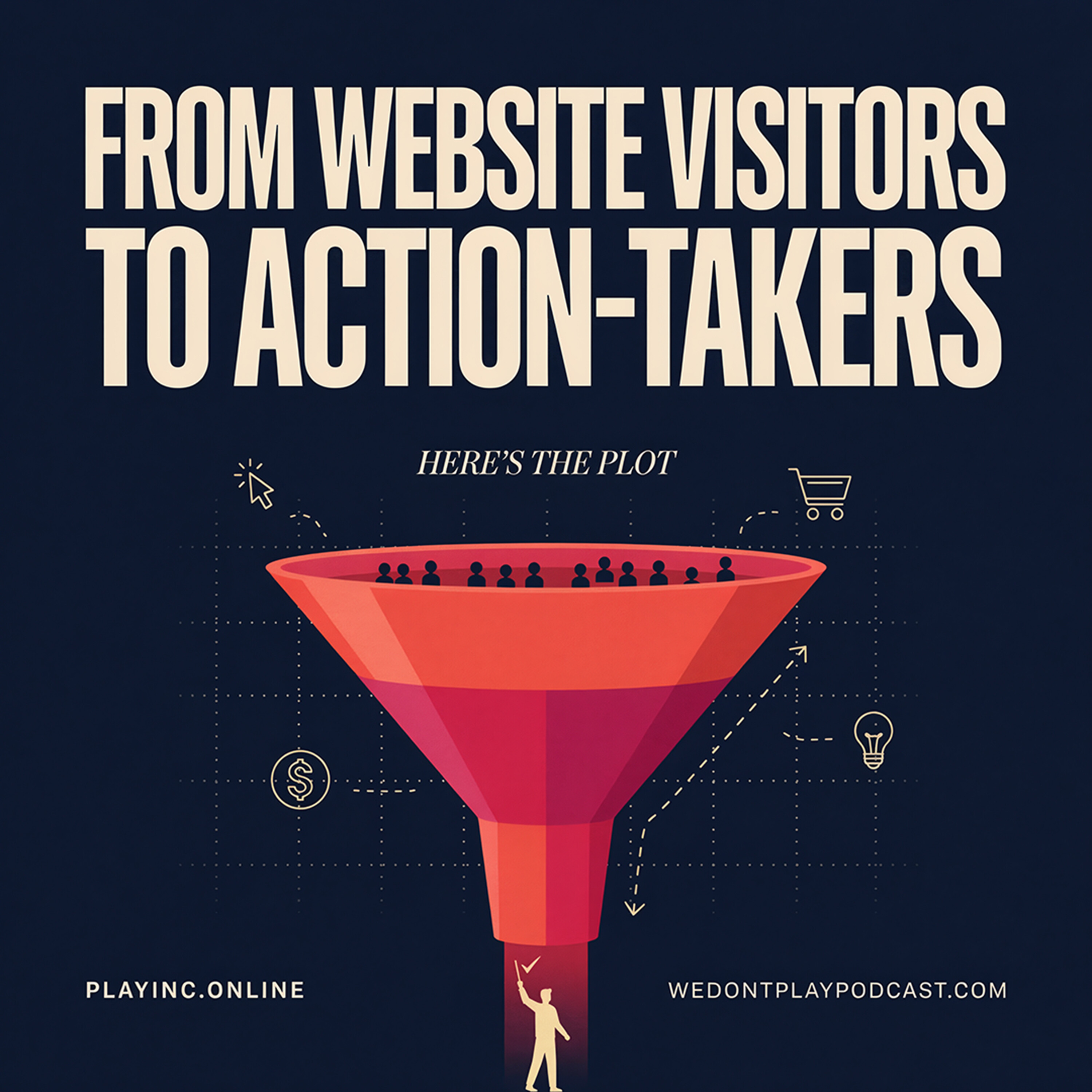 From Website Visitors to Action-Takers: Here’s the SEO Plot...46 / 100
 Celebrating 700 Episodes in 7 Years: Authenticity in Podcasting with Favour Obasi-ike, MBA, MS
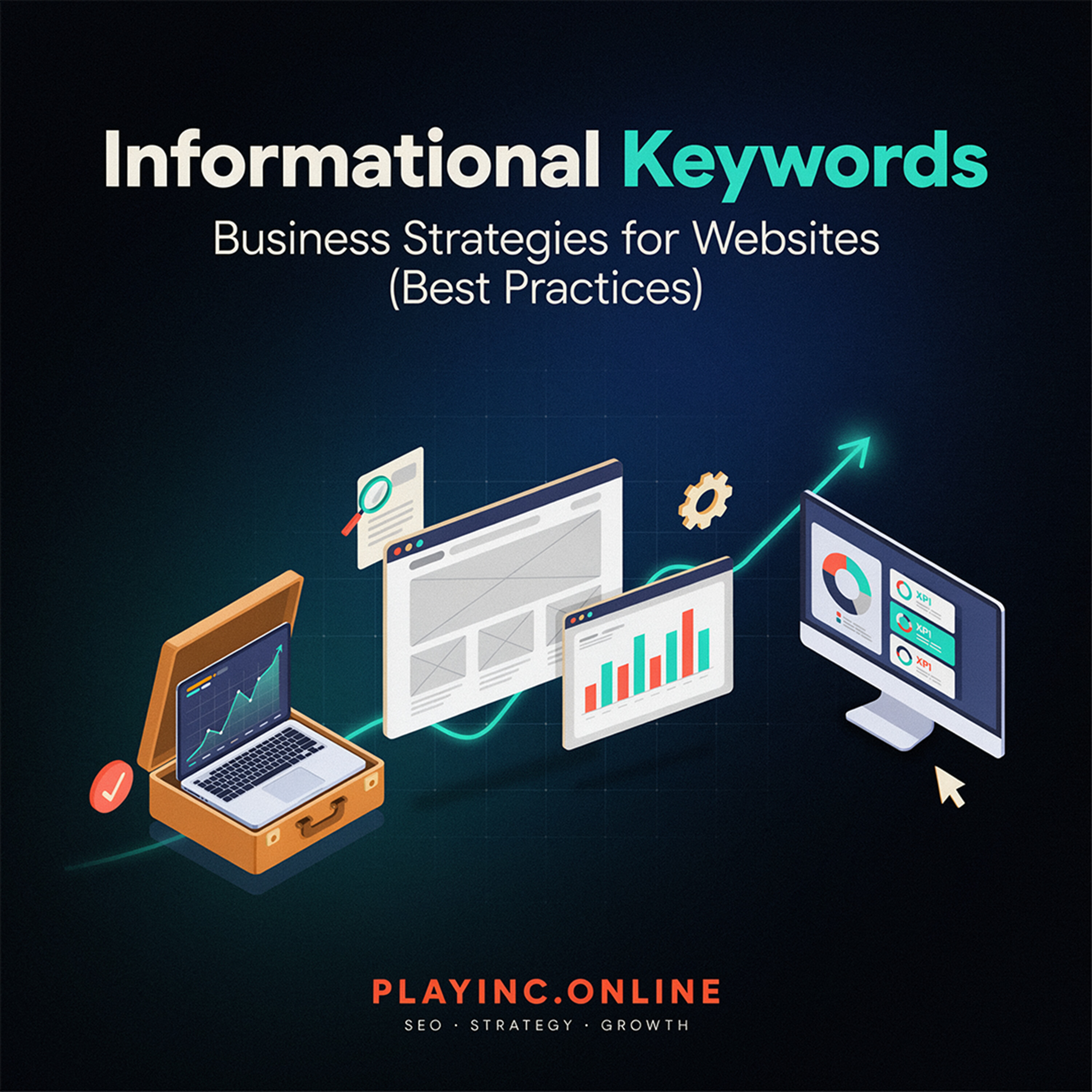 Informational Keywords: Business Strategies for Websites (SEO Best Practices)
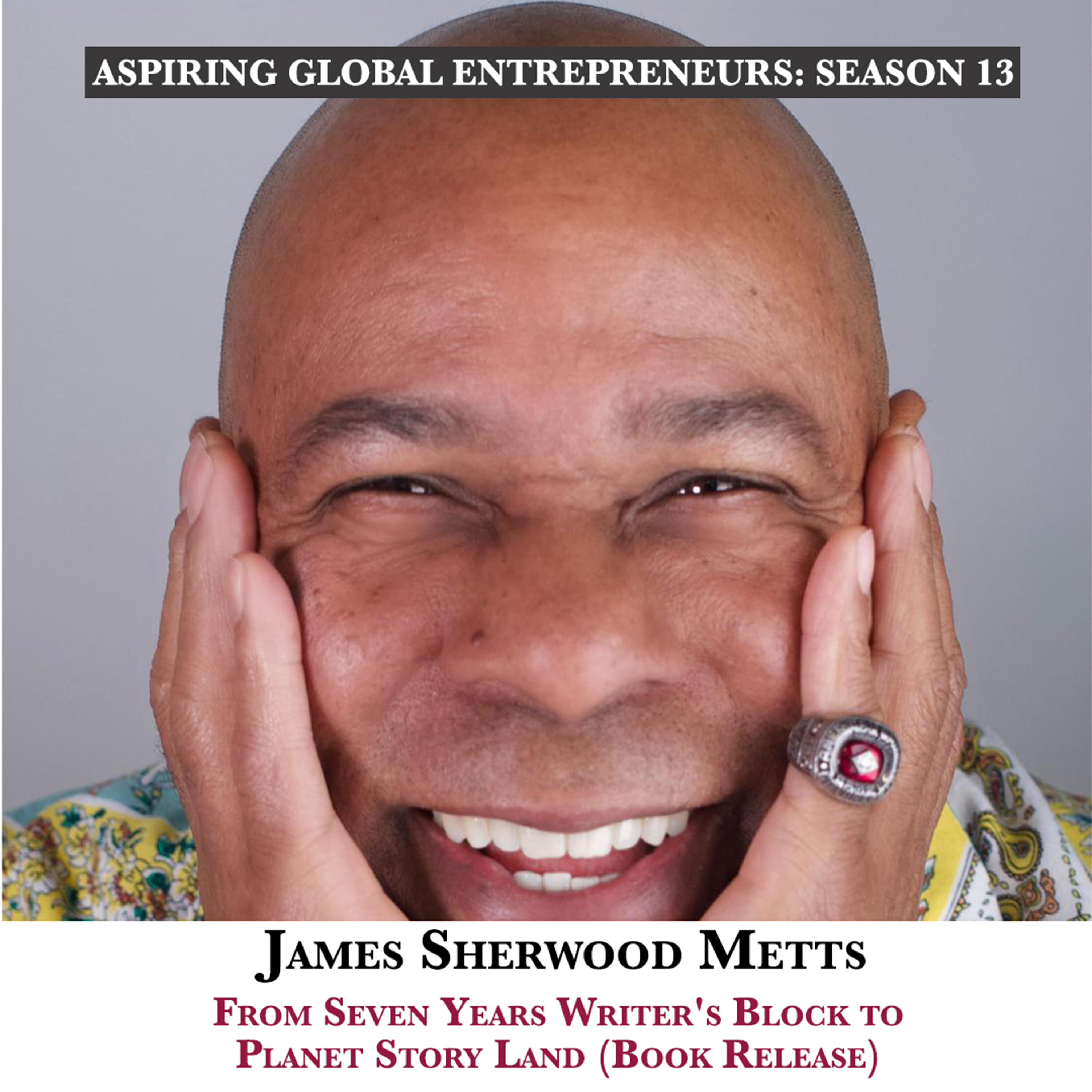 James Sherwood Metts: From Seven Years Writer's Block to Planet Story Land (Book Release)
 Content Quality vs. Content Velocity: Your SEO Rulebook