
The Transaction · 2026-04-16 · 58 min
Key moments - from our scoring
Substance score
56 / 100
Five dimensions, 20 points each
David Wilkins brings on-the-ground insights from both US and European sales development markets, noting a critical shift in how SDR leaders approach their function. Rather than solving problems through headcount expansion, successful leaders are now optimizing processes - specifically account prioritization, lead enrichment, and prospect scoring using AI tools. Wilkins observed SDRs spending 3.5+ hours daily on manual admin tasks, a clear inefficiency that, when addressed, dramatically improves per-head productivity and reduces the need for larger teams. The episode explores what's actually working: stack-ranking accounts by fit and intent, providing SDRs with executive insights and defined initiatives upfront, and automating the pre-execution work rather than the human-to-human engagement itself. This represents a fundamental reset for sales development from a cost-center mindset to a productivity-optimization model. Leaders who adopt this approach - treating sales development as a revenue-generating function worthy of investment in technology and talent - will outcompete those still throwing headcount at the problem.
David Wilkins found SDRs spending 3.5+ hours per day on manual admin tasks like CRM updates, account research, and data entry - a massive productivity drain that could be eliminated with proper process automation and AI-powered tooling.
Account scoring and prioritization, prospect enrichment, and executive insight gathering - essentially the pre-execution research and decision-making work. AI is not being used effectively for outreach execution itself, where human-to-human engagement remains critical.
No - the most successful teams are using AI for prep work (account research, lead enrichment, prioritization), not for writing messages or executing outreach, which requires human creativity, humor, and personalization to break through noise.
By improving productivity per SDR through automation, companies can achieve results with smaller, more efficient teams rather than hiring more bodies; cost savings can then be reinvested into salaries, technology, and team development.
Leaders are moving from reactive 'add more headcount' thinking to proactive process optimization, asking 'what's our current process?' and 'how do we optimize it?' rather than assuming more people equals more results.
Our reviewer’s read on each dimension, with quotes from the episode.
The episode contains moderately useful operational insights about SDR productivity (3.5 hours of admin work daily, account scoring benefits, phone-first strategies) and training methods (HyperBound for harder-than-the-game practice), but these are interspersed with significant filler including an 8-minute tangent about Thanksgiving turkey and mayonnaise that has zero relevance to B2B operations. The substantive business content is solid but not densely packed.
We still had three and a half hours a day of admin tasks being done manually by SDRs
making the training harder than the game because you want the game to just be easy
The core ideas are largely recycled frameworks from established B2B sales discourse: account-based sales development (acknowledged as coming from Snowflake/Lars Nielsen), human-to-human engagement vs. email automation, video messaging as a differentiator, and AI-assisted training. While Wilkins presents these with personal conviction, the underlying frameworks are not novel. The prediction about graduate rotation programs is slightly fresher but underdeveloped.
You still want that air cover of one-to-one marketing, one to few, one to many, creating that education awareness
Sales development should be more of this human to human touch. Video, voice notes, again, it's about human to human
Wilkins is a highly relevant practitioner with substantial operational credibility: founded SDR Leaders of EMEA (organizing 50+ events), previously worked at Snowflake post-IPO with exposure to account-based strategies, and operates as a networked observer of SDR leadership trends across US and EMEA. However, he is primarily a community organizer and consultant rather than someone actively running SDR teams at scale today, which limits his caliber slightly compared to sitting sales leaders.
I met David as he was just leaving Snowflake
SDR leader society. It has grown so much. I think you're gonna do 50 some odd events next year
Wilkins provides concrete examples (Snowflake account-based model, Lars Nielsen, Travis Henry, specific tools like PGAI, Actively, Titan X, Nooks, HIYA, Quibby, HyperBound, Synthesia) and quantifies one key metric (3.5 hours daily admin time from a London survey, 55% team growth in last 12 months). However, he offers limited hard data on conversion impacts, ROI, or results from the tactics discussed. Most examples are procedural rather than outcome-focused.
PGAI is is a really good one
companies like Titan X that give kind of Yeah. Number, number prioritization about who to be going after
Craig and Matt ask relevant setup questions and allow Wilkins to elaborate, but the hosts frequently derail into tangential banter (Thanksgiving debate, British accents, wrestling references, Cameo discussions) rather than drilling deeper into substantive claims. When they do follow up (e.g., asking about specific tools), they accept surface-level answers without pressing for evidence or outcomes. The show prioritizes entertainment and rapport over investigative rigor.
Let's break that down. Yeah. Yeah. people that are, you know, sort of removing these obstacles from their BDR teams. Like let's talk about real tactics
Craig Rosenberg: Wait, did you say peachy.ai?
Computed from the transcript - who did the talking, and the words that came up most.
Excessive admin work and poor-performing sales plays are killing SDR effectiveness and, in turn, company growth. We just so happen to know just the B2B sales expert to help SDR leaders kick things up a notch, wherever they may reside around the globe. Besides having a wonderful British accent, which Craig loved, David Wilkins is the Founder of SDR Leaders of EMEA and the Co-Founder of SDR Leaders of USA and APAC. David joins Co-Hosts Craig Rosenberg and Matt Amundson to dig into how sales leaders are overcoming the major issues facing SDRs (Sales Development Reps) in B2B sales today. David shares how successful sales leaders are implementing AI tools to cut down on excess admin work for their SDRs, why sales channels like cold-calling & video messages are outperforming email outreach, and how dialing up the difficulty of the sales training for your reps can keep them cool as can be on even their most cantankerous sales calls. Plus, David outlines the totally standard, run-of-the-mill journey of how he went from studying at the second-worst university in the UK to working for the number-one mayonnaise manufacturer in the Netherlands and ended up getting into B2B sales.
Transcribed and scored by The B2B Podcast Index.
TT - 077 - David Wilkins === David Wilkins: SDR leaders you've gotta think different to what everybody else is doing. If you do what everybody else is doing, you are not gonna progress. David Wilkins: Sales development should be more of this human to human touch. Video, voice notes, again, it's about human to human and sometimes it's weird.
You see the conversions come off the back of it. Because it's different. You're doing something that no else is doing. David Wilkins: It's the pattern breaker from everything else.
That's how you break through. David Wilkins: We still had three and a half hours a day of admin tasks being done manually by SDRs. David Wilkins: If we can stop that, we can increase productivity per head. We won't need as many SDRs, but they're gonna be a lot more efficient.
David Wilkins: Making the training harder than the game David Wilkins: because you want the game to just be easy. David Wilkins: We will see those efficiencies and we won't need as many headcount because it'll be more productive and then we can invest David Wilkins: that headcount money into technology, into increasing salaries, and making this function what it is, which is David Wilkins: a critical part of the revenue generating organization. Trans-Atlantic Holiday Customs and Re-Ranking of Meats - Craig Rosenberg: How's Europe tonight, David?
Good. David Wilkins: I'm severely jetlagged. I slept four hours yesterday, uh, this morning. Uh, but I'm good.
I'm good. Craig Rosenberg: but who? You got plenty of time to sleep when you die. That's how I live, David Wilkins: And I love, I always love Thanksgiving because no one books any meetings, uh, for the, for the rest of the week.
So I'm chilling for the next few days. Craig Rosenberg: You know what I'm gonna ask? That's great. I'm gonna ask the Americans, I think Thanksgiving is one of the most overrated holidays in the in the mix.
Your thoughts go. Matt Amundson: Disagree, Sam Guertin: I would also disagree. David Wilkins: I enjoy. Craig Rosenberg: So David Wilkins: I really enjoy seeing the chaos of the ucks being made indoors.
I really enjoy those videos, so I think it's great. Matt Amundson: Yeah, I love a good, you know, like a deep frying, a Turkey accident catching an entire home on fire. That's fantastic. Like what, how much more American can, uh, a holiday be where it's like we celebrate with family and a little structure fire.
Sam Guertin: Well, if there was an explosion mixed in there then, then it would be Matt Amundson: Yeah. Um, exactly. Yeah. Well.
There you go. And there's football too. There you go. And there's football.
Craig Rosenberg: Um, you guys that, I mean, I appreciate your sentiments, but there was zero evidence provided to me that would change my mind. David Wilkins: Do you not enjoy the chaos of people screaming and losing their homes and their livelihoods by, Craig Rosenberg: no. I, I, that I enjoy. I mean, but you can do that in America every weekend.
I mean, I, I don't, you know, like. Uh, so I appreciate you bringing that up, David, but no, I mean, like, you sit around all day and then you eat and you're, you put it on a big plate, you're like done right away. Craig Rosenberg: You have, you know, sure. You get to talk and catch up, and you could do that any, anytime.
Turkey's an overrated meat. David Wilkins: Okay. Matt Amundson: I would agree Sam Guertin: Yeah. Matt Amundson: that I agree with.
We're actually, as a family, we're just completely foregoing Turkey as a whole this year. Craig Rosenberg: What are you going with? Matt Amundson: Uh, we, we, well, we stick with a staple. The, the honey baked ham comes out for sure.
Uh, Craig Rosenberg: the best. Yeah. Matt Amundson: it'll be interesting. Uh, there is promise of a brisket, so we'll see how that goes.
David Wilkins: Yeah, now it's Craig Rosenberg: Oh, okay. Yeah, I order, I ordered prime rib. Matt Amundson: Yeah, I like that. That's a power move.
Craig Rosenberg: yeah, I just, Craig Rosenberg: yeah. Anyway. Okay, well, let's talk about business, shall we? David Wilkins: the podcast talking about.
Matt Amundson: the podcast? Craig Rosenberg: No. Oh no. It is the podcast, but yeah, no.
Um, we do, if we're not careful, we would just chat the whole time and we still will during the, uh, business part of the show. Craig Rosenberg: Um, so, uh. So look here, Introducing David Wilkins, Founder of SDR Leaders of EMEA - Craig Rosenberg: here's the deal is I met David as he was just leaving Snowflake. He had this idea about, you know, bringing SDR leaders together.
Um, and, you know, it's always a great idea. Matt Amundson: Agreed. Craig Rosenberg: um, in like a year, this dude has the, it's the, it's the SDR leader society. It has grown so much.
I think you're gonna do 50 some odd events next year. Craig Rosenberg: We're gonna do a transaction SDR Leader Society event at some point. Um, he's got, um, essentially his finger on the pulse of everything happened in SDR. And here's the thing is that SDR leaders always needed to get through.
That was the old topo thing. Matt's how I met Matt Matt Amundson: Yeah. Craig Rosenberg: because it's a, it's a, it's a hard, it's always been a hard job. But guess what?
So he is doing this. When there was a gap in the market for these types of collaborations with other SDR leaders, at the same time being the hardest time in recent memory to be. S ding. S ding is, is a, is a tough role right now.
And so that's why I was like, guys, we gotta have David Wilkins, the founder of the SDR Leader Society. Craig Rosenberg: Come on the show direct from Europe, by the way. So it's like whatever time in the morning. Um, David, welcome to the show, David Wilkins: Yeah.
Great to be here. Thanks so much. It's, it's not, it's just late night. It's not morning yet.
Craig Rosenberg: Okay. Well, you know, late night's good. Uh, we like late night, um, if we did 'em with our North American guests, we may not get as many. Um, but you know, yeah, we would, we would do it, uh, Matt Amundson: do an after hours transaction with cocktails.
Craig Rosenberg: Oh, that'd be great. Matt Amundson: Yeah, Matt Amundson: we've been, we've been Craig Rosenberg: make a lot, if you guys wanna see people burning down houses and all that shit, that's the kind of stuff that will go down on this show. Craig Rosenberg: Um, so, um, but David, I we're really, um, when I told Matt while I was getting you on the show, he is really excited. Um, this is a tough part of.
Uh, the Go-To-Market right now, pipeline building in general, which is Matt's life. Um, and then, uh, s ding in particular, which was the secret sauce for a lot of really great companies, um, is is in a tough spot. Craig Rosenberg: So let's, let's talk. So we've got two parts to the show.
Part one is we're just gonna ask you to tell an amazing story. Can be anything funny, heroic with, you know, sad we've had sad, um. Maybe, maybe not, but, but we, no, we have had sad, but maybe not today. And then, uh, the second part of the show, we're gonna ask you for, you know, the two or three things that you're seeing working today in the market, particularly with SDR.
Craig Rosenberg: So David's Journey From a Terrible School to Amazing Mayo & Eventually a B2B Sales Job - Craig Rosenberg: let's start with the story, buddy. What do you got for us? David Wilkins: I I think, uh, my story's not unique, but to, but it, for me it is quite special in terms of, so I, I failed school, uh, high school. I had to move schools.
I'm pretty heavily dyslexic, so academic, like writing academically terrible. Don't ask me to write a 5,000 word essay. Get me talking. I, I can.
Speak articulately, but uh, failed school. David Wilkins: Had to move, uh, move to a different school. Um, there was a big push when I was younger as well to get 50% of kids into universities. So I felt that pressure went to the second worst university in the country.
In England. Uh, LEED big up Matt Amundson: What's the worst? What's the Matt Amundson: worst? It's somewhere up north of England as well.
Some are more dreary and, and wet and, uh, dark. Matt Amundson: And do you guys from your school make fun of those Matt Amundson: people? 'cause you're just like, David Wilkins: of course we're more, we're more superior than them, of course. Um, and, uh, and because of that I was like, right, I've gotta do something different when I'm at university, if I'm gonna get a proper job, like, you know, work at.
Um, do a graduate training scheme. I've got to do something different. So I, uh, I went to university in Amsterdam, um, and studied, studied there. David Wilkins: Um, problem was that I studied politics, political theory at university, but uh, the courses that I did at in Amsterdam were political science and it was.
Kind of master's level maths, and I barely passed maths at high school. So, um, didn't really do much studying, played a lot of rugby. Um, but what that, what that meant was, uh, when I graduated from university, I moved back to Netherlands to be play semi-pro rugby over Matt Amundson: Oh wow. David Wilkins: Um, until, until I was realized I can't really keep doing this to my body and went to become a trained to be a teach I want to, trained to be a teacher in England.
Um, but then realized I don't really like England and I didn't really wanna be a teacher and ended up. Matt Amundson: ended up David Wilkins: Coming back to the Netherlands after I, I totaled my car because I, um, I forgot the old adage, deer in headlights. David Wilkins: And I thought if I flickered my lights with a bunch of deer at dusk, they would move. They did not move.
David Wilkins: Um, yeah, David Wilkins: yeah, yeah, yeah, yeah, yeah. I realized that quite immediately. So I had, what, 750 bucks in my pocket and moved back to Amsterdam. Um, worked at a mayonnaise factory for a little bit, and then suddenly.
Matt Amundson: yeah, David Wilkins: yeah, the best, the best mayonnaise in the Netherlands. I worked for that factory. Um, Matt Amundson: From the second worst university to the best mayonnaise. David Wilkins: there we go.
That's the end of Sam Guertin: a pipeline. David Wilkins: We finished podcast. Yeah. Um, but then suddenly I was like, okay, I've got, I can't do this for the rest of my life.
Then this call, I had this call and I'm getting chills feeling about it, and this recruiter messaged me and said, oh, we'd love for you to interview for this job called a business development representative at a company called Palo Alto Networks. David Wilkins: I had no idea. Yeah, I had no idea about either of those, what either of those things were. Um, come to realize I joined Palo Alto just after their IPO, um, and that started this world of.
Sales, sales development. Um, and I only really realized that this was real when I'd started my job at Palo Alto and they went, Dave, you need to book your ticket to go to, um, to go to, uh, Santa Clara for training. David Wilkins: You're going next. Why have you not booked it?
I was like, I thought you were lying. I thought it was like just trying to, just bullshit me to try and get me in, get me the job, and then came to Santa Clara 2013 and I've not looked back. Matt Amundson: Amazing. Craig Rosenberg: Okay, let me, let's run through this story a little bit.
Um, so one is normally personal history. Stories are terrible on the show. That was a good one. Yeah.
And I like the little, so, so, second thing is, Matt and I have been talking about it. I think we should make everyone that, uh, guests on the transaction have a British accent. Matt Amundson: It helps. Craig Rosenberg: It helps a lot.
Like that was a, that I was wrapped in the I was he is talking about fucking mayonnaise and shit. Yeah. I mean, and it's like, his accent. I'm just going, wow, this guy is Craig Rosenberg: amazing.
I am, I'm putting on this accent. This isn't my normal accent. Yeah. I, I speak a really.
Uh, hokey kind of English accents, and so I Yeah, you don't wanna hear Craig Rosenberg: This is all an act. This is all an act. Okay. Uh.
And then the second worst university in the uk. Is there a ranking of the worst? Oh David Wilkins: Oh, yeah, yeah, yeah. There's a, there's like a league table that shows that Oxford, Cambridge, they're one and two, um, 167.
Uh, leads met as it was in 2006, so maybe it's been an hour. I dunno. Sam Guertin: I can find that, I'm putting that right there. Editor's note Producer Sam could not find the list of UK University rankings from 2006.
Craig Rosenberg: Yeah, we need that show. Show notes. Show notes. Okay.
And then so the mayonnaise, Matt Amundson: Yeah. Craig Rosenberg: what is the best mayonnaise? Because Amsterdam, I dipped my fries and mayonnaise in Amsterdam. Just to be clear.
It is the greatest thing ever, but the mayonnaise Craig Rosenberg: is better there. David Wilkins: Yes, because they use, um. What do they use? They use something else in it, in in Dutch mayonnaise and, and Belgium mayonnaise.
They use, like, there's different ingredients to what they're using, like in, in America and in, in the uk. So it's a lot more richer. Um, and yeah, I worked, I worked there for a couple of months, couldn't speak the language. David Wilkins: Everybody was like, proper Dutch.
So I'm sitting there by myself, uh, at my break time, in my eight hour shift. Um, yeah, David Wilkins: it was, uh, an experience. Craig Rosenberg: See, that story was rich in anecdotes. That's amazing.
And now then you join Palo Alto and the rest is history. You know, I, when. Now it's gonna be tough. Like they're not gonna have to recruit people outta mayonnaise factories.
'cause like the job market has changed on the SDR. But when I was a young SDR man, we were grabbing, dude, I was a teacher, right? Craig Rosenberg: And got hired in there. But like, we had dudes, a lot of bartenders, um, you know, we grabbed two guys out of the, uh.
Like, uh, the operations room, like down, because remember we used to have to buy software and get the boxes and all this stuff. Those two dudes moved up into BDRs. They're great sales reps now. Craig Rosenberg: It's amazing.
Those stories were the best part of tech, man, but now it's like, uh, it's so hard to get a. It, you know, that entry level thing is gonna be different. There's a lot less SDR jobs out there, although that might change if David tells us, tells us the good news here. So, um, all right.
That was a great story, David. Craig Rosenberg: Once you started down the path, I'm like, oh shit, this guy's gonna give us the faux history. That is a humble brag about all, you know, it's like, no, actually he went to the second worst university, worked in a mayonnaise factory. Um, and, um.
Uh, I loved it. Okay, so the meaty part of the show. So here's what we just like to hear. Craig Rosenberg: You know, by the way, we started the show because Matt and I were trying to figure out what the hell's going on.
Um, and we were, and we would joke about it in the office and the people that he was working with me here at scale, and people come in and go, you guys should do your own. Comedy show. Um, and we were like, well, let's combine the two and let's go do a podcast. Craig Rosenberg: And we've learned a lot through the podcast.
So we're looking forward to learning from you in particular. Matt's an ex SDR leader. I used to consult SDR. We're from the game.
So what, what's happening out there that's working like, uh, Craig Rosenberg: tell us the news. David Wilkins: the, What David is Seeing with Sales Development in B2B SaaS - David Wilkins: what I'm seeing it, it, I, it is quite, I'm quite blessed to be, to do the work that I do 'cause I can see what's happening in the US and then I can see kind of going back in time a little bit, going into into Europe and seeing how where US is ahead and EMEA is still catching up and realizing things that maybe the US have already identified in January.
David Wilkins: But really. What's made me really excited is hearing about these leaders, SDR leaders now that are like, right. It's not about just getting more people involved, and if we get more people, it means we're gonna get more results. They're really stop stopping and thinking about, okay, let's, how can we improve this process that we've got currently?
David Wilkins: Do we even have this drawn up? Because a lot of the time leaders are just so reactionary, they're just barely keeping the head above water, but now they're stopping and going, right? What's our processes currently then? How can we optimize this?
And I hear some really great stories from leaders about how they're looking at not the execution piece. David Wilkins: They're not using, they're not using AI for that. But really on that, the pre piece, the account prioritization, account assignment account, uh, lead enrichment, um, getting insights, creating real quality produce for then their team, then to go out and be and execute every day. Matt Amundson: Execute.
David Wilkins: Those kind of the use cases I'm starting to hear from the more successful companies and you're starting to see leaders going like, oh shit. David Wilkins: Like I am, I'm behind. I'm still thinking I need to add more head count and I'm gonna be better. Um, so it is really interesting to see that narrative that I said how that's starting to repeat a lot more with leaders now over the last few, uh, over the last second half of the year in the us and then it's, was starting to hear it now in EMEA as well.
Ones or twos, and I really think that that's where the sales development role is going is you still need humans to engage with people. You can't expect a robot to be as funny as me or you, Craig. I mean like in, in real life. You need to have, it needs to be that human to human interaction, but there needs to be that reduction of time being spent.
David Wilkins: Three plus hours and admin tasks, there's no, there's no point. Why are we, why are we hiring people to just be an admin person? That's where I see where the biggest gain's gonna be. Biggest Craig Rosenberg: Uh, in terms of individual productivity.
So you'll get more out of each SDR? David Wilkins: yeah. And so ultimately we won't need as many SDRs because we've, we've baked in this redundancy of admin time. I asked, uh, in London last week, keep your hand up for how much time your SDRs are spending on admin.
And I had to stop them when it got to three and a half hours. We still had three and a half hours a day of admin tasks being done manually by SDRs. David Wilkins: And it's like if we can stop that, we can increase the productivity, we can increase productivity per head. We won't need as many SDRs, but they're gonna be a lot more efficient.
That's what we need to see. We can't, we can't continue having this spiraling cost. Matt Amundson: continue. Craig Rosenberg: Yeah.
The, um, no, go ahead. Matt Amundson: Yeah. So let's break Let's break that down. Yeah.
Yeah. people that are, you know, sort of removing these obstacles from their BDR teams. Like let's talk about. Not just like what they're doing.
'cause obviously things like account research, you know, things like scoring things like, um, you know, s uh, messaging, amplification, that type of stuff. Matt Amundson: But like, let's, let's talk like real tactics. What are people doing? What are they using?
You don't have to name specific brands, but like, you know, more categories like what is hot right now and what is cutting down this amount of time that people are spending, uh, on admin Matt Amundson: tasks. Yeah, I mean, I really think it's around score, account scoring and, and prospect scoring. That's the big piece and what's really surprised me Craig Rosenberg: me is David Wilkins: I've been, I've been very lucky to be at companies where we've had that. We've even, we did that manually years ago, and most companies do not have that, and they're asking SDRs to do it.
David Wilkins: So that's where I'm starting to see the biggest drive and the biggest, and also the, the biggest impact of time being saved is, okay, which of these a hundred accounts should we prioritize? Which of these business, which of these business units should we be prioritizing? See, funneling it down. And then you, and then you're giving the, the SDR, the, the ability to have lead enrichment to really then know exactly who to be going after the different parts of the business unit.
David Wilkins: And then also getting those executive insights, the defined initiatives that they need for them then in, in one space for them to go in their execute and, and call and, and, and communicate. That's, that's where I'm seeing those kind of areas. That's the real powerful pieces. Matt Amundson: so we're talking about a before and after and before.
What they're getting is just, here's a list of accounts. There may not be contacts, there's no score, there's no context. It's just like we think as a marketing department or as a sales department, that these are good accounts, and the after is like instead of just, Hey, here's a hundred accounts. Matt Amundson: Here's a stack ranking of those a hundred accounts, including things like, you know, these are the 20 that you definitely have to go after.
These are the 20 or 50 that are like, ah, these seem good. Might as well. And then these are like 20 or or 30 that are just like, eh, this is horrible. Don't even waste your time.
Matt Amundson: And then as you click into the account, you're getting all the relevant contacts that you would need. Account level signals that are like, Hey, hiring this for this role, or recently took a round of funding or, um, released a new product, something like that. As well as maybe some executive level insights that are like, Hey, company is going through some kind of transition, uh, reduction. Matt Amundson: They're adding a European, uh, office.
Something like that where it's like, okay. Not only are you getting like, sort of like soft signals, but you're getting strong signals from things like 10 K reports or earnings calls, things like that. What are people using to append that? So let's, let's just like start with scoring.
Matt Amundson: Are we talking about like age old marketing departments creating account scoring in the marketing automation system that's moving into a, you know, thing? Uh, or are we talking about like new technology that people are using to, to bring this in a little bit faster and potentially more accurately? David Wilkins: Yeah, there's, there's a lot of quite interesting tools out there now to, to automate that and give, putting the, making sure that you put in your key indicators and pieces around scoring, and then it's able to actually then look at your CrM as a whole and then say, okay, uh, these 10,000 accounts, you want to be only focusing on these a hundred.
David Wilkins: They've got the propensity high, high propensity to, to buy. And then something we are not mentioned as well is, you know, I, I worked, I worked at Snowflake, I worked with Lars Nielsen, Travis Henry, and, and have the account based sales development, um, model that, that is still, I believe the gold standard of sales development is. David Wilkins: You, you still want that air cover of one-to-one marketing, one to few, one to many, creating that education awareness, and then the SDRs then are going in.
More tactically and focusing on different areas, leveraging the kind of, or the messaging that's already been going out. That's the, that's kind of the ultimate piece, but that the scoring side of it, that's now being done in a click of a button rather than shit. David Wilkins: Who should we go after? Should we go after Bank of America?
Yeah, maybe. Okay. And then that kind of tedious time that we always used to spend at the end of the, uh, end of the fiscal year for next year planning. Craig Rosenberg: What, what, what are like the top apps that people are using for the Craig Rosenberg: scoring piece?
David Wilkins: Yeah. Um, PGAI is is a really good one. Craig Rosenberg: a really David Wilkins: Um, oh, what else is there? I believe Craig Rosenberg: I'm s David Wilkins: live actively is another one, um, that does that, um, tho those that I can think off the top of my head that, that do that kind of account, uh, account scoring.
Craig Rosenberg: Wait, did you say peachy.ai? Like David Wilkins: Pg, uh, David Wilkins: sorry, pg. Craig Rosenberg: No, that's okay.
That's okay. I don't speak British. Um, that was terrible. Yeah, that was so stupid.
That was such a dad joke by the way. I had the worst dad joke scenario the other day. It was a meeting and they were doing dad joke esque. Like, I love when people rip on me.
Craig Rosenberg: I think it's really funny and it's humbling and it's why people like me, they were. They were doing dad joke, ver like stuff, and I was like on mute. And I was like, they're like, oh, well Craig's not listening. And I just had to come on and go, no, I am.
It was just not that great and I, I, I didn't, I felt bad except that they dad joked it, dad joking is just not that great, man. Craig Rosenberg: I'm sorry. Anyway, uh, so I have these really quick, I wanna move on, but the, on the thoughts here, so. Uh, I do agree that uh, one of the things that we had SDRs do was, uh, a lot of ridiculous, uh.
Uh, tedious, mundane work and, um, and wiping that away will make them more efficient. I do want to talk about engagements. Craig Rosenberg: The, the hardest part, and we'll talk about that in a sec, so I'm all in favor of that. I've been in favor of I.
If we can make workflows faster than we can drive more engagement. It's pretty funny. I put out my. Go-To-Market AI report in some jackass commented, well if it's, is it just helping with busy work?
Craig Rosenberg: I didn't respond because you know, it's bad for the company, but uh, that implies busy work is good. It's not. That's the point. And that's what AI has done already.
We are in good shape there. I what we found though, we classified account scoring. As a second level, um, uh, AI app and the numbers were extraordinary. Craig Rosenberg: I mean, these were folks that actually were hitting their number.
Uh, they were, they were delivering significantly more sales qualified opportunities by doing account scoring. Now, what I would say to that is, uh, that is amazing. It's only gonna get better because we're just, right now we've got a whole bunch of apps that are grabbing from wherever they can grab and there's so many other data sources out there that we could continue to, to capture that will make these people spend the right time. Craig Rosenberg: It was two thou.
Would you guys like to hear a looking back in 2015? When account based Topo was going hard on account based, the biggest thing I learned was basically for SDRs, we were relying on the 22-year-old kids that we hired to download whoever they thought was good out of Zoom info and reach out to them. Craig Rosenberg: Uh, at the time it didn't matter 'cause everyone was about meetings. You know, when we looked it was like, oh, these guys are doing 45 meetings a month.
But it didn't matter who. Whew. Right. And it's like, that actually, uh, was obviously bad, but the numbers came out in the wash.
The account scoring is, and so I would say look like you gotta determine the accounts now, actually. Craig Rosenberg: And Matt did, you know like a, he was at EverString, that there, there was apps that got you. Relatively closer, Craig Rosenberg: but it was still hard. But now we're in a place where with the ability to capture data, it's really easy and it's really rich and dynamic.
It's not just efficiency. It makes you better, right? And that, that's really exciting. Craig Rosenberg: So you could do it.
And then the second part is with engagement, being as hard as it is, if you're not spending your time on the. The, what the data tells you is the right accounts to spend time on, uh, then you will fail. You just will because you're, you know that, that's why we hear all those stupid stories on LinkedIn. Craig Rosenberg: I mean, I, I just got one just now.
They're like, Hey, your po uh, your job postings could be boosted, you know? And I just looked, I'm like, job postings, like we don't post our jobs. And uh, I'm like, oh my God. Sister, there's so much data out there.
You can find people that are posting jobs. I'm not one of them. Craig Rosenberg: You know, and it's like, that's a waste of time and a waste of brand equity and like, um, so I, I, I would say the account scoring not only makes the SDRs faster, it makes their process better. That's the ultimate use of ai.
Is if you could do right. Less work and more and better, and that, that's exciting. So, uh, I'm down with that, but, uh, well, hold on. Craig Rosenberg: Do you have more on your list or do you, I, I wanted to ask you about engagement, but, but I can wait until you give us your, Craig Rosenberg: uh, two or three.
David Wilkins: I was just, I was just gonna say one last, like, one last horror story. So I, I was told about a company, um, whose SDRs were responsible for which accounts the AEs were gonna go after. And I heard about, and they told me about the fights they were having with the AE team to say like, this is the AE mortgages that are being, that they've gotta close these to, to make them get fed. David Wilkins: Why are asking 22 year olds to figure out your Go-To-Market strategy?
And the AEs were pushing back saying, why do I have to do this? Why, and it just, this kind of, there's still this mentality about, I'm, I'm superior, I'm an ae. I I'm gonna, can barely close a door, let alone a deal. And then you, and then you ask, and they asking these SDRs to, to sort out account Simon, the account prioritization.
David Wilkins: It's madness. Craig Rosenberg: Yeah, totally. I, I think one of the things on the AE side is if the ae, it's my new thing, if they can't articulate the ICP. Then they're not gonna be a good rep.
Like a good rep knows exactly who they want, uh, and, um, and who's gonna make a good account. As a matter of fact, they're typically a pain in the ass because if you don't get close to that, they're gonna give you a hard time and, um, you know, uh, make it a big deal. Craig Rosenberg: But we have to embrace that because that means they understand their market and, um. Yeah, it's a shame.
All right, so, uh, I wanted, because Why Cold-calling Beats Email for Engaging with Prospects - Craig Rosenberg: I think the, the hardest thing right now is engagement. Uh, it sounds like the, from what I understand, email, SDR, email numbers have plummeted on response rates. Uh, so tell us about engagement, like, who's cracked the nut on that and what are they doing? David Wilkins: it's down everywhere, apart from one place, and that's Sweden.
I asked the question. Craig Rosenberg: it. I knew it. I won that bet.
Matt. I, I Craig Rosenberg: had called Sweden. Uh, David Wilkins: Yeah, I asked, I asked the Matt Amundson: No, no, no. I'm just mad you win.
David Wilkins: Yeah, it's tough, tough for him to win one, isn't it? Uh, yeah. The Swedes, I asked, I said, okay, how many are you seeing an increase in meetings being booked via the phone? I went, no, we just write emails in Swedish and people respond and, and it's like, okay, great.
Fine. Everywhere else. It's, it's calls, um, calls, and also social touches. David Wilkins: So that social engagement piece, that's the biggest converter.
Um, I've, I've never led teams with an email mentality. I, uh, I worked for a company called Double Dutch, um, mobile event. Yeah. I was there and Russ Hearl was, uh, our head of, yeah, Craig Rosenberg: Russ was a cold, a cold calling maniac.
He would wake up at like 5:00 AM and cold call. Even though he was Craig Rosenberg: the boss. David Wilkins: Yes, he would. Yeah.
Yeah. Uh, and, uh, yeah, and he, he said it like, then, like, email is a point in time where you're just letting people know the reason, like you're engaging with them, that you're gonna be engaging with 'em over the phone, another date, give some information. So that's really how I've, I've always believed. Sales development should be, it should be more of this human to human touch.
Uh, but a lot of companies focused on emails and then they're getting, not getting any meetings booked because they've only been focusing on email. Um, so it is been really interesting to see those companies that have always been called first and a call, first culture, they've not had issues as much. David Wilkins: Then the ones that are going, Craig Rosenberg: so on the call first. So, um, any um, uh, tooling and tricks of the trade that folks are using to be more Craig Rosenberg: efficient on the calling side?
David Wilkins: Yeah, so there's a couple of couple of pieces. So there's companies like Titan X that give kind of Yeah. Number, number prioritization about who to be going after. Um, and then there's also things like with, with Nooks as well as, as a kind of parallel dialer dialer, um, that's also giving insights as well into that similar to what, um, tie next to us in terms of the, this person more likely picks up the phone.
David Wilkins: And then there's another piece as well, because I, it it's coming in Europe, it's not, uh, it's, it's not so much in Europe as it is in the us but about the spam. Uh, alerts that you get on your, um, phones. There's company, like, companies like, uh, hire that can, you can register your, your number and then it will come up with a kind of a text to say, Hey Craig, it's Dave here. David Wilkins: Um, gimme your call, message you on LinkedIn, and it'll come up on the, on the dial screen.
And that's pretty, that's Craig Rosenberg: No way. Wait, what was that one? What was that Craig Rosenberg: one called? David Wilkins: Hia, H-H-I-Y-A.
Craig Rosenberg: Wow. You know that one, Matt? Matt Amundson: I've heard of it. Yeah.
Craig Rosenberg: Oh, interesting. Okay. Look at that. And then on the parallel dialing, so, uh, that.
That's been around for a long time. That's, that's happening it sounds like. And um, but is that, is that, you know, the main reason people use the nooks in the of, of the Craig Rosenberg: world is the parallel dialing. David Wilkins: Yeah, but, but I also think as well the, if you go out and put all of your leads in.
David Wilkins: And David Wilkins: you've not structured it, then you, you're setting yourself up for failure. So you need to really have it. Okay, I'm gonna be calling CISOs of Financial of banks this afternoon, and I'm gonna put all of my leads in for that. David Wilkins: So I know what the messaging is.
I know the, the objections that I'll be receiving. I know the kind of how they act. And so if you do it, you have to do it really dialed in like David Wilkins: that rather than going, I'm gonna go after everybody. That's where.
Failure and learn helplessness comes when it's, oh, the dial is shit. David Wilkins: It doesn't work. Well, no, you've gotta really, again, it's about this execution piece. You've gotta really dial in with who you are gonna be focusing on and then it's, effective.
Matt Amundson: yeah. Craig Rosenberg: Yeah. And then, uh, what about, you see, Video Messages & Voice Notes Break the Pattern of B2B Sales Outreach - Craig Rosenberg: you said social is the other area where it's going really well. Is that LinkedIn Craig Rosenberg: primarily?
Is that the David Wilkins: Yeah. Video, voice notes. Um, again, it's about human to human. Contact, and sometimes it's just, it's weird.
You get a, you see a voice note, it's like, okay, I'm gonna listen to this. Who's sending me a voice note? Uh, you might listen to the first bit or a video. Who's this ugly mug that's sending me a, a video?
I, it's just that inquisitiveness. David Wilkins: And you see, like Morgan Ingram talks a lot about it, uh, about video, voice notes. I'm a big, I'm a big proponent of it as well. Um, and you see the conversions come off the back of it.
because it's different because you're not, you're doing something that no else is doing. Um, and that's a really good converter. Matt Amundson: Yeah, I mean, I remember once, uh, both SalesLoft and Outreach had sort of hit the mainstream and like, you know, people could just be automatically sequenced. And, uh, you know, I was pushing BDRs back in, you know, 20 17, 20 18.
Do whatever you can to prove that, you know. This is not coming from, from one of those systems, right? Matt Amundson: Like, uh, make it personalized. Uh, have a catchy, clever, uh, subject line based specifically on something that you know about the person, whatever.
And that stuff worked really well. And I think now in, in this area with, you know, the artisans and companies like that of the world, it's like, it's more important than ever to prove that you're a person, which I know sounds like silly. Matt Amundson: And we talk about like, Hey, human to human and be more human, and blah, blah, blah. But you gotta do the things that AI can't do.
And that's the way you get people's attention. And I tell our BDRs all the time, and our, our BDRs do. And our AEs both actually do send, uh, um, video through, uh, through like sales navigator. Matt Amundson: It works really well, really well.
Uh, people are definitely very shy to do it, so that like prevents a lot of people from actually doing that work. Like the ones who get it, they go for it and they'll spend most of the day just doing that. And they book far more meetings than just cold calling. Um, but like.
Matt Amundson: The other thing that I tell them is I'm like, dude, I'm gonna get three, 400 cold emails a day and I might get five or six, uh, you know, sort of, uh, messages through, through LinkedIn a week. And I've still have never received, uh, Yeah, in LinkedIn. Matt Amundson: Never. Matt Amundson: Yeah.
Craig Rosenberg: So what the, these vid, these, so you guys are doing LinkedIn video, Matt, Matt Amundson: Yeah. Craig Rosenberg: and it's, you send a DM with a video in it and it's the BDR or SDR. Matt Amundson: Yeah. Or ae.
Yeah. Craig Rosenberg: Okay. And it's how long? Matt Amundson: It's like Yeah, David Wilkins: there's a, there's a, there's an app called Quigley, um, let me see the name of it.
Pronounce it correctly, Q-U-I-B-B-L-Y, that you can have it. So it's on your desktop, on LinkedIn, and it will send one minute voice notes, one minute videos, and. I, I have that I, I use it for, for my things 'cause I'm lazy. I don't wanna do always on my phone, I'll do it on my desktop.
David Wilkins: It's so powerful. And David Wilkins: again, it's, it's, you've gotta, you've gotta get the, the, our job as SDR leaders is you've gotta think different to what everybody else is doing. If you do what everybody else is David Wilkins: doing, David Wilkins: you are not David Wilkins: gonna progress. And the, and you business isn't gonna grow the business isn't going to scale.
So you've gotta think differently. David Wilkins: And when and when you get those, that talent David Wilkins: that goes, Craig Rosenberg: that talent that David Wilkins: can I swear really hard here go, I swear really spot? Craig Rosenberg: or, oh, Craig Rosenberg: what? How?
And British guys, when they swear it's David Wilkins: awesome. Craig Rosenberg: way better than us David Wilkins: Alright, fuck it. I'm gonna fucking use my this to, to do it and it works, and then I'm gonna be successful and you are not. And that then when you found that talent, right, you know.
They're who just try stuff. It's successful. They don't give up. They're gonna be the ones that are gonna be the successful, the successful Matt Amundson: most successful moving forward.
Matt Amundson: Totally, totally. Sam Guertin: what, what would you say for, there's a couple companies out there that do offer a product similar to this, but they have it where it's like automated to look it. They change your lips, so it matches with saying each person's name. This is legit thing.
Sam Guertin: Yeah. So Matt Amundson: So, Sam Guertin: what do you say to that as, yes, you're proving you're human, but also, David Wilkins: Yeah, Yeah, I know there's, it's like synthesia, they rose a big round this year. Um, I think Synthesia being a British, British, British company, um, it is interesting, and again, I think it's something different as well to, you can, you can do it in a way where you may have that, but then you might also have a human video as part of your sequence.
David Wilkins: But it's gonna, it is, it's the, um, it's the pattern breaker. It's the pattern breaker from everything else. And you know, Matt Amundson: from everything David Wilkins: I, I get loads of emails calling you Ron for some reason, and different companies. And I just have to reply back to say, my name's not Ron and I don't work at this company.
And, and that's it. David Wilkins: And, and it's like, just, you've gotta be different. Matt Amundson: And David Wilkins: Gotta be different. That's how you break through.
Matt Amundson: Yeah. Craig Rosenberg: so Ron, um, I'd like Ron, you know that I, David Wilkins: I dunno. Craig Rosenberg: I think it's great. I dunno, Ron.
Yeah. Yeah. The, uh, I, you know, we have a, uh. A video AI company to the portfolio Tavus.
And, um, you know, we're, people have been testing it for a lot of different communications. Like we, we did a test last year on the Go-To-Market summit where we had Maria and it, it, it, it sent the message and then people could ask it questions. Craig Rosenberg: We made it clear that it was a, uh, avatar, which actually probably got more clicks. Craig Rosenberg: As Craig Rosenberg: a result, because it's new and it's a pattern breaker as you said.
I like that. Okay. You know, the biggest issue with video was, was that, uh, there are a lot of BDRs, SDRs that I don't want on video. Matt Amundson: Sure.
Craig Rosenberg: Yeah. You know? Um, but, but I guess who cares? Craig Rosenberg: Because mean, there's there, they're human.
Right? Yeah. Matt Amundson: yeah, there's, I mean, there's truth to that, I think when, when video prospecting first was popularized by Vidyard. Like, there was definitely like, and I mean, even today, right?
Like the more attractive you are, the higher response rate you're probably going to get. Like it's just, you know, like humans are humans, right? Matt Amundson: Uh, but I do think just in terms of, uh, what Ron was saying here, which is like, let's bake, let's break some patterns. Like it works.
It works. There was a reason why like sending people handwritten notes worked for a while. Um, I do think to, uh, um. To Sam's point, though, like the second handwritten notes could be automated was probably the moment that they jumped the shark.
Matt Amundson: So the question is, is like the second, like where videos can be AI altered to be for different people? Well, they jump the shark. I think it just depends upon how ubiquitous they become. Like, is that something where you're getting 10 or 12 of these every single day?
So like you start to tune it out? I think in the meantime, it's something that's highly effective, something that anybody can do. Matt Amundson: You don't even need software for it. You can record a video directly in messages using sales navigator, uh, if you want to.
Um, uh, and I'm sure you most people have like Loom as a part of their like corporate, uh, set of, of technology, but like. You don't really need a special tool for it. You just need a little bit of courage and like a half decent 45 second David Wilkins: Yeah, Craig Rosenberg: Yeah, David Wilkins: I'm gonna be, Craig Rosenberg: it's so David Wilkins: I'm gonna be calling myself Ron now, if ever I get in trouble, uh. Matt Amundson: It's so good.
It's so good. Uh, uh, just like, as a side note, we were watching the holiday last night in our house and, you know, uh, uh, people were saying Happy Christmas. And my, my son was like, do people in in England say Happy Christmas? I'm like, yeah, man.
You saw I was in Harry Potter. He is like, oh, yeah, yeah, yeah, yeah. Matt Amundson: Happy Christmas Ron. So, full oh man.
David. Craig Rosenberg: Oh, geez. You know what I, I like where this is headed. Um, so I think the, the big thing though is, uh, you know, there, there's these, essentially these buy-ins that you, that gates that you have to cross.
So one is you just gotta get 'em to even want to engage with what you've sent. That's the flaw in email that people don't understand is that they rely on the second part. Craig Rosenberg: To win, which is what they write in the email. Dude.
It, if you don't get their, if you don't break what they're doing, you don't catch it. Like, I will read emails at 10:00 AM sitting while my kid's warming up at a baseball game. I will read it, but that's about it. Like e everything else is really tough.
Uh. But everyone says, oh, but it was the me. It's the body of the message. That's the second part.
The second, you know, first part is to just get them. You gotta break the pattern any way you can to get them to look or talk or listen. The second part, yeah, the second part is to get them to Craig Rosenberg: take a meeting. But yeah, go ahead.
David Wilkins: Yeah, I was gonna say even before that, now it's deliverability. Oh, my emails aren't landing in, in the right inbox. And it's, and, and it, and you are David Wilkins: again, it's this, it is people making excuses and it's, oh, it's the deliverability. Oh no.
May, maybe it just doesn't work anymore. Maybe that's it. David Wilkins: Maybe you need to stop thinking. You're in 19, uh, 2019 again in 2018.
Again, we're not gonna go back to that. You need think differently that. Craig Rosenberg: Yeah. Matt Amundson: No, Craig Rosenberg: That's, that's great.
It's your show, Ron. Um, we should do SDR, SDR leaders with Ron Show. I, I just think that's great. Um, the, uh, the, uh, the, the phone is amazing.
I'm, you know, I, I know that the tight next guys are my buddy. They're, they're, they're just, it is amazing what they've done. 'cause the phone was actually, even though, uh. It worked.
It was wholly inefficient. No numbers were bad. Uh, you were, you were calling everyone. And now this is like with the, with the data centric sort of narrowing of who's more likely to answer your phone.
You're making this, you could take an AE and let 'em run for an hour. They will get more connects than they would a whole week under old processes. Craig Rosenberg: That makes things amazing. My Using AI To Train SDRs to Perform Better on Sales Calls - Craig Rosenberg: what I want to get into training, 'cause you and I talked about role play is one of the AI's greatest apps.
Um, you know, to get people on the phone, effectively, a 23-year-old kid requires training. And so, and SDR training, which by the way, I was part of the problem for 25 years. Craig Rosenberg: It, it has been tough and antiquated, but now, uh, this is where I feel like AI has done amazing stuff for us. I don't know if you want to talk about that and like what you're seeing, getting Craig Rosenberg: people ready for the phone.
David Wilkins: Yeah, I, I mean, I remember, um, that some training that we used to do was, uh, stand against the wall, look nose against the wall to pretend it's a cold call in a group in a, in a room of people. And that was our cold calling training. And uh, and things are luckily have developed since then. And Craig Rosenberg: yeah.
David Wilkins: like Craig Rosenberg: Ron. Ron, let me stop you. Are you, are you sure that wasn't the Stanford prison experiment and not SDR training? What the hell, man?
Where? Who did this to you? I Craig Rosenberg: want to arrested that. Sam Guertin: bring him to the Sam Guertin: Hague.
Craig Rosenberg: brutal. I'll you offline so I don't get sued. Uh, Matt Amundson: Okay. David Wilkins: yeah, Craig Rosenberg: All right.
Keep going. Keep going, David Wilkins: yeah. Craig Rosenberg: yeah. All right.
Well, David Wilkins: Um, yeah, Matt Amundson: Yeah. David Wilkins: David's got some trauma from that, so, um, but things like hyper bound now where you can, you make the, you make the training harder than the game. And, you know, I, one thing I didn't mention in my, in my inspirational story at the start is, so I, I was training to be a teacher. David Wilkins: And, um, I used to work at a private school in the north of England, which was like Hogwarts, but it was full of monks.
That's the because, so I'm, I'm used to, and so I used to be a, a rugby coach as well, and I'm used to making the training harder than the game because you want the game to just be easy. David Wilkins: Like you want it to be as fit as possible mentally as sharp as possible. So things like hyper bound is. It's really good.
You can set up an asshole wrong and you can, and Craig, you can be trying to book a meeting with that asshole and they'll throw objections. They'll be rude, they'll be curt, they'll cut you off. And then. And then maybe you'll do a little bit less.
But then when you get onto the phone and you talk to Matt, Matt's great. He is awesome. He is, you know, he is a really amenable guy. And then, but you've already got you.
You've got past that thing of, oh shit, I'm gonna talk to somebody who's gonna be an absolute asshole, but it's not gonna be as worse than the bot that you're gonna talk to. David Wilkins: And so then conversation's David Wilkins: gonna flow. And you see, you see organizations that are now having that as a. Staple of their day, half an hour, 15 minutes in a hyper bound, for example, start of the morning, get yourself warmed up, get yourself mentally ready for the game, and then they're, they're killing it.
David Wilkins: Then on the, on the, on the course because they're used to just bam, bam, bam. Objections handle, elevate David Wilkins: pitch. David Wilkins: really powerful. Craig Rosenberg: I love that.
Making the practices harder than the game. Um, and yeah, the, uh, you know, I, uh, Scott Albro was buddy of ours, his kid just. Took an SDR job a year ago. He is telling me about the interview processes at some of these places.
They make you do an AI role play as part of the interview. I, that sounds hard, but it's brilliant. Craig Rosenberg: It's, it's like, and he was one of the few that actually booked a meeting against this one company's, uh, agent. And, uh, you know, he didn't end up working there, by the way, but like the, uh, that, you know, this whole idea is a, i, it's just a really amazing, um.
It's really amazing. I, I think that's a, that's a great advance that AI is bringing to the table. Matt Amundson: Yeah. Craig Rosenberg: so David or David slash Ron, um, Predictions for the Future Evolution of the SDR Role in B2B Sales - Craig Rosenberg: how about like, just give us in five minutes your two or three things by the, when you come back on the show in a year, what's gonna be different about SDR?
David Wilkins: Okay, two or three things. So first, fundamentally. I, I'm a big prop. I'm a big proponent that the sales development role will start to go back to a graduate training scheme where you bring in high quality talent and regardless of education, regardless of where they come from, you bring in raw talent and they're going through rotations within the business.
David Wilkins: So they might spend. A quarter with marketing, quarter, with, uh, with the solutions engineering team, quarter with sales. And then you, you, after a year, 18 months, two years, you then have that conversation with that talent to then decide, okay, which is gonna be the best place for you to be? And so what we'll start to see then is SDRs maybe coming into becoming an SDR 18 months, two years after they joined the business, but are actually understanding the business outcomes of what they're doing.
David Wilkins: So they're gonna be more strategically minded versus, I need to make a hundred dials a day because I need to book two meetings. And it's like, we need to get out of that mindset. We're, we're, we're, as I said, think bloat is huge in terms of tech, in terms of people, in terms of processes. We can't continue to do this.
David Wilkins: So I really believe that we'll start to see some of the. More advanced companies bring in that kind of grad, graduate training scheme that will also pay SDRs more. I think that's the big thing. So that's one Craig Rosenberg: Yeah, so the, so, so instead of an entry level kid coming in, starting with Inbound and then doing SA, you actually would put them.
Into almost internship type positions for three months at a time in the organization, and then if they want to be an SDR, especially now with all the agentic things happening with ai, we have a way more strategic, well-versed AI and the outcomes David Wilkins: Business. Yeah, I really, I really think that's where it's gonna go. David Wilkins: Um, but also we'll start to see AEs that don't want the stress of the number anymore. Go back into being into this more strategic SDR role.
Matt Amundson: oh. Matt Amundson: That Happening slowly, but I really think that as an ae, okay, earn whatever, 300, earn David Wilkins: number, good accelerator, more likely to hit my number, that we're gonna start to see that kind of talent that doesn't want that stress of that number. Craig Rosenberg: Yeah. Interesting.
Okay. That's, those are, that's novel Craig Rosenberg: predictions. Yeah. Land it out there.
There Matt Amundson: I like Craig Rosenberg: All right. You got three Matt Amundson: he is. Craig Rosenberg: other ones? David Wilkins: Um, Craig Rosenberg: Um.
Matt Amundson: Um, David Wilkins: fuck yeah. I think, I think, we'll, we will get to the point now where. Uh, we did a survey in ea, uh, state of EA sales development, uh, survey where 55% of respondents said they've actually grown the size of their SDR team in the last 12 months. And I don't believe that's going to continue.
I think we are going to, we will see those efficiencies that we said, um, that we spoke about at the start, and we won't need as many headcount because it'll be more productive and then we can invest. David Wilkins: That headcount money into technology, into increasing salaries, uh, and making this function what it is, which is a critical part of the revenue, uh, revenue generating organization. That's what I think we'll start to see by the end of the year next year. Craig Rosenberg: Amazing.
Okay. There we go. Radical, radical predictions at the end of the show. Nice job, David.
And we renamed you. I'm not sure. Well, you Matt Amundson: I, so I have a, I have a, a thought here before we go. What if instead of calling him Ron or David, we started calling him Ron David Wilkins.
That's a power name, Craig Rosenberg: oh, like a a southern gentleman. Ron David. Yeah. Craig Rosenberg: Yeah.
Okay. More cereal. Sam Guertin: Uh, killer. Sam Guertin: yeah.
Craig Rosenberg: Both. Yeah. I mean, you have options with that Name. Ron.
David. Um, all right. I got three predictions based on our conversation with Ron David, one by the end of the year every SDR with the use of ai. Craig Rosenberg: have British accents when they Craig Rosenberg: call.
Yeah. for sure. Craig Rosenberg: Yeah. And with voice notes.
That was bold. Matt Amundson: you can double stamp, triple stamp that. Craig Rosenberg: Yeah. Number two, on the videos, not only will they be British, but I think people should use avatars so they can have much more handsome or better looking.
Craig Rosenberg: Um, SDRs reaching out via video. Matt Amundson: Mm-hmm. Okay. Yeah.
Craig Rosenberg: And then three is not a prediction. I have a question. What happened to cameo? Is that thing still around?
Remember that Craig Rosenberg: where you could pay stars to wish happy birthday, could you pay stars to do s ding for you? Craig Rosenberg: Like could I Craig Rosenberg: have no damn it? Matt Amundson: Yeah, I don't think they could mention your brand. Maybe they could do, Matt Amundson: maybe it they charge more for that.
Matt Amundson: oh yeah, Craig Rosenberg: But would it be worth it if you figured out that so-and-so loves. Rodney and Joe Cooley. And you had Rodney and Joe Cooley deliver the video message via LinkedIn. Matt Amundson: Oh.
Craig Rosenberg: sorry. Ron Da. Ron David, you're too young for Rodney and Joe Cooley Fever in the funk house. Okay.
I'll give you someone more recent. Uh, let's see Matt Amundson: let's see. Craig Rosenberg: this, uh, let's see, someone, um, well like, um, gimme, gimme someone famous right now that's not too famous 'cause they David Wilkins: Well, my friend did got a cameo from Brett Harts. Brett the Hitman Brett Hitman.
oh Craig Rosenberg: yeah. Craig Rosenberg: Okay, there you go. So what if we figured out that this person's a huge wrestling fan and we got, uh, Brett the Hitman heart to be like, you should take a call with Ron David, and that a great idea or no? David Wilkins: If he was gonna put me in the shop, if I didn't do it, then yeah, The, Yeah.
Look at this deep wrestling knowledge. I like it. Craig Rosenberg: oh man, that is awesome. Matt Amundson: as they get.
Craig Rosenberg: Oh, he's, no, this guy, he had to put his face against the wall while doing fake cold calling. There's, there's gonna be a, a, a Department of Justice investigation into what happened here. Um, but, uh, anyway. All right, well, you know what?
I'm glad we squeezed this in. Um, and, uh, I, I, uh, you know, as you learn stuff, love to have you back on to talk about any, you know, new things that you're learning. Craig Rosenberg: We all are trying to figure this thing out. And, um, I thought that was really helpful and great story.
I am gonna go buy some Dutch mayo after this. Yeah, Craig Rosenberg: I'm Matt Amundson: thought Hellman's was the David Wilkins: No. Matt Amundson: but I mean, no. Craig Rosenberg: Okay.
Matt Amundson: right. Sam Guertin: Wow. Craig Rosenberg: I'm in. All right.
All right guys. Well, happy Thanksgiving to people that like Thanksgiving. Craig Rosenberg: Um, Ron, David, enjoy your time of quiet and get some sleep and, uh, everyone that's the transaction. Okay.
Thanks for joining us for another episode of the Transaction, Craig, and I really appreciate the fact that you've listened all the way to the end. What are you actually doing here? For show notes and other episodes, please visit us@thetransactionpod.com, like and subscribe on Spotify, apple Podcast or any other place you get your podcast from.
Either you have walked away from your podcast device. Or this is playing somewhere in the background. Someone in your house would really like for you to shut this off now.
Other episodes covering the same guests and topics, from across The B2B Podcast Index.
 The Comp Plan Mistakes That Push Good Reps OutSurviving Sales Leadership · features David Wilkins66 / 100
 Just Say No to "Yes-Man Agents" & "Process Barnacles": How Miro Builds Post-AI | Jeff Chow, CPTOLaunchPod · on SaaS74 / 100
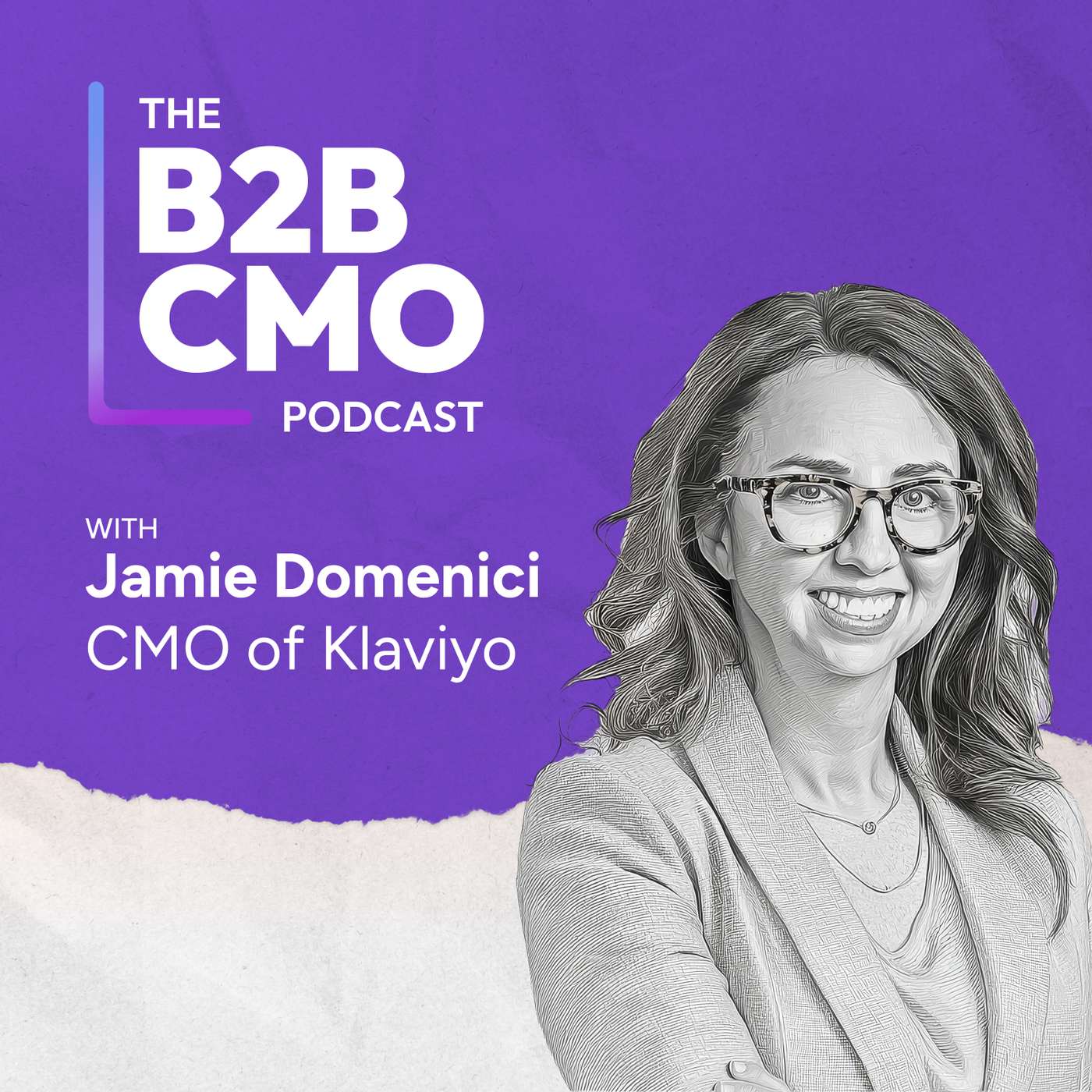 Define the Message and the Roadmap Follows with Jamie Domenici, CMO of KlaviyoThe B2B CMO Podcast with Jon Miller and Sydney Sloan · on SaaS70 / 100
 Edward Robson - Capital Allocation in TechnologyCloud Returns · on SaaS68 / 100
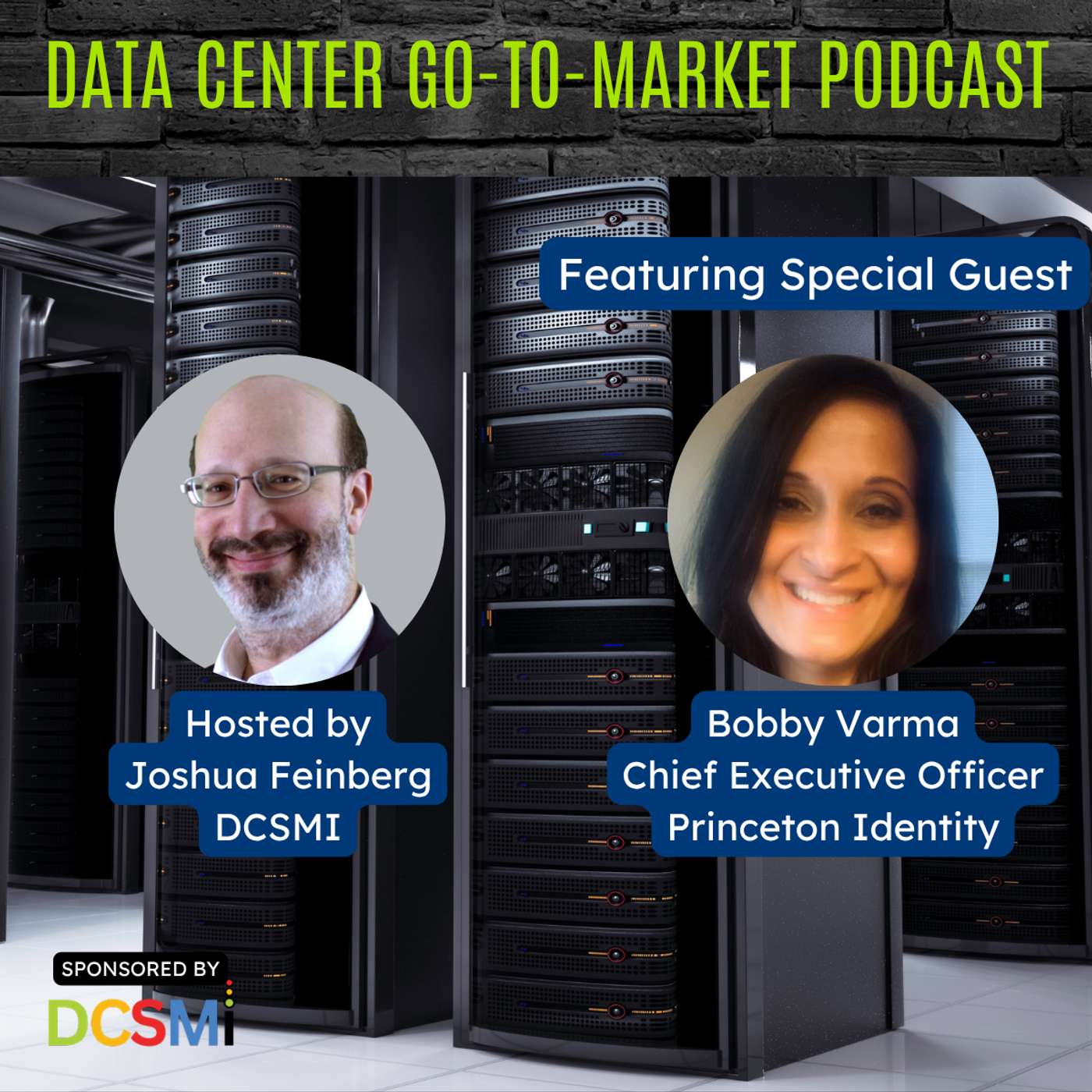 Ep. 198 Bobby Varma, Chief Executive Officer of Princeton Identity | Data Center Go-to-Market PodcastData Center Go-to-Market Podcast · on go-to-market62 / 100
 79: Cancel all my meetingsOur B2B SaaS Journey · on SaaS50 / 100
 Win the AI Answer, Not Just the Citations with Tim Sanders, Chief Innovation Officer at G2 - Ep 85100 / 100
 How Founder POV Helps Sales Build Buyer Confidence with Jim Wilson, Partner at Costanoa Ventures - Ep 8485 / 100
 Building Brand Momentum in Market with Carilu Dietrich & Maya Spivak - Live Session - Ep 8370 / 100
 An Honest Reappraisal of Marketing Attribution with Dan Kimball, GTM Advisor - Ep 8276 / 100
 Organizing Unforgettable Events for B2B with Jen Igartua, CEO of Go Nimbly - Ep 8176 / 100