The Tech Download · 2026-07-02 · 45 min
Key moments - from our scoring
Substance score
56 / 100
Five dimensions, 20 points each
Panos Panay, Amazon's senior vice president of devices and services, discusses how Amazon is evolving Alexa beyond voice commands into a contextually aware AI agent that learns user behavior and proactively manages daily tasks across the connected home. The conversation covers Alexa's transformation from simple Q&A to LLM-powered interactions that integrate Ring doorbells, Fire TV, and Echo devices without requiring explicit setup or "Alexa speak." Panay emphasizes Amazon's ecosystem approach - measuring success through customer satisfaction and ease-of-use rather than chasing individual form factors - and addresses privacy concerns through user choice and encryption. He dismisses a return to smartphones but describes Amazon's lab work on future devices moving beyond screens and apps toward conversation and context awareness. For product leaders and device manufacturers evaluating AI hardware strategies, this episode clarifies how Amazon balances ambient intelligence, proactive assistance, and user control while positioning voice and contextual AI as primary interaction models replacing traditional app-based interfaces.
Alexa now uses large language models to enable contextual understanding, longer queries, and memory of user preferences. Instead of requiring exact wording ("Alexa speak"), users can speak naturally, and the assistant learns patterns over time, suggesting routines, music, and can connect devices like Ring cameras without explicit programming.
Amazon focuses on making customers' lives easier through an interconnected ecosystem of devices in the home - Echo, Ring, Fire TV - integrated around Alexa, rather than embedding a single AI across existing services. Amazon measures success by customer satisfaction and practical benefits like simplified shopping and routines, not by rolling out one AI across multiple products.
No, Panos Panay explicitly stated Amazon is not currently building a smartphone and it is not on their roadmap, though they monitor the market. Instead, Amazon is exploring future form factors beyond phones and screens, focusing on voice and context-aware interactions.
Amazon requires explicit user consent for memory features - the assistant asks "Do you want me to remember that?" - and provides dashboard controls for deletion. The company emphasizes giving customers choice over microphones, cameras, and data sharing, plus uses encryption for private data like the wearable device Bee.
Amazon is exploring devices that users carry on-the-go that understand context, location, and surroundings to inform Alexa's proactive assistance. The company is moving away from app-based interfaces toward conversation and context as primary interaction models, though Panay cautions against claiming certainty about future form factors.
Our reviewer’s read on each dimension, with quotes from the episode.
The episode contains a handful of genuinely non-obvious claims - the 45-60 day engagement intensity window as Amazon's real product-health signal, the undisclosed custom silicon program across Echo and Fire TV, and the Globalstar acquisition for direct-to-device narrowband - but these are buried under prolonged host monologues, repeated customer-obsession platitudes, and vague agentic hand-waving that adds nothing a B2B operator couldn't already predict.
Somewhere around 45, 60 days, intensity is going up. And basically it's because it's getting to know you.
we do have our own silicon team, we do make our own end to end silicon for the devices that we ship
The framing of 'screens and apps to conversation and context' is a cleanly articulated shift and the multi-form-factor skepticism is a mildly contrarian take in a space full of single-device prophecies, but the bulk of the episode recycles standard customer-obsession and ambient-AI narratives that circulate everywhere in consumer tech media.
We're moving from kind of screens and apps to what I would say is conversation and context.
I don't think it's one form factor that wins them all. That form factor is already in your pocket.
Panos Panay is a legitimate practitioner - former Microsoft Surface chief who built a major hardware line at scale, now SVP owning Amazon's entire device and services portfolio - making him credibly relevant rather than a thought-leader; his knowledge of silicon trade-offs and engagement metrics is clearly firsthand and not borrowed.
we do have our own silicon team, we do make our own end to end silicon for the devices that we ship
we also have an incredible technology called Perceive technology which does compression on the edge
There are several concrete anchors - Echo 8/Echo 11 Amazon silicon, 300+ LEO satellites, Zoox city expansions named individually, 45-60 day engagement window, Perceive edge compression - but the episode lacks quantified market sizes, actual user counts, revenue figures (deflected entirely), and precise Alexa+ capability timelines, which limits the depth considerably.
if you pick up an echo 8, echo 11, uh, those are Amazon silicon, uh, we also have an incredible technology called Perceive technology which does compression on the edge
We're in Las Vegas, we're in San Francisco...expanding into Austin, Atlanta, Los Angeles, uh...Miami. These extensions are happening right now.
The host is clearly knowledgeable about the space and lands a few productive technical questions on silicon trade-offs and model selection, but he routinely lets corporate deflections go unchallenged (no revenue figures pushed, no Alexa+ subscriber numbers probed), inserts long solo-analysis monologues that break the interrogative momentum, and serves several outright softballs.
Have you put a number on this business at Amazon yet?
Are you planning to bring this internationally as well, for our audience? Internationally?
Computed from the transcript - who did the talking, and the words that came up most.
CNBC’s Arjun Kharpal speaks to Amazon devices chief Panos Panay about the future of AI hardware, from Alexa Plus and smart home devices to wearables, driverless cars and satellites. Panay discusses how AI assistants could become more personal and ambient, why the next device race may not be won by a single gadget, and how Amazon is thinking about the future beyond screens and apps. See Privacy Policy at and California Privacy Notice at .
Transcribed and scored by The B2B Podcast Index.
Speaker A: Directly you see how the industry.
Speaker B: I was trying to think of something interesting to say, but I got distracted because the Tech Download is now on video on Apple Podcasts. So check it out. That could be the cold open. Hi, Margin Carpool, senior technology correspondent at CNBC and host of the Tech Download. Welcome, uh, to another episode. Now, if you're like me, uh, someone who loves gadgets, loves consumer electronics, then this is going to be a very exciting episode because I'm very excited about what's coming next from all these different companies creating new devices in the world of AI. The tech companies are all trying to figure out what AI exactly means to the future, uh, of their electronics. What does it mean when we start using these digital assistants, or agents, as they like to call them now. We just did an episode, a couple episodes back with Christiano, the CEO, uh, of Qualcomm, and he was talking about how these AI agents may change the way we interact with phones and they might lead to new types of consumer devices. Now, when I say agents, we're talking here a big jargony buzzword that the, uh, tech companies are using. And really it means these more and more advanced digital assistants that can do more and more complex tasks on our behalf eventually as well. And in this episode we're going to get into what Amazon in particular is doing around agents and around AI devices as well. Easy to forget. Amazon, of course, is massive in E commerce. It's a huge cloud computing player as well. It's easy to forget they're actually a major device player. It was in 2014 that they bought out the Amazon Echo. Do you remember this? The speaker, uh, with Alexa built in. This is their digital assistant, uh, as well. You could talk to it, ask the weather, et cetera, et cetera. And since then, uh, Amazon's brought out so many more devices. You think about the ring doorbells example and lots of other connected devices as well. But it's really Alexa that is at the heart of Amazon's consumer strategy here. They recently launched Alexa, which is the next generation of, uh, this voice assistant. It's more contextually aware it can handle these longer queries. And the question is, how does this all fit together with the broader Amazon strategy here? That's a conversation I have had with Panos Panay, uh, who's Amazon's senior vice president of devices and services on this episode of the Tech Download. So Panos, thanks so much for joining me on the Tech Download. I appreciate you taking the time.
Speaker A: I'm great, I'm great to be here I'm so happy. It's good to see. It's been years, Arjun.
Speaker B: Yeah, it's been a long time. We last spoke in 2017, which is a long time ago. A, uh, long time ago. And lots of things have changed. Uh, you were at Microsoft back then, now you're at Amazon. And I want to kick this conversation off by just kind of setting the scene because it's all about AI hardware and how our relationship with our electronics and our devices are going to be changing as AI gets more advanced, as AI proliferates, all these areas of our lives. So when we say AI devices, AI hardware, what does that mean to you?
Speaker A: You can argue we kind of, uh, been building AI devices for the last 10 to 11 years, arguably saying we invented AI devices back then. With Alexa coming into market, it's like quite a powerful product if you remember its launch. Uh, incredible. Now you see, um, really is about the home. Think about Ring, what Ring, uh, can do for you, kind of, uh, what Alexa does for you in the home, the Echo devices do for you. Fire tv. And the way these all connect right now using Alexa is pretty magical. And, you know, we're kind of seeing the engagement from customers in new ways. Just engaging, uh, their assistant through and through in the home, which is quite powerful, um, relatively speaking. But it may be a little bit different than the way other people are talking about AI right now.
Speaker B: Yeah, I remember when the first Echo device launched, actually, I think I was at the launch here in, here in, uh, London, actually, when, uh, it first came to Europe. It was mind blowing and.
Speaker A: It was mind blowing.
Speaker B: Yeah. And it's so interesting because it was something new at the time in the way that we were interacting with voice in the home. And when you think about then to now, what are some of the biggest tech shifts that have happened that are allowing these devices to become more and more AI infused?
Speaker A: Yeah, I think, I mean, the patterns are changing altogether. Think of it. What it was before was kind of like a point and shoot. Like, I have a question, I get an answer, and I had to be very specific about my questions, but incredibly smart ten years ago when you think about it. But that transformation is massive. It's massive. Right now you have LLMs, um, powering this thing in the background. The entire engine of Alexa has changed and now you're just seeing magical experiences come off of it. Customers are engaging it twice as much and it's getting down into deeper conversations. You're able to get to smarter ways of shopping, you're creating routines in your home. But the tech transformation is ultimately, you have AI agents in the background that are doing work for you at the end of the day, but you don't have to think about it, which I think is the most important thing. A lot of times, um, in the past, you had to have kind of what we would say, Alexa speak. You'd have to use the exact right words to get the answer you were looking for. Or, um, you had to be quite precise. And now it's more contextual. You just say what you're thinking, and your assistant is there to help you through the day and help you do what you want to do. It's been fun to see people use it and kind of. It's kind of mysterious how people take it and do what they think they need to do with it. It's been pretty fun to watch.
Speaker B: So Alexa, uh plus, really is at the heart of this push at Amazon, uh, around AI devices. What have been some of the biggest changes from, you know, what you had previously to now Alexa, that you're most excited about and that you think are going to have, you know, a substantial impact on the way we're interacting with these devices?
Speaker A: One of the things that we're seeing is, uh, the more you use, the more you use her, the better the product becomes. Because what's happening now with Alexa is she understands you, she holds memory, and the more, uh, you can engage, the more patterns it understands and learns about you in your life. So now you're in a place where, uh, you know, depending on what you're watching, what you're listening to, even what you're eating, cooking, uh, the more. Think of it this way, the more your assistant understands you, or even your partner or friend, the more they understand you over time, the better that relationship becomes. And that's what's happening right now with Alexa. It's quite empowering. So you now find sense where Alexa's starting to find ways to suggest routines for you that you might do when you wake up in the morning, suggest the next movie you might want to watch or watching. Music, engagement. It's incredible. Arjun, uh, um, it's like you have your own dj. Just set the mood for me, Alexa. And she kind of knows what you want, but this is all about deep understanding, and the more you're using the product, the more powerful it's becoming for you. Uh, we like to think we're reinventing AI hardware in the home right now. When we launched Alexa, we watched the engagement increase, but with a great product, a lot of times, the pattern you Want to see is there's always engagement when somebody starts using their product for the first time. You've been in this industry a long time, and I've seen this, I've seen it where the product spikes and engagement's up. And, you know, never celebrate too soon. My gosh, Never ever. Uh, and you can get excited, but really what it comes down to is about 45, 60 days later, what's the engagement look like? Are people still using it? Are they wrapped? Uh, do they love it? And the way, you know, that is intensity of usage. And so the more patterns we watch on Alexa, that's what's happening. Somewhere around 45, 60 days, intensity is going up. And basically it's because it's getting to know you. This is the transformation of the product. At the end of the day, it's also got no blockers. It can answer every question. There's no dead ends. You can set up routines. Uh, and then as that engagement goes up, we start watching how it's going up and it's connecting other devices, like ring. Like if you have cameras around your house right now, something you could never do before, but now just turn to your Echo device and just ask Alexa, hey, what happened around my house today? It's pretty magical. It's pretty magical to get that answer. Uh, how many packages were delivered today? It's pretty cool. And this is, this is just your assistant working for you in the background. And it is the power of AI, it's the power of the LLM that's powering it. Uh, but ultimately these sort of examples are starting to crop up everywhere, but it really comes down to the usage patterns and how much they've been increasing.
Speaker B: And so how would you describe the value with Alexa? Because we can look at a company like Google, for example, and their sort of, uh, operation is around putting Gemini across all of its services, whether it's Gmail or Chrome and the Gemini app, etc. So what is the approach in terms of, of, you know, building that ecosystem at Amazon With Alexa, there's a couple
Speaker A: of ways to define value, but I like doing it from a customer standpoint. I just want to make their lives easier. That's it.
Speaker B: That's the, that's the overarching principle.
Speaker A: It's very simple. Like, first off, AI can be intimidating. I know, maybe not for your audience, but, like, when you think about just the, you know, take gen. Gen pop, it's intimidating. Like, what do I do? How do I set it up? What does it mean? Uh, what do I do? Next. What is an agent? What do I have to own my PC? And, you know, coming from the PC world, like, I get all that. But at the end of the day, the way we measure it literally is, are we making our customers lives easier here at Amazon? And we have this huge customer obsession and focus. No doubt Alexa is one of these things. Like, did I make shopping easier for you? Did I make listening to music easier for you? Are you setting your calendar? Am I making, Am I helping your routines moving forward in the home? When you wake up in the morning, is your daily briefing meaningful to you? And all this isn't like, I have to set up my AI, you know, I have to do it, I have to do it. What had somebody teach me? It's not. You just wake up and speak. You know, it's so natural and intuitive. And, uh, I think that's where our value comes from at the end of the day, our customers. Right now, first off, CSAT on Alexa, awesome. Like, it's higher than it's ever been, customer satisfaction. But I think it comes down to there are just parts of life that get easier. And I think kind of that overlay of AI in general, that's what it has to do. It has to move, um, from this complicated state for many to just what is the simplest thing? And, uh, how does it make a customer's lives easier?
Speaker B: The future roadmap for Alexa, uh, the industry is talking about this word agentic. Right. And saying, well, eventually we're going to get to a state where these AI systems are going to be able to autonomously carry out things. They're going to be like the best personal assistant we've ever had. Um, and that's the promise right now around the technology. What's the roadmap for Alexa to become this level of agent, uh, that so many in the industry are talking about?
Speaker A: Yeah. I think for that to be true, uh, your assistant in that sense has to know you. I think we're kind of living the roadmap right now. The more you use Alexa today, the better off it becomes, just understanding you. And over time, what happens with Alexa is she learns your patterns, she starts being proactive, and instead of you asking, maybe she raises her hand, uh, she offers you calendar, she understands maybe you need a nap. She checked your health indexes. She's fundamentally saying, maybe you're tired, she can schedule the workout for you. This is all without you asking. I think in that world of the proactivity, I think that can be very real. But you have to do it In a way where your customer wants it. And so here's the beauty. Like there's the. I don't want any help, I don't want any proactivity. I just, when I need you, I'll ask for you. And then there's other customers who right now are saying, do it all, do it all. And I think there's a scale here. Arjun, you gotta be careful. This is not a one size fits all. And we have hundreds of millions of customers. We see it every day. There are just some people who just want it simple, basic black and white, uh, simple communication and nothing more. And there are customers who are basically saying, do it for me, get it done. And I think that world is coming. I think it's already happening. But right now in the home, uh, you know, it's kind of simple. Like people kind of. It gets magical. You connect your fire tv, you connect your ring camera, you maybe have an Eero router. Sure. Um, but ultimately you plug in an echo device and everything starts to come together for you. And when that happens, without setup, without having to program or ask an agent how to do something, and it just starts to infer. I think that's where it starts to transform. You know, I'll set your alarm tomorrow at 6:30am, um, I'll slowly, uh, turn up the lights and I'll play some beautiful music and let's get you up and started the right way. That's kind of the assistant that you want.
Speaker B: How do you balance that aspect of memory you were talking about with, you know, privacy? Uh, and this is going to be top of mind for, I think many consumers when there's more and more devices in the home and um, you know, AI learns more about us. How are you approaching that, that kind of balance there?
Speaker A: Yeah, it starts with trust. Like first thing, uh, you know, it doesn't matter like what, what tools I hand you right now or tell you where encryption is and give you the technology side of, uh, starts with trust. You trust the product you're using. Do you trust ultimately, um, the product makers, the company? I think that matters. Uh, but here's how you get trust. You have to build security in from the beginning. We've been doing this for ten years. Uh, you have to give customers choice. Second thing, you have to give them choice. Do you want the microphones open? When do you want your cameras? How much information do you want to share? How much do you not want to share? The customer has to have that choice. And then with memory to your question, like as you accumulate Memory, Uh, again, you go back to the customer and you make it very simple. Do you want me to remember that yes or no? That's what the assistant will ask. And the answer is yes, no, that's it. Then it expunges, it's gone, it's deleted. Or you go to a dashboard and you delete it. But if you don't give the customer choice and empower them, uh, I think that's when you start losing trust. So, full circle, you have to be able to do. You have to be able to collect those memories. Because a lot of times customers, they don't want to know how the technology is working. They just want to know what the outcome's going to be. I mean, now, again, we'll change it for your audience versus for, uh, others, like general Gen Pop. They don't always want to know how it's working. They want the outcome. They want their life to be easier. So to do that, it's as simple as do I trust this or do I not? I liken it to be. We have a product right now called be. I don't know if you're aware of B, but it's a cool product. This is a kind of futuristic AI device where it sits on your wrist, you listen. It listens to what you're saying, and you choose. Do you want it to listen now or do you not? And at the end of the day, that information is just for you, and it's fully encrypted. Nobody else has that data. It's just yours. And you just say, how did my day go? You take a look. How did I behave? How did I act? What did I miss? What are my notes? What are the action items coming out of the day? And if you want to share that with Alexa, you can. And now all of a sudden, you have a proactive assistant that goes, got it. There's five action items. Let me catch them for you. But ultimate of it matters, uh, unless your customer trusts you, that's what it really comes down to.
Speaker B: Well, Panos, I'm, I'm glad you mentioned B, because, um, you know, the, the next part of the conversation I want to talk to you about is how you're thinking about devices beyond the home. Because, you know, you. A lot of what we focus on so far is around that home environment, whether it's the Echo devices or the Ring. But on a previous episode of, of this podcast, I was speaking to the Qualcomm CEO, uh, Cristiano Amon, and he was saying, look, we've Got dozens of designs, uh, of various different.
Speaker A: Cristiano's got so much energy. Bad.
Speaker B: Like, if spend so much energy.
Speaker A: When I get 30 minutes with Cristiano, I walk out of that room going, oh, my God, I'm behind. Oh, my. Like, he's amazing. He's amazing. Yeah, yeah.
Speaker B: And. And he gave that. He gave that vision, that, that energy. And he was saying, look, we've got all these designs in the works. And he was sort of mentioning, uh, some of the types of devices. He was saying pins and pendants and various other things. He's very excited about. Smart glasses. So, as you look at, um, I want to ask you about a few of these product categories as you look at the Amazon roadmap for product. Um, first things first, the smartphone. There's been so much discussion about whether Amazon returns to this market. And we know the smartphone is amongst some of the most personal devices. We use it all the time. Um, and it's a great access point for apps. Right. Uh, including various AI apps that are out there as well. Um, is this a market you've spent recently much time on, thinking about a return or how you might come back to this kind of more mobile experience?
Speaker A: No, no. Uh, I think, like, right now we're not thinking about building a smartphone. I get asked the question all the time. It'd be irresponsible for me not to be looking at the market and assessing what's changing, how do we think about it? Is it a market we should enter? Uh, and we do that for sure. But ultimately that's not on the docket today. That said, I think it's important to note when you think about future of AI devices, you gotta be super skeptical right now. For anyone who tells you they know what they are. M. Um, I have a lab full of devices. We have a team, incredible team. When I say I, we like, ultimately a team that's looking at what is the future of devices, how do they all connect, how does Alexa run through all these devices? If you need your assistant, um, to know more about you, and that's part of the premise we talked about then, of course, you need devices with you when you're on the go, in the car, um, moving out and about understanding your surroundings, where you've been and so forth. I think that's all true, but you got to be a little bit skeptical right now when somebody says, we know what the future of form factor is. I actually not sure there's a single one. I think there's some cool stuff being invented right now. And in the lab, I think we might be moving away from a world of apps and screens. I think that's true. It doesn't mean we're moving away from it for, uh, everything. But like the primary functions of what you get on a PC and a phone are critical. I don't think they're changing, but the evolution, um, I think goes way beyond it. We're moving to. And now just translate this to devices in any, you know, you have to imagine for me, because I can't sit here and say, here's what the next three devices we're going to launch are. But we're moving from kind of screens and apps to what I would say is conversation and context.
Speaker B: Right.
Speaker A: Like context of where you are, awareness of who you are, awareness of what's happening around you, the context, the information you've been giving, uh, your assistant, your agent, whatever you want to call it. And that's different than, you know, kind of the. I lose myself for 10 minutes looking at a screen right now, getting as much information as I can to be informed. And I think that transition's happening. It's happening right now. I think that technology is enabling it, but I don't think it means in any way that the phone isn't important, that a screen and an app isn't important. I just think there's so much more to be done for us, especially when it comes to productivity and assuming what the next best thing for you is that I don't think that comes from an app on a phone. Just don't.
Speaker B: So this is where, you know, voice interaction becomes more important going forward.
Speaker A: Yeah, critical and like. And that's trickier than people kind of let on. Um, especially in the home, when you're 10ft away, 20ft away, who's speaking, how much noise is in the background, uh, what information are you trying to get, give so forth. The phone's in the pocket. I don't really need to pull it out right now. I want to stay in the moment. All voice. Uh, is it only voice? Absolutely not. You can't get stuck on that either. I think interaction models, you're just. The modalities are changing, Arjun, but they're changing some. They're changing in a more natural and fluid way. Just like you move every day in your life, uh, it's like riding a bike, driving a car. It's all pretty natural. I think voice just becomes another one of those inputs and uh, when it's time to speak, it's just a lot easier. Context wise.
Speaker B: Executive decisions is the new podcast from
Speaker A: CNBC where I ask powerful leaders about
Speaker B: their decisions that changed everything. I'm Steve Sedgwick and here's the CEO of Siemens Energy, Christian Bruck.
Speaker A: Business leaders should not stay quiet in a world which is super complex. We uh, sit in a privileged position and we have to use that to ensure that society remains prosperous, stable, successful. That's Executive decisions with me, Steve Sedgwick. Get it.
Speaker B: Wherever you're listening to this, I just want to spend some time unpacking a little bit of this conversation so far because you heard Panos use the word ambient there when he talks around uh, Alexa and some of the other AI, uh, technology that Amazon has on offer. And really the idea is that they want Alexa to sort of be pervasive everywhere across many different touch points with the consumer. Amazon's not betting on a single gadget to sort of win out this category. It's thinking more broadly around the connected home, around the doorbell, around Alexa, uh, um, powered devices across the home and across I guess, uh, user's entire digital life as well. And that's really the strategy here. Part of this is, is touching towards this idea of a post smartphone interface. While there is a view from a lot of consumer electronics companies that the smartphone will remain incredibly important to our digital lives, there is a growing view actually that some of the workloads that we currently do on smartphones might actually move elsewhere. Whether that's just to some sort of voice interface, whether it's smart glasses as we talked about in a previous episode with the Qualcomm CEO, uh, or whether it's entirely new type of category of devices. We are starting to enter a world where companies are thinking about what that might mean. It doesn't mean the phone's dead, as I said, but it means potentially the way we interact with these devices might be changing. What's important to note here is I guess Amazon's differentiation. If you actually think about the smartphone world, it's pretty much dominated on an operating system level by two companies, right? Or two operating systems even. It's Apple with iOS, um, and it's Android. And that gives really Google and Apple very strong advantages in terms of being able to get access to lots of consumers with their services as well. Amazon's bet is different in many ways. Um, it's not betting on just an operating system, but it's betting on Alexa being really key to all of its efforts as well. Chat, GPT and Gemini and, and some of these other AI apps primarily are uh, right now living on your smartphones. But actually Amazon saying, we want Alexa to be across all these other different apps as well. And of course it's got lots of different advantages. You think about its access to consumer, uh, information and data around shopping, streaming, gaming, lots of different information as well. And then these new key touch points, uh, as well, whether it's uh, these uh, Echo devices or other kind of devices in the Amazon ecosystem. And the challenge for me, as I think about it for Amazon, is if Google and Apple sort of have owned the big mobile ecosystem traditionally, does that continue in the new world? Or can Amazon take share with these new different types of gadgets and touch points? And is Alexa plus going to be enough for Amazon to sort of expand beyond devices? For example, if you're using a smartphone, would you try to download Alexa for your smartphone, um, so that you're able to continue that journey with Alexa across all these different devices? That's a big question for me. And of course that comes down to a lot of the way that consumer habits are going to change. Are we going to be in a world where, if you look at the smartphone, you know, iOS users are so stuck to the iOS ecosystem and Apple apps, when you think about Android users, they often use a lot of Google services or the services that are on, um, the respective smartphone, ah, that they're using as well. And so they're sort of caught in those different ecosystems. In this sort of AI, a agent world, are we going to be veering between different types of agents? And so does that mean we may be using, you know, whatever Apple brings out with Siri and maybe what Google has with Gemini, maybe ChatGPT as well as Alexa, or are people going to start shifting to sort of one type of service? That's a big question, uh, for me. And of course the continued questions over whether consumers are going to be happy to have AI everywhere, in their homes, in their cars, on their phones, in their watches and elsewhere? I think that's going to be another big question. So B is so interesting because, you know, it's that screenless world, but it is a wearable of sort. Um, you know, it's on your wrist and so this is, this is the foray into wearables. Again, just, just from what I was speaking to Cristiano about, he was talking about devices getting more personal, all these different types. I remember there was a sort of fleeting moment in 2024 when, when these kind of pins went viral and, you know, didn't quite take off, perhaps too early, there were a lot of issues with them, you know, all those kind of things. But given, I guess, the focus on voice and other modalities with Alexa, Alexa plus, you know, how interesting, um, are these types of devices to Amazon? I'm not saying, you know, give me the product roadmap, but just your thoughts on the types of devices.
Speaker A: Yeah, I think they're critical. Like, let's just say first in the home. I do think, you know, uh, you would say we maybe invented that device in the home 10 years ago. I think we're reinventing it right now for what's in the home. It's not, uh, done, but there is a baseline of definition that I think is very useful and makes people's lives better right now. Like, if you're not using a ring camera and a fire TV with an echo device, you're kind of missing a big part of simplicity in life. But there's more than that. There's a whole roadmap of on the go devices that I think matter. Um, and what is on the go means? That's so cheesy, right? As a team, that's how we talk about it. So I mean to bore you with it, but, like, what does it mean? Like, what's a wearable, uh, fundamentally, what are the things that people are going to carry with them in the future that matter? And we already talked about the phone, so be on the phone. Like, what are the other pieces of hardware that are collecting data or that you're informing or that you're talking to that are so important to you? So when you are back in the home or when you are at work, that connection stays consistent and contextual and back to that kind of concept.
Speaker B: Yeah, well, we'll keep an eye on, uh, anything coming out from Amazon on that front. And just the final form factor.
Speaker A: You don't have to wait long, I don't think.
Speaker B: Um, and just the final form factor, I guess that is very exciting right now amongst various companies is smart glasses. Right. And again, there's a lot of excitement because of the wearable aspect, but because also the fact that they often have cameras and that gives you that more memory, the personalization side of it, etc. And I know, you know, Amazon stride the echo frames with some of the delivery drivers. What's going on on the consumer side right now, how exciting a product is Smart glasses at Amazon?
Speaker A: I think they're cool. I mean, you have to think about them as, uh, you know, they're like an extension of your eyes. Like, what am I looking at? What do I see? I Think it could. It can enhance shopping, it can enhance listening, um, contextual awareness. I think it's a powerful category for sure. Uh, I think there's some cool products out there right now. Uh, I'll admit I don't use any of them. Uh, I have tried them. They haven't stuck. They haven't stuck with me. But I think there's ways to, uh, continue to make these products in a way where they will stick and, uh, they'll be critical as an option. But I'm going to say this again, Arjun. I don't think it's one form factor factor. I think people will get a little bit stuck. You know, um, there's some stat you can read that like 78% to 92% of people wear glasses. But both you and I are looking at each other without glasses on right now. So, you know, the math's not great, but I think that's all. Like, it just depends when you're wearing them, how you're wearing them. But my point there is it's not that glasses isn't a great category. I think it actually could be. It's not that pins isn't a good category. Maybe to your point, I think it might have been a little bit early. Um, I just think it depends on the person and ultimately, uh, what it means for customers. And I think customers, uh, are going to need choice. I don't think there's one form factor that wins them all. That form factor is already in your pocket. And, uh, I don't think there's another single form factor that does that, in my opinion. I do think fundamentally there is multiple types of devices, uh, coming. And, uh, I think customers will have a choice. And quite frankly, uh, you might wear multiple. Like right now I'm wearing a bee and an OURA ring. And, um, uh, they're both really important to me. One's collecting my health, the other one's just kind of, you know, managing me through my day. And when I get home, Alexa kind of summarizes both of them, which I would go back to. Like, it's useful for me. Like, super, like, makes my life just that much, Just that much better. Even though this morning, I'll tell you, I woke up and. And uh, Alexa told me I just had. I haven't slept enough, so I gotta work. I gotta work.
Speaker B: That's what I'm scared of about these. You know, they just say, hey, you need your. You're eating rubbish. You need to walk a bit more.
Speaker A: I know, yeah, we're all scared of the truth, Arden, we're all scared of it. Yeah.
Speaker B: And obviously some of these devices, we can expect those from Amazon.
Speaker A: I think it's fair to say. You can. I mean, again, it's also fair to say the way this works is, you know, we'll take a shot, we'll build a few different products, but we won't release them unless they're the right thing for the customer. And the right thing, uh, to pull together this ambient world panels.
Speaker B: When we talk about AI devices, very easy to kind of get stuck on the kind of consumer hardware, but obviously it expands beyond that. Right. And physical AI is a huge topic right now. By that we mean things like robotics, driverless cars, lots of other different things. And driverless cars is an interesting one because Amazon has the Zoox business, um, as well. The co founder recently said the plan is to start charging for rides in late June. What's the roadmap here around driverless cars? What's the opportunity for Amazon?
Speaker A: We're pretty pumped about Zoox. I mean, people writing it are so, like, the reviews are awesome. The team is doing a heck of a job. Um, Aisha and Jesse, the leaders of that team. And, uh, I think you're mentioning Jesse as one of the co founders.
Speaker B: Jesse. Yeah, that's right.
Speaker A: Yeah. Incredible work right now. Momentum's great. Here's where we're at. Uh, we're in Las Vegas, we're in San Francisco. We just expanded, if you will, uh, rides in San Francisco and Vegas. Yep. We're right around the car, right around the corner from going to full service charging, uh, and, uh, expanding stops in Vegas, uh, now going to the airport. And so, so it's a process. Safety, safety, safety. Safety is everything. And that's one of the most important things. Arjun, in this category, uh, there's no cutting corners. You gotta be patient. Um, we're expanding into Austin, Atlanta, Los Angeles, uh, and so, I mean, uh, Miami. These extensions are happening right now. And you'll see this expansion throughout the rest of the year. You'll see expanded service in all of those cities. And so it's happening when people get into Zoox, like, it's. They have fun. Like, it's an experience. It's an experience. It's one of the most beautiful products I think we've made. Ah. And I mean, that beautiful is like a cheesy, maybe a cheesy word here, but you get in end to end. Pick your music. Um, the ride is super smooth. There's no steering wheel, there's no pedals. You're facing each other. Like there's these moments in this, in this robo taxi, uh, that are, they're just magical. And we're seeing it in the feedback for customers. And so we're just right around the corner, uh, from expanding.
Speaker B: Are you planning to bring this internationally as well, for our audience? Internationally?
Speaker A: Yeah, you would hope one day. You would hope one day. Right now it's like you gotta pace yourself on the safety measures. And so starting in the US and then. Yeah, then expanding internationally.
Speaker B: Have you put a number on this business at Amazon yet?
Speaker A: Not one that I share with. Not one that I'd share with you, that's for sure. I think what's interesting, it's a massive market. It's a massive market. And uh, quite frankly, remember we're now, I think in year seven. I want to say this is honestly one of the most incredible things about Amazon is its patience. And, um, once you commit and you just take your time, uh, we act with urgency all the time. So there's this conflict where you gotta be urgent, urgent, urgent, deliver. But, uh, now, uh, you have to connect that to the patients it takes. Think about what we're doing right now with Amazon, Leo, what we're doing with, uh, Zoox. Both of these are long term patient bets. And I think over the next 10 to 20 years, uh, the payback, if you will, the ROI on these businesses is extraordinary. Extraordinary. Uh, but you really have to be patient and you have to deliver the perfect detailed experience to our customers. And we're right around the corner starting that.
Speaker B: Yeah, I'm glad you mentioned Amazon. Uh, Leo, you know, this is the satellite business. Um, again, you know, there's probably a lot of people going, why is Amazon in satellites? What's the play here? Um, obviously there's a huge portion, uh, of the world that still lacks connectivity. Right. And I suspect this is part of the, the rationale here.
Speaker A: There's a couple. Like one. Yeah, the first thing is there's. Can I just. Let me take a minute. There's broadband, so. Exactly. Uh, still, uh, billions of people that lack great connectivity, period. And the opportunity to deliver for those folks, connect the world, bridge the digital divide as we call it, for an amazing cost. Uh, this is like, this is what the dream was when we started. But that was the broadband. But then there's also narrowband. So let me just talk about that. Narrowband's a little bit different. Like call that direct to your device. So one is broadband for your home business, uh, government, but the other is, think of it as A very narrow band. Uh, we just purchased Globalstar. I don't know if you saw that, uh, that acquisition fundamentally is all about getting direct to device. We're partnering with Apple to power iPhones in the future. And ultimately we just talked about all these AI devices coming, right Arjun, something's got to power them, something's got a power up. And so when you think about what LEO can do, it's both bridging that digital divide, just connecting people to broadband, but then the narrowband which is uh, direct to the consumer, like you know what is getting data to people uh, at incredible speeds, um, through satellite connectivity is what it's about.
Speaker B: The Amazon world can sometimes look very confusing. It is a giant company company. You think about Amazon Web Services, it's cloud computing division. This is where they're spending the, the billions of dollars building out a lot of AI infrastructure like data centers for example, designing their own semiconductors for those data centers. Then you've got the E commerce business. They also have a satellite business called Amazon leo, uh, which they're trying to launch satellites to create sort of a Internet, uh, uh, out of satellites. Then you've got Zoox, their autonomous vehicle business. Ah, and of course custom uh, silicon or semiconductors. As I've ment, in a world where a uh, company is increasingly talking about AI, those different things are starting to connect now. The devices are sort of the touch points with users. Alexa is, is the assistant and that AI layer, uh, AWS and the satellite business effectively provide computing power and connectivity. Two very important parts of the equation. And Zoox you can see as uh, the physical AI portion of the business. Physical AI is a term often used to talk about autonomous cars or robotics, effectively the physical manifestations of AI. All of these things like autonomous cars, robotics, they require uh, underlining AI models to power them as well. Now all of that you're starting to see come together here, um, as Amazon more broadly talks about AI. The other part of here, and I've mentioned it very briefly already, is chips. Now Amazon designs its own semiconductors for the data centers in order to train up these AI models and run these AI models. What you're going to hear, and you've heard a bit briefly so far from Panos, is about the fact that Amazon actually has designed its own chips for its consumer hardware. Now this has become over the past few years a really uh, important focus for many companies like Apple, for example, Samsung, uh, Google and others. And that's because many of these hardware companies see the more they're able to control the broader hardware stack for their devices, the easier it is for them to create differentiated experiences, integrating that with their own software and controlling more of that process. And so it's interesting to hear Panos talk a little bit about how they've uh, approached the custom silicon layer, uh, when it comes to consumer electronics as well. And ultimately this is one big ecosystem play, owning the infrastructure, the connectivity, the hardware and of course the services. With Alexa at the heart of that. How has the excitement over SpaceX's IPO done anything for the, for the Amazon LEO business at the moment? Has it injected excitement into the business?
Speaker A: You know, SpaceX, what space can be is pretty incredible. Getting a constellation up there, full constellation, multiple constellations, which is what we're shipping right now. We have our next launch on Friday, uh, which I just adore. Like, I mean, you know, every moment is intense. Um, we got over 300 plus satellites up our constellations, uh, raising right now and is moving to be connected uh, shortly here for customers and we're in full beta so it's pretty exciting. But yeah, watching SpaceX momentum is cool but I think uh, Leo's going to be a pretty damn good product.
Speaker B: Panelists, we're almost out of time but I wanted to ask about some of the sort of more technical aspects of the devices. One of those is around chips. This is just such a huge topic right now. And in the aws, Amazon Web Services side of the business there's been a huge focus on uh, Trainium and Graviton chips in the cloud and data center business when it comes to consumer devices. We've seen a handful of consumer electronics companies, Apple, Samsung, Huawei in China, you know, develop their own SoCs and various chips for their devices as well, with the view that you know, controlling more of the hardware gives them a better experience on device, uh, better integration with the software, et cetera at the consumer devices side of Amazon. Um, what's the thinking right now around your own chips within uh, some of your devices?
Speaker A: So we do, right now we don't largely publicize this, so it's a good question and not something I, I don't think I've ever addressed publicly like black and white. But we do have our own silicon team, we do make our own end to end silicon for the devices that we ship. So right now, um, if you pick up an echo 8, echo 11, uh, those are Amazon silicon, uh, we also have an incredible technology called Perceive technology which does compression on the edge. You basically take an MPU and you can compress models on it because I think there's a world where you have cloud based uh, connectivity and then you have local and on the local you're going to want to run inference on the edge, uh, which basically means you're putting models on the chipset itself and just simplifying it, uh, and then compressing them so you can get uh, more privacy, more security, actually more speed for your customers. And so when you talk about like how critical it is uh, to get that silicon right, we do already do it. Pretty um, proud of that team. They're doing incredible work. Uh, it's in our Fire TV now it's in our uh, Echo devices. We also partner with the likes of Qualcomm, uh, Mediatek. Like these are companies that are critical to us. You know we ship hundreds of millions of devices so we have to, you know, we spread it around so to speak. But on some of the more critical devices right now our focus is end to end silicon because to your point, if you really want that hardware and software connection, kind of those magical moments, and if we're going to go deliver this ambient experience in the home for people uh, in the most secure way, we definitely need to think about how that end to end delivery of hardware uh, comes together. And that's what we're doing today.
Speaker B: That's fascinating. So how are you deciding kind of when to use kind of Amazon Silicon versus some of your partners?
Speaker A: Just depends when you need a unique experience or you need something that you uh, proprietarily uh, are designing and defining. Uh, we do it end to end ourselves. I think that's really important. And uh, and then there's other times where there's incredible parts from our partners that are ready uh, and the goal is not needed to meet your next uh, level objective on a product. And remember this all comes down to a customer. What does the customer need? What does the customer need? It's a question we ask all the time. And if you uh, get to a point where what's off the shelf so to speak, or even semi custom can't get you there, then you got to go create it and do it yourself. Which is why we uh, created our own team.
Speaker B: And I think the point you make about on device and edge processing around AI uh is fascinating because that's going to be a huge deal as well. When it comes to the development of Alexa, as you think about new device categories and existing device categories, how are you thinking about the underlying models as well? Um, are you sort of picking and choosing the models, the correct kind of models? To underpin that, you know, there's a number of, uh, model companies now focusing on smaller models specifically for this purpose as well. So what's the approach when it comes to thinking about model on device?
Speaker A: Pretty agnostic at the end of the day. Here's the answer. What's the right thing? What's the right model for the situation and for the customer? We've built our architecture across Alexa, uh, across all our devices, really, to be able to swap out the model for the model that works best for the customer. Um, but then we're able to keep our security layers, um, kind of the AWS if you. And grounding of the whole thing, uh, where customer is protected. So ultimately, what's the right model to serve the right instance for the customer to deliver the result that they're looking
Speaker B: for just as we wrap up. You've been at Amazon now two and a half years or so, roughly. I think, uh, October 23rd. I think you're right.
Speaker A: Yeah, yeah, that's about right. Maybe longer than. Yeah, yeah.
Speaker B: What would you say have been some of the biggest, I guess cultural mindset. Mindset shifts in the approach to hardware and services during your time there?
Speaker A: You know, um, there's so much expansive thinking that happens, uh, at Amazon. It's blown my mind. I mean, it's been crazy. But, uh, to learn as much as I've been able to get to learn, you walk in and you think, I have these perspectives and I get to teach every now and then, for sure, just coming from a different place. Uh, but there's a couple of things that I would just highlight. Like, we talked about customer, like the focus at Amazon on customer and specifically in devices, like, what does the customer need? How do we deliver it? How do we make their lives easier? You have a team here that's magical. That was the one thing where they just like, what does the customer need? Go deliver it. Including lowest cost. Like, how do we get there? How do we get there? Um, it's a really hard place to start from sometimes because it's a lot easier to just start with technology. And then here's what technology we have. How do we, how do we build this and give it to somebody? And how much can we charge? It's so different. Like, what's the customer need? How do we deliver it? And there's a team here. It's probably the best, um, one of the best teams I've ever engaged on the planet. What they can do from hardware, software and the services we deliver. The other thing just in general at Amazon is what I would say if you look at the leadership principles, um, blows my mind how they're ingrained in the culture of the entire company. It's just real. Uh, and maybe one of my favorite ones is ownership. Anyone can be an owner and everyone is an owner and anyone can bring an idea forward. And when you take that layer of patience I talked about, we just look at it and say, Is this a 10 year bet, a 5 year bet, a 3 year bet that also has thrown me off, like, oh my gosh, we have so much to do now and we're always moving urgently. M. We always have some short term big bets, but we're always thinking about what's the next big bet as well. And that is it. I would say that's a shift, uh, for me and it's been humbling, no doubt. Um, uh, and for me, uh, I'm both humbled by it, uh, inspired by it, but God damn motivated. The amount uh, we have to get done right now is extraordinary. And uh, the team I'm lucky enough to do it with, uh, I would say is beyond world class. Like, it's at the. It's at the. It's at the peak of just great people, great talent, and then great customer thinking. And so it's a different. It's a different, uh, you know, it's a different environment, but boy, is it a magical one.
Speaker B: Panos, uh, thank you for all your insight. Really appreciate you taking the time to speak to me.
Speaker A: Arjun, it's great to see you, man. It's been too long. Right?
Speaker B: Yeah. Let's not leave it it that long.
Speaker A: Try not to. I'll see. I. I, uh, commit. I commit.
Other episodes covering the same guests and topics, from across The B2B Podcast Index.
 Panos Panay: On Humility and Empathy in LeadershipTech Unheard · features Panos Panay60 / 100
 Why AI Pilots Fail: How to Escape AI Pilot Purgatory and Scale Enterprise AI with Ronnie Kwesi ColemanUsing AI at Work · on AI agents92 / 100
 More Agents Than Employees: How Zapier Disrupted Itself Before AI CouldTalking AI · on AI agents90 / 100
 PMs Are Fintech: How Column is Rethinking Property Management BankingThe Profitable Property Management Podcast · on AI agents89 / 100
 Agentic AI in the Commercial Workflow with Johnson Controls CDIO Vijay SankaranEnterprise AI Innovators · on LLMs (Large Language Models)88 / 100
 Inside an AI-powered personal dashboard | Matthew TiemannPossible · on AI agents83 / 100
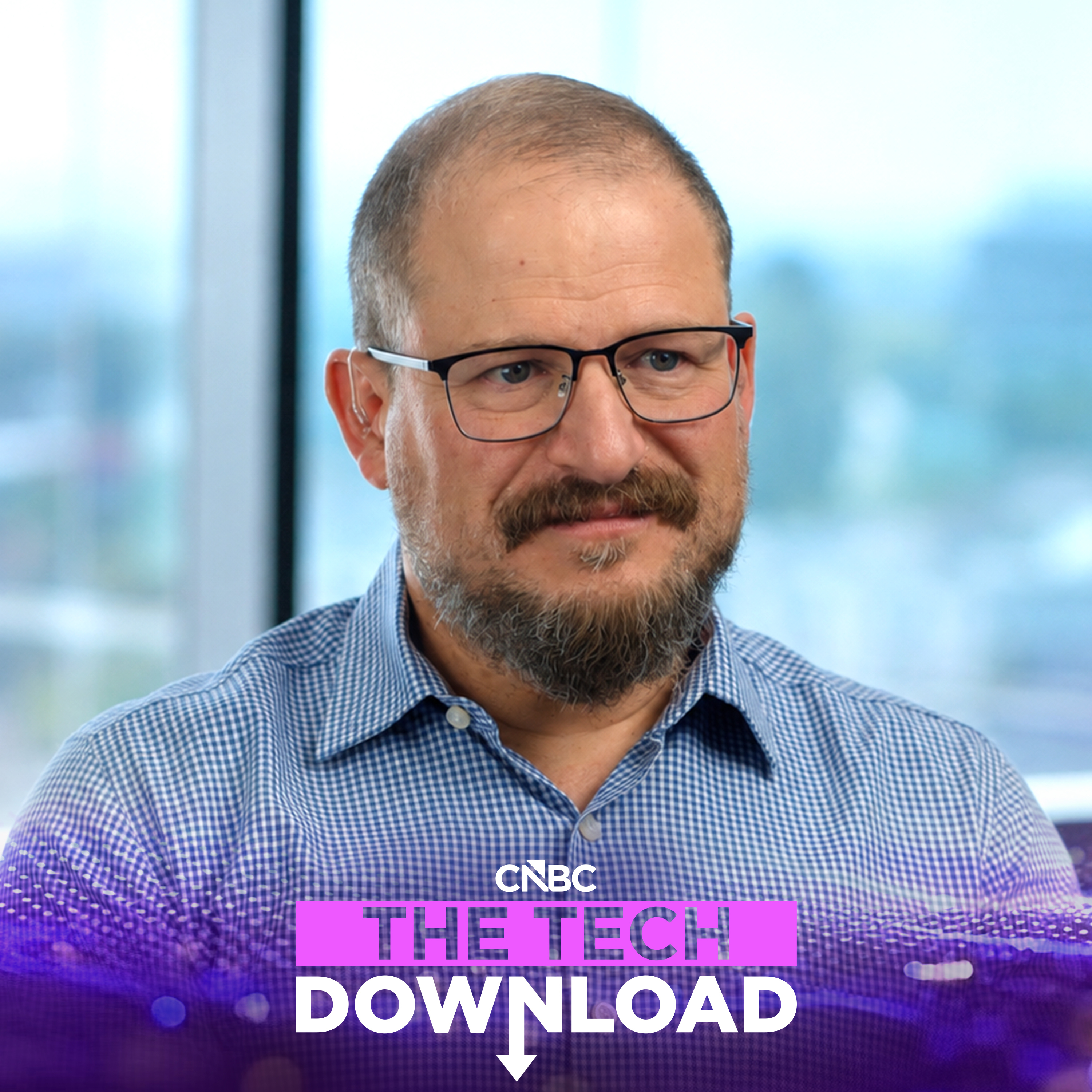 AI Agents Are Coming to Your Devices: Qualcomm CEO Cristiano Amon
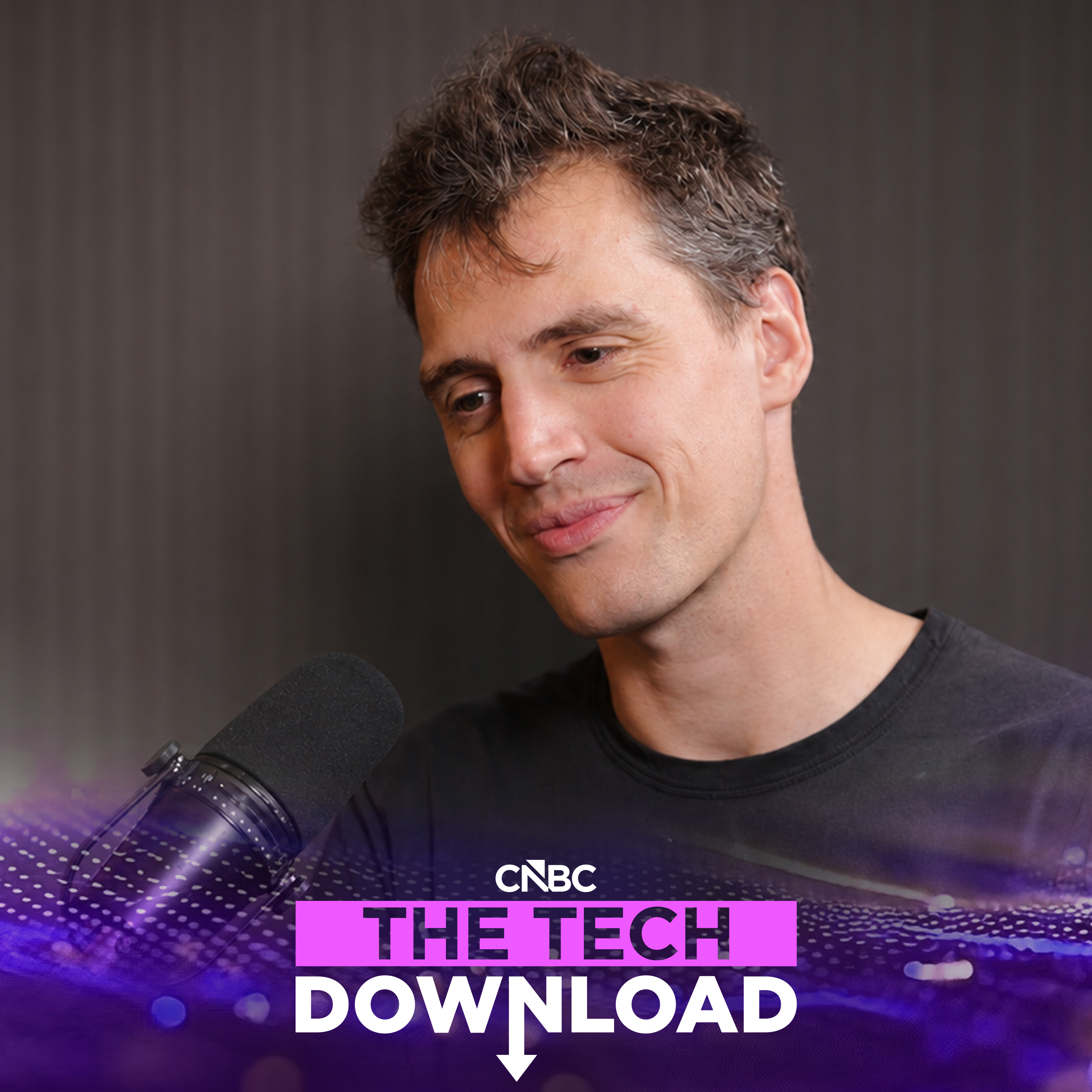 Europe’s $14 Billion AI Challenger: Mistral CEO Arthur Mensch
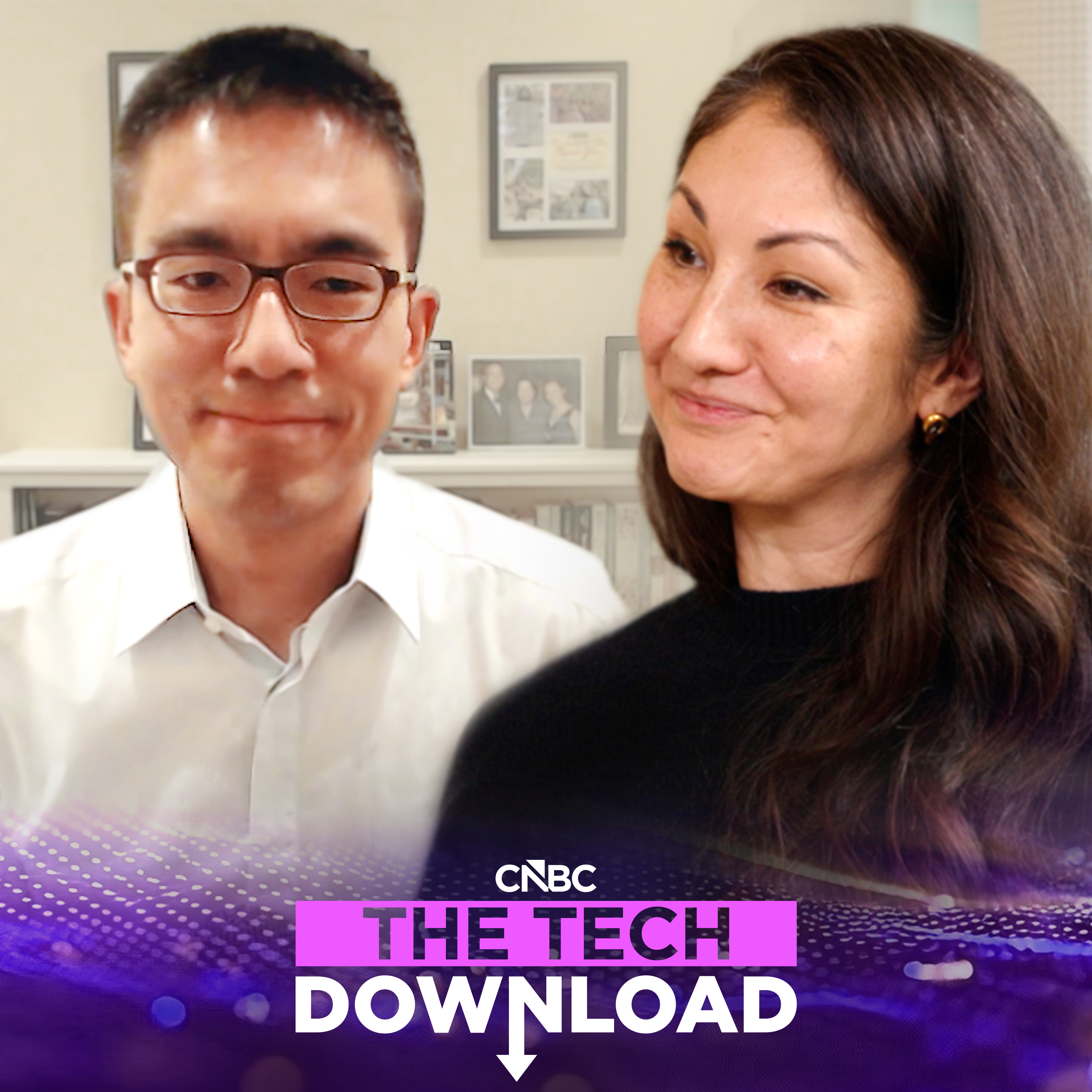 How DeepMind Red‑Teams AI - and Why It Matters
 How AI Will Reshape Education: DeepMind COO Lila Ibrahim
 The Man Behind Google’s AI Machine: DeepMind CEO Demis Hassabis