The Tech Chef, Restaurant, Hospitality and Hotel Technology Business Podcast · 2025-02-04 · 33 min
Key moments - from our scoring
Substance score
56 / 100
Five dimensions, 20 points each
Jeff Alexander shares WowBao's rapid expansion strategy, which centers on embracing technology early and looking beyond the restaurant industry for inspiration. Starting with self-ordering kiosks in 2010 - before most restaurants adopted them - WowBao moved into delivery-only kitchens in late 2019, launching roughly 1,000 locations before the pandemic and expanding aggressively through 2020-2021. The brand's pivot into consumer packaged goods through Walmart (3,100 locations in 2023, now 11,000+ doors), Target, Kroger, and Costco transformed what was a side hustle from 2015-2022 into a major revenue driver. Alexander emphasizes the importance of passion, focus, and operational discipline when scaling - using bathroom cleanliness as an analogy for leadership visibility. He also highlights unconventional channels: airports, college campuses via Sodexo and Aramark partnerships, sports venues across MLB/NFL/NBA/NHL, and hot-food vending machines. The brand's advantage lies in its simple operational model: boiling water and steaming frozen baos requires minimal equipment, training, and staffing. Alexander advocates for restaurant leaders to study adjacent industries and build flexibility into their growth plans, while also critiquing restaurant tech vendors for lacking restaurant-specific insights.
Partners can launch in 3-5 weeks, primarily waiting for third-party delivery app activation since WowBao already has national food distribution; the actual operation requires only boiling water and a steamer.
The brand grew grocery presence from 350 Chicagoland stores (2015-2022) to 3,100 Walmarts in 2023 through a connection made via the delivery-only kitchen network; now in 11,000+ doors across Walmart, Target, Kroger, and Costco.
WowBao operates in six to seven U.S. airports (including Chicago O'Hare and Reagan), college campuses via Sodexo and Aramark, major league sports stadiums across MLB/NFL/NBA/NHL, and approximately 700 hot-food vending machines.
Self-ordering kiosks in 2010, before they became mainstream, proved most strategically important; the Roblox partnership and Salesforce integration for operations were also significant.
Baos freeze well, cook in eight minutes in a steamer, require no special hood or equipment, and can be prepared by minimally trained staff; this simplicity makes the product ideal for airports, vending, grocery CPG, and ghost kitchens.
Our reviewer’s read on each dimension, with quotes from the episode.
The episode covers Jeff's expansion strategy, technology adoption, and scaling model with some concrete examples (e.g., 3-5 week onboarding, 8-minute cook time, 10,000+ grocery doors), but relies heavily on surface-level narrative rather than deep operational or financial insights. Many claims lack supporting numbers or mechanisms - how ghost kitchens actually drive unit economics, what specific margins look like, or how technology decisions tied to actual metrics.
we can get somebody up and running in about three to five weeks
the food can be done from frozen to service in about eight minutes in a steamer
Jeff's core moves - ghost kitchens, CPG expansion, non-traditional venues - are now relatively well-trodden in the industry post-2020. The framing around 'look outside your industry' is familiar advice recycled across business podcasts. While his Roblox Metaverse play and vending machine angle show some experimentation, the overall thesis (diversify channels, embrace tech early, focus on execution) lacks contrarian insight or first-principles thinking.
look outside of your own industry and look at how other people are growing
if you want to grow or if you want to implement something new, or if you want to scale whatever it may be, if you're passionate about that and you make that a focus, then your team will respond
Jeff Alexander is a legitimate operator with 32 years at Lettuce Entertain You and has driven measurable expansion of Wow Bao across multiple channels. His track record (airports, stadiums, 11K+ grocery doors, 700 vending machines) is real and relevant. However, he is primarily a CEO of a single concept within a larger enterprise, not a founder or visionary at the scale of transformational industry figures, limiting his top-tier caliber.
Jeff was actually voted one of the most influential restaurant CEOs in the country, according to National Restaurant News
I joined lettuce back in 1993. So I'm coming up on 32 years with the company
The episode includes concrete numbers (10,000+ grocery doors, 700 vending machines, 3-5 week setup, 8-minute cook time, 1,000 ghost kitchens launched) but lacks depth on financial performance, unit economics, or customer acquisition costs. Marketing channels, technology ROI, and profitability metrics are absent. Examples of specific partnerships (Walmart, Target, Costco) are named but not analyzed with real data on performance or learnings.
launched about 1000 locations
now we're in 11,000 plus grocery store doors across the country. Target, Kroger, Costco
Skip asks reasonable setup questions but rarely pushes back, challenge claims, or dig deeper into mechanics. Follow-ups are mostly confirmatory or pivot to new topics rather than interrogative. When Jeff makes broad statements ('passion and focus drive results'), Skip nods along. The conversation reads as a friendly interview rather than substantive interrogation. Late-stage pivots to personal questions dilute operational depth.
Couldn't agree with that more
that's a great question
Computed from the transcript - who did the talking, and the words that came up most.
The Tech Chef Podcast features a compelling conversation between Skip Kimpel and Geoff Alexander, President and CEO of Wow Bao. They explore Geoff's extensive background in the food industry, which spans over three decades, and his significant contributions to Wow Bao since its inception in 2003. The discussion focuses on the innovative strategies that have propelled Wow Bao's growth, including the use of technology, ghost kitchens, and grocery store partnerships. Geoff emphasizes the importance of looking beyond the restaurant sector for fresh ideas and adapting to changing market conditions, which he argues is essential for any food brand aiming for success. Throughout the episode, Geoff shares fascinating insights into the operational strategies that have enabled Wow Bao to expand into various venues such as airports and sports stadiums. He discusses how technology, including AI and self-service kiosks, has transformed the customer experience and operational efficiency.
Transcribed and scored by The B2B Podcast Index.
You are listening to the Tech Chef Podcast. This is episode number 87, February 4, 2025. This show is powered by Growth Advisors International network where travel and hospitality companies come to grow. For more information please visit gainadvisors.
com. Hi, this is Jeff Alexander, President and CEO of Wowbao and you're listening to Skip on the Tech Chef Podcast. Off Premise Strategy, Business Continuity. How about a taste test of restaurant technology?
Drive thru or curbside? Mobile apps or AI? It's all on the menu. Cook it up for the date.
It's a recipe for success. You're in good hands with the Tech Chef. Make a plan to be your best. Strategize with the Tech Chef.
Welcome to the Tech Chef Podcast. I am your host, Skip Kimple, bringing you the latest and greatest in restaurant and hospitality technology. Whether you're tuning in from the kitchen, the boardroom or somewhere in between, I'm thrilled to have you here. This is the podcast where innovation meets real world application.
We go beyond buzzwords to explore cutting edge tools, practical solutions and strategies that can elevate your today, not just in the distant future. From AI driven efficiency to guest experience enhancements, we cover it all. If this is your first time joining us, welcome aboard. Be sure to hit that subscribe button so you never miss an episode packed with insights, expert interviews and actionable takeaways.
And if you're a return listener, thank you for being part of our growing community. Your support fuels this journey. Now let's dive into today's topic and uncover the next big thing in hospitality tech. Get ready.
It's time to cook up some innovation on the Tech Chef Podcast. In this episode, Jeff Alexander, a top restaurant CEO, joins the podcast to discuss his journey and the innovations he's brought to wow Bao. He highlights how the brand has rapidly expanded through technology and creative strategies, including ghost kitchens and partnerships with grocery chains. Jeff shares insights on the importance of looking beyond the restaurant industry for inspiration and adapting to new trends.
He emphasizes that success comes from passion, focus and willingness to embrace change. You will gain valuable perspectives on leading a successful food brand in today's ever evolving market. Joining the show today, we have the. One, the only, Jeff Alexander.
Jeff was actually voted one of the most influential restaurant CEOs in the country, according to National Restaurant News. So Jeff, it is a huge honor to have you on the show here today. Thank you. I'm very excited to be here and.
I'm embarrassed to ask this, but for. Those listeners who do not know you. Give us some of your background on Jeff Alexander. Wow.
Bow. The concept that I oversee started in 2003 from lettuce entertain you Enterprises, a privately held restaurant group based in Chicago. I joined lettuce back in 1993. So I'm coming up on 32 years with the company.
But in 2003 started Wild Bao. I joined in 093 brick and mortar restaurants at the time. Under my tenure, we grew up to eight or nine locations. Airports, college campuses, sports stadiums, got involved with grocery, started doing a delivery only kitchen model right before the pandemic.
We launched about a thousand of those across the country. Now we're in over 10,000 freezer doors with our consumer packaged goods product. And we've done a lot with technology with self ordering kiosks. Back in 2010, we actually are in the Metaverse where we partner with Roblox and created a video game a year ago that ties into our loyalty program.
So just get our hands in a lot of different avenues. Well, let's talk about some of that technology innovation because the people listening to the show, guess what, they're technologists. So wow. Bao has embraced automation, AI Ghost kitchens.
How did you decide to go in this direction and what challenges did you face as you were making those decisions? Look, when I took the concept over in 09, I remember in 2010 or late 2009, the CEO of lettuce at the time was telling me that we should be doing desktop ordering. I'm sure your listeners have no idea what desktop ordering, but that's before there were apps. And I was like, there's no reason to have people order ahead because the food from order to service was 54 seconds in our in our restaurants.
So you can't make it any faster. But then I wanted to do bicycle delivery here in Chicago. And I grew up on the east coast. And the big joke back then was when you didn't like somebody, you would order 20 pizzas to their house and the pizza guy would show up and you had to pay the bill when the food showed up.
So I didn't want to do delivery unless I collected payment prior to delivery leaving the restaurant. And that's what got us turned on with online ordering. So we adopted online ordering from the desktop back in 2010. Then we actually became one of the first restaurants to have an app.
There were only 300,000 apps at the time in the app Store and we had one. Then we got involved with self ordering kiosks. So technology has just always been a part of who we are. And then if you fast forward, I remember in about 2014 2015, there was a restaurant on the West coast called eatsa, which was a fully automated restaurant where you had no human interaction and your food got delivered through electronic cubbies that were personalized and animated.
And I saw this, I was like, that is the future and that is perfect for Wild Out. And actually in 2017, after private equity got involved to fund our growth, we got involved with the eatsa platform and we use this technology and had these self ordering restaurants. So we've always looked for where the, where the industry is moving to and where other industries are and how we can incorporate that. I think that's probably the most important lesson in learning that CEOs and leaders of businesses should be doing on all avenues is look outside of your industry and take learnings from what other successful businesses are doing and then figure out how to incorporate it into your business.
Couldn't agree with that more. I'm a huge advocate for people going to the NRF ces, you know, just, just getting out there and seeing other industries. I, you know, with, with all of the new XR stuff I'm doing, I've been exposed to multiple industries that have nothing to do with hospitality. However, I'm exposed to technologies and seeing how they're utilizing it, how they're leveraging it and the ROI behind it, and always trying to figure out ways how can we bring that into the hospitality space.
It's not always a big lift. Sometimes it is, but there are some definite crossovers that can happen. Let's talk a little bit about, I guess right around the time of COVID maybe before you can correct me on this, but isn't that about the time you kind of moved into virtual kitchens and the ghost kitchen space? Yeah.
So it was November of 2019 prior to Covid and anyone knowing Covid was. We had the idea since our food was already in national distribution, it was based on Lettuce's network of restaurants and our private equity's network of restaurants. We thought, why couldn't these other restaurants sell wow Bao out their backdoor third party delivery branded as wow Bao on the apps. And we put the whole project together, launched one location in January of 2020.
And then March came in. The world shut down and there was nothing but delivery. And I think from March to the end of the year, in 2020, we launched about 150 locations. The following year we did 350 more or 400 more.
And then we still to this day are getting inquiries and turning people on as a revenue stream to really help restaurants grow their top Line sales and bottom line profits. So it's been very, very exciting to watch the growth and rewarding from how we're able to help restaurants. I always tell this story about sitting on stage with you. We are on some panel together and this is probably, I would have to say this could possibly be Myrtek 2020.
Right, right. When Covid was hitting maybe a conference before that. But you were talking about, yes, you had 150 locations and then you had these aspirations of growing and doubling the next year. And I'm like, who is this guy?
What is he talking about? And you know, I sit back now and I. And you're laughing all the way to the bank there because you have created such a success model not only on the, on the virtual kitchen side, but you branched out in areas that I don't think anybody expected you to. And some of those are groceries, some of them are vending machines.
Let's talk a bit, a little bit about some of the technology that you. Probably the most impactful technology innovations that you implemented within the organization, you know. I think that's going to be, you know, you can ask 10 different people what they think is the most important or impactful innovation that we've done in 2010. I told you we had self ordered kiosks, you know, and at the time it was a bank, it was an ATM at a bank, it was your movie theater ticket or it was an airport.
There was nowhere else was doing self ordering anything. And now you look at it, it's mainstream. But back then we were like one of the only people to have it. So that to me, I think will always live out in my mind is really breaking, breaking us out in a technology forum.
I think getting involved with roadblocks from a restaurant standpoint is not something anybody does. And we went into that, I mean I, I think I can name like four companies or five companies between Chipotle, Burberry, Hilton and Walmart have done Roblox. I don't really think there's that many others on a national scale or larger doing it. So that I'm really proud of.
Obviously the technology that went on behind the scenes for us to launch our delivery on the Kitchen program, you know how we brought Salesforce as a truth of a source of truth for our company and incorporated that behind the scenes really was game changing from just how we ran our operations. So there's a whole bunch of stuff, there's great technology out there that we don't use that a lot of other restaurants use, like pay at the table, the things that Toast has created and put out there in the marketplace.
It's fantastic. What Ollo's doing, trying to incorporate it into restaurant reservation information so when you walk in, it knows all this information about you. I mean, there's such amazing technology out there that it's just fun to watch. But what I think that I'm most excited about, well, what I'm excited about and what I hurdle with, what I'm most excited about is still what's to come, because I think it's just, you know, but the hurdle that goes in line with that and what we've always faced is all this technology, which is so great, is never made by restaurant people.
And there's a hurdle, there's a rough patch that has to go through to find success. And the benefit that wow Bao has, because we've always done so much with technology, is people come to us now with their ideas or their prototypes and ask us for input, to test pilot, to try things out, give feedback. And we're more than happy to do that as long as it fits what we're trying to do. But the changes and the willingness on the creator side to make it work for restaurants, I'd like to see that be a little bit more forward because we're being forced to change the way we do business to accept all this great technology.
And that's one of the challenges I've placed in front of vendors as I've spoken to them, is maybe a little more innovation within the industry. You know, as you look at the eco culture, I'm going to get myself in trouble on this one. But as you look at the eco culture of restaurant technology vendors, very much tunneled vision regarding how they move forward. I think they're assuming too many things.
About the operators, like this is what they want. I don't know that they're actually listening to the operators enough. Like you. You are very tech forward, tech advanced, not just for the sake of throwing technology at something, but for the sake of solving for problems and making your company more efficient, effective, and improving the customer experience.
And those are the areas that really need to be concentrated on during this process. You know, many restaurant brands struggle at scaling efficiently. Now. You've done a masterful job at that.
How is wow Bao managed to expand so rapidly while maintaining quality and consistency? Yeah, and it's. It's a great question. And I think it.
Look, if you, if it's important to you as the leader, it's important to the rest of your company. And when I give an analogy about that. You've gone into restaurants and it's clean and everything's great and the place runs smoothly. Then you go into the bathroom, the bathroom's dirty.
And that to me is an example of a leader who doesn't have eyes on the bathroom. Because if the bathroom cleanliness matters, the leader, then everyone makes sure the bathroom is clean. So if you want to grow or if you want to implement something new, or if you want to scale whatever it may be, if you're passionate about that and you make that a focus, then your team will respond and they will make it a focus. So when you ask like, how are we able to do it?
Very. It takes work. It takes work, it takes passion, it takes buy in from your team, and it also takes planning. You know, you can't.
You know, they always say the hardest thing to do is go 1 to 2, 2 to 3 isn't as hard, but 1 to 2, it's sort of like when you have kids, right? One kid is difficult. Number two, like you're losing your mind. But number three, yeah, you made the mistakes already, right?
So it's about, you know, just really focus on, on, on the task at hand and putting the energy into that and then moving on to the next task without leaving the first task. Now, not only from the scalability perspective, but your footprint has significantly expanded in areas that other organizations might not have ventured into, including non traditional locations like airports, stadiums, grocery stores, Costco, and even vending machines. What's the strategy behind these expansion moves?
You know, the first has to fit the brand, right? So I remember back in 2000 and I think it was like 13 or 14, I had the idea that we'd be really good in hot food vending machines and spent a long time trying to find a partner. And at 18, we found a partner to do hot food vending machines. We went out there, we tested the food, we were all excited.
But technology is hard. And that company lost its funding and we shelved it. And then Fast forward in 21 and we found another company who could do hot food vending. And now we're in 600 or 700 machines in manufacturing, hospitals, college campuses and so on, with a lot more on the Runway supposed to be growing.
So it's about having ideas that might sound outrageous to other people, but if you believe in it, it's about following that idea. And again, I say go back to looking outside of your own industry and look at how other people are growing. The consumer packaged goods. We're doing grocery, We've been doing grocery since 2015, but from 2015 to 2022, it was like an afterthought.
It was a side hustle that we just did. We were in 350 grocery stores here in the Chicagoland area. And then through our delivery only kitchen program, we met somebody who connected us through somebody else into Walmart. And in 2023, we launched 3,000, 3,100 Walmarts, and now we're in 11,000 plus grocery store doors across the country.
Target, Kroger, Costco. You mentioned Walmart still. So it's just about what's right for your concept. What do you have passion about doing and adaptability.
We got into the idea of the delivery only kitchen in late 2019 because we saw it as a way for us to grow our business, not knowing Covid was going to. Then we launched 1000 locations. Then through that business, we met Walmart and now all of a sudden we went from 350 to 11,000 grocery. We got paired up with a hot food vending machine group.
At the time, we were in three machines with them, and now we're in 700. So it's just what works for what you're trying to do and making sure you have the bandwidth to pull it off. Jeff, we're going to take a little break, but when we come back, we're going to dig into some of the licensing and partnerships and some of the strategy behind that. In addition to, we're going to talk about some of your future vision and leadership ideas.
And then we're going to have a little fun at the end of the show. So everybody hold on. We'll be right back. Are you ready to level up your tech game and understand the world of xr?
Dive into the world of extended reality with Magic Gate's XR Bootcamp Master. The concepts of virtual reality, augmented reality and mixed reality in just weeks. No special equipment or previous knowledge is required. Limited seats are available to sign up now@bootcamp.
magicgate.com that's bootcamp.magicgate.com your future in XR starts there.
Jeff, when we left off, we were talking about some of your expansion into different market spots. Let's talk about licensing and partnerships. They've been a big part of wow Bao's growth. What have been the key factors in successfully rolling out these models?
You said when we come back from commercial, we're going to start to have some fun. So these are the fun questions now, huh? These are the fun questions. No problem.
I'm having fun before the commercial Break. Just so you know, look, we, we got involved in, in 2014, we became the first lettuce brand to open up in an airport. We opened up in Terminal 5 of Chicago O'Hare In 2016, we went to Reagan Airport. And now I think we're in six or seven airport locations.
We got involved with college campuses back in 2015, partner with both Sodexo and Aramark. We got involved with sports services. And I think we've done. Well, not that I think I know we've done Major league Baseball, NFL basketball, NHL.
So we've done all the top four different types of venues, sporting events, and I think we've done six or eight different stadiums. So the food translates really well. The food travels well. The food is very easy to prepare.
You're just steaming, right? You don't need to have a hood, you don't need to have any kind of special equipment. You just need to boil water. And our flavors are really fantastic.
And the fact that we have national distribution of the product because of all of those opportunities dating back almost a decade now, it's allowed us to grow at a rate that is not what other concepts can do. And the ease of execution, the low footprint in square footage and the fact that you only need two or three people to work the concept to do incredible volume numbers lends itself to other people wanting to turn us on which licensing deals where we've done all in all these different environments.
Well, you bring up a good point because I was going to ask you about the entry level requirements for a brand to take on your virtual concept. So how quickly can they get up and running and how time consuming is it for a brand to produce your product? So we can get somebody up and running in about three to five weeks. And the reason for the, what I would call delay, because I like everything to happen tomorrow is that's just turning on the third party delivery apps.
We're already in national distribution. So I can get food to you in the next four days. And all you need to do is boil water to have a steamer and a rice cooker. Rice cooker you can buy across the street at any bodega or Walmart or Target or anywhere.
So you can literally be running our food very quickly. And as far as convenience, anybody can boil water. So you don't have a learning curve really for that one. And the food can be done from frozen to service in about eight minutes in a steamer.
So the product is very easy and good to work with. We also, you know, but of course, because of Our skill and what we've done. We have training videos, we have online testing. We have, you know, we have everything that's needed to get somebody to be doing it correctly.
Jeff, if you had to predict what does the future of restaurant tech look. Like or maybe even what wow about. Looks like in the next five to 10 years, what does it look like in your head? Yeah, I've given up on predictions.
I mean, no one saw Covid coming, so I don't do those kind of questions. But I can tell you where my focus is for the growth, the concept. There are 120,000 grocery stores out there, freezer doors, and we're in 10,000. So we're going to continue to grow our consumer packaged goods.
I fully believe we can get into the food service business between transportation, between airlines, rail cruise ships, the penal system, higher education, that there's a lot we can do in getting into food service. What I want to do right now, look, we didn't create bao. Bao's been around for thousands of years, right. But what we're doing is we're making it a lot more mainstream.
And more players are coming to enter the field because of either the success we've had or the. The. The interest in Asian cuisine, which is really springing up now more than I think it has in the past. What I want is I want to be the Heinz ketchup of Val.
Right? When you go to your local restaurant and you order a hamburger and they bring you ketchup, if it's Heinz, you pour it right away. If it's not Heinz, you sort of hear the record scratch in the middle of the restaurant and you'll use it because it's ketchup. But there's a little bit of disappointment.
I want everyone to who enjoys bao and eats bow to be eating wild bow. If they're not eating wild bao, they'll still eat it. Because it's important to grow what the food is. But they should have that little record.
Scratch that. Oh, and disappointment inside that it's not wild. So we're trying to find more ways to get our product into people's hands to help educate about the food, educate about why our ours is superior to others, and continue to grow our footprint. Well, talk about being every place.
So I'm exposed to your product everywhere I go. I was up in Wisconsin visiting my family over the holidays. Walked to the grocery store. There you are.
Come down to Florida, of course, here at Publix. There you are in the frozen section. I get off my plane in Charlotte at Gate C10. There you are, 69.
But yes. And Charlotte's a great store, a great restaurant. It's really. It's a nice small footprint that it's amazing how many people fly through Charlotte.
I had no idea. And it seems like everyone I know goes through Charlotte for some reason. It's my second home. I literally, because I fly American out of Fort Lauderdale, which means I pretty much have no direct flight.
So I'm always going through Charlotte. And absolutely, I'm stopping to get my wow bow before I go to the lounge and hang out for a while, because I'd rather have wow bow than lounge food. Just saying thank you. That'll be our new slogan.
Yes. Created by Skip. I'll be your spokesperson. How about that?
So what's one piece of advice you give to entrepreneurs like yourself looking to really disrupt the food industry? I don't know if you can go into the industry to try to disrupt it. I think if you have an idea and a plan that you and. And you believe in it, you got to stick with it.
And that, I think, then breeds the disruption. Right. Because if you. Look, if I want to go open up a hamburger stand tomorrow, what's making my hamburger stand different than the last hamburger stand?
Right. And if there is something that's a little bit different, that could be a level of disruption. If I have some new wild idea that no one's ever seen before, then it's larger disruption. But I don't think you go out and say, I'm going to go disrupt the hamburger industry.
It's, I'm going to try to serve the best product I can the way that I think it should be served. And that's what I think entrepreneurs should be focused about. Just do things really, really well. And the rest of it will lend itself to opportunities to disrupt, whether it's how you handle processing of payments, how people order the systems used in the back of the house.
Right. What kind of configuration you have for your tables, or as a dine in or carry out how you do delivery. There's so many avenues and verticals just inside the four walls of the restaurant that you can disrupt plenty. Are you planning on any other concepts and expanding it like this, or are you just sticking to this for now?
I really think there's a lot more Runway with wow about. There's actually more Runway with wow about today than there probably has been in the last 20 years the concepts existed. So I'm fully focused on continuing to push wow about right now because of all these new Opportunities. Well, for instance, if you've got Wisconsin clientele that's gone beyond bratwurst, cheese, and beer, you've scored right there.
That's a testimonial in itself. All right, here's where we're gonna have some fun. So first of all, what's your go to item on the Wild Bao menu? I'd probably.
That's gonna be a toss up between either our chicken pot stickers or our coconut bao. I have not had the coconut bao. The coconut custard is. It's the kind of thing you could have for breakfast, you could have for an afternoon snack, you can have for dessert for a meal.
It's just. It's soft, light, velvety, great flavor. You gotta like coconut, but it's really good. Oh, that sounds fantastic.
Is that available at C9? I believe it is, actually. All right, that'll be my. I do believe.
I do believe it is. That'll be my next try next time I go through there. All right, here's another one for you. If you could have lunch with any business leader or chef in the world, who would it be and why?
You know, I probably wanted to give the same answer that most people say, which is Steve Jobs. Just because I think he. He'd be an incredible person just to listen to and learn from. There have been five people in my life from a mentorship in business who I've worked with.
Two of them both passed on, and I worked with them back from the age of 13 to 19 in a grocery store on the East Coast, Bob and Frank Whitney. And then since joining Lettuce, I've had Kevin Brown, the CEO of Lettuce. He just got promoted to executive chairman, and Rich Melman, the founder. And then John Shulkin out of my private equity Valor Equity Partners, who's the chairman of the board for.
Wow. About. And any of those five people. Although I've learned an incredible amount from them already there, I know there's so much more for me to learn and the stories that they can share in the context.
One thing that I think is important is you could say you want to listen to Warren Buffett, Steve Jobs, whoever it may be. But that, to me, is going to be your listening to lunch. At lunch, you're eating, they're talking, and you might be learning. The five people I named are people that I've grown up with and I have relationships with.
And I think the greatest learnings that can come out is having a conversation and the. And I probably stick with one of those five that I'VE already been able to have the luxury of having lunch with. Love it. All right, one final question for you.
What's something about wow Bao that most people don't know about but should. I'll tell you this much. Although we're in hundreds and hundreds of locations for delivery only across the country, and although we're in thousands of grocery stores across the country, and although we've had airport locations for over a decade, most people don't know the brand. And I think no matter who you are, no matter what brand you are, and I'll even say with McDonald's, no matter what brand you are, if you think you're big enough that everyone knows your brand, I'm going to tell you, you got work to do because you reinvent yourself, you introduce new food.
You know, I have my order when I go to McDonald's. You know, the Quarter Pounder with cheese, fries and a Coke. Right. And I've been eating McDonald's for over 50 years.
There's half a menu I've never tried. Yeah. And so McDonald's has its work cut out on how to get me to try the rest of the menu. So when you say, what is it that people don't know about wow.
But I'm just gonna say they don't know the brand. They don't know the brand as much as I want them to know it. There's so much more that's be done. And that's sort of the fun part of the business, right?
Is learning how to communicate and converse with your consumer, how to hear what they're looking for from you and how to help them understand who you're trying to be and find that middle ground and introduce new products and make sure you're staying on trend and getting decision making decisions that help them and help you grow, not just doing what you think is right. What do people mostly not know about wow Bao? They don't know enough about wow Bao. That would be my answer.
Good point. Very good point. Well, now you've inspired me. What's one thing people don't know about Jeff Alexander that we should know?
Maybe we shouldn't know? I'm just saying. Well, it's out there for people to know. Most people don't know.
It is that I'm also a spin instructor. I've been teaching indoor cycling for about 15 years. So a lot of people don't know that about me. But the more, the more people ask, what do they not know about Jeff?
The more I'm telling them about that. So. Well, let's see you went to the University of Wisconsin, right? I did.
I'm a Badger now. You live in Chicago now? I live in Chicago. Born and raised on the east coast in New York City.
So who's your NFL team then? I'm very curious. The New York, the New York Giants. Okay.
There's no, there's no Green Bay Chicago problem for me. I am a New York Giants fan through and through. Go blue. Well, that makes it pretty, pretty easy we're having that conversation in Chicago then because they're pretty vicious fans up there when it comes down to their loyalty.
Yeah, my wife is very much a Chicago Bears fan, so I still have to deal with the, that rivalry to some extent. Yeah. I'm sorry for her. It's not been good the past few years.
No. She is an Ohio State Buckeye. Oh. She's got a lot to celebrate this year.
She does, that's for sure. Jeff, thanks for coming on the show. Always a pleasure to talk to you. And I look forward to seeing you at Mirtech.
Coming up here in a month or so. That will be a fun show and it's always good to hang out with you there. Once again, thank you for taking out the time today and talking with us. Thanks, Skip.
Thank you to everybody and any of your listeners that are Murtech. Make sure you say hi. I'm sure they will. A huge thank you to Jeff for sharing his incredible journey from his early days at Let us entertain you enterprises to revolutionizing the industry with wow Bao.
His insights on technology adaptability and drawing inspiration from outside the restaurant world are lessons that every hospitality leader can take to heart. Now there's no reason for this to. Be a one and done thought. Let's continue this conversation online.
You can leave a message on LinkedIn and you can also reach out to me via everything social, Skip Kimple or everything Magicate Tech. This includes X, Facebook, Instagram and LinkedIn. You can always go to the website@SkipKimple.com for all of the archived shows and you can also hear all of these new episodes on the Magic gate website@magicgate.
com now in preparation for some pretty big announcements coming out of the Magic 8 headquarters this month we are going to be having a series of guests on talking about cutting edge innovation around technology in hospitality. While many of you might think that some of these concepts are far off and into the future, I will have you know that they are already in the here and now. This is why you need to stay tuned into the Tech Chef so that you are always up to date on what's coming down the tech pipeline and the questions your C suite will be asking of you.
Now, are you ready for that? FYI, Magic 8 can help bring you up to speed. Just visit magic8.com to learn more and set up a call to discuss your needs.
Can you believe it is February already? It seems like we just got started in the new year and already one month has passed. Man, time flies when you're having fun. Right now, it's time to get back to work.
Big month ahead leading into March for Murtech. Who's going to that? Drop me a note if you are, as I would love to meet up. Well, until next Tuesday, stay safe, stay healthy, and stay hungry.
My friends.
Other episodes covering the same guests and topics, from across The B2B Podcast Index.
 EP 340 - Ron Johnson, the Man Who Built the Apple StoreThe Jason & Scot Show · on Target84 / 100
 How This CPG Founder Went From a Kitchen Experiment to 7,000 Stores Unfinished Business · on Costco77 / 100
 Retail’s Mid-Year Report Card With Ethan Chernofsky of Placer.ai | Ask An ExpertOmni Talk Retail · on Target75 / 100
 EP 125: Less Traffic, More Sales: Wyze's Counterintuitive Paid Media Playbook | Logan DunnAlways Be Testing · on Costco74 / 100
 Scaling Financial Operations and AI Innovation with Rohini JainSecrets of Rockstar CFOs · on Walmart73 / 100
 The Hidden Funding Problem Keeping CPG Brands Out of RetailCPG Insiders · on Target68 / 100
 TCP095: MURTEC Executive Summit 2025 Recap with Toby Malbec65 / 100
 TCP094: The AI IT Consultant Is Here!75 / 100
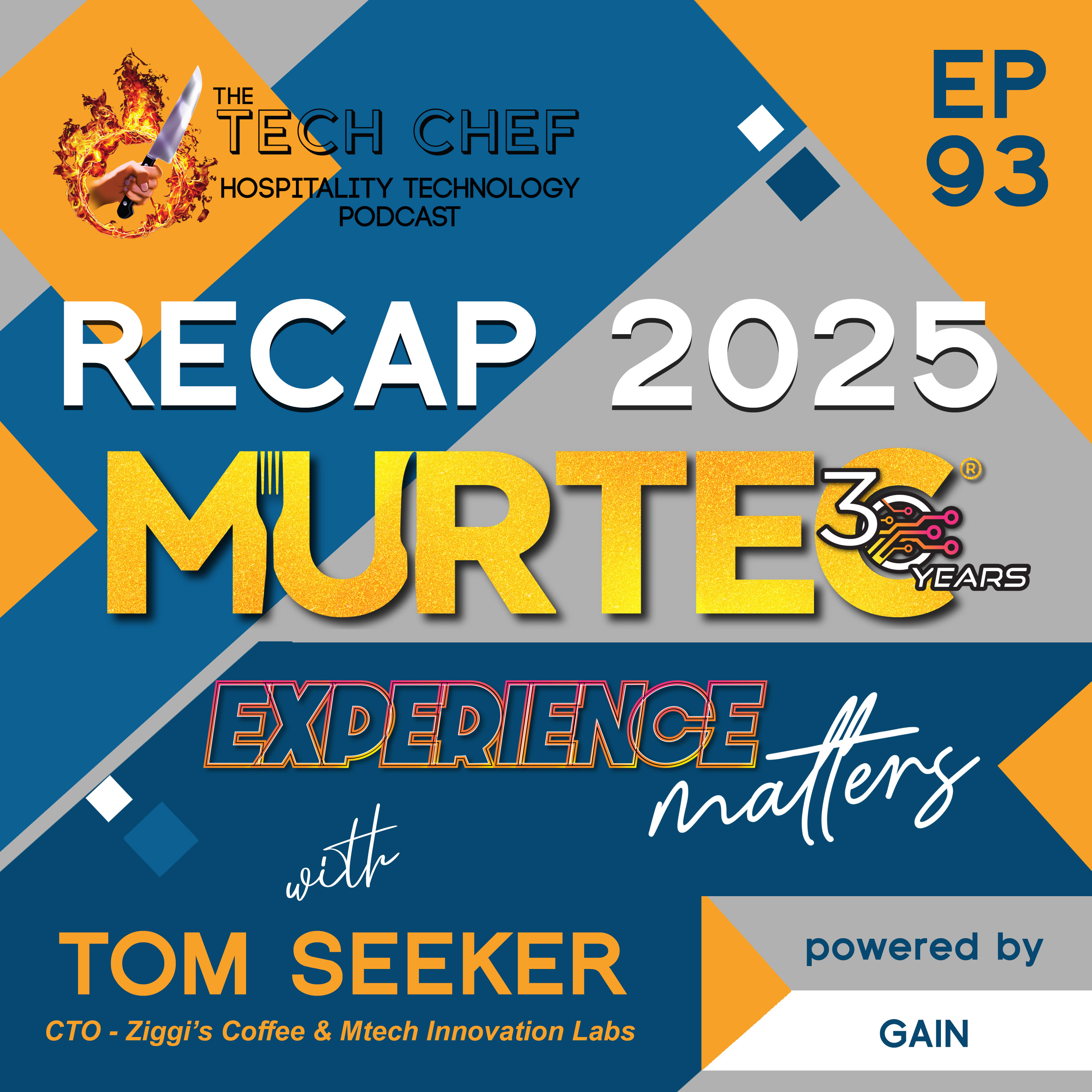 TCP093: MURTEC 2025 Recap with Tom Seeker69 / 100
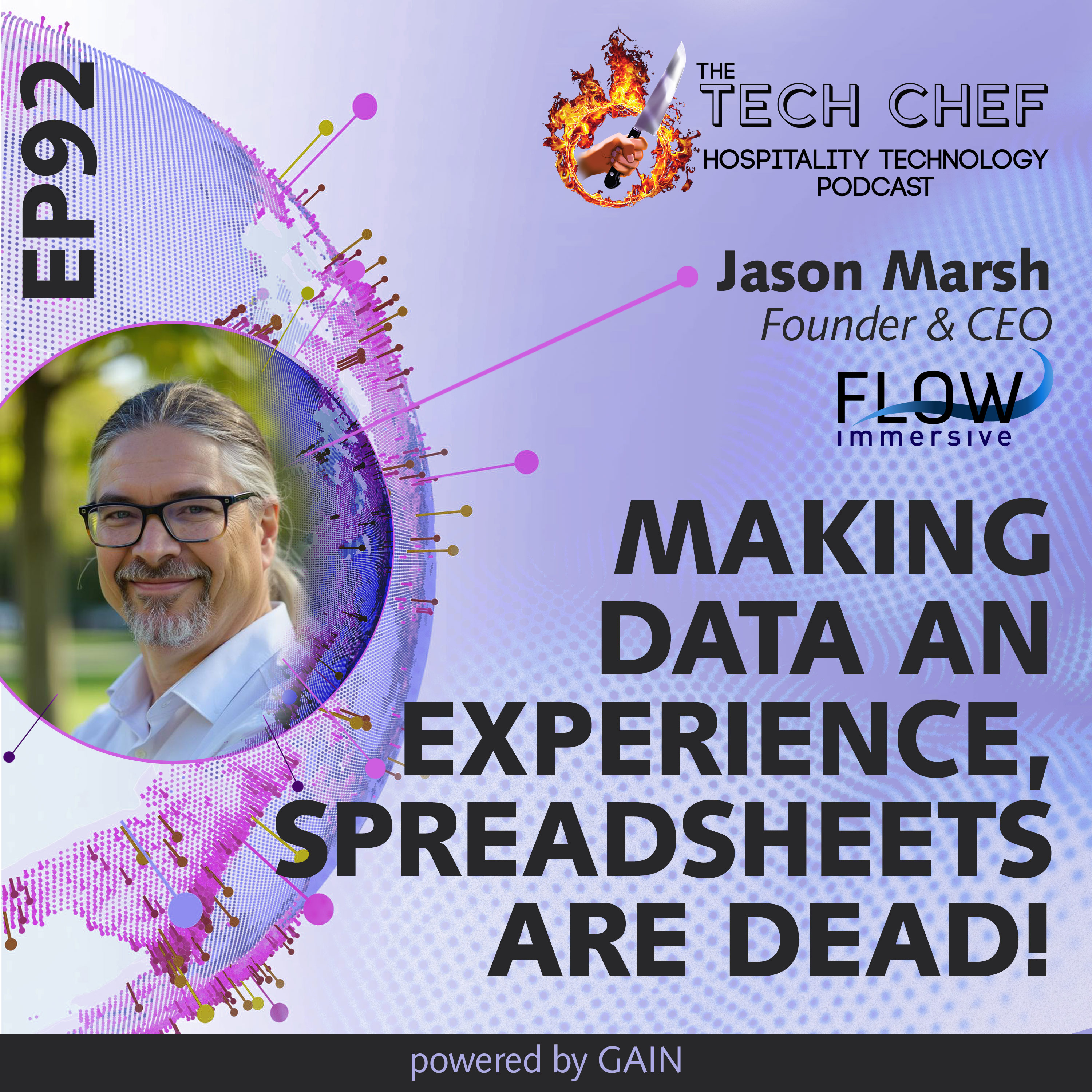 TCP092: Making Data An Experience, Spreadsheets Are Dead!75 / 100
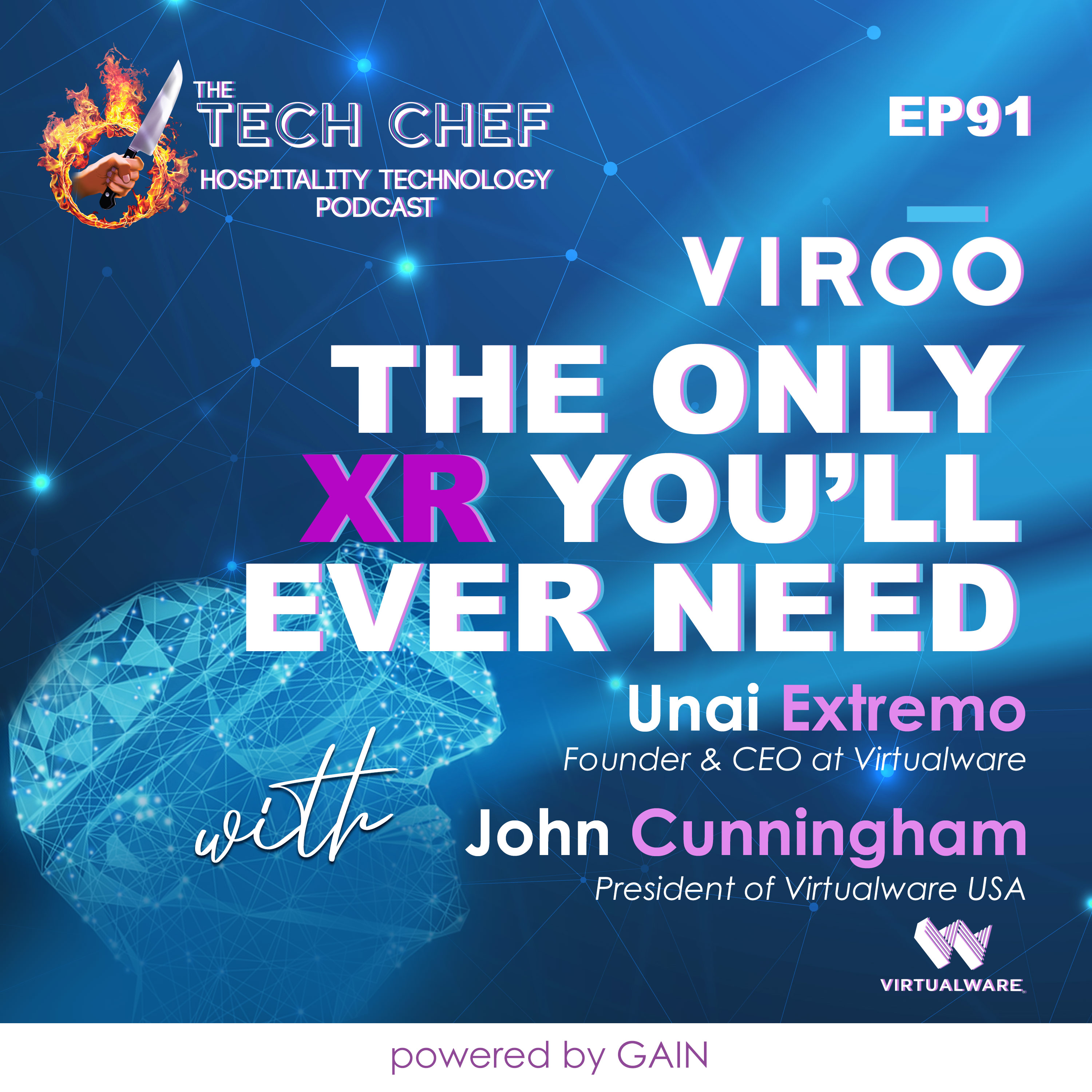 TCP091: VIROO: The Only XR You'll Ever Need65 / 100