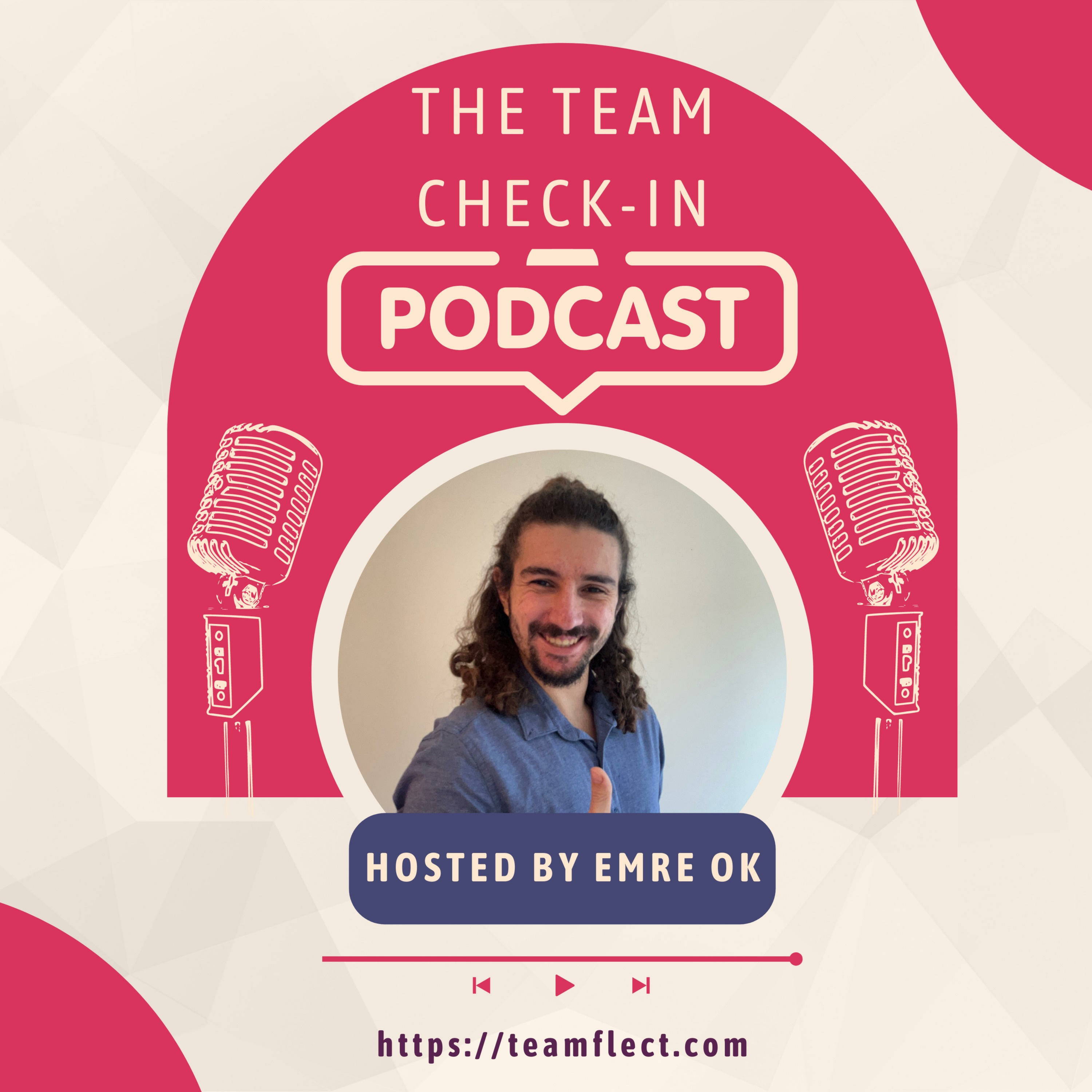
The Team Check-in · 2026-08-04 · 10 min
Key moments - from our scoring
Substance score
51 / 100
Five dimensions, 20 points each
Most OKR implementations fail not because tools lack features, but because weekly check-ins stop happening by week four and objectives become stale and untrusted. This episode breaks down a weighted scorecard developed by Team Flex's co-founder Boron and his team after months of testing OKR platforms. The framework begins by clarifying which tool shape fits your needs: dedicated OKR tools like Lattice and Perdoo for deep mechanics, all-in-one suites like Team Flex and 15Five that integrate with performance management, or project management add-ons like Asana Goals and Notion Goals that live where teams already work. The two heaviest criteria - check-in and update infrastructure (14%) and goal cascade architecture (13%) - focus on maintaining weekly rhythms and creating visible parent-child links so goals feel connected to company strategy rather than isolated. Integration depth, customization, and scalability each weigh 11%, 11%, and 10% respectively, addressing where updates happen, whether terminology matches your process, and whether per-user pricing scales. The remaining five criteria - AI and automation, reporting and analytics, ownership controls, implementation support, and pricing transparency - carry 8-9% each. The episode emphasizes that the real question beneath every demo is whether managers will actually open the tool on Monday mornings.
Most OKR programs fail not because tools lack features, but because check-ins stop happening around week four, objectives become stale, and teams stop trusting the data enough to update it.
Dedicated OKR tools like Lattice and Perdoo focus entirely on cascade and check-in mechanics; all-in-one suites like Team Flex and 15Five integrate OKRs with performance management and reviews; and project management add-ons like Asana Goals and Notion Goals store OKRs within existing workflows but lack real check-in cadence and don't scale past 50 people.
Check-in and update infrastructure (14%) and goal cascade architecture (13%) together account for over a quarter of the total score, focusing on maintaining weekly rhythms and visible goal alignment.
Goals with visible parent-child links and traceable connection to company strategy feel purposeful and worth updating weekly, whereas isolated goals floating on their own get updated once and then forgotten.
Check whether key result updates can happen directly in tools your team already uses like Slack or Teams, because tools that just send notification links to a separate browser tab see much lower adoption.
Our reviewer’s read on each dimension, with quotes from the episode.
The episode delivers a structured framework with some genuinely useful insights - particularly the opening observation about OKR program failure around week four/five due to staleness and disengagement, and the distinction between tool shapes (dedicated vs. suite vs. add-on). However, the middle sections devolve into feature-listing rather than insight: most of the 10 criteria are stated as self-evident (ownership required, audit trails matter) without surprising depth or counterintuitive reasoning. The host rarely goes beyond 'this matters because it matters.'
Most OKR programs that fail don't fail because the tool was missing a feature. They fail around week four or five because the objectives are still sitting there and nobody deleted them.
A goal you can trace upward feels like it belongs to something. A goal floating on its own gets updated once and then forgotten.
The framework itself - a weighted scorecard for OKR tools - is competent but not novel. The three tool shapes (dedicated, suite, add-on) are standard market segmentation. The core insight about check-in cadence and habit formation is solid but not contrarian or first-principles. Most of the advice (cascade matters, integration matters, support matters) reflects mainstream vendor positioning rather than fresh thinking. The episode reads as a well-organized synthesis of existing OKR software evaluation wisdom rather than a new lens or breakthrough perspective.
Check in and update infrastructure this is the machinery that keeps goals current
Goal and Cascade architecture this is how goals connect across levels
No actual guest appears; this is a solo host presentation attributed loosely to 'Boron, co-founder and CEO and his team.' The host is unnamed and provides no credential, seniority indicator, or evidence of having actually implemented OKR programs at scale. The episode relies on claimed testing by 'the team' but offers no names, no track record, and no operator context. The absence of a real practitioner defending or explaining choices weakens credibility significantly.
Powered by Team Flex, this one comes straight from Boron, our co founder and CEO and his team. They spent months testing OKR platforms
Our testing team scores this on two jobs.
The episode names tool categories (Perdoo, Cascade, Asana, ClickUp, Notion, Leapsim, 15.5, Team Flex) and provides some concrete thresholds (breaks around 50 people, 10 people vs. 100 pricing math). However, it lacks named customer examples, real data, actual pricing figures, specific failure stories, or measurable outcomes. Claims like 'weeks to second cycle' and 'stall after first cycle' are vague assertions without timelines, percentages, or evidence. The scorecard weights (14%, 13%, 11%, etc.) are precise in number but unexplained in derivation.
the cadence runs on its own or leans on one diligent person pinging everybody every Monday
Per user pricing that looks cheap at 10 people becomes a growth tax at 100.
This is a lecture, not a conversation. The host delivers a monologue with no guest to push back on, no real questions posed to an interlocutor, and no moments of productive disagreement or genuine discovery. The host uses rhetorical questions ('Will my managers actually open this on a Monday?') to prime the audience but does not investigate the answer collaboratively. There is no follow-up, no challenge, no moment where an assumption is tested in real-time.
So when you're shopping for OKR software, the question underneath every feature demo is really just one question.
Criterion number two at 13% right behind it.
Computed from the transcript - who did the talking, and the words that came up most.
In this solo episode, I walk through the OKR software evaluation framework Bora Ünlü and his team built after months of hands-on testing. You'll get the one decision that halves the market before you sit through a single demo, the two criteria that carry more than a quarter of the whole scorecard, and some key insights into what ensures the OKR software of your choice is widely adopted. Learn More About Teamflect's OKR Software Read OKR Software Selection Guide
Transcribed and scored by The B2B Podcast Index.
Speaker A: So let me start with one thing that matters most. Because if you take nothing else from this episode, take this Most OKR programs that fail don't fail because the tool was missing a feature. They fail around week four or five because the objectives are still sitting there and nobody deleted them. They just stopped moving, the check ins stopped happening, the numbers went stale, and after three quiet weeks, nobody trusts them enough to bother updating anymore. So when you're shopping for OKR software, the question underneath every feature demo is really just one question. Will my managers actually open this on a Monday? Everything I'm going to walk through today is a way to answer that before you sign instead of finding out about it in week four. You're listening to the team check in. Powered by Team Flex, this one comes straight from Boron, our co founder and CEO and his team. They spent months testing OKR platforms and built a 10 criterion scorecard out of it. I'm going to walk you through the whole thing. What carries the most weight and why? So let's get into it. Before you compare a single feature, you have to settle one thing because it splits the whole market in half. What kind of tool is your program actually asking for? And there are three shapes. The first is a uh, dedicated OKR tool. Think tability Perdoo. Cascade goals are the entire product. So the cascade and the check in engine tend to run deeper than anything else. This is the shape for a company where OKRs are the main event and you want the mechanics done properly. The second is the all in one suite model. This is where Team Flex sits alongside Leapsim and 15.5 okrs show up as one piece wired into reviews, one on ones and feedback. The connection is the whole point. Goal progress lands next to the rest of the performance system. So a completed objective can feed into a review cycle without anyone exporting anything. This fits teams who want okrs feeding a uh, year round performance management system. And the third is a project management add on Think asana goals, ClickUp goals notion goals live inside the software your team already works in for their projects, right next to the tasks that drive them. The closeness is the appeal and it's also the ceiling. So these tools store your okrs than actually running the okr process. No real check in cadence, no alignment tree and most of them start to strain past about 50 people. So the deciding question underneath all three of these is this. Where does the update actually happen? A tool that puts the weekly check in where your team already works will hold a rhythm that a more powerful tool sitting in its own tab quietly loses. Answer that and you've already moved half the weight around before you've scored anything. Now let's move on to the actual scorecard. 10 criteria and Bora's team weighed every single one of them. Two of them carry more than the quarter of the whole score between them, so let's spend real time there. Number one and they put it at 14%, the heaviest thing on the list. Check in and update infrastructure this is the machinery that keeps goals current between the day you set them and and the day the quarter closes. So think automated reminders. How few steps it takes to log and update. Whether the cadence runs on its own or leans on one diligent person pinging everybody every Monday. What good looks like here is specific reminders that land in teams or Slack or email on a schedule the admin sets so the prompt arrives without anyone sending it an update. You can log in a couple of clicks straight from that reminder, measured in seconds rather than a uh, a login and four screens and progress that's visible the moment it's entered, rolling straight up into the dashboards. Criterion number two at 13% right behind it. Goal and Cascade architecture this is how goals connect across levels company to department to team to individual with a visible line of sight so a person can trace their own key result up to the company objective it serves. And here's why Cascade sits so high. It's what gives weekly habits something worth maintaining. A goal you can trace upward feels like it belongs to something. A uh, goal floating on its own gets updated once and then forgotten. So you want real parent child links, not a flat list of goals tagged by a team. You want different metric types, numeric percentage, currency so a goal maps to how you actually measure it. And you want a live alignment map anyone can open. The next three criteria sit in the middle. They're where your specific situation starts to matter. Integration depth at 11% and two layers here. The first is where the check in lands like I told you. Can an owner update a key result right inside teams or Slack, or does the notification just send them a link out to a browser tab nobody opens. The second is the plumbing underneath. Two way syncs with Jira and your work tools HRS feeds for your org chart Single sign on the strong tools don't just notify you. They let progress flow from the work itself. So the key result can be linked to a live document, a Power BI report or some planner tasks or Jira updates. Also at 11% we have customization. No tool matches your process out of the box. What matters is whether your real terminology, your goal types and your cadence survived the move into the product. Can you rename the core objects to your own vocabulary? Can one program run okrs alongside KPI's and smart goals? Can you switch off the parts you don't actually use? If you're going to test one thing during your trial, I would suggest actually trying to imitate your goal setting methodology within the tool without trying to conform to the tool itself. Then we have scalability at 10%. This is the one buyers postpone until it's a bit too expensive to reconsider. Per user pricing that looks cheap at 10 people becomes a growth tax at 100. Governance that works for one team breaks across 20. So as you're evaluating your next OKR software, don't just evaluate it for where you are now, but where you will be in the coming years. Now the last five criteria I will be covering all carry the weight of 8 or 9%. They matter. But most decent vendors already clear this bar, so the gaps between them are narrower. Let's start with AI and automation. Our testing team scores this on two jobs. Getting a first cycle team past the blank page with goal drafting and catching a goal that's slipping before the quarter ends. Everyone and their grandmothers are shipping AI features these days and it is your job in the vendor demo to separate the hype from the actual real money features. Next up we have reporting and analytics. And like I said, almost all top tools have excellent reporting and analytics. Can leadership see progress at a glance without someone rebuilding it in a spreadsheet every single quarter? You want dashboards that work on day one and exports that are clean enough that you can just drop into power bi as delivered. Then we have ownership and accountability controls. A key result with no named owner is just a wish. You want ownership required on every single result, edit permissions tied to a role and audit trials so a move target is traceable rather than invisible. Early on, a small team runs on trust. But once enough people can change enough numbers without a record, the goals drift and nobody can say who moved what. Coming in at number nine, we have implementation and support. A tool only pays off when it gets used. Onboarding speed and support quality decide whether you reach a live second cycle or stall after the first. And the teams running these programs are usually often small or even uh, single people, which makes vendors onboarding process extra important. And last but not least, and this is almost always part of our software testing criteria, it is pricing transparency. Can you predict the real cost before the sales call. Public per seat rates, honest trial terms, disclosed minimums. These are all important. Maybe not so much in the enterprise case. That's why this criterion sits so low. But for SMBs and startups, this one still matters. Now that is the criteria. But here's the real neat thing. We have an entire article covering this entire criteria and how you can move these weights around to fit your needs. And that article even comes with a free template that will allow you to adjust the weights and add your criterion with the formulas already baked into it. And you can find that article in the description of this episode. Speaking of which, that about wraps it up for this episode of the team. Check in if you're listening to us on itunes, Spotify or wherever you find podcasts. Leave us a like subscribe. It really helps the show out. And uh, if you want to try the highest rated OKR software in the Microsoft Teams App Store team flicked for absolutely free, you can always click the link in the description. Have a good one.
Other episodes covering the same guests and topics, from across The B2B Podcast Index.
 How One Startup Used a Single Business Card to Land 10k SignupsMarketing for Startups with Fexingo · on Lattice75 / 100
 Scaling Advisory Service through Content ft. Nikole MackenzieThe New F*Word · on 15Five72 / 100
 Why Human-First Recruiting Still Wins (Even in an AI World) with Nicole HirschRecruiting is No Joke · on Lattice70 / 100
 53. Think You Want to Be a Sales Leader? Gabrielle Reveals the Dark Side | Gabrielle BlackwellSales Spin Podcast- By School of SDR · on Lattice66 / 100
 The Shift from Doing Work to Leading It with Karina YoungHR Superstars · on 15Five49 / 100
 #HRTechChat: Jeff Smith of 15Five on Building Better Managers in the Age of AI3Sixty Insights HRTechChat · on 15Five
 Why Your Competency Framework Never Makes It Into Reviews53 / 100
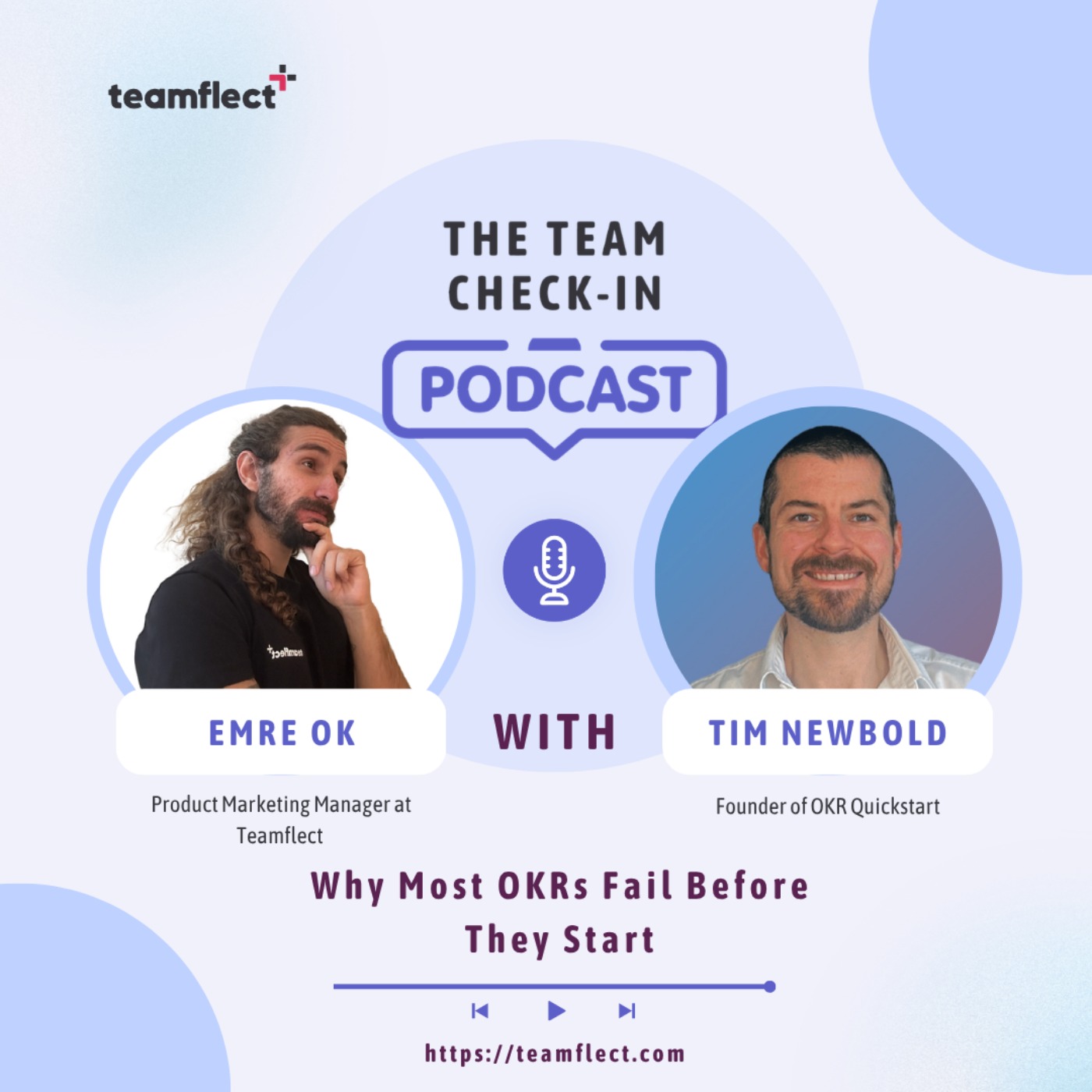 The Executive's Role in Making OKRs Actually Work feat. Tim Newbold
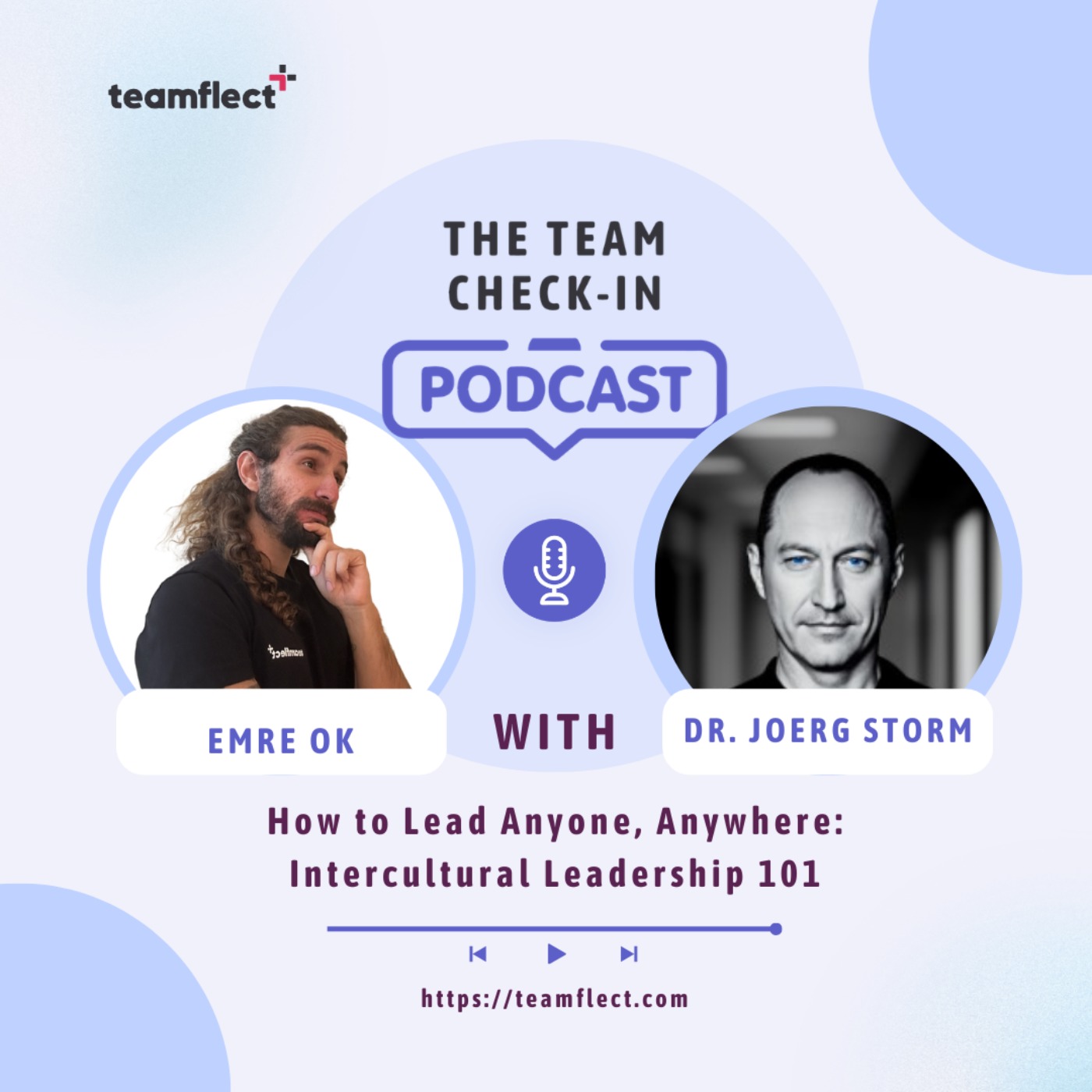 How to Lead Anyone, Anywhere: Intercultural Leadership Lessons feat. Dr. Joerg Storm
 OKRs 101 with Hannes Albrecht: Everything You Need to Know Before Our Live Webinar
 The Neuroscience of Dance and Leadership feat. Carol Fraser