
The Right Hand · 2026-06-19 · 14 min
Key moments - from our scoring
Substance score
18 / 100
Five dimensions, 20 points each
Greg Copeland launches the 'Building Without a Blueprint' series by addressing the psychological isolation law firm owners experience despite external pressures to appear invulnerable. The episode challenges the myth of the self-made entrepreneur and distinguishes between healthy independence (owning decisions and accepting responsibility) and destructive isolation (handling everything alone). Copeland argues that scope of worry expands dramatically upon ownership - from individual work product to payroll, hiring, client retention, cash flow, and growth - and this weight compounds when owners stay silent out of fear that seeking help signals weakness or incompetence. The episode is particularly relevant for minority-owned firms, first-generation professionals, and attorneys without inherited business networks, who often face greater pressure to prove themselves. Copeland reveals that most law firm owners face similar challenges (hiring, delegation, leadership, culture) but assume they're uniquely struggling because nobody talks openly. He advocates for mentorship, peer groups, and coaches as markers of strong leadership - not failure - and warns that waiting until crisis hits makes solutions more complex and costly. The series targets owners building without a roadmap, emphasizing that the strongest leaders combine confidence with humility and recognize that support accelerates progress with fewer mistakes.
Many attorneys are trained to believe they should have all the answers, and they fear that asking for help signals weakness or incompetence. For minority-owned firms and first-generation professionals, this pressure is often greater due to the extra effort required to build credibility and trust, leading owners to convince themselves that successful people don't need help.
Independence means taking ownership of decisions, accepting responsibility, and understanding the buck stops with you - which is a strength. Isolation means trying to carry and touch everything yourself alone, which slows decision-making, increases owner stress, limits growth, and deprives you of perspective and objectivity.
Support is most valuable before a crisis occurs, not during one. Waiting until overwhelmed, exhausted, or facing a problem makes solutions more complicated than necessary, whereas seeking perspective early helps avoid major problems and enables faster, more efficient progress.
The strongest leaders don't have all the answers; instead, they ask better questions, seek input, learn continuously, and surround themselves with people who can help them see what they can't. They understand that confidence and humility can coexist - you can be capable and successful while still needing advice and help.
Because nobody talks openly about shared struggles like hiring, delegation, leadership, or growth issues. When owners stay silent, everyone assumes they're alone in facing these problems, even though nearly every other owner has experienced similar challenges.
Our reviewer’s read on each dimension, with quotes from the episode.
The episode is almost entirely motivational filler and platitudes about loneliness and asking for help. The only semi-substantive idea is distinguishing independence from isolation, but even that is stated in generic terms with no tactical depth or actionable specifics for a law firm operator.
Independence is a strength. It is, but isolation is a risk. And those two things are not the same.
support is most valuable before a crisis, not during one
Every idea in the episode is a recycled entrepreneurship trope: the myth of the self-made entrepreneur, strong leaders ask for help, confidence and humility coexist. There is no contrarian or first-principles thinking specific to law firm ownership whatsoever.
We like to celebrate stories of people who built everything themselves, who never asked for help, who figured it all out. But that's a false reality
The best, the best leaders, no matter what the business is, sports, finance, law, medical, whatever, the best leaders understand that confidence and, and humility can coexist
This is a solo-host monologue with no guest at all. The host presents as a consultant/advisor, not a practitioner who has built a law firm at scale, which further limits the practitioner credibility available to listeners.
I am Greg Copeland. Thank you and welcome back.
This is brought to you by Ruben Allen in cooperation with our sister company, Marshall Graham Consulting.
There are zero named firms, zero metrics, zero dollar figures, and zero concrete case studies in the entire episode. All anecdotes are vague and generalised, making it impossible for a listener to extract verifiable or actionable evidence.
every successful business owner that I've ever met has relied on, on support, uh, mentors, advisors, peers, coaches, consultants, um, industry relationships
I spoke about law firm owners who believe they were the only ones struggling with hiring or delegation or leadership issues
There is no conversation - this is an uninterrupted solo monologue with no guest, no questions, no follow-ups, and no productive tension. The monologue itself meanders, repeats points, and includes multiple false starts and filler phrases throughout.
Um, it's conquering the conversations that we don't have, ah, as attorneys and business owners.
Um, so I just want to touch upon what, what a strong leader actually is.
Computed from the transcript - who did the talking, and the words that came up most.
This episode is the first installment of our special series, Building Without a Blueprint: Many law firm owners carry a burden few people see: the pressure of feeling like they must have all the answers. In this first episode of the Building Without a Blueprint series, Greg Copeland explores the loneliness that often accompanies law firm ownership, especially for first-generation professionals, minority-owned firms, and founders building without established networks or mentors. Learn why independence and isolation are not the same thing, the hidden cost of trying to do everything alone, and why seeking support is often a sign of leadership - not weakness.
Transcribed and scored by The B2B Podcast Index.
Speaker A: Foreign. To the Right Hand podcast. This is the podcast where we talk about how law firm owners can build stronger, smarter and more sustainable firms. Uh, most lawyers, they start their firm to gain freedom and independence, but as the firm grows, new challenges appear and that can form in hiring, leadership, operations, and profitability. This podcast here, what we do is we explore the strategies and insights that help law firm owners move from just simply practicing law to actually running a law firm. This is brought to you by Ruben Allen in cooperation with our sister company, Marshall Graham Consulting. We are your strategic right hand for growing law firms. I am Greg Copeland. Thank you and welcome back. And what we're going to do here, um, in these next few episodes, uh, this podcast is a series and this is our series, um, Building Without a Blueprint. And basically this series is dedicated to the law firm owners who are building something, uh, extraordinary but don't have that roadmap. They haven't been given a roadmap for it. And so this is for attorneys who may be the first in their family to own a business, the first to become a lawyer, the first to build a law firm, um, the first to navigate leadership, hiring, finances, growth, and all of the challenges that come with entrepreneurship. So, uh, many law firm owners had to figure things out as they go, and it's not because they wanted to, but because they didn't always have access to the same networks or mentorship or resources or examples that others may have had. So building without a blueprint is about the, those journeys, it's about the, the challenges, the lessons, the successes, the realities of building a law firm where there isn't a clear path to follow. So whether you're a minority owned firm, woman, uh, owned firm, a first generation professional, or simply someone who's building a business without a playbook, this is, this the series here is for you. Because asking questions is not a week, and seeking guidance is not failure. And building a great firm doesn't mean you have to build it alone. So now you know, what we want to do is just get into today's episode and basically this is the first episode. This is the loneliest seat in the firm. Um, it's why so many law firm owners feel like they have to figure it all out alone. Um, and because there's a weight that comes with that, um, it's a topic that doesn't get discussed enough among law firm owners. And it's that feeling of loneliness. And. Maybe that's a little bit unusual for a podcast like this, but when we talk about law firms, we usually talk about growth. We talk about, you know, revenue, increased hiring, marketing, operations. But you know, underneath all those is the reality that a lot of law firm owners experience, um, and very few actually openly discuss. And that's the reality that when you're building this thing, um, and building this firm, it can be incredibly lonely at times. Um, especially when you feel like you're the one that's supposed to have all the answers for everybody. Uh, and it's one of the things that changes when you become that law firm owner. And it's your relationship with uncertainty changes. So as an employee, you may have worried about your work, your work product, your performance, um, your individual clients. But what happens is when you become an owner, the scope of that, it expands dramatically. So now you're thinking about things like payroll, rent, um, technology, um, hiring. Should I hire? Who should I hire? Uh, client satisfaction. Because if you lose clients, that's the entire, that's the firm's clients. You know, it's not just one client of many. It's one client that is crucial to you. Um, you're thinking about business development, you're thinking about cash flow, you're thinking about growth. And every one of those issues feels personal because they're attached to something that you've built. You, you become responsible not only for yourself, but for the livelihood of other people. And that weight, that can be significant. Um, but one thing I've observed over the years in working with firms and attorneys and going to events, a lot of owners stay silent. Um, many law firm owners, what they do is they struggle quietly. And it's not because they're failing, it's not because they're incapable, but it's because they believe in their minds. Attorneys have been trained this way that they're supposed to know everything. They believe that asking for help somehow reflects weakness or projects incompetence on their part. And for many minority owned firms, um, first generation professionals, entrepreneurs who have spent their careers proving themselves, um, that pressure can sometimes be even greater because you work hard in those spaces to create credibility. Um, you're working hard to build trust, you work hard to create opportunities, probably harder than most. And somewhere along the way you start telling yourself that successful people don't need hope. But I'm here to tell you that's that's not true. Um, there's this myth going around, uh, and it's a damaging myth. And it's one of the most damaging ideas in business. And that's the myth of this self made entrepreneur, the self made success. We like to celebrate stories of people who built everything themselves, who never asked for help, who figured it all out. But that's a false reality, because everyone needs help. Everyone needs a mentor, everyone needs a guy. Everyone needs someone to point them in the right direction, from the richest man to the poorest. And every successful business owner that I've ever met has relied on, on support, uh, mentors, advisors, peers, coaches, consultants, um, industry relationships. And the difference between those who are successful and those who are not successful is not whether they needed help. The difference was whether they were willing to seek it versus those who don't. And there's a war going on, basically. And it's independence versus isolation. And I think it's important to important distinction that every law firm owner needs to understand. Independence is a strength. It is, but isolation is a risk. And those two things are not the same. Independence is you're taking ownership, you're making the decisions, you accept the responsibility. Uh, you understand the buck stops with you. But isolation is, is when you try to carry everything yourself and, and you want to touch upon everything, every aspect of your firm and do it all alone. And over time, this isolation becomes expensive because what it does, it slows down decision making. Um, it increases owner strength, it limits growth, and probably most importantly, it deprives you of perspective. Because when you're alone with a problem long enough, it starts to feel bigger than it actually is, instead of having someone to bounce that off of or someone to relieve some of that pressure. And so one of the most interesting things about working with law firm owners is discovering how many people are facing similar challenges. And, you know, I spoke about law firm owners who believe they were the only ones struggling with hiring or delegation or leadership issues or how to grow or firm culture, you know, and then they discover that nearly every other owner had experienced something similar. Um, the problem wasn't the challenge. The problem is basically staying silent because nobody was talking about it. And because nobody was talking about it, everybody assumed they were alone. And that's one of the reasons why we formed the UM group coaching, um, our, our law firm collective group. Um, so you know that you're not alone. You can bounce ideas off of each other. And you can see there, hey, I'm in New York, but this person in Dallas has the same issues that I'm having. So, uh, it's not unique. Um, it's conquering the conversations that we don't have, ah, as attorneys and business owners. Um, and you can't wait too long to seek support because there's a cost in waiting. Um, Too many wait until they're overwhelmed. Too many law firm owners wait until they're overwhelmed. They wait until growth stalls. They, they wait until they're exhausted. Wait basically until a problem shows up. They're being reactive instead of proactive. And then the solution often becomes. When you wait that long, it becomes more complicated than it actually needed to be. And one of the biggest lessons I've learned, um, is that support is most valuable before a crisis, not during one. Not so the earlier you seek perspective, the easier it is to become, uh, to. The easier it is to. To avoid major problems. Um, so I just want to touch upon what, what a strong leader actually is. And a strong leader doesn't have all the answers. Um, what they do is they ask the better questions, they seek input, they learn continuously. They surround themselves with people who can help them and, and, and see what they can't do themselves, what they're good at, what they're not. And that's not weakness. That, that's leadership. The best, the best leaders, no matter what the business is, sports, finance, law, medical, whatever, the best leaders understand that confidence and, and humility can coexist. Um, you can still be, you can be capable and still need advice. M. You can be successful and still need guidance, and you can be strong and still ask for help. Uh, so one of my hopes for this series is that it helps create a more open conversation among law firm owners. Um, because reality, the truth is that many challenges that you're facing have already been solved by someone else. Um, a lot of these problems aren't unique. Someone has already navigated the hiring issue that you had or you're having. Someone has already dealt with that operational challenge. Um, someone has already overcome that growth obstacle. And there's tremendous value in learning from those experiences rather than carrying the burden alone. So if there's one message that I want you to, uh, to take away today is that building a law firm is hard. Building a law firm without a roadmap is even harder. But that doesn't mean you have to do it alone. Strongest leaders aren't the ones who never ask for help. They're the ones who recognize support and recognize that that support can move them further, faster and with fewer mistakes. Uh, so thank you for joining us on the first episode of Building Without a Blueprint. In our next episode, we'll be talking about a challenge that many law firm owners know all too well. And that's why Survival Mode is not a business strategy. And how the habits that help build your law firm may be preventing it from growing. So, um, you know, thank you again for joining us. If you're a law firm owner looking to build a stronger, more organized and more profitable firm, please visit www. Rubin-allen.com and learn how we help law firms grow. If you found this episode helpful, be sure to follow and share it with another law firm owner. Until next time, keep building the law firm that you hope to create. Thank. Mhm. You sa.
Other episodes covering the same guests and topics, from across The B2B Podcast Index.
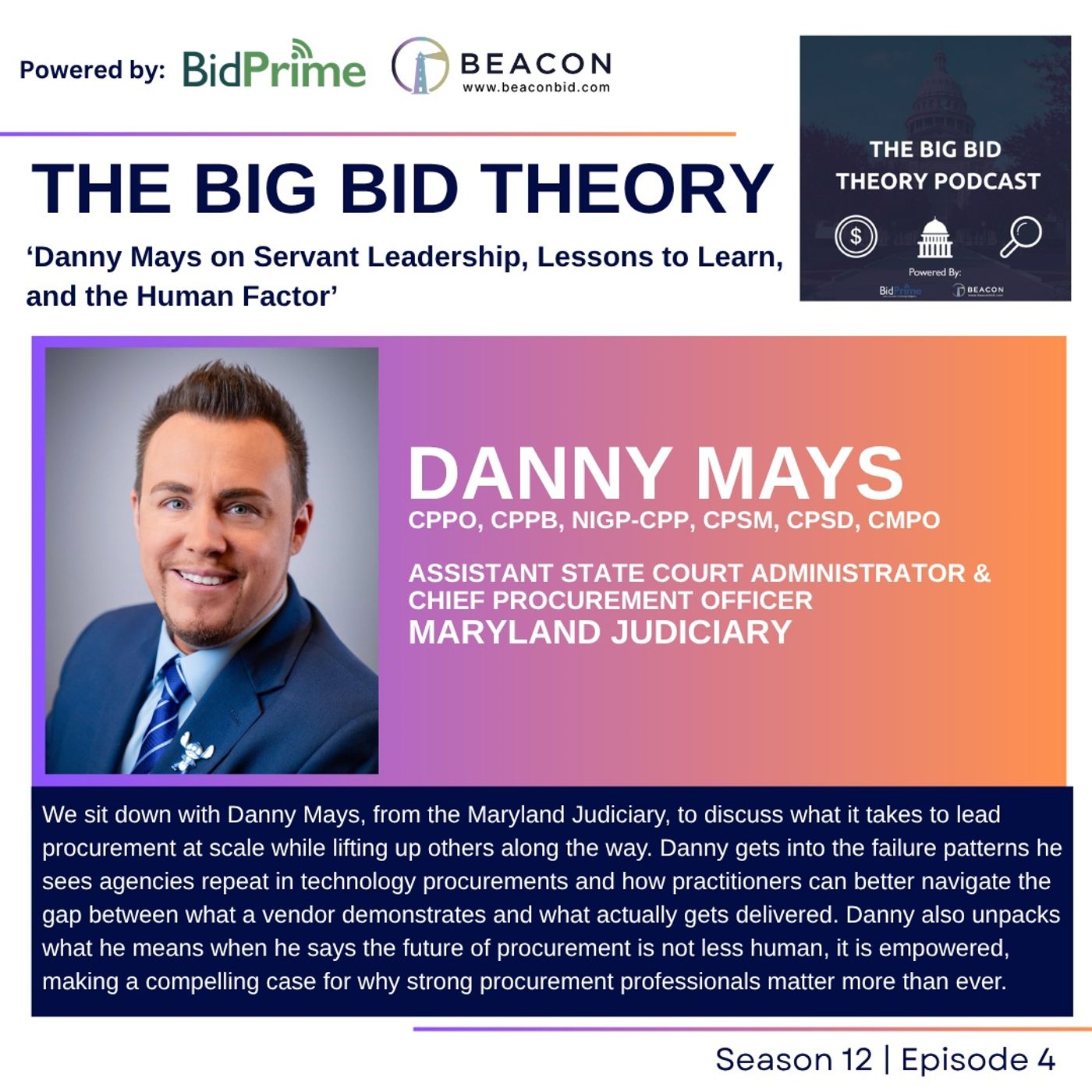 Danny Mays on Servant Leadership, Lessons to Learn, and the Human Factor s12 e4The Big Bid Theory · on Mentorship83 / 100
 From rep at ADP to CRO at Houzz with Tara Di-Cristo-SchmittOutbound Squad · on Mentorship69 / 100
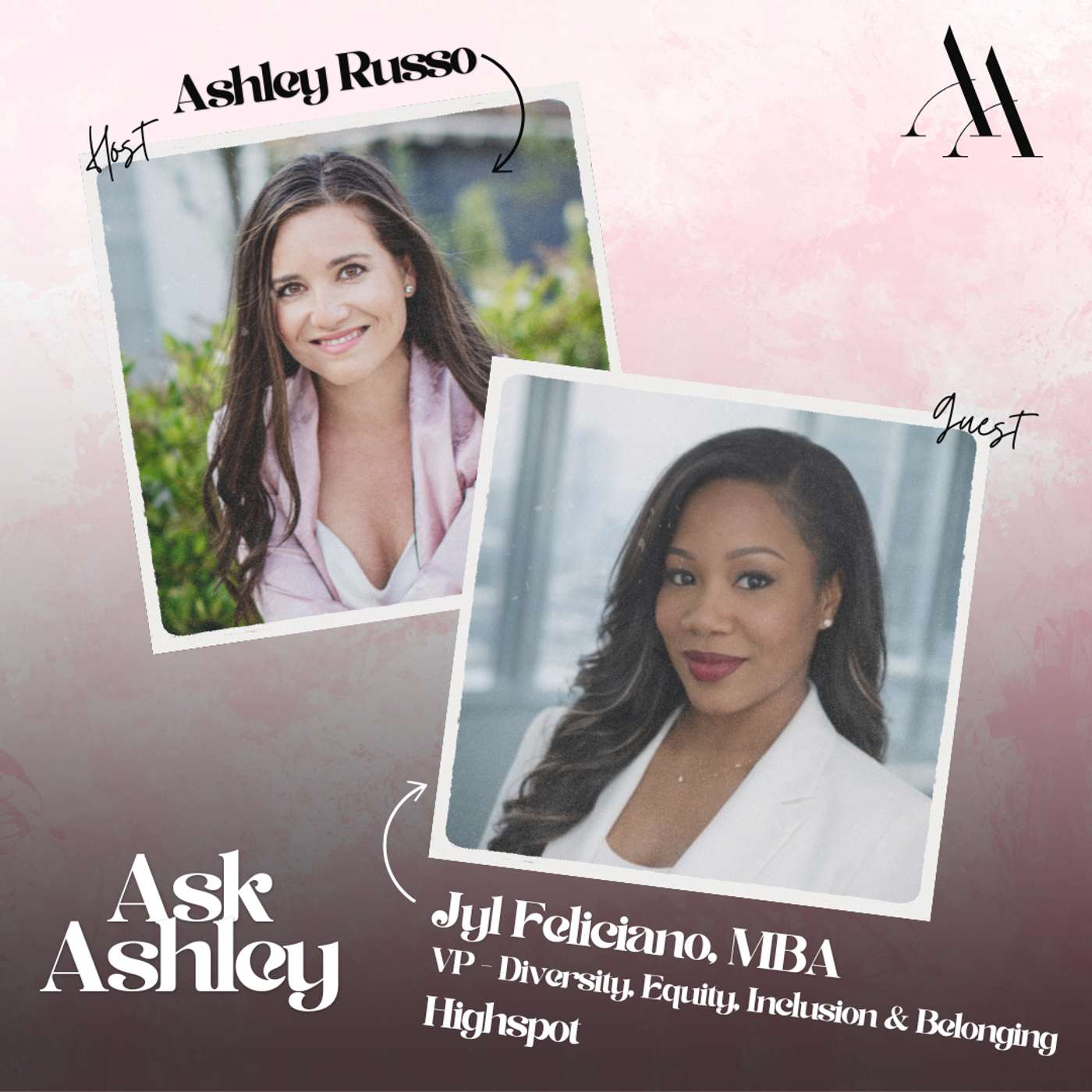 Finding Your Voice: Jyl Feliciano on Leading with Culture and BelongingAsk Ashley · on Mentorship66 / 100
 From Paralympic World Record to Daily Growth: The 1% Method with Mikael Avatar StjernvallThe Talent Forge · on Mentorship64 / 100
 Adi Bhoopathy, Managing Principal & Head of Capital Markets, Noble Investment Group, interviewed by Lan ElliottIt's Personal Stories, A Hospitality Podcast · on Mentorship64 / 100
 Ep 159: The Leadership Test Every Owner Faces with Dan Thieken and Ted CookeThe Limitless Leadership Podcast · on Mentorship56 / 100
 The Path Less Traveled: Attorney Gary B. Howell-Walton57 / 100Building Without a Blueprint - Why Delegation Isn't About Letting Go53 / 100Building Without a Blueprint-The Hidden Cost of Being the First52 / 100Building Without a Blueprint - Survival Mode Is Not a Business Strategy36 / 100Hiring Your First Associate34 / 100