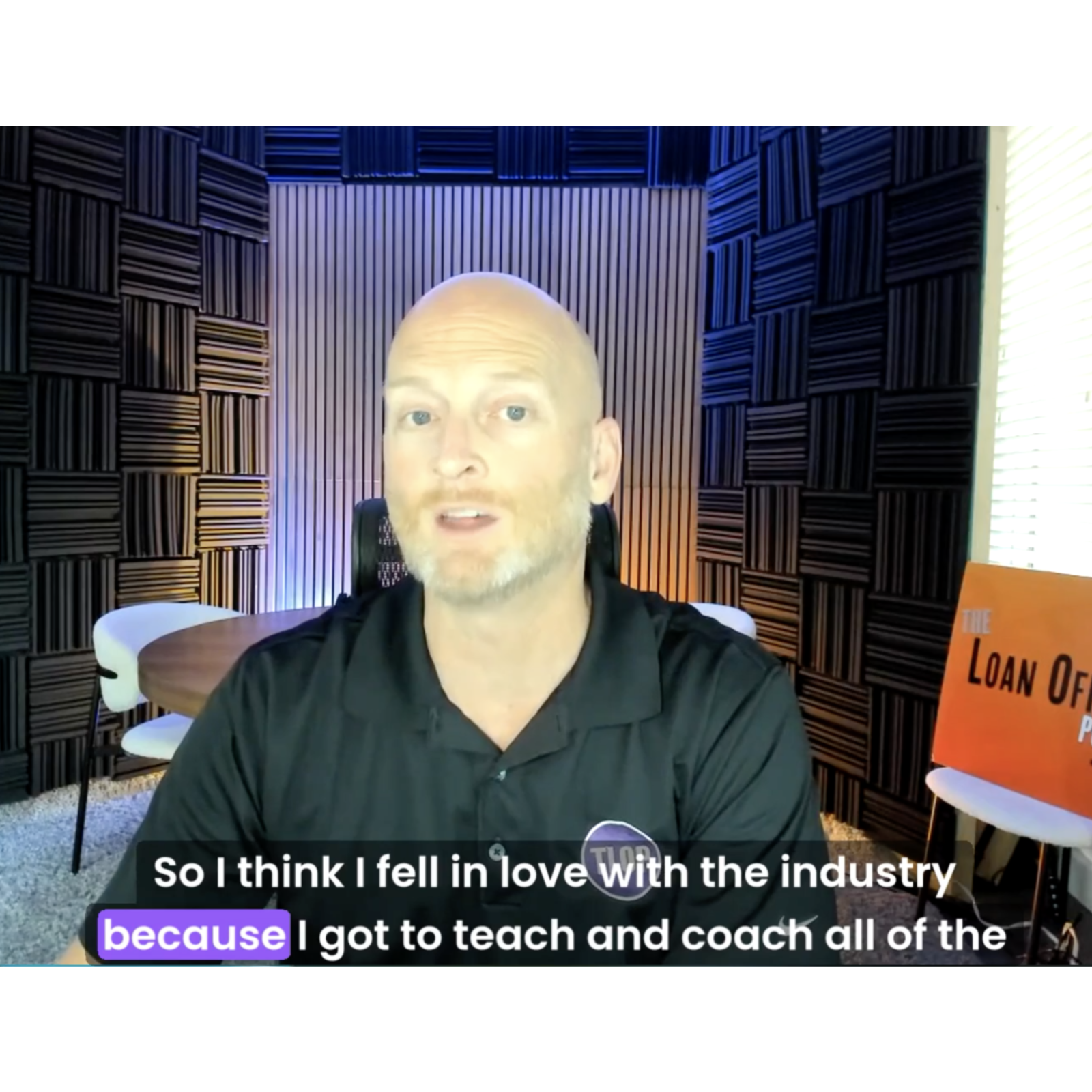
The Marketing Agency Leadership Podcast · 2025-07-23 · 27 min
Ted DeBettencourt's journey from Massachusetts law school dropout to agency owner to founder of Juvo Leads reveals how many successful agencies emerge from unexpected opportunities rather than careful planning. After being escorted out of a Boston digital marketing agency for serving clients on the side, he built an SEO practice while collecting unemployment, eventually discovering that his clients needed human-powered chat services more than SEO optimization. This insight led to Juvo Leads, now serving 1,100 clients across home services, law firms, senior care, and elective medicine with a philosophy of "butts, not bots." While chat GPT sparked concerns three years ago, Juvo has doubled down on human-powered interaction for lead capture and sales conversations, using AI strategically on the backend to analyze chat patterns, optimize scripts, and improve conversion rates - proving that empathy and personalization in conversations remain superior to bot-driven automation. The company has grown to over 100 employees, with hiring remaining the biggest business challenge despite strong unit economics and word-of-mouth growth through 70 agency partnerships.
While AI excels at support chat, human-powered chat converts 50% more leads for sales conversations because empathy, deep questioning, and personalization - particularly in sensitive situations like car accidents or senior care decisions - build trust and longer conversation engagement that AI cannot replicate.
Service-based businesses generating over 1,000 monthly SEO visitors, including home services (HVAC, plumbing, roofing), law firms, senior care, and elective medicine, because they track metrics and are genuinely excited by demonstrable 50% lead increases rather than small incremental gains.
Hiring the right people - finding individuals with high intelligence and cultural fit who can handle the customized integrations, chat scripts, and client handholding required; the company deliberately overpays for top talent rather than cutting costs.
AI analyzes patterns across thousands of conversations to optimize chat scripts, test question sequences (like whether to ask for name/phone/email upfront), and identify best practices that humans cannot efficiently process at scale.
Through trade shows, word-of-mouth, and partnerships with approximately 70 marketing agencies nationwide; once they prove results with 1-2 agency clients, referrals scale from a trickle to 50-60 clients through those agency relationships.
Computed from the transcript - who did the talking, and the words that came up most.
Ted DeBettencourt is Co-founder of Juvo Leads, a human-powered chat service company that helps law firms, home services, digital agencies, and local businesses convert leads through meaningful interactions. Under Ted's leadership, the company evolved from a chat service into a comprehensive platform that integrates chat, call tracking, form tracking, and SMS, consistently driving up to 50% more leads for their customers. With a JD and MBA from Case Western Reserve University, Ted is known for his expertise in high-performance marketing, legal, and service-based industries, and his hands-on approach to client engagement.
Transcribed and scored by The B2B Podcast Index.
Speaker A: Welcome to the Marketing Agency Leadership Podcast where we have top leaders and founders of agencies sharing wisdom on how they built their company. Hi there, I'm Kevin Horrigan, host of the show why feature inspiring agency leaders and owners who are willing to share their insights and experiences. Today's podcast is brought to you by spinyatech. Hey, Ted. At spinytech, we help our clients get more leads. Who doesn't want more leads, right? At Spiny Tech, we take an end to end digital approach, starting with your website and making sure it has the right aesthetic appeal, the right convincing content, the right calls to action. And once we've made sure the website's optimized for traffic to be coming to it, we look at all of your advertising tactics such as search engine optimization, paid in organic search, organic social media, email marketing, and other types of ways we can generate qualified traffic to your website, convert and help your company grow. To learn more, go to www.spinutech.com. that's Spin the Letter u tech.com spinytech. Thank you for your partnership. Today's guest is Ted DeBettencourt. Ted is the founder of Juvo Leads, a human powered chat service company that helps law firms, home services, digital agencies, local businesses convert leads through meaningful interactions. With his extensive background in legal marketing and his expertise in scaling Juva leads from a solo operation to serving companies over a thousand clients, Ted offers invaluable insights to lead capture, client engagement and growing service based businesses. Ted, welcome to the Marketing Agency Leadership Podcast.
Speaker B: Thanks for having me on, Kevin. Look forward to being here.
Speaker A: Yeah, and I shout out to Vesco for introducing us and getting this podcast set up, so I appreciate that.
Speaker B: Yeah, of course.
Speaker A: So, um, I think maybe Ted, you know, maybe start off, tell us a little about yourself. Where did you grow up? What did little Ted want to do when he got to be Big Ted and need to make a paycheck? Just, uh, a little bit about yourself.
Speaker B: Sure. Uh, originally from the island of Martha's Vineyard off Massachusetts. Grew up out there, Went, uh, to college in Providence, Rhode Island. So I went from one island to another. Um, and then I went to law school at Case Western Reserve in Ohio. Midway through law school, I realized I didn't want to be a lawyer, which was kind of tough because I had already taken out a bunch of loans, but they had a MBA program as well. So I got my JD MBA out from there. And then I had a very big head on my shoulders and said, oh, I'm gonna walk out and, you know, make 500,000 a year. I applied for those $500,000 a year jobs. Oddly enough, Kevin, no one called me back. So then I took it down a notch.
Speaker A: What happened?
Speaker B: Yeah, who would have thunk?
Speaker A: Wrong tie. I mean, what happened?
Speaker B: It was, uh, you know, I kept going down the salary notch and couldn't get anything. Um, eventually, uh, you know, I landed a job to sort of pay rent and couldn't figure anything out. Kind of was struggling around a little bit in life. And then I landed at a digital marketing agency up in Boston. I was based in Boston. And, um, they were do. It was more of a content farm than a, than an SEO agency. So they would do content for a lot of businesses, home service businesses, law firms, kind of anything B2C. And I realized when I was having all my client communication meetings that content was a piece, but it wasn't the be all end all. So I started realizing, started kind of taking some of those clients on the side and trying to do some SEO stuff. My company found out I was doing that they weren't happy about it. So I got a police escort out of that building. Uh, very scary. Um, I wasn't doing anything wrong. I was feeling a need that they weren't filling, uh, stop, uh, talking to those clients. Because I didn't really know what would happen even though I had my law degree, uh, but I keep it safe. But then I started joining a few marketing, um, groups and talked to some firms and some business owners that needed some SEO. So I started building some websites, uh, for them. Then I learned that, uh, if you build it, they won't just come naturally. So then you have to learn SEO. So, um, had a few clients. I was collecting unemployment for my termination. I somehow been able to get unemployment out of it. So for my 18 months or nine months, however long when I was getting unemployment, I learned SEO. Took a few clients on, kind of grew it from there.
Speaker A: Yeah, yeah, great, great story. I think you know what's on Richard's story to this. I don't think there's been two guests around the marketing leadership podcast that whether it be their childhood aspirations for what they were doing from a career perspective or what their intent was going into school, that being an agency owner was, was what they're expired to become. Earlier we all, um, I didn't know it was a thing. Well, yeah, no, I mean, I say I probably didn't even know as a thing either. It wasn't certainly a career that we talked about in high school or college either. Um, and I think that, you know, as we get into the workplace. We start to, uh, learn some things that resonate with us and where we think there's opportunities where we could take our experience and maybe a little bit of our passion and opportunities start to make themselves available and we accidentally become agency owners.
Speaker B: Yeah.
Speaker A: And, you know, I think part of the podcast is, is, is a lot of agency owners understanding that and potentially leaders in agencies today may realize that, that, that that's their calling. They may be like you, where you were in that agency and you saw something missing and just trying to help, and they saw that as disruptive and had the police come help you out the door. But that became the opportunity. And so, you know, for the listeners out here today, like, that's, that's really, like, I don't like to brag about it. That's the, that's, that's the track record of how we got here. But I also want people to not feel like they weren't prepared to be in the seat that they're thinking about taking and that, um, if they're contemplating it, a lot of agency owners were in that situation and you made a run at it. And a lot of us are, you know, our guests on the podcast as resulted, taking that, that opportunity. So what may not be planned, there was an opportunity and don't pass up that opportunity and don't worry about it wasn't such a part of your plan. Is I think some of the messages that resonates a lot with a lot of other guests on the podcast.
Speaker B: Yeah, for sure. I haven't. When I tell this story, I think it's kind of rare. But then I talked to a lot of the people, they're like, I just fell into it. Someone asked me to do this, this and another thing. And then all of a sudden I'm doing it for a few clients. Then boom, I have an agency.
Speaker A: I've had agency owners who've been guests and swore they would never do it again and became agency owners again. So, um, it happens. Ted, my normal question is, how'd you become an agency owner? But you did a great job kind of explaining that. I want to say follow up question. Once you left that employment, you were collecting unemployment, you learned search engine optimization, you took on a couple clients. At some point, you had to start to scale. And it wasn't just Ted's show anymore, it was Ted and Team's show. Tell me a little bit about, uh, what some of the most rewarding parts of growing that part of the business side is. And then follow up question is, you know, what are some of the struggles and surprises that you had when you were going from a team of one to a team of many?
Speaker B: Uh, so we're a team of a, uh, little over 100 now. So how we did it is more of a transition out of the agency. So I took on because, you know, I didn't know what I was doing. I didn't know if you take on a lot of these small clients are going to be the bigger pains in the neck and they're going to ask for all the questions. And I was doing more work for my, you know, $300 a month clients, which doesn't sound like anything now, and it probably wasn't right then. Uh, I was doing more work for them. So I at one point looked and said, I can't scale this. I'm spending all my time doing all the work. What the heck is next? So I was looking for, not really looking for an out. But then what happened for me is a lot of my clients started getting hit up by chat companies. So what they would do is they would answer the chats on my clients websites and then send them the leads. Uh, I like the ones they were doing. And it resulted in more net leads. Like, you know, I was using call rail form tracking, tracking everything. So the leads were going up. Uh, but there were a few things they kept screwing up on. So I was kind of the middleman between the business and the chat company. And the business owners were yelling at me, hey, Ted, this is a junk lead. Why are you sending this to me? You know, you answered this wrong. Yada, yada yada. I uh, was just getting that pushback. I kept telling the chat company change, they said sure, we'll change. And they didn't.
Speaker A: Right.
Speaker B: I was working at a, uh, at a co working space in Boston, work bar, kind of like the we work model. Uh, I had a partner, I was working with, uh, another guy I was hanging out with, you know, sitting across from the desk, he was doing software. And I'm like, man, I keep facing this problem. He's like, well, let's try to do it ourselves. Like, all right, yeah, why not? So I fired those chat companies and we set up some software. And by me, I mean he set it up and I answered the chat. So I started answering the chats for about, uh, 10 to 15 businesses in Boston. And when we did that, we saw that our businesses got about 50% more leads. So we're like, oh man, I'm onto something here. So at first, you know, I try to make it as an upsell for my agency. But then eventually, like I talked to a bunch of business owners that like, Ted, I don't care about your SEO. I got someone for that. Just do the chat.
Speaker A: Right.
Speaker B: All right, well that's not really the idea, but you know, you take what the market gives you and then seven years later we have 1100 clients. So, you know. Right with it.
Speaker A: Yeah. Um, so going. Yeah. So, 007 years, over 100 people, 1100 clients. Um, what's been the biggest challenge in that?
Speaker B: Growth for me personally or the business? I'd say both for me personally, giving up control. So like I'm still on a lot of meetings and accounts. I probably shouldn't be. Our big thing is we add a lot of value through chat, but there's a lot that goes into chat. Like you. It has to be. We do everything customized for the client. Custom integrations, custom chat scripts, custom rules, and we always have to kind of handhold. We give everyone a free 30 day trial. So we want to make sure we get all that stuff ironed out and do it properly. Uh, but sometimes for about 20% of the clients, there's a lot of meetings involved, about 15 to 10% where there's a lot of back and forth to make sure we're getting the chats right, we're saying the right things, we're qualifying the leads appropriately and a lot of handholding in that. And we have team members now that do it. But like, I just really like still doing it with the big accounts. I feel like that's the meat of the business and the biggest problem for the businesses, team members saying, ted, you should be giving this up. And me saying, I don't really want to. I know I need you for growth. But, uh, you know, we've been happy. I've been happy doing it.
Speaker A: I like doing it.
Speaker B: So I don't want to give it up.
Speaker A: Well, I mean, I mean I still enjoy client interaction. I enjoy, you know, I absolutely. Still. We've got a similar sized team, president and co founder of the company. I don't want to. I don't. I enjoy the sender satisfaction of, of brainstorming with clients and listening to what they think their challenges or opportunities are and processing that with your team and you know, rephrasing it in a way that they shared what they thought their problem was. But you add your digital expertise to it and then bring that solution and then they select you. Like that's rewarding to know that there's a lot of people that trust you've. Earned that trust. But not walking away from that, just at earning it, seeing it through and making sure that it's fulfilled. It's rewarding the whole stage. So yes, sometimes I think team members want to have you step out. But, um, it's hard, it's hard to step out away from that part of the pleasant part of the job. But also it keeps you, um, relative, uh, and future conversations with your team and with clients, uh, for when they're looking for, you know, the founder of the business. To be able to ask, um, questions to, to not be so removed that the, uh, responses, um, you know, actually turn their confidence the opposite way.
Speaker B: Yeah, for sure, for sure. I couldn't agree more.
Speaker A: What's been the biggest struggle for the business? I know that was your personal struggle. What's the biggest struggle of growing a significant growth. 1100 clients over. Over 100 team members, seven years. What's the, what do you think the company's biggest challenge has been?
Speaker B: Hiring? Um, yeah, we will scale well because our business is nice. Like once we get someone fully onboard and set up, uh, you know, things just rock and roll. Like there's not a lot of variables that happen or if they do, they're not client, like for LSA has made a big change yesterday, so we had to figure that out. But when we made that change, okay, well, we just changed it for 300 clients and it wasn't a big deal. But the big issue is, um, hiring. So getting the right. In the right butts in the right seat. So making sure we always have the right people there. Because our big thing is like I've worked with people that I haven't liked working with and it's a nightmare. So we always want to say, let's make sure we always hire for intelligence and make sure money isn't a problem. So we're pretty big on, you know, we don't mind overpaying for the right person for the job.
Speaker A: Yeah, I appreciate you sharing all of that. Um, so, you know, you're doing a great job with chat and helping your clients grow. Do you have a ideal, um, customer profile that you go after and you know, how do you go about winning new clients?
Speaker B: Sure. Ideal uh, customer profile is any service based business. So be the home service businesses, you know, H vac, plumber, flooring, roofing, anything like that? Um, ah, law firm, um, what else? Retirement homes and then elective medicine. Think chiropractor, health spa, orthopedics, stuff like that. Uh, where they get over a thousand SEO visitors a month. Because we make a bold claim to everyone that we talk to. We say, hey, we're going to get you 50% more leads and we're going to give you a 30 day free trial to prove it. If they're getting 10 leads a month and I take them from 10 to 15, like no one gets wowed by that. And quite frankly, small businesses don't know their numbers. So the bigger businesses that have a CMO or a chief marketing officer or, or they have an owner that really understands the numbers, those are the ones that we wow. And we love wowing your clients. If I can show you 50% more and you're not wowed, I'm not excited by it. So we noticed that the businesses that know their numbers tend to be the ones that generate over a thousand SEO organic visitors per month. So we like really proven our value with the data.
Speaker A: Yeah, yeah, no. How do you go about getting those clients?
Speaker B: Uh, we do a lot of trade shows. Uh, we have a lot of agency partners. We probably partner with about 70 marketing agencies around the country. So, you know, we usually work and prove to them what we can do with one or two clients. We wow the client, wow them. Then all of a sudden, you know, what starts as a trickle, now all of a sudden we have 50, 60 clients with them. So it's really just about performing excellent services for our clients and grow it that way. Word of mouth.
Speaker A: Yeah, no, I think that's a great saying. You perform excellent services and watching it grow. I always joke internally at our agency, Spiny Tech, I was like, do you know who the number one salesperson at Spiny Tech is? Jimmy, Susie, you know, Jeff, Sally, you know, like now they're all good, but great quality work is our number one salesperson. People, people want to keep buying great quality work. So, you know, when the great quality work continues to go, earning new businesses and a challenge. Um, so great quality work is always a requirement and you know, selling from in agencies where you can sell one to many. I mean, obviously this is a great opportunity to grow your business. So congratulations. Thank you, Ted. Agency leaders and owners today, you know, are expecting you and I to have a conversation about AI. How's it affecting you? What's it, how's it affecting you from a new business perspective? Um, and then secondly, how's it affecting you from a services implementation? And then maybe third is how's it changed how you deliver your services? But maybe from a new business perspective for either you or for your clients, how are you integrating AI into that
Speaker B: today and how uh, are we using AI to help sell?
Speaker A: Yeah.
Speaker B: Use or perform our services.
Speaker A: Either either attract more, attract more visitors or convert existing or convert visitors. But what Are you using AI for? To help you silver market to your ICPs or helping your clients do it?
Speaker B: Sure. Well, so we're a chat company, so.
Speaker A: Right.
Speaker B: Three years ago people said, hey, chat GPT came out, you're going to be out of business. So we're human powered chat. Our motto is butts, not bots.
Speaker A: Yeah.
Speaker B: So I talk about human, uh, AI chat with most prospects. You know, we're probably doing 20 demos a week. We do every, it comes up every time. Why aren't you using AI yet? And what we find is that human powered right now is still better. And by better I mean I can show a quantifiable objective difference in the number of leads I get my businesses when I use human powered chat instead of robots. The main difference being if you give me a 500 page document on FAQ, I can upload that to AI. It can be better. We're a type of sales that, that's more support. Chat support should be AI right now for chat sales, when we're trying to dig into the chatter's problem, trying to show empathy, we're able to make a much higher chat start rate and higher stay on the chat through the full conversation and write more conversations into leads. The number one thing is empathy. So you know, we're in a lot of PI sites, we're in a lot of home services sites. Someone's been in a car accident. They haven't hired our lawyers before. They want someone to say, oh my goodness, I can't believe what you've gone through. You've been in a car accident. Horrible. Sorry to hear about what happened. Now tell me more. Same thing. Roof, tell me more about your roof. We need to dig into it more and we right now AI isn't able to do that same level of depth and questions that we can get throughout a full conversation. So for us, for us, human powered chat is proven to be a better model for converting leads into clients.
Speaker A: Yeah, no, I think that's, I think that's well spoken. I understand we're butts, not bots. I appreciate that. But I do understand too that the 500 pound, the 500 page document, you know, let the chat chat, you know, chat, you know, figure that A.I. figure that out. But for the personalized touch and not getting people being frustrated that they know they're talking to a bot and it's not giving the answers fast enough. So they abandon, you know, that, that there's definitely the difference there. And I, I guess it's just understanding what um, different companies probably rely on maybe more personalized touch to that, that bot can't do. And you know, you know, I think one of the things you talked about is senior care. You know certainly when people are thinking about where their seniors are going to go, whether it be the senior themselves or be the children of the senior about to go in there, you know you're talking about your mom or dad going into a home through probably a very emotionally difficult time. And when a bot's not giving you right answers and you think you're just talk, think about how, that you're thinking about how your loved one's about to go into that facility where you can't get a straight answer. So absolutely can understand the difference between butts and bots.
Speaker B: Yeah, yeah, it's been a difference make for sure. We still use a ton of AI in the back end to analyze data to. The funny thing is so we sell anti AI because we're human, but the reality is is on the back end to analyze the data to understand what chat scripts we should use when, where we can analyze a million chats and you know, 20 minutes and come with some conclusions that we wouldn't have known of but for the AI. So we actually use a ton of AI on the back end but it's always human powered chat in the front end talking with people.
Speaker A: And so that back end is really just helping the team who's, who's the bots be ready to be modify scripts of what responses would be and things of that nature based on AI reviewing a summary of calls and making recommendations under this type of question. This is probably an adjusted script that may have a better reaction than the one we've been using.
Speaker B: Exactly. So like uh, you know a simple analysis we did pretty early on is we used to ask for the name, phone and email up front and we always thought that was a little too many ask questions up front meaning like you're trying to get too much information before you get into finding out why they're there to help. We ran the analysis and said all right, well what percent of leads convert? We ask all three versus what percent when we just get the name and maybe the phone number at the end. So we kind of played with a few different tool a uh, few different ways to run it and we learned that when we asked for name, phone and email up front, our chance of converting that lead is going down about 22%. So we're just like, you know what, let's move that question to the end. But it's hard to analyze that data across 50, 60, 100 clients. But with AI, we can do that.
Speaker A: Yeah, no, I think it's a great use of AI. It's helping you become more effective for your clients, which is probably making them more sticky. It's making you more efficient. Um, it's making more. Way more effective for your clients in many different ways, but also making you way more efficient. You wouldn't be as effective if you didn't have AI to be able to do that.
Speaker B: Exactly right.
Speaker A: You couldn't afford to look at all that data yourselves. Um, Ted, um, follow up question kind of on the AI front, M. How important is how you're using AI? Part of the conversations of, um, you with your prospects when they're considering hiring you.
Speaker B: Can you say that again? I'm trying to understand.
Speaker A: Yeah. As agency owners, the basis of the question is agency owners, we are in belief that, um, our prospects are educated multiple different ways in AI. Some expect you to say you're using AI and they're going to be better, faster, stronger, cheaper as a result of that. Yeah. Others are like, well, why would you charge me if you're just using AI? So I'm wondering, you know, like, uh, in your, in the customers that you're talking to or the clients, the prospects that you're talking to, what are they expecting to use AI and how is that in their minds making what you do for them better or how is that devaluing what they're doing and making them think you should be less expensive?
Speaker B: Great question. So we have the AI question with everyone, with clients all the time. So we, we. I've never seen. We've never had a client that has left us move to an AI model, meaning purely replace our human powered agents with AI and not come back. AI works really well for some things, but right now, if you try to get it to do everything a human can, you're going to be less disappointed if you use it in its proper context, like analyzing data to. You know, I use ChatGPT all the time. I have a question. How should I answer this email? I'll throw some ideas and they'll give me some. It's great for ideation. Um, but so in all of our meetings we're saying we're not AI and they're like, why not? We can get a cheaper way. I say, all right, go find one and come back. We'll be split, test against IT and we'll see how many more leads you get. At the end of the day, we're a numbers driven company. One day when AI beats our humans. Shoot. Sorry agents, you're all gone. But right now we're seriously outperforming AI so it's not really even close and we just put it back on the client. All right, bring an AI model to it. We'll give you a free 30 day trial. We'll split test against it. We're probably running 30, 40 split tests right now. Not really against AI against other.
Speaker A: Right.
Speaker B: And yeah, ah, we don't we win those. It's an easy win.
Speaker A: Yeah. That's great. Congratulations for what you started so far, Ted. Um, you know you're in a, ah, industry that uh, very niche, you know, your solutions, very niche in what you're doing. You know, they're very, very niche. Um, where do you find your inspiration and how you continue to figure out how to roadmap the future of your company? How are you, how are you getting inspired? Where are you seeking information to continue to feel like you're got the right information to help you roadmap your future for your company?
Speaker B: Sure. Well, very simply, uh, we just continue to solve more and more of the problems that we can use humans plus technology to do so. So our bread and butter isn't, you know, we'll automate everything with robots and a lot of chat companies are trying to go that route. We're saying, okay, well what they're automating with AI, what can we do that we know right now humans work better. So we're looking up and down our funnel because right now we're passing a qualified lead off to a business. But how is that, how is that business following up with that lead? Are they booking the appointment, are they getting the contract, uh, signed? How far can we take that for them? So that's, that's our opportunities for growth is moving up and down that, that pipeline for our clients.
Speaker A: Yeah, yeah. Ted, as we're having this conversation Today, um, the 2025 has been a bit changing year for many digital um, agencies we see, uh, again with the AI conversation, you know, how are we supposed to be able to set a client's expectations about helping us? Is it making us more efficient? Is it? Not really, but nobody wants to admit that. How does it change how we charge customers on it? Any advice to any agency owners or leaders on how to answer some of the questions prospects are, you know, you sound like you have a great answer for it. Let us do a 30 day trial will ab test it. Um, any other thoughts for people, agency, uh, leaders and owners when they're talked about how AI should make their services less expensive or how much better are my current service can because you're using it. Any thoughts on how to, to share anecdotally with those who are asking those questions differently than what you've done so far?
Speaker B: Yeah, absolutely. Uh, the number one thing that we see, especially you know, we have about 70, 70 plus agency partners and the number one difference differentiator we're seeing is, I mean agency owner gets a client a lead and then they look and they look at the Google. Lennox. Maybe they go a little bit further and look at how many leads are getting them and they say, hey, we got you. This may lead what percent of those are converting into clients, deals, projects. We notice a big drop off in all business owners when if the agency takes that a little bit further. So I know, you know we use call rail. We used to have call tracking. We said CallRail is pretty much better at us than that. So we're not even offering anymore. Uh, right. If you talk to 10 business owners, how many of them have listened to calls that have come into their businesses in the past 30, 60, 100 days? Most don't. The biggest gap we're seeing for agency owners and the agency owners that we're seeing doing really well for their clients are the ones that are trying to help them up, up the funnel more. Not just saying here's a lead, now you make do with it. Because a lot of businesses owners aren't doing what you think they're doing with the leads, they're dropping the ball. So CallRail has a bunch of tools to help listen to calls, help automate that process and understand what's happening to the good leads. But you put some of those recorded calls, put some of those analyzed calls in front of a client and saying, hey, I'm getting you the leads. Look, Sally sue on intake didn't call the person back when she called. She said, hello, who's this? Like let business owners know how they're doing it, but serve it up to them m a way that they can translate it without just giving them a log in a call rail. Use some of the tools that they're given to help show them that they are dropping the ball so that you can help them fix that. If you help them fix that, you can charge them a lot more because you're not only getting them leads, but help them close business.
Speaker A: I think that was great advice. I think that's so good. I think, you know, sometimes the agency space, we think our job is just to generate leads and sometimes that can be. But leads that don't convert to clients, at some point there's some, sometimes there's a, there's a bean counter on the back end of the client side and they're failing the math. That's not converting to the right, um, you know, return on ad spend, whatever metric you want to say to what they're spending versus what they're getting, net return and revenue. And I think the more agencies cannot just hang the lead flag, but we're helping the lead flag in the activities that go from lead to closed one, um, are going to provide more value. Like you said, they're going to have a stickier factor in retaining that client and probably be able to charge more.
Speaker B: Absolutely. Couldn't agree more. And that's what we're seeing. Who is winning. Like when we say our agencies growth, the agencies that are, you know, adding clients left and right are the ones that, uh, are taking a little bit further up funnel than maybe some of their competitors.
Speaker A: Yeah, no. 10. Ted, I appreciate that. We've been talking to Jed with Juvileeds. Ted, if anyone wants to connect with you, they heard something, they want to ask more on what's the best way they can reach out to you.
Speaker B: Go to juvoleads.com start a chat on our website.
Speaker A: Ted, thanks so much for being a guest in the Marketing Agency Leadership Podcast. We appreciate your time, we appreciate your insights and we wish you ongoing success in your journey. Awesome.
Speaker B: Uh, you too, Kevin. Pleasure being on the show today.
Speaker A: Yeah, thank you. Thank you for listening to the marketing agency leadership podcast powered by spiniatech. And you can learn more@spiniatech.com that's S-P-I-N-U-T-E c h.com.
Other episodes covering the same guests and topics, from across The B2B Podcast Index.
Mastering AI Agents for Business Growth With Alane Boyd64 / 100Bootstrapping With AI: The Startup Story Behind Omneky's AdTech Success With Hikari SenjuBuilding an Eight-Figure Agency From Scratch With Jacqueline BasultoNavigating Agency Growth Challenges With Gilad BecharBuilding a Winning Team Culture With Chris Shihadeh