
The FP&A Guy Network · 2026-07-30 · 1h 4m
Key moments - from our scoring
Substance score
36 / 100
Five dimensions, 20 points each
Josette Ferrer, a business valuation expert who's deeply embedded in multiple networking organizations including Finance Executives International, How Women Lead, and Provisors, makes a compelling case that networking is the most underutilized career tool in finance. She breaks down the real cost of networking - it's time, not membership fees - and emphasizes that what you get out depends entirely on what you put in. Rather than joining passively, Josette advocates for taking leadership roles within organizations, which simultaneously builds your personal brand and strengthens your day job skills. She addresses the common objection among finance professionals (many of whom are introverts) by reframing networking as relationship-building across multiple contexts: professional organizations, service groups, and personal pursuits all create networking opportunities. The episode reveals that the best networking pays dividends in unexpected ways - future job opportunities, referrals, and introductions that weren't part of your original goals. Hosts Paul Barnhurst and Glenn Snyder share their own networking journeys, including how AFP membership and Toastmasters led to organic professional growth rather than forced networking.
Yearly dues typically range from a couple hundred to a couple thousand dollars per year, though employers often cover all or part of the cost. The real cost is time investment and consistency - passive membership doesn't generate returns.
Start with your goals: education, peer networking, business development, or leadership visibility. Different organizations optimize for different outcomes, so alignment with your current objectives matters, though the best benefits often come from unexpected relationships that weren't your initial reason for joining.
Clarence Advisors is a business and IP valuation firm that works on valuations reviewed by auditors or the SEC, and increasingly serves as expert witnesses in litigation. They work closely with FP&A teams because forecasts are a critical input to discounted cash flow valuations and must be defensible to external scrutiny.
Josette recommends starting as early as possible rather than waiting 10 years into your career; she wishes she'd started earlier and emphasizes that 'the earlier you sow the season, the earlier stuff starts to grow.'
Organizations offer a mix of pure networking events (happy hours), educational sessions with expert panels, CPE-eligible bootcamps, entertainment events (Giants games, wine country trips, golf outings), and virtual options that provide multiple ways to build relationships.
Our reviewer’s read on each dimension, with quotes from the episode.
The episode is dominated by generic networking platitudes ('start early,' 'give before you receive,' 'find your tribe') with only a few mildly useful points, like prioritising depth in one organisation over breadth across many and the concept of a personal board of directors. A smart operator would already know almost everything discussed here.
Start networking before you need anything. And if I could go back and tell my younger self anything, it would be network, network, network.
find one organization. Don't join like five. Right. Find one organization that you really feel like, resonates with you, and then like, go deep.
The content is almost entirely recycled: references to widely-circulated books (The Go-Giver, Never Eat Alone), the 'give before you receive' framework, and the 'plant seeds early' metaphor. There is nothing contrarian, first-principles, or counterintuitive in the episode.
There's another one that was good for me. The um, the one that's called Never Eat Alone by Keith Farazi.
The Go Giver by Bob Burke...the right kind of networking is all about what can you give to others
Josette Ferrer is a genuine 30-year practitioner in business valuation and legitimately active in multiple professional networking organisations, so she is not a career podcast guest. However, her core expertise is valuation rather than FP&A, and her seniority in networking is chapter-level (SF Bay Area FEI president) rather than nationally recognised leadership.
we value businesses and ip, we're not brokers or bankers. We focus on what I call valuations that get reviewed by another side, uh, auditors for financial reporting or the SEC for our public companies
I literally had no one to invite. And that was kind of like an aha moment of like, oh, you know, I gotta start networking.
There are a few concrete personal anecdotes - the Arthur Anderson collapse leading to founding the Huron Consulting San Francisco office, and Glenn's unsolicited CFO lunch at Charles Schwab - that add some texture, but the episode contains no metrics, no timelines beyond rough estimates, and no data to support any of the networking claims.
when Arthur Anderson imploded, our little group evaluation people, we started Huron Consulting in San Francisco. And then we had a big office opening party...I literally had no one to invite.
I was at Charles Schwab, and I cleared it with My boss...I decided to just go and ask the CFO to go out to lunch one day with me
The hosts ask functional, open-ended questions but almost entirely avoid follow-up or pushback; every guest claim is validated rather than probed. The questions are competent but predictable, and the dual-host format means air time is frequently diverted to the hosts sharing their own anecdotes rather than deepening the guest's thinking.
when you think about joining a networking organization, how would you describe, you know, the cost to the individual who's joining, what benefits they get, what kind of activities, time commitments
what's your advice to people who are maybe earlier in their career who maybe don't want to necessarily spend 500 or $1,000 to join an organization
Computed from the transcript - who did the talking, and the words that came up most.
In this episode of FP&A Unlocked, hosts Paul Barnhurst and Glenn Snyder sit down with Josette Ferrer to discuss one of the most overlooked skills in finance: networking. While many finance professionals focus on technical expertise, Josette explains why building genuine relationships is essential for career growth, leadership development, mentorship, and long-term success. Josette Ferrer is the Founder and Managing Director of Clairent Advisors, a valuation and business advisory firm specializing in business and intellectual property valuations. She also serves as President of the San Francisco Bay Area chapter of Financial Executives International (FEI) and is actively involved with organizations including How Women Lead, ProVisors, the American Society of Appraisers, and several executive leadership communities.
Transcribed and scored by The B2B Podcast Index.
Speaker A: Start networking before you need anything. And if I could go back and tell my younger self anything, it would be network, network, network. Don't wait 10 years to network. Start as early as you can. The earlier that you can put the season, the earlier stuff starts to grow.
Speaker B: Meet Josette Ferrer, the founder and managing director of Clarence Advisors, an asset and business valuation firm. She has spent more than 30 years helping companies understand value, what drives it, how it evolves and, and how it supports strategy and long term enterprise growth.
Speaker C: What's a great FP and a partner or great FP and A to you?
Speaker A: Great FP and A relates to, uh, forecasts and frameworks that survive challenges. So I think those challenges could come
Speaker B: from when you think about joining a networking organization, how would you describe the cost to the individual who's joining?
Speaker A: Real cost actually is time. And I think that's something that maybe people don't, uh, really think about or they underestimate for networking. What you get really depends on what you put in.
Speaker B: What's your advice to people who are maybe earlier in their career who maybe don't want to necessarily spend 500 or $1,000 to join an organization, but why should they be doing networking? And how else could they be thinking about this?
Speaker A: Yeah, it's interesting because I think that.
Speaker C: Welcome to our new section, Hard Coded Opinions. Hard Coded Opinions, where Glenn and I tell you what we're really thinking.
Speaker B: So in my inaugural Hard Coded Opinion, I want to focus on those funky, low, funny graphics that we see on, um, LinkedIn where they're saying, here's what bad FP&A looks like and here's what great FP&A looks like. You know, I see these things all the time. And yes, they're everything that they list out is true and everyone can agree with it. But you know what? Many of them miss the point. What really makes great FP&A is communication, teamwork. It's empathy. It's building out partnership and trust. Those are very rarely listed on there. Drives me nuts. FP and A isn't just about the numbers or the data. It's about the connections and having influence on decision making. And you know, when I go and I see these, I know that people are posting these things. They put these graphics together, they want to get their likes, they want to get some comments out there. But really are they telling the true story of what makes FP and A great? And I would come back and say no, most of them are missing the point. The biggest thing that you can do in FP and A, uh, is build out trusting relationships. You do that by understanding the clients that you are supporting, what their key strategies are, how to help them achieve it. Think about all the data you have access to and pull things together in ways that no one else has. That creativity and, and that empathy that you use to solve problems for the businesses that you support. That's really where FP&A is great. So if you want to know how to make great FP and A, it's about communication. It's about building trust with your business partners and making a difference and influencing how companies make decisions.
Speaker C: Welcome to another episode of FP&A unlocked, where finance meets strategy. I'm your host, Paul Barnhurst, AKA the FPA guy. And this week I'm joined by my trusty, uh, co host, Glenn. How you doing, Glenn?
Speaker B: Doing great, Paul. How you doing?
Speaker C: Good. And the good thing is, I. I know it's Glenn Snyder. I didn't call you Glenn Hopper, so it's Josette. Just so you know, I have two hosts, A, uh, Glen Hopper and a Glenn Snyder. And I confuse them from time to time.
Speaker A: That's complicated, Glenn. You got to change your name.
Speaker C: And they both do two ends. I tried to get Glenn to change his name, but he told me his mom wouldn't like that.
Speaker A: That's a showstopper, right? No.
Speaker B: Uh, you know what? For most of my life, I've been the only Glenn anywhere around, and recently, Glenns have just been popping up all over the place.
Speaker C: Well, they probably heard how famous you were and wanted to be like you.
Speaker B: See, I just figured, you know what? I'll use a more commentary. I'm trendy.
Speaker A: Oh, boy.
Speaker C: I'm not even sure how to touch that one. I'm just kidding. We're really excited for this episode. It's gonna. It's a great topic. I think it's very topical, very important. I'm gonna let Glenn introduce the topic, anything he wants to share about himself, and then he'll go ahead and do a brief introduction of our guest we have with us today. So, Glenn, over to you.
Speaker B: Thanks, Paul. So today we are going to be talking about something that I know when Paul and I talked about this topic, it's something we did not do early in our careers, but it is very important. It's networking. Now, most of us who are finance professionals, we're natural introverts. Come. We don't really like the idea of networking. We just want to kind of go and do our work. But when it comes to growing your career, learning new things, just Making connections and having to. Sometimes in your career you might have to change jobs. Having a strong network is absolutely critical. So this is a really great topic and I'm very excited to have with us today, uh, a friend of mine, Josette. Uh, I will go over and introduce you in a second, but. Or have you introduce yourself, but. Joseph Strausser. Josette is the founder and managing director of Clarence Advisors, which is an asset and business valuation firm. But she's also involved in a lot of different networking organizations. She's the president of the San Francisco Bay Area chapter for Finance Executives International. She works with How Women Lead, and she's on the Silicon Valley executive board of and get on Board Weak Leadership Committee for that organization. She's a member of Provisors networking organization, and she's involved in a bunch of other networking organizations as well, things like the American Society of Appraisers. So she is truly an expert in networking. But Josette, you could do the rest of your background better than I can, so I will turn it over to you.
Speaker A: Oh, that's great. Oh, it's great to be here, guys. I don't know if expert is the right word, but, uh, that was a good introduction, uh, to the boring stuff, uh, you know, about my background, maybe just to provide a little bit more context on what I do. So, you know, we value businesses and ip, we're not brokers or bankers. We focus on what I call valuations that get reviewed by another side, uh, auditors for financial reporting or the SEC for our public companies. And then in some cases and increasingly more so I'm serving as an expert witness for litigation. And we work with FP&A teams regularly since forecasts are a really, really important part of our work. So I think, Glenn, every time we're valuing the company, you know, we're, we're getting in touch with FPA and, and looking at forecasts. So, um, and I know you didn't reach out to me because of my day job. Um, and so you mentioned all the different networks that I'm part of. And I think that that really, that networking part is so important. And like you, you know, I really didn't start NETWORKING probably, what, 10 years into my career, but it's become so important related to just continuing to progress. And then in, in our, my world, our world now, it's, it, it's really what drives, like, revenue in our business. So it's kind of like the same networking muscles, you know, that we would use. Whether you're an FPA or you do what I do. It's just in a different context. So I'm happy to. To share today, you know, things that have worked for me and ideas that might hopefully be helpful to others that are listening to the podcast. Is that helpful? Glenn, do you need any more information? I don't want to bore.
Speaker B: I think that is. I. I think that is great. Uh, so I will. We'll. We'll turn it back to Paul for your. Your opening question.
Speaker C: I was gonna say, now that I know her specialty is valuation, when my business becomes bigger, I can go to her. Uh, that probably will be never. But moving on to the topic at hand. So, as Glenn knows, and as we mentioned to you, I like to ask every guest and just see the different perspectives. I know you come from valuations and not. You've worked with FP and A team, but not an fpa. And so I always like to see how they think about this. When you think of FP&A, what makes great FP&A, what's a great kind of FP&A partner or great FP&A to you, what does that mean or look like?
Speaker A: Yeah, so I think, Paul, you know, I come from it from the perspective of reviewing forecasts, right? As I had mentioned, that forecasts are core to our valuations. And one of the things that, uh, all you have to do is test whether a forecast holds up. We have to incorporate it in our work as part of discounting cash flow analyses, and then we have to make it defensible, right? To the auditors or anyone else who's going to challenge it. You know, the lawyer on the other side is going to say, you know, what's driving that 30% revenue growth? And, you know, I got to have an answer. I got to have support, right? So I think I'm going to, you know, I'm going to answer the question from that perspective. I think that grade FP and A is, relates to forecasts and frameworks that survive challenges. So I think those challenges could come from a lot of different directions, right? So if it's like your executive team, the CEO and our review, you know, your board, your auditors, um, and then sometimes people like me, and I think I found that good forecasts, especially the ones you know, where we're kicked around in audit, uh, have been built in collaboration with other teams, like, and very, like, engaged collaboration, not just grabbing information, putting them in and then, like, press and go, right? Like, you know, good relationships with sales and marketing, ops, engineering, and really being able to, like, dig in, getting the story behind the numbers, that's kind of what we see in the world, you know, that we live in as we incorporate forecasts.
Speaker C: Makes a lot of sense. And there are definitely some forecasts that are much more defensible than others. I know Glenn and I have both been parts of forecasts where we're like, uh, we don't think that's really achievable. You're told, well, that's the target. Figure it out. And you, you do your best. So I, I think there's some real value when you have something that. Right. Makes sense, is defensible, you can support, and there's a path to achieving it. Yeah.
Speaker A: And I think, you know, valuation's very similar maybe to FP and A, where it's really a combination of, like, the quantitative. Right. Like I say that valuation is, like, deceptively quantitative. Your forecasts are full of numbers. Right. Just like our evaluations, but you start to peel it apart. Every number is like an assumption. And behind those assumptions are, like, qualitative, you know, squishy things or stories. Right. So the, the qualitative ends up being, you know, important sometimes in more cases, just as important as the quantitative. That's the fun part of what we do. Probably what you guys do too, as well. Right.
Speaker B: And in fact, actually just, I would say, just connected even more closely to FP and A. And what great FP and A really should be doing. It's not just forecast, but everything we do. It's about how do you back it up, what's the story behind it, what are the underlying business drivers? And that really, you know, if your foundation of the underlying data and the assumptions is solid, the results will be better. And I think whether you are doing a forecast, you're doing reporting, you're just doing analysis, whatever it happens to be, I think it's the same skill set.
Speaker A: Yeah, I agree. Absolutely agree. I think that's. There's a lot of crossover with those skills, with what we do on, uh, our end, for sure.
Speaker B: All right, well, so let's, let's bring this back to networking, the topic at hand. I mean, we could go, we could talk all for the full hour on forecasting.
Speaker C: But here's enough of that from us. Yeah.
Speaker B: So let's talk about networking. And so there are a lot of different networking organizations out there. I just said, I rattled off several that you are a part of. But let's start basic kind of when you think about joining a networking organization, how would you describe, you know, the cost to the individual who's joining, what benefits they get, what kind of activities, time commitments. What are we. What are we talking about there? What. What have you seen in your experience?
Speaker A: Yeah, I think Lily can take each of those, you know, kind of separately. Right. So I think, um, costs are the easiest part. If we're talking dollars. Right. You may be talking about an organization that have yearly dues anywhere ranging from a couple hundred dollars to maybe a couple of thousand dollars per year. And often, you know, companies may cover all or part of the cost, but I think the real cost actually is time. Right. And I think that's something that maybe people don't really think about or they underestimate. And what. For networking, what you get really depends on what you put in. So, you know, membership by itself doesn't do anything. Right. I think I've seen people join organizations, they go to two events and then conclude the group isn't right for them. And like that investment, investing time being consistent is. Is key. And I think that if you do make the investment, there are so many benefits, you know, I can rattle them off that everything from education, seeing what peers are doing, uh, developing relationships, I think that's the. The most important part. And then some other things to think about, too. Participation could increase as you get more involved with a networking organization. You know, leadership roles, and these are things that can help to build, you know, your own personal brand.
Speaker B: Ah.
Speaker A: I think I learned a variety of leadership skills from my involvement in associations. So, you know, you're not just an attendee and a leader. And I think that some of that involvement has actually made me better at my day job. So, you know, Glenn and I worked together for I don't know how many years. Glenn, for the San Francisco Bay Area chapter. How long?
Speaker B: Six years, I think.
Speaker A: Okay. That just means we're all right. Yeah, yeah, exactly. Don't remind me about that. We won't talk about getting old on this podcast. Right.
Speaker B: So maybe the one thing I would also just touch on is some of the activities. You know, the. There are events that you could go to that are just networking. You go to a, uh, like a happy hour like, thing is just chatting with people and getting to know them. There are educational events with. With discussions and experts coming in as like, panel speakers or whatever. There's, you know, other types of educational events. And Joe said we, we help put on the CFO boot camp and where people can get CPE credits, but they really learn and understand the role of the CFO going through that. And so I think. And then there's also could be more entertaining events. And a. We, we have one coming up where we're going to be going to a Giants game in a month, and that will be the San Francisco Giants, not the New York Giants. Just, just to clarify, but you know, so I think there's a lot of different activities and different organizations. I've seen golf outings and stuff like that and you know, trips to the wine country, whatever. So one of the advantages, I guess we get to being in San Francisco, but you know, I think some of those types of events is also. It's just a great way to get to know people and, and start building out those relationships and making some new friends now.
Speaker A: Exactly. I think, you know, with the pandemic, uh, lots of virtual events too. So there were so many different offerings to, to choose from. It's almost like, you know, you're a kid in a candy store and you're like, where do I start? There's so many different events and so many different organizations that you just, you just. There's so many to pick from. And it's just a matter of like figuring out your own strategy. Right. A lot of fun things to do and a lot of interesting people to meet. Right? Yeah.
Speaker C: And that kind of leads where we wanted to go next. Right. The reality is there's always more organizations and opportunities you have time for, whether it's conferences, webinars, fun events, strictly networking events, organizations, you know, you think in finance, I bet if we all went through and listed ones that we consider networking, we could probably come up with 15 between the more.
Speaker A: Right.
Speaker C: If not more. And so how do you, uh, evaluate, how do you decide what group makes sense for you? Because the reality is sometimes you're going to join a group and it's not going to be a good fit. So how do you, you know, what should you be looking for? What advice would you give people to try to figure out if a group makes sense for them?
Speaker A: Yeah, it's a good question. I think it all depends on your goals. And then, you know, keeping in mind too that your goals may change over time. You know, my goals as a 28 year old are much different from where I'm at now. I'm not going to tell you how old I am. Right. But I think you start with what you're actually after because different organizations may optimize for different things. Right. So a group that's really good for one goal may be a waste of time for another. So, you know, are you after education, technical development? Are you looking to network with peers, you know, to compare pair notes with business development. Right. Um, leadership experience and visibility. I think, you know, with my organizations, the 12 of the ones that Glenn mentioned, FEI is peers and, you know, some education. But the, you know, Provisors is another organization that's really focused on the referrals. So very, very different goals. And I think the one thing that I would caution, too, about goals, um, I think it's like how you. You initially choose an organization, but it's not the whole return. All those things that I mentioned. Right. Are benefits. But, you know, you may join initially for those things, and that's fine. And maybe it helps you narrow down the organization that you focus on. But the relationships that you build there usually pay off in ways that are not part of your initial benefits list. Right. So like, the future job that, uh, you weren't looking for, you got, you get an introduction. Right. It's kind of the optionality of networking. And I think that's why, you know, you really want to. If you haven't started to start networking before you need anything. And if I could go back and tell my younger self anything, it would be network, network, network. Don't wait 10 years to network. Start as early as you can.
Speaker B: Yeah. So, Paul, when. When you think about that, and I, um, mean, certainly you and I have both been part of networking organizations. How have you gone over and found the right fit for you?
Speaker C: Yeah. So I'll. I'll be honest. When it came to networking organizations, most of my career, I was pretty bad. The organizations I joined that did lead to some great networking opportunities were often more like I did Toastmasters for years at work that led to great networking opportunities. But I didn't join it to network. I joined it to become a better speaker. So I think sometimes people have to realize you can, like you said, more than one goal, more than one purpose. You can be solving more than one thing at once. You know, I joined afp. I didn't originally join it to network. I was, uh. Someone asked me to speak with them at a conference because he didn't realize he needed somebody else to speak with him. When he signed up, there was supposed to be two people, and so I signed up and then I joined AFP because it was a really good experience. And so, you know, over the years, that's something I have been great at, is saying, hey, what's an organization I should join for networking? You know, full transparency. I was never real good at it. Part of it was always like, I don't want to spend the money. I don't know if I want to go to all these events. I've done a lot of networking, I'd say the last six, seven years since I started to share on LinkedIn. But for me, I look at different organizations for different purposes.
Speaker A: Right.
Speaker C: Like, there's personal networking, there's things I've done, or I did a lot of networking around scouting that I was involved in. But often you talk business. And so I think there's the professional, there's the personal, and there's kind of, what are your goals? Like, sometimes you maybe just want to do service, but, uh, you're joining that organization, there's going to be networking opportunities. Networking isn't just your profession or just, hey, help me find a job. It's about growing your connections and finding ways to share and learn from others. And I think when you look at that, you can have a much more holistic approach to networking.
Speaker A: Oh, that's a good point. I think maybe, you know, you can holistically say it's just the whole concept of developing relationships, you know, wearing whatever hat you're wearing in life, whether it's personal, it's business, you may have different business hats. Right. And so just continuing to develop relationships, it's just, you know, so important, I think.
Speaker C: I think so. I think it's a big part of it. I think people have to remember that, yes, you want some professional organizations, no question. But professional opportunities often come from those other organizations that you're doing for whatever reason. Uh, that shouldn't be why you go into it. Don't, don't sign up to a service organization in the hope of getting a job. Not what I'm saying at all. But they all meld together and provide opportunity and opportunity to expand your network. Because you never know when a connection is going to be helpful professionally, personally, you know, in many different ways. So those are some of my thoughts, but I'd love yours. Blen.
Speaker B: Yeah. No, I mean, kind of along the same lines. I think of it as, uh, you know, where, where you feel you're getting the right kind of relationships that you're looking for. I remember when I first started and was like, okay, I need to start networking. I was starting to look for another job and I realized I wanted to go over, connect with people in a better way. And when I joined a couple organizations, one of them I joined, it had a lot of people in it. And my first month, like eight different people reached out to me and they say, hey, let's go, let's meet, let's get together for coffee or let's do a zoom, you know, introduction call or whatever. And I was like, wow, this is really cool. And all of them promised like, oh, yeah, well, we'll follow up on this afterwards, whatever. And I never heard back from any of them. And I was like, uh, that's not really the right thing for me. And when I, you know, another work, the one that Josette and I are a part of an fei, I just was able to connect with people in such a way that it was. We really not only built out professional relationships, ended up building a lot of friendships. And as I was maybe looking for another job or, you know, thinking about, hey, how should I approach something a little differently? There are these people that now knew me, knew where I came from in my background, and I got to understand their skillset and their background. So now I got this pool of people that I could go and reach out to. And everybody was so open and willing to help. So much so that actually when I was looking for a job, people were coming to me and, hey, Glenn, yeah, I know you're looking for a role. I just heard about this. This might be a good fit for you. And I was like, wow, this is really cool. Because, you know, you're getting that kind of. You get people who are out there looking out for you. To me, you know, Paul, you and I, we talk a lot about the value of empathy and partnership and FP&A and how it has to be a two way street. Networking is the same way. Just like what Joseph said before, you got to put effort into it to get something out. And when you make it a two way street, you're really building out a very strong relationship that pays dividends in a lot of different ways. So to me, that's really the big evaluation for me is like, is it a relationship that I'm going to want to have and continue going forward? Do I feel comfortable with that?
Speaker A: And when you're evaluating organizations, right, you kind of gave that example. It's almost like you're trying to find your people, right? Your tribe and people that you like hanging out with. You like hanging out with. You may talk business, there may be other things, but I think when you evaluate an organization, do you feel comfortable? Do you like the people people? Do you like the programs? You know, you can visit? Usually most organizations let you visit once. Do you like the, the vibe? Are they welcoming? Are they introducing you to people? Or are you like standing in the back kind of like, okay, this is like a, uh, click And I don't really feel like it's open. Right. So I think trying out organizations that you may be interested really, like, do your due diligence. It's kind of like, you know, looking for a house. Do your due diligence, guest as many times as you can, ask questions to the members. Right. Like, so why are you a part of this?
Speaker C: I was going to jokingly say it's kind of like dating when you said kind of like, yeah, right.
Speaker A: Maybe buy a car. Maybe not a house, but buying a car.
Speaker B: Well, and you know, I actually think about it because a lot of organ networking organizations that almost everyone out there could be a part of, it's like your college alumni association or something like that. But you also have to recognize if you're working in finance and somebody else is an astrophysicist, you might not have that kind of professional connection that you're also looking for. So, you know, I think again, it comes back to what are you really looking for from a networking organization where
Speaker A: you're going to have the most personal synergies. Right?
Speaker B: I mean, hey, it's great to go over and go to a football game or basketball game or something like that, but sometimes if you look for professional growth, understand what your goals are, which you guys had brought up. But let's flip this a little bit and you know, rather than thinking about from the organization what the organization brings, what should the individual kind of be thinking about here? You know, and, and Josette, I think you and I both brought up here that there's a value for doing this early on. So kind of what's your advice to people who are maybe earlier in their career who maybe don't want to necessarily spend 500 or $1,000 to join an organization, but why should they be doing networking and how else could they be thinking about this?
Speaker A: Yeah, it's interesting because I think that, you know, the earlier you can start, the better. It's kind of like playing planting seeds, right? The earlier that you can put the season, the earlier stuff starts to grow and then I think you can think about like both immediate and like long term benefits. Right? So if you join an organization, you can see some immediate benefits. Like, you know, you meet somebody, you get perspective outside your company, you learn, you know, what may be happening at other places, maybe what's normal, maybe that's not the right word, but you know, normal and what isn't, which you sometimes, you know, you can't tell if, uh, you just live in your own organization 24 7. Right. And there May be other people in that you network with that, uh, can help tell you, you know, how to maybe like unofficially mentor you where you can go get advice for. Right. So I think there's some other benefits like that that people can think about. And I think just starting early, you know, is key. And maybe the one thing I would say is that, like, you know, find one organization. Don't join like five. Right. Find one organization that you really feel like, resonates with you, and then like, go deep. Go deep and get involved and through that involvement, you know, and, you know, that's cheaper. You know, you only pay for one organization. Go deep. And that's really a good way to help you with various different goals, depending on what they are. I think it's gotta be, you know, that you're making the investment, um, and maybe that there might not be, you know, huge tangible returns for a while, but just know that you're making the investment and the seeds are eventually going to sprout. I don't know if I answered your question, Glenn, but that's some. A little initial perspective.
Speaker B: No, I think so. Because, you know, I think a lot of us, especially early in our career, we're so focused on the company we're working for and maybe meeting people within the company we're not thinking about, wait a second, maybe there are some ways that I could do my job better because people at other companies are going through something similar and I could learn from their experiences. Right. Uh, very rarely, I think, are we coached to do stuff like that. And I think that's one of the big things of why you want to start networking early. And not to mention the fact that if you continue to not just plant those seeds, but, you know, if you will water the plant and take care of the plant and then let it grow, when you're five, 10, 15 years down the road, you're going to have some really strong relationships with people that can really pay off in a lot of different ways than maybe the way you initially intended.
Speaker C: FP and A guy here. I want to take a minute and share something I've been working on. I've spent several months adding new affiliate programs to my website. Probably wondering why affiliate programs? Well, I can't train you on everything, but I can show you and give you trusted resources with exclusive FPA guide discounts in many cases, cases. On my website, I have several of the top FP and A AI people in the world. I have the top certificate programs. I also have other programs like Excel, Power, BI I'm Bringing you some of the top people that train in the world. There's Nicholas Boucher with exclusive discounts. David 14 Madden, Carl Seidman with exclusive discount. The top programs, FPAC, FMI and more. So go ahead and check it out on my website. Sign up and if you have a question on what program is right for you, go ahead and message me. I'll get back to you LinkedIn or you can email me. So go to the FP&A guy.com and check out my trusted list of resources for you to upskill yourself.
Speaker A: Yeah, you got a big old garden growing of like big trees and other, uh, cool stuff. No, it's interesting because I think I, I kind of learned the hard way about not networking early. Right. So, I mean, I was so fortunate growing up in my early years at Arthur Anderson. Wonderful organization, sense of stewardship, you know, all kinds of great stuff. And then, as you know, Anderson imploded in. Was it 2002? I can't remember now. Right. So, you know, we had. I was part of the evaluation group and I knew valuation people, you know, knew my team, but didn't even really make the effort to, to network outside my group. You know, tax people, accountants, auditors, all over the building, but kind of staying insular and just knowing my group. Right. And so when Arthur Anderson imploded, our little group evaluation people, we started Huron Consulting in San Francisco. And then we had a big office opening party. You know, invite all your contacts to come and help, um, celebrate opening the office. I literally had no one to invite. And that was kind of like an aha moment of like, oh, you know, I gotta start networking. And now they're expecting me to develop business, you know, going, how am I going to do this? Right? And being an introvert and, you know, at Arthur Andersen, we were fortunate just to pick up the phone and work comes to us. It was really, you know, uh, an important time in my career where I said, I have to think about really what I want to do. And that's where a lot of the initial networking seeds for me personally started. So start early.
Speaker C: Yeah, you know, kind of interesting. You said, I'll share something. That stuck with me. I remember working at American Express, we had a senior vp, really good, someone I really respected. And I know he was one of a few people that had been considered for CFO of American Express. Never, never got the job. And one of the reasons I had heard, I remember who told me someone heard is really one of the biggest drawbacks against him is he didn't have Big network. And at that level, they, you know, big global one. They want you to be able to have network, understand how things are working in those relationships. What can you bring to the board? What can you. And he had spent his entire career in the company and hadn't built that external network. And I never thought of it that way, but I think sometimes it can really help with getting the job. And that doesn't mean that your network finds the job for you. But by having a broad network, you look better. People are going to see that you've got outside yourself and you've talked to others and you have those experiences and people you can lean on. Because I've heard it said, you know, the CFO job is one of the most lonely roles in a company.
Speaker A: Right.
Speaker C: Like CEO, uh, when you get that C level, who do you go to for advice? There's not many people inside the company. And so often you're going to turn to somebody in your network.
Speaker A: Yeah, you got peers, right? Folks that you've met. If you have somebody that you can run something by, you know, you're not going to tell them confidential stuff, but if you got a couple of people, trusted people that you've known, you know, for 10 years, and, you know, hey, um, I go to this person for these kinds of questions, but another person, you know, has helped me grow in my career, I'm going to ask them what they think about this opportunity. Yeah, I agree with Glenn. You know, these are people that are friends, and you trust them, they trust you. And that's huge. That's just huge. Right, agreed.
Speaker C: And so something you mentioned is you wish you had done it earlier in your career. So I'd love to talk a little bit about that. I know I mentioned this to Glenn recently, and I think I mentioned it to you. I had a guy on the podcast, and the best advice he gave people is he said, network your timelines. I'd love to get your thoughts on that. And what he was saying is the people you network with in college, you network with in grad school, and you stay connected with all along. When you're looking for those senior roles, often they're going to be the ones in senior positions. So it's going to be much easier if you network it, uh, all the way along.
Speaker A: So talk a little bit about that
Speaker C: idea, because I think sometimes we think, okay, I just need to network. I got the job. Now I can just ignore my network till next time I need a job.
Speaker A: Yeah, no, I think, uh, you gotta continue to network. So I think it's, um, it's a couple different things. So I think with the example Paul, that you gave, right, Those are people that you already know, right? And I think the key there is, is like, maintaining those relationships, right? So staying in touch with people, sometimes it's hard. You meet great people, everybody gets busy, life goes on. And, you know, oh, I haven't talked to this person in five years. And so I think some of that is a lot of, um. And I don't do it enough, but I forget what the book is. I got to think about it. But like a little bit of a system where you say, you know, there's probably 10 or 15 people that I want to make sure I continue to stay in touch with. Let me make sure that every year, maybe at the same time for different people, I ping them, you know, let's go to lunch, let's go to coffee, to continue to make sure that those relationships. So, Paul, you know, maybe the folks, somebody that you went to grad school with, and they're, you know, in Wisconsin or something, right? You know, you're not going to see them on the street. And some of those deliberate efforts continue the maintenance, right? So you're continuing to grow those trees and flowers. I think that's a little bit different than if you're trying to expand the network beyond people that you already know. What's the best way to, like, get in, Right? And if you're talking about younger people, uh, maybe the, the advice there is, you know, volunteer. People are looking for volunteers. I'll give you an example. There was a guy, um, last night in an event that we had a college. A guy just graduated from college. He signed up for the event and we were like, ah, you know, membership is limited to senior people. But I said, if you want to come and help us, check people in. It gave him an opportunity to get to meet people and through volunteering, you know, he's a college kid, right? He's got the right mentality. Start networking, volunteer for stuff. Organizations like ours. Glenn, always looking for volunteers, right? Do stuff that people don't want to do. And then if you can help them, they're going to be open to, to helping you, right? So is that helpful, Paul?
Speaker C: Yeah, that's great. You hit on something at the very end. Help others. I want to touch on real quick. And then I'll turn it to Glenn. If anyone's ever. One of my favorite networking books. And whenever people ask for advice around networking, I recommend the book because it was recommended to me when I was Working with kind of a networking firm is the Go Giver by Bob Burke.
Speaker A: Right.
Speaker C: The whole idea. People so often think networking is about how can people help me? Or they feel like it's slimy or sells or politics or. And we've all felt that way. I've felt that way before. But what it talks about is the right kind of networking is all about what can you give to others. If you go into it looking, how can you help others? And with a service mindset, you will get more out of it than if you go into it thinking, how can I get the most out of it? It's amazing how changing your mindset can explode the opportunities in networking. So that's something. I would just highly recommend that book and your example there. Yeah, he went into it wanting to, you know, network, but he was willing to do whatever. He said, oh, yeah, I'm happy to serve. I'll, you know, come and check people in. You know, some people, um, that's not what I want to do, but that's a great way. And he's getting in front of a lot of senior people at least to say hi, that he may not have ever had the opportunity. And who knows where that will lead
Speaker A: Right now, I think, Paul, the other thing that maybe stops younger people early on, right? They think that they don't really have anything to offer, right. You know, you're talking about an analyst and you're talking to a VP at an event, right? And you assume that, you know, what do you have to offer them? But I think it's, it's not really true, right? You, like, you have value even before, like, you have the big title. And so, you know, examples could be, you know, you can make an introduction, you can follow up on something. Like if you hear that the VP is going to Lisbon for vacation, you've been to Lisbon and you love their restaurant there, or you love the tour guide, you can provide him recommendations. It doesn't have to be work related, but if you can help with something small, that could be the start of a relationship. And, you know, people will remember you if you can share even small things. It doesn't have to be work related. Right.
Speaker B: Uh, in fact, actually, just to add to that, and I think it's part of the mentality that really successful people in FP&A have too, which is, how do I, you know, think about my business partners and help them out? It's the same thing with networking. It's what else can you be doing? And helping people, I mean, I, I always look at, you know, how can I mentor people? Uh, you know, if there's someone who needs an introduction somewhere, you know, just maybe a little coaching for something or somebody needs, they're put, they're trying to put on an event, they need a speaker, whatever, anything that you could do that kind of helps people out. Because the other thing is, is that you might be helping them initially, but there'll be a day that you might need some help. And now they're going to be much more likely to help you because they've remembered what you did for them. And so just go out there with that mentality. And I think it's a great way to build out much stronger relationships. Again, it's that two way street. And I think about people who've approached me who've been like, oh yeah, um, I'm between jobs, I need an introduction to this company because they have a position open. And then you never hear from them again. Right. And it's just like, yeah, you know what, that's not really a relationship. And you know, next time they're looking for a job, they come back to you again. But then you never hear from. It's not really, you don't really trust that person that much. And so having that two way street again is just really important.
Speaker A: Yeah, it's not transactional. I think if, uh, people are thinking it's transactional, that's the wrong mindset. You know, you go, and I love going to events, you know, because I just, I just like meeting people and you know, we can talk about tactics later. But that's kind of the fun part. I think it, it eventually became a thing where it was like, oh my God, I got a network. How do we do this too? It's fun. It's fun to go to these events and just meet new people.
Speaker C: I think you touched on a great thing we talk about later. I'd love to get both your thoughts on this. What are some tactics you recommend people use to network?
Speaker A: Craig?
Speaker C: Many people are introverted. It's hard to start the conversation. I think some people, they may see organizations they think are great, but they're just scared to go or put themselves out there. So what would you say, Josette? And I'd love your thoughts, Glenn, to people that are in that situation because frankly, probably all of us have been in it at least once.
Speaker A: Yeah, I think that's a good question. So then when I started going to two events, right? And so I'm going back to thinking about when I first started to go to FBI events I had been part of Marsh and I got the opportunity to tag along with our main guy, right. Uh, to go to events. And they were at the time, these sit down dinners where you sat down at a roundtable and you were kind of not stuck, but, you know, you were talking to two people. And I think my, my goal, I made it. My goal is to, to go to the event and go and say I'm going to sit next to somebody I don't know. And um, it'll give me an opportunity to really get to know them. And I think the, the goal of like, it's not like collecting business cards, that's kind of dating me. I think it's all the LinkedIn connections now, right? The goal is like not to work the room and collect LinkedIn connections. If you can make two, even three substantive relationships, um, right. Have good conversations, go into depth. That's fun. That is less scary than having to go and say, oh my God, I gotta meet 15 different people. Let me find one or two people. Let's have a couple conversation. And then I think the fun aspect is like, become a listener, right? Then it feels like you're not going to a networking event and have to like perform or like impress people, right? Just listen. I think Glenn Glen, you know, I think people who know me know that I just like to ask a lot of questions. And it's not like to be like the inquisitor. It's just because I like learning stuff that people do. Right. Everybody has something interesting and if you're listening, then you may hear things that they may need and then you can, you can help them, right? And that's really good for us introverts where it's like you're just listening, you know, you don't have to talk so much. Listen. And you know, relationships can start with that. That's less scary than the whole concept of like having to work a room.
Speaker C: I think FP a guy here. We'll get back to the show in a minute. This section is unscripted. When I started my business, I had two main goals. To be trusted and for my content to come across as authentic and helpful. I've heard from many of you that I've accomplished those today. I have three goals. To be trusted, authentic, and have the best beard in finance. All right, enough with the jokes, enough with the fun. What I'm asking for is, I'm asking for you to help me out. If you've enjoyed the show, if you've enjoyed an interview, if you found it helpful in your Career.
Speaker A: Career.
Speaker C: Can you please leave a rating and review that helps more people find. The show helps me grow, the show helps me grow my business. So I'd really appreciate it if you could take a moment and leave me a review. You can do it on Apple, Spotify, YouTube, wherever you listen. Or you can go to my website, the fpnaguy.com that's f p a n d a guy dot com. Go ahead and go to Wall of Love. Uh, go down to the bottom and you can click to leave a testimonial. Thanks for doing that. Thanks for listening.
Speaker B: And I just said, I mean it's funny because yeah, I mean as a natural introvert, if I'm in a, you know, event or something and there's a bunch of people just talking, I am more comfortable standing against the wall and watching everybody than going over and just jumping into a conversation. But one of the strategies that I like to do, and it's kind of along the same lines, Joseph, what you just talked about about is go over and look for someone who might be feeling just as awkward as you are. Right. Uh, who just standing on their own and not sure how to go and engage with somebody and just walk up to them and ask them a question and you know, go over and just say, hey, you know, is this your first event? Or you know, you, you see on their name tag the name of the company. Oh, what do you guys do? What's your role there? Or something, Something very simple, everybody. It's so much more comfortable when you get to talk about yourself, right? Because nobody knows you better than you. So people are usually very comfortable about speaking about themselves. So get that, you know, just to do that, to get the conversation rolling. And then you know, ultimately they'll probably ask you some questions and now look at what you're doing. You're having a conversation with somebody you didn't know. And so it is sometimes intimidating if you feel like you're maybe the lowest level person in the room or you just don't know anybody. But sometimes I would say just try and be a little bold. And one of the things that's funny you mentioned about sitting down next to people who you don't really know. I annoy people all the time that I work with. Whenever you're wearing like a multi day event because you know, think of like, you know, these meetings that you go to for multiple days and everyone goes back to the, the seat that they were in the prior day, I purposely will sit on the opposite side of the table, make somebody Move. And they're like, well, that was my seat. It's like, no, go sit over there. Right. Do do something different. But I purposely try and mix it up so you end up sitting next to and hearing different perspectives. And I've, um, now made it to like, almost like a game for me about how many people in the room can I annoy by sitting in their seat and making them go somewhere else. But it is something is so helpful to just build out those kind of relationships. So it, sometimes it takes a little courage. But once you do it once, second time makes it easier, the third time's even easier. And then before you know it, you're doing this without even thinking. It becomes a habit.
Speaker A: Yeah. It becomes natural and you feel comfortable doing it. And I think, Glenn, you know, you've seen me do this at events is, you know, like, we want to make sure that when new people come to our events that they're not in that position of like, oh my God, I don't know anybody. So we are very careful. And I try to do this, like if somebody looks lonely, grab them and introduce them to a group. Right. You know, just to, to get the ball rolling. And if that helps them make, helps them feel comfortable, especially if it's their first event. Hopefully that's a good vibe. Right.
Speaker B: I think that's important and actually along those lines because where Joe said I have used you in the past at these events is go to the person who planned the event and say to them who would be good for me to meet and then have them do an introduction. This way you're not going out and end up talking with someone who you have nothing in common with. Let somebody who knows the room know who to introduce you to.
Speaker A: Yeah, I think that's, that's, uh, that's great. Just be proactive, right? Be proactive and get advice. And if you can get their help with making the connection, then you can do the work with asking the questions and getting to know people and, and really establishing the relationship. Absolutely.
Speaker B: So Paul, what do you think? Uh, any new strategies that we haven't thought of?
Speaker C: I don't think there's anything, nothing earth shattering. Right. I think it's very similar to what you do. But the biggest thing is learning to put yourself out there. The two things I will say is a lot of people like, well, I don't know what to say. Come up with one or two simple questions and listen and 80% of the time that will get you there. As you know, Del Carnegie talks about and how to Win friends and influence people. People love to hear their name, so use people's names. People love to talk about themselves. Some of the best networkers are doing only 10% of the talking. So uh, most people like to talk about themselves. Try to connect and slowly on a deeper level. I think that would be the biggest advice. You know, don't be. Go ask real personal questions up front, but just start asking questions and naturally people will volunteer more and you'll get to learn about them.
Speaker A: Yeah, I agree. And even stuff like, you know, people, a lot of people like to travel, a lot of people like to eat. Right. And you know, Glenn, you know, I love restaurants. Right. So a lot of the times you end up talking about food, you talk about cool places that you visited. Right. It has nothing to do with your work but like interesting things to whoever it is you're. You're connecting with. Right. Uh, uh, you know, there's another book, you know, you mentioned the, the one about being a, ah, you know, a go giver. There's another one that was good for me. The um, the one that's called Never Eat Alone by Keith Farazi. There's a little bit of like the, the system stuff too. And you know, I'm guilty of not using it, but I think that things like that and you know, systems are really good for analytical people like us where part of the maintenance of relationships. And that idea of like, I gotta keep in touch with those 10 to 15 people, you know, it doesn't have to be like, oh, I gotta plan a big party or we gotta get a dinner, you know, just ping them and it's light touch and you're staying in front of them and you know, you never know, you know they're in town or you know they're coming to town, if they're not in town, let's grab drinks or something. Right. So there's a little bit of that. If people start to get maybe more advanced with the networking kind of beyond just, you know, going to events, if they want to think about how do I maintain and prioritize relationships. Right.
Speaker C: Sounds like that's a great resource to never eat alone.
Speaker A: Right.
Speaker C: Trying to find some ways to systemize it is really helpful for some people because when you have a framework that you can follow for some people, it makes it just much more likely you're going to do it. Yeah.
Speaker A: Now it holds you accountable too, right? For sure.
Speaker B: So just that, you know, we talked about, you know, all these different types of relationships. One thing we didn't really talk much about that you do get from networking, both internally and externally, is mentoring. So, you know, uh, could you talk a little bit about, you know, why you think networking and coming up with a mentor who you've networked with, why that's so valuable?
Speaker A: It's a good question. I think I was thinking about this question, you know, Glenn, when you had written it, and I'll be honest, I never really had a formal mentor, at least in, like, the formal definition. You know, nobody that I really met with monthly or had that formal mentor title. But I think it kind of goes back to what I was saying earlier. But what I do have is a handful of people that I can call about specific things. I think I've heard it referred to as like your own personal board of directors, something like that, where, you know, if I need help with a career move that's. That's a certain person, if it's, you know, something in industry or something else, that's a different person. So I think, um, you know, that that whole concept of mentorship can be widened. Right? And I think that whether it's a formal mentor or those kind of personal board of director relationships, it's one of those things where, you know, it's not like you go to somebody and you say, will you be my mentor? It really comes out of, like, growing the relationship together, right? Where, you know, you kind of earn that ability to be able to ask them for things by, you know, investing in the relationship, getting to know them, you know, that you guys might have synergies, you may have worked together. Um, and it could start as early as, like, when. Hey, can I get advice on this? Right? So I think that. I think the term is broader. Glenn, I know that you mentor so many people formally. Right. I'd be curious as to, you know, how you see, how you see my answer.
Speaker B: I know. You know, it's funny because, I mean, I am. Yeah. I'm part of, you know, mentorship programs, like through ucla, where I did my undergrad. I mentor two students every year. I mentor a lot of people, actually, that I've met in fei and, you know, I think mentorship to me, because I've also. I've never had that formal, like, relationship with someone kind of above me. But what I really look for is someone who could give me a different perspective because I'm m going to understand the world that I see. I want to understand how does the world that I see fit into a larger world that I'm not seeing. And that mentorship or someone who has that perspective who you could go to and just get some advice or say, wait, what am I not thinking about here? What's the angle that I'm not seeing that's going to come back and bite me if I don't do something type thing? That is, I think, really, uh, you know, a very helpful person to have. And I agree with you, it could be multiple people in different areas. But I would also say that when you get your career to a certain point and you feel like you have some expertise, it's a great way to give back as well, to be someone's mentor. Many companies have mentorship programs for up, uh, for junior people in the company. Schools will do it. As I mentioned, I do that with ucla. Um, you know, different organizations will have different types of mentorships for people who want to learn. And I always tell my mentees, I'm not going to go and set up a meeting with you. I'm not going to go and tell you how often we're going to meet. You need to own that. You need to go over and drive when you want to meet, how often. But however often you want to meet, whatever you want to talk about, I'll be there. And that's my commitment to them. But I'm like, you know, you have to put in the effort. And I found that 50% of the time people ask me for mentorship, maybe they just have one conversation with me, like, yeah, I don't want to talk to you anymore, and I never hear from them again. But the other side of it is that I get people who I know when they say, hey, you know what, at the end of next meeting, let's talk again in three weeks, or, uh, what's your schedule like in a month from now? And it tells me that I'm adding value to them and that they appreciate. So it's kind of a rewarding thing for me, too, to be able to get back. So I think that mentorship you can look at from both sides, but it's all about learning and seeing that different perspective to make sure that you're making the right decisions now.
Speaker A: I agree. And I think, Glenn, you know, as part of my role, um, in running the San Francisco Bay Area chapter. Right. I think, like you said, there are ways that I continuously look to help people. Right. Everything from, you know, giving advice to, you know, some of the things that we're doing, like helping people with their own development. You know, do you want. People want to. To get more exposure? You know, can we help you with getting a, uh, speaking Engagement, you know, starting with moderating a panel. Can I coach you with how to. How to do that? Right. Or, you know, doing a Q and A session. So helping people with. Wherever their goals are, if I can get them connected with people, if I can give them opportunities through some of the programs we're developing. Right. That those are ways that through networking, you know, a little bit of that informal mentoring, you know, can happen. Right.
Speaker B: Yeah.
Speaker C: I'll just do one thing on, uh, network or not the mentoring. I think often there's informal mentors. Great to have. There's internal and external. If your company offers mentoring programs, take advantage of them. If you get the opportunity to mentor with people more senior than you take advantage of those. Because the reality is it's not that they're smarter. It's not that they're better at their job. Life experience that others have can teach you a lot. And someone that's been doing. Been in the career field for 30 years is going to have seen and done things that if you're five years into career, odds are you have even thought about yet.
Speaker A: Yet.
Speaker C: And so it's just a great way to learn, even, you know, and, um, not because they're in the position of power or anything like that. I think sometimes people think, well, how could I have anything that person's, you know, way up here type of thing? One day you'll realize, oh, they were the same as I was. They just had more experience type of thing. And so I think, don't be afraid of those opportunities. Embrace them as an opportunity to learn.
Speaker A: Yeah, I agree. And I think one of the interesting things is like learning from folks who are senior than me. Right. What are the lessons learned? Right. What are the things that you would advise people not to do? Right. Sometimes you got to learn on your own that, you know, what. What are their war stories? Those are some of the most interesting stories that I think, you know, I've learned from people who are senior than me, and it helps with perspective is to, uh, you know, you still make your own mistakes, but just learning about, you know, perspectives on things like that.
Speaker B: Yeah. And I mean, I have some little. I have a strange personal experience through this because throughout my career, I've always kind of viewed myself as kind of a glorified peon. I would be a peon at the company. I'd be like an analyst, senior analyst, but I'd have executive exposure because I would put myself in those kind of situations. And one quick story. I was at Charles Schwab, and I cleared it with My boss wanted to make sure he's cool with this. I decided to just go and ask the CFO to go out to lunch one day with me. Like, I got some questions I'd love to ask you. And he wrote me back within, like, 45 minutes. He's like, yeah, let's go. Uh, next Tuesday when you met in the lobby and we went out to lunch. And he said, you know, no one ever asked me out to lunch. Like, everyone. I don't know, are they afraid of me? What's going on? And the funny thing is, we are.
Speaker A: We were right.
Speaker B: Exactly. And it's like, sometimes people are so intimidated by the title that they don't see the person. And he was a, uh, phenomenal guy that I ended up building out a great relationship with. And at the end of the lunch, I mean, the funny thing is I told him, I'm like, hey, this is my treat. It was my idea. And he's like, yeah, give me a break. No, no, no, I'm ready for this kind of thing. But it was one of those things that we ended up connecting. And he told me, uh, afterwards, like, thank you for reaching out to me. He's like, I wish more people would do it. And you never know. It's just. So take the opportunity. Sometimes I just be a little bold and ask somebody, you know, to go get coffee or lunch or something who you may not think would be even interested in talking to you, because I bet they would. And it's a great way to also just see a different perspective. I was actually debating a career change at the company at the time, and he went over and he weighed in, and he shared with me, well, here's what I think about that group that you're looking at. Here are the opportunities, and here's why I think if you stay here in finance, what you could be doing. And here I am getting the CFO giving me career advice I wasn't even asking for, but is his perspective was so valuable in helping me make the right call. So you just. You never know. But you. Sometimes you just. You got to take advantage of things. You know, if you're working at a large company, if you're working at a small company, just invite the CEO or the cfo, or if someone's traveling to your office or you hear about them, like, and they normally work on the east coast and you're on the west coast, just ping them. Hey, when you're out here, let me know if you get some time. Love to just chat with you. And we could Go grab some coffee or something and just do that for a few minutes. But that relationship that you could build and the knowledge you could gain really pays dividends down the road.
Speaker A: Yeah. I think that, you know, it's a, it's a good point where I think sometimes people are afraid to, to ask about things. And I think I found that, you know, with a lot of the relationship that you, that you develop, people can be so giving and kind. Right. Where a couple of instances, you know, I've reached out to people and, you know, same kind of reaction where, you know, they've been willing to make the introduction or something along those lines just because, you know, you've, you've developed a, uh, long term relationship and, you know, there's that history and it's wonderful. Right? It's just, it's good karma, I think. I kind of think of it as like, you know, good karma all the way around with developing these relationships. Right.
Speaker C: The end of the day, we're all humans and, you know, people want to make connections. So the very worst that could happen is they say no, but there's a high chance they're going to say yes. Or if they say no, they're usually going to have a good reason. Very few people are just going to blow you off, especially if you're an employee within a company or something. So give it a try, don't be afraid, you know, within reason to just put yourself out there.
Speaker B: Yeah. And then, you know, in fact, uh, my current company, Riveron, I got to meet the CEO a couple weeks ago. He was out in the Bay Area. I had no interaction with him going up to that point. And I went over and I introduced myself to him and he knew exactly who I was. Ironically, Paul, because he's seen the postings that we've done on the podcast and stuff, he's like, oh, you guys, you gotta be kidding me. And so you never know what these people are seeing. And he's a really down to earth guy and everything. And I had a great conversation chatting with them just for a few minutes, but I walked away thinking, wow, CEO knows who I am, you know, kind of thing. So you get, you never know. If you don't put yourself out there, you're never going to have those kind of experiences. So, Josette, you know, as we're kind of wrapping things up here, final thoughts or pieces, advice, what you'd want to leave the audience with.
Speaker A: Oh, uh, probably. Let me think about that. There's probably a couple things in, you know, what I've talked About clearly start early start, start networking before you need it, right? Think about my, my sad opening office party story. I uh, think especially for you know, folks in FP&A, the people down the hall, right in the other groups that you're working with, they are your future network. You know, take time to get to know them. Take the people in OPS out to lunch after they provide you inputs for your forecast. Do the same with sales and marketing or whatever, you know, as a thank you. And then that will help you with future forecast is you get to know them and you can really start asking them the questions that are important for what you need to do. And then I think the, probably the other thing that we covered is, you know, you don't need a title to be able to give stuff, right? So that whole go giver mentality that Paul mentioned, uh, you know, offer to help people send restaurant recommendations, people remember, you know, folks who did something for them. So I think those are probably the three things. There's probably more, but those are the things that I think stuck with me.
Speaker B: I think they're great. I mean I would add to that of you know, do help other people. You know, go in there with a mentality of helping other people, not trying to get them to help you. I mean there are times that yes, you're going to need help and you might initially say, you know what, that's I, I could use your help on something. But think about how you can also return the favor to them because the more you make it a two way street, the better the relationship will be.
Speaker A: What's that go giver, uh, you know, go giver mentality. Definitely read that book if you haven't gotten that. That and the never eat alone, those all looks for me is I was figuring out the whole networking thing.
Speaker C: I think you guys summarize kind of what my closing thoughts would be. But you know, big one says, remember, networking is not a transactional event. Find ways to give, make it relationships. If you give more and you focus more on giving than receiving, it will come back to you. I can guarantee you that will happen over time. So the more you can add value. And even if you're young in your career, don't think you can't add value. Glenn shared the example of the cfo. He appreciated being able to connect with an employee. And you know, Glenn learned a ton from that. But I guarantee you that CFO took something away as well. Just because you may not have the knowledge doesn't mean you can't add value. And I think that's important to remember.
Speaker A: Yeah, you don't need that title. Right? For sure.
Speaker B: Paul. Just to follow up on that, when I was having that lunch with the CFO and he had asked me a question, I was working at such a lower level into the data that, you know, he doesn't normally see a cfo. That he told me afterwards, like, I had not thought of it in that way, and that looking at that information is really interesting. So you're right. He did get something out of the conversation that I was bringing to the table.
Speaker C: Not surprised. All righty. Well, I think this is probably a good place to wrap up here. Uh, Josette, thank you for joining us. Uh, really enjoyed the conversation and this was fun.
Speaker A: Thank you, guys.
Speaker C: Yeah. Ah, no, thank you. And we encourage anyone out there that's listening take those opportunities to network. I'm sure if you send a note to any of us, we'll respond. So we'll put that offer out there. And thank you again for listening, uh, to the episode. And Josette, thanks for joining us. Glenn, always fun to co host with you.
Speaker A: Thanks again, guys, everybody. Have a great day.
Speaker C: Welcome to our new section, Hard Coded Opinions. Hard Coded Opinions, where Glenn and I tell you what we're really thinking. The inaugural Hard Coded opinion. Here goes mine, courtesy of the FP and a guy. You know, there's one thing I see on LinkedIn that's always drove me crazy. Every so often, and it's not a lot, but every so often, someone posts how FPA is a revenue center. And my immediate response is, really, do we sell stuff? Since when? We are a support function. That's the reality. HR is a support function. There are many other parts of the business or support functions. That does not make us a revenue center. Even if we help the business improve its financial position, generate revenue, we are a cost center. And that's okay. There's nothing wrong with being a cost center. At the same time, we can be a value creator. If someone says, hey, we're a value center, I can buy that. We do help create value and that can lead to revenue. But until we're closing the sales tell, it's our name on the deal. We're not a revenue center. Maybe a few of you in a really small company are doing FP and A in sales. I'd love to hear about it. Maybe you had the one off where you closed the deal. Good for you. That doesn't change the fact. So just remember, we do want to create value. It's incredibly important. But we are a support function. And we can provide the best support in the world. We can be really good at our jobs and create value for the business, but just learn to accept that the reality is we are an expense and the goal is to create enough value to offset our expense, not to do enough in sales. Because that's just not what we do. That's not what we're paid to do. So the next time someone tells you that FPA is a revenue center, go ahead and tell them no, no, just not true. Don't. Don't believe it. So that's kind of my hard coded opinion today. I've wanted to get that one off my chest for a while, so I've enjoyed it. I am going to go ahead and wrap up, but I'll give Glenn kind of five seconds to share anything he wants real quick.
Speaker B: So one love what you just did Paul, but I have to say I hope the audience really likes this. This is going to be a regular segment we think, and you will get our just unfiltered opinions whether you want them or not.
Speaker C: Exactly whether you want them or not. Thanks everyone. That's it for Today's episode of FP&A Unlocked. If you enjoy FP&A Unlocked, please take a moment to leave a five star rating and review. It's the best way to support the FP&A guy and help more FP&A professionals discover the show. Remember, you can earn CPE credit for this episode by visiting earmarkcpe.com downloading the app, and completing the quiz. If you need continuing education credits for the FPAC certification, complete the quiz and reach out to me directly. Thanks for listening. I'm Paul Barnhurst, the FP and A Guy, and I'll see you next time.
Other episodes covering the same guests and topics, from across The B2B Podcast Index.
 When the President Steals the Deal: The $3.7 Million Cost of Lost ProfitsValuationPodcast.com · on Business valuation81 / 100
 S4 Eps 18: Leigh Lewis InterviewThe Dirty Verdict · on Expert witness testimony76 / 100
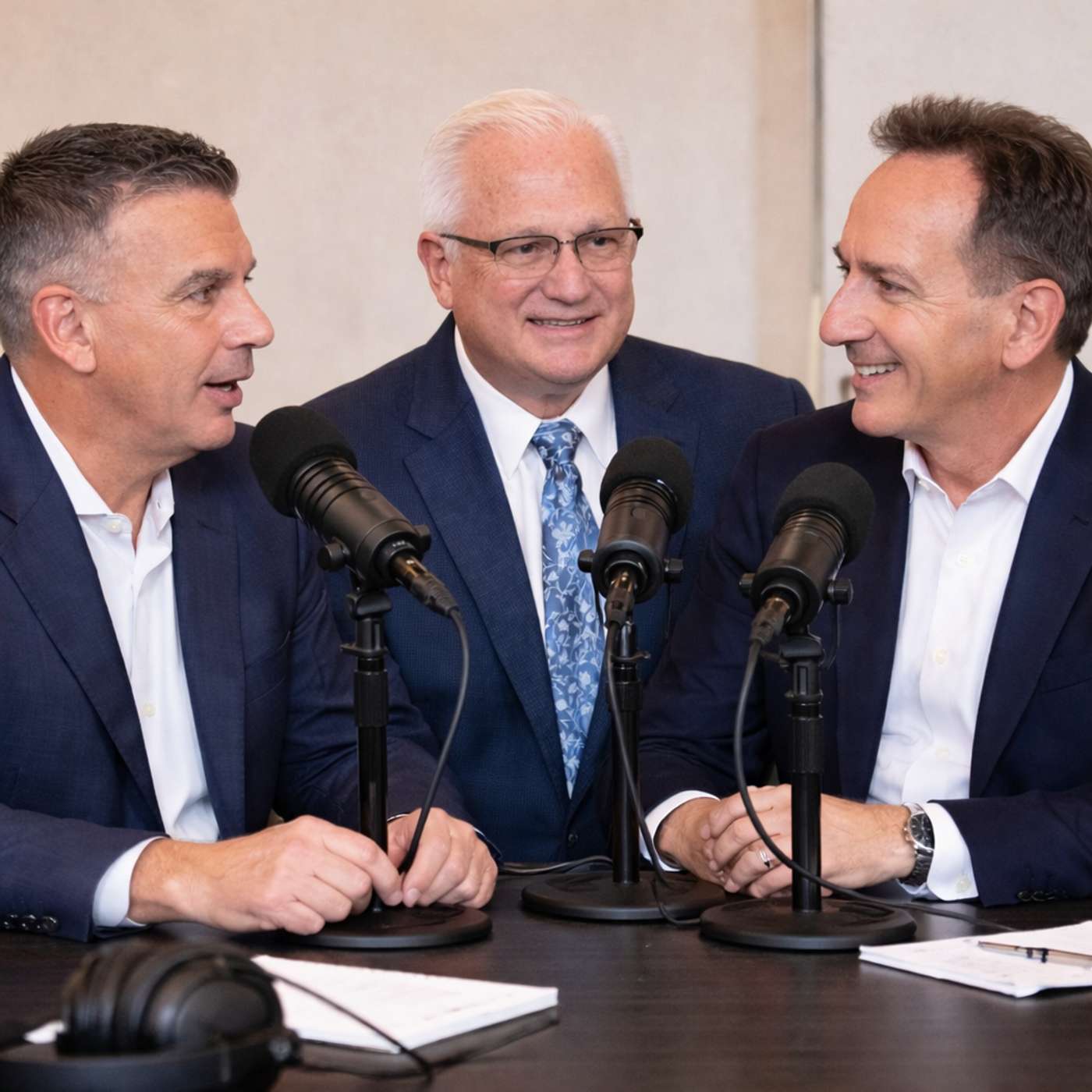 How High-Net-Worth Clients Really Decide Who to Trust | 960Inside BS Show · on Business valuation73 / 100
 Why Smart People Buy Bad BusinessesDavid C Barnett Small Business and Deal Making M&A SMB · on Business valuation60 / 100
 Resolving Co-Owner Disputes Maximizes Your Final Sale PriceM&A Talk · on Business valuation60 / 100
 Ep 8.25 Building a Business That Doesn't Trap YouFree Agent with Meg Schmitz · on Business valuation59 / 100
 The Budget Isn't the Goal. Building a Better Business Is with Zach & Chris69 / 100
 AI Is Already Changing Data Jobs: Why You Must Create More Value Now with Rob Collie83 / 100
 Why AI Makes Financial Modeling Best Practices More Important with Marli van Staden-Basson
 How Finance Pros Should Manage Data Context and Token Forecasting
 What Separates an Excellent Financial Modeler From a Technically Good One with Diarmuid Early