The Founders Sandbox · 2026-06-30 · 44 min
Key moments - from our scoring
Substance score
56 / 100
Five dimensions, 20 points each
Nassim Sayani, an investor, ecosystem builder, and founder of Game Changers World Changers, discusses her journey from management consultant to venture capital pioneer focused on female founders. After witnessing the stark contrast between abundant capital flowing to male-dominated founding teams and the capital drought faced by equally talented women entrepreneurs, Sayani left her partner role at a consulting firm to redirect her energy toward moving capital into women-led businesses in healthcare, fintech, and sustainability. She co-founded Emeline Ventures, raised $6.5-7M across seed-stage investments, and now operates at the ecosystem level through multiple ventures including her recently launched Capital Flex podcast. Sayani shares concrete, data-backed coaching on female founder fundraising challenges - women receive prevention-focused questions (risk mitigation) versus promotion-focused questions men receive, and pitch decks often lead with empathy rather than market size. Her strategic interventions include reframing pitch deck data hierarchy (placing AOV before CAC), redirecting defensive responses to power-neutral repositioning, and creating visibility around biased investor behavior. The episode speaks to VCs, angel investors, female founders preparing to fundraise, and corporate leaders interested in building more inclusive investment ecosystems. Sayani's core KPI: shifting capital from male-led funds into female-founded teams, not perpetuating the current pattern where diverse-led funds only fund diverse founders.
Harvard research shows women receive two out of three risk-prevention questions (e.g., 'Your CAC is high - how will you manage it?'), while men receive promotion-focused questions about growth and opportunity. Female founders should prepare by writing down prevention-based questions and flipping them into promotion-based responses to shift the power dynamic back.
Lead with the largest financial metric (AOV before CAC, LTV before CAC) at the top of revenue pages, limit problem/pain discussion to one page rather than five, and place personal founder stories in the 'how you'll win' section to demonstrate founder-market fit rather than in product-market fit. The deck is a strategic asset that 'baits' the conversation you want to have.
Launched in January, Capital Flex shares raw, candid stories from female founders about unusual or problematic experiences while fundraising. The goal is visibility, awareness, and accountability around biased investor behavior - so founders realize these experiences are systemic, not personal - plus a toolkit of solutions other founders have used to navigate similar situations.
Her primary metric is tracking how much capital flows from male-led venture funds into female-founded teams. Currently, most capital going to women and underrepresented founders comes from women-led and diverse-led funds, which she says cannot persist if the ecosystem is to truly shift.
She experienced cognitive dissonance between her day job (where she had access to capital for startups led largely by men) and meeting talented women founders outside the organization fighting tooth-and-nail to raise capital. She decided to redirect all her energy, expertise, and connections toward helping female founders access capital and build businesses at scale.
Our reviewer’s read on each dimension, with quotes from the episode.
The pitch coaching segment is genuinely dense - promotion vs. prevention question framing, deck layout tactics, and the 'Follow the Exits' $100B reclassification are non-obvious and actionable. However, a long consultant origin story, repetitive advocacy narrative, and four generic closing ritual questions ('what does resilience mean to you?') dilute the per-minute yield significantly.
Two out of every three questions that a male founder gets will be about growth and vision and opportunity and how big this market can be. Two out of the three questions that a woman gets will be risk related.
a hundred billion dollars of returns that have already made its way back to investors from exits related to companies that built and exited because they were in conditions that exclusively differently or disproportionately affected women
The reframing of 'women's health' as 'precision health' to escape semantic stigma is a genuinely fresh and strategically argued position, supported by the exit-reclassification thesis. The promotion/prevention pitch dynamic is specific and useful. The rest - LinkedIn flywheel advice, abundance mindset, scarcity-vs-abundance framing - is well-worn territory.
when we call it women's health, we're trying to prove a horizontal over and over again. We're saying people to believe in this horizontal, that has value. And it's not. The semantics aren't landing.
menopause is a $60 billion category. When it comes down to it, women will spend money on their healthcare and they'll do it out of pocket.
Nassim Sayani is a genuine practitioner: she co-founded and deployed a real fund, ran a product studio at scale, and coaches founders with observable results. She is not a recycled thought-leader, but her fund was early-stage and sub-$10M, and much of her current role is ecosystem/advocacy rather than operating at significant scale.
We raised about six and a half, seven million, uh, seat Stage Focus, Healthcare, Fintech, Sustainability. Wrote some fantastic checks.
I'm working on, and this is through my role at Women's Health Access Matters with Wham, is that we're taking the data from that report and we're creating assets that founders can use in their pitch decks
The episode earns credit for named research ('Follow the Exits,' launched at JP Morgan in January 2026), a concrete $100B exits figure, $60B menopause market size, and a real CAC/AOV numerical example ($28 CAC vs. $1,200 AOV) used to illustrate pitch dynamics. Some sections - the SoCal Collective, advocacy work, and closing definitions - stay abstract.
in January of this year, 2026, at uh, JP Morgan, there was a report that was launched...The report is called Follow the Exits.
yeah, it's $28, but our AOV is 1200, so we actually think it's performing pretty well.
The host and guest are clearly close colleagues, which produces warmth but almost no friction - claims go unchallenged, the closing questions are a predictable ritual, and the one moment of genuine follow-up ('Say that again for my listeners') is the exception rather than the rule. The host's best contribution is teeing up the pitch-coaching section, but she never pushes on specifics or tests assertions.
Say that again for my listeners because this is important.
what are your two or three core messages from that training
Computed from the transcript - who did the talking, and the words that came up most.
Episode Summary: Abundance in the Startup Ecosystem with Naseem Sayani In this episode of The Founder's Sandbox, Brenda McCabe sits down with investor, ecosystem builder, and female founder advocate Naseem Sayani to explore how capital, community, and visibility can create a more abundant and equitable startup ecosystem. Naseem shares her journey from management consulting and digital innovation to venture investing, where she became increasingly aware of the disparities women founders face when raising capital. After leaving a successful consulting partnership, she dedicated her career to supporting female entrepreneurs, investing in overlooked founders, and helping reshape how venture capital recognizes opportunity. The conversation dives into practical fundraising advice for women founders, including why founders should "lead with the money, not the empathy," how gender bias shows up in investor questioning, and how pitch decks can be strategically designed to guide investor conversations.
Transcribed and scored by The B2B Podcast Index.
Speaker A: Summer is here, which means we all want to look and feel our best. A GLP1 may be right for you. Visit orderlymeds.com to learn more about which GLP1 you could be eligible for. Getting started is fast, easy and happens virtually through telemedicine from licensed professionals.
Speaker B: Check it out for yourself.
Speaker A: Go to orderlymeds.com podcast that's orderlymeds.com podcast. Taking care of yourself feels great. Compounded medications are not FDA approved. Eligibility required and determined by a licensed provider. Individual results may vary.
Speaker B: See website for details.
Speaker A: We're standing, we're standing on the edge
Speaker B: of something big and we're gonna make some changes. We're gonna make some changes.
Speaker A: All right. Welcome back to the Founder sandbox. I'm Brenda McCabe, your host. Now in this fourth season of UM the Founder Sandbox and and um, my mission is quite simple. Ah with the Founder Sandbox, I have guests that are business owners, service providers, VCs and corporate directors who like me want to use the power of the enterprise to make change for a better world. With stories in the Sandbox on resilience, scalability and purpose driven experiences of my guest, um, we have um, an origin story and we get to really understand what's under the hood of the businesses that my guest um ah are owners of. So I'm absolutely delighted to have Nassim Sayani as my guest this month. Welcome Nassim.
Speaker B: Thank you. I'm so excited to be here.
Speaker A: Yeah, so Nassim and I go back um, many many years. She touches um, checks many many boxes. Our first encounter was while I was um, leading a women's corporate, a women's um, investment fund. So we invested in women owned companies with a minimum 33% equity holding of uh, the woman um founder or c, um suite member. And Nassim at that time was within ML Ventures. She's since moved on to other firms and she's my first protocol when there is a um, very talented woman founder, particularly in the life science or digital health area. So I was absolutely delighted when Nassim also launched her own podcast podcast. So we'll get into that in a minute. So let me um, just make a bit more proper um introduction to you Nassim. Um, you're an investor, ecosystem builder and speaker. As you guys are going to see here, um, currently the operating umbrella for all of the different ventures m that Nassim is um, orchestrating is game changers, world changers. I love the title of your umbrella you lead um, and I've seen it in Real life, a, ah, commitment to empowering female founders. Um, her network across the United States and elsewhere is, has no paragon. She is amazing. Um, she's largely focused in health, tech and fintech. And there's something that you've been doing recently which is really giving a voice to women founders and what's it like raising capital. So with that we're going to jump into, um, our podcast today. Abundance in the startup ecosystem. So why are you doing what you do today? Tell us about your origin story.
Speaker B: Oh, goodness. Yeah, go back in time. Back in time. Uh, you were back in time. Yeah, I was, yeah. We all grew up somewhere. So I, uh, I like, I like to say I'm a recovering consultant. Uh, so I spent many, many, many years in core management consulting. So really problem solving at very strategic levels with Fortune 100s. Uh, I was working across health care, financial services, consumer, little bits of energy and other things along the way. But it was really those three sectors that I spent most of my time in. And this is early, early 2000s. So digital was a thing, uh, but it wasn't. And we had Facebook. That was happening already, uh, you know, early 2000s, but it was in 2007 that we got iPhones in our hands and, and something shifted, right? It dramatically changed what uh, the words digital strategy might mean. And uh, and that's when I started doing very continuously very core digital strategy work with all of those same clients. And to put this in context, they didn't know what those words meant. Those words didn't mean anything like what is digital strategy? What does it mean to my business? How does it change how I organize? How does it change how I go to market? Personalization. Moving from a uh, one to many advertising model to a uh, one to one ad model. That was a, it was a whole new paradigm, right, of how we might interact and talk to the market as a brand or as a business. And that was all of the work I was doing in mid 2000s. And so it was fascinating to be in the center of, of that much problem solving. Well, that's what it feels like now. That's what it feels like now. But I didn't, at the time we didn't know that we were on the front end of what was this massive transformation, right? We were just doing the work and having fun and you know, a bunch of young people straight out of, you know, MBA programs, problem solving. Uh, but it was great because you learn so much so quickly when you do that kind of work. And then a couple of years into it we realized that our clients couldn't uh, really execute against the strategies that we had built because they don't have product and tech and UX and UI and scrums don't mean anything. And like this language that we take for granted now was just getting established mid late 2000s. And so we launched a product studio inside of the consulting firm to help them build product and launch experiences. And we, I was living in New York at a time, we launched this product studio out of Los Angeles and in that same window I moved back to la. So I ended up being the person who ran the studio for uh, about two and a half, three years. And so I was doing core strategy work, I was running the product studio and for about three years every single digital proposal for the firm went through my inbox. Oh my gosh, globally.
Speaker A: Yeah.
Speaker B: And it was every single project, every single client, we were tacking on the studio effort onto the back of that proposal. And so, and I, so I didn't sleep for three years. I worked harder than I've ever worked in those three years. And uh, but it was tremendous because I got to see so many different things so quickly and we built a really great studio team. We were doing really great work in that team. And then uh, the firm that I was at got acquired. There was lots of transformation things that happened. And then that product studio went and got acquired by a different management consulting firm and grew up into a full venture incubator. So the products we were building ultimately needed different governance, different KPIs, different growth models, different leadership than what the corporate owner was able to do. So now we were, it was a different business, it was a spin out turned into a spin out. So the value proposition turned into we're not just building products, we're actually helping you build the startup that would otherwise put you out of business. That became the thing that we were doing. So now, now we're building startups and we're doing it at scale and we're doing with our clients and we're doing it now, it's early 2010s, 2011, 2012. And, and we're, we're building startups and in parallel, right? Things like Uber and other things are happening in parallel and we're watching all kinds of change happen in how we engage and what kind of tools we're using across the marketplaces and what's happening broadly from a digital perspective. Mhm. And it was great. I got to learn a lot really, really quickly. But in these rooms, right. And you can imagine because you've been in these rooms also. Um, there's not enough women, there's not enough diversity. We're building great product, but we don't really cover all the use cases because we're missing women and because we're missing diversity. And so I was in parallel, trying to meet as much of the. I was trying to meet more founders. I wanted to just see what else was out there. So I gravitated towards a lot of the, the events that had more women. And I was also. I'd led the diversity efforts inside of the incubator. I was always protecting the careers of the women behind me. I held the divers flag. I was one of three female partners in the incubator of like 50.
Speaker A: Right.
Speaker B: So we already, we were already standing on top of a pretty. Yeah, yeah, already on top of a pretty small mountain. Right, right, right, exactly. So I was meeting a lot of women outside the building, building great products, building incredible businesses, but, like, fighting tooth and nail to raise capital for the companies that they're building. Meanwhile, my day job has capital. We're pouring money into building startups, but I'm, um, surrounded by men all day. So this contrast between my day job and the struggle of what was happening for the female founders outside of the building, this, this contrast became. Yeah, it just, this cognitive dissonance was too much, too much to handle. Right. It just doesn't work. And so I ultimately decided that I had to shift all of my energy, all of my focus. I know how to do things, I know how to build businesses. I know how to think strategically. I know how to problem solve. I can look at a market and hopefully figure it out. Uh, so let me just redirect all the energy to actually helping the whole other half of the ecosystem raise some capital and move some money and build some businesses. Because the, the boys have all the help that they need. Right. But the women don't.
Speaker A: You left a partner position.
Speaker B: I did, yeah. No, my husband is super excited about that. I left my partner job at the consultancy to go full, uh, venture.
Speaker A: Yes.
Speaker B: And decide to move some capital.
Speaker A: Absolutely. You started.
Speaker B: And I started investing. This was 2019.
Speaker A: Ish.
Speaker B: Uh, and started writing some angel checks. Larger angel checks, got deeper in the ecosystem. Um, uh, it was in that window that I met the two women that I launched Emeline Ventures with. We raised about six and a half, seven million, uh, seat Stage Focus, Healthcare, Fintech, Sustainability. Wrote some fantastic checks. I got some great capital out the door and then I jumped, as you mentioned, to go do a whole host of other things. Now much more embedded, like almost an ecosystem level. So more horizontal than just the vertical of the fund. Uh, and it's been great. It's, it's serendipitous that I got involved in the ecosystem in a moment where the female founder ecosystem was growing up the way that it was. The women's health ecosystem was growing up the way that it was. And so the notion that I'm a pioneer comes up a lot because people are like, you've been in this for a while. Like you one of the few people who built this thing. Um, but it doesn't feel that way to me. But there's, there's a few of us who have been here since the beginning really crafting this. And so it's really kind of fun to have been in it since, since the beginning it feels like.
Speaker A: So one of the things that we did with you, um, from Ty last year is you did a master class with a cohort of women owned businesses on how to pitch.
Speaker B: Oh yeah.
Speaker A: And m, granted, I don't want to steal your, your thin thunder, your boy, your tagline with this, but you know, we go into um, you know, a room with vc, right, or angel investors. It's largely male. So what are your two or three core messages from that training? It was, I share it a lot. I attribute it to Nassim Sayani. But it is when women hear this, they're like, oh, I've got to go back and redo my deck.
Speaker B: So, yeah, so there's a couple of things I tell that I coach, I should say female founders on all the time. One is you need to lead with the money and not the empathy. What we have been conditioned to do as women and it's not conditioned, uh, it is actually comes from a lot of where our core empathy and how women move in the world is we, we lead with emotion. It's how we engage, it's how we build relationships. But when you are in a money driven ecosystem such as venture, you cannot lead with empathy. You are, you have to lead with money. You have to tell me and tell who you're talking to how much this thing is wor. And you have to tell them that quickly. What typically happens with a pitch deck from a female founder is that there are four or five pages on pain, pain and stress and how hard it is and just all this stuff that is so, so hard. And you don't get to the size of the market until page seven and it's too far, right, because by then people are bored and they don't care. So you have do it in a page, fine, but it's not five pages. Pull the market up sooner. Talk about the size of the opportunity sooner. I don't want any personal stories at the front of that deck. The place where I want you to put the personal story is in how you're going to win. Because if you understand the market so closely and this pain point so closely because it happened to you, that is why your hustle is so much stronger. That's why you're after it so much more, that your founder market fit comes from that. So put it there. Uh, don't put it into product market fit. That's the wrong place.
Speaker A: Right?
Speaker B: Found it fit, Put it into founder market fit because that's the reason you're going to win is because you care about it in a way that other people don't care about it. So it's in the wrong place in the story. So put the empathy in the appendix. Nobody cares. I love you, but nobody cares. Lead with the money. That's point number one. Point number two is that there is data it has validated that women get different questions in pitch meetings than men do.
Speaker A: Yes. Harvard research.
Speaker B: Harvard research proves it. Two out of every three questions that a male founder gets will be about growth and vision and opportunity and how big this market can be. Two out of the three questions that a woman gets will be risk related. So oh my gosh, that CAC number is so high. And oh my goodness, what if you can't find the customers? And oh my goodness, what if somebody else does this? It is, it is prevention. Yeah, it is prevention minded questions. Men get promotion minded questions and if you're not prepared for that, you will be on the defensive the entire time in that meeting. So you have to practice, you have to spend a weekend with your kombucha or your glass of wine or whatever it is and write down all of uh, the prevention questions you might get on your deck. Whether it's a main page or a footnote or something on the bottom of page 10, write down everything, be horribly brutal, and then let it sit for a day. Come back and write down your answers. And your intention with the answers is not to answer the question, but to flip that question into a promotion based response.
Speaker A: Excellent.
Speaker B: Shift the, shift the power dynamic back. As an example, you have a revenue page that has the chart. Revenue goes up from zero year one to year five. And then you've got three bullets, you've got three data points on the right hand side. Everyone should have a Page that looks like this. You've got cac, you've got aov. You might have LTV as well. More than likely as a female founder, they're going to ask you about CAC. They say, oh my God, CAC is $28. That's so high. How are you going to manage that? A, uh, male founder is going to get a question on AOV. AOV is $1200. That's incredible. Can I get to 1500? That. That's the difference in the questions. If you get that cat question, your natural response might be, yeah, it's $28. We're going to work on it. We're going to run some tests. We really think we can get it to 25. That might be how we naturally respond. What you should say is, yeah, it's $28, but our AOV is 1200, so we actually think it's performing pretty well.
Speaker A: Very, very, um, convincing.
Speaker B: And that's it. Yes.
Speaker A: Yeah.
Speaker B: You don't respond to the defensiveness. You redirect them to the data point that actually matters.
Speaker A: Mhm.
Speaker B: And you take back the power in that conversation.
Speaker A: And it may also be that you have to reformat your deck.
Speaker B: Yes, yes, yes, 100%. Yeah. So that's the third. Yeah, that's the third thing is that your, your deck is a strategic asset.
Speaker A: Okay.
Speaker B: And you should be very thoughtful about what you put in the deck. Ah. So that you are teeing up the questions that you want to answer. Okay. There's a thing is too much information, and there's a thing as too little information. The line in the middle is that if you're putting data on that same page on the right hand side.
Speaker A: Yes.
Speaker B: Put AOV at the top. Put LTV next. Put CAC at the bottom. Don't put CAC at the top because everyone's going to look on the top. Right. It's natural eyelines. Go to the top right of a page. Don't put CAC at the top. Put AOB at the top. Is that the biggest number? Put that, that one at the top. Be very deliberate about where you put data on the page so that you can tee up the questions that you want to get. You, you can, you can bait the document with the things that you want to answer and set up the conversation that you want to have at least halfway.
Speaker A: Right. It takes practice, though.
Speaker B: It takes practice. It takes practice.
Speaker A: Yes. Right, right. And where are you now dedicating a lot of your, um, time? I, we are fellow podcasters and. Yeah, I, I know it was a some time in the making. Um, so you launched, um, was it six months ago, the Capital Flex podcast?
Speaker B: Yes, yes.
Speaker A: And this is where you hear real stories. Right. So to share a bit with my.
Speaker B: Yeah, absolutely. So I launched. I launched the Capital Flex in January. I've been working on it since mid last year. It's been living on a. Post it on my desk for the last two years, uh, maybe more. So I, uh, I get a lot of inbound from founders on the crazy things that happen when they're fundraising. A weird conversation, a offhand comment, an unfortunate behavior. Just this. The things that we know happen to women when they're out fundraising. So I do a lot of. I call myself. I've become this like de facto therapist for the female founder side of the ecosystem. And, uh, so I've been making notes on just the crazy that happens and what I started. What. What happens is that there's founder. Founder in New York and founder in California who are dealing with the same problem. Um, but they don't know each other. So I'm. I'm sharing information across these two women when they should just know each other. So I'll bridge the connect, but you can't. I can't scale that quickly.
Speaker A: Right.
Speaker B: And so instead I said, what if we just talked about it out loud on a podcast and just shared the stories and made it real? And not just stories for the sake of, you know, kind of the victimhood that might come with that. That's not the intent. That's not my stance in any case. But I want to share the story so that we know that they're real. And then I want to share the learnings from that experience so that when another founder listens to any one of these episodes, you go, oh, my God, yes, that happens. Two, maybe that's happened to me too. So I'm not alone. It's not just me, and it's not personal. And three, that's a great way to deal with it because that founder dealt with it that way. Maybe I can do that too. So it's really the toolkit that comes out of each episode that was. That was the end game. Uh, and so episode, uh, sorry, season one has just wrapped about a week ago. 12 great conversations, 12 fantastic founders. Each story is just tremendous. You learn a lot. They're very candid. It's very raw, and it's great. So it's on Spotify and everywhere you can find. It's called the Capital Flex. Everyone should go listen. It's tremendous. And then season Two is going to drop in just a few weeks and we've got another slate of 12 great founders and we're running. Yeah, that's great.
Speaker A: So the, the um, the imp, the impulse to actually launch a podcast, Nassim, if I hear you correctly, is you really wanted to amplify and scale these um, lessons that, and experiences that other women founders have lived in their own skin.
Speaker B: Yes.
Speaker A: Um, and, and not so much, it's not in a private way, but you really, what do you think you're going to get out of this in terms of effectuating change in how people write checks?
Speaker B: It's, it's, it's visibility on really what's different about the rooms that women walk into versus the rooms that men walk into? It's, it's awareness and accountability on behavior. Because if we know what's happening and we see it happen, we can call it out.
Speaker A: Mhm.
Speaker B: Because now there's, there's proof. Right. And we go, oh, it's not her being sensitive. These things are really happening.
Speaker A: Yes.
Speaker B: Uh, and then three, it's, you know, there's a pattern recognition problem in the ecosystem and there's been so much money has moved in certain ways and uh, you know, there's a, there's indicators of success that a lot of the money moves on, but a lot of that is based on a very historical founder profile. And that profile doesn't include women and it doesn't include people of color. And those levers of success look different in women and they look different in founders of color. And unless we are understanding the impact of not seeing that, we're never going to move capital in bigger ways. And ultimately we're just missing huge, uh, opportunities. We are missing massive opportunity spaces because we, our pattern recognition is stopping us from writing checks into spaces that we don't know enough about.
Speaker A: So if you were to pitch yourself right. Or um, game changers, world changers, right in front of investors, what would be your top line? Do you want to effectuate change over X million of uh, um, women founders? Are you going international? I mean, do a pitch here if you want.
Speaker B: I don't know if I'll do that, but I can. Yeah.
Speaker A: So what, what, what, what would be your KPIs, right. And yeah, doing this.
Speaker B: Right. Yeah. So it's, it's how much capital do we shift from, from kind of the core buckets, the capital goes to, to founders that they haven't written checks before. Okay, that's, and so that's a big one. Uh, and, and how it's that and what's the profile of the check writer? Because we have, there's been a increase in women who run funds in the last 10 years. So there's a lot more diversity in who's running funds. There's also a lot more diversity in who's building companies. So there's a lot more women, a lot more people of color building companies, but the bulk of the money is still sitting in traditional hands going to traditional profiles of builders. I want both of those things to move. So if we have better awareness of who's building and how they're building and what they look like and how they move in rooms and how they might show up in rooms, then the people writing the profile of who writes the check should also shift. Right. It's not just women who should be writing checks to women. Men should be writing checks to women as well. So how do we cross the social and gender circles better? And, and capturing that metric, like that's the KPI that I want is how much capital is going from male led funds into female founded teams. Mhm. That's the metric that I want to be able to track. Because right now what's happening is that all the women led and diverse funds are who's funding the women led and diverse founded companies.
Speaker A: Say that again for my listeners because this is important. Mhm.
Speaker B: Women led and diverse led funds are the bulk of the money that's funding women led and diverse founded companies. And that cannot persist.
Speaker A: No.
Speaker B: Because we need big capital to go into these companies because they are building fantastic game changing businesses and everybody should make money from what they're doing and they're going to hit a series A, a series B, a series C. And they're going to need bigger checks.
Speaker A: You heard it here on the founder sandbox. Let's, let's, let's change to sectors. So largely health, tech, fintech. Where do you see um, greater, where are you focusing your initiatives in terms of um, getting more check writers. Right. Um, into the ecosystem? And where have there been the greatest deficiency in, you know, you talk about these big product or these sectors. Right. That have not uh, addressed women's needs.
Speaker B: So, so the answer is the same for both of those. I'm, I'm calling. This will come back. This is a semantic problem, but I'm causing, I'm calling it Precision Health. This is the place where I'm spending, where I'm spending all of my time, where I want to be investing in, where the biggest opportunity is, is our ability to leverage Precision Health. This is insight driven healthcare, whether it's in care delivery, whether it's in diagnostics, whether it's in understanding cancer, whether it's in delivering smarter insights based on the type of human we're talking to. That is where we're going to change the game in healthcare. And that's where I want to. More capital to go and where it should go. Now, we've historically called this women's health. Right.
Speaker A: You've flipped the term used.
Speaker B: Uh, we've called this women's health for a long time. We're still calling it women's health. The problem that we've now uncovered is women's health carries stigma. The language carries stigma. Uh, you hear women's health. And still I'll have people that say, oh, my gosh, no. Yeah, we've one or two things. We've made our women's health investment this year. Check the box. We're good.
Speaker A: Yeah.
Speaker B: Or they'll say, oh, but it's, it's, it's just so niche.
Speaker A: We're half of the population.
Speaker B: Well, yeah, half of the population is not niche. I just, I can't even. I have to just look at them and say, I'm half the population. And then the third thing you'll hear is, well, there just haven't. We just haven't seen the exit. So we're just not sure that the value is there. And so on the third one, I have my. There's two responses. One is, you know, when Google and Facebook and Amazon came to market and were raising capital, there were no exits for search and E commerce and social. No, we didn't know what it was. These things were brand new. The reason the money went there was because there were behaviors and there was demand and there was money that was moving towards these categories. That was the reason we invested was there was, uh, a behavior trend that was shifting. There was a market trend that was shifting. There was something we were after because there was going. There was a value pool that we could get after. That's why the money moved. This is what's happening with women's health right now. There is demand, there's behavior, there's money moving there. Right now, menopause is a $60 billion category. When it comes down to it, women will spend money on their healthcare and they'll do it out of pocket. They're doing it right now. Right. We, we have no interest in our grandma's health care. We're absolutely going to go get what we need to solve for the hot flashes and the brain fog. And whatever it is. And that's. We have the proof now. Now in January of this year, 2026, at uh, JP Morgan, there was a report that was launched. There's a fantastic team. That's what the last year doing the work to reanalyze all of the healthcare exits for the last 20 years. The report is called Follow the Exits.
Speaker A: Okay.
Speaker B: And what they did was reclassify all of the exits in healthcare for the last 20 years into three different buckets, assuming that they qualified. If those exits were aligned to conditions that exclusively differently or disproportionately affected women, they bucketed them that way to recast the exits against conditions that affected women when they. And they're not. They weren't talked about that way in the market already, but when they did that, they were able to quantify a hundred billion dollars of returns that have already made its way back to investors from exits related to companies that built and exited because they were in conditions that exclusively differently or disproportionately affected women.
Speaker A: Wow.
Speaker B: So people have made money from women's health already.
Speaker A: Yeah, but we don't know how to talk about it.
Speaker B: They weren't calling it women's health, they were calling it diagnostics in oncology. Mhm. It didn't matter that it was breast cancer. It was diagnostics and oncology. So this is why the semantics problem has to get solved and addressed is that when we call it women's health, we're trying to prove a horizontal over and over again. We're saying people to believe in this horizontal, that has value. And it's not. The semantics aren't landing. What has been working is just the proof of value in cardiology or in cardiovascular or in autoimmune or in diagnostics. Where you go, there's money there, let's go invest because there's money there. And that's the shift that we have to have. And this is why precision health is how I'm phrasing it now, is that we need to get after precision health. Because if I can prove value in precision health because I can solve for cardiovascular disease for women differently than men, and there's value in that and I can deliver better services, better care, I can access reimbursement codes, I can do all of these things differently because I understand the what a heart attack looks like in a man versus a woman, and that means that they'll end up at their doctor's office and not in the er, which is more expensive.
Speaker A: Yes.
Speaker B: That's a place we can invest. So It's a semantic change, but that's why I'm now calling it.
Speaker A: I hope it's, I hope it doesn't take another 20 years after this. I hope.
Speaker B: I don't think it will. I think there's more and more of us talking about it now and actively talking about the semantics differently. And from this, follow the exits report. What I'm working on, and this is through my role at Women's Health Access Matters with Wham, is that we're taking the data from that report and we're creating assets that founders can use in their pitch decks to actually showcase the exits that line up with the category that they're in.
Speaker A: Amazing.
Speaker B: So here's the market, here's three exits. I'm good. I have proof. Right?
Speaker A: Yeah, so.
Speaker B: So I think we can get there faster.
Speaker A: Excellent. So that's a great segue, um, to yet another initiative that, um, is near and dear to your heart, which is, um, it's still in a seed stage. Talk to us about the SoCal Women's Collection Collective.
Speaker B: Oh yeah, yeah. This is, this is, this is brand new. Uh, me and five other fantastic women here in Southern California, uh, decided that we wanted to better connect the ecosystem here in SoCal. So from LA to Orange county to San Diego, there are fragmented groups of wonderful humans all building, researching, investing, etc into women's health, whether they are at universities or at accelerators or independently investing or their founders, etc. So we launched what's called the SoCal SoCal Women's Health Collective. And we are actively focused on connecting community. So it's uh, it's budding, it's growing, we're organizing and still setting full strategy. But at the very least we are bringing people together at events. We're hosting virtual and live events, whether it's happy hours or panels. We're doing things virtually where we're doing coaching sessions with founders and we're building a mailing list so that we can get this community connected and talking to each other and at least know who else is in Southern California. Mhm. Touching this category and building in this category. Uh, and it's been really incredible because we were, we were just sitting around dinner one night going, my God, couldn't we do this? And now we have a mailing list that's more than 500 people long and we meet people everywhere that want to be part of it, want to join, want to come to events. Uh, and it's really grown and we're only, we're within a year, it's really only 10 or 11 months old. Uh, but it's really taken off. It's great. So we can, we can do a lot with it.
Speaker A: I love it. And are you at all working with. Is it GLG or the Women's Collective? And it's a advocacy. Um.
Speaker B: Oh, that's. Yeah.
Speaker A: So there's Washington D.C. yeah. So. Yes.
Speaker B: Yeah. The policy group. Co host.
Speaker A: Yes, the policy Group, yes.
Speaker B: So there's a parallel group called Women's Health Advocates, which is the policy and lobbying organization that's focused in Washington that is entirely organized around supporting policy initiatives focused on women's health across breast cancer, menopause. We now have recently added bone health, fertility, et cetera. We have sub teams under the Women's Health Advocates umbrella that are focused on policy initiatives. Mhm. To get budget lines or policy lines into different things in Congress to make sure there's attention on women's health across again aligned, uh, by conditions so that we can get things done in Congress. And so SoCal Women's Health Collective and Women's Health Advocates, at least in SoCal, there's high overlap in the leadership across these two groups. So we can do a lot of good things together because the women on the steering committee for Women's Health Advocates who are in LA are the same women who launched the SoCal Women's Health Collective. So there's the.
Speaker A: It's symbiotic.
Speaker B: And yes.
Speaker A: You know, I've attended, um, sessions with both groups and it's a very exciting moment.
Speaker B: It's great.
Speaker A: And we're. There's, um, bipartisan bills going to Congress on just. Why are, you know, knee replacements for men reimbursed at a higher rate than for women? We all have the same thing. Right. So it's like really just providing the transparency.
Speaker B: Yeah. You pull that thread. That's a whole different podcast. I know, I know, I know.
Speaker A: So anyway, so you heard it here. Um, what else? You know, I could go on and on Nassim, but we have, um, you know, a certain time here and I just wanted to give you this moment to, uh, share with my listeners how to, you know, contact you, how to get involved in your multiple, um, um, initiatives. Um, these will be in the show notes.
Speaker B: Yeah, no, absolutely. So I love that the. So find the podcast. It's on Spotify and Apple and all the places where you listen to your podcast. It's called the Capital Flex. So all the subscribers would be amazing. Come and listen. I love feedback. Tell me what you think. Uh, season two will drop on May 6th and season one is tremendous. So start from the top. Uh, the second thing is I also host something called a Founders Coven, which is a m monthly meetup for female founders. And it's a virtual session. It's an hour, uh, once a month. And the entire intent is to infuse expertise, insight, education into the female founder half of the ecosystem. So we've had three sessions so far. Uh, and I was doing these in a previous life and I've now rebooted it this year. We've talked about vibe coding, we've talked about healthcare reimbursement. Uh, our next session is in two weeks. We have a exited founder coming to talk about how she built her business and then led to the exit. So you can join the coven. It's on my LinkedIn you can find the signup sheet. So you can join the coven and join us when you can each month. And then I also, I do a lot. I'm very active on LinkedIn. I'm always writing and posting, I'm speaking at lots of events. So you can find me out in the wild pretty easily also because I tend to be around a lot, so that's the easiest.
Speaker A: So as a pioneer, I. This is a question that just came to my mind. You were so in the early stages of social media, right?
Speaker B: Mhm.
Speaker A: Would you dare to give m an opinion on what is the best type of platform to get your voice out there as a, as a leader, a change leader like you? Is it LinkedIn? Is it how.
Speaker B: I believe it's LinkedIn. I tell a lot of founders this, that if you want to build credibility and thought leadership, uh, in parallel to building your company, start to build a platform on LinkedIn.
Speaker A: Got it.
Speaker B: Build a point of view. Have a point of view on what the future looks like when your company wins and start to talk about it. And it doesn't have to be long. It's a couple of it's like blog post type things and use headlines. Right? Use what's going on in the news and in healthcare to express a point of view and to talk about what it means and what are the implications and what are the. So what's of what's going on and how does that tie back to what you're building and why you're building it? Because when investors go out to research a company and to research the founder, if they, they will look at your data room or they'll look at financials, they'll look at what you're building. All of that has to be up to snuff and Then they're going to go research the founder and if they go on LinkedIn and they see that you're writing and publishing and that you've built an audience and that you're somewhat prolific in terms of communicating a point of view, those things are important. They pay off. Right? You go, she, she's talking about what she wants and she has a perspective that's valuable because it means that you're really committed to the thing that you're after. And, and, and women don't spend enough time building platforms. We don't spend enough time standing on soapboxes talking about the things we care about and we should be doing it more. And all of your friends should like, comment and share every single thing that you post. And so I also tell everyone, once you share it, send it to all your friends and tell them they have to comment and post on it because we, we have to keep building the flywheel.
Speaker A: The flywheel, yeah, you heard it here on the founder sandbox. All right, we're going to go to the sandbox. I like to close out, asking each of my guests, um, what is the meaning to you for the following three terms which I am passionate about and how I work with my founder clients. What does scalability mean to you?
Speaker B: Oh, uh, scalability means an ability to grow and navigate the market in line with market trends and market behaviors. So knowing, having a good perspective on what's going on, dynamics in the sector that you're in, and having built enough, uh, mobility in how you navigate your organization so that you can turn left, turn right, etc, uh, in line with what's going on outside the business.
Speaker A: That's scalability. Perfect. How about resilience?
Speaker B: Oh, resilience, that one is, it's that. So one, that's a necessary skill. Let's start there. Uh, and, and two, it's an ability to take in what's going on in the market, not take it personally. Uh, reflect and keep going. Uh, feedbacks can come from everywhere, a lot of it from places that maybe aren't relevant and not that useful. So knowing how to filter and listen, uh, and then really be able to be open minded and take the good feedback when you get it. And I had one founder on my podcast say that uh, she spent a lot of time on the floor while she was fundraising, curled up in a ball because it was so hard. Uh, but she got up again every single time and she raised the capital and she built the business and she continues to do that. And that's resilience. Resilience.
Speaker A: Right.
Speaker B: I'm after something big and it matters, so I'm gonna get it done.
Speaker A: Amazing. Amazing. And I heard you when we were talking about the, the subtitle for the episode, you know, abundance. What's up? Why, why is abundance so important for you?
Speaker B: Abundance is really important for me because we have been, we women have been conditioned so badly. Uh, in scarcity, where there's not enough, there's only one, only one of us can win, we can't all win. Uh, and so we don't share our networks easily, we don't share our relationship easily. We, we feel like we have to keep things really close because, you know, if I share it, then I lose it. It's a mentality I hear, um, from, from founders and it's a bit generational as well. And, and I don't want us to do that. I, I have found more than once that the more I put into the ecosystem, the more I get back.
Speaker A: Absolutely.
Speaker B: Comes back to me in spades. And so opening up our networks.
Speaker A: Mhm.
Speaker B: Sharing what we know, being open about the learnings, you know, pulling everyone forward with us, all of that is gonna, it's gonna benefit all ships rise. And, and, and it's how our male counterparts have been doing it for years.
Speaker A: Yes.
Speaker B: The golf course is the golf course for a reason. Right. And so we don't have a golf course, but we do have our networks and we do have our relationships. And women are very innate relationship builders. It is superpower territory and we should be using it. And that, that means abundance. That means not worrying about being the only one. Because you know what, we're building our own tables and we're pulling up more chairs and, and that's how we're going to get this done.
Speaker A: I love it. I have goosebumps just listening to this, this last part about abundance. Thank you. Naseem, final question last. What does purpose mean, purpose driven mean to you?
Speaker B: Oh, purpose driven means that your, the things you are doing and the things that bring you joy are lined up.
Speaker A: Amazing. Yeah.
Speaker B: Mhm.
Speaker A: Yeah.
Speaker B: And you can make money from it.
Speaker A: Yeah. Without the joy, right?
Speaker B: Um, right, yeah.
Speaker A: And if you make money better.
Speaker B: But yeah.
Speaker A: Final question. Did Jeff on here in the sandbox.
Speaker B: This was great. Yes, thank you. Amazing.
Speaker A: I really enjoyed listening. Just I, I enjoy our friendship, our working together on a, uh, common theme, which is getting more money, um, into the female.
Speaker B: Yeah. This is ecosystem 100. Yep.
Speaker A: So to my listeners, if you like this episode with Naseem Sayani, sign up for the monthly release of the Founder Sandbox. You can find it on any major streaming platform. You're going to find founders, business owners, corporate directors and service providers that are building resilient, scalable and purpose driven companies with great corporate, uh, governance. So thank you for joining us today and see you next month. Thank you.
Speaker B: Hey, it's Ryan Reynolds here from Mint Mobile. Now, I was looking for fun ways to tell you that Mint's offer of unlimited Premium Wireless for $15 a month is back. So I thought it would be fun if we made $15 bills, but it turns out that's very illegal. Uh, so there goes my big idea for the commercial. Give it a try@mintmobile.com Switch upfront payment of the 45 for three months, $90 for six months or $180 for 12 month plan required $15 per month equivalent taxes and fees.
Speaker A: Extra initial plan term only greater than 50 gigabytes. Me slow when network is busy. See terms.
Other episodes covering the same guests and topics, from across The B2B Podcast Index.
 What 10 Years in Ecommerce Teaches You About Agencies, Ads & Scaling (w/ Ben Dickshinski)Ecommerce Growth Map Podcast · on CAC (Customer Acquisition Cost)86 / 100
 How Simply Finally Cracked Facebook Ads with Web Funnels - Yoav Sharon, SimplySub Club by RevenueCat · on CAC (Customer Acquisition Cost)80 / 100
 174: Agility Is the New Growth Strategy (w/ Kathleen Booth)Move The Needle · on CAC (Customer Acquisition Cost)80 / 100
 How Did He Grow to 2 Million Customers? | KOHO Co-Founder and CEO, Daniel EberhardThe Jess Larsen Show on Innovation & Leadership · on CAC (Customer Acquisition Cost)79 / 100
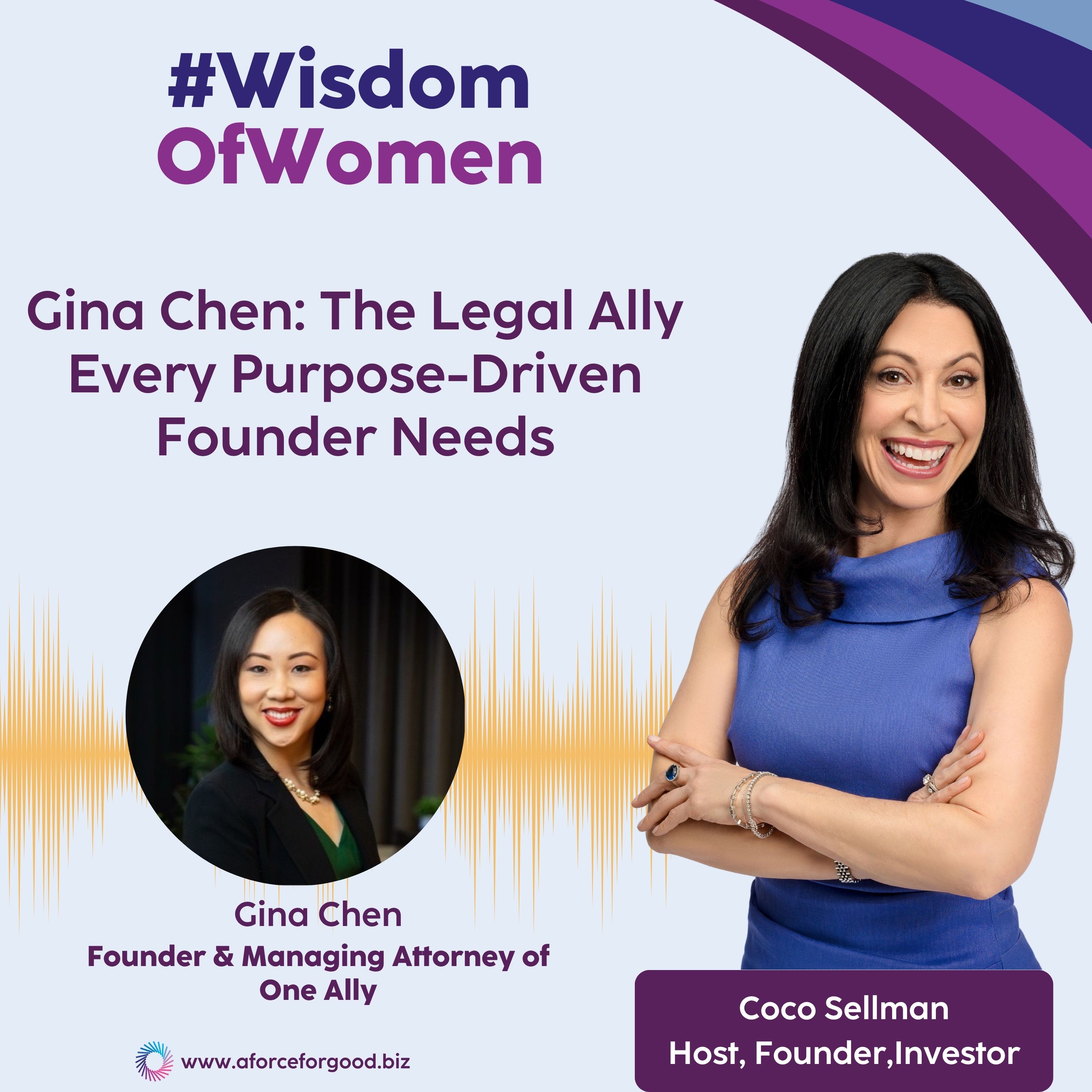 Gina Chen: The Legal Ally Every Purpose-Driven Founder Needs#WisdomOfWomen Show · on ecosystem building77 / 100
 🏅 37. Patrick Campbell (Profitwell, now Paddle)The Usual SaaS-pects with Ch Daniel · on CAC (Customer Acquisition Cost)77 / 100
 Season 4, #6- Resilience & Purpose: A Little more Social86 / 100
 Season 4, #6- Building Reputation with Purpose85 / 100
 Season 4, #5- Be Curiously Different84 / 100
 Season 4, #4 - Chris Daden Scaling for work 4.080 / 100
 Season 4, #3 - Growth Gears for Scaling73 / 100