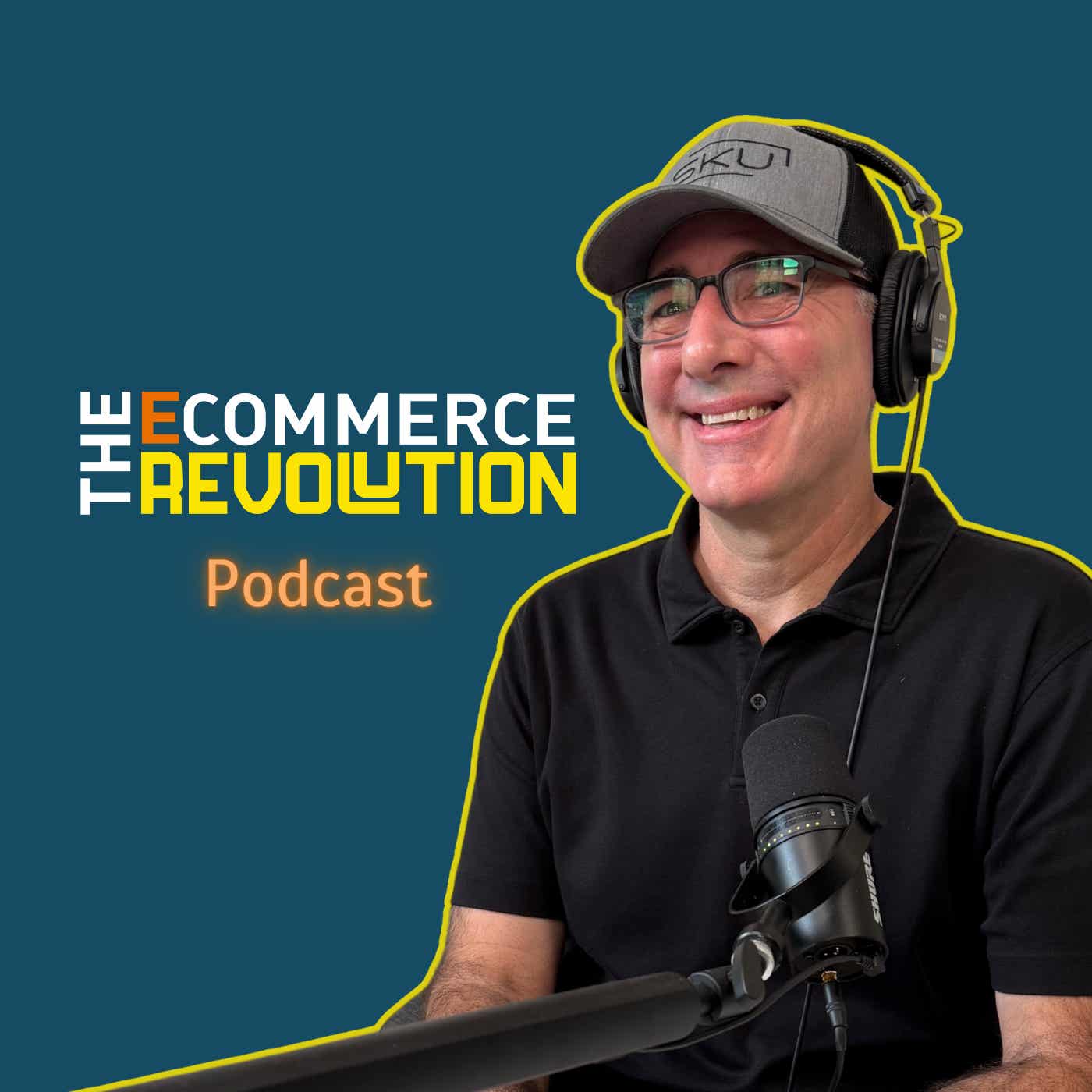
The Ecommerce Revolution Podcast · 2026-05-27 · 40 min
Key moments - from our scoring
Substance score
40 / 100
Five dimensions, 20 points each
Drew Carpenter built Yuzu after noticing a critical gap while working at Haboo, a European 3PL: merchants wanted to include personal touches - handwritten notes, gift messaging, influencer personalization - but larger fulfillment operations made this impossible. Yuzu solves this by enabling one-to-one personalized package inserts that print on demand at the packing bench alongside shipping labels. The platform integrates with Shopify to pull customer data (order history, loyalty status, subscription lifecycle) and uses a template-based flow builder to assign different inserts based on customer segments. Merchants can A/B test inserts, track QR code scans and discount code redemption, and iterate in real time - treating the package insert like a direct mail channel with attribution. Typical use cases include first-time-to-repeat conversion, VIP workflows, gift messaging during holidays, product upsells via tools like REBUY, and retail launch support with location-based maps. The platform works through 75+ 3PL partnerships, making adoption seamless for brands already using third-party fulfillment.
Yuzu uses QR codes, dynamic discount codes unique to each insert, and email/SMS opt-ins to track engagement. Merchants can see scan rates, redemption patterns, and attribute revenue back to specific insert variations, enabling real-time A/B testing and iteration.
Mature Shopify Plus brands with optimized email and SMS channels are the primary fit; they've hit capacity on standard channels and are exploring adjacent tactics like direct mail. Smaller businesses using in-house fulfillment can benefit from gift messaging and influencer sendouts, while those using 3PLs gain scale through platform integrations.
Yuzu integrates directly with 3PL WMS systems so that personalized inserts print on demand at the packing bench alongside shipping labels and other order documents, then are included in packages with no manual steps or email coordination needed.
First-time and VIP customer workflows are most effective, using the insert to educate about products purchased, encourage repeat spend, and launch customers into loyalty, review, or referral programs. Product recommendations via tools like REBUY and educational content also drive strong results.
Yes; before Black Friday, inserts can educate and build hype. During gifting seasons, inserts enable gift messaging and can also convert the package recipient by requesting email or SMS opt-ins, creating a second customer touchpoint from a single order.
Our reviewer’s read on each dimension, with quotes from the episode.
There are a handful of genuinely useful operational ideas buried in a heavy product-pitch frame - notably the dual-customer gifting insight and the retail proximity-map insert - but much of the runtime is spent on product feature walkthroughs and generic e-commerce truisms rather than dense, transferable operator knowledge.
for every gift you've essentially got two customers. You've got the person that placed the order and you've got the person that's receiving the order and the person that's receiving the order, you don't have their contact details
we take a list of the stores that you're stocked at or going to be stocked at and we'll place a customer's radius to a local retail location and put a map in each order that literally shows the customer's home and their proximity to a local store
The core premise - inserts are an untapped, untracked marketing channel - is a reasonable reframe but not deeply contrarian; the most novel specific idea is the gift-recipient conversion angle and retail proximity maps, while the rest of the episode recycles standard retention-first and 3PL-selection advice.
for every gift you've essentially got two customers. You've got the person that placed the order and you've got the person that's receiving the order
we'll place a customer's radius to a local retail location and put a map in each order that literally shows the customer's home and their proximity to a local store
Drew is a genuine practitioner with real warehouse-floor and 3PL experience (Haboo) and is building an actual product with named integrations and a live customer base, but his company is small-stage and the episode functions partly as a founder sales pitch, limiting the depth of battle-tested operator insight.
The 3pl I worked out was called Haboo and I kind of describe it as the European uh, shit Bob for Those in the U.S.
we have about 100 merchants on the platform and we have about 75 3pl partnerships currently
The episode names real tools (Rebuy, Klaviyo, Outer Signal, Whisper Flow), cites platform numbers (100 merchants, 75 3PL partners, 25+ WMS integrations), and gives concrete use-case examples, but there are zero named brand case studies, no conversion-rate or ROI figures, and no data on actual QR scan rates or insert-driven revenue to substantiate the claims.
we have about 100 merchants on the platform and we have about 75 3pl partnerships currently
we've integrated now with 25 plus WMS systems
The host regularly answers his own questions, signals the desired answer before the guest responds, and never challenges a single claim or pushes for data behind assertions; questions are largely structural scene-setters rather than probing follow-ups that unlock new information.
Do you get any pushback at all or is everybody very. I would, I would feel that everybody probably embraces this quickly.
So maybe there's something uh, uh, know, in, in the future, you know, we're bringing in something that uh, helps, you know, those smaller.
Computed from the transcript - who did the talking, and the words that came up most.
Most ecommerce brands treat fulfillment as a cost center. Get the product out the door, keep the error rate low, move on. The unboxing moment, that brief window when a customer opens their order for the first time, gets almost no strategic attention. And that is a significant missed opportunity. Drew Carpenter is the co-founder of Yuzu, a platform that turns the package insert into a measurable, personalized marketing channel. Drew spent years on warehouse floors, first fulfilling his own ecommerce orders out of his parents’ garage in the UK as a teenager, then joining a third-party logistics provider (3PL) during COVID where he watched hundreds of brands lose their ability to
Transcribed and scored by The B2B Podcast Index.
Speaker A: There was clearly a real gap there between the merchants who were onboarding and those personal touches that they expected to give to their customers. And then more broadly as we got to larger merchants, they just didn't even think about it really because they just, it just wasn't possible in their heads.
Speaker B: Welcome to today's episode of the E Commerce Revolution podcast where we dive into the dynamic world of E commerce and uncover the tools and tactics that empower today's emerging entrepreneurs. Our podcast is part of our community with the same name. The community is geared to providing emerging e commerce entrepreneurs with courses, content and coaching to help you all launch and grow successful businesses. Check us out at Ecom Revolution Co. Let's get things started. Welcome back to another episode of E Commerce Revolution podcast. Today we're joined by someone who thought thinks about E commerce from the ground up, literally. Drew Carpenter is the co founder of Yuzu, a platform turning an unboxing moment into a marketing channel. Drew spent years on the warehouse floors and inside operational trenches. And that operator mindset shows up in everything he builds. Drew's here to break down why this moment of the customer journey has been ignored for so long. How print inserts are making a serious comeback and what founders can do right now to improve their post purchase experience. So without any further ado, please welcome Drew to the E Commerce Revolution podcast. Drew, it is wonderful to have you here. Thank you very much. Tell everybody where you were calling in from please.
Speaker A: I'm calling in from, from Bath, England. Yeah, but yeah, thanks for, thanks for having me on.
Speaker B: Absolutely, absolutely. I always like to ask where because we tend to interview people from all over the world. I think E commerce has, you know, as big as and massive as it is, it's also very small. And you know, we are, we are all interconnected here. As you mentioned earlier on, you do most of the business in the United States. You have a small footprint in uh, in the uk. Uh, most of your clients are on the US side of things. So obviously this is very appropriate. But we're going to dive deep into the platform, we're going to talk about everything. I want to really get into your operational, you know, background. I think there's a lot of wisdom that you can share with e commerce operators, big and small, kind of helping them in that process. You put something very interesting in your intake notes. When you uh, you sent things to me, you said, you know, I asked you what your superpower was. I always like to know what people's superpower is. And you said, you know, uh, you you know you said superpower, uh, is thinking in terms of operators. You know what pulled you into the operational side of E commerce, you know, from the beginning and kind of led you to this world that you're in. Yuzu.
Speaker A: Yeah, it started when I was, when I was very young. So probably about 13 or 14 is when I first started trying to uh, sell and that was sweet. Boxes at school, that's sort of the typical for everyone. And then that moved on to ultimately reselling and uh, e commerce on marketplaces, the listing on Amazon and ebay. And for a period there of about three years I was fulfilling my own products in my parents garage and get um, very cold in the winter over here in the uk. Uh and I think that started that mindset from the very, very early stage. From there I joined a 3 PL that I actually offloaded some of my product fulfillment to and sort of carried on from there really. I'm a big believer in sort of compounding knowledge and expertise in an area. So I think from that early age and then through working in A3PL during COVID and that sort of startup mindset and then going on to what we're doing now is sort of shaped how, how I think about things and more importantly how I think about our product and how users uh, are actually interacting with the product.
Speaker B: I love it. I love it. Well, I'll tell you this, I mean maybe this is uh, you know, where E commerce people geek out a little bit. I, whenever I would always love when I was running my E commerce business for many, many years, anytime I would go visit a supplier or uh, one of eventually one of our three PLs, I just wanted to tour the floor of the, of the three pl. I just wanted to see like all that happen, you know. How does it all work? Well, you know, tell me something interesting, you know you have seen or maybe even something interesting that you said I could fix that. Maybe this is what led to you know, the unboxing process as well. Uh, on the op, uh on the floor of a 3pl, uh anything stand out?
Speaker A: Yeah. So the 3pl I worked out was called Haboo and I kind of describe it as the European uh, shit Bob for Those in the U.S. yeah, so I joined there with sort of 30 people shortly after a seed round and we'd uh, work out the warehouse and you're exactly right. On those warehouse tours it was almost 100% close rate on new business when we actually got someone on site and touring the warehouse. So it was a great sort of technique from A sales and onboarding perspective. The nature of the model of that 3 PL was basically enabling fulfillment for smaller and smaller e commerce companies. So we didn't have minimums, we took any startup and we could get you integrated and set up within our sort of fulfillment workflows. And I think the nature of that meant that a lot of the merchants we were working with were adding those more personal touches to orders. So things like handwritten notes from the founder, uh, thank, uh, you notes to their first 100 customers, gift, uh, messaging, VIP experiences. So I got a lot of exposure about merchants wanting that type of uh, personal touch inside each order and they were able to do that in house. But when they'd switch over to our three PL facilities, that was pretty much a no touch zone. We could barely add a brand font to an invoice, never mind allow, uh, handwritten notes, um, from a sort of QC perspective at the warehouse floor or any other types of implementation there. Uh, we did do tissue packaging and a few other things. But there was clearly a real gap there between the merchants who were onboarding and those personal touches that they expected to give, uh, to their customers. And then more broadly as we got to larger merchants, they just didn't even think about it really because it just wasn't possible in their heads. So really the mission there was how can we make this possible and how can we scale this sort of marketing effort to larger and larger brands, which we've thankfully got to the point where we can do that now.
Speaker B: Well, you're a true entrepreneur then. I mean from the operational floor, paying attention to these things, these gaps, the gap as you mentioned in there and figuring out there must be a business in here, how do we scale it, how do we help them? And I think, um, you know, what comes inside the box is crucial. In my opinion that is the last step in the whole process. That is, you know, you open it up and if you don't, if you didn't enjoy that, that experience, well then, you know, this is, you know, it doesn't lend well to your brand. And what's inside of there also is great for future. So, so tell me, you know, let's give, you know, listeners some context. You know, what is Yuzu, you know, just, you know, what problems, you know, you, you kind of explain where the gaps were out there. But what problems were you seeing repeatedly over and over in E Comm pushed you? Was it purely what you saw, uh, on the floor of the warehouse that pushed you in that direction?
Speaker A: Yeah. So Yuzu enables brands to Put personalized package inserts inside each order. And by personalized we mean personalization. One to one to each customer communicating on what you know about their order, the products they've purchased or their customer history. So you're integrating things like uh, first time and VIP customer workflows. We can display things like loyalty points and next actions on the loyalty scheme based on loyalty integrations. We uh, can ask them to review a specific product link. Let's say if they purchase that product for the second time, we can look at things like their number of months on a subscription and edit or tailor that content throughout a subscription journey and really build out that sort of personalization, uh, both from a first name on an insert, but more broadly the strategy and offers and content that is on that insert for each customer. Typical use cases that sort of get us through the door. And those initial problems were things like how as a brand can I offer gift messaging is a great experience. Um, I want to launch Gifting for Christmas. I want people to be able to include a nice gift note in an order. How do I enable that through my 3PL. But also things like I'm sending out 100 influencer seed, uh, mailers next month. How do I add a personalized message inside each one of those orders? And then even just down to things like how do I add my brand font to an invoice? Because my uh, 3PL and their WMS system doesn't allow us to do that. So there's some initial sort of three PL use cases or pain points, uh, from an operational perspective that get us through the door. Uh, but then more broadly, what we're really interested in doing is taking everything a brand is doing through online marketing and delivering that in an offline format. So looking at a customer's number of orders, looking at the subscription journey and tailoring that content, the offers with dynamic discount codes. But then more importantly tracking what is working and what isn't. Imagine that you were taking an online channel and you just put the same thing or the same email to every customer. Couldn't track attribution. And uh, that was your marketing medium.
Speaker B: Right?
Speaker A: That's what people are doing with inserts and packaging currently. But when you start to use a system like Yuzu and you a, uh, B test initiatives, you use dynamic discount codes on each insert. We track QR code, scan rates. You can actually work out what's working and what isn't and you can iterate on it very quickly, which is sort of the value prop in general I would say of.
Speaker B: Yeah, well uh, okay, so you know, it is a platform. So I go on, I sign up, you know, we talked ahead of time about you know, the E Comm platform of choice, which is Shopify and it tends to be for most brands and a lot of, because of the rich amount of data, the rich data that's available. So I connect through an app, I assume I connect uh, the Yuzu platform to my Shopify account out. And this is where you start to see, this is where I guess the magic starts to happen where you start to see the, the data. And then if I'm ready to do create an insert, let's say I'm um, you know, you mentioned loyalty, you know, reminding people about their loyalty points and where they can access them and you know, figure out what they have. I'm going to go create that, that, that uh, insert. Ah, and then that insert and let's say I use a 3PL and that insert will then be sent to my 3PL, uh, automatically they will start to use it or you have to have that arrangement with the ahead of time.
Speaker A: Yeah. So it's printed on demand at a packing bench, um, alongside existing documents for an order. So if your 3 PL's team are at a packbench, they're printing a shipping label, a few seconds later the right insert will print out and they'll put it in the package and then dispatch it. It's kind of a two sided equation. Uh, you know every marketeer that we show the platform to, they're like, wow, this is amazing. Can I get this vetted by our 3plus? Our approach to things is both merchant and 3pl focused.
Speaker B: Right.
Speaker A: So we have about 100 merchants on the platform and we have about 75 3pl partnerships currently where they recommend and offer this uh, to a series of their merchants. And that's been growing sort of all the time. So our three PL partnerships are, look, they've got brands asking for gift messaging, they've got brands asking for influencer notes. They don't want to handwrite those. Some are. And it's not a great process. Let's make that really easy for that use case. Let's get that 3PL partner on board. So any future merchants through that 3PL, it's just a thumbs up. Yeah, we work with Yuzu, they're a vetted partner. Let's uh, get you up and running. So it's a two sided problem. But we speak to marketeers directly in designing the inserts, integrating Shopify attribution and tracking. And then the 3 PL ultimately is the partner that is handling working with us on the WMS integration as well as the connection and ultimately printout process.
Speaker B: Right, okay. So they print it out and it's on demand and they insert it into the box. And then as the marketer and the E commerce operator, I get to then start to track right in the platform. I get to see people taking action off of whatever that insert. Whatever, uh, the call to action was on that insert. Correct. Just to make sure I've got it down straight.
Speaker A: Exactly, yeah. So you design a series of templates with personalization the same way you design an email template. We have a flow builder where you assign new orders coming in to a template based on their order count, their lifetime value, their engagement with a loyalty program. And then we essentially produce a unique insert per customer that is then printed on Demand at the, uh, 3PL with an integration into their WMS system. The nice thing about that is that when we're up and running, you as a brand, connect live edits so you can go in, you can see the result of an A B test and choose the A variant. You can go and launch a seasonal campaign. And from the3PL's perspective, it's just the right thing, printing at the right time. It's the same way that a shipping label is unique, right. It's got unique tracking information on it, but it's printing at the right time and they're just including it in their processes. So there's no downtime, there's no email chain with a 3PL, or an operations team. You just go into the platform, make what edits you want to, uh, and then it's just printing at the right time.
Speaker B: That's fantastic. Do you ever get, uh, anybody, any brands just saying, hey, you know, this feels, you know, a bit old school. It's printing, uh, or has everybody, I feel like, you know, print on demand or I should say, sorry. Um, you know, direct, uh, marketing has made a comeback in, you know, and maybe set the stage for a lot of this. Do you get any pushback at all or is everybody very. I would, I would feel that everybody probably embraces this quickly.
Speaker A: Yeah, I think so. I think there's a communication struggle around what is actually going on. Uh, yeah, because there are a lot of moving parts and um, you know, is it printed on demand? Is it not? Is it? Yeah. How do we define personalization? Because personalized packaging generally is just packaging with your logo on it. So there's some communication struggles, but I think for us it's always approaching a merchant that's got a pain point and it's providing an answer to that pain point. So a lot of our foots in the doors are things like gift messaging, influencer sendouts, um, those use cases where they're really struggling at the moment. And then we go in, set up for those use cases and launch them actually then across the board that's where we've seen a lot of traction. But I think the communication problem that once people see it, they understand it most if not. Yeah, they're excited about it.
Speaker B: So lots of demos probably lots of, lots of demos.
Speaker A: Yeah.
Speaker B: Yeah. All right, very good. Well tell me, you know you mentioned, you know, you mentioned loyalty, you know, doing something around loyalty in there. But there's so many other things cross sells, uh, what works the best from what you have seen, what, what insert strategies are really working well out there.
Speaker A: I think the, the core ones that we always recommend are a first time and VIP customer workflow and template. So obviously that first to second time customer conversion is so important and that's a really important touch point. Not only to talk about may be the product that they've purchased, but also encourage them to repeat spend and then ultimately those VIP customers, um, you want to make those, them feel appreciated but that's also a really great opportunity to launch them, launch them into other initiatives like your loyalty program or leaving a review on a product or a referrals program. So those are almost always the two core ones. Aside from that, we look at things like product upsell. So integrations with tools like REBUY that make dynamic product recommendations. So for stores that have got a significant amount of SKUs, especially that product recommendation can work really, really well. Uh, as well as things like product education, we also see a lot of stores that want to actually launch into retail channels. So what we also do is take a list of the stores that you're stocked at or going to be stocked at and we'll place a customer's radius to a local retail location and put a map in each order that literally shows the customer's home and their proximity to a local store. And we found that work incredibly well especially with new store partner launches. So things like you're launching a Walmart, you want to create some buzz, let's integrate a rebate app, let's show them a dynamic map of where you're launching, um, and let's push them in store as well. So uh, there's that kind of, there's obviously that classic retention online D2C side of things, but there's Also those stores, especially larger stores that are launching into new retail partners or that customer spends X amount more because they've got the convenience of a local store where uh, we're seeing real traction as well.
Speaker B: That's great. I love that idea. That's, that's fantastic. Uh, what about, you know, at the time of this recording, we're, we're just coming off of Black Friday and Cyber Monday. Um, by the time people watch this, that will be over. It'll be a distant memory. Not too far in the distance though. You know, just what, what are people doing around, you know, key, you know, seasonal times for their business, such as the holidays. What kind of inserts do they go with? Are they, you know, you know, because I think this is always the greatest time for retain, for retention. We're doing all this acquisition, you know, I want to ret these new customers for January and February. What types of things are you seeing going into the boxes, uh, during this time?
Speaker A: Yeah, so obviously Black Friday, Cyber Monday, it's a great time for uh, first time customer conversion. So a lot of those sort of first time customer techniques or inserts coming to play with, um, obviously information on the offers or promotions that they've run as well during that time period. Um, I would say on the lead up to Black Friday inside the Monday, there's some education as well as hype pieces around that actual event taking place. So um, you know, you can change things for let's say 30 days before black Friday Cyber Monday to just start talking about your offers and what's coming M. So you can build up your sort of list or uh, in the same way you'd sort of run a newsletter in that same time period. Aside from that, we're seeing a lot of, a lot of Christmas and gifting generally. So obviously this time of year is when people are gifting a lot of products. So making that experience really, really good, both in terms of gift messaging, which is an obvious one, but also actually converting the person that's receiving the order. Right. Because for every gift you've essentially got two customers. You've got the person that placed the order and you've got the person that's receiving the order and the person that's receiving the order, you don't have their contact details. So we're looking at things like subscribing to email, subscribing to sms, uh, both for uh, that Black Friday offers, but also gifting, um, to kind of build, build up as much of that repeat business as we can.
Speaker B: Yeah, no, that's that's, you know, I think that anything around retention so much is always, you know, focused on acquisition. But. Yeah, and retention is, is powerful. You know, we've got, you know, email marketing, klaviyo and, you know, direct mail. And, you know, what you are doing, you know, adds into this mix because, you know, obviously this cuts down dramatically on costs, uh, on acquisition costs. Theoretically, um, you, you can pull back a little bit more as you. And now you have a way of tracking. Because I think, you know, your point with that you made earlier. You know, back in the day, we just threw things in boxes. We didn't, we didn't think about, you know, you know, we hoped that somebody would open it and look at it and, oh, take some sort of action. But we had no way of knowing, uh, whether that thing was successful. I guess maybe if we saw, you know, some action, you know, a purchase that happened, but very hard track. So I love that you're, you know, able to track, you know, everything that happens off of that, that insert that goes in. So, so powerful in there. Um, tell me about, you know, is there a, uh, is there a size of customer? You know, like, when, when would you recommend somebody start using inserts? Is it, you know, from day one or is it, you know, maybe when you've hit a certain number of orders per month?
Speaker A: I think, look, a lot of our early customers were those smaller businesses that were handwriting cards inside orders. And we were just helping them sort of improve that experience and save them time. And there are definitely still businesses. So, for example, where we've partnered with A3PL and they're onboarding a smaller merchant that has been doing that in house, that is a type of customer that we're working with. I'd say more generally though, it is the sort of Shopify plus space. It is those that have nailed or done pretty well on some of those other channels. You know, if someone hasn't nailed their email yet, they're probably not speaking to us right at the beginning or right at that stage. They've got email pretty dialed in. They've got SMS dialed in. They're exploring other platforms. So they're looking at things like direct mail, they're looking at things like package inserts, they're looking at, uh, offline advertising and, uh, they're expanding the scope of channels because they've reached the capacity at some of the more standard ones. So kind of either small or large. So there's a real variance. But the ones that certainly we're more focused on are those shopify plus businesses that have nailed some of those existing channels and we're just taking everything that they've already nailed or already done in line, uh, and transposing that into an offline format.
Speaker B: Interesting. Yeah, I guess it is harder with uh, some of the smaller ones. Their 3 PL is their house, their garage and nothing wrong with that. That's absolutely. Many, many of us have started there and then, you know, moved on to, you know, bringing in a 3 PL. So that, that makes it uh, easier. But I always think, you know, you know, Shopify as a platform, uh, is dominated by smaller businesses, uh, out there. And you know, what, what could, what could be created for them, you know, in this realm that could, could work to, to help. Because I do think that every entrepreneur, E commerce entrepreneur out there needs help with retention so we can get those acquisition costs down. So maybe there's something uh, uh, know, in, in the future, you know, we're bringing in something that uh, helps, you know, those smaller. But I understand, you know, that the, how the. I understand, you know, where the value is, you know, definitely for the, the larger ones out there, you know, for the founder, you know, doing everything on their, on their own. Uh, how about those, you know, people? Because I assume even bigger companies, you've got founders that are very involved in the business. They're still doing a lot of things on their own. I mean they may have a staff and you know, team, but they're really very involved out there. You know, what's, you know, just in terms of E commerce alone, this is kind of shifting our conversation more to, you know, how do we, how do we help E commerce entrepreneurs out there? What's a common mistake that you see businesses, you know, that waste time and money. Uh, what do you see out there? Just as. From your experience working with brands, I
Speaker A: think some, some brands can hold on to their fulfillment and operations too tightly or too much and they want to control everything in their business. And so they don't explore outsourcing that for a significant length of time. Certainly for some sort of CPG LED brands, you know, where they're also producing the goods and fulfilling. It makes sense to have everything in one facility. But I do think a lot out there it is worth exploring, uh, a three plus. And then more broadly, when you are exploring a three pl, not opting for price is the only factor. I think there have been so many horror stories where someone's just gone for the cheapest option and you've had to actually uproot your whole operation twice in six Months or a year because things haven't gone quite right. So there are so many great operators out there. Um, technology is of course important in terms of WMS platforms and systems, but also don't uh, just go for the big name 3 PL necessarily. There are so many options out there and it's price isn't the only factor. It's not just a cost of sales fulfillment. It can be so much more than that. Both in using Yuzu as part of your uh, packaging and operation experience, but more broadly your communication with your 3 PL, their team, their SLA on fulfilling orders, um, and the overall experience that you're providing at that sort of unboxing time frame.
Speaker B: Yeah, that's good. Well you took that uh, that was my next question. M. Some of the mistakes you see out there and I would you know and ever have anybody come to you that uh, is currently fulfilling in house but looking for three PL and as a result of your relationship with relationships with these three PLs that you have uh, able to you know, recommend A3PL. Have you been able to do that or are people generally coming to you? They already have a 3 PL lined up?
Speaker A: Uh, it's a bit of both. So we, we do recommend a lot of 3pls in our partner network and for us we want to provide as much value as we can to the 3pls we partner with and generally only partner with those that are innovating in their space. Right. That's why they're looking at tools like Yuzu. So we do have a suite of recommendations. We make recommendations not just randomly but looking at things like their SKU count, their product type, other clients that we've got already working within that three PL that match a similar uh, profile and Persona. So we do make a lot of those recommendations. We also obviously get set up with new 3pls, new teams that are fulfilling in house all the time as well, that are happy with their setup and alo. Um, but it, it is something that is compounding. I think what's really exciting for us is that we are uh, essentially building a two sided network where yeah, um, you know, three pls are coming to us with new brands that they're bringing on board brands are coming to us with new 3pls that they're onboarding with and it's really building our network which is, it's really exciting.
Speaker B: Yeah, that's good. Well you mentioned word compound and there was something in your intake notes that you uh, you had written. Uh, you, you said operational knowledge compounds. Um, you know Just explain that to people. Because again, I think the world of operations maybe also goes hand in hand with the world of finance is an area that people don't love to pay. You know, they understand the efficiency, but they don't, they don't sit there and dream about it. It's mostly the marketing side that people get excited. But just based on your background, you know, what does that mean? You know, compound return, you know, uh, where did you come up with that? And is that something you came up with or did somebody mention that to you or you just observed it?
Speaker A: Yeah, in terms of operational knowledge, I guess, um, there's compounding with time but also coverage. Right. I think for us especially we've integrated now with 25 plus WMS systems. So warehouse management softwares and every single one of those, the integration and output, uh, has changed slightly and you see the different experiences or advantages of different systems. I think more broadly, even just going to visit different 3pls, you can see different ways of setting up facilities. And I also think the knowledge there is really identifying the problems with certain outputs more than anything else. We were talking earlier about my experience at Haboo and looking at some of those personal touches or things brands are asking for. I think the best thing you can do when trying to uh, improve your business really is looking at those, uh, lost pipeline or lost customers and working out why they didn't close and what changed and what you need to change or improve in your business, uh, to bring on more of those customers and more of that business. So yeah, I think compounding knowledge is really important, especially if you're trying to be an entrepreneur and start a business because I guess you don't want to be jaded by too much experience on the flip side, but you need enough time in an industry to identify the problems to then work on solutions to those problems.
Speaker B: Yeah, okay. Uh, and just, you know, a couple more, I have a couple more questions for you about just, you know, the world of operations and things like that. But I just want to jump back for one second, you know, to ask you, how is AI being leveraged in yuzu and is it, or you know, is it? And how do you, you know, see it evolving?
Speaker A: Yeah, I mean we, we, we're not leveraging it too much from the actual platform perspective. Currently there are a couple of use cases around AI, AI generated sentences to be included in different customer segments. So we have a partnership with a tool called Outer Signal which essentially scrapes social data on incoming orders. So, so when a shopify order comes in you can look at someone's Instagram, Twitter and other social followings as well as get some more tailored information on who that person is. This is really good for targeting things like micro influencers in your existing order or customer base. And based on those interests that outer signal is getting access to, we're generating or putting in AI uh sentences that are personalized to each person. So hey xyz, you're interested in this? We love that you're a fan of our products. We recommend maybe you look at this next time. So we're looking about. I think I love the vision of a uh, truly one to one insert for every customer. So we get as much data as we can on that customer and the output of an insert is programmatically generated. I think we're it still a little bit away from doing that right now. But obviously the more data that we're aggregating not only for the personalization, so from integrations with Shopify, Klaviyo and other systems, uh, the more powerful that actual AI or personalization is going to be in the future.
Speaker B: Very interesting. Well tell me now just look at it from the perspective of a brand operator. If you were starting from scratch, uh, and, and from the ground up, what's the first operational system you'd put in place for your brand that would have a lasting effect?
Speaker A: So if you're just starting out as a brand.
Speaker B: Yeah, just starting out, yeah. What kind of operational systems would you put in place or even one, one that you know makes a difference?
Speaker A: I think. Um, I mean obviously there's the inventory and sourcing side of things and not over committing or getting your operations in place to start. Uh it depends on the scale of your business and kind of what launch activity that you're doing. Right. Pre selling is a great way of committing some orders upfront uh to then on board with a 3 PL or a partner fulfillment network that's going to fulfill those orders for you. But you should think about things like pre selling or Kickstarter campaigns and um, getting that set of inventory to A3PL prior to that if you are deciding to fulfill in house, um, I think those personal touches make a real difference early on especially uh, those things that aren't scalable. So although we move brands off handwriting notes from the founder, I'd still recommend if you're a founder and you're packing your first order, handwrite some notes, give the person a call after they place their order and get some feedback. Maintain those personal touches and get that one to one relationship and feedback from your early customers to be able to iterate on that, on that process going forwards.
Speaker B: Yeah, that, that personal touch, um, especially as we evolve, you know, I guess, more into the world of AI this and, you know, continue to be more impersonal, I guess, because E commerce can be pretty impersonal, um, any of those personal touches. I remember reading about a brand, it was a very big brand where the founders sat down. I don't know exactly how big their VIP list was, but, uh, you know, they claimed to literally, she would write a note once a year to every single one of them and it was a bit personal, you know, based on their. What they had purchased. So she had. And I thought that was amazing, first of all. And I know that's something that you guys would probably, you know, you know, help people, you know. All right, we need to do it a little bit differently, a little more efficient, uh, in this because it's, that's hard to scale, but quite admirable, you know, when you think about it. So I think if you're a smaller brand to your point, that's a great, that's an easy thing to do in the early days. Easy thing to write and so amazing to get something like that as the, as a customer. I love that.
Speaker A: Yeah, it's one of the primary advantages of being an early business is that, uh, X amount of work into, uh, each customer. So those phone calls, those notes. Yeah, they can go a long way.
Speaker B: Yeah. Well, give people, uh, the final, uh. Why they, they, you know, they, they've listened to this. They, they've, they've got a good feeling about Yuzu, you know, how it works for them. Give them that, you know, that final. Why they need to give it a shot or at least book a demo call with you so they can see it in action.
Speaker A: Yeah, I think, look, if, if you're a brand that's ever said inserts don't work, uh, it's probably because you've ordered a print run of 10,000 inserts, chuck them in boxes, and then have no idea what's happened. Um, and if that is something that you've experienced, then you should speak to Yuzu and you should take our recommendations. We'll build the account for you with your already existing initiatives. We'll send you the reporting and you've got analytics in the dashboard where you can see how things are performing. Um, and at the very least, it's going to give you a much better idea, um, on what could be considered a test. Right. Uh, I don't think Those previous insert runs necessarily give you the data where you can really make a call on whether the insert or unboxing experience is important for your brand. And look, I'm biased. I think it is important and I think once you're in the platform, the metrics will uh, show you that. I think more broadly, if you're looking at things like influencer seeding campaigns and you're having to do those in House or your 3 PL is having to handwrite notes, we can make that a better experience. If you're focused on gifting this Christmas or want to get it launched ahead of Valentine's Day and Mother's Day next year. And again, you're handwriting cards or the gift message is printing at the bottom of a packing slip. That can be a much better experience. Um, and you know, speak to us, we can certainly put some options together for you. Um, but, uh, I think those would be the core messages we. That's great.
Speaker B: Love it, Love it. Well, I have three final questions for you. Number one, tell me a tool because, you know, you're, you're an entrepreneur, you know, you're building a business. Um, tell me a tool that you cannot live without these days.
Speaker A: Probably Whisper Flow. Um, it's basically an AI voice dictation tool. Um, that's up to my words by minute, words per minute by about double. Um, so I use it across email, Slack, um, but then also talking in context with Claude, uh, ChatGPT, et cetera, especially when reviewing larger scale documents. So, um, yeah, I couldn't live without it at this stage.
Speaker B: Wow. Okay. I downloaded it, I read a review on it. It was very impressive. Uh, but I had not spoken to anybody who had actually used it yet. So this is great. Uh, I will give it a shot myself because I do see the value in it. Um, kind of like you around and making you better in everything that you do because of what you're saying. Right. Because of what you're talking about, who you're talking with, the context of everything. Fascinating. Uh, okay. Whisper Flow. Nice. I like that. Uh, now tell me, you know, um, I don't know if you have time to read anymore because you building a business or at least listen to, you know, ah, audio. Uh, what's a book that has really shaped the way you think about business has really helped you in your business, um, today and previously.
Speaker A: Yeah, that's an interesting one. I thought you were going to say any book. And uh, I love history books especially. Uh, not only does it allow me to switch off, but I think that There are a lot of lessons, uh, that you can learn from history, but also applications of things like strategy and business strategy.
Speaker B: Uh, tell me one of those. I mean, I'm open to all. Any kind of book that really helps shit shape, you know, because. Yeah, you're right. Historical books. Absolutely. Bring you into, uh, you know, bring you into the business mindset as well.
Speaker A: Yeah, I love, um, I love the Genghis Khan series by Con Iggulden. I don't know if you've heard of it, but, um, I've probably read that about three times.
Speaker B: Uh, wow. Okay.
Speaker A: Yeah, other than that, I think, I mean, Atomic Habits is. Is a book that I've. I've read a few times. Um, constantly trying to reintroduce sort of consistency, um, both from a business perspective but also a personal perspective. You can experience burnout, uh, if you're trying to go too hard all the time. Uh, and I think maintaining some of those personal habits is really important. So. Yeah, those would be a couple of recommendations.
Speaker B: Great. Love those. We'll put links to all of those. Uh, and then my final question is, tell, uh, everybody, uh, where can they find you? Uh, where can they find information? Can they reach out to you on LinkedIn in addition to. Or should they go through the Yuzu website? What's the best course?
Speaker A: Yeah, for sure. So you can get to our website from www.yuzuyuzu. so you can also reach out to me on LinkedIn at Drew or Drewston Carpenter. And my email is DrewDiuzu. So. So reach out through any of those. Um, and yeah, we've got you covered it.
Speaker B: Yeah, no, definitely reach out. It's a very interesting platform. I think it's got an incredible amount of value to it. Uh, no, no longer are we just shoving things in boxes blindly. Now we had a way to track, uh, what, you know, and, and, you know, tailor the messaging and a B test, um, you know, different. Different messages out there. So. Fantastic. Well, Drew, I really appreciate you coming on the show today. Uh, wish you, uh, great success as you continue to grow the business. And, uh, we'll be on the lookout for this. And to everybody else, thank you very much for joining us for another episode of the E Commerce Revolution podcast. Uh, please subscribe to us on YouTube. Check us out on substackecomm Revolution. Co. Look forward to the next episode. Thanks, everybody. Bye. All right, that brings us to the end of another episode of the E Commerce Revolution podcast. Don't forget to check out past episodes, which are all available on demand on YouTube and wherever you listen to your podcast. Ready to join the revolution? Become an exclusive part of our growing community of emerging e commerce entrepreneurs at Ecom Revolution Co. Until next time. See ya. Uh.
Other episodes covering the same guests and topics, from across The B2B Podcast Index.
 Stop Blaming Marketing: The Real Reasons Your Emails Land in SpamEmail After Hours: The Podcast for Email Senders · on Shopify85 / 100
 DOP 362: Feature Flags vs Canary DeploymentsDevOps Paradox · on A/B testing80 / 100
 Summer Break Replay: How Dylan Jahraus Turned Etsy into a Multi-Six-Figure BusinessMOMetize Your Passion · on Shopify76 / 100
 The Rising Cost of GrowthThe Fractional CFO Show with Adam Cooper · on Shopify75 / 100
 Meta Ads: Leverage UCP and First-Party Data for Meta Ads Success with Yiqi Wu, AimerceKeep Optimising · on Shopify72 / 100
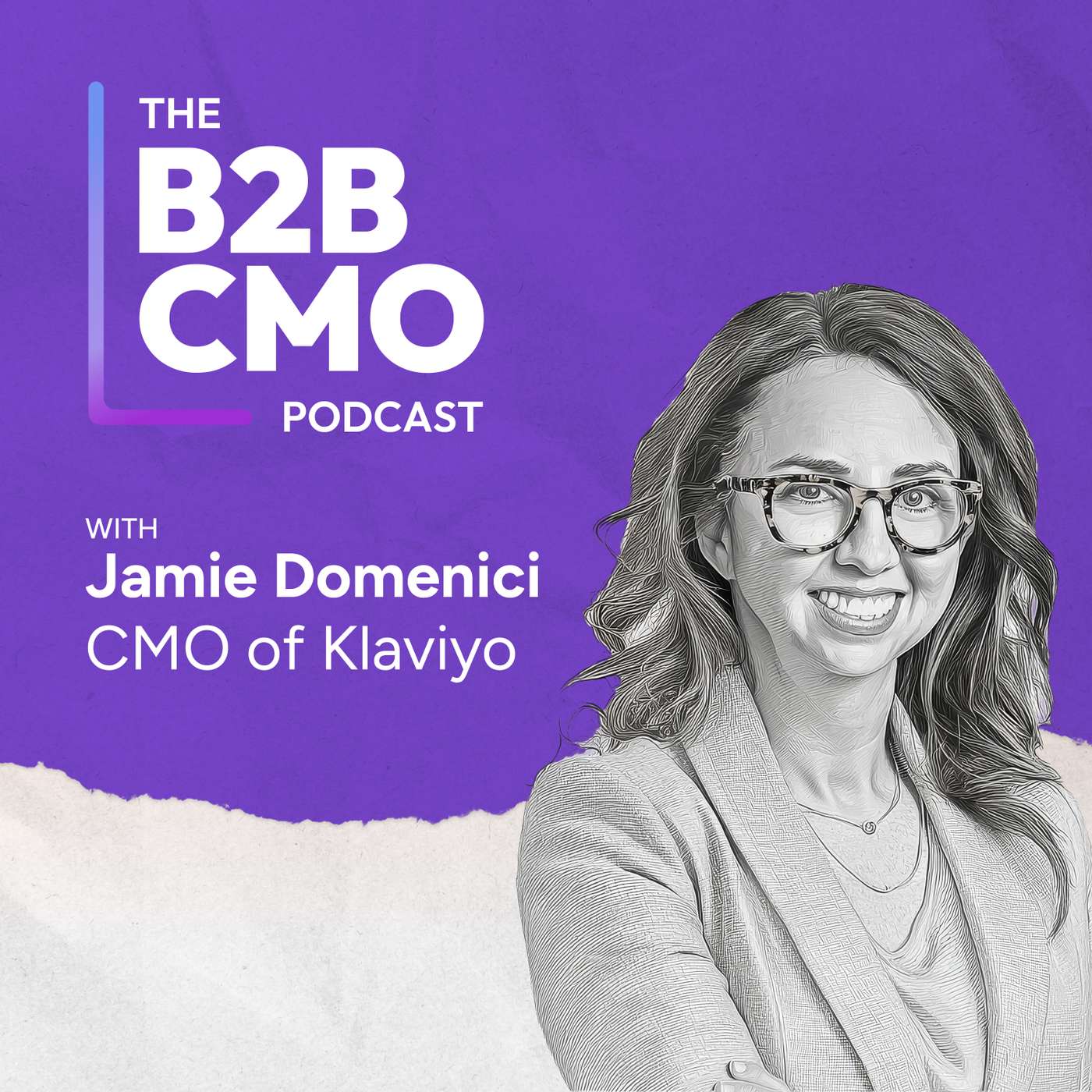 Define the Message and the Roadmap Follows with Jamie Domenici, CMO of KlaviyoThe B2B CMO Podcast with Jon Miller and Sydney Sloan · on Personalization at scale70 / 100How Conversion Rate Optimization Can Grow Your Revenue Without Spending Another Dollar on AdsThe "Gift in the Mailbox" Effect That's Quietly Reshaping E-Commerce
The AI-Search Shift Is Bigger Than SEOThe Landing Page That Changed EverythingTikTok Shop: The Truth No One Talks About
Define the Message and the Roadmap Follows with Jamie Domenici, CMO of KlaviyoThe B2B CMO Podcast with Jon Miller and Sydney Sloan · on Personalization at scale70 / 100How Conversion Rate Optimization Can Grow Your Revenue Without Spending Another Dollar on AdsThe "Gift in the Mailbox" Effect That's Quietly Reshaping E-Commerce
The AI-Search Shift Is Bigger Than SEOThe Landing Page That Changed EverythingTikTok Shop: The Truth No One Talks About