The Digital Decode · 2025-04-08 · 27 min
Key moments - from our scoring
Substance score
38 / 100
Five dimensions, 20 points each
Presidio's recent acquisition of the Kinney Group positions the company to deliver deeper Splunk expertise across its customer base following Cisco's acquisition of Splunk. Jim Kinney and Corey Minton unpack why Splunk matters: it's a data analytics platform that ingests telemetry from digital systems across clouds, data centers, and edge devices to answer two critical board-level questions: are systems secure and are they running reliably? Downtime costs organizations an estimated $400 billion globally and can impact stock prices by 2.5% for public companies. Rather than replacing existing monitoring tools, Splunk acts as a platform bringing disparate data sources into one place for holistic visibility. The conversation emphasizes the shift from reactive repair to proactive care - using machine learning and trend analysis to predict failures before they occur. Corey highlights Splunk's three-pillar AI strategy: embedding generative AI into the product for security and observability teams, providing machine learning toolkits for data science teams to operationalize AI on Splunk data, and offering visibility into AI systems themselves for governance and compliance. Jim introduces the Atlus program, designed to accelerate the learning curve and ROI for Splunk implementations, using a Formula One racing analogy to explain the platform's sophistication. Data management and federation capabilities route high-value operational data to Splunk while storing compliance-only data elsewhere, optimizing cost and performance.
Splunk ingests machine data from digital systems across clouds and data centers to answer critical questions about security and uptime. Downtime costs the global economy $400 billion annually and can impact stock prices by 2.5%, making observability and security visibility board-level priorities.
By collecting metric, event, log, and trace data, Splunk runs algorithms to establish baselines and create predictive analytics that forecast failures before they occur, allowing operators to implement preventive maintenance rather than costly emergency repairs.
Atlus is a training and enablement program designed to help organizations accelerate their Splunk adoption and climb the learning curve faster, enabling them to achieve ROI more quickly and become more proficient with the platform.
Splunk's federation and data management capabilities allow organizations to route high-value operational data to Splunk for real-time analytics while routing compliance-only or lower-value data to data lakes or other storage, optimizing cost and performance.
Splunk embeds generative AI into products to assist security analysts and SREs, provides machine learning and deep learning toolkits for data science teams to operationalize AI on Splunk data, and offers visibility and governance controls for AI applications across the enterprise.
Our reviewer’s read on each dimension, with quotes from the episode.
The episode covers Splunk's capabilities and the Presidio-Kinney acquisition, but relies heavily on marketing platitudes and repeated assertions without granular technical details or surprising insights. The core message - that Splunk ingests data to answer 'is it secure and running?' - is stated multiple times in nearly identical language, padding runtime rather than densifying insight. References to 'proactive vs. reactive' and AI are conceptual rather than substantive.
Splunk is this great platform for ingesting all of the data that these digital systems create across clouds, across data centers, across edge and IoT and industrial devices
if you're building and deploying and consuming AI as an enterprise, you ought to be thinking about Splunk as the simple platform to say is it secure and is it up and running
The episode recycles well-worn industry narratives: the Formula One car metaphor (overused in tech), the 'proactive vs. reactive' dichotomy, and generic AI talking points ('people who use AI will replace you'). No contrarian viewpoints, first-principles reasoning, or unexpected frameworks emerge. The discussion feels like standard vendor positioning rather than original thinking.
So F one car is the most sophisticated racing. Machine of its kind. Okay, but you cannot take a talented race car driver off the street who could be really really good and put them in the cockpit of an F one car and expect them to be proficient right out of the gate
if you're concerned about your job, it's not that AI will replace you, it's that people who use AI effectively. Will replace you
Jim Kinney (founder of the acquired Kinney Group, now leading Presidio's Splunk practice) and Corey Minton (CTO of Splunk Practice at Cisco post-acquisition) are operationally credible - they have built and led teams around these technologies. However, both are vendor representatives speaking primarily to promote their own products and service offerings, limiting independence and critical perspective. Neither brings external, arms-length expertise.
I'd start my company way back in six and we began our Spunk journey. Gosh, it's like a little bit better on the eleven years ago
I'm about as old in my Spunk years as Jim is. I think my first dot cof was in twenty eleven. I was actually a customer, then became a partner and have been a Spunker for the last five years
The episode contains minimal concrete data or named examples. A single reference to 'Oxford Economics' research ($400B downtime problem, 2.5% share price impact) is vague and unlinked. No customer names, case studies, specific metrics, timelines, or dollar figures are provided. Mentions of 'defense sector' and 'public sector' lack detail. The 'Atlas program' is mentioned but not substantively explained.
we did a research study with Oxford Economics that downtime is a four hundred billion dollar global problem and it can impact share prices by about two point five percent
my experience was has been more in the public sector, specifically in defense and the customers that we support have for deployed systems
The host asks open-ended setup questions ('Can you give me a crash course?') and allows guests to deliver prepared talking points without follow-up pressure. When guests make bold claims ('best analytics software for 99% of use cases,' AI will replace those who don't use it), the host doesn't probe, ask for specifics, or present skeptical questions. The racing tangent early on dilutes focus. Some natural listening occurs, but the interview lacks sharpness and accountability.
Jim, I would like to just throw it over to you real quick. Can you just give us a little bit of a synopsis into this acquisition
Okay, you know, my experience was has been more in the public sector, specifically in defense
Computed from the transcript - who did the talking, and the words that came up most.
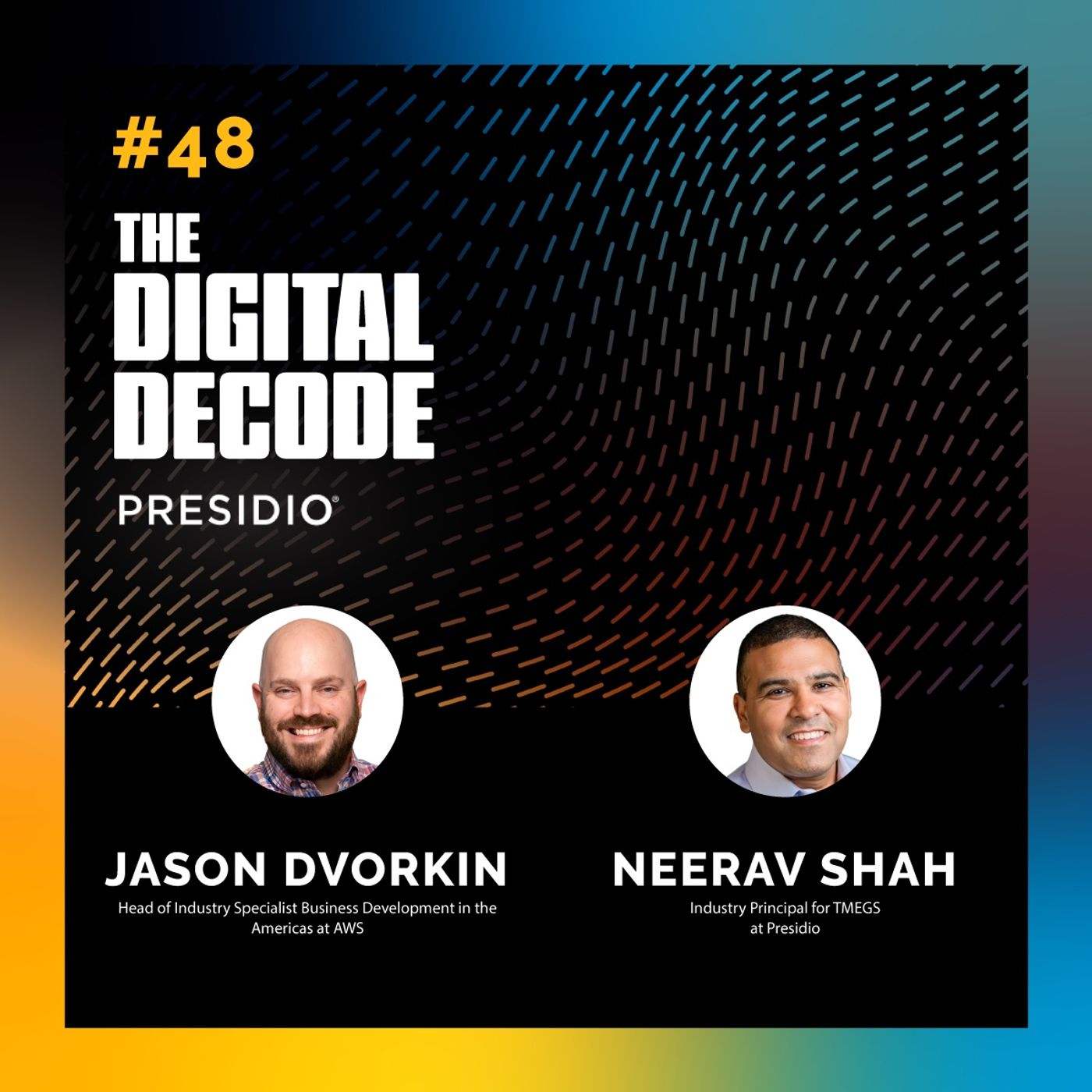
As digital infrastructure grows more complex, organizations are under pressure to gain clearer visibility into how their systems are performing - and whether they’re secure. With Cisco’s acquisition of Splunk and Presidio’s recent acquisition of Kinney Group, the focus is shifting toward proactive observability and practical AI adoption. This week, host Allec Brust is joined by Jim Kinney , founder of Kinney Group and leader of Presidio’s Splunk Solutions Practice, and Cory Minton , Field CTO of Splunk Practice at Cisco. Together, they break down how these shifts are helping teams apply data more effectively and move from reactive repair to proactive care. In this episode, we discuss: How Splunk supports real-time monitoring of critical digital systems What proactive observability looks like in practice The role of machine learning and AI in managing large-scale data environments How programs like Atlas help teams reduce complexity and speed up results As mentioned in the episode, make sure to accelerate your cloud journey with Presidio Explores at presidio.com/explores-fso .
Transcribed and scored by The B2B Podcast Index.
Digital transformation has become one of the buzziest of buzzwords. This podcast is where we decode and deconstruct digital technologies, strategies, and best practices that are impacting the way companies deliver value to their customers. No buzzwords, nobs, Let's get to it. Hello everyone, and welcome back to another episode of the Digital Dcode, brought to you by Presidio and our partners at Cisco.
Today's episode is a little bit different, more of an update for everyone as things have been shifting around here at Presidio for the benefit of our customers. We recently acquired the Kinney Group, so I'm invited Jim Kinney, leader of our Presidio Splunk Solutions practice and whom the Kinney Group is named after, to talk to us a little bit about the acquisition and how it is going to benefit our customers. And on that note, Spunk was recently acquired by Cisco from so from the Cisco side, joining us today is Corey Minton, old CTO of Splunk Practice at Cisco.
How are you both doing today and thank you so much for joining me. Tip Top, it's springtime, tip. Top, it is springtime. It's the first day of Spring.
I think, yeah, March twentieth, first day of spring. That's when we're recording today. That's right. And Corey, why do we like springtime because it's the start.
Of racing season. That man, oh. Yeah, very exciting time. I'm going to be an indie next week, so I'm not sure if they're going to be kicking anything off next week.
I'm not really into the whole racing thing, but it's a great way to kick off spring. For sure. You can jump into the lines then with racing geeks whole way. Cal Well, today isn't a racing podcast, but you guys can certainly talk about that as much as you'd like.
But Jim, I would like to just throw it over to you real quick. Can you just give us a little bit of a synopsis into this acquisition of Kinney Group and why it might matter to our customers? Oh yeah, happy to do it. You know, I'd start my company way back in six and we began our Spunk journey.
Gosh, it's like a little bit better on the eleven years ago that the tech is just absolutely generational and I build an entire business around it, you know, with Cisco acquiring Splunk, that tended to change the landscape. You know, Presidio is a proud partner of the entire Cisco software portfolio and Splunk was just a giant ad. So from my perspective, it was just a magical fit. Taking our Splunk expertise, mashing that up with Presidio's market presence and just sheer technical depth in the areas of infrastructure security, cloud.
We start to mash that that subject matter expertise up with our Splunk expertise and we're just yielding really interesting use cases back to the to the marketplace. Yeah, it's just a perfect storm. Yes, we're very fired up about it. Awesome.
And yet, as someone I'm not that familiar with Splunk. As you know, Persidio has a tome of different business areas that we are focused on. Why is this important? Can you give me a crash course on how Splunk works, some challenges people might have adopting it, and why the Presidio Cisco Kinney Group is working to solve these issues and how that's kind of, like I said, the perfect.
Storm, Corey. Why you lead it off. With that, great I'd be more than happy to thank you and thanks for having me on the show. Yeah, so I'm I'm about as old in my Spunk years as Jim is.
I think my first dot cof was in twenty eleven. I was actually a customer, then became a partner and have been a Spunker for the last five years, and I honestly think it's the best analytics software for ninety nine percent of use cases out there. And the reason why is because, at the end of the day, what Spunk does exceptionally well is we ingest data from a variety of digital sources. So you can imagine as organizations are building their customer facing applications, these mission critical services, the revenue generating digital platforms that drive modern businesses, all of that has to matter at some point because it's creating revenue, it's touching customers, and it's the value extraction engine.
So at the end of the day, those critical digital systems, you have to answer some really basic questions about them. And the two basic questions that I think Splunk is uniquely positioned to answer is are they secure and are they running as they should? Because those two questions are literally board level problems. If they're wrong, if it's the wrong answer right, if you have a breach and private customer information is being leaked.
That's a board level, that is a shareholder level conversation and problem. If you have outages you know, in systems and even latencies in processing of you know, of carts or of you know these these other you know, kind of commerce services, it's not it's not like small potatoes. These are multimillion dollar problems. Actually, say, we did a research study with Oxford Economics that downtime is a four hundred billion dollar global problem and it can impact share prices by about two point five percent in an instance where a public traded company has a major outage to a critical service.
And so Spunk is this great platform for ingesting all of the data that these digital systems create across clouds, across data centers, across edge and IoT and industrial devices and bringing this monitor of monitors capability to all of that data at a scale and speed that there's literally not a platform on the planet that can touch it. And so organizations like Jim has built are really great at helping customers take this amazing data platform we've created and apply it to business problems, apply it to these outcomes that matter to both practitioners, right trying to solve the problem of what is happening in my ecosystem, but also to an executive level challenges of are these critical services secure and up and running.
So it's a fantastic platform. Cisco like about it because it's a brilliant data platform. And if you have to think about Cisco, like, think about how many devices they have on the planet, powering the modern Internet, connecting people that are just creating tons of data. And so you want to be able to answer that question of is my Cisco network up and running and secure?
We'll Spunk is the platform to do it, you bet, you. Bet hey, And from my perspective, you know, Spunks put forth this concept of digital resiliency. And so what's interesting about Presidio is that, you know, from a design build perspective, the company has a storied history of building digital resilient infrastructure and the application sets that sit on top of that. Where Splunk's a really nice complement is that it provides this visibility into the health of that digitally dig a resilient infrastructure that.
The company is so good at. And it's here's the other thing. It's not replacing any of the specialized you know, monitoring or other triage tooling. It's it's very much a compliment and as as Corey said, it's it's.
A platform, not a tool. Platform that can literally take data from all these disparate platforms, all these disparate monitoring capabilities, bring it into one location and provide leadership down to you know, your your site reliability engineers with with the holistic visibility. That they need to ensure that everything's running well. It's no more complex.
Than that, right. We talk a lot about just in our outline calls we've had before we were recording reactive what was it? It was a proactive care versus reactive repair. Yeah, and like Corey touched on it, Okay, you know, my experience was has been more in the public sector, specifically in defense and the customers that we support have for deployed systems and when things break out in the field and you can imagine some of the defense oriented missions that these systems perform.
Okay, when things break, okay, it is wicked expensive to go out and repair. You got to react to the problem, go out and repair. What splunk enables is like look, harnessing the power of the metric event log and trace data. You can now start to do predictive analytics, and you know, operators now can get a heads up that hey, look if I stay on the same trend line, this component and this system is going to fail in this time period.
We're getting after this proactive care thing. Oh my gosh, is way less expensive and it certainly avoids you know, what are very real costs, and that is what's the impact of a down system, right. And I would actually say, Jim, like one of the things that you talked about there, which I love that you've set up, is this proactive concept because I've talked a lot over the last couple of years about proactive observability and this idea of if we instrument digital systems well, and there's a variety of waste and when I say instrument, I mean get the data out about like the telemetry, what's happening in that digital system.
If we do a good job of getting that out into a single platform, like analytics becomes easier. Like that's the evolution of spunks. So twenty years ago, we were really just trying to solve this problem of you know, in large scale, three tier architectures, how do you get the data out and actually correlate what's happening at an application to what's happening at the disk level and a sort or ring right. And so now these systems have exploded right there.
There are cross clouds, are making API calls, they're running in various locations and deployment methodologies, and it's no longer like a needle in a haystack. It's like finding the haystack where the needle might be. And so it's gotten just out of control. So what I think is really interesting is that, yes, having the data in one place is incredibly important, but having the right analytics at the right time, at the right cost is really important.
And then you can't, like you can't get to this really proactive state without some of the advancements that have happened in modern artificial intelligence. And I think that's a really exciting area where if you want to get proactive, you want to get predictive, Like you said, Jim, like, hey, if we continue on this trend line, we may have a problem. The problem we have, though, is that the data sources that are creating trend lines are no longer human scale, Like we can't have operators watching all of these and so you really need this machine scale capability to actually apply machine learning and figure out what's happening, right, to engineer those detections in a non human you know fashion.
And then once you find the detections, how do you actually help people go through the investigation and the remediation. And that's where I think generative AI is just like exploded and we're massively investing there to help organizations get through that non human scale data problem of detecting the thing or predicting the thing. And then when you have these resources, you know, humans in the process, how do you assist them right? How do you bring you know, PhD level intelligence to them as a you know, level one analyst to accelerate their productivity so that you can get to that like proactive care versus reactive repair.
It's just like a critical thing that customers need and the Kindeer group's been phenomenal in helping our customers achieve that was blocked. That's great, I kind. Appile on to that. Okay, Okay, like you know, I've been doing this a long time.
You can tell by the stubby gray beard, right. Okay, it goes without saying this, you know, emerging environment of machine learning generative AI to just do amazing things is just extraordinary. It'll be how I'll cap off my career. But boy, there's an immutable truth.
Okay, for. Machine learning AI use cases to work, you need data, okay. And from my vantage point, we've been around Splunk, like I said, for over a decade. There ain't any better platform for collecting, indexing, and analyzing data.
And it's just wonderfully well positioned to yield really interesting machine learning and jen AI use cases. We're really really fired up about that. And Jim, I was just going to ask, and you kind of you know, teed it up perfectly. Do you have any use cases that you can speak on.
I know we may not be able to say customer names or anything like that, where you have seen just a drastic change from using this set from using Splunk. Yeah, it's back to it's this proactive care you know versus reactive pair use case that I mentioned earlier. Here's what's going on under the hood is Splunk is collecting this data. We're able to establish you know, baselines, and we run algorithms against the data.
And what it does is it yields you know, predictive analytics or trend lines. Right, so there's a lot of you know, really you know, exotic, very sophisticated things going on underneath the hood. Okay, but at the end of the day, that is textbook machine learning or AI use case, if you will. You know from our vantage point again why we're kind of fired up about this.
I mean, I mean, you have to live in a cave if you're an organization and you're not taking a step back going like, how do I harness the power of this emerging trend? You know that the trick is is what I'll call actionable use cases that yield real, tangible value for an organization, and splunts enabled us to do that. We we've been harnessing the power of machine learning, which is the cousin of AI. We've been harnessing that power for some time, and it yields tangible, hard dollar return on investment, tangible, mission oriented results.
And again it's part of the reason why we're so fired up about it. Absolutely, And just to pivot a little bit, this is all great, great stuff, great use cases. Jim, do you want to dive into the atlass program? Yes, So we love splunk and and so much so that you know, it's one of those things.
And I'll use a great racing analogy. Okay, So Corey knows this and and uh, you know, Splunk was a now Cisco a sponsor of the McLaren F one team. Okay, and here's the analogy that I do. So F one car is the most sophisticated racing.
Machine of its kind. Okay, but you cannot take a talented race car driver off the street who could be really really good and put them in the cockpit of an F one car and expect them to be proficient right out of the gate. The F one car has its own level of sophistication idiosyncrasies. Okay.
It's the most powerful platform racing platform. Of its kind. And so it goes with Splunk. Splunk is like the F one car in in you know, machine data analytics.
And so what we discovered is that there's this learning curve, there's this you know, level of complexity if you will. And so the reason we built at list was to help organizations come up that learning curve faster, right and get them more proficient driving that you know analytics. F one car called Splunk, and so that was the essence of it. And We've had great response, and at the end of the day, the value equation for a customer investing in Splunk is simply this, we help you get to hard dollar return on the investment faster and easier.
Great analogy. Can I jump in because I want to say something like I one, I love the analogy that we're the Formula one car like you. That makes me thank you. I wish we were that call.
I'm kidding the You're not wrong though, I think that the interesting thing that happens is like organizations adopts Plunk because we are the known leader in security and observability. Right, those are the two main sort of use cases. So like CISOs and CTO CIOs acquire Splunk because the analysts and customers have said point blank at scale best platform to do that. So we bring those two teams together in a unique way because the reality is like kind of to marry your analogy.
There is like your F one car isn't going to go anywhere if you don't put good fuel in it, and data is the fuel for that Formula one car, right, And so what we find though, is that so many security teams and observability teams have the same data that matters, the same sources of data, the network matters to both teams. They both have to answer is it secure and is it up and running? Which is two different questions that could be answered by the same data. And so one of the things that has been you know, is, you know, traditionally said here at Spunk was like, the only correct answer is in all your data, the Splunk and what will answer all your questions.
And while that is true, assuming you have a great partner like the Kinney Group and Presidio to guide you down the path of coming up with those answers, like that's true, but it's also kind of not realistic, like you're never going to send every single piece of data to one platform, and frankly, like what we found is that not all data is really created equal, Like it's not like humans, right, It's not all equal, and it's value changes over time. And so one of the big changes that happened over the last few years here at Splunk is this recognition that data has varying degrees of value, it has varying kind of use cases and outcomes that it can drive, and that Splunk is a formula one car it is a high performance, high speed, highly valuable platform, and if you're putting data in it that's like not all that valuable that you're really not going to search for a long time.
It's like you have to keep it for regulatory or compliance reasons, but you're really not like using it to drive operational efficiency. Then we should look at that and go, why are we putting that garbage into a Formula one car. It's called Spunk, and so we've been building these capabilities around data management over the last couple of years to actually help customers make those decisions, and Jim's team is phenomenal at this. Is it like looking at the data you're sending into Splunk and connecting it to the outcomes you're trying to drive in operational efficiencies and then making decisions to use Spunk's data management capabilities to route data to the right place at the right time, and then using our Federation capabilities to say, you know, I don't really want to put that data in Spunk.
Maybe it belongs in this data lake over here, but I don't want that to be a silo. I want that to be searchable and still available to me. And that's where our Federation story comes together. And so I think when you combine the platform that is spunk, this Formula one car, you put good fuel in it, you get the bad fuel out and stick it over to these you know, your Pinto that's driving you know, somebody down the pit lane, or the moped that Charlotte Claire has to ride when the Rex's car whatever, Sorry for our head to give you a dig.
You have a much better experience when you have a coach and a team principle that can help you guide you to achieving your best outcomes. So I think we've rung the value out of the Formula one analogy. But I did like that's the gift that keeps on given. Man, that's great.
I feel like I've just gotten a total crash course not pun intended, but I guess pun intended on Uh yeah, I think our listeners definitely will too. This is great. And I mean, you guys, any other you know closing remarks that you have anything our listeners should uh should know. Look for from our vantage point, I'm going to double back on this.
This AI thing, this this is actual future that's happening right now. And you know, organizations that are are really looking to harness you know, business value out of machine learning and AI driven techniques. You know, from our vantage point to really you know, deliver tangible results that directly correlate to what businesses are ryan to get done. U there is no better, no more complete platform and splunk than Splunk.
And uh, we're just eager to get going on this journey with with all sorts of great people. Yeah, I would say on the AI front, I would say there's one I couldn't agree with you more. It's it's we're past buzz, We're past. Is it going to be a thing?
It is? AI is transforming industries. If you're concerned about your job, it's not that AI will replace you, it's that people who use AI effectively. Will replace you.
Yes, And I want to I just want to say, like point blank, splunk here, it's Funk. And I have this wonderful opportunity in my career, like as a field CTO, I go sit and talk to our largest, most important customers around the world, and I hear directly from their executive teams what's happening at the front lines and what they need from a partner like Splunk as a platform, and then I get to go interface with our product technology organization to help inform their strategy based on what customers desire and what's happening in the market.
And the AI thing, I cannot say loudly enough it's real. And when you think about AI, I would say I highly encourage your listeners, Presidio, customers, anybody in the industry. If you think about Splunk and AI, you should think in three really simple ways. One is, we're absolutely investing in building AI embedded into our product, but to advance the outcomes you already trust Monk for so like, if you're a security analyst, we're building generative AI tools to make your job easier.
If you're an observability sre, we're building AI tools into the product natively to where it guides you down the path of detecting, investigating, and responding to a thing. The other thing that the kind of second pillar we're doing is, as Jim said, we're a data platform. If we didn't give you the ability to extend our kind of ownership of all this data and apply machine learning and deep learning to it, we'd be real jerks. We're not so really nice.
We build this incredible machine learning toolkit and data science and deep learning app to actually allow you to take your data science teams and apply AI and machine learning to data that's in Splunk and operationalize it unique ways. And then I'd say the third one that I just want you to don't miss this because it's a probably like the single most talked about challenge for senior leaders and big enterprises today is but yeah, what about the AI that I'm developing or deploying.
It's another digital service? Can I answer the question of is it securing up and running? And that is that's something that we're taking very seriously, is how do we help organizations bring visibility to AI usage across enterprises? How do we bring understanding of cost, performance, utilization and security of those AI applications to make sure that our people aren't sharing data to these AI platforms as a service that they shouldn't and that we have a good governance and compliance control roll over.
What are the models that we're actually using to drive our business to answer those board level questions that come up of hey, if this AI goes rogue, like where is it in our enterprise environment? And so I just say that third one is like, if you're building and deploying and consuming AI as an enterprise, you ought to be thinking about Splunk as the simple platform to say is it secure and is it up and running? That's what digital resilience is and we try to bring that to AI daily.
Yeah, and Alec, you know, from a presidio perspective, I mean, we look at Splunk as as the Formula one race car platform that makes it all possible, and it's the presidio people that help make it happen. It really is Yep, always comes back to our people. Yep. Well you guys, thank you so so much.
I feel like I'm going to get out of this podcast recording just with a ton of new knowledge about Splunk, and I hope that our listeners do too. And then of course I think we might have to go offline here and talk about some tourist attractions I have to visit in Indie when I'm there next week. So you got absolutely well. Thank you everyone so much for tuning into this episode of The Digital Dcode.
Please rate, review, and subscribe to The Digital Dcode wherever you're listening right now. Make sure to connect with myself, Jim and Corey on LinkedIn and follow the Presidio and Cisco LinkedIn accounts to stay in the no on all things tech. And then, of course, if you'd like to expand your knowledge, I'd love to tell you about our Presidio Explorers journey, which is linked in the show notes. Persidio Explores is our virtual adventure that will take you through a number of journeys that will have you scaling new heights in cloud collaboration.
Tune in next month for another episode. Thanks Jim, Thanks Corey. It's all take care, take care. Navigating the digital transformation of your business is no joke.
Presidio can help. Prosidio is a leading IT solutions provider that helps clients simplify IT complexity and drive return on IT investment. By investing in the future of IT solutions, we stay at the forefront of technology trends, which ensures that our clients have access to a wide range of technology solutions. Let Presidio help you tap into the extraordinary potential of a digital future.
Learn more at presidio dot com. You've been listening to the Digital Dcode for more glimpses into the digital future.
Other episodes covering the same guests and topics, from across The B2B Podcast Index.
 Hiring top-tier talent, the importance of adopting an evolutionary mindset, and taking critical feedback to solve technical problems w/ Sergiy Nesterenko @ QuilterEngineering Founders · on generative AI88 / 100
 What Marketers Can Control When AI Changes Everything with Nick Wedewer, VP of Growth Marketing at Hims & HersThe Partnership Economy · on generative AI87 / 100
 Hiring top-tier talent, leveraging open source models, and staying competitive in the age of AI w/ Benny Chen #267The Engineering Leadership Podcast · on generative AI86 / 100
 Less about Models; More about ArchitecturePractical AI · on Machine Learning85 / 100
 Fighting Fire with Fire: How CyberProof Is Automating Cyber Defense with Edy AlmerCyber Sentries: AI Insight to Cloud Security · on Splunk80 / 100
 Inside Target’s approach to enterprise AI deployment with Sowmya PodilaThe Ecommerce Toolbox: AI in Retail · on generative AI79 / 100
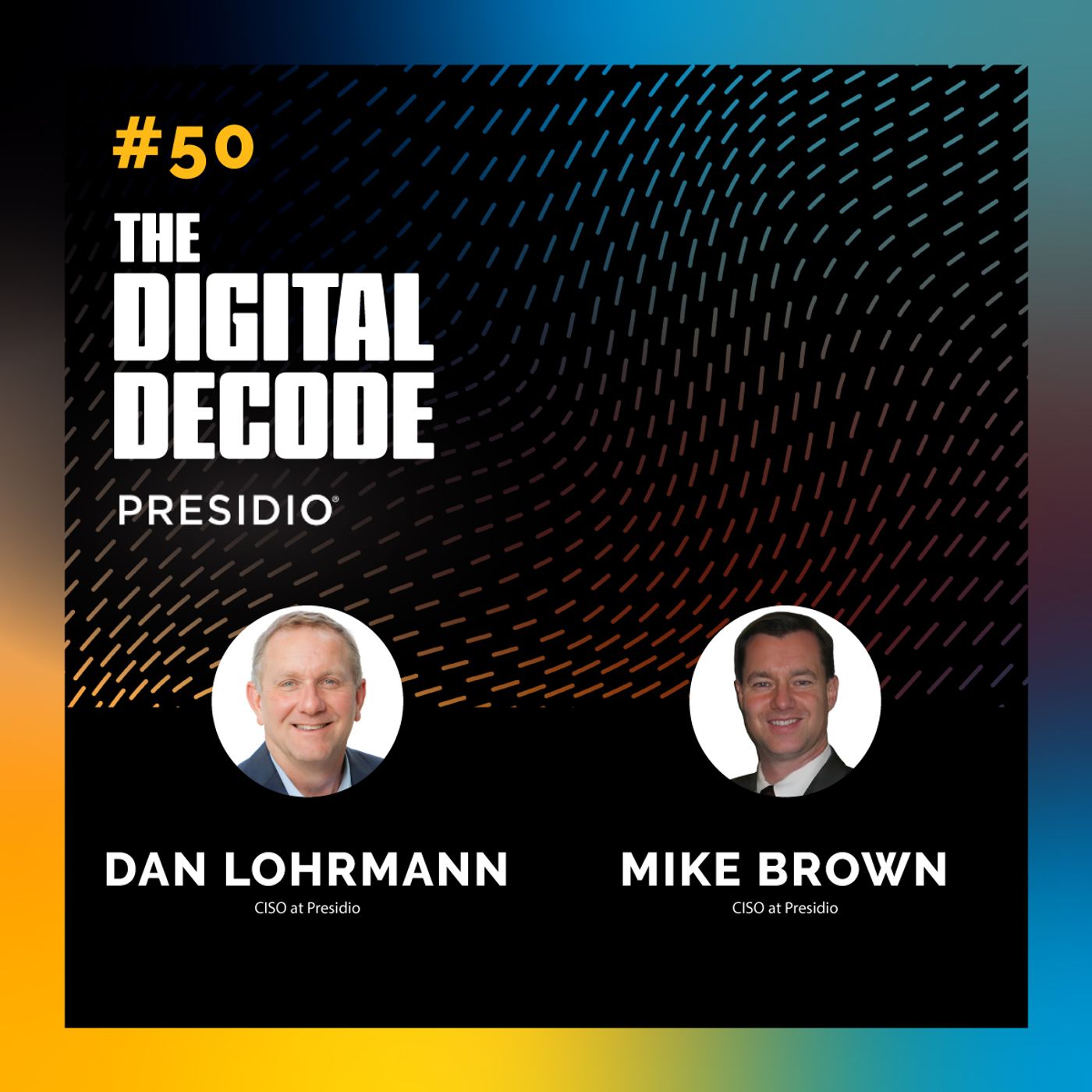 The 2026 Cybersecurity Trends Outlook53 / 100
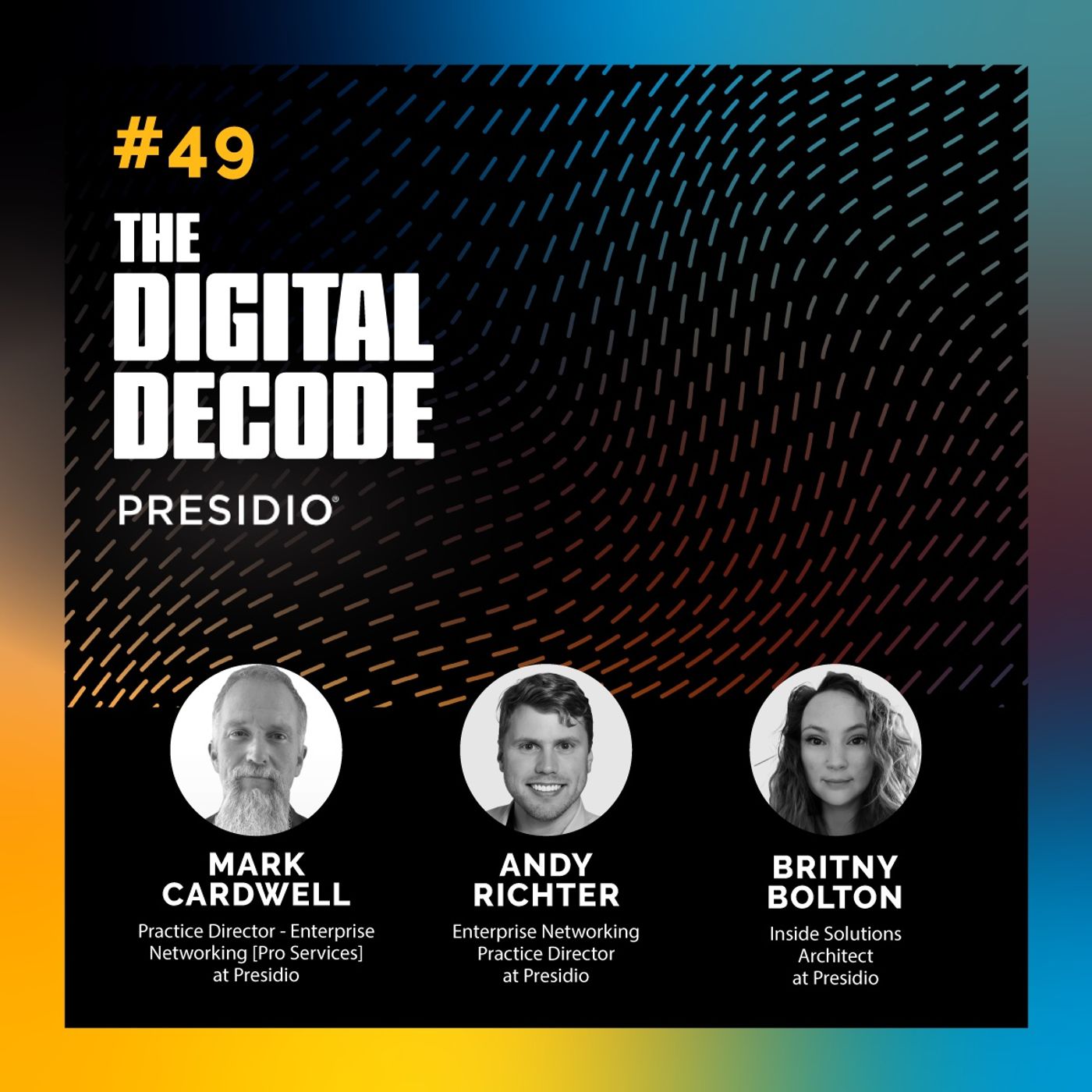 Modern Networking for AI vs AI for ModernNetworking58 / 100
 Reimagining Fan Engagement with Presidio Captivate58 / 100
 Sports Betting and Gaming: Surging Users and Rapid Revenue Growth75 / 100
 The New Era of Enterprise Networking: Simplifying IT Operations58 / 100